




Abstract
Selecting the most appropriate supplier is a key issue in supply chain management and is linked to the success of the entire supply chain. Supplier selection is a multiple-criteria decision-making problem that has qualitative and quantitative factors. The traditional method by which this is calculated adopts a precise value or single linguistic terms to represent attribute data. However, real-life situations have many uncertainties and imprecise or missing data with regard to supplier selection. Moreover, experts equivocate between several values in assessing attribute data in real-world situations. These factors increase the difficulty selecting suppliers, causing decision-makers to make incorrect choices. To solve this issue, we present an integrated approach, using a soft set and hesitant fuzzy linguistic term set, for selecting the appropriate supplier in the supply chain. A practical example of liquid crystal display module supplier selection is presented to illustrate the proposed approach, the results of which are compared with those of the arithmetic average method and hesitant fuzzy linguistic term set method. The proposed approach effectively solves the problems of incomplete attribute data and expert hesitation in assessing attribute data.
Introduction
Supply chain management has been one of the most widely discussed topics in the competitive business world. Many reports discuss supply chain as a related subject, such as network product manufacturing supply chain, 1 electronics supply chain, 2 multi-weapon production planning, 3 semiconductor supply chain, 4 and supply chain scheduling problems. 5 In the global economy, selecting the most appropriate supplier can significantly enhance corporate competitiveness, constituting a key to business success. The traditional method adopts precise values or single linguistic terms to represent attribute data in supplier selection. However, unknown, missing, incomplete, or inexistent data increase the difficulty of supplier selection. Molodtsov 6 first introduced the soft set theory as a completely generic mathematical tool for modeling uncertainties. The basic properties and operations of the soft set theory were developed by Maji et al. 7 Research on the soft set and its applications is progressing rapidly, such as Aktas and Çagman 8 who defined the notion of soft groups and derived their basic properties. They also compared soft sets with fuzzy sets and rough sets. Zou and Xiao 9 proposed new data analysis approaches of soft sets for cases with incomplete information. Cagman and Enginoglu 10 constructed a uni-int decision-making method that selects a set of optimum elements from the alternatives. Xiao et al. 11 extended classical soft sets and developed novel trapezoidal fuzzy soft sets, based on trapezoidal fuzzy numbers, that can handle linguistic assessments. Jiang et al. 12 proposed the interval-valued intuitionistic fuzzy soft set theory, combining an interval-valued intuitionistic fuzzy set theory and soft set theory. Today, the soft set has been adopted in many fields, such as forecasting export trade, 13 decision-making, 14 data clustering, 15 risk assessment, 16 and medical science. 17
With regard to the supplier selection problem, little attention has been paid to experts’ hesitation when assessing attribute data, which occurs between several values in assessing attribute data in real-world situations. Torra 18 introduced hesitant fuzzy sets, which permit the membership to have a set of possible values in a quantitative setting, and demonstrated that the envelope of a hesitant fuzzy set is an intuitionistic fuzzy set. Hesitant fuzzy sets are useful in dealing with situations in which people hesitate in providing their preferences for objects in a decision-making process. Hesitant fuzzy sets and their applications have recently been examined. For example, Rodriguez et al. 19 proposed a hesitant fuzzy linguistic term set that is based on the fuzzy linguistic approach to address multicriteria linguistic decision-making problems. Wei 20 proposed a hesitant fuzzy prioritized weighted-average operator and hesitant fuzzy prioritized weighted geometric operator to solve hesitant fuzzy multiple-attribute decision-making problems.
In actual situations, input data are not always precise, rendering decision-making a complicated process. Objects with incomplete data are deleted directly from incomplete information systems in traditional data analysis methods, decreasing the number of samples and omitting valuable information. 9 To overcome these problems, we propose integrating a soft set and hesitant fuzzy linguistic term set to solve supplier selection problems with incomplete information. To verify the proposed approach, a case of a liquid crystal display (LCD) module supplier selection is adopted. The proposed method is compared with the arithmetic average and hesitant fuzzy linguistic term set methods. 19
The remainder of this article is organized as follows: section “Related work” reviews soft sets and hesitant fuzzy linguistic term sets. Section “Proposed integration of the soft set and hesitant fuzzy linguistic term set” presents the proposed approach, which integrates the soft set and hesitant fuzzy linguistic term set techniques for supplier selection problems; a case study of an LCD module example is adopted, and comparisons with other approaches are discussed in section “Case study: LCD module.” Concluding remarks are made in the last section.
Related work
Fuzzy soft set
Molodtsov
6
first introduced the soft set theory as a new mathematical tool for handling uncertain, fuzzy, and imprecisely defined objects. Let U be an initial universe set and E be the set of all possible parameters. The power set of U is denoted by
Definition 1 6
A pair (F, A) is called a soft set, if and only if F is a mapping of A into the set of all subjects of the set U—that is,
Definition 2 21
For two soft sets (F, A) and (G, B) over a common universe U. Then, (F, A) is called a soft subset of (G, B) if it satisfies the following:
This relationship is denoted by
Definition 3 7
A union of two soft sets (F, A) and (G, B) over a common universe U is defined as the soft set (H, C), where
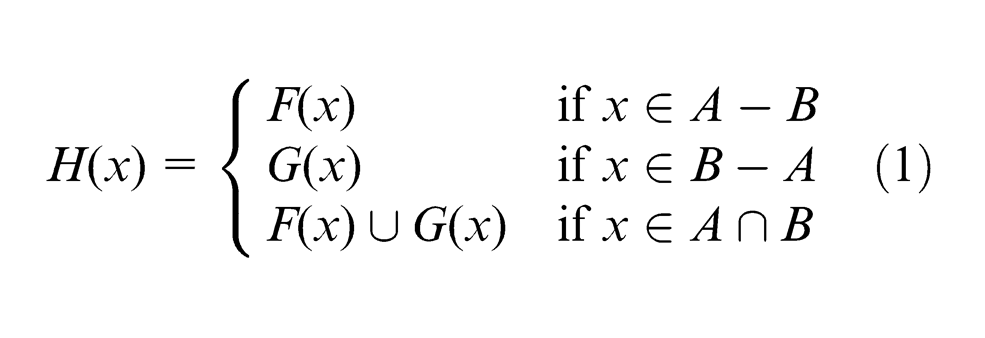
This is denoted by
Definition 4 7
An intersection of two soft sets (F, A) and (G, B) over a common universe U is defined as the soft set (H, C), where
This is denoted by
Definition 59,22
Let
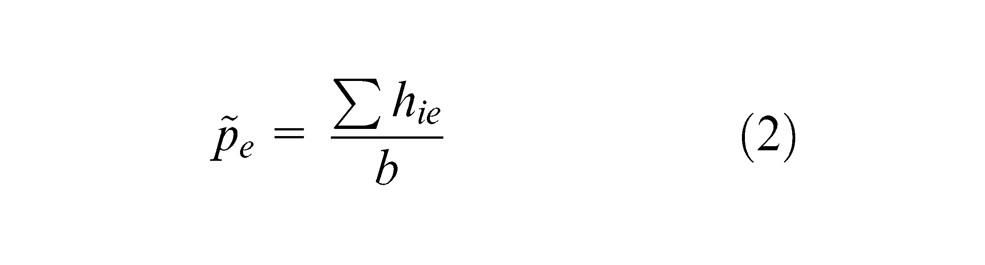
Definition 6 9
Let
Hesitant fuzzy linguistic term set
The hesitant fuzzy set is defined in terms of a function that returns a set of membership values for each element, based on Torra 18 as follows.
Definition 718,23
Let X be a fixed set, a hesitant fuzzy set on X in terms of a function that, when applied to X, returns a subset of
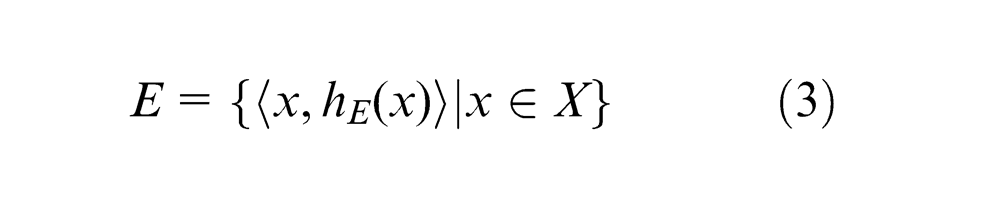
where
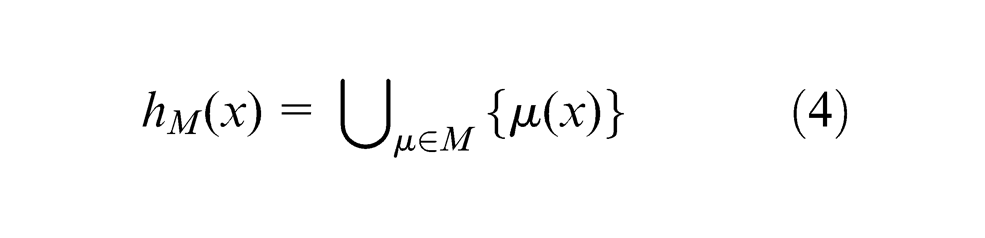
Definition 8 18
Let
Definition 9 18
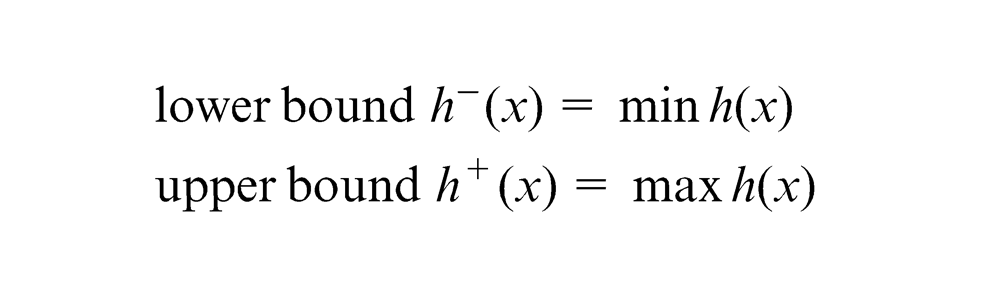
Given a hesitant fuzzy set h, its lower and upper bounds are defined as follows
The hesitant fuzzy linguistic term set uses linguistic expression instead of single terms, based on the fuzzy linguistic approach and the hesitant fuzzy set. 19
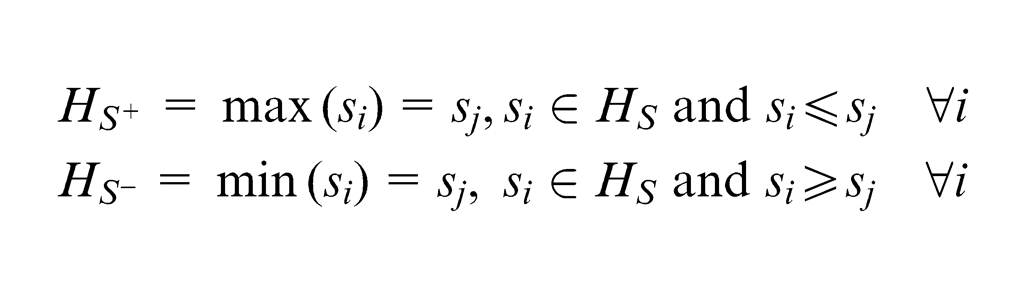
Definition 10 19
The lower and upper bounds
To rank alternatives, Rodriguez et al. 19 used the nondominance degree (NDD) and degree of preference to address multicriteria linguistic decision-making problems. The related definition is as follows.
Definition 1119,24
Let
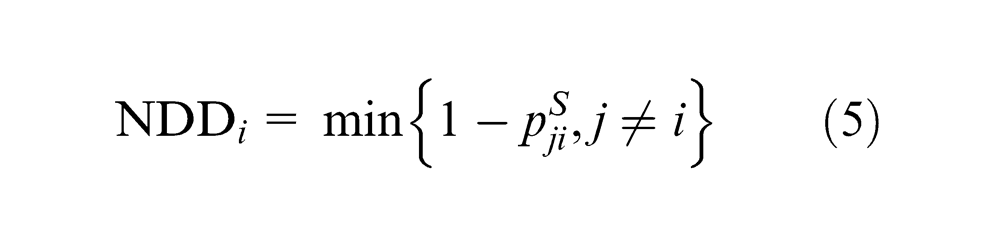
where
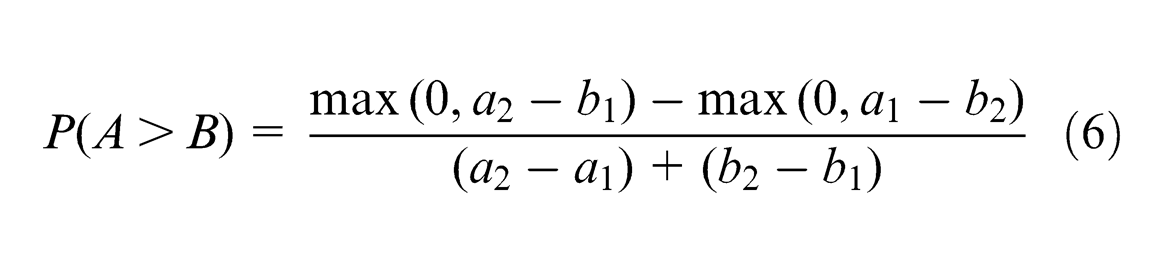
Definition 1219,25
Let
Proposed integration of the soft set and hesitant fuzzy linguistic term set
Supplier selection is a key issue in supply chain management that has qualitative and quantitative factors. However, real-life supplier selection situations usually have many uncertainties or incomplete information. Moreover, the decision-maker is typically unsure of the exact value of the evaluated attribute data, which increases the difficulty of supplier selection. To solve this issue, this report integrates a soft set and hesitant fuzzy linguistic term sets to enhance the assessment of supplier selection problems. The flowchart of the proposed method is shown in Figure 1.
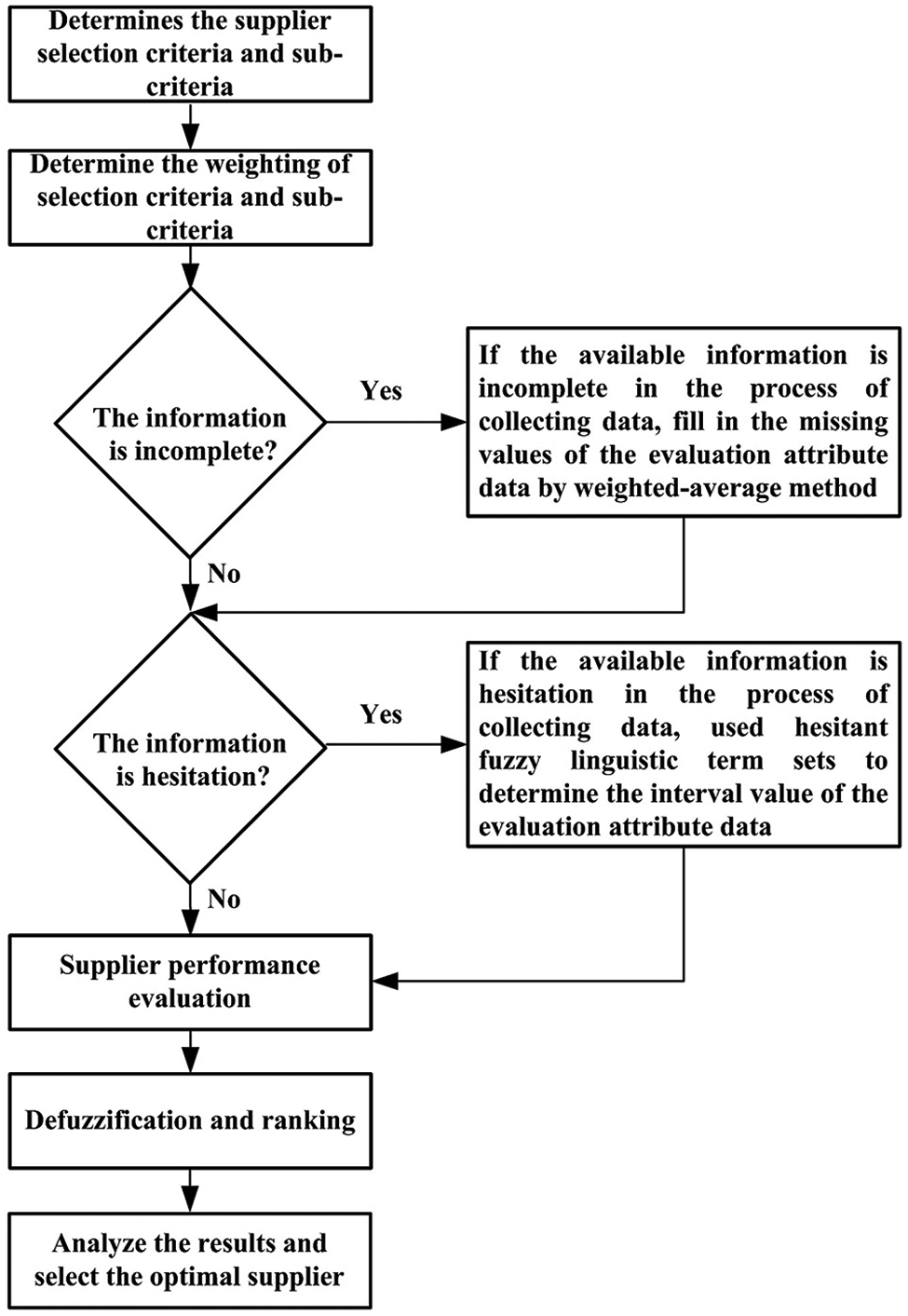
Flowchart of the proposed method.
The proposed approach is organized into the following seven steps:
Step 1. Determine the supplier selection criteria and subcriteria.
Take full account of the decision-makers’ opinions to determine the supplier selection criteria and subcriteria.
Step 2. Determine the weight of the selection criteria and subcriteria.
Aggregate the decision-makers’ opinions to determine the weight of the selection criteria and subcriteria.
Step 3. Fill in the missing values of the evaluation attribute data.
If the available information is incomplete when collecting the data, fill in the missing values of the evaluation attribute data by weighted-average method; the weights are decided by these known data.
Step 4. Determine the hesitant values of the evaluation attribute data.
The decision-maker is usually unsure of the exact value of the evaluation attribute data, hesitating between several possible values. In this step, if the available information is equivocal, use hesitant fuzzy linguistic term sets to determine the interval value of the evaluation attribute data.
Step 5. Supplier performance evaluation.
This article used interval arithmetic operations to calculate the rating linguistic intervals of the supplier.
Step 6. Defuzzification and ranking.
The defuzzification method by parametric mean, calculated at
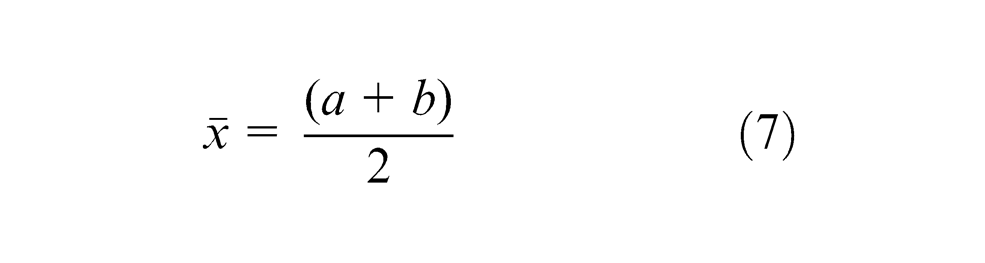
in which a is the left boundary and b is the right boundary. Use equation (7) to obtain crisp values, and the most appropriate supplier ranking is obtained.
Step 7. Analyze the results and select the optimal supplier.
Based on the results of Step 6, the results can be analyzed further to select the optimal supplier.
Case study: LCD module
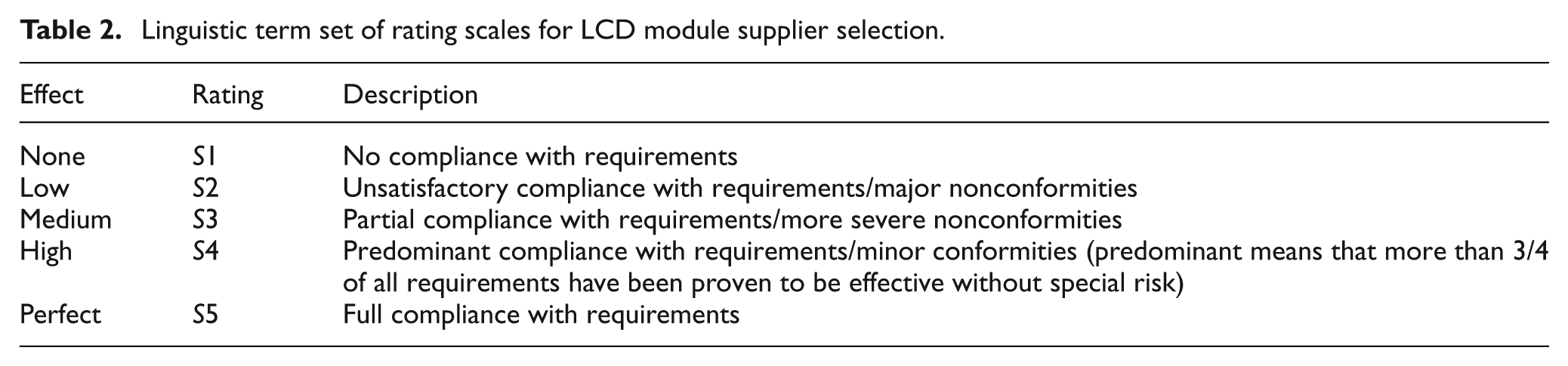
In this section, this article uses a real example of selection of an LCD module supplier to demonstrate the proposed procedure. The case data are from a professional LCD manufacturing factory in Taiwan. After several meetings, they identified possible candidate suppliers: Suppliers 1, 2, and 3. The seven criteria were as follows: planning of product development (C1), realization of product development (C2), planning of process development (C3), realization of process development (C4), supplier/prematerial (C5), evaluation per process step production (C6), and customer service/customer satisfaction (C7). The subcriteria of the LCD module supplier selection problem are described in Table 1. In this example, we assigned the following semantics to a set of five terms (graphically, see Figure 2). The description of the supplier’s performance and score values of the subcriteria are shown in Table 2.
The subcriteria of LCD module supplier selection.
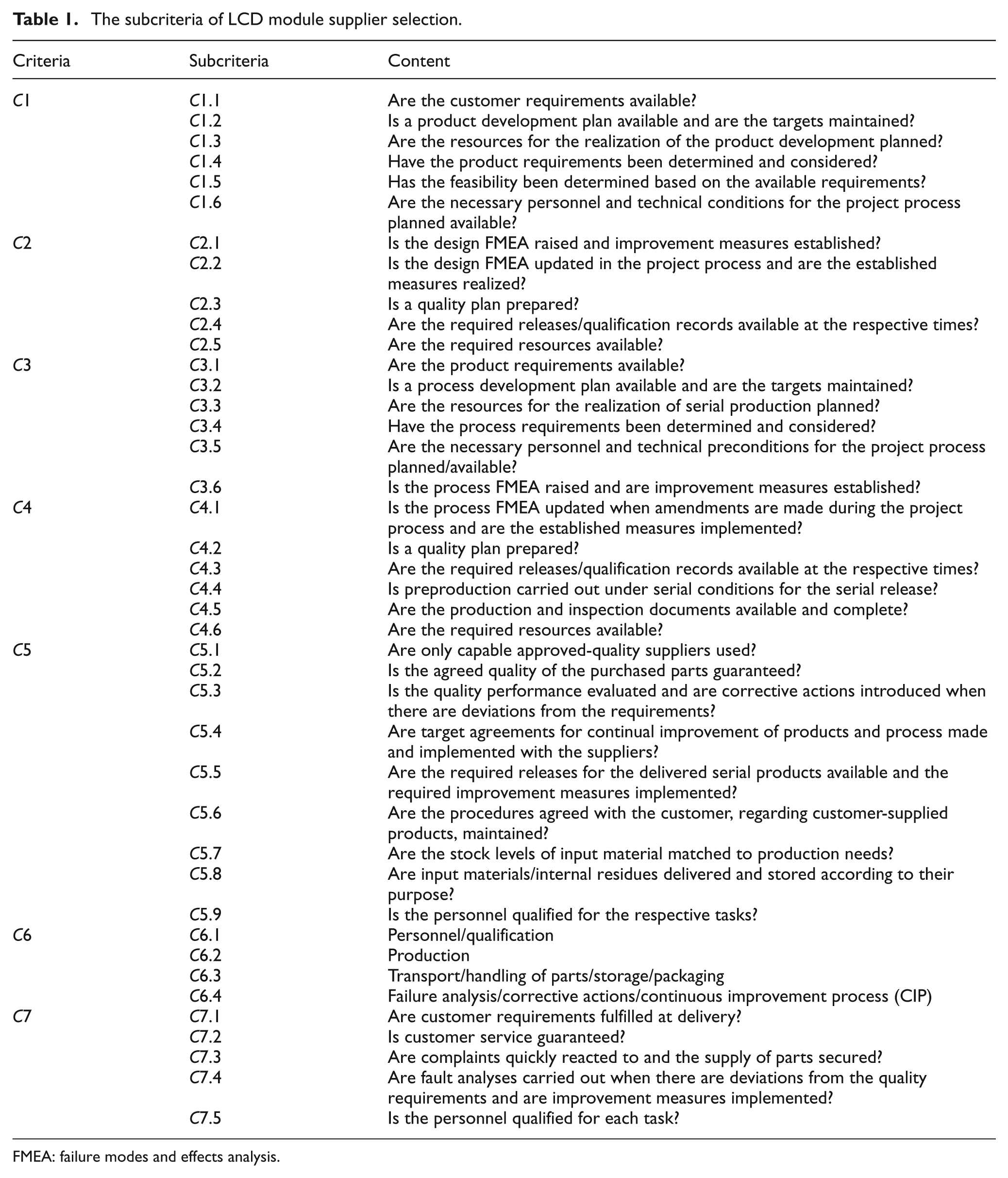
FMEA: failure modes and effects analysis.
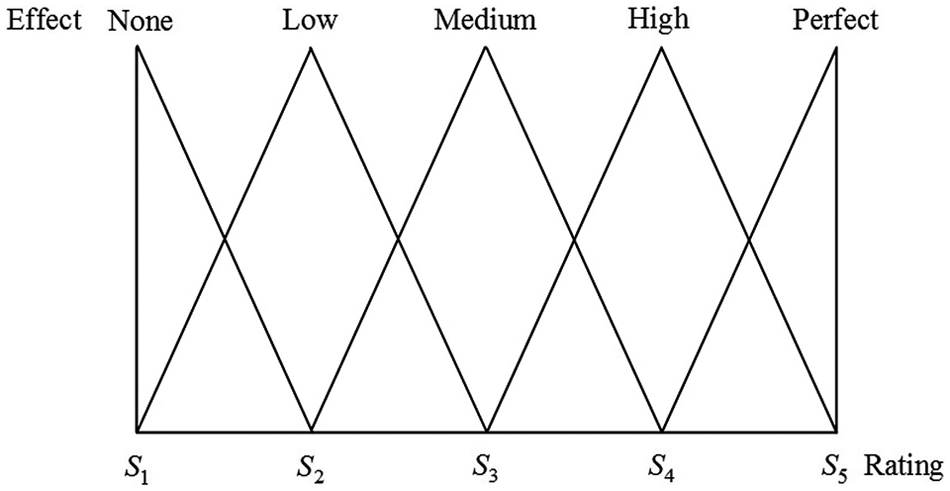
A set of five linguistic terms with their semantics.
Linguistic term set of rating scales for LCD module supplier selection.
This supplier selection team had three experts who provided the possible ranges in scores for the subcriteria based on the past experience. The attribute rating values for three suppliers are organized in Table 3.
Attribute rating values for three suppliers.
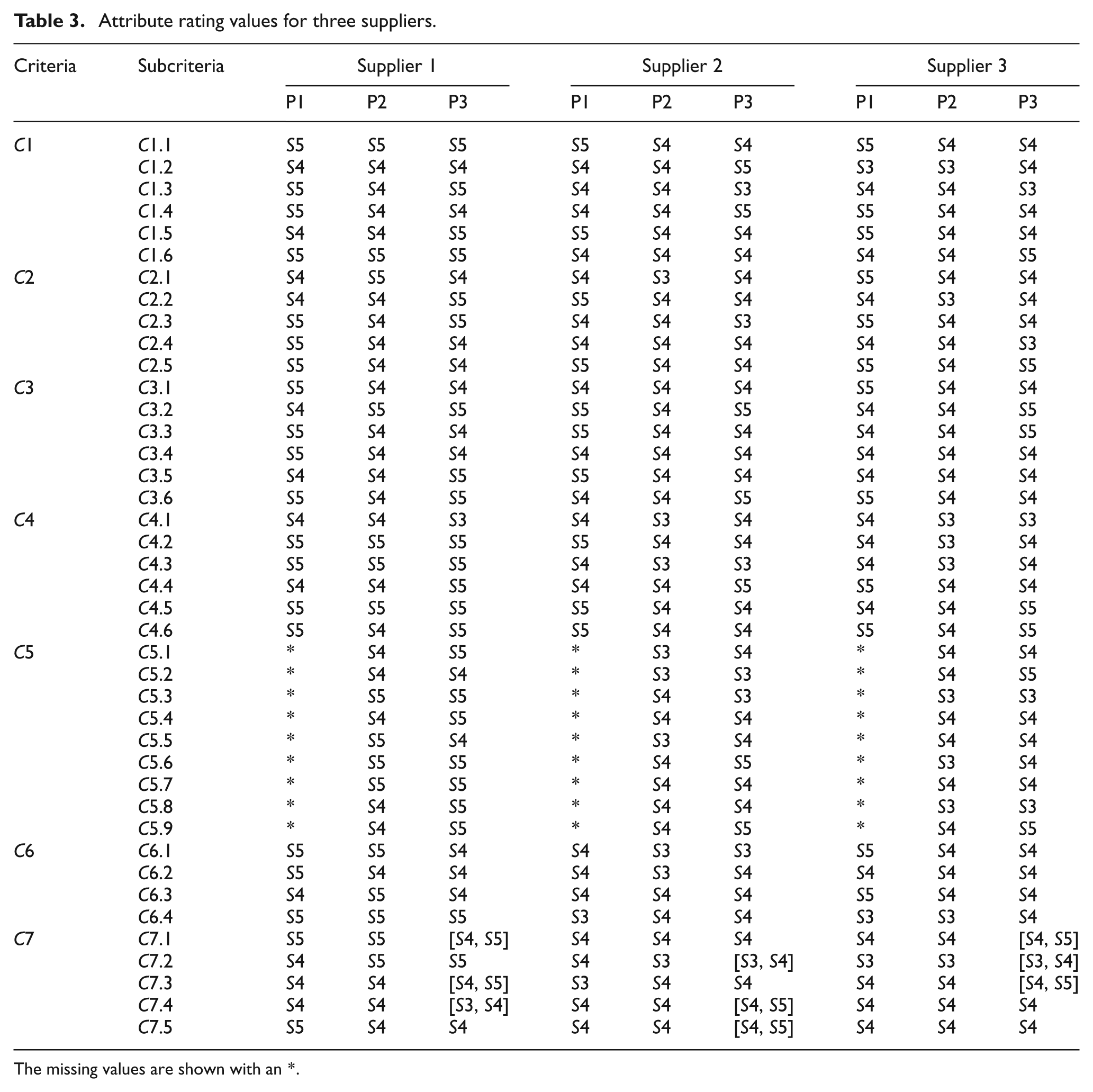
The missing values are shown with an *.
Solution based on arithmetic average method
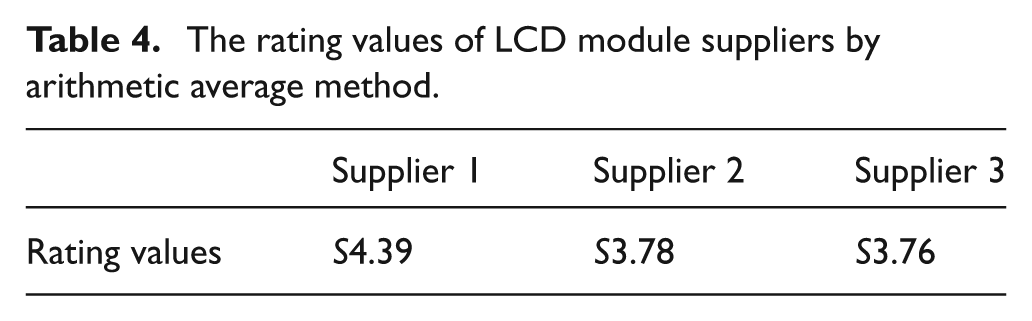
The attribute rating values for suppliers must be certain and precise in the arithmetic average method. In this case, some data from expert P1 are incomplete, and some data from expert P3 are imprecise. Thus, only the complete information of expert P2 was considered. The results of the LCD module supplier by arithmetic average method are shown in Table 4, which indicates the supplier ranking: Supplier 1 > Supplier 2 > Supplier 3.
The rating values of LCD module suppliers by arithmetic average method.
Solution based on hesitant fuzzy linguistic term set 19
The hesitant fuzzy linguistic term set method can deal with situations in which people hesitate in providing their preferences over objects in a decision-making process. In this case, data from expert P1 were missing or inexistent. Thus, only information from experts P2 (complete information) and P3 (hesitant information) were considered. The decision-making model of the hesitant fuzzy linguistic term set consists primarily of the following three phases: transformation, aggregation, and exploitation. 19
Transformation phase
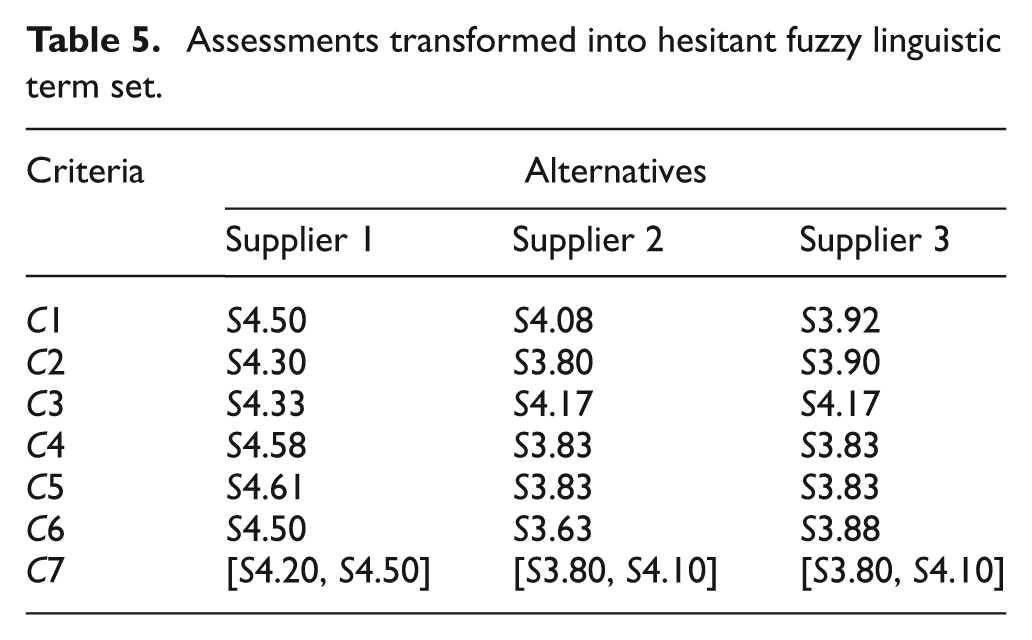
According to Table 2, the linguistic expressions that have been provided by experts are transformed into a hesitant fuzzy linguistic term set. Based on Table 3, the interval arithmetic operations are used to obtain the criteria rating values for three suppliers, as shown in Table 5.
Assessments transformed into hesitant fuzzy linguistic term set.
Aggregation phase
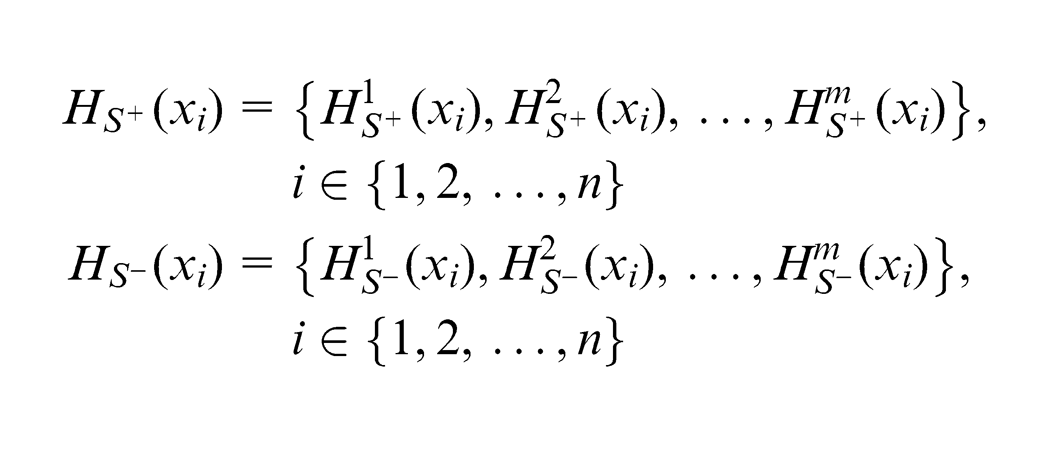
The aggregation phase uses the “min_upper” and “max_lower” aggregation operators to obtain a linguistic interval. Let
Apply the upper bound
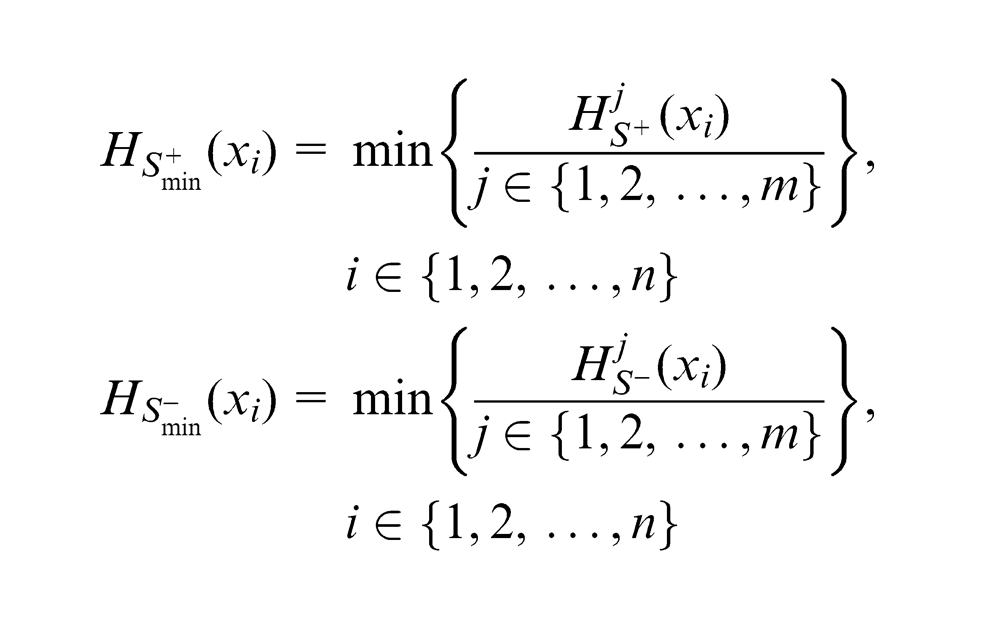
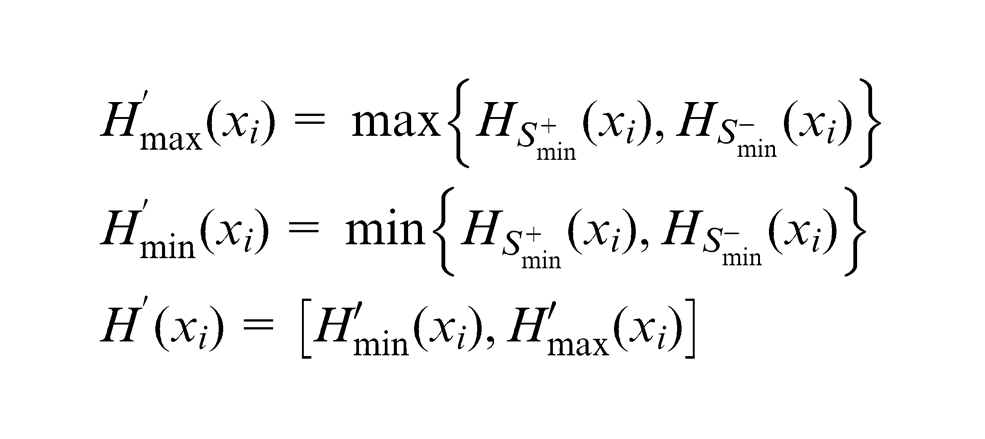
Obtain the minimum and maximum linguistic terms for each alternative
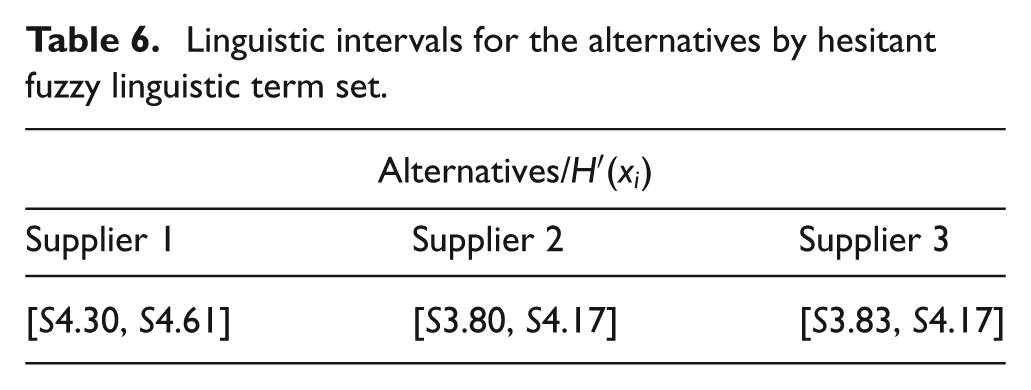
In the aggregation phase, a linguistic interval for the alternatives must be built. The left limit and right limit are the minimum and the maximum of the hesitant fuzzy linguistic term set. The rating linguistic intervals for the three suppliers are shown in Table 6
Linguistic intervals for the alternatives by hesitant fuzzy linguistic term set.
Exploitation phase
The exploitation phase is applied to the nondominance choice degree to rank the supplier. According to Definition 12, equation (6) is used to obtain the preference matrix
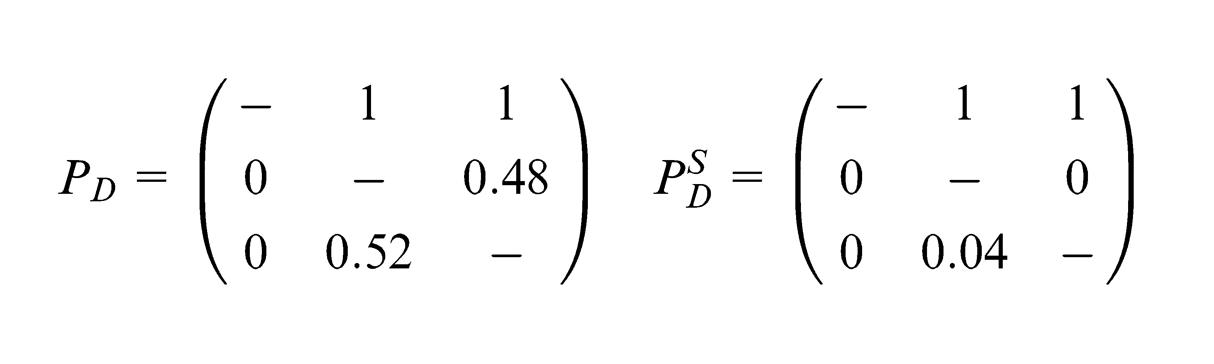
Once the matrix of
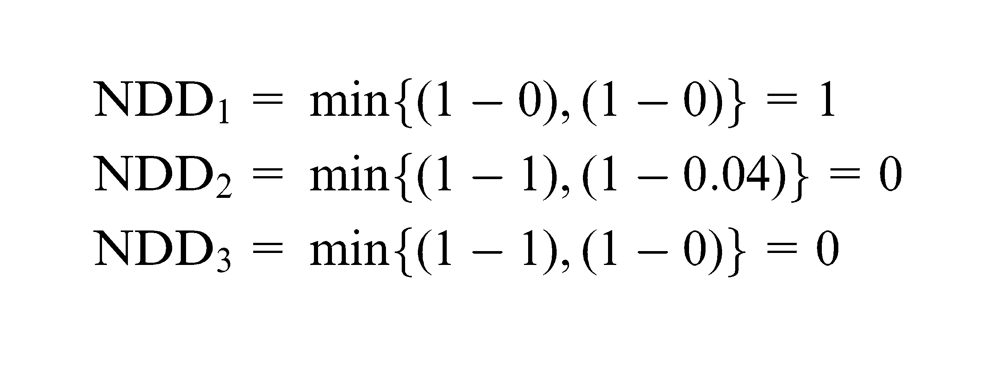
The results show that the best supplier ranking is Supplier 1 > Supplier 2 = Supplier 3.
Solution based on the proposed integrates of soft sets and hesitant fuzzy linguistic term set method
The proposed method uses a soft set concept to solve the problem of incomplete information in supplier selection. In the example of the selection of an LCD module supplier, aggregate the decision-makers’ opinions to determine the supplier selection criteria and subcriteria, as shown in Table 1 (Step 1). The following procedure describes the remaining steps:
Step 2. Determine the weight of the selection criteria and subcriteria.
The decision-makers are assumed to be equally weighted with respect to the subcriteria in this LCD module supplier selection example.
Step 3. Fill in the missing values of the evaluation attribute data.
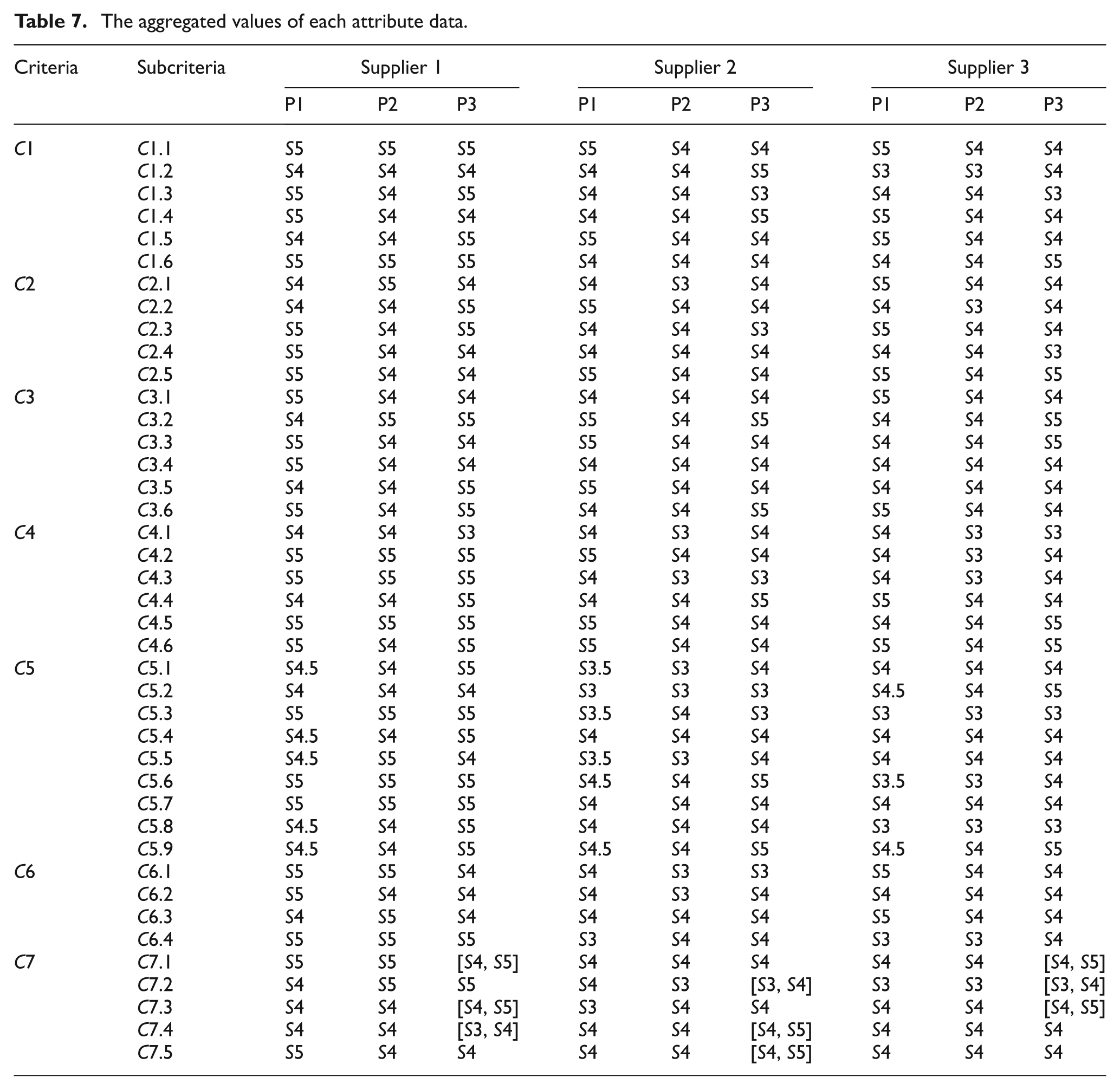
In this step, calculate all possible choice values for each attribute data, respectively, and then fill in the missing values of the evaluation attribute data by weighted-average method. The aggregated values of each attribute data are shown in Table 7.
Step 4. Determine the hesitant values of the evaluation attribute data.
If the available information is imprecise when collecting data, use hesitant fuzzy linguistic term sets to determine the interval value of the evaluation attribute data. The interval values of the evaluation attribute data are shown in Table 3.
Step 5. Supplier performance evaluation.
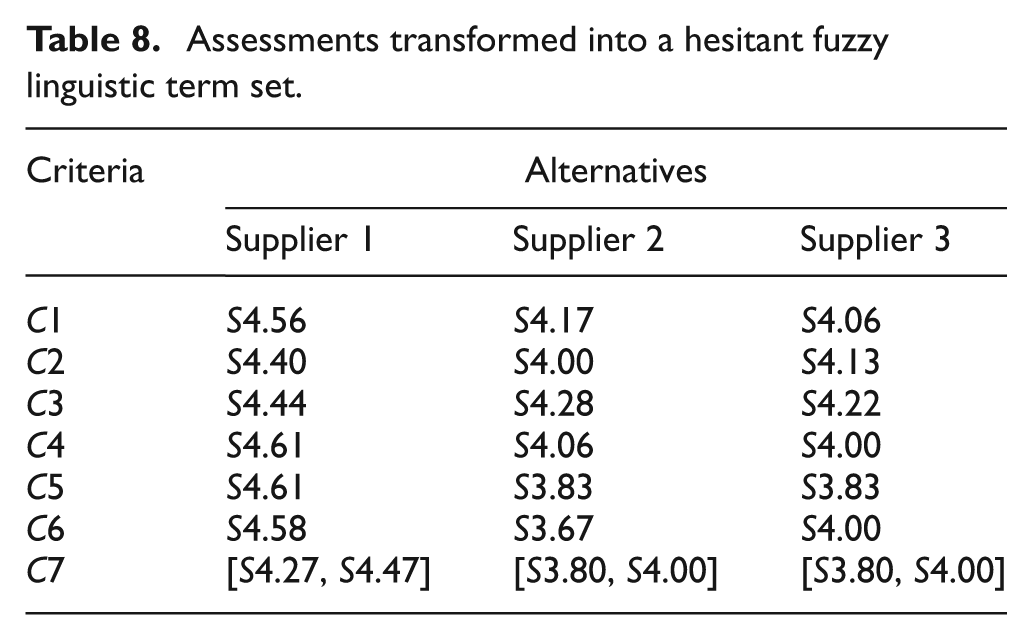
Based on Table 7, use the interval arithmetic operations to obtain the criteria rating values for the three suppliers, as shown in Table 8.
Step 6. Defuzzification and ranking.
In this step, we used the arithmetic average method to calculate the rating linguistic intervals for the three suppliers, as shown in Table 9. Use equation (7) to obtain the results of defuzzification.
Step 7. Analyze the results and select the optimal supplier.
The results show that the suppliers are ranked as follows, from best to worst: Supplier 1 > Supplier 3 > Supplier 2.
The aggregated values of each attribute data.
Assessments transformed into a hesitant fuzzy linguistic term set.
Linguistic intervals for the alternatives by proposed method.

Comparisons and discussion
To further illustrate the efficacy of the method, an LCD module case study was examined in section “Case study: LCD module,” comparing the proposed approach (integrated soft set and hesitant fuzzy linguistic term sets method) with the arithmetic average and hesitant fuzzy linguistic term set 19 methods. The input data are shown in Tables 1–3.
In the arithmetic average method, the attribute rating values for suppliers must be certain and precise. However, attribute data are usually incomplete in real-life situations, and experts are unsure of the exact values of the evaluation attribute data, deciding between values in supplier selection. For example, experts give a possible range of scores for subcriteria between S4 and S5. Thus, the arithmetic average method is unable to deal with incomplete or equivocal information in supplier selection. The hesitant fuzzy linguistic term set was proposed by Rodriguez et al. 19 to address multicriteria linguistic decision-making problems, in which experts hesitate between several values to assess attribute data. However, there are missing, incomplete, or inexistent data in supplier selection that this method does not take into account.
The main differences in information that are considered between the three methods are shown in Table 10. “O” indicates that the related information is applicable, whereas “X” indicates that the related information is not applicable. The rankings of the arithmetic average, hesitant fuzzy linguistic term set, and the proposed methods are shown in Table 11.
The chief differences in information between the three methods.

The ranking of the arithmetic average, hesitant fuzzy linguistic term set, and the proposed methods.
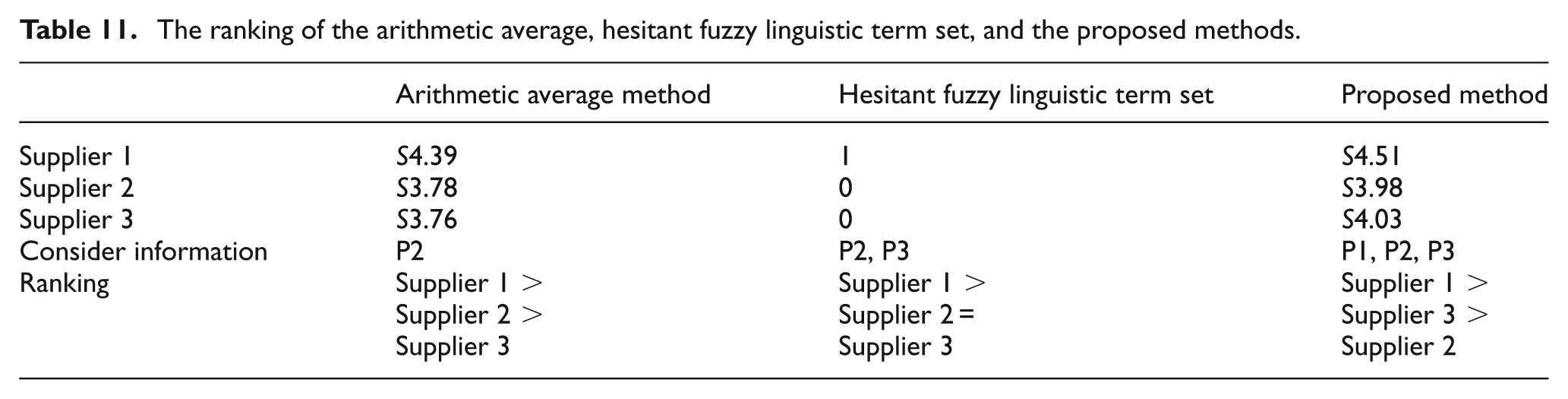
From Tables 10 and 11, it is clear that the proposed approach has the following advantages. It can deal with incomplete information in supplier selection. Also, the proposed approach can deal with the experts’ hesitation in supplier selection. The rating scales for LCD module supplier selection are described by the linguistic term set, and the evaluation results are more reasonable in real-world situations. Finally, the proposed approach does not lose any valuable information.
Conclusion
Supplier selection is a key issue in supply chain management. However, real-life situations are usually accompanied by unknown or partly known data or hesitation by experts between several values in assessing attribute data in supplier selection. These factors will cause supplier selection problems to become more complicated and difficult. When the attribute rating values are uncertain, imprecise, or incomplete in supplier selection, the arithmetic average and hesitant fuzzy linguistic term set 19 methods will delete incomplete data directly from incomplete information systems, causing the initial universe to change and partially useful information to go missing. This article proposes a novel integrated soft set and hesitant fuzzy linguistic term sets model using the soft set concept in a supplier selection problem. In contrast to other approaches, the proposed approach allows incomplete attribute data and hesitation by experts to identify the most appropriate supplier. Moreover, an LCD module supplier selection was used to compare the results of the arithmetic average method, hesitant fuzzy linguistic term set, 19 and our proposed method.
The main advantages of this method are summarized as follows:
The proposed method can be executed for any number of suppliers and indicators for small, medium, and large companies.
The proposed method can solve problems when there are uncertainties and imprecise or missing data in supplier selection.
The proposed method takes into account the information that is provided by all experts and does not lose any valuable information.
The proposed method can deal with situations in which experts hesitate between several values in assessing attribute data in a decision-making process.
Footnotes
Declaration of conflicting interests
The author declares that there is no conflict of interest.
Funding
This work was supported, in part, by the National Science Council of the Republic of China under Contract Nos NSC 101-2410-H-145-001 and NSC 102-2410-H-145-001.