




Abstract
This study contributes to the research field of entrepreneurship education by providing a new perspective that combines concepts of the entrepreneurial teacher, entrepreneurial teaching methods and the development of entrepreneurial competences in students. As being entrepreneurial in the teaching context can be explored from various angles, the paper focuses on two important elements of this construct: the innovativeness and risk-taking ability of the teacher. The authors present empirical evidence from 1,011 higher education teachers from 21 different higher education institutions in Finland. The results show that a teacher’s innovativeness and risk-taking ability have a positive relationship with the use of entrepreneurial teaching methods, and influences how the teacher encourages the development of students’ entrepreneurial competences. An innovative and risk-taking teacher varies the teaching methods used in entrepreneurship education. The study suggests that teachers with a lower level of innovativeness and lower risk-taking ability do not use as many entrepreneurial teaching methods as more innovative and risk-taking teachers. In addition, the results confirm the importance of the teacher’s own innovativeness and risk-taking when fostering students’ entrepreneurial competences.
Keywords
Teachers, as entrepreneurship educators, are acknowledged to play a significant role in developing entrepreneurial ways of thinking and acting in students – in other words, in promoting the development of students’ entrepreneurial competences (Gibb, 2011; Hannon, 2006; Hytti and O’Gorman, 2004). It has been suggested that to achieve this goal the teachers themselves must act as entrepreneurial role models for students (Gibb, 2011; Peltonen, 2015, 2008; Ruskovaara and Pihkala, 2013). Prior research (e.g. Peltonen, 2008) proposes that a prerequisite for enhancing entrepreneurial learning among students is that the teacher has entrepreneurial competences and a positive attitude towards entrepreneurship. The growth of entrepreneurship education has challenged teachers to reconsider what to teach and how to teach (Canziani et al., 2015; Fiet, 2001), and how to become more entrepreneurial in their teaching (Peltonen, 2008, 2015). From the teacher’s perspective the core questions with regard to implementing entrepreneurship education remain what it means to be entrepreneurial in the teaching context and how ideas of entrepreneurship education can be transformed into teaching practices.
Drawing from the ideas of Schumpeter (1935), in entrepreneurship and entrepreneurship education literature the concept of being entrepreneurial is strongly associated with the core characteristics of an entrepreneur, such as innovativeness and risk-taking. Prior literature on entrepreneurial teaching (e.g. Carrier, 2005; Kyrö, 2008) suggests that these core elements should also be integral aspects of teaching. Nevertheless, studies exploring innovativeness and risk-taking in the teaching context are still limited, and there is a lack of knowledge about the relationship between teachers’ innovativeness and risk-taking ability as well as the linkage between teaching practices used when seeking to stimulate students’ entrepreneurial learning and the effectiveness of the adopted teaching methods on the development of students’ entrepreneurial competences. Furthermore, as Béchard and Grégoire (2005) point out, from an educational point of view it is also crucial to consider the reasons that motivate teachers to adopt and use different pedagogical choices. However, more empirical evidence based on large quantitative data is needed on this.
Drawing on prior research literature on entrepreneurial teachers and teaching (e.g. Kyrö and Carrier, 2005; Gibb, 2005) and the entrepreneurial competence of teachers (e.g. Fiet, 2001) and on entrepreneurial orientation research (Bolton and Lane, 2012), the concept of the entrepreneurial teacher is used in this study. As being entrepreneurial in the teaching context can be explored from various angles, the study focuses on two important elements of this construct: the innovativeness and risk-taking ability of the teacher. This paper adopts the teacher’s perspective and explores the understudied linkage between a teacher’s entrepreneurial innovativeness and risk-taking ability, entrepreneurial teaching methods and the ways the teacher encourages the development of students’ entrepreneurial competences. The study seeks to find answers to the following research questions: a) is there a relationship between teachers’ innovativeness and risk-taking ability and the use of entrepreneurial teaching methods, and b) how does the teacher’s innovativeness and risk-taking ability affect the ways he or she encourages students to develop their entrepreneurial competences?
Theoretical framework
The entrepreneurial teacher
Being entrepreneurial is now understood as a competence that applies to all spheres of life and thus it is seen as one of the key competences in lifelong learning for all (European Parliament and the Council, 2006). However, in practice being entrepreneurial may be manifested in various ways and thus, as Welter and Smallbone (2011: 107) underline, entrepreneurialism needs to be interpreted in the context in which it occurs.
At present there is no clear-cut way to conceptualize what being ‘entrepreneurial’ means in the teaching context. Prior research (e.g. Bolton and Lane, 2012) has used the construct of entrepreneurial orientation (EO) when referring to individual-level characteristics or attitudes a person possesses that might increase their predisposition to carry out entrepreneurial activities successfully. Bolton and Lane (2012) suggest that EO is a combination of individual entrepreneurial traits, characteristics, attitudes and environmental factors. Elaborating on previous research on traits and entrepreneurial attitude, they further specify that, in particular, innovativeness, risk-taking and proactiveness seem to be the central dimensions of entrepreneurial orientation. It is noteworthy that the entrepreneurship education literature (e.g. Fiet, 2000; Rae, 2005) also suggests that, along with opportunity recognition and exploitation, risk-taking, innovativeness and proactiveness are the core elements of entrepreneurial behaviour.
In the teaching context entrepreneurial orientation is intertwined with the teacher’s professional competence. Teacher professional competence is a multilayered construct incorporating the knowledge and skills necessary for classroom teaching, and the abilities to meet the needs of different learners, to consider the futures of the students and interact and collaborate both inside and outside of the school communities, and to consider ethical commitments to promote student learning, together with the ability to grow as a professional (Niemi et al., 2016). Hence, having an entrepreneurial orientation in the teaching context means that fostering learning for, about and through entrepreneurship (Gibb, 2005; Pittaway and Cope, 2007) entails considering entrepreneurship both as method and content, depending on the desired learning goals and outcomes.
Previous research has also used the terms ‘entrepreneurial’ and ‘enterprising’ in the teaching context in various ways. ‘Entrepreneurial’ is often used in reference to business activity and thus, for instance, Seikkula-Leino et al. (2015) use the term ‘enterprising’ when referring to the teacher’s role in general education and learning processes. However, Kyrö and Carrier (2005) and David et al. (2017), for example, use ‘entrepreneurial’ when referring to skills development in teacher education. Ruskovaara and Pihkala (2013) overcome this confusion by discussing teachers’ entrepreneurship education skills.
In this study we apply the concept of the entrepreneurial teacher (ET). Being an entrepreneurial teacher means that the teacher demonstrates entrepreneurial behaviour in his or her ethos and practices (Gibb, 2011) and through his or her educational activities to sustain students’ entrepreneurial learning processes (Peltonen, 2015: 507) and to enhance the development of students’ entrepreneurial competences (Leffler, 2002). As these characterizations indicate, being an entrepreneurial teacher requires cognitive, conative and affective competences (Peltonen, 2015). However, these areas of competences are intertwined, and hence the role and effect of each of them on a teacher’s thinking and behaviour are difficult to examine.
Hence, in this study the concept of the entrepreneurial teacher (ET) is limited to refer to innovativeness and risk-taking in cognitive processes. These two aspects have been chosen because they are central dimensions of individual-level orientation, as discussed above, and because, in the teaching context, they are particular requirements for the implementation of educational change and improvement (Le Fevre, 2014; Suharyati, 2017). Innovativeness in the teaching context refers to a teacher’s ability to design and deliver teaching and to assess students’ learning in new ways (Suharyati, 2017), while risk-taking is associated with the lack of fear of failure and of losing control when trying out innovative teaching practices (Le Fevre, 2014). Thus, we hypothesize that teachers’ innovativeness and risk-taking ability (i.e. fitting the concept of the entrepreneurial teacher) are strongly related to pedagogical practices and the ways in which teachers encourage students to develop their entrepreneurial competences.
Entrepreneurial competences of students
In this paper, we consider students’ entrepreneurial competences to be the knowledge, skills and attitudes related to entrepreneurship that should be developed during their studies. It has been pointed in the research literature that entrepreneurial competences are needed in working life, regardless of whether one works as an entrepreneur or as an employee (Henry et al., 2005): entrepreneurial competence therefore has a broader meaning than just the entrepreneurial skills linked to setting up a business. Individuals benefit from creativity, the ability to solve problems, and the ability to function in changing environments and apply their own skills in different environments, regardless of the career choice they make (Gibb, 2003, 2007; Man et al., 2002).
In the entrepreneurship literature the need for achievement, self-efficacy, resilience, creativity, determination and commitment have been identified as individual entrepreneurial traits (Bridge et al., 2003; Gartner, 1989; Gibb, 2003). There is no unambiguous profile that distinguishes the entrepreneur from the non-entrepreneur. In addition, it is worth keeping in mind that entrepreneurial skills are tied to the environment in which the individual operates. However, entrepreneurship can be learned and promoted through higher education (Carland et al., 1988; Collins et al., 2006; Gartner, 1985, 1988; Stevenson and Jarillo, 1990). According to Krueger and Brazeal (1994) entrepreneurship education increases students’ knowledge (of entrepreneurship), enhances their confidence and promotes their self-efficacy. The questions are: what methods should be chosen to implement the teaching and how can the teacher promote the above-mentioned qualities in students’ professional growth?
Entrepreneurial teaching methods
Various studies have identified teaching methods that promote entrepreneurship (Mwasalwiba, 2010; Solomon, 2007), methods designed to foster and enhance students’ entrepreneurial skills and competences (Fayolle, 2013; Fayolle and Gailly, 2008; Löbler, 2006). Alignment between the methods used and the teaching aims is key. However, according to Bennet (2006) fairly traditional and so-called passive methods, like lectures, case studies and group discussions, are the ones that are used most often. This view is in line with that of Solomon (2007), who reported that more than half of the teachers in his study used discussions, business plans, guest speakers and case studies in their entrepreneurship-related lessons. On the contrary, novel and more active methods, such as different game simulations (Hindle, 2002), video and filming (Verdyin et al., 2009), study visits and real venture setting up (Masalwabiva, 2010) seem to be less used. Though many scholars (e.g. Bennet, 2006; Fiet, 2000; Higgins et al., 2013; Masalwabiva, 2010; Nabi et al., 2017) advocate the use of more active methods, which are said to be more appropriate for nurturing students’ entrepreneurial attributes, it seems that teachers have become comfortable with traditional ways, and thus they find it hard to embed more entrepreneurial approaches in their teaching (Higgins et al., 2013). Moreover, as Fiet (2000) points out, teachers readily rely on lecture-based methods because applying these methods are easy and require less investment. This in in line with Higgins et al. (2013), who add that teachers’ educational actions are shaped by what they believe in and what they know.
Methods that entail a connection with the actual business world have been highlighted as valuable (Hytti and O’Gorman, 2004; Ruskovaara and Pihkala, 2014) – thus projects with clients, excursions to companies and having entrepreneurs as guest visitors to share their stories are recommended. Cooper et al. (2004) argue that it is important, from the point of view of learning, that students see, touch and feel entrepreneurship and are acquainted with as authentic business environments as possible. On that basis, different business simulations and exercises in which students create their own, real or mock companies are recommended. This is in line with the argument of Higgins and Elliott (2011) who suggest that through experimental methods and real-life settings students become active participants rather than passive spectators. According to Higgins et al. (2019), universities have not been very successful in embedding real-life practice in their educational programmes. For example, business games and entrepreneurship-related competitions can provide students with an authentic business setting and can help to develop their entrepreneurial competences; however, these methods are also reported to be used fairly infrequently (Jones, 2007; Ruskovaara and Pihkala, 2014).
Other studies have suggested entrepreneurial teachers demonstrate entrepreneurial behaviour in their actions (Gibb, 2011; Higgins et al., 2014). Innovativeness in teaching has been related to creative classroom behaviours and a constructivist teaching approach (Ucus and Acar, 2018). Slipenko (2019) highlights the teacher’s role in developing students’ entrepreneurial competences. Therefore, we expect the entrepreneurial teacher to utilize educational activities that will enhance the development of those competences (Leffler, 2002; Peltonen, 2015). We propose the following hypotheses: Hypothesis 1: The entrepreneurial teacher (ET) has a positive relationship with the use of entrepreneurial teaching methods (TM). Hypothesis 2: The entrepreneurial teacher (ET) has a positive relationship with the ways he or she encourages students to develop their entrepreneurial competences (DEC).
Figure 1 presents the conceptual model for the study.
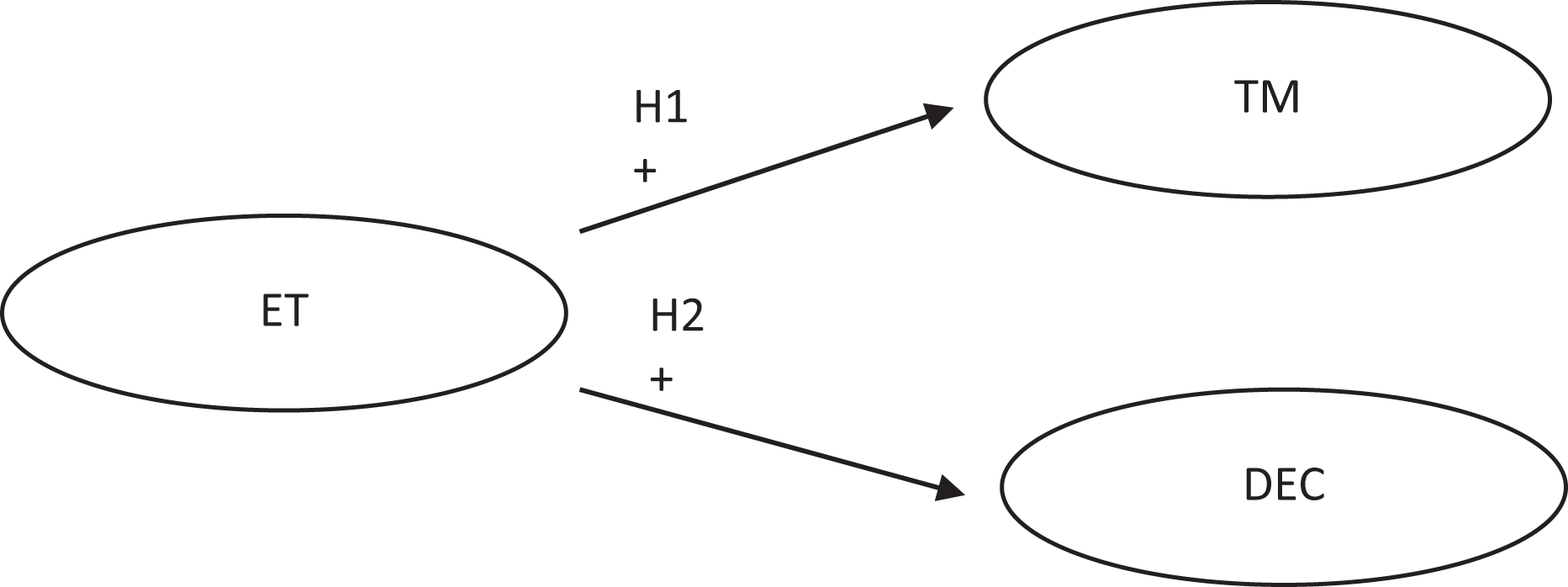
Conceptual model for the study.
Methodology
Data gathering
The data for this study come from Finland and were obtained from 1,011 respondents, representing approximately 20 percent of teachers at Finnish Universities of Applied Sciences (UASs) (Vipunen, 2020). The respondents represent various fields of study, such as humanities and education, the cultural sector, natural sciences, tourism, catering, social sciences, the health and sports sector, technology and transport, and business and administration. In Finland, the guidance documents (Ministry of Education and Culture, 2017) highlight that all teachers at all educational levels are to promote entrepreneurship and entrepreneurial competences in their teaching. That is, entrepreneurship promotion is not limited to those teachers who teach entrepreneurship, but is for teachers of all subjects.
The data were collected during 2014–2020 via an online tool called Teacher’s Measurement Tool for Entrepreneurship Education, which is publicly available in Finnish (www.lut.fi/yrittajyysmittaristo). Its construction is based on various studies and it is designed to measure the respondent’s entrepreneurship promotion activities in HEIs. The survey asks respondents what they do when they are teaching and/or promoting entrepreneurship. Our respondents used the tool anonymously and voluntarily.
The questionnaire has 72 questions altogether and, in this study, we focus on 13 of them. The scale for each of the items is a five-point Likert scale, where 1= ‘I totally disagree’ and 5 = ‘I totally agree’.
Measurement constructs
The construct of the entrepreneurial teacher (ET) was measured with four items related to innovativeness and risk-taking ability (Le Fevre, 2014; Suharyati, 2017). Teachers were asked to assess how accurately the following statements described them on a five-point Likert scale (from ‘I totally disagree’ – ‘I totally agree’): ET1: I dare to try new ways of acting, even though I am not certain of their success. ET2: It is easy for me to produce new ideas. ET3: I usually find more alternative solutions to problems than others do. ET4: I am able to question customary ways of acting.
The Cronbach’s alpha for ET was 0.84. Thus the instrument is reliable for measuring ET with a good level of internal consistency.
The construct of the ways in which the teacher encourages students to develop their entrepreneurial competences (DEC) was measured with six items representing different aspects of entrepreneurial competences (Boyatzis, 2008; Bridge et al., 2003: 37–38; Chandler and Hanks, 1994; Gartner, 1988; Gibb, 2003; Man et al., 2002; Mitchelmore and Rowley, 2010; Schelfhout et al., 2016). The same five-point Likert scale was used. Teachers were asked to assess how accurately the following statements described their working methods: DEC1: I encourage students to make decisions in uncertain situations. DEC2: I encourage students to try new ways to do things. DEC3: I encourage students to generate alternative ideas of how to do things. DEC4: I encourage students to anticipate future possibilities. DEC5: I encourage students to take responsibility for their own activities. DEC6: I encourage students to take self-oriented actions.
The reliability of the scale was excellent (Cronbach’s alpha 0.91).
The construct of entrepreneurial teaching methods (TM) was measured with three items representing various ways of teaching entrepreneurship (Mwasalwiba, 2010; Solomon, 2007). Teachers were asked to rate the following statements on the same five-point Likert scale: TM1: In my teaching, I utilize competitions and events that support and promote entrepreneurship (e.g. a business idea competition). TM2: In my teaching, I utilize companies, entrepreneurs and their stories. TM3: In my teaching, I use methods that stimulate entrepreneurship and/or business activities, such as exercises to establish a company, business games, or training company activities.
The reliability of the scale was acceptable (Cronbach’s alpha .73).
Data analysis
Initial analysis was done with SPSS 25.0. First, the skewness and kurtosis of the scale items were tested. An acceptable limit of ±2 indices was applied (Field, 2000, 2009; Gravetter and Wallnau, 2014; Trochim and Donnelly, 2006). Kolmogorov-Smirnov and Shapiro-Wilk -tests showed that all the variables in our model were normally distributed. Factor analysis was used to assess the unidimensionality of the scales.
Common method variance (CMV) can cause problems in research where both the predictor and criterion variables are collected from the same person using the same item context and characteristics, and using the same measurement context (Podsakoff et al., 2003). This method bias can be controlled by following good practice and using Harman’s single factor test. Podsakoff et al. (2003) recommend the use of exploratory factor analysis with principal axis factoring where an unrotated factor solution is examined. The problem of CMV is present if only one factor emerges, or one factor explains the majority of the variance. Harman’s single factor test was used to assess CMV. All 13 items were factor analysed and Kaiser’s criterion for retention was followed. The Kaiser-Meyer-Olkin measure indicated the suitability of using factor analysis (KMO = 0.90). Three factors with eigenvalues greater than 1.0 emerged from the exploratory factor analysis. When only one factor was fixed for the analysis, a single factor accounted only 40 percent of the variance. Hence, as more than one factor emerged, and one single factor did not explain the majority of the variance, CMV does not seem to be a problem in this study.
In addition, the factorial structure of the scales was examined by using principal axis factoring with Promax rotation following the recommendations of Osborne et al. (2008) to accept communalities above 0.4. The communalities varied between 0.429 and 0.769, therefore, all the items were acceptable in the solution. Factor analysis resulted in three factors with an eigenvalue greater than 1. The factor solution followed the theoretical assumption of three independent factors, ET, DEC and TM. The items of DEC loaded to the first factor. DEC2 (‘I encourage students to try new ways to do things’) and DEC3 (‘I encourage students to generate alternative ideas of how to do things’) had the highest factor loadings (0.859 and 0.858 respectively). All other items also had high loadings (minimum 0.750). The items of ET loaded to the second factor. All the loadings were high (minimum 0.660), and ET2 (‘It is easy for me to produce new ideas’) had the highest factor loading (0.874). The items of TM loaded to the third factor. The highest factor loading (0.759) was for TM1 (‘In my teaching I utilize competitions and events that support and promote entrepreneurship (e.g. a business idea competition)’). All the loadings were high (minimum 0.639). Bartlett’s test of sphericity produced a significant chi-square (p = 0.000) indicating that the items in the matrix are related and suitable for factor analysis. Table 1 presents the factor loadings of the items.
Structure matrix with factor loadings.
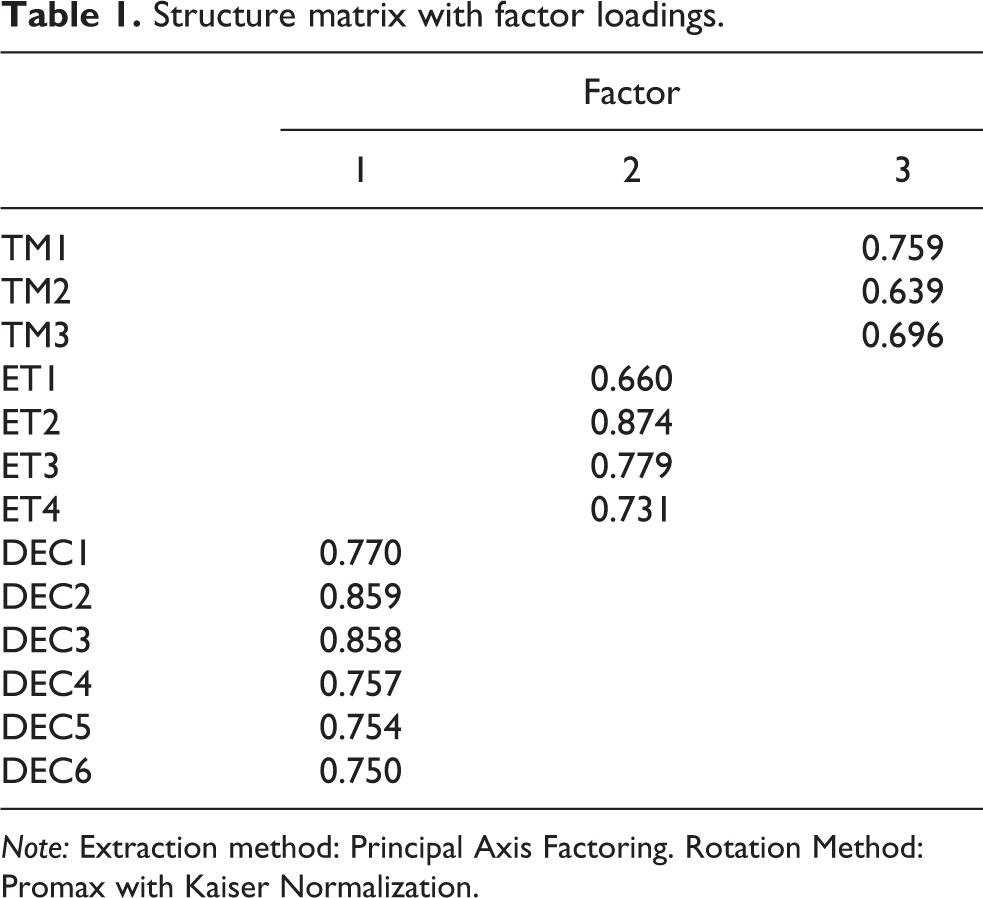
Note: Extraction method: Principal Axis Factoring. Rotation Method: Promax with Kaiser Normalization.
In the second phase, structural equation modelling (SEM) was used to test the hypothesized model with AMOS. SEM represents a versatile and powerful tool for research because it simultaneously reflects theoretical, observed variables, latent constructs with unobserved variables as well as providing a general statistical technique (Chin et al., 2008). SEM can examine a series of dependence relationships simultaneously, which makes it preferable to other multivariate techniques (Cheng, 2001). The most important step in SEM is the assessment of a specified model fit (Yuan, 2005). To assess the model fit, we used several fit indices suggested by Byrne (2010), Tabachnick and Fidell (2007) and Steiger (2007). The acceptable model fit was operationalized as RMSEA values less than 0.07; GFI values greater than 0.95; NFI values greater than 0.95; TLI values greater than 0.95; and CFI values greater than 0.95. In addition, CMIN/DF values less than 3 indicate an acceptable fit between a hypothetical model and sample data suggested by Kline (1998), and CMIN/DF values less than 5 indicate a reasonable fit suggested by Marsh and Hocevar (1985). For assessing the model fit, all of these fit indices were used. However, Model Chi-Square was not used because it is not suitable for large samples (Hooper et al., 2008).
Hoyle (1995) suggests that a sufficient sample should have around 100 to 200 observations to have confidence of fit tests. Our sample (n = 1,011) followed this recommendation. In addition, Mitchell (1993) reminds us that a model should contain 10 times as many observations as variables. Our model has 31 variables; thus, the recommendation of Mitchell was also followed. SEM applications typically follow a five-step process of model specification, model identification, model estimation, model evaluation, and model respecification (Chin et al., 2008).
Results
First, the measurement model was examined with SEM using Amos. Modification indices (MI) were examined in order to identify any misspecifications in the model. MI indicated correlation of some error terms (MI above 10). Byrne suggests that correlation of error terms in the same dimension is usually acceptable (Byrne, 2010); the correlations of error terms were therefore included in the model. We added a correlation between the error terms of items ET2 and ET3, between the error terms of TM1 and TM3, and between the error terms of DEC5 and DEC6. The model fit was acceptable for the modified measurement model; CMIN/DF 4.10; RMSEA 0.03; GFI 0.97; NFI 0.97; TLI 0.97; CFI 0.97. RMSEA 0.061. Table 2 presents the correlations for the latent variables.
Correlations.
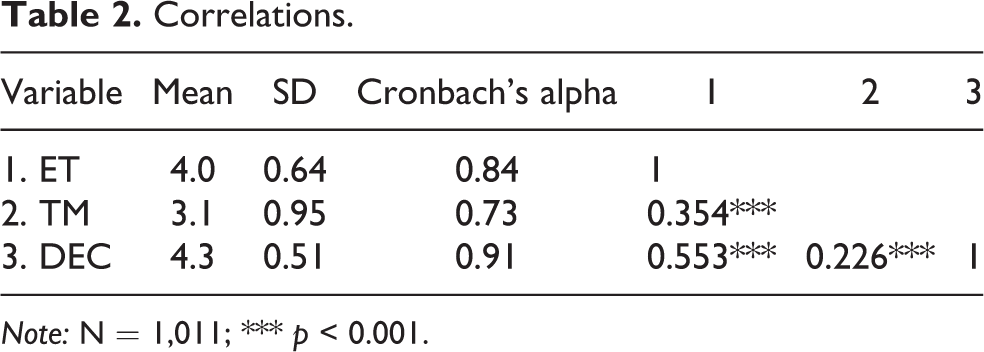
Note: N = 1,011; *** p < 0.001.
Secondly, the hypothesized structural model was tested and the relationships between the latent constructs were evaluated. Table 3 presents the goodness-of-fit indices for the structural model. CMIN/DF indicates a reasonable fit, and other fit indices a good fit for the tested model.
Goodness-of-fit statistics for the structural model.
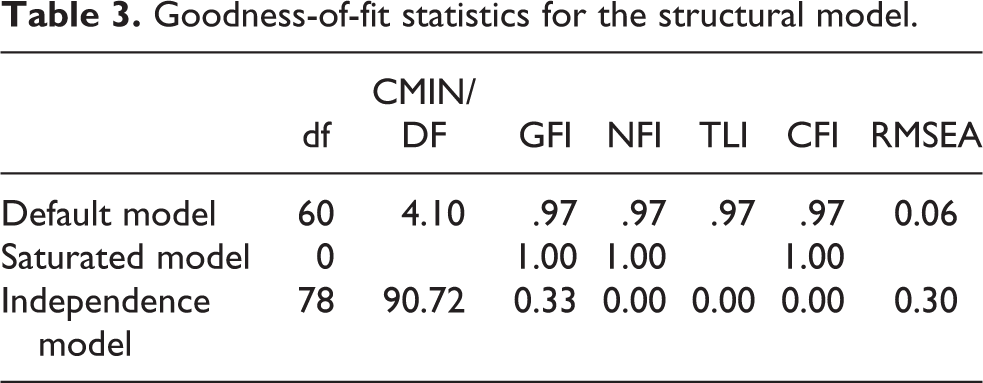
Table 4 presents the estimates of the structural model. It verifies the positive effects of the entrepreneurial teacher on entrepreneurial teaching methods, and on the ways teachers encourage students to develop their entrepreneurial competences.
Estimates of the structural model.
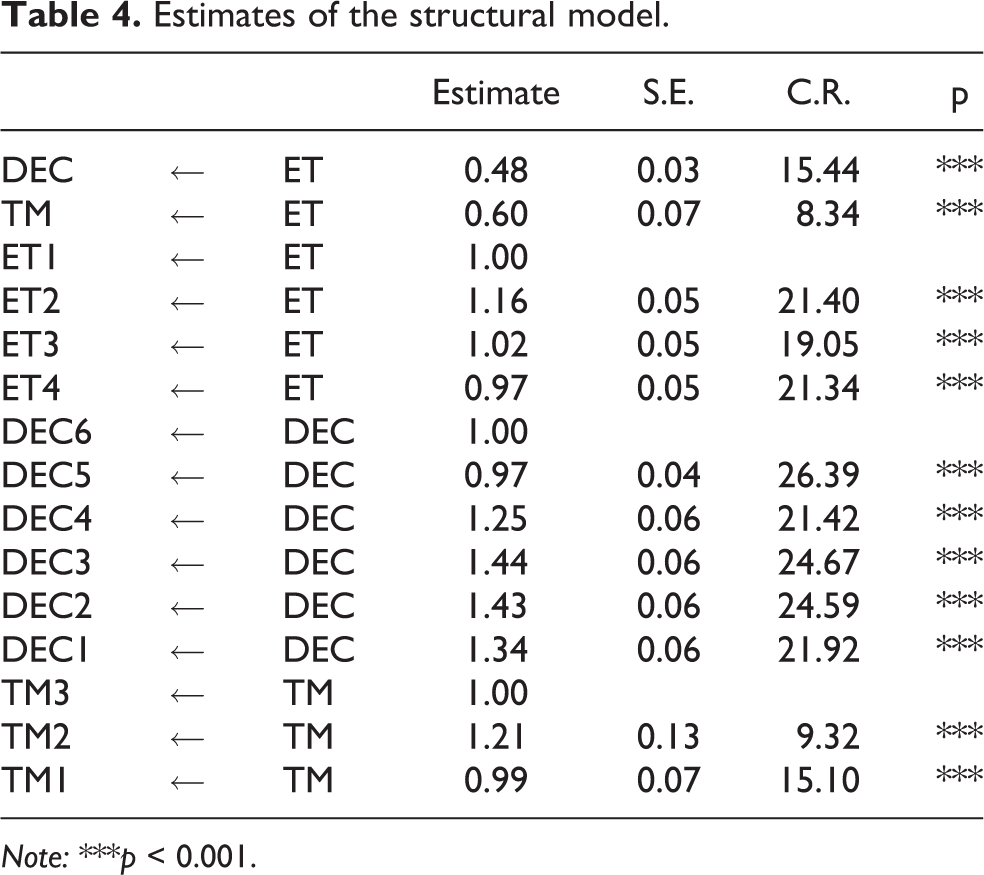
Note: ***p < 0.001.
Figure 2 presents the final model with standardized estimates. The entrepreneurial teacher has a positive effect on the use of entrepreneurial teaching methods (β = 0.49***) and on the ways teachers encourage students to develop their entrepreneurial competences (β = 0.68***). Thus, Hypotheses 1 and 2 are both supported. Interestingly, the entrepreneurial teacher explains more of the variance in DEC than in TM. That is, the model explains 24 percent of the variance in entrepreneurial teaching methods and 68 percent of the variance in the ways teachers encourage students to develop their entrepreneurial competences. Hence, the effect of the entrepreneurial teacher is stronger on DEC than on TM. We carried out some additional analysis and ran the model for different groups. The model was tested separately for teachers with an entrepreneurial background and for those with no entrepreneurial background. We also tested the model separately for teachers in the field of business and teachers in other fields. The model fit was good in all groups and the relationships of the variables remained the same.
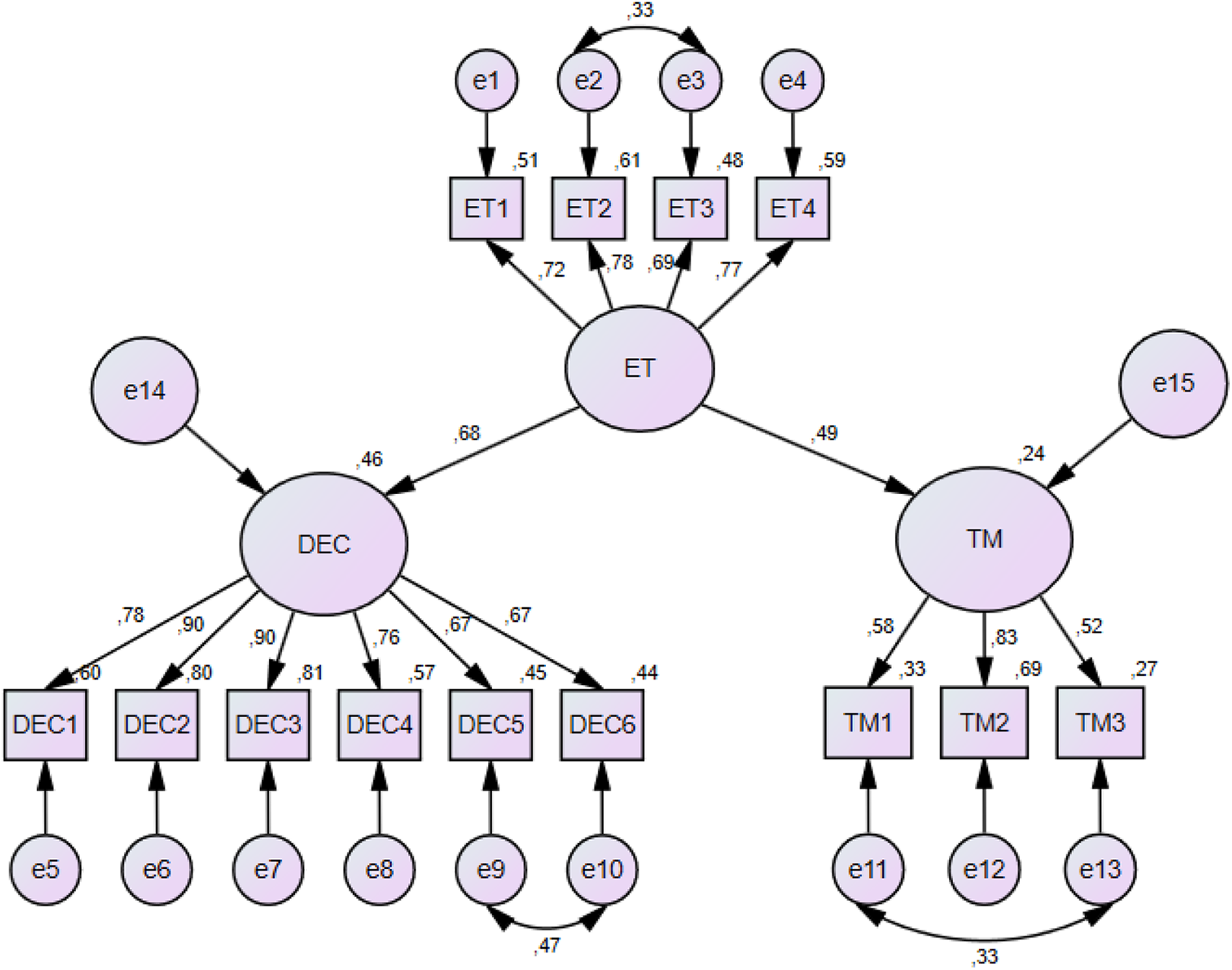
The final model with standardized estimates.
Discussion
The objective of this study was to examine the effect of the entrepreneurial teacher on the use of entrepreneurial teaching methods and the ways teachers encourage students to develop their entrepreneurial competences. There is a lack of empirical research on the effects of the entrepreneurial teacher. This study provides a new perspective in combining the concepts of the entrepreneurial teacher, entrepreneurial teaching methods and the ways teachers encourage students to develop their entrepreneurial competences. Empirical research combining all these perspectives has not previously been done.
Earlier studies have demonstrated a link between teachers’ innovativeness and the use of teaching methods. For example, Yilmaz and Bayraktar (2014) found a significant positive and strong relationship between the individual innovativeness of teachers and attitude scores towards the use of educational technologies. Further, Ucus and Acar (2018) showed that the innovativeness of the teacher had an indirect effect on the constructivist teaching approach through creative classroom behaviours. These findings constitute a nice baseline from which to build a new understanding of entrepreneurship education. Our results especially verify the importance of the teacher’s own innovativeness and risk-taking ability. That is, if the teacher incorporates elements of innovativeness and risk-taking into his or her actions, this has strong effects on the entrepreneurial teaching methods used and the ways the teacher encourages students to develop their entrepreneurial competences. This study suggests that teachers with a lower level of innovativeness and risk-taking ability do not use as many entrepreneurial teaching methods as more innovative and risk-taking teachers. Different learners benefit from different teaching methods and different content benefits from different learning methods. Therefore, the use of a wide variety of methods is a positive sign.
Higgins and Galloway (2014) highlight the importance of providing students with opportunities to participate actively, and experience and learn about enterprise through learning-by-doing methods. Therefore, our study suggests that, by fostering teachers’ innovativeness and risk-taking ability, universities can increase their willingness to engage both in versatile pedagogical practices and in providing students with more opportunities to develop entrepreneurial competences. Hence, there is an interplay between the entrepreneurial teacher, entrepreneurial teaching methods and students’ entrepreneurial competences. With this important implication, our results underline the impact and importance of the entrepreneurial teacher. The more innovative and risk-taking the teacher is, the more versatile entrepreneurial teaching methods are used in class. Hence, as Neck and Green (2011) suggest, teaching entrepreneurship may combine many different approaches to teaching and learning. However, using a versatile teaching method should not be an end in itself; the choices between different methods need to be based on judgements about what the educationally desirable objectives of learning are (Biesta, 2012; Hägg and Peltonen, 2013).
Our results show that the teacher’s innovativeness and risk-taking are even more important factors in how actively the teacher encourages students to develop entrepreneurial competences than in the use of entrepreneurial teaching methods. Naturally, the use of entrepreneurial methods can be affected by many other factors, such as the institution’s culture, resources and networks. Moreover, some studies highlight the importance and impact of teacher training. For example, some researchers claim (Peltonen, 2008, 2015; Ruskovaara and Pihkala, 2013, 2014) that any teacher with at least some entrepreneurship-related training uses more entrepreneurial teaching methods than teachers without such training. Therefore, we propose that training could also be useful in developing teachers’ innovativeness and risk-taking ability.
University culture may also support innovativeness and risk-taking ability. Suharyati et al. (2016) found a relationship between teachers’ innovativeness, organizational culture and transformational leadership. Thus, entrepreneurial culture, which is shaped by top management decisions, structures enhancing entrepreneurship and internal processes (Deakins et al., 2005), can have an effect on teachers’ innovativeness and risk-taking ability. Furthermore, Le Fevre (2014) highlights that educational institutions have a vital role to play in enhancing teachers’ risk-taking ability in various ways, as risk-taking is an inherent aspect of educational change.
The development of entrepreneurial competences in students is recognized as a key policy objective for the EU, given the need for entrepreneurship in a knowledge-based society (Bagicalupo et al., 2016). The results of this study suggest that, to develop these competences, HEIs should concentrate on developing teachers’ innovativeness and risk-taking ability. Based on our empirical evidence, it seems that teachers with low levels of innovativeness and risk-taking ability do not encourage students to develop entrepreneurial competences as much as would be desirable. This goes against national and international guidelines that emphasize the importance of the education system in developing entrepreneurial citizens (Bacigalupo et al., 2016; European Parliament and the Council, 2006; Ministry of Education and Culture, 2017), and such deficiencies be taken into account by HEIs with regard to teacher training, pedagogy and strategy. Further, our findings on the teacher’s role in developing entrepreneurial competences in students could bring novel angles to research and discussion concerning the entrepreneurial university (Etzkowitz, 2014; Lahikainen et al., 2019) and its students and teachers as entrepreneurial players.
Our findings lead to the question, ‘Can every teacher be or become an entrepreneurship educator?’ In turn, this raises a natural follow-up question: ‘Is it necessary that all teachers are entrepreneurial?’ If a teacher is not innovative and risk-taking by nature, is he or she still able to develop students’ entrepreneurial competences? Further, we do not know if there is a perfect balance between the level of innovativeness and risk-taking ability. Is more always better?
Limitations and future research
This study has some limitations. The data were gathered only from one country; thus, the study could be replicated in other countries. The results require international comparisons to be generalized. Answering the questionnaire was not mandatory for teachers: this may have caused some bias in the data if those teachers with greater interest in entrepreneurship were more likely to answer the questionnaire. In addition, there may be other factors influencing the choice of teaching methods that were not controlled in this study (e.g. the teacher’s educational background, student group size). Despite these limitations the data are substantial and offer new knowledge about entrepreneurial teachers and their effects on teaching methods and the way teachers develop the entrepreneurial competences in students. In addition, it should be noted that this study has examined only teachers’ entrepreneurship competences from the perspectives of innovation skill and risk-taking propensity, and their impact on the choice of teaching methods. It would be interesting to study these elements more deeply and to add the student’s point of view to the analysis. However, we would like to point out that the data presented are unique data and are representative with respect to teachers in the Finnish Universities of Applied Sciences.
Future research might focus on factors that can support teachers’ innovativeness and risk-taking ability in educational contexts. In addition, the mediating factors of school culture, peer support and mentoring as well as management practices could be examined with regard to the relationship between the entrepreneurial teacher, teaching methods and the development of the entrepreneurial competences in students.
Footnotes
Declaration of conflicting interests
The author(s) declared no potential conflicts of interest with respect to the research, authorship, and/or publication of this article.
Funding
The author(s) received no financial support for the research, authorship, and/or publication of this article.
