




Abstract
The construction industry is highly fragmented and is known for its adversarial culture, culminating in poor quality projects not completed on time or within budget. The aim of this study is thus to guide the design of quantity surveying (QS) programme curricula in order to help students develop the requisite knowledge and skills to work more collaboratively in their multidisciplinary future workplaces. A qualitative approach was considered appropriate as the authors were concerned with gathering an initial understanding of what students think of multidisciplinary learning. The data collection method used was a questionnaire developed by the Behaviours4Collaboration (B4C) team. Knowledge gaps were still found across all the key areas in which a future QS practitioner needs to be collaborative (either as a Project Contributor or as a Project Leader), despite the need for change instigated by the multidisciplinary revolution in building information modelling (BIM) education. The study concludes that universities will need to be selective in teaching, and innovative in reorienting, QS education so that a collaborative BIM education can be effected in stages, increasing in complexity as the students’ technical knowledge grows. This will help students to build the competencies needed to make them future leaders. It will also support programme currency and delivery.
Keywords
Introduction
The construction industry is changing rapidly due to changing clients’ needs, global trends and the gradual introduction of new and disruptive technologies and processes to improve efficiency (Celik, 2013; Shayan et al., 2019). Yet it is widely believed, especially among industry practitioners, that built environment curricula are slow to respond to these changes, as explicated in successive studies (for example: Beckman et al., 1997; McHardy and Allan, 2000; Owusu-Manu et al., 2014; Palm and Staffansson Pauli, 2018, among others). The industry is highly fragmented and is known for its adversarial culture and relationships, culminating in projects not being completed on time, not completed within budget and not adhering to the defined quality criteria or parameters (Macdonald and Mills, 2013; Wood, 1999).
Indeed, the process of designing, constructing and maintaining a building or facility requires several individuals and built environment professionals working together to achieve the desired project outcomes. Such professionals include architects, architectural technologists, engineers, quantity surveyors and construction project managers. Macdonald and Mills (2013) strongly argue that integrated project delivery employing collaboration and disruptive technologies (such as BIM) have the potential to enhance collaboration between these various groups of stakeholders and to improve efficiency in the industry (which is lagging behind other sectors, such as the manufacturing industry). Thus, the education of practitioners to this end has never been so important and worthy of further investigation (Babatunde et al., 2018; Beckman et al., 1997; Palm and Staffansson Pauli, 2018; Scott, 2015, 2016).
Built environment graduates, particularly the quantity surveyors of the future, will need to be highly technical, adaptable, good communicators and also lifelong learners undertaking continuing professional development (CPD). This is the view of many proponents in this field, including Nkado and Meyer (2001), Male (1990), Yogeshwaran et al. (2018), Shafie et al. (2014) and Perera et al. (2013). Such a goal provides the modern academic with many challenges. Commentators suggest that the current model of pedagogy, which is at the heart of the current higher education experience, is becoming obsolete (Scott, 2015; Scott et al., 2013). In the industrial model of student mass production, the teacher is the broadcaster. However, we hear calls for more constructivist learner-centred approaches. A multidisciplinary learning approach has the potential to create the opportunity to develop the skills, competences and understanding that graduates now require (Macdonald and Granroth, 2013; Puolitaival and Kestle, 2018; Soetanto et al., 2012; Wood, 1999). A holistic, multidisciplinary approach to the design, construction, production and operation of buildings is likely to require changes in the way the process is arranged, resourced and managed in the future. There will be a different kind of professional in the next 5 years, whose education and/or training will need to enable them to make the many connections in thinking and take the actions required to solve complex problems in a digital age (Özorhon and Karaciğan, 2020; Shayan et al., 2019).
Future built environment professionals will challenge the conventions of the past and will use their creative and innovative capacities. From a learning front engaged with digital technology, it is now possible to embrace new collaboration models that change the paradigms in fundamental ways (Bryde et al., 2013; Georgiadou, 2019; Özorhon and Karaciğan, 2020; Stanley and Thurnell, 2014). But this pedagogical change is not about technology per se; nor is it about distance learning, or the ability of students to access lectures by some of the world’s leading professors from free online sites; rather, this represents a change in the relationship between student and teacher in the learning process. The assessment of the learning in such an approach is easily measured from the academic’s perspective; teachers will observe students grow in confidence, understanding and knowledge as they experience a positive constructivist learning engagement. By becoming a ‘guide on the side’ educator, a teacher can provide the motivation and appetite for future innovation.
This paper offers reflections on a collaborative multidisciplinary learning project at a university in the North West region of the UK, undertaken by students of architecture, architectural technology, building surveying, construction project management, quantity surveying (QS) and real estate and property management. This paper concentrates on the QS perspective and is concerned with gathering students’ perceptions of multidisciplinary learning. The continued support of multidisciplinary learning at the selected university is seen as vital to the creation of future leaders in the built environment. The concept of sampling students to develop an understanding of an existing phenomenon to better improve academic practice in a constructivist learner-centred approach in the built environment is not new (see Babatunde and Ekundayo, 2019; Babatunde et al., 2018). Additionally, this approach was used in Shelbourn et al. (2017) to gather students’ perceptions of BIM education.
A qualitative approach, using the initially developed Collaborative Behavioural Map, was considered appropriate for this study as the authors were concerned with gathering a preliminary understanding of what students thought about their multidisciplinary education in an academic environment. The study aim is thus to guide the design of QS programme curricula in order to help students develop the requisite knowledge, skills and competencies to work more collaboratively; that is, to acquire the behaviours badly needed in their multidisciplinary future workplace. It is intended that the findings will be used in programme team meetings to facilitate discussions regarding the behaviours that can be used to coach students to develop a more collaborative style in a constructivist, project-based learning environment.
Collaborative multidisciplinary team education
McGraw Hill has published several reports on surveys of North American architecture, engineering and construction (AEC) firms concerning their requirements with regard to skills for collaborative BIM. In 2009 they reported that ‘more internal staff with BIM skills, more external firms with BIM skills, more incoming entry-level staff with BIM skills and more readily available training in BIM were required to realise the potential value of BIM’ (McGraw Hill, 2009: 17). By 2012, the updated report (McGraw Hill, 2012) showed small decreases in the percentages allocated to the collaborative BIM skills required (possibly reflecting uptake by the industry), but collaborative BIM training was still placed among the top three targets for investment by industry.
These reports show similarities with the study by Henderson and Jordan (2009), who suggested that some of the additional skill-sets (in addition to traditional single-discipline learning) required by industry included: ‘…knowledge of data management, information technology, energy and material conservation, integrated building design, systems thinking, life cycle analysis, the design processes, business and marketing skills, and project finance’ (p. 35).
It is the role of educators to instil in students the concepts of collaborative design and the full potential of collaborative team integration, before they learn about the ‘old ways’ of working once they graduate (Shelbourn et al., 2017). The concept of creating job-ready graduates brings to the fore the ‘training versus educating’ debate. Gerber et al. (2015) demonstrate that there has been resistance in the past among educators in universities with regard to providing training in collaborative computer technologies as many are unfamiliar with such technologies. This often means that educators expect students to learn appropriate technologies themselves, as they do many other software applications (Williams et al., 2009). Given these precedents, one can assume the same approach to learning for collaborative BIM, meaning that students will tend to focus on the technological aspects rather than on developing an understanding of how BIM principles and processes could enable them to work more effectively with others in a collaborative team environment.
With regard to the training versus education debate, many educators still view BIM as just another piece of computer-aided design (CAD) software that students should learn in their own time. At the same time, Kocaturk and Kiviniemi (2013), Puolitaival and Forsythe (2016), Underwood and Ayoade (2015) and Woo (2007) assert that the challenges of integrating BIM technologies into academic curricula cannot, and should not be, underestimated. Irrespective of the pedagogical challenges, many argue that it is not the university’s role to produce ‘CAD technicians’ and that there is little educational value in using CAD, or that CAD threatens creativity (Becerik-Gerber et al., 2011). These concerns may be justified as the adoption of computers and 2D CAD has coincided with a decrease in documentation quality and productivity (Engineers Australia, 2005). However, collaborative BIM is not merely a new CAD tool or a computer application: it is a new paradigm and its benefits extend much further than 3D drafting (Chegu Badrinath et al., 2016). Students cannot be expected to teach themselves BIM any more than they can be expected to teach themselves structural engineering (Engineers Australia, 2005; Gledson et al., 2016). From a learning point of view, there is little difference between learning manual drafting techniques and learning 2D or 3D CAD. However, with collaborative BIM, every part of the design and construction process can be compared, with building performance also modelled at this stage and monitored in the operational phase. Both 2D and 3D CAD merely provide a way of documenting information about the building, whereas collaborative BIM actually represents the building virtually with critical information contained within it to help optimise the operation of the facility throughout its life cycle (Hu et al., 2017).
In addition to the resistance to using new technologies in teaching, the faculties in which this learning is taking place can also be a barrier to learning, as shown by Kocaturk and Kiviniemi (2013) and reinforced by Shelbourn et al. (2016). Since engineering and architecture emerged as separate professions from the historical job title of ‘Master Builder’, students of the different disciplines have tended to be educated in isolation from each other. According to Pressman (2007: 3): Many academic programs still produce students who expect they will spend their careers working as heroic, solitary designers. But integrated practice is sure to stimulate a rethinking of that notion. Pedagogy must focus on teaching not only how to design and detail, but also how to engage with and lead others, and how to collaborate with the professionals they are likely to work with later.
Another issue to consider is the complexity of modern building projects and the technologies used in their design and construction: such complexity means that nobody can be a master of all. Students learning in their silos lack a deep understanding of the information that is required at different stages of a project (Shelbourn et al., 2017). What is required is for students to work collaboratively and to learn the requirements of the other disciplines before they graduate, often in multidisciplinary modules, projects and even student competitions such as those offered as part of the Associated Schools of Construction in the USA.
The problem is not restricted to learning in disciplinary silos; different departments are often in separate schools or faculties and can be located on separate campuses (Shelbourn et al., 2016). Sharing learning across the different silos is a challenge that needs to be addressed if graduates are to leave their studies with the key understanding of the importance of collaboration (Shelbourn et al., 2016). The need for change instigated by the BIM revolution (Cabinet Office, 2011) provides a great opportunity to rethink how teaching and learning are designed, according to Shelbourn et al. (2017). This view is shared in the later studies by Babatunde et al. (2018), Puolitaival and Kestle (2018) and Babatunde and Ekundayo (2019).
Continuing the more positive note, Hardy, quoted in Deutsch (2011: 202) stated, ‘When I look at the logic of construction means and methods that collaborative BIM inherently teaches, I see the potential to educate’. Nawari (2010: 312) noted that ‘students need to know how each discipline is related to the other and how one discipline impacts the other’. Collaborative BIM can offer a better opportunity, therefore, to engage students more effectively and to help with their understanding of how buildings are constructed.
Mark et al. (2001) proposed an ‘ideal computer curriculum’ for architectural education in which computing technologies were added to the existing curriculum without removing or adding subjects. Mark et al. (2001) offered two alternative approaches: one that merged technology into the traditional curriculum, and the other a more radical approach that displaced some existing subjects. The proposal was limited to teaching BIM modelling for visualisation or analysis within the architectural discipline alone. Scott (2016: 552) highlighted the case for setting education in the pragmatic paradigm, pointing out that ‘the freedom to work within the pragmatic paradigm offers diversity that can draw together some of the thoughts that challenge and build the arguments about the role and position of theory in construction education’ – a useful consideration when looking at collaborative multidisciplinary education.
The global construction industry is witnessing a move towards a more collaborative way of working with the growing awareness of, and implementation of, BIM – see Bryde et al. (2013), Zainon et al. (2016); Ghaffarianhoseini et al. (2017), Vass and Gustavsson (2017) and Özorhon and Karaciğan (2020). Team learning, typical of multidisciplinary BIM education, has been seen as a way of achieving competence-based education, especially in vocational studies such as built environment disciplines. In the opinion of Wijnia et al. (2016) and many others, students’ involvement in collective team learning activities is crucial to the development of the necessary knowledge, skills and competencies. Zhao et al. (2013) referred to this as BIM-enhanced team-based learning, an approach considered capable of meeting future needs and industry’s expectations of new construction graduates. In other words, the incorporation of BIM into construction education is expected to improve collaboration and multidisciplinary working in the industry.
The challenge for academics wanting to educate undergraduates so that they can work effectively in collaborative teams, putting together virtual (and eventually real-life) buildings, is when and how to introduce elements of multidisciplinary knowledge, BIM technologies and the development of team working skills. Collaborative, multidisciplinary education should be effected in stages (Shelbourn et al., 2016), increasing in complexity as the students’ knowledge of the building design and construction process grows (Gordon et al., 2009).
Research methodology
This study was concerned with gathering students’ perceptions of multidisciplinary learning. A qualitative approach was considered appropriate as the authors wanted to obtain an initial understanding of what students thought of their multidisciplinary education in an academic environment. The data collection method was a questionnaire. The researchers were not looking for the reasons why the participants chose what they did with regard to working collaboratively, but were more interested in what they thought at that moment. The questionnaire used was developed by the Behaviours4Collaboration (B4C) team, which came together from research carried out at the University of the West of England in Bristol, UK. The B4C team is made up of academics, built environment professionals, and human resource management professionals who have a vested interest in improving multidisciplinary collaborative practices and productivity in projects. The team has been in existence since 2011 and is currently working closely with the UK BIM Task Group, the Centre for Digital Built Britain (CDBB), and Transforming Construction Network Plus in defining the Pedagogy and Upskilling research agenda. Digital Built Britain is the next phase of implementing BIM in the industry and is the new name for Level 3 BIM in the UK.
The participants were all enrolled in a multidisciplinary module at a North Western University in the UK. This module is a level 5 module (year 2 of the undergraduate degree) and at the time of the survey 207 students were enrolled in it. There were responses from 12 students in Architectural Design Technology, 10 in Architecture, 8 in Building Surveying, 10 in Construction Project Management, 6 in Property and Real Estate Management and 29 in Quantity Surveying. This paper discusses the findings from the responses from the QS students who completed the questionnaire.
The B4C Map
The B4C team designed and developed the Collaborative Behaviours Map through several workshops, which included representatives from both industry and academia. As can be seen from Figure 1, the map consists of various levels on the left-hand side depicting differing levels of maturity of collaborative behaviour. Across the top of the map are roles people can hold in the architecture, engineering and construction industries:
A ‘Project Contributor’ is any person who undertakes a role in a project, including sub-contractors.
‘Project Leaders’ are those who take on a leading role during the project. The Project Leader is likely to change as the project progresses through its different phases.
A ‘Group Leader’ leads a part of an organisation, for example a sector, service, department or area, and has impacts wider than the project although is not leading the organisation.
The ‘Organisation Leader’ leads the organisation at a strategic level and sets the tone for the organisation in all aspects of its business.
The ‘Industry Leader’ is recognised by peers in the industry as someone who has to lead a number of initiatives to move the industry forward at the policy making level.
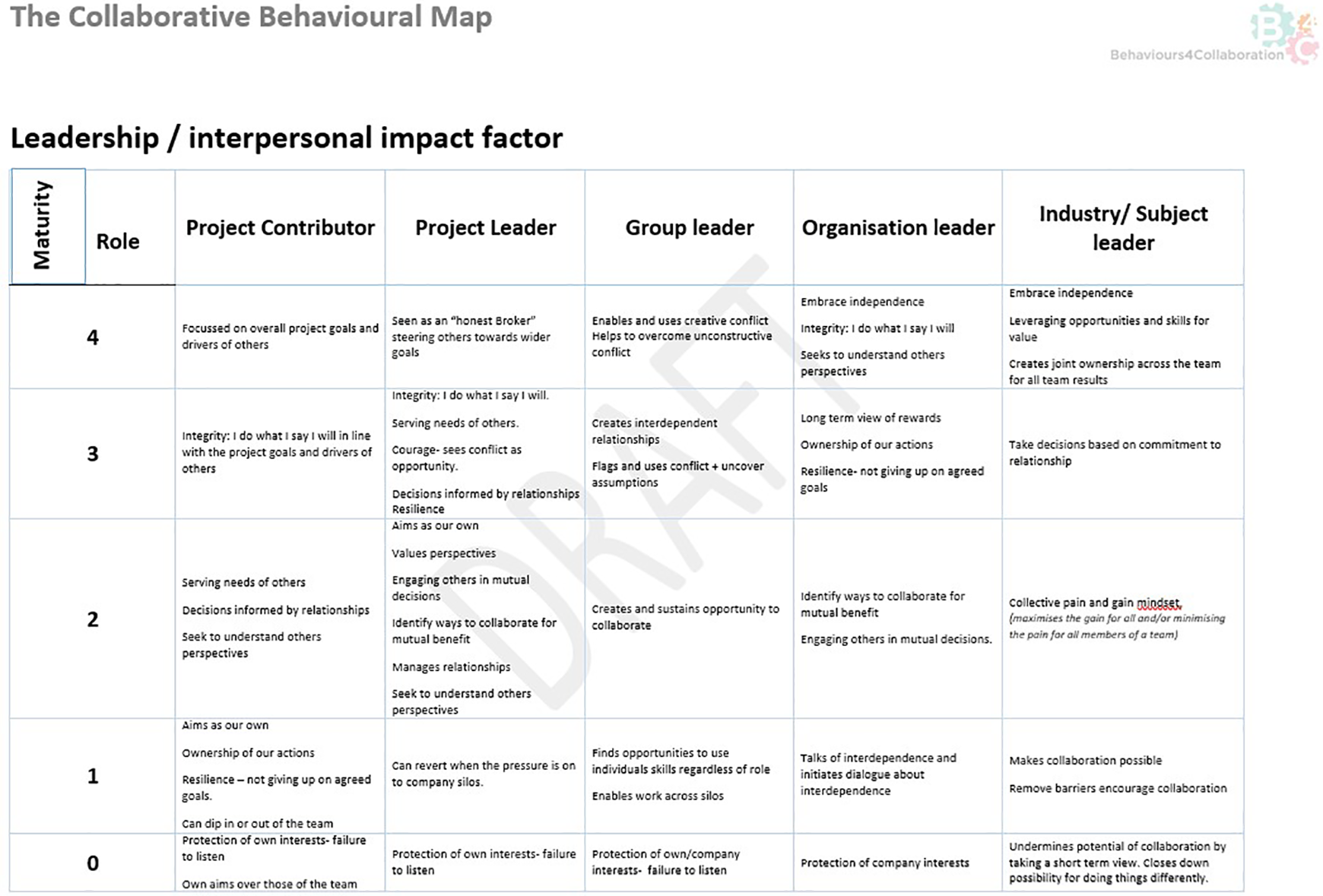
A sample page from the B4C Collaborative Behavioural Map.
Each of these roles signifies a different level of responsibility in the industry. It was determined in the workshops that these different roles would require a different level of collaborative behaviour. The roles listed above were discussed at some length in the workshops held to develop the behavioural map.
The workshops also determined that there were several key areas for which ‘collaborative behaviours’, as defined by the B4C team, were needed. Figure 2 shows these different behaviours.
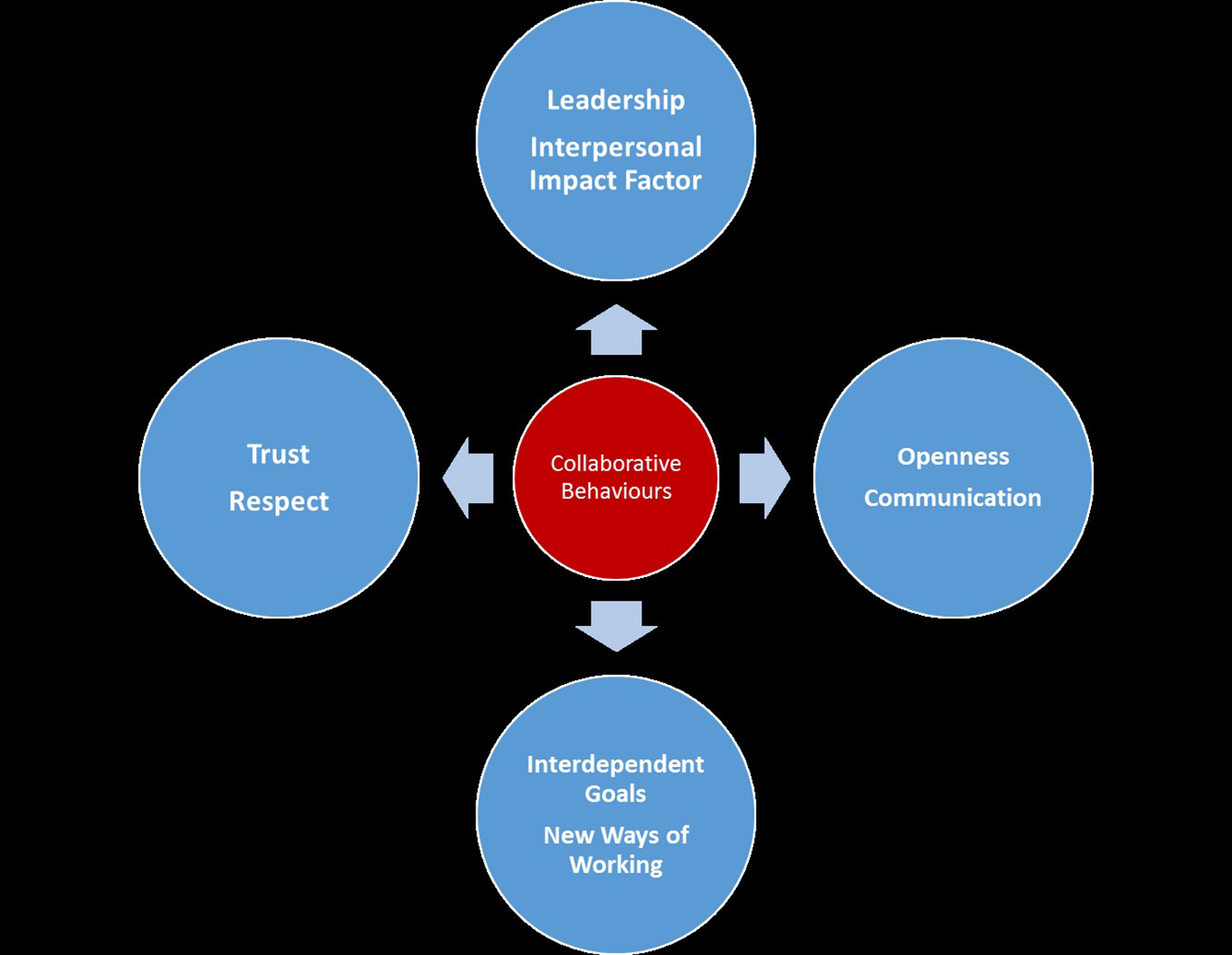
The 8 collaborative behaviours devised by the B4C team.
The aim of the map is to guide and advise an array of professionals on how to develop their behaviours to work more collaboratively. It is the intention of the B4C team that the map should be used in team meetings to facilitate discussions about the behaviours that can be used and to coach individuals to develop a collaborative style. When users look at the higher levels of maturity it is hoped that they will assume that the lower levels are also necessary (although they may not be present); therefore, the behaviours are cumulative as the levels of maturity increase. The same is also true for the behaviours applying to specific roles; those behaviours specified for the Project Contributor are also required for the Industry Leader. It should be borne in mind that these behaviours need examining within each individual using the map.
The B4C map was adapted for the purposes of the research discussed in this paper. As the participants were level 5 undergraduate QS students it was decided by the research team that the descriptors of ‘Group Leader’, ‘Organisation Leader’, and ‘Industry/Subject Leader’ would be removed, making the map simpler for them to complete. Data were collected during a scheduled teaching tutorial at the university in the ‘Project Contributor’ and ‘Project Leader’ sections, and the results from these sections are discussed in the paper. The participants were given a brief introduction to the B4C map and why the research was being conducted. Ethical considerations were given high priority, so that all the participants were fully aware of the reasons for the data collection.
Findings and discussion
As already noted, the data for the study were collected through the administration of the B4C map to level 5 undergraduate QS students in a university in the North West of England. The university has one of the largest multidisciplinary schools of the built environment in the UK. The map was administered to students taking the multidisciplinary project (MDP) module. This module is undertaken by different disciplines in the school, including Architecture; Architecture, Design and Technology; Building Surveying; Construction Project Management; Property and Real Estate; and Quantity Surveying. However, this study focuses on the QS students’ perspectives of collaborative multidisciplinary learning.
The MDP module aims to provide students with an opportunity to work in multidisciplinary teams and to enable them to perform in a role/discipline in the context of a team-based project. The project is always defined by an industrial organisation that works closely with the Built Environment (BE) School. The module is designed to promote reflection on individual and team working and the multidisciplinary nature of built environment (BE) projects, so that students are encouraged to practise and further develop both the discipline-based and the generic key skills required by a BE professional, including collaborative working and interpersonal skills.
In all, 29 fully completed responses were received from the QS students, all of which were found suitable for analysis. The B4C maps were hand-delivered to the QS students present at the MDP module session. Based on the different roles students had assumed in previous projects set in the MDP module, when they had to work with other disciplines, they were guided through the completion of the map by engaging in detailed reflection on the key collaborative behaviours and differing maturity levels. This detailed guidance helped to achieve a high response rate of almost 100%.
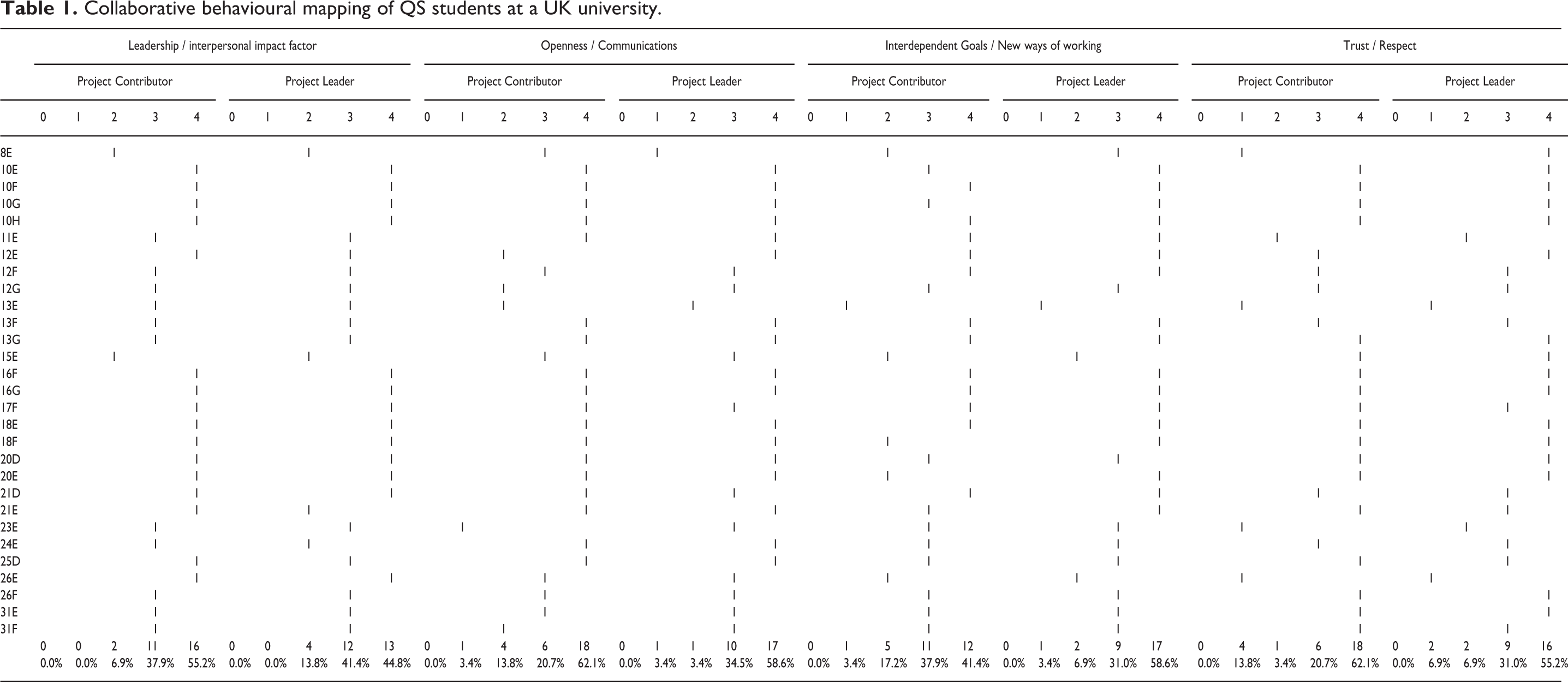
Descriptive statistics were conducted for the analysis (techniques used included frequencies and percentages). Percentages were used to indicate the maturity level(s) of the respondents in each of the identified collaborative behaviours. Table 1 shows the results of the collaborative behavioural mapping. Additionally, graphs depict where the respondent’s strength lies, either as a Project Contributor and/or a Project Leader, at differing levels of maturity of collaborative behaviour.
Collaborative behavioural mapping of QS students at a UK university.
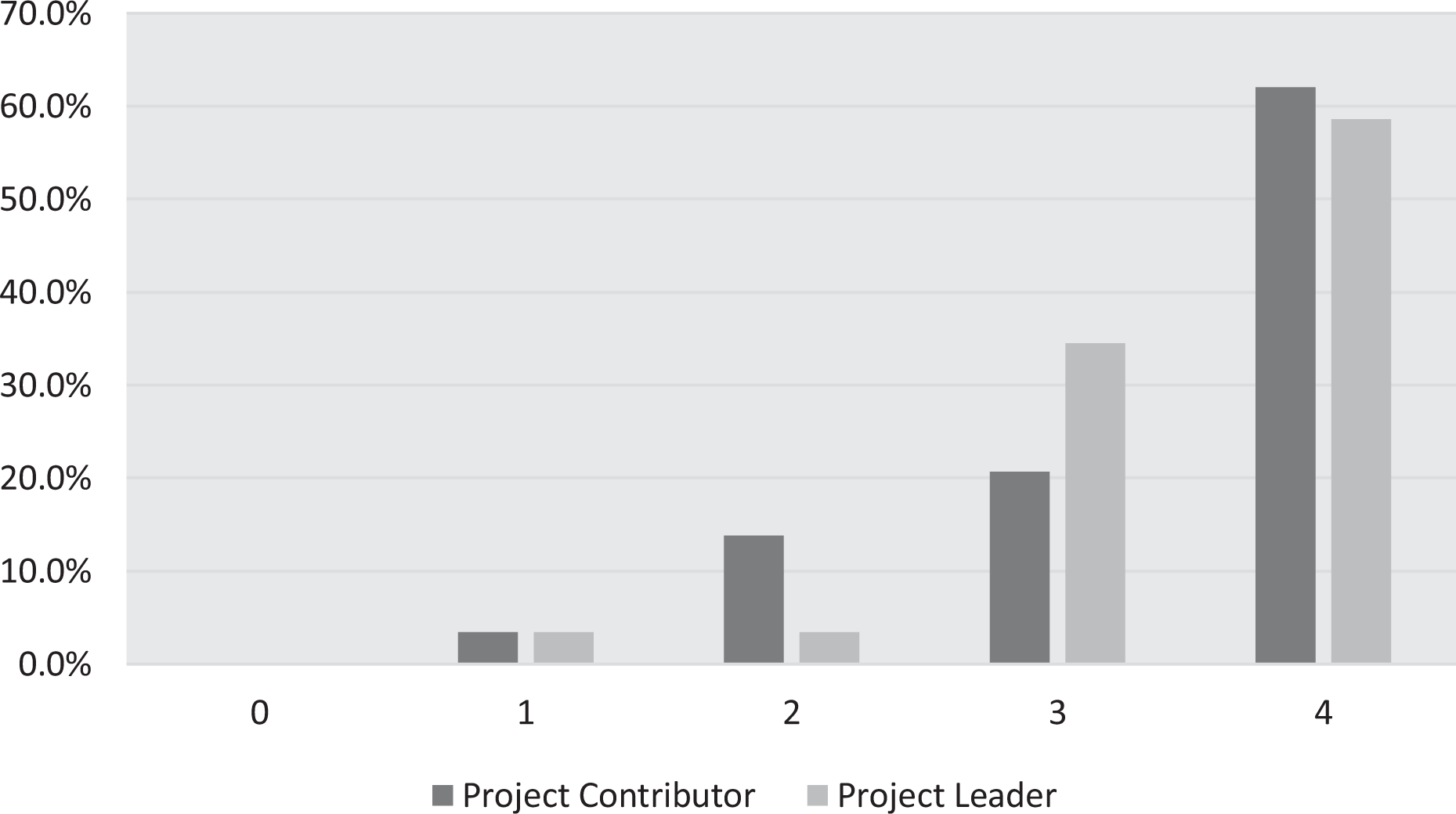
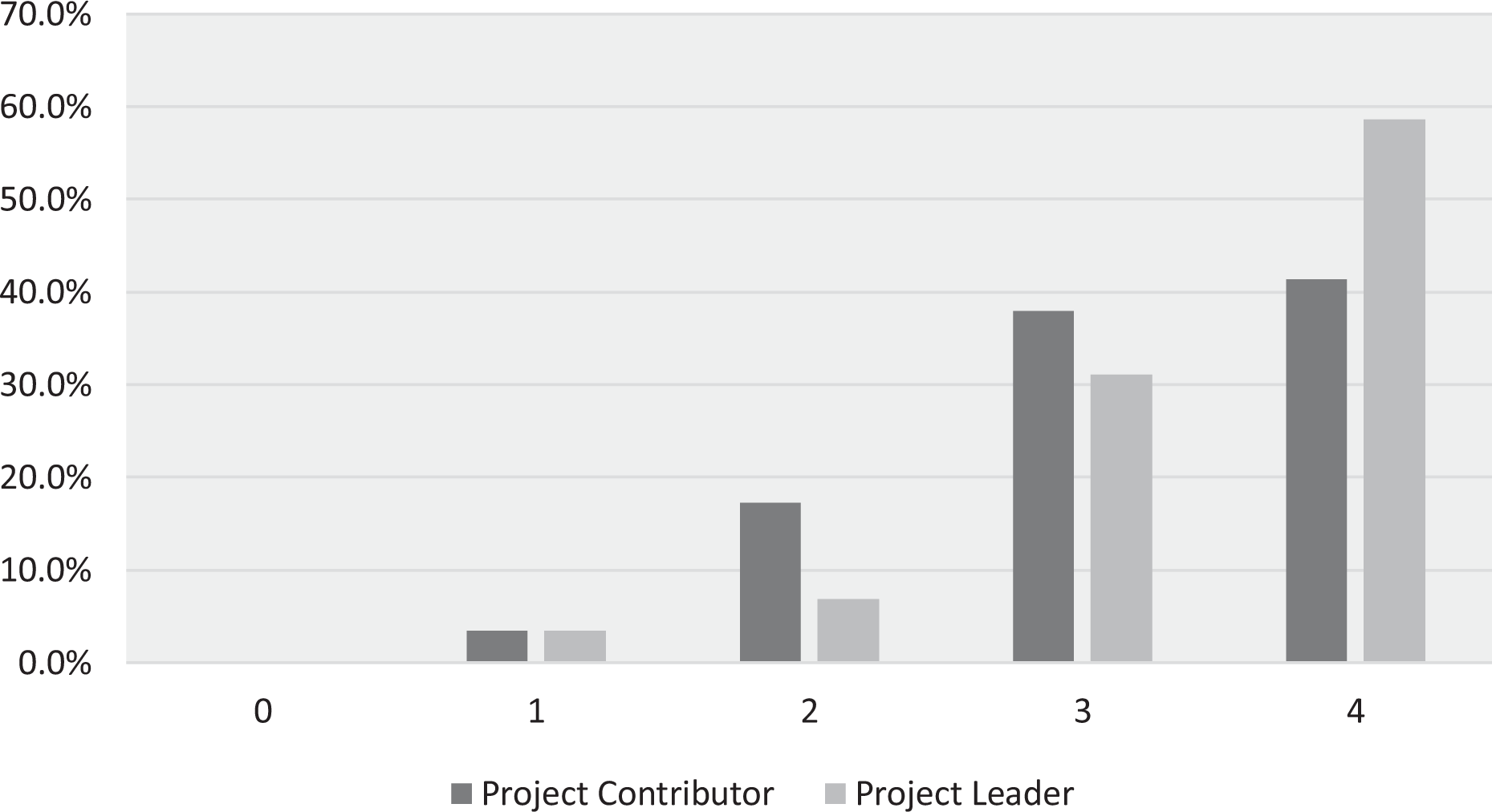
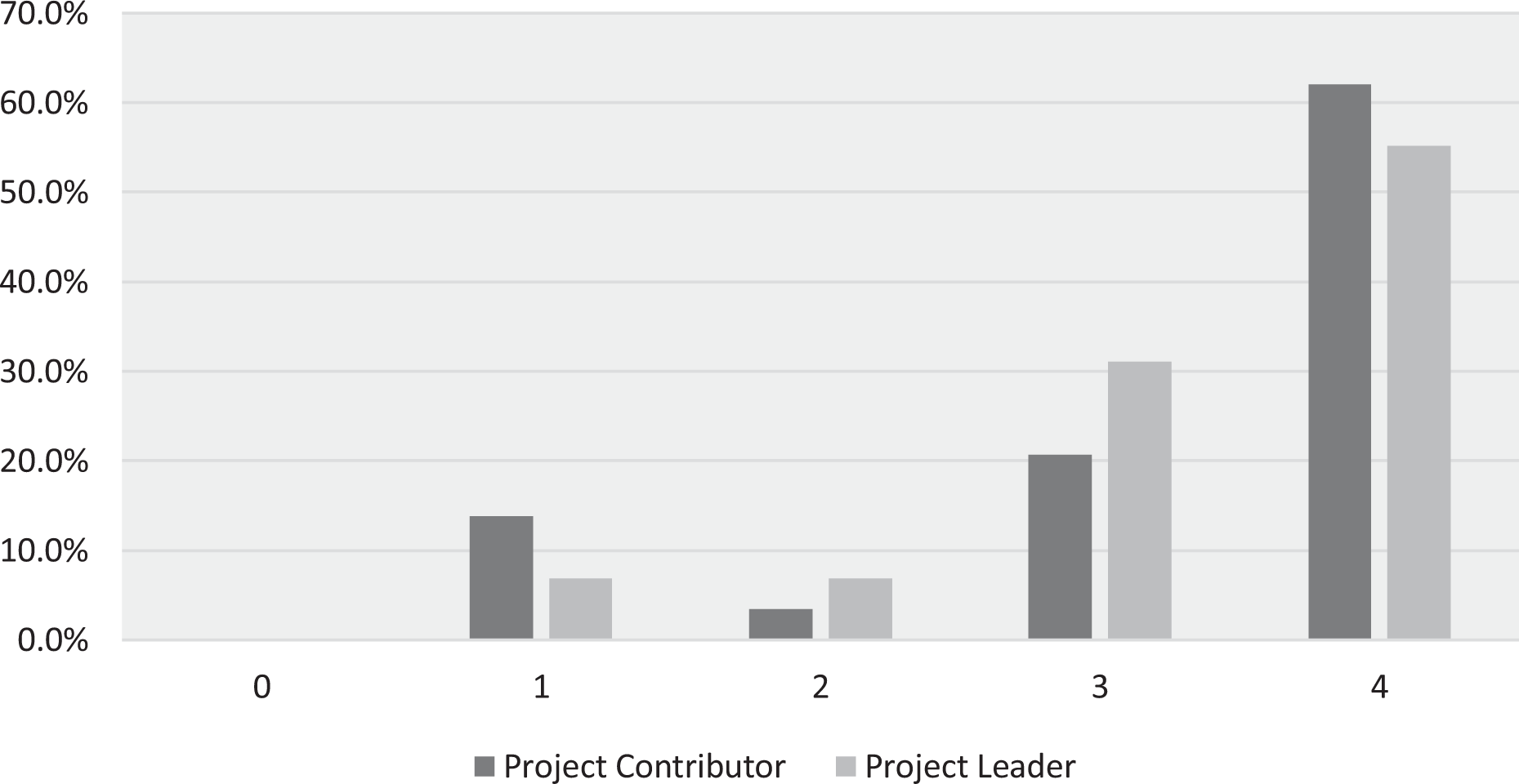
Figures 3 –6 show a general pattern in the behaviours of QS students with regard to working collaboratively. As indicated in Figure 1, maturity level 0 typifies non-collaborative behaviour. However, none of these students saw themselves at this level, which begs the question of why projects are not always successful. Similarly, most students saw themselves at the upper end of the scale, as can be seen in the graphs which show a gradual increment in the maturity level of collaborative behaviour. Since the behaviours are cumulative as the levels of maturity increase, the gradual increment is to be expected. The only exception is the issue of trust/respect; QS students as Project Contributors prefer to be seen as communicating necessary information (indicative of maturity level 1) and not allowing distraction (typical of maturity level 2). This is logical, as a lower level of maturity may be considered attractive if it relates more to the primary role and responsibilities of a quantity surveyor.
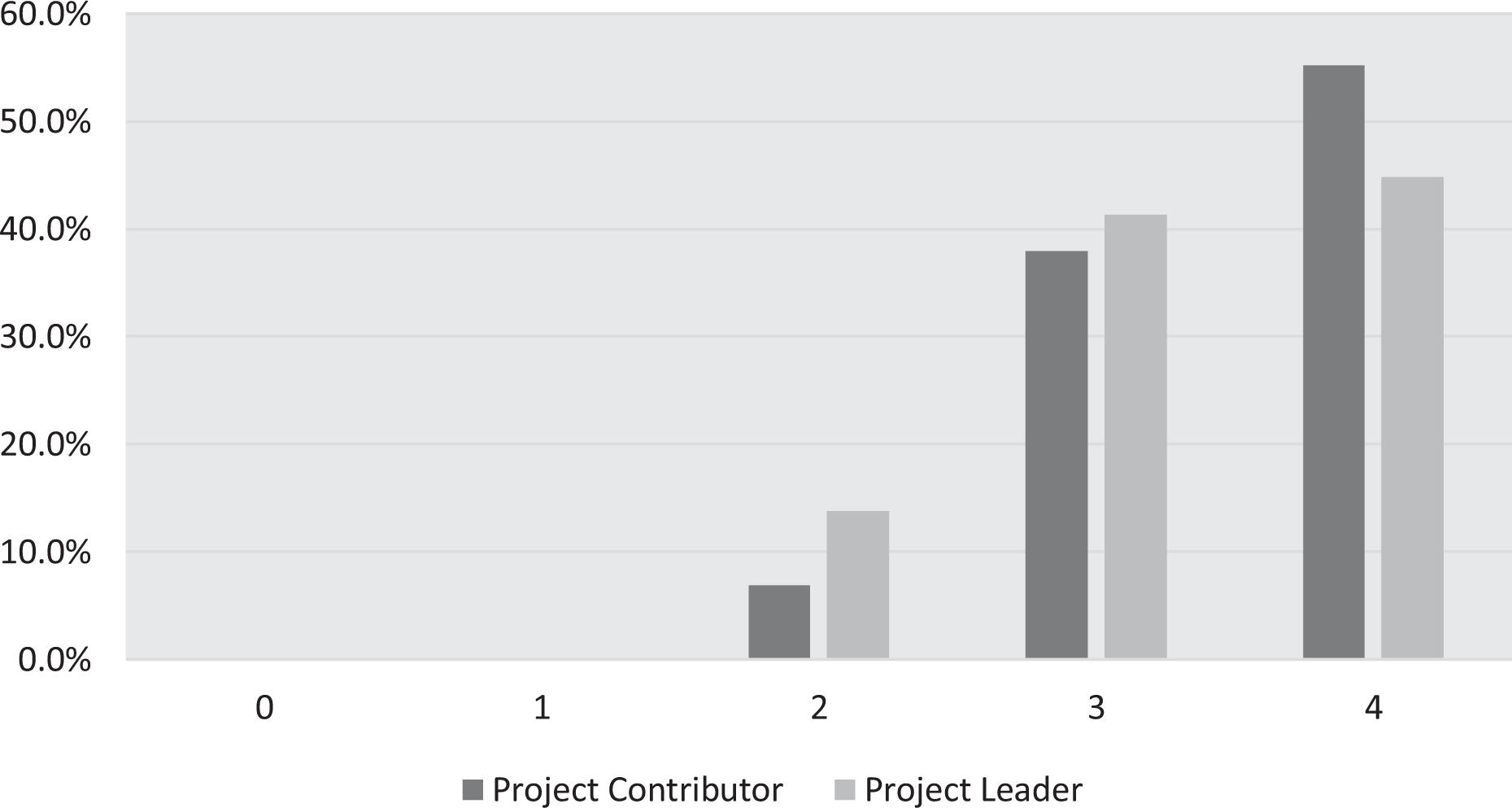
Students’ knowledge level on the leadership/interpersonal impact factor.
Students’ knowledge level on openness/communications.
Students’ knowledge level on interdependent goals/new ways of working.
Students’ knowledge level on trust/respect.
It can be seen from Figure 7 that QS students as Project Contributors accord more emphasis to trust/respect at maturity level 1 than to any other collaborative behaviour – perhaps because of the need for quantity surveyors to be seen as trustworthy from the outset to reinforce their authority when working as part of a project team, advising on costs and contractual matters.
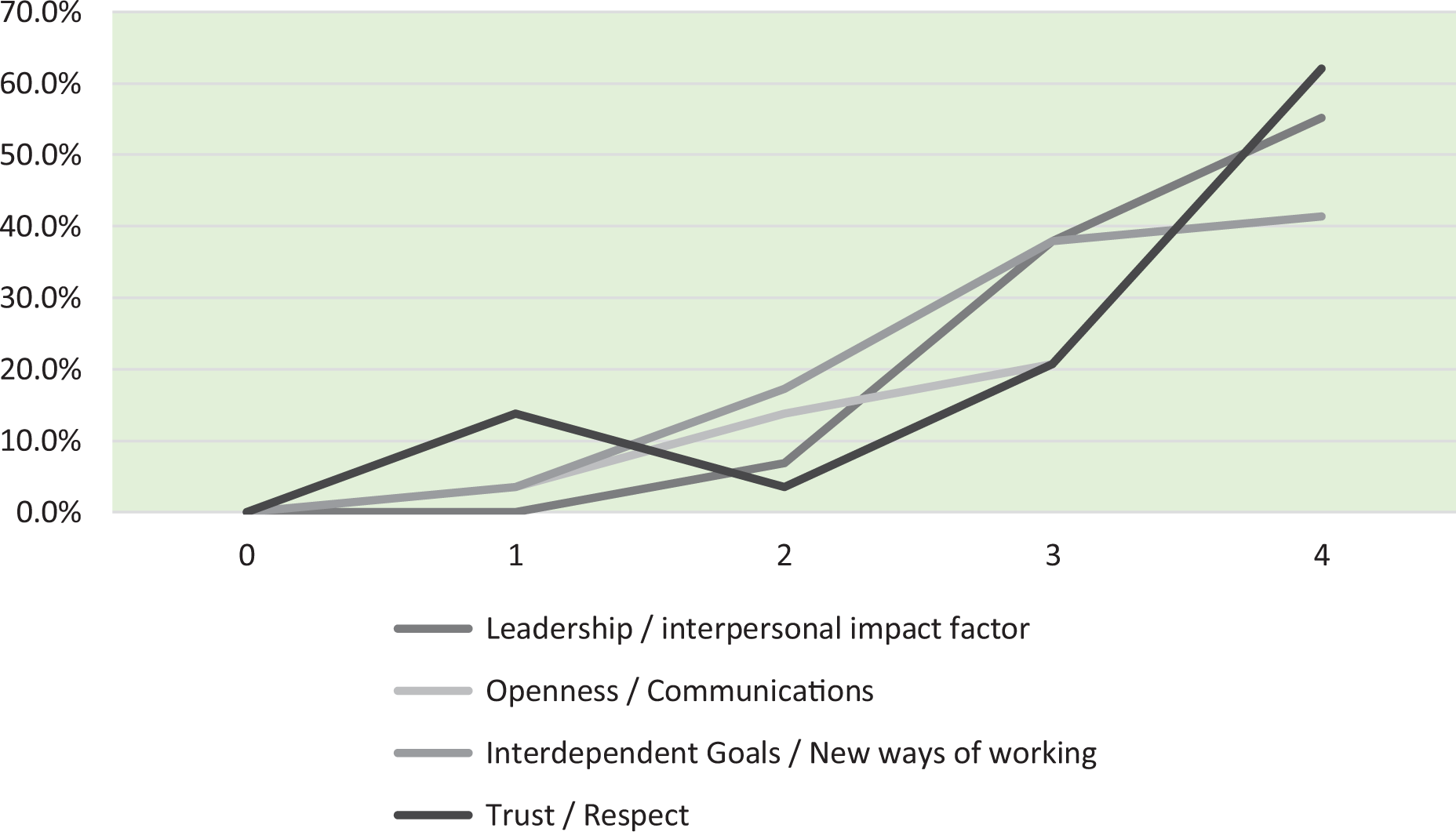
QS students as Project Contributors and the perceived importance of collaborative behaviours.
Openness/communications and interdependent goals/new ways of working followed as joint second, while the leadership/interpersonal impact factor was seen as less of a necessity at maturity level 1: however, as the maturity level increased this factor became more important, especially to achieve the project objectives. Similarly, trust/respect and openness/communications are key to achieving project objectives and so show a similar trajectory. While interdependent goals/new ways of working might be gaining momentum at the lower maturity levels, it became relatively stable at the highest level when other collaborative behaviours are much needed and/or desired.
Figure 8 shows the collaborative behaviours of QS students as Project Leaders. At maturity level 1, most students perceived that trust/respect was far more important to a Project Leader than in any other key area in which they needed to be collaborative. Openness/communication and interdependent goals/new ways of working followed in second position while the leadership/interpersonal impact factor was not present. At maturity level 2 though, the leadership/interpersonal impact factor was considered most important, while openness/communication was considered the least relevant of the four collaborative behaviours. Similarly, at maturity level 3, the leadership/interpersonal impact factor was perceived to be the most important, while at level 4 the remaining three collaborative behaviours prevailed. It is reassuring to know that students understood that trust/respect are key collaborative behaviours and a must-have for any Project Leader no matter the maturity level, as well as openness/communications and setting interdependent goals/new ways of workings in equal measure.
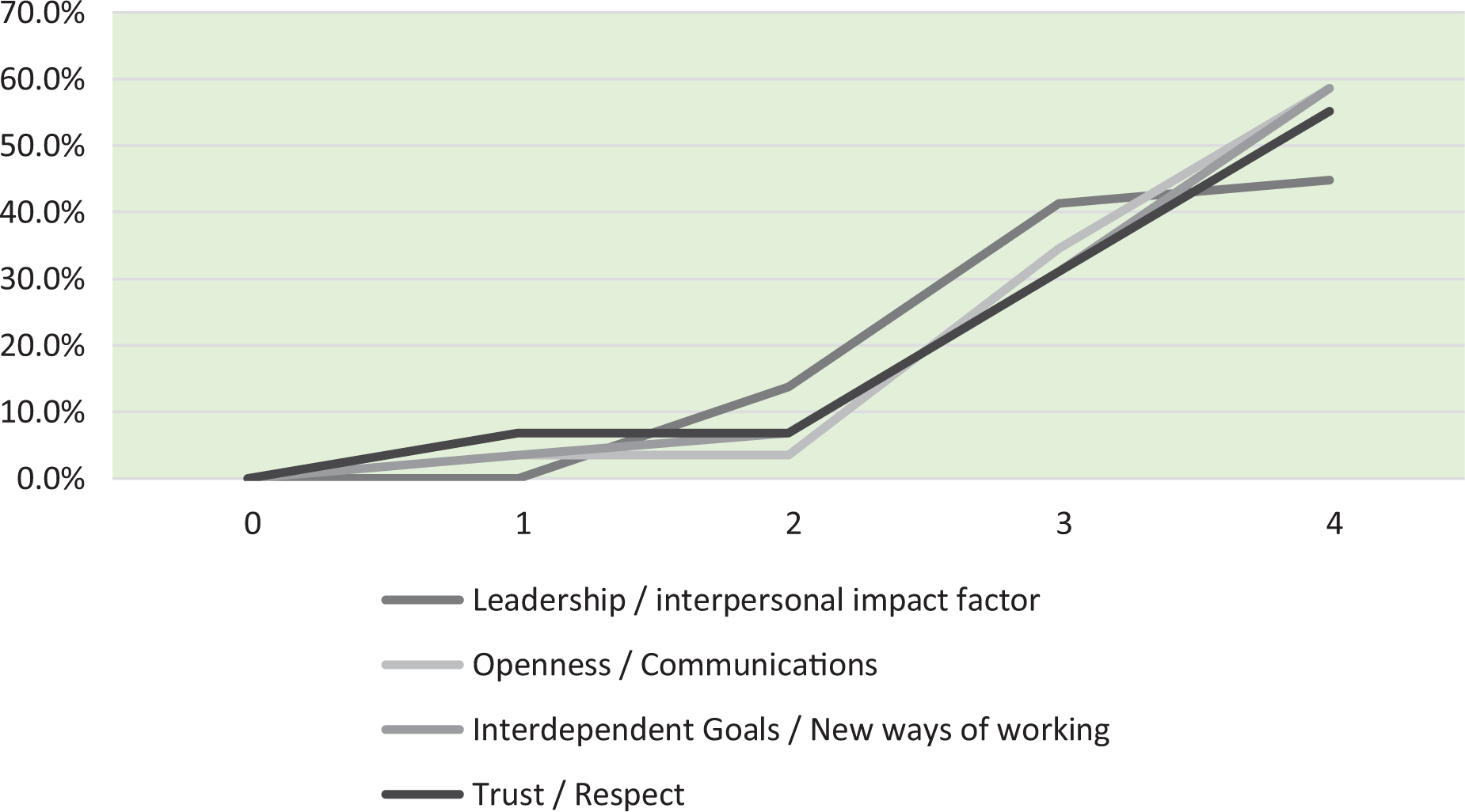
QS students as Project Leaders and the perceived importance of collaborative behaviours.
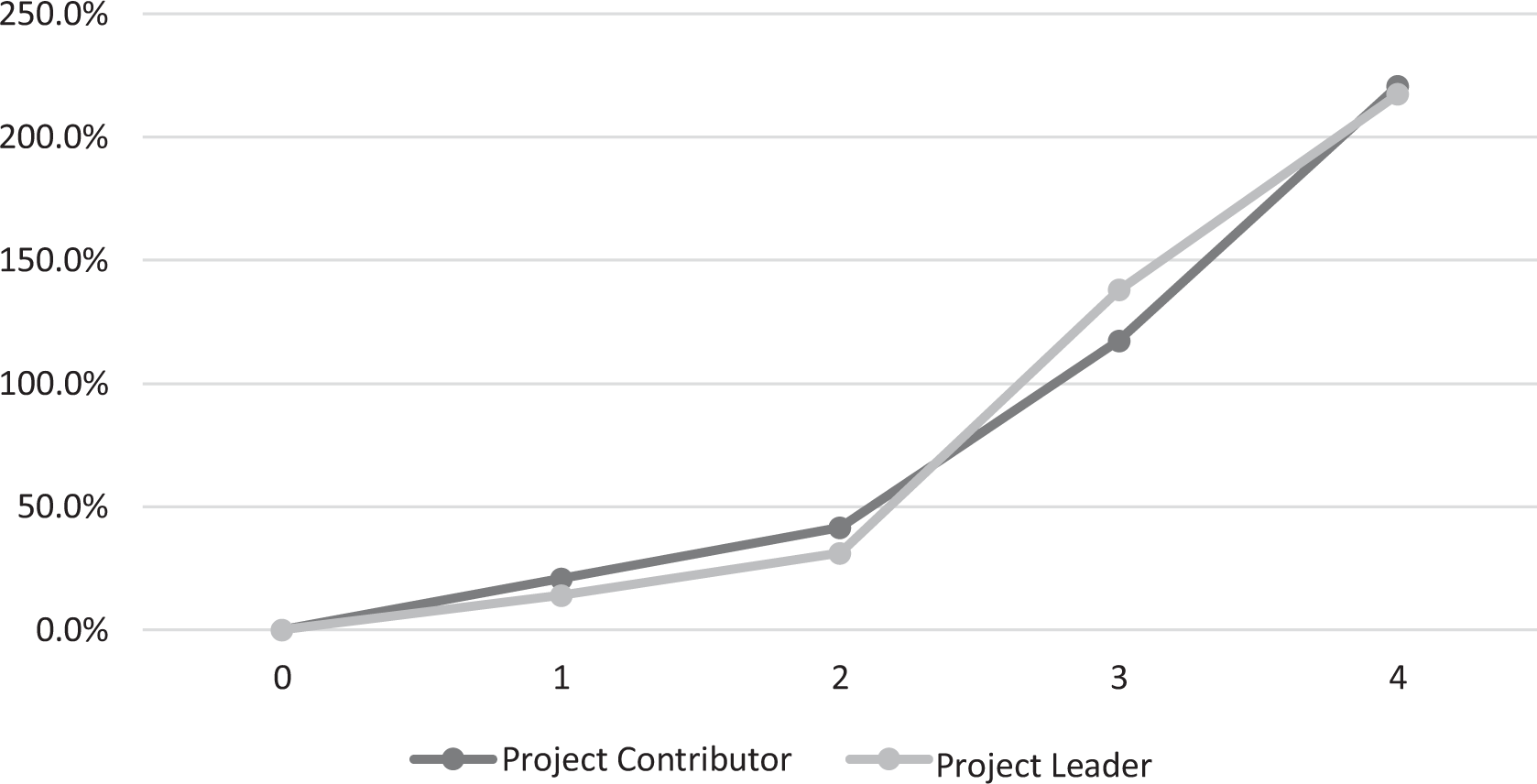
As shown in Figure 9, QS students see themselves more as Project Contributors than as Project Leaders. This is evidenced at the various maturity levels except for level 3, where some believed they should be seen more as Project Leaders. The views of the students are consistent with the thinking of the B4C team in that the person undertaking the Project Leader role is likely to change from time to time. While quantity surveyors may perform the role of a cost estimator on a project, they may also be required to take a leading role, for example, in contract administration and the overall cost management of a project from inception to completion. This is when a quantity surveyor may assume the role of a Project Leader rather than simply acting as a Project Contributor.
The Collaborative Behavioural Map.
As the results show, the QS students believed they were mostly collaborative, as either Project Leaders or Project Contributors, in all the key areas identified. In fact, none of them thought they exhibited non-collaborative behaviours, although this is open to debate and interpretation. It would be interesting to see what students of other disciplines think of the maturity levels of QS students in the key areas in which they need to be collaborative. Also of interest is the collaborative behaviour of other professionals in the built environment and how they compare with each other.
According to the literature, a lack of multidisciplinary collaborative learning in most BE curricula and a lack of integration between the disciplines in BE schools are issues that most participants in the education versus training debate are keen to see resolved (Scott, 2015; Shelbourn et al., 2017; Starzyk and McDonald, 2010). At face value, it appears that the MDP module is providing QS students with the opportunity to develop the necessary skills through collaborative multidisciplinary learning and by working with team members from other disciplines. Further research is required to ascertain the true effect of this positive development in the workplace post-graduation.
Table 1 shows the different roles that a quantity surveyor can assume in the construction industry and the different levels of collaborative behaviour attainable. It is worth noting that approximately half of the respondents are still below maturity level 4 and are not as collaborative as they could be. Though the behaviours are cumulative as the levels of maturity increase, other key areas in which a person needs to be collaborative as a Project Leader or a Project Contributor are not present in nearly half of the students. This is a rather disturbing finding in light of the importance of collaboration and team working skills in the construction industry. These are the people who will be required to collaborate with other professionals in the future to help us build and maintain the built and natural environments.
The results of this study, therefore, affirm the findings of Pressman (2007) and Nawari (2010) concerning the challenge for academics of teaching future BE professionals how to engage with and lead others so they can work effectively in teams. There is a growing need for pedagogy to focus on multidisciplinary collaborative BIM education if we are to produce graduates with the necessary skills. Integrating the B4C map into the BE curriculum may help to facilitate teaching of the behaviours needed to develop a collaborative approach and to equip our future BE professionals accordingly.
Conclusions and future research
Collaborative multidisciplinary learning has become an inevitable trend in recent years due to the need for academics to educate undergraduates so they can work effectively in collaborative teams, putting together virtual (and eventually real-life) buildings and capable of taking care of our built and natural environments. Collaborative education has gained in popularity and momentum in BE/AEC curricula in the UK and abroad because of the industry’s requirement for skills for collaborative BIM, the need for collaborative BIM training (which is a top priority for investment by industry), and the changing role of educators in creating job-ready graduates.
The complexity of modern building projects and the technologies used in their design and construction mean that students need to work collaboratively and learn the requirements of other disciplines before they graduate, often in multidisciplinary modules and projects. Thus, quantity surveyors, as part of the construction industry, have an important role to play in instigating the necessary changes. This study found that the QS students surveyed were aware of the need to share learning across disciplinary silos, and all respondents exhibited positive behaviours with regard to collaboration, albeit at differing levels of maturity. This demonstrates that the critical role of the university in bringing an understanding of the importance of collaboration to students has been successful. It is also important that the university nurtures these positive attitudes to enable the students to engage in collaborative multidisciplinary learning more wholeheartedly.
The study revealed that the implementation of the multidisciplinary module in the curriculum has been successful to a certain extent in introducing collaborative behaviours holistically. It further showed that students had differing levels of maturity in the key areas they need in order to be collaborative. Several students believed that they showed high levels of maturity in the stated collaborative behaviours and their level of maturity was strongly related to their discipline, even if that discipline only required them to operate at a lower level of maturity. For example, quantity surveyors placed higher importance on ‘communicating necessary information’ (typical of maturity level 1) than on ‘not allowing distraction’ (typical of maturity level 2).
Of the identified collaborative behaviours, ‘trust and respect’ is a key area in which quantity surveyors need to excel, whether working as a Project Contributor or a Project Leader. Trust and respect are seen as the bedrock of any successful collaboration. At maturity levels 1, 2 and 4, students saw themselves as Project Contributors, while at maturity level 3 they believed they should be seen more as Project Leaders. Perhaps the only conclusion that can be drawn from these results is that quantity surveyors can work either as a Project Contributor or as a Project Leader, depending on their level of responsibility. The views of the students are consistent with the thinking of the B4C team (which designed and developed the Collaborative Behaviours Map) in that the person undertaking the Project Leader role is likely to change from time to time. However, knowledge gaps were found across all the key areas for collaboration either as Project Contributor or as Project Leader. Almost half of the students placed a low level of importance on collaborative behaviours despite the need for change instigated by the BIM revolution.
This study has certain limitations. Firstly, considering what other disciplines think of the maturity levels of quantity surveyors in the key areas where they need to be collaborative would have enhanced the credibility of the findings. Secondly, although using a multidisciplinary learning project allows collaborative behaviours to be tested, looking at how the other industry professionals compare with each other may enrich the findings. Despite these limitations, however, the findings of this study may be considered reliable as they are drawn from a fieldwork approach that involved getting students to share their true experiences. Therefore, further research might be conducted involving several universities and AEC firms on a periodical basis, and comparisons could be made to monitor progress in the curriculum and changes in industry’s expectations of students’ collaborative behaviours. It might also be useful for the university to conduct a survey to ascertain whether the knowledge and skills gained by graduates are relevant to their working careers or are put into actual practice in the workplace after graduation.
These findings show that there is room for improvement amid the continuing training versus education debate in the BE curriculum. A multidisciplinary learning approach can create opportunities to develop the competencies, knowledge and the key understanding of the importance of collaboration that graduates now require. Also, the university should be selective in teaching and innovative in reorienting QS education so that collaborative BIM education can be effected in stages, increasing in complexity as the students’ technical knowledge grows. This will help students build the skills, competences and understanding needed to make them future leaders in the built environment.
The study should, therefore, be of value to BE and AEC schools in assisting them to develop a methodology for incorporating a multidisciplinary learning approach into their curricula. The B4C map can be used for mapping understanding of the key skills in the QS curriculum to determine its currency, as demonstrated in this study. Integrating the B4C map into the curriculum in this way will help to establish and facilitate the teaching of the behaviours needed for collaborative work and so to equip our future professionals effectively. The industry will also benefit through using the B4C mapping framework to establish the key skills a graduate quantity surveyor needs in order to be collaborative. Additionally, professional bodies can use the framework developed for regulating professionally-oriented degree programmes in higher education.
Footnotes
Declaration of conflicting interests
The author(s) declared no potential conflicts of interest with respect to the research, authorship, and/or publication of this article.
Funding
The author(s) received no financial support for the research, authorship, and/or publication of this article.
