



Abstract
Research suggests that older internet users are not a homogeneous group of users, as their level of digital inclusion varies widely, depending not only on their age, but also on their socio-demographic background, internet access characteristics, and the availability of social resources associated with “age-graded” life events (e.g., retirement and widowhood). This study presents a typology of internet users in late middle and late adulthood according to their levels of skills and uses and examines how socio-demographic characteristics, social networks and resources, and internet access shape differences between groups. Based on representative survey data, cluster analysis was used to identify four groups of users aged 50+: Apprehensive, Level-headed, Savvy, and Reluctant users. Three main conclusions emerge from their comparison. First, both internet skills and uses need to be considered, as more skills do not always lead to more varied use and the relationship is affected by access characteristics and proxy internet use. Second, socio-demographics remain critical in explaining gradations in digital inclusion, but their effects must be contextualized. Not all younger older adults were highly digitally engaged, so their broader life contexts need to be considered. Third, social networks and resources had little impact on aging internet users’ digital engagement.
Introduction
The gap in internet access between older adults and other age groups has been slowly closing over the last decade (Blank et al., 2020; Ofcom, 2021). While almost all recent growth in internet access and use in the general population has been associated with growth in users in older age groups (Blank et al., 2020), the narrowing of the digital divide is also being driven by the transition of long-time internet users into late middle and late adulthood (Matthews et al., 2019; Wang et al., 2018).
However, there remain significant differences in internet skills and use between younger and older internet users (Blank et al., 2020). This is also true for the aging population—younger older adults have been shown to be systematically more digitally engaged than older adults (Hargittai & Dobransky, 2017). In fact, in their study of internet users aged 50+, Matthews et al. (2019, p. 1) found that “rates of internet use increase faster among younger cohorts yet, despite initially increasing, begin to decline among older cohorts.” Likewise, Friemel (2016) argues that the cohort effect might apply to younger seniors, but not to older ones, for whom health problems and physical limitations seem to gain importance. Considering not only the different experiences older adults may have with internet technology, but also the fact that aging is characterized by normative and non-normative “age-graded” life events (e.g., retirement and family life cycle) and associated changes in the availability of various social resources (Baltes et al., 1980), the importance of understanding the nuances of digital inclusion among older adults becomes clear. In addition, as more and more everyday transactions––in the market, with the state and within social networks––are predicated upon internet use, research on age-related digital divides is crucial for forming and implementing adequate social policy measures to support the social inclusion of older adults with different needs and backgrounds as well as online capacities.
Older adults are indeed very heterogeneous in terms of their internet skills and use levels when comparing the degree of their digital inclusion with other age groups (Friemel, 2016; Hargittai & Dobransky, 2017). Differences in their levels of internet skills and use are related not only to their age but also to other socio-demographic characteristics (e.g., gender, education, and income), the availability of social resources and support (e.g., having children, association memberships, diversity of personal networks, opportunity for access to and mobilization of social support), characteristics of their internet access (Hargittai et al., 2019; Hargittai & Dobransky, 2017; Olsson et al., 2019), and previous internet experience, such as years online and occupational experience working with computers (Friemel, 2016; Hänninen et al., 2021; Hargittai & Dobransky, 2017; König et al., 2018; van Deursen et al., 2014; van Deursen & Helsper, 2015). Van Dijk’s resources and appropriation theory (van Dijk, 2005) posits that the personal (e.g., age and gender) and positional inequalities (e.g., education) described above determine the quantity and quality of resources available to an individual, which are the prerequisite of technology use. In fact, a recent qualitative study showed that these factors can help us better understand the social and personal contexts of different user groups among older adults, characterized by specific patterns of internet skills and uses (Quan-Haase et al., 2018).
To extend our understanding of such nuances, we draw on the second-level digital divide framework (Hargittai & Hsieh, 2012) to develop a typology of aging internet users based on differences in the level of their internet skills and uses. We study the aging population of internet users, defined as users aged 50+, for two reasons: first, to take into account the potential age-graded influences in the transition from late middle to late adulthood that have been suggested to affect levels of digital inclusion (Choi et al., 2020), and second, because a lower age threshold “might better capture the differentiation in findings across older adults, and better pinpoint disparity” (Hunsaker & Hargittai, 2018, p. 3948). Aside from identifying four distinct user groups, the original value of this study, based on multivariate analyses of survey data representative of the Slovenian population, is a comprehensive examination of the background characteristics of the four user groups using a range of indicators of internet access, demographics and social networks and resources, which have been indicated to shape gradations of digital inclusion in middle and late adulthood (Choi et al., 2020).
Literature Review
Typologies of Aging Internet Users
While early segmentations of internet user studies often excluded older adults or grouped them into one segment treating them as one homogenous group (e.g., Brandtzaeg et al., 2010), later research showed that there are differences among aging internet users that go beyond the distinction between internet use and non-use. For example, Vuori and Holmlund-Rytkönen (2005) identified two groups of Finnish older adults with specific internet-related needs. The group of healthier older adults, who were more likely to go online, were referred to as Healthy, indulging 55+ internet users (more educated users with higher incomes, still working), in contrast to Ailing outgoers, who used the internet but were not regular users. Health status was also found to be a relevant factor in influencing heterogeneity in internet use in the cluster analysis of van Boekel et al. (2017). Their results indicated four groups of older internet users. Minimizers were the oldest group with the lowest levels of psychological well-being and frequency of internet use. Conversely, Maximizers were the youngest and most digitally engaged cluster and, in turn, spent the most time on the internet. Their psychological well-being and overall health were better than those of the Minimizers and Social users, but similar to Practical users (who spent less time on the internet, which they used for functional and financially related activities).
Further, Nimrod (2013) derived a cross-cultural typology of internet users in later life based on context-specific internet activities related to participation in online communities. Three clusters were identified, with Aging-oriented standing out as the cluster with the lowest number of posts, whereas Information swappers had the strongest motivation to communicate and exchange information online. For the Socializers, online communities offered more than just practical information and social support, and they therefore reported the highest level of gratification. However, in a later study, Nimrod (2017) showed that a large majority of older adults still relied on traditional mass media rather than internet-based media when seeking information. Among the four identified clusters, digitally enhanced practices were typical only of Heavy asynchronous media users (17.7%) whose openness to innovation was associated with a wide range of internet uses and pronounced preference for asynchronous online communication. The largest group in the sample (43.9%) were Lighter users who predominantly used traditional over new media, while the two remaining groups, Heavy synchronous one-to-many users and Heavy one-to-many users, were both characterized by high overall media use, but not in terms of digitally enhanced practices (Nimrod, 2017). More recently, Vulpe and Crăciun (2020) identified three distinct clusters, further suggesting that different groups of older adults show diverse use of internet-enabled devices, frequencies of use, and communication preferences. The most diverse practices were identified among Digitally immersed communicators, who used the internet most frequently from various locations, in contrast to Asynchronous communicators, who were more likely to use a “traditional” means of communication, and Phone enjoyers, who accepted the internet and devices related to it, but were selective in their communication and internet activities.
Differences in the levels of digital skills and number of activities undertaken online were used to qualitatively identify five clusters of older internet users aged 65+ in Canada (Quan-Haase et al., 2018). Although Savvy users showed the highest levels of digital skills and uses, in-depth interviews revealed that older internet users with higher levels of online engagement do not always have pronounced digital skills. In particular, Go-getters and Apprehensive users engaged in multiple online activities despite having low- to mid-level digital skills. This was partly explained by their engagement in indirect internet access (e.g., asking other users to go online on their behalf) and by the fact that users’ motivation to improve internet skills in later life varied. In fact, participants often experienced internet anxiety and felt insecure, which were the main reasons for their lack of motivation to expand their digital skills (Quan-Haase et al., 2018). This applies to the largest group of Basic users as well as to Reluctant users, who also received limited social support. Members of other clusters showed interest in engaging in new online activities by improving their digital skills with the help of others.
Determinants of the Second-Level Digital Divide
The reviewed studies converge on the conclusion that diversity in internet use and/or skill levels between groups of older internet users can be explained by their different personal characteristics and by the social and technological context in which they live. This is in line with van Dijk’s (2005) resources and appropriation theory, which suggests that personal (e.g., gender and age) and positional inequalities (e.g., education and labor) are related to unequal distribution of resources (social and material, including internet access) which leads to differences in skills and uses. For example, user typology studies (Quan-Haase et al., 2018; van Boekel et al., 2017) confirm the findings of previous research (e.g., Friemel, 2016; Hargittai et al., 2019) that younger and more educated older adults are more likely to be savvy and more engaged internet users. Moreover, existing typologies and the related research suggest that socio-economic status (Cotten et al., 2016; Francis et al., 2019; Friemel, 2016; Nimrod, 2013, 2017; Olsson & Viscovi, 2020; Vulpe & Crăciun, 2020; Vuori & Holmlund-Rytkönen, 2005) and social capital (van Boekel et al., 2017) have both been associated with patterns of internet uses and skills in later life. However, online activities may not only enhance older adults’ social capital by expanding social contacts and access to information sources (e.g., Quan-Haase et al., 2018) but online activities may also be shaped by the social capital of older adults (Choi et al., 2020; Correa et al., 2017; Friemel, 2016). While van Boekel et al. (2017) did not find significant differences among the three clusters in terms of social and emotional loneliness, Vuori and Holmlund-Rytkönen (2005) noted that Ailing outgoers were more likely to spend their free time with family and friends. Relatedly, Vulpe and Crăciun (2020) found Digitally immersed communicators who used various devices and platforms for online communication to be more involved in political matters and to develop cultural beliefs influenced by social media.
Studies on user typologies have also reported different forms of internet access and types of devices as important causes of differential online engagement among older adults (Quan-Haase et al., 2018; Vulpe & Crăciun, 2020). Quan-Haase et al. (2018) argued that direct forms of internet access (e.g., types and number of devices, access location) need to be considered along with older adults’ engagement in indirect forms of access, such as proxy internet use (Dolničar et al., 2018; Grošelj et al., 2022). A number of older internet users mitigate their limited internet access or low internet skills by relying on the help of younger users in their social networks (Grošelj et al., 2019; Quan-Haase et al., 2018). However, Hunsaker et al. (2019) showed that inter-generational ties are not the only informal source of proxy internet use among older adults. In urgent cases or for minor technical problems, older users prefer peer support (e.g., spouse, friends, and neighbors). These findings suggest that internet users in middle and late adulthood not only receive support from others as users-by-proxy but also can help others in the role of proxy internet users (Hunsaker et al., 2019; Marler & Hargittai, 2022).
Given previous evidence of associations between digital engagement and transitions from late middle to late adulthood that are related to changes in the availability of various social resources, we expect varying levels of internet skills and uses to be associated not only with users’ socio-demographic characteristics and forms of direct and indirect internet access, but also with their social networks and resources. The aim of this study was to identify the clusters of aging adults based on their internet skills and uses, and to describe cluster characteristics based on socio-demographic background, social networks and resources, and (in)direct internet access. Four specific research questions (RQs) were asked:
Methods
Procedures and Data
Data were collected in the 2018 wave of the Slovenian Public Opinion Survey conducted as part of the International Social Survey Programme (ISSP). Computer-assisted face-to-face interviews were conducted from March to June 2018. Participants aged 18 years or older were selected from the Central Register of Population (CRP) using a two-stage random sampling with stratification by type of settlement and the statistical region of residence. The survey was completed by 1,047 participants, a response rate (RR1) of 57% after excluding non-eligible units (AAPOR, 2016). No post-stratification techniques were applied since the socio-demographic characteristics of the sample were shown to closely mirror the characteristics of the general population when compared with data retrieved from the CRP.
Socio-Demographic Characteristics of the Total Sample and the Subsample of Internet Users Aged 50+.
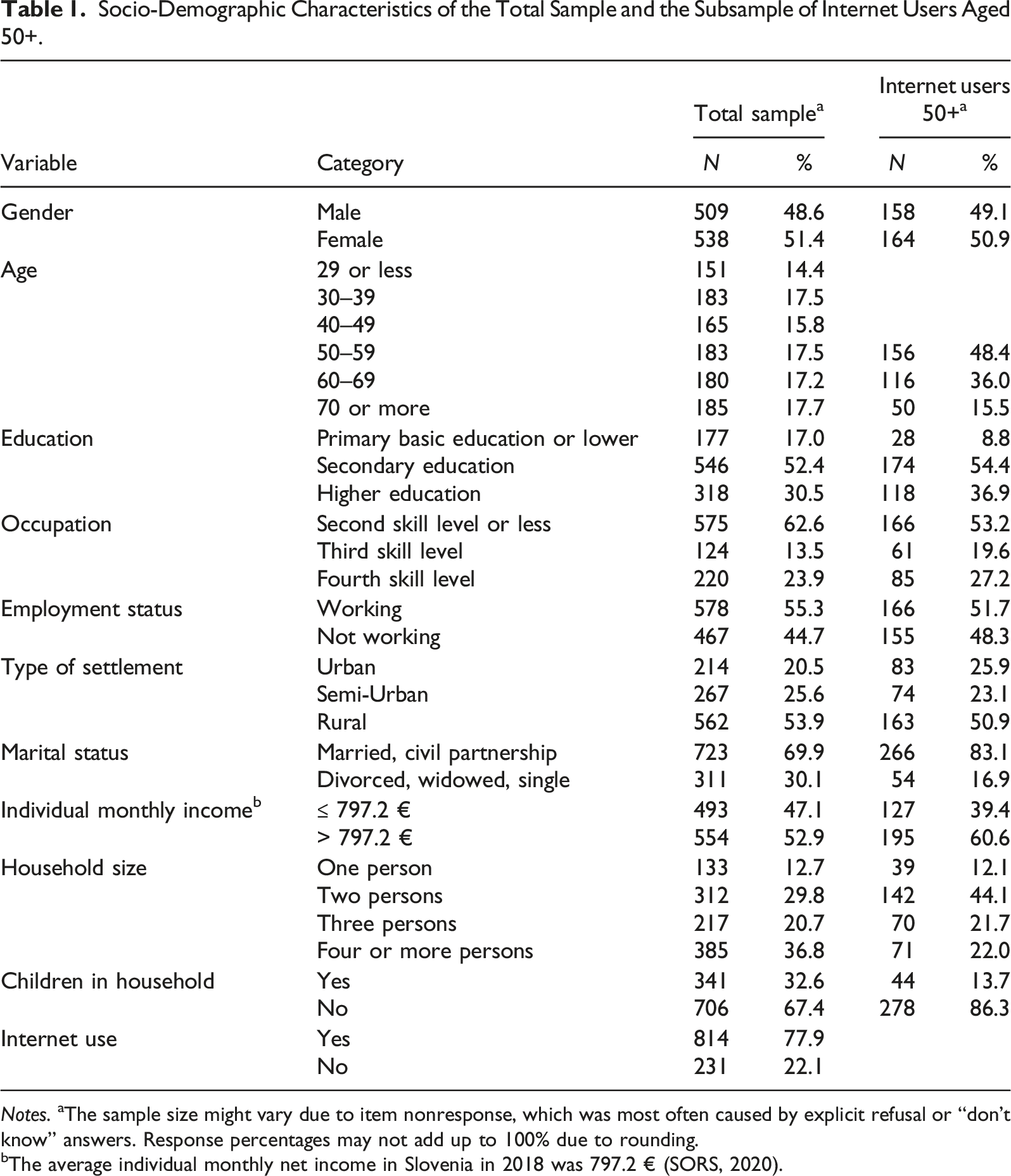
Notes. aThe sample size might vary due to item nonresponse, which was most often caused by explicit refusal or “don’t know” answers. Response percentages may not add up to 100% due to rounding.
bThe average individual monthly net income in Slovenia in 2018 was 797.2 € (SORS, 2020).
Measures
Variables used as the basis for clustering (i.e., clustering variables) included measures of internet skills and internet use. Internet skills were assessed with a short form of the Internet Skill Scale (van Deursen et al., 2016). The results of exploratory and confirmatory factor analyses showed high to adequate convergent and divergent validity of the scale (Grošelj et al., 2021). The four scale scores corresponding to operational, information navigation, social, and creative skills were calculated by averaging across corresponding items, with items measuring information navigational skills being reversed before summing so that higher values of all four skills scores indicated a higher level of proficiency. Breadth of internet use was assessed with an adapted 17-item inventory from Blank and Groselj (2014) measuring frequency of internet uses across cultural, personal, economic, and social domains. Four items each assessed cultural, social, and personal uses, while five items measured economic uses. For each of the four types, a composite score of breadth of use was created by summing the number of items that a user performs more often than “Never” and dividing it by the number of items in the corresponding type (see Reisdorf et al., 2021). We obtained four composite scores with higher values indicating a higher percentage of activities in which internet users engaged across the four domains.
Internet Access and Proxy Internet Use among Internet Users Aged 50+.
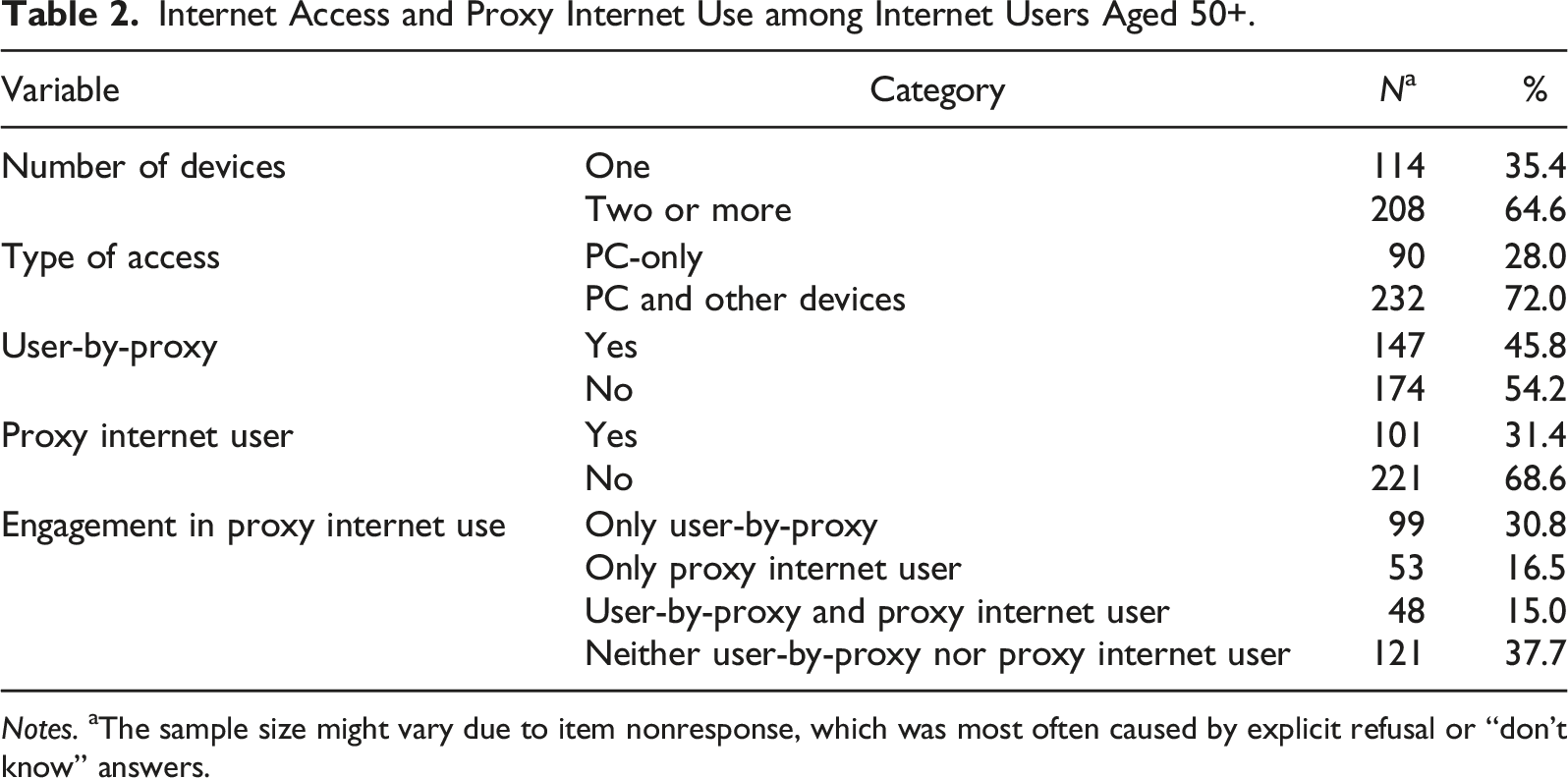
Notes. aThe sample size might vary due to item nonresponse, which was most often caused by explicit refusal or “don’t know” answers.
Analysis
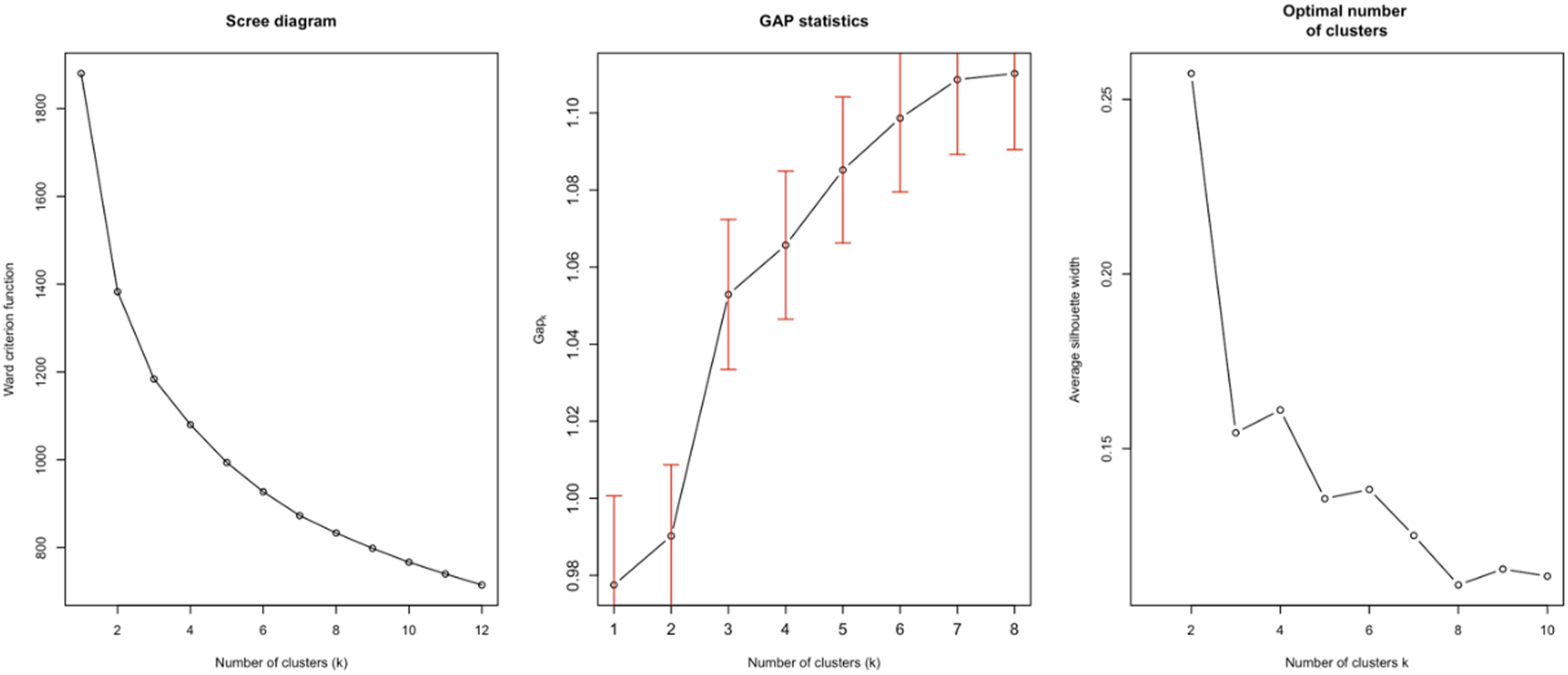
The statistical analysis was carried out in two stages. First, a combination of hierarchical and k-means clustering with Euclidian distance as a similarity or closeness measure was used to identify clusters of aging internet users based on internet skills and breadth of use. This approach was selected because clustering makes no assumptions concerning the number of groups or group structure and groups members together based on their natural similarity (Johnson & Wichern, 2007, pp. 671–673). The Ward method and the cluster dendogram (Figure 1) were applied in hierarchical clustering to determine the number of clusters (Antonenko et al., 2012). K-means partitioning was used to determine the cluster membership of each unit. Three methods were used and compared to validate the optimal number of clusters obtained with hierarchical clustering (Figure 2; Rousseeuw, 1987; Tibshirani et al., 2001). Second, once the clusters were identified, the differences between them were explored using Pearson’s chi-square test for the categorical variables, and a one-way analysis of variance (ANOVA) with a post-hoc Tukey HSD test was used for normally distributed continuous variables. Meanwhile, a Kruskal–Wallis non-parametric test followed by a Dunn multiple comparison post-hoc was run in case of violation of normal distributions. All analyses were performed in R (R Core Team, 2019). Hierarchical cluster dendrogram. Results of the non-hierarchical k-means cluster analysis.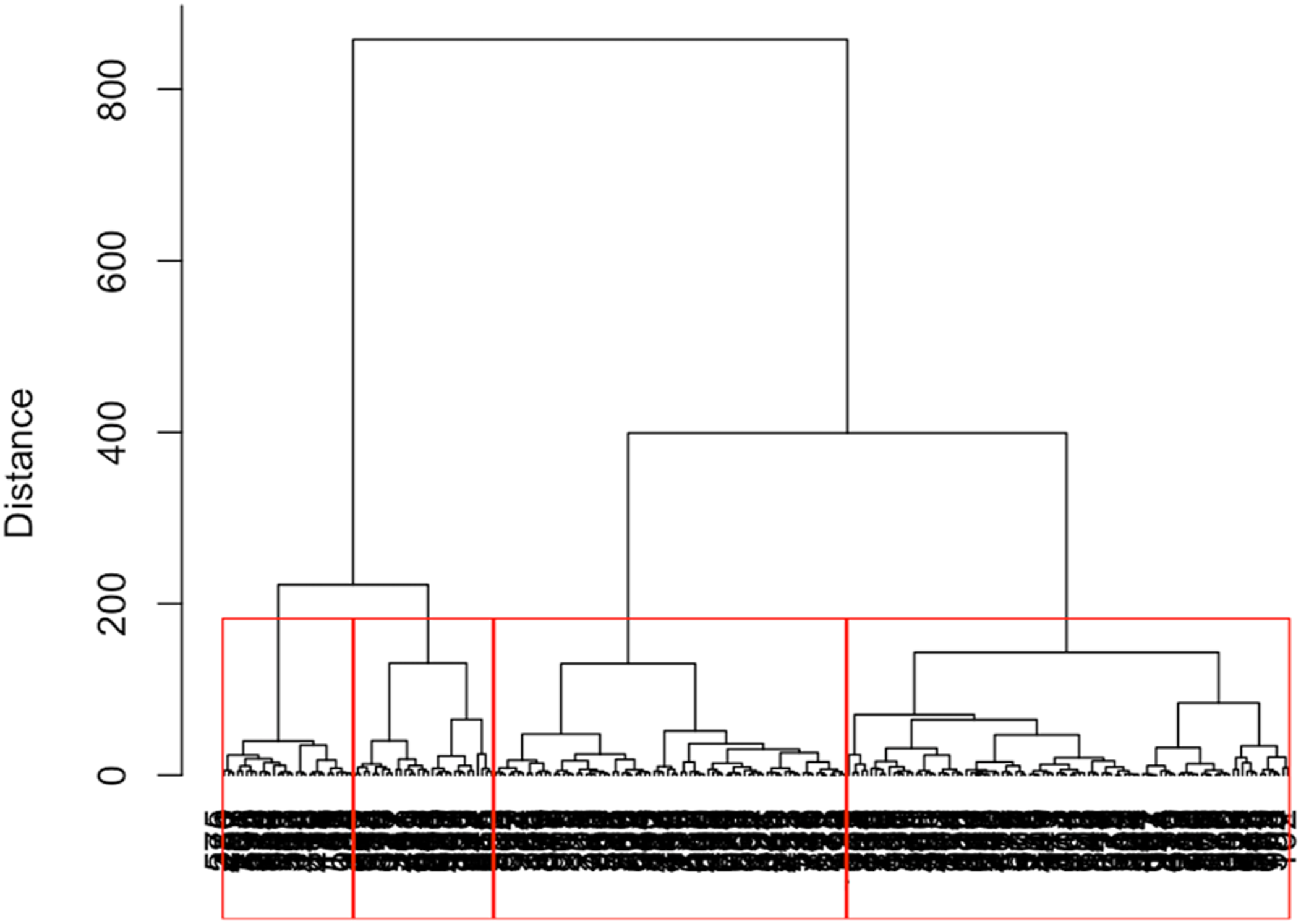
Results
With reference to RQ1, the results of hierarchical (Figure 1) and k-means clustering revealed four distinct groups of internet users, which we labeled as Apprehensive users, Level-headed users, Savvy users, and Reluctant users, based on distributions of internet skills and uses variables.
Summary of Means (SD) for Internet Skills and Uses Variables Across the Four Clusters.
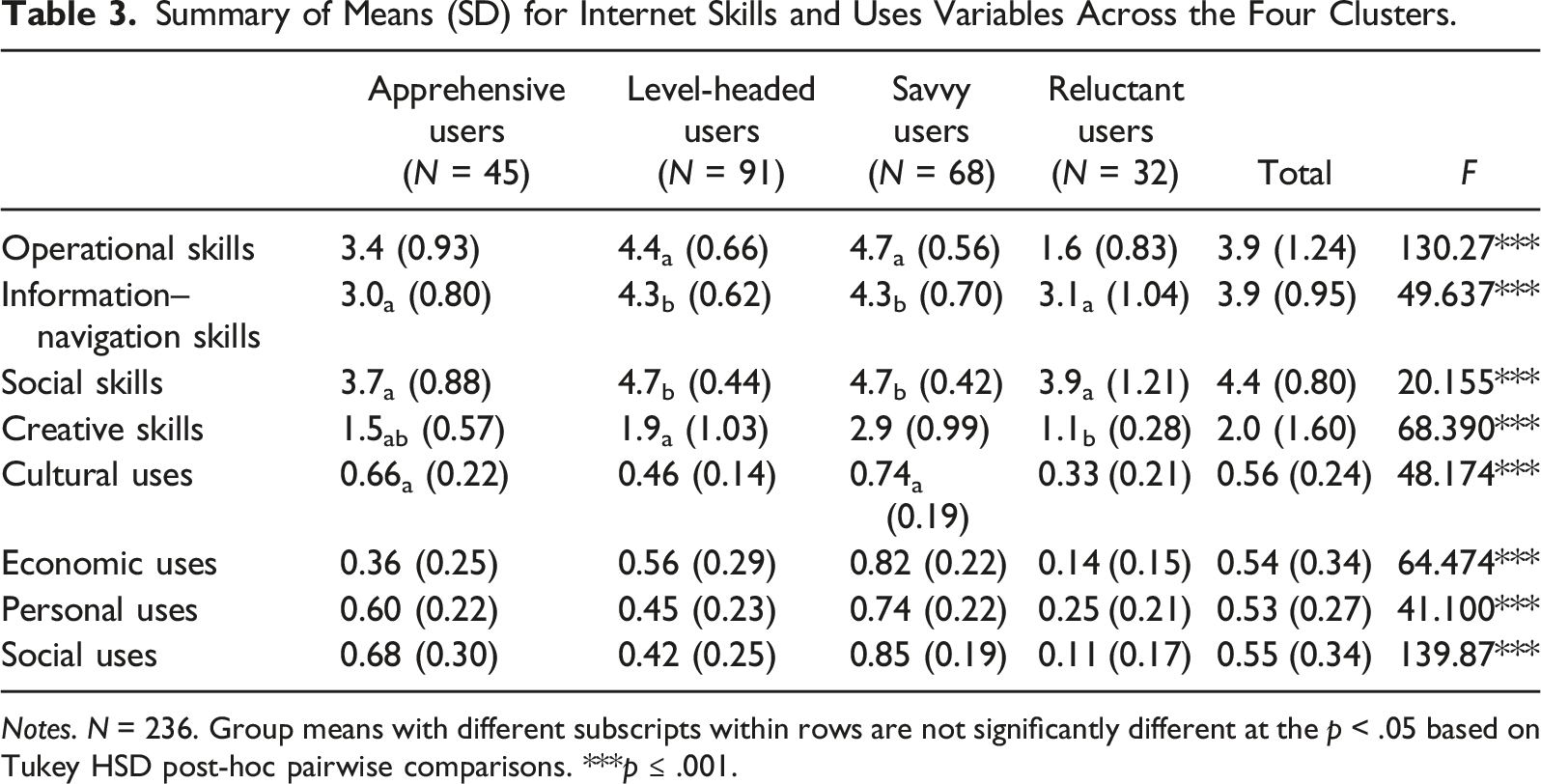
Notes. N = 236. Group means with different subscripts within rows are not significantly different at the p < .05 based on Tukey HSD post-hoc pairwise comparisons. ***p ≤ .001.
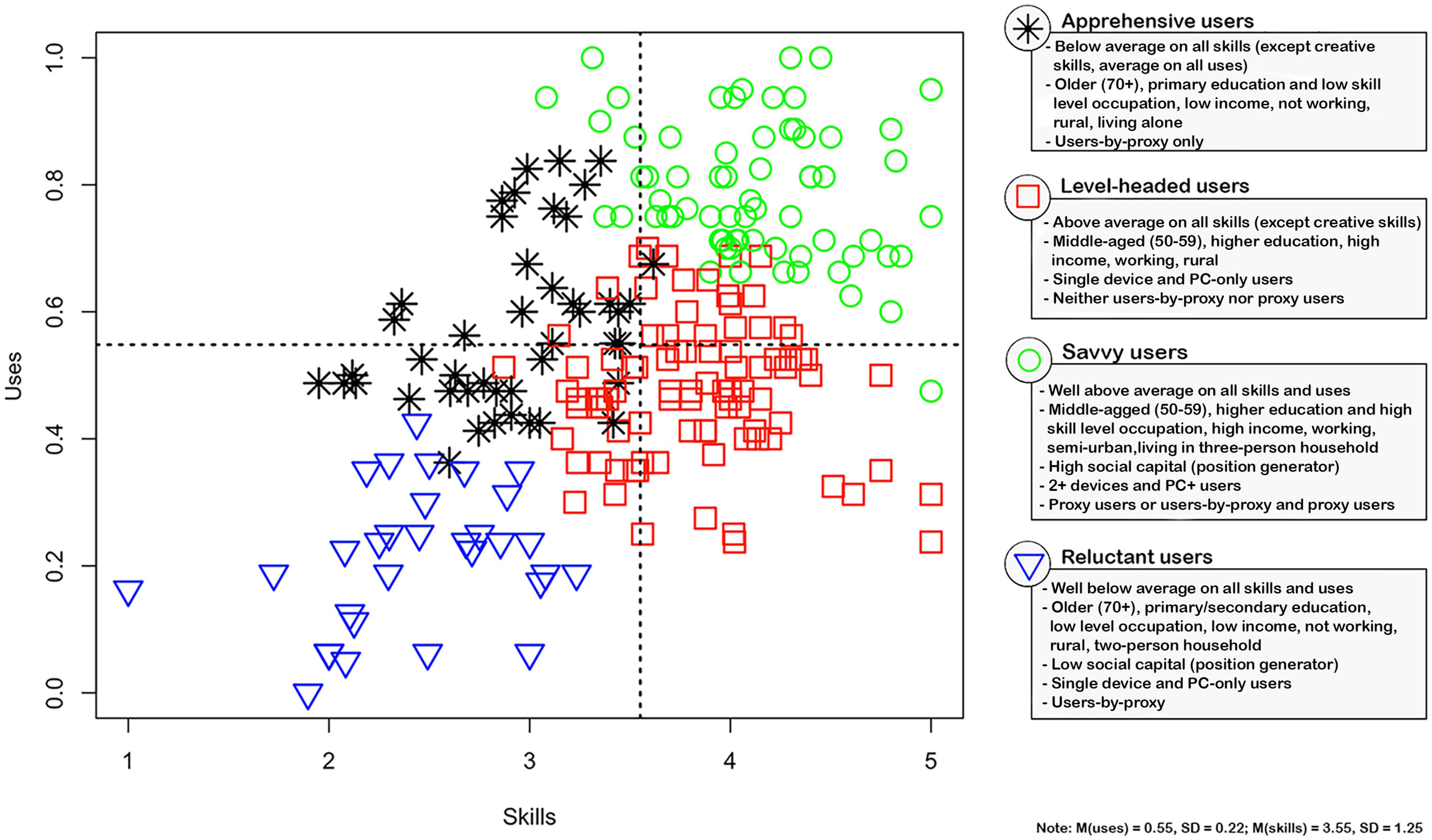
Graphical illustration of the four clusters according to internet skills and uses.
Differences in Demographic Profiles of Clusters. a
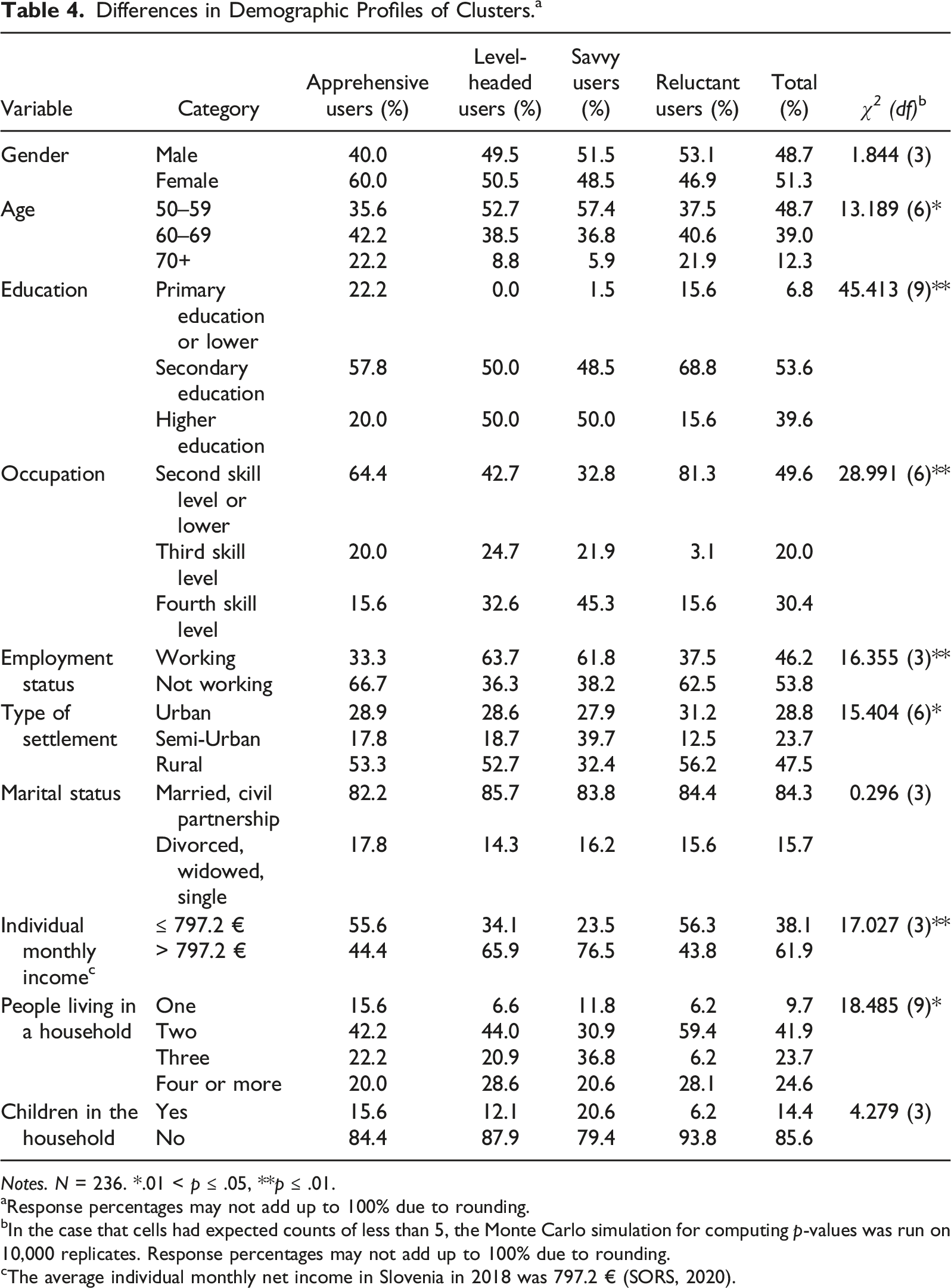
Notes. N = 236. *.01 < p ≤ .05, **p ≤ .01.
aResponse percentages may not add up to 100% due to rounding.
bIn the case that cells had expected counts of less than 5, the Monte Carlo simulation for computing p-values was run on 10,000 replicates. Response percentages may not add up to 100% due to rounding.
cThe average individual monthly net income in Slovenia in 2018 was 797.2 € (SORS, 2020).
Differences in Mean Factor Scores for Social Networks and Resources Variables Across Four Clusters.
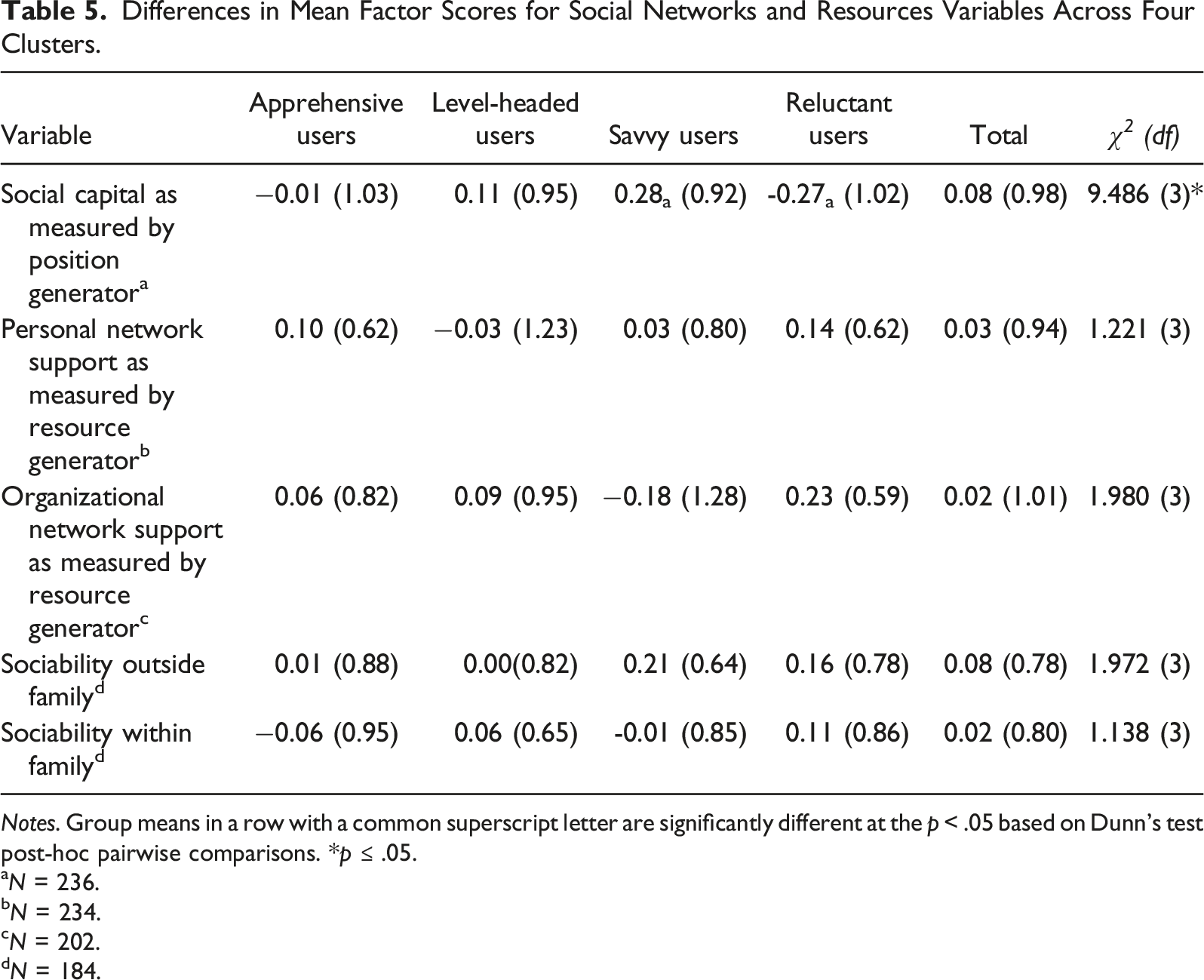
Notes. Group means in a row with a common superscript letter are significantly different at the p < .05 based on Dunn’s test post-hoc pairwise comparisons. *p ≤ .05.
aN = 236.
bN = 234.
cN = 202.
dN = 184.
Differences in Internet Access and Proxy Internet Use Between Clusters. a
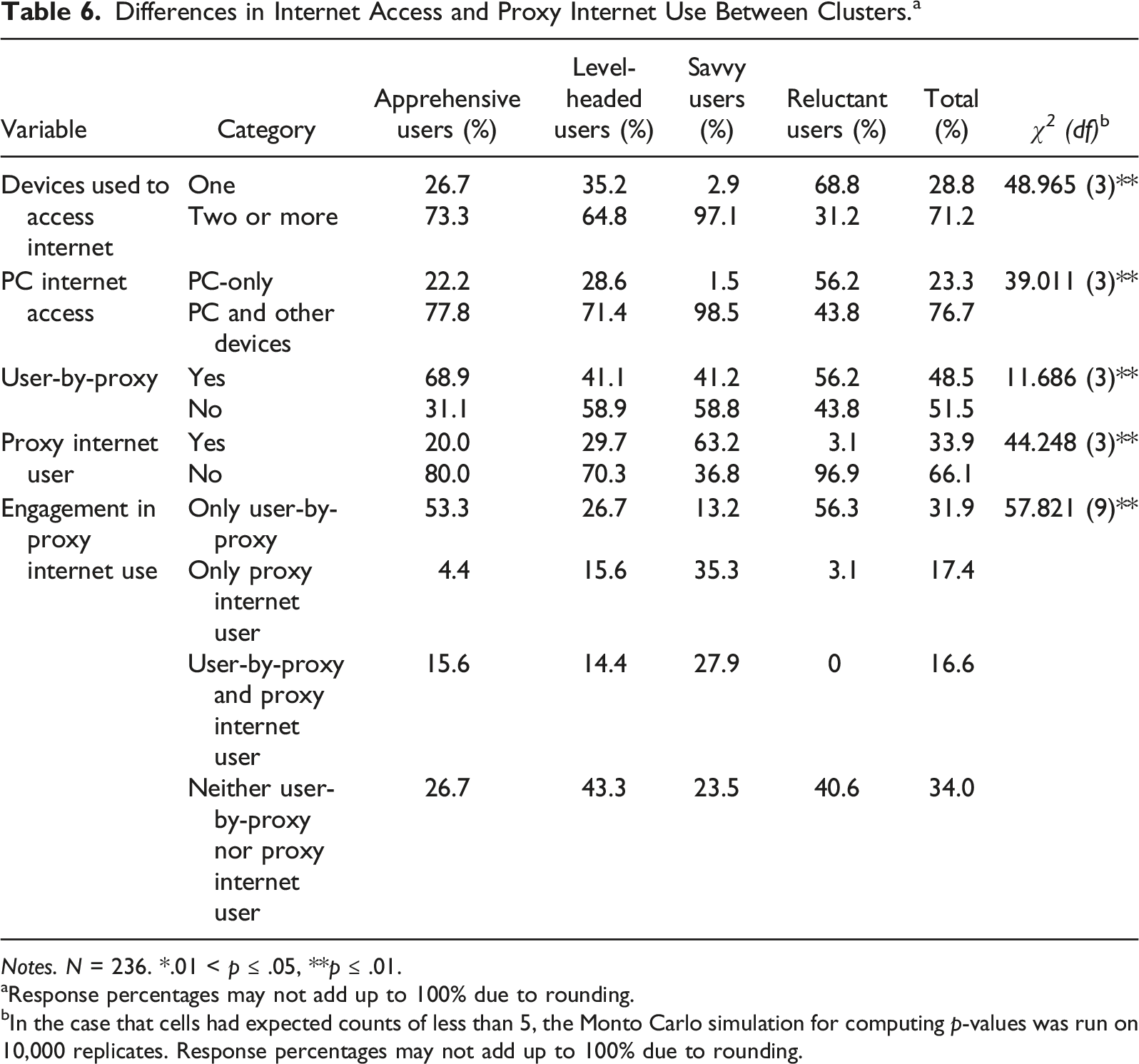
Notes. N = 236. *.01 < p ≤ .05, **p ≤ .01.
aResponse percentages may not add up to 100% due to rounding.
bIn the case that cells had expected counts of less than 5, the Monto Carlo simulation for computing p-values was run on 10,000 replicates. Response percentages may not add up to 100% due to rounding.
Discussion
Following from the framework of the second-level digital divide (Hargittai & Hsieh, 2012), we examined how internet users in late middle and late adulthood form different clusters according to their levels of skills and patterns of internet use. By modeling four types of skills and four types of uses, and by using a range of indicators to describe different clusters, the study provides a comprehensive depiction of gradations of digital inclusion among aging internet users. Our results confirm the conceptual difference between the notions of internet skills and uses (e.g., van Deursen et al., 2017; Helsper & Eynon, 2013) by showing that the relationship between internet skills and uses is not necessarily positive—higher levels of skills do not always lead to more varied use. Gradations in digital inclusion are much more complex, as we discuss further below.
We identified four distinct groups of users, which correspond to the groups identified by Quan-Haase et al. (2018) remarkably well, considering the different methodological approaches of the two studies and differences in the cultural contexts and ages of respondents. Thus, we adopted three group names from their typology: Reluctant, Apprehensive, and Savvy users. The fourth identified group was distinct, and we named it Level-headed users. In both studies, two groups that follow the expected positive association between skills and uses were identified: Savvy and Reluctant users. Savvy users are a typical highly digitally included group: they are younger older adults, are highly educated, have high social capital and income, have diverse internet access, and also engage in proxy internet use. By contrast, Reluctant users, who are the most digitally disadvantaged, especially in terms of economic and social uses, are older and less educated adults with lower incomes. They also have low social capital and less diverse internet access. Their lack of engagement in social uses may be explained by their relatively high reported levels of sociability outside and within the family. Quan-Haase et al. (2018) report that these users prefer to engage in task-oriented internet activities, and we found their self-reported operational skills considerably low. This may indicate that Reluctant users’ low engagement is in fact a reflection of their low skills levels.
Two identified groups are singular in exhibiting a negative association between skills and uses. Apprehensive users have relatively low internet skills but engage in a wide variety of internet uses, except for economic uses, which involve activities requiring financial transactions. Quan-Haase et al. (2018), in fact, noted that Apprehensive users are often nervous about doing something wrong. Their apprehensiveness in economic uses also echoes Helsper and Eynon’s (2013) observation that not all skills are equivalent and that confidence in one area does not necessarily translate to engagement in another. For social, cultural, and personal uses, where they were the second most engaged group, Apprehensive users seem to follow a “learning-by-doing” logic—while portraying lower skills, they present high levels of use. By contrast, Level-headed users tended to have high internet skills (except for creative skills) but reported only moderate use. This result is especially interesting, considering that most Level-headed users were 50–59 years old, whereas the majority of Apprehensive users were above 60 years of age. Further, Level-headed users were financially better off, had better education, and worked in higher-skilled jobs than Apprehensive users. Previous research suggests that education is usually positively related to internet use (Hargittai & Dobransky, 2017; Olsson & Viscovi, 2020; van Deursen & Helsper, 2015). We speculate that Level-headers are less digitally engaged because internet use does not fit their broader life contexts. Because a majority were working in high-skill occupations their relatively high internet skills could have been acquired at work (König et al., 2018). These opposing groups of older users suggest that digital inclusion may be shaped by age-graded life events and lifestyles.
This argument is further warranted when comparing Level-headed and Savvy users, because these clusters have a very similar age composition (most users were 50–59 years old) and very similar levels of skills (except for creative skills) but very different levels of use. In general, previous research is consistent in showing that younger older adults tend to engage online more extensively (Hargittai & Dobransky, 2017; van Deursen & Helsper, 2015). Likewise, previous typologies of older internet users characterized younger older adults as more digitally engaged (van Boekel et al., 2017; Vulpe & Crăciun, 2020). While most socio-demographic variables explored were significantly indicative of group membership, other examined variables may help better explain the differences between groups.
Specifically, access characteristics and proxy internet use also shaped group membership. Although Apprehensive users reported similar levels of social capital as Level-headed users, they were more likely users-by-proxy. We assume that engagement in indirect internet use may result in Apprehensive users’ more varied internet use, regardless of their relatively low levels of skills. Differences in internet access were also pronounced between Level-headed and Savvy users. Level-headers reported significantly poorer internet access, with about a third of them reporting going online only on one device and using PC-only access. Because their skill levels were relatively high, this finding suggests that poor quality internet access may in fact impede conversion of internet skills to uses. Further, while similar proportions of users in both groups engaged in use-by-proxy, Savvy users were much more likely to also act as proxy internet users. This finding suggests that among aging internet users, offering help to others as proxy users is driven by concrete experience with internet use, which is reflected in Savvy’s more varied internet access and higher levels of internet use (Quan-Haase et al., 2018).
Of the five dimensions of social networks and resources examined, only the social capital position generator significantly differentiated the groups. Savvy users had greater social capital than Reluctant users, while Apprehensive and Level-headed users did not differ from the other groups. This finding contrasts with previous studies that found social capital facilitating internet access and use (Chen, 2013; Hlebec et al., 2006). However, aging affects the size, composition, and interactions in individuals’ personal networks (c.f. Petrovčič et al., 2015), and these dynamics seem to not have an effect on older adults’ patterns of internet skills and uses (e.g., high sociability outside and within the family were characteristics of both Reluctant and Savvy users). Following the resources and appropriation theory (van Dijk, 2005), we may also speculate that among aging individuals, availability of resources in social networks plays a more important role at the stage of moving from non-use to (some) internet use (Friemel, 2016; Li & Chen, 2021) and not as much in shaping the second-level digital divide. For example, in a study in Slovenia, Dolničar et al. (2018) found that internet non-users who have (grand-)children in their socializing support network are more likely to engage in proxy internet use, thus gaining at least indirect internet access and bridging the first-level digital divide. This was also confirmed by Li and Chen (2021) in a study in the United States, who found that core tech support ties can act as important brokers to connect “digital laggards” to the internet.
Thus, it would be of interest in future to study the role of social resources in cultural contexts with a different level of internet uptake among the aging population. While Slovenia is an average-performing EU country in terms of internet access of the general population, it has a significantly smaller percentage of internet users among the 55–75 age group compared to the EU-27 average (2019: 47% vs 57%) (Eurostat, 2021). Relatedly, it would be interesting to replicate this study on a sample that would be more weighted towards retirement age (i.e., 65+) rather than working ages (i.e., 50–64) to make it more comparable with prior work on older internet users. It would also be worth considering the role of motivational aspects of digital engagement of aging internet users that were not included in this study with a comparative perspective to social resources. Having such information could also help us choose potentially more informative and less value-laden group labels. Finally, the use of survey data is accompanied by the limitations of the selected measures and biases in analytical procedures. For instance, using different social capital measures (Appel et al., 2014) could give a more detailed view of how social network resources shape the second-level digital divide among aging internet users.
Conclusion
In summary, three main conclusions can be drawn from this study. First, levels of both skills and uses need to be considered when depicting the second-level digital divide. The relationship between skills and uses is complex, and high skills do not always translate to varied use. Second, while socio-demographics remain important predictors of second-level digital inclusion, age-graded life events and different lifestyles of aging individuals may be equally important, which is also reflected in their differences in internet access and proxy internet use. Third, social networks and resources seem to have little impact on the second-level digital inclusion of aging users. We assume that social support is more important in overcoming the age-related first-level digital divide.
Footnotes
Acknowledgments
We are grateful for the assistance Špela Plemelj and Jerneja Laznik provided in data analysis. We would also like to thank the two anonymous reviewers for their insightful feedback on an earlier version of this manuscript.
Declaration of Conflicting Interests
The authors declared no potential conflicts of interest with respect to the research, authorship, and/or publication of this article.
Funding
The author(s) disclosed receipt of the following financial support for the research, authorship, and/or publication of this article: This work was supported by the Javna Agencija za Raziskovalno Dejavnost RS (BI-US/22-24-055, J5-2558, P5-0399, Z5-8234).

Note
Appendix
Factor Loadings and Communalities Based on a Principal Components Analysis for Social Capital as Measured by Position Generator. Notes. N = 322. λ = 3.232, variance explained = .81, Kaiser-Meyer-Olkin measure = .63, Barlett’s test of sphericity: χ2 = 1745.508, df = 6, p < .01, Cronbach’s α = 0.94. aDetails about ISEI score computation are presented in Sapin et al. (2020).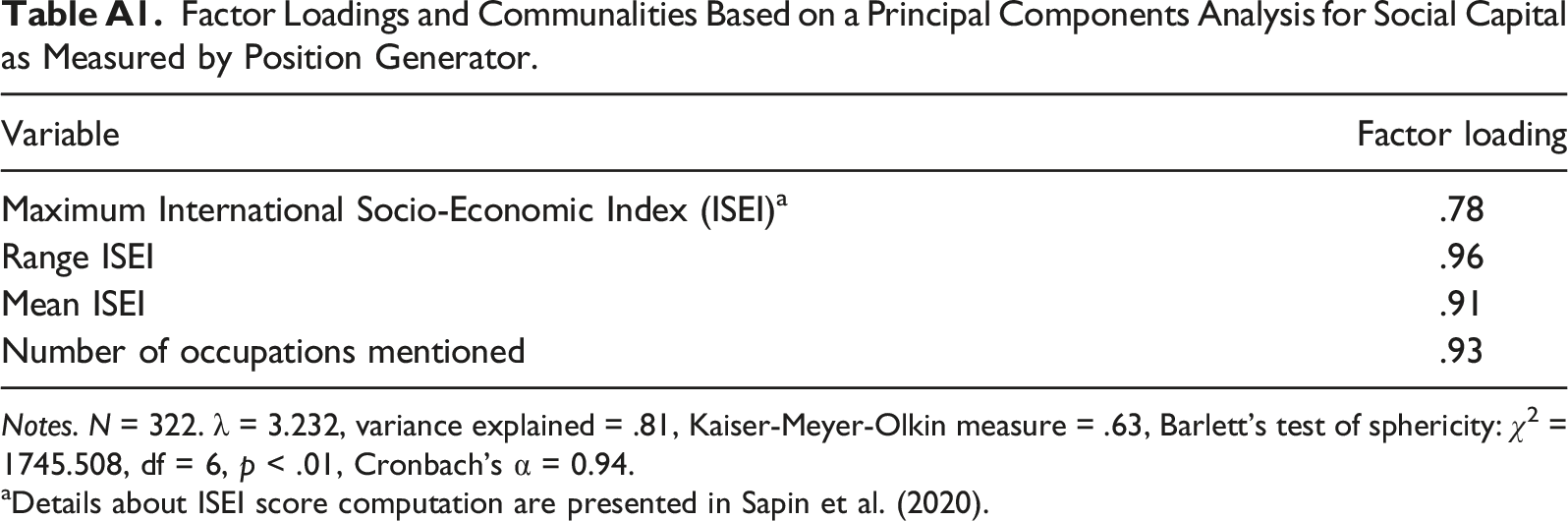
Variable
Factor loading
Maximum International Socio-Economic Index (ISEI)
a
.78
Range ISEI
.96
Mean ISEI
.91
Number of occupations mentioned
.93
Factor Loadings Based on a Non-Linear Principal Components Analysis for Personal Network Support as Measured by Resource Generator. Notes. N = 314. λ = 2.27, variance explained = .45, Kaiser-Meyer-Olkin measure = .61, Barlett’s test of sphericity: χ2 = 282.3, df = 10, p < .01, Cronbach’s α = 0.63.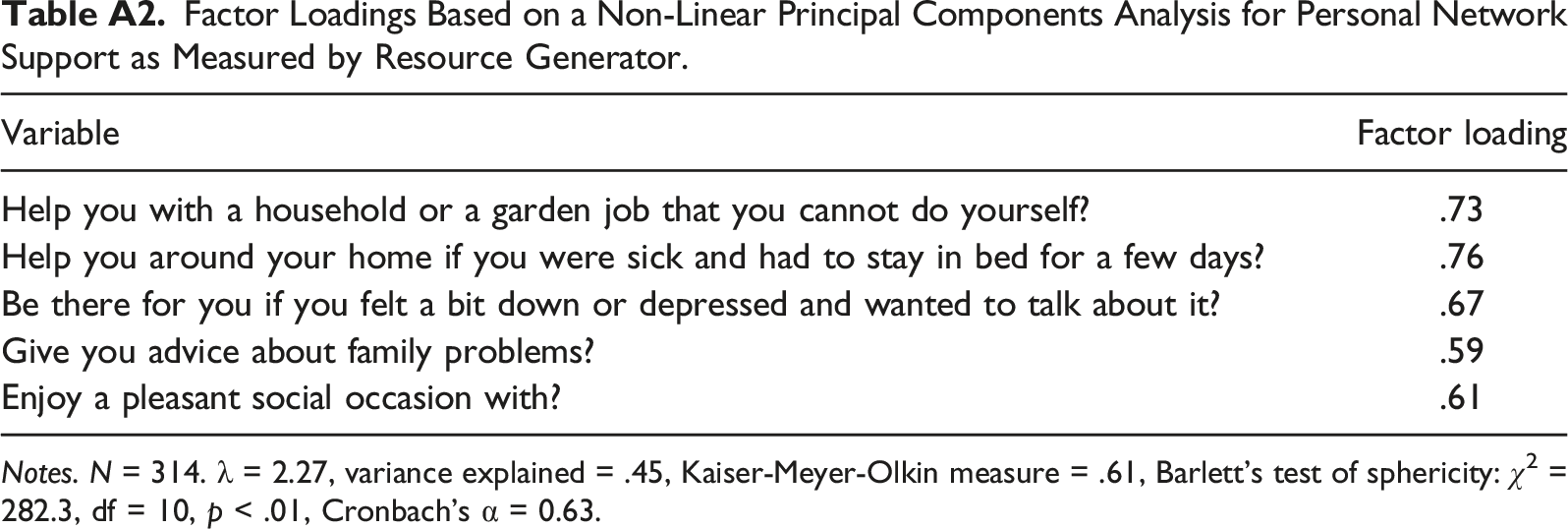
Variable
Factor loading
Help you with a household or a garden job that you cannot do yourself?
.73
Help you around your home if you were sick and had to stay in bed for a few days?
.76
Be there for you if you felt a bit down or depressed and wanted to talk about it?
.67
Give you advice about family problems?
.59
Enjoy a pleasant social occasion with?
.61
Factor Loadings Based on a Non-Linear Principal Components Analysis for Organizational Network Support as Measured by Resource Generator. Notes. N = 267. λ = 2.271, variance explained = .45, Kaiser-Meyer-Olkin measure = .67, Barlett’s test of sphericity: χ2 = 171.8862, df = 10, p < .01, Cronbach’s α = .64.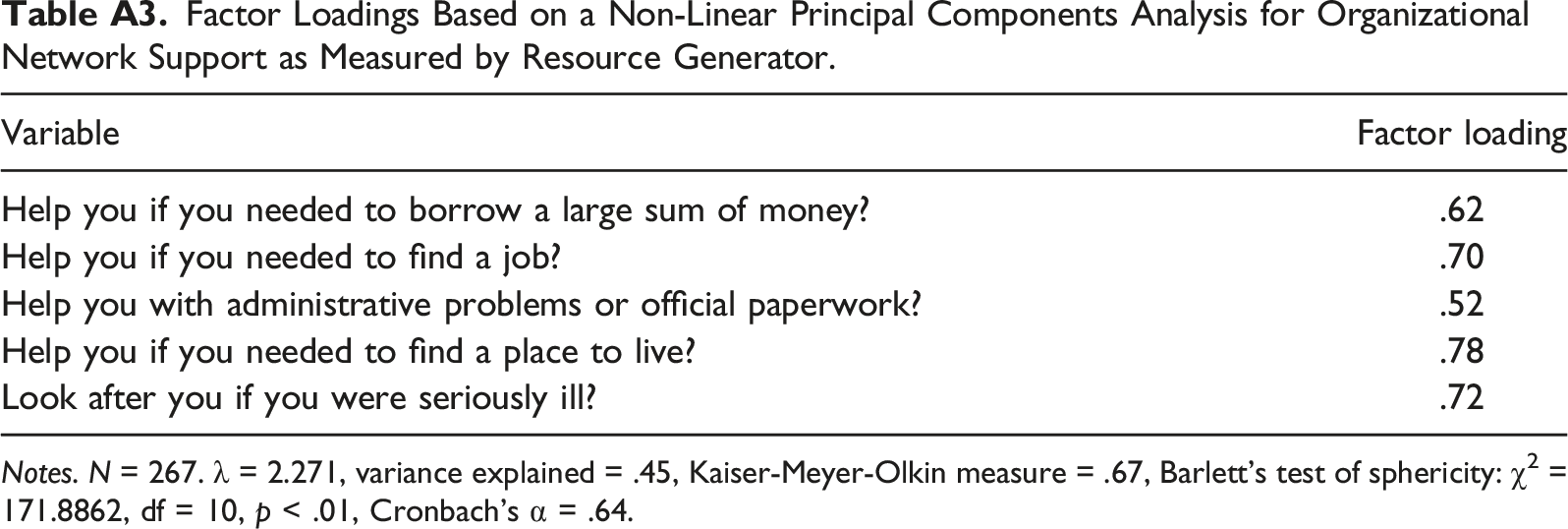
Variable
Factor loading
Help you if you needed to borrow a large sum of money?
.62
Help you if you needed to find a job?
.70
Help you with administrative problems or official paperwork?
.52
Help you if you needed to find a place to live?
.78
Look after you if you were seriously ill?
.72
Factor Loadings Based on a Principal Components Analysis with Varimax Rotation for Sociability Within and Outside Family. Notes. N = 243. aλ = 0.985, variance explained = .23. bλ = 0.288, variance explained = .20. Kaiser-Meyer-Olkin measure = .56, Barlett's test of sphericity: χ2 = 92.656, df = 6, p < .01. Cronbach’s α = .54. Variables measuring how often respondents make new friends (Q18), with how many people do they interact on a typical day (Q19) and how often they are in contact with other family members (Q24), were eliminated because they did not contribute to a simple factor structure and failed to meet minimum criteria of having a primary factor loading ≥ .4, and no cross-loading ≥ .3.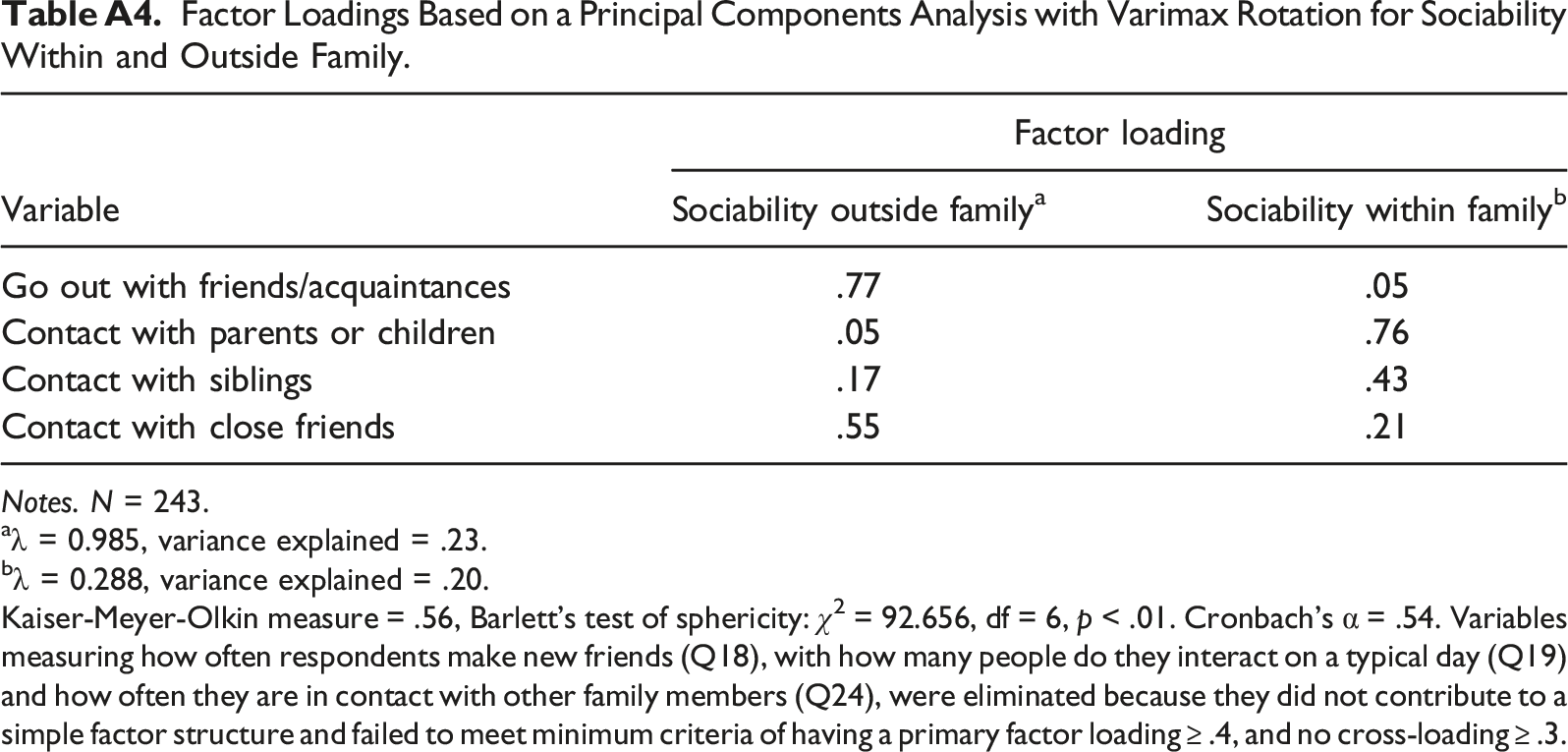
Variable
Factor loading
Sociability outside family
a
Sociability within family
b
Go out with friends/acquaintances
.77
.05
Contact with parents or children
.05
.76
Contact with siblings
.17
.43
Contact with close friends
.55
.21