



Abstract
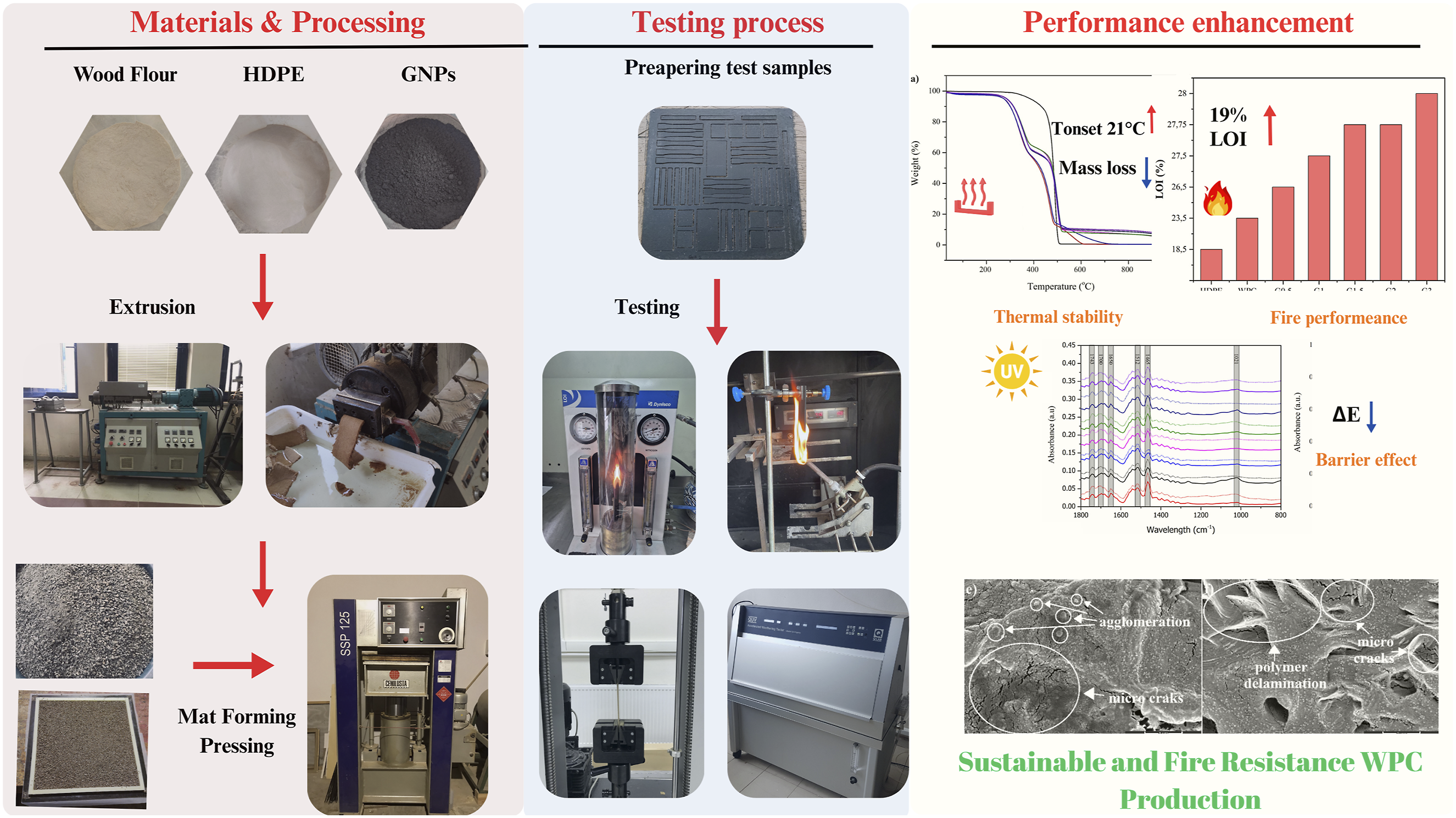
Outdoor conditions negatively affect wood plastic composites (WPCs). In this study, WPCs were reinforced with graphene nanoplatelets (GNPs) to enhance their mechanical, thermal, fire and outdoor performance. The modulus of rupture (MOR) of WPCs was increased by nearly 20% at 1% GNPs loading due to the high surface area of GNPs. Meanwhile, the loss of mechanical strength was limited after the weathering test by the GNPs’ barrier properties. The ultraviolet absorption capability of GNPs significantly inhibited surface color change, as confirmed by ATR-FTIR analysis showing stable polymer characteristic intensity peaks at 2916 and 2846 cm−1 despite intensive UV exposure. Microscopic analysis revealed that some surface color change was inevitable; however, GNPs loading reduced color fading and crack formation by absorbing ultraviolet energy. On the other hand, the scanning electron microscope (SEM) combined with EDS carbon mapping revealed that the tendency towards agglomeration increased as the GNPs were loaded, especially at 3% GNP loading. GNPs improved the thermal and fire performance of WPCs. TGA and DSC analysis showed that restricted molecular mobility raised the degradation and crystallization temperature (Tc) due to the nucleating effect of GNPs. They also enhanced char formation, reduced thermal conductivity, and limited gas permeability, increasing LOI values by up to 20% at the highest loading. Moreover, the UL-94 test also indicated that GNPs improved the fire resistance. The inherent properties of GNPs improved the outdoor performance of WPCs, which is important for long service life.
Introduction
Nanomaterials, which represent a groundbreaking field in materials science, are substances ranging in size from 1 to 100 nanometers. Due to their small scale and high surface area-to-volume ratio, nanomaterials acquire unique physical, mechanical, and chemical properties compared to those of materials at the microscale. 1 Therefore, nanomaterials can be evaluated in a wide range of applications, including medical sciences, aerospace systems, electronics, textiles, agriculture, chemistry, physics, biology, architecture, and materials science.2,3 Moreover, the use of nanoparticles as fillers to improve the properties of polymer matrixes has also become a popular research area, drawing significant attention from scientists.
Carbon-based nanomaterials are well-suited for a wide range of applications. Carbon nanotubes, graphene oxide, graphene nanoplatelets, and fullerenes are increasingly recognized for their superior properties, which make them highly adaptable for various fields. 4 Graphene, a single layer of sp2-hybridized carbon atoms arranged in a honeycomb structure, is recognized for its remarkable properties, such as Young’s modulus of 1 TPa, a tensile strength of 130 GPa, and high electrical and thermal conductivity. For this reason, various graphene-based materials have been integrated into polymer matrices as promising additives. 5 Graphene nanoplatelets (GNPs) are platelet-like nanocrystals derived from graphite, with thicknesses ranging from 0.35 to 100 nm and consisting of multiple layers of graphene. 6 They have several advantages, including a more homogeneous dispersal compared to carbon-based nanomaterials like carbon nanotubes, due to their platelet shape, large surface areas, high thermal properties resulting from their two-dimensional cage structures, and more reasonable prices. 7
Wood-plastic composites (WPCs), wood-based composites, combine the natural characteristics of wood, such as its appearance and rigidity, with the durability and processability of plastics. These materials are considered environmentally friendly because wood waste is utilized as a raw material in production. Additionally, WPCs offer greater dimensional stability compared to other wood composites and exhibit improved resistance to deformation. Although widely used outdoors, such as in decking and wall panels, WPCs have gained popularity due to their high strength and durability, biological resistance and ease of production. 8 Additionally, due to the lower energy needs during their production, WPCs have a smaller carbon footprint than pure plastics. The reduced emissions of greenhouse gases and volatile organic compounds also provide significant environmental advantages.9,10 However, due to wood content, WPCs also present some disadvantages. The polymers within the wood (cellulose, hemicellulose, and lignin) contain free hydroxyl (OH−) groups, making it a hygroscopic material, and its mechanical and biological properties are affected by this hygroscopic nature. Moreover, wood exposed to outdoor conditions begins to deteriorate due to various environmental factors, including ultraviolet (UV) light. Color changes, degradation of the surface structure, and an increase in hydrophilicity also occur.11,12 Wood is ignited above 240°C, which limits the types of polymers used in WPC production. However, the carbonization of wood restricts the spread of fire by inhibiting oxygen penetration. On the other hand, although polymers such as HDPE degrade above 340°C, they melt at low temperatures and the flame dripping of the polymer makes it easier for the fire to spread.
Nanomaterials can greatly enhance the properties of wood composites by improving their strength, dimensional stability, and fire resistance while also adding new functions to the material. 13 Carbon-based nanomaterials (carbon nanotubes, graphene, etc.) improve properties such as bending strength and elasticity. 14 It is claimed that the elastic properties and breaking strength are 110 times higher than those of steel. 15 Al-Maqdasi et al. 16 investigated the effect of GNPs on HDPE based polymer composites. The tensile stiffness and yield stress were improved by up to 140% and 79%, respectively. It was also highlighted that homogeneous distribution plays a crucial role. Graphene and its derivatives have the ability to improve char formation, reducing fire risk. 17 Dahmardeh Ghalehno and Kord 18 stated that GNPs acted as barriers, restricting polymer chain mobility and slowing water diffusion, which is significant for outdoor performance.
The most common applications of WPCs are outdoor, such as gardening furniture, siding, piers, fences, decking, etc. However, outdoor conditions significantly affect the service life of WPCs. As stated above, nanoparticles are popular materials for their superior properties as fillers. Although the thermal, fire, and outdoor performance of GNPs were relatively well recognized, there are limited studies on GNPs reinforced WPCs on mechanical resistance, thermal properties, fire behavior and weathering durability. Therefore, this study extensively focused on characterizing the mechanical resistance, surface characteristics, thermal properties, and fire behavior of GNPs-reinforced WPCs. The effect of GNPs on the MOR and modulus of elasticity (MOE) as mechanical properties was examined. The impact of nanoparticles on the weathering performance of WPCs was investigated using light microscopy (LM) and scanning electron microscopy (SEM). Changes in surface chemistry were revealed using Attenuated Total Reflectance Fourier Transform Infrared (ATR-FTIR) spectroscopy. To determine the thermal properties and fire performance of the panels TGA, DSC, LOI and UL-94 analyses were conducted, while a bending test was performed to evaluate their mechanical properties.
Materials and methods
Materials
Softwoods such as pine species have long fiber, which are important for mechanical properties. HDPE is one of the third most used polymers in the world. Moreover, it has relatively high UV resistance compared to other polymers such as polypropylene.
9
Therefore, pine wood flour (WF) (Pinus sylvestris L.) and high-density polyethylene (HDPE) were preferred as a filler and as a thermoplastic polymer, respectively. The fine-grained polymer was used to improve the homogeneous mixture, while 40–60 mesh was used for WF. The melt flow index (MFI) and density of the polymer were 5.5 g/10 min (190°C/2.16 kg) and 0.965 g/cm3, respectively. Maleic anhydride grafted polyethylene (MAPE) (Licocene PE MA 4351 Fine Grain) was added to enhance the bonding as a coupling agent. The softening point and density of MAPE were 123°C and 0.99 g/cm3, respectively. GNPs with a size of 5 nm, 99.9% purity, 30 µm diameter and a surface area of 170 m2/g (Figure 1) were supplied by Nanografi (Ankara, Turkey). SEM images of raw GNPs.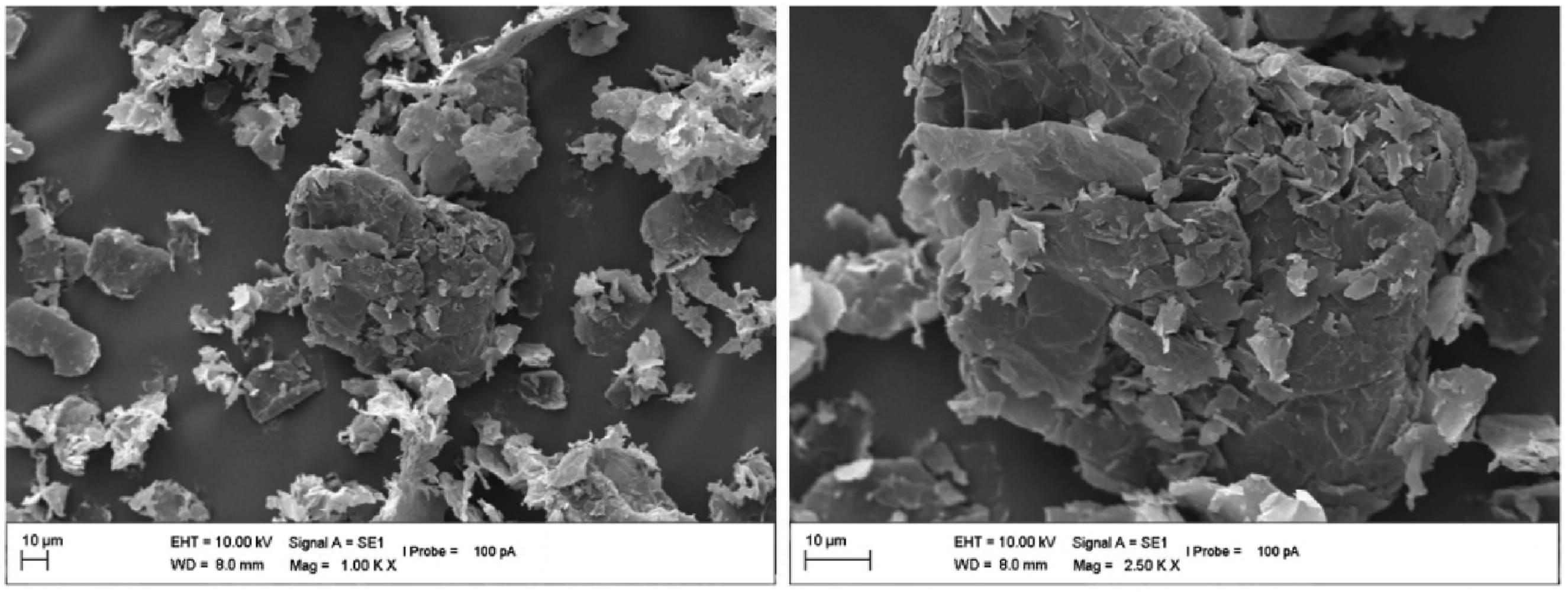
Production of WPCs
The ratio of components (%).
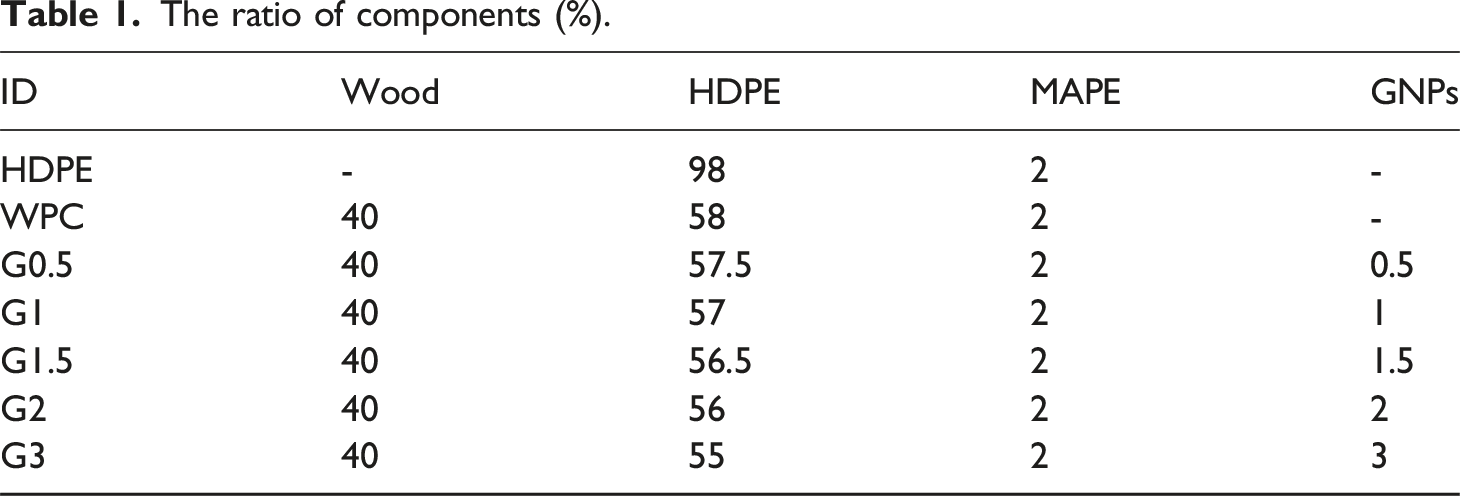
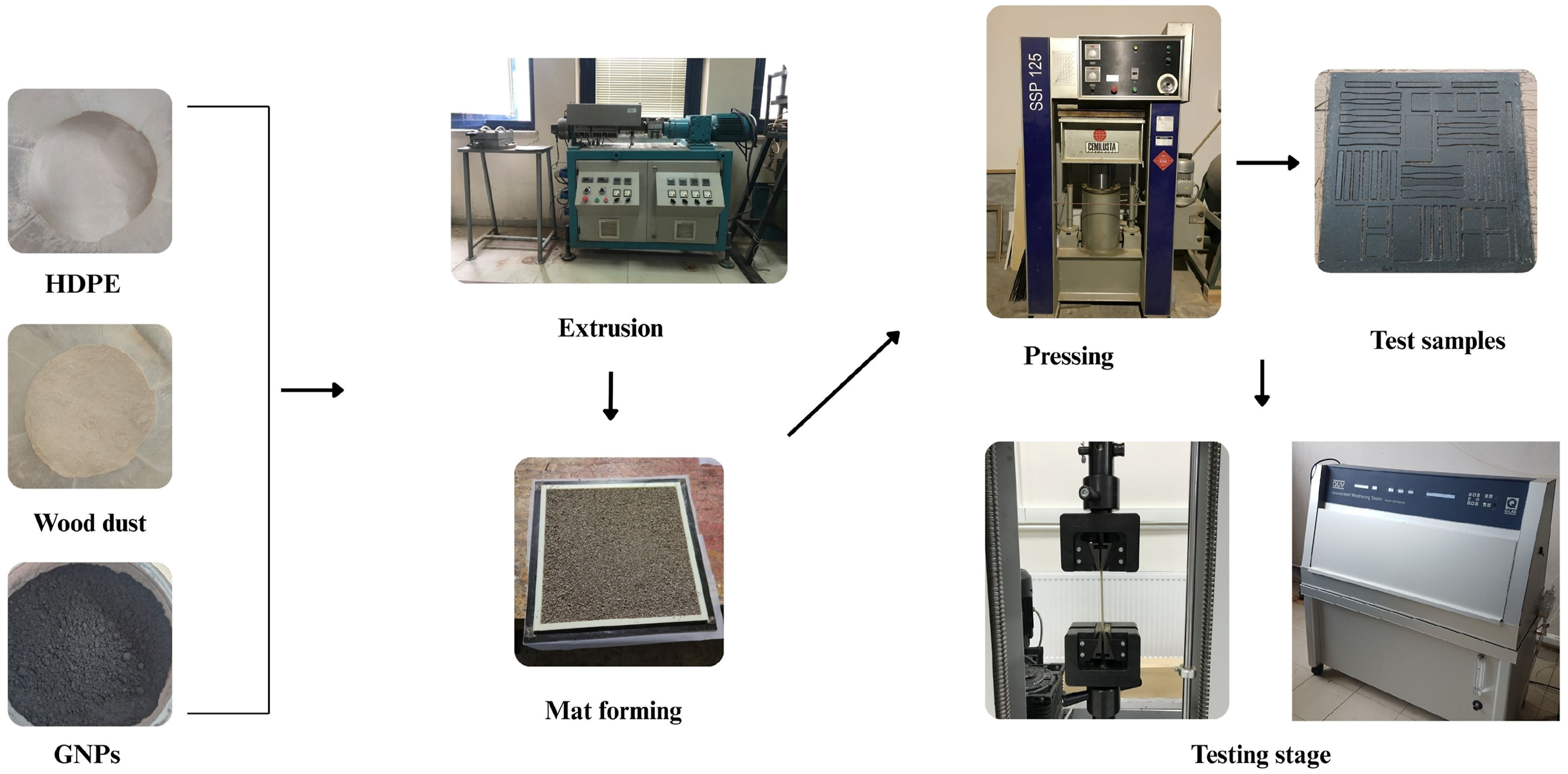
Diagram for the production and testing of WPCs.
Accelerated Weathering Test
WPCs were tested in an accelerated weathering tester (OUV-spray tester, Q-Panel Lab., USA) using 313 nm fluorescent UV lamps (UVB) at 60°C for 8 h, followed by condensation at 50°C for 4 h in accordance with ASTM G 154-12a 19 for a total of 840 h. The test was performed without a water-spray cycle and only one surface of the specimens was exposed to UV radiation and condensation. The irradiance was set to 0.71 W/m2 and the black panel temperature is set to 60°C. Three replicates were subjected to accelerated weathering for each group. The deformation in the samples after the test was evaluated using color measurement, ATR-FTIR spectroscopy, light and scanning electron microscopy, modulus of rupture and modulus of elasticity (MOE) tests.
Surface Characterization
The color changes on the surface of WPCs were determined using a Minolta CM-600d spectrophotometer (Konica Minolta) equipped with an integrating sphere, according to ISO 7724-19. 20 Standard illuminant D65 was selected. The color measurements were performed in an area of 8 mm2 in the 400–700 nm wavelength range. Six measurements were taken from each sample’s surface. The color measurements were taken at 24 h, 48 h, 72 h, 120 h, 168 h, 336 h, 504 h, 672 h, and 840 h of during the accelerated weathering test.
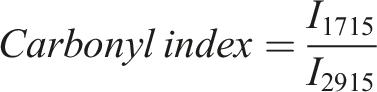
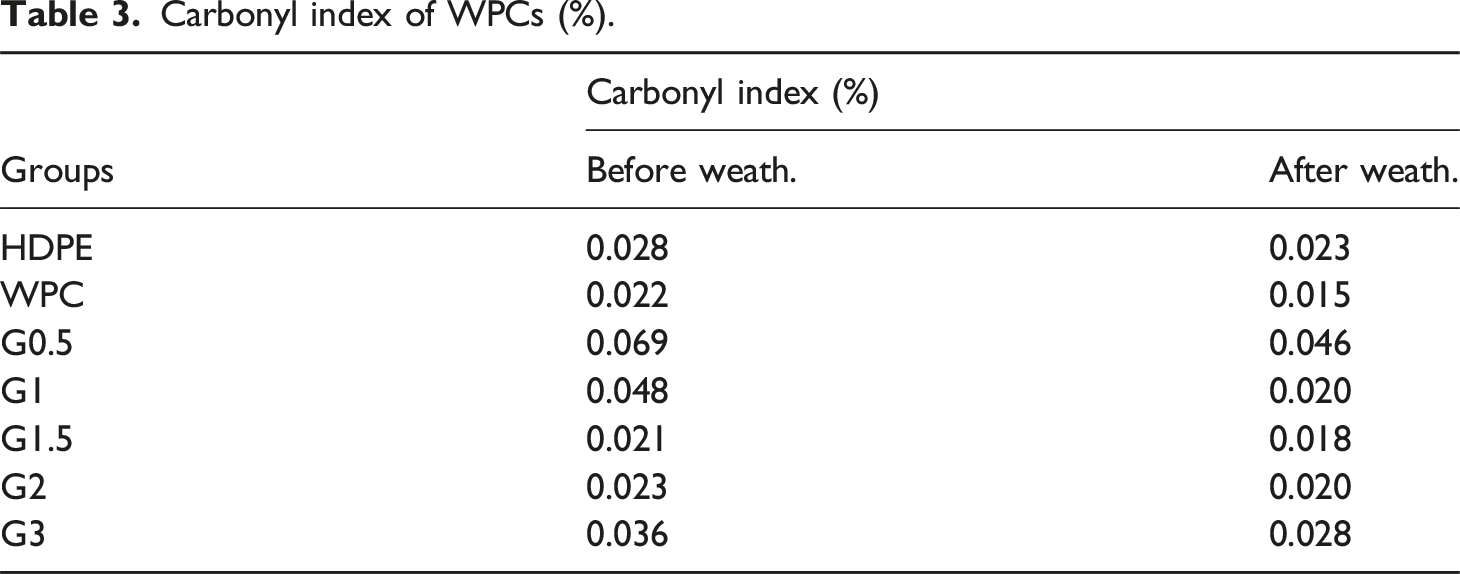
The surface chemistry of WPCs after an accelerated weathering test was investigated using an ATR technique with a Thermo Nicolet iS50 FTIR spectrometer (Thermo Fisher Scientific Co.) equipped with a single-bounce diamond crystal and a deuterated triglycine sulphate detector. The surfaces of the specimens were in contact with the ATR crystal, allowing the surface to absorb the evanescent wave. The resulting attenuated radiation produced an ATR spectrum similar to a conventional absorption spectrum. The ATR-FTIR spectra of the samples before and after the weathering test were acquired in the range of 800–4000 cm−1 with a resolution of 4 cm−1. Each spectrum was collected through 64 scans in the absorbance mode. Two measurements were taken and averaged to produce a single spectrum. The carbonyl index was calculated by peak high ratios of 1715, and 2915 cm−1 according to the following equation:
21
Thermal analysis
The thermal behavior of WPCs was examined using a PerkinElmer STA 6000 thermogravimetric analyzer (USA). Samples were heated from 30°C to 1000°C at a heating rate of 10°C/min under a nitrogen gas atmosphere. Two samples were tested for each group.
The structural changes of WPCs were investigated using a Differential Scanning Calorimeter (Netzsch DSC 200F3, Netzsch Group, Germany). 4–6 mg of samples were embedded in aluminum pans. The tests were conducted with a heating rate of 10°C/min under a nitrogen flow rate of 30 mL/min, starting from 20°C and ending at 220°C. Two samples were tested for each group. The crystallization degree (Xc) of the polymers was estimated from the melting cycle according to the following equation: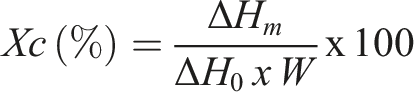
Fire performance
The need for oxygen for the flammable combustion of WPC samples was determined by the LOI test (Dynisco LOI analyzer, Franklin, USA), according to ASTM D2863-19. 22 The LOI test was performed at ambient laboratory temperature with a calibrated oxygen and nitrogen gas mixture. The reported LOI values represent the mean ± standard deviation (SD). The vertical burning behavior of WPCs was investigated using the Atlas HVUL2 Horizontal Vertical Flame Chamber (ATLAS Material Testing Solutions, USA) according to UL94. 23 Dripping behavior was observed during the test, and the flammability classification (V0, V1, or V2) was determined in accordance with the criteria specified. Five specimens were prepared for each formulation for both the LOI and UL-94 tests. Each specimen measured 127 mm × 12.7 mm × 4 mm. All samples were conditioned at 23 ± 2°C and 65 ± 5% relative humidity prior to testing.
Microscopic analysis
The changes on the surface of WPCs were examined using a light microscope (LM) (Zeiss Stemi 305) equipped with a camera (Zeiss AxiocAM erC 5-s). The morphology of the raw GNPs was examined using a scanning electron microscope (SEM, Zeiss Evo LS10, Germany).
The surface morphology of the samples was examined using a field emission scanning electron microscope (FESEM, Apreo-2 S, Thermo Fisher Scientific Inc., USA). Elemental composition analysis was performed using an UltraDry energy-dispersive X-ray spectroscopy (EDS) detector (Thermo Fisher Scientific Inc., USA) attached to the same instrument. The surface of the samples was gold-coated before the analysis (Emitech, SC7620). Prior to SEM and EDS analyses, the specimens were oven-dried at 60°C until constant weight to eliminate residual moisture.
Mechanical properties
A three-point bending test was conducted to determine the MOR and MOE of the WPC samples using a universal testing machine (Marestek, Istanbul, Turkiye) in accordance with ASTM D790-17. 23 Eight specimens, with dimensions of 127 mm × 12.7 mm × 4 mm, were tested for each group. The span-to-depth ratio of 16:1 was applied. The tension side was the surface of the specimens exposed to UV light.
Statistical analysis
Statistical analyses were performed using SPSS software (Version 23.0, IBM Corp., USA). The data were analyzed using one-way ANOVA. When significant differences were detected, Duncan’s multiple range test was applied at a 95% confidence level (p < 0.05). Means followed by different letters are significantly different. 24
Results and discussion
Surface characterization
Color changes
The color fading is one of the main phenomena affecting WPCs. The effect of GNPs on the color changes of WPCs was investigated during the 840 h of accelerated weathering, as shown in Figure 3. The color changes inevitably occurred on the surface of WPCs during the weathering test. The longer the exposure time, the higher color changes. The WPC was identified as having the highest surface color change. Lignin, one of the main components of wood cell walls, is responsible for the main UV absorption in wood in the range of 250–400 nm. The reaction of the phenoxy-quinone redox cycle is mainly triggered by the UV absorption of lignin, leading to a surface discoloration.
25
Compared to wood, HDPE is relatively less influenced by UV light. However, UV light also causes photodegradation of HDPE, resulting in the formation of ketone, carboxylic acid, vinyl, and amide groups that occur as a result of a Norrish-type reaction.
26
Surface color changes of WPCs.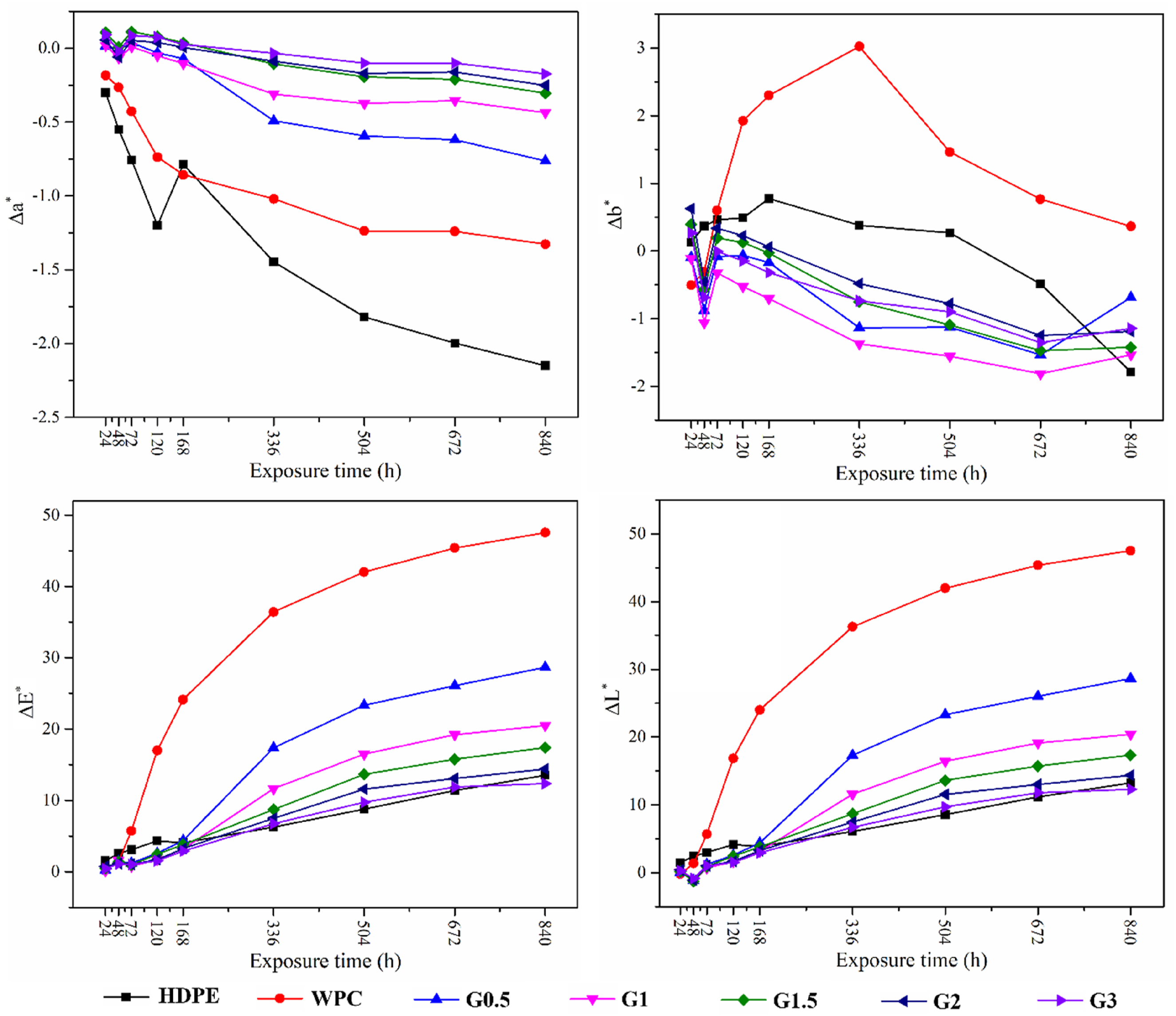
The addition of GNPs to the matrix has a significant effect on the surface color changes (ΔE). While the rapid changes initiated after 48 h of UV exposure for WPC it was slowed by GNPs loading. Similar trends were also observed for surface whiteness (ΔL). Graphene can absorb and/or screen UV radiation, which is responsible for photodegradation. 27
Moreover, Shehzad et al. 28 stated that graphene prevents the formation of carbonyl groups that result from Norrish-type reactions during photodegradation. GNPs loading is also effective in changing the surface color. A 3% GNPs indicated the highest photostability against UV light exposure. Mistretta et al. 29 identified the role of graphene in photostabilization as its ability to absorb ultraviolet energy, which is vital for the formation of radicals and the scavenging efficiency of radicals. The increase in graphene loading limited the photooxidation reactions, thereby preventing the surface from being affected by UV exposure and reducing surface color changes.
ATR-FTIR analysis
The effect of GNPs on the surface chemistry of WPCs after weathering was investigated by ATR-FTIR analysis, as seen in Figure 4. The characteristic wood and polymer bands and their assignments are given in Table 2. The bands at 2916 cm−1 and 2846 cm−1 are assigned to characteristic polymer peaks that are influenced by UV light and photooxidation reactions. The peaks were very strong for the WPC, whereas they were more moderate for neat HDPE. During the weathering test, surface erosion occurred (Figure 8), causing a new layer to emerge. Therefore, the intensities of the peaks were relatively weak. On the other hand, GNPs have a significant effect on photostabilization. There were almost no changes in the peak height for 1.5% and 2% GNPs loading. A slight increase was observed for 3% of GNPs, which may be due to agglomeration. The area between 1600 and 1800 cm−1 is recognized as the carbonyl region. As stated above, ketone, carboxylic acid, vinyl and amide groups occur as a result of Norrish-type reactions, which affect peak height in this area. However, there were no significant differences in peak intensities after the weathering test. The peaks were more moderate for GNPs-loaded samples compared to WPC without GNPs. FTIR spectra of WPCs. The related FTIR bands and assignments.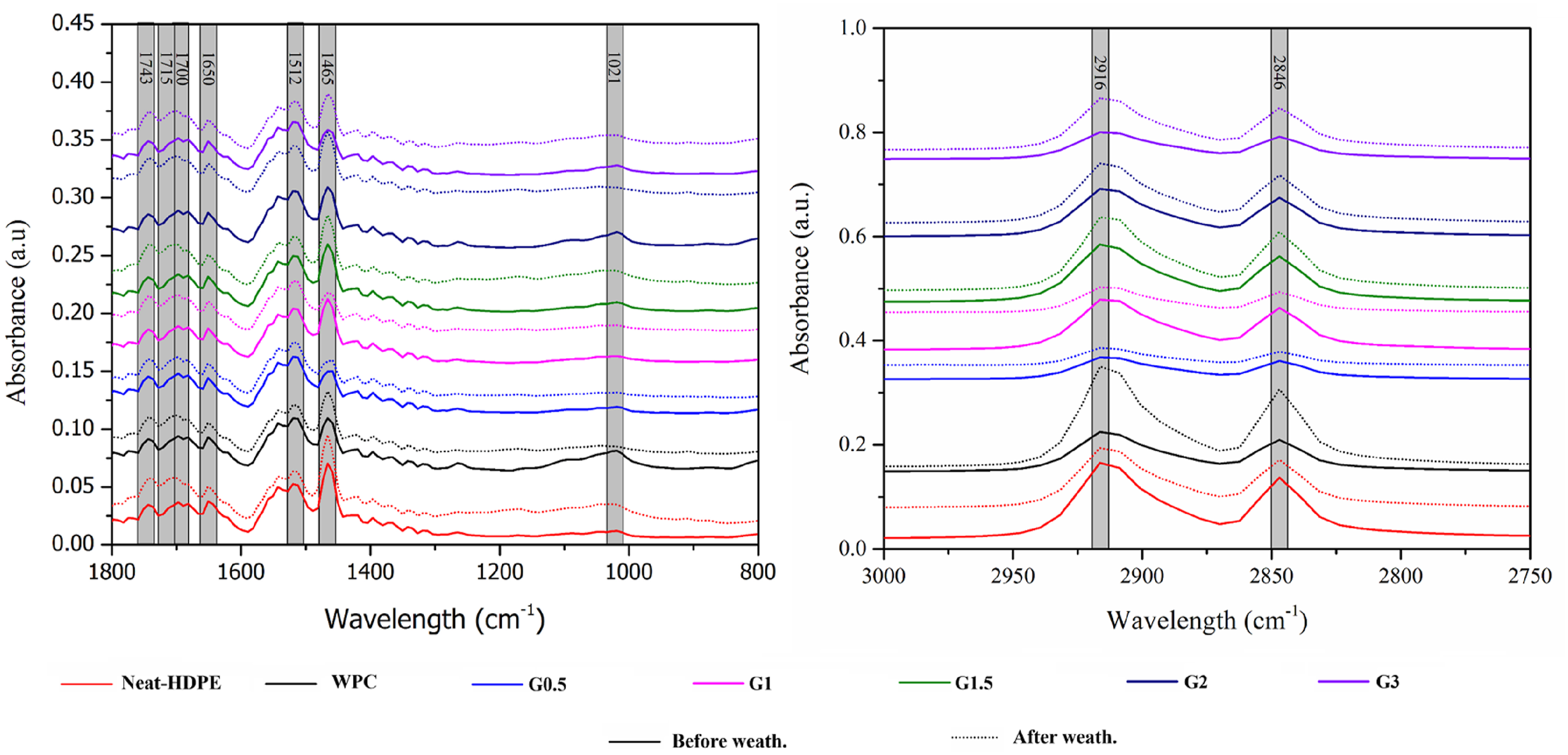
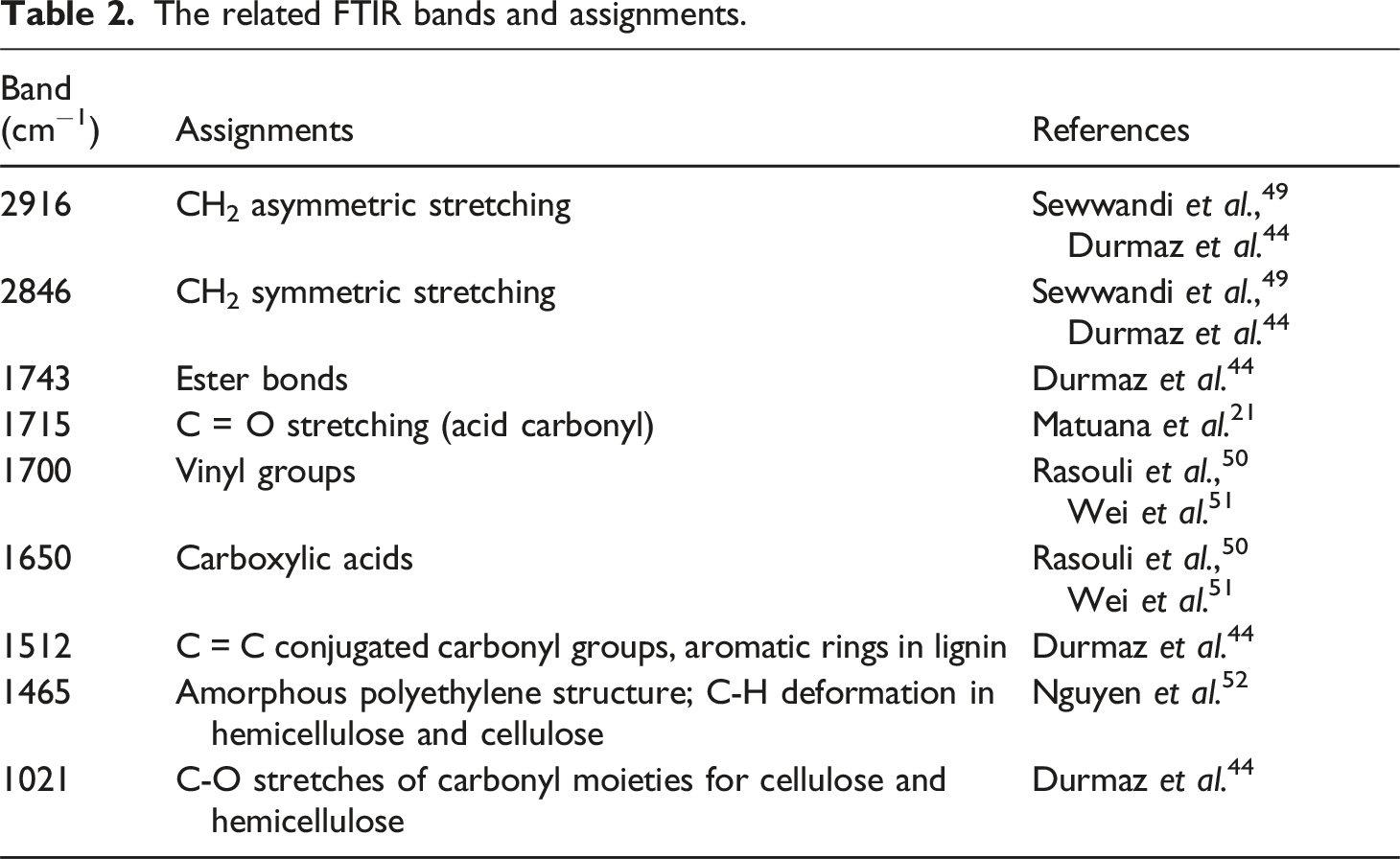
The band at 1512 cm−1 is a characteristic lignin peak of the wood cell wall. Lignin is the primary UV absorbent for wood. There was a slight decrease observed for WPC, while the intensity remained nearly the same for GNPs loaded WPCs. The band at 1465 cm−1 shows the amorphous structure of the polymer and the degradation of hemicellulose and cellulose. UV degradation has a considerable effect on this band. The increase in band intensity shows the scission reactions in the polymer structure for neat HDPE, which is also responsible for mechanical property loss. Similarly, there was a slight increase in WPC. In contrast, peak intensity decreased for GNPs-loaded samples. However, 1.5% of GNPs provided photostabilization, with a peak value nearly the same. The band intensity at 1021 cm−1 decreased for WPC, indicating the degradation of the wood cell wall structure. The moieties resulting from photodegradation were removed from the surface, resulting in a low peak intensity. However, the GNPs’ radical scavenging efficiency limited photooxidation and improved photostabilization.
Carbonyl index of WPCs (%).
Thermal Analysis
TGA analysis
TGA values of WPCs.
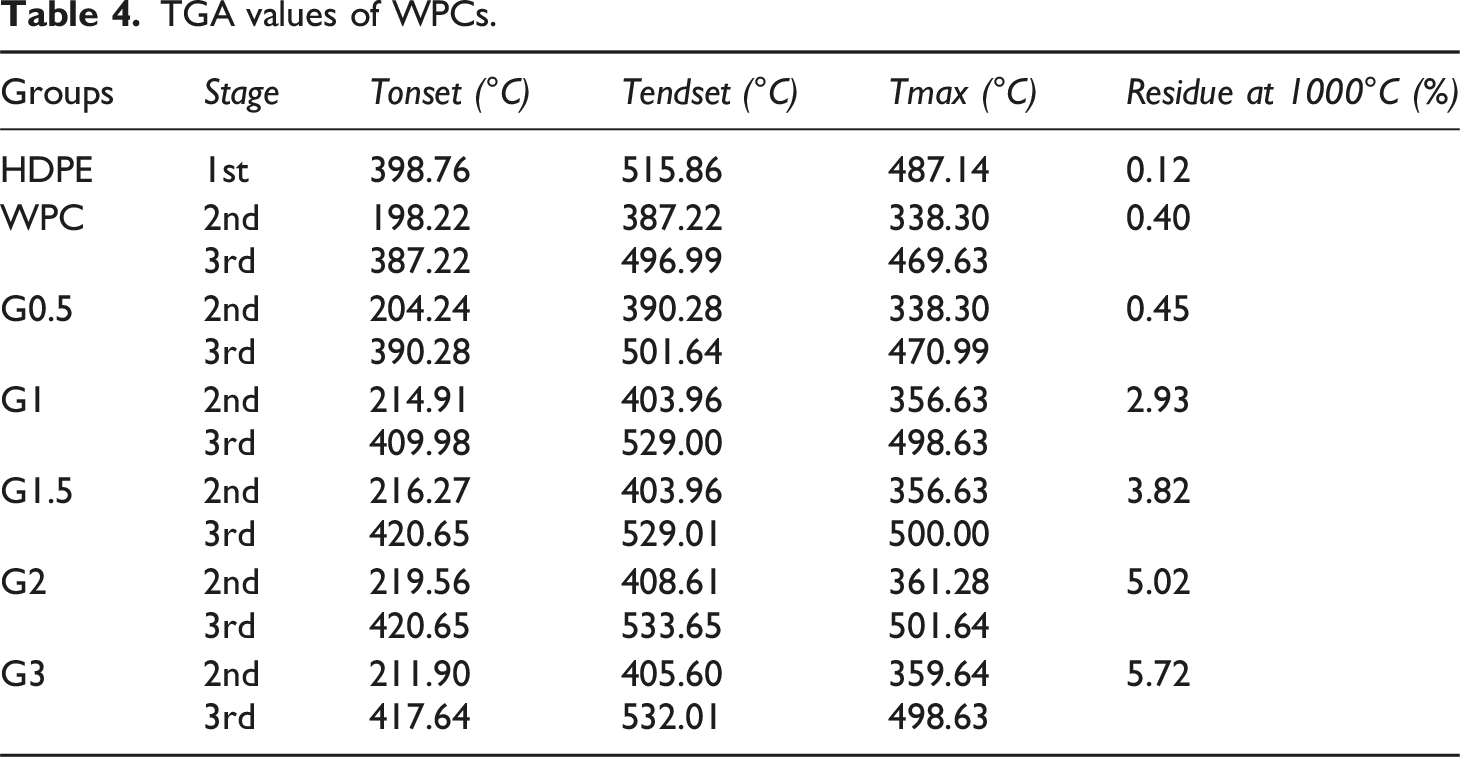
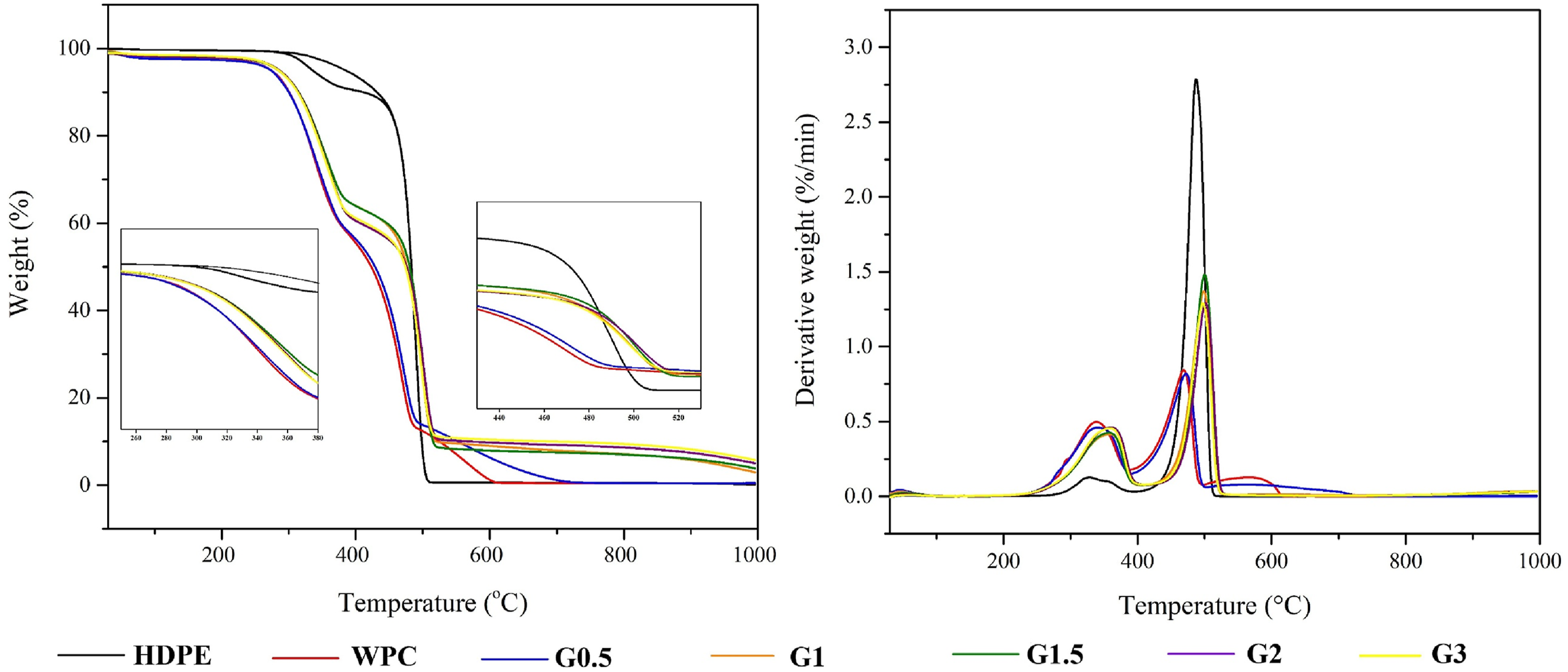
TGA analysis of WPCs; (a) TG thermograms, (b) DTG thermograms.
Wood typically ignites above ∼240°C. Therefore, wood fiber was thermally decomposed in the second stage. However, the wood cell wall is composed of cellulose, hemicellulose, and lignin, which have different degradation temperatures. The hemicellulose starts to degrade above 150°C, followed by cellulose and finally lignin. Renner et al. 32 revealed that hemicellulose degrades between 158.7 and 212°C, cellulose is 333.7–419°C, and lignin is also 714.3–799°C under the inert atmosphere. The polymer is thermally degraded in the third stage, in which it starts to degrade at 340°C. 33
The addition of GNPs enhanced the degradation temperature of WPCs. The onset temperature increased with higher nanofiller loading. GNPs initiate degradation at temperatures above 600°C, which helps to delay the degradation of WPCs. 32 Alam et al. 34 highlighted that the mobility of molecules in the chemical structure enhances thermal degradation. Briscoe et al. 35 also stated that up to 8% of GNPs restricted molecular mobility and decelerated the degradation. Therefore, GNPs with increasing loading (up to 3%) restricted molecular mobility and slowed thermal degradation. The residue also increased with higher GNPs loading. However, there was nearly no residue for neat HDPE, which decomposed into volatile compounds with little residue remaining above 550°C. 36 However, adding wood to the polymer matrix, along with GNPs, increased the residue, which is important for fire performance, as discussed below.
DSC analysis
The effect of GNPs on the thermal behavior of WPCs during heat flow was investigated by differential scanning calorimetry (DSC) analysis, as seen in Figure 6. The melting temperature onset (Tonset) decreased slightly with the addition of WF to the polymer, as given in Table 5. Adding WF to polymer could cause molecular chain breakage, which hinders heat transfer and is responsible for a lower Tonset.
37
However, the GNPs loading did not significantly influence the WPCs Tonset. The melting temperature of WPCs was slightly increased with GNPs loading up to 1.5%. Above this level, a slight decrease was observed. Thermodynamically, the melting point reduces with decreasing enthalpy because of a weak interface between the polymer and filler.
34
Nanomaterials are prone to agglomerate with higher loadings. The higher loading of GNPs increases the weak interface due to agglomeration, which could limit heat transfer and decrease Tm. DSC thermograms of WPCs. DSC values of WPCs.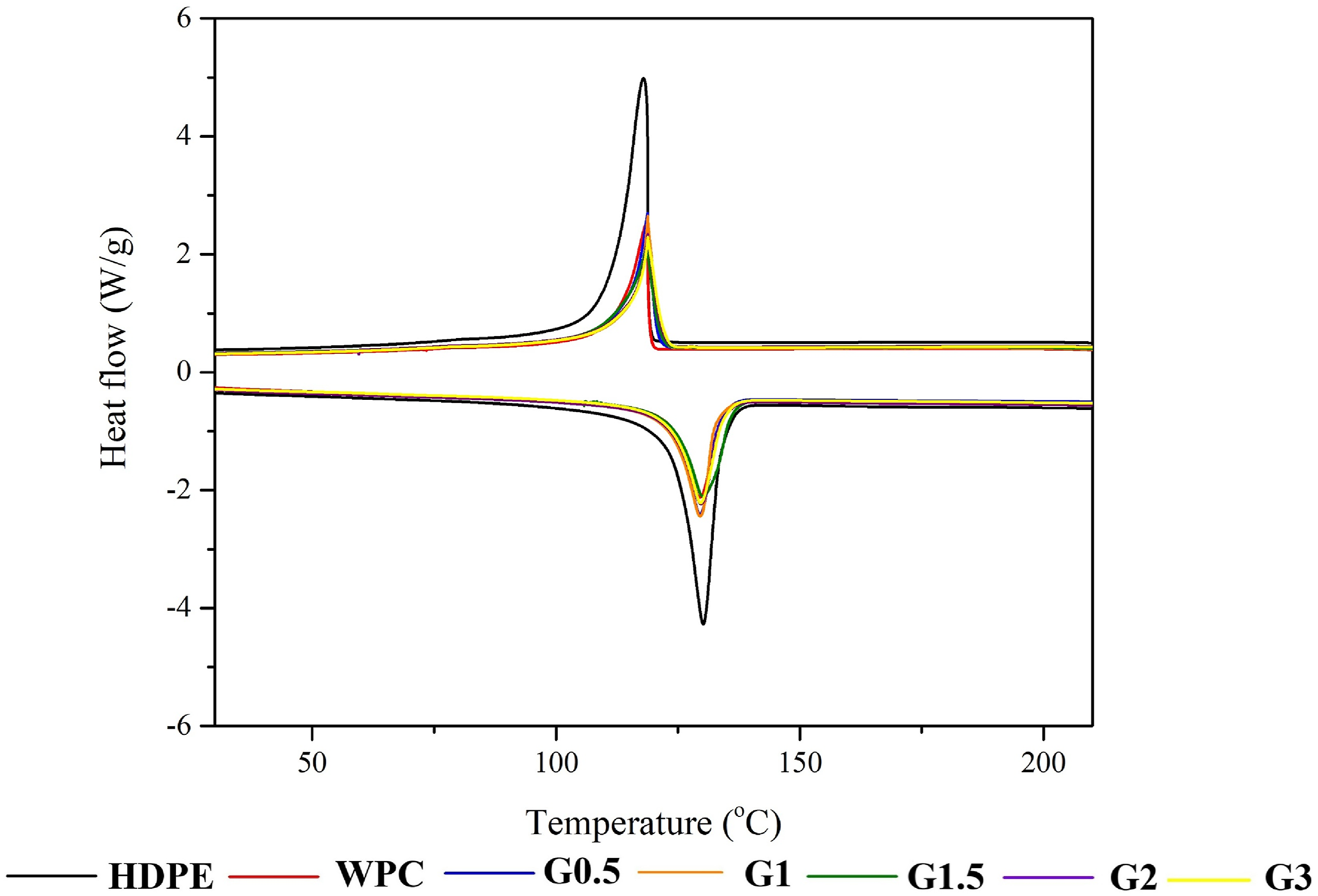
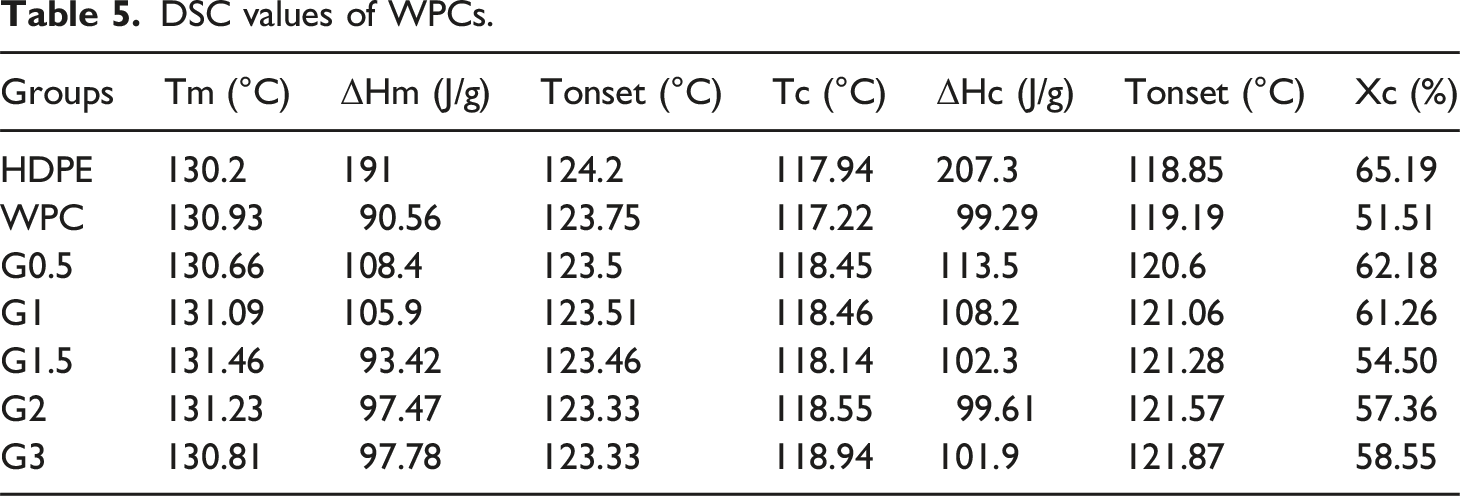
The crystallization temperature (Tc) of WPCs increased with GNPs loading, while there was a slight decrease with the addition of WF to the polymer. An increase in the GNPs loading created a physical barrier, causing a nucleating effect that led to an increase in Tc. 38 A similar result was also obtained by Sutar et al. 39 with increasing GNPs content, attributed to the nucleating effect. Meanwhile, a high Tc value facilitates earlier crystallization, while decreased crystallinity will reduce creep resistance during long-term loading. As the crystalline content increases, the orderly arrangement of polymer chains restricts their mobility, resulting in greater stiffness and improved resistance to deformation under constant stress. 40 Moreover, the WF reduced the degree of crystallinity (Xc) of the polymer. The natural fibers restrict molecular thermal movement, thereby reducing the crystallization rate. 41 The GNPs loading improved the degree of Xc. However, the GNPs loading was still lower than HDPE. As the addition of fillers hinders crystallization in the molecular chain, it reduces the degree of Xc.
Fire Performance
The effect of GNPs on the fire performance of WPCs was investigated using LOI analysis, as seen in Figure 7. The LOI test determines the need for oxygen for continuing flaming combustion. The LOI values of WPCs ranged from 18.5 to 28, as shown in Table 6. The higher the LOI value, the greater the oxygen concentration required. The neat HDPE flamed even at a lower oxygen level (18%). HDPE is a petroleum-based polymer that is easily combusted. Meanwhile, dripping was also observed for neat HDPE during the test, which facilitates the spread of fire (Figure 7(a)). However, adding WF to the polymer improved the LOI values. Lignocellulosic materials can reduce the heat release rate, heat release during combustion, and mass loss rate.
41
Moreover, the carbonization of the wood surface during combustion restricts oxygen penetration, improving the fire performance of WPCs. Carbonization also enhances char formation, which is important for fire resistance due to reduced dripping. The residue content also influences the formation of char. Figure 7(b) also indicates that the increase in the residue content resulted in LOI values. LOI test of WPCs; (a) Effect of GNPs on the oxygen index of WPCs, (b) Correlation plot of TGA residue via LOI. The LOI values and UL-94 classification of WPCs. Note. Values in parentheses are standard deviations.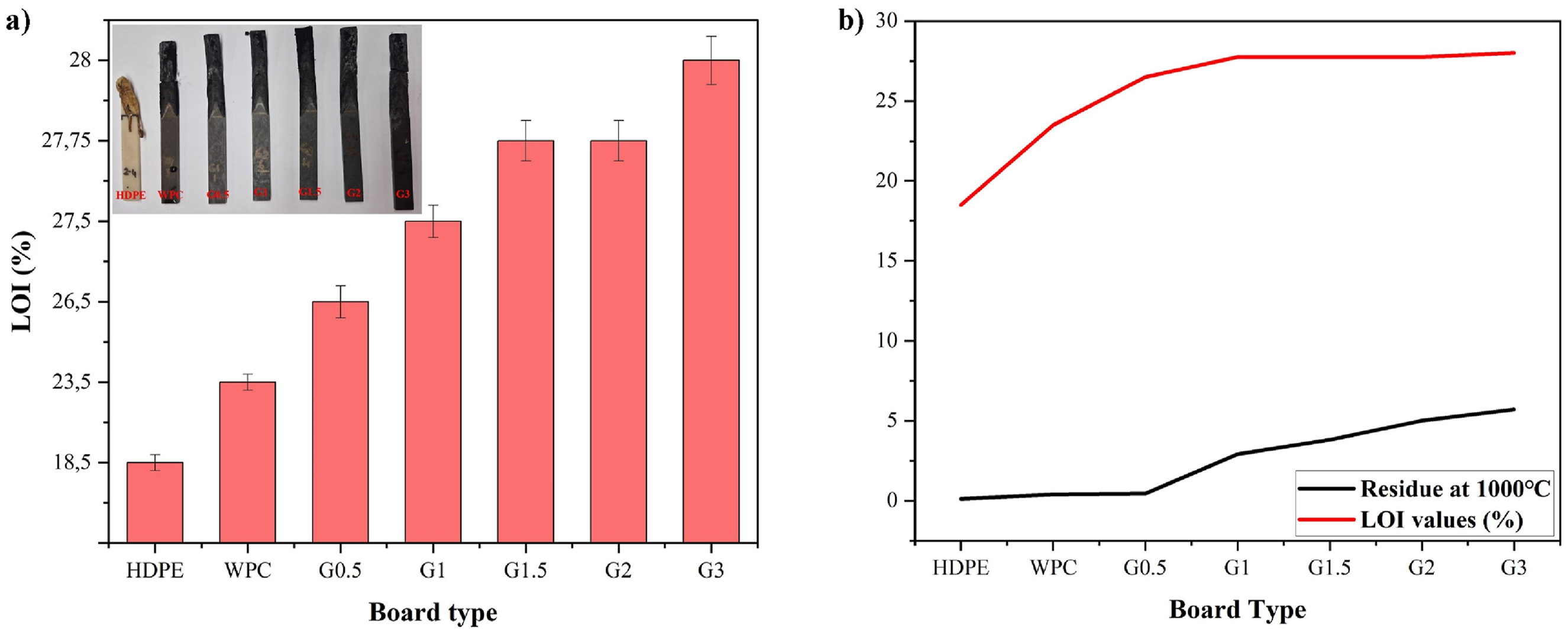
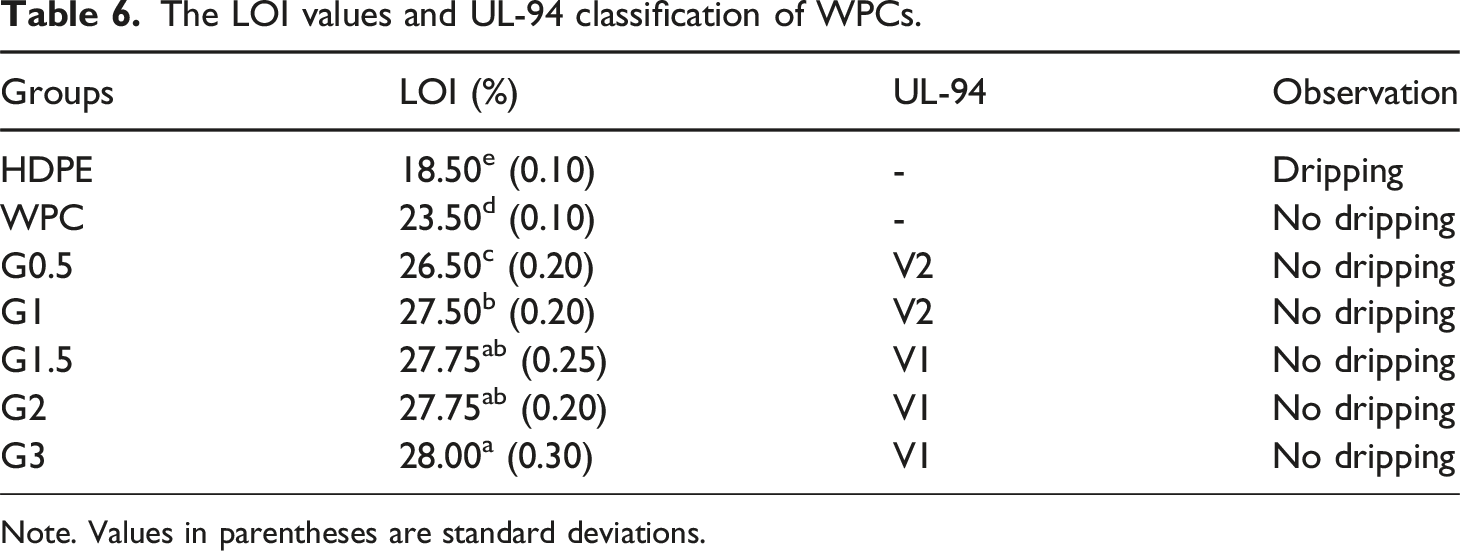
During combustion, free radicals (such as alkyl or alkyl peroxide radicals) form as a result of oxidative reactions in the polymer, leading to the transformation of these free radicals into CO, CO2, and H2O. 36 Therefore, there was nearly no residue left from the polymer. However, the WF relatively increased the residue content, as seen in Table 4. GNPs loading significantly enhanced the LOI values. According to ISO 4589, 42 HDPE (LOI ≤23) is recognized as a material that is easily ignited or combustible, while it is classified as a limited fire-retardant material (24–28). The GNPs loading did not upgrade the LOI classification according to ISO 4589, but it had a significant effect, showing nearly a 20% improvement in the need for oxygen to continue flaming combustion at 3% GNP loading. 43
The fire resistance of WPCs was also investigated by the UL-94 test. As stated above, HDPE is a petroleum-based polymer, that burns easily. Neat HDPE did not provide any fire-resistant properties. The fire spread suddenly and burned quickly. Therefore, it was not classified depending on the UL-94 test. Moreover, in the LOI test, dripping was also observed for HDPE. However, adding WF to the polymer improved fire resistance. Although the resistance improved compared to HDPE, the fire propagated and was not classified. On the other hand, the GNP loading had a positive effect on the fire resistance of WPCs. The highest fire resistance was obtained at GNP loading above 1.5%. There was no dripping for WPCs containing GNPs. As highlighted above, GNPs degrade at higher temperatures and retard the degradation. GNPs also decrease thermal conductivity and limit gas permeability, which supports char formation. 17 Therefore, adding GNPs improved the fire resistance of WPCs, which is crucial for applications where high fire resistance is required.
Microscopy analysis
The effect of GNPs on the surface characteristics of WPCs after weathering was investigated via microscopic analysis. The LM images are shown in Figure 8. The color fading on the surface of WPCs is remarkable. However, GNPs loading significantly limited the color changes on the surface. Whiteness is the main problem for WPCs outdoors. As stated above, chromophoric groups in both polymer and wood chemistry are responsible for color changes.
21
The increase of whiteness with fading is also an inevitable outcome for neat HDPE, as seen in Figure 8. However, the whiteness is more pronounced for WPC. Moreover, the formation of cracks and surface erosion is accompanied by color fading in WPCs. Chain scission in polymers causes interaction with wood fiber and humidity, resulting in changes in fiber dimensions.21,44 Therefore, cracks occur in the matrix, decreasing the service life of WPCs. GNPs loading restricted the crack formation by absorb and/or inhibit UV light27,28; however, it did not completely inhibit it, which is responsible for the mechanical loss. Light microscopy images of WPCs.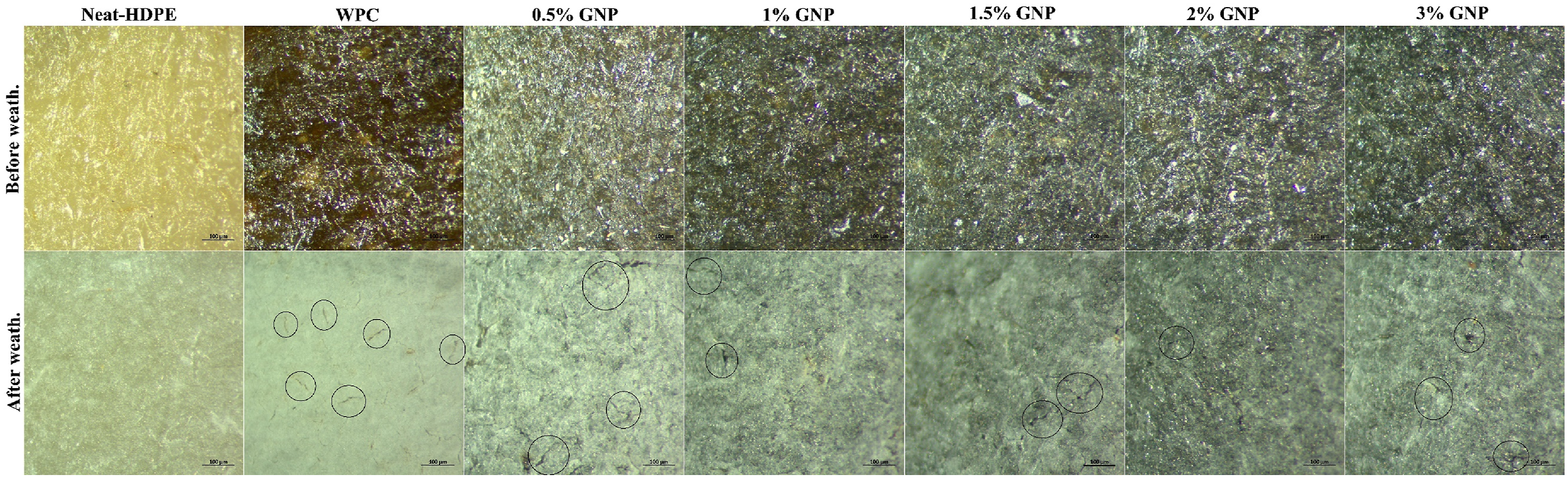
The surface of WPCs exposed to weathering was also investigated using SEM, as shown in Figure 9. The effect of weathering is destructive to WPCs. Chain scission in polymer structure results in cracking, which increases the interaction of wood fiber with humidity.21,44 Therefore, cracks occur on the polymer surface of the fiber and encapsulated fibers reveal this, which accelerates the degradation.
44
These phenomena are clearly seen in Figure 9(d). On the other hand, GNPs cover the surface of WPCs, creating a barrier against UV light and inhibiting photodegradation compared to unweathered samples.18,26 The UV absorption and/or reflection ability of GNPs decelerates or retards the photodegradation process, thereby prolonging service life.
29
However, GNPs do not have the ability to completely inhibit photodegradation. SEM images demonstrated that microcracks occurred, despite the GNPs loading. Crack formation was also accompanied by polymer delamination. However, the effect of photodegradation was more moderate compared to that in WPCs without GNPs. The key to high photostability is the relatively homogeneous distribution of GNPs.
7
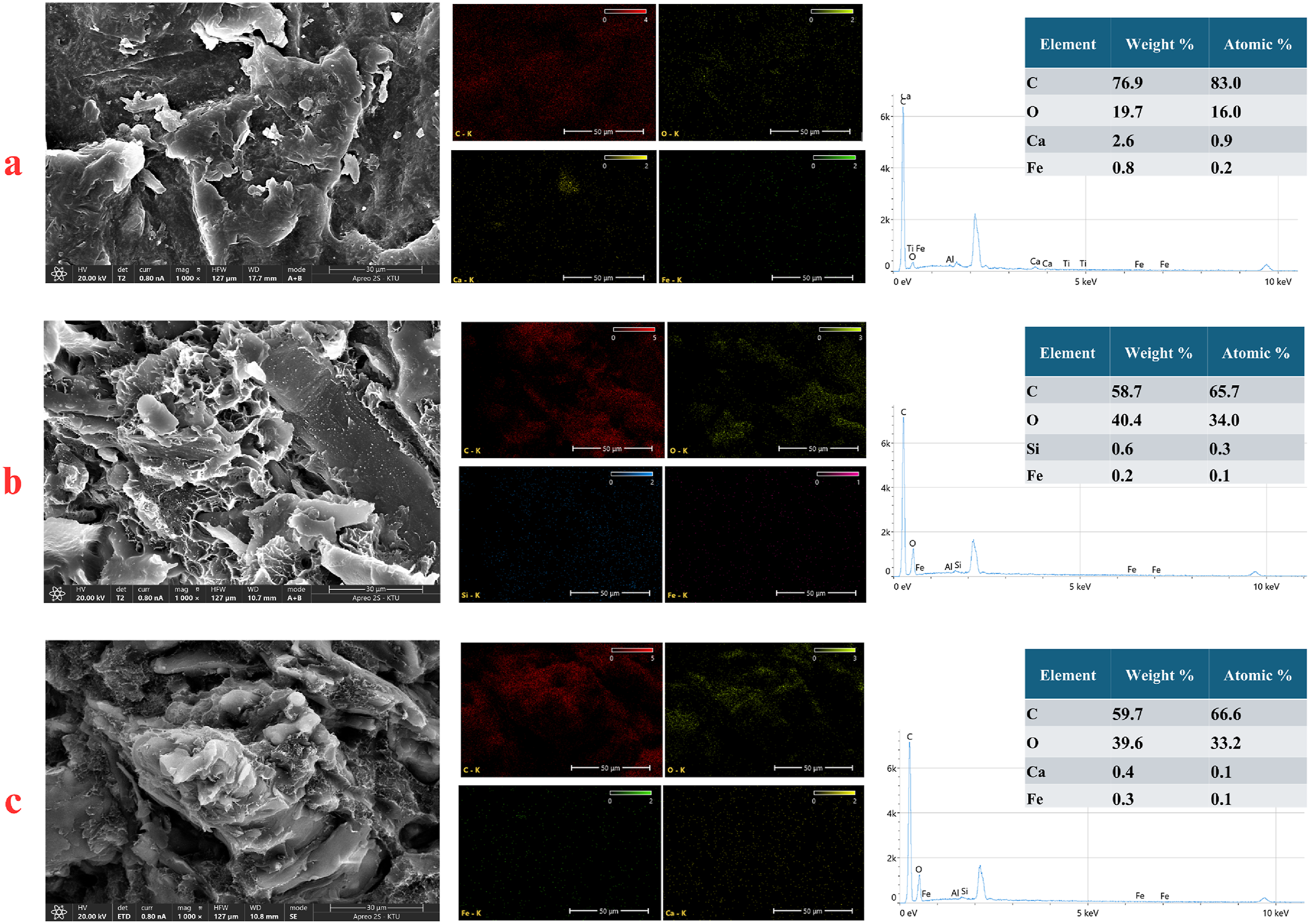
As GNPs loading increased, the possibility of agglomeration increased, which limited mechanical improvement. The high surface energy of nanoparticles makes them prone to agglomeration. As seen in Figure 10, the mapping also reveals the elemental compositions. The strong carbon signals indicate a GNPs-rich surface. It can be stated that there is agglomeration on both the surface and the cross section at the highest GNPs ratio (3%), which inhibits stress transfer. Therefore, a significant decrease in mechanical properties is inevitable at the highest loading ratio of GNPs. SEM images of weathered and unweathered WPCs. (a) G0.5, (b) G1, (c) G1.5, (d) WPC, (e) G2, (f) G3 (g) unweathered (G0.5), (h) unweathered (G1), (i) unweathered (G1.5). SEM images and EDS elemental mapping of the G3 composite: (a) surface morphology; (b–c) cross-sectional morphology.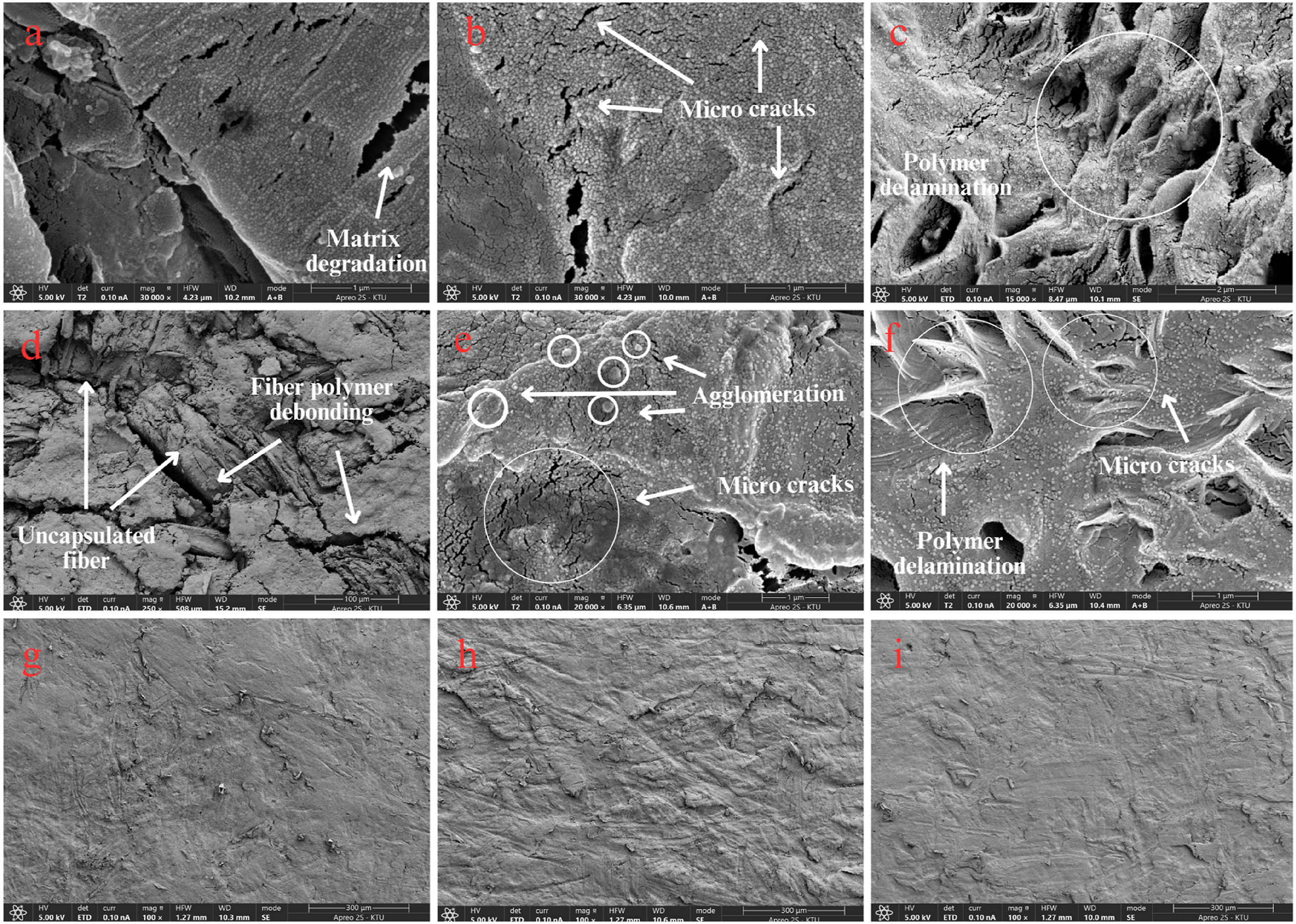
Mechanical Properties
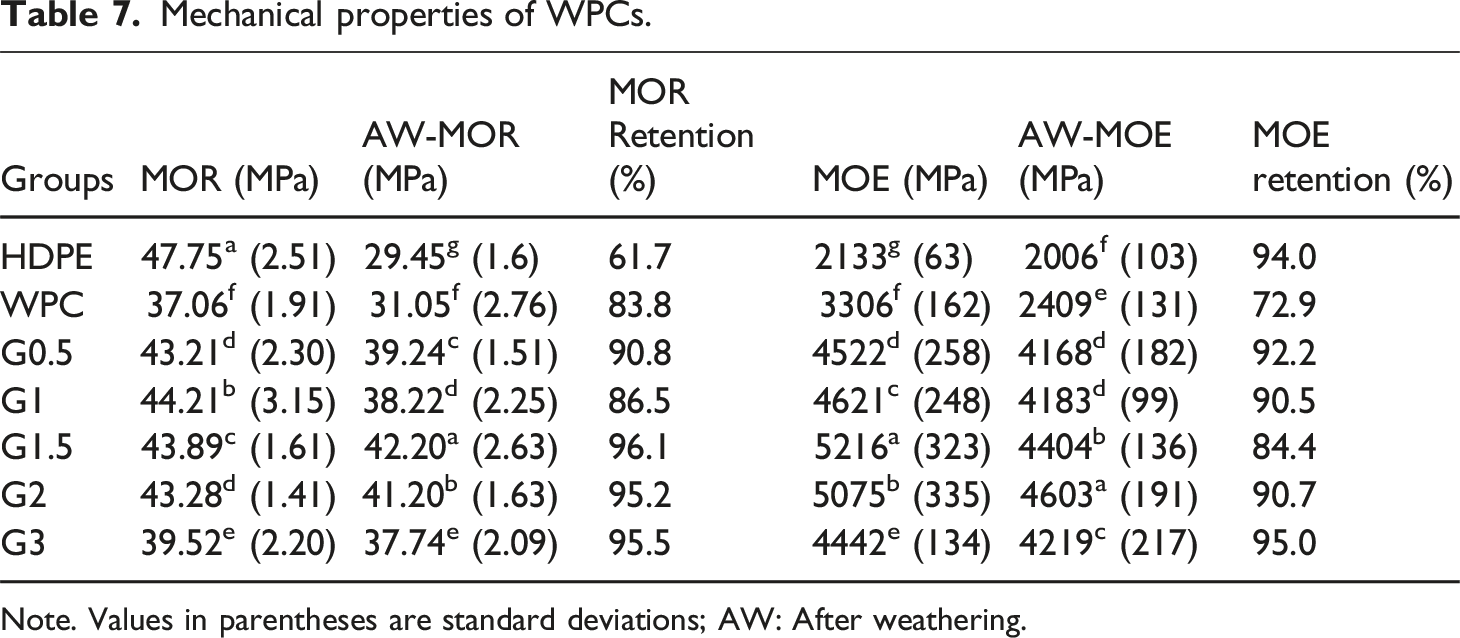
Mechanical properties of WPCs.
Note. Values in parentheses are standard deviations; AW: After weathering.
The effect of GNPs on mechanical properties after the accelerated weathering test was also investigated. Outdoor conditions, such as humidity, rain, UV light, and exhaust gases, have a significant impact on mechanical properties in addition to surface color fading. As seen in Table 7, there was a significant decrease in MOR and MOE for WPC without GNPs loadings. As stated earlier, Norrish-type reactions degrade the polymer, which reduces mechanical properties. 26 After the weathering test, there was a nearly 40% decrease in MOR for neat HDPE, while it was 16% for WPCs. Meanwhile, the decrease in MOR was 3.85% for 1.5% GNPs, despite the intensive weathering conditions. The barrier properties of GNPs with high alignments, such as increased loading and high exfoliation degree, reduce water vapor permeability, which weakens the bonding between components and is primarily responsible for mechanical loss.18,47 Moreover, GNPs can increase the tortuosity of the path for water molecules within the matrix, which decreases moisture absorption.18,48 Additionally, the radical scavenging properties of GNPs also limit photooxidation, further reducing mechanical loss. The measured property retention rates indicate a stabilization effect resulting from the addition of GNP. HDPE exhibited a substantial reduction in MOR values. In contrast, GNP-reinforced sample groups demonstrated a marked increase in property retention rates compared to the WPC. Notably, in board groups containing 1.5%, 2%, and 3% GNP, the decrease in MOR values was less than 5%. These findings suggest that GNP reinforcement effectively mitigates weather-induced strength degradation.
Conclusion
GNPs have superior properties, including a large surface area, thermal stability, and UV absorption capability. In this study, HDPE-based WPCs were reinforced with GNPs to enhance their mechanical, thermal, fire and outdoor performance. GNP reinforcement improved the mechanical properties. The MOR of WPCs increased by 20%, while it was 57% for MOE. The tendency of GNPs to agglomerate limited further improvement. The UV absorption ability of GNPs has a significant influence on outdoor performance. The color stabilization was achieved through the loading of GNPs. The UV absorption and/or reflection ability of GNPs has a considerable effect on retarding photodegradation. However, it was not completely prevented, but it proceeded moderately compared to controls. After extensive UV exposure, crack formation was inevitable, although GNPs were involved. However, 3% GNPs still made a significant difference compared to WPC. Surface degradation was severe in WPCs, leading to mechanical loss. Meanwhile, the mechanical loss was restricted by GNPs after the weathering test, which induced a scission reaction in the polymer. ATR-FTIR analysis also showed that the intensity of the characteristic polymer bands was nearly the same, indicating that GNPs decelerate polymer degradation. GNPs loading increased the onset temperature of thermal degradation. There was an increase of 21.34°C obtained from 2% GNPs loading compared to WPC. Moreover, the residue content also increased with increasing GNPs loading, which is significant for char formation. Therefore, the fire performance was improved with the loading of GNPs. The LOI values were enhanced by nearly 20%. The UL-94 test also showed an improvement in fire resistance with GNPs loading. Dripping was inhibited by the addition of GNPs. However, the degree of crystallinity decreased with increasing GNPs loading due to the tendency for agglomeration. In conclusion, the reinforcement with GNPs improved the mechanical, thermal, fire, and outdoor performance of WPCs, which are essential for both indoor and outdoor applications, such as siding, decking, outdoor furniture and construction.
Footnotes
Declaration of conflicting interests
The authors declared no potential conflicts of interest with respect to the research, authorship, and/or publication of this article.
Funding
The authors received no financial support for the research, authorship, and/or publication of this article.
