



Abstract
Currently, the distribution and evolution mechanism of electromagnetic and temperature fields in the resonant cavity during tire microwave vulcanization remain unclear, with limited research on vulcanization uniformity. This study analyzed how the shape, size and position of metal insert in the resonant cavity affect tire microwave vulcanization. Results show that metal insert improve tire temperature uniformity by 12.5% and shorten heating time by 210 s, with hexagonal ones yielding the best uniformity. Small interferences barely affect temperature distribution; optimal uniformity occurs at an outer radius of 150 mm, worsening when larger. Interferences in the cavity center minimize heating time, while movement increases it. Position changes impact temperature distribution, with the best uniformity achieved when the interference in the cylindrical cavity moves down 175 mm. This study focuses on thermal field uniformity during curing, without explicitly modeling cure kinetics or crosslink density evolution.
Introduction
In the rubber industry, vulcanization is a key process to give rubber products value, the essence of which is to change the molecular structure of rubber through cross-linking reaction, fundamentally reshaping the material properties.1,2 The realization of this process is highly dependent on the heating process, the traditional heating method relies on the principle of heat conduction, heat convection and heat radiation to make the heat from the outside of the object to the object inside, such a heating method will make the object there is a temperature gradient in the heating process so that the object to be heated can not be avoided uneven heating and local overheating and other problems. 3 Microwave heating and traditional heat conduction on the contrary, heat conduction from the inside to the outside, microwave heating belongs to the energy field heat generation, the use of medium loss into thermal energy. The internal temperature rise of rubber vulcanized by microwave heating is fast, which can improve the uniformity of vulcanization and accelerate the vulcanization process. 4 Compared with traditional heating methods, microwave heating does not require a heat transfer medium and is penetrative heating, which results in rapid temperature rise and is characterized by selective heating, high controllability, uniform heating, energy saving and high efficiency.5–7
In addition to microwave vulcanization, radiation vulcanization, filler material regulation, crosslinking agent optimization, and other approaches are all important optimization paths for rubber vulcanization processes. Mammadov et al. 8 found that γ-radiation can promote the reaction between nitrile rubber (NBR) and triazine or maleic acid compounds, accelerating the crosslinking process; in thermal radiation vulcanization systems, chlorinated compounds and epoxy compounds can also significantly regulate the vulcanization characteristics of hydrogenated nitrile rubber (HNBR). 9 The interaction mechanisms between these energy fields and rubber provide a theoretical reference for regulating vulcanization reactions via microwave fields.
In terms of filler material regulation, the improving effects of nano-metal oxides, carbon black, and other fillers on rubber vulcanization performance have been widely verified. Khankishiyeva et al. 10 modified NBR sealants using a nano-metal oxide composite system, resulting in a significant enhancement of their physicomechanical properties; the synergistic effect between γ-radiation and nano-metal oxides can further optimize the thermophysical properties of rubber. 11 This provides support for the similar material effects in this study regarding the regulation of microwave field distribution through metal material interference.
Furthermore, the selection and compatibility of crosslinking agents are critical to vulcanization process optimization. Mammadov et al. 12 compared the crosslinking effects of peroxides and triazine compounds on HNBR, confirming that different crosslinking agents have a significant impact on rubber crosslink density and network uniformity—while the construction of a uniform crosslink network depends on the synergistic compatibility between energy field distribution and material components. The application of fillers such as carbon black in elastomer radiation vulcanization also indicates that the type and dispersion state of filler materials directly affect energy absorption efficiency and crosslinking reaction uniformity. 13
Although microwave heating technology has been widely used in the fields of rubber, ceramics, coal, metallurgy, wood, family, medical treatment and chemistry, new materials, microelectronics and other fields,14–16 and has strongly promoted the development of related industries. However, a series of problems arising from the microwave heating process, such as hot spots, heating uniformity, etc., have yet to be further solved.17–19
Zhu et al. proposed a novel microwave heating method with a rotating radiation structure. 20 Chen et al. designed an electromagnetic thermal coupling model for heating frozen pies, which increased the heat flow at the interface through the use of a receptor (a metallized film affixed to a cardboard) during the microwave heating process to allow more microwave energy to be absorbed by the frozen pies. 21 Yin employed a method of placing a cavity with a slotted layer so that the energy can be radiated uniformly to improve the heating uniformity. 22 Yang et al. proposed a novel microwave continuous-flow heating system, which improves the energy utilization efficiency by upwardly tilting the waveguide and a stub tuner. 23 Li et al. designed a double-ridged waveguide for heating ultrafine materials, and it was shown that the electric field strength of the material in the double-ridged waveguide and the absorbed power were higher than that of the conventional rectangular waveguide WR340 by about 13.3 and 180 times. 24 Keangin investigated the effect of waveguide position on the electric field and temperature distribution in a natural rubber glove. 25 Huang et al. designed a single-ridge waveguide for the heating analysis of thin rubber, and the study showed that the energy efficiency of the single-ridge waveguide was far more than that of the multimode cavity. 26 Lin et al. used a full-wave analytical method of electromagnetic field A hybrid method of electromagnetic field full-wave analysis and circuit method was used to study the effect of radiated electromagnetic interference on microwave active circuits. 27 Liu et al. systematically investigated the effect of transient electromagnetic applications in mines under the interference environment of metal bodies. 28 Li et al. compared the IDEAL T2WI, STIR, and FST2WI sequences in the scanning of spine in the presence of metal interference, and concluded that the imaging quality of IDEAL sequences is significantly better than that of STIR and FST2WI sequences in the presence of metal interference in spine. 29 He et al. used an open-cavity HeNe laser resonator to analyze the higher-order modes in the presence of metal interference. A wedge-shaped aluminum foil was used as the interfering metal, and the distance between the foil and the laser center was varied to study the trend and characteristics of the generated spot under different interference ranges. 30
How to achieve uniformity improvement under the premise of ensuring the heating efficiency, while taking into account the structure simplification, cost control and long-term stability, is the key issue of microwave heating technology research and application of the urgent need to break through. Despite the systematic optimization of key parameters such as cavity size, rounded corner design, waveguide number, clamping angle and position of the resonant cavity, the uneven distribution of the microwave field has not been completely solved. Therefore, in-depth exploration of the heating characteristics of the cylindrical resonant cavity on the tire microwave vulcanization process temperature field distribution, vulcanization uniformity and the final performance of the process has an important theoretical research value and engineering practice significance. In this paper, we mainly investigate the influence of the shape, size and position of the metal insert in the cylindrical resonant cavity on the temperature uniformity of microwave heating of tires.
Simulation methods
Calculation of resonant cavity size
The resonant frequency of microwaves in a cylindrical resonant cavity is given by the formula:


Among them:fr is the resonant frequency of the resonant cavity,f0 is the operating frequency,
The 915 MHz type equipment has the advantages of strong microwave transmission capability, high power utilization, low equipment cost and high security. Therefore, 915 MHz is selected as the microwave frequency. The tire model is a 7.50R20 inner-supported outer tire, and the radius of the cylindrical resonant cavity is set to 652 mm and the height is set to 470 mm.
Simulation conditions and heating equations
The simulated tire is a bias tire, the resonant cavity environment was set to air domain, and both the resonant cavity and waveguide were copper dielectric,the metal insert is also made of copper material. The waveguide adopts a three-port structure. The heating time is set to 1800 s, the feed frequency is 915 MHz, the mode is TE10, the microwave input power is 10 kW, and the initial temperature is 20°C. The resonant cavity and waveguide are made of metal. The outer walls of the resonant cavity and waveguide are made of metal, and the thickness of the metal wall is much smaller than that of the cavity, so that the resonant cavity wall and the waveguide wall can be set as impedance boundary conditions.
Parameters of BJ8 waveguide models.
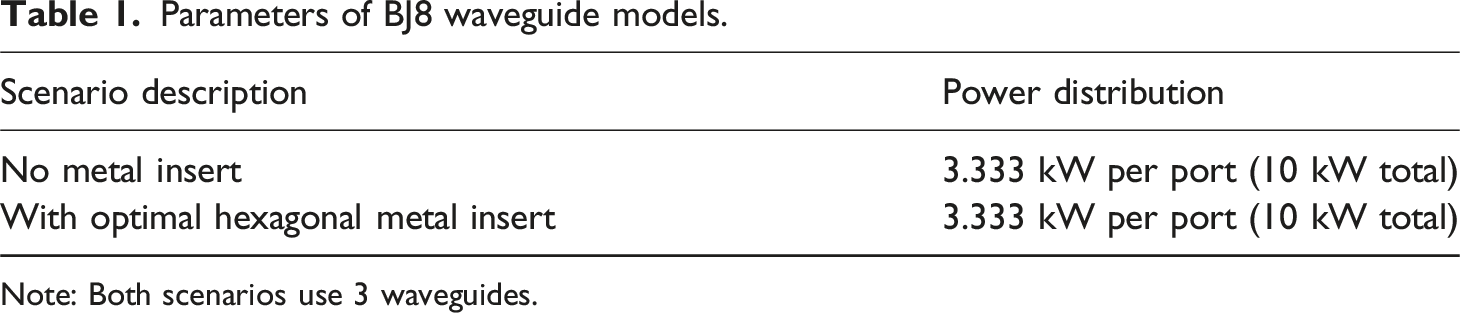
Note: Both scenarios use 3 waveguides.
Considering the influence of different factors on the microwave heating of tires, and in order to simplify the tire microwave vulcanization model to ensure the convergence of the calculation results, reasonable assumptions are made for the microwave heating model: the rubber material of the tire is uniform and isotropic, the initial temperature of the tire and the air is uniform, the mass transfer process is neglected,, the dielectric loss of the air is ignored, and the heat conduction in the air is ignored. Meanwhile, forced convection inside the curing chamber is neglected in this study. Through the impedance boundary condition and simplified thermal boundary assumption, the macroscopic heat loss effect on the tire surface is equivalently characterized, aiming to focus on the influence of core variables (the shape/size/location of the metal insert) on temperature uniformity. The effective temperature-dependent dielectric and thermal properties of the rubber-based composite material were determined based on relevant literature data.
The propagation of electromagnetic waves in tires is calculated using Maxwell’s equations. The general form of Maxwell’s equation is presented by simplification in the electric field through which the tire penetrates. The simplified control equation is as follows:
Among them: 
Among them:
The dielectric constant can be written in the general form of complex dielectric constant including real and imaginary parts. The complex dielectric constant is a function of the dielectric constant and the dielectric loss factor given by the following expression:
Among them:
The heat transfer equation couples the microwave field with a Fourier energy balance equation, given by the following expression:

Among them:
In order to better analyze the microwave heating uniformity of tires, the coefficient of variation of temperature (COV) is introduced to describe the uniformity of temperature distribution in space. In this paper, the assessment of the microwave heating uniformity of tires mainly relies on the temperature field distribution map of the tire cut surface when the average temperature of the tire body reaches 120°C and the temperature coefficient of variation COV as the main reference basis. The temperature coefficient of variation COV is given by the following equation (8)31,32:
Among them:
The schematic diagram of the microwave vulcanization model of tyre is shown in Figure 1, the waveguide is placed in the centre of the side of the cylindrical resonance cavity, the diameter of the cylindrical resonance cavity is 1304 mm, and the height of the resonance cavity is 470 mm. The outer tyre of 7.50R20 support is simplified into 5 layers, which are the tread, the shoulder, the sidewalls, the airtightness, and the belt belt bundle, and the tyre is placed in the centre of the cylindrical resonance cavity. The length of the waveguide is set to 100 mm, and according to the operating frequency of 915 MHz, the waveguide model BJ8 is selected. The parameters are given by Table 2.
33
Schematic diagram of tire microwave vulcanization model. Parameters of BJ8 waveguide models.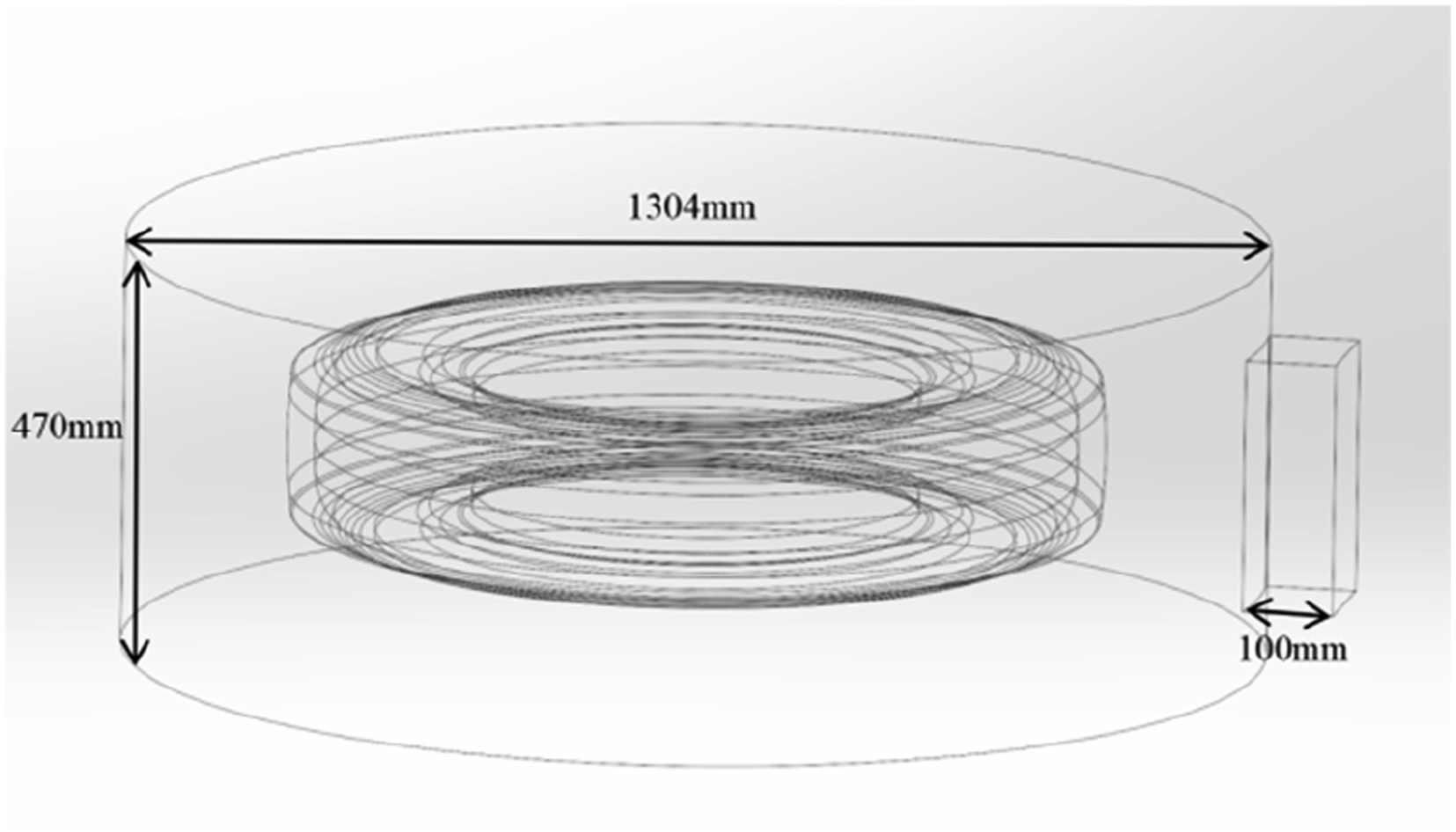

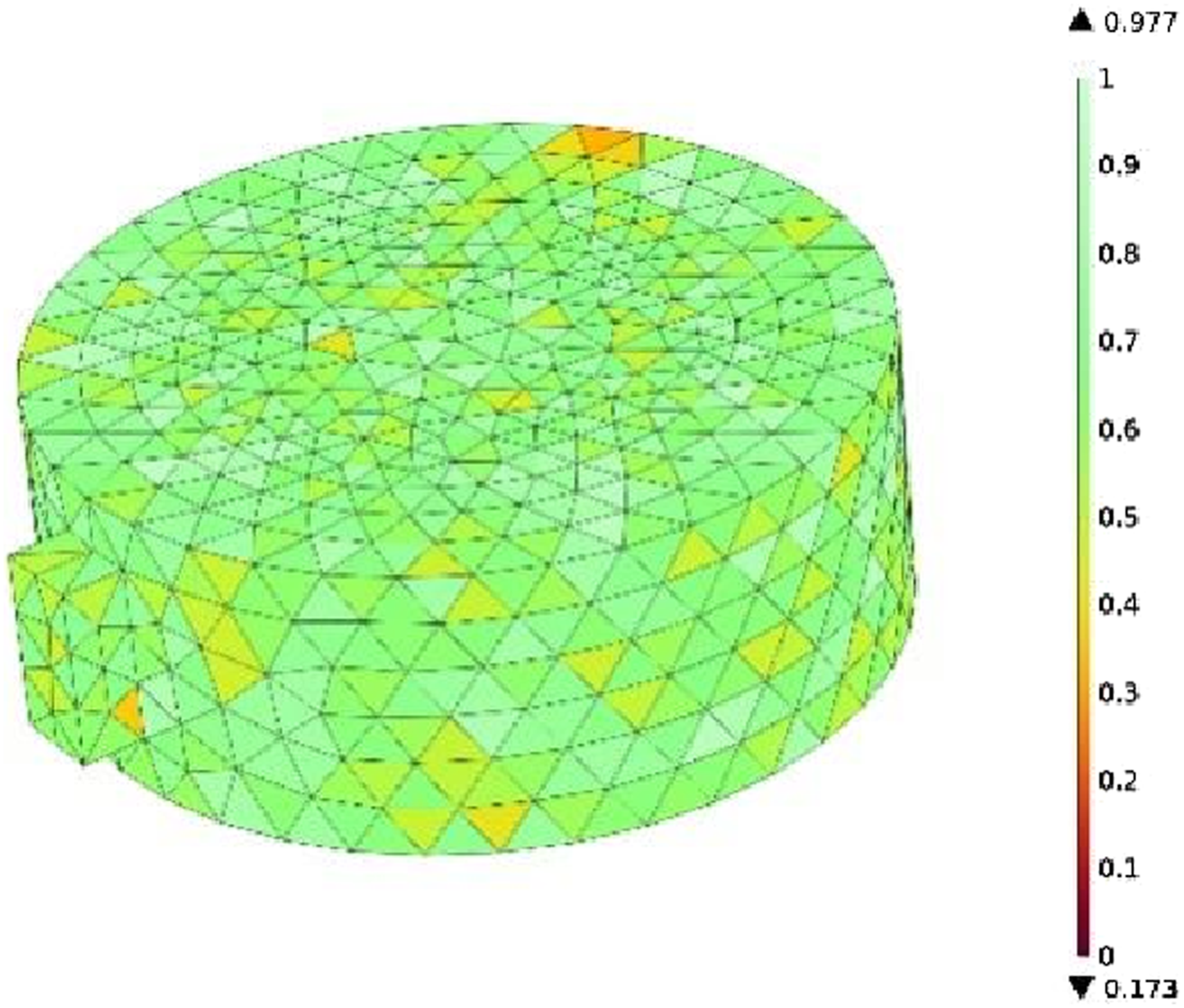
The quality of the grid cells can greatly influence the computational accuracy of the model solved by the finite element method. The model is constructed by free tetrahedral mesh, and the mesh size is realized by physical field control mesh. At the same time, the average temperature of the tire is used as an evaluation index to verify the mesh-independence, and it can be seen from Figure 2 that the average temperature of the tire gradually flattens out with the increase of the number of meshes. When the number of grids is G4, the temperature of the tire no longer changes significantly with the increase in the number of grids, indicating that the further increase in the number of grids basically does not affect the accuracy of the simulation results, and the accuracy of the simulation can be met at this number of grids. The information on the number of grids of the constructed model is given in Table 3. Grid independence analysis. Grid number division.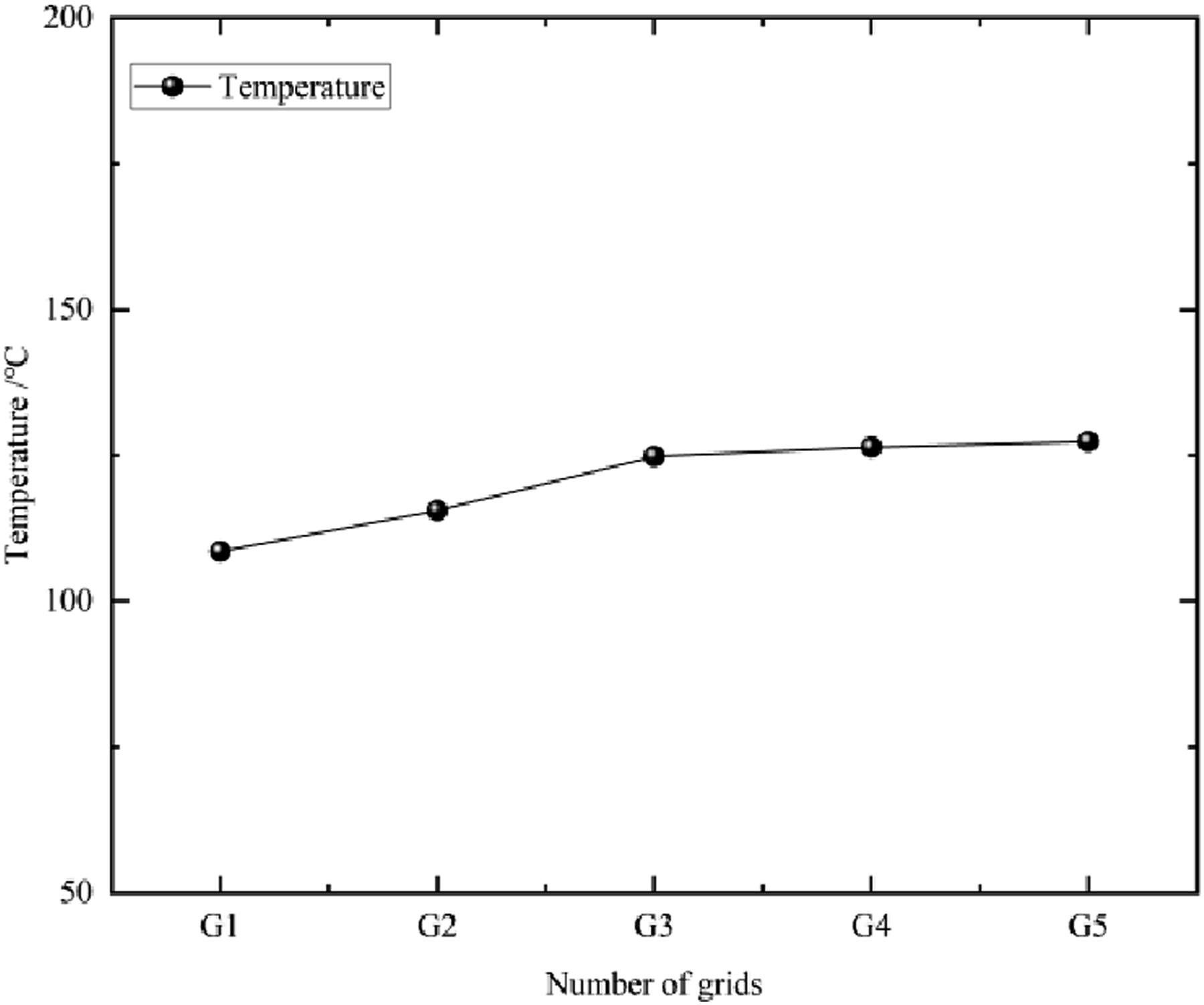

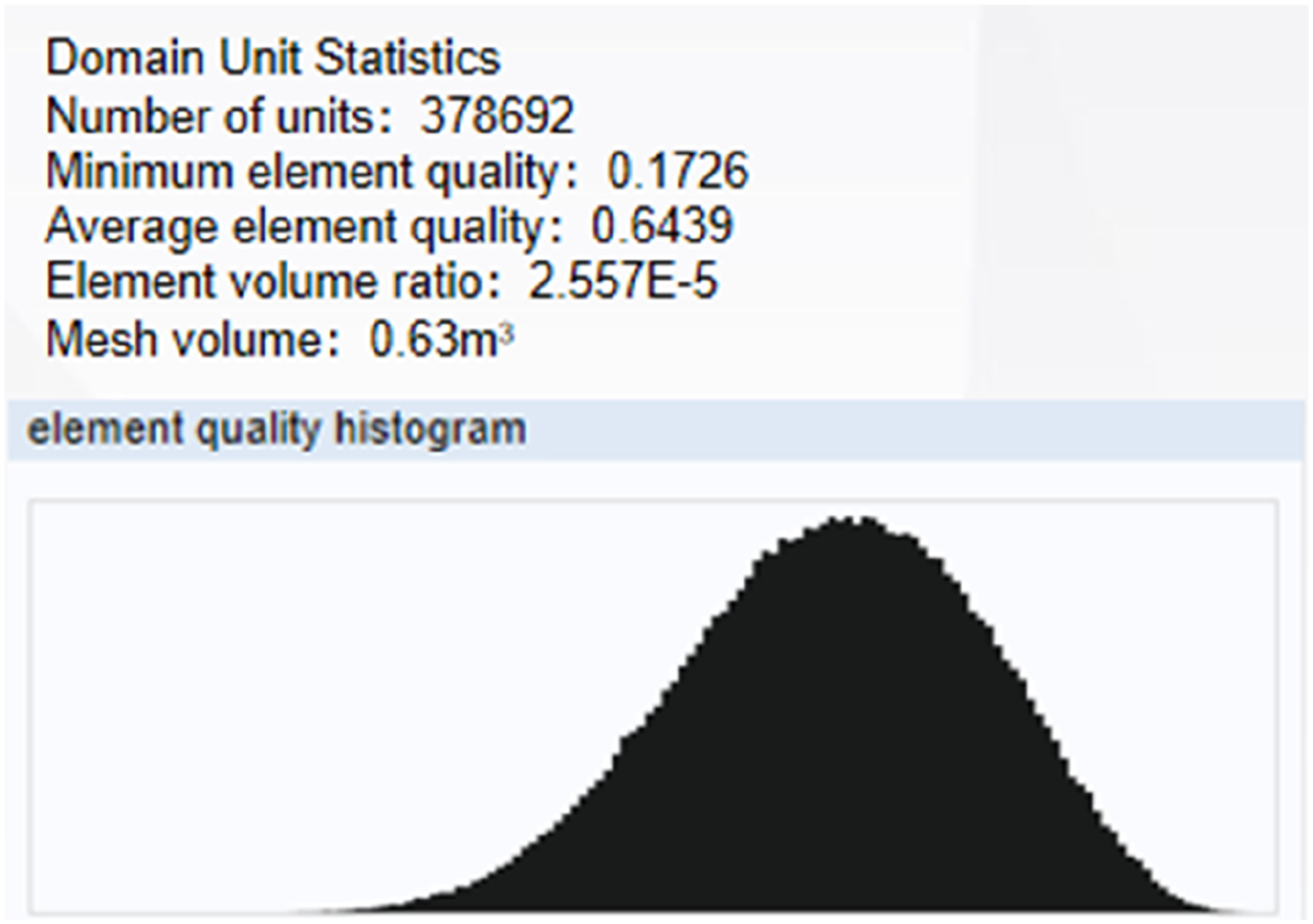
The tire microwave vulcanization model is constructed in a more refined (G4) way, with a total of 378,692 tetrahedral grid cells, the minimum cell mass of 0.17,226, the average cell mass of 0.6439, and the total volume of the grid of 0.63 m3, as shown in Figures 3 to 5. The results of numerical simulation when the average cell mass of the grid is greater than 0.6 are reliable and can meet the numerical simulation requirements. Grid cell. Grid cell quality assessment. COMSOL grid cell quality statistics.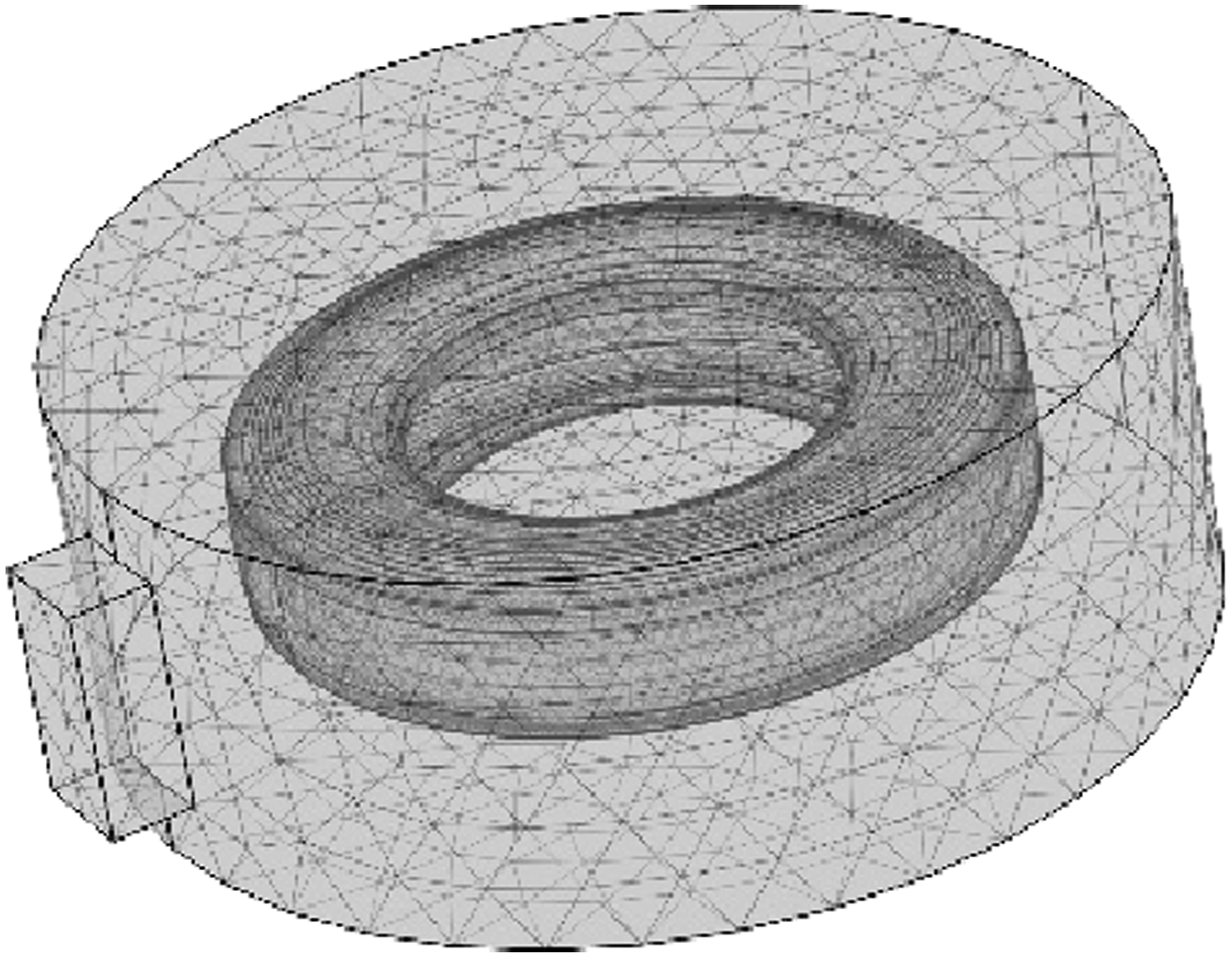
Results and discussion
Analysis of interference modeling results
The interference in the resonant cavity can affect the electric field distribution in the cylindrical resonant cavity and thus change the heating region of the tire. The microwave vulcanization model of Interference-free is shown in Figure 6(a). The microwave vulcanization model of a tire with metal insert constructed by introducing metal insert is shown in Figure 6(b). Schematic diagram of three-waveguide microwave vulcanization model. (a) Insert-free model. (b) Rectangular Insert model.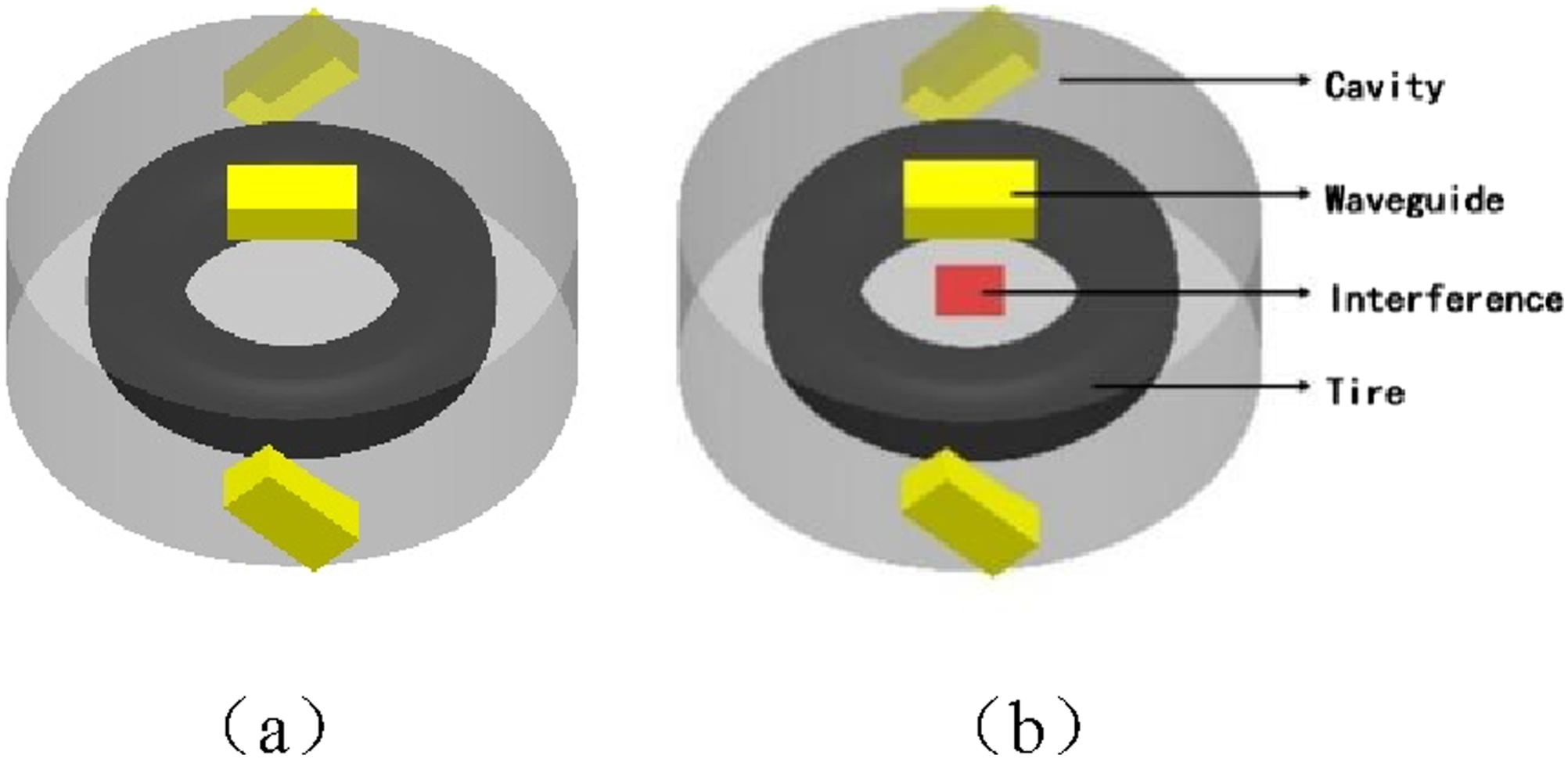
The microwave excitation frequency of 915 MHz, mode TE10, microwave incident power of 10 KW, the waveguide adopts a three-waveguide structure. And microwave input power of 10/3 KW for each waveguide were set. The initial temperature of the tire during the simulation was set to be 20°C, the heating time was set to be 1800 s, and the tire was rotated with a uniform speed in the cavity using a speed of 0.1 rev/s.
From the temperature distribution of the tire in Figure 7, the temperature distribution of the tire surface changed significantly after the increase of interference, the increase of rectangular interference, the temperature of the upper and lower side of the tire at the bead has a more obvious increase, and the temperature distribution of the tread and sidewall in the middle part of the tire is still relatively homogeneous. Tire temperature distribution with and without insert. (a)Disturbance-free temperature distribution. (b) Rectangular interference temperature distribution.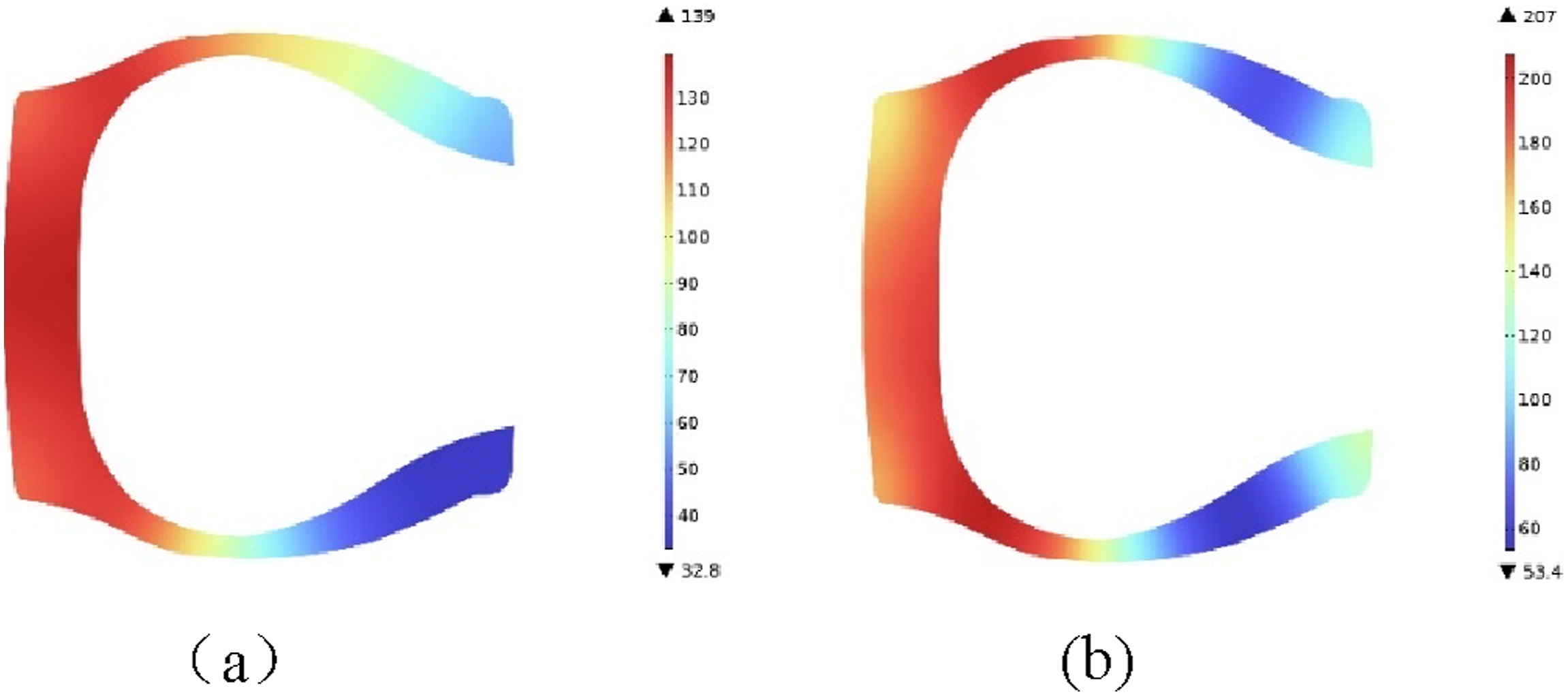
Microwave vulcanization parameters of non-insert model and rectangular insert model.

Table 4 shows that the increase of rectangular insert has greatly changed the parameters of the tire microwave vulcanization process, compared with the microwave vulcanization model without insert, the uniformity of the temperature distribution of the microwave vulcanization model with rectangular insert is improved by 12.5%, and the maximum temperature of the tire surface is improved by 68°C, and the minimum temperature is improved by 20.6°C, and the heating time is shortened by 210 s for the rectangular insert model compared with the heating model without insert, when the same 120°C of the body average temperature is reached. The heating time of the rectangular insert model is 210 s shorter than that of the non-insert heating model, which shows that increasing the metal insert can effectively reduce the heating time of the microwave vulcanization of tires in the cylindrical resonance cavity, increase the high and low temperatures of the tire surface, and improve the uniformity of the temperature distribution of the tire surface more obviously.
Analysis of insert shape results
Square, pentagonal, hexagonal, heptagonal, octagonal and circular metal insert is designed. The insertmaterial and the resonant cavity material are set to be copper, located in the center of the cylindrical resonant cavity, and the initial thickness of the metal insert is set to be 10 mm. The tire microwave vulcanization model with different shapes of insert is shown in Figure 8. Microwave vulcanization models with various insert shapes.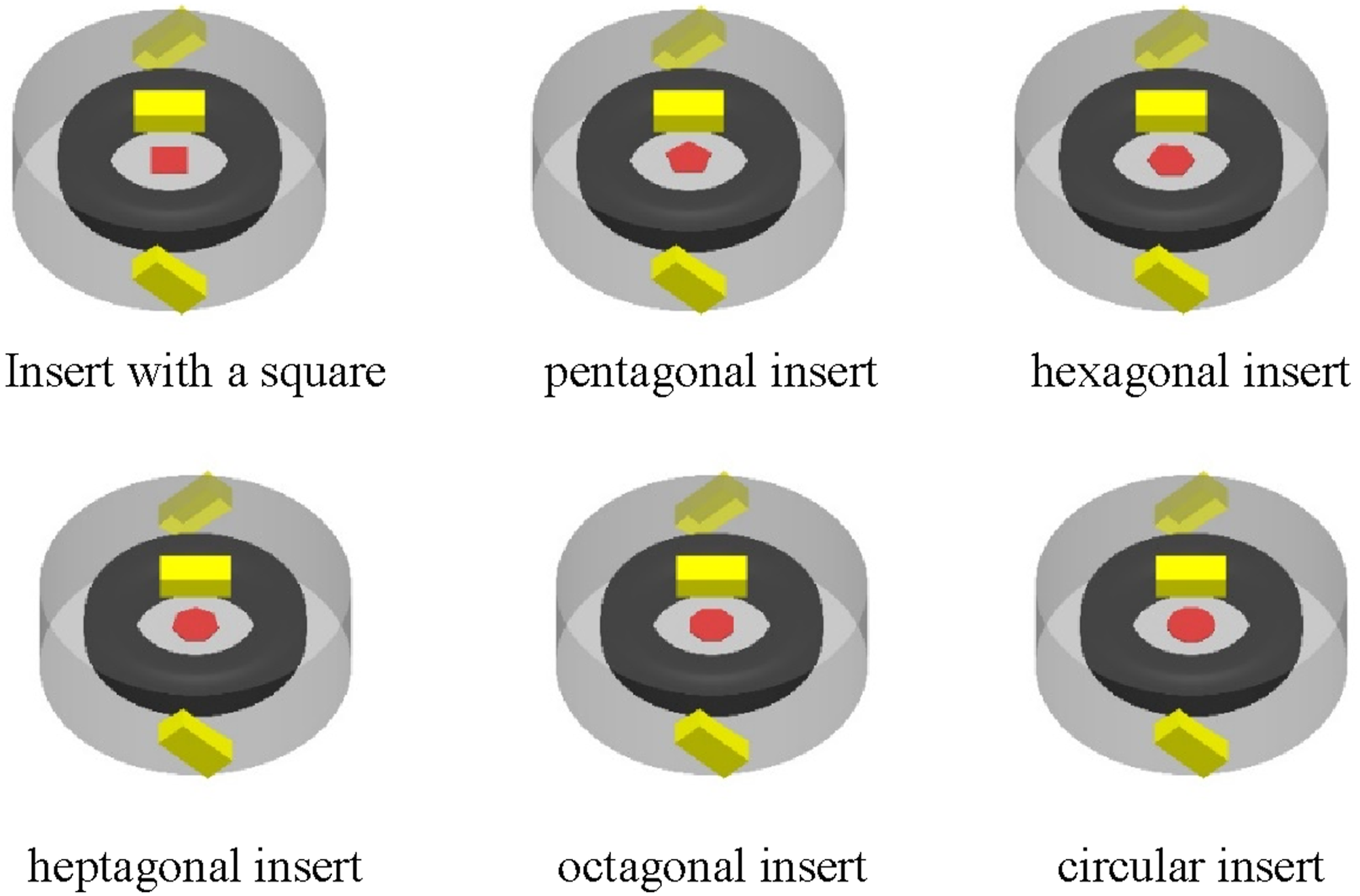
From Figure 9,the simulation results the heated parts of the tires under different metal insert shapes are basically unchanged, and the change of metal insert shapes seems to have less effect on the temperature distribution of the tires. Tire temperature distribution under different insert shapes.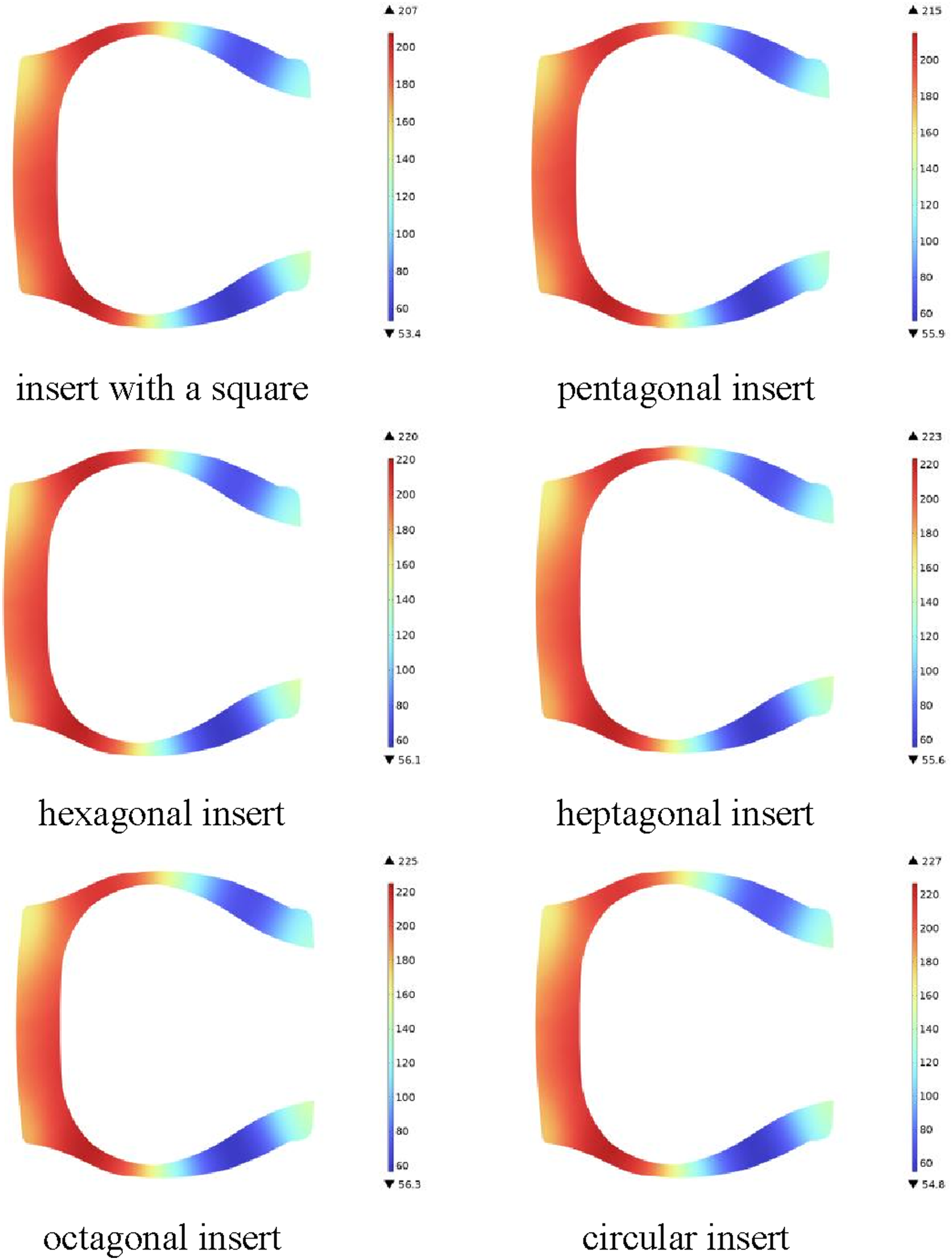
Figure 10 can be seen with the metal insert shape from the initial quadrilateral gradually to the circle when the high temperature of the tire surface gradually increased. Table 5 shows that the overall difference in microwave vulcanization time of tires with different shapes of insert is not large, indicating that the change in interference shape has little effect on microwave heating time. The change of COV under different insert shapes has the smallest COV value on the tire surface under hexagonal insert, which also indicates that hexagonal insert can make the temperature distribution of tires better under different insert shapes with similar temperature distribution of tires and small difference in microwave heating time. Maximum and minimum tire temperatures under varied insert configurations. Microwave vulcanization parameters of tires with different interference geometries.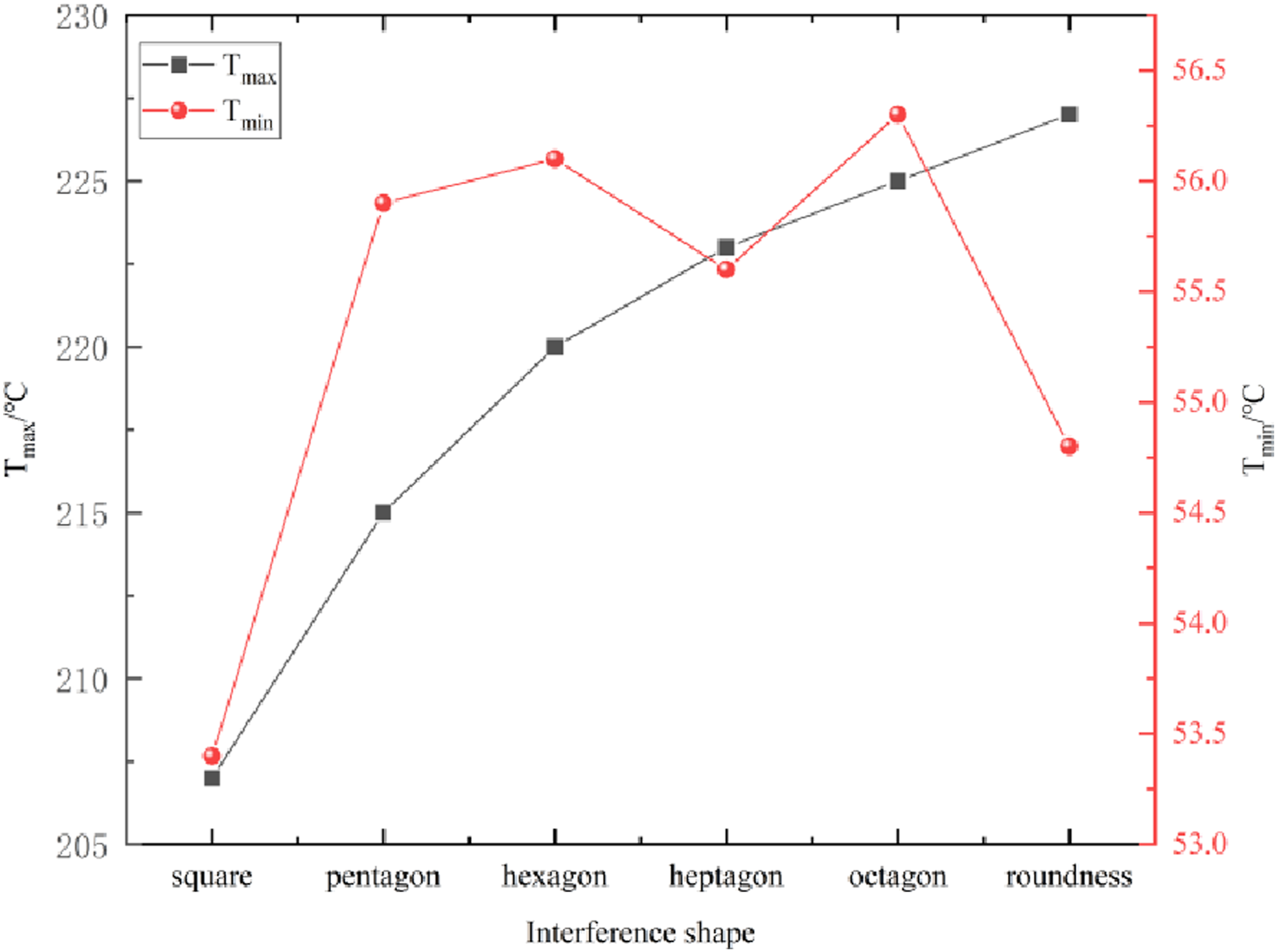

Analysis of Insert Size results
The hexagonal metal insert models with radii of 50 mm, 75 mm, 100 mm, 125 mm, 150 mm, 175 mm, 200 mm, and 225 mm are plotted by varying the radius of the hexagonal insert as shown in Figure 11, respectively. Microwave vulcanization model of hexagonal insert with different external circle radii.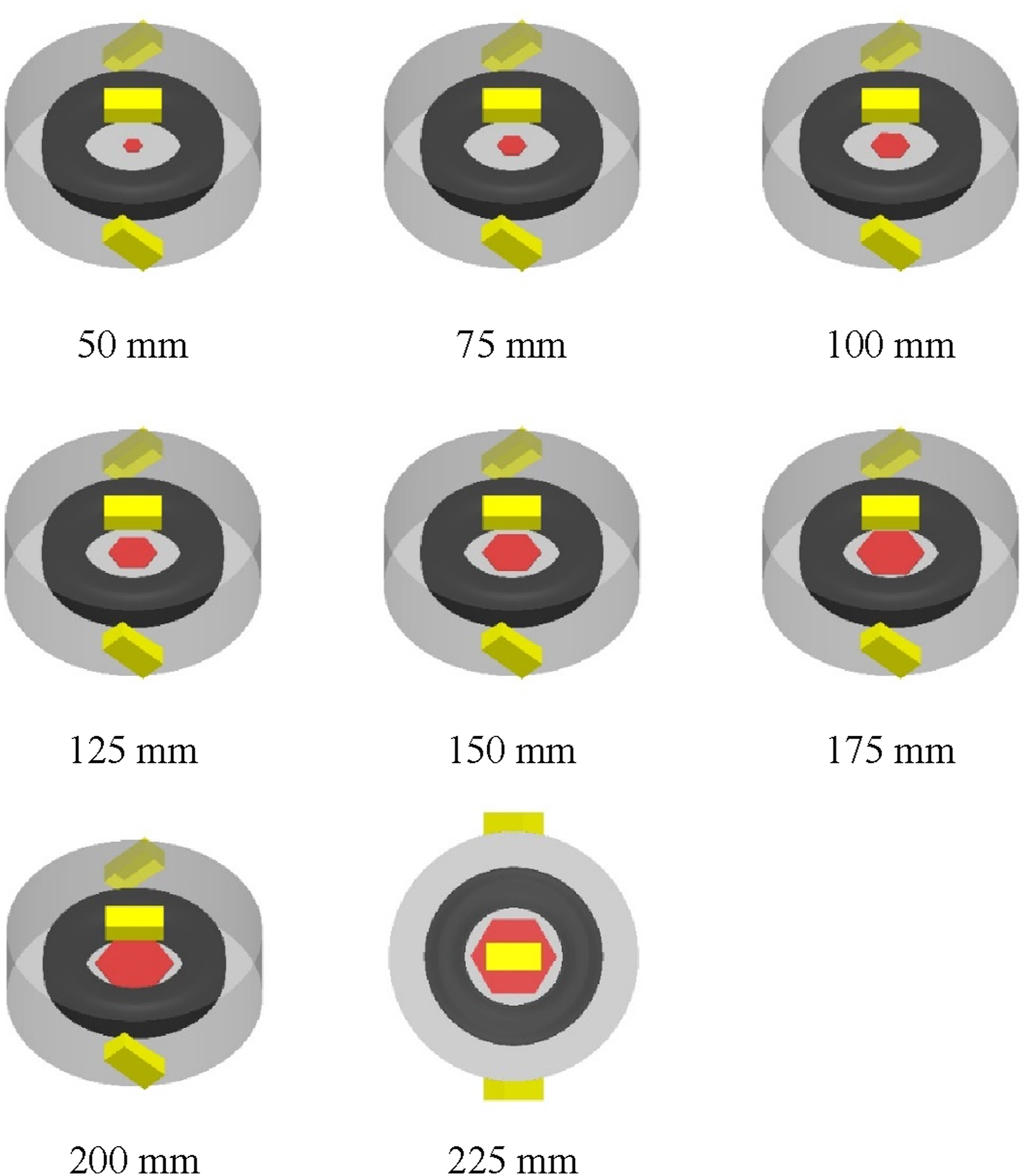
From Figure 12, it can be seen that the hexagonal insert size changes, so that the temperature distribution of the tire surface has produced more obvious changes, with the gradual increase in the size of the interference of the tire tread temperature distribution uniformity is gradually reduced, the tread appeared obvious low temperature region. And in the interference radius gradually increased to 150 mm when the heating region of the tire gradually increased, when the interference radius is greater than 150 mm when the heating region of the tire is gradually shrinking and the uniformity of the temperature distribution of the tread gradually deteriorated. Tire temperature distribution of hexagonal insert with different external circle radii.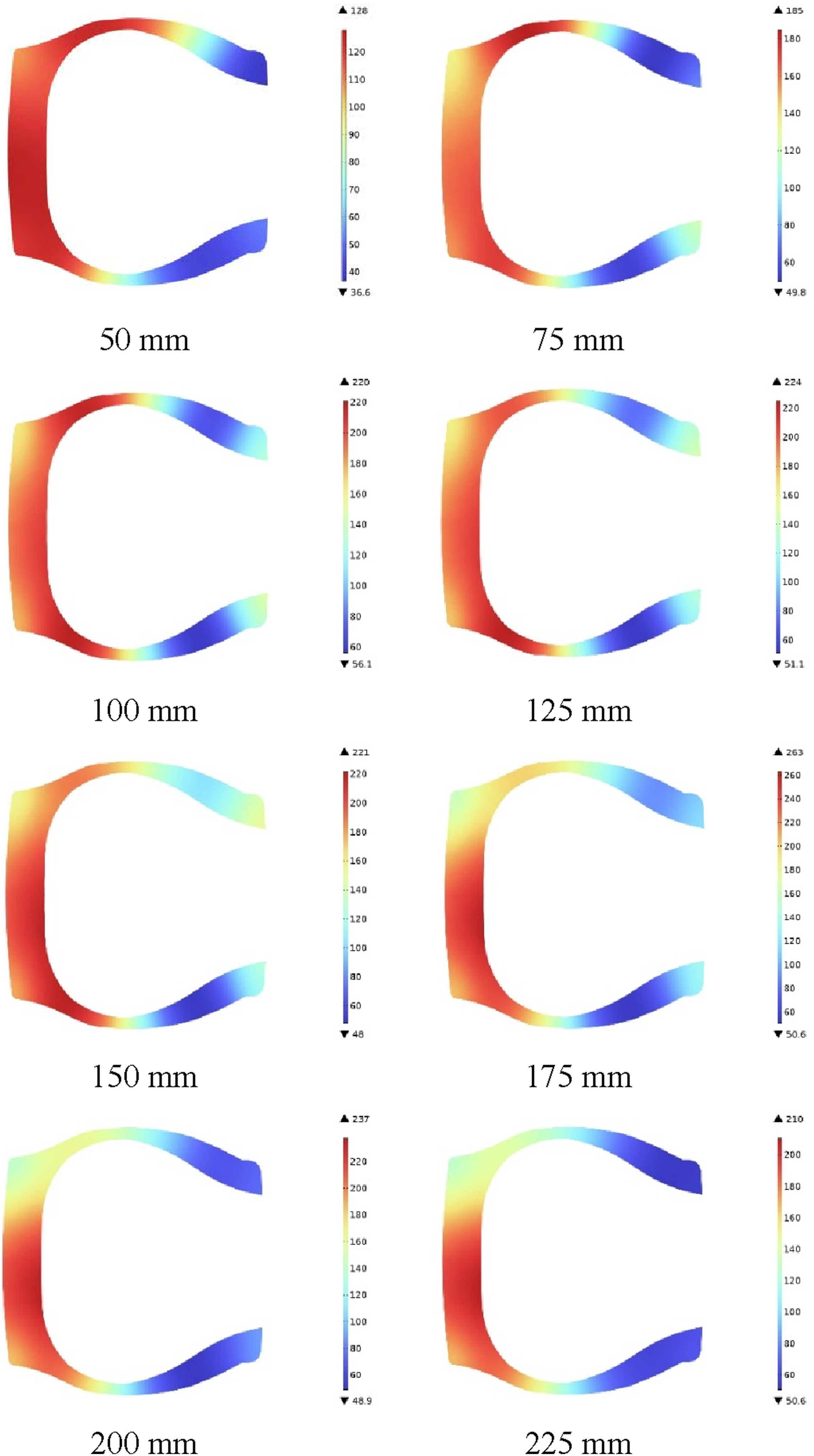
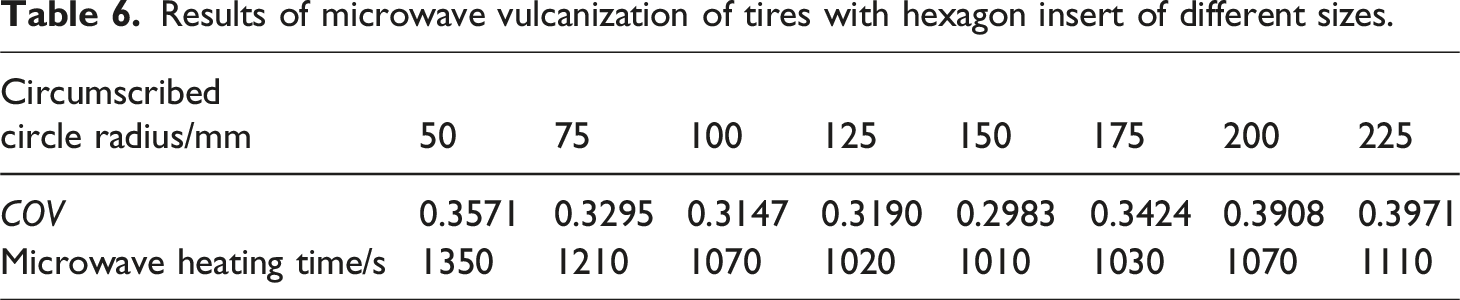
Figure 13 shows that with the gradual increase of the hexagonal insert radius, the tire’s maximum temperature generally shows a trend of first increase and then decrease, the interference radius gradually increased to 175 mm in the process of the tire surface of the highest temperature continues to rise, the interference radius is less than 100 mm when the minimum temperature of the tires gradually increased, and when the interference radius is greater than 150 mm when the minimum temperature of the tire fluctuation range is very small, which This indicates that the increase in insert size will enhance the surface temperature of the tire in the microwave heating process, but when the insert size is greater than 150 mm on the surface temperature of the tire to enhance the effect is not obvious. Table 6 shows that when the interference radius gradually increases, the heating time of the tire first decreases and then increases, and the heating time is the shortest when the interference radius is 150 mm, and the COV value is the smallest at this time. This shows that the microwave heating effect of tires is the best when the interference radius is 150 mm. Maximum and minimum tire temperatures with different sizes of hexagon insert. Results of microwave vulcanization of tires with hexagon insert of different sizes.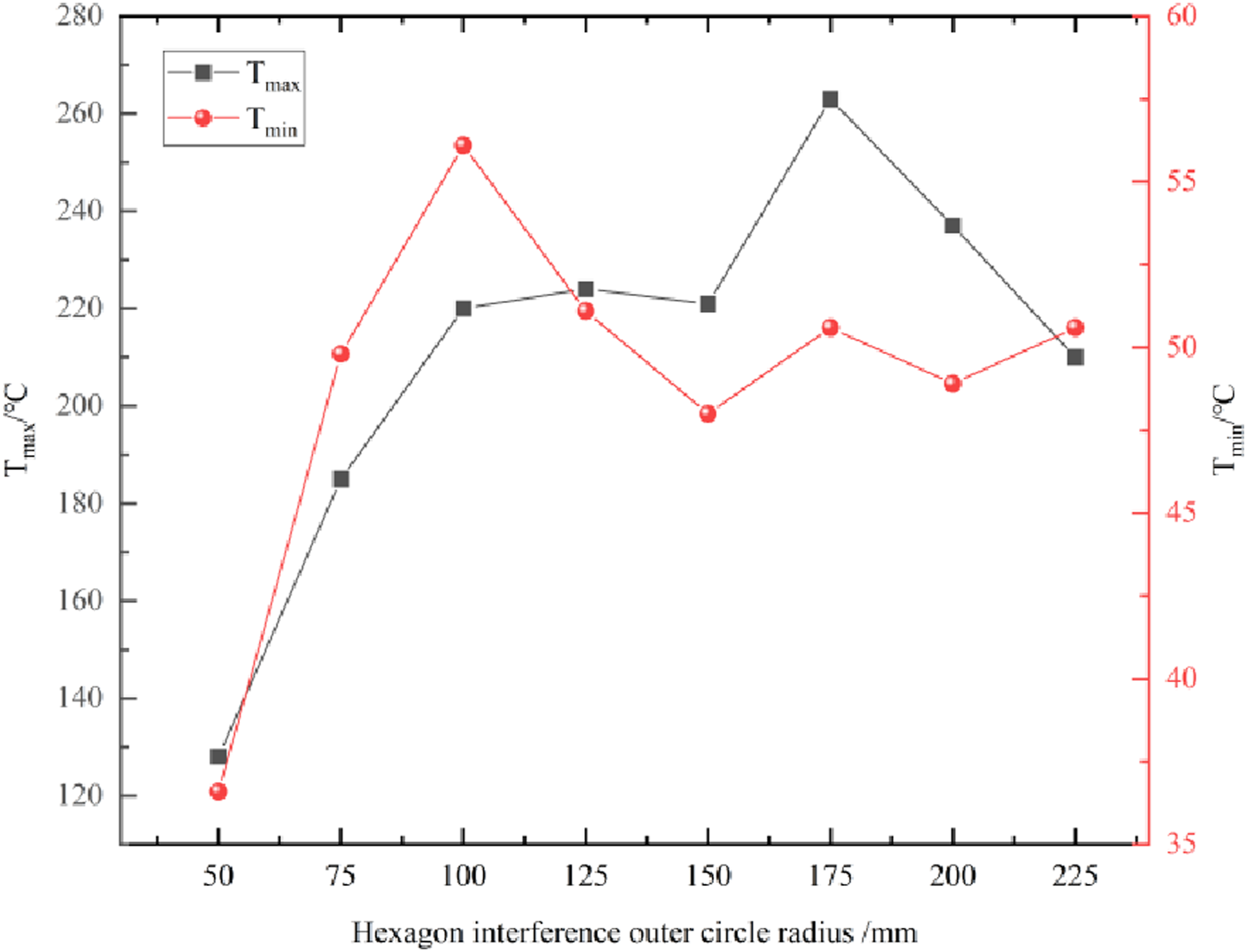
Analysis of insert movement position results
The hexagonal insert to the lower side of the resonant cavity for the positive direction, and vice versa for the negative direction, the hexagonal insert along the central axis of the resonant cavity to 25 mm as the basis for moving, by changing the insert moving distance to explore the hexagonal insert position on the effect of tire microwave vulcanization, taking into account that the metal interference distance from the waveguide can not be too close in order to avoid causing a large number of microwave reflections can not be very good feed into the resonant cavity, therefore reducing the interference to the Resonant cavity on the side of the moving distance. As shown in Figure 14. Set the negative direction of the hexagonal insert to move up to −75 mm, and the positive direction to move up to 200 mm. Moving direction of the hexagonal insert.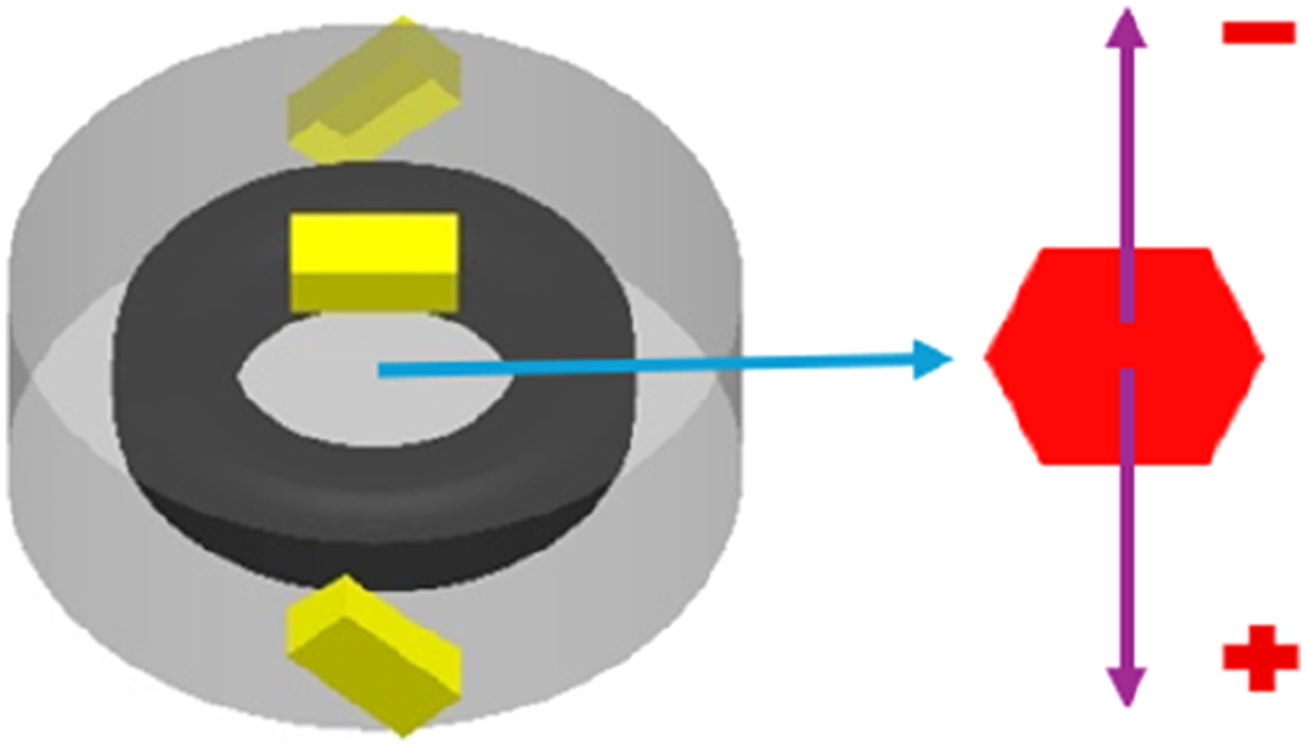
As shown in Figure 15. The more the interference moves in the negative direction (i.e., closer to the upper side waveguide), the more microwave energy is reflected. The larger the low-temperature area on the upper side of the tire, the lower the temperature, while the temperature distribution at the tread is always relatively uniform. When the disturbance movement distance is 150 mm, the low-temperature area of the tire is the smallest. When the disturbance movement distance is 175 mm, the temperature of the tire tread and the upper side sidewall is relatively high, and the uniformity of the temperature distribution is the best. It can be seen that when the interference surface corresponds horizontally to the waveguide on the upper side of the resonant cavity, the position movement of the interference has a significant impact on the temperature distribution on the tire sidewall during the microwave vulcanization process. Tire temperature distribution under different position insert.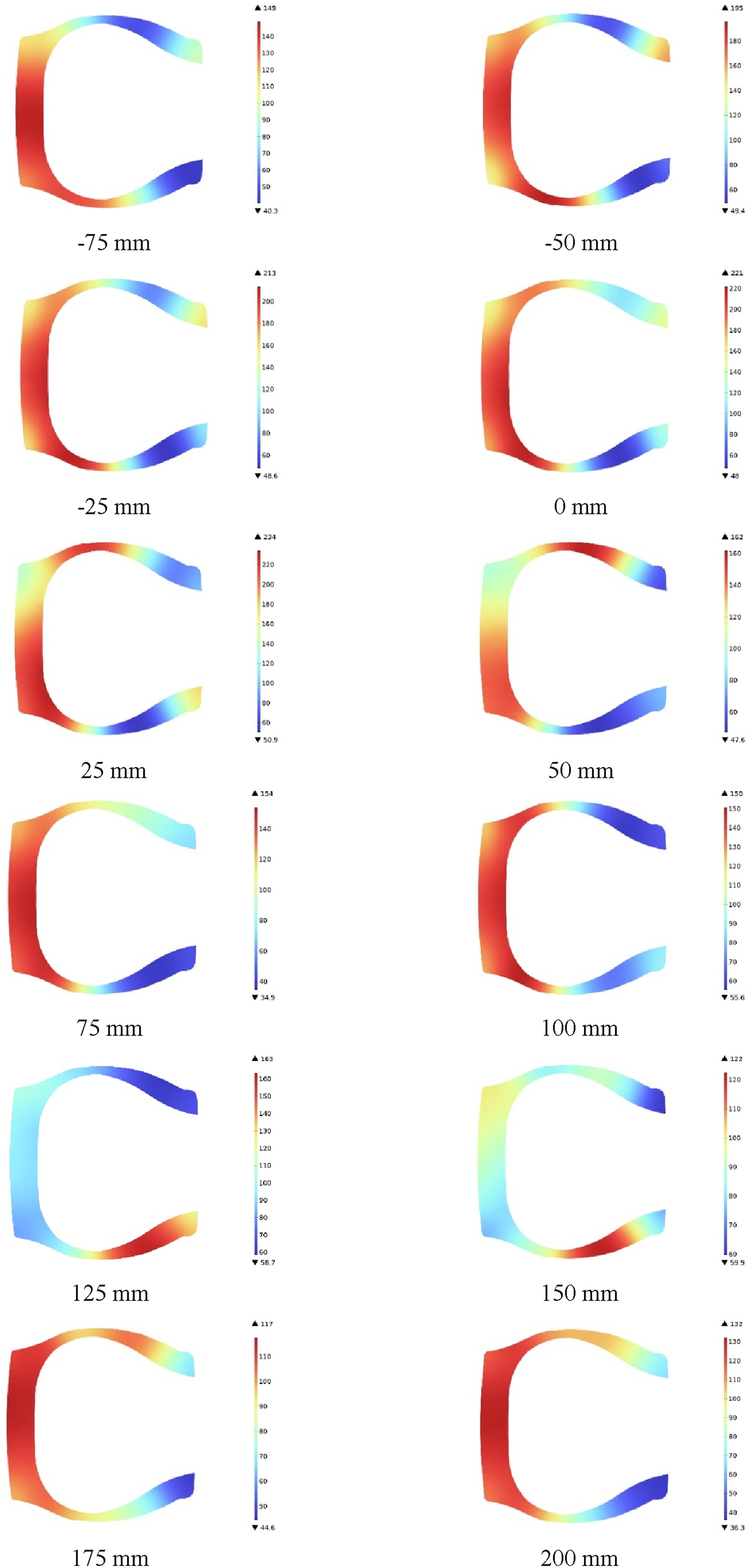
Microwave vulcanization parameters of tires under insert with varying movement distances.
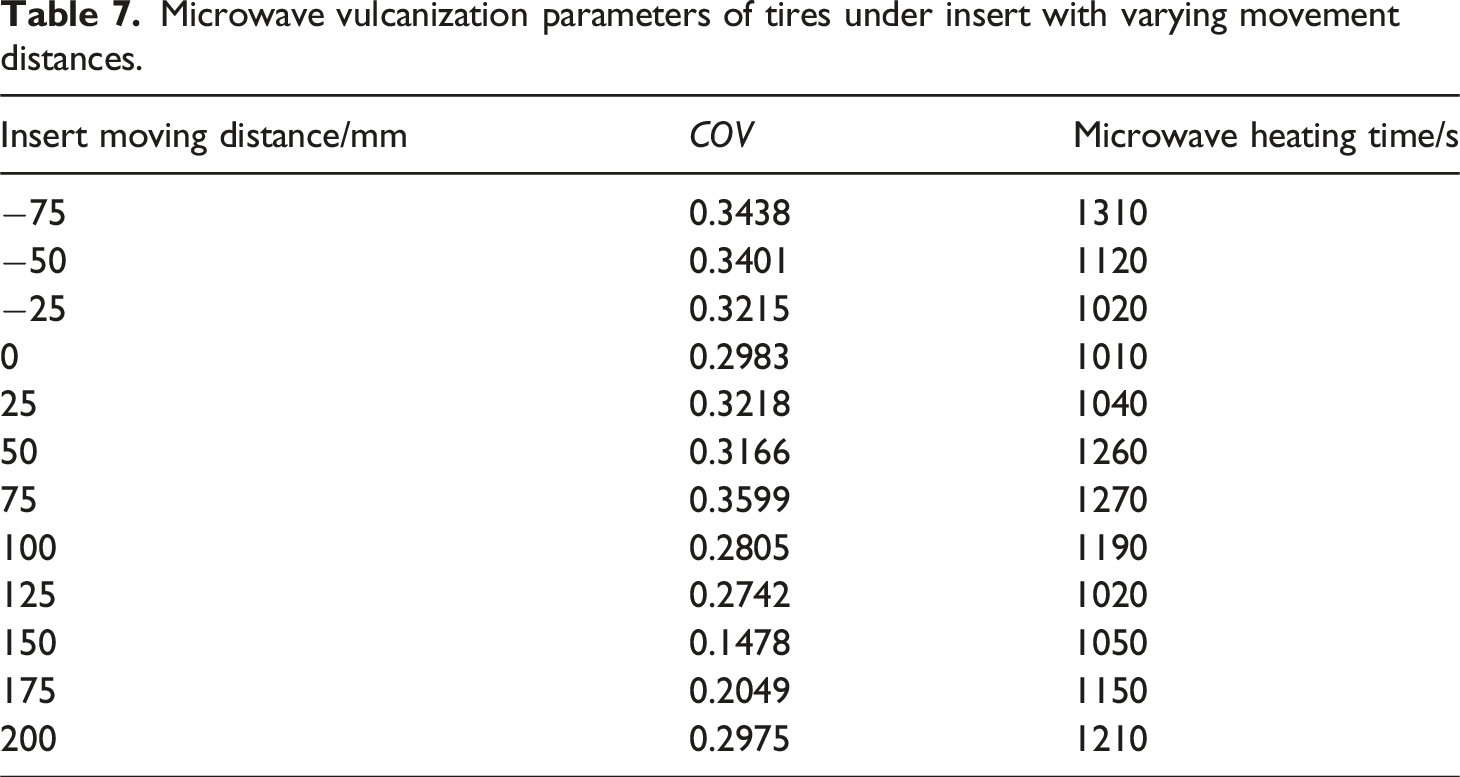
It can be seen from Figure 16 that as the distance of the disturbance moving in the negative direction increases, the maximum temperature of the tire surface gradually decreases. When the disturbance moves in the positive direction, with the increase of the moving distance, during the moving distance of 25-175 mm, except for a slight increase in the maximum temperature at 125 mm, the maximum temperature of the tire surface generally shows a gradually decreasing trend. When the interference moves negatively, the minimum temperature on the tire surface shows a trend of increasing first and then decreasing. When the interference moves positively by 25-150 mm, the minimum temperature decreases first and then increases. The minimum temperature of the tire reaches the maximum value when the moving distance is 150 mm. When the moving distance exceeds 150 mm, the minimum temperature on the tire surface begins to decrease. It can be seen that the change in the movement position of the interference significantly affects the high and low temperatures of the tire surface. Generally speaking, when the interference moves away from the center position of the resonant cavity, the maximum temperature of the tire surface will decrease, while when the forward movement distance of the interference is 75 mm and 200 mm, the minimum temperature of the tire surface will be significantly reduced. Maximum and minimum temperature of the tire at different distances.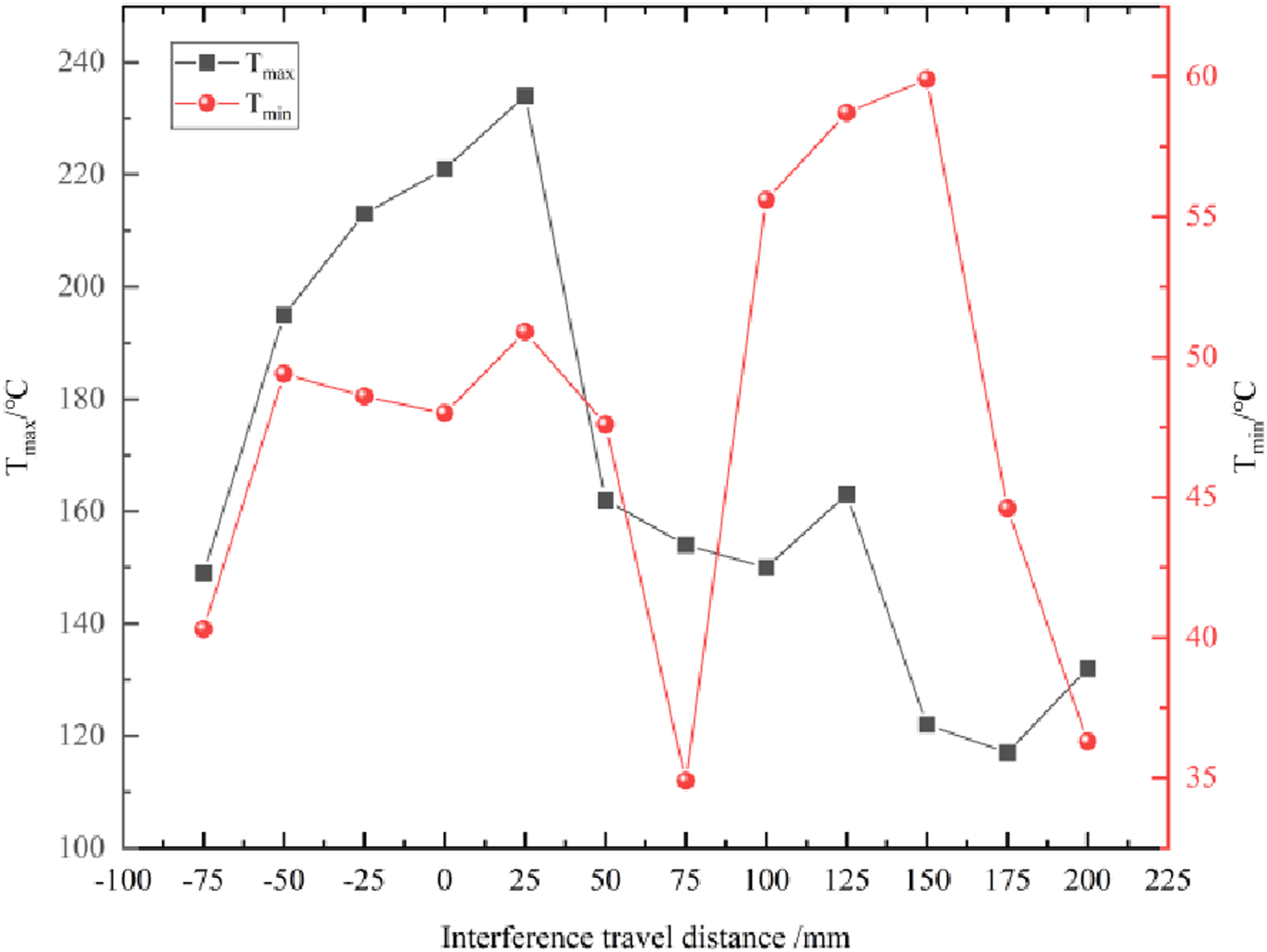
Conclusion
In this study, the coefficient of variation (COV) of temperature is adopted as the core indicator, with the temperature range (ΔT) and microwave heating time as secondary indicators. Focusing on the influence of metal interference on tire microwave vulcanization in a cylindrical resonant cavity, numerical simulation studies are conducted centering on key factors such as the presence/absence, shape, size, and position of metal inserts. The following conclusions are drawn. (1) Compared with the microwave vulcanization model without interference, the uniformity of temperature distribution of the tire with metal interference is improved by 12.5%, the maximum temperature on the tire surface is increased by 68°C, and the minimum temperature is increased by 20.6°C. Additionally, the microwave heating time of the tire in the metal interference model is shortened by 210 s compared with that in the non-interference heating model. (2) With the increase in the number of sides of the polygonal metal insert, the heating area of the tire shows no significant change, but the maximum temperature on the tire surface increases and the microwave vulcanization time decreases. The tire with a hexagonal insert exhibits the smallest COV, achieving a better effect in improving tire heating uniformity. (3) In the cylindrical resonant cavity, when the circumradius of the metal insert is between 50–225 mm, the insert size has a significant impact on the tire’s temperature distribution. An excessively small insert size results in no obvious change in the tire’s temperature distribution, accompanied by a relatively long heating time and no significant temperature increase. Conversely, an excessively large insert size leads to deteriorated uniformity of the tire’s temperature distribution, a decrease in the maximum temperature, and an increase in heating time. Overall, when the circumradius of the hexagonal metal insert is 150 mm, the microwave heating uniformity of the tire is improved by 17.3%, with a heating time of 1010 s and a temperature range (ΔT) of 173°C, indicating optimal overall heating uniformity. (4) Based on the above findings, when the moving distance of the hexagonal metal insert is 175 mm, the microwave heating uniformity of the tire is improved by 33.23%, the microwave heating time is shortened by 10.85%, and the temperature difference is reduced by 31.83%, achieving the best tire heating uniformity. Therefore, installing a metal insert in the cylindrical resonant cavity and arranging its position reasonably can effectively improve the heating uniformity of tire microwave vulcanization, shorten the heating time, and reduce the temperature difference.
