



Abstract
The biomimetic approach has gained significance in designing the lightweight structures due to its ability to enhance mean crushing force and specific energy absorption capacity. This technique increases energy absorption and decreases initial peak load, making it an effective method for structural performance optimization. The current work presents innovative biomimetic hexagonal multi-cellular tube structures to enhance energy absorption performance. The proposed structures were created through the fused deposition modelling (FDM)-based 3D printing technique which has the capability for precise control over the design as well as the material properties. Experimental testing was conducted to evaluate the crashworthiness of hexagonal multi-cellular tubes subjected to quasi-static axial loads with varying masses and configurations. In order to decide the most efficient energy-absorbing structure, the Technique for Order of Preference by Similarity to Ideal Solution (TOPSIS) was employed. The findings showed that the PE-HM6 structure exhibited superior crashworthiness characteristics and was the best choice for energy absorption. The current study provides a detailed outline for designing high-performance energy absorbers with the help of biomimetic principles and multi-cellular structures for improved energy absorption.
Introduction
Thin-walled structures are widely used as energy-absorbing devices in automobile passive safety design due to their lightweight nature, reduced production costs, and improved energy absorption efficiency.1–3 When a vehicle crashes, the energy absorber releases a high amount of energy produced by the collision through stable progressive folding deformation for safeguarding passenger safety. Thin-walled tubes are used in cars, boats, airplanes and trains for impact energy absorption during collision. Over the last decades, many research studies have been performed utilizing theoretical, numerical and experimental techniques for investigating the crashworthiness behaviour of thin-walled tubes with cross sections of hexagonal, 4 square, 5 triangular 6 and circular7,8 shapes. Still, the energy absorption capability of these tubes are limited, and their modes of deformation are not always the desired progressive mode. Recent advancements in energy absorbers, including biomimetic structures, functionally graded structures, hierarchical structures, and corrugated structures, have gained significant attention in automotive engineering, aerospace engineering, and civil engineering. These innovations are recognized for superior crashworthiness characteristics and weight efficiency.9–12 Among these, biomimetic structures resembling natural biological structures have drawn a much interest.
Many biomimetic structures were proposed by mimicking beetle elytra,13,14 horsetail, 15 coconut tree, 16 DNA molecule, 17 human annulus fibrosus 18 and beetle forewing. 19 It was found that biomimetic structures were more effective in crashworthiness and crushing force efficiency compared to traditional structures. In this context, Zhang et al. 20 applied the idea of hierarchy from the biological structures for the circular thin-walled tubes to improve the energy absorption capacity of the circular tubes. It was found that the SEAC can be significantly improved by up to 102% with the right configurations. Wu et al. 21 designed tree-like fractal structures with triangular, square and pentagonal sections and reported that the third order tree-like fractal structure exhibited optimal specific energy absorption. Biomimetic corrugated tubes were also developed by Ma et al.22,23 by mimicking the horse-hoof-wall and their enhanced energy absorption capability was confirmed.
The previous literature has demonstrated that multi-cell structures are more effective in absorbing energy than single-cell structures. The biomimetic multi-cell structures have attracted much attention.24–32 For instance, Liu et al. 24 designed biomimetic multi-cell aluminum square tubes by mimicking the microstructure of palm trunk. Compared to the corresponding single tube, the SEAC of the double-cell and triple-cell biomimetic tubes increased by around 3.1% and 27.7%, respectively. Xiang and Du25,26 developed a biomimetic honeycomb thin-walled structure and Hao and Du 27 based on the internal structure of the beetle’s forewing.28,29 Based on numerical results, the biomimetic honeycomb structures’ energy absorption capabilities were superior to those of the traditional honeycomb structure, and their SEAC was 90.3% higher than the traditional honeycomb structure’s. By mimicking bamboo structures, numerous new structures were created.30–32 Studies by Liu et al.33,34 revealed that hierarchical designs can significantly enhance the crashworthiness characteristics of structures, particularly in terms of energy absorption and load distribution. Xie et al. 35 proposed multi-cell hexagonal hierarchical tubes and found that the multi-cell section with ribs connecting the internal and external walls outperforms other hierarchical structures. Gao et al. 36 developed biomimetic hierarchical multi-cell hexagonal tubes and reported that the specific energy absorption was enhanced significantly.
When employed for energy absorption using multi-cell circular tubes, the bitubular multi-cell structure is a better candidate.37,38 For instance, Estrada et al. 37 investigated the impact of bi-tubular structure geometrical configurations both experimentally and numerically. The results proved that bi-tubular structures’ energy absorption capability with circular configurations was superior to the square or hexagon configurations. At the same time, Tang et al. 38 numerically investigated multi-cell circular tubes, which consisted of concentric circular tubes linked by some webs in the radial direction. The multi-cell double tube had the highest specific energy absorption, and it was found that the wall thickness and the number of cells in the radial and circumferential directions had a distinct impact on the energy absorption. Based on the aforementioned research, the results showed that bi-tubular thin-walled tubes are more crashworthy than single hollow tubes due to the interaction between the inner and outer tubes. However, energy absorption optimization of the structures has not yet been achieved.
Innovative biomimetic hexagonal multi-cellular structures are introduced in this study, inspired by a range of biological forms such as the silk spider web, tortoise shell, and marsh horsetail, offering a broader range of geometric configurations compared to traditional honeycomb or square designs. While single-cell or double-cell structures have primarily been focused on in previous research, hexagonal multi-cell configurations are explored, and a systematic comparison of various designs is presented, addressing a gap in the literature regarding optimal multi-cell arrangements for crashworthiness. Additionally, PETG Carbon Fiber is utilized, combining the ease of processing of PETG with the strength of carbon fiber, a material that has been underexplored in 3D-printed biomimetic structures. The work is positioned within the broader research landscape by comparing the hexagonal designs with existing biomimetic honeycomb structures, highlighting their improved performance in energy dissipation and peak force reduction, showcasing the novelty and relevance of the study in advancing biomimetic energy absorbers.
While significant progress has been made in the design and fabrication of biomimetic hexagonal multi-cellular energy-absorbing structures, the evaluation and comparison of different designs remain challenging. Traditional evaluation methods often focus on single criteria, such as energy absorption or peak crushing force, which may not provide a complete picture of a structure’s overall performance. To address this, multi-criteria decision-making (MCDM) methods such as COmplex PRoportional ASsessment (COPRAS), The Technique for Order of Preference by Similarity to Ideal Solution (TOPSIS), and Analytic Hierarchy Process (AHP) have been extensively applied in recent engineering research.39,40 The TOPSIS method provides a systematic approach for ranking multiple criteria concurrently, making it particularly effective for evaluating the static compressive behavior of complex structures. Albak’s 41 and Yurdakul et al.’s 42 recent research utilized TOPSIS in various crashworthiness optimization problems and demonstrated the effectiveness and flexibility of the method in ranking alternatives based on performance across multiple attributes.
This study uses an experimental approach to investigate the crashworthiness performance of six different configurations of 3D-printed biomimetic hexagonal multi-cellular structures subjected to axial static loading. The objective is to apply the TOPSIS method to comparatively evaluate and rank the static compressive performance of the proposed structures. By analyzing a set of crashworthiness metrics such as Initial Peak Force (IPF), Total Energy Absorption (TEA), Mean Crushing Force (MCF), Specific Energy Absorption Capacity (SEAC), and structural mass, the study aims to identify the most suitable energy-absorbing structure for crashworthiness application.
Biomimetic hexagonal multi-cellular structures
Biomimetic hexagonal multi-cellular structures are new designs inspired by nature with multi-cellular patterns in layers providing superior crashworthiness characteristics. The structures have a unique arrangement of hexagonal cells with optimized size and arrangement to improve crashworthiness performance. These light and stiff structures can withstand huge forces, and they can be utilized in many fields.43–45 Fractals, honeycomb, and bamboo-inspired structures have been used in recent years to fabricate energy-absorbing structures.46,47 Scientists have discovered various biomimetic hexagonal multi-cellular structures to possess numerous benefits like high energy absorption capability, high strength-to-weight ratios, and space efficiency. 48 Integration of multicell design and biomimicry with hexagonal tubes is a potential area. Biomimetic hexagonal structures with different multi-cellular configurations are developed in the current work based on (a) bee’s honeycomb (b) carrot (c) marsh horsetail (d) tortoise shell (e) Halloween spider web (f) silk spider web.
One of the most well-known examples of a multi-cellular design is the bees honeycomb. This structure is renowned for its high strength-to-weight ratio and efficient use of materials. Stability and efficient load distribution were both provided by the hexagonal cells to the system. In a similar manner, the interior structure of a carrot, which consists of a complex network of fibrous tissues, served as an inspiration for a multi-cellular design that prioritized flexibility and the distribution of nutrients or stress across a material. The marsh horsetail plant’s segmented, jointed structure allowed it to withstand stress from the environment without losing its structural integrity. The tortoise shell’s interlocking, laminated plates formed a robust, impact-resistant structure that ensured durability. Additionally, the complex patterns of a Halloween spider web optimized tensile strength and flexibility, while the silk spider web balanced load distribution with the ability to absorb and dissipate energy. These structures utilized a modular, segmented design, providing both versatility and efficiency in crashworthiness applications.49–52 The present study focuses on the crashworthiness characteristics of six patterns of biomimetic hexagonal multi-cellular tubes as shown in Figure 1. Biomimetic hexagonal multi-cellular structures.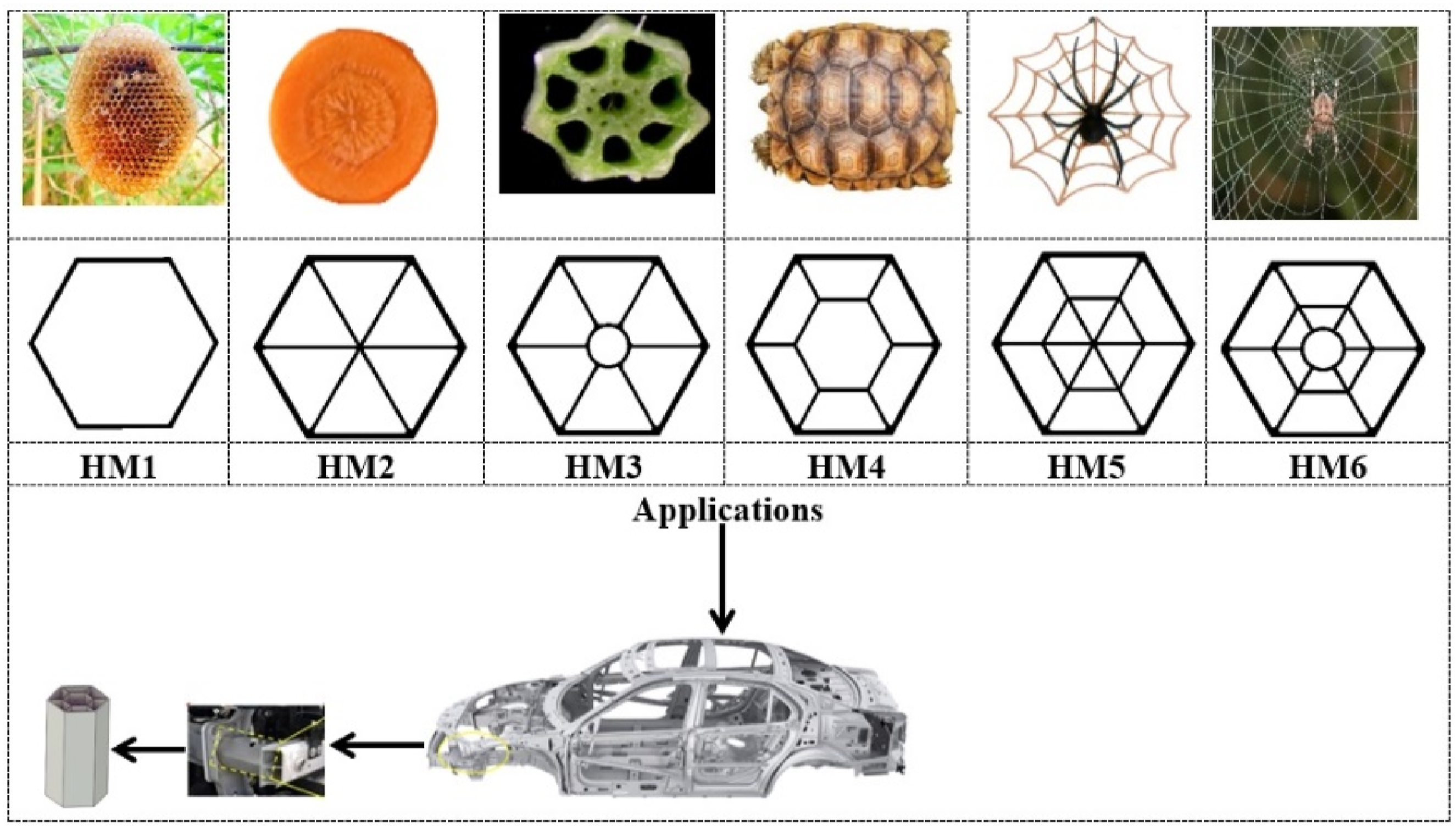
Fabrication method
In this study, PETG Carbon Fiber (PE) filament composed of 70% vol. of PETG polymer mixed with 30% vol. of short carbon fibre were used to fabricate the proposed biomimetic hexagonal multi-cellular structures. This filament, with a diameter of 1.75 mm, was sourced from WOL3D Company, Mumbai, India. The choice of PETG Carbon Fiber was driven by its unique combination of mechanical properties that make it particularly well-suited for crashworthiness applications. PETG Carbon Fiber combines the flexibility and ease of processing of PETG with the added strength and rigidity from carbon fiber reinforcement, resulting in a material that offers superior mechanical properties. Furthermore, carbon fiber reinforcement significantly improves the material’s tensile strength and flexural strength, making it more resilient under compressive loads. This characteristic is particularly important for energy-absorbing structures, as it allows the structure to withstand higher peak forces without experiencing early failure or excessive deformation. 53 In contrast, materials like pure PETG or PLA may not provide the necessary stiffness or energy absorption capacity for the intended crashworthiness applications.
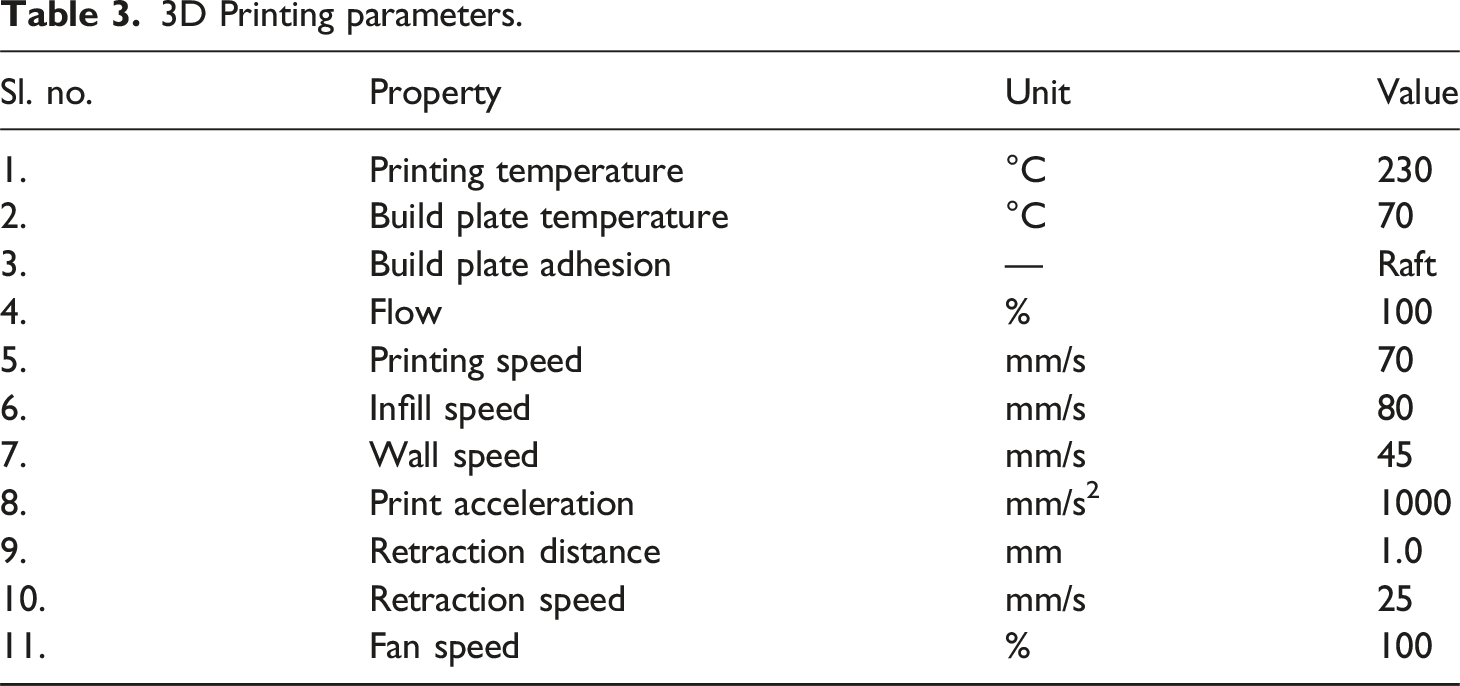
Process parameters for fabrication of tubes.
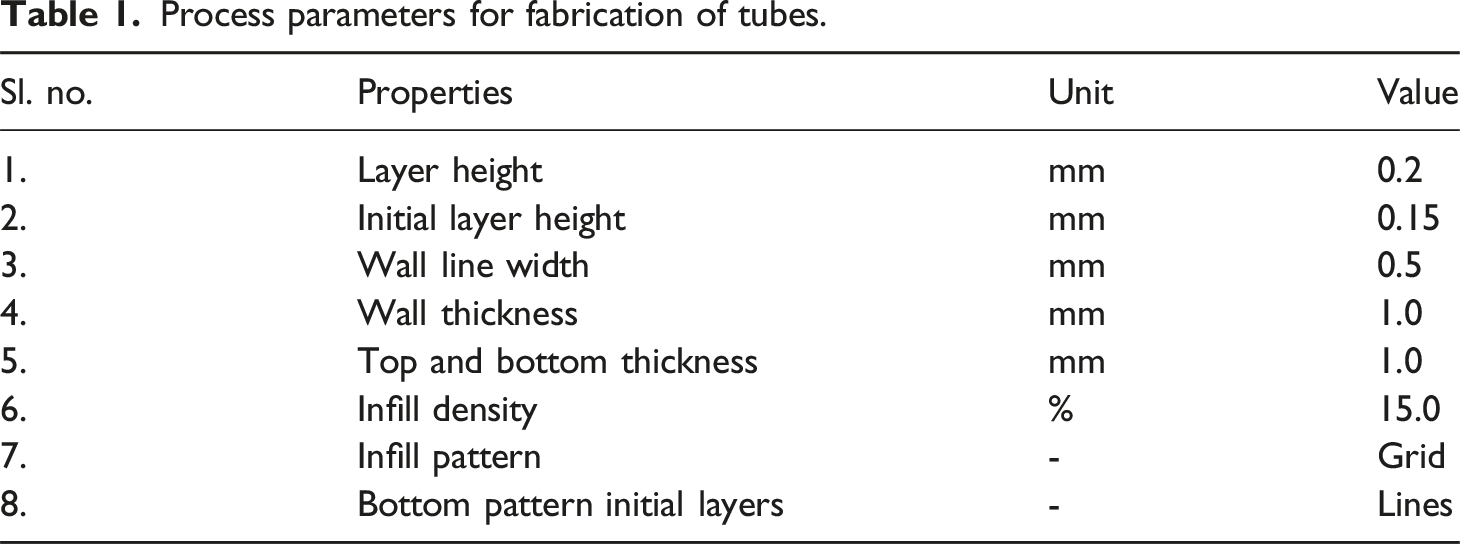
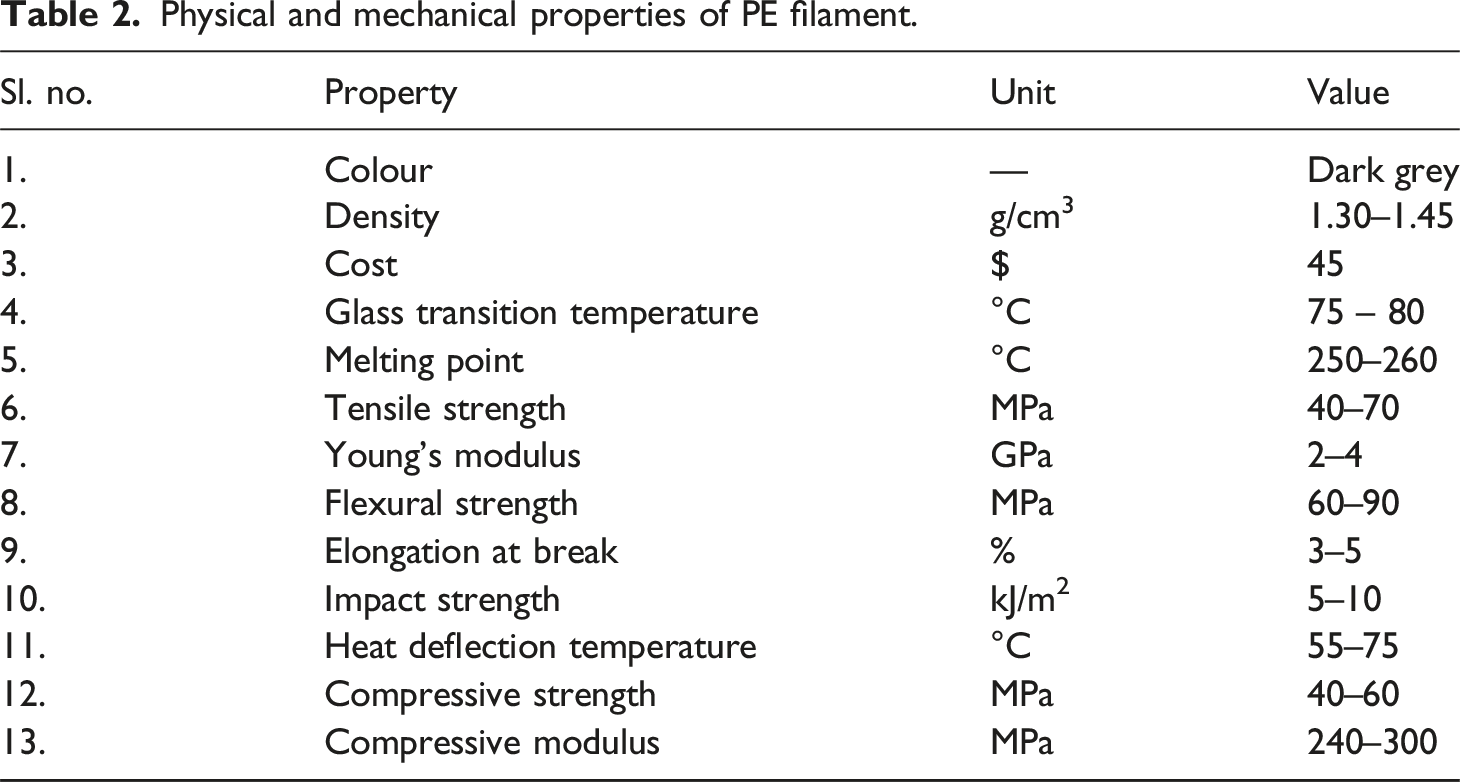
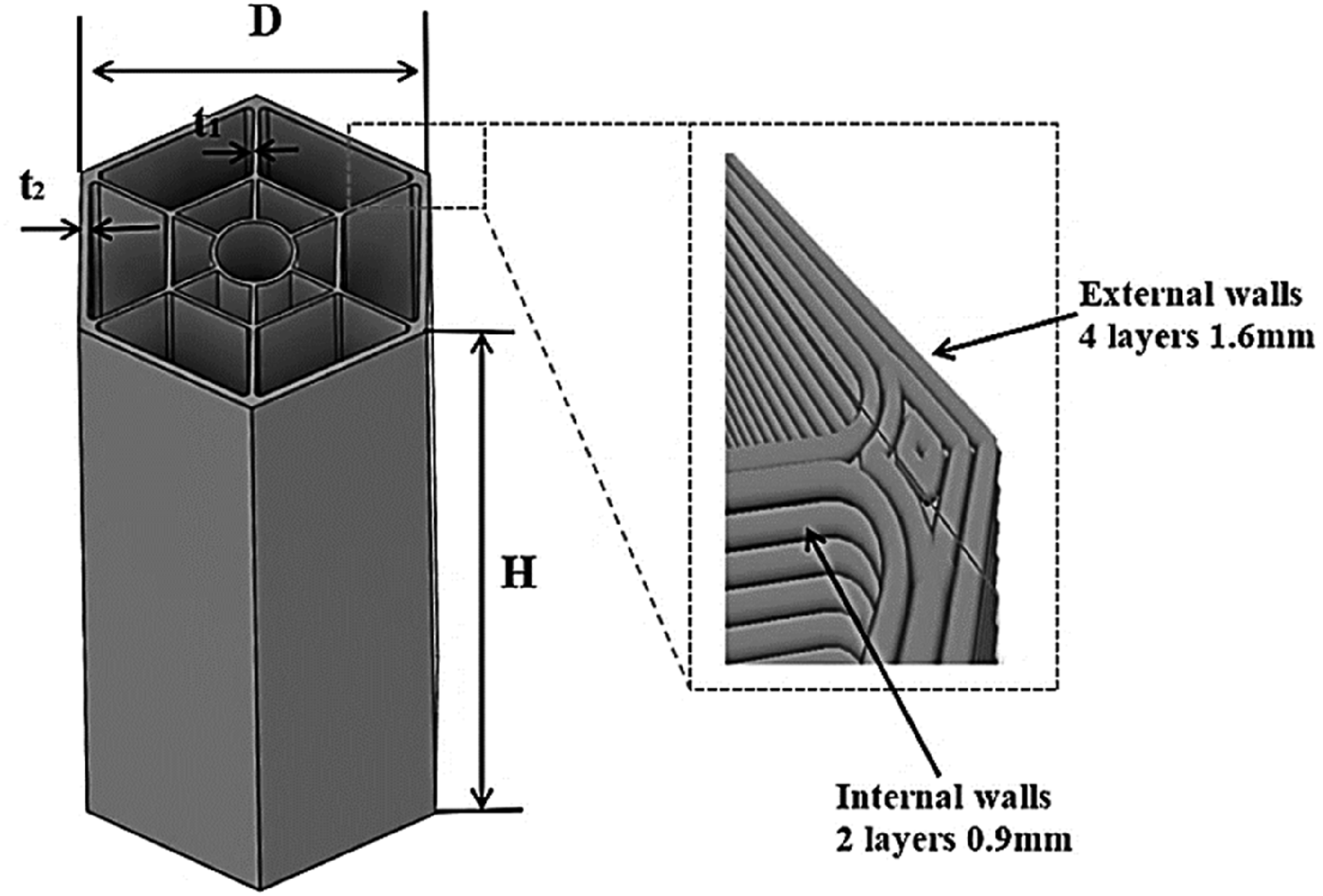
Figure 2(a) presents a schematic diagram of the 3D printing process, and Figure 2(b) illustrates the Flying Bear Classic 3D Printer Ghost 5 supplied by IDEAL 3D Company used in the study. The physical and mechanical properties of the PE material are listed in Table 2. Cura software (version 5.6.0) was utilized to configure the printing settings and create the sliced files required for the FDM process. Figure 3 illustrates the geometric features of the hexagonal multi-cellular tubes, with a diameter (D) of 60 mm and a tube length (H) of 120 mm. The internal wall thickness (t1) was 1.6 mm, while the external wall thickness (t2) was 0.9 mm. The printing speed was configured at 70 mm/s. The temperatures of the printing platform and heating nozzle were set to 70°C and 230°C, respectively. Fused deposition modelling based 3D printing. Physical and mechanical properties of PE filament. Geometrical configuration of hexagonal multi-cellular tubes.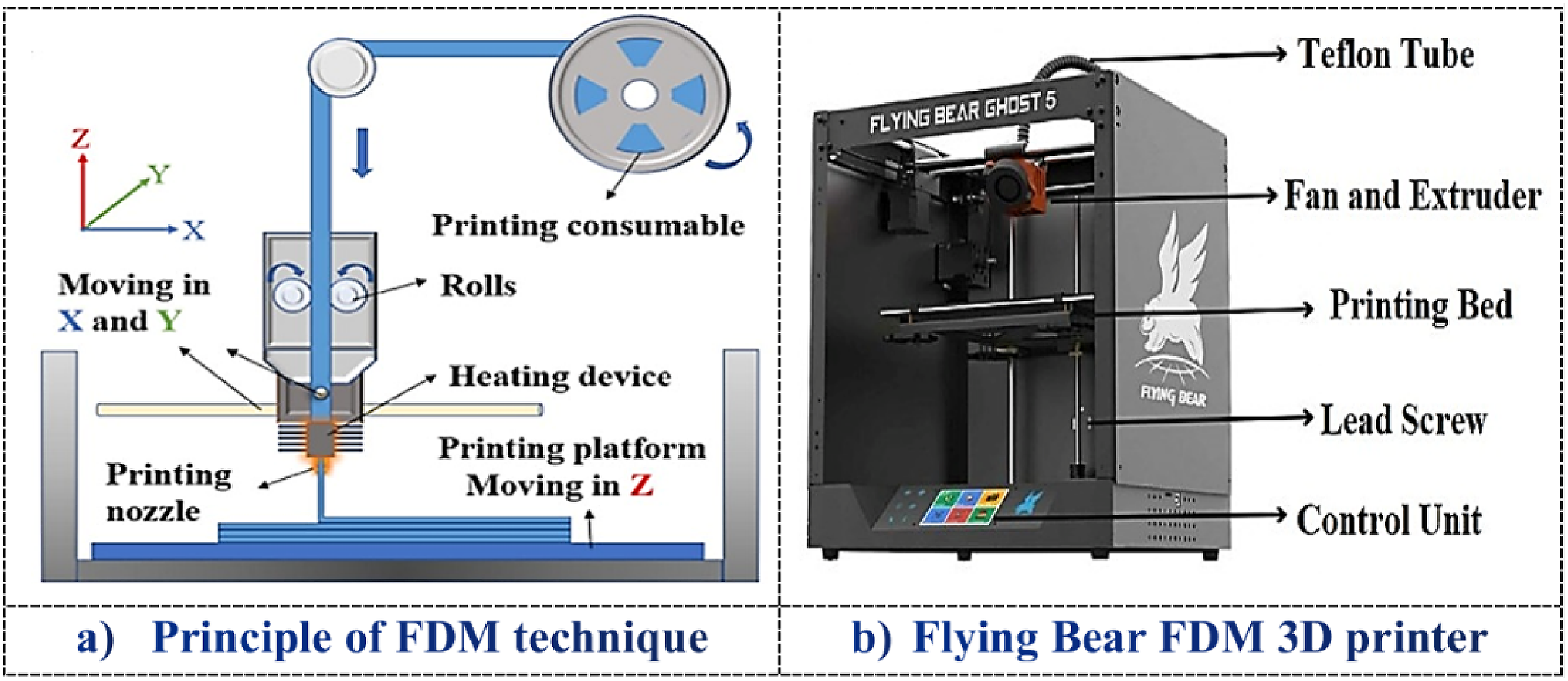
3D Printing parameters.
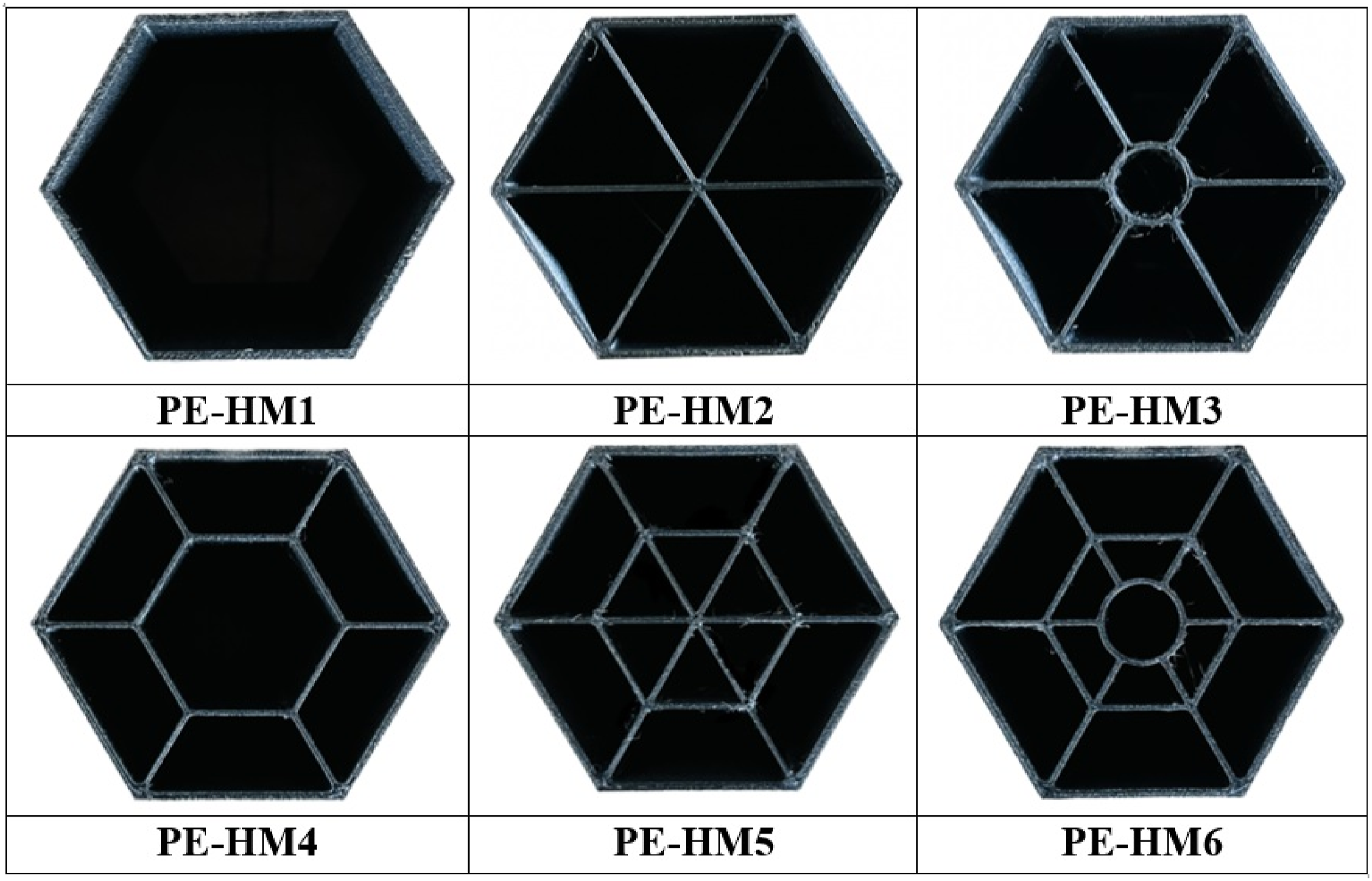
3D printed hexagonal multi-cellular tube configurations.
Experimentatal technique
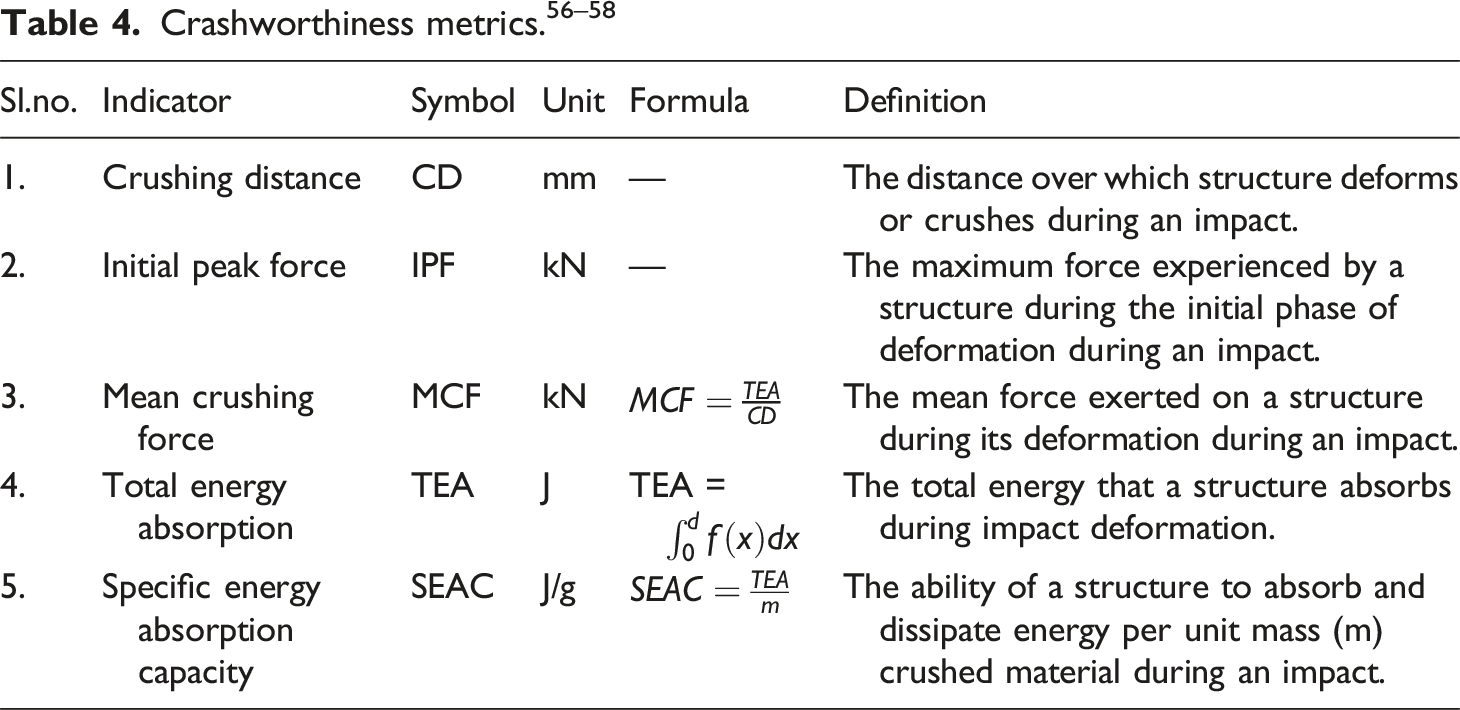
In this research, quasi-static compression tests were carried out using a universal material testing machine (WDW-100, Jinan, China) with a 100 kN capacity, as shown in Figure 5, to investigate the compressive behavior of biomimetic hexagonal multi-cellular tubes under quasi-static loading conditions, following the ASTM D1621 standard.54,55 The tube samples were compressed at a constant rate until they reached a final displacement of 80 mm, which is two-thirds of the original tube length (H), and the 3D-printed hexagonal multi-cellular tubes were positioned between two compression plates and crushed at a crosshead speed of 10 mm/min with a strain rate of 10−3 s−1. To ensure stability and prevent slipping during the test, the samples were centrally aligned on the compression plate, minimizing lateral movement and ensuring accurate results, with five specimens from each design pattern tested and the average value taken as repeatable experimental data. The entire compression process was recorded using a high-resolution digital single-lens reflex camera (D7500, Nikon, Tokyo, Japan), while the data acquisition system automatically gathered the crushing force and displacement data. Table 4 presents the various crashworthiness metrics for the 3D-printed hexagonal multi-cellular tubes.56–58 Hexagonal multi-cellular tubes under axial compression.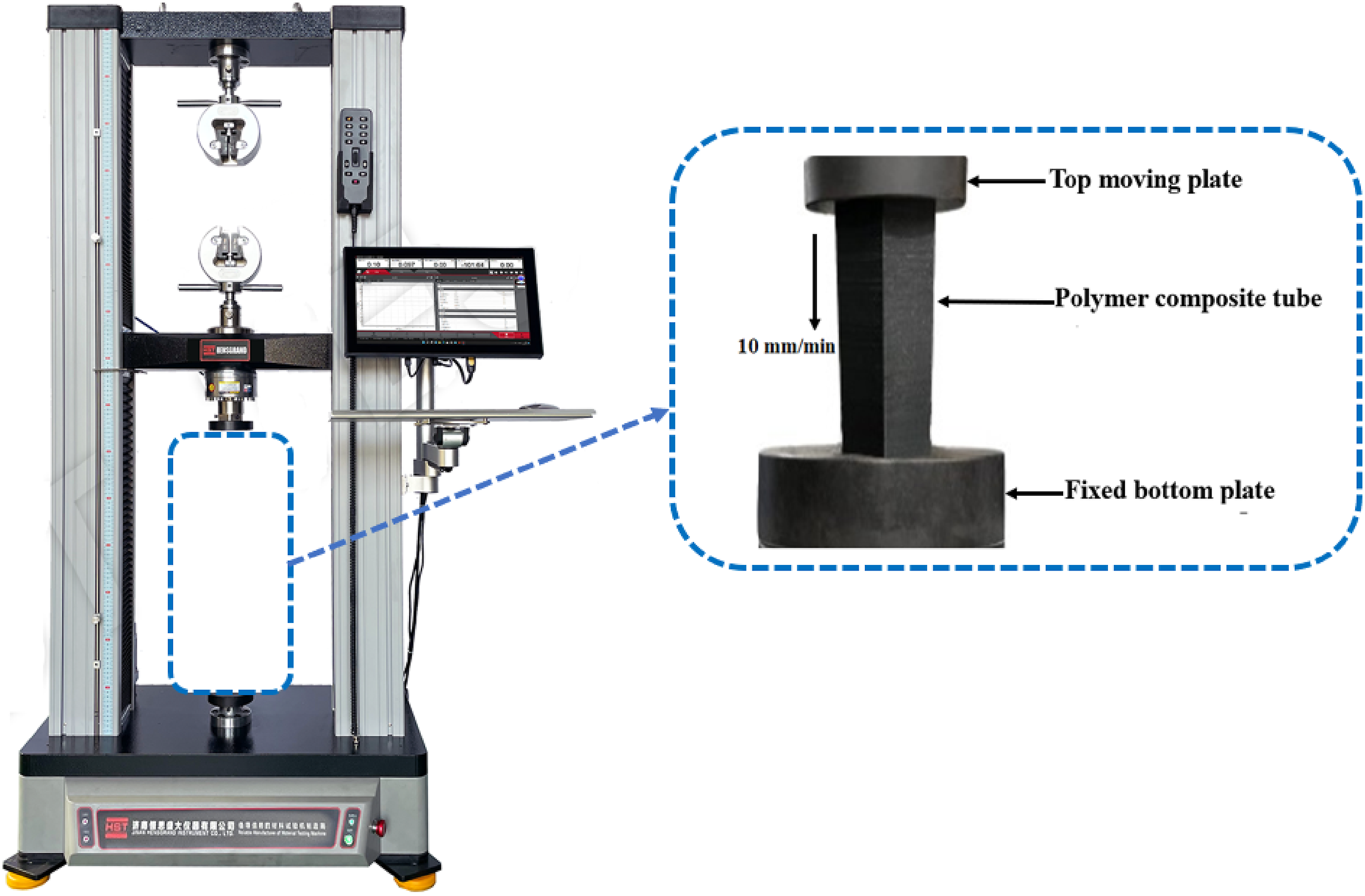
A systematic guide for optimal selection using the TOPSIS method
The crashworthiness characteristics of the biomimetic hexagonal multi-cellular structures were evaluated by a quasi-static compression test, employing various crashworthiness criteria. Although lightweight design and TEA are crucial for energy-absorbing structures, SEAC is also a significant criterion in selecting an appropriate energy absorber. To qualify as an optimal energy absorber, a structure must be assessed using a mix of diverse crashworthiness parameters. The challenge resides in evaluating the efficacy of these structures, as it is difficult to optimize all indicators concurrently.
The choice for the optimal energy absorbing structure in this section involves the MCDM process. TOPSIS was employed in the current study to identify the energy absorbing structure that had the optimal combination of crashworthiness metrics. 59 The TOPSIS method developed by Hwang and Yoon in 1981 used in crashworthiness problems are used to decide the best tube.60–62 On the other hand, weighting is very critical for these methods, so the AHP analysis 63 is used to determine weighting factors. In this study, the hexagonal multi-cellular tubular structures were evaluated as design alternatives within the TOPSIS framework. Their rankings were determined based on their relative significance concerning energy absorption performance criteria, providing an objective assessment of their crashworthiness efficiency. Below is a description of how AHP-TOPSIS integrated approach was used to select the best energy-absorbing structure.64,65
AHP technique for calculating the weightage of each criterion
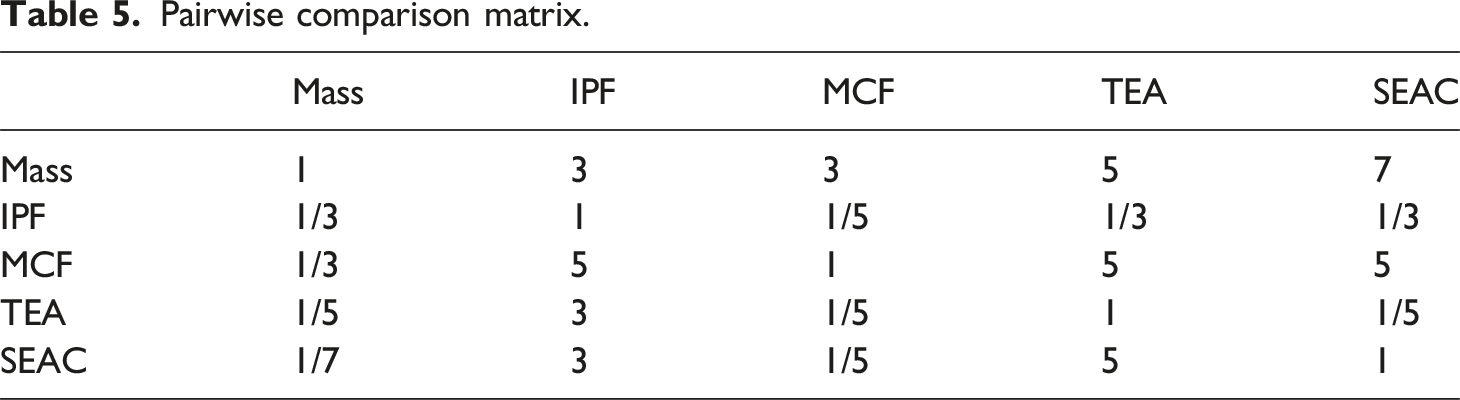
AHP technique was utilized to assess weights of each criteria prior to assessing performance scores of various hexagonal multi-cellular tubular structures employing the TOPSIS method. For assessing weights of criteria with the help of AHP the following steps were employed:
Step 1: Define the goal of AHP analysis
The objective of the investigation was to discover the optimal hexagonal multi-cellular tubular structures for crashworthiness applications. The criteria for better performances were higher MCF, TEA, SEAC and lower IPF & mass. The alternatives for this analysis were the six-biomimetic tube configurations: PE-HM1, PE-HM2, PE-HM3, PE-HM4, PE-HM5, and PE-HM6.
Step 2: Develop a pairwise comparison matrix
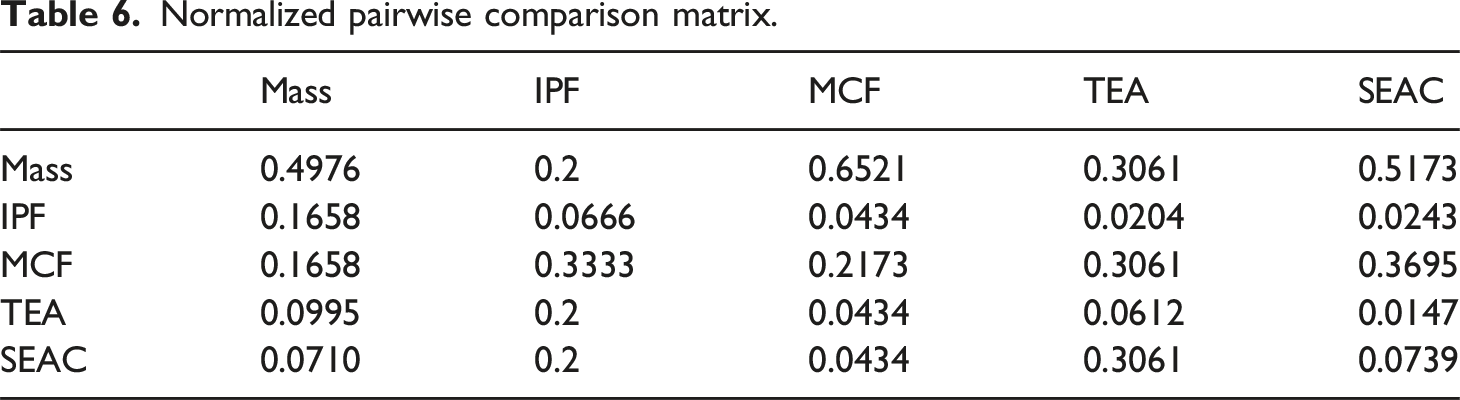
Step 3: Develop a normalized pairwise comparison matrix

Normalized pairwise comparison matrix.
Step 4: Evaluating the consistency ratio of for the matrix and verifying its acceptability
Equation (2) has been used to get the maximum eigenvalue (λmax) for the comparison matrix in order to calculate the consistency ratio of the matrix. Following that, equations (3) and (4) were used to evaluate the Consistency Index (CI) and Consistency Ratio (CR), respectively. RI is random matrix index.


TOPSIS analysis to evaluate the performance score
Step 1. Construct the decision matrix
The decision matrix D represents ‘m’ alternatives and ‘n’ criteria: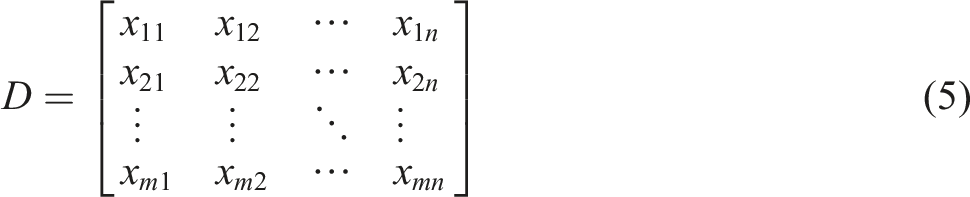
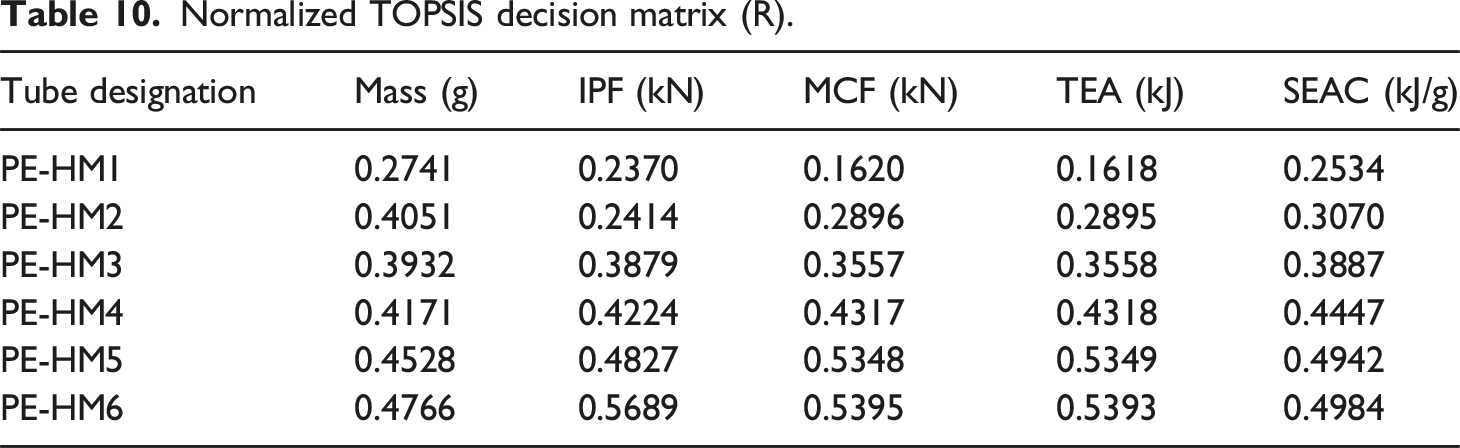
Step 2. Normalize the decision matrix
The normalized element rij is given by:
Normalize D using vector normalization to obtain R: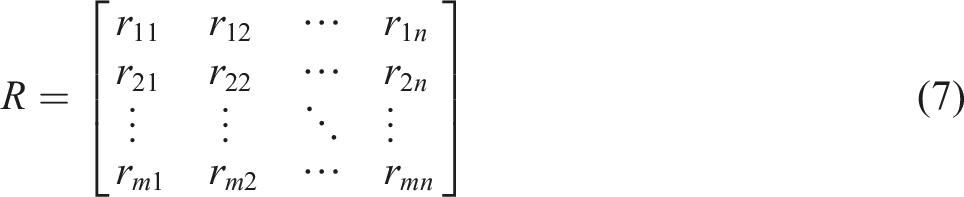
The decision-making matrix is transformed into a normalized decision matrix using equation (6). To convert different criteria dimensions into non-dimensional criteria, normalization is done.
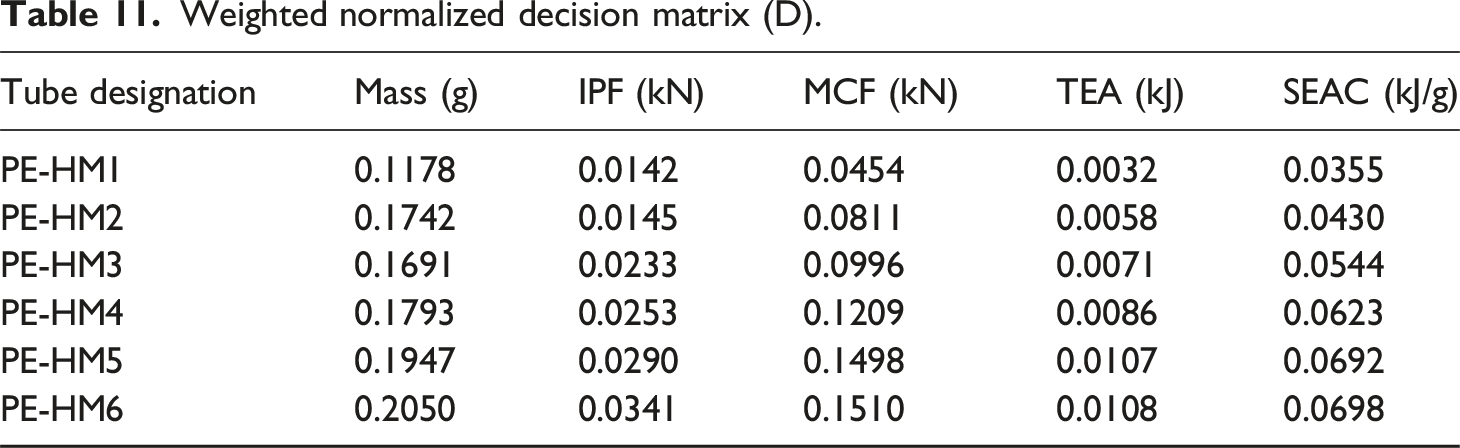
Step 3. Calculate the weighted normalized decision matrix
Multiply each column of R by its corresponding weight wj wj is the weight of the jth criterion. rij is the normalized value of the ith alternative under the jth criterion
The weighted normalized decision matrix V is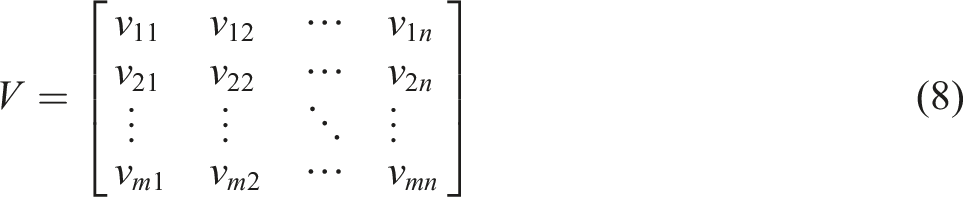
Step 4. Determine the ideal and negative-ideal solutions
Define: Positive Ideal Solution (PIS): A+ = {v1+,v2+,…,vn+} Negative Ideal Solution (NIS): A− = {v1−,v2−,…,vn−}
For each criterion: vj+ = max(vij) for benefit criteria, min(vij) for cost criteria. vj− = min(vij) for benefit criteria, max(vij) for cost criteria.
Step 5. Calculate the separation measures
Compute the Euclidean distance of each alternative from A+ and A−:
Separation from the positive ideal solution
vij is the weighted normalized value of the ith alternative under the jth criterion. vj+ is the Positive Ideal Solution for the jth criterion.
Separation from the negative ideal solution

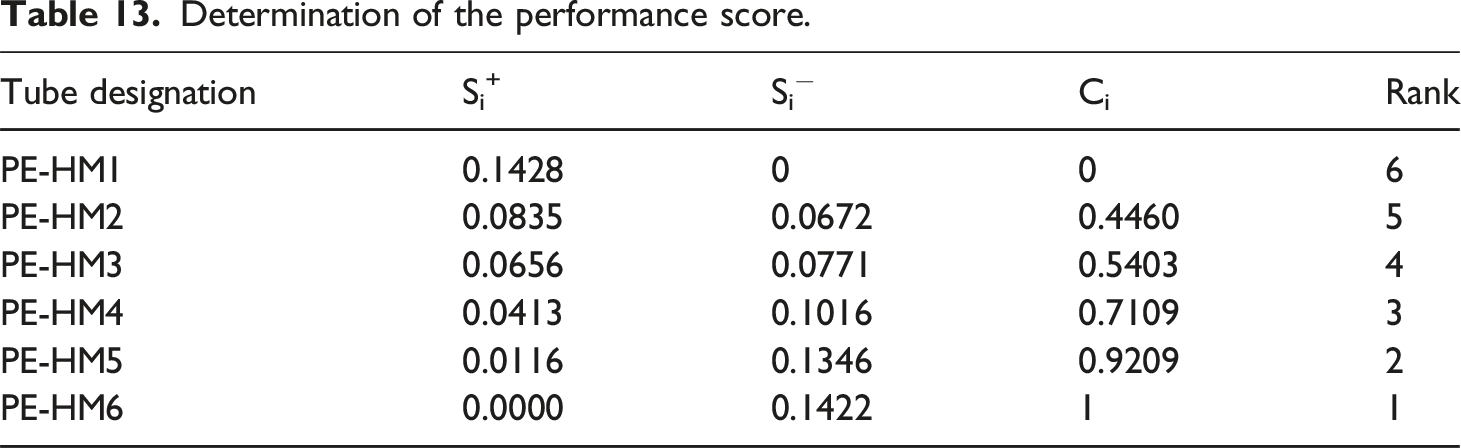
Calculate the performance score
The performance score Ci of each alternative to A+ is:
This value Ci ranges from 0 to 1, with a higher Ci indicating greater closeness to the Positive Ideal Solution and a better alternative.
Results and discussions
Predictive regression analysis
Linear regression is a statistical method used to explore the relationship between a dependent variable and one or more independent variables. The objective is to model the dependent variable as a linear function of the independent variables, which enables the prediction of outcomes based on the values of the predictors.
67
IPF, MCF, TEA, and SEAC were used as dependent variables and the mass of the 3D-printed hexagonal multi-cellular tubes as the independent variable in this study. Mathematical linear regression models were created to estimate these measures on Minitab, an analytical and statistical software. The linear regression equations derived can be expressed as follows.



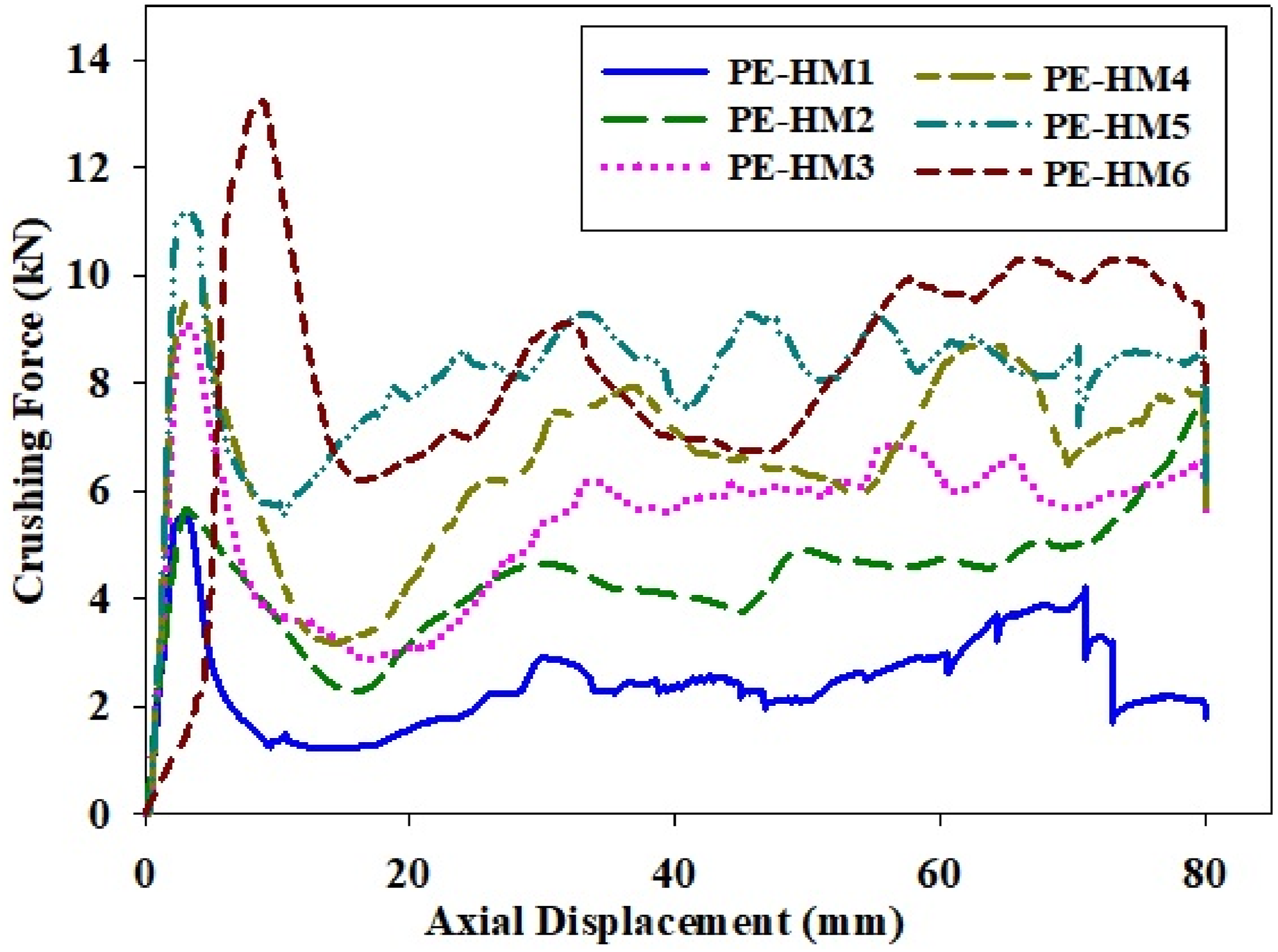
The linear regression equations established quantitatively depict the correlation between the crashworthiness metrics and the weight of the 3D-printed hexagonal multi-cellular tubes. For the model to be valid, its accuracy should be verified before the model is utilized. The coefficient of determination (R2) is a key measure of the accuracy and validity of a linear regression model. R2 quantifies the proportion of variability in the dependent variable (output response) explained by the independent variable, the explanatory power of the model. R2 varies from 0 to 1, and 1 signifies a perfect fit, i.e., the model explains all the variability in the data. R2 values for IPF, MCF, TEA, and SEAC were 0.70, 0.87, 0.87, and 0.78, respectively, signifying high correlation of the predicted and experimental data. These relatively high values of R2 signified that the linear regression model explains a high proportion of the variability in the crushing metrics as a function of the weight of the 3D-printed hexagonal multi-cellular tubes.68–70 To better understand, the experimental and predicted results are presented in Figures 6, 7 and 8 using the regression model. Final deformation patterns of hexagonal multi-cellular structures. Compressive characteristics of hexagonal multi-cellular structures.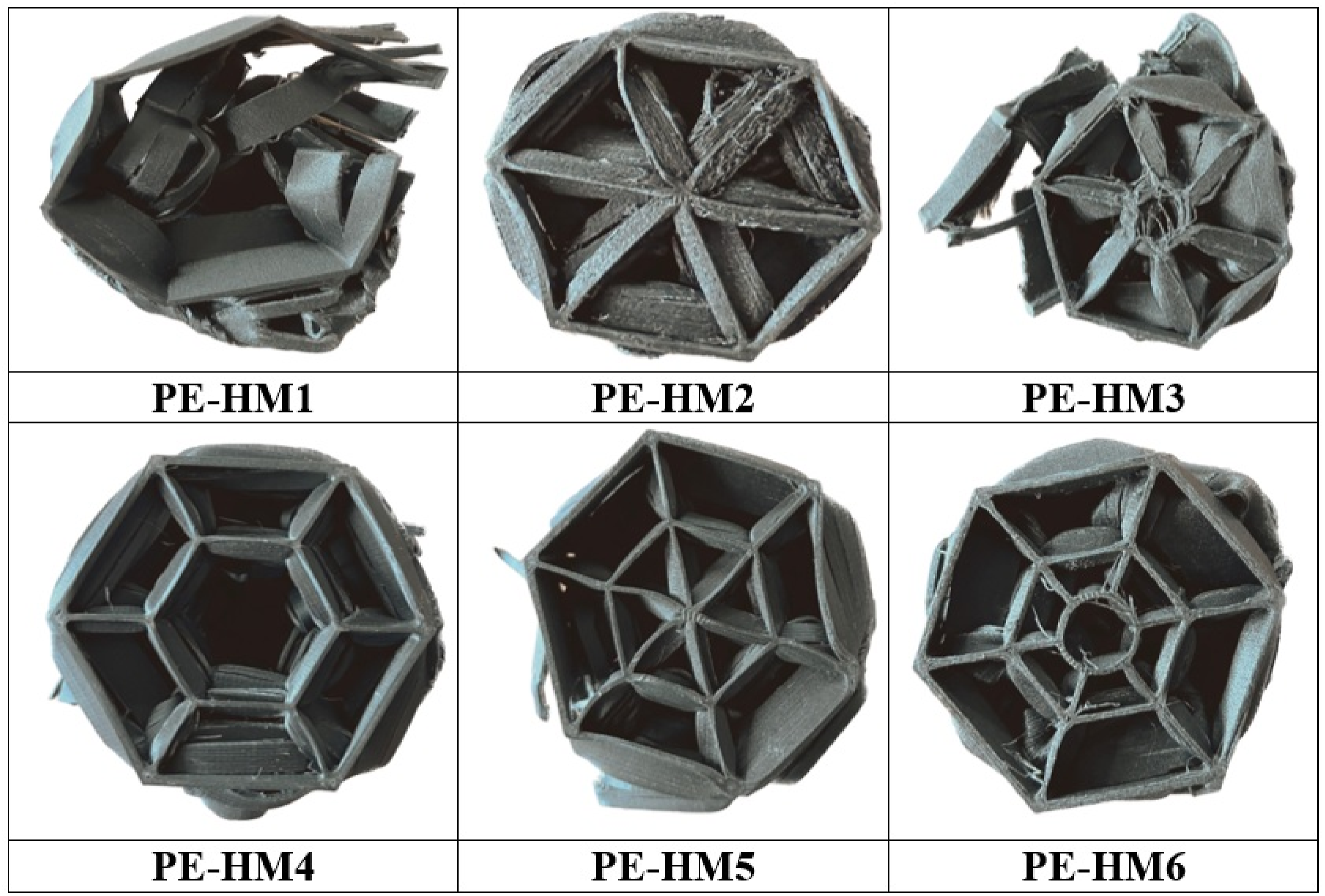
Dispersion in the obtained test results
Obtained data for biomimetic hexagonal multi-cellular structures.
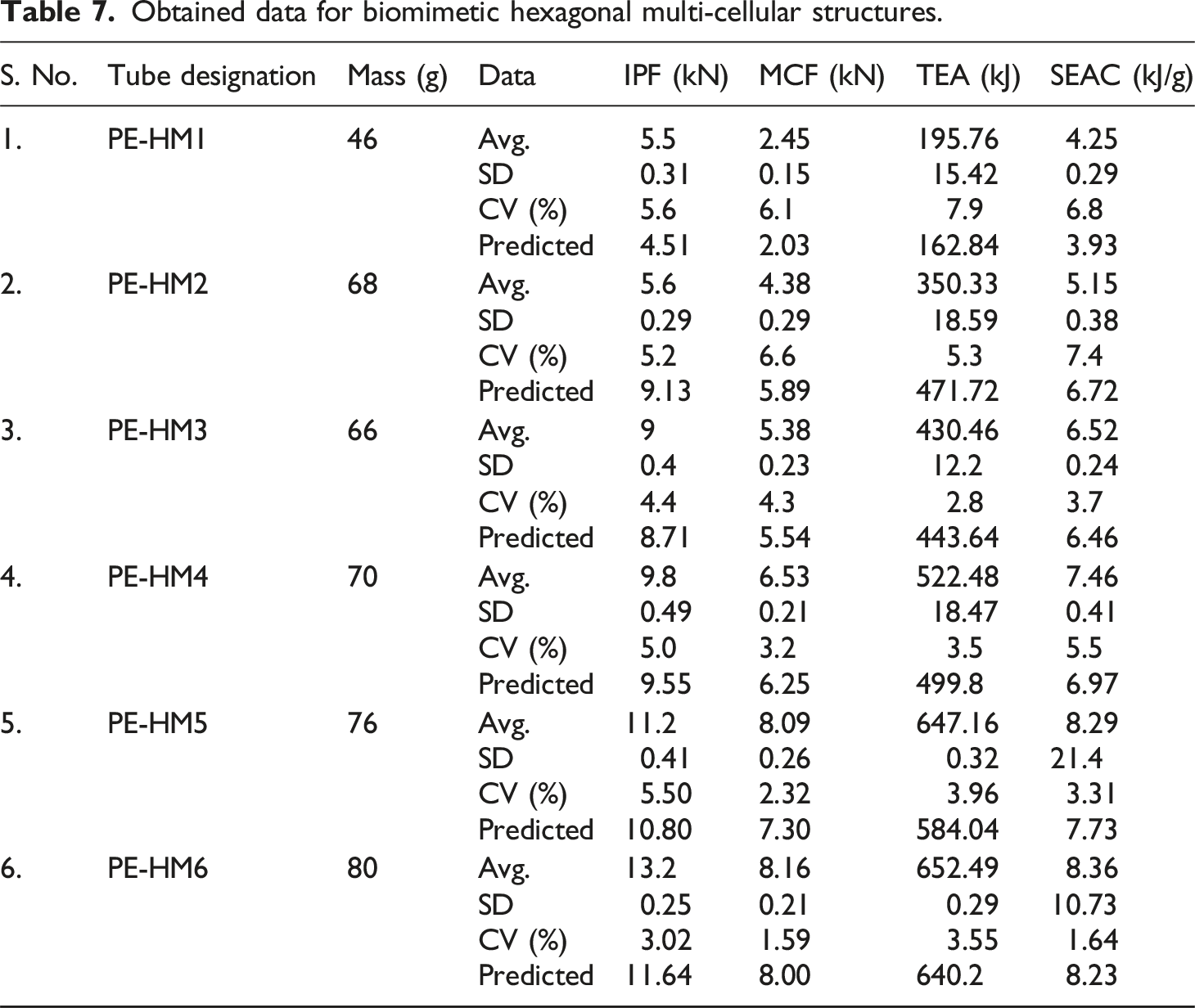
Compressive behavior of hexagonal multi-cellular tube structures
The deformation pattern is a key determinant of the energy absorption, as it directly corresponds to the underlying compressive and energy dissipation mechanism.
72
The final compressed profiles of the hexagonal multi-cellular structures subjected to quasi-static compression were documented using photography. Figure 8 presents a visual comparison of the deformation patterns of the proposed 3D-printed hexagonal multi-cellular structures under quasi-static loading conditions. The figure demonstrated that the hexagonal multi-cellular structures revealed significant failure modes such as elastic deformation, buckling of cell wall, progressive crushing, fracture, fiber pullout, and layer bonding failure. Furthermore, it was noted that the carbon fiber reinforcement in the PETG filament improved stiffness but also led to brittleness, causing fractures and fiber pullout in some of the structures.
73
The failure modes of buckling and fiber pullout, as observed in Figure 8, are integral to the energy absorption mechanisms of the hexagonal multi-cellular structures. Buckling occurs when the internal cell walls undergo excessive axial compression, leading to lateral deformation, which initiates progressive collapse and helps dissipate impact energy over time, enhancing total energy absorption (TEA). On the other hand, fiber pullout arises due to the extraction of carbon fibers from the PETG matrix under stress, contributing to energy dissipation through frictional resistance. This mechanism delays catastrophic failure by providing additional resistance as the structure deforms. Together, these failure modes facilitate a controlled, progressive deformation of the structure, maximizing energy absorption and preventing sudden failure, thus optimizing the crashworthiness of the 3D-printed tubes. Comparison of (a) IPF and (b) MCF.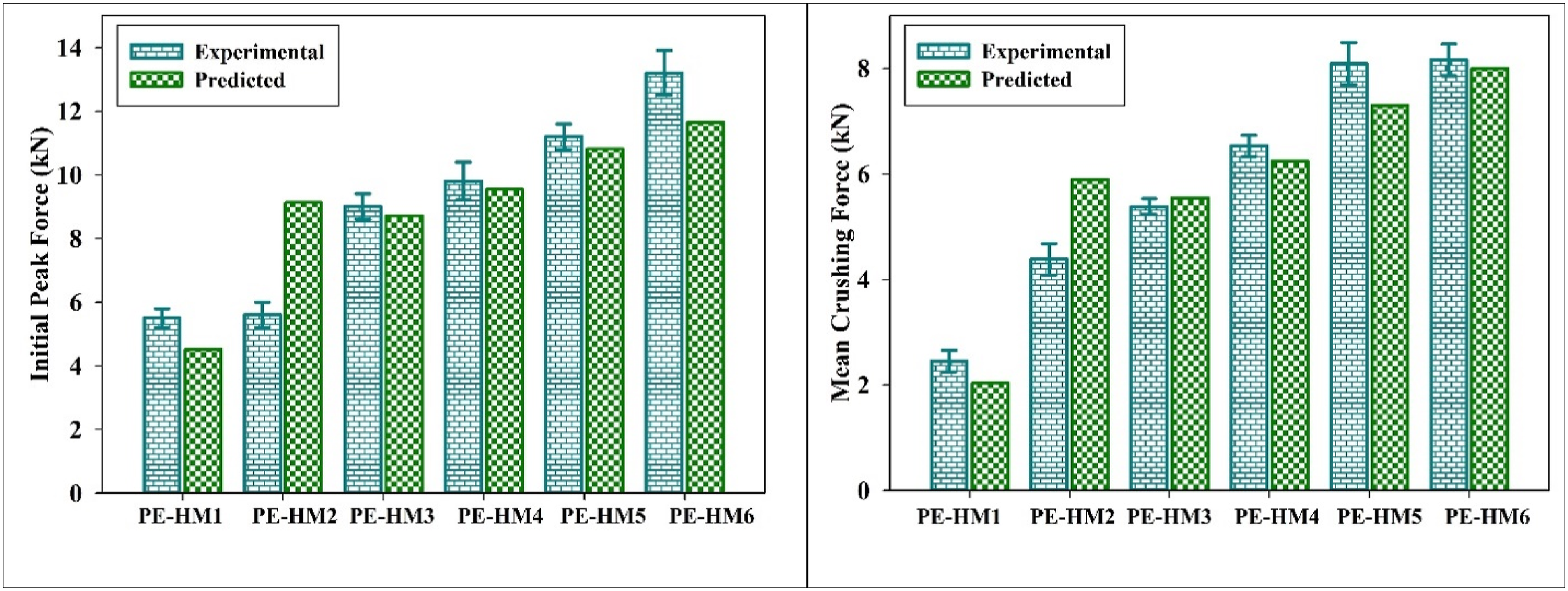
As indicated in Figure 8, hexagonal multi-cellular structures surpassed traditional hexagonal designs in crashworthiness, demonstrating enhanced energy absorption, improved load distribution, and more regulated deformation. The structural geometry enhanced energy absorption by allowing the structure to absorb impact energy over time. In addition to a gradual failure mechanism made possible by the structure, it instead experienced progressive deformation upon compression rather than a catastrophic failure.74–76 Loss of reinforcement and overall weakening of the tube was caused by fiber pullout in regions where carbon fibers were extracted from the PETG matrix. In the PE-H2 and PE-H5 structures, this was the most noticeable. In the PE-H3 structure, delamination during compression was caused by layer bonding failure, which occurred as a result of insufficient inter-adhesion between printed layers. The overall crashworthiness of the structures depended on the interaction between the material composition and the geometric optimization. Sivakumar et al. 77 and Patil et al. 78 observed similar findings in their crashworthiness analysis of multi-cellular structures.
The correlation between axial crushing force and displacement under quasi-static loading conditions was analysed to investigate the energy-absorbing characteristics of 3D-printed hexagonal multi-cellular formations and the outcomes are illustrated in Figure 9. Initially, the tubes experienced elastic deformation under compressive stresses, but they maintained their structural integrity throughout. In particular, tubes such as PE-HM1 and PE-HM2 began to develop cracks in their internal walls as the compressive stress increased. Due to local instability caused by lateral stresses, this failure mode frequently occurs in lightweight structures when subjected to axial compression. The tubes entered a stage of gradual crushing once the internal walls of the hexagonal cells buckled. After that, the cells distorted progressively, leading to densification. While all of the tubes under test went through this densification phase, PE-H4 and PE-H6 exhibited superior energy absorption owing to their enhanced deformability and extended energy dissipation. Nevertheless, the tubes’ ability to withstand extremely high loads was compromised due to the increased resistance to additional compression caused by excessive densification. As shown in Figure 10, the hexagonal multi-cellular structures demonstrated stable progressive deformation, which is a desirable feature for maximizing total energy absorption capacity. Comparison of total energy absorption. Comparative results of SEAC.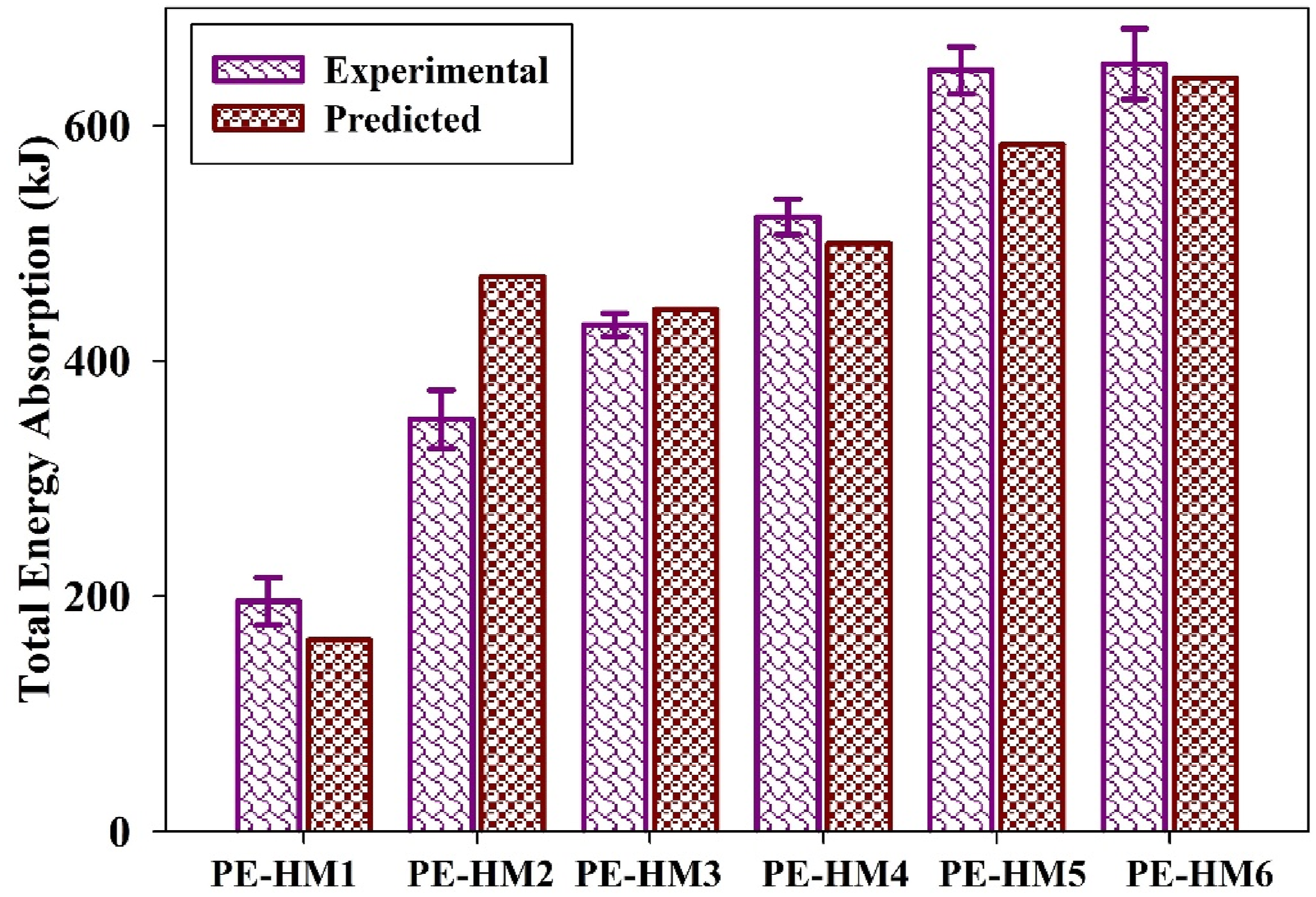
The PE-HM1 structure, inspired by the honeycomb design, absorbed an mean crushing force of 2.45 kN. The tendency of honeycomb structures to buckle under axial loading constrained their TEA. The hexagonal multi-cellular structure PE-HM6, inspired by the silk spiderweb design, exhibited outstanding energy absorbing performance during quasi-static compression. PE-HM6 absorbed a mean crushing force of 8.16 kN undergoing progressive linear deformation, exceeding the crushing force capacity of the all other structures. The hexagonal multi-cellular structures, particularly PE-HM4, PE-HM5, and PE-HM6 performed better in terms of sustained energy absorption and reduced risk of catastrophic failure. This was evidenced by their higher values in SEAC, MCF, and TEA. The PE-HM2 and PE-HM3 structures exhibited intermediate properties, providing a compromise between significant force resistance and progressive deformation. This pattern corresponds with prior studies, 79 indicating that improving cell size and configuration enhances crashworthiness performance.
Crashworthiness metrics
Initial peak crushing force and mean crushing force
Initial Peak Force represents the maximum force experienced by a structure at the start of compression, with a lower value indicating more controlled deformation and reduced risk of sudden failure. Mean Crushing Force is the average force sustained during continued deformation, reflecting the structure’s ability to absorb and dissipate energy over time. Both IPF and MCF are critical for evaluating a structure’s crashworthiness and energy absorption efficiency, with lower IPF and higher MCF being desirable for optimal performance in impact resistance.80,81 The comparative results on the initial peak force and mean crushing force of the proposed structures tested under the quasi-static compression test are shown in Figure 9. It is witnessed from the figure that the comparison between experimental and predicted results for IPF and MCF demonstrates a strong correlation, with deviations generally within 5%–10%.
For IPF, PE-HM1 exhibited the lowest peak force of about 5.5 kN, with both experimental and predicted results aligning closely, resulting in a small error margin. The tubes PE-HM2, PE-HM3, and PE-HM4 demonstrated moderate peak forces, with experimental results slightly higher than the predicted values, indicating a slight underestimation by the model. The highest peak forces were observed in PE-HM5 and PE-HM6, with values ranging from 11 kN to 14 kN, and again, the model slightly underpredicted the peak forces, although the trend was consistent. For MCF, PE-HM1 exhibited the lowest MCF of around 2.45 kN, with minimal difference between experimental and predicted results. Comparatively, the mean crushing forces of PE-HM2, PE-HM3, PE-HM4, PE-HM5, and PE-HM6 were all greater in the 4–7 kN range, with experimental values typically above the predicted values. For PE-HM4, PE-HM5, and PE-HM6, where the predicted and experimental results nearly matched, the model performed better.
The Mean Absolute Percentage Error (MAPE) for IPF was 4.46% and that of MCF was 5.81%, which showed the model had high accuracy. Such errors were considerably within limits, indicating very small deviation between experimental and predicted values. The Root Mean Square Error (RMSE) for IPF was 0.77 kN and for MCF was 0.52 kN, proving that the average difference between the predicted and experimental values was minimal and acceptable. The coefficient of determination (R2) was also 0.905 for IPF and 0.942 for MCF, both indicating a high correlation between the predicted and experimental values. These good R2 values supported that the model was able to capture much of the data variability, and therefore its reliability in representing the tube behavior. The success of data-driven solutions in crashworthiness optimization was confirmed by the similarity between experimental and predicted values. Slight discrepancies, which could be attributed to material inconsistencies and imperfections in 3D printing, loading conditions, and other factors, were observed. 82
Total energy absorption
Total Energy Absorption refers to the total amount of energy a structure can absorb during deformation or impact before failure. A higher TEA indicates that the structure is more effective at dissipating kinetic energy, making it highly suitable for crashworthiness applications where resistance to impact is crucial. Structures with higher TEA are better at managing and distributing impact forces, reducing the risk of failure and enhancing performance in high-impact situations.83,84 Figure 6 presents a comparison of the TEA of all the tested hexagonal multi-cellular tubular structures. The comparison of TEA among the tested hexagonal multi-cellular structures revealed notable variations in structural performance. The PE-H1 tube absorbed the least energy, with experimental values around 195.76 kJ and predicted values slightly lower at 162.84 kJ, showing a relatively small difference.
In contrast, the PE-HM6 tube exhibited the highest energy absorption, with experimental value of 652.49 kJ, and predicted value around 640.2 kJ. The superior performance of PE-HM6 can be attributed to its optimized hexagonal cell arrangement and wall interactions. These features enable efficient load distribution and promote controlled, progressive deformation under compression, maximizing energy dissipation. The carbon fiber reinforcement enhances stiffness, while fiber pullout during deformation adds frictional energy dissipation, further preventing catastrophic failure. Together, these design elements allow PE-HM6 to achieve higher total energy absorption (TEA) by absorbing and dissipating energy over a longer period.
Other tubes such as PE-HM2, PE-HM3, PE-HM4, and PE-HM5 showed intermediate results, with experimental values ranging from 350 kJ to 650 kJ, and predicted values closely matching, though slightly underestimating the TEA. The MAPE for TEA was calculated, and the results indicated that the model performed well, with the MAPE typically falling below 6% for all tubes. This means that the error of the predictive model was low, justifying its predictive accuracy in forecasting TEA. The values of RMSE were comparatively low, indicating that the experimental and predicted values had a difference within tolerance. The values of RMSE ranged from 15 kJ to 30 kJ, indicating consistent performance of the model in the prediction of TEA. In addition, the values of R2 were all high, ranging from 0.92 to 0.95, and indicated a high correlation between experimental and predicted values. These high R2 values justified that the model was able to explain most of the variance in the experimental data, further confirming its predictive accuracy. The small differences between experimental and predicted values could be due to inconsistencies in materials, strain-rate effects, or variation in failure modes.85,86
Specific energy absorption
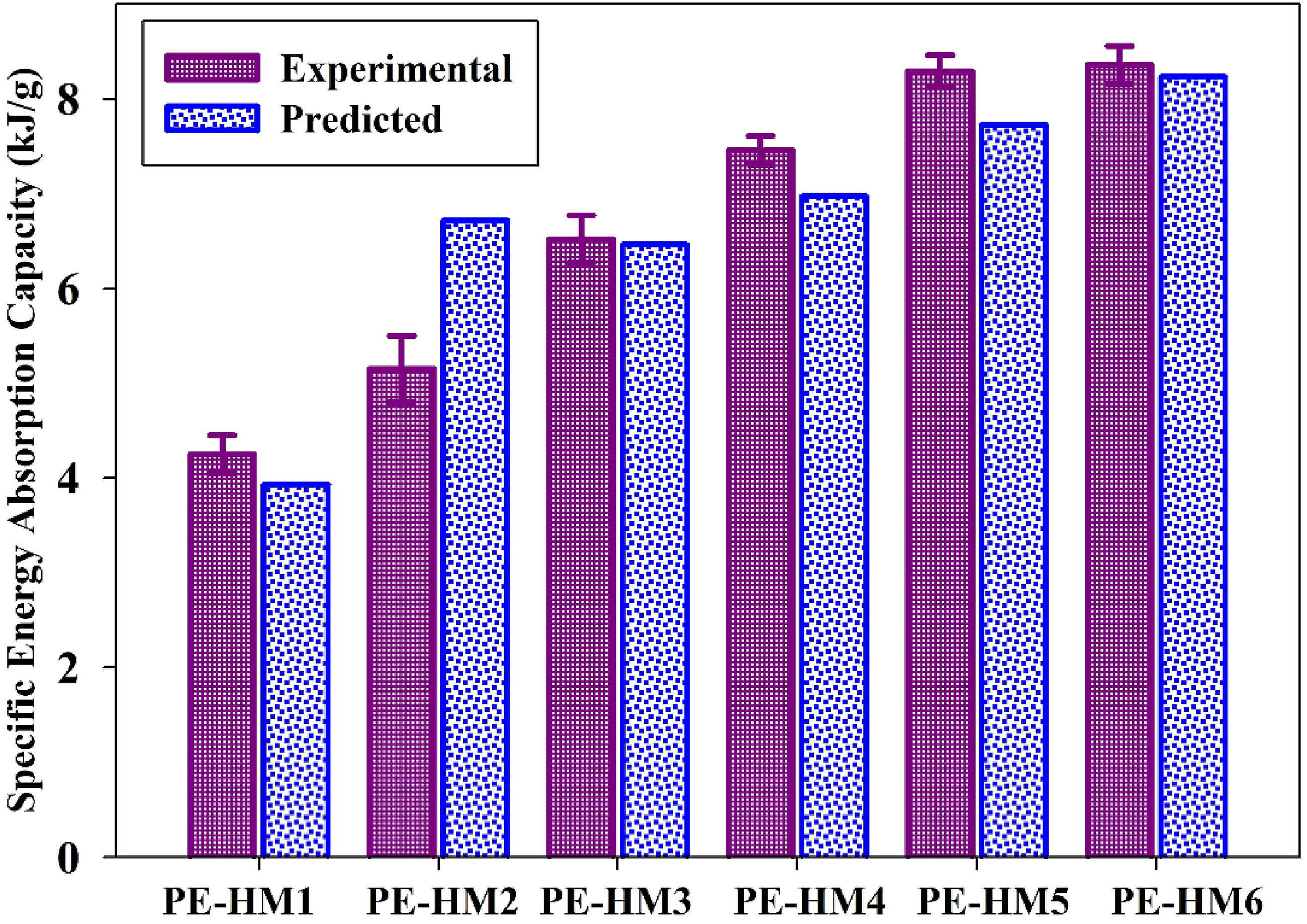
Specific Energy Absorption measures a structure’s ability to absorb energy per unit mass during impact. It is a key metric for evaluating the energy absorption efficiency of different materials and designs. A higher SEAC value indicates better energy dissipation, making it essential for applications requiring high impact resistance and crashworthiness, applications.54,87 Figure 7 represents the comparison of SEAC characteristics of the hexagonal multi-cellular structures during quasi-static compression.
PE-HM1 exhibited the lowest SEAC of about 4.25 kJ/g (experiment) and 3.93 kJ/g (predicted), with a slight underprediction in the model. On the other hand, PE-HM6 exhibited the highest SEAC, reaching 8.36 kJ/g experimentally and 8.23 kJ/g in the predictions, with both values showing good agreement. The superior SEAC of PE-HM6 is due to its optimized hexagonal cell arrangement and wall interactions. The design facilitates controlled, progressive collapse, efficiently distributing impact forces and enhancing energy absorption. The carbon fiber reinforcement increases stiffness, while fiber pullout during deformation provides additional energy dissipation, allowing PE-HM6 to absorb more energy per unit mass, leading to higher SEAC. The comparison between experimental and predicted results indicated that the model was able to predict the SEAC values with reasonable accuracy across all tube configurations. The MAPE of SEAC values was computed to be 4.3%, which was extremely low and confirmed the precision of the model. It indicated that the predicted values were very close to the experimental results with negligible deviation, which could be due to the experimental and material variation. The RMSE of SEAC was computed to be 0.45 kJ/g, which rendered the difference between the experimental and predicted values negligible and within acceptable values. In addition, the R2 values of predicted SEAC values was computed to be 0.98, which demonstrated that there was an excellent correlation between the predicted and experimental data. The high value of R2 ensured that the model accounted for most of the variance in the SEAC values, hence ensuring its reliability as a predictive model for specific energy-absorbing capacity.88,89
Outcomes of the optimal selection using TOPSIS
Criteria weights for each crashworthiness metrics.

Initial TOPSIS matrix (X).
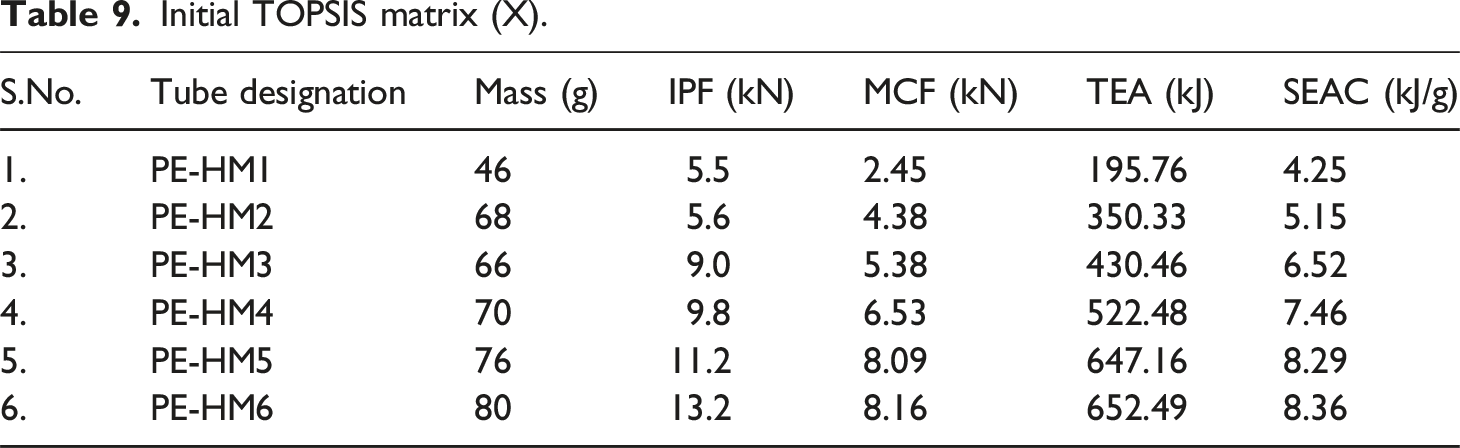
Normalized TOPSIS decision matrix (R).
Weighted normalized decision matrix (D).
Determination of the positive and negative ideal solutions.

Determination of the performance score.
Conclusions
The study aimed to evaluate and compare the crashworthiness performance of biomimetic hexagonal multi-cellular tubes fabricated using PETG Carbon Fiber filament under quasi-static axial compression. Six distinct design patterns (PE-HM1 to PE-HM6) were considered, inspired by various biomimetic structures, including the traditional honeycomb, carrot, marsh horsetail, tortoise shell, Halloween spider web, and silk spider web. The following significant observations have been recognized: ➢ The comparison of experimental and predicted results for all designs revealed that the model was effective in predicting the behavior of the structures, with minor deviations across the metrics. ➢ PE-HM6, inspired by the silk spider web, consistently demonstrated superior crashworthiness, achieving the highest values for TEA and SEAC, while PE-HM1 exhibited the lowest performance across all crashworthiness metrics. ➢ The results indicated that PE-HM6 was the most effective energy-absorbing structure, receiving the highest performance score (1.0) due to its superior energy absorption and efficiency. Conversely, PE-HM1 ranked the lowest with a score of 0, highlighting its relatively poor crashworthiness performance. ➢ The model’s accuracy, as indicated by the low MAPE, RMSE, and high R2, confirmed its reliability in predicting the performance of these biomimetic structures. This research highlights the effectiveness of biomimetic designs and multi-criteria decision-making approaches in optimizing crashworthiness for real-world applications.
Future scope
For future research, there are several important avenues to explore. One key direction is to investigate the performance of these biomimetic hexagonal multi-cellular tube designs under dynamic loading conditions, as the current study focused on quasi-static tests. Dynamic loading better represents real-world crash scenarios, such as those encountered in automotive and aerospace applications, where rapid impact forces play a significant role. Additionally, the potential applications of these designs in industries such as automotive and aerospace are promising, particularly for energy absorption systems like vehicle bumpers, side-impact protection, and aircraft fuselage components, where efficient energy dissipation is critical for safety. Future studies could also explore the use of alternative materials and manufacturing techniques, such as metal-composite hybrids or advanced 3D printing methods, to further enhance the crashworthiness and energy absorption capabilities of these structures. Expanding the scope of the material selection and testing under different loading conditions will offer valuable insights into optimizing these designs for a wider range of real-world applications.
Footnotes
Declaration of Conflicting Interests
The authors declared no potential conflicts of interest with respect to the research, authorship, and/or publication of this article.
Funding
The authors received no financial support for the research, authorship, and/or publication of this article.

Data Availability Statement
The data supporting the findings of this study are available from the corresponding author upon reasonable request.