



Abstract
In our previous study, we selected a 3% concentration (PH3) from various prepared PEEK-HNTs nanocomposites. Poly (ether ether ketone) (PEEK) is characterized by non-perfluorinated aromatic compounds with 1,4-disubstituted phenyl groups linked by carbonyl (––CO––) and ether (––O––) groups, offering exceptional thermal stability, mechanical strength, tribological properties, and chemical resistance at high temperatures. Halloysite nanotubes (HNTs) are known for their non-toxic, environmentally friendly, cost-effective properties, with tunable release and rapid adsorption rates. In this study, we prepared graphene nanoparticle (GNP) composites at three different concentrations while maintaining constant PH3 levels. The composites underwent comprehensive characterization using FTIR, TGA, DSC, SEM, and DMA techniques. Thermomechanical properties were evaluated using a universal testing machine. Results demonstrate significant enhancements in hardness, impact strength, elongation at break, tensile modulus, and flexural modulus, with the highest performance observed in the GNP-loaded 0.3% (PHG3) concentration. The synergistic effects of GNP fillers in PH3 are attributed to enhanced interfacial adhesion and favorable interactions with the polymer matrix.
Keywords
Highlights
• Graphene was integrated into PEEK- 3% HNTs to engineer the PHG composites. • Mechanical strength was evaluated to demonstrate the robustness of the composites. • Analytical techniques were employed to assess composites’ thermo-mechanical properties. • PHG3 composites exhibit superior performance across all evaluated parameters. • Addition of Graphene to the PEEK-HNTs enhances interfacial adhesion and polymer-filler interactions.
Introduction
Recently, the high-performance composite based on polymer materials are widely used in our day-to-day life and also in various fields of research like in automobile, aerospace, constructions etc.1,2 Due to environment friendly nature, low cost, good wear resistance, high mechanical properties and fiber‐reinforced thermoplastic nature, the polymer composites have more and more attentions in the research area of engineering.3–5 Polymer blends play a major role in preparing composite materials used in day-to-day life, as they modify the materials with new or improved advanced properties through the incorporation of multiple constituents and the utilization of synergistic effects.5–7 Basically, the polymer nanocomposites contain immiscible polymers after inserting nano-fillers such as nano-clay, nano-silica, graphene, HNTs, modified HNTs, carbon nanotubes (CNTs) as can be seen from past few decades reported by researchers worldwide.7–10 An important parameter of PEEK polymer is intrinsic conductivity which make it undesirable for electrostatic charge or thermal dissipation applications that are not in consideration with the addition of enhance materials.11,12 Graphene, a two-dimensional (2D) material possesses good thermal and electrical property, high tensile strength and specific area that make it an advance material to add electrostatic dissipation, lightning strike, electromagnetic interference to composite materials.11–15 Graphene exfoliated at high concentration levels in aqueous solutions offers economic and environmental advantages over solvent-based suspensions. 16 Filler materials with high thermal conductivity are often incorporated into polymers to enhance the overall thermal conductivity of the resulting composites. 17 In comparison to other metal-based materials, graphene has a sheet-like structure with high thermal conductivity. This behavior of graphene allows it to interact more easily in the voids of the polymer matrices and constitute way of heat transfer which significantly increases the thermal conductivity of polymer composites. Due to its unique properties, such as a high specific surface area (2600 m2ˑg⁻1), thermal conductivity (5000 Wˑm⁻1K⁻1), outstanding mechanical properties (Young’s modulus ∼1 TPa), and excellent electrical properties (high electron mobility of 2.5 × 10⁵ cm2V⁻1s⁻1), graphene is widely used in recent studies. Various polymer materials, like polypropylene, polyimide, polycarbonate and PEEK, among others, are blended with graphene or it’s derivatives to increase their thermomechanical properties.18–31
A lot of work has been reported by researchers on improving the performance of polymers through the addition of suitable fillers. Wang et al. conducted a thermomechanical study on graphene/PEEK composites with varying concentrations. The graphene platelets in these composites were aligned along the X-Y plane, and an increase in tensile strength was observed at a 5% graphene concentration. 32 Puertolas et al. found that the insertion of graphene nanosheets may reduce the wear factor and coefficient of friction of the composites by 83% and 38%, respectively, but the ultimate tensile strength decreased from 105.6 MPa to 88.5 MPa. 33 Zhang et al. modified the PEEK with graphene, polytetrafluoroethylene and short CF. It can be seen that the short CF enhances the hardness and creep resistance of the polymer composites and thereby, significantly improve the wear resistance of the composite materials. 34
In the present work, we prepared composites of GNP at three different concentrations with a constant PH3 (3% HNTs in PEEK), and the composites were characterized using various analytical techniques viz., Fourier transform infrared spectroscopy (FTIR), Thermogravimetric analysis (TGA), Differential scanning (DSC), Scanning electron microscopy (SEM) and Dynamic mechanical analysis (DMA). Further, thermomechanical properties of the prepared composites were tested using universal testing machine (UTM). The work aims to address the limitations of traditional polymer composites, specifically the low intrinsic conductivity of PEEK, which restricts its use in thermal dissipation and electrostatic applications. By incorporating graphene nanoparticles (GNPs) into PEEK-HNTs nanocomposites, the study seeks to explore how varying GNP concentrations can enhance thermal, and mechanical properties. This research contributes to advancing high-performance materials for engineering applications that require robust, heat-resistant materials by improving the thermomechanical characteristics of PEEK-based composites. The results confirm that the hardness, impact strength, elongation at break, tensile strength and modulus, as well as flexural strength and modulus, significantly increased, with the maximum values observed for the GNP-loaded composite at 3% (PHG3) concentration. The improved effect of GNP-filled PH3 is reported, which is attributed to enhanced interfacial adhesion and moderately good polymer-filler interactions.
Experimental
Materials
PEEK was supplied from Solvays (KT-880FP) India; HNT [Kaolin clay, H4Al2O9Si2·2H2O (685445-100G)] was supplied from Sigma Aldrich (USA) and GNP (>99%) was purchased fron Platonic Nanotech PVT Ltd. The purchased chemicals and reagents were used in this experiment as such of analytical grade. No further purification is required.
Instrumentation
FT-IR (Thermofisher Scientific, Model: NICOLET iS5 with Zn-Se ATR) Thermo Fisher Scientific India Pvt. Ltd; DSC (Perkin Elmer India Pvt. Ltd, Model DSC8000); TGA (TA Instruments, Discovery TGA55, USA); INSTRON Universal Testing Machines (Model 3800); Rockwell Hardness Tester (Make: HDNS KELLY, Model: MRD-600TS); Izod/Charpy Impact Tester (Tinius Olsen Testing Machine Company, USA, 1T504); DMA (HITACHI, DMA 6100).
Preparation of nano-composites
Sample codes of PH3 with loaded GNP percent compositions.
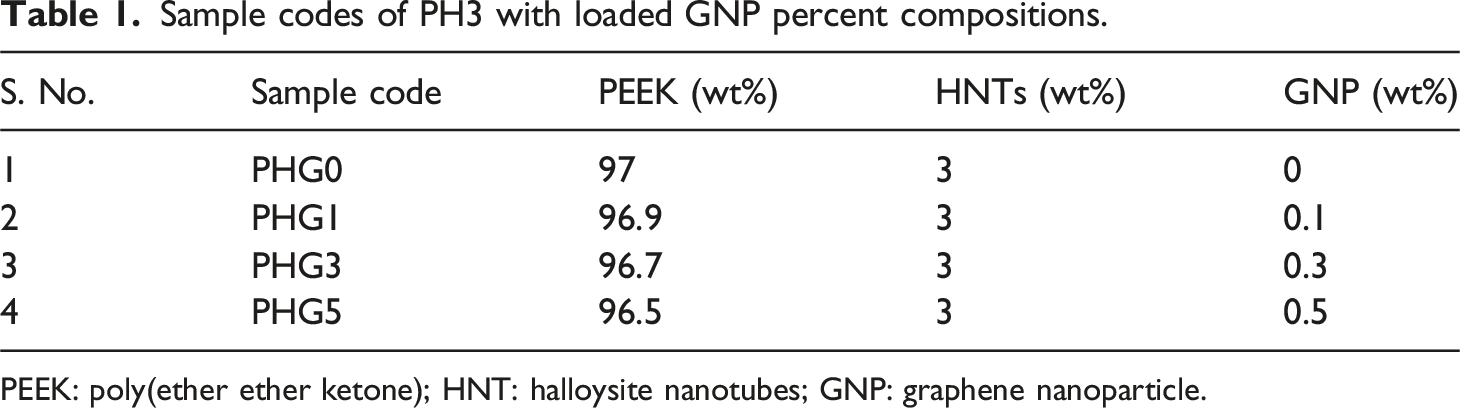
PEEK: poly(ether ether ketone); HNT: halloysite nanotubes; GNP: graphene nanoparticle.
Characterization
TGA analysis
The thermal stability and degradation properties of PHG0 with GNP loaded at three different concentrations were studied using a TA Instrument, Discovery TGA55, USA. This study has been performed with a constant rate of heating (10°C·min−1) from 50 to 1000°C under a N2 atmosphere.
FTIR analysis
Structural features of PHG0 with GNP loaded at three different concentrations were carried out using the FTIR technique Nicolet iS5 with Zn-Se ATR microtip to determine the functional groups.
FE-SEM analysis
Structural and surface morphology of the tensile fractured surface of PHG0 with GNP loaded at three different concentrations have been performed using SEM (JEOL JSM 6490LV) carrying an accelerating voltage of 10 kV. Before performing the analysis, the fracture surface of each sample was coated with Au-metal using a gold sputtering unit to control charging effects and enhance the emission of secondary electrons.
DSC analysis
DSC analysis of PHG0 with GNP loaded at three different concentrations was performed using Perkin Elmer India Pvt. Ltd, (Model DSC8000) to evaluate the various transitions such as glass transition,
DMA analysis
The viscoelastic characteristics of PHG0 with GNP loaded at three different concentrations were investigated using DMA technique. Each material was tested in a single cantilever beam (ν = 1 Hz and stain displacement of 5 μm). Each sample was heated from 30°C to 300°C at a heating rate of 5°C·min−1 under a fixed load of 1N in a nitrogen atmosphere. The storage and loss modulus and their damping factor (Tanδ) were determined over this temperature range. Each performance was repeated 3-4 times to ensure the precision.
Mechanical testing
Tensile strength (TS) and tensile modulus (TM)
Under mechanical properties, we have investigated the TS and TM and their elongation at break of PHG0 with GNP loaded at three different concentrations using INSTRON Universal Testing Machine (UTM), model 3382 at 25°C whose crosshead speed and gauge length are 5 mm·min−1 and 50 mm respectively. Both the tests were investigated in accordance with standard ASTM D638 with dumb-bell-shaped specimens. 35
Flexural strength (FS) and flexural modulus (FM)
Evaluation of FS and FM of PHG0 with GNP loaded at three different concentrations have been done using INSTRON UTM (model 3382) followed by the standard ASTM D790.The specimen dimensions are 127.0 × 12.7 × 3.0 mm at 25°C. 36
Impact strength
The impact strength of PHG0 with GNP loaded at three different concentrations is determined using an ITM (Tinius Olsen) followed by the standard ASTM D-256.The specimen dimensions are 64.0 × 12.7 × 3.2 mm for Izod at 25°C.
Results and discussion
TGA analysis
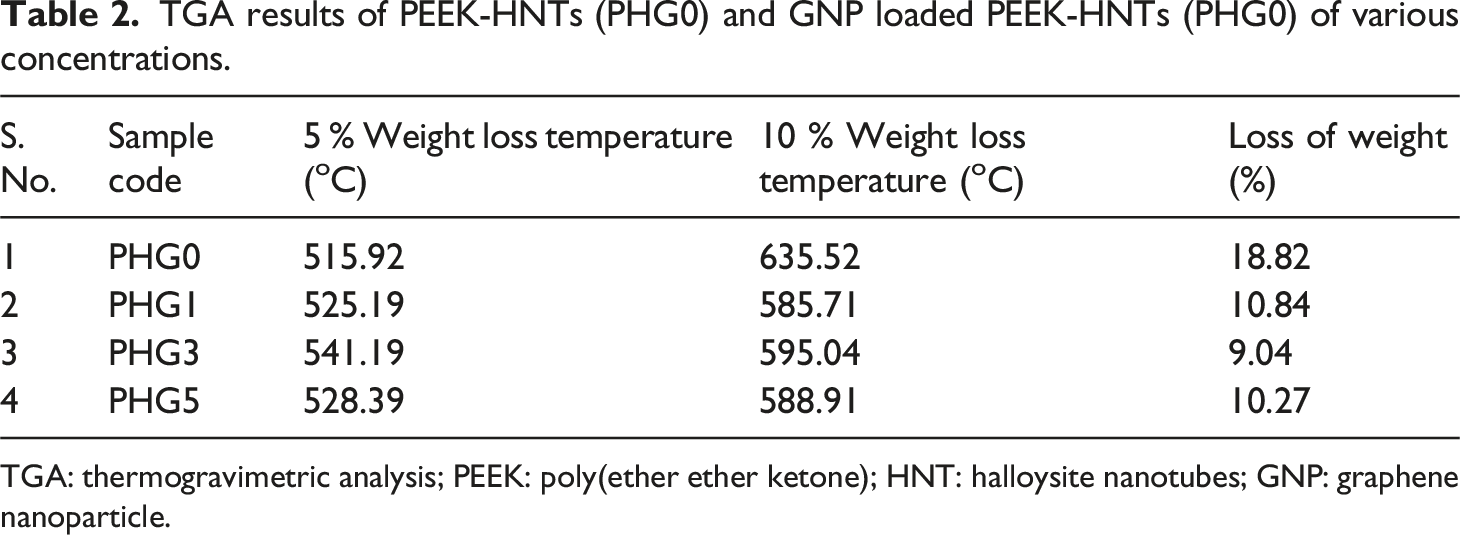
Thermal stability is one of the important characteristic parameters in material processing and consumer-oriented application. The TGA curves were obtained under airflow in a temperature range of 100–1000°C with constant heating rate of 10 °Cˑmin-1. The TGA curves for PHG0 and the GNP-loaded composites at three different concentrations are presented in Figure 1, with the corresponding results summarized in Table 2. Figure reveals that the prepared mixtures of GNP and PHG0 exhibit higher thermal stability compared to the pure PHG0 mixture. The onset degradation temperature of PH3-GNP was initially 528°C, which increased to 588°C after the incorporation of GNP into the PH3 composite. The insertion of GNP decreases the chain mobility of the polymer composite. The degradation of PH3 after the insertion of GNP has been attributed to decarbonylation, decarboxylation, and dehydration mechanisms occurring within the mixture’s components.
37
The TGA results indicate minimal weight loss (9.04%) at a 0.3% GNP concentration. This gradual improvement is attributed to strong interactions among the composite components, which restrict polymer chain mobility. Additionally, GNP likely acts as a barrier within the PH3 composite, delaying degradation and significantly enhancing the thermal stability of the ternary blend. TGA Thermogram of PEEK-HNTs (PHG0) and GNP loaded PEEK-HNTs (PHG0) of various concentrations. TGA: thermogravimetric analysis; PEEK: poly(ether ether ketone); HNT: halloysite nanotubes; GNP: graphene nanoparticle. TGA results of PEEK-HNTs (PHG0) and GNP loaded PEEK-HNTs (PHG0) of various concentrations. TGA: thermogravimetric analysis; PEEK: poly(ether ether ketone); HNT: halloysite nanotubes; GNP: graphene nanoparticle.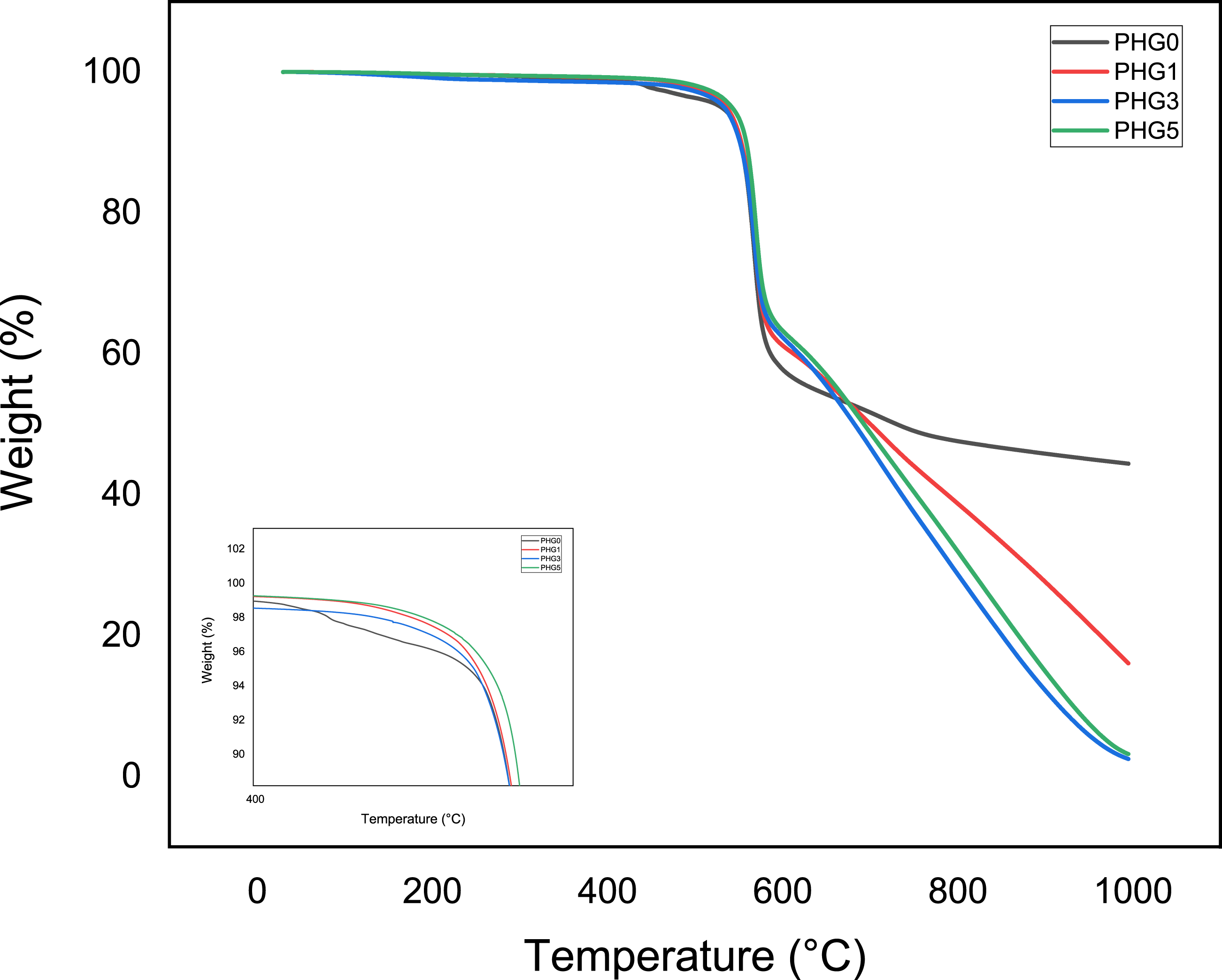
FT-IR analysis
We conducted this study on PHG0 and GNP-loaded PHG0 at three concentrations using FT-IR (Thermo-Fisher Scientific, Model: NICOLET iS5 with Zn-Se ATR). The spectra of these mixture components were recorded within the range of 500-4000 cm−1. This study highlights the structural changes within the mixture components after blending, providing insights into the physical and mechanical performance of the filler in both pure and composite materials. We initially prepared the PEEK-HNTs mixture with 0.3% HNTs in pure PEEK (PHG0), followed by loading GNP at three different concentrations. The corresponding plot is displayed in Figure 2. The characteristic absorption peaks such as stretching vibration of C=O band appeared at 1378 cm−1, in-plane alkoxy-benzene vibrations appeared at 1165 and 979 cm−1, while of keto-benzene at 766 cm−1, out-of-plane C–H bending vibration in benzene at 668 cm−1, asymmetrical stretching vibration of R-O-R at 1165 cm−1 have been seen. After mixing 0.1% of GNP, the asymmetrical stretching R-O-R vibration was shifted from 1165 to 2009 at cm−1 indicating a significant influence of the GNP insertion into the PHG0. This shift may suggest possible interactions between the outer and inner hydroxyl groups (Al-OH) of the PEEK-HNTs mixtures. This shows the stiffness of GNP inside PEEK-HNTs.
2
It is evident from the figure that for both PHG0 and the GNP-loaded PHG0, the characteristic peak at 1378 cm⁻1 shifted to 2168 cm⁻1. This indicates that increasing the concentration of GNP did not cause any significant change in the absorption spectra, suggesting that similar types of interactions might be occurring within the moieties. FTIR spectra and the characteristic peaks of PHG0 (black line) and GNP loaded PHG0 nanocomposites of various concentrations [red line: PHG1; blue line: PHG3; green line: PHG5]. FTIR: Fourier transform infrared spectroscopy; GNP: graphene nanoparticle.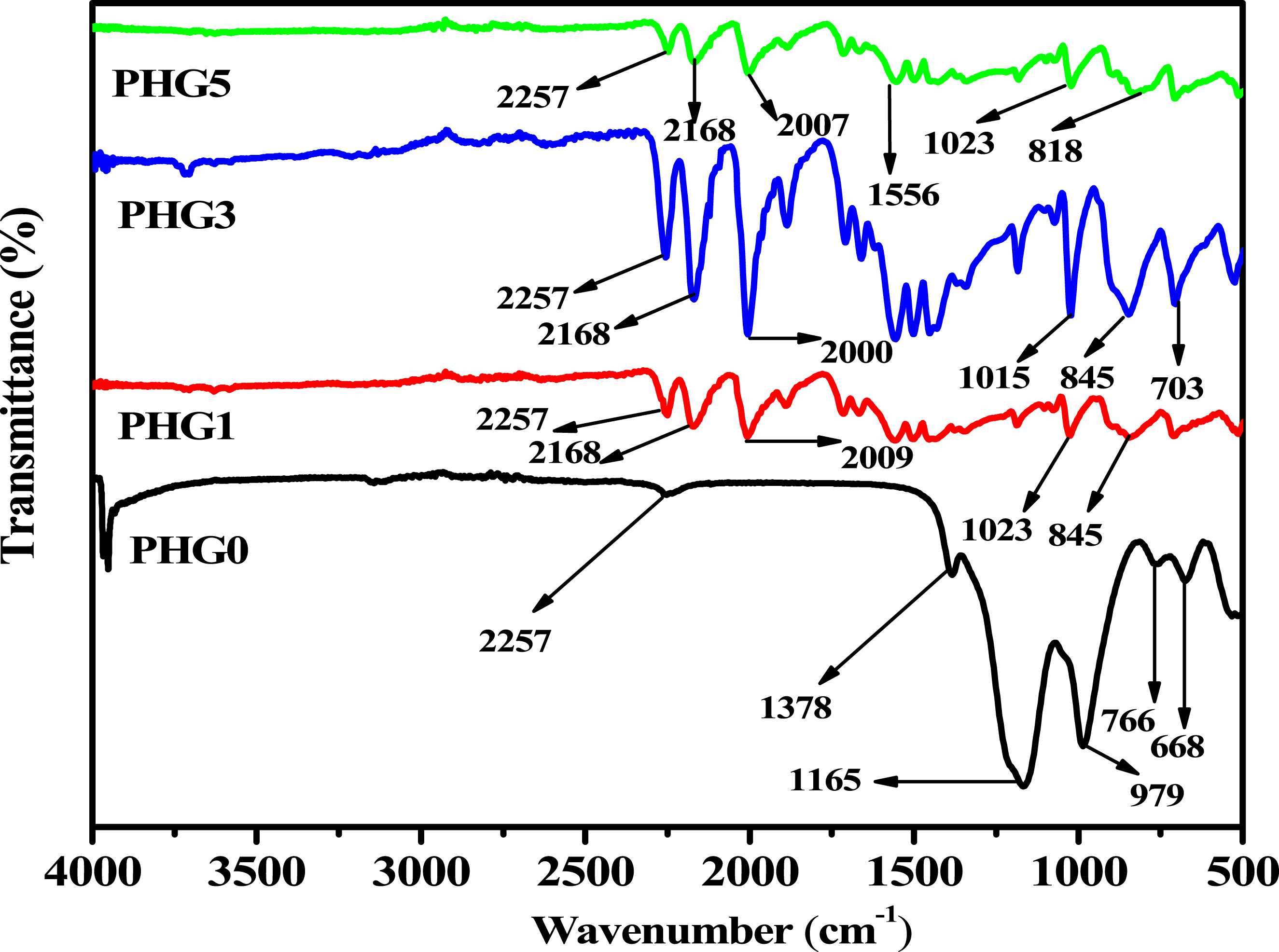
FE-SEM analysis
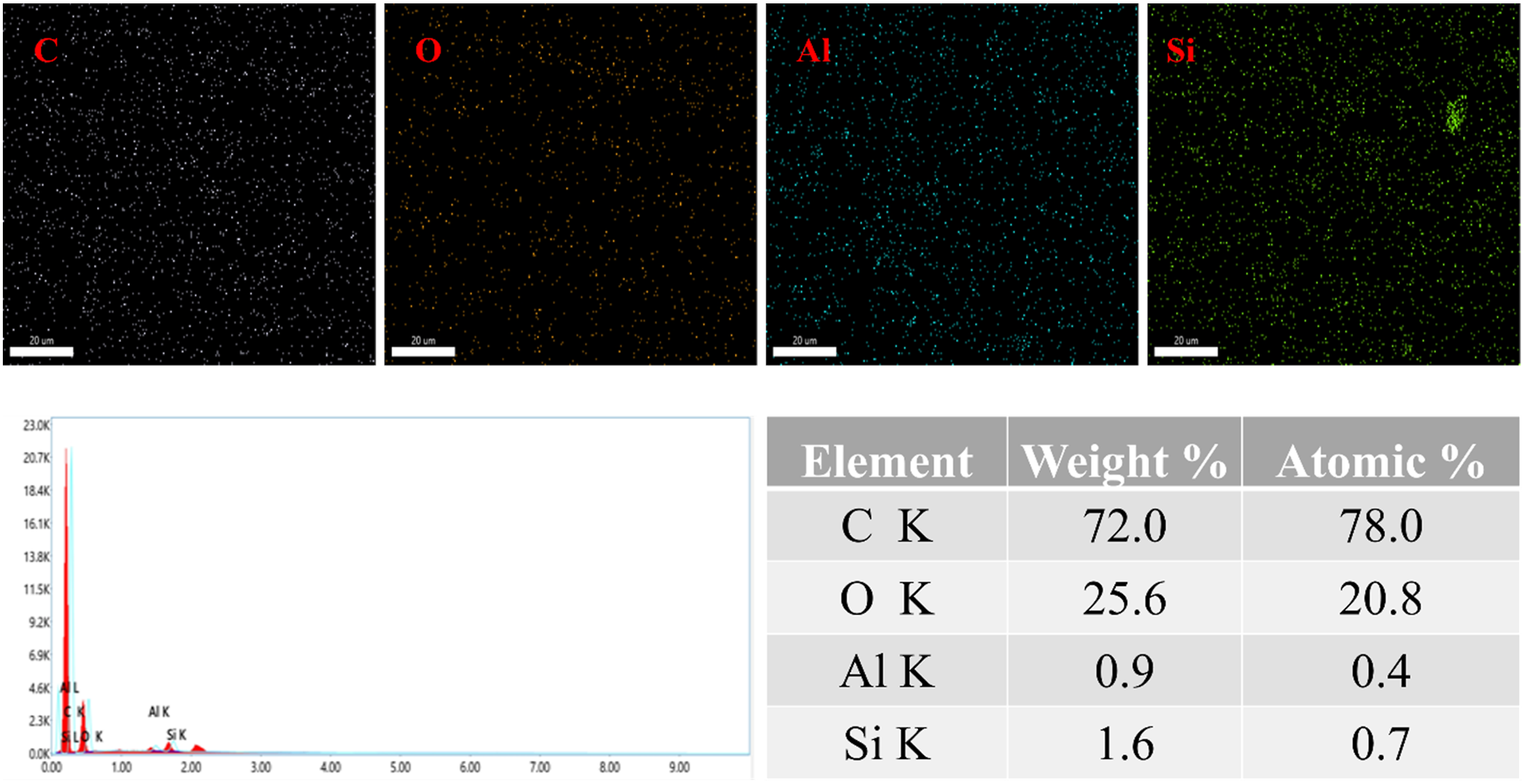
We have performed the surface morphological study of the pure PEEK, HNTs and the mixtures of PEEK-HNTs at 3 % (PHG0) with loaded GNP at three different concentrations (PHG1, PHG3 and PHG5) using Field-Emission Scanning Electron Microscopy (FE-SEM) study under appropriate magnifications. Figure 3(a)–(e) presents cross-sectional images of the pure and mixed components studied. The figures also illustrate the uniform distribution of GNP within the surface of the PHG0 polymer composite. This distribution indicates that the incorporation of GNP into the PHG0 matrix has led to noticeable changes in the surface texture and crystalline phase features. The differences among the three samples are primarily in the average domain size compared to pure PEEK and HNTs. Additionally, it is observed that increasing the GNP concentration enhances the density of the matrix around the deformed, irregular domains and in the transverse plane. It can be seen that GNP loaded 3 % PHG0, having the lowest domain size. A decrease in domain size can be attributed to the compatibilizing ability of GNP, which leads to stronger interfacial adhesion between the components of PHG0, thereby enhancing the mechanical stability of the PHG0 polymer composite. The analysis of the Energy dispersive X-ray (EDX) spectrum of the studied PHG0 of three concentrations of GNP are shown in Figure 4 with their weight as well as atomic percentage which consists of the characteristics peaks and the investigation reveals the presence of elements such as carbon (C), oxygen (O), aluminum (Al), and silicon (Si), respectively. FESEM images of (a) pure PEEK, (b) pure HNTs, (c) pure GNP (d) for PHG1, (e) for PHG3 and (f) for PHG5. PEEK: poly(ether ether ketone); HNT: halloysite nanotubes. EDX study of PEEK/HNTs/GNP composites: mapping, elemental analysis and elemental compositions. PEEK: poly(ether ether ketone); HNT: halloysite nanotubes; GNP: graphene nanoparticle.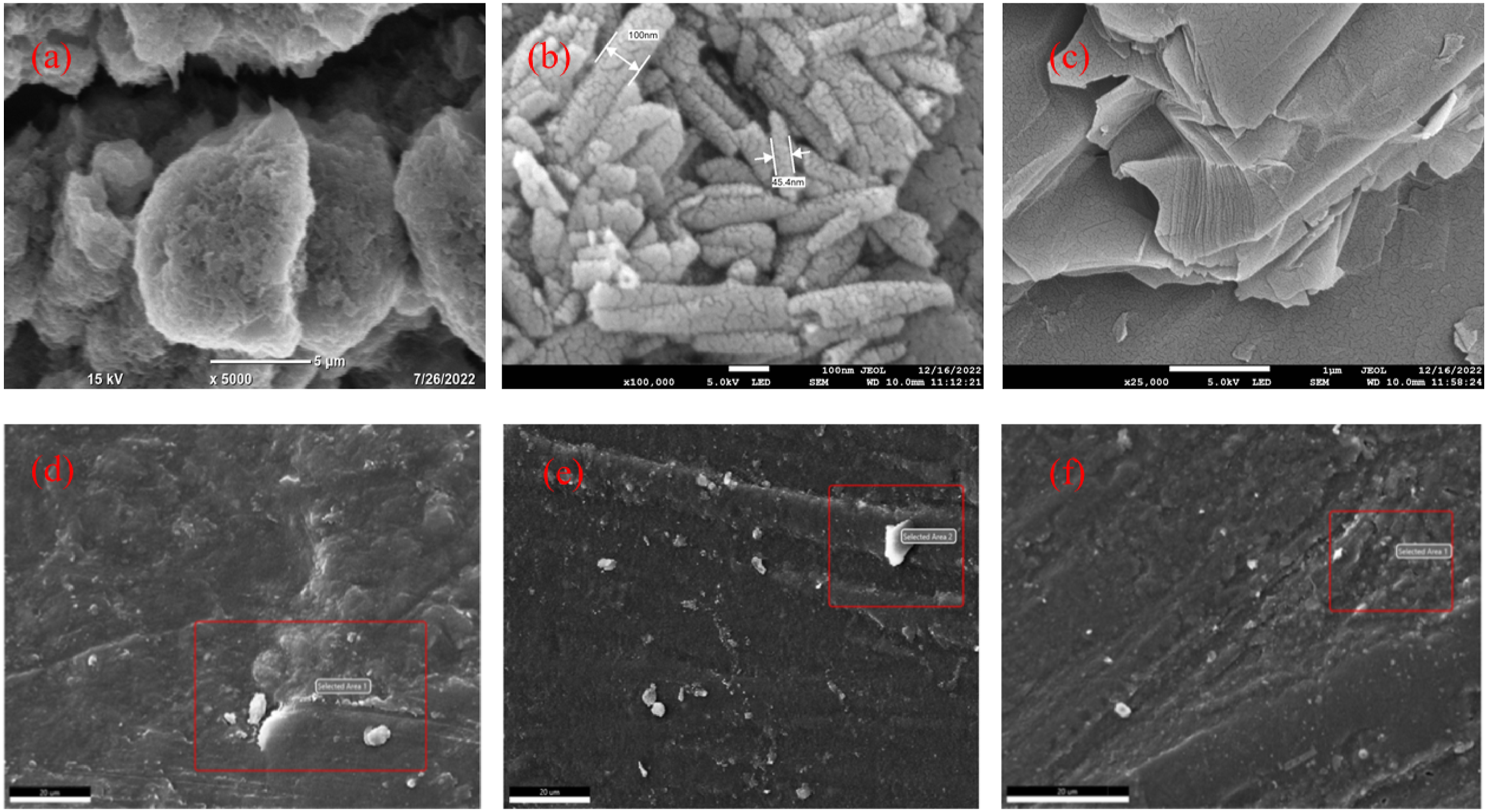
DSC analysis
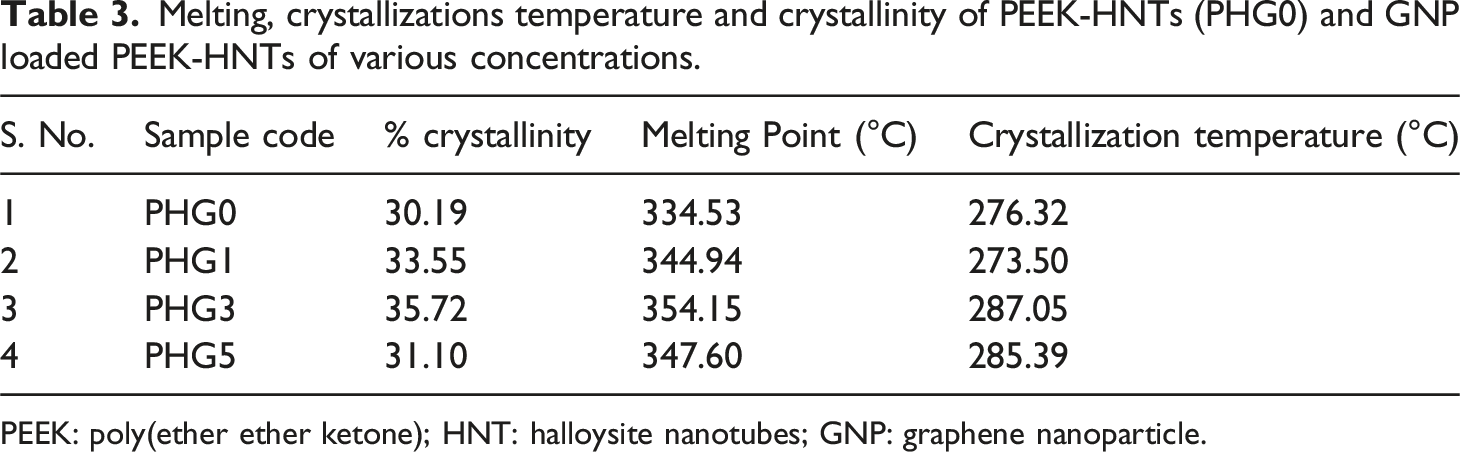
The polymer composite materials of GNP/HNTs/PEEK, at the aforementioned concentrations, were used to fabricate electronic products and conductive components. The sintering temperatures for the GNP/HNTs/PEEK composites, under hot pressing, were determined based on their respective transition temperatures as identified by the DSC test. Figure 5 shows the DSC curves for PHG0 and the GNP-loaded PHG0 samples at three different concentrations. The melting, and crystallization temperatures of the studied polymer composite are listed in Table 3. The degree of crystallinity was evaluated using equation (1)
38
DSC thermal scans of PHG0 (black line) and GNP loaded PHG0 nanocomposites of various concentrations. DSC: differential scanning; GNP: graphene nanoparticle. Melting, crystallizations temperature and crystallinity of PEEK-HNTs (PHG0) and GNP loaded PEEK-HNTs of various concentrations. PEEK: poly(ether ether ketone); HNT: halloysite nanotubes; GNP: graphene nanoparticle.
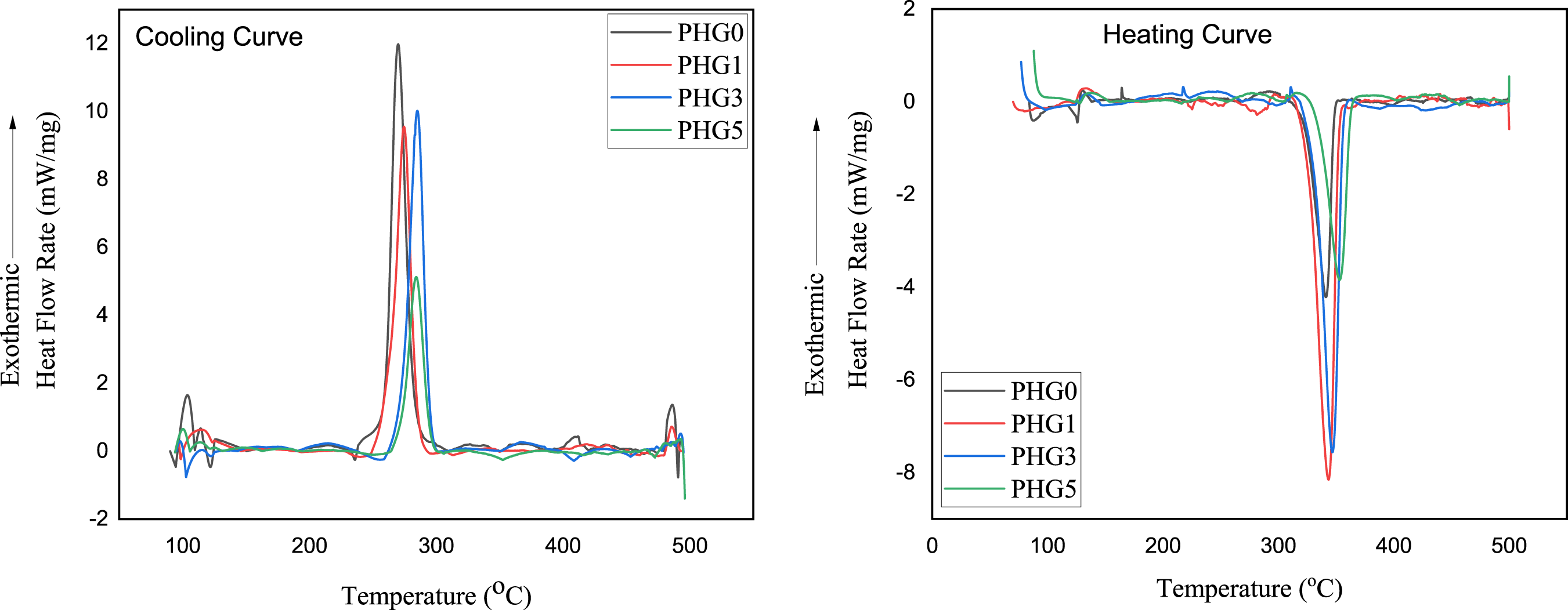
The melting peak is indicated by a downward absorption peak on the DSC curve.
DMA results
The storage modulus (SM), loss modulus (LM), and damping factor (Tanδ = LM/SM) of PEEK-HNTs (PHG0) and GNP-loaded PHG0 at three concentrations are plotted in Figure 6(a)–(c). Figure 6(a) shows a notable increase in SM for the polymer composite with 0.1% GNP compared to PHG0 and the other GNP concentrations. This enhancement is likely due to more effective stress transfer at 0.1% GNP. Figure 6(b) indicates that the LM of the GNP-loaded PHG0 is significantly higher than that of PHG0, with the highest value observed at 0.1% GNP compared to 0.3% GNP. This increase may be attributed to greater energy dissipation in PHG0 with increasing GNP content. The damping factor values provide insight into the visco-elastic nature of the polymer matrix, as described in earlier literature.
40
The Tanδ values are influenced by both SM and LM. The Tanδ values are highest for the 0.1% GNP-loaded PHG0, consistent with the trends observed in SM and LM. Within the polymer matrix, interfacial adhesion between the matrix and the filler affects the damping factor. Strong interfaces between PHG0 and GNP are expected to cause shifting and broadening of peaks towards higher temperatures, as the filler significantly restricts the movement of polymer chains. (a) Storage modulus, (b) loss modulus and (c) Tanδ of PHG0 (black line) and GNP loaded PHG0 nanocomposites of various concentrations [red line: PHG1; blue line: PHG3; green line: PHG5]. GNP: graphene nanoparticle.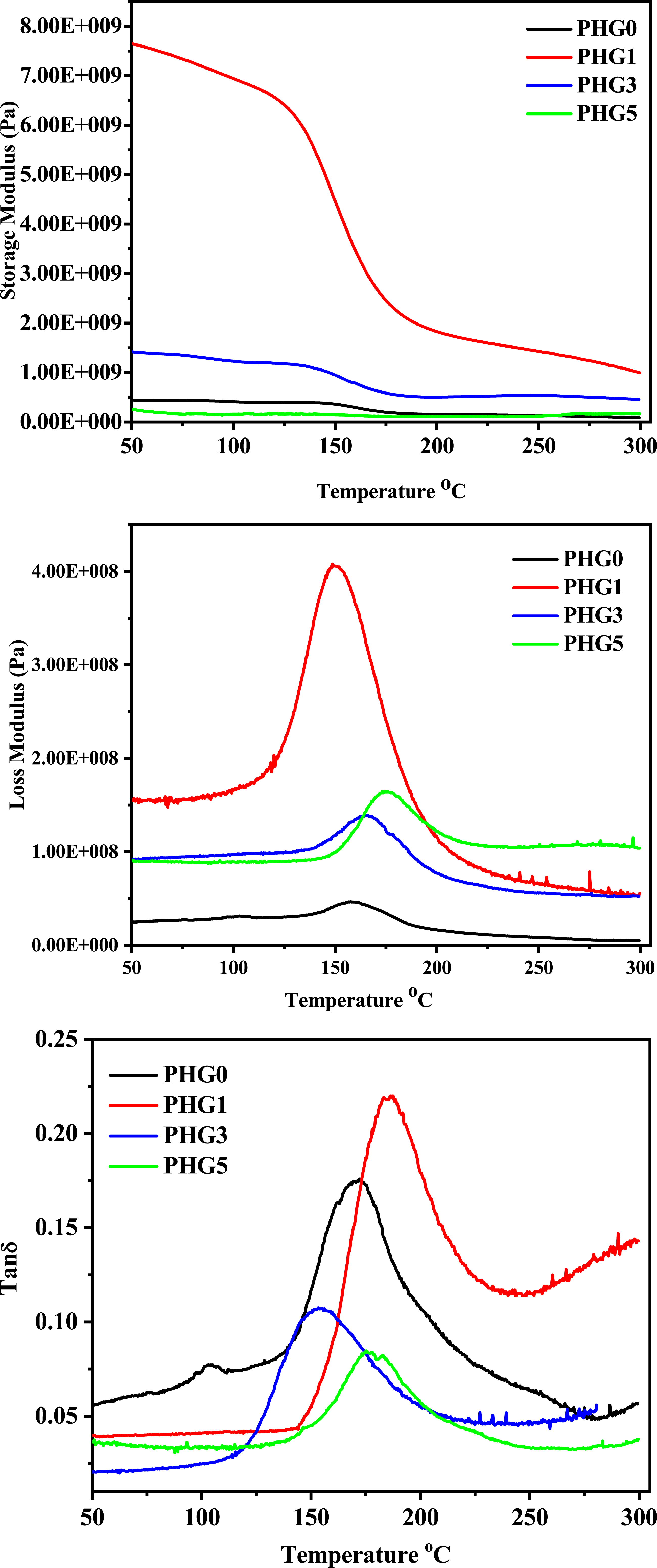
Mechanical testing
Tensile strength and tensile modulus
Mechanical properties: TS, TM, and elongation at break data of PEEK-HNTs (PHG0) and GNP loaded PEEK-HNTs (PHG0) of various concentrations.
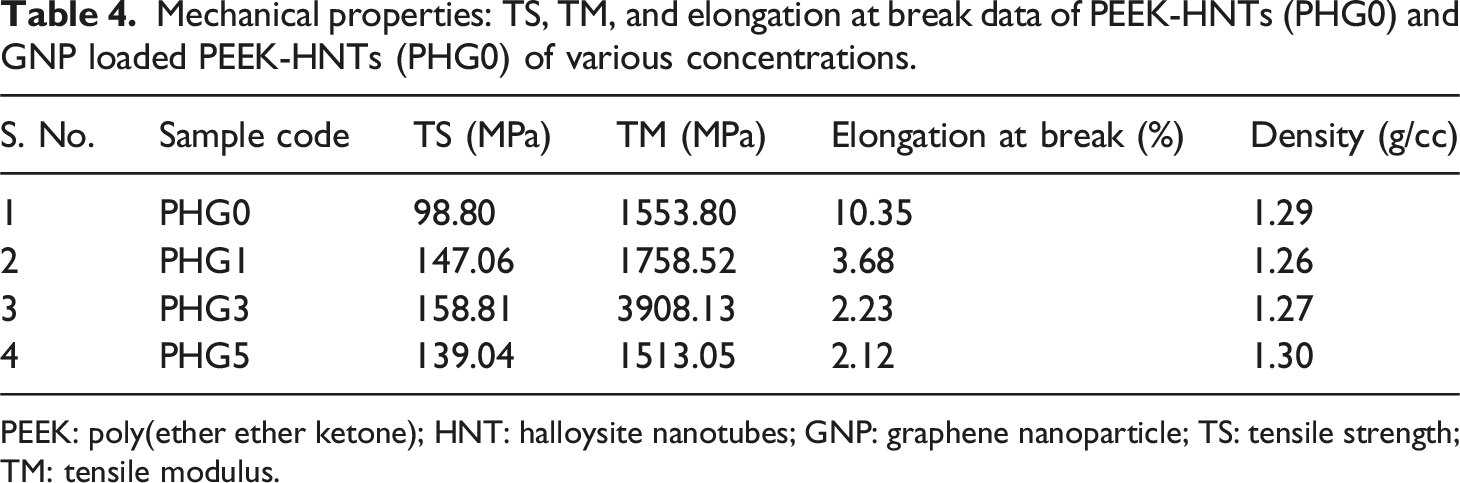
PEEK: poly(ether ether ketone); HNT: halloysite nanotubes; GNP: graphene nanoparticle; TS: tensile strength; TM: tensile modulus.
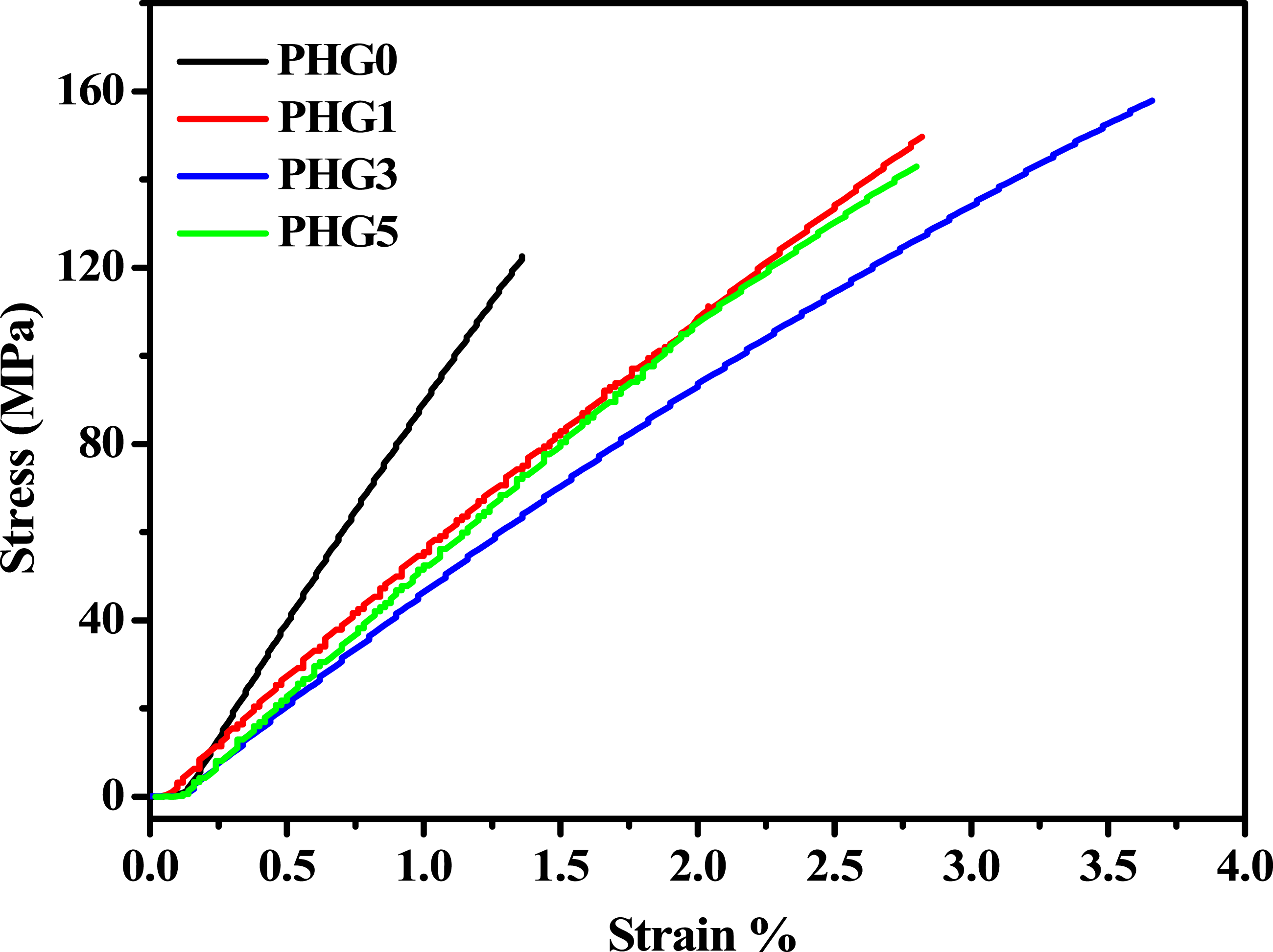
Tensile strength of PHG0 (black line) and GNP loaded PHG0 nanocomposites of various concentrations [red line: PHG1; blue line: PHG3; green line: PHG5]. GNP: graphene nanoparticle.
Flexural strength and flexural modulus
Mechanical properties: FS, FM, IS and RH data of PEEK-HNTs (PHG0) and GNP loaded PEEK-HNTs (PHG0) of various concentrations.
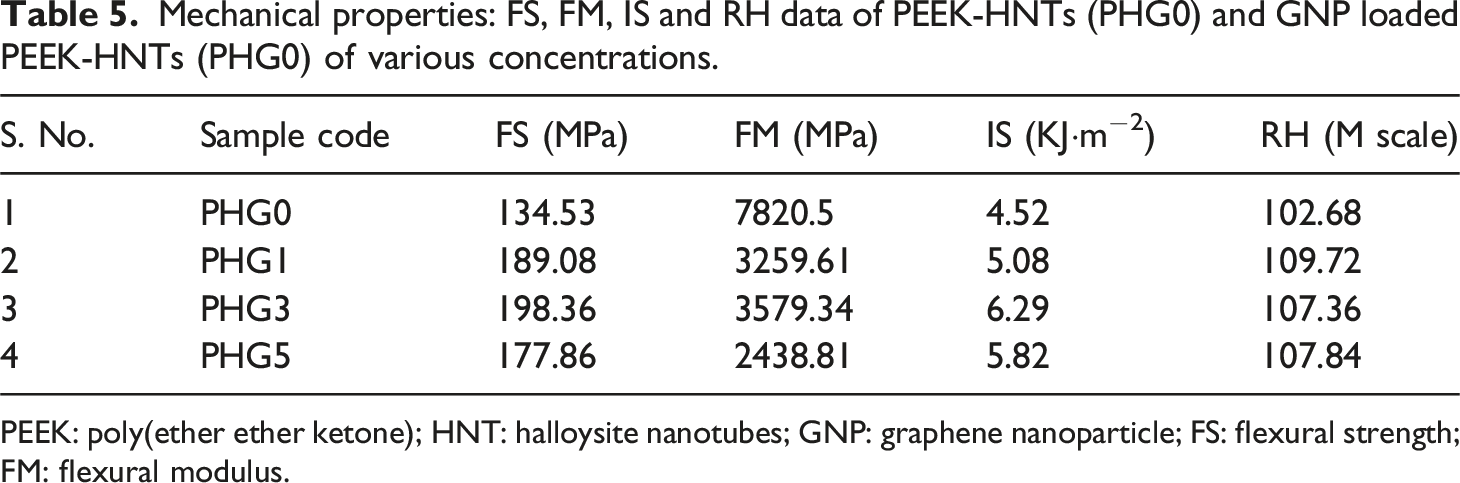
PEEK: poly(ether ether ketone); HNT: halloysite nanotubes; GNP: graphene nanoparticle; FS: flexural strength; FM: flexural modulus.
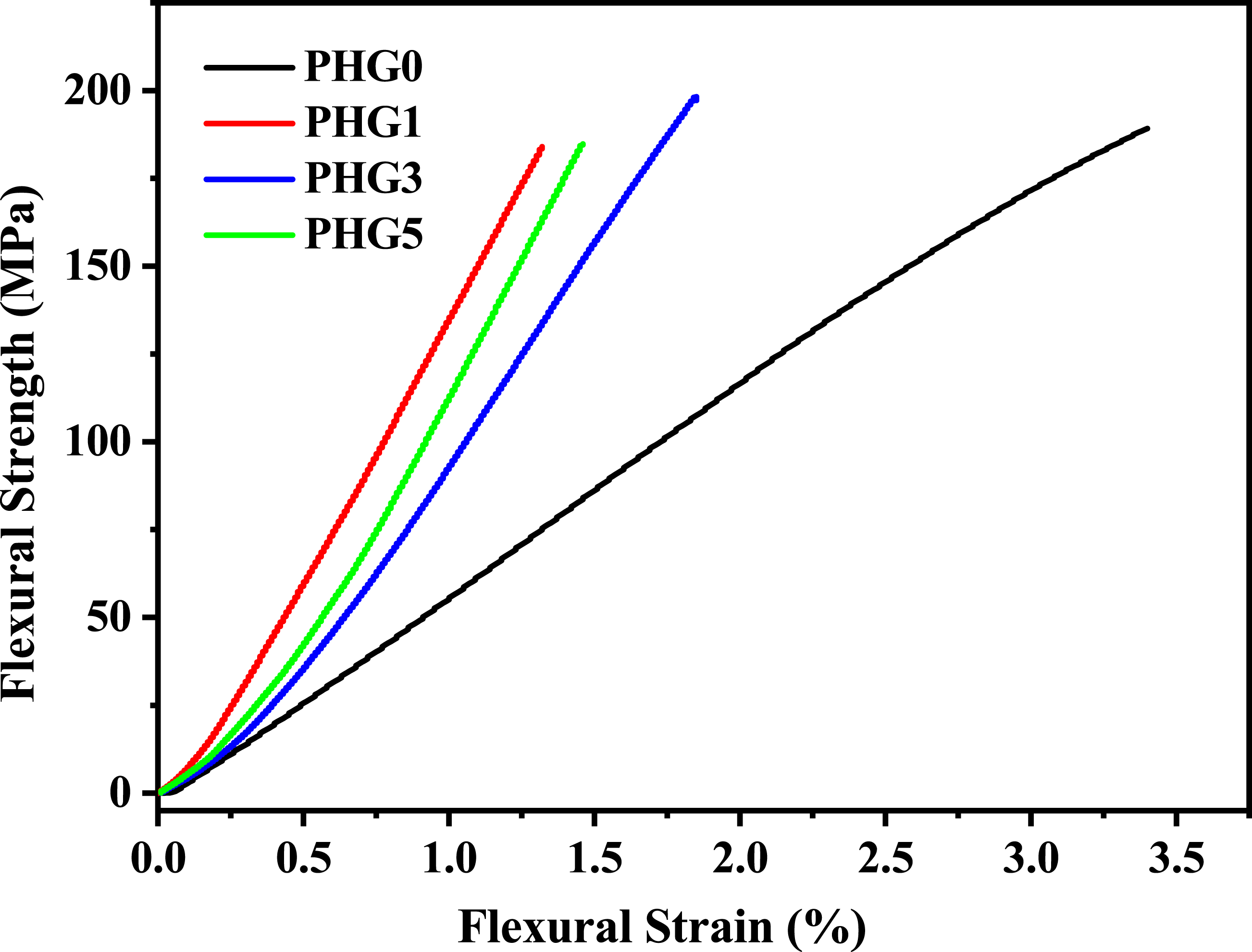
Flexural strength of PHG0 (black line) and GNP loaded PHG0 nanocomposites of various concentrations [red line: PHG1; blue line: PHG3; green line: PHG5]. GNP: graphene nanoparticle.
Impact strength
This study is also based upon the mechanical strength of the polymer composites. Impact strength of the polymer composites describe the stress characteristics of the polymer matrix to the nanofiller. Table 5 also depicts the effect of loaded GNP on the impact strength of the PHG0 composite. We can see that the impact strength increases as the concentration of the GNP increases up to 0.3% similar to the TS and FS, respectively. The impact strength of the prepared polymer of loaded GNP with PHG0 at 0.5% is less than that of 0.3%, i.e., decreases at maximum concentration. This may be due to aggregation formation inside PHG0 matrices, which show a stress concentrator that raises a brittle failure. An increase in impact strength may be ascribed to the intrinsic strengthening characteristics after the insertion of GNP. 42 A better interfacial interaction may also be caused by the enhancement of impact strength with high absorption energy during the deformation of impact. Besides, the high-impact energy for prepared GNP-PHG0 polymer composites may be due to equilibrium distribution and fine dispersion of GNP in the polymer composite. 43
Conclusion
This study demonstrates the successful preparation, testing, and characterization of polymer composites by incorporating varying concentrations of GNP into a PEEK-3% HNTs matrix. The findings reveal that a 0.3% GNP concentration (PHG3) significantly enhances the thermal stability, mechanical strength, and crystallinity of the composites, achieving the highest performance in these areas. Mechanical testing confirms that PHG3 exhibits superior strength compared to other concentrations, while TGA analysis highlights minimal weight loss and improved thermal stability. The characterization results indicate effective packing and reinforcement of GNP at this optimal concentration. Additionally, visco-elastic properties and impact strength are improved with lower GNP concentrations, though excessive loading can cause a decrease in these properties due to aggregation and stress concentration. Overall, careful optimization of GNP concentration is crucial for balancing thermal, mechanical, and morphological performance in PEEK-HNTs composites, with 0.3% GNP providing the best overall enhancement. The damping behavior (Tanδ) further supports the effective distribution and reinforcement of GNP in the composite. Therefore, careful optimization of GNP concentration is crucial to achieving the best balance of thermal and mechanical performance in PEEK-HNTs composites.
Footnotes
Acknowledgments
The authors thank Director CSIR-AMPRI, Bhopal and CIPET for providing necessary institutional facilities and encouragement. Also, special thanks to Mr Parasram Nikam, Mr Guguloth Prudviraj, Mr Dileebaks Lilhare, Mr Sandeep Garade and Mr Satendra Kumbalvar for providing technical support in nano-composite, sample preparation & testing.
Declaration of conflicting interests
The author(s) declared no potential conflicts of interest with respect to the research, authorship, and/or publication of this article.
Funding
The author(s) received no financial support for the research, authorship, and/or publication of this article.
Consent to participate
The author’s consent to participate in this research article.
Consent to publish
All the author’s consent to publish the current research in Journal of Thermoplastic Composite Materials.
Ethical Statement

Data availability statement
The authors confirm that the data and materials supporting the results of this study are available within the article (and its supplementary information files).