




Abstract
Polymer matrix composites have revealed enormous potential to substitute metal components in a wide variety of applications because of their self-lubrication properties, lightweight and resistance to wear, corrosion and organic solvents. However, additional upgrading in their properties is still essential. The endeavour of this research was to assess the effect of the material type and the morphology of multiwalled carbon nanotubes (MWCNTs) on the wear performance of poly-ether-ether ketone (PEEK) matrix composites. The MWCNT-filled PEEK matrix composites were prepared using melt mixing technique. The wear behaviour of reinforced MWCNT-filled PEEK composites was studied using the pin-on-disc apparatus under dry sliding conditions at different applied loads, sliding speeds, temperature and wt% MWCNTs. Experiments were conducted using response surface methodology (RSM)-based central composite design. The specific wear rate and coefficient of friction were considered as wear performances of MWCNT-filled PEEK matrix composites. The second-order models are developed to optimize the wear parameters using the genetic algorithm technique. The morphologies of the worn surfaces were observed by scanning electron microscopy.
Keywords
Introduction
Polymer composites filled with fibres and solid lubricants have been widely recognized as tribomaterials and used on the mechanisms supposed to run without any external lubricants. 1 Poly-ether-ether ketone (PEEK) is a high-performance, temperature-stable polymer that sees extensive use as an alternative for non-ferrous metal components in applications such as automotive, aerospace, medical, industries and so on. 2 PEEK shows reduced wear resistance and higher coefficient of friction (COF) leading to frictional losses because of which the usage of PEEK is widely restricted in applications. 3 It has been reported that reinforcing some fibres into PEEK has a beneficial effect on its strength and tribological properties. 4 One of the successful methods of further improving the properties of high-performance polymers such as PEEK further is using fillers. The fillers such as ceramic particles, 5 carbon-based particles, 6 glass and carbon fibres 7 and solid lubricants 2 were added for improvements in the friction and wear properties of the PEEK. Carbon nanotubes (CNTs) have attracted interest of the polymer composite researchers because of its tribological and mechanical properties. CNTs possess high aspect ratio, Young’s modulus, toughness, tensile strength, compressive strength, stiffness and flexibility. 8
A polymer nanocomposite is defined as a composite material with a polymer matrix and filler particles that have at least one dimension less than 100 nm. These engineering composites are desired due to their low density, high corrosion resistance, ease of fabrication and low cost. 9 CNTs have become one of the most interesting areas of research because of its unique structures and outstanding electronic and mechanical properties. Constantly lowering the costs of CNTs, especially multiwalled CNTs (MWCNTs) with increase in demand and production capabilities expand favourably for a huge polymer-CNT nanocomposite market. 10 The friction and wear of the materials were studied by pin-on-disc machine using different normal pressures, sliding velocities and temperatures. 11 Wang et al. 12 filled silicon carbide (SiC) whiskers into PEEK and found that the wear rate dropped with the addition of SiC whiskers at very low content (below 10 wt%).
Qiao et al. 13 have reported that the effect of fillers can be amplified using nanoparticles mainly by wear performance. In addition, the shape itself can have a significant impact on the tribological behaviour. 14 The WS2 particles lowered the average wear rate of the neat PEEK by 10% and 60% with WS2F and WS2N, respectively, while the presence of both the carbon-based fillers deteriorated the wear behaviour by 20% (CNT) and as much as three times in the case of the graphene nanopowder. 3 Dass et al. 15 investigated the effects of carbon fibre and nano-aluminium oxide particle reinforcements on the mechanical and tribological properties of novel epoxy composites under dry sliding condition.
Mohiuddin and Van Hoa 16 have used shear mixing process to fabricate the advanced thermoplastic composites made of three different weight percentages (8, 9 and 10%) of multiwalled CNTs and PEEK. Rong et al. 17 compared the effects of micro-titanium dioxide (TiO2; 44 μm) and nano-TiO2 (10 nm) particles on the wear resistance of epoxy. Their results revealed that TiO2 nanoparticles remarkably reduced the wear rate of epoxy. Nano-zirconium dioxide particles proved to be quite effective in lowering friction coefficient and wear rate of epoxy composites sliding against steel. 18 High-performance PEEK/clay nanocomposites were successfully fabricated by suspension method followed by hot pressing. 19 A high-temperature lubricant genioplast pellet was used in order to improve the processing behaviour of PEEK resin. 20
When non-linearities are included in the design, the results give us an idea of the (local) shape of the response surface we are investigating. These methods are called response surface methodology (RSMs) designs. They are used in finding improved or optimal process and in making a product or process more robust. 21 A central composite design (CCD) is a 2 k full factorial to which the central point and the star points are added. The star points are the sample points in which all the parameters but one are set at the mean level ‘m;’ CCD enables the estimation of the regression parameters to fit a second-degree polynomial regression model to a given response. 22 The evolutionary computing algorithms such as genetic algorithm (GA), Particle swarm optimization (PSO) and artificial bee colony algorithm (ABC) are more robust and active approach for solving complex real-world problems compared with traditional optimization methods. 23 The evolutionary algorithm GA is used to improve many solutions of optimization complex problems in many applications. 24
To the best of our knowledge, very limited investigations are available on the wear properties of MWCNT-filled PEEK matrix composites. Therefore, the present work describes the effect of MWCNT on specific wear rate and COF in PEEK matrix composites. Experiments were conducted using RSM-based CCD. The developed second-order models were optimized using the GA technique. After the wear test, the morphologies of the worn surfaces were observed by scanning electron microscopy (SEM).
Experiment
Materials and methods
PEEK (5300 grade) was obtained from M/s Gharda Chemicals, Ltd (Panoli, Gujarat, India). MWCNT fillers supplied by M/S US Research Nanomaterials Inc. (Houston, TX, USA) were used as components of the starting materials. PEEK and MWCNTs were pre-dried at 120 ± 5°C for 8 h prior to compounding. MWCNTs (0–1 wt%) were added to PEEK. The composites were prepared using the melt mixing technique. 3 The prepared composites are shown in Figure 1.
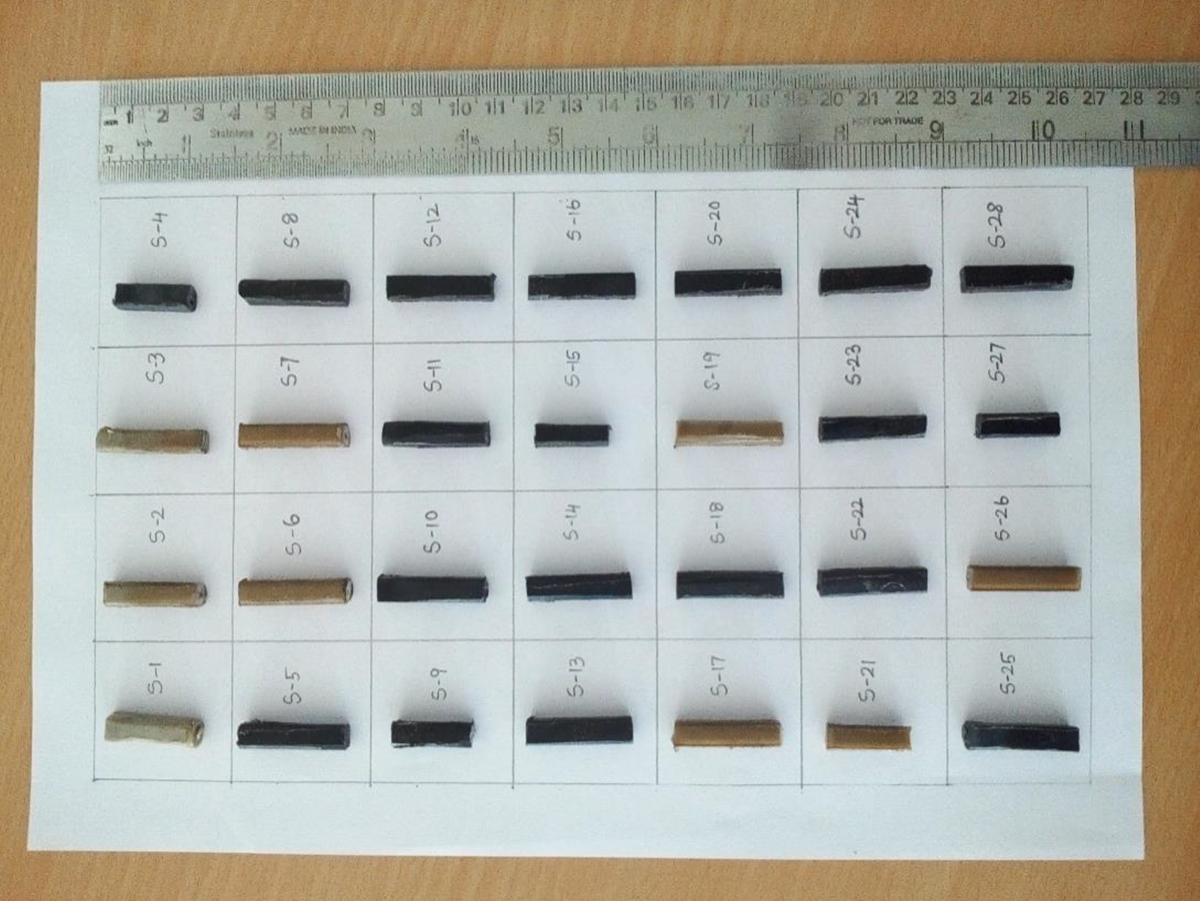
Photographs of MWCNT-filled PEEK matrix composites. MWCNT: multiwalled carbon nanotube; PEEK: poly-ether-ether ketone.
The microstructure of MWCNT-filled PEEK matrix composites was observed using an SEM (ZEISS Instruments, New Delhi, India) with Energy Disperse X ray (EDAX). Figure 2 shows the SEM micrograph of MWCNT-filled PEEK matrix composites. The polymer composite shows a crack-free and well-polished surface. This crack-free surface may be attributed to the proper distribution of MWCNTs in the PEEK matrix. The characterizations of polymer composites were also done by elemental analysis by EDAX detector equipped in the SEM system as shown in Figure 3.The EDAX spectrum of neat PEEK and PEEK with reinforcement showed only carbon and oxygen peaks. It is clearly indicating that there are no other elements present in the PEEK composite.
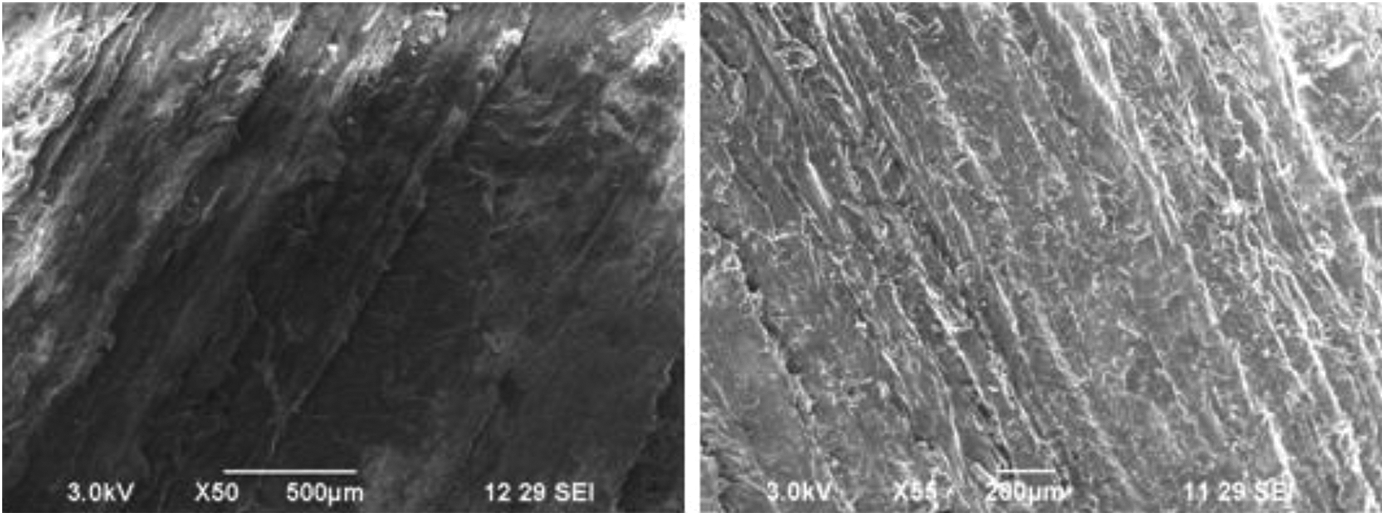
SEM image of MWCNT-filled PEEK matrix composites. SEM: scanning electron microscopy; MWCNT: multiwalled carbon nanotube; PEEK: poly-ether-ether ketone.
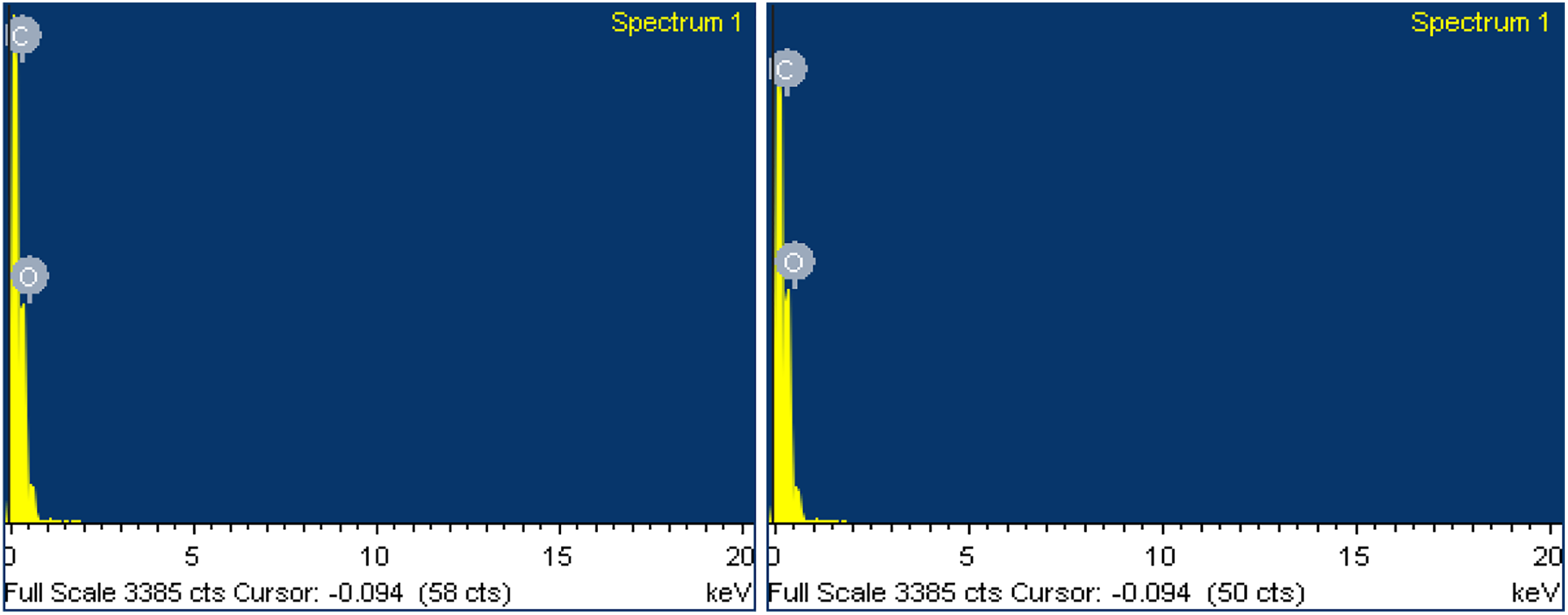
EDAX of MWCNT filled PEEK matrix composites. MWCNT: multiwalled carbon nanotube; PEEK: poly-ether-ether ketone.
The crystalline nature of the PEEK composites was evaluated using a wide-angle X-ray diffraction (XRD). The peak XRD pattern of the unreinforced polymer material at room temperature is shown in Figure 4. It shows strong reflections with four peaks at 2θ = 18.74°, 20.74°, 23.20° and 29.06°, which are assigned as 110, 111, 200 and 211, respectively, based on the orthorhombic packing that are in good agreement with the values reported previously. 25 This implies that polymer material has a typical crystal structure of PEEK composite.
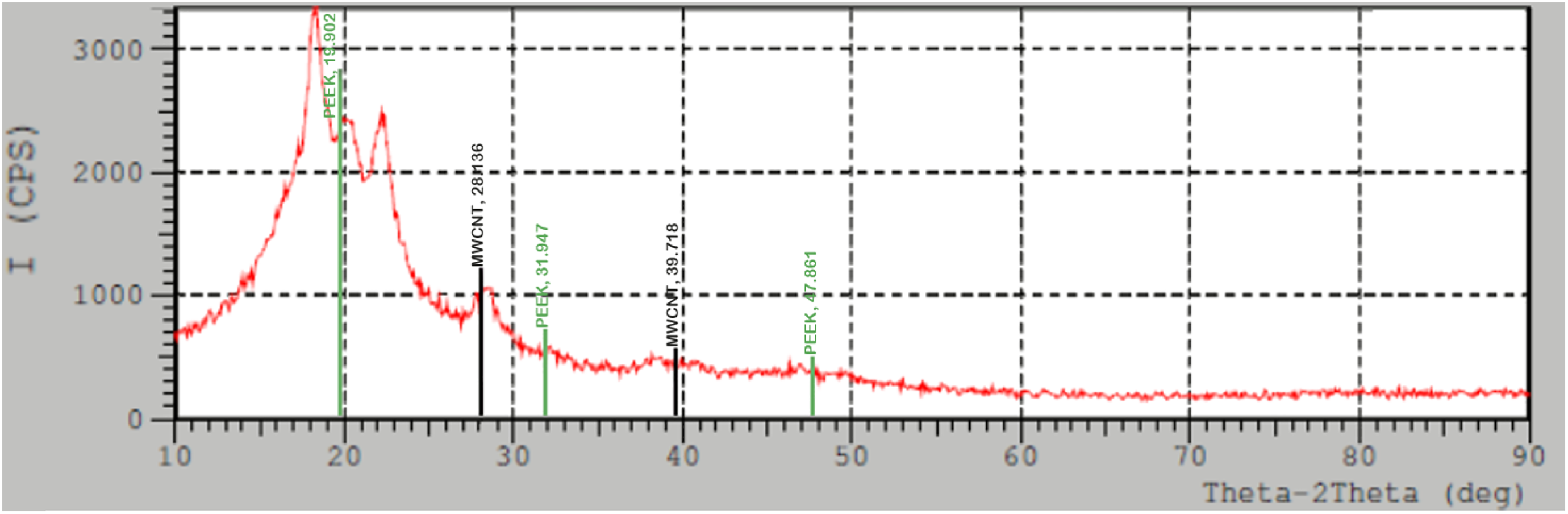
XRD pattern of MWCNT-filled PEEK matrix composites. MWCNT: multiwalled carbon nanotube; PEEK: poly-ether-ether ketone; XRD: X-ray diffraction.
Experimental design
The experiments for this work are planned using a Box–Wilson CCD, commonly called ‘a central composite design’. The design contains an imbedded factorial or fractional factorial design with centre points that is augmented with a group of ‘star points’ that allow the estimation of curvature. 22 From the literature and the previous work done by the authors in the field, the independently controllable predominant wear parameters that influence the tribological performance of composites is identified and presented in Table 1.
Design of wear parameters and their levels.
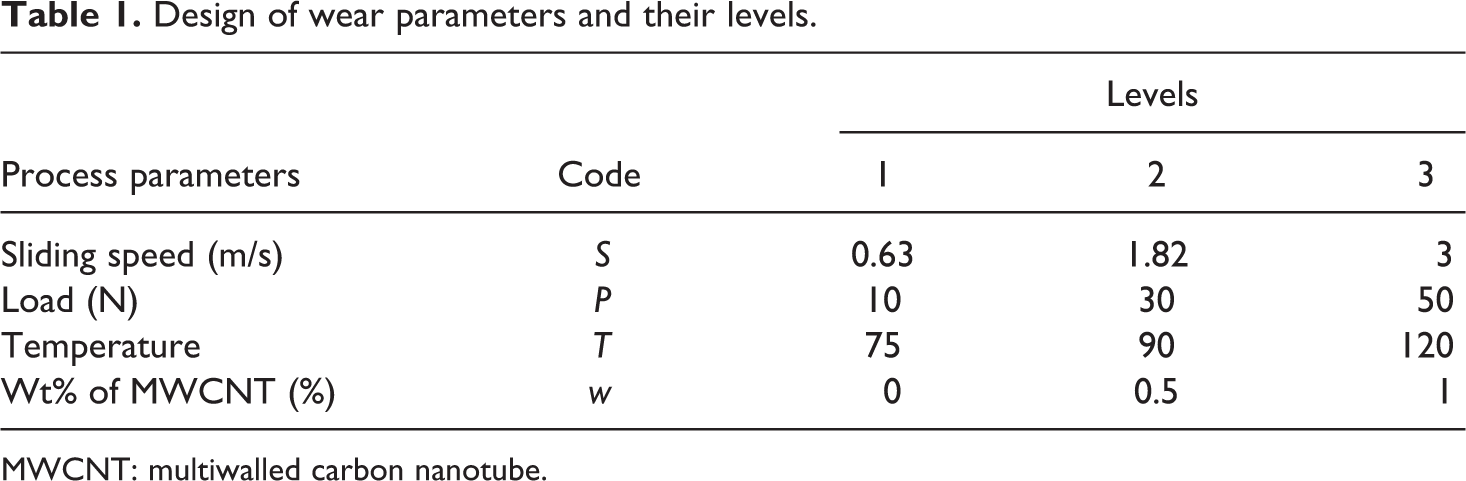
MWCNT: multiwalled carbon nanotube.
Experimental procedure
Dry sliding wear tests for the PEEK composites have been directed using pin-on-disc machine model 21 supplied by M/s Ducom (Bengaluru, India). The schematic arrangement of the pin-on-disc wear testing machine is shown in Figure 5. The PEEK matrix composites were machined and polished in to pin of size 8 × 8 × 10 mm3. The pin is held stationary against the counterface of 100 mm diameter rotating disc made of stainless steel 316 having hardness 65 Hardness in C Scale (HRC). After each experimental run, the specimens were detached and cleaned with acetone. The weight loss has been measured using a digital balance having a least count of 1 mg. The specific wear rate is computed from the following relation:

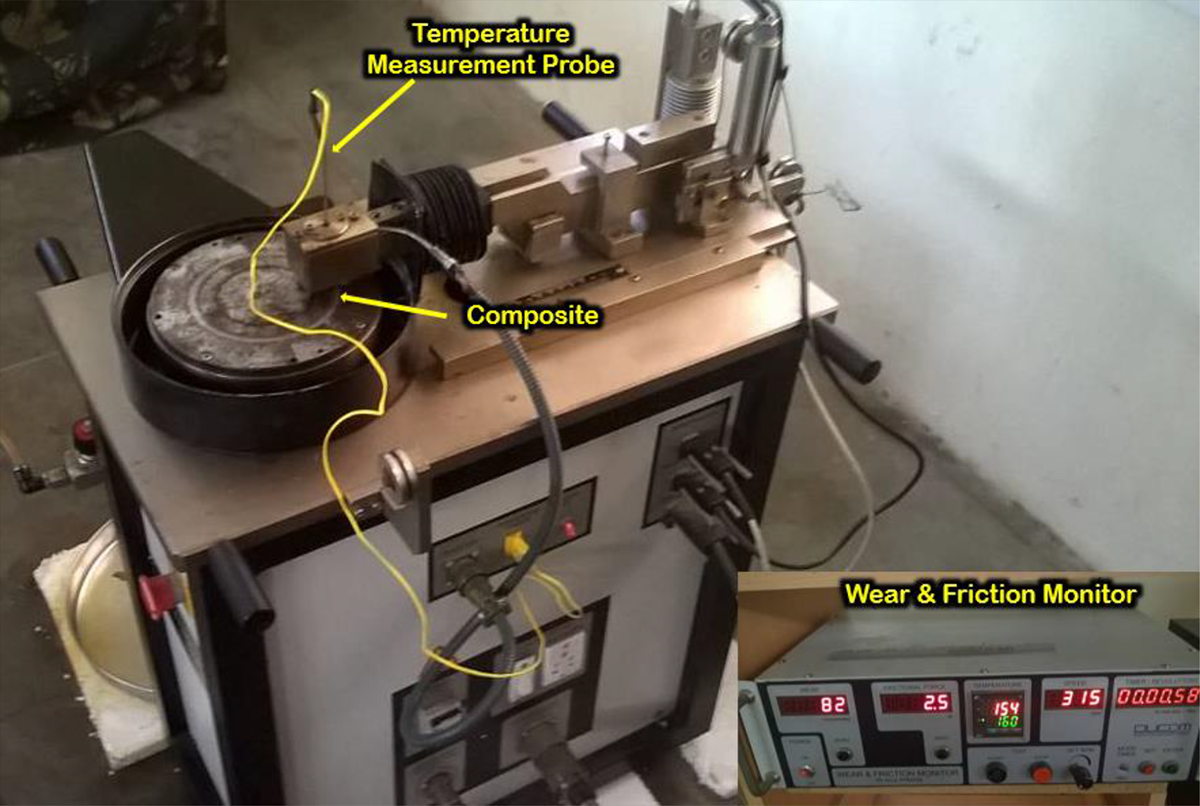
Pin-on-disc apparatus.
The COF is directly considered using software supplied along with the machine. Based on the CCD, 30 experiments are conducted, and the results are presented in Table 2.
Experimental results.
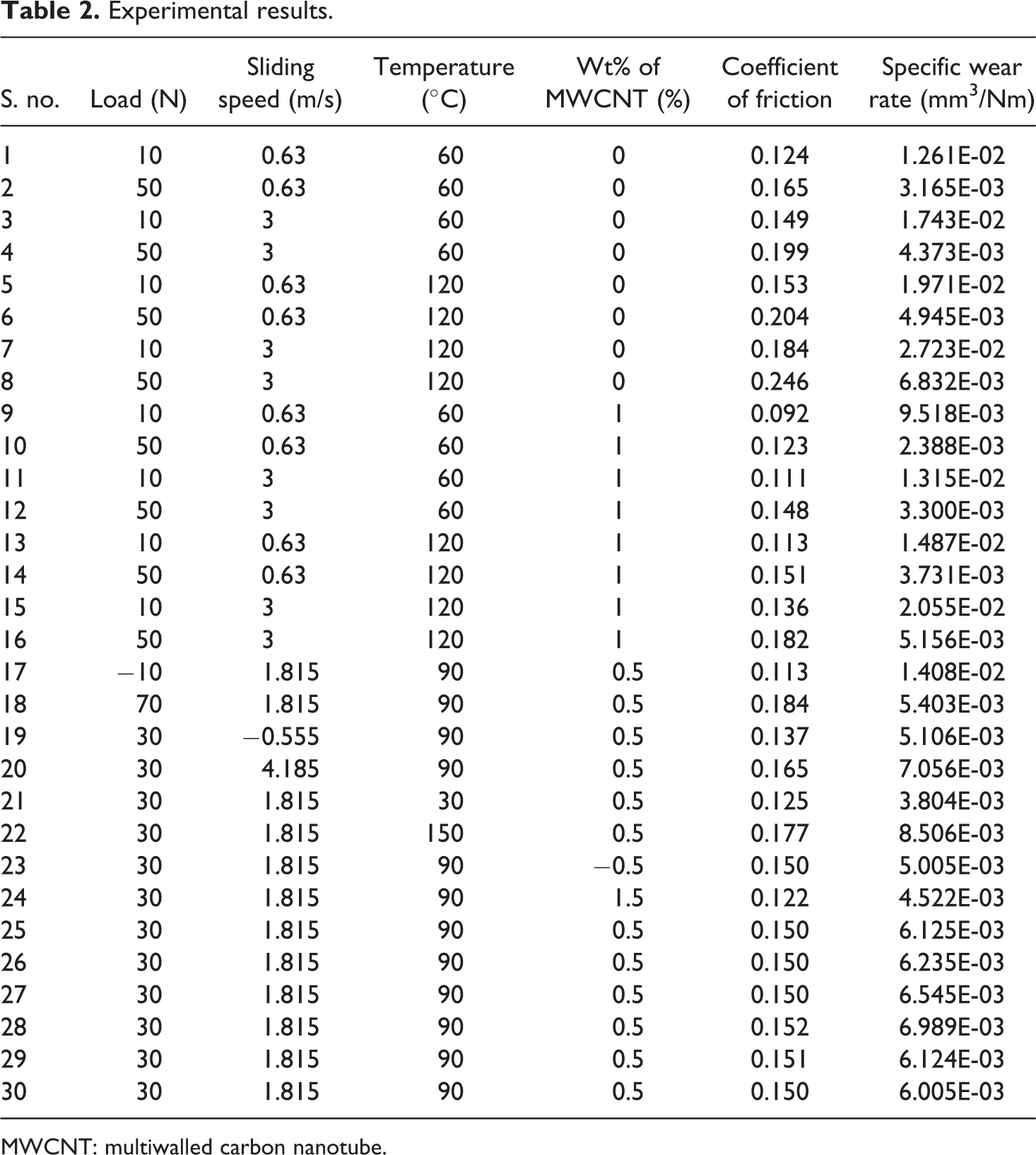
MWCNT: multiwalled carbon nanotube.
RSM–based modelling
RSM consists of a collection of arithmetical and numerical techniques. RSM uses quantitative data from appropriate experimental designs to determine and concurrently resolve multivariate equations graphically represented as response surfaces that can be used in three ways. 21 In the present work, mathematical models have been developed for performances, namely, specific wear rate and COF using RSM. A three-level second-order face CCD has been adapted to study linear, quadratic and two-factor interaction effects. In the present study, three parameters, namely, sliding speed, load, temperature and wt% MWCNT are recognized and the ranges of the parameters are selected based on the preliminary experiments. The trials in the design matrix indicate the sequence run number and P, S, T and w represent the notation used for the variables, namely load, sliding speed, temperature and wt% MWCNT. In order to study the effect of the process parameters, a second-order polynomial response surface model can be formulated using the following equation 21

Results and discussion
The results of the wear parameters are measured according to the CCD matrix of 30 experiments with coded and actual independent process variables. Analysing the measured responses by the Design-Expert 8.0 software, the fit summary output indicates that the two-factored interaction (2FI) models are statistically suggested for the responses in the further analysis.
Analysis of the developed 2FI model
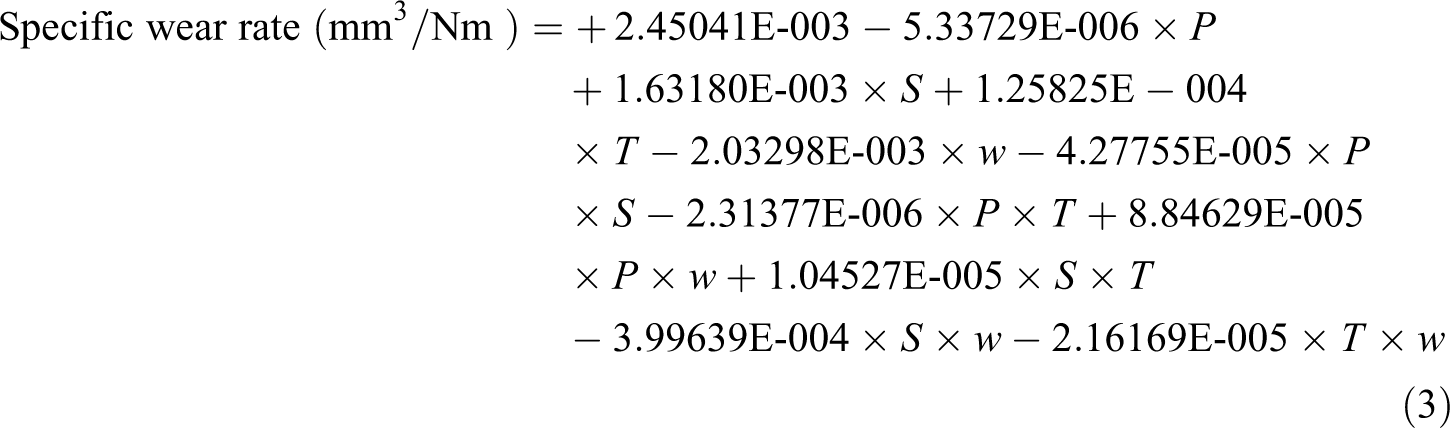
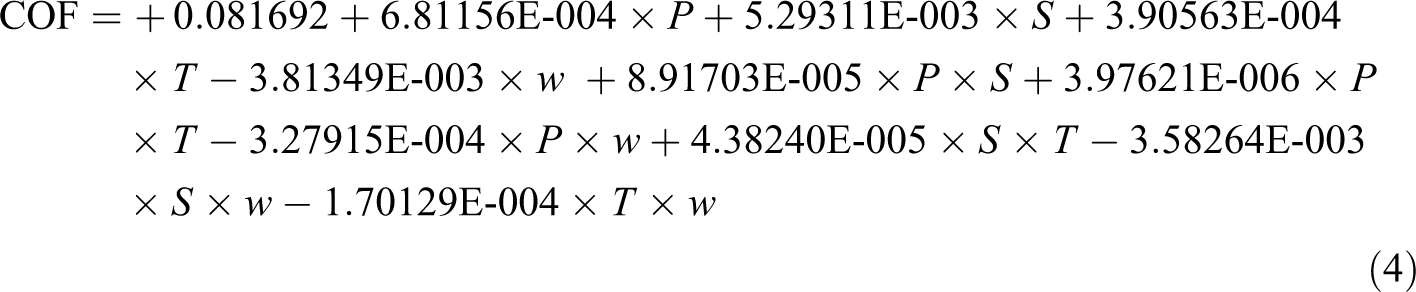
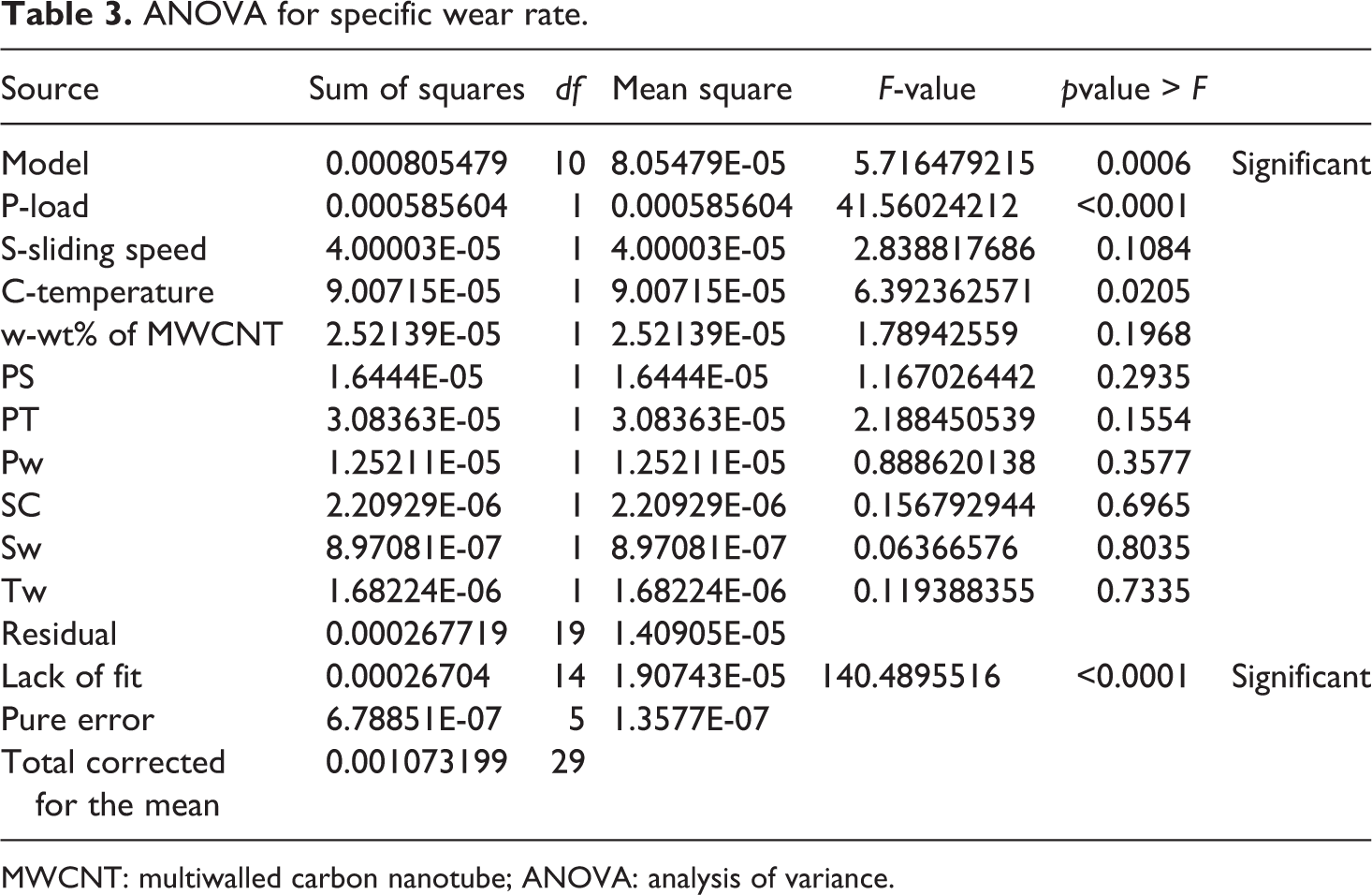
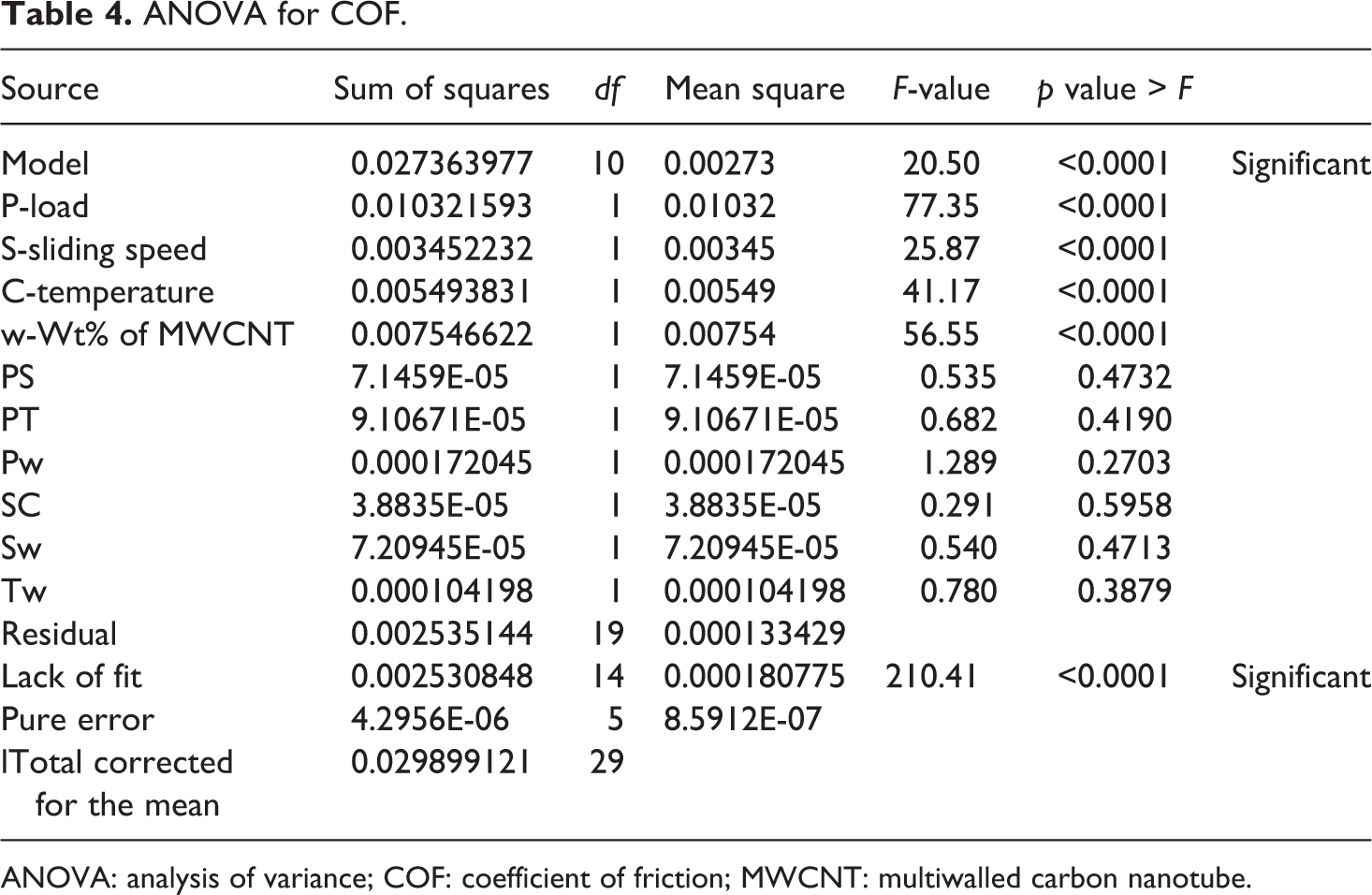
The adequacy of the developed models was tested at 95% confidence interval using the analysis of variance (ANOVA) procedure, and the results of the linear and quadratic order response surface model fitting in the form of ANOVA are specified in Tables 3 and 4. The test for the significance of the regression models, the test for significance on individual model coefficients and the lack-of-fit test are performed using the same statistical Design-Expert 8.0 software package. The stepwise regression method is used, which eliminates the insignificant model terms automatically. Tables 3 and 4 present the adequacy measures R 2, adjusted R 2 and predicted R 2 used. The coefficient of determination R 2 indicates the goodness of fit for the models, which provides a measure of variability in the observed response values and can be explained by the controllable factors and their interactions. In this case, all the values of coefficient of determination R 2 are nearly equal to 1. The adjusted coefficient of determination R 2 is a variation of the ordinary R 2 statistic that reflects the number of factors in the model. The entire adequacy measures are closer to 1, which is in reasonable agreement and indicate adequate models. The final mathematical models in coded factors/variables form as determined by the Design-Expert software to predict specific wear rate and COF are as follows
ANOVA for specific wear rate.
MWCNT: multiwalled carbon nanotube; ANOVA: analysis of variance.
ANOVA for COF.
ANOVA: analysis of variance; COF: coefficient of friction; MWCNT: multiwalled carbon nanotube.
Multiresponse optimization of wear performances
In this work, the multiple performance optimization of wear parameters is approved using RSM-based GA. GA is a high-tech exploration and optimization algorithm based on the procedure of usual genetics and natural selection. GA is a population-based exploration technique used to solve both the linear and the non-linear problems by exploring all regions of the stated space and range.
23
The GA involves the following essential steps
24
: Initial chromosome population randomly makes an initial chromosome population according to the control parameter limits. Chromosome representation decodes the genes (floating numbers), namely, sliding speed, load, temperature and wt% of MWCNT. Development of quadratic models to predict responses such as specific wear rate and COF. Determination of fitness function regulates the fitness function for all chromosomes and obtains the optimum fitness function. Genetic operators – if the obtained fitness fitmax ≤ fitrequired, then step 6 is followed. Reorder the crossover and mutation to select the new chromosome population set and go back to step 2 or stop.
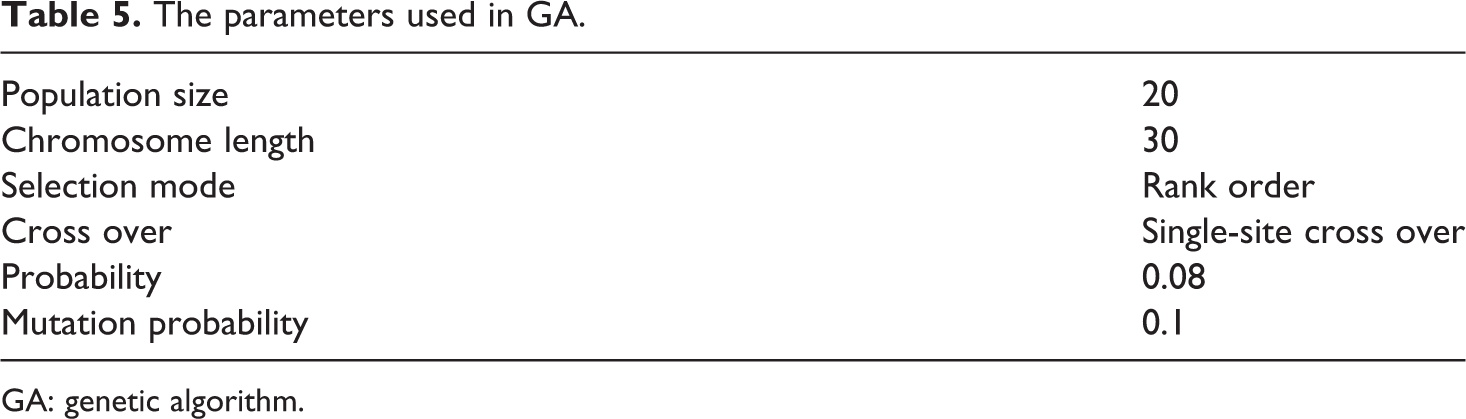
A MATLAB, version R2017a, coding was established for the numerical solution of the optimization algorithm (GA).The regression models developed by RSM have been used as objective function and the upper and lower bounds of parameters are recognized by conducting experiments. The main objective is to minimize specific wear rate and minimize COF subjected to 10 ≤ P ≤ 50, 0.63 ≤ S ≤ 3, 60 ≤ T ≤ 120, 9 ≤ I ≤ 15 and 0 ≤ w ≤ 1. The parameters used in the GA optimization are presented in Table 5. Figure 6 illustrates the typical movements towards the optimal solutions. The graph shows that the GA produces varying fitness at the initial iteration and smooth fitness in the subsequent iterations. Table 6 presents the optimal wear parameters obtained from GA and confirmation test results at optimum level. The optimized values from GA are close to the experimental results; hence, the developed model is suitable for predicting the responses in dry sliding wear of MWCNT-filled PEEK composites.
The parameters used in GA.
GA: genetic algorithm.
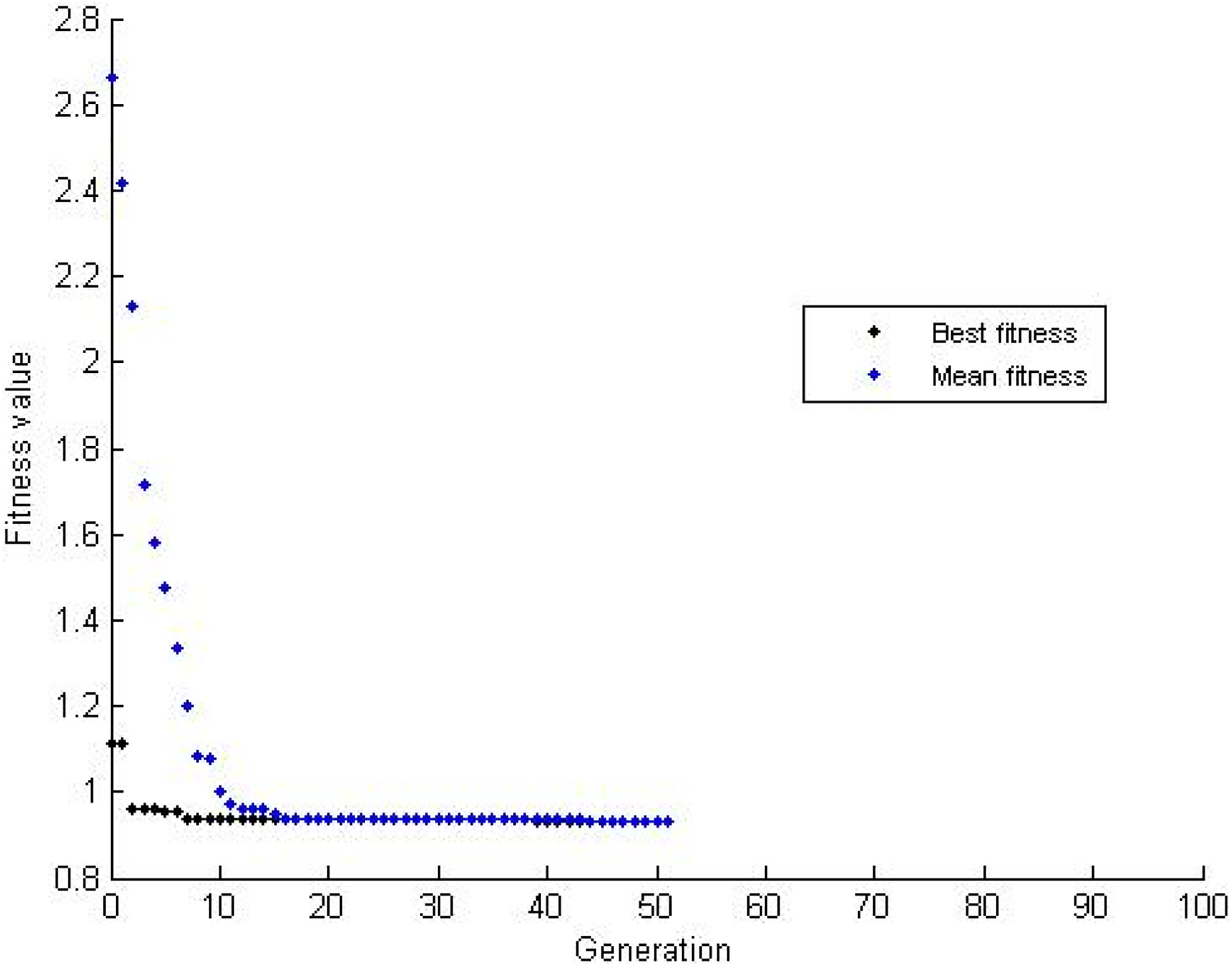
Fitness function for responses.
Results from GA and confirmation test.
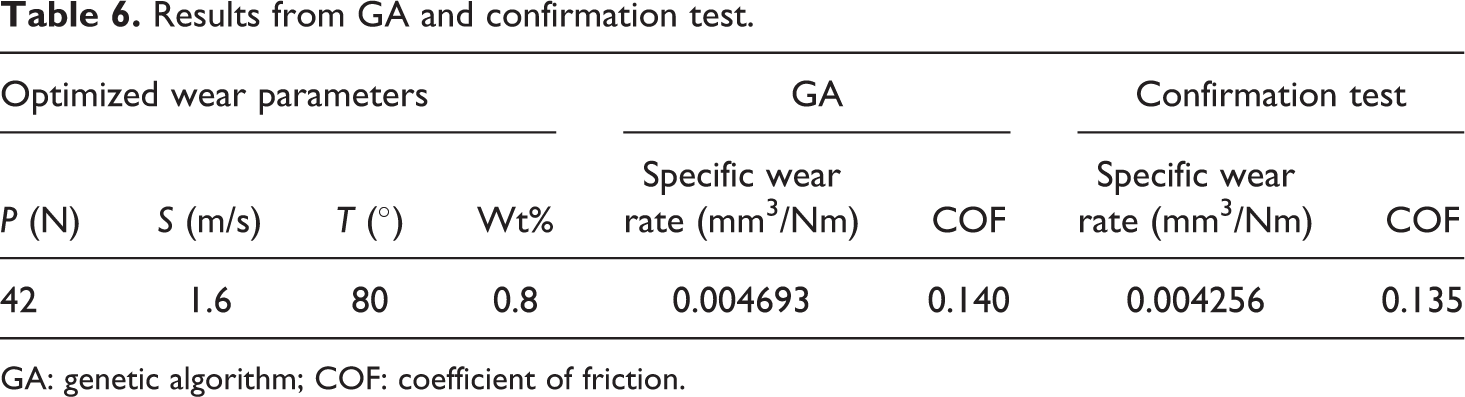
GA: genetic algorithm; COF: coefficient of friction.
Wear performances
Specific wear rate
The specific wear rate and the COF are two vital parameters to characterize the tribological performance of the PEEK matrix composites. The effect of sliding speed, load, temperature and wt% of MWCNT on specific wear rate was presented as 3D response surface plot in Figures 7 to 9. The specific wear rate decreases on high dry sliding conditions due to the formation of transfer film formed on the steel disc. 7 At high load and temperature, the abrasive effect will me more on the steel disc. The fashioned frictional force at the running time could source a high thermal effect to make the PEEK matrix composites softer. At higher sliding speeds, the easier the steel disc could be modified and the faster the transfer film formed. The transfer film would provide shielding for the soft polymer surface from the hard metal surface. The addition of MWCNT to the PEEK matrix resulted in improved wear resistance compared to the PEEK. This upgrading was inclined by the morphology of the particles. The superior hardness of PEEK composites results in filled MWCNT particles, which is a hard phase, into the matrix. Increase in hardness results in the development of wear and seizure resistance of materials. It can be concluded that the wear rate of composites decreases with the increase in wt% of MWCNT. This may be credited to the fact that the MWCNTs were scratched and produce more damaged MWCNTs fragments during the friction period, and the damaged MWCNTs can reduce the contact between the specimen and the counterface by acting as ball-bearing spacers, which effectively improve the performance of MWCNT-reinforced composites.
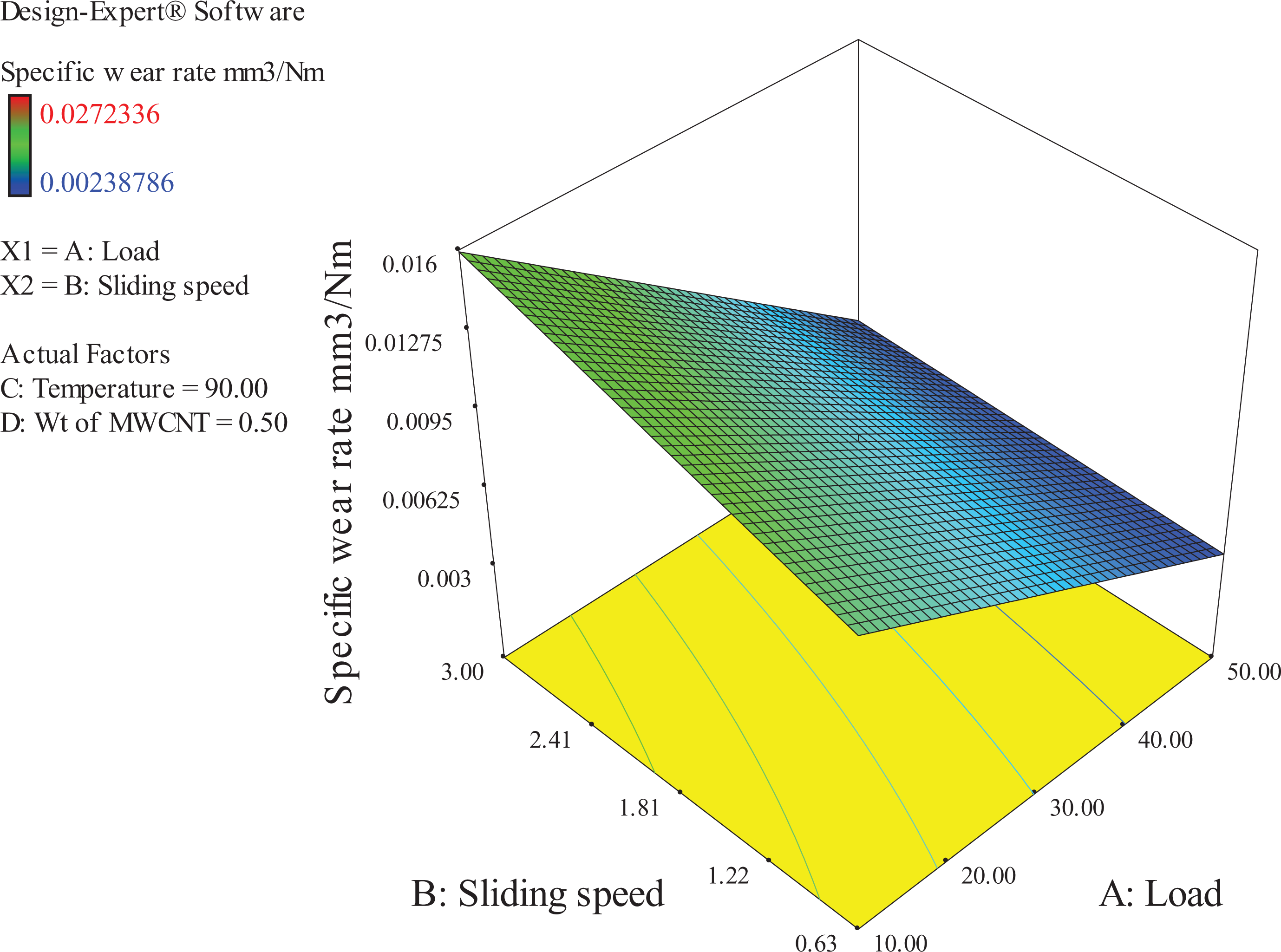
3D surface plot of specific wear rate on load versus sliding speed planes.
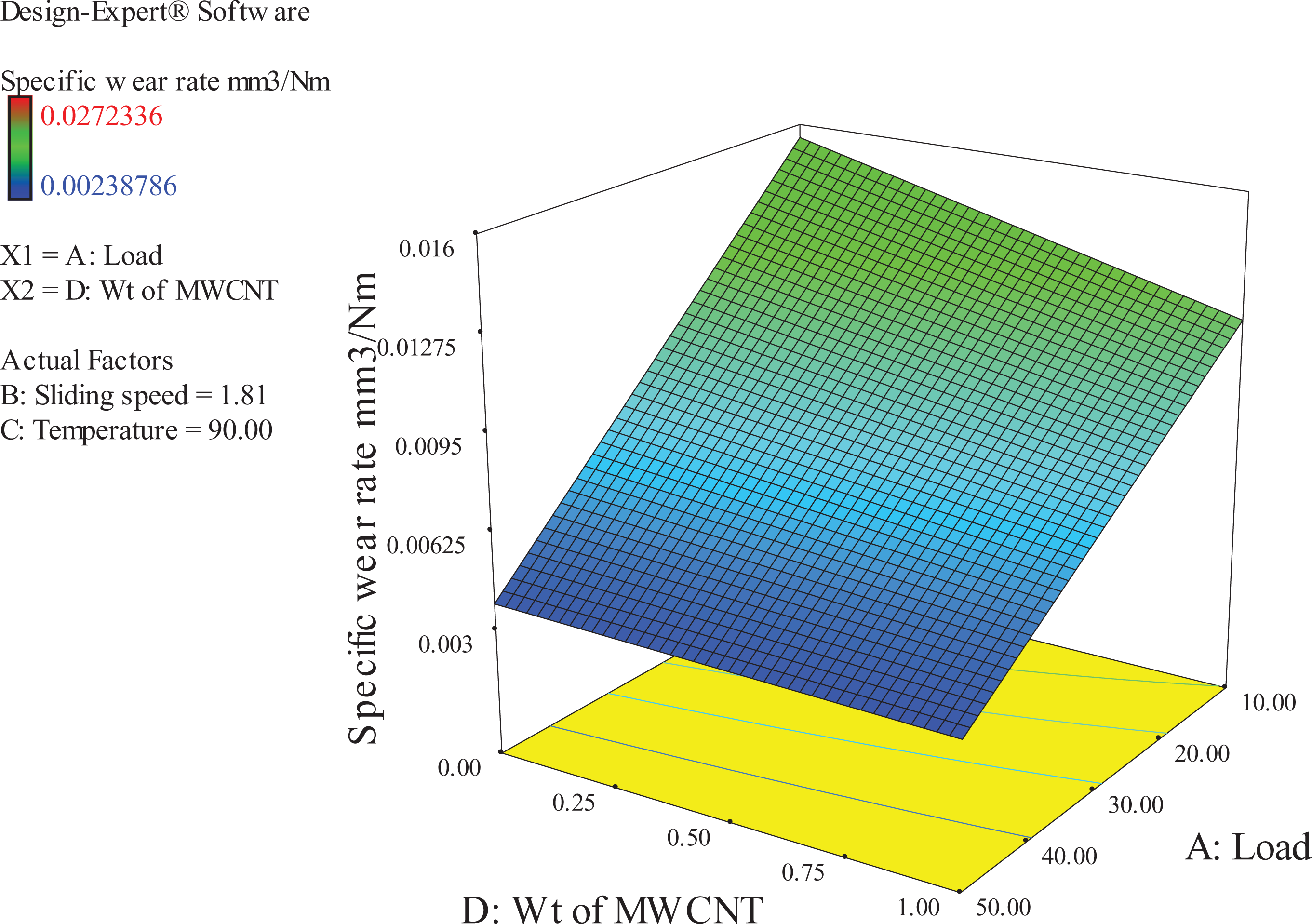
3D surface plot of specific wear rate on load versus 1 wt% MWCNTs.
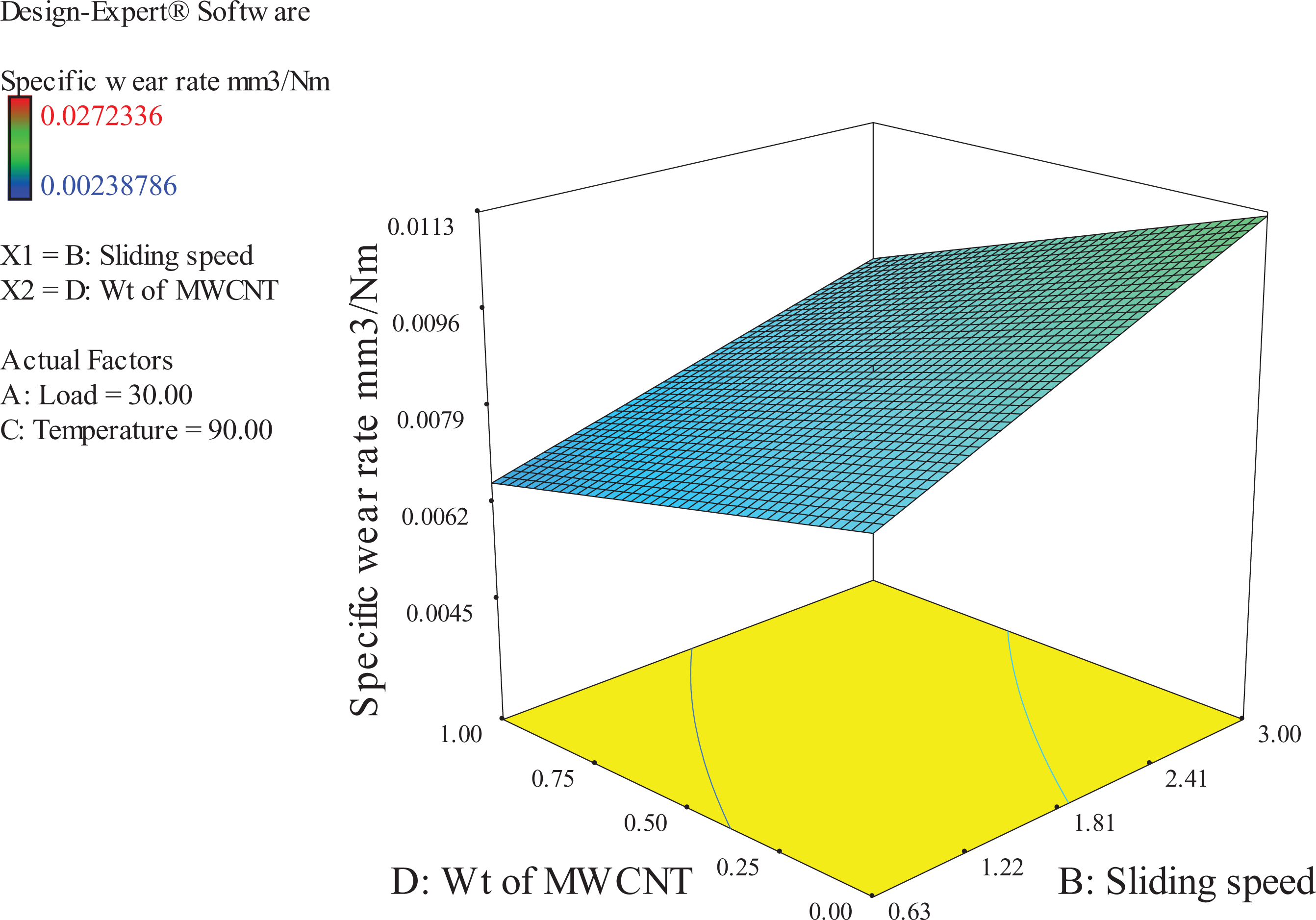
3D surface plot of specific wear rate on sliding speed versus wt% of MWCNTs.
Coefficient of friction
The effect of sliding speed, load, temperature and wt% of MWCNT on COF were presented as 3D response surface plot in Figures 10 to 13. It is clear that the COF increases with load and temperature. During higher loads, the area of contact will increase along with tangential force. Hence, direct value of COF will also increase. The effect of the increase in sliding speed leads to a significant decrease in the friction coefficient for fixed load and temperature. At low sliding speed, the surfaces of both the PEEK composites and the steel counterpart were rough and thus strong ‘interlocking’ took place, resulting in a high friction coefficient. 26 As the wear process continued, the steel counterparts and the PEEK composite specimens were smoothened due to the transfer film formed on the surface of the counterface. Consequently, lower COFs were achieved when a steady wear stage was reached. 21 The COF decreases from 0.246 for unfilled PEEK to 0.092 at 1 wt%. Impassiveness of nanoparticles and small amount of the surrounding matrix plays the main role in the material removal due to wear. The removed nanoparticles might also act as solid lubricant. These accounts for the lower friction coefficients of the nanocomposites. The wrecked pieces produced from MWCNTs during the dry sliding process were an advantage of shaping a thin and stiffer transfer film on the steel disc. This abridged the direct contact between the specimen and the steel disc, thus successfully plummeting the frictional coefficient. The friction coefficient tends to drop with increasing temperature. Thermal softening of polymers decreases surface hardness and increases the real areas of contact. This can lead to rapid increases in both the friction coefficient and wear.
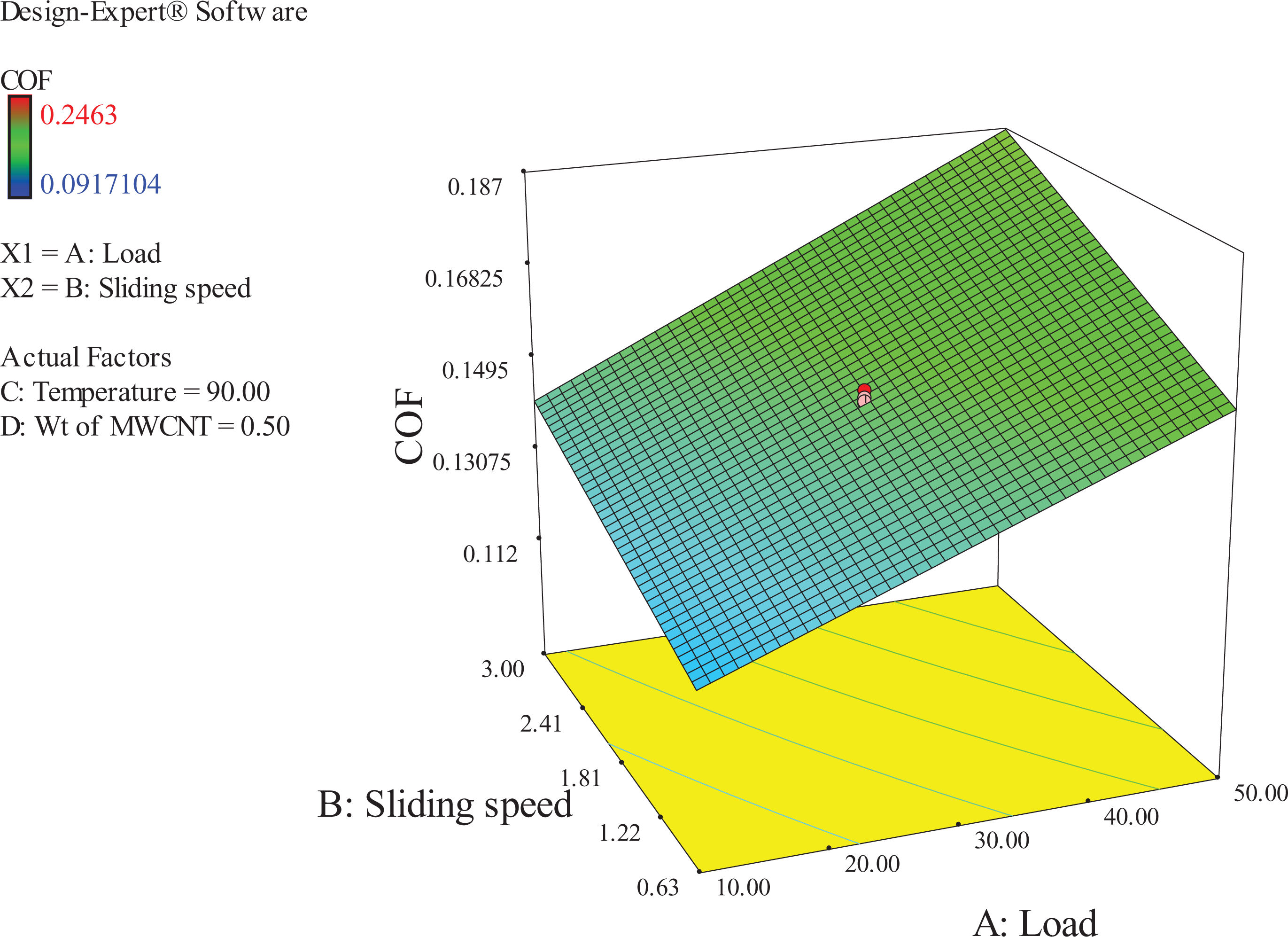
3D surface plot of COF on load versus sliding speed planes. COF: coefficient of friction.
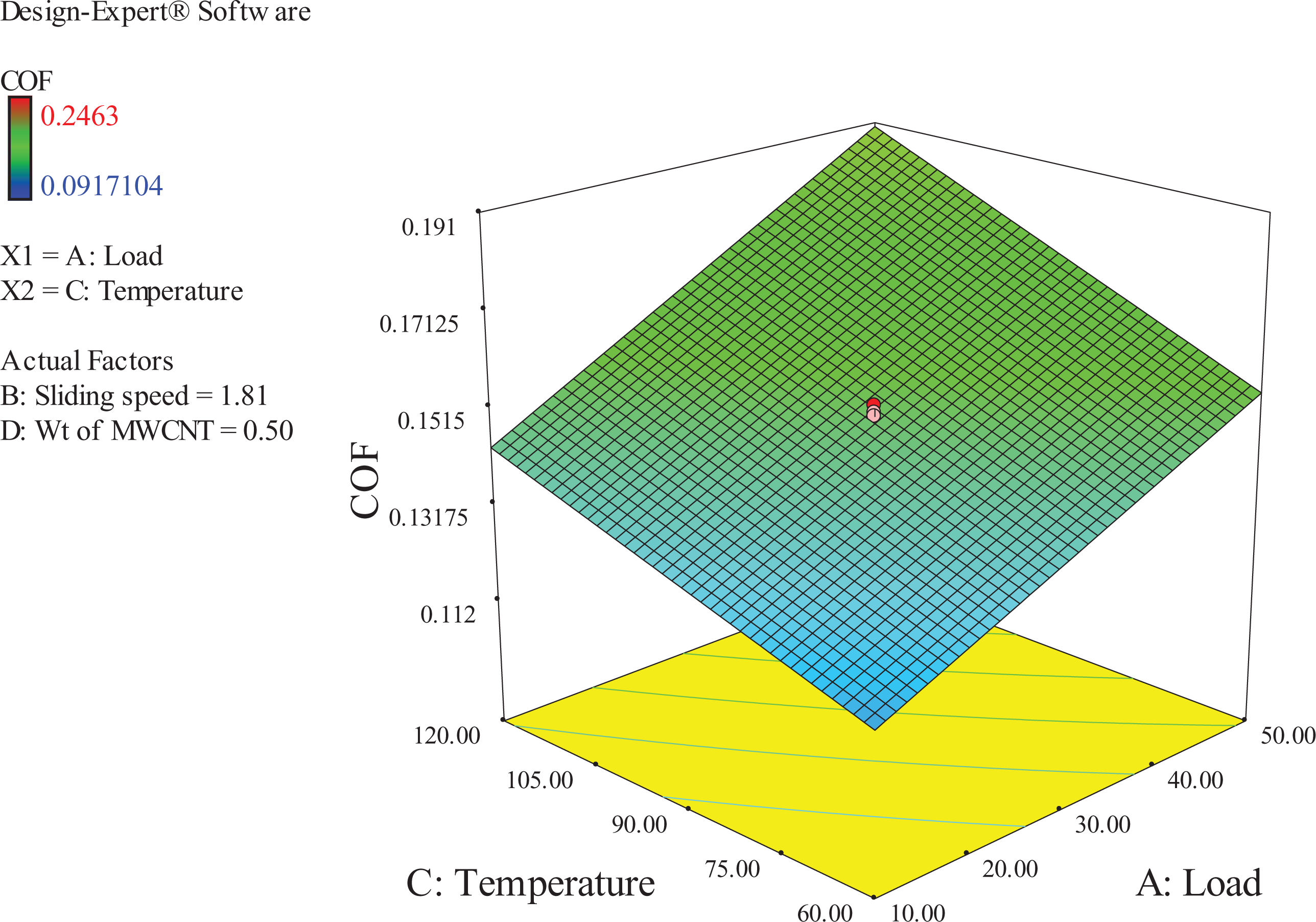
3D surface plot of COF on load versus temperature. COF: coefficient of friction.
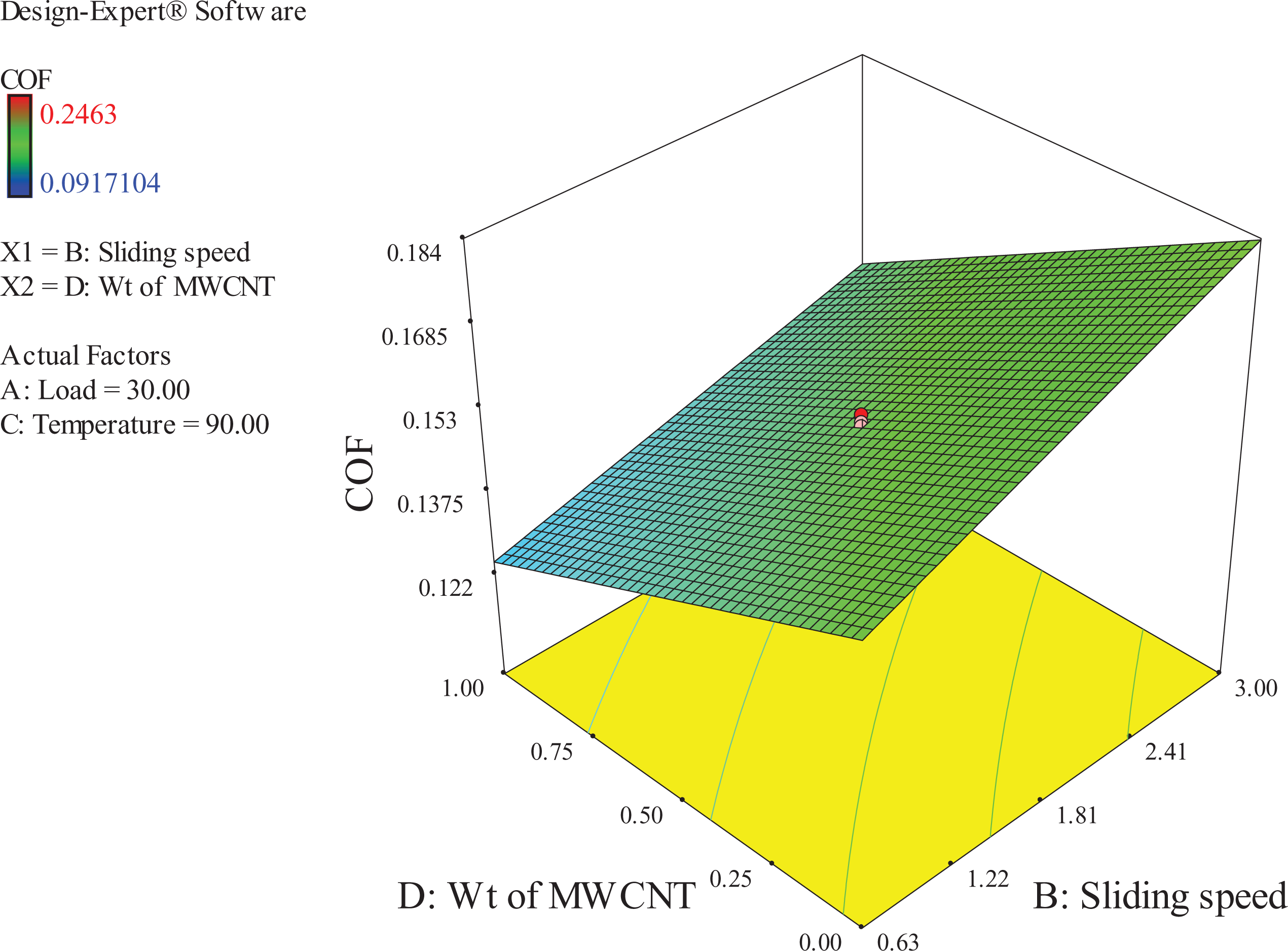
3D surface plot of COF on sliding speed versus wt% of MWCNTs. COF: coefficient of friction.
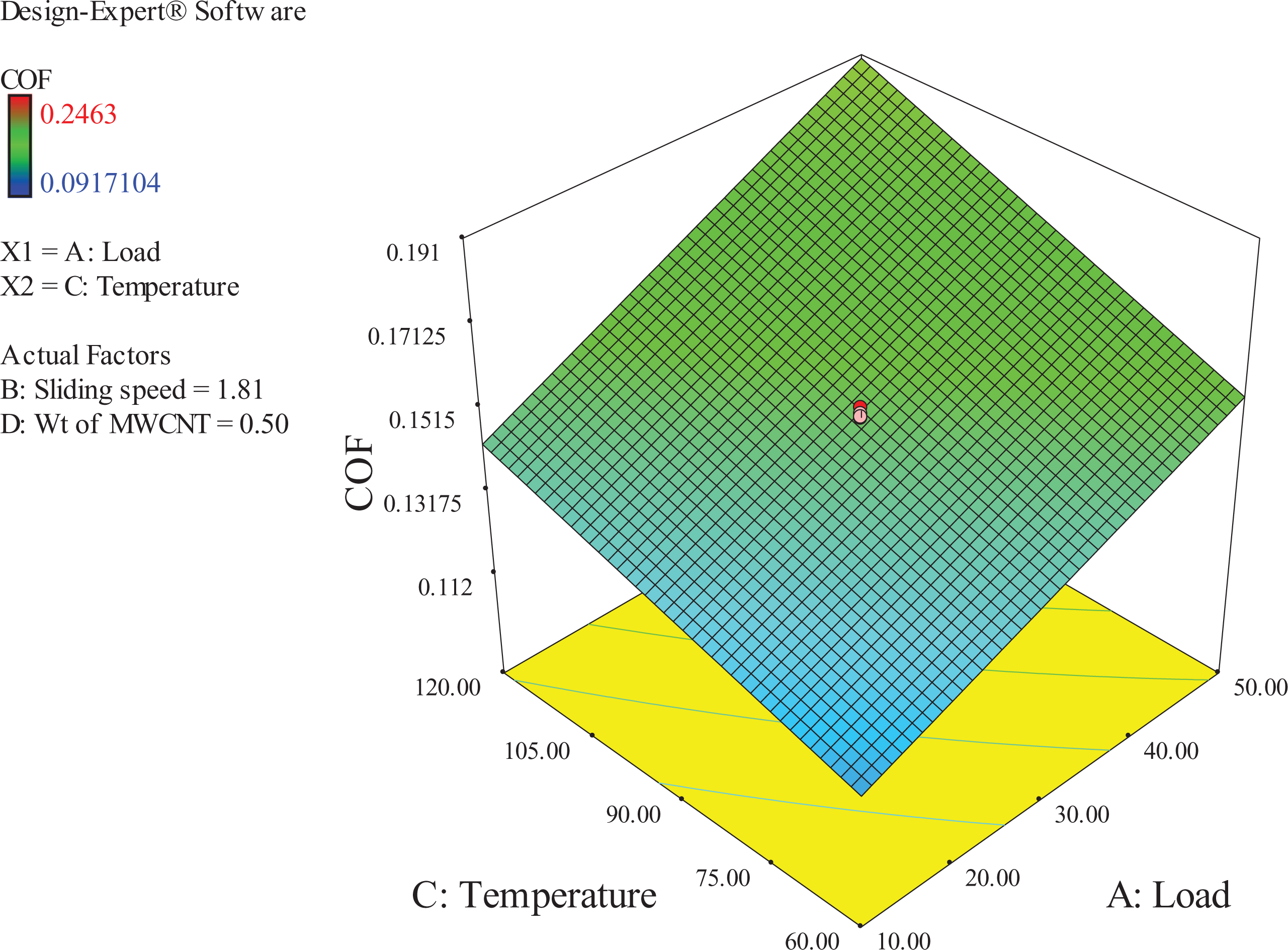
3D surface plot of COF on load versus temperature. COF: coefficient of friction.
Worn surfaces
To have more information about the variation in wear behaviour due to the addition of the nanoparticles, morphologies of the worn pins’ surfaces were examined by SEM and presented in Figures 14 to 18. The SEM observations revealed that the micro-abrasion and plastic deformation were present on almost all the surfaces. However, it can be seen that the uniform wear traces appeared on the wear scar of neat PEEK matrix, while the abrasion in the restricted wear traces and trace plucked characters on the MWCNTs-reinforced PEEK is observed. This is in good agreement with Friedrich et al. 28 These differences in the wear behaviour can be explained by the changes in the quantity of the reinforcement (MWCNTs) and temperature. It is essential to emphasize again that there exists an evident difference between the morphologies of the wear traces on the neat PEEK and reinforced PEEKs. The obvious abrasion on the neat PEEK showed the severe uniform wear traces of the PEEK surface by the disc surface during the friction process. On the other hand, PEEK with MWCNT reinforcement surface showed restricted wear traces and trace plucked characters. Thus, the average specific wear rate is decreased with increase in the amount of MWCNTs reinforcement until it reaches optimum amount weight percentage of 0.8% MWCNTs at 80°C, after that the average weight loss increases with increase in the amount of MWCNTs and temperature.
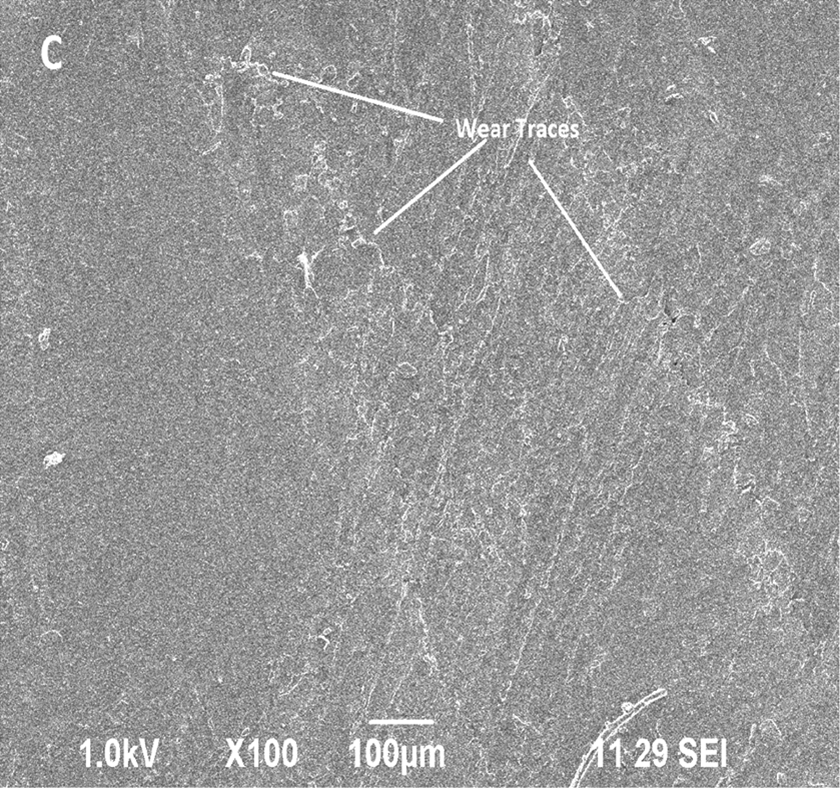
SEM micrograph of PEEK with sliding speed of 578 r/min, load of 40 N and temperature of 90°C. SEM: scanning electron microscopy; PEEK: poly-ether-ether ketone.
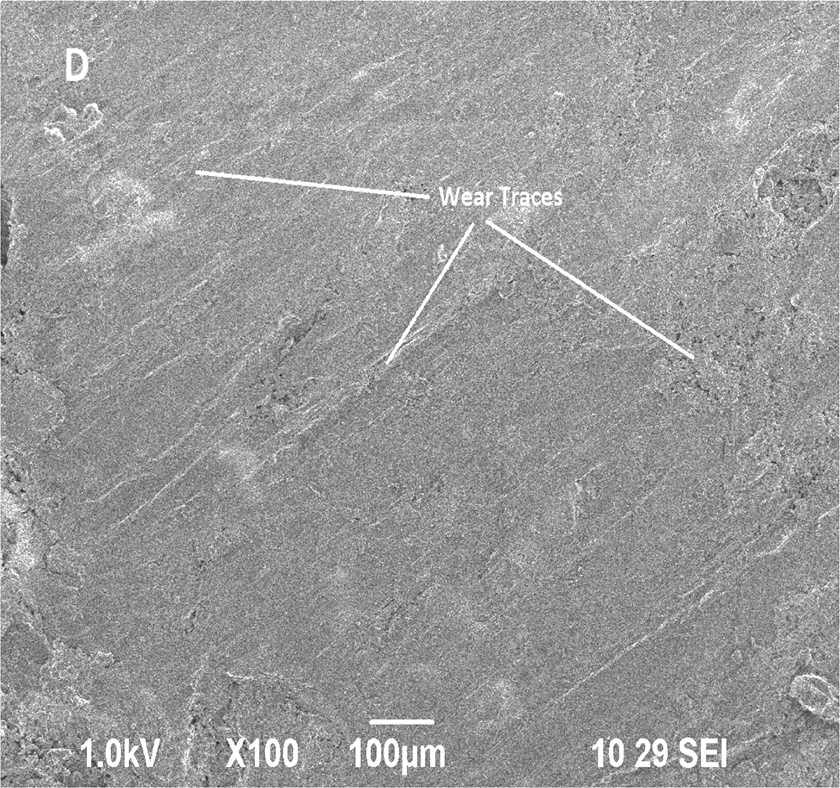
SEM micrograph of PEEK with 0.5 wt% MWCNTs when sliding speed is 3 m/s, load is 30 N and temperature is 75°C. SEM: scanning electron microscopy; PEEK: poly-ether-ether ketone; MWCNT: multiwalled carbon nanotube.
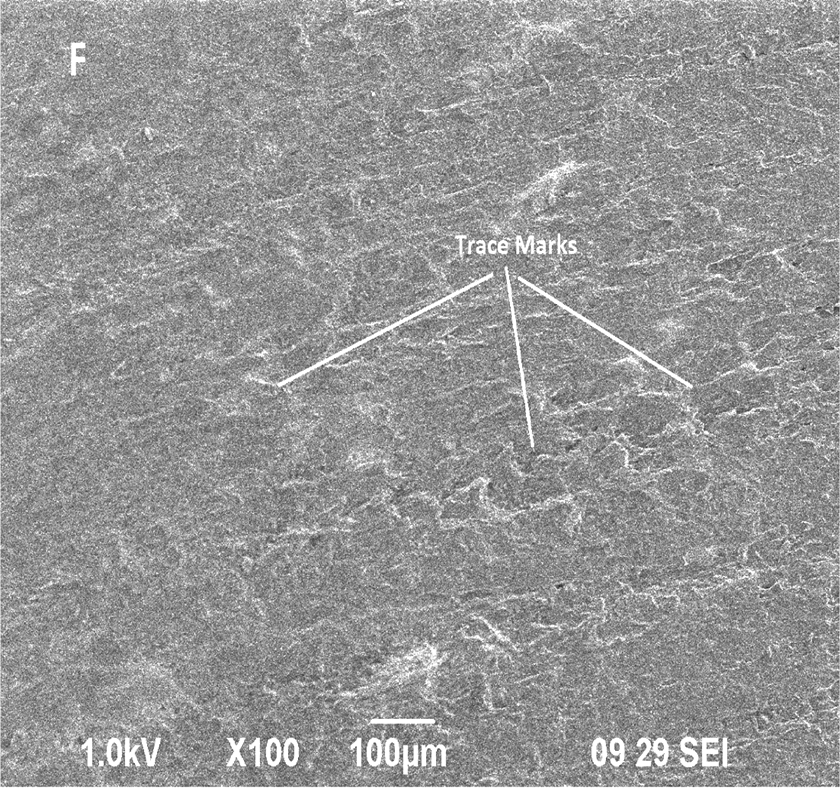
SEM micrograph of PEEK with 1 wt% MWCNTs when sliding speed is 0.63 m/s, load is 50 N and temperature is 90°C. SEM: scanning electron microscopy; MWCNT: multiwall carbon nanotube; PEEK: poly-ether-ether ketone.
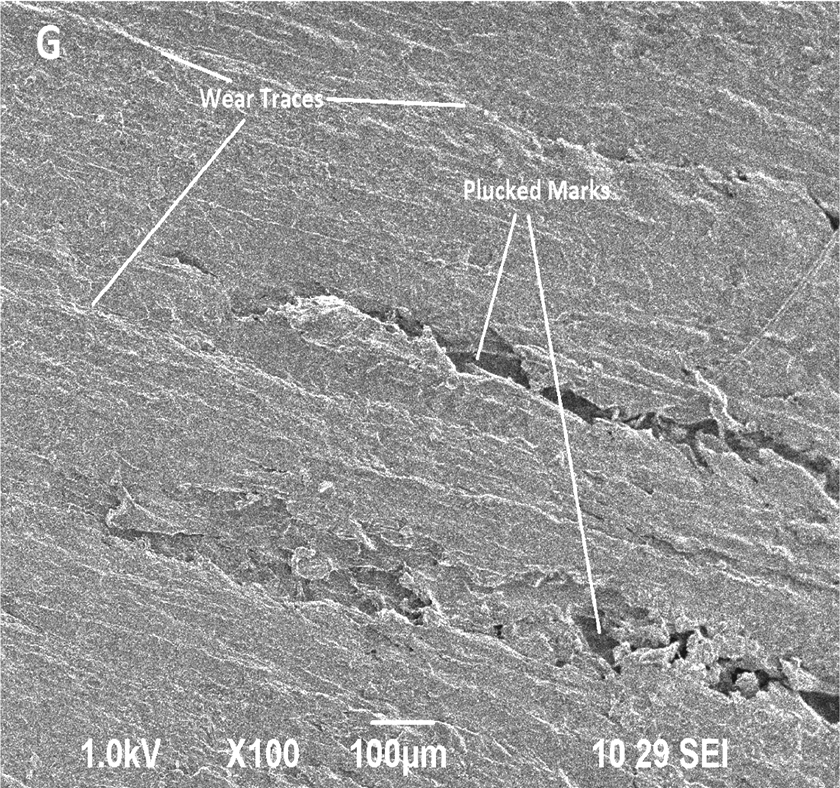
SEM micrograph of PEEK with sliding speed of 1.82 m/s, load of 30 N and temperature of 120°C. SEM: scanning electron microscopy; PEEK: poly-ether-ether ketone.
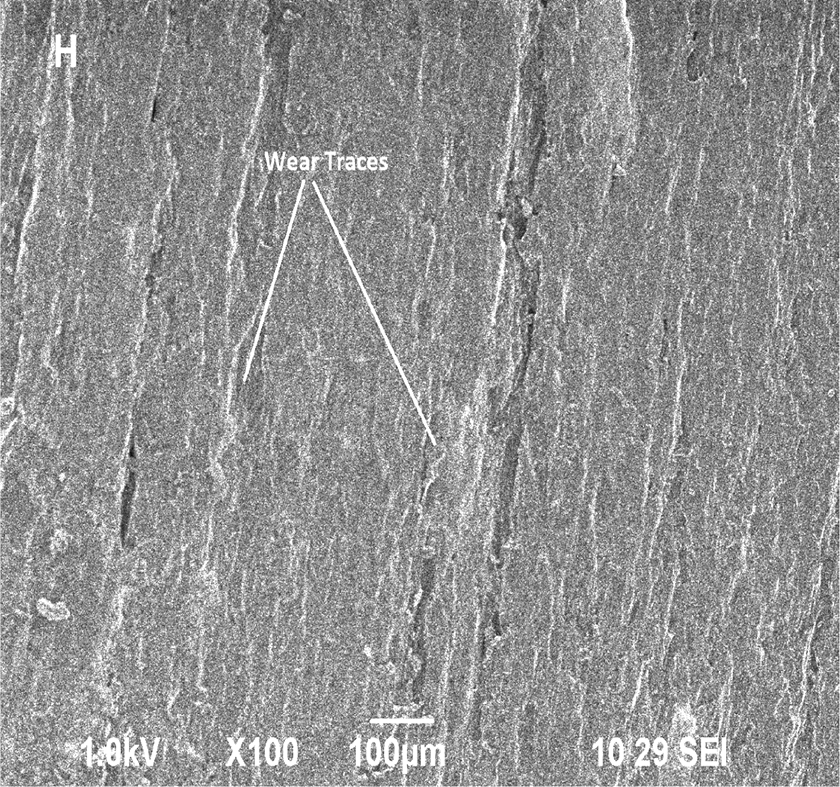
SEM micrograph of PEEK with1 wt% MWCNTs when sliding speed is 0.63 m/s, load is 10 N and temperature is 120°C. SEM: scanning electron microscopy; PEEK: poly-ether-ether ketone; MWCNT: multiwall carbon nanotube.
Mechanism of wear
The consequence of wear mechanism on tribological properties was examined by SEM, as shown in Figures 19 and 20. It was established that a group of polymer wreckage stick to the surface of counterface and enclosed the surface. This resources that adhesive wear happened on the surface of the PEEK matrix, structuring a thick and non-uniform transfer film on the counterface. However, the integration of MWCNTs can efficiently reduce the adhesion between the PEEK composites and the surface of counterface. It was also found that some polymer fragments attached to the surface of counterface; however, the amount of polymer fragments declines considerably. It is concluded that the PEEK matrix was scratched and removed, and MWCNTs were stripped in the process of sliding as shown in Figure 20. Under higher loads, the MWCNTs were damaged, and the damaged MWCNTs scan reduces the contact between the specimen and the counterface by acting as ball-bearing spacers, which effectively reduced the adhesive wear. In addition, the damaged MWCNTs can play a good role in polishing which was a benefit of dropping the adhesive wear. MWCNTs can effectively decrease the adhesive wear, which was a benefit of shaping a thin transfer film, thereby successfully decreasing the COF and improving the wear resistance. 27,28
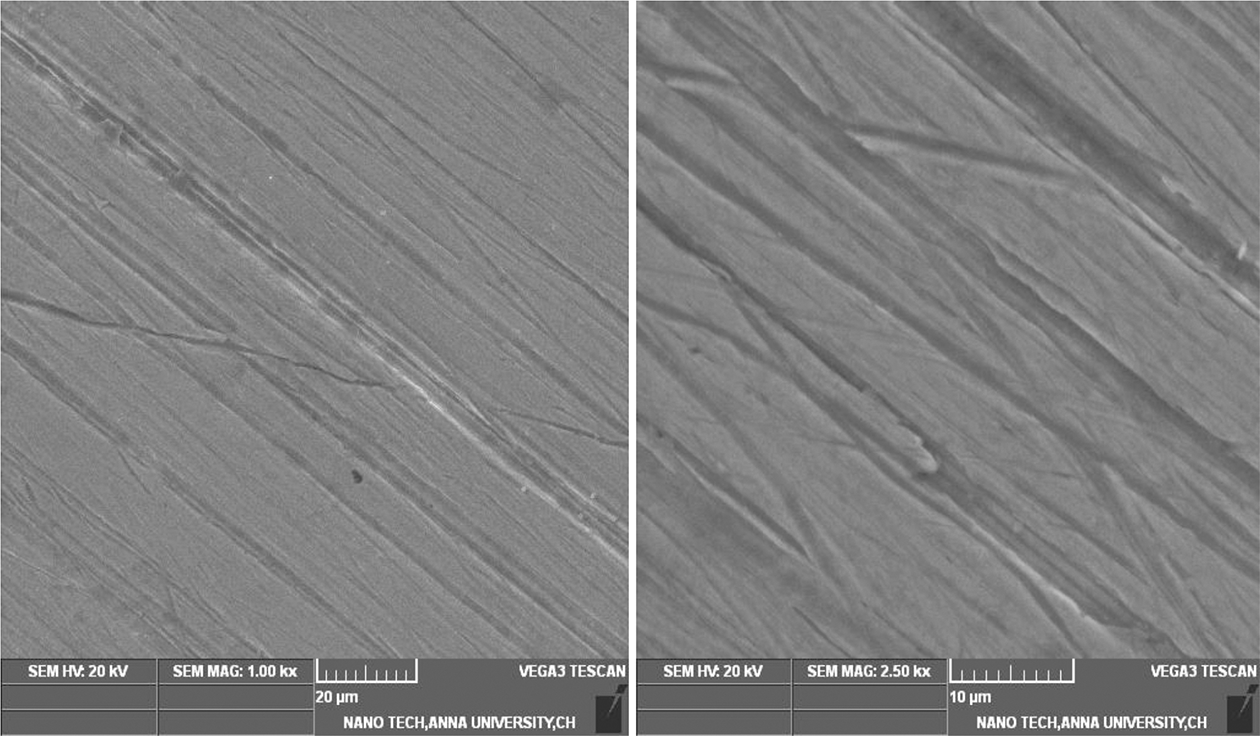
SEM micrograph counterface with 1 wt% MWCNTs when sliding speed is 0.63 m/s, load is 50 N and temperature is 90°C. SEM: scanning electron microscopy; MWCNT: multiwall carbon nanotube.
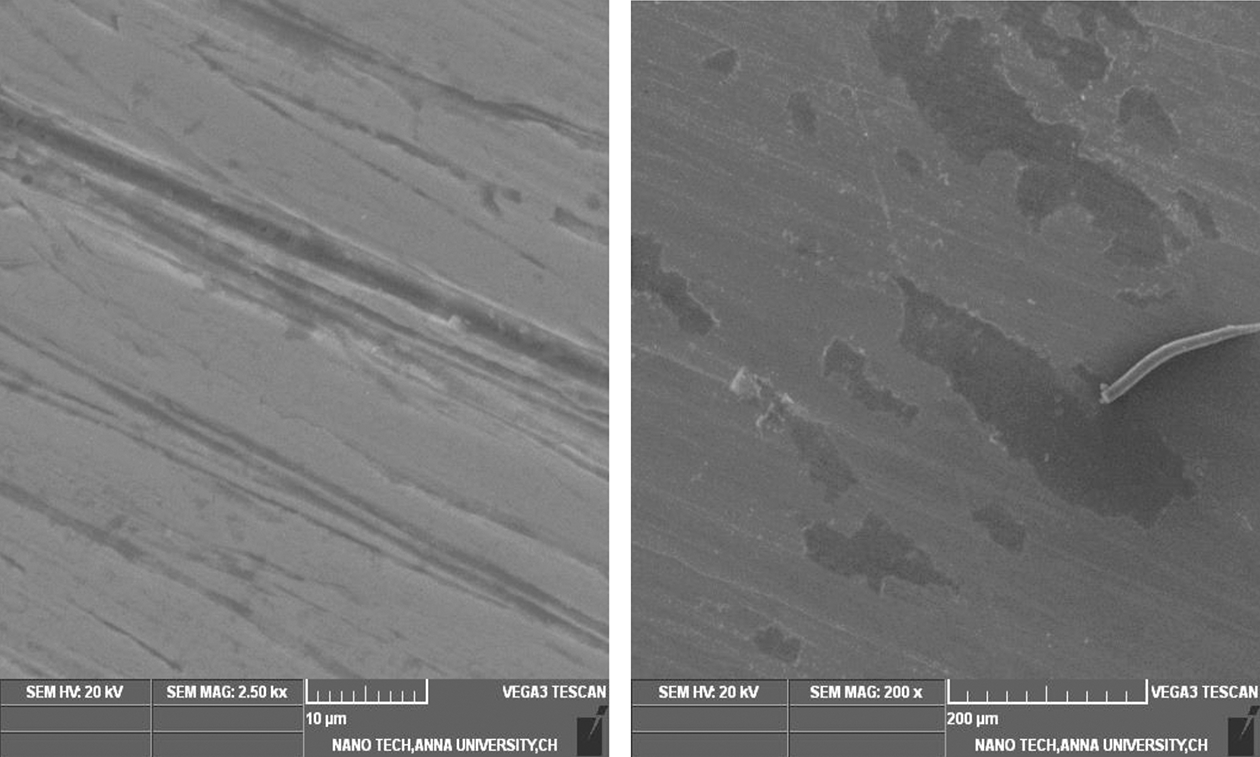
SEM micrograph counterface with PEEK filled with 0.5 wt% MWCNTs when sliding speed is 3 m/s, load is 30 N and temperature is 75°C. SEM: scanning electron microscopy; PEEK: Poly-ether-ether ketone; MWCNT: multiwall carbon nanotube.
Conclusion
The effect of the MWCNT on specific wear rate and COF of PEEK matrix composites is evaluated using pin-on-disc apparatus. The main conclusions derived from the present investigation are: The MWCNT-filled PEEK matrix composites were prepared successfully using the melt mixing technique. The wear behaviour of reinforced MWCNT-filled PEEK composites was studied under dry sliding conditions at different applied loads, speeds, temperature and wt% MWCNT. 2FI models were developed for analysing the performances in the dry sliding wear of PEEK matrix composites using CCD-based response surface analysis. ANOVA was used to check the adequacy of the developed model. RSM-based GA is carried out to optimize dry sliding wear parameters of PEEK matrix composites. The optimization results indicated that sliding speed at 1.6 m/s, load at 42 N, temperature at 80°C and wt% of MWCNT at 0.8% are preferred to minimize the specific wear rate and COF in dry sliding wear of PEEK matrix composites. The specific wear rate decreases on high dry sliding conditions due to the formation of transfer film formed on the steel disc. The addition of MWCNT to the PEEK matrix resulted in improved wear resistance compared to the PEEK. The morphology of wear surface was examined by SEM. The SEM observations revealed that micro-abrasion and plastic deformation were present on almost all the surfaces. The uniform wear traces appeared on the wear scar of neat PEEK matrix, while the abrasion in the restricted wear traces and trace plucked characters on the MWCNT-filled PEEK. MWCNTs can effectively decrease the adhesive wear, which was a benefit of forming a thin transfer film, thereby effectively decreasing the COF and improving the wear resistance.
Footnotes
Declaration of Conflicting Interests
The author(s) declared no potential conflicts of interest with respect to the research, authorship, and/or publication of this article.
Funding
The author(s) received no financial support for the research, authorship, and/or publication of this article.
