



Abstract
Interest in green environment and sustainable materials in agreement with government regulations have been the motivating force for researchers and various industries globally in recent times. This current need for novel materials along with ever-increasing environmental apprehensions has prompted global researchers to intensify their activities in repurposing waste plastics. Waste plastics in many parts of the world, present a substantial menace to the environment on a global scale underscoring the necessity of this review to spotlight methods for safely and economically managing and converting these materials into valuable end products. The review paper reveals the accessibility and vast potential of a class of materials that was previously deemed as waste but now finding beneficial applications. Hence, diverse sectors where products from waste plastic-based materials are applicable such as construction, electronics, agriculture, automotive, household goods, sports gear, and fossil fuel were considered. Thus, the review reveals waste plastics as readily accessible raw materials for various applications, thereby, aiding in environmental pollution mitigation efforts and value addition to waste plastics.
Introduction
The plastic industry has experienced swift growth ever since the introduction of diverse methods for producing polymers from petrochemical sources. Plastics have become indispensable in our lives due to their affordability, durability, and versatility compared to traditional materials. Their applications span various domains including packaging, medical equipment, artificial implants, food preservation and distribution, construction, automotive and industrial sectors, water desalination, communication materials, and security systems, among others.
1
Given its extensive and diverse applications, plastic production has seen exponential growth, establishing it as one of the most utilized materials worldwide. Global consumption has surged from approximately five million tons in the early 1950s to surpassing 400.3 million tons in 2022, with projections indicating a quadruple increase by the 2050s.
2
Today, up to 99% of plastics are entirely of petrochemical origin and produced from non-renewable hydrocarbons, mainly oil and fossil gas. A small percentage is made from a variety of natural polymers such as starch, cellulose, sugar, and vegetable oils.
3
Through the addition of additives and other substances such as plasticizers, fire retardants, and colors, plastics can take on different characteristics and colors, which has encouraged the presentation of thousands of plastics.
4
Figure 1 shows the life cycle of plastics, starting from extraction/conversion, manufacturing, usage, and end-of-life. Life cycle of plastic material.
5
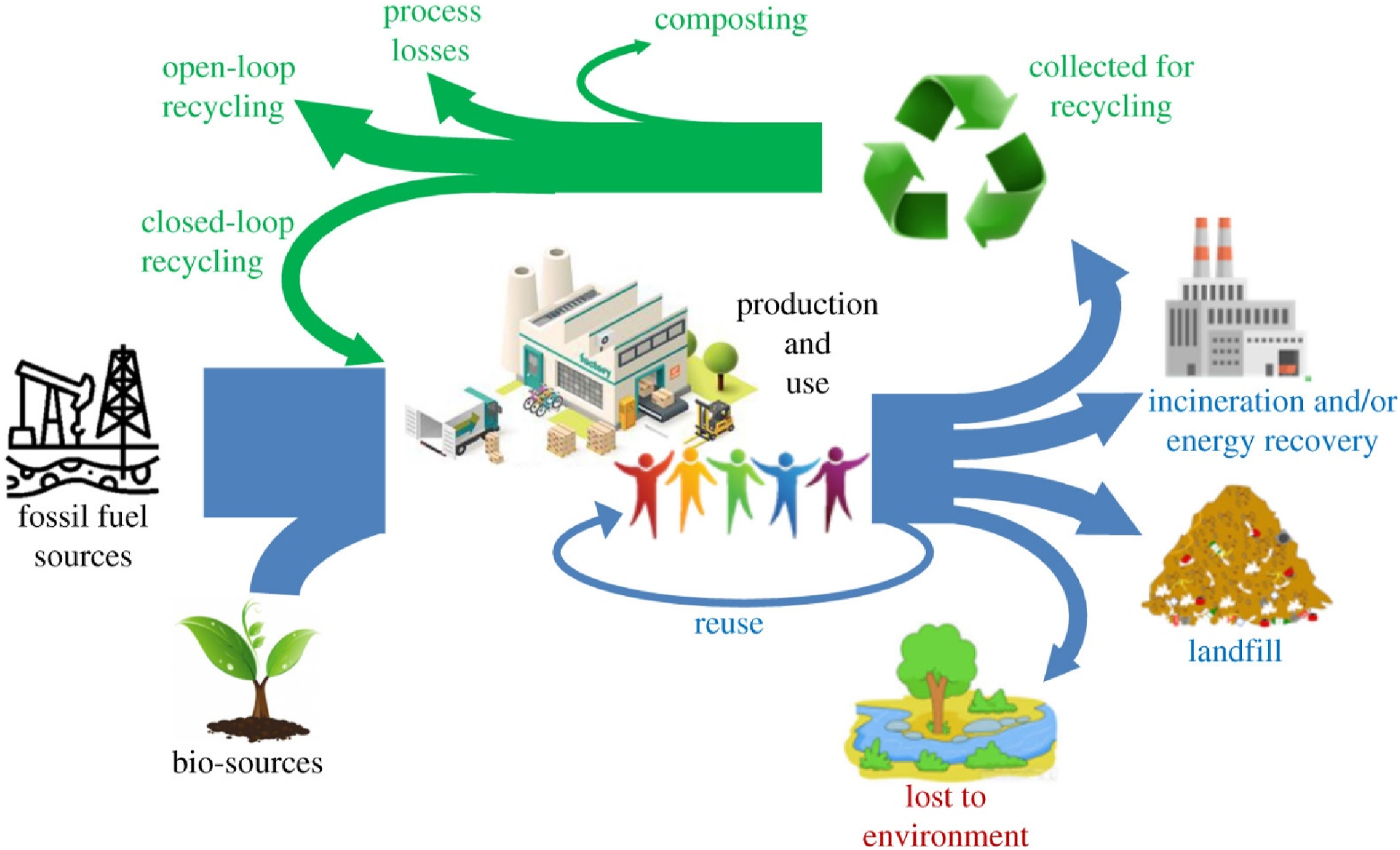
Although plastic materials have excellent properties and are widely used, they still have some limitations such as their inability to easily decompose. The majority of mass-produced plastics are not biodegradable. Their longevity in the environment is not known with certainty as they were mostly mass-produced around the 1960s. 6 Research indicates that they will endure for decades, and most likely for centuries or even millennia, due to their exceptional durability. Thus, this has since been one of the major challenges to the use of plastic products. However, in contrast to this, degradable plastics can last for a long time based on several environmental conditions that affect their rate of breakdown which include; temperature, oxygen content, and UV radiation exposure. 7 The rate of disintegration of biodegradable plastics varies significantly throughout marine habitats, landfills, and terrestrial ecosystems since even biodegradable polymers need the presence of certain microorganisms to facilitate their degradability. 8 Also, when plastics are exposed to these elements, they first break down into smaller plastic pieces or microplastics, which do not always completely break down in an appropriate amount of time. As a result, large amounts of expired plastic accumulate in landfills and are released into the environment as waste, leading to waste management problems and environmental disasters.9,10
In this review, highlights of some recent innovative areas of applications for the existing stockpiled waste plastics were presented. The heightened concern about the adverse effect of the lack of degradability of polymeric-based materials coupled with political, economic, and environmental factors has accelerated the need for effective management of waste plastics globally. Hence, the responsiveness of the review is on the current applications of waste plastics in various industries.
Global presence of plastics and plastic products
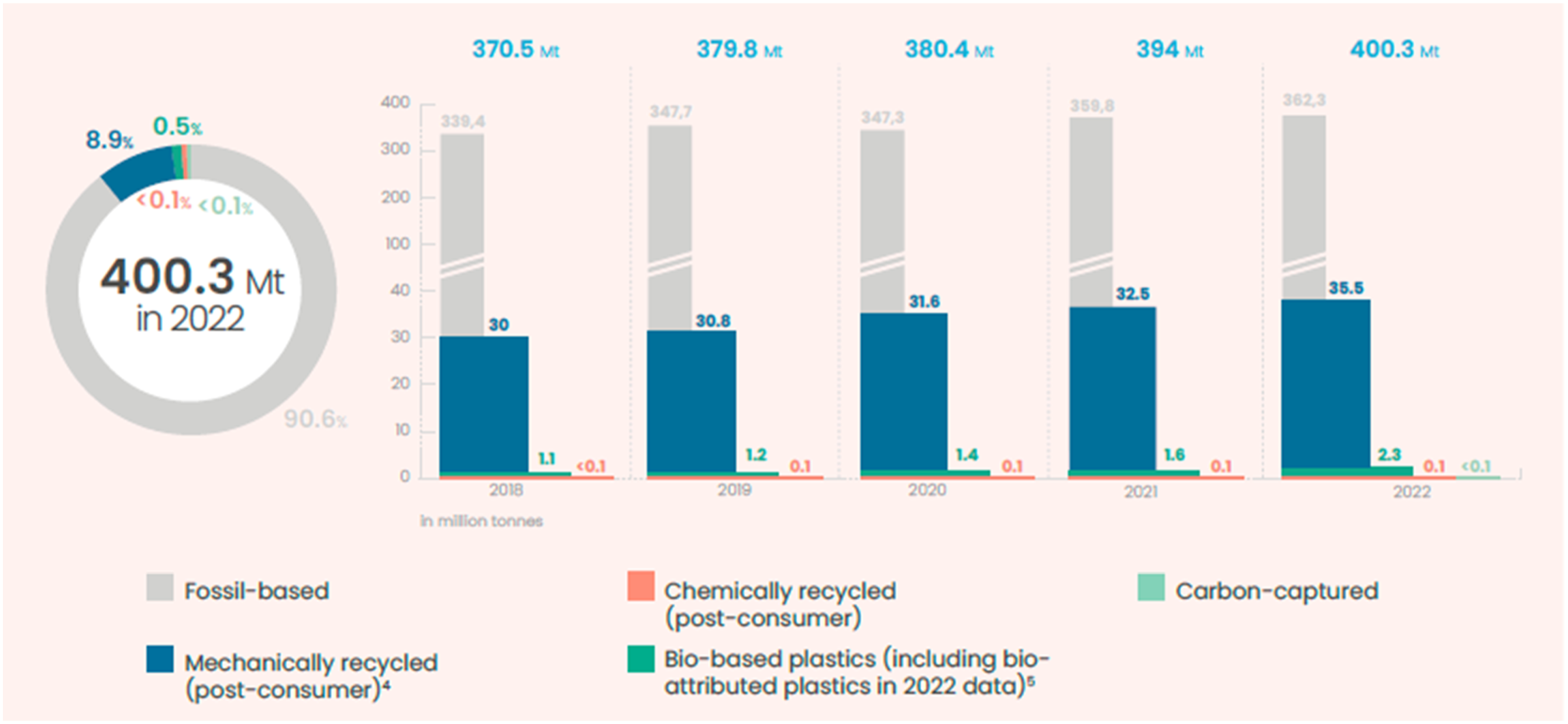
According to recent statistical data from 2023 shown in Figure 2, 90.6% of the plastic produced worldwide comes from fossil fuels, with the remaining 8.9% and 0.5% coming from post-consumer recycled plastics and bioplastics/biodistributed plastics, respectively.
2
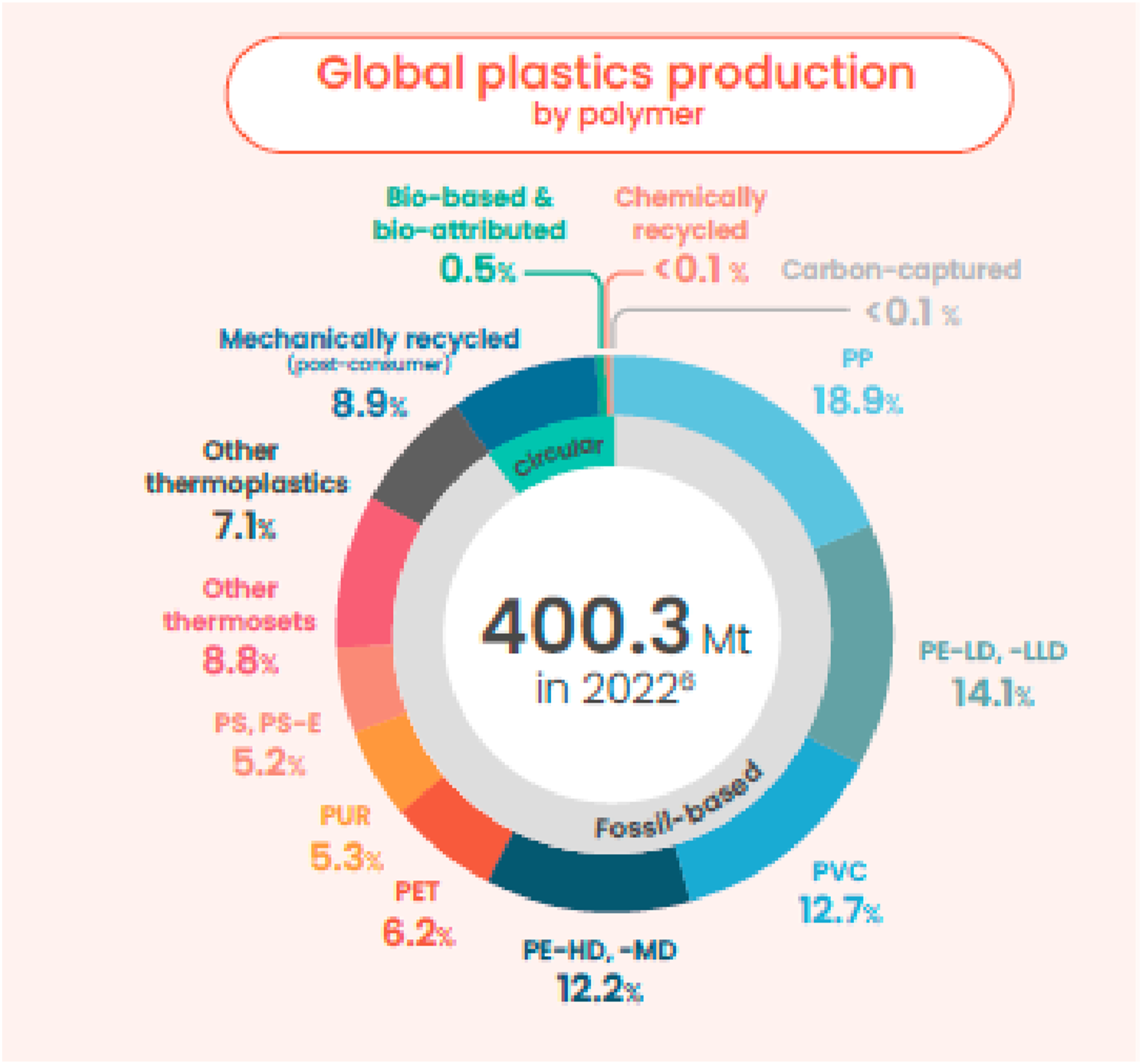
Also, thermoplastics, which comprise polypropylene (PP), polyethylene (PE), polyvinyl chloride (PVC), polystyrene (PS), polyethylene terephthalate (PET), and polyphthalamide (PPA), accounted for the majority of all plastics in the worldwide plastics market. Three-quarters of all plastics produced are made of polyethylene, which comes in two varieties: low- and high-density varieties.
6
Figure 3 shows the global distribution of plastic products by type in 2022. Global distribution of plastic production based on origin.
2
Distribution of the global plastic production by type.
2
In the analysis of global plastic production in 2022, China accounts for nearly 32% of the total global primary plastic production, of which Japan produces 4%, the remaining 11% in Asia, 27% in Europe, and 13% in North America, the Middle East and Africa making up 1%, Middle and South America producing 11%, and the Commonwealth of Independent States producing 1%. 2 The cost of raw materials derived from fossil fuels, consumer demand, and investment in the petrochemical sector are some of the variables that influence geographic variation in plastic production. For example, since 2010, about $200 billion has been invested in new chemical and plastics plants in the United States due to low raw material costs. 4 More than 1.5 million persons in the European Union (EU) had direct employment in the plastics sector in 2022, a marginal increase from 2020. With significant investments in the plastics sector, the EU is home to over 53, 150 businesses, most of which are small and medium-sized firms, with a combined revenue of over 400 billion euros in 2022. 2 By comparison, there were more than 15,000 plastic manufacturing companies in China, generating more than $366 billion in revenue in 2016. 11 Plastic products are found in every location around the globe, thereby, justifying the high demand for the materials. Hence, the plastic market is one of the growing global markets in modern days due to its verse acceptability worldwide. For this to continue, there is a need to tackle possible challenges facing the progression which is one of the reasons for this review.
Recycling of waste Plastics
Several approaches have been developed for recycling plastic/polymer-based materials and products for reuse. 10 Over the years, there has been a significant surge in the recycling of plastic garbage due to growing worries about the long-term harmful impact of waste plastic on the environment.
Recycling is a vital strategy that is now being used to lessen these effects and is one of the plastic life cycle’s most dynamic segments. As the demand for energy remains paramount, the conversion of waste into energy emerges as a promising method to meet sustainability requirements. Typically, waste plastic can be transformed into gases, oil, bio-char, and tar through treatment at temperatures ranging from 500 to 650°C. Primarily, pyrolysis yields oil with similar properties to heavy oil but with longer hydrocarbon chains. This method proves superior to conventional processes like grinding and sorting for treating polymer waste, as it utilizes oxygen-free inert gas, mitigating the formation of dioxins. Moreover, the conversion process yields low levels of CO and CO2 emissions.10,12,13
Types of Plastic and Suitable Areas of Application
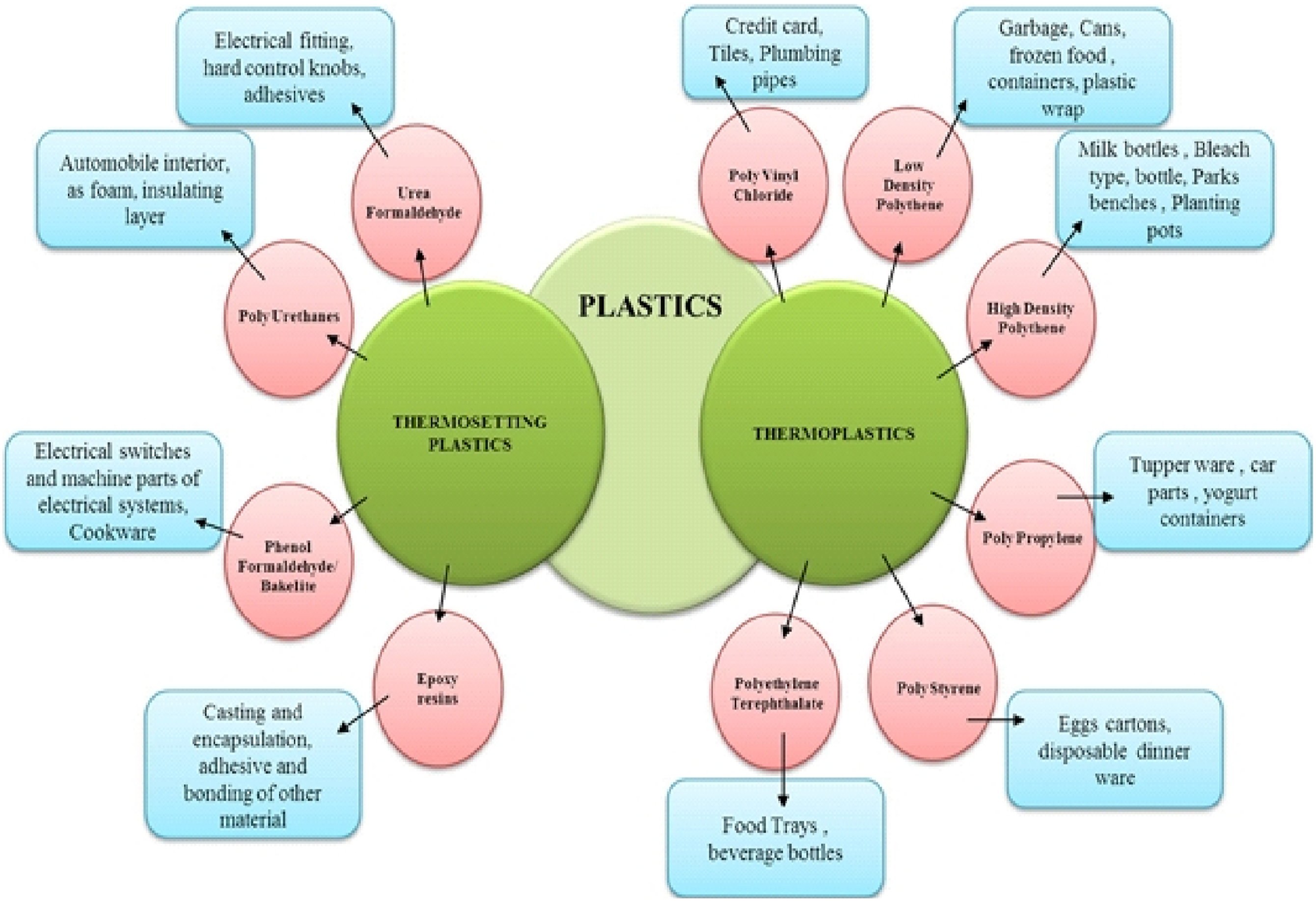
Thermoplastics and thermosets are the two basic categories of plastics. High-density polyethylene (HDPE), low-density polyethylene (LDPE), polyvinyl chloride (PVC), polypropylene (PP), polystyrene (PS), and polyethylene terephthalate (PET) are a few examples of the thermoplastics—a class of plastics that may be recycled and repeated. On the other hand, polymers that are classified as thermosetting and synthetic fibers are those that cannot be recycled. The classification of plastics and their suitable areas of application is shown in Figure 4.
14
Plastics can also be categorized according to their particle sizes as follows: • Macroplastics: particle size >200 mm • Mesoplastics: particle size 4.76–200 mm • Large microplastic size 1–4.75 mm • Small microplastics: particle size 0.00,001-1 mm • Nanoplastics: particle size <0.0001 mm. Classification of plastics and their suitable areas of applications.
14
Benefits of plastics
Nowadays, plastic is employed in practically every area of our lives and can be found in almost everything we do which made them to be available in every location globally. The reasons for this feat are summarized as follows;
15
• Great adaptability and capacity that can be customized to satisfy certain engineering requirements. • Less weight than rival materials contributes to a reduction in fuel use when traveling. • Safe food packing practices and good hygiene. • Extreme lifespan and durability. • Water, shock, and chemical resistance. • Superior electrical and thermal insulation qualities. • Production expenses are comparatively reduced. • Special capacity to blend with various substances like paper, foil, and adhesives. • The aesthetics are far better. • Choice of materials in which plastic and human lifestyle are inextricably linked. • Possibility of highly intelligent components among materials and systems
Major drawback of the utilization of plastic materials
Since waste plastic is not biodegradable and takes years to decompose, it can persist in the environment for a long time if not managed properly. This poses risks to both the environment and human health if landfills are used to store plastic waste. Potentially hazardous compounds are present in the majority of stabilizers and colorants used in plastic production. For many of them, their impact on human health and environmental risks has not been assessed. 15 These concerns are now causing the government and end users to start looking for how to handle this manace which if not handled can instigate a reduction in the use of plastics.
Current application of waste plastics and plastics waste composites
Plastic garbage is widely available and presents enormous potential that can be wisely utilized in many industries. Utilizing these plastic wastes in a variety of engineering applications can immediately address the issue of environmental waste plastic storage and advance worldwide advancements in ecology, green technology, and socioeconomics.16,17
Utilization of plastic wastes in building and construction applications
Bricks and tiles
This section reviews the use of waste plastic in the modification of mansory bricks/blocks and tiles. A comprehensive study to accommodate all perspectives of waste plastic utilization in the construction of bricks and tiles including quantitative analysis was carried out. The advantages and disadvantages of using waste plastic as a composite material to create bricks and tiles are still the subject of many studies to date. In a study by Anene and Shabangu (2021), an investigation on the utilization of polyethylene terephthalate (PET) waste plastic scrap and foundry sand (FS) in the production of green productive bricks was carried out. For the foundry sand, scrap plastic trash and dry mass area, the weight ratios were 60:40, 70:30, and 80:20. To test how tough they were, the bricks were soaked in both water and acid. To verify its strength, tests were also performed for compressive and tensile strength. The maximum compressive strengths of 38.14 MPa and 9.51 MPa, respectively, were noted in bricks made using a 70:30 ratio of foundry sand to scrap plastic waste. When compared to clay bricks, the SPW bricks exhibited the least amount of water absorption and kept their highest strengths. Due to the hydrophobic and deformable qualities of the waste plastic, they may also be distinguished in an acidic environment. The strength indices qt = qu, which represent the proportionality of tensile and compressive strength, range from 0.18 to 0.28.
18
Another report, by Ikechukwu and Shabangu (2021), was a study where recycled crushed glass and PET waste plastic in different ratios of 20:80, 30:70, and 40:60, respectively were used. Compared to traditional clay bricks, the compressive and tensile strengths were found to be improved by 54.85% and 70.15%, respectively. The results showed that the average compressive strength was 42.01 MPa, the average tensile strength was 9.89 MPa, and the average water absorption value was 2.7%. This was as a result of the materials’ strong hydrophobic qualities. Comparing the bricks to burnt clay bricks, it was found that the former were less bendable under tensile stress and more resistant to chemical attacks.
19
A recent study demonstrates that the efficiency of unfired clay bricks can be increased by using waste polyethylene terephthalate (PET) and high-density polyethylene (HDPE). Grain sizes of 1-3 mm and 3-6 mm additives were investigated at percentages of 0, 1, 3, 7, 15, and 20, respectively. The use of 1 mm of polymeric grain size modifier was found to boost the efficiency of the brick samples. While compressive strength increased by 28%, the water absorption efficiency increased by almost 17%. Also, the bricks’ bulk density of less than 1.7 g/cm3 indicates that they were lightweight in comparison to traditional bricks.20,21 In the same manner, another research described the use of water sachets composed of LDPE combined with sand to create low-density polyethylene sand bricks or LDPE sand bricks. The sand was combined with the melted water sachets first. Keep in mind that the ratio of plastic to sand affected the bricks’ compressive strength, density, and water absorption. The specimens’ flexural strengths and thermal conductivity were assessed from where it was discovered that LDPE-bonded sand was a solid and long-lasting substance when processed properly. Up to 27 MPa of compressive strength were observed, along with values of specific heat and thermal conductivity of 0.86 mm2/s and 2.0 MJ/m3k, respectively.
22
In another report, it was stated that interlocking bricks were made using polyethylene terephthalate (PET) and polyurethane (PU) binder instead of cement and clay. After the plastic bottles were crushed and ground to a size of 0.75 mm, polyurethane (PU) was blended with them. After that, the mixture was squeezed and cast into the mold for the interlocking brick machine. The mechanical and thermal properties of the interlocking bricks were assessed for compressive, impact, and flexural strengths as well as thermal conductivity. Applying PET/PU in a 60/40 ratio as non-load-bearing masonry bricks for partition walls is recommended in light of the findings.
23
Numerous research works have documented the application of various waste thermoplastics; fly ash and powdered polythene waste; polycarbonate (PC) and polystyrene (PS) combined with sand, ash, and ordinary Portland cement for brick-making.24,25 The report by Behera (2018) on the utilization of shattered glass and waste plastic for roof tiles, hollow blocks, and floor tiles is noteworthy. It was observed that while shattered glass partly replaced river sand, varying amounts of plastic trash replaced cement.
26
Moreover, sand and recycled high-density polyether (r-HDPE) have been utilized in the creation of roof tiles.
27
Based on the intrinsic advantages of developing composite materials, all these adaptations are deemed beneficial.
28
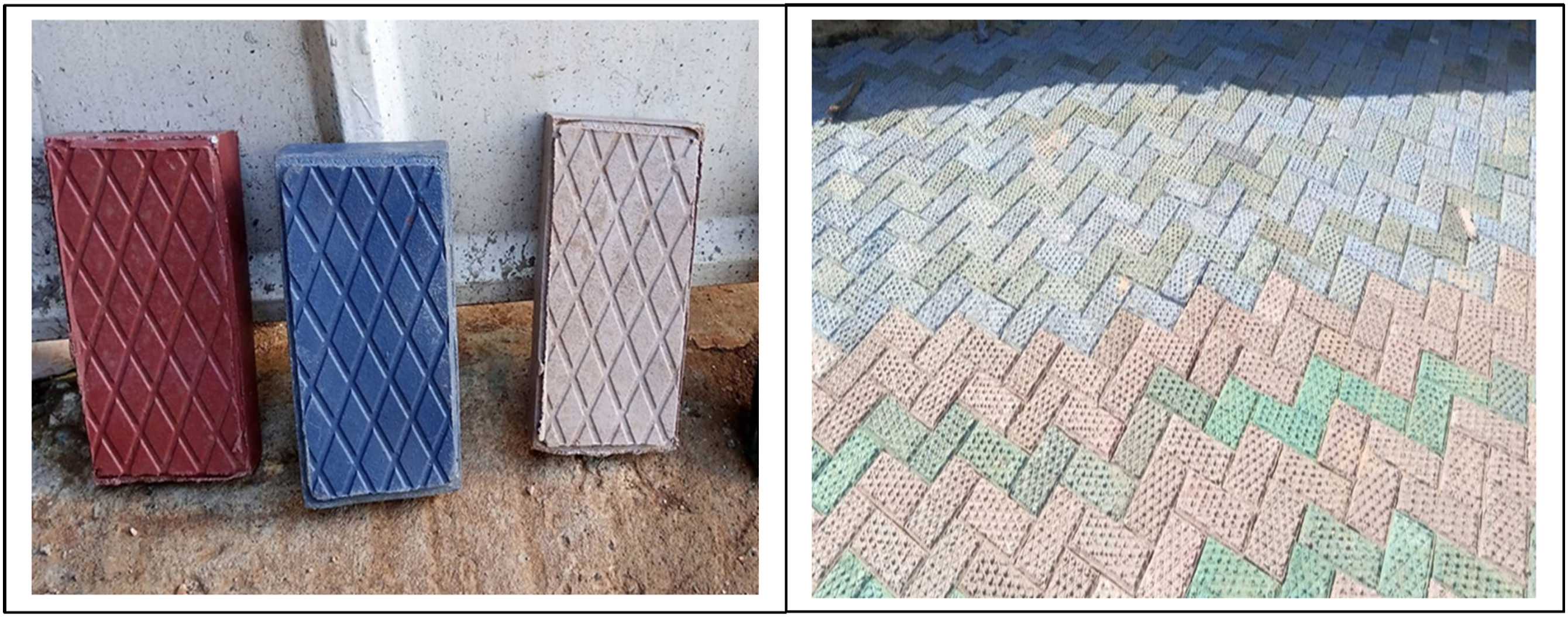
Figure 5 shows the images of Kenya waste plastic being processed into construction and interlocking bricks. Images of Kenya waste plastic processed into construction and interlocking bricks.
29
Concrete and road construction
Waste plastics have been widely utilized in the production of concrete for road construction in modern days. Research that was carried out describes the use of low-density polyethylene and recycled high-impact polystyrene to create high-strength lightweight concrete. In concrete mixes, the plastic wastes from both polymeric materials were crushed to produce 2 mm grain sizes which were used to partially replace sand at different weight percentages of 0, 10, 30, and 50%. After 28 days, the concrete containing 10% recycled plastic was found to have a strength of 30 N/mm2. The characteristics of the material were ascertained by casting and evaluating 100 mm cube concrete. The results of the experiments indicate that workability, density, and compressive strength decrease with an increase in the proportion of recycled waste plastic granules. Based on recycled plastic granules from high-impact polystyrene and low-density polyethylene wastes, these findings have the potential for producing lightweight and high-strength concrete that is comparable to natural stone, with a maximum 10% increase in strength compared to concrete made using traditional materials. 30 The use of recycled polypropylene plastic particles as a modifier in self-compacting lightweight concrete was also studied by Yang et al. in 2015. The sand was substituted with recycled polypropylene (PP) at varying volume percentages (10%, 15%, 20%, and 30%, respectively). Flexural, tensile, splitting tensile, and compressive strengths after 7 and 28 days were, respectively determined. The best result was found to be attained at 15% of recycled polypropylene. 31 Waste plastic bottles, cups, caps, chairs, and other items are used to build new roads, according to a report from recent research. The aggregate and bitumen combination were covered with a crusher that merged the polymeric waste materials, and the mixture was then heated.32,33 Bitumen grades 80/100 and 60/70 were utilized, together with an aggregate size of 10–20 mm. The bitumen mixture and aggregate covered with polymers were seen to exhibit improved binding capabilities, increased wear resistance, and stability. 34 It was proposed by some researchers that, replacing some of the concrete used in road building with various waste plastics, such as shredded plastic bags, 35 recovered PET flake aggregates, 36 and PVC pipe waste granules need further investigations. 37
Pavement and kerb construction
Pavements’ shear, stiffness, and bearing capacity have all been found to be improved when plastic wastes are utilized in place of aggregates during base and sub-base construction. 38 Some research has been carried out and they revealed an improvement in the pavement’s qualities when reinforced with plastic strips. The curb was also built from plastic wastes, including polyethylene terephthalate (PET), high-density polyethylene (HDPE), and polypropylene (PP). The results indicate that curb design were satisfied when up to 20% of natural coarse aggregate was replaced with plastic wastes where strength loss was not adversely affected. Comparing the abrasion resistance of the mixture with up to 20% PP and PET, an improvement was also seen.39,40 However, PET showed more acceptable shrinkage in comparison to the control mix and stronger bonds than PP and HDPE. 41
Wood composites for structural lumber
Wood composites are products that are known commercially as plastic lumber which are crafted from thermoplastic materials. These can be a blend of plastic composites designed to mimic the dimensions and applications of traditional wood lumber. Plastic lumbers are predominantly manufactured using thermoplastic matrices. They find extensive use in constructing compound benches, covering building facades, decking, railroad ties, pergolas, pliers, and various other elements commonly made from wood lumber.
42
Wood-plastic composites are a type of plastic composite produced by incorporating plastics as the matrix and wood fibers/particles as fillers. This plastic timber, derived from mixed plastic waste, can serve as a substitute for wood in various applications.43,44 In recent times, the use of recycled waste plastics for structural lumbers has been an interesting area of research focus. Shiri et al.,
45
developed a plastic product using commingled waste plastics which was produced using a two-staged extrusion-injection machine. It was observed that the developed commingle lumber has better strength and can be used as an inexpensive alternative to wood. Manufacturers sell plastic lumbers claiming that, they are more durable, safer, need less maintenance than wood, and have greater weather and environmental tolerance which includes salinity and biological resistance.
43
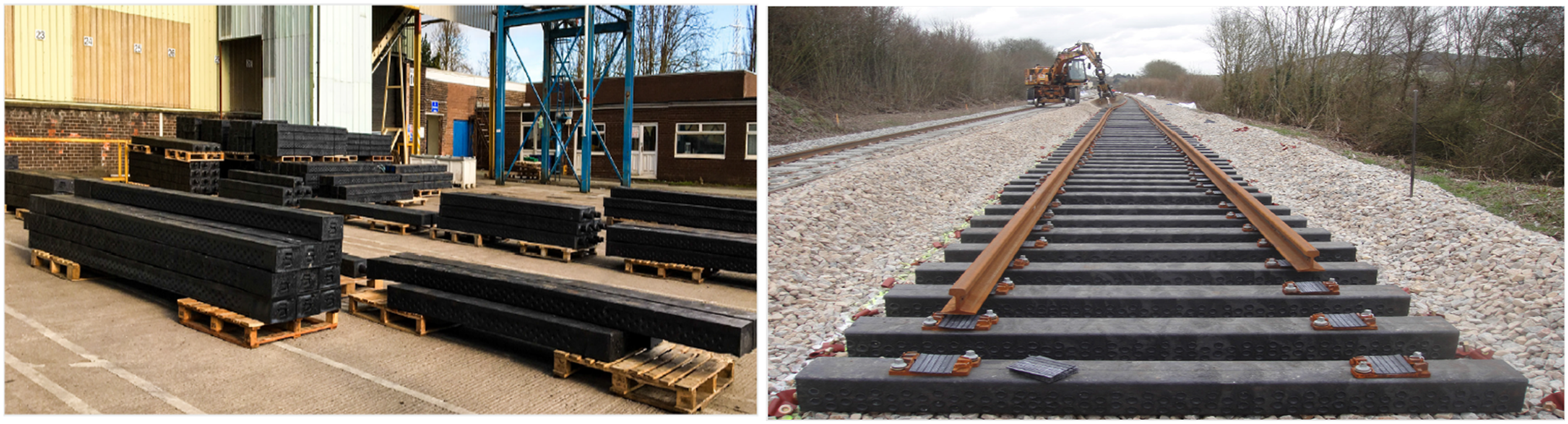
Recently, plastic lumber is commonly produced from residues and post-consumer plastics, hence, this minimizes the amount of trash going to landfills and the need for virgin material. Figure 6 shows the use of wood-plastic composites made from recycled plastics in the production of sicut railway sleepers and bearers. Recycled materials are used in the production of Sicut railway sleepers and bearers.
46
Door panels and insulation materials
Sustainable door panels with improved qualities can be created using thermoformable woods with plastic matrix. These are created by mixing waste plastic pellets with cellulose fiber or wood flour.
47
Likewise, waste plastics may be used to make insulation materials and other essential building components. Awoyera et al. (2021) recommended the use of expanded polystyrene (EPS), a byproduct of recycled waste plastic for insulation during building construction in their report.
48
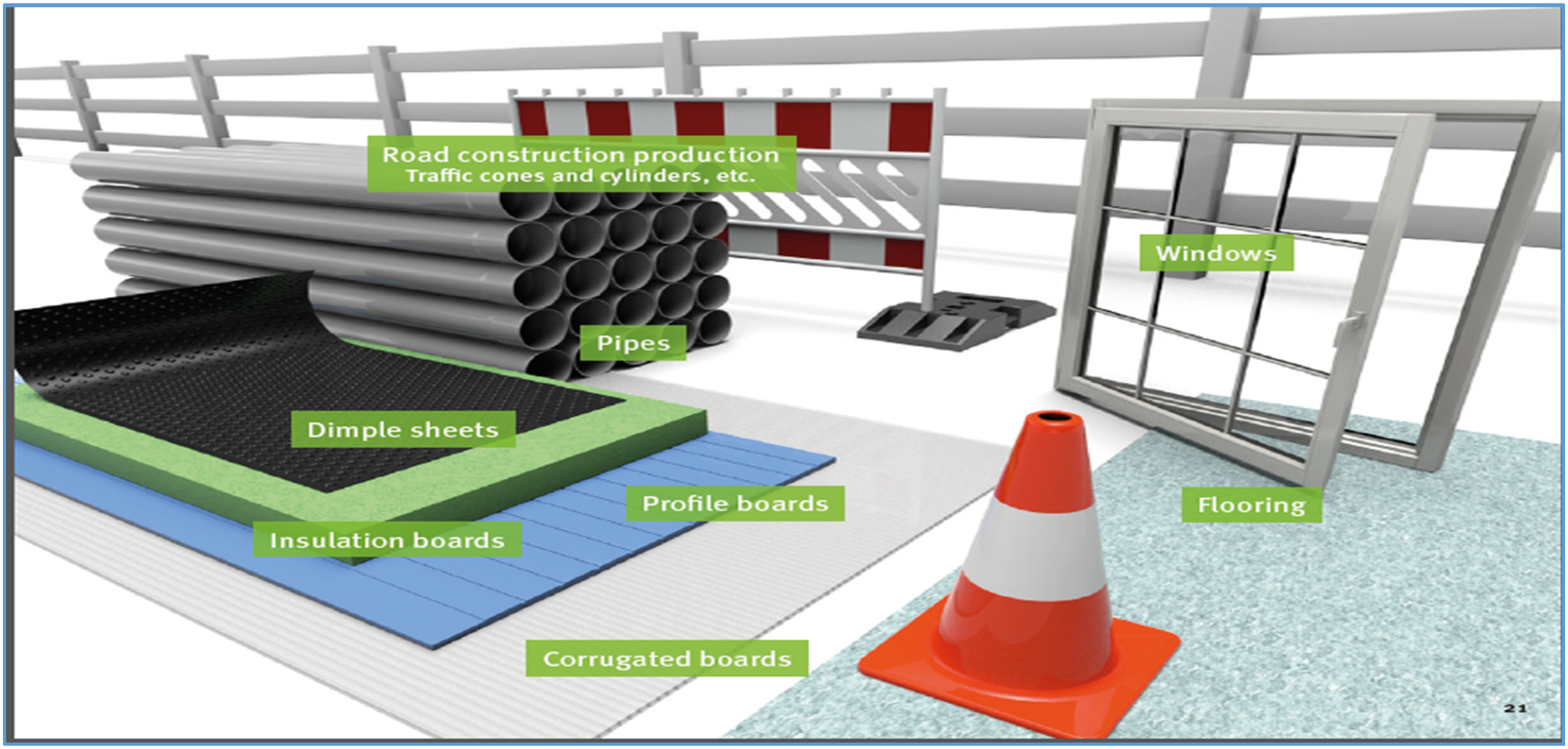
This was suggested based on the cost-effectiveness and environmentally friendliness potentials of EPS material rather than traditional insulating materials. Figure 7 shows some recycled waste plastic-based composite products, such as profile boards, dimple sheets, cylinders, pipes, PVC windows, and corrugated boards. Some products and applications of plastic recyclate in building and construction.
49
Electrical and electronics applications
Due to the presence of dangerous materials like hydrochlorofluorocarbons (HCFCs), hydrofluorocarbons (HFCs), and chlorofluorocarbons (CFCs) in some appliances (such as air conditioners and refrigerators), the number of new electrical and electronic materials for various devices has increased dramatically as a result of scientific advancements. 50 Improved eco-design, such as those that can be easily disassemble has been encouraged while new recycling technologies have made it possible to recycle waste plastics at a higher rate in closed loops, thereby, making these materials to be readily available for product development. To evaluate the environmental effects of home electrical and electronic devices during their life cycles, some manufacturers and recycling facilities have adopted life-cycle assessment, or LCA. 51 Sajeel et al. (2022) incorporated carbon black as a filler for recycled polyethylene to enhance its electrical characteristics. Scanning electron microscopy (SEM) suggests that there is increased filler-matrix contact and filler dispersion in the composites, which accounts for the enhanced electrical and thermal conductivity qualities seen in them. The thermal conductivity of 90 wt% carbon black in high-density polyethylene (HDPE) is 2.25 WmK−1. With 60 wt% carbon black exhibiting an electrical conductivity of 1x 10⁻⁵ Scm−1, the electrical conductivity rises exponentially with increasing carbon black content. 52 Recycled HDPE pellets were mixed with graphene nanoflakes at different concentrations using sonication and increasing agitation in toluene. The developed nanocomposites were analyzed using a goniometer, capacitance bridge, SEM, universal tensile testing, and thermal comparison techniques. SEM micrographs showed that the graphene nanoflakes were evenly distributed throughout the nanomaterials while slight improvements were seen in the thermal and electrical properties of the nanocomposites. However, there was more than twofold improvement in their mechanical properties. These observed properties could be a result of phonon dispersion, voids, structural defects in the nanomaterials, or the nonpolar structure of HDPE and some other factors. The authors recommend the use of the developed nanocomposites in various applications including designs of electric and electronic components. 53 In another study, recycled low-density polyethylene (LDPE) and aluminum oxide (Al2O3) are used to develop innovative polymer composites. The filler weight percentages of 1, 4, and 6 wt% were chosen. When the quantity of Al2O3 was raised, the relative permittivity, dielectric loss factor, and AC electric conductivity increased. These observed characteristics may be due to interfacial dipoles that have less time to orient themselves in the direction of the alternating field. For a flexible composite made of recycled materials, the relative permittivity attained a value of 4.9 at 1 kHz which is a good value for a flexible composite prepared from recycled material that can be utilized in electrical devices and electronic packaging. 54 Hosseini et al. (2020) discovered a possible application for waste non-recyclable plastic for the creation of electrically conductive nanoparticles. CNTs serve as the nanofillers and polystyrene serves as the matrix. The waste material is plastic foam, which is made of polyvinyl chloride and vulcanized butadiene rubber. After being melt-blended in a mixer, two nanocomposite systems—PS/Waste/CNT and PS/CNT—with different compositions had their electrical properties evaluated. Higher electrical conduction and enhanced electromagnetic interference shielding performance in PS/Waste/CNT systems indicated that the CNTs’ conductive networks were superior. For example, with 1.0 wt% CNT loading in trash/CNT nanocomposites with waste plastic levels of 30 and 50%, respectively, the conductivity of electricity was four and three orders of magnitude higher in the PS/CNT nanocomposite. Comparing the PS/CNT nanocomposite to the addition of waste plastic (50 wt%), the electrical percolation threshold was 30% lower. This extended network of CNTs in PS/Waste/CNT samples was explained by the excluded volume effect of the plastic waste, as evidenced by optical images and rheological tests, which also revealed the twofold percolation structure. Due to the amount of vulcanized rubber it contained, the plastic debris did not melt during the mixing process. As a result, in the PS phase, CNTs accumulated, and the PS/Waste/CNT samples had a more densely packed network. 55
By using cold pressing, Abdulkareem and Adeniyi (2018) created a polymer composite of leftover polystyrene and clay particles. Polystyrene-based resin (PBR) was produced by solvolysis of leftover polystyrene in an oil-based solvent. After that, it was mixed with 100-m clay particles at concentrations of 10%, 20%, 30%, and 40% clay, respectively. After analyzing the physical and electrical properties of composite panels, it was found that while the void percentage or porosity fell from 5.3% to 1.5% at the same time, the density of the composite increased by about 11% when the clay content in PBR increased from 0 to 40%. By measuring 1.88 × 10⁻⁷ S/cm, it was also discovered that the polymer composite with a filler loading of 40 wt% had the highest conductivity. Comparative investigation of the micrographs taken at 40x and 100x showed that the clay particles were evenly distributed throughout the polystyrene mixture. Hence, for applications needing materials that disperse static electricity, the produced polymer composites can be adapted. 56 High-quality plastics such as polypropylene and polystyrene have been recycled and used on the back of many household appliances in recent years, including televisions, dehydrators, washing machine balancers, fans, and grilles. In addition, water containers from washing machines and fresh produce containers from refrigerators have also utilized recycled polypropylene material. 16
Waste plastics as a source of fuel
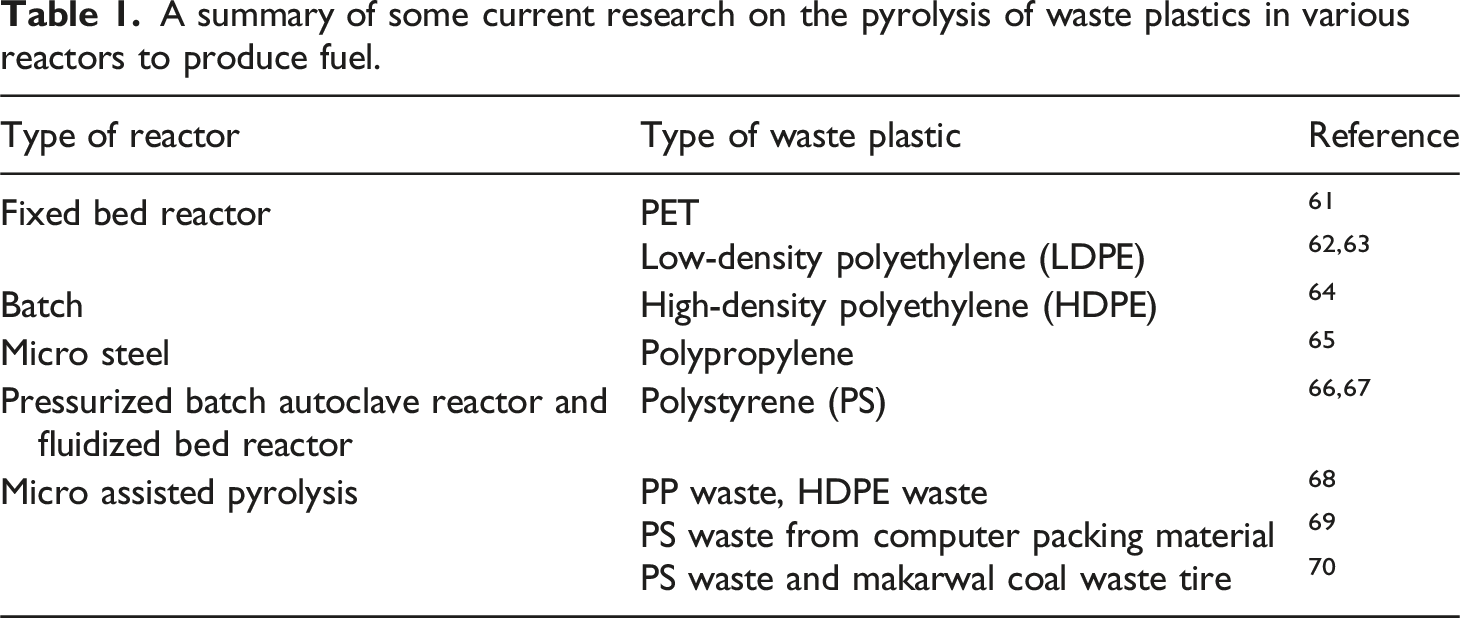
A summary of some current research on the pyrolysis of waste plastics in various reactors to produce fuel.
However, the conversion of waste plastic to fuel presents several challenges. The major difficulty is the complex post-processing needed to fulfill commercial fuel specifications. Part of the subsequent ones is the small-scale liquid fuel production that occurs during the valorization process. Research has shown that this procedure necessitates highly qualified staff and advanced technology to guarantee a cleaner end product. In particular, waste plastic needs to be pretreated since it is volatile before it can be utilized in feedstock to make oils or fuels. 71
Plastic recyclates in low and medium-load-bearing capacity products
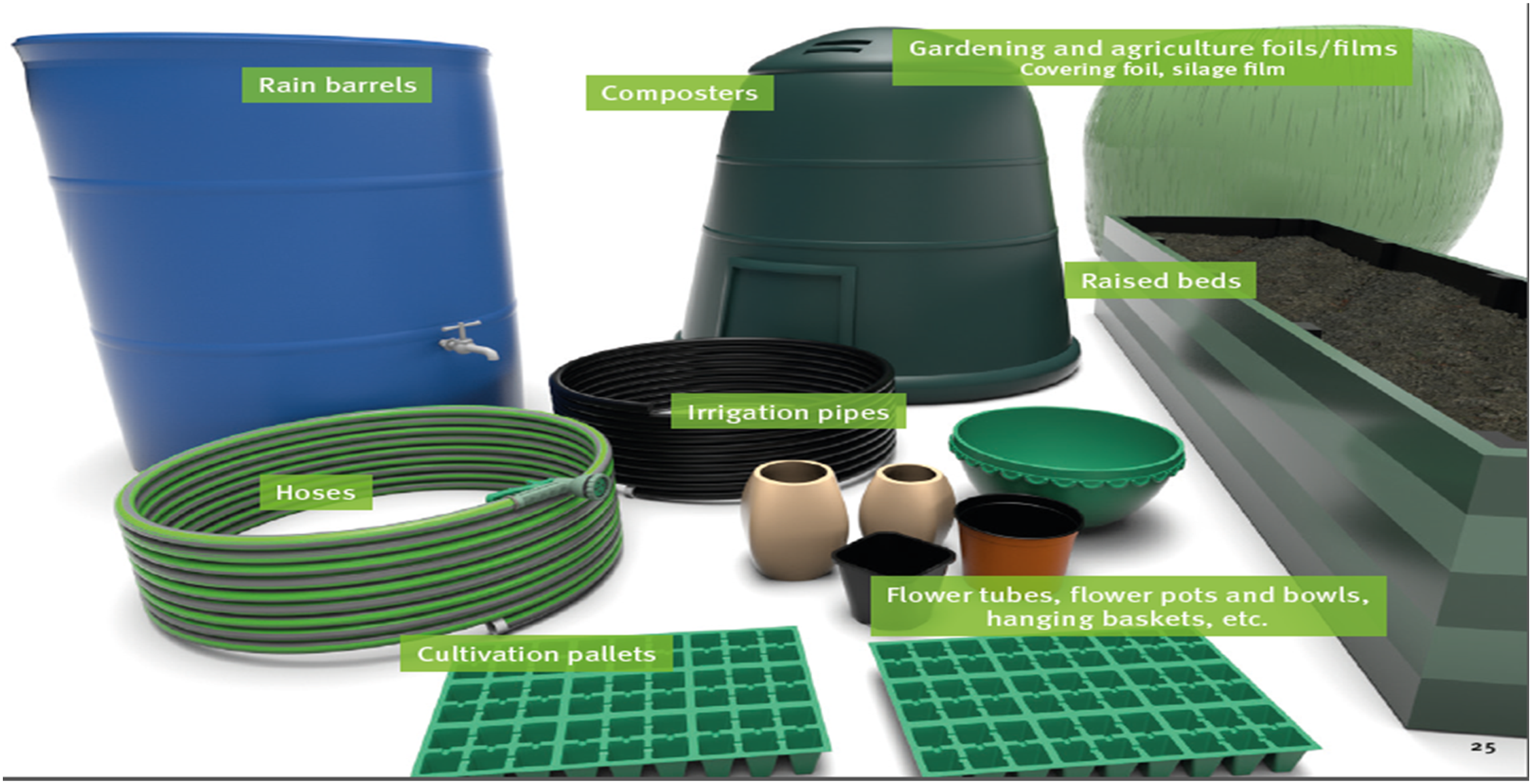
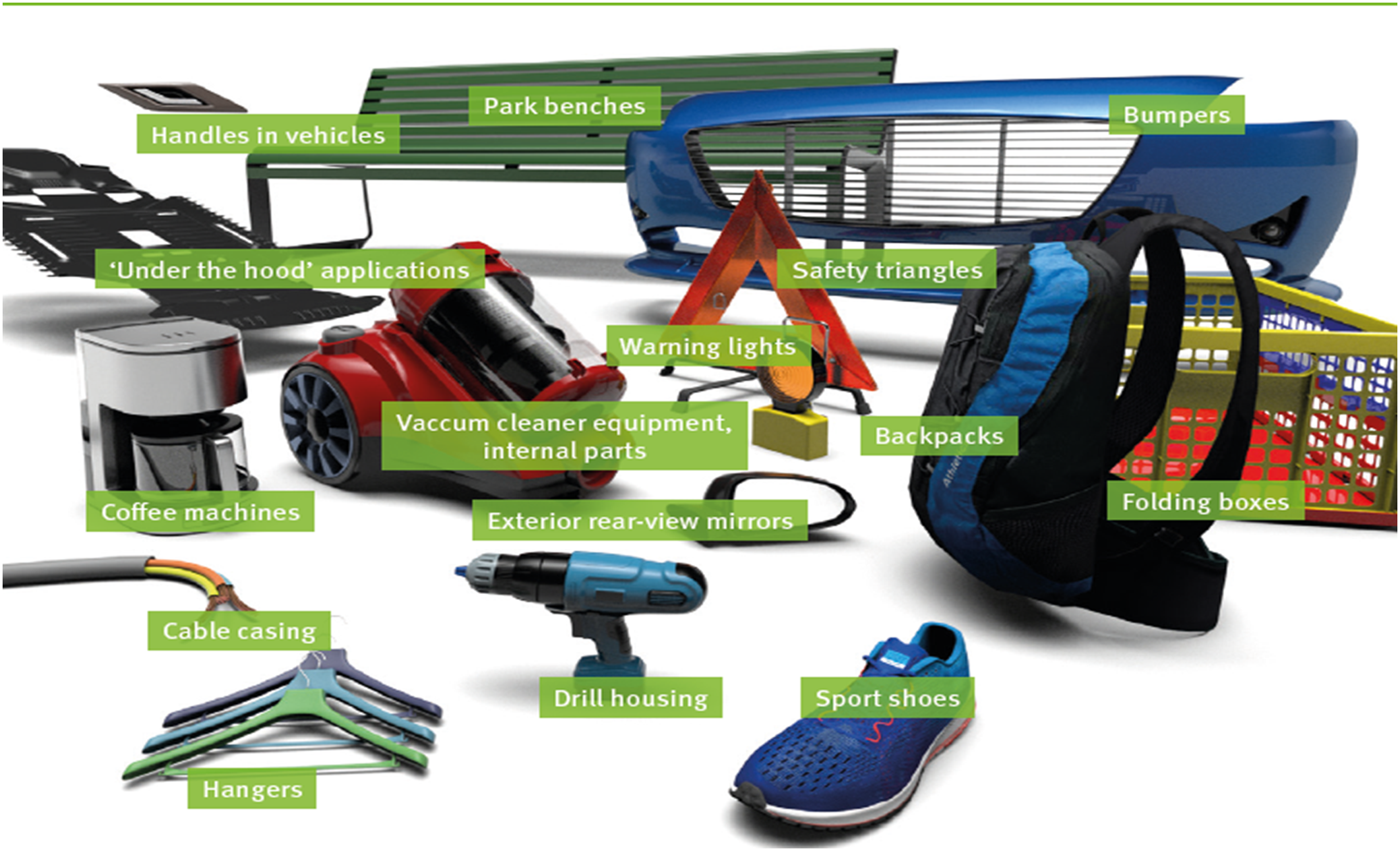
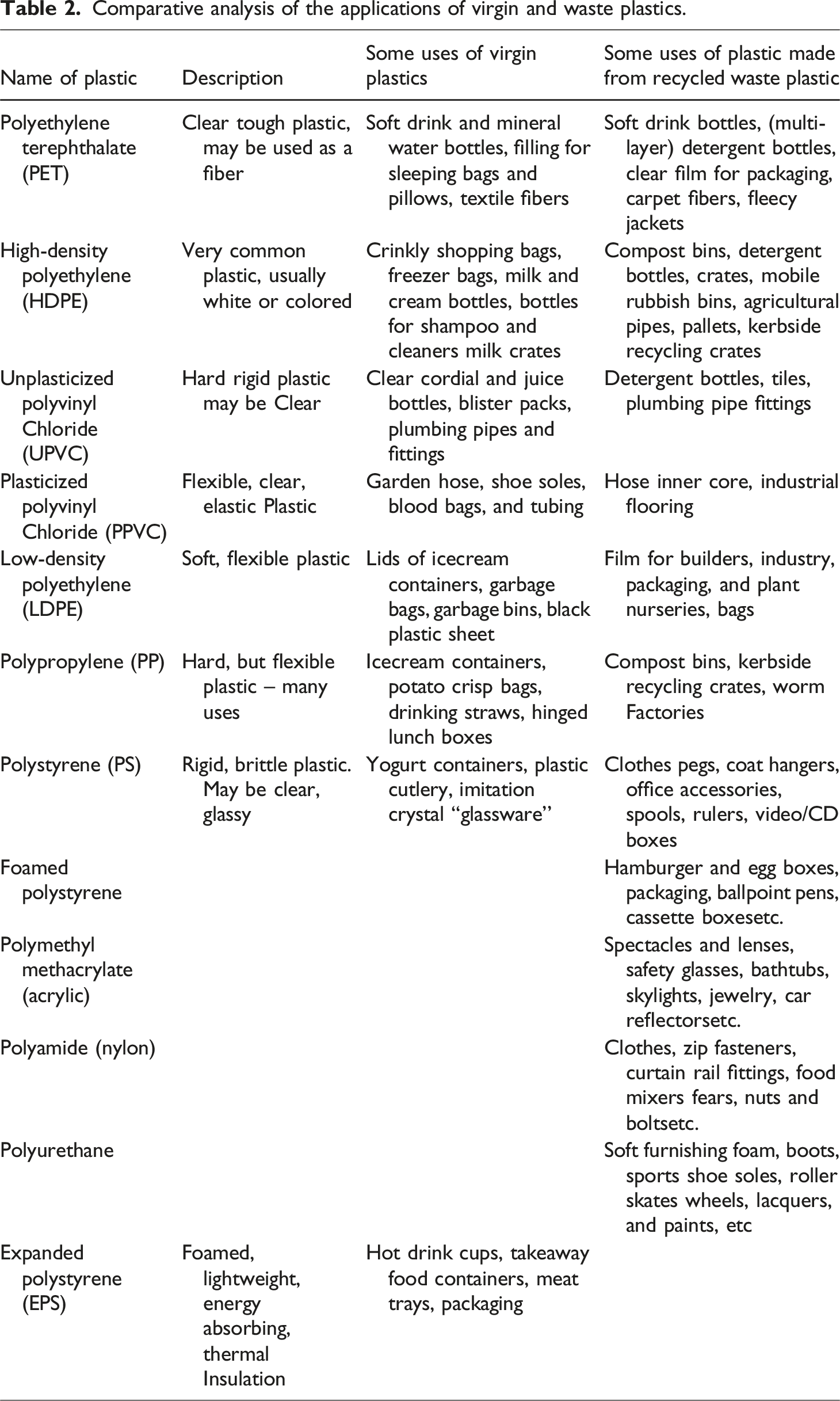
Innovative sorting and recycling technologies have helped to increase the quality of plastic recyclate which has found many uses in various industries such as packing, electronics, sports, housewares, automotive, and agricultural.72,73 Recycled plastic products are been used in these industries where low and medium-load-capacity-bearing products are needed. Figure 8 presents some of the recycled waste plastic-based products being used in home and commercial packaging applications while Figure 9 shows their applications in agriculture and gardening applications. Likewise, Figure 10 shows the applications of recycled waste plastic in automotive, electrical electronics, and other products while Table 2 highlights the comparisons for a few specific goods using virgin and recycled plastics. It was revealed from Table 2 that, recycled plastic is now beneficial and can be favorably used in developing similar products that are being manufactured from virgin plastics. Utilizing recycled plastic in home and commercial packaging applications.
49
Plastic recyclates in agriculture and gardening applications.
49
Plastic recyclates in automotive, electrical and electronics, and, other products.
49
Comparative analysis of the applications of virgin and waste plastics.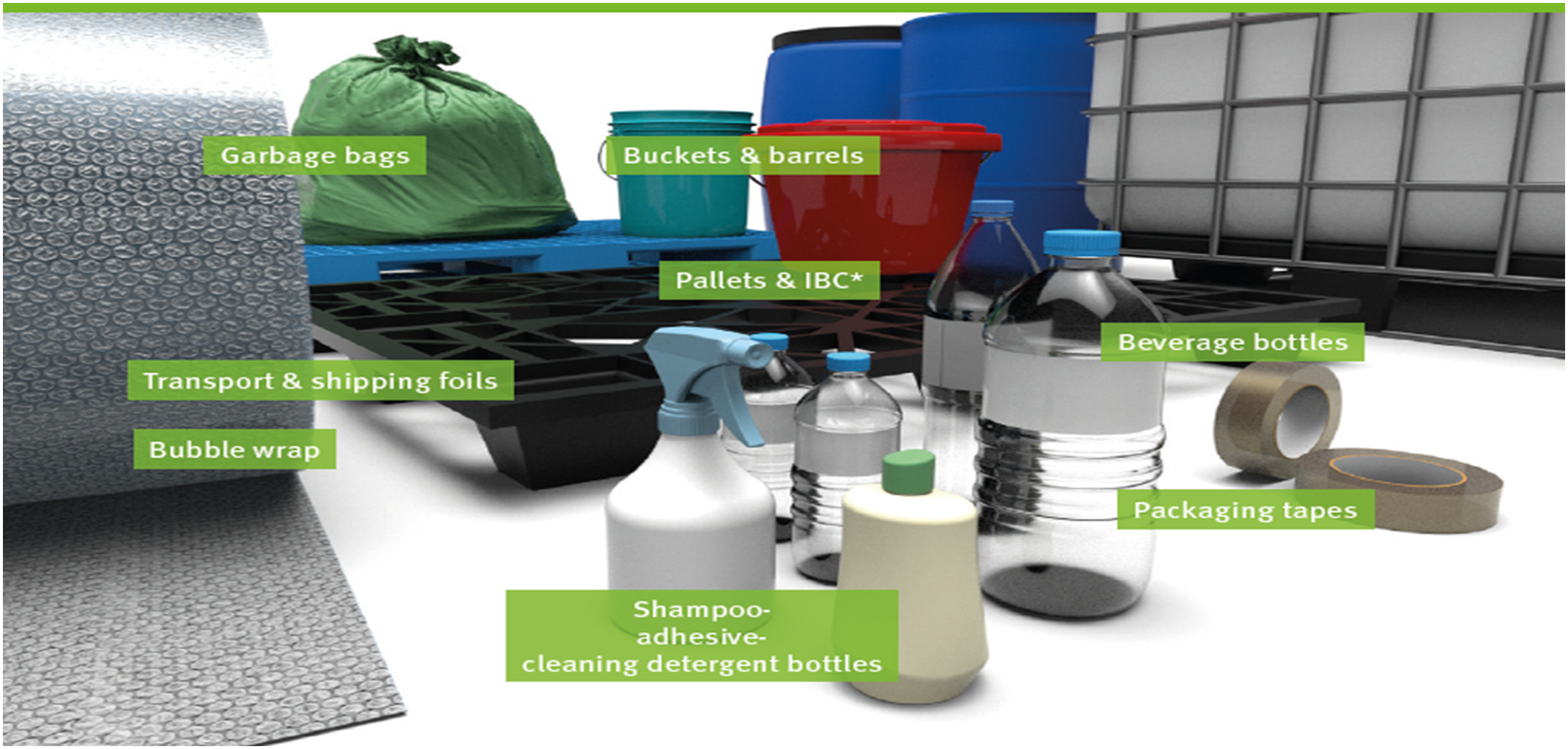
Current Challenges in recycling and Reuse of waste Plastics
Although there has been a worldwide rise in recycling activities, it has not yet constituted a complete solution.
10
Numerous challenges hinder the extensive use of plastic waste. These include;13,74 i. Difficulties in gathering and sorting waste plastic before recycling. ii. The diverse compositions of plastic waste create inconsistent performance in construction applications. iii. The low density of waste plastic limits its suitability for applications requiring higher elasticity and toughness. iv. An inadequate understanding of the long-term performance of recycled plastics discourages contractors from embracing and integrating waste plastic into projects. v. The low surface energy of waste plastic results in inadequate mechanical bonding when incorporated into composites, reducing the overall mechanical properties of the resulting materials. vi. Economic constraints further complicate matters, as recycling certain types of plastic requires expensive advanced equipment, impeding their recyclability. vii. Lastly, the absence of standardized guidelines for utilizing waste plastic in construction poses a significant barrier to its widespread adoption.
Impacts of mismanagement of plastic wastes
If appropriate action is not taken to improve waste plastic management, a recent study estimates that by 2050, almost 12 million metric tons of plastic garbage will clutter landfills and the environment. 75 Unmitigated plastic trash has negative effects on the environment, 72 the economy, and human health, including:
A. The effects on the environment: • Wastes made of microplastics are contaminants in soil and water; • Plastic water bottles clog streams and worsen natural disasters with their weight • By 2050, 99% of seabirds are predicted to have consumed plastic.
B. Economic Impacts: • This will result in a loss of revenue for the shipping, fishing, and tourism sectors.
C. Health Effects: • Burning plastic will cause visible pollution as well as the release of harmful chemicals and emissions. • Difficulty in clean-up costs down the road. • Food contamination and • the obstruction of sewage systems by plastic containers, which serve as mosquito breeding grounds and increase the risk of malaria transmission.
Priority actions to minimize waste plastic
i. Optimize waste management systems by separating garbage at the source, whether it be organic, plastic, paper, metal, etc.; collecting, transporting, and safely storing the separated waste; and recycling waste plastic effectively, which will cut down on environmental dumping and landfilling. ii. Encourage eco-friendly substitutes for single-use plastics by implementing financial incentives such as tax breaks, funds for research and development, assistance for technology incubation, and collaborations between the public and private sectors; back initiatives to upgrade or recycle single-use items, turning potential wastes into resources; encourage the establishment of micro-enterprises to propel employment creation and economic expansion. iii. Instruct customers on how to make eco-friendly decisions; include them in curricula in schools; run awareness programs; and use public pressure to influence decisions in the public and commercial sectors. iv. Promote and encourage the use of reusable bags in place of plastic ones; encourage voluntary agreements between the government and manufacturers and retailers. v. It should be illegal to use single-use plastic products and levies should be implemented to reduce their manufacturing. vi. Most existing studies primarily focus on PET, but there should be broader research into other types of waste plastic (such as PP, PS, PVC, etc.) to reduce the environmental burden. vii. Current technologies for converting waste plastic into textile products are not fully developed, and further research is necessary to address the associated technical challenges.
Future outlook
The widespread popularity of plastics stems from their exceptional flexibility, processability, and fabricability, attributes that have fueled their exponential growth globally. While their cost-effectiveness, durability, and ease of use have contributed to their proliferation, the inability of plastics to degrade raises significant ecological and environmental concerns, particularly regarding the surge in plastic production and the resultant accumulation of plastic waste. With the present global trend in advancement and materials demands, coupled with environmental concern and sustainability, more use for waste plastic is expected since they are readily available in all locations globally. The traditional recycling of plastic waste results in significant emissions of greenhouse gases (GHGs), which have detrimental effects on society. Proper sorting of plastic waste is essential in both mechanical and chemical processes to enhance the efficiency and speed of plastic waste disposal. While pyrolysis and liquefaction techniques are considered superior to other methods, they are expensive, and the presence of contaminants in plastic waste can interfere with the catalytic pyrolysis process, leading to a competitive operating procedure and hindering product growth. Oxo-biodegradation presents itself as an effective method for plastic waste decomposition, but transitioning from laboratory-scale success to industrial production poses challenges in achieving the desired outcomes. It is crucial to comprehend and regulate the impacts of various variables such as temperature, catalyst, reactor, and life cycle assessment (LCA) of plastic to ensure the viability of the process. Understanding the life cycle of plastic waste is essential to developing solutions that maintain its value through repeated use and reprocessing, ultimately leading to higher recycling rates, increased utilization of recycled materials in finished products, and reduced costs associated with exporting, landfill disposal, and incineration of plastic waste. 76 Waste plastics are to be researched for the development of advanced materials ranging from nanoparticles to bacteria-induced materials for dynamic applications. The current status of thermosets which are regarded as non-recyclable materials needs to change in the future. They are to be reusable whether as particles or any other form. Hence, research should be more focused on how to use thermosets while more applications are to be sought for recycled thermoplastics. Overcoming all these challenges would enable a reduction in crude oil imports, diminish plastic waste, a primary contributor to environmental pollution, and facilitate a cost-effective, gradual transition away from dwindling fossil fuel reserves. There is a clear industry inclination towards transitioning to a circular economic model to decrease the quantity of PW and promote sustainability.
Conclusion
This review has advanced the need for effective involvement in reducing, recovering, recycling, and reusing waste plastics. Inherent potentials of waste plastics as opposed to the conventional perception of them as ecological threats were presented. The review showed that waste plastic-based materials are favorably utilized in low and medium-load-bearing capacity applications in various industries. It was discovered from the review that waste plastic-based materials are commonly used for building and construction, automobiles, electronics, and household products as well as energy generation. Hence, by advocating for their continued use, waste plastics can serve as readily accessible raw materials, contributing to resource sustainability on a global scale. Thus, by harnessing the potential of waste plastics, we can pave the way towards a more sustainable and environmentally responsible future. Global awareness of the need and possibility of reuse of waste plastics is now creating employment opportunities for some individuals in Nigeria for example. Therefore, it was evident from the review that, waste plastic will no longer be perceived as an environmental threat in the future, rather they will be accepted as secondary material for new products.
Footnotes
Declaration of conflicting interests
The author(s) declared no potential conflicts of interest with respect to the research, authorship, and/or publication of this article.
Funding
The author(s) received no financial support for the research, authorship, and/or publication of this article.
