




Abstract
It is a known fact that aerospace industry requires very strict requirements in terms of weight, material properties, and product lifetime performance. Therefore, composite materials are key candidates to satisfy these stringent requirements. Thermoplastic composites have become more competitive in the fields of aerospace, defense, energy, electronics, and automotive industries compared to thermoset composites, due to their ease of formability, short production cycles, and recyclability. Considering the benefits of thermoplastic composite materials, more thermoplastic parts will be produced in near future in aerospace industry. This study highlights the most recent advancements in thermoplastic composite technology. The latest advances in thermoplastic composite technology are highlighted by reviewing material technologies and production methods. Conclusion of this study, it has been observed that the use of thermoplastics in the aerospace industry is increasing day by day, owing to the advantages they offer compared to traditional materials. Especially in critical and trending areas such as stamp forming, press consolidation, Automatic Fiber Placement (AFP), and welding methods, research and development activities are intensifying. Furthermore, this study provides insights into the direction of current investments in thermoplastic technology and discusses how these investments are likely to shape future applications within the aerospace industry.
Keywords
Introduction
In the 1960s and 1970s, thermoplastics were utilized in the military and defense sectors for constructing composite components. However, when the United States reduced its defense expenditures in the 1990s, companies like DuPont, Phillips Petrol, Exxon, BASF, and Imperial Chemical Industries (ICI), which had previously invested in developing thermoplastic tapes, shifted their focus away from this area. 1 Firstly, progress in composite components continued, and thermoset composites, in particular, made significant advancements and found widespread applications. Nevertheless, recent developments, driven by both environmental concerns and the demand for faster production, have sparked the search for alternatives to thermosets. 2 Consequently, thermoplastics have re-emerged as the leading candidate in this field. Thermoplastics offer distinct advantages in terms of production time, storage, durability, and recyclability. 3 Let us conduct a more thorough examination of the current positions and standings of industry leaders during the 1990s in the context of thermoplastics.
The 1990s proved to be a pivotal moment for prominent corporations in the materials and industrial sectors. 4 Companies such as DuPont, Phillips Petroleum (now Phillips 66), and Exxon (now ExxonMobil) diverted their focus to thermoplastics, marking a paradigm shift.5–7 This transformation was influenced by various factors, with market demand being the most significant. During this era, there was a demand for high-performance materials like specialty polymers and advanced composites. These inventive materials were mainly used in sectors as varied as aerospace, automotive, and electronics. It is important to note that these applications had significantly increased profit margins compared to more conventional thermoplastics, making them a more enticing prospect for companies looking to improve their financial position.
Furthermore, globalization has played a considerable role in the success and widespread usage of these advanced materials. The 1990s saw an increase in globalization, prompting corporations to expand into international markets. To meet diverse regional demands, companies required a more extensive product portfolio. 8 Consequently, thermoplastics were no longer the sole focus; they needed to adapt to meet the needs of a varied customer base. Also, the escalating competition amongst domestic and international rivals resulted in heightened demands for product diversification. Notably, the thermoplastics market was a fiercely contested domain, necessitating exploration of alternative growth avenues. In addition, environmental awareness and stringent regulations emerged as a major priority during this period. Thermoplastics, being plastic-based materials, faced scrutiny due to their environmental impact, therefore, corporations searched for materials that were more sustainable and ecologically responsible.
Moreover, progress in material science and polymer technology enabled the development of new materials with superior properties designed for specific applications. Companies like DuPont, Phillips Petroleum, and Exxon swiftly perceived the potential of these innovative materials, acknowledging their prospective for superior value and performance. 9 Additionally, during this time, cost pressures in the production of thermoplastics continued to rise. As competition intensified, emphasis on cost efficiency became vital, resulting in a comprehensive reevaluation of product portfolios to prioritize more profitable ventures.
In summary, industry leaders’ reduction in emphasis on thermoplastics in the 1990s resulted from market forces, competitive pressure, technological advances, and environmental considerations. The response to these challenges was that these companies started strategic shifts, diversifying their product offerings and probing fresh business opportunities.
Nowadays, there is a growing number of restrictions, aimed at reducing CO2 emissions in the aerospace industry due to global warming. In 2016, the International Civil Aviation Organization (ICAO) made efforts to reduce CO2 emissions in international aviation sector. 10 There are a few key strategies that the ICAO has implemented to decrease CO2 emissions in international aviation.
First, CORSIA, the Carbon Offsetting and Reduction Scheme for International Aviation, is a market-driven initiative managed by the ICAO and launched in 2021. 11 The primary goal of this scheme is to restrict the net CO2 emissions resulting from international flights to 2020 levels. Airlines are obliged to track emissions on international flights, as well as the resulting pollution. They must invest in reducing carbon emissions if they exceed the permitted amount. The CORSIA is expected to play a crucial role in promoting carbon-neutral growth in international flights. The ICAO actively supports the development of more fuel-efficient aircraft and engines. 12 They also encourage the development and use of advanced technologies, optimization of flight practices, and enhancement of air traffic management, all of which could lead to a reduction in CO2 emissions and subsequently decrease pollution.
Secondly, the ICAO promotes the use of eco-friendly fuels derived from renewable resources for aircraft. These fuels promise to significantly reduce the carbon footprint of aircraft. The ICAO has a leading role in establishing guidelines and standards for the application of SAFs (Sustainable Aviation Fuels) within the aviation sector. These standards are important in addressing the environmental impact of aviation and frequently impose limitations on emissions like nitrogen oxides (NOx) and other particles. 10
Additionally, the ICAO plays a critical role in setting global regulations for aircraft emissions and noise. The ICAO also produces aircraft technology roadmaps to guide future advancements in technology. It has deliberately developed technology roadmaps to detail expected advancements in aircraft design and engine systems. These roadmaps serve as the basis for consecutive reductions in emissions over time. It offers technical support and implements capacity-building programs to help nations, with an emphasis on developing countries, improve their aviation infrastructure and adopt environmentally friendly practices. 12
In summary, the ICAO has undertaken numerous measures to reduce CO2 emissions in international aviation, which have been developed and evolved over several years. One of the ICAO's most significant accomplishments, the CORSIA, was created to tackle the notable increase in carbon emissions caused by international flights. The CORSIA focuses on previously established agreements, such as the Kyoto Protocol and the Paris Agreement, which aim to reduce carbon dioxide emissions resulting from international aviation. Furthermore, the ICAO's diligent efforts in this area are critical to achieving global climate objectives. The aviation industry must comply with the requirements set forth by the ICAO as it continues to rapidly expand over the years. All these studies and efforts provide evidence of the environmental impact of the international aviation sector on a global scale, as determined by the ICAO. 1
Strategies that can be implemented to reduce emissions in aviation include technological advancements, the use of low-carbon fuels, optimization of air traffic, and reduction of overall air traffic volume. 2 One significant area of technological advancements is material technologies that directly impact aircraft fuel consumption by reducing their weight. The shift from the use of metals to composites has been made to lighten the aircraft. While the composite weight ratio was only 4% in the 1970s, it has now surpassed 50%. 3 Although thermoset composites are currently predominantly used in aircraft, thermoplastic composite materials are increasingly being incorporated into aircraft designs.
Thermoplastics versus thermosets
Despite the prevailing usage of thermosets in the aviation field, when their properties are compared to those of thermoplastics, they exhibit inadequacies in numerous aspects. 13 Thermoplastics have superior fracture toughness compared to thermosets and offer notable advantages in terms of other physical and chemical properties. They can be easily recycled and possess high resistance to combustion, corrosion, and wear, while also displaying low toxicity. Additionally, there are no restrictions on their shelf life, allowing for indefinite storage at room temperature (RT) if desired.
Thermoplastics and thermosets are different classes of polymers with distinct properties and advantages that dictate their various uses. 14 However, in the aerospace industry, thermoplastics becoming significantly important. Hence, the advantages of thermoplastics over thermosets based on their properties, will be explaining in the following.
The first thing that needs to be considered is its' reusability. Thermoplastics can be melted and reshaped numerous times without changing their mechanical properties. This trait makes them exceptionally environmentally sustainable for recycling, and their reversibility enables reprocessing and repairing parts. Compared to thermosetting materials, they reduce the scrap ratio. Additionally, they have the potential for cost-effective and rapid production due to their ability to be used multiple times. In contrast, thermosetting materials undergo chemical reactions that cannot be reversed during processing, rendering them inappropriate for recycling and reprocessing. 15
Secondly, thermoplastics have ability to easy molding, variety of techniques available for shaping thermoplastic materials, including injection molding, extrusion, and thermoforming, makes them incredibly versatile, well-suited for various manufacturing processes, and a wide range of applications. 16 However, the processing options for thermosetting materials are typically limited because they can only be processed under specific curing conditions. Moreover, these materials may behave quite brittle in some applications and exhibit low impact resistance due to their characteristic properties. On the other hand, most thermoplastics, such as Polyaryle Ether Ketone group (PAEK), Polyphenylene Sulphide (PPS), Polyether Ether Ketone (PEEK), Poly Ether Ketones (PEKK) and others, possess significantly high impact resistance. These materials are well-suited to applications that require high mechanical resistance and will be subjected to stress.
Furthermore, thermoplastics have good chemical resistance, Polyvinyl chloride (PVC) and Polyethylene, among certain other thermoplastic materials, exhibit notable tolerance to chemical agents. Consequently, for applications that involve exposure to intense chemicals, they are often the preferred option. On the other hand, thermosetting materials are less resistant to chemicals. Flexibility is another crucial advantage of thermoplastics over thermosets. They exhibit a wide range of flexibility, varying from rigid to highly flexible. The degree of flexibility depends on the polymer type employed and the addition of particles, facilitating the customization of flexibility to the intended use. 17
Additionally, thermoplastics possess lower densities, resulting in their suitability for lightweight production, making them more viable than thermosets in this respect. In the aerospace industry, weight reduction is crucial. Therefore, thermoplastics are a highly trending topic in this field.
In addition to these main properties, thermoplastics offer numerous advantages over thermosets. They have the ability to cool and solidify quickly, frequently negating the requirement for post-processing. Notably, unlike thermosets, thermoplastics can be simply united using techniques like welding.
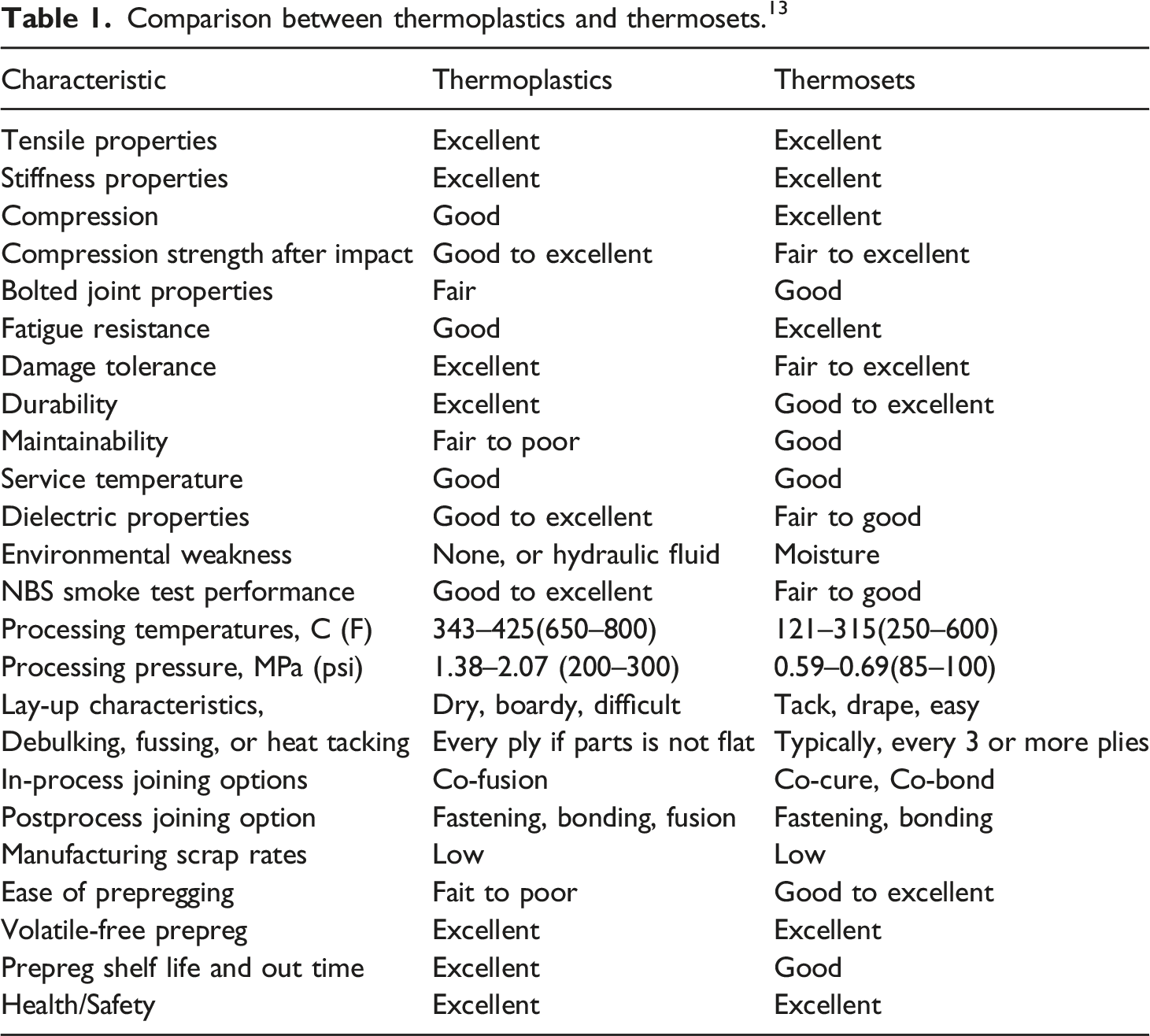
Overall, both thermoplastics and thermosets have singular attributes and merits compared to each other (Table 1). Different materials are suitable for different applications based on their unique properties, and selection should be made accordingly. As a result of their specific attributes, including reversibility, lightness, and high impact resistance, thermoplastics are becoming increasingly popular in the aviation sector and are expanding their range of uses with each passing day.
Thermoplastics in aerospace industry
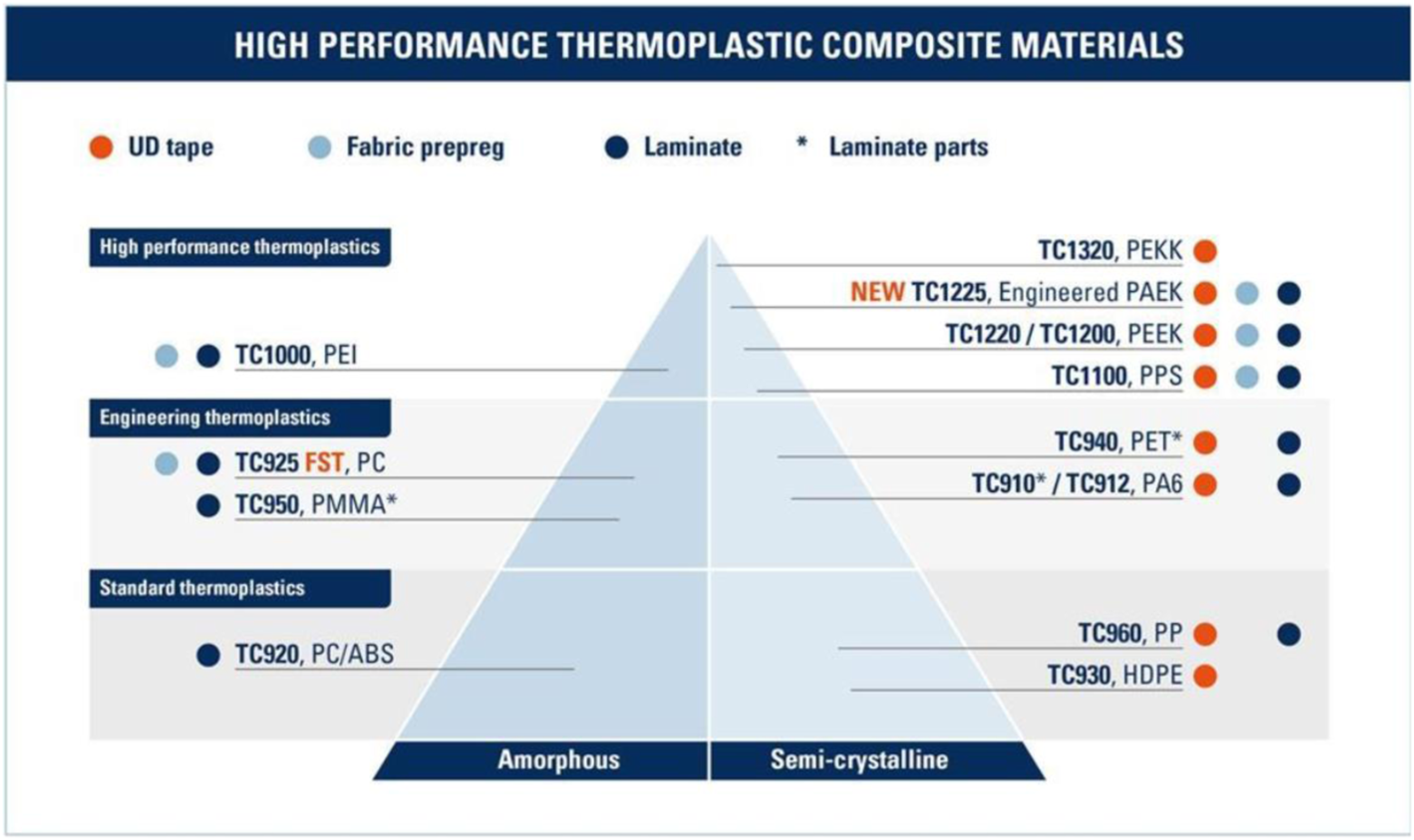
The aerospace industry predominantly relies on high-performance thermoplastic polymers, namely PEEK, PEKK, PPS) and LM-PAEK (Low-Melt polyaryl Ether Ketone). These specific thermoplastic materials find extensive application in aerospace industry. Notably, all of these materials exhibit a semi-crystalline nature. Furthermore, the amorphous thermoplastic polymer, PEI (Polyetherimide), known for its exceptional performance, also holds significance in aviation applications.
18
Thermoplastic materials that are used generally for the aerospace industry are shown in Figure 1. Thermoplastics that are generally used in aerospace industry.
18
Moreover, the following section details the properties and preferred applications of various high-performance thermoplastics frequently employed in the aerospace industry. First of all, PEEK, this thermoplastic composite offers exceptional resistance to heat and chemicals, along with high mechanical strength. These attributes enable long-term usage at elevated operating temperatures, without sacrificing mechanical properties. The PEEK composite materials are often preferred for aircraft components such as brackets, connectors, and electrical insulators due to their exceptional properties. 18
Another high-performance thermoplastic composite, called PEKK, shares similarities with PEEK. It also possesses outstanding mechanical properties, high-temperature resistance, and robust resistance to various chemicals and environmental conditions. As a result, it is well-suited for applications subject to high mechanical loads. Furthermore, dimensional stability, which refers to maintaining its shape under changing environmental conditions, is of great significance in the aerospace industry. 19 Therefore, PEKK is utilized in various critical aircraft components, including brackets, thermal shields, and other structural parts.
PPS is also a critical thermoplastic that is commonly used and is highly regarded for its exceptional thermal stability, chemical resistivity, and dimensional stability, even at higher operating temperatures. PPS’s manufacturing versatility and material characteristics have led to a surge in demand within the aerospace industry for applications such as electrical connectors, thermal protection, and cabin interiors. PPS is able to endure high mechanical stress, 20 making it suitable for use in structural components.
PEI (polyetherimide), also boasts mechanical strength, heat resistance and electrical insulation, making it a desirable material for use in various aerospace applications. 21 Therefore, it also has a wider range of applications in the aerospace industry, such as for interior parts of an aircraft and electrical connectors.
PC (Poly Carbonate) possesses excellent optical clarity, flame resistance, impact resistance, and is lightweight. 22 Thus, it is suitable for aircraft windows, cockpit canopies, and other components that require both lightness and durability.
• PEKK, PEEK, and PPS all possess chemical resistance. PEEK and PEKK exhibit similar levels of chemical resistance, whereas PPS is renowned for its exceptional chemical resistance. This is evidenced by its effectiveness against a wide range of chemicals and solvents, indicating that for certain applications, PEKK and PEEK may not be as resilient as PPS. Mechanical properties of widely used thermoplastic composites in aerospace industry.
24
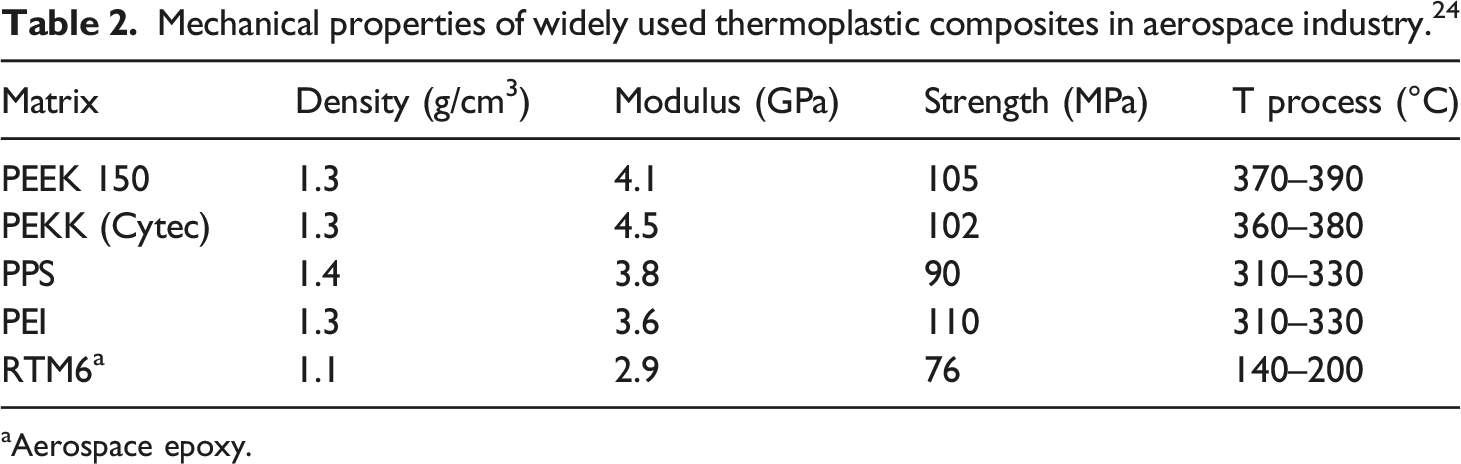
aAerospace epoxy.
Comparison of the widely used thermoplastics in aerospace industry.
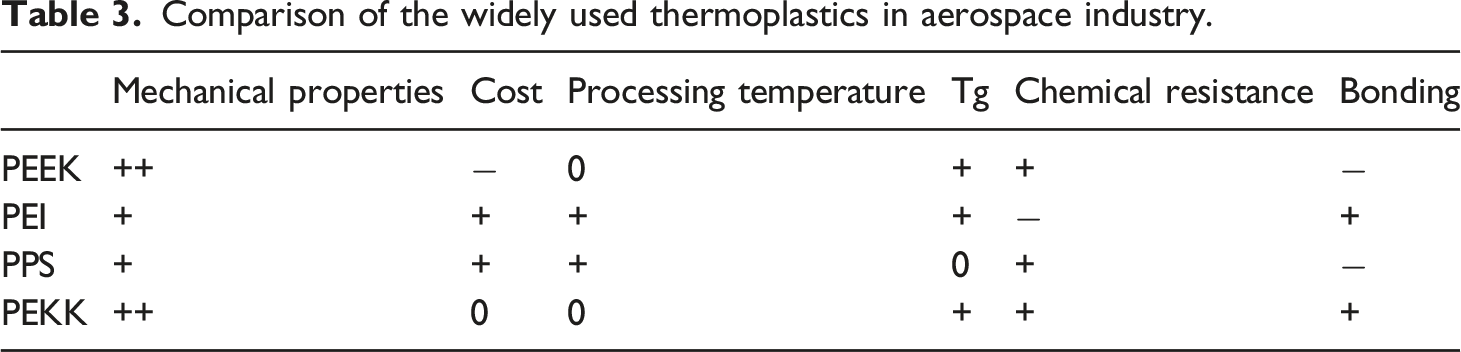
Table 3 compares high-performance thermoplastics widely used in the aerospace industry in terms of their mechanical properties, process temperatures, costs, glass transition temperatures (Tg), chemical resistance, and bonding capabilities. This table is composed based on previous studies and validated authors’ experience. “++” demonstrates the superiority of property over others, “+” highlights the advantage of the property while “0” means no impact on usage, and “−” indicates a lack of advantages.3,5
In summary, PPS, PEEK, and PEKK thermoplastics possess unique properties, and the selection between them depends on specific application requirements. The selection process entails essential aspects such as strength, impact resistance, heat resistance, and chemical resistance. It should be noted that while PEKK boasts exceptional mechanical properties, it is also associated with a higher price point compared to PPS and PEEK. In light of this, users must consider the trade-offs between performance and cost-effectiveness when utilizing the material in specific applications. 25
Figure 2 depicts the progressive development of thermoplastic composites in aircraft applications throughout the years, highlighting the key domains in which they have been employed. Initially, the emphasis was on the production of smaller components utilizing thermoplastic materials. Nevertheless, advancements in manufacturing technologies have enabled the utilization of larger-scale parts.
26
Evolution of thermoplastic utilization in commercial aircraft.
26
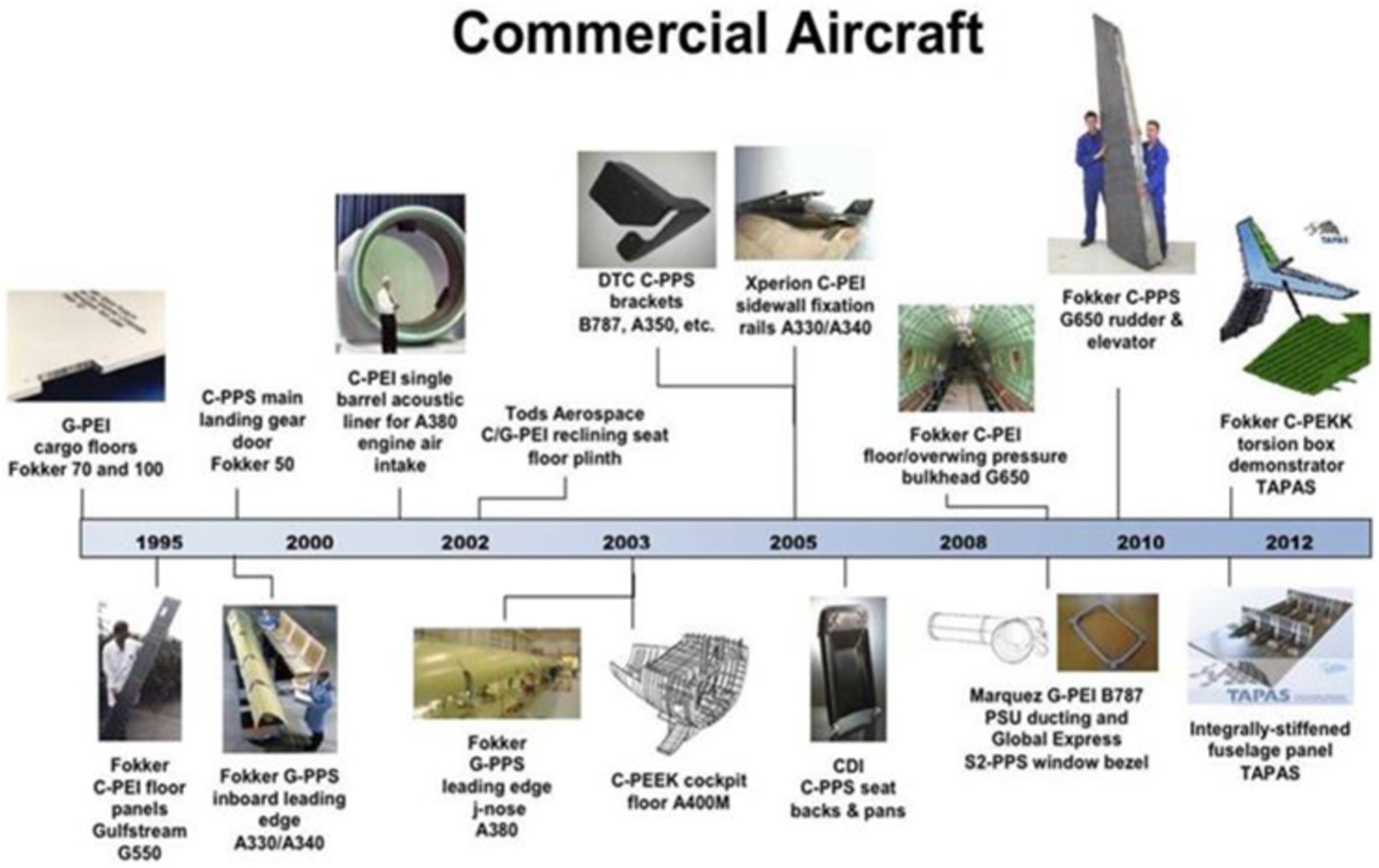
As depicted in Figure 2, the usage of thermoplastics in the aerospace industry has significantly increased over time. Aircraft have undergone various transformations over the years, aiming for greater sustainability, reduced weight, and improved performance. Furthermore, this article chronicles the pivotal milestones and innovations that have contributed to the progress of thermoplastic usage in aircraft.
The early stages of thermoset composites are discussed. Composite materials were initially used in the aerospace industry by utilizing thermosets. The first composites used in aviation were materials such as epoxy and phenolic resins reinforced with fibers such as glass or carbon. The preference for these thermoset composites was as a result of their lightness and their comparatively strong structural properties.
During the 1970s and 1980s, thermoplastic composites began to be utilized as materials for aircraft, playing a significant role in the evolution of aircraft materials. 4 Notably, PEEK and PEKK gained prominence during this period and their areas of application have been expanding day by day.
By the 1990s, the adoption of thermoplastics in the aerospace industry had become more widespread. PPS, 27 in particular, gained prominence, especially in applications that require high temperature and chemical resistance. Moreover, aerospace manufacturers in the 2000s increasingly depended on thermoplastic properties, resulting in a rapid increase in thermoplastic usage across various aircraft components such as structural parts, brackets, and some interior components.
In the 2010s, significant advancements in material science contributed to the creation of new thermoplastic composites with improved mechanical and thermal functionalities. 28 High-performance polymers are combined with reinforcements, including carbon fiber, in thermoplastic composites such as PEKK, PEEK, PPS, and Poly Phenyl Sulfone (PPSU). This advancement has led to a substantial increase in their use within the aerospace industry, resulting in thermoplastics becoming a primary material of choice for aviation applications.
Sustainability, has become a top global priority in the 2020s. As environmental impact and waste have become significant concerns in the aviation industry, addressing these issues has gained paramount importance. 12 In response, the aerospace industry adopted thermoplastics because of their ability to produce less waste and be recycled. Given text adheres to most of the principles already. As a result, the usage of advanced thermoplastics accelerated due to the aim of reducing the overall weight of aircraft and promoting sustainable aviation.
In recent years, the aerospace sector has shown great interest in additive manufacturing technology due to its numerous benefits such as time-efficiency, cost-effectiveness, and the ability to produce complex shapes. The role of thermoplastics is pivotal in the field of 3D printing and additive manufacturing owing to their ability to enable lightweight and intricate structures. 29
A significant amount of research and development is being conducted at universities, research centers, and industries to enhance the efficiency and cost-effectiveness of thermoplastics specifically designed for aerospace use. Moreover, these studies focus on tailoring materials for various aircraft components.
In light of these investments and developments, aircraft manufacturers, material suppliers, and regulatory authorities have collaborated to establish standards for using thermoplastic composites in the aerospace industry. This collaboration and the supply-demand relations ensure safety and reliability in aerospace.
In conclusion, the implementation of thermoplastics in aircraft embodies the aerospace industry’s dedication to enhancing performance (by reducing weight), minimizing environmental impact and complying with safety and regulatory needs. As thermoplastic materials and process techniques progress, the use of such materials in aeroplane components will undoubtedly continue to expand and develop. This journey remains an ongoing progression towards excellence within the aerospace industry.
Current studies of thermoplastics
Since 2012, there has been a considerable increase in the use of thermoplastics in aircraft applications. This is because it enables the production of significant components through various techniques such as in-situ consolidation, Automated Fiber Placement/Automated Tape Laying (AFP/ATL), continuous compression molding, thermoforming, and welding. In this chapter, we will discuss the essential techniques and factors that have made thermoplastics one of the most crucial materials in the aerospace industry. By implementing all the above mentioned applications, the production of thermoplastic aircraft components becomes evident, as illustrated in Figure 3.
30
Parts that produced with thermoplastic composites.
30
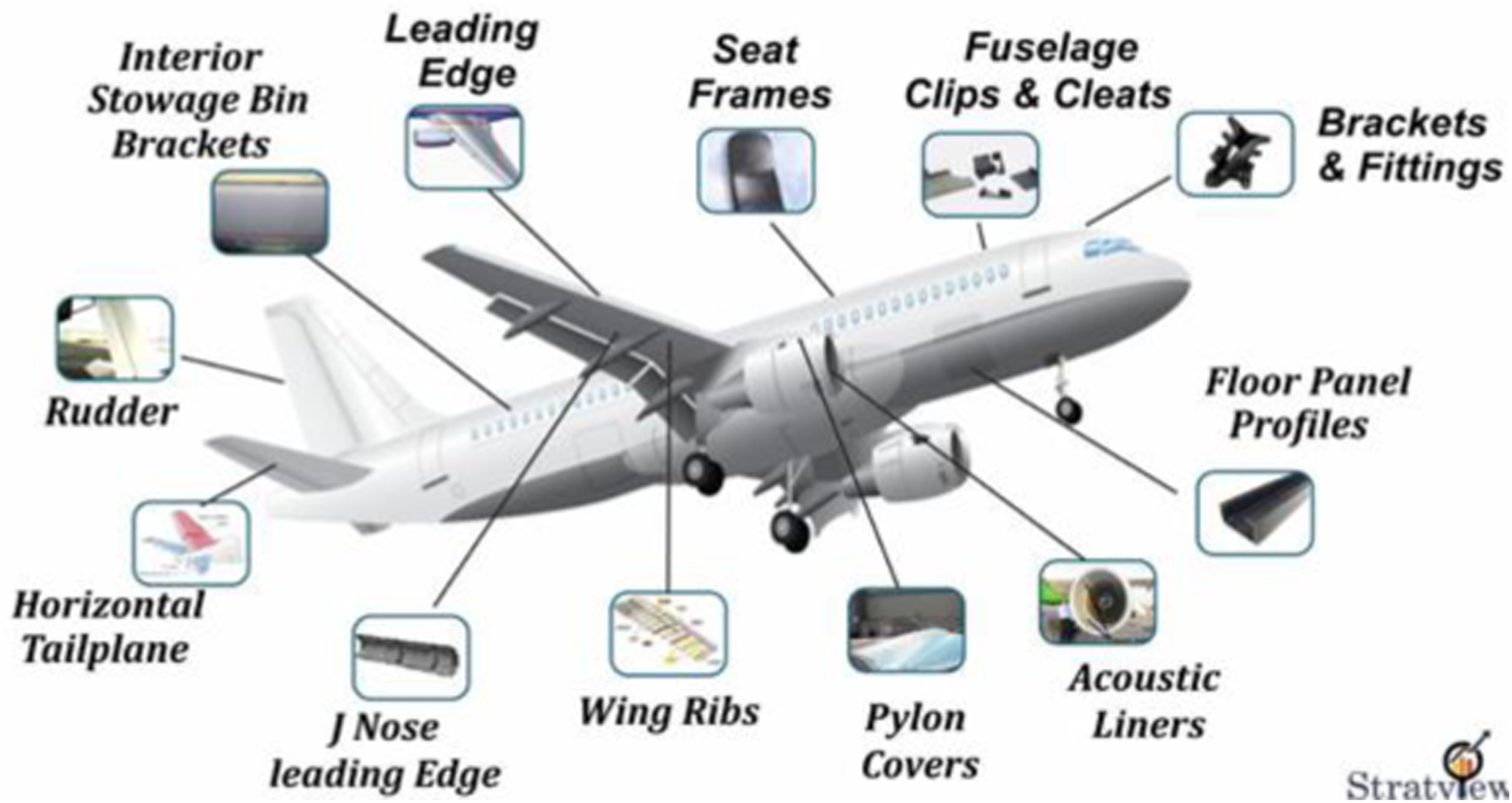
One of the major benefits of using thermoplastics is their ability to be reshaped multiple times through the application of heat. This quality has encouraged the development of new processing techniques and improvements to existing methods, driven largely by the potential advantages these materials offer. Among these techniques, thermoforming has become the most widely used and established method.
Stamp forming (hot stamping or press forming)
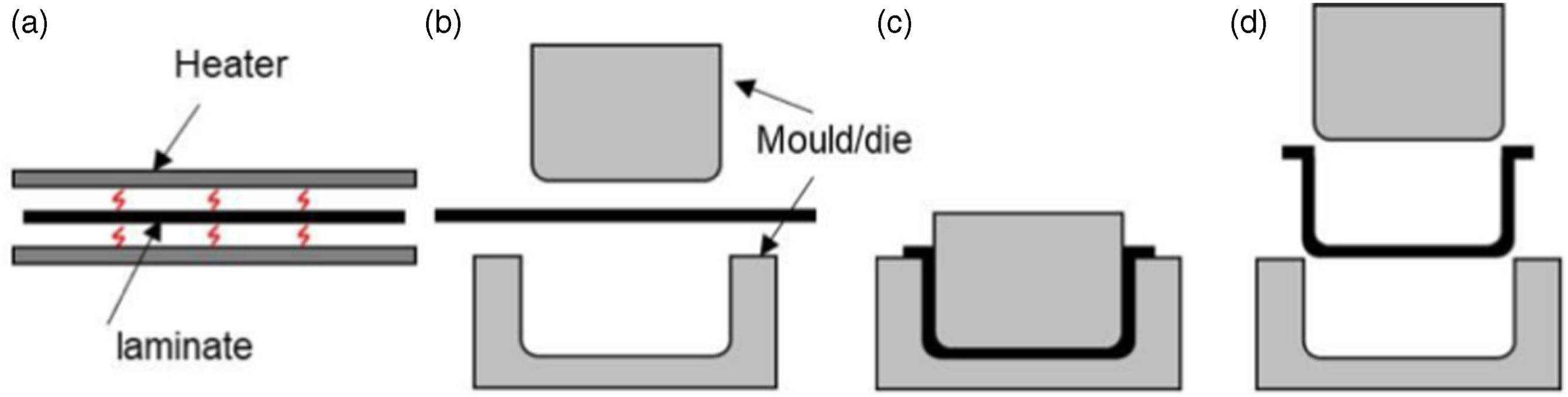
Stamp forming is a thermoforming process that involves shaping thermoplastic sheets or films by applying heat and pressure. 31 It is a crucial method for the aerospace industry, where it is used to produce various components, such as aircraft brackets, panels, and structural or aesthetic parts. During the stamp-forming process, a thermoplastic sheet or film is positioned between the heated and counter molds, which consist of male and female components that determine the final product’s shape. When heated, the thermoplastic material reaches its process temperature (generally above the melting point), making it pliable and allowing it to conform to the mold’s shape. 32
Once the thermoplastic material has reached the desired temperature, the mold is closed, and pressure is applied to shape the material into the mold cavities. The combination of heat and pressure makes it easier to shape the thermoplastic material as required. After a suitable cooling period, the mold is opened, and the formed thermoplastic component can be removed. The process is illustrated in Figure 4. Schematic representation of stamp forming process (a) Heating, (b) transfer, (c) forming, (d) removal.
32
The stamp forming method has many advantage, 33 and is used to manufacture various aircraft components. Firstly, precision and consistency are ensured since the stamp forming method produces parts with intricate geometries. The system is designed to ensure that each piece is produced precisely to the required specifications. This focused approach minimizes variances and consistently ensures a uniform level of quality.
Secondly, stamp forming is highly successful in creating components with intricate and complex geometries. This is especially important in the aerospace industry, where components frequently have unique shapes optimized for airflow or designed to enhance structural integrity. 34 Furthermore, the stamp-forming process can produce different components rapidly, making it the best choice for large-scale production. This feature is valuable for meeting the rigorous demands of the aerospace industry. 35 High production rates make it cost-effective in large quantities, which is crucial for the cost-conscious aerospace industry.
Moreover, stamp forming offers efficient material usage, resulting in minimal waste, which is crucial for achieving lightweight materials and reducing fuel consumption and emissions in fields such as aerospace.
Additionally, weight reduction is a significant advantage of this process. Enhancing fuel efficiency and performance in the aerospace industry is a major concern. Stamp forming utilizes thin materials to produce lightweight components that do not compromise strength, displaying considerable potential in this regard.
Using stamp forming to produce components generally requires fewer secondary operations such as machining, welding, or assembly steps, than other production techniques. This results in multiple benefits for the aerospace industry.
Stamp forming is a versatile and efficient manufacturing process in the aerospace industry, capable of producing a wide range of components with many advantages. These include precision, efficient production of complex shapes, material efficiency, lightweight, and cost-effectiveness, reinforcing its highly valued position. Stamp forming provides a promising solution for aerospace manufacturers seeking to achieve rigorous performance and quality requirements while managing expenses.
Although, stamp forming operation offers many advantageous for producing components, it is essential to optimize process conditions (heat, pressure etc.,) and design of the dies (molds) for each specific component. PPS, PEEK, and PEKK are widely used thermoplastics with stamp forming technique in the aerospace industry. The authors have detailed paper about this topic which also includes parameter optimization.
36
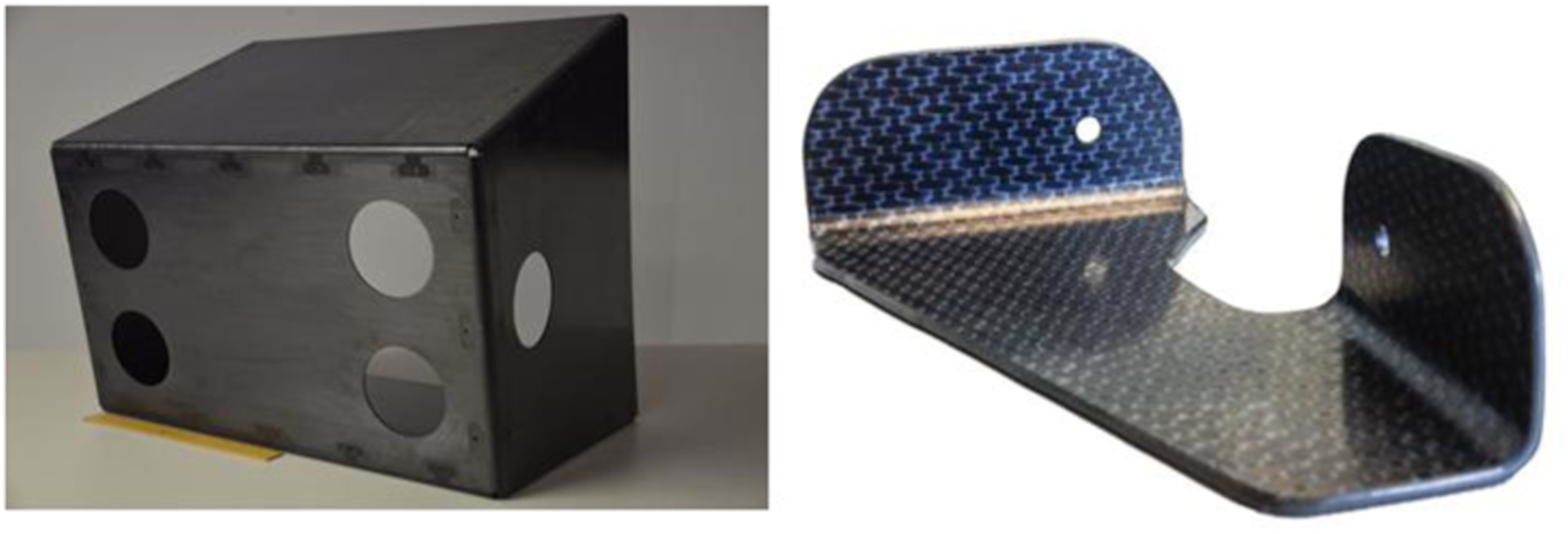
Due to the importance of formability limits in thermoplastic composite stamp forming operations, researchers focused on TuFF composites. Tailored Universal Feedstock for Forming (TuFF) composites have been utilized to enhance formability by incorporating aligned short fibers instead of continuous fibers. Because of the discontinuity of the fibers, materials can stretch in biaxial directions, and manufacturing complex geometries is made possible.37–40 Some examples of the complex aircraft parts produced by thermoforming is presented in Figure 5. Aircraft parts produced by the thermoforming technique.
73
In-situ consolidation
In- consolidation of a part in its location during manufacturing is called in-situ consolidation. This process is accomplished in a single stage. When thermoplastic materials are heated to their melting temperatures, they become liquid. Upon cooling, they solidify without undergoing cross-linking, unlike thermosets. Since thermoplastic materials can remelt and solidify many times, they are more sustainable and environmentally friendly. The in-situ consolidation process is mainly used for thermoplastic matrices like PEEK or PEKK. This process significantly differs from conventional methods widely used for thermosets, such as resin infusion or autoclave curing.
The critical aspect of the in-situ consolidation procedure is heating the material to its melting point while applying pressure simultaneously to consolidate the material layers. This combination of heat and pressure encourages the fusion of the thermoplastic matrix and the bonding of the reinforcing fibers, creating a sturdy and durable composite. 41 Moreover, a comprehensive analysis of the in-situ consolidation process and its departure from conventional thermosetting methods reveals several advantages for high-performance usage, especially in industries such as aerospace and automotive.
In-situ consolidation is a single-step manufacturing process that combines thermoplastic resin and reinforcing fibers (often continuous fibers such as carbon or glass), resulting in the final component. This unique approach is distinct from thermosetting procedures that require several subsequent stages, such as pre-impregnation of fibers, layup, curing, and post-curing. 42 In addition, in-situ consolidation primarily uses continuous fiber reinforcement to impart high strength and stiffness to the final part. Meanwhile, the thermosetting process uses woven fabrics or short fibers as reinforcement material. Also, the in-situ consolidation process offers short processing times, whereas thermoset processes such as autoclaves require extended curing periods. 43 In conclusion, the in-situ consolidation process for thermoplastic composites has numerous advantages. Compared to traditional thermosetting processes, this material is notable for its recycling ability, faster processing times, and more environmentally friendly footprint. The differences described make in-situ consolidation a distinguished manufacturing technique positioned to establish a place in industries such as aerospace, where high-performance composite materials are in demand. 44
In-situ consolidation technique can be achieved in production methods such as automated tape laying (ATL) and automated fiber placement (AFP) as illustrated in Figure 6.
45
In this process, thermoplastic prepregs are heated above their melting temperatures (>300°C) at the tape head, laid onto a mold, and immediately consolidated by applying pressure to achieve the final shape. It is pointed out in the literature that using a compliant roller and pressure have significant effect on the consolidation of the layers.
42
The aim is to achieve a full consolidation in a single step. Heating can be accomplished using high-power lasers, hot gas, or flame.
46
It is highly probable that this process, which is currently undergoing demonstration studies, will find broader applications in the near future.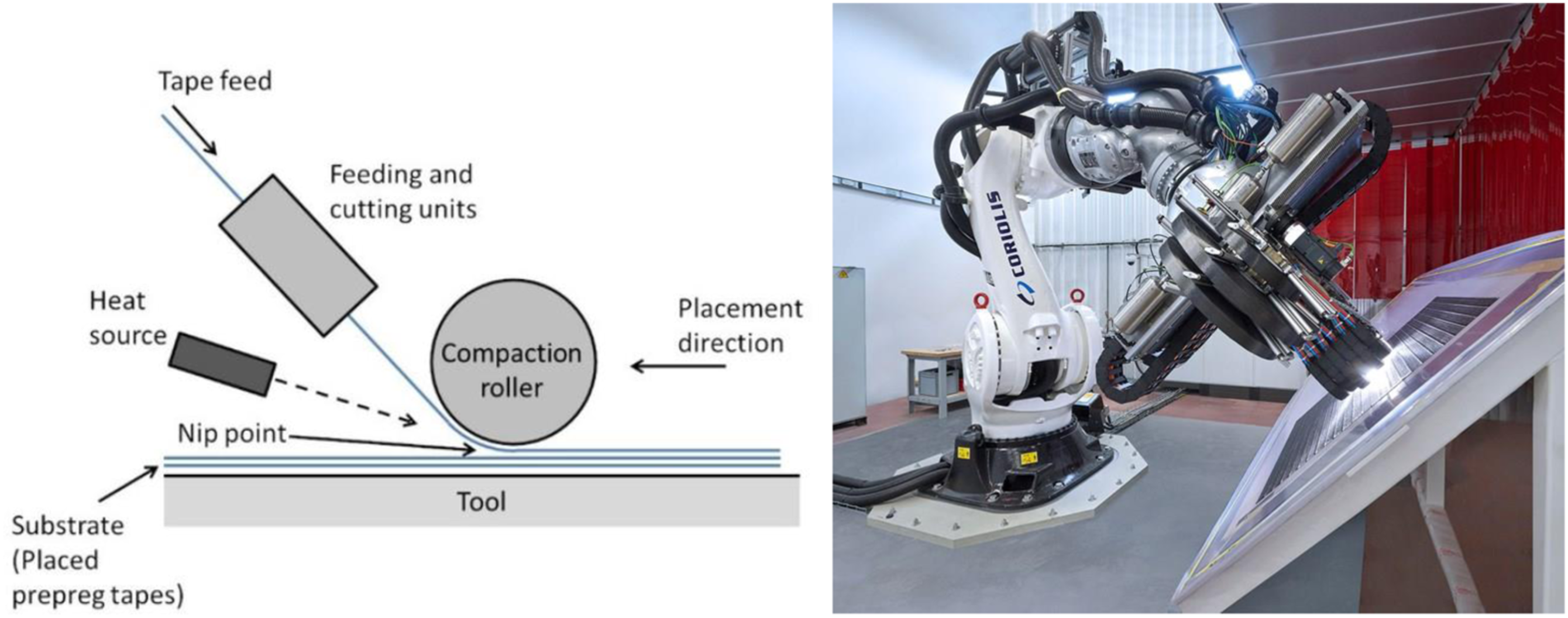
The AFP technology has had a significant impact on the aerospace industry. It has revolutionized the development of composite structures in thermoplastic materials. The AFP has automated the process of laying continuous fibers onto intricate contours, allowing for the creation of high-performance and lightweight components. The integration of the AFP technology into the in-situ consolidation process for thermoplastic composites has played a pivotal role in the evolution of aerospace engineering. 47 The AFP technology utilizes advanced robotic systems with an end effector that positions continuous reinforcing fibers with high precision. The automated process ensures a uniform distribution of reinforcing fibers, improving the composite material's overall quality and performance. The AFP technology excels in dealing with intricate geometries and produces optimized designs customized to meet the strict requirements of aerospace applications. 39
Implementing the AFP technology into the in-situ consolidation process has improved the production of thermoplastic composite components. This has resulted in optimal fiber alignment and minimal material waste. 48 The ability of the AFP to lay down uninterrupted fibers along predetermined routes has accelerated the manufacturing process, increasing productivity and reducing lead times. It is found in the literature that the researchers have focused on developing new composite materials to achieve better mechanical performance by using highly aligned short fibers like TuFF. 39 These materials have advantage of increasing the layer adhesion that provides higher fatigue life or fracture toughness according to the geometry of aircraft entire structure. 49 It is found in another study, the Mikrosam Tape system, incorporating laser heating and a compliant roller, is utilized to explore steering limits for continuous and highly aligned short fiber tapes. The use of aligned short fiber tapes displays a considerable decrease in the minimum steering radius. The findings underline the importance of controlling the roller’s deformation to maintain accurate path control when steering highly aligned short fiber tapes with reduced radii. 50 Moreover, the other study shows that TuFF is a remarkably robust short-fiber composite. According to the results of fatigue experiments which are performed on 3 mm IM7/LM-PAEK TuFF boards present fatigue tolerance that is superior and similar to that of continuous fiber composites. TuFF's exceptional fatigue performance is due to sturdy fiber-resin adhesion, elevated matrix ductility, and intralaminar fracture toughness, which supersedes standard commencement strains for carbon/epoxy composites. 48 Together with all these advantages regarding to process, superior materials and the automated process of the AFP has decreased labor-intensive work, enabling aerospace manufacturers to manage resources better and focus on other critical aspects of the production process. 46
To achieve rapid progress in the in-situ consolidation process, a higher level of energy input is necessary. However, excessive energy input can cause the composite part to combust. Therefore, continuous temperature monitoring uses an infrared camera to prevent such occurrences. It is essential to determine an optimal temperature and duration to avoid thermal stresses between the layers, which can occur when the tape is heated for an extended period.
47
Temperature and duration are the most critical parameters in the in-situ consolidation process. A controlled laser heating in-situ consolidated thermoplastic AFP machine is shown in Figure 7. Controlled laser heating in-situ consolidated thermoplastic AFP.
47
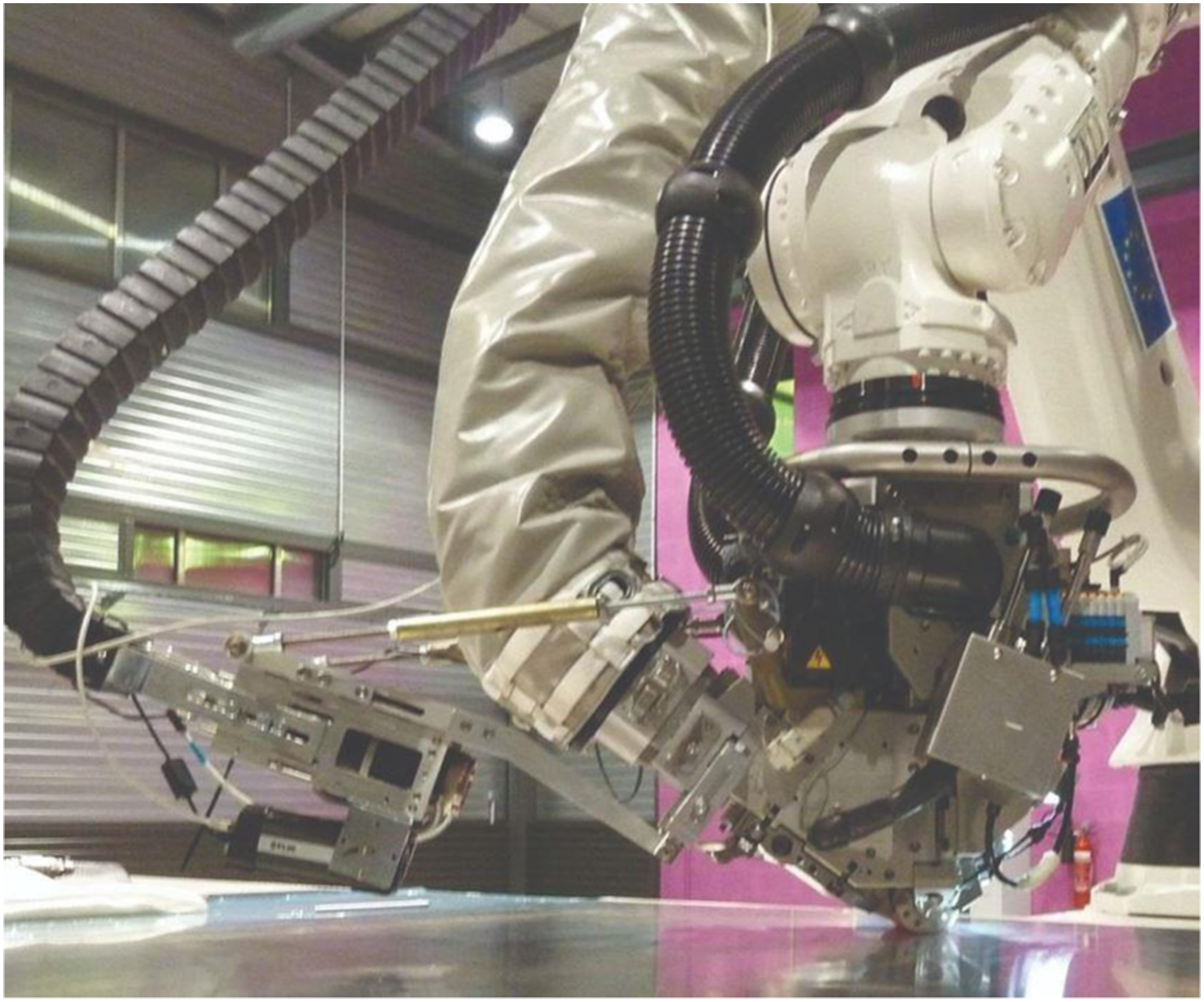
To summarize, the in-situ consolidation process involves placing a thermoplastic tape onto a part’s surface by passing it through an AFP head. Laser assistance raises the temperature to the level required for matrix melting resulting in partial fusion that requires an additional consolidation step, or complete fusion that results in in-situ consolidation with the previously laid layer. An infrared camera is used to monitor the temperature of the laid layer and the tape being laid. Structures produced using this method achieve complete consolidation with a void content of less than 2%. 47
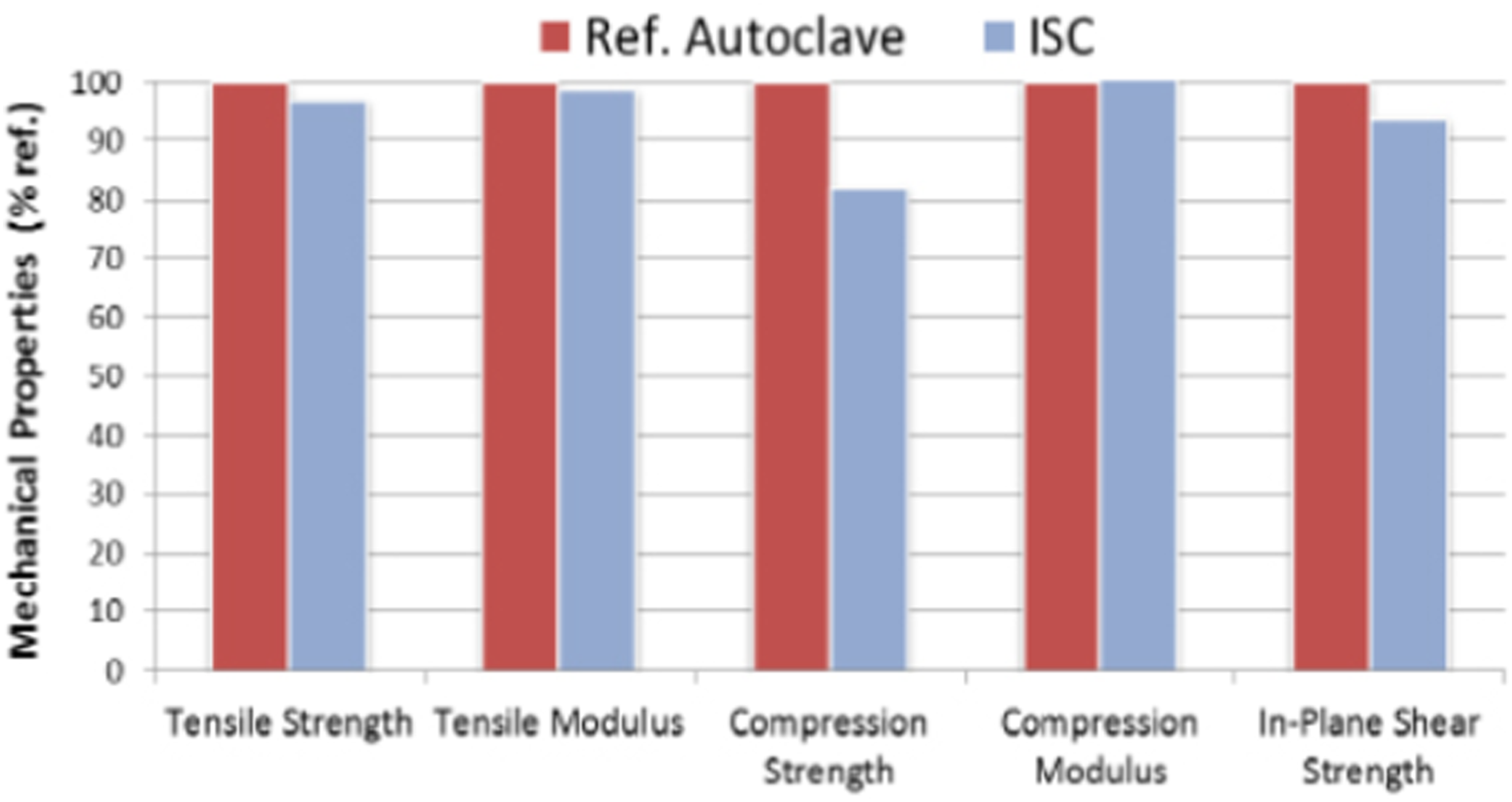
A comparative study of parts manufactured using PEEK and PEKK through press forming showed a slight decrease in specific mechanical properties in the in-situ consolidation samples. Additionally, the study conducted by FIDAMC (Fundación para la Investigación, Desarrollo y Aplicación de Materiales Compuestos) provides insights into the mechanical properties of thermoplastic composite parts produced in an autoclave, which is accepted as a reference for comparison with parts manufactured using the in-situ consolidation method. The obtained values demonstrate a slight reduction in mechanical properties when comparing the two production methods, as shown in Figure 8.
51
This slight reduction in mechanical properties is of minimal significance, given the inherent simplicity and advantages associated with the process. Comparison of the mechanical performance of thermoplastic composite parts manufactured using in-situ consolidation (indicated in blue) versus secondary processed, e.g., autoclave consolidated (indicated in red), based on a study by FIDAMC.
51
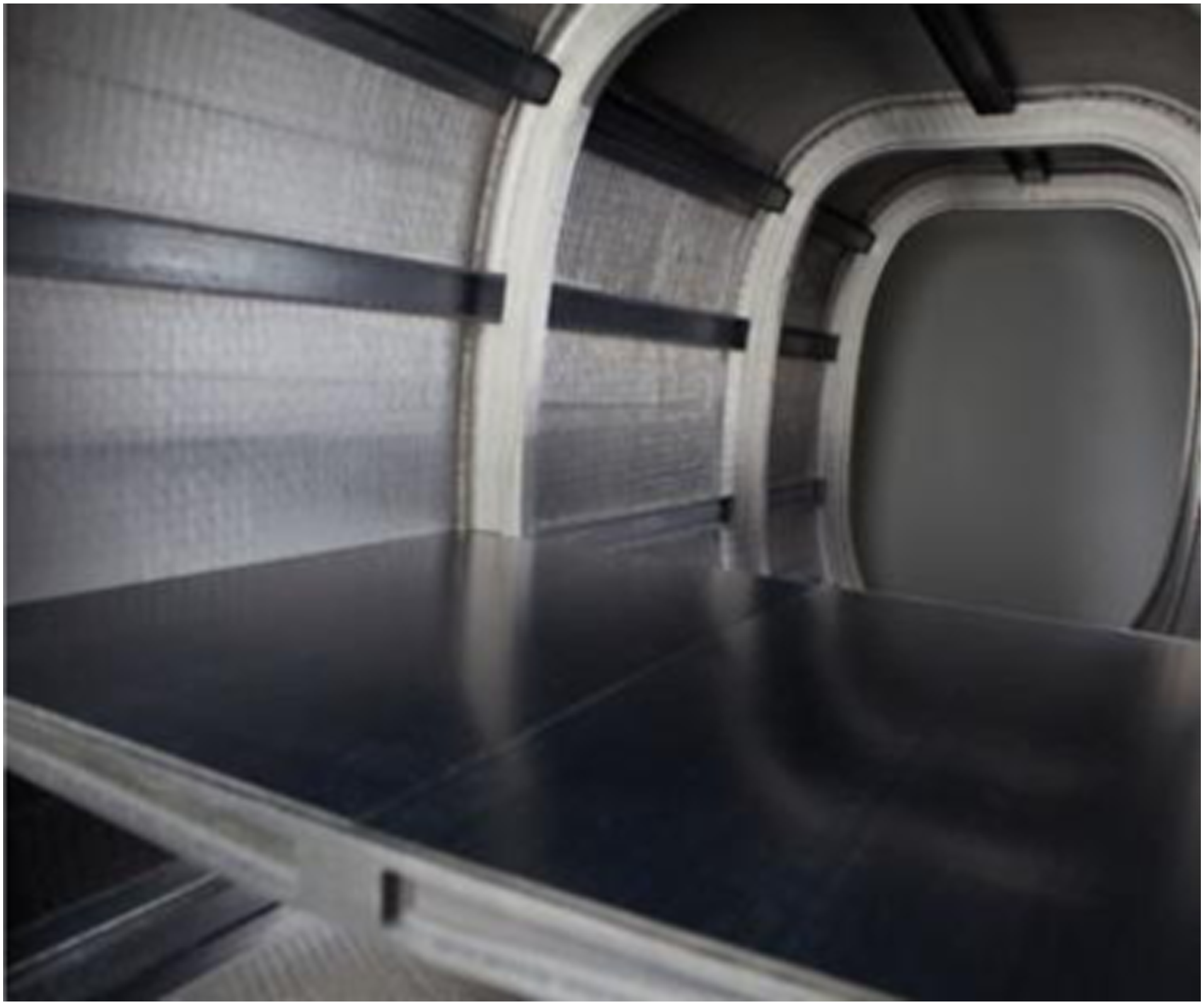
In 2012, Automated Dynamics successfully developed a full-scale thermoplastic helicopter fuselage as shown in Figure 9 with integrated stiffening features using the in-situ consolidation method. This achievement followed the creation of several sub-scale demonstrators in the preceding decade.
41
A real-scale, internally reinforced in-situ consolidated (ISC) helicopter fuselage developed by automated dynamics.
41
Continuous compression molding
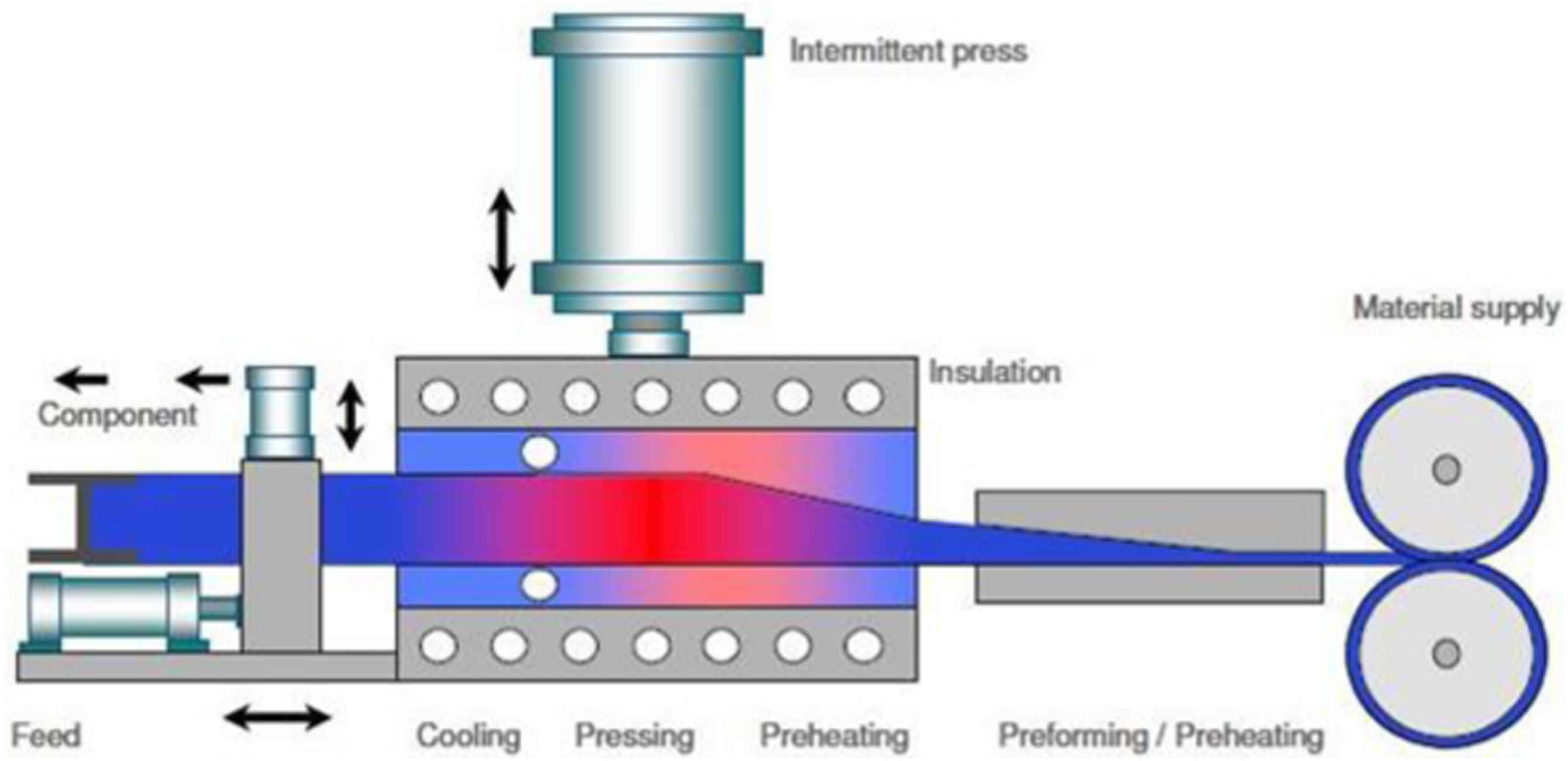
In continuous compression molding (CCM) is a relatively uncommon yet auspicious process for shaping thermoplastic tape into composite profiles in composite manufacturing. This technique involves subjecting the thermoplastic tape to sustained pressure through a series of shaping tools, transforming the tape into a composite profile with a consistent cross-sectional shape. Applying pressure from multiple directions ensures uniform compression and facilitates the attainment of composite profiles with porosity levels below 0.5%, thereby ensuring high-quality and defect-free components. 18
The continuous compression molding process offers several advantages, such as producing complex shapes, high production efficiency, and consistent and uniform part dimensions. A schematic representation of the compression molding process, illustrating the sequential steps involved in converting thermoplastic tape into composite profiles, is presented in Figure 10.
18
Schematic representation of continuous compression molding.
18
The CCM provides a distinctive means of integrating continuous fiber reinforcements like carbon or glass fibers into composite profiles. The aerospace industry demands lightweight materials with high mechanical strength, which is provided by these continuous fibers, offering exceptional strength and stiffness. Also, it is a quick and uninterrupted process, providing significant benefits for high-volume aerospace production with its reduced cycle time. The streamlined and optimized workflow markedly reduces the requirement for time-consuming lay-up and cure cycles and the use of an autoclave, leading to an exceedingly efficient manufacturing process. Moreover, consolidation and structural integrity are optimized as the controlled application of heat and pressure in the CCM process results in superior consolidation of thermoplastic tapes and reinforcing fibers. This process guarantees that the resulting composite structures possess excellent structural integrity and a robust bond, which is a critical aspect in the aerospace industry. 52
Furthermore, the CCM is increasingly becoming a valuable manufacturing technique for creating intricate and tailored shapes that comply with rigorous design criteria. The precise production of intricate shapes is a substantial advantage in the aerospace sector, wherein considerations of aerodynamics and performance optimization regularly necessitate unique and detailed profiles. Weight reduction is a primary focus of research in the aerospace industry, aimed at enhancing fuel efficiency in aircraft components. This approach is supported by the CCM technique since it allows for the production of lightweight thermoplastic composites without sacrificing strength, a key factor in enhancing performance. Additionally, the process reduces material waste, making it highly efficient and cost-effective, which is crucial for the aerospace sector. 53
The CCM process provides outstanding material flexibility, allowing for the utilization of a diverse range of thermoplastic materials, including those most widely used in the aerospace industry such as PEEK, PEKK, PPS, and others. Furthermore, the CCM technique enables the direct integration of extra features such as inserts, fasteners, or surface textures into composite parts. Hence, the requirement for subsequent operations diminishes, thereby enhancing the effectiveness of the production procedure. In addition, the uninterrupted and mechanized functionality of the CCM guarantees superior quality oversight. Consequently, the occurrence of blemishes reduces significantly, accompanied by a notable decline in the need for examination and reworking - solidifying its critical role as a manufacturing technique for the aviation sector. 53
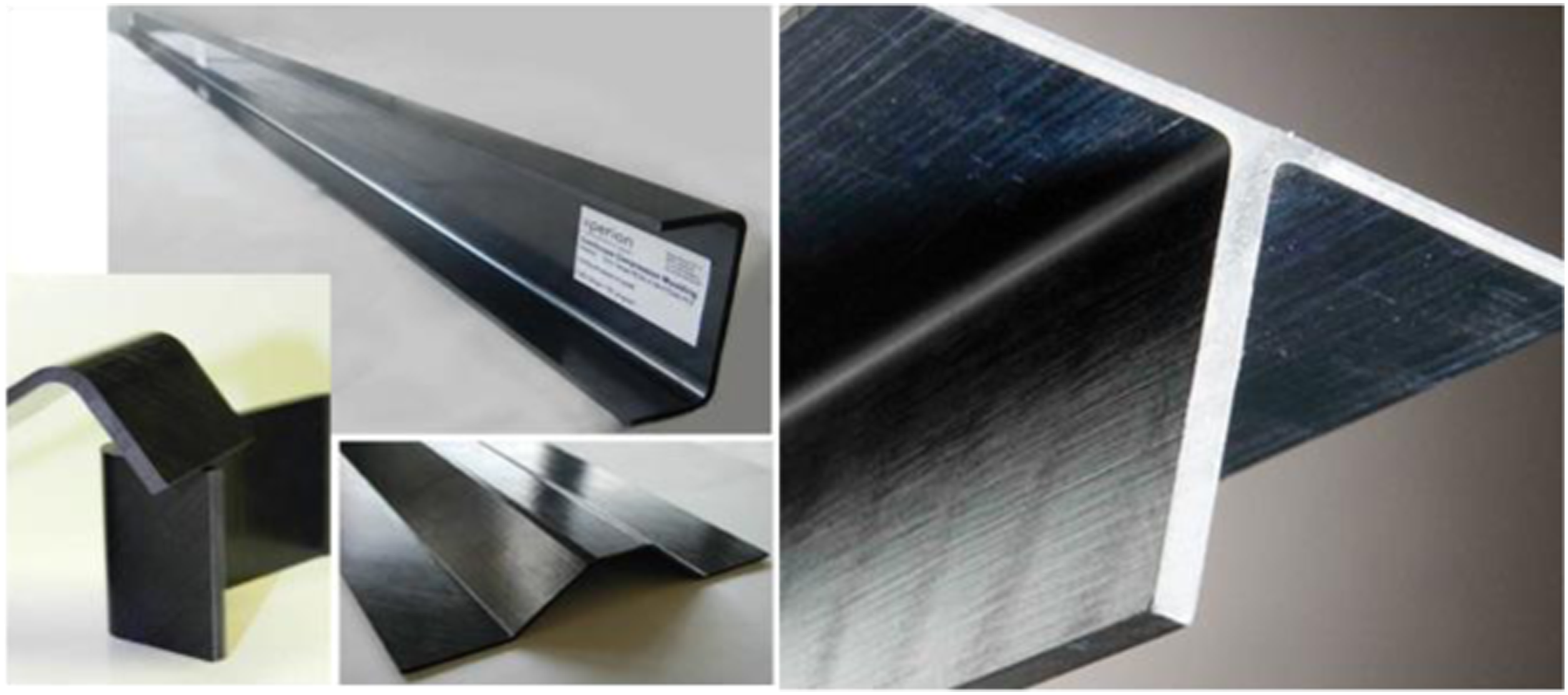
Continuous compression molding has exhibited successful outcomes in the aerospace industry, as exemplified by the diverse aircraft parts manufactured using this technique depicted in Figure 11
18
that have been manufactured using this technique. These components show the capabilities of the CCM in achieving precise shapes and dimensions while maintaining the desired mechanical properties. Thermoplastic composite parts that produced by the CCM.
18
As the aerospace sector continues to explore advanced manufacturing methods, the CCM holds promise for the production of thermoplastic composite components. Further research and development efforts are being dedicated to optimize process parameters, tooling design, and material selection to maximize the cost-effectiveness, part quality, and scalability of continuous compression molding in academic and industrial applications.
Welding
In addition to their unique properties and advantages, thermoplastic composites offer notable benefits in terms of their welding capabilities. Unlike composite materials produced from thermosets, which require complex chemical reactions and extended curing periods, thermoplastic composites can be easily welded without such requirements. This characteristic significantly reduces the manufacturing time and complexity associated with joining thermoplastic composite components. 54
This chapter explores the intricacies involved in welding thermoplastic composites, highlighting the notable distinctions from conventional mechanical joining, and illustrating the multitude of advantages it offers to the realm of materials science and engineering, as well as its pivotal role in aerospace applications. 54 Its emphasis lies in the contrast between this method and traditional mechanical joining techniques. Welding in thermoplastic composites is achieved through the unique property of these materials - they can join when their melting point is reached. Contrary to traditional mechanical joining methods, that require bolts, nuts, rivets, or adhesives for connections, welding eliminates the requirement for additional hardware. The thermoplastic surfaces bond due to melting and fusing, leading to a homogeneous and uniform joint. 55 This approach differs from mechanical joining techniques, which often lead to disjointed and frequently discontinuous joints, mainly on account of fasteners or inserts being employed. Although these segments are essential, they can amplify the weight and intricate nature of structures, especially in aerospace applications where lightweight design is critical. Employing welding obviates the need for fasteners, resulting in joints that are both lighter and sleeker, thus rendering them more aerodynamic. Furthermore, welding decreases the concentration of stress. Mechanical joining poses the challenge of producing stress concentrations around the interfaces of the joint where these concentrations can bring about a premature material failure, which in turn necessitates extra countermeasures. Contrastingly, the fusion process involved with welding allows for a gradual transition from one material to another and thereby reduces stress concentrations. Removing sudden alterations in material properties enhances the structural stability of the joint. 55
Welding provides a substantial benefit in the aerospace sector where weight reduction is a constant requirement. Exclusion of mechanical fixings and the resulting weight reduction lead to enhanced fuel efficiency and overall performance. Welding streamlines the production process by eliminating the requirement for drilling holes, fitting fixings or applying adhesives. The removal of these requirements results in greater efficiency, particularly beneficial in high-volume manufacturing scenarios, reducing labor costs and cycle times. Moreover, welding enhances structural strength by gradually transitioning between different materials in a welded joint, thereby reducing stress concentration and minimizing potential points of failure. Welded joints possess remarkable structural strength, rendering them more dependable in crucial applications. 56
Also, welded joints in thermoplastic composites exhibit improved fatigue resistance compared to mechanically joined components, which is particularly crucial in applications subject to cyclic loading or vibration. Finally, welded joints demand lower maintenance than other alternatives. Welded thermoplastic composite constituents could be effortlessly fixed by re-melting and reattaching the material, which cannot be easily done with mechanically connected parts. The cost of maintenance is decreased, and the life of the components is prolonged as a result of this repairability. Moreover, welding is compliant with the growing emphasis on environmental sustainability. Thermoplastic composites are a suitable option for welding processes due to their recyclability and ability to be melted and reprocessed. This contributes to a sustainable manufacturing cycle by reducing waste.
Welding in thermoplastic composites is a substantial advancement over traditional mechanical joining methods, offering numerous advantages that are particularly well-adapted to the developing landscape of modern manufacturing. In ongoing efforts to find lighter, stronger, and more sustainable materials and joining processes, welding in thermoplastic composites is a main contributor to these goals. Its capability to optimize production, improve structural strength and reduce weight has made it a driving force in materials science and engineering, with applications in aerospace, automotive and beyond.
In the field of joining thermoplastic composite components, several welding techniques are used, each with its own advantages for specific applications. Engineers and manufacturers have access to a range of options, granting them the flexibility to select the most suitable method for their requirements. Here’s an overview of some important welding techniques mentioned in the text and their advantages:
Hot gas welding involves directing a stream of hot air or inert gas onto the surfaces of thermoplastic components to be joined, causing them to soften and weld together. This technique provides benefits such as improved joint strength and a seamless finish. 57
Ultrasonic welding allows for precise control over the temperature and speed of the process, making it ideal for joining large, flat thermoplastic sheets. This method enables the creation of strong and continuous welds with great accuracy. Ultrasonic welding uses high frequency mechanical vibrations to generate frictional heat at the joint interface, resulting in the fusion of thermoplastic materials. It provides rapid, clean and accurate welds, thus suitable for applications where aesthetics and structural stability are of critical importance. Also, no additional materials, adhesives, or fasteners are necessary for ultrasonic welding. 58
Vibration welding involves applying linear vibration to one of the components, inducing frictional heating and producing a welded joint as the molten material flows to the joint interface. This process is suitable for large and complex parts, and provides excellent control over the welding process. Also, it provides high joint strengths and leakless sealing. 59
Laser welding employs high-energy laser beams to melt the surfaces of thermoplastics at the joint interface, creating a bond as the material solidifies. Laser welding provides precise and non-contact welding, making it suitable for applications with tight tolerances. It also provides minimal heat-affected zones and distortion. 60
Infrared welding utilizes the absorption of infrared radiation to heat the thermoplastic surfaces, causing them to fuse when they reach their melting point. This method allows for fast and even heating and is well-suited for applications with extensive surface areas. It also provides control over the temperature and heating cycle. 61
Spin welding involves rotating one component in contact with another to generate frictional heat that melts the materials and creates a welded joint. This method is particularly suitable for circular or tubular components and offers high repeatability and joint strength. The spin welding is ideal for applications that require leak-tight seals. 62
Resistance welding uses an electric current to create heat at the joint interface, resulting in melting of thermoplastic materials. Advantages of this technique, include swift and consistent welding, accommodating high-volume production and enabling effective regulation of heating and cooling cycles. 63
To sum up, each welding method possesses its own advantages, and the selection of a particular technique depends on the specific application requirements. These methods enable accurate, dependable and efficient joining of thermoplastic composite components, ensuring structural soundness, appealing aesthetics, and high performance. All these are significantly important facts for the aerospace industry. Welding of thermoplastic composites is a crucial process in the aerospace industry, due to it could directly affect the weight and structural uniformity of aircraft components. Critical points of the welding of thermoplastics in aerospace industry could be explained in different point of views as follows.54,64–66
First of all, weight reduction, where we explore the capacity of welding to join thin materials, that is an essential advantage of welding thermoplastic composites. This characteristic property provides the use of lightweight materials in aerospace parts, leading to a significant decrease in the total weight of the aircraft. Also decreasing in the total weight result in fuel efficiency and emissions reduction and these facts are quite essential in the aerospace industry.
Furthermore, welding usually eliminates the requirement for adhesives or mechanical fasteners like rivets or screws. Traditional methods of joining that rely on these components tend to create significant weight to the aircraft. Welded joints, on the other hand, are often lighter and have better aerodynamic capabilities, making them better choices for the aerospace industry where the weight is critical.
Secondly, structural strength is the welding of thermoplastic composites, which creates strong and durable joints. The strength of the bond between components is critical for structural performance, making it vital to the aerospace industry. Moreover, when welding is applied preciously, it provides exceptional uniformity and strict quality control. The correct welding application is crucial for maintaining the structural integrity of aircraft components throughout their lifecycle, ensuring safety and reliability in the aerospace industry. In addition, welded joints could be designed to distribute stress equally across the joint area, reducing the risk of stress concentrations that may compromise the integrity of aircraft components. This design approach improves safety and reliability. Also, many welding techniques offer flexibility in designing complex, load-bearing structures in aerospace components. Manufacturers can optimize designs to achieve the necessary structural strength while creating intricate, aerodynamically efficient shapes that enhance overall performance. Additionally, using welding techniques such as ultrasonic welding, resulting in aircraft components that can withstand repetitive loads and stresses over time, adds to their longevity and reliability and increases fatigue resistance. In addition, welded joints could be designed to distribute stress equally across the joint area, reducing the risk of stress concentrations that may compromise the integrity of aircraft components. This design approach improves safety and reliability. Also, existing many welding techniques offer flexibility in designing complex, load-bearing structures in aerospace components. Manufacturers can optimize designs to achieve the necessary structural strength while creating intricate, aerodynamically efficient shapes that would enhance overall performance. Additionally, the use of welding techniques such as ultrasonic welding, resulting in aircraft components that can withstand repetitive loads and stresses over time, adding to their longevity and reliability and this result in increase of the fatigue resistance.
Thirdly, repairability; thermoplastic composite components require repair due to damage or wear, welding is often a more practical solution than alternative or traditional joining methods. This is because welded joints could be re-melted and repaired, thus extending the components’ lifetime. The repairability of welding aligns with the aircraft industry’s emphasis on sustainability and cost-effectiveness. In the aerospace industry, design engineers often face the challenge of balancing weight reduction with maintaining the structural integrity of components. Welding, enables the adjustment of such trade-offs and facilitates the creation of components that achieve a harmonious balance between lightweight construction and robust structural performance.
Briefly, the process of welding thermoplastic composites is a critical contributor to the reduction of weight and maintenance or improvement of structural strength in aerospace parts. It provides numerous advantages such as strong bonding, flexibility in design, even stress distribution, repair potential, and fatigue resistance. These benefits are crucial in designing aerodynamic components that are high performance, lightweight, and meet stringent safety, dependability, and sustainability requirements in the aerospace industry. Compliance with industrial guidelines and regulations is a must to ensure safe and reliable welded aerospace components are constructed and executed to the highest standard. 65
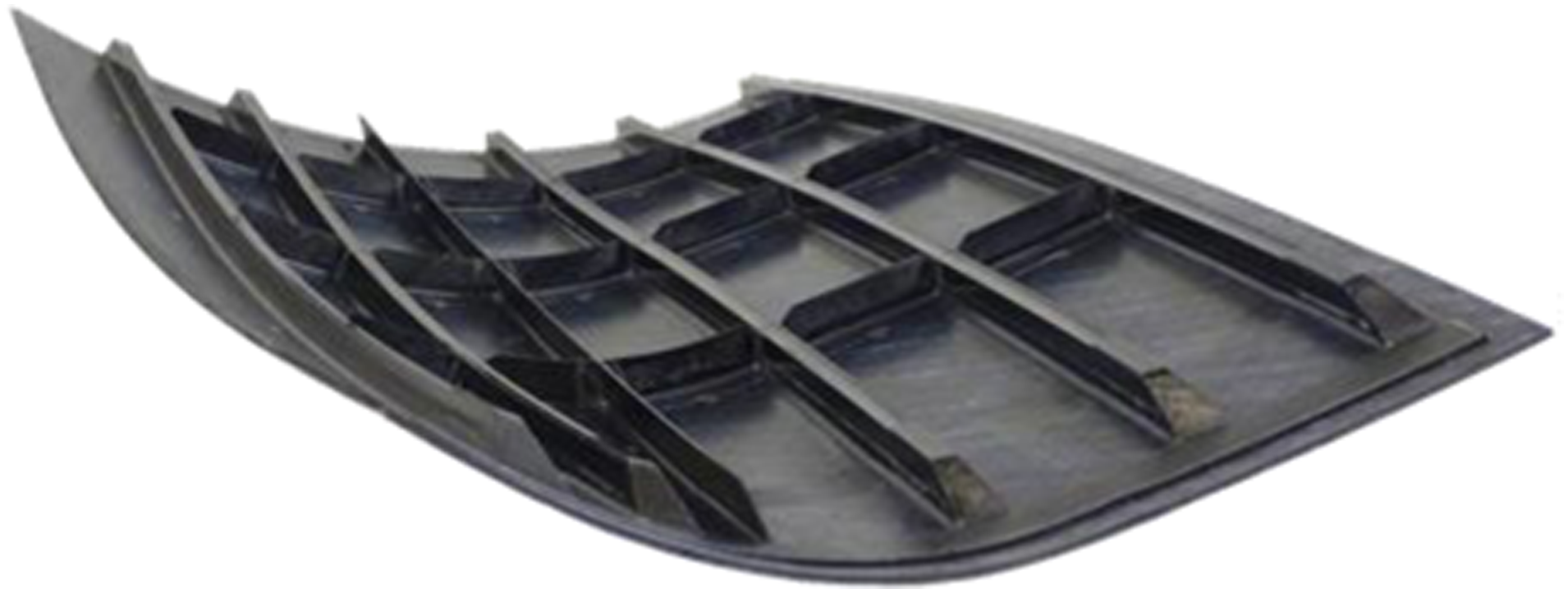
Manufacturers in the aerospace industry achieved weight savings and improved structural integrity by using thermoplastic composites to create seamless and reliable connections between components, eliminating the need for additional fasteners or adhesives. Furthermore, the welding process enables the production of complex and intricate designs, allowing for greater design freedom and flexibility in component manufacturing, as shown in Figure 12.
67
A thermoplastic composite fuselage panel, the outer shell produced using the AFP method and beams joined through welding, GKN folkler.
67
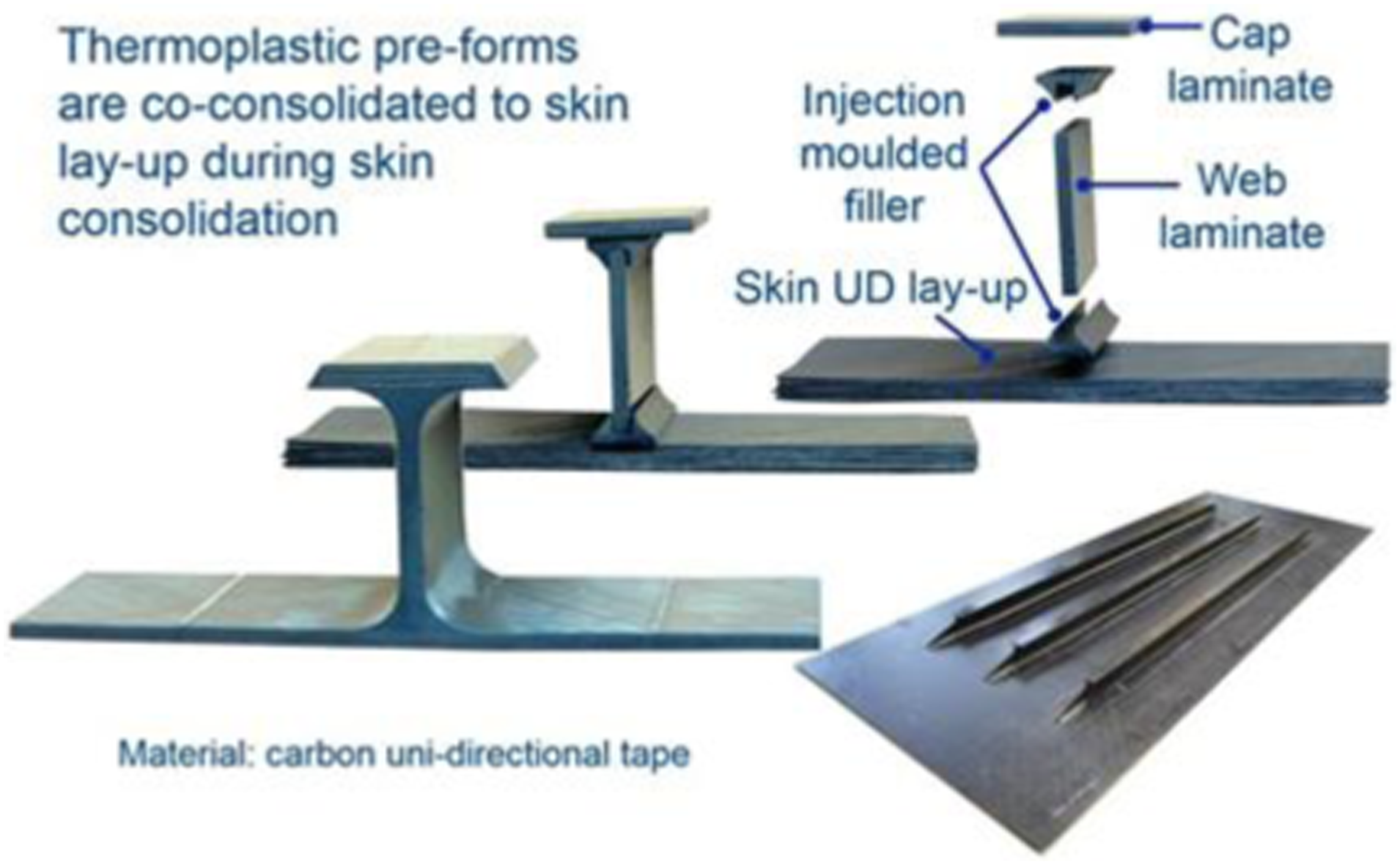
Overall, the welding capability of thermoplastic composites offers compelling advantages in terms of efficiency, strength, and design versatility. As the aerospace industry continues to seek lightweight and high-performance materials, thermoplastic composites and their welding techniques are gaining increasing attention and utilization in the production of aircraft components. Further research and development efforts are focused on optimizing welding processes, exploring new welding techniques, and enhancing the understanding of the mechanical properties and performance of welded thermoplastic composite joints. An example of the GKN Fokker made component is given below in Figure 13. Low-cost T- joint: The GKN Fokker has successfully achieved and patented the orthogrid and orthogrid-to-skin bonding process using elements produced through injection molding with short carbon fiber content and continuous fiber-reinforced panels, resulting in a cost-effective solution.
67
Future studies of thermoplastics
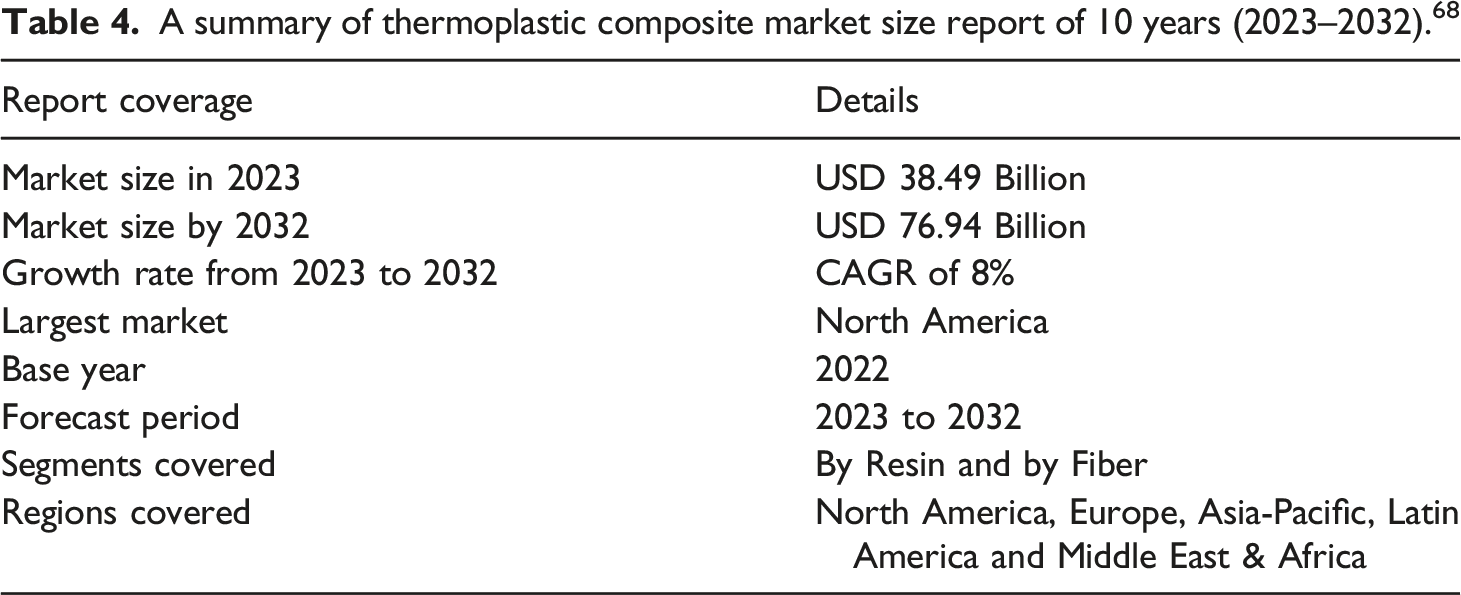
The global composite market has been observed to exhibit an increasing growth trend each year. The demand for lighter materials continues to rise in aerospace industry therefore, it is anticipated that there will be a further increase in the usage of thermoplastics in the forthcoming years. 68 Key industry stakeholders such as aerospace and defense original equipment manufacturers, research and development institutions, as well as the supply chain, will persist in their endeavors to develop thermoplastic components tailored for next-generation aircraft. Prominent thermoplastics include PP, PA, PPS, PEI, PEEK, PEKK, PAEK, among others. The aerospace industry’s also pursuit of these trends is driven by the need for advanced materials, improved manufacturing processes, and enhanced sustainability practices. These factors collectively contribute to shaping the future of thermoplastic composites in aerospace applications, facilitating the development of more efficient, environmentally friendly, and high-performance aircraft components. As aircraft manufacturers seek to reduce weight and enhance fuel efficiency, thermoplastic composites are increasingly being explored for primary structural components like fuselage sections, wings, and tail components. The lightweight and high-strength nature of these composites makes them particularly attractive for these critical applications.
The notable areas that present opportunities for improvement in the context of thermoplastic composites include:
69
• Material costs: The industry anticipates a substantial reduction in costs, aiming for a 50%–60% decrease for carbon fibers, 10%–30% for glass fibers, and 10%–40% for resins. Such cost reductions would enhance the economic viability and widespread adoption of thermoplastic composites. Advanced materials and resin systems are expected to enhance the mechanical properties of thermoplastic composites. These materials are designed to withstand the demanding conditions of aerospace applications, including high temperatures, high stress, and exposure to chemicals. Automation also can help cut labor costs, making production more cost-effective, especially for high-volume aerospace manufacturing. • Production volume: Currently, there is a need to improve the manufacturing capabilities for structural components, with the industry setting expectations for annual production surpassing 30,000 continuous fiber structural parts. Furthermore, reducing the part production cycle time to 1-2 min and achieving a material layup rate of 150 kg/hr are critical targets to facilitate efficient and scalable production. As the part of producing complex and light weight structures geometries within the high volume of production; the aerospace industry is increasingly turning to 3D printing and additive manufacturing. This technology allows manufacturers to produce intricate designs that were previously challenging to manufacture.
70
3D printing enables rapid prototyping, which is essential for quickly testing and refining new designs. This technology accelerates the product development cycle. The ability to tailor materials and designs to meet specific aircraft model requirements ensures that aerospace manufacturers can optimize performance for their unique needs. • Surface quality: Achieving A class surface quality is a desired outcome to enhance the aesthetic appeal and finish of thermoplastic composite components. Improvements in surface finishing techniques, coatings, and tooling methods are required to meet these quality standards. • Machining and joining processes: Advances in processing and joining methodologies are necessary to address challenges associated with machining and joining thermoplastic composites. Developing efficient and precise machining techniques, as well as reliable and robust joining methods, will contribute to the wider application of thermoplastic composites in various industries. Shorter production cycles are essential for the aerospace industry to meet the demand for faster aircraft production. Thermoplastic composites’ faster processing and curing times contribute to achieving this goal. Reduced production cycles support just-in-time manufacturing practices, which can streamline the supply chain and reduce costs. Innovations in joining and welding techniques will lead to stronger joints with a high degree of structural integrity. These techniques are essential for ensuring the reliability and safety of aerospace components. Different welding techniques, such as ultrasonic welding and laser welding, offer a range of options for joining various thermoplastic composites, providing versatility in design and manufacturing. • Repair and recycling techniques: The aerospace industry is placing increasing importance on sustainability. The recyclability and repairability of thermoplastic composites align with this trend by reducing waste and extending the lifespan of components. Enhanced methods for composite repair and recycling are crucial for the long-term sustainability and life-cycle management of thermoplastic composite materials. Developing efficient and environmentally friendly repair processes, as well as effective recycling methods, will help minimize waste and promote circular economy principles within the thermoplastic composite industry. Sustainable materials not only have ecological benefits but also economic advantages.
10
They help reduce costs and promote resource efficiency. • Weight reduction: The use of advanced materials can further reduce weight, which is a key driver in the aerospace industry for improving fuel efficiency and reducing emissions. Reducing the weight of interior components like cabin furnishings, seating, and overhead bins improves fuel efficiency, a major goal in the aerospace sector. Lightweight materials can also enhance passenger comfort by providing more space, reducing the overall weight of the aircraft, and improving the in-flight experience.
65
Materials like PEEK and PEKK are known for their lightweight properties. The development of advanced thermoplastic materials such as PEEK, PEKK, and PPS is vital for the aerospace industry within this purpose. These materials offer improved mechanical properties, better resistance to extreme environmental conditions, and greater potential for weight reduction, making them suitable for primary structures. Hybrid composites which are combined thermoplastic and thermosetting materials aim to strike a balance between strength, rigidity, and lightweight design. This makes them suitable for components requiring both strength and weight efficiency. Manufacturers can tailor the combination of materials based on the specific requirements of aerospace components, ensuring an optimal blend of properties for each application to achieve lighter components.
71
• Safety and quality: Industry collaboration and standardization efforts are critical for ensuring the safety and quality of aerospace components. Standards and guidelines help maintain consistent levels of reliability. Meeting industry standards is crucial for regulatory compliance, ensuring that aerospace components adhere to strict safety and quality requirements.
51
• Continuous research and development: Ongoing research and development will lead to the creation of new thermoplastic composites with enhanced mechanical properties, increased resistance to extreme conditions, and better manufacturing processes. Advancements in manufacturing processes and material science will drive innovation, providing solutions for emerging aerospace challenges and demands. Beside all developments on carbon fiber reinforced thermoplastics, discontinuous fiber supported thermoplastics are also have superior properties in terms of structural performance of the material due to its’ advantage on tailorability according to the load direction37,38,72
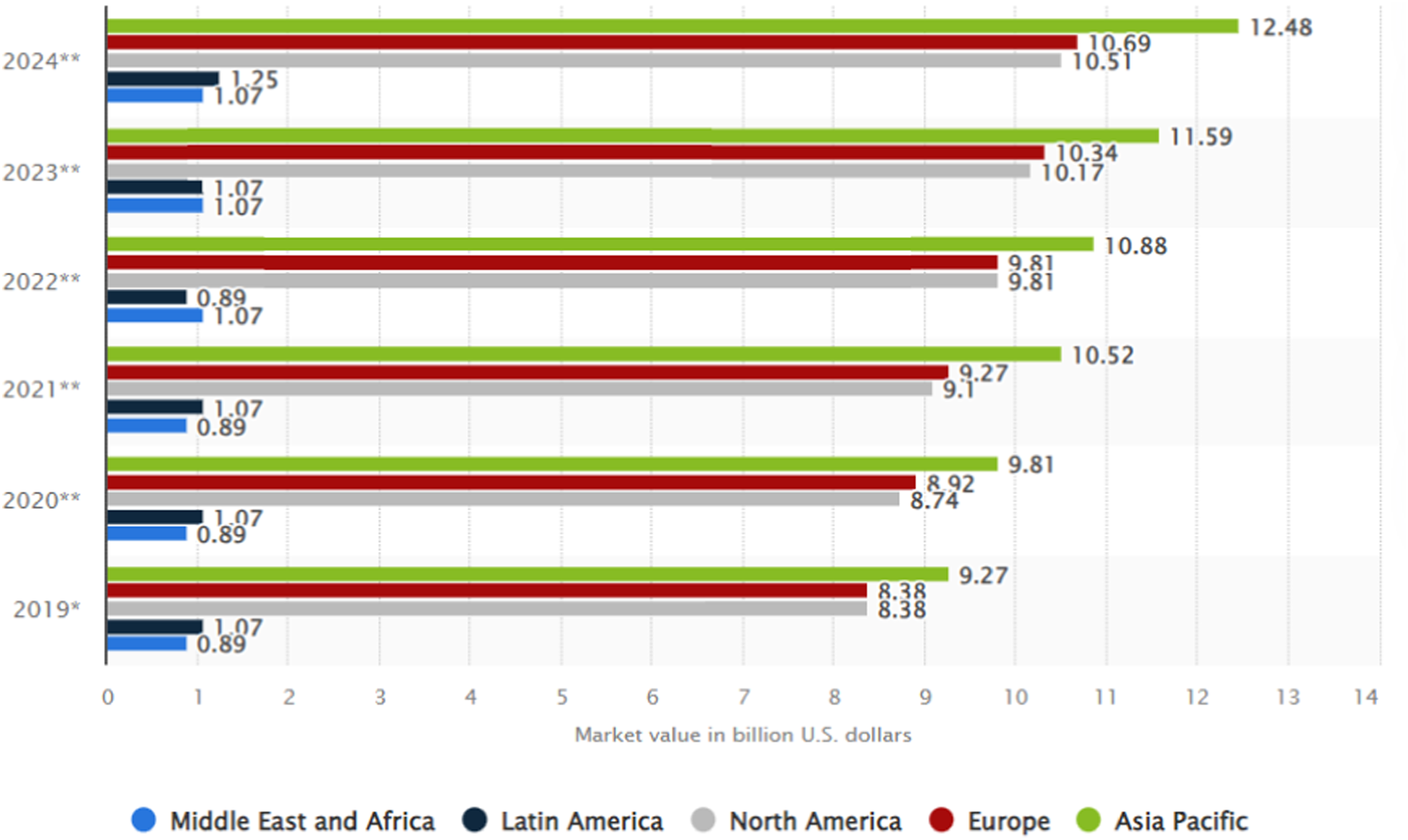
Figure 14 below depicts the changes in the global thermoplastic composite market between 2019 and 2024. As evident from the data, Asia currently holds a significant share in the market compared to other regions. However, over the years, Europe and North America are expected to expand their market size by substantial percentages. These percentages indicate promising growth prospects and signify the increasing presence of thermoplastics in the market.
71
Market value of thermoplastic composites worldwide from 2019 to 2024, by region (in billion USD).
71
A summary of thermoplastic composite market size report of 10 years (2023–2032). 68
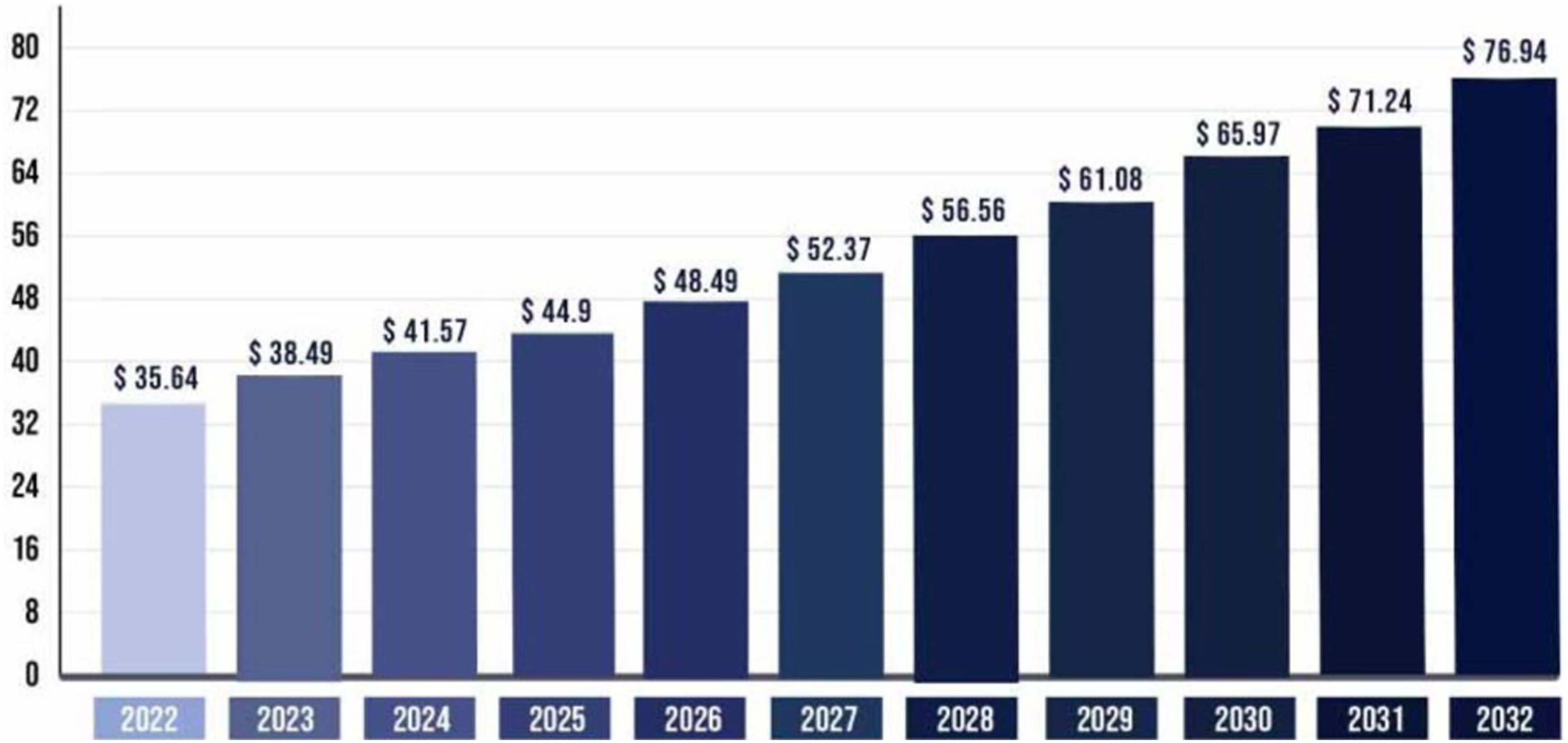
Moreover, the global market size of thermoplastic composites reached USD 35.64 billion in 2022 and is projected to reach approximately USD 76.94 billion by 2032, exhibiting a compound annual growth rate (CAGR) of 8% during the forecast period spanning from 2023 to 2032 as shown in Figure 15.
68
Thermoplastic composites market size, 2022 to 2032 (USD billion).
68
Conclusions
Thermoplastic composites were initially used in the military and defense sectors in the 1960s and 1970s. They offer many advantages in production time, storage, durability, and recyclability. Therefore, thermoplastic composites are increasingly integrated into aircraft designs due to their advantages and ability to reduce fuel consumption by lowering aircraft weight.
Since 2012, there has been a notable increase in the utilization of thermoplastics within aircraft applications, enabling the production of large components through a range of techniques including in-situ consolidation, continuous compression molding, thermoforming, and welding which explained above in details.
The global thermoplastic composite market is experiencing growth, with increasing demand for usage of thermoplastics in the coming years due to their advantages. Key areas for improvement in thermoplastic composites include reducing material costs, improving high-volume production capabilities, achieving high surface quality, advancing machining and joining processes, and enhancing repair and recycling techniques. These improvements will contribute to the widespread adoption and sustainability of thermoplastic composites and the market size of the thermoplastics will be grow in the next ten years all over the world.
Footnotes
Declaration of conflicting interests
The author(s) declared no potential conflicts of interest with respect to the research, authorship, and/or publication of this article.
Funding
The author(s) received no financial support for the research, authorship, and/or publication of this article.
