




Abstract
In the last two decades, several studies have been conducted for the process parametric optimization of fused filament fabrication (FFF) with a variety of thermoplastic composites, especially for mechanical properties. But hitherto less has been conveyed, on the development of dynamic reduced order models (ROMs) for digital twining (DT) of tensile properties (of 3D printed implants/scaffolds) with novel thermoplastic-based composites. In this study, for the generation of dynamic ROM (for hybrid analytics), the signal-to-noise (S/N) ratio was used to ascertain the best settings of parameters for tensile properties of polyvinylidene fluoride (PVDF) composite. The study suggests that the best setting of the FFF process, for the 3D printing of PVDF composite (90% PVDF, 8% hydroxyapatite (HAp), and 2% Chitosan (CS) (for maximizing the tensile properties as per ASTM-D638-Type-V) are nozzle temperature (NT) of 235°C, raster angle (RA) 45°, printing speed (PS) of 60 mm/s respectively resulting in peak load (PL) 394.87 N, peak stress (PSt) 33.92 MPa, Young’s modulus (E) 2.606 MPa. For a modulus of toughness (MOT) of 0.484 MPa, the best settings are NT 230°C, RA 90°, and PS 50 mm/s. The results are supported by the morphological analysis.
Introduction
In the commercial FFF process, melted thermoplastic filament is deposited layer by layer to produce 3D objects.1–4 The use of FFF-based components in healthcare applications (such as medical equipment, tissue engineering, medicine distribution, and surgical planning) has great potential since it has revolutionized the way things are designed and constructed. 5 The PVDF6,7 has been used in biomedical applications due to its biocompatibility, mechanical properties, and chemical resistance. It has been regarded as a potential implant material for a variety of uses, including tissue engineering for the heart, nerve regeneration, and bone regrowth. For implants made of Ti or stainless steel, PVDF has been used as a covering to promote biocompatibility and osteointegration in bone regeneration.8,9 Implants of PVDF10,11 have been demonstrated to promote bone tissue formation and reduce implant failure rates. As a substrate for nerve conduits, which are the tubular structures that direct the regeneration of wounded nerves, PVDF has been used in nerve regeneration. In animal models, PVDF nerve conduits have shown enhanced nerve regrowth and functional recovery. As a material for scaffolds that encourage the development of cells into functional cardiac tissues, PVDF has been used in cardiac tissue engineering applications. 12 In veterinary applications, PVDF structures have been used to promote the growth of tissue from the heart and improve cardiac function. In the field of implant dentistry and tissue engineering, PVDF composites are regarded as important biological materials. 13 HAp is the primary chemical component of bone and is also found in teeth, where it contributes to strength and durability.14,15 Numerous biological applications, including bone transplants, dental implants, and drug delivery systems, make use of HAp. 16 It is an intriguing substance for biomedical applications due to its biocompatibility, osteoconductive qualities, chemical similarity to genuine bone, and bioactivity. 17 Chitosan (CS) 18 is a biopolymer made from chitin, a naturally occurring polymer found in crustacean exoskeletons such as shrimp, fish, and crabs, as well as fungal cell walls. Deacetylating chitin removes acetyl groups from the polymer chain, resulting in CS. Biocompatibility, biodegradability, antibacterial characteristics, and hemostatic qualities are some of the features that make CS an appealing material for biomedical engineering. Wound dressings, medication delivery systems, and dentistry applications all employ CS.19,20
Single screw extruder (SSE) is a method of molding thermoplastics21,22 that involves melting the polymer before shaping it through different processing methods. A multitude of characteristics, including the conditions of processing, polymer chemical composition, and desired application, influence the impact of melt processing on thermoplastic substances.23,24 These variables must be carefully addressed to ensure that the desired material properties are maintained during the melt process procedure. Melt processing cycles may alter the tensile properties of PVDF composites.25,26 The fabrication parameters along with the number of cycles need to be carefully determined to achieve the required mechanical properties of the composite.27,28 In the last two decades, several studies have been conducted for the process parametric optimization of FFF with a variety of thermoplastic composites, especially for mechanical properties. But hitherto less has been conveyed, on the development of dynamic ROM for DT of tensile properties while 3D printing (of implants/scaffolds) with novel thermoplastic-based composites. In this study, for the generation of dynamic ROM (for hybrid analytics), the S/N ratio was used to ascertain the best settings of parameters for tensile properties of 3D printed PVDF composite (90% PVDF, 8% HAp, and 2% CS) as an extension of previously reported study on characterization of PVDF composite. 8
Materials and methods
PVDF (in granular form) of extrusion grade was procured from a local market (Solvay, Gujarat, India). The pellet has a density of 1.75 g/cm3, a melting temperature of 160–190°C, and a glass transition temperature (Tg) of -40°C. CS (deacetylation degree >90%, pH 7–9 at 25°C) and HAp (colorless and brittle) were procured from Marine Hydrocolloids, Kochi, Kerala, India. The methodology adopted for this study is shown in Figure 1. Methodology adopted.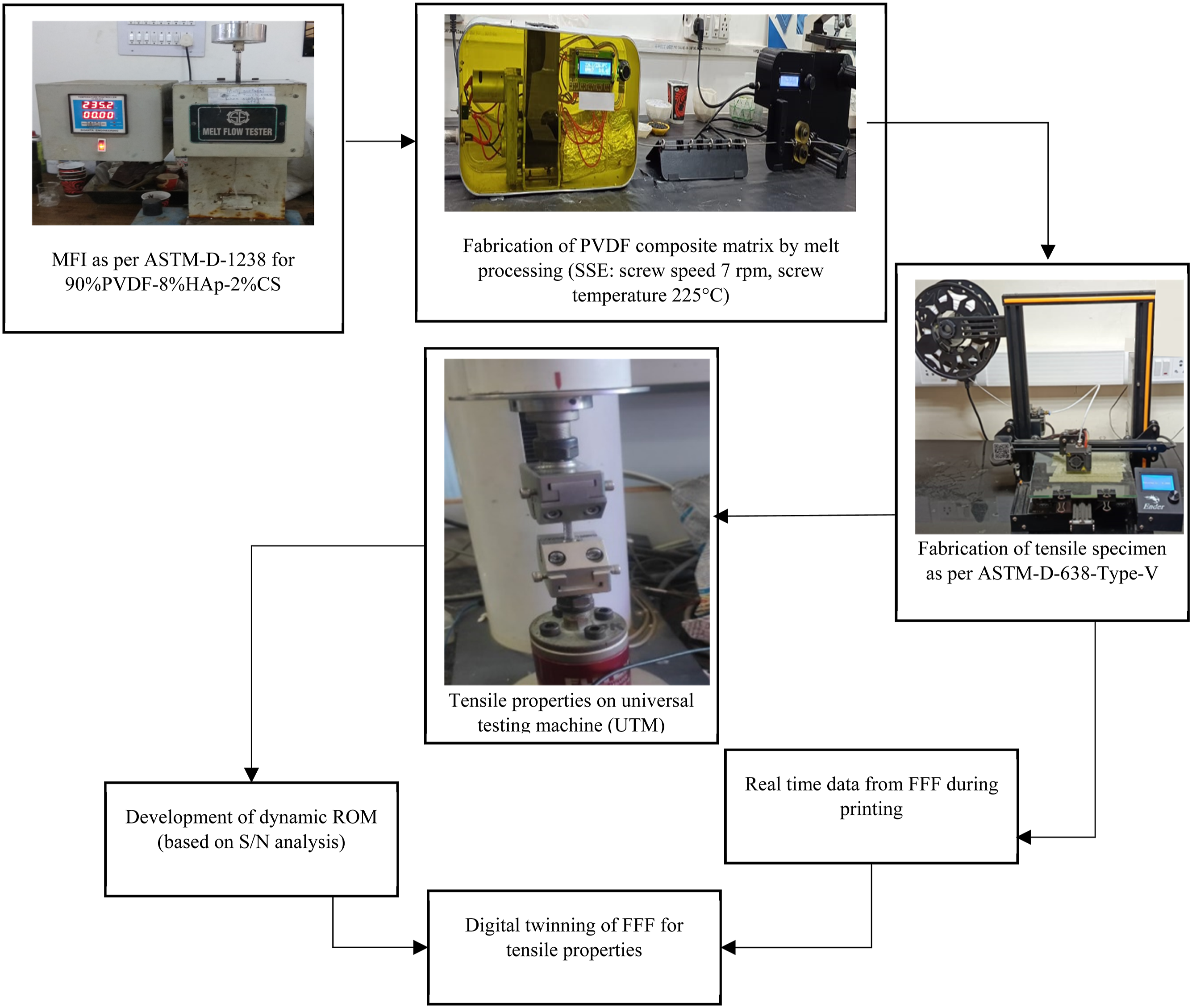
The tensile test specimen was prepared as per ASTM-D638-Type-V (Figure 2(a)). The open-source 3D printer (FFF) was used for printing tensile samples. A tensile test was performed on the micro-UTM (Make: FUTEK, Model: MBA 500, torque and thrust biaxial sensor) (Figure 2(b)). (a)Tensile test specimen, (b) micro UTM.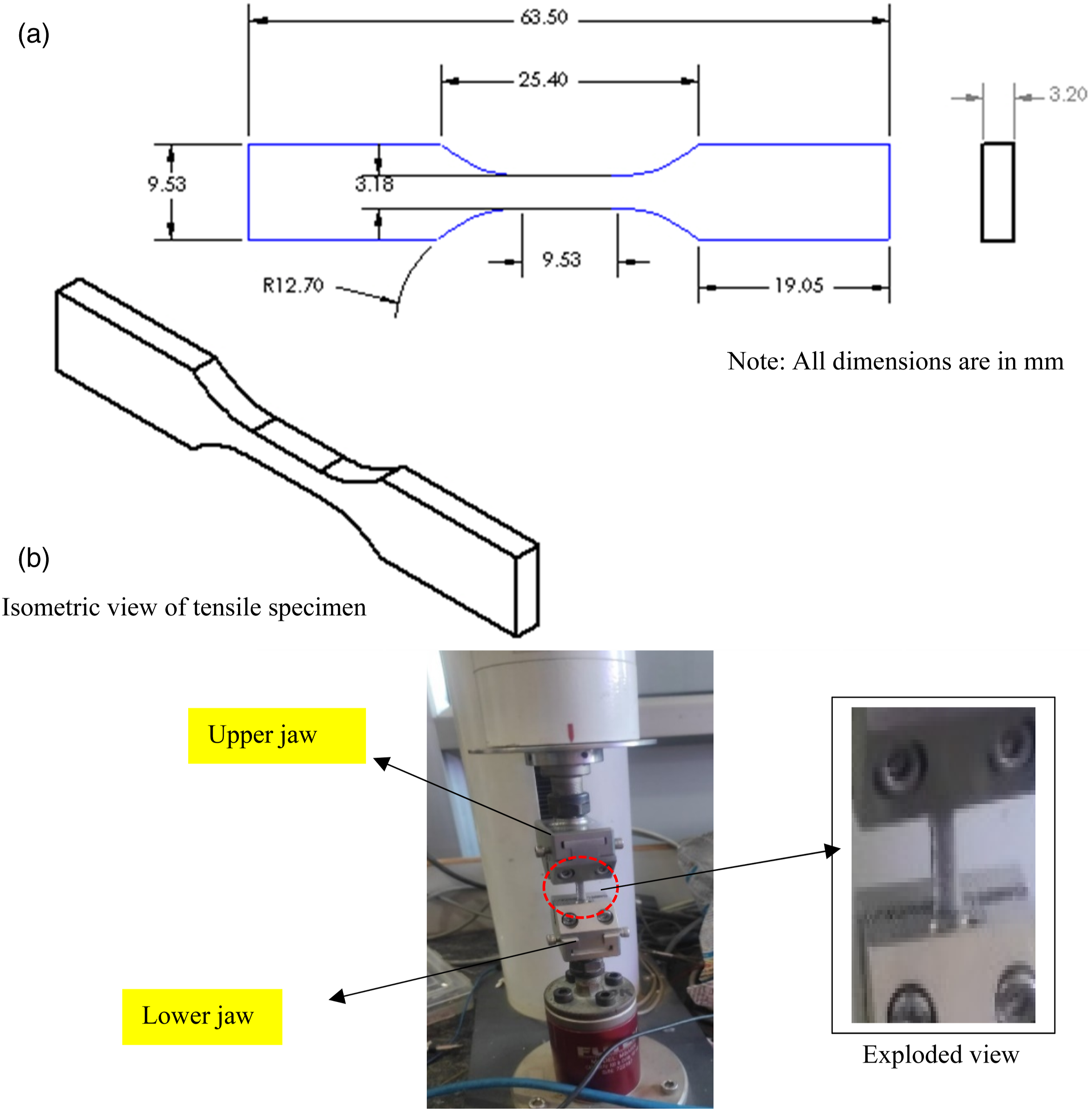
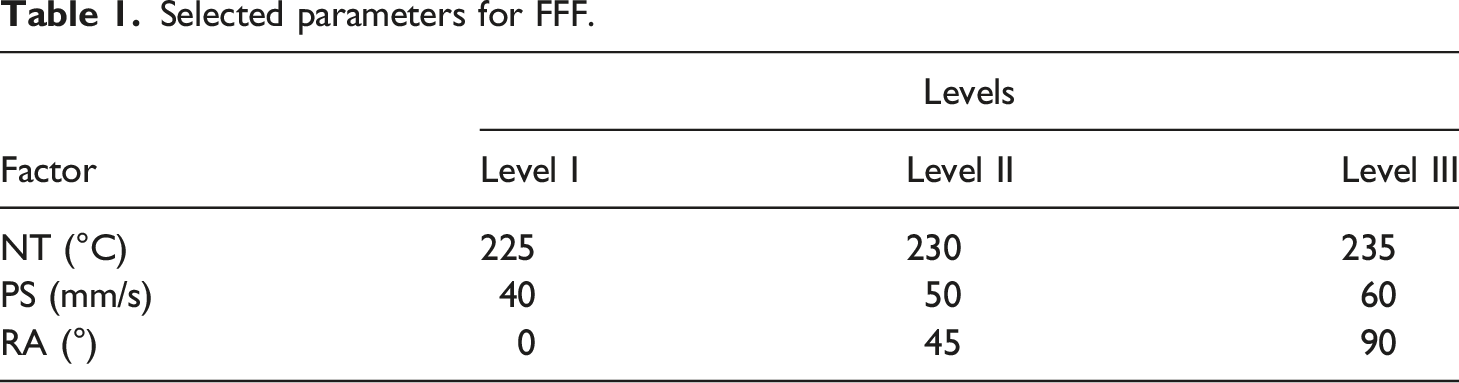
Selected parameters for FFF.
Tensile test observations.
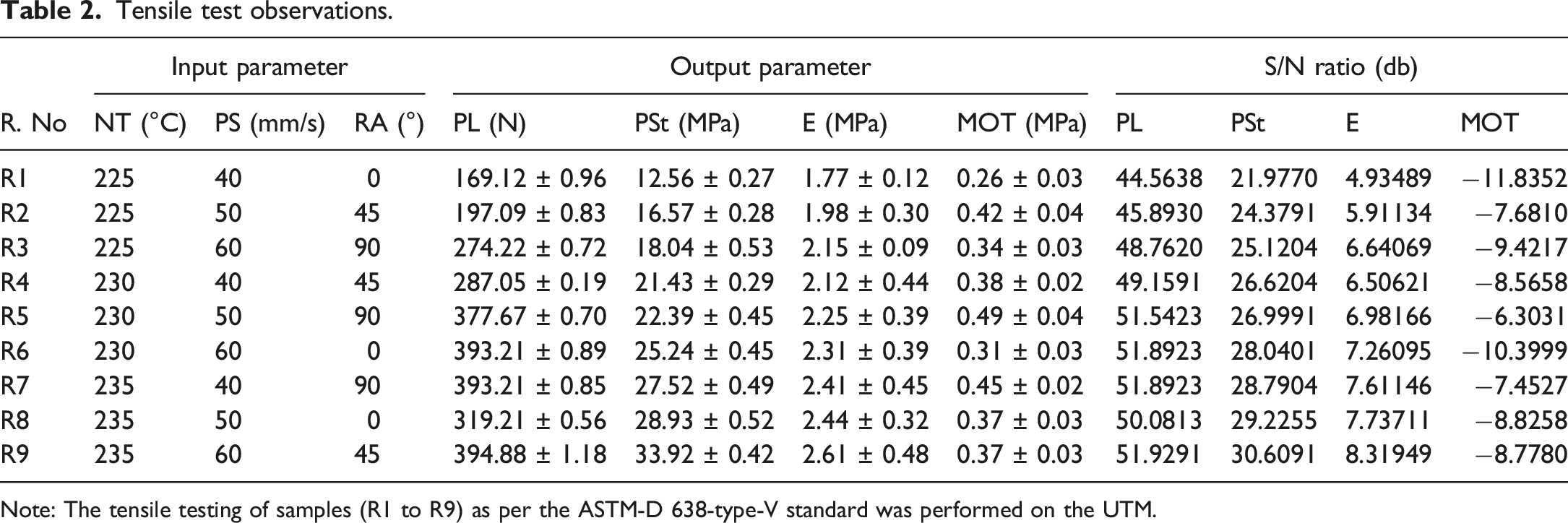
Note: The tensile testing of samples (R1 to R9) as per the ASTM-D 638-type-V standard was performed on the UTM.
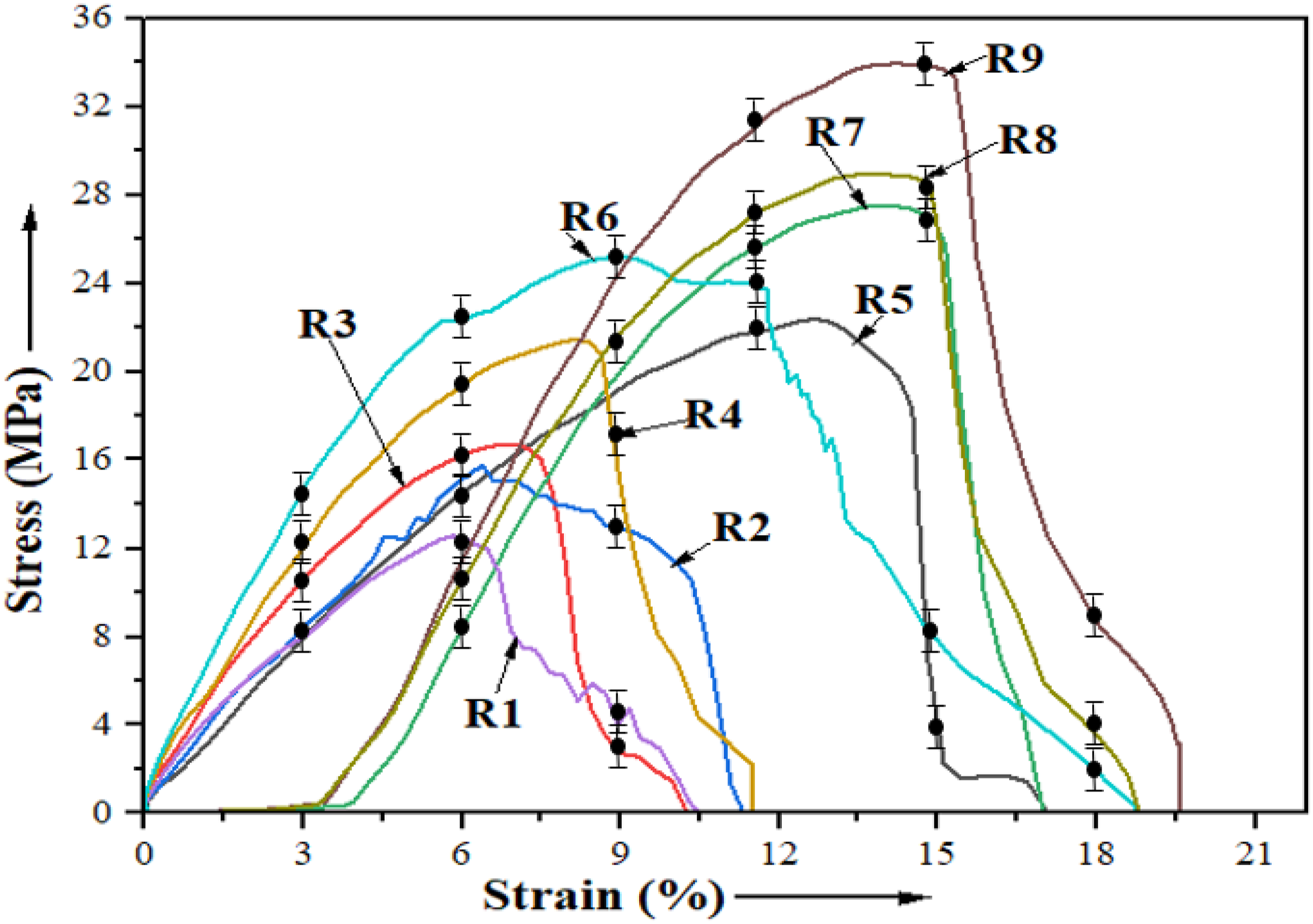
S/N ratios for tensile properties were calculated for the “larger is better type case” as per equation (1) (Table 2). The stress v/s strain diagram is shown in Figure 3. Stress versus strain diagram of tensile specimens.
Results and discussion
ANOVA table for S/N ratio and percentage of contribution for tensile properties.
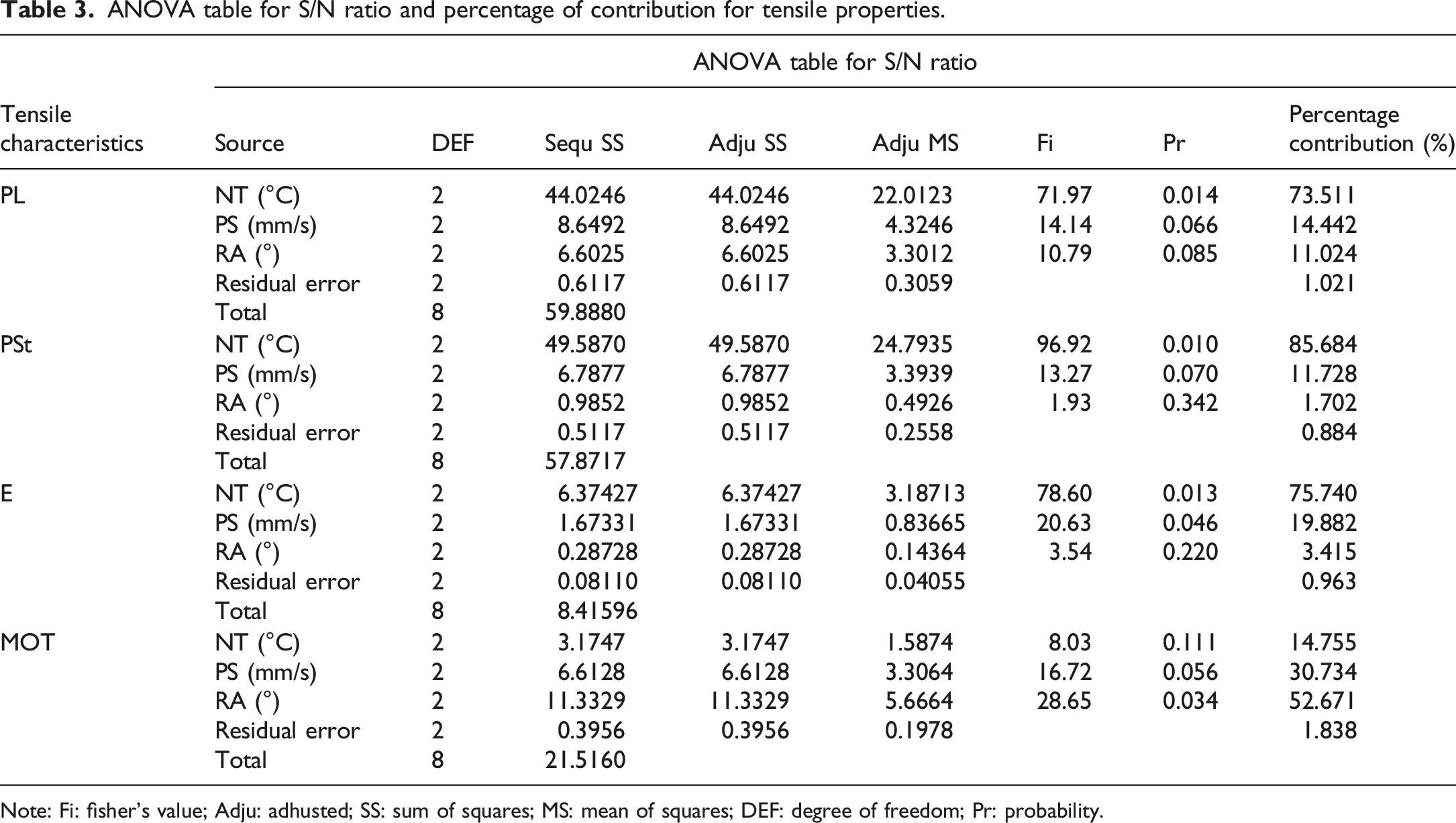
Note: Fi: fisher’s value; Adju: adhusted; SS: sum of squares; MS: mean of squares; DEF: degree of freedom; Pr: probability.
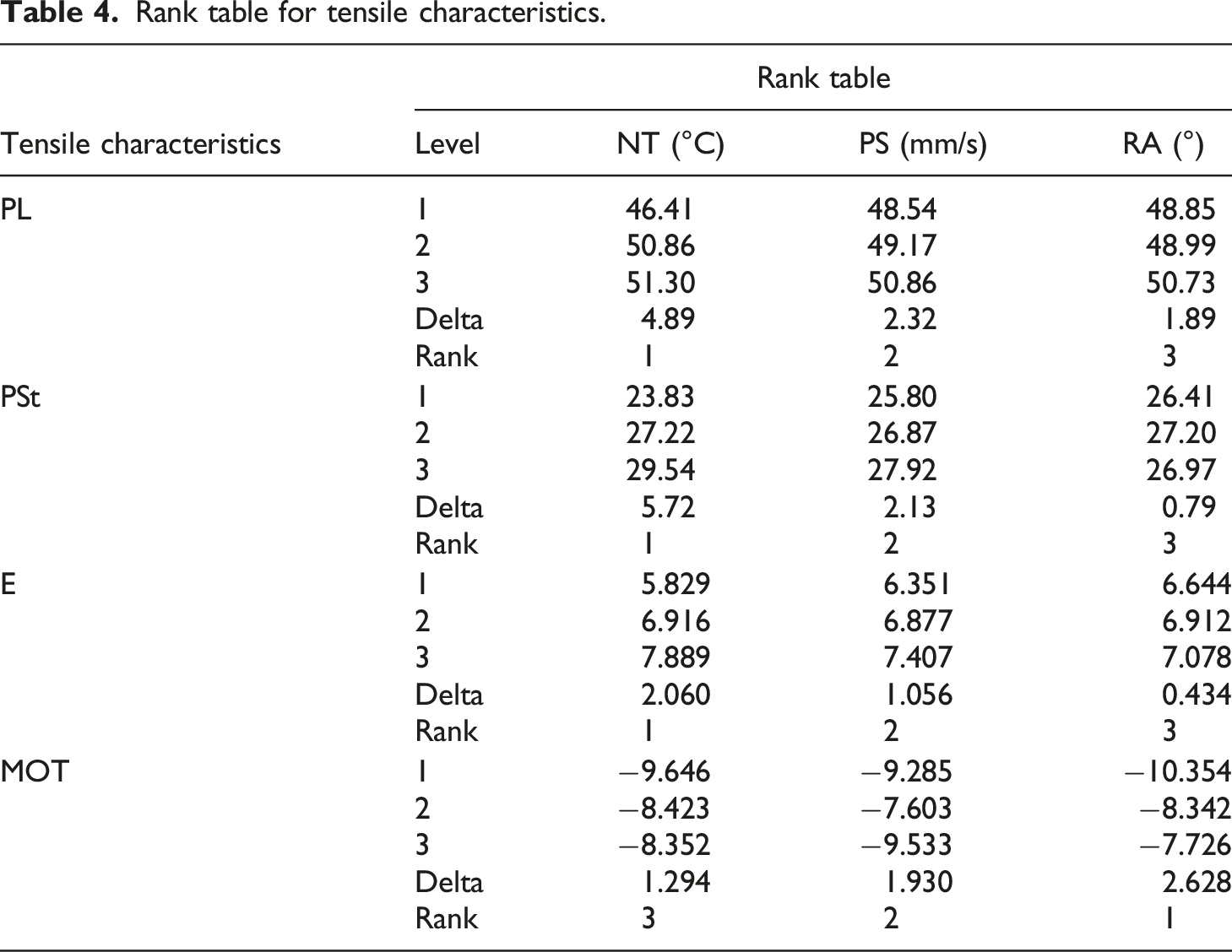
Rank table for tensile characteristics.
Main effect and residual plots for S/N ratios of tensile properties.
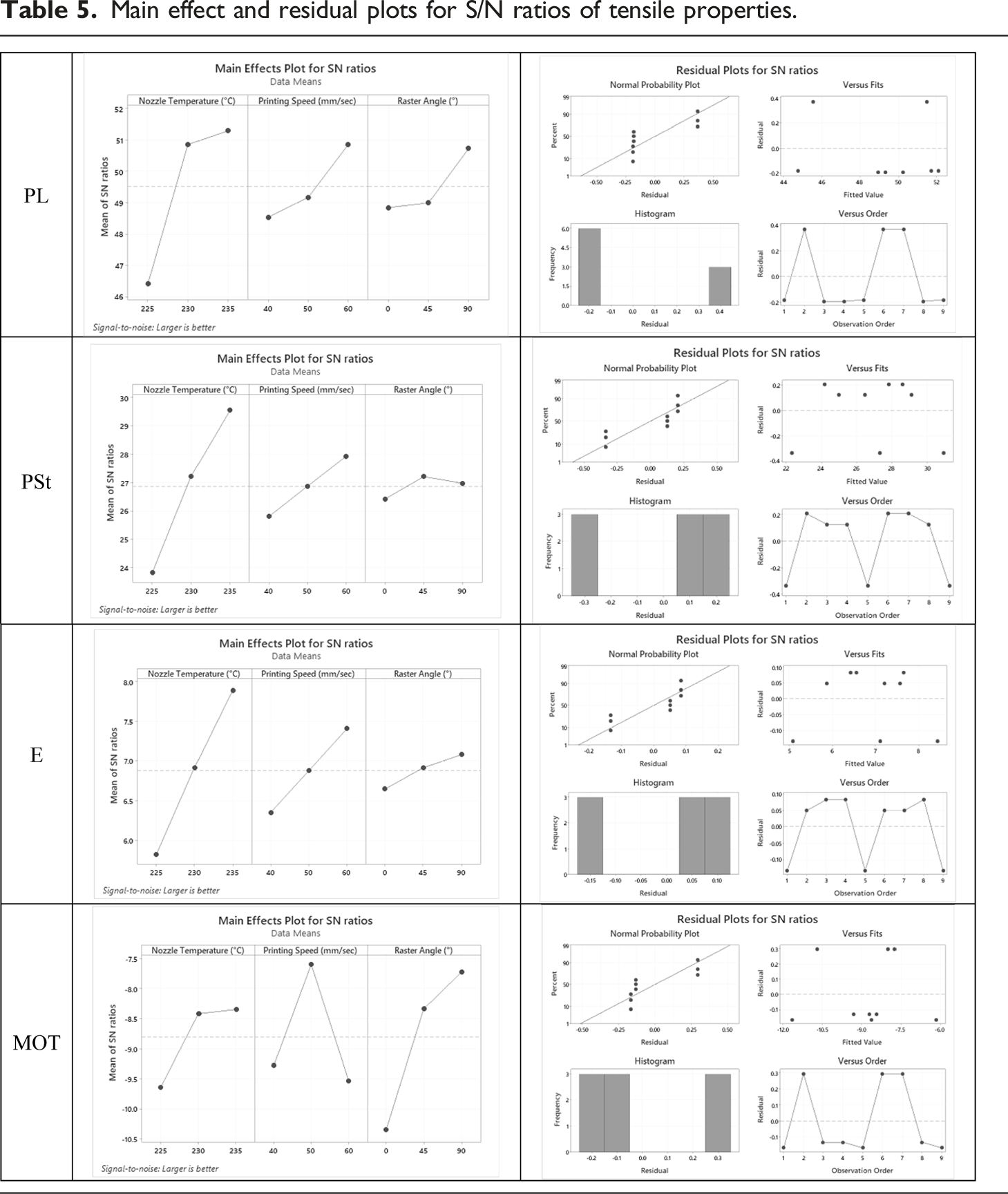
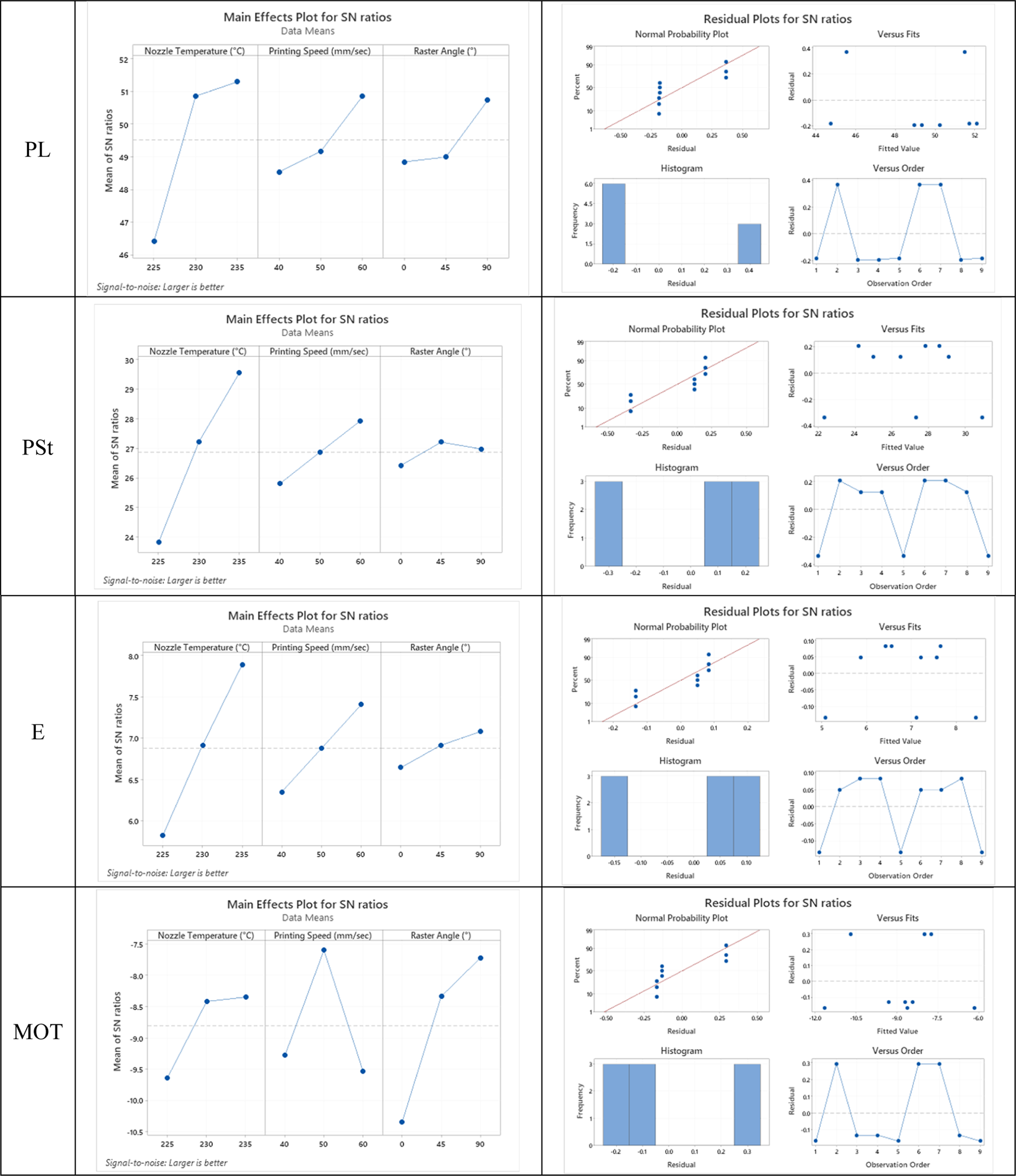
The probability (P)-value for the PL, PSt, E, and MOT were also calculated. As observed from Table 5, for PL, PSt the only significant parameter is NT. For E, NT and PS were observed as significant parameters. As regards MOT, RA was observed as the only significant parameter. A regression analysis was also performed to establish a relationship between the input and output parameters (equations (2)–(5)).



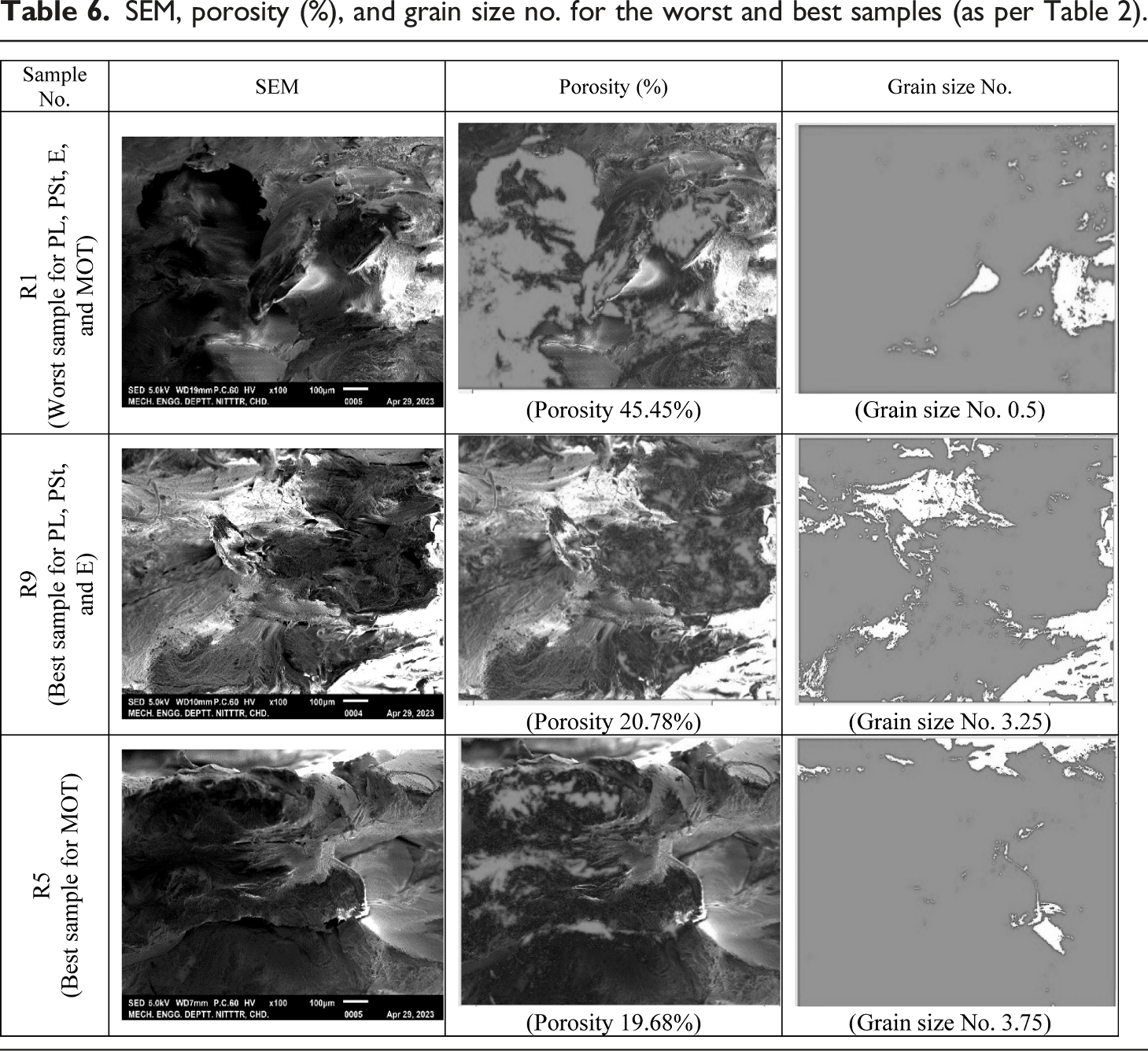
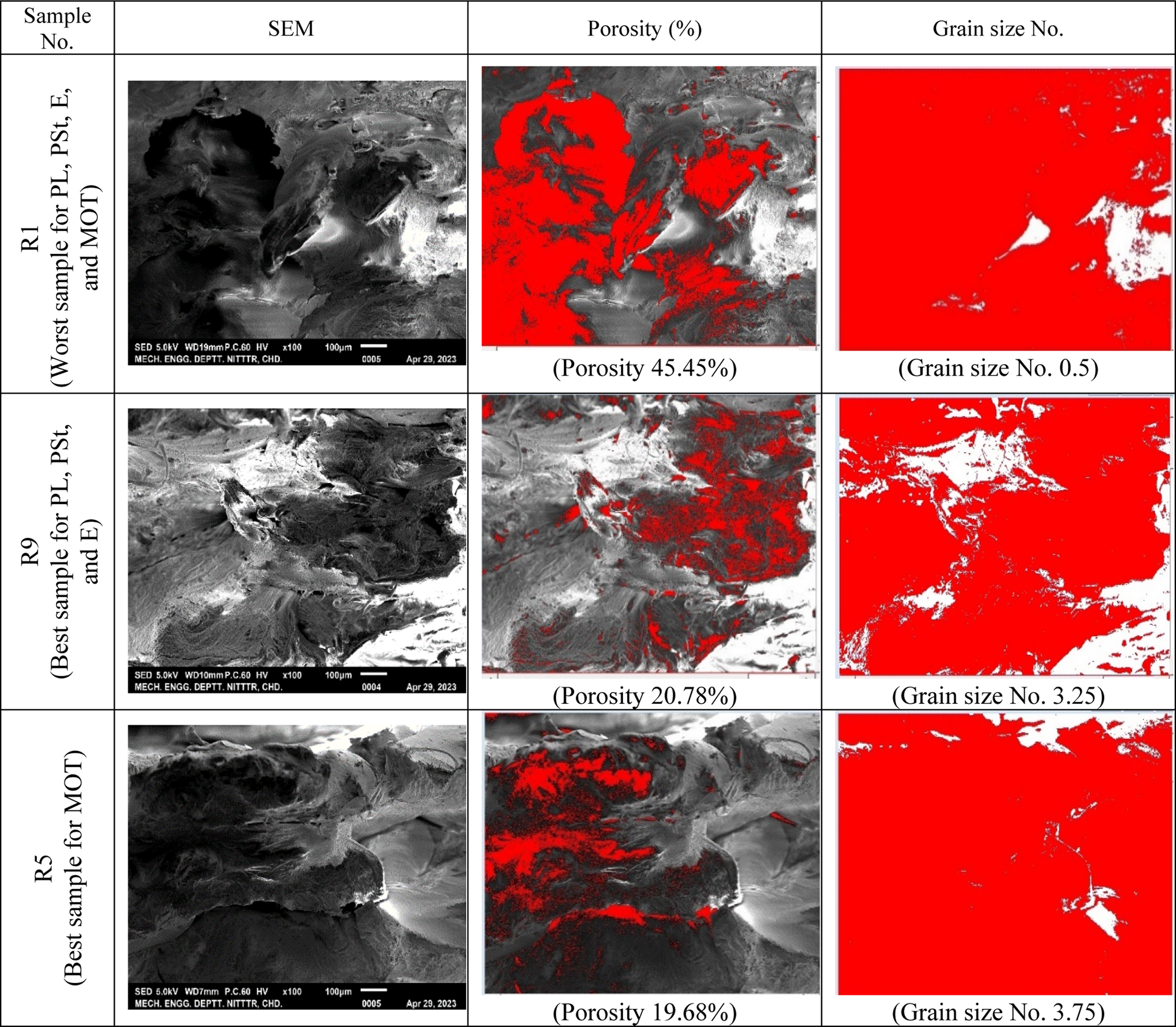
SEM, porosity (%), and grain size no. for the worst and best samples (as per Table 2).
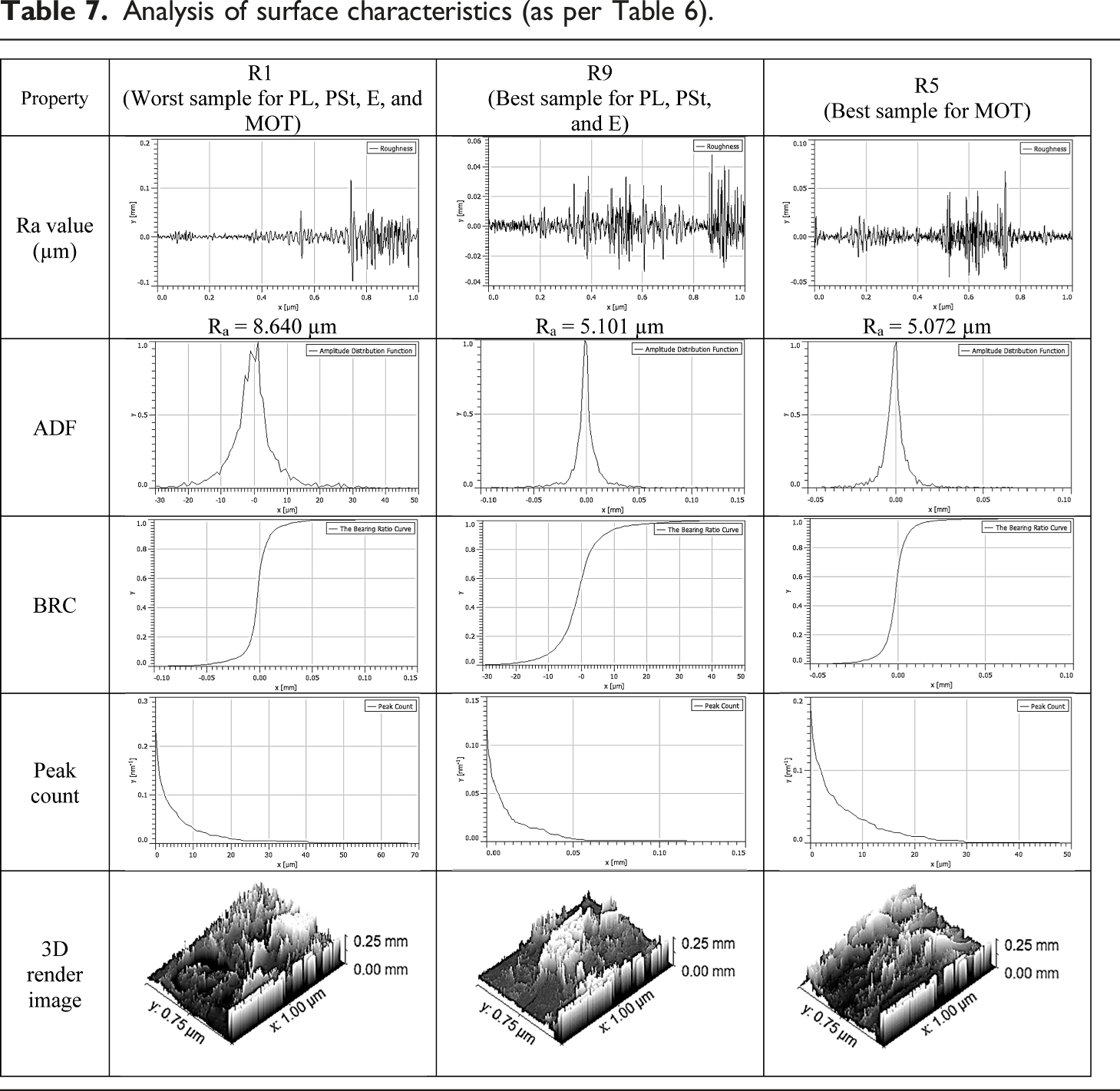
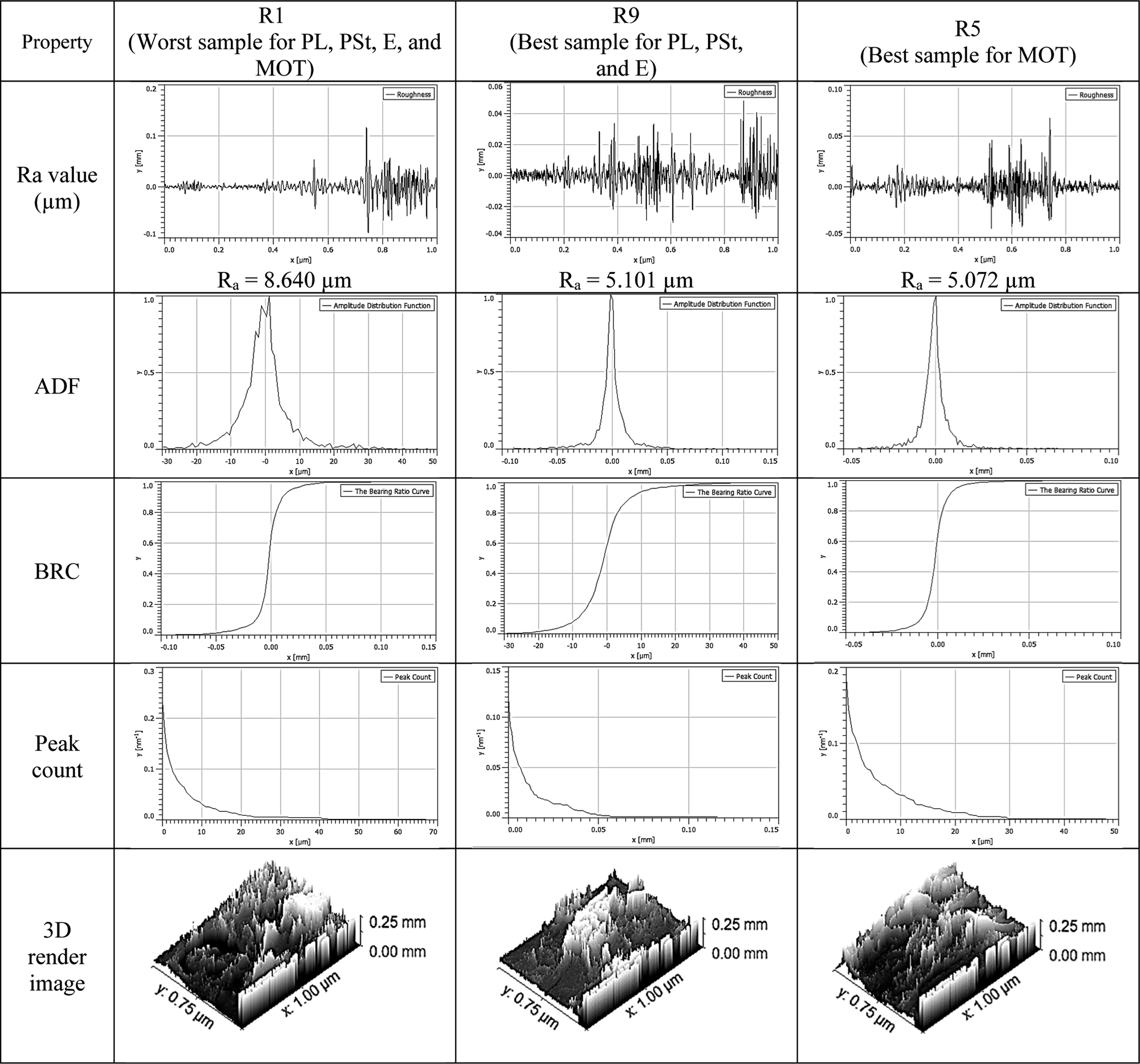
Analysis of surface characteristics (as per Table 6).
For digital twinning, of the FFF process for tensile properties of PVDF composites-based functional prototypes, there are two main requirements: (I) real-time data and (II) development of dynamic ROM. For real-time data, it is proposed to use a sensor based on the concept of a microstrip patch antenna (MPA).8,25,27 In a standard MPA-based sensor, the dielectric property in terms of dielectric constant (ϵr) is monitored using a Vector network analyzer (VNA) and significant studies have been reported on the calibration of VNA output in industrial, scientific, and medical (ISM) band for fetching this data in Bluetooth/Wi-Fi range through a smartphone as an internet of things (IoT) based solution. The idea here is to calibrate the change in ϵr while tensile loading with the in-process 3D printing using FFF. In other words, when the tensile load is applied on FFF based printed sample, there is a change in ϵr before and after putting the load. Similarly, with 3D printing, there will be a change in ϵr of the sensor (when the sample is printed under different processing conditions i.e., input parameters). For example, if one is putting high infill density while printing the ϵr will be different in comparison to low infill density. Similarly, there will be the effect of NT, PS, and other input parameters. This helps to generate real-time data while printing and mimics the change in ϵr while destructive testing (tensile loading). Hence one may predict the mechanical property online while printing itself before going to the destructive testing stage (by using the dynamic ROM developed based on previous experimental data). The schematic for the proposed solution is shown in Figure 4. Digital twin model of tensile properties for PVDF composites.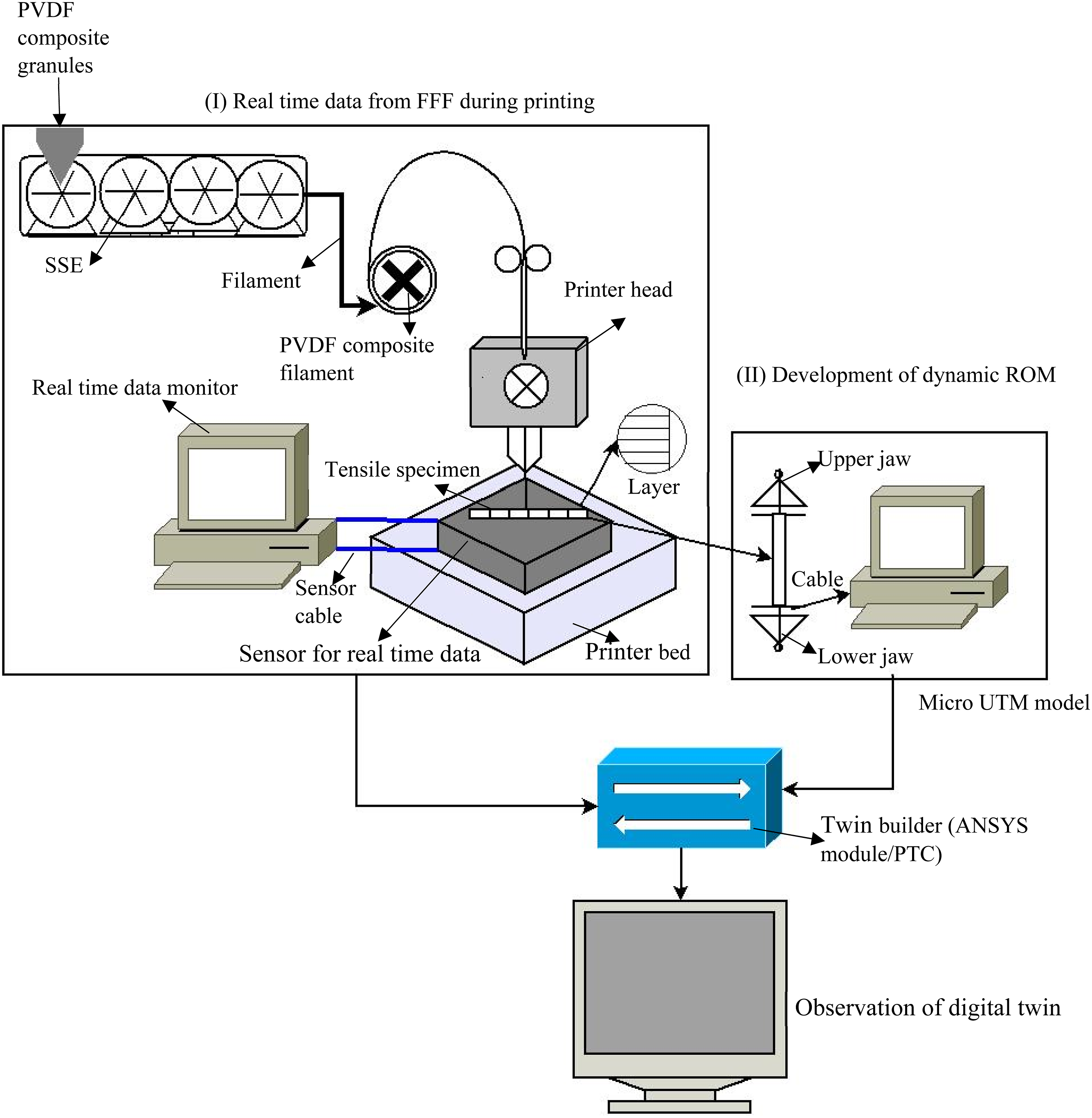
Conclusions
In this study, PVDF composite has been explored for PL, PSt, E, and MOT in response to selected input process parameters (NT, PS, and RA) for the development of dynamic ROM (for digital twinning). The following are the conclusions from this study:- • The study suggests that NT has a considerable impact on PL, PSt, and E. Statistical analysis showed that the PL, PSt, and E increase with an increase in NT. The reverse trend for the same was observed for the RA. • The study suggests that the best setting of the FFF process, for the 3D printing of PVDF composite (90% PVDF, 8% HAp, and 2% CS (for maximizing the tensile properties as per ASTM-D638-Type-V) are NT 235°C, RA 45°, PS 60 mm/s respectively resulting in PL 394.87 N, PSt 33.92 MPa, E 2.606 MPa. For a MOT of 0.484 MPa, the best settings are NT 230°C, RA 90°, and PS 50 mm/s. • Finally, a dynamic ROM for digital twin has been prepared to assist in hybrid analytics.
Further studies may be conducted to use the proposed dynamic ROM for understanding the failure mechanism while tensile loading of selected PVDF composite.
Footnotes
Acknowledgements
The authors acknowledge the research support provided by the National Institute of Technical Teachers Training and Research Chandigarh.
Declaration of conflicting interests
The author(s) declared no potential conflicts of interest with respect to the research, authorship, and/or publication of this article.
Funding
The author(s) disclosed receipt of the following financial support for the research, authorship, and/or publication of this article: The authors are thankful to the Department of Science and Technology for funding under FIST Level-0, Project No. SR/FST/College-/2020/997.
