




Abstract
This research discusses the development of a high performance composite out of waste plastic that is ultralightweight, thermally insulated, and high impact resistant. Polycarbonate sheet and Cross-linked Polyethylene (XLPE) foam were combined to create the composite, and silicon adhesive was used to fabricate the composite. Polycarbonate sheets are high impact resistant material, high thermal insulation is provided by XLPE foam, and silicon adhesive is used because of its low thermal conductivity. The composite was fabricated using a stacking technique. The composite prototype was then evaluated by experimenting it to dry ice at a temperature of −78.6°C. Drop tests, compression tests, density measurements was carried out, and thermal analysis was carried out using thermogravimetric analysis. The sample can endure low temperatures while maintaining room temperature on the other side, according to a 24 h dry ice test, whilst a drop test demonstrated that it can withstand significant impact loads. A numerical simulation using Abaqus/Explicit was also used to validate the variations in temperature between the outside surface at −20°C and the inside surface maintained at 30°C of the composites when exposed to cold temperature. The result reveals that the hybrid composite are highly promising in terms of thermal insulation.
Introduction
The term plastic is a household name in the modern technology. Plastic has grown to be one of the most widely utilized materials. These days, from stores to everyday homes, it is everywhere. The primary explanation is the low cost and durability of plastic. As a result, plastic pollution is increasing at an incredibly fast rate. 1 Plastics contain chemicals such as bisphenol A and phthalates, which are known to interfere with the endocrine system and have been connected to a number of health issues such as cancer, obesity, and reproductive issues. Microplastics are tiny plastic particles that are caused by the degradation of more durable plastic products or release of synthetic fibers from synthetic garments during washing. 2 They can enter the food chain and harm aquatic and terrestrial ecosystems. The production of plastics requires a significant amount of energy and releases greenhouse gases that contribute to climate change. Due to their non-biodegradability nature, plastic garbage has significantly increased in both landfills and polluting the environment. Given the unsustainable origins of plastics and their tenacious environmental survival in the oceans and on land, it is vital to acquire innovative technology for recycling and repurposing them3,4
Over the past two decades, efforts to recycle plastic trash have increased significantly. However, the difficulties in using post-consumer plastic as a feedstock for new goods are so severe that the proportion of recycled plastics is still relatively low. 5 Therefore, it is very necessary that increase in recycling of plastic waste may resolve the problem. 6 The goal of the current analysis is to create novel techniques for recycling some of the most widely produced plastics.7,8
Today especially in India the recycled plastic products can be more useful in cold regions. People in India, particularly in the Himalayan region where the border span is more than 4200 km the temperatures plummet to −20°C to −40°C, often experience problems with frozen septic tanks or water tanks. 9 Few of the reasons that could lead to this are due to static water conditions, tank overflows and improper design of the structure. 10 Traditionally, Concrete tanks have been utilized as septic tanks and water storage tanks. Even though the concrete is strong and durable, they are porous as well as brittle structure which leads to cracks eventually leading to leakages. Once leakage happens the damage has to be repaired by providing plastic linings inside them. Also, when it comes to store water, the concrete tanks leach of lime resulting in change in pH value leading to change in taste.11–13 Additionally, they are heavy to carry at high altitude mountains and challenging to build and repair, especially in cold climates.14,15 Additionally, in today’s environment, plastic storage tanks are also widely utilized, but because to their design limitations, they are difficult to clean, not ultraviolet (UV) -stable and also not able to withstand low temperature. Exposing plastic storage tanks to freezing or sub-freezing temperatures can result in significant issues. The increased plastic brittleness can cause cracks and fractures, jeopardizing the integrity of the tank and resulting in leakage. 16 Cold temperatures can also cause the tank to shrink, which could lead to dimensional changes that lead to misalignments or leaks. Additionally, plastics lose some of their impact resistance at low temperatures, making the tank more susceptible to harm from outside forces. Furthermore, some plastics are vulnerable to environmental stress cracking, which can be increased by exposure to low temperatures and particular chemicals. Over time, the tank will gradually get weaker as a result.
Therefore, this work highlights about the optimal solution by replacing the traditional material such as concrete and plastic with sandwich composite using recycled plastics to create a tank. 17 Materials such as composites are fabricated by using number of distinct kinds of materials to create a new material that has enhanced properties compared to its individual components.18–20 Sandwich composites are a special type of composite material that are fabricated by using two rigid, lightweight skins to a substantial core. Due to its increased thickness, the sandwich composite has a high bending stiffness despite the core material’s normally low strength. Sandwich structures are frequently utilized in the most demanding industries, including aerospace, due to their perfect performance-to-weight ratio. 21 The strength of the composite material is significantly influenced by the characteristics of the skins and the core. 22 The advantages of sandwich composite over other traditional materials are lightweight, hight durability, high impact strength, corrosion resistant, weather resistant, moisture resistant and flexible. 23
The novelty of this investigation is to develop a composite material which is made out of recycled plastic waste that is thermally insulated, high impact-resistant, and incredibly lightweight.24,25 As a result, the core material of the sandwich composite is made of plastic waste that was procured from Aerolam Insulations Private Limited, Hosur, India. Each day, the company produces 800 kg of this plastic garbage. Therefore, research work focusses on developing hybrid composite using polycarbonate sheet and core material as crosslinked polyethylene foam (XLPE) and study the properties of this composite. Tests have been done to evaluate how well they retain their property. The high-performance composite was subjected to the dry ice experiment for 24 h, and the temperature difference was recorded. To assess the hybrid composite’s mechanical properties, compression and impact tests26,27 were carried out. Thermal testing and density analysis were also done. Software simulation was used to compare and confirm the experimental results. 28
Materials and methods
Polycarbonate properties. 29

Crosslinked polyethylene foam (XLPE) properties.
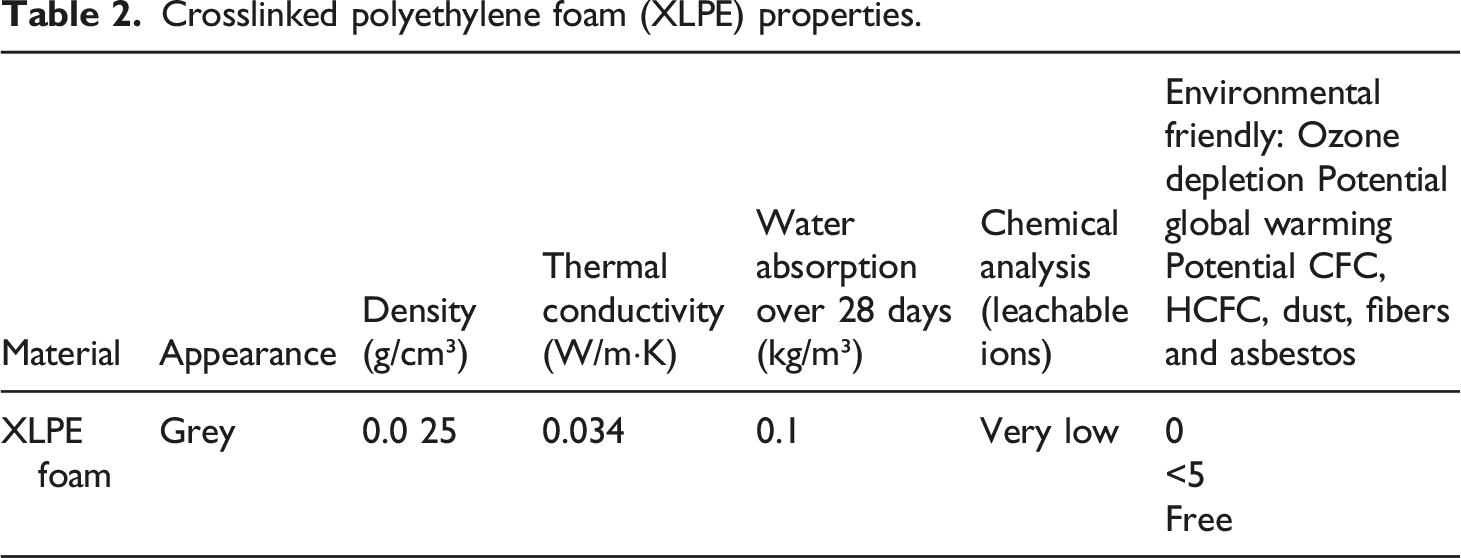
For bonding, RTV (room temperature vulcanizing) silicone adhesive was chosen. The glue can operate at temperatures between −100°C and +220°C. The silicone adhesive maintains its high degree of elasticity even at low temperatures because to its chemical structure. Its low thermal conductivity is a crucial characteristic. Under chemical environment, silicone adhesive is inert, and it shows high moisture resistance. 34
Composite fabrication
This composite was fabricated by layer-by-layer stacking of the XLPE foam and polycarbonate. The following dimensions have been used with the six polycarbonate sheets, each of which is 2 mm thick: Two of them are 245 mm × 245 mm, and four are 245 mm × 34 mm. The silicon adhesive was used to stack and join the XLPE foam and the polycarbonate sheet that had been wiped off its surface.
35
Because XLPE foam is a good thermal insulator, an air gap was added between the layers. The air gap creates a barrier which hinders the movement of heat. Therefore, air gap functions as an additional layer of insulation, limiting heat transfer through the material even further. The illustration of composite stacking is shown in the Figure 1(a). The composite stacking was fabricated at room temperature and pressure, and it was given 8 hours to dry. Figure 1(b) displays an illustration of the hybrid composite’s configurations. The original development of the sandwich composite is shown in Figure 1(c). (a) Composite stacking (b) Composite Arrangement (c) Hybrid Composite.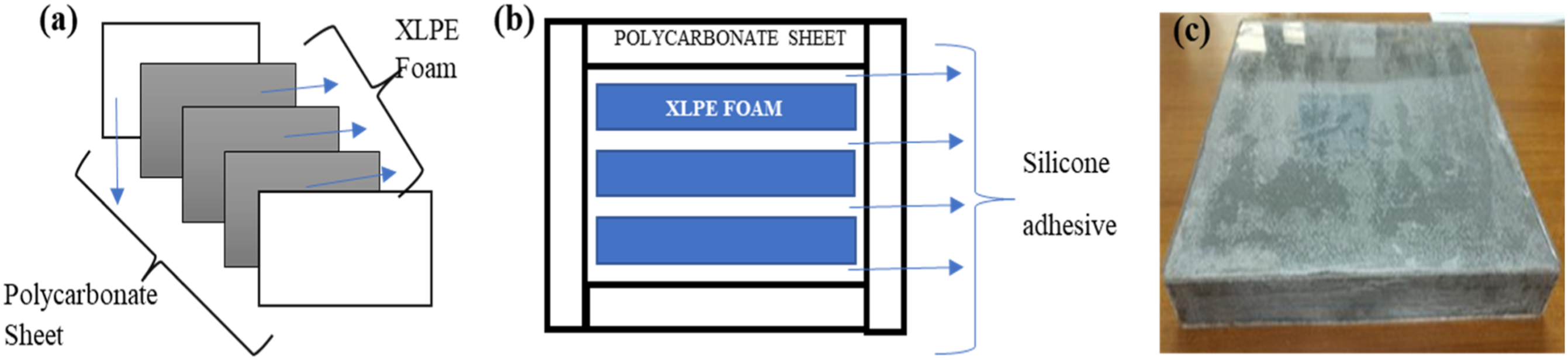
Property testing
Drop test
A drop test on the hybrid composite was performed to measure its impact energy. The test was conducted based on ASTM D3029 standard. An impactor weighing 7.25 kg was dropped from a heigh of 1m by free falling it on to the fixed hybrid composite.36,37
The impact energy of the specimen can be calculated using equation (1)


Dry ice test
This experiment made use of dry ice, which is a solid form of carbon dioxide (CO2). Dry ice was used for the test due to its temperatures being lower than water ice and its capacity to disperse without leaving a trace. Sublimation is the process by which carbon dioxide (CO₂) transforms from a solid to a gas without first going through a liquid state at temperatures higher than −56°C. 9 For this test, 5 kg block of solid dry ice with temperature −78.6°C was employed. The setup was carried out in a semi-closed thermally insulating chamber, and the temperature was monitored for 24h. Dry ice was used to expose the developed hybrid composite, with one face being subjected to ice for 24h and the other side experiencing a room temperature of 25°C. 34
Compression test
Compression test was used to measure the hybrid composite’s compressive strength. ASTM D3410 standard compressive testing was used to measure the compressive strength of the specimen. This test is a basic test done to characterise and certify the compressive property of the composite. To conduct the compression test, specimen of dimension 150 mm × 150 mm x 34 mm was used at a test speed of 1.25 mm/min. 38
The compressive strength of the composite was calculated using equation (4)
Density measurement
Density of a material will allow to understand whether the material will float or sink when placed in a liquid. The hybrid composite mass was measured using a digital weighing machine and its volume was calculated.
Thermal analysis
Thermal analysis of polycarbonate, XLPE foam and silicon adhesive was carried out. Thermogravimetric analysis (TGA) is a test that is conducted to measure the thermal stability of a material as the temperature increases. The sample is subjected to heat and the mass of the sample is measured as the temperature is increased at a constant rate. TGA was done on these sample using Q600 SDT-TA instrument. 39 The test was conducted in accordance with ASTM standard E1131. A sample of 2.57 mg, 2.79 mg and 3.69 mg respectively was heated in a crucible under nitrogen atmosphere at a rate of 10°C per minute.
Results and discussion
Software simulation
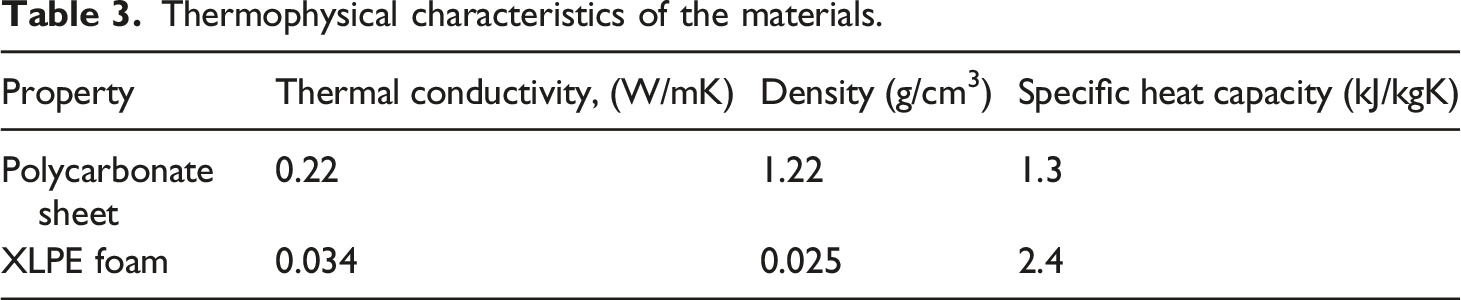
A transient analysis was carried out on a hybrid composite containing XLPE foam sandwiched between two polycarbonate sheets. The software used for running this transient analysis is Abaqus/explicit FE solver. The model represents a temperature at two locations which changes according to time across the hybrid composite. During the assembly of the hybrid composite, three XLPE foams of thickness 10 mm each is sandwiched between two polycarbonate sheets having thickness 2 mm. Figure 2 represents the FEA model of the hybrid composite. The outer most surface is maintained at −20°C. The two polycarbonate represents different temperature condition that is the outer surface represents cold region and the inner surface represents the room temperature. Table 3 displays the material characteristics used in this simulation. Finite element model of the hybrid composite. Thermophysical characteristics of the materials.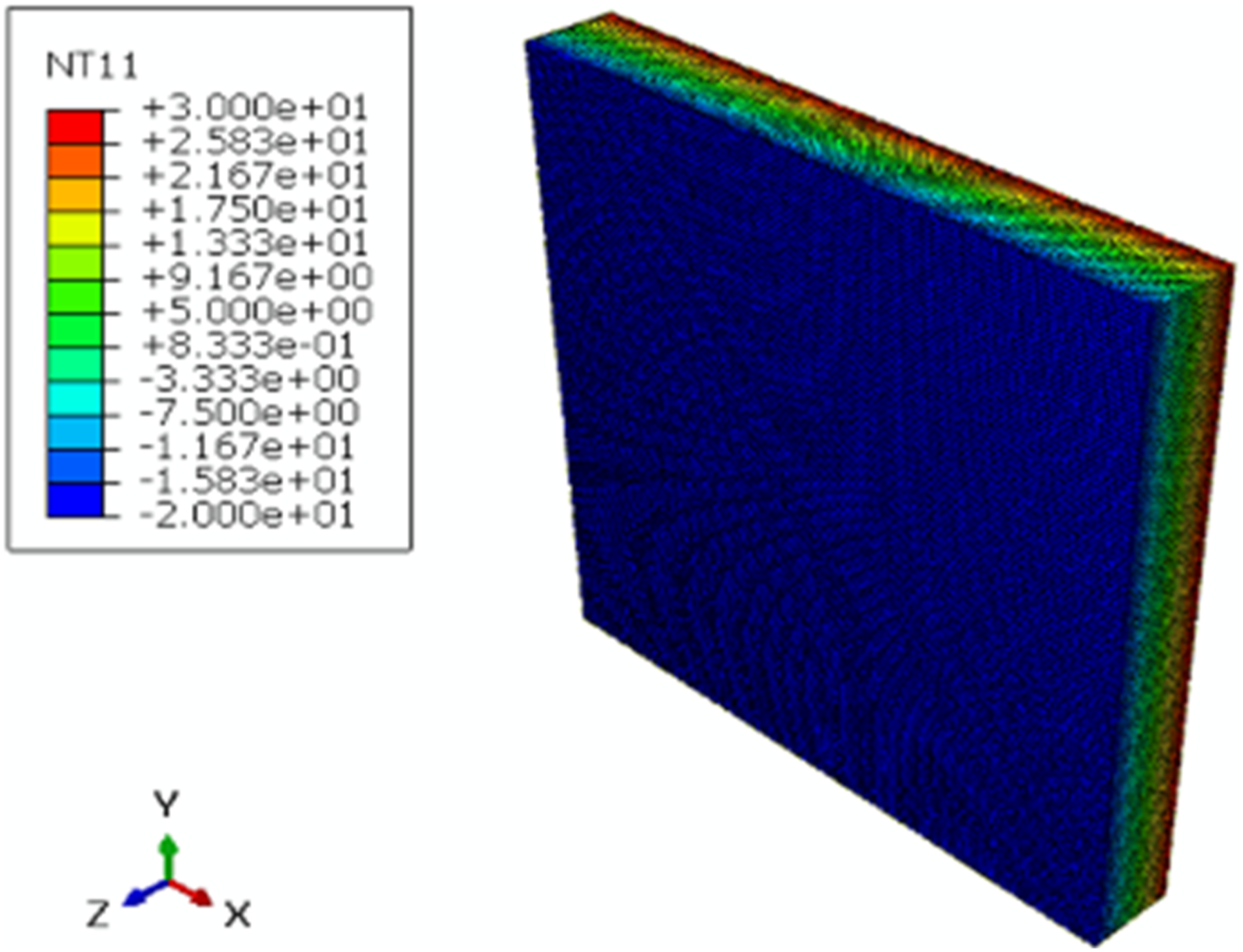
The duration of the simulation is 24 h. The Figure 3 shows the contour plot of the transient temperature distribution across the composite. The plot displays the temperature difference between the hybrid composite’s inner and exterior surfaces as illustrated in Figure 4. Temperature variation in 24 h. Temperature variation between the surfaces of the composite.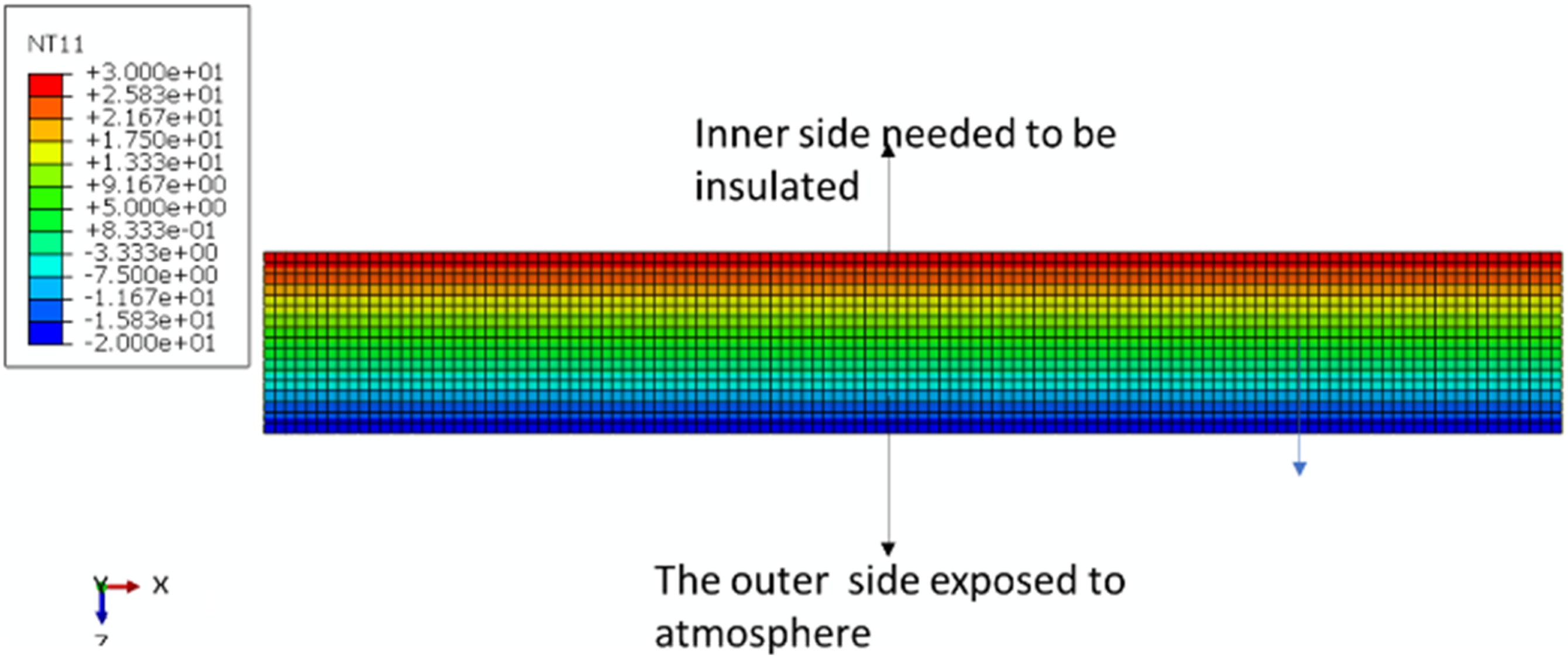
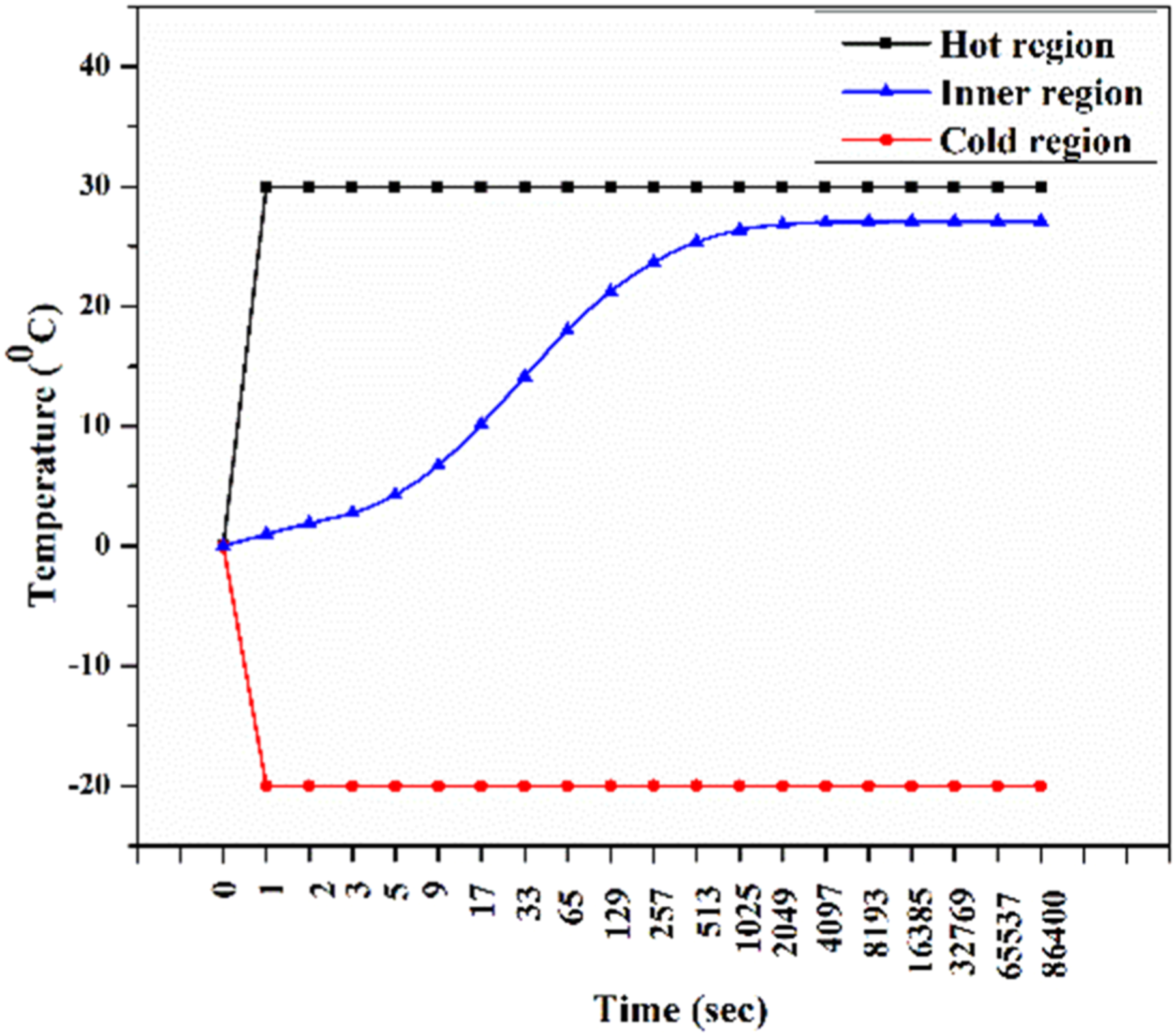
From the graph it can be inferred that the outer and inner temperature are at −20°C and 30°C respectively. As the time reaches 24 h, it can be seen that the outer temperature remains as it is whereas the temperature of the inner foam experiences a temperature variation from 0°C to 28°C. The inner polycarbonate finally reaches 30°C which is expected to attain room temperature. This variation in temperature of the inner foam and polycarbonate is said to be constant after 24 h. This in turn explains the concept that foam can be used to insulate in cold regions.
Experimental result
Drop test
The impact energy of the hybrid composite was found to be 70.8Nm, from which it can be inferred that the material was able to withstand a high energy whereas concrete block has an impact energy of 20.3Nm. The sandwiching of polycarbonate with XLPE foam make the composite to withstand high impact because polycarbonate being a thermoplastic makes it strong and durable thereby able to absorb the energy and disperse it evenly
40
while XLPE foam has a close cell structure which provides cushioning and shock absorption.
41
Due to damage brought on by high-strain-rate and impact loadings, concrete blocks are susceptible to failure when exposed to high impact loads.
42
Since the concrete block has less impact energy when compared to the composite, the block failed to withstand a weight of 7.25 kg when dropped from a height of 1m whereas the material had only a small dent as shown in Figures 5(a) and (b).
43
The Figure 6 shows the load applied to the sample verses the impact strength of the material. Impact strength of (a) Concrete block (b) Hybrid composite. Load verses Impact strength of (a) Concrete block (b) Hybrid composite.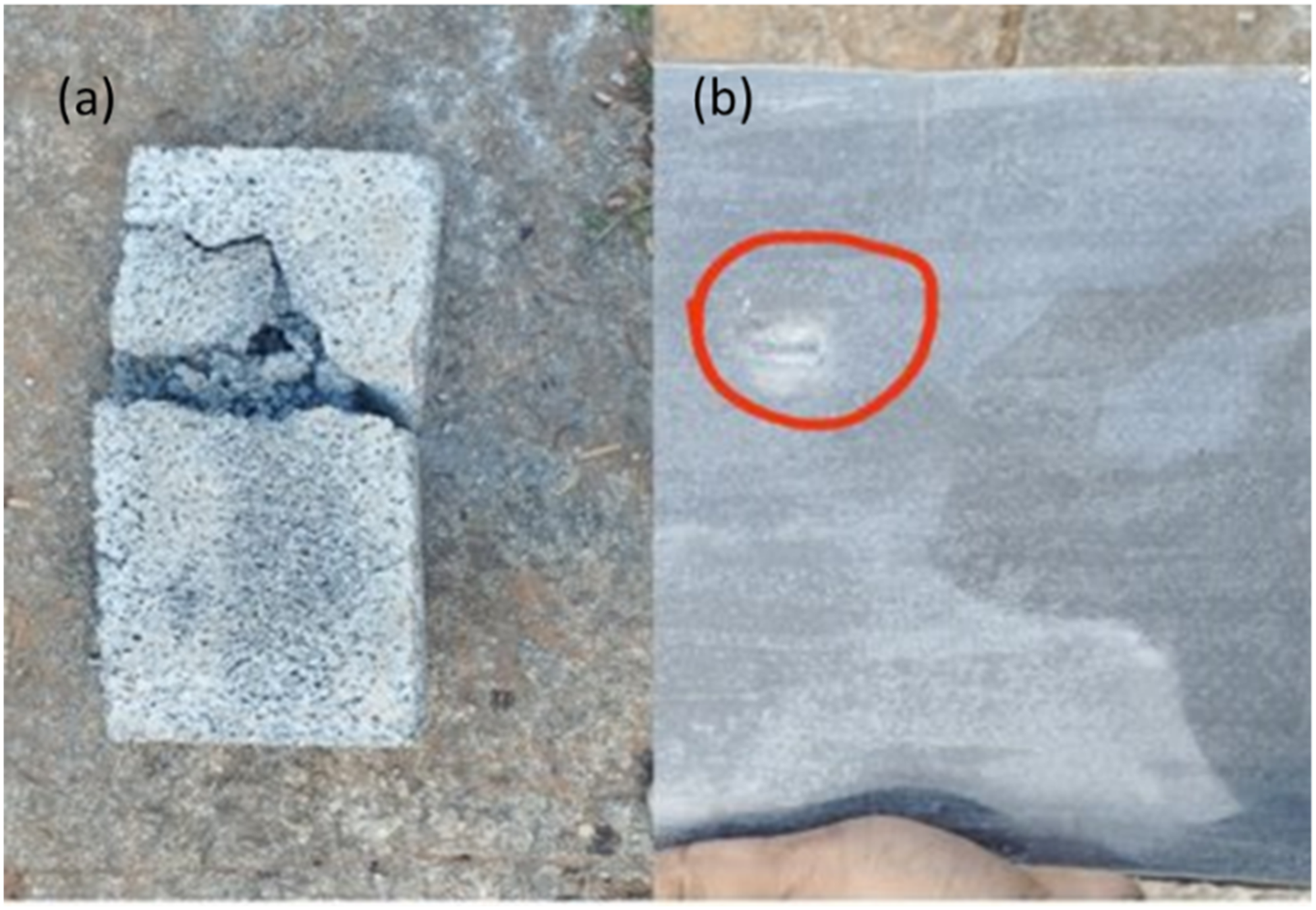
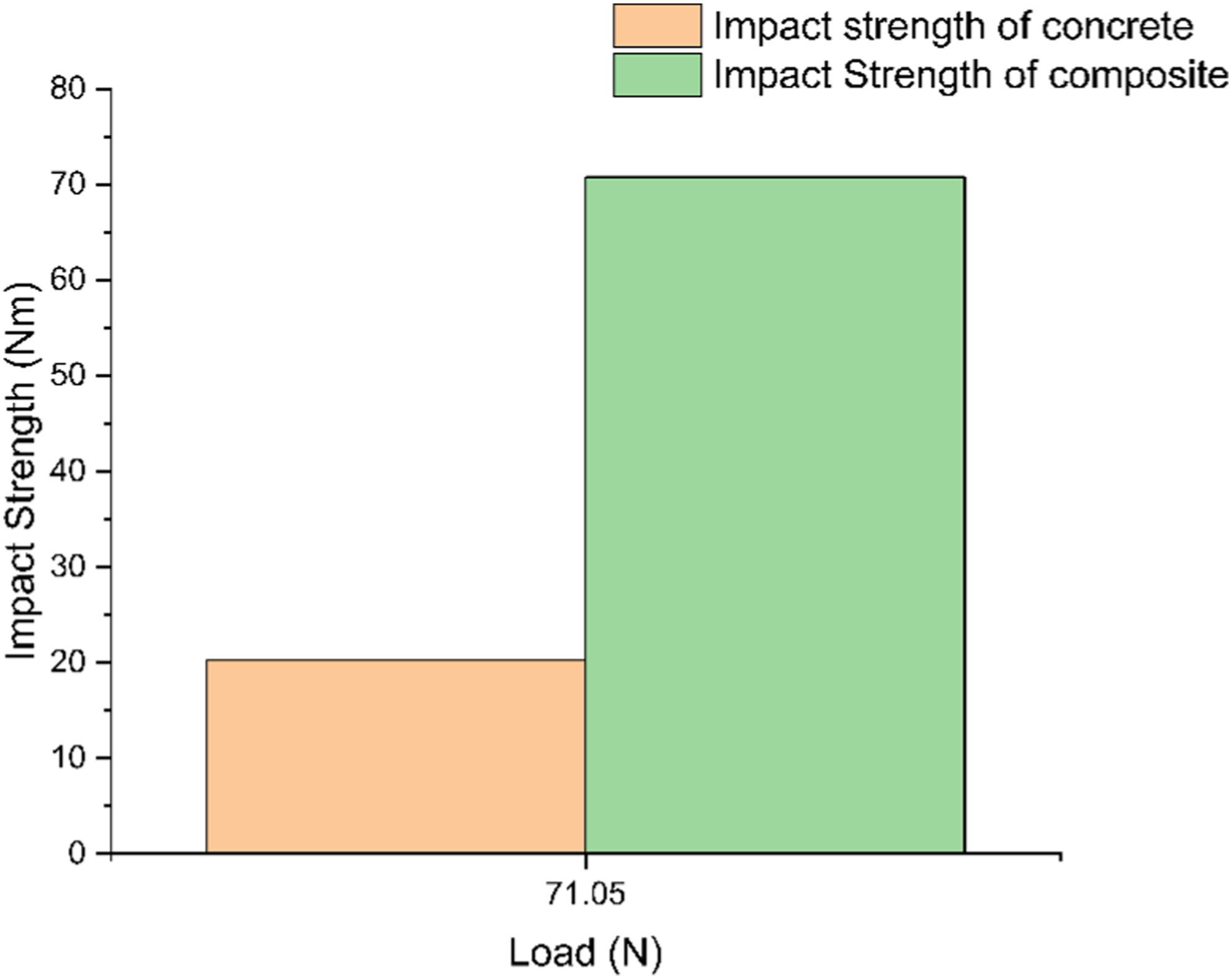
Polycarbonate’s viscoelastic properties allow it to survive impact by internally softening the impact energy as stress waves travel through the core. 44 Study revealed that the viscoelastic properties of polycarbonate discovered that they had very little impact on strain readings. 45 Sandwich composites exhibit a modest sensitivity to strain rate, which becomes more sensitive with density. Additionally, the study found that sandwich composites with foam cores are able to absorb significant energy during impacts. 46 In another study, the perforation resistance of several sandwich constructions made of foam-based polymer foam, including crosslinked PVC foam, was examined. According to the study, it examined how well sandwich structures built of different kinds of polymer foam held up against perforation. 47 Another study revealed that how sandwich foam filled panels with hybrid face sheets made of carbon fabric cloth and glass fiber-reinforced polymer responded to low-velocity impacts and how they behaved after being hit. According to the study, sandwich panels with a pure carbon fiber facesheet had their contact face entirely pierced at an impact energy of 30 Nm. 48 From these it can be concluded that the XLPE foam sandwiched by polycarbonate is able to with a large amount of impact energy and distribute it evenly across the material, thereby able to withstand the high impact.
Dry ice test
Performance at low temperatures was assessed for the hybrid composite. The measurement of temperature variation was completed. Every hour was allowed between readings. Dry ice sublimation results the temperature at the exposed side to drop from −78°C to −47.7°C after 24 h. As shown in Figure 7, the temperature on the opposite side was dropped to 12.7°C from 28°C due to the three layers of XLPE foam in the composite which resisted the air flow and, in that way, reduce the heat transfer within the material. Due to the closed cell structure of the foam, the air is trapped within the foam which act as a barrier of heat transfer, reducing the conduction of heat through the material. The three layers of XLPE foam further enhances this heat transfer reduction by resisting the airflow, limiting the convective heat transfer within the material. Temperature on the other side after 24 h.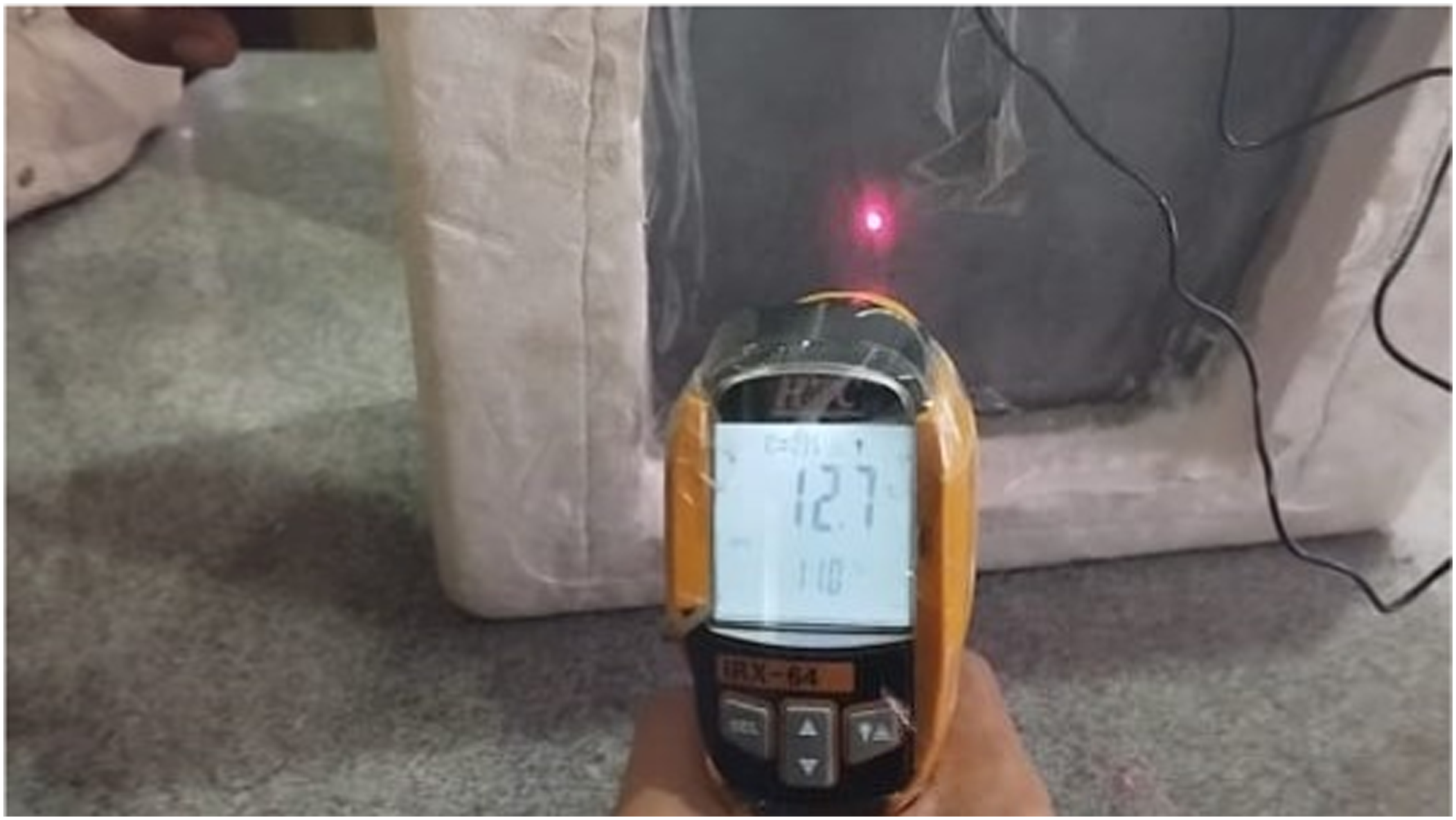
Due to the closed-cell density of XLPE foam, which minimizes heat transfer, it functions as a good thermal insulator. Gas bubbles, which transmit heat less efficiently than either liquids or solids, are present in abundance in the foam. The thermal conductivity of the foam as a whole is poor because the huge volume fraction of gas in the foam has a significantly lower thermal conductivity than the solid substance. Since the foam’s bubbles are poor heat conductors, less heat is transferred via them. As a result, the closed-cell density and the gas bubbles in the foam combine to effectively insulate against heat transfer.49,50
Compression test
The compressive strength of the hybrid composite sandwich made with XLPE foam was tested. Compressive strength is the capacity of the material to withstand load when the area under the load is reducing. The compressive strength of the specimen was found to be 0.56 MPa. The Figure 8 shows the stress-strain curve under compression test. Stress-Strain curve of compression test.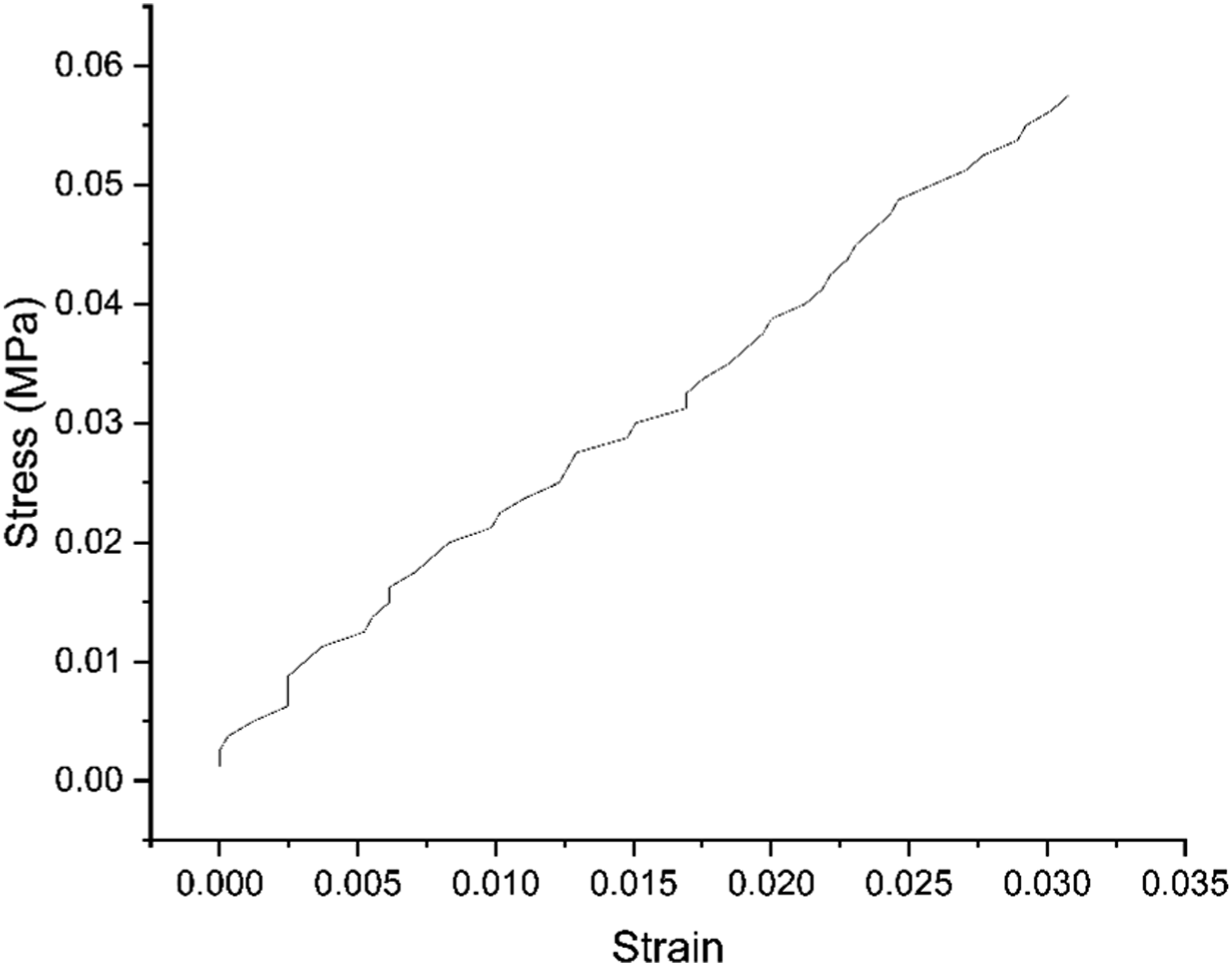
Density measurement
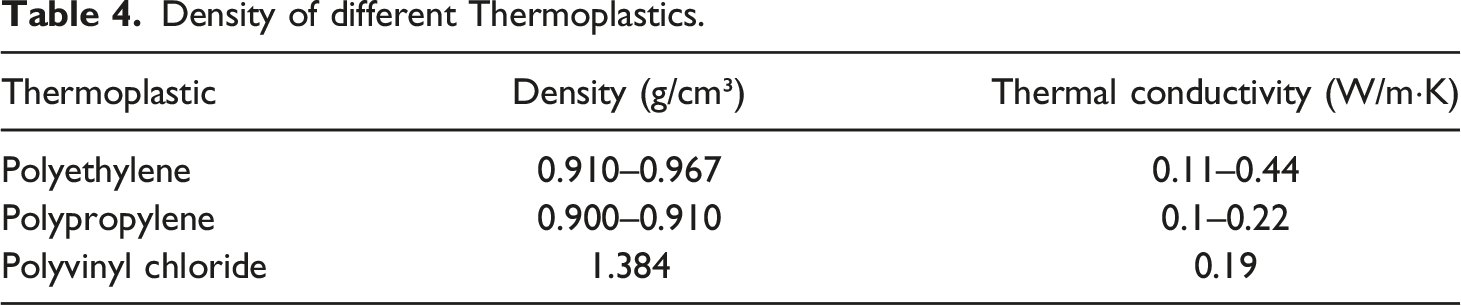
The density of the material is an important parameter that affects its strength and other mechanical properties. The density of the hybrid composite is 0.156 g/cm³ whereas a concrete has density of 2.4 g/cm³.The components of concrete are cement, water, and aggregates like sand and gravel. The density of the Sand and gravel is about 2.65 g/cm³, whereas cement has a density of about 3.15 g/cm³. Depending on the ratios of these components employed in its composition, concrete’s density might change.51–53
Density of different Thermoplastics.
Thermal analysis
The thermal analysis was conducted on polycarbonate, silicone adhesive and XLPE foam to understand the thermal stability and decomposition rate. TGA (Thermogravimetric analysis) showed that as the temperature increases at a constant rate the weight of the given sample decreases. The purpose of conducting TGA was to understand at what temperature the samples finally fully decompose. Polycarbonate, crosslinked polyethylene, and silicon adhesive can all be thermogravimetrically analysed to learn more about their thermal stability, crosslinking density, and curing properties.
The heat stability and cure behaviour of silicon adhesive can be shown by the TGA. The silicon adhesive’s TGA curve demonstrates weight loss from volatile component evaporation. From the Figure 9, it can be deduced that for silicon adhesive up to 110°C no weight loss take place. The decomposition begins after 125°C where about 15% of weight loss happens as it reaches 225°C. The temperatures from 225°C to 425°C, where the mass decomposition is not large enough to be taken into account and that when the material reached about 600°C, it began to gradually decompose, resulting in having a mass loss of 61.49%. The recorded maximum decomposition temperature was 182.98°C. TGA result of Silicone Adhesive.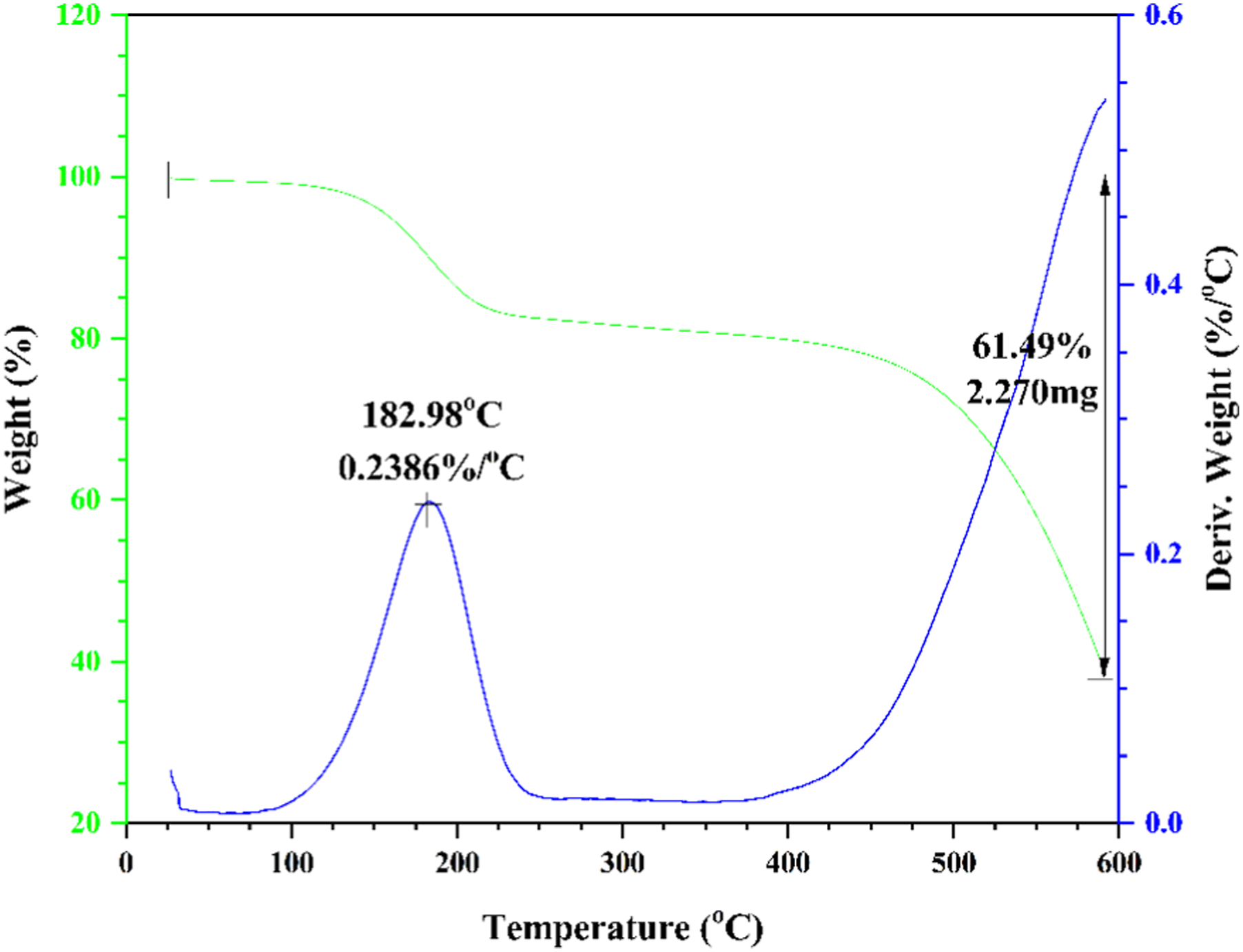
The Thermogravimetric analysis (TGA) of crosslinked polyethylene reveals detail regarding its crosslinking density and thermal stability. Due to the existence of crosslinks that inhibit chain scission, crosslinked polyethylene shows superior thermal stability than linear polyethylene.55–58 Crosslinked polyethylene has a higher decomposition temperature and less weight loss than linear polyethylene.
59
From Figure 10 it can be concluded that weight loss of XLPE foam started at 110°C and then the material is totally decomposing when it reach around 600°C, there by having a total mass loss of 99.59%. The maximum decomposition temperature was observed to be 463.29°C. TGA result of XLPE foam.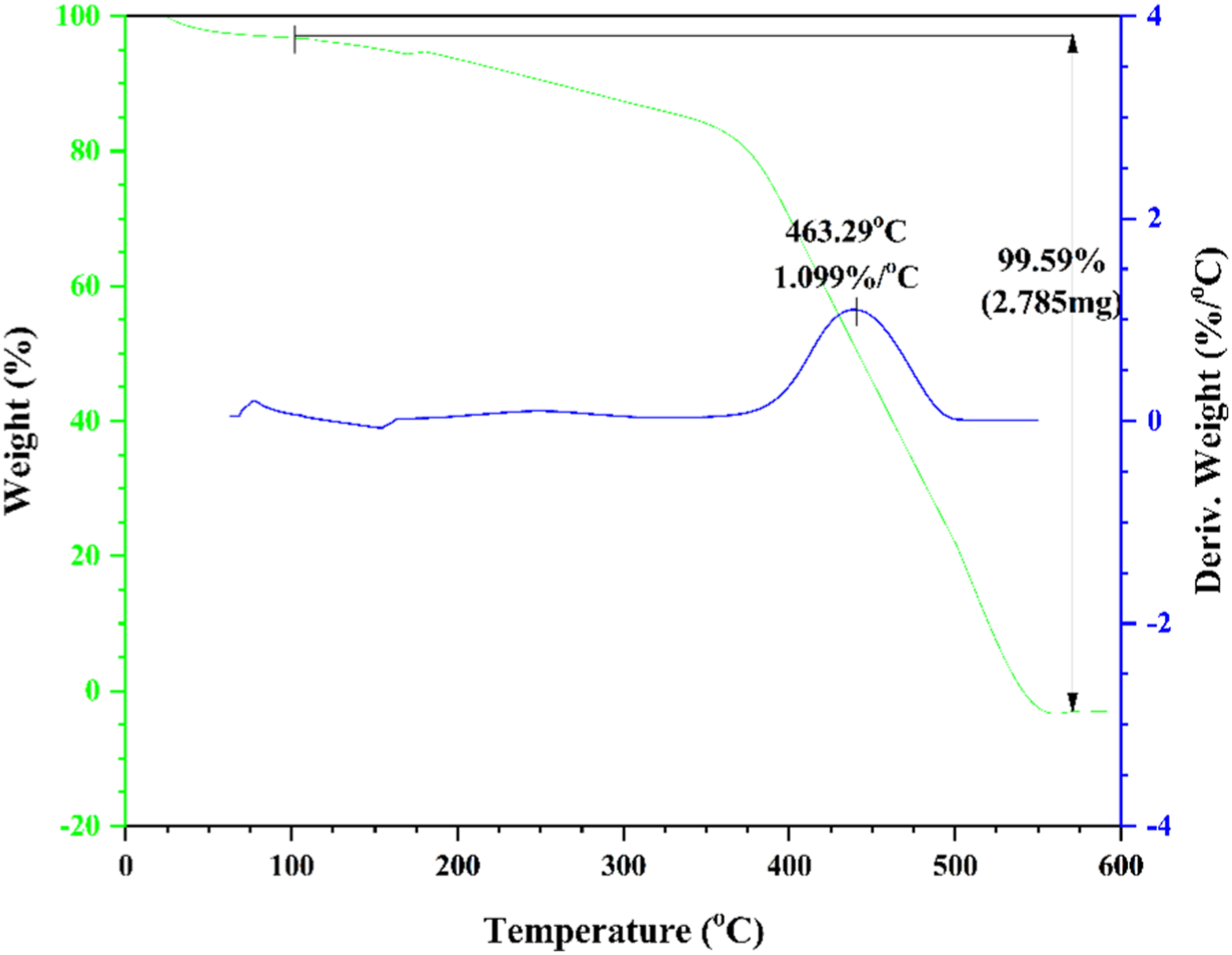
The thermal stability and degradation temperature of polycarbonate can be determined using TGA. The production parameters, branching, and molecular weight of polycarbonate all affect its heat stability. Due to the polymer chains' slow disintegration at higher temperatures, the TGA curve for polycarbonate exhibits a weight loss over time.60,61 As shown in Figure 11 there has been a stepwise weight loss of the polycarbonate starting from above 25°C. Once the material reaches 150°C there is a sudden loss of 55% of weight reduction and then the material is gradually decomposing when it reach around 600°C, there by having a total mass loss of 92.06%. TGA result of Polycarbonate.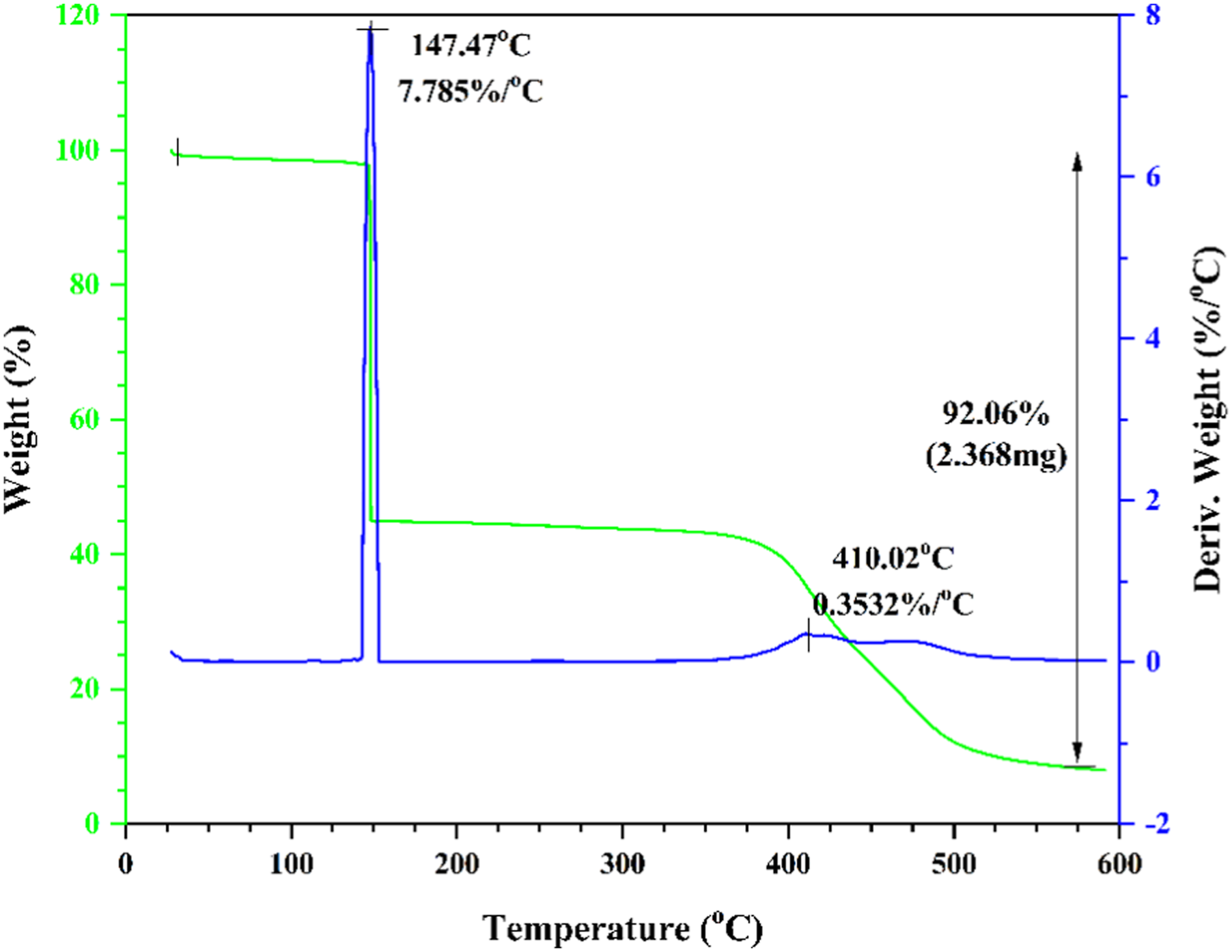
Conclusions
The hybrid composite, which consists of XLPE foam sandwiched between polycarbonate sheets joined together with silicone adhesive, is a novel development since the XLPE foam, the composite’s main component, is created from recycled plastic waste and is used to make composite in low-temperature environments. They have improved mechanical properties, which result in an ultralightweight, thermally insulated, and highly impact-resistant sample, according to the prototype that was created.
The polycarbonate employed here, Due to the molecular structure of it, can endure high impact strength. The XLPE foam is utilized as a shock-resistant material as well as a thermal insulator. Silicon is used as an adhesive because it can endure low temperatures. Along with the foam, an airgap is also provided to have an effective thermal insulation.
A numerical simulation was run on this hybrid composite to validate the results when the material is placed under cold environment. It has been established that the core material is able to isolate significant amount of low temperature from transiting to surface not exposed to cold environment.
From the experimental results it is concluded that the hybrid composite is more suitable than the traditional material used in making a septic tank or water tank. Therefore, the novelty lies in that the composite is fabricated from a recycled plastic leading to utilize it in extreme cold condition region.
Footnotes
Declaration of conflicting interests
The author(s) declared no potential conflicts of interest with respect to the research, authorship, and/or publication of this article.
Funding
The author(s) received no financial support for the research, authorship, and/or publication of this article.
