



Abstract
Apart from the inherent anomalous behaviour under tensile and compressive structures, auxetic structures have shown improved energy absorption characteristics that are of prime interest to various fields of study. This is further exemplified by additive manufacturing (AM) techniques and polymer composites to tailor the shape, geometry and form of these structures. Consequently, this paper aims to characterise the in-plane compressive behaviour and negative Poisson’s ratio (NPR) of the most prominent auxetic structures fabricated additively used polymer nanocomposite materials. The study incorporates the use of glycol-modified polyethylene terephthalate (PETG) and nanocomposites of PETG filled with organically modified montmorillonite (OMMT) nanoclay particles to produce auxetic structures fabricated through fused filament fabrication (FFF). Different structures such as hexagonal re-entrant honeycomb structures, peanut-shaped honeycombs, chiral honeycomb structures and missing rib structures are characterised for their compressive performance through experimental approaches involving mechanical testing and digital image correlation (DIC). Different parameters such as the peak crushing strength, average crushing strength, NPR, specific energy absorption (SEA), and crush force efficiency (CFE) of these structures are evaluated at different strain rates/loading rates for varying concentrations of nanoclay and PETG. It is observed that higher loadings of nanoclay particles lower the compressive strength of the structures. Additionally, the NPR decreases with increasing strain rates and is also influenced by the composition and the resultant stiffness. Moreover, the geometrical parameters of the structure largely influence its strain energy absorption. The results have shown that such material-structure combinations can produce structures of high-performance capabilities suitable for aerospace applications.
Keywords
Introduction
Auxetic metamaterials possess special deformation mechanisms that contradict conventional material deformation mechanisms. This is primarily a consequence of their internal geometry and spatial relations among the structural members. 1 The term ‘auxetics’ is primarily derived from the Greek word, ‘auxetikos’, referring to something that tends to increase. Unlike conventional materials or structures, auxetic structures tend to contract transversely under compression and expand transversely under tension. Thus, auxetic structures are primarily characterised by a negative Poisson’s ratio (NPR). This occurs because when auxetic structures (primarily polymer-based structures) are subjected to compressive planar stresses, it converts them into compressive longitudinal stress, reinforcing the vertical compressive stress. This is contrary to the behaviour of normal structures where the compressive planar stresses are translated into longitudinal tensile stress. 2 This phenomenon also affects the other material parameters, such as the elastic modulus, shear modulus, and bulk modulus, enabling such structures to have superior shear resistance, indentation resistance, fracture resistance, dynamic permeability, and synclastic behaviour. In addition to the material parameters, the mechanical performance of these structures is hugely dependent on the geometrical and structural parameters of the unit cells that compose the overall geometry. The modification of the structure can be brought about on various scales, right from the crystal structure to macroscopic structural arrangements, based on the requirements of the applications. This calls for sophisticated and versatile fabrication techniques like additive manufacturing (AM) that offer the possibility of iterative designing and modification to obtain highly-tailored structures. 3 The adoption of AM brings about commendable prospects in the long run, albeit after processing and material optimisation.
Various approaches have been adopted by researchers4–6 to improve the mechanical properties of composites developed through additive route. The study carried out by Jafar et al. 4 assessed the mechanical behaviour of additively manufactured ABS polymer, ABS/PBT blend and ABS/PBT/CNT nanocomposites. It is found from the study that most satisfactory improvement has been observed in printed parts of the ABS/PBT/CNT nanocomposites containing 0.3 wt.% of MWCNTs. Performance comparison of the 3D-printed and injection-molded PLA and its elastomer blend and fiber composites was carried out by Cevdet et al. 5 It was found that the use of 3D-printing in the shaping of neat PLA and PLA/TPU blend was generally very beneficial; on the other hand, due to the differences in the orientation of the glass fiber (GF) reinforcements, there could be certain reductions in the mechanical performance of PLA/GF and PLA/TPU/GF composite specimens. Graphene was also used as an effective filler for development of multifunctional nanocomposite using AM approach. 6 A multifunctional property improvement is observed in the developed nanocomposite with less than 0.1 wt% Graphene Oxide (GO). Employing ASTM standard tests, it was found that at a very small loading of 0.06% by weight, GO could improve the properties of the thermoplastic in terms of strength, strain-to-failure, and toughness, while maintaining the stiffness, rendering the developed nanocomposites suitable for various applications of static and dynamic loading.
As seen above, various geometries yield varying properties and hence, an educated consideration of the geometry is inevitable to design a suitable auxetic structure with the desired properties. Several structures have been used to mimic auxetic behaviour in the microscopic and macroscopic scales. Some of them include re-entrant honeycomb structures,7–10 missing-rib structures,11–14 chiral structures,15–18 and arrow-head structures,19–22 among many others. In addition, unconventional and highly-tailored structures have also been researched extensively to obtain highly specific requirements for the intended application. 23 In this study, most of the attention is focused on the most common structures such as re-entrant honeycomb, chiral honeycomb, missing-rib and peanut-shaped hole structures. Despite their wide usage, these structures have been extensively altered in terms of their geometrical constraints and structural members to extract maximum functionality in recent times. Studies by Tang et al. 13 to assess the effects of sample sizes and strain rates on the NPR stability of missing-rib structures showed that the deformation and the instability of the structures resulted from the contact among corner-edge walls. The study proposed a mixed model approach to improve the stable auxeticity range and shape retention. Pokkalla et al. 24 optimised missing-rib structures to achieve prescribed NPRs up to 30% strain, wherein the experimental studies showed that the unit cell optimisation for compression was far more complex due to the contact between adjacent unit cells.
Furthermore, the deformation of such structures made from soft matter was influenced by their self-weight. A study on the different deformation mechanisms surrounding missing-rib square grid structures revealed two major phenomena: bending of ligaments and bending of cross ligaments that contributed to the auxetic behaviour. The former had a larger share in terms of contribution. 25 Nevertheless, the deformation mechanics were highly dependent on the thickness of the ligaments, which enabled the transition between the two extremes described by the bending of the ligaments and the cross-ligaments. On a similar note, for hexagonal missing-rib structures, the auxetic nature is a result of the rotation of the rotational centre to which a honeycomb arrangement could be incorporated. 14 Such structures provide a constant NPR throughout the deformation while remaining isotropic.
Wang et al. 26 determined the behaviour of auxetic re-entrant structures under direct crushing loads wherein the local densification and lateral contraction features were attributed to quasi-static, transition and dynamic modes. The crushing strength, plastic energy dissipation and frictional energy dissipation increased with the crushing velocity. However, in combination with higher relative densities, the normalised energy dissipation falls after the critical transition velocity, where the failure mode shifts to the dynamic mode from the transient model. Similarly, in evaluating the influence of geometrical parameters of modified re-entrant auxetic structures, the link length and the joint angles affect the energy absorption and crushing strength, respectively.27,28 Similar re-entrant structures of large deformation behaviour showed a similar dependence on the geometrical parameters of the unit cell, such as the radius-to-height ratio, length-to-height ratio and thickness-to-height ratios.29,30 Re-entrant structures of a similar kind made of acrylonitrile butadiene styrene (ABS) and polylactic acid (PLA) showed slight variation in their compressive behaviour concerning varying geometrical constraints. 31 The compressive strength and stiffness of the PLA structures increased with the re-entrant angle and height of the unit cells, while ABS structures responded positively with the increase in the height of the unit cell. The change in the specific energy absorption (SEA) parameter of PLA structures was directly proportional to the re-entrant angle, height and length of the members of the unit cell. In contrast, ABS structures showed an inverse relationship with the height of the unit cells. Modifications on the re-entrant cell structure by filling them with soft materials were seen to enhance Young’s modulus but failed to impart any positive enhancements to the energy absorption capabilities of the structure. 32 At lower relative densities, hierarchical re-entrant structures exhibited enhanced strength and energy absorption capabilities under quasi-static conditions. 33 The introduction of the hierarchical structures promotes the conversion of the bending-dominated deformation into stretching-dominated deformation within the elastic range. The Effect of loading rates on the in-plane compressive properties of additively manufactured ABS and PLA-based hexagonal honeycomb structures was assessed by Atul et al. 34 where it was found that compression properties are primarily affected by the loading rate, material properties and the cell-wall thickness. The cell-wall thickness of the structure influences the threshold loading rate.
Chiral structures exhibited identical deformation mechanisms as their missing-rib counterparts, albeit with more rotational or rotational initiated mechanisms. 35 The major parameters that influenced the deformation mechanisms of such structures were the rotation of the cylinders and flexure of the ligaments caused by the rotation of the cylinders and the direct flexure as a result of angular loading. 36 For hexachiral and tetrachiral auxetic structures, the ligaments offered a mixed stiff-elastic foundation exhibiting different buckling modes when deformed. The failure is initiated by buckling the stretch-dominated lattices and plastic-yielding the bending-dominated lattices. The study also emphasised the importance of anisotropy in determining the compressive behaviour of such structures. Re-entrant chiral auxetic structures were also characterised by severe anisotropy, as seen in the work of Alomarah et al.10,37,38 However, for these structures, the lateral contraction resulting from compression was mainly contributed by the rotational movement of the cylinders and the movement of the inclined walls of the re-entrant components of the structure. This resulted in fairly large NPR values in the longitudinal and lateral structures compared to most other honeycomb structures. Strain rate dependent studies on metal chiral auxetic structures prepared by selective electron beam melting (SEBM) showed that the structures exhibited higher specific strength and energy absorption due to shock enhancement at higher strain rates. 17 Additionally, the plateau stress also increases exponentially with the loading velocity, promoting their usage in crashworthiness, ballistics, and blast protection applications.
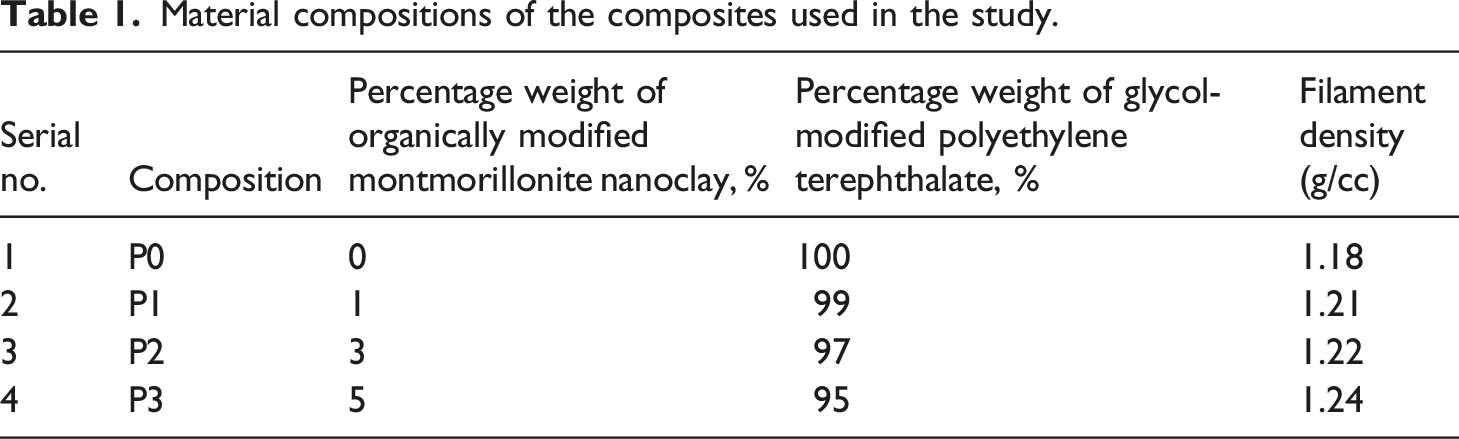
Therefore, the present study aims to characterise the compressive behaviour of additively manufactured auxetic structures made from PETG and OMMT nanoclay. The structures are fabricated using FFF. Initially, re-entrant honeycomb, peanut-shaped holes, chiral honeycomb and missing-rib structures are assessed for their mechanical performance with PETG alone. Later, the structures that give an appreciable balance between the compression parameters and the NPR are selected to assess the effect of nanoclay additions on the overall structural response of the structures. A completely experimental approach is adopted for this study comprising of uniaxial compression tests coupled with DIC. The results are later analysed using commercially available software to present a comparative outlook on the deformation mechanisms, the influence of material parameters and other related aspects.
Materials and methods
Materials
Material compositions of the composites used in the study.
Processing of the raw materials and Fused Filament Fabrication
The materials were converted into 3D printable filaments after undergoing a rigorous processing route involving mechanical mixing of the materials and twin-screw extrusion of the pellets, which were later extruded again to obtain 3D printable filaments with an average diameter of 1.75 mm. A detailed description of the process is outlined in the works of Mahesh et al.
39
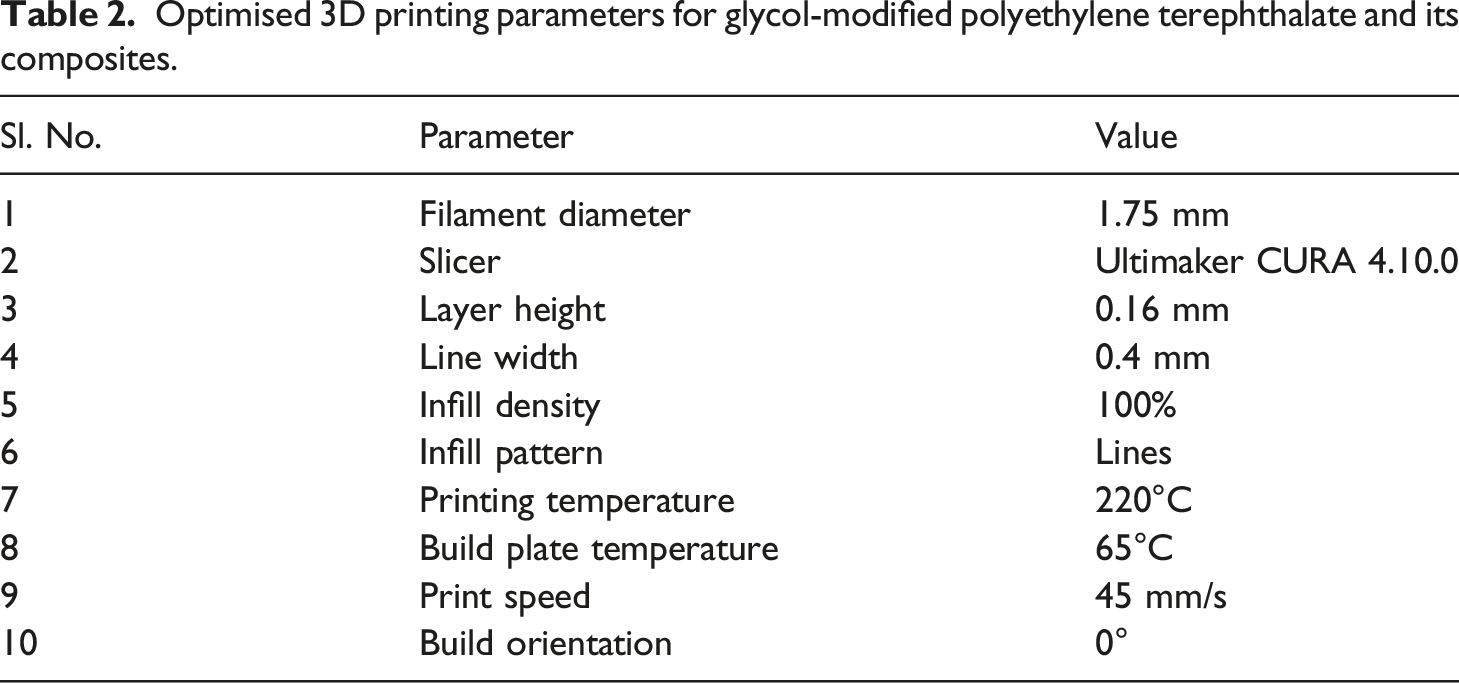
The specimens were printed using a Creality Ender-3 V2 fused deposition modelling (FDM) printer. The specimens were about 80*80*15 mm in size with different relative densities. Initially, three samples for the four different geometries of hexagonal re-entrant, chiral honeycomb, peanut-shaped hole and missing-rib structures were printed using PETG alone to determine their overall compressive properties and NPR. Figure 1 depicts the printed samples of the structures above. After the initial tests, 3 specimens each for the hexagonal re-entrant and chiral honeycomb structures were printed for 3 different material compositions at 4 different applied strain rates, totalling about 72 specimens. The optimised printing parameters adopted for printing the said specimens are reported in Table 2. Printed samples of (a) missing-rib structures, (b) peanut-shaped hole structures, (c) chiral honeycomb structures, and (d) hexagonal re-entrant structures. Optimised 3D printing parameters for glycol-modified polyethylene terephthalate and its composites.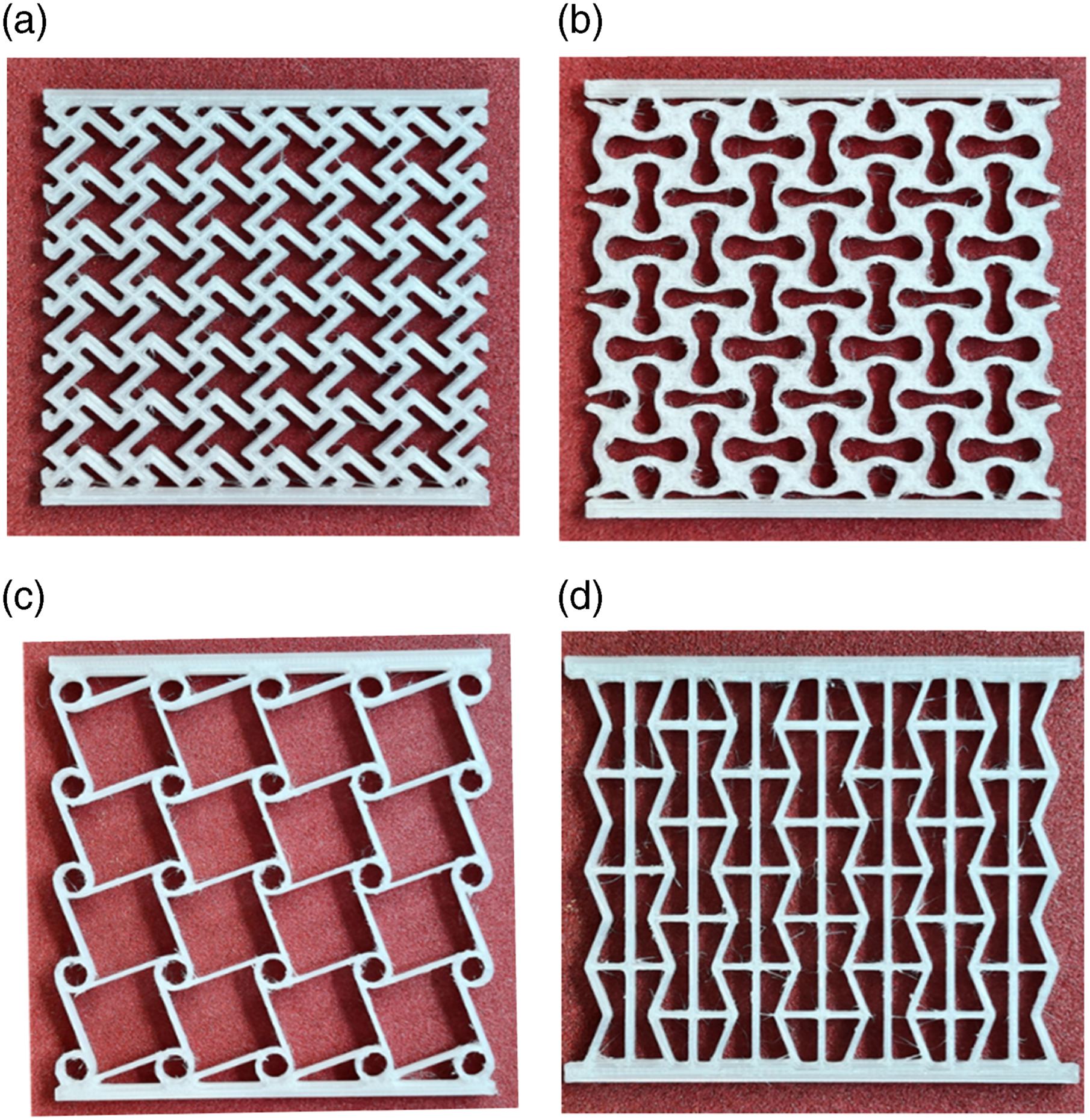
Characterisation of the samples
The samples used in this study were characterised experimentally using the MTS Landmark Model 370.10 100 kN servo hydraulic axial fatigue testing machine. The test setup was coupled with a DIC unit to analyse the deformation of the samples. The DIC setup consisted of a Basler acA2440-75 μm USB 3.0 camera system coupled with a Nikon 50 mm f/1.8 G lens which delivered images at 75 frames per second with the Sony IMX250 CMOS sensor. The initial test was conducted for the PETG samples at 0.1 mm/min quasi-static loading rates, where the samples were placed at the axial centre of the compression plates to eliminate errors due to skew and differential loading. For PETG nanocomposites, loading rates of 0.1 mm/min, 0.5 mm/min, 1 mm/min and 2 mm/min were employed to see their effect on the overall compression behaviour of the composites. The longitudinal displacement, strain and stresses generated were obtained with the MTS software package that interfaces the testing machine with the data acquisition unit. The lateral deformation and the strain were computed by the post-analysis of the images generated by the DIC system. A set of three specimens for each instance of testing was utilized and the corresponding average and variable values are tabulated in the upcoming sections.
Results and discussions
The compression tests were conducted in a two-phase manner where the 4 different auxetic structures: hexagonal re-entrant, chiral honeycomb, peanut-shaped hole and missing-rib structures, were printed using PETG and mechanically tested to quantify their compression parameters and NPR. The second testing phase followed this, wherein the hexagonal re-entrant structures and the chiral honeycomb structures were again fabricated with the nanocomposite materials and tested at different strain rates.
Characterisation of PETG samples
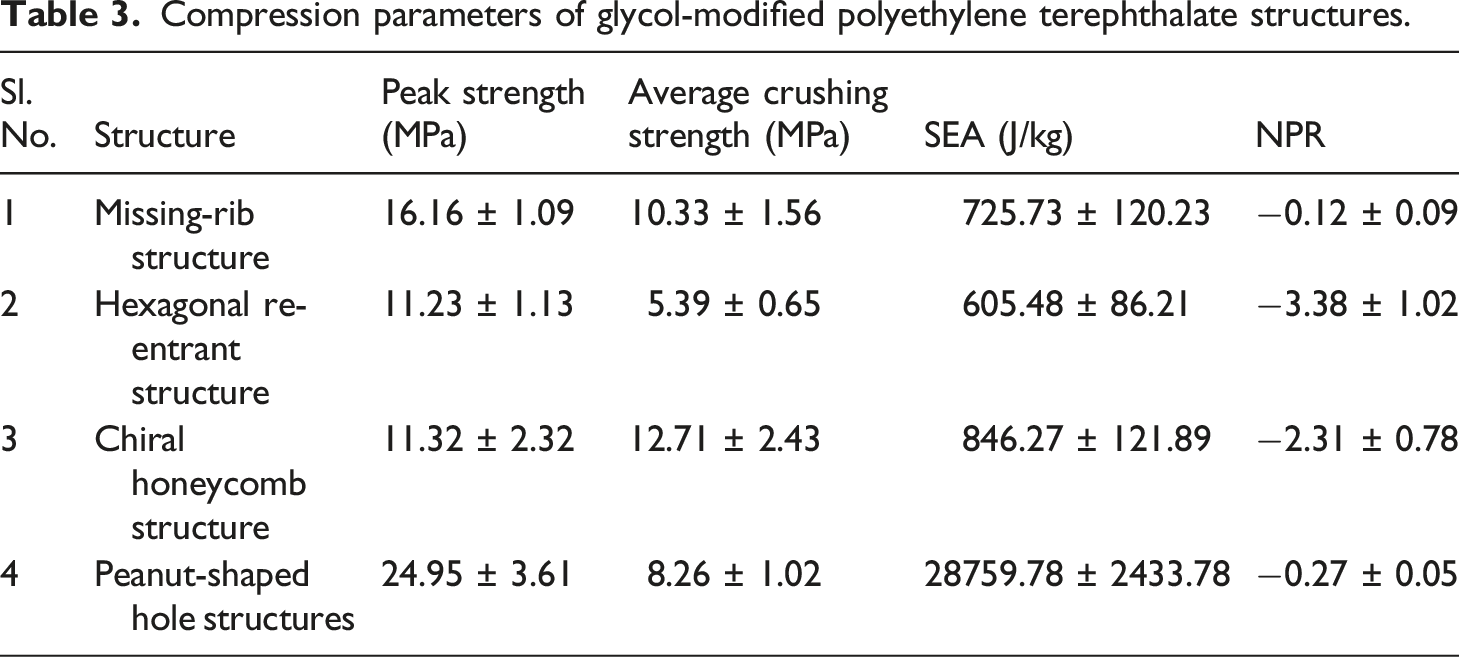
Compression parameters of glycol-modified polyethylene terephthalate structures.
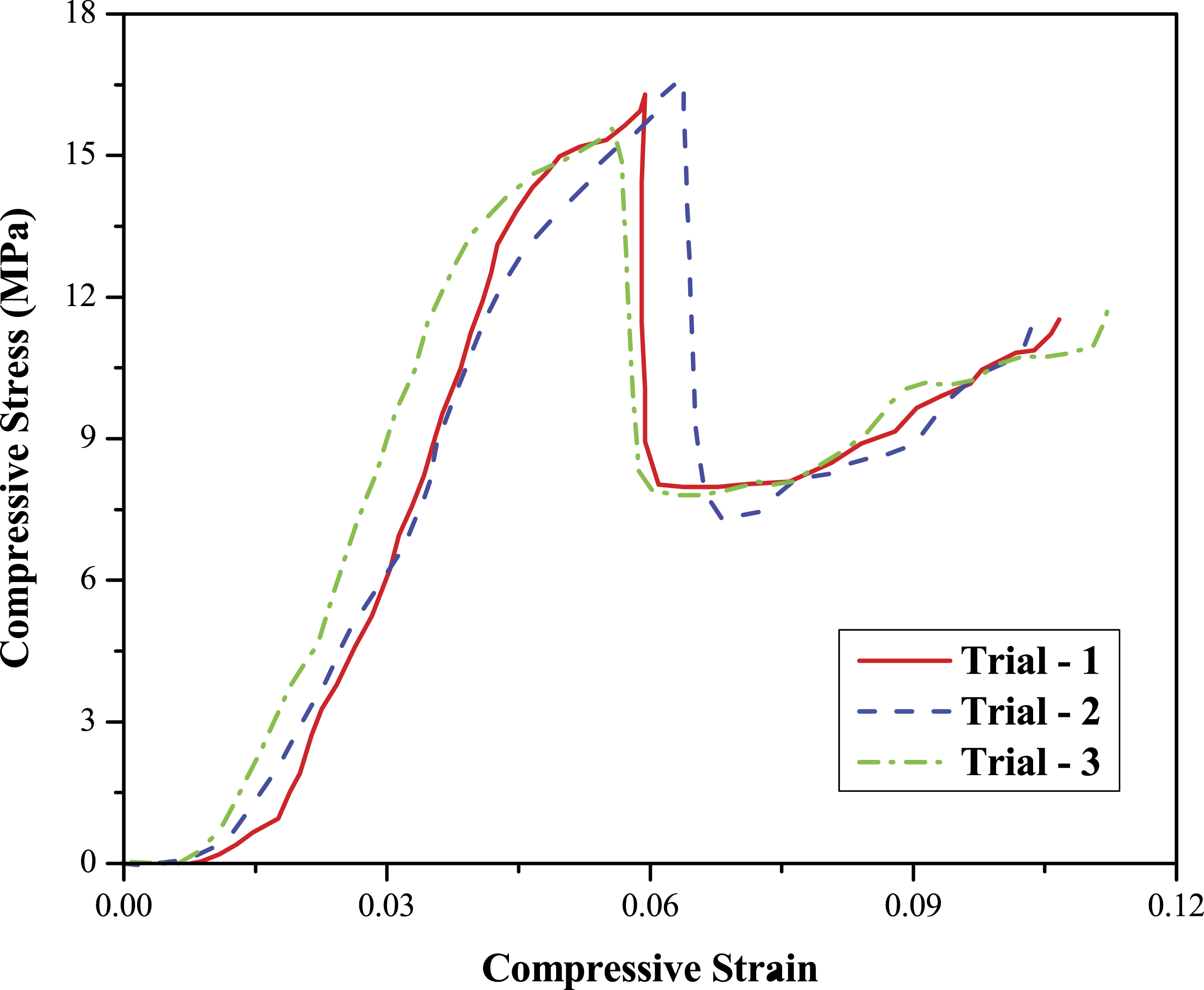
Stress versus strain curve for missing-rib structures under uniaxial compression.
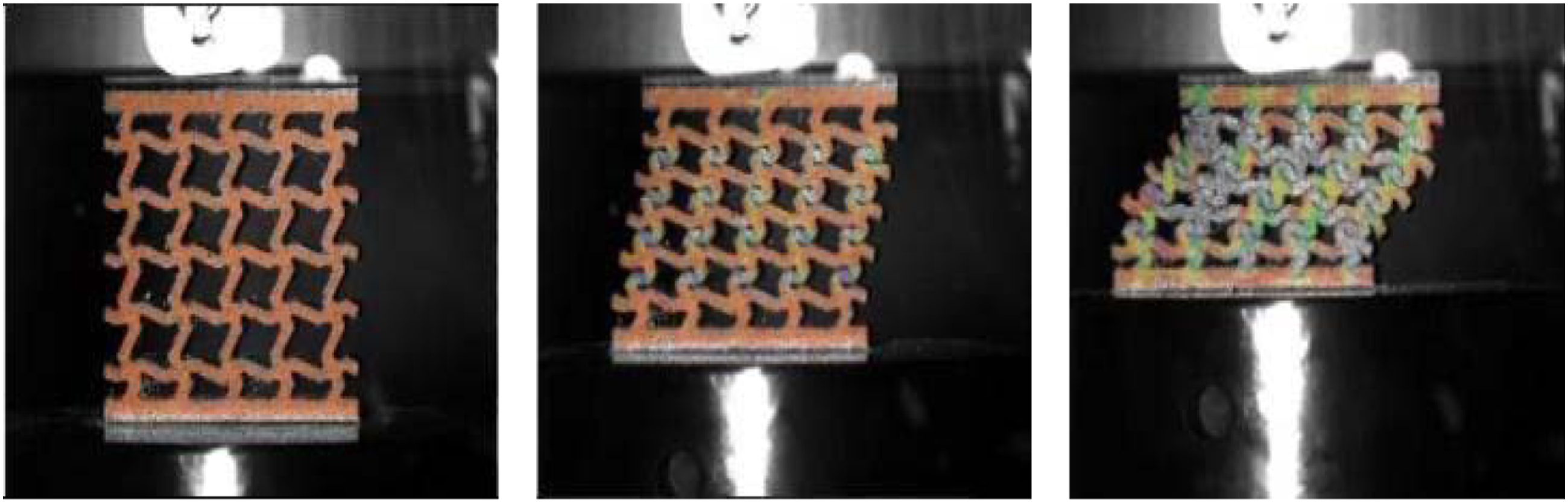
2D-digital image correlation images of the deformation of missing-rib structures.
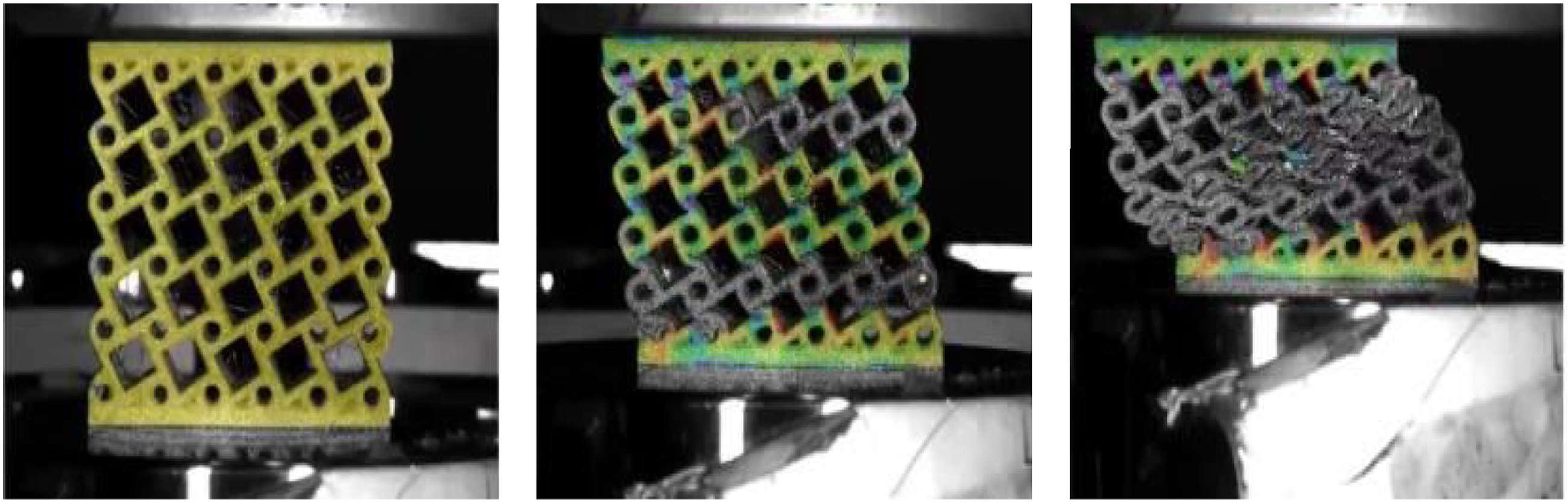
On the other hand, the hexagonal re-entrant structures and the chiral honeycomb structures are seen to possess balanced strength and NPR values compared to their counterparts. The elastic-plastic deformation defines the deformation mechanisms of the hexagonal re-entrant structures due to the bending of the cell walls within the critical strain limit. However, once that is passed, the failure of the structure is attributed to the buckling and brittle fracture of the material itself. On further increase in the loading, contact is made between the walls of the adjacent cells, which improves the structure’s stiffness through densification, as seen in Figure 4. However, within the strain limits of the current experiment, the densification of the structure was not observed. Therefore, the structure’s stiffness is a consequence of the resistance offered by the vertical and inclined members of the structure, where the former undergoes buckling, and the latter undergoes bending, ultimately reaching the Euler buckling load. Figure 5 depicts the stress-strain curves and the deformation of the structure at various intervals of testing. A fair extrapolation at the end of the testing predicts densification on increased loading. 2D-digital image correlation images of the deformation of missing-rib structures. Stress versus strain curve for hexagonal re-entrant structures under uniaxial compression.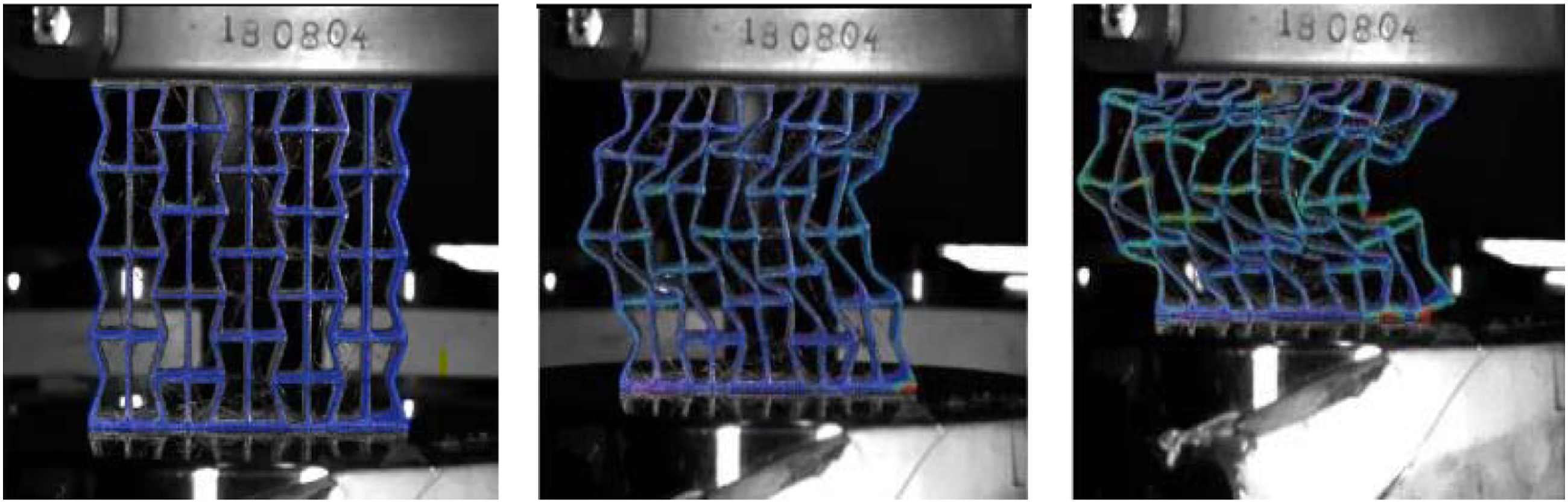
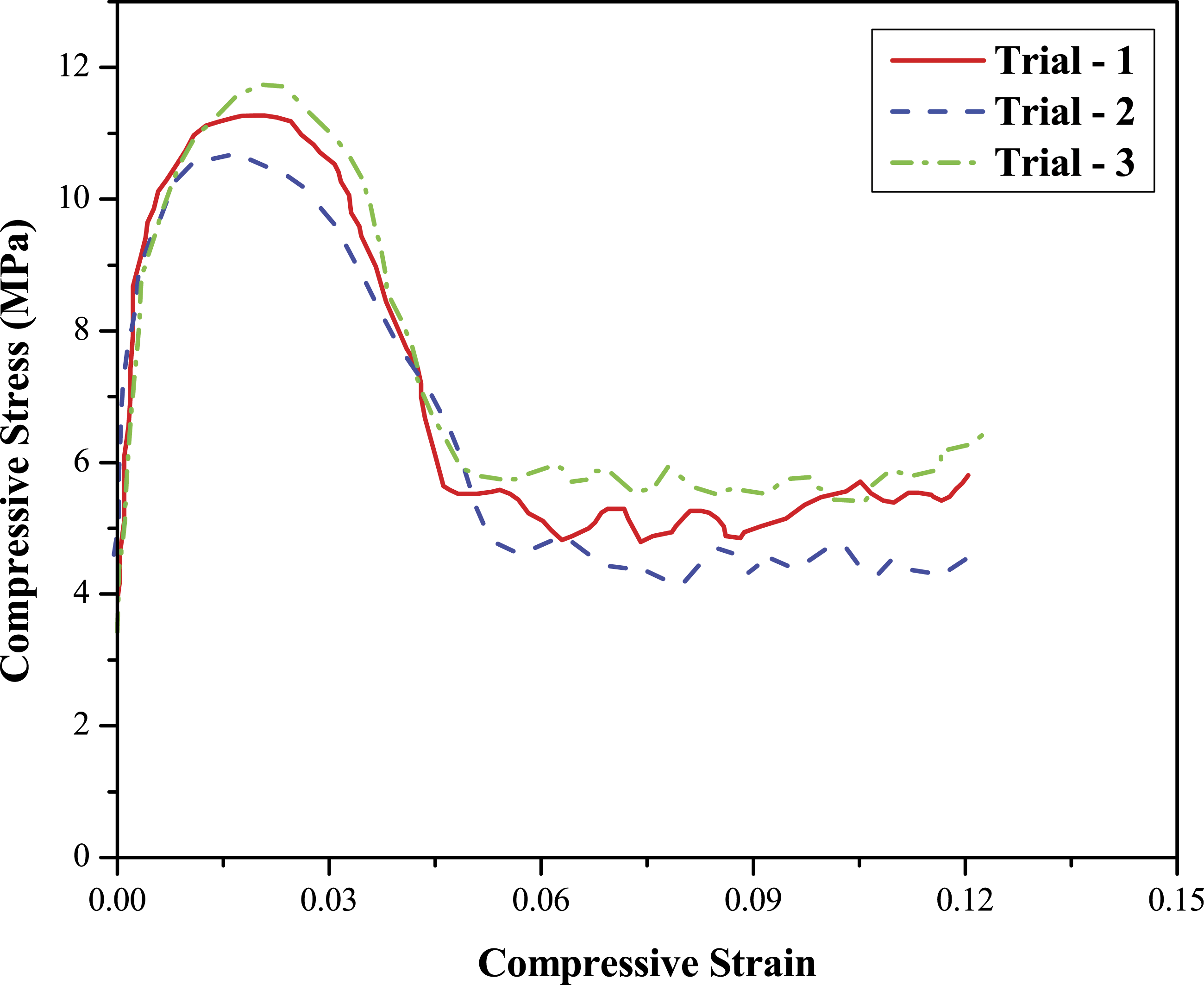
Chiral honeycomb structures exhibit a peak crush strength of 12.08 MPa while having an NPR of −2.31. The stress-strain curves depicted in Figure 6 reveal an absence of a sudden drop in the stress values as seen for other structures. This indicates that the structure is stiff enough to resist the applied load. Additionally, the rotation of the cylinders and the ligaments' flexure promote a more stable deformation. The DIC images also confirm this in Figure 7, where a layer-by-layer stacking of the unit cells is evident. However, an anomaly that limits the auxetic functionality of these structures is the premature buckling of the bottom layer causing inefficient load transfer to the subsequent layers, resulting in a non-uniform deformation pattern. This could be associated with design limitations imposed by the thinner sections at the surfaces or improper material fill during 3D printing. On further application of load, the structures will densify. However, stretching-dominated buckling and plastic yielding of bending-dominated members will be the major deformation mode. The specimens ultimately fail due to the fracture of the ligaments in the accumulated layers. Auxetic structures with peanut-shaped holes offered the lowest strength parameters of the structures under consideration. Despite their lower strength parameters, the structures offer lower stress concentration over other holed structures, such as elliptical holes and other 2D auxetic patterns, as seen in.
40
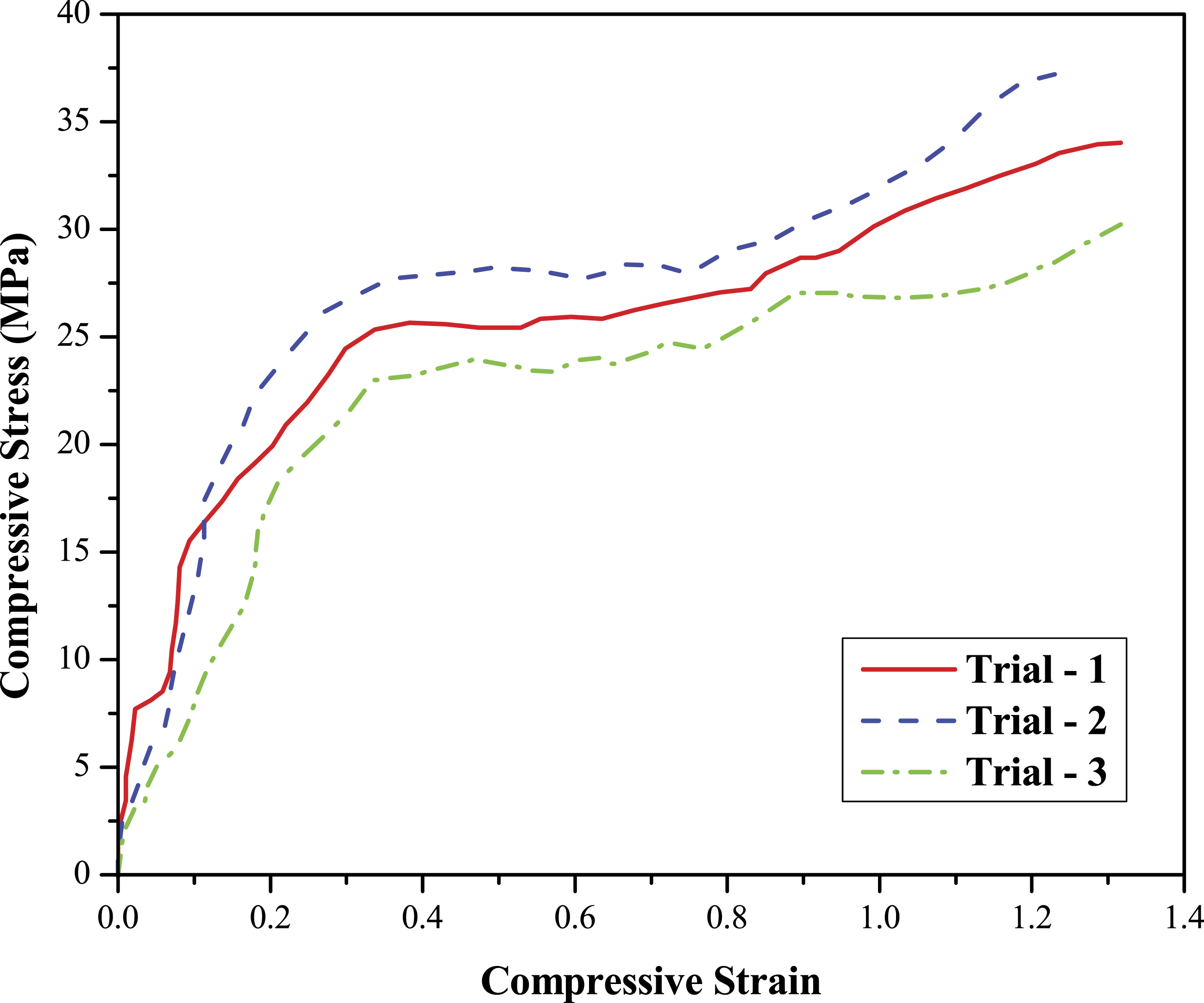
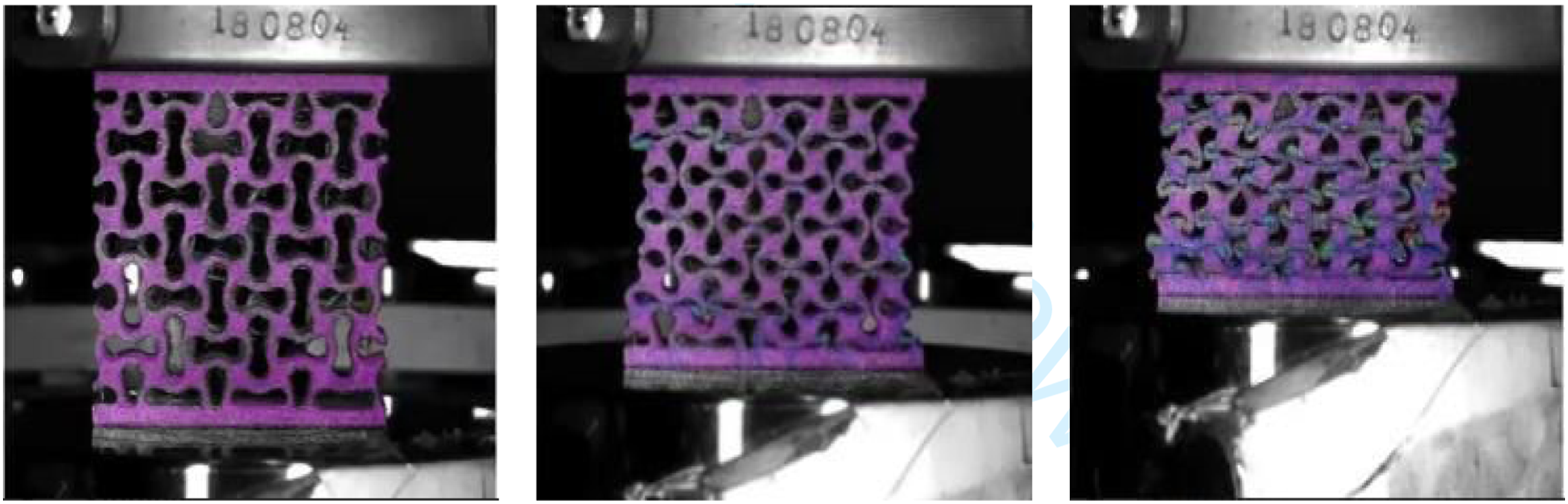
The structures undergo elastic buckling and plastic yielding like their chiral counterparts without brittle fracture. However, one of the advantages of these structures is the large-strain deformation capabilities, as seen from the stress-strain diagram depicted in Figure 8. The deformation images taken during compression also exhibit a more stable and controlled deformation when compared to the rest of the structures, as seen in Figure 9. However, the deformation along the lateral direction was much lesser when compared to the other structures leading to very small NPRs. Therefore, based on the above studies, the hexagonal re-entrant structures and the chiral honeycomb structures were chosen for further investigations to assess the effects of nanoclay fillers and different loading rates on the overall properties and deformation of the structures. Stress versus strain curve for chiral honeycomb structures under uniaxial compression. 2D-digital image correlation images of the deformation of chiral honeycomb structures. Stress versus strain curve for peanut-shape holed structures under uniaxial compression. 2D-digital image correlation images of the deformation of peanut-shaped hole structures.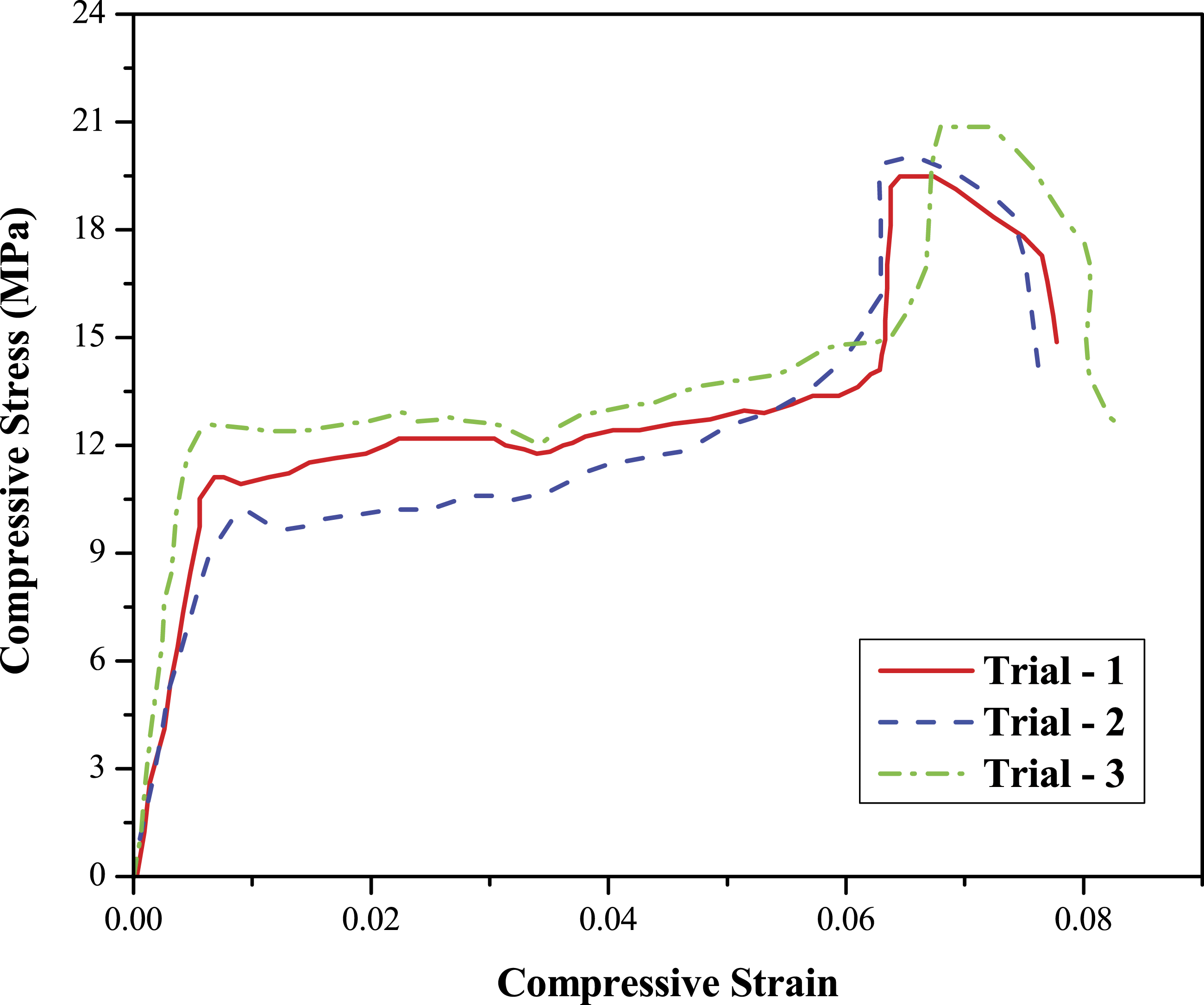
Effect of OMMT nanoclay particles
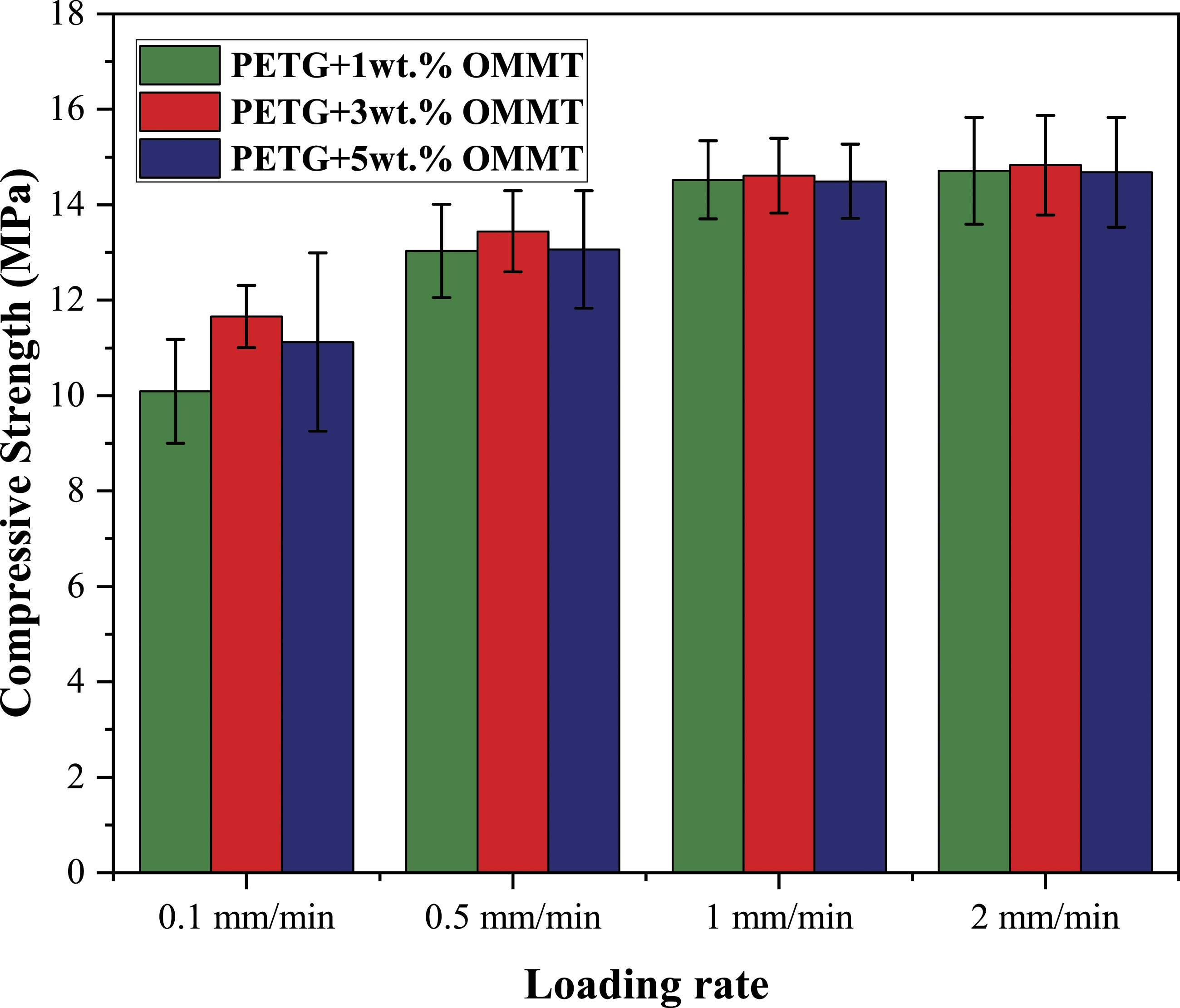
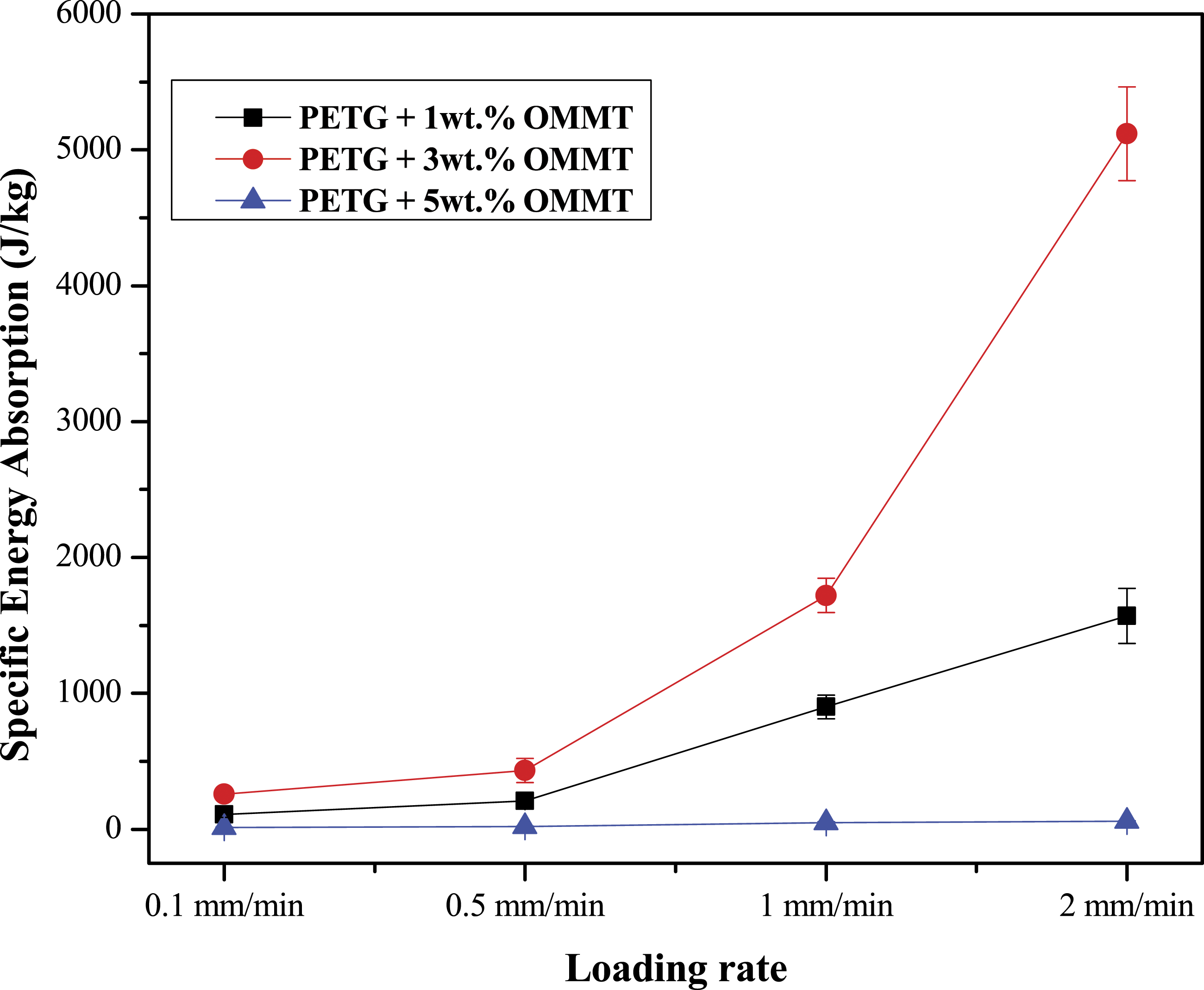
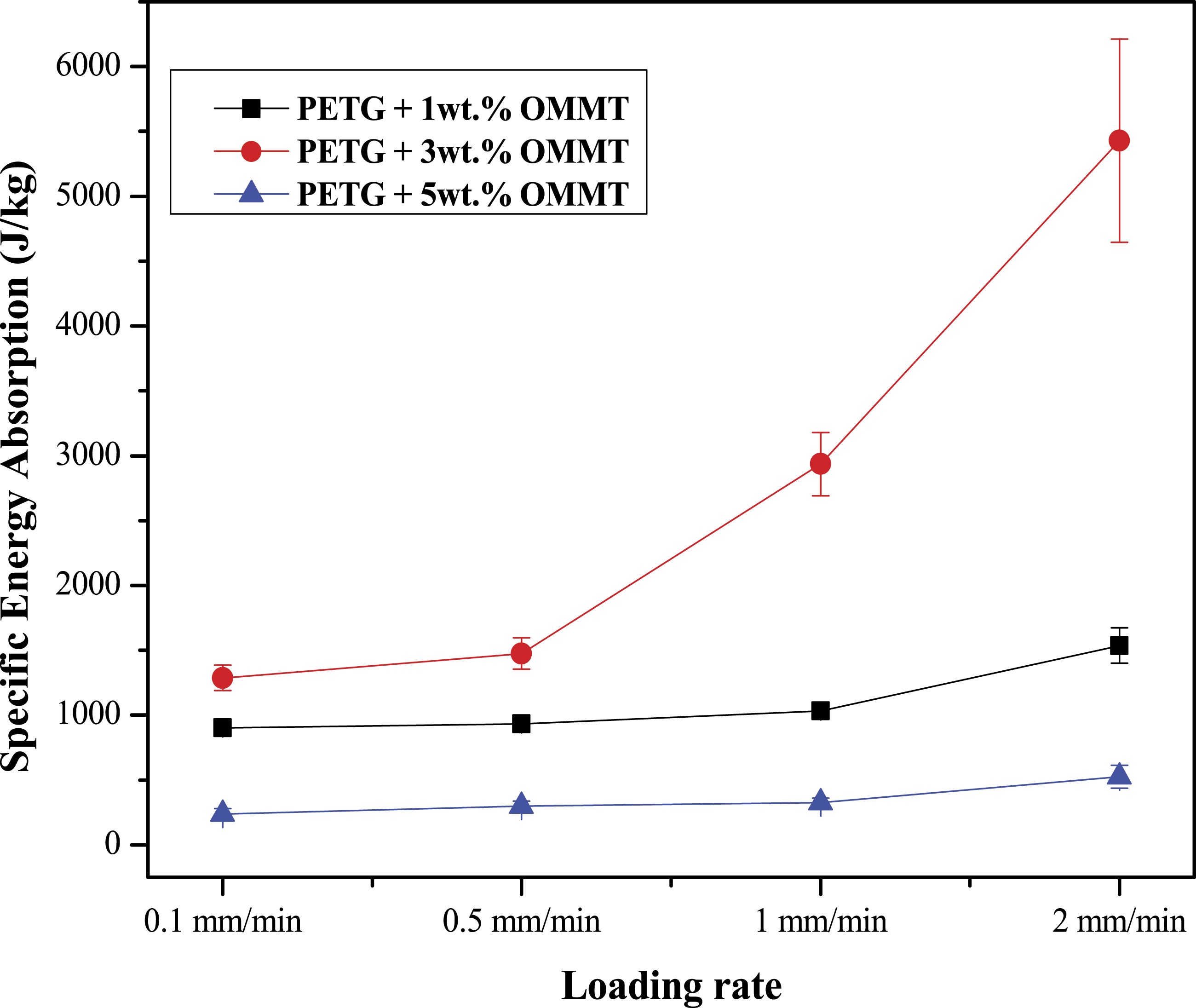
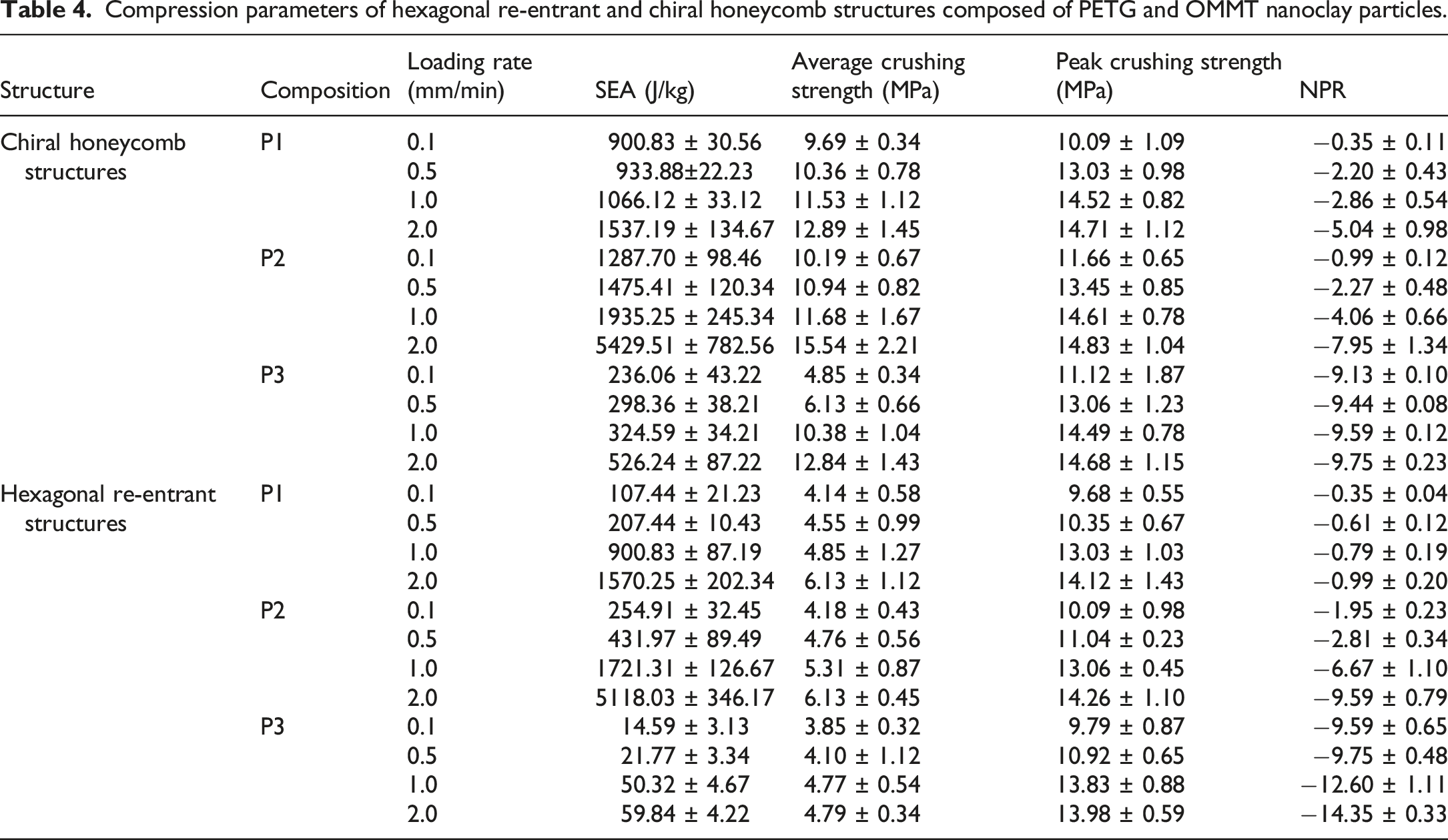
The addition of nanoclay particles improves the compressive strength parameters of the structures, making them stiffer for a given strain rate. However, such behaviour is only observed for nanoclay additions up to 3wt.%, as seen in Figures 10 and 11. When higher concentrations of nanoclay particles are introduced, there is a decrease in the compressive strength parameters, attributed to the aggregation of particles leading to stress concentrations within the structure. However, for a given strain rate, the SEA follows a similar trend to the compression strength, where the altering stiffness with the nanoclay particles affects the area under the stress-strain curve. This has been elucidated in Figures 12 and 13. The increased stiffness of the structures causes the NPR to shift closer to zero as a result of limited deformation when compared to the more ductile material configuration of PETG alone. Effect of loading rate and material composition on the compressive strength of hexagonal re-entrant structures composed of glycol-modified polyethylene terephthalate + organically modified montmorillonite. Effect of loading rate and material composition on the compressive strength of chiral honeycomb structures composed of glycol-modified polyethylene terephthalate + organically modified montmorillonite. Effect of loading rate and material composition on the specific energy absorption of hexagonal re-entrant structures composed of glycol-modified polyethylene terephthalate + organically modified montmorillonite. Effect of loading rate and material composition on the specific energy absorption of chiral honeycomb structures composed of glycol-modified polyethylene terephthalate + organically modified montmorillonite.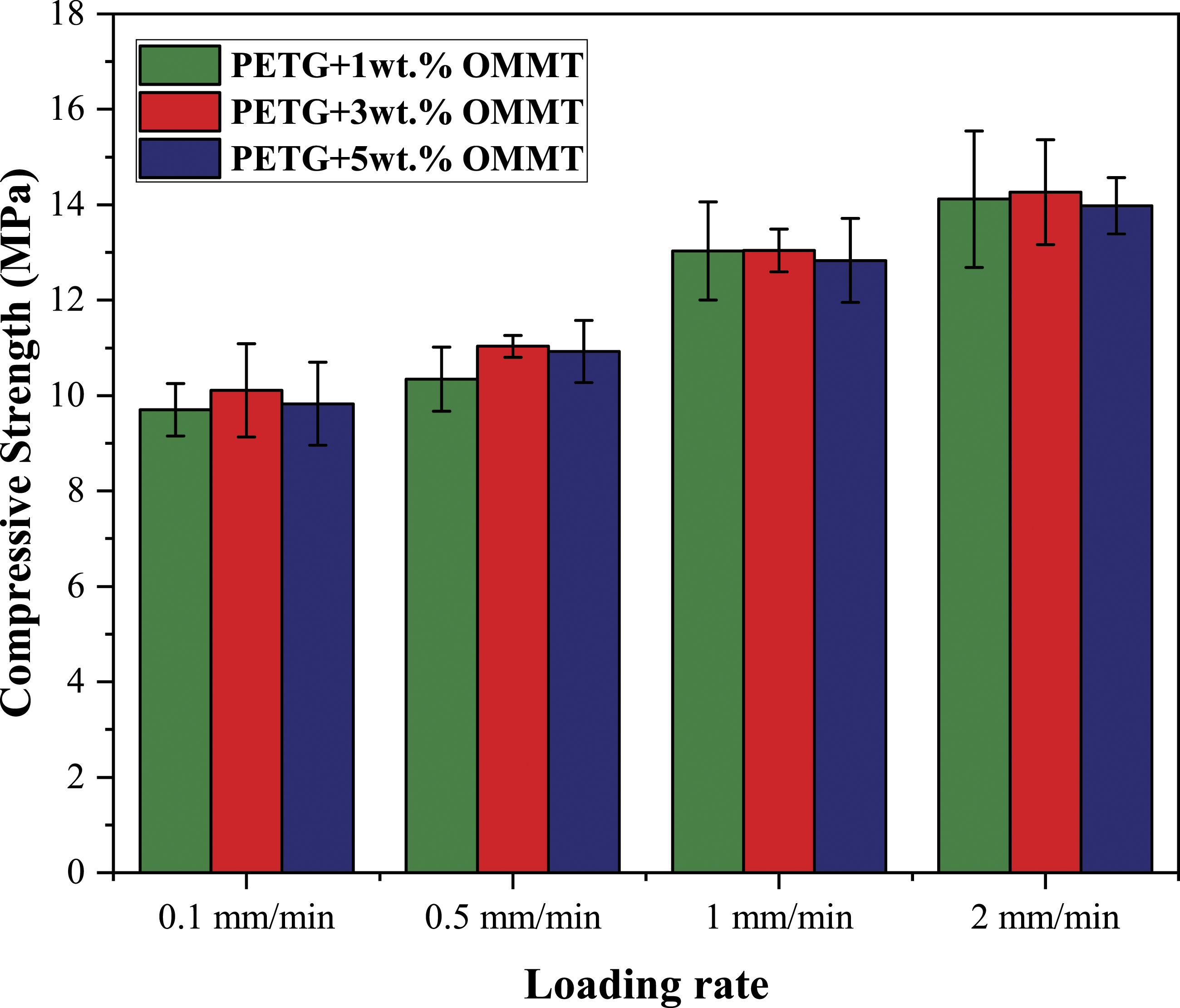
Effect of loading rates
Compression parameters of hexagonal re-entrant and chiral honeycomb structures composed of PETG and OMMT nanoclay particles.
Conclusions
The present deals with the experimental characterisation of the compression behaviour of additively-manufactured auxetic structures made from PETG composites reinforced with OMMT nanoclay particles. The parts are printed using FFF technology. Initially, different auxetic structures such as the hexagonal re-entrant structures, chiral honeycomb structures, missing-rib structures and peanut-shaped hole structures made of PETG were evaluated for their quasi-static compressive parameters and their NPR. It was observed that the hexagonal re-entrant structures along with the chiral honeycomb structures offered a fair balance between the compressive parameters and the overall NPR. Hence, these structures were later tested with different material compositions of PETG and nanoclay (1wt.%, 3 wt.% and 5 wt.% OMMT) at different loading rates (0.1 mm/min, 0.5 mm/min, 1.0 mm/min and 2.0 mm/min). The analysis of the results of the tests showed that the compressive properties of the structure increased with the loading rate for a given composition of PETG and OMMT nanoclay particles. However, the compressive parameters were seen to decline after the 3 wt.% addition of OMMT nanoclay particles due to excessive agglomeration that rendered the structures excessively brittle, thereby causing premature failure compared to their counterparts with 1 wt.% and 3 wt.% OMMT nanoclay. Although, the addition of OMMT nanoclay did not show major improvements in terms of the compressive strength of the composites, it is pivotal in improving the SEA at higher loading rates and also enhance the auxetic sensitivity of the composites. This provides the end-user to choose a given composition for the intended application based on the SEA and/or NPR sensitivity.
Furthermore, this study serves as a platform to investigate the applicability of OMMT nanoclay particles to improve energy absorption parameters while minimising the weight of structures for aerospace, marine, sports, and military applications. In the upcoming works, the authors wish to explore the effects of geometrical parameters and structural modifications on the auxetic behaviour of such structures with different fillers/additives.
Footnotes
Acknowledgements
The financial support of Department of Science and Technology (DST) through Scheme for Young Scientists and Technologists (SP/YO/2021/1652) is sincerely acknowledged by the author Vinyas Mahesh
Declaration of conflicting interests
The author(s) declared no potential conflicts of interest with respect to the research, authorship, and/or publication of this article.
Funding
The author(s) disclosed receipt of the following financial support for the research, authorship, and/or publication of this article: This work was supported by the Department of Science and Technology (SP/YO/2021/1652).
Data availability statement
The datasets generated during and/or analysed during the current study are available from the corresponding author on reasonable request.
