




Abstract
In this study, the effect of different amounts of graphene on the physical and mechanical properties of polylactic acid beech wood fiber composites were investigated. Beech flour and graphene were used as reinforcing phases with different weight percentages (0, 0.5, 1.5 and 2.5%). Samples were prepared by solution method and after pressing, mechanical properties such as flexural strength, flexural modulus, impact resistance and tensile strength and physical properties including differential scanning calorimetry test (DSC) and X-ray scattering test were measured. The results of analysis of variance showed that the effect of treatment was significant for flexural strength (p < .05) and flexural modulus, impact resistance and tensile strength (p < .01). The highest flexural strength, flexural modulus and tensile strength were related to treatment 8, which included 30% beech flour, 67.5% polylactic acid and 2.5% graphene, and the highest impact resistance was related to treatment 2, which included 20%. The weight of beech flour was 79.5% by weight of polylactic acid and 0.5% by weight of graphene, which were significantly different from other treatments (p < .05). Based on the DSC, the melting temperature of the polymer matrix was transferred to higher temperatures by adding graphene nanosheets. The results of X-ray diffraction test showed that for all three treatments there is a similar trend in terms of peak graph and with increasing the concentration of graphene nanoparticles, only the peak intensity changed. It can be said that the addition of nanographene to beech-polylactic acid flour composites has improved the mechanical and physical properties.
Introduction
Environmental pollution from over-consumption of plastic products is an issue that human beings today struggle with to protect the environment.1,2 On the other hand, today the reduction of forest resources and the increase in the price of timber and other forms of timber worldwide and the pressure of environmental organizations and non-governmental organizations, industry experts have been forced to look for alternative and cheaper sources to replace wood. In recent years, polymer composites reinforced with natural fibers such as wood, corn stalks, flax fibers, wheat stalks, newspaper fibers, sunflower stalks and bagasse fibers, due to their recyclability, recyclability and biodegradability have been considered. Consumption of natural fibers as a substitute for synthetic fibers in polymer composites can reduce the consumption of synthetic fibers and protect forests and the environment. 3 Wood-plastic composites are composites made from a combination of materials such as natural wood fibers, plastics and thermoplastics, and a special type of flour. One of the main reasons for the rapid growth of plastic wood composite is its low cost in the life cycle of this composite. In general, plastic wood composite decks cost about 15% more to produce than pressure wood decks, but require lower maintenance costs. The actual payback period of this composite to the produced woods by applying the pressure method used in the construction of the deck is estimated to be about 3–5 years. Plastic wood is a very new type of this group of products that uses two parts of materials in its production. In the wood sector, raw materials such as pulp fibers, peanut shell, bamboo, various types of wood, straw are used, and in the plastic sector, polyethylene, PVC, polypropylene and other polymers are used. One of the problems of using these polymers in these wood-plastic structures is the non-biodegradability of the polymer phase of these structures. 4 To improve the quality and properties of wood-plastic composites, many efforts have been made, including the use of various adapters such as polyolefin bonded with maleic anhydride, 5 Silane 6 as well as lignin 7 to improve the compatibility between lignocellulosic material and polymer as well as surface modification of lignocellulosic material. Nevertheless, researchers are still interested in using a new method that can improve the properties of wood-plastic composites. One of the most important advances in science in recent years has been the use of nanotechnology. The general concept of this technology is to divide materials into small components, even up to one billionth of a meter. By producing nanometer-scale structures, it is possible to control the intrinsic properties of materials such as melting temperature, magnetic properties and the color of materials without changing the chemical composition, so the use of this technology leads to new products and technologies with high efficiency. It has not been possible before. 8 Today, much attention has been paid to polymer nanocomposites to improve mechanical, thermal, and electrical properties. Due to the unique structure and unique properties of nanoplate, such as high electrical conductivity, high mechanical strength, excellent flexibility, high thermal conductivity and good optical properties, have been highly regarded by researchers. Graphene is a single-layer (one-atom-thick) sheet material composed of carbon atoms, which are joined together in a two-dimensional, hive-like lattice. Graphene is a two-dimensional sheet of carbon atoms in a hexagonal configuration. Graphene is the newest member of the multidimensional graphite carbon material family, which includes fullerene as a zero-dimensional nanomaterial, carbon nanotubes as a one-dimensional nanomaterial, and graphite as a three-dimensional material. Graphene plates are formed when carbon atoms are held together. In a graphene plate, each carbon atom is bonded to three other carbon atoms. 9 In general, the use of graphene in the construction of various composites increases the thermal and electrical conductivity, strength at high temperatures, and so on. Addition of graphene nanosheets to mechanical properties; Modulus and flexural strength, modulus of elasticity and water and sound absorption of polymeric structures are effective. Water absorption and dimensional change are among the most effective and important properties that will change many mechanical properties. On the other hand, the proper distribution of graphene nanosheets in the desired polymer composites is of special importance. What is expected is a process of improvement of mechanical and physical properties. On the other hand, thermal stability is increased, dimensional changes are reduced and fracture elongation is reduced by increasing the amount of graphene nanosheets and the trend of changes in mechanical and thermal properties is proportional to the amount of graphene introduced into the composite system. Kumar et al. 10 investigated the effect of carbon nanotube addition on polypropylene properties. The researchers noted that by adding 9% by weight of carbon nanotubes, the modulus and compressive strength of polypropylene increase by 50 and 100%, respectively. The dispersion of carbon nanotubes in polypropylene was investigated and confirmed using electron microscopy. Petersson et al. 11 used malic anhydride-bonded polylactic acid (PLA-g-MAH) as the Coupling agent to prepare polylactic acid laminated nanocomposites and concluded that nanocomposites containing Compatibles show better mechanical properties.
Shi et al. 12 investigated the effect of adding carbon nanotubes to wood-plastic composites composed of polypropylene and pine powder. Maleic polypropylene has been used as a coupling agent. The results showed that with the addition of carbon nanotubes, the modulus of elasticity of the samples will increase compared to the samples without carbon nanotubes and pure propylene. Potschke et al. 13 noted that the electrical, mechanical and thermal properties of polymer composites are greatly improved by the addition of nanotubes (carbon nanotubes) or graphene. By mixing graphene sheets in an immiscible polymer, it significantly reduces the concentration of electrical penetration. Polylactic acid is also an environmentally friendly and environmentally friendly polyester that can be produced from precursors made from renewable sources, especially starch-rich products. Therefore, nanocomposites are in fact a new class of polymer composites in which nanoscale particles are used in their structure, among which nanoparticles can be referred to as nanographene. Graphene is a nanoparticle with a two-dimensional plate structure and a thickness of about one carbon atom. In these plates, carbon atoms are bonded together in a hexagonal lattice. Graphene nanoparticles are a good alternative to carbon nanotubes for the production of polymer nanocomposites due to their mechanical and electrical properties, as well as the abundance of their main constituent, graphite, in nature. On the other hand, due to the unique properties of graphene such as electrical, thermal, electrochemical properties and high specific surface area, the usability of this material in many applications such as sensors, catalysts, energy storage sources and various composites has increased significantly. According to studies, polymer-graphene nanocomposites have much more desirable and better properties and performance compared to similar cases of polymer nanocomposites containing other nano-fillers such as clay and carbon nanotubes.14,15 In fact, today, with the discovery of different properties of graphene, we can boldly say that there has been a huge change in various industries. Also, due to the global decline of forest plants, today the use of surplus agricultural plants and other sources of lignocellulosic has been considered. It also creates added value for crop residues. A wide range of innovative technologies for mass production with lower processing costs have made PLA an important place in the production of sustainable polymers. According to the points mentioned in this study, the effect of graphene content on the physical and mechanical properties of beech-polylactic acid fiber composites was investigated.
Experimental
Materials and methods
In the present study, polylactic acid films (4302 D) were prepared from natureworks company and were prepared as a polymeric material for making composites and beech flour (woodworking waste) and graphene nanosheets (xG science C750) from xgscience company and The reinforcement phase was used with different weight percentages (0, 0.5, 1.5 and 2.5%) in the range of one to five weight percent. The prepared granules were placed in the open air for 5 days and then poured into plastic bags and stored until use. The beech flour used in this study was passed through a 40-mesh to screen the flour. Then, in order to prevent the effect of fiber moisture in the manufacturing process, it was placed in the oven for 24 h. Then, the desired wood flour was poured and stored in plastic bags.
Sampling
The prepared polylactic acid was dried at a certain temperature and for a certain period of time in order to dehumidify it in the oven and kept in a desiccator. The polylactic acid in acetone was then stirred with a magnetic stirrer for a specified period of time, after which beech flour was added while stirring. The beech flour used was sifted with a 40-mesh and then used. After the ingredients were thoroughly mixed, it was taken out of the blender and after cooling and hardening, it was used to prepare granules. The granules were prepared manually. After the granules were formed, they were placed in a dryer in the temperature range of 60°C for 24 h to remove any moisture (Figure 1). Then, the prepared mixture was homogenized and subjected to sonication. Finally, completely dissolved polylactic acid with beech flour was poured on glass molds and the solvent was allowed to evaporate at a certain time and at room temperature. In this study, nanographene was used in different weight percentages. A mixture of polylactic acid, beech flour and nanographene was prepared using an equalizer. Mixing conditions were by adjusting the mixing temperature to 170° for 8 min. First, polylactic acid was poured, after 2 min, graphene was added, and finally, sifted beech flour was added. In the first 3 min the speed of the device was set at 30 and in the last 5 min at 60 RPM. The press machine of Iran Polymer and Petrochemical Research Institute was used to press the samples. The device is equipped with heating elements for heating and water circulation system for cooling. This device is made by Toyo Seiki company in Japan. The dimensions of the plates are 25 cm × 25 cm and its temperature and pressure capacity are 400°C and 35 MPa, respectively. Homogeneous mixture of polylactic acid, beech flour and nanographene.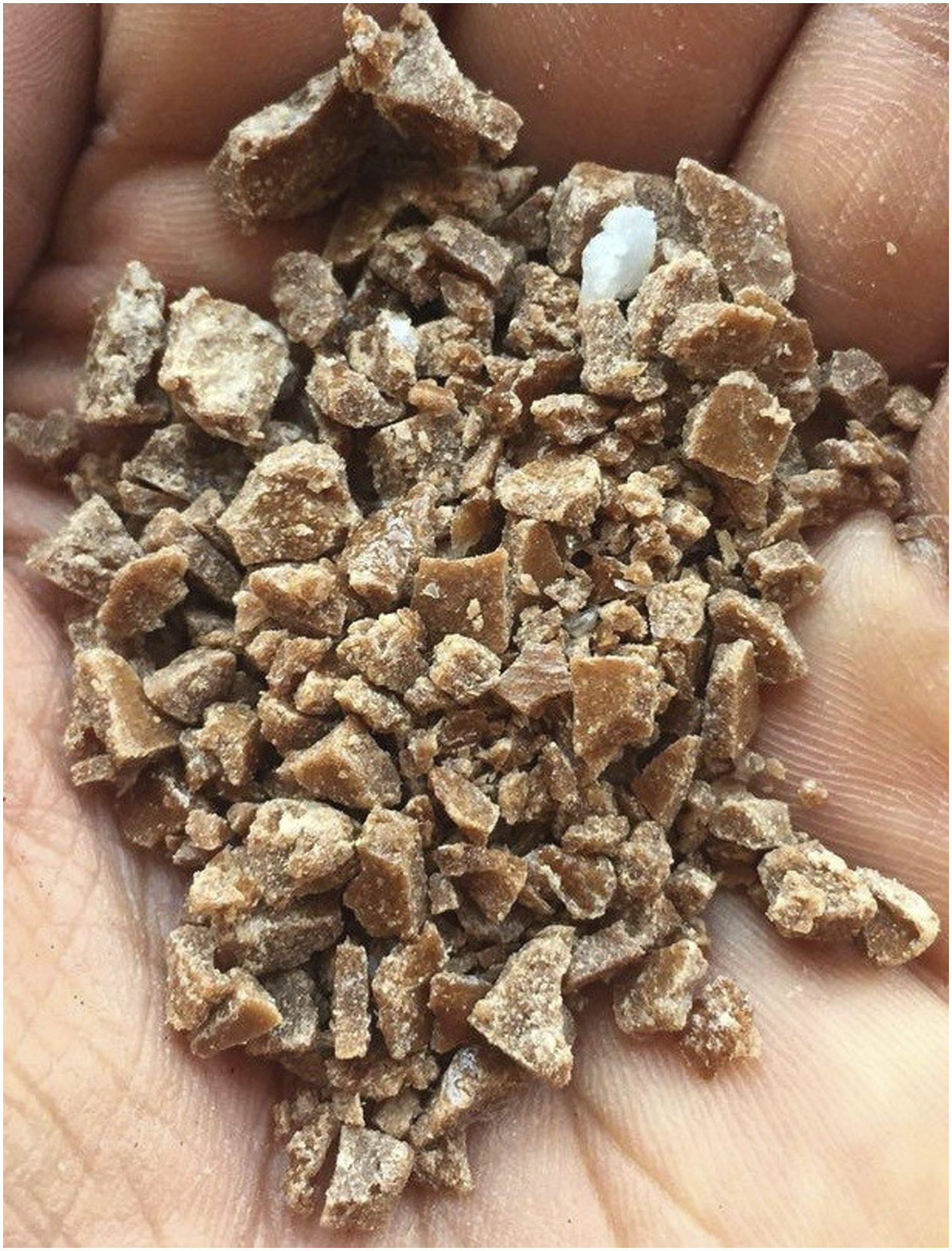
Research treatments
Specifications of treatments (materials in percentage of total mixture).
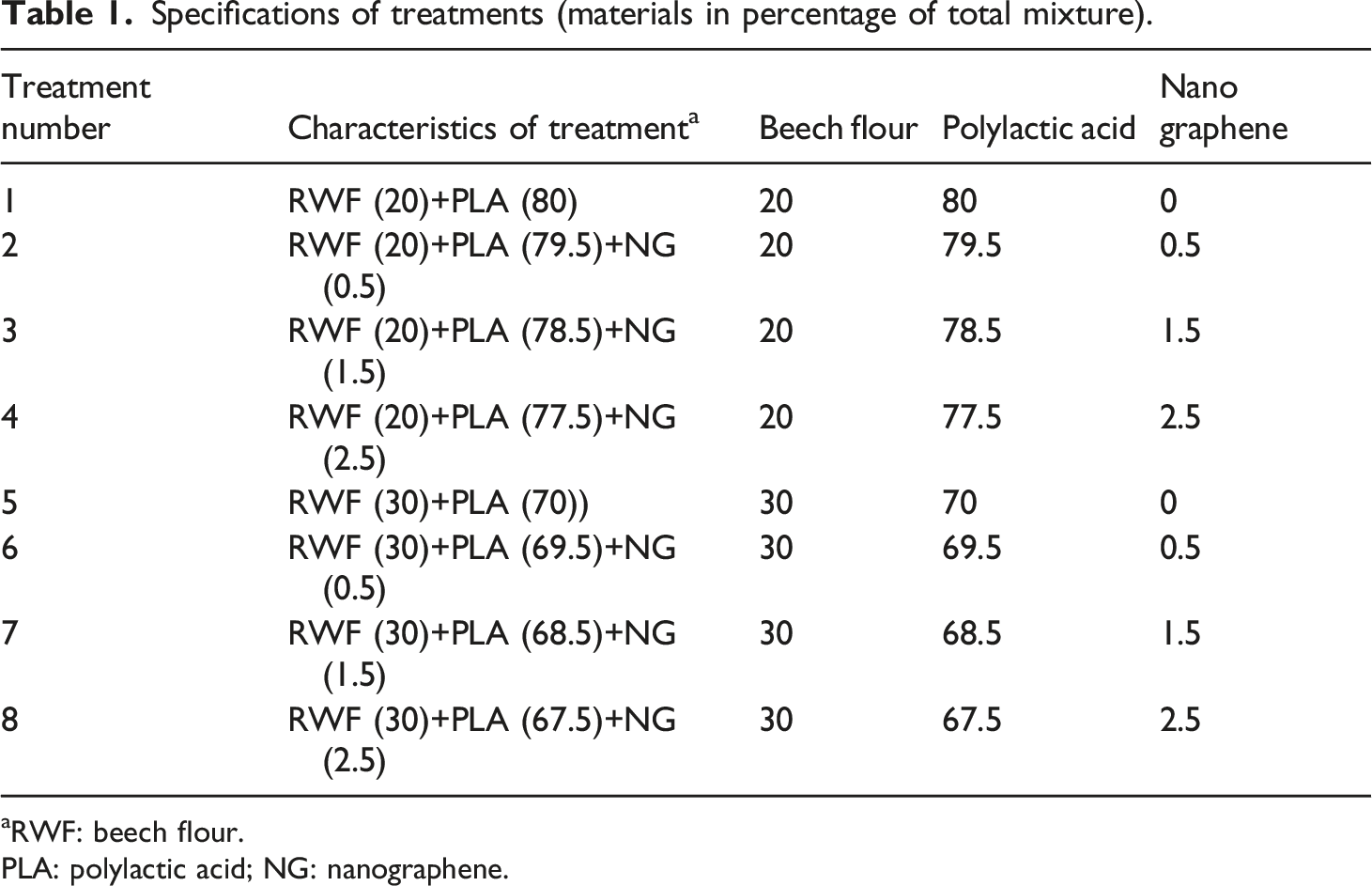
aRWF: beech flour.
PLA: polylactic acid; NG: nanographene.
Measurement of nano-composite properties
Mechanical properties including flexural strength, flexural modulus, impact resistance and tensile strength and mixed properties including differential scanning calorimetry and X-ray diffraction tests of the prepared nano-composites were tested. Before the standard samples were prepared for mechanical testing, they were placed at 23°C and 50% humidity for 2 days to equilibrate with ambient temperature. To evaluate the mechanical properties, flexural strength, flexural modulus, impact strength and tensile strength of the specimens were measured. ASTM standard D-790 with loading speed of 2 mm/min was used to evaluate the bending test of the samples. Instron model 1186 was used for testing. ASTM standard D-638-M-89 was used to evaluate the tensile strength of the samples. Samples were prepared as M-I and dumbbells. Then, Instron model 1186 was used to apply the traction test. For this purpose, the jaws were installed on the device and the strain gauge was mounted on the sample with special metal clamps. ASTM standard D-256 was used to evaluate and test Izod impact test on the samples. For this purpose, Zwick model impact resistance tester was selected. Differential scanning calorimetry test was used to determine the thermal properties of the samples, such as crystallinity and melting and crystallization temperatures. This test was performed with a DSC device. This device has two chambers, one in the sample chamber and the second in the reference material. In this test, a thermal reciprocating process was performed during which the sample was first brought from ambient temperature to 200°C and then continued by cooling the samples to −10°C. The heating process was repeated again at 200°C. The rate of increase and decrease of temperature was set at 10°C per minute. The test was performed according to ASTM D3418 standard. The increase in crystallinity was measured by increasing the amount of graphene by X-ray diffraction test. For this purpose, X-ray diffractometer model D-5000 made by the German company Siemens located in the Iran Polymer and Petrochemical Research Institute was used.
Statistical analysis
In this study, different levels of beech flour (20 and 30% by weight), polylactic acid in eight different levels and nanographene in four levels (0, 0.5, 1.5 and 2.5%). The repetitions were considered equal to three replications for each treatment. Therefore, the number of treatments was equal to eight, which included four levels of nanographene and two levels of beech flour. Factorial experiment was used in a completely randomized design. SPSS software version 16 was used for statistical analysis. The significance of the mean of the treatments was also evaluated based on Duncan’s multiple range test at the level of 5% probability. Graphs were also drawn using Excel software.
Results and discussion
Mean squares obtained from analysis of variance for mechanical properties of nanocomposites (polylactic acid, beech flour and graphene).
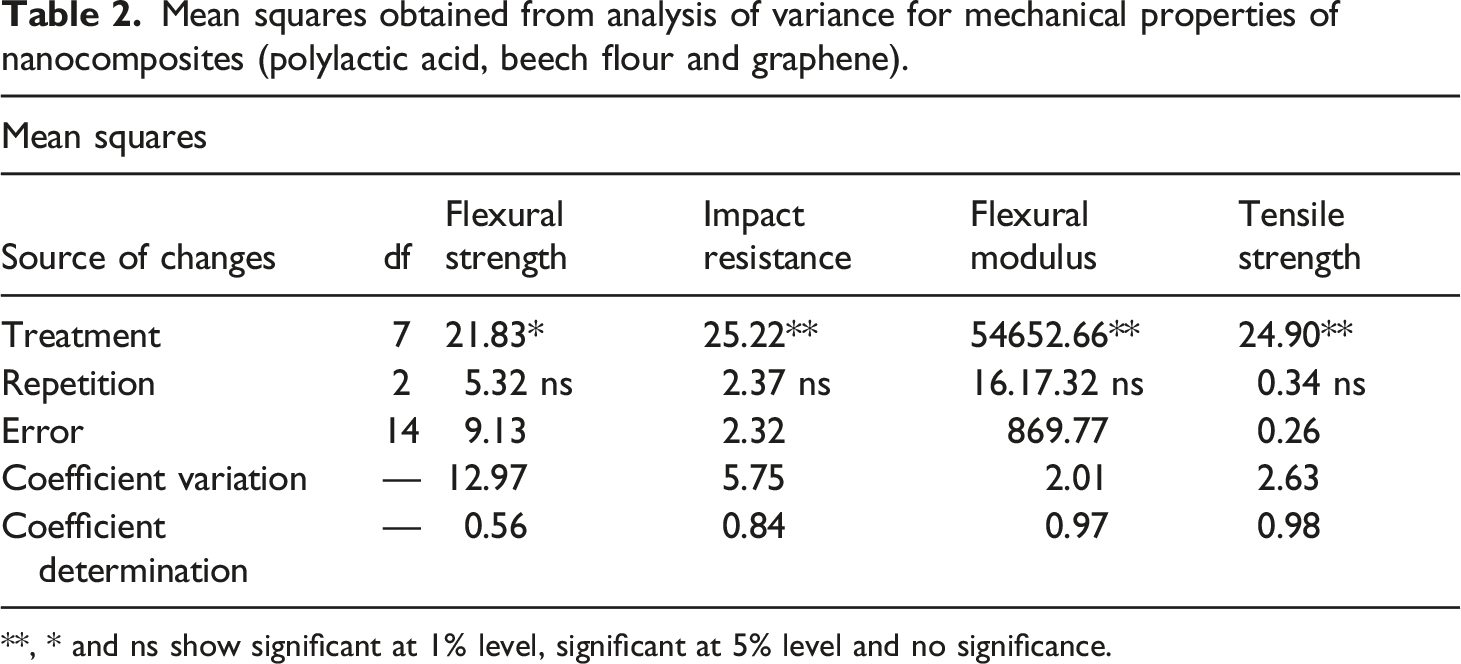
**, * and ns show significant at 1% level, significant at 5% level and no significance.
The results of comparing the means of different treatments for flexural strength of nanocomposite samples made in Figure 2 are presented. As can be seen, the highest flexural strength was related to treatment eight, which included 30% beech flour, 67.5% polylactic acid and 2.5% graphene. It should be noted that the difference with treatments three, four, five, six and seven was not significant (p < .05), but with the first and second treatments was significant (p < .05). Treatments one and five, which were free of nanographene and differed only in the amount of polylactic acid and beech flour, did not show a significant difference in their flexural strength (p < .05). By adding nanographene in treatments two, three and four, respectively, the flexural strength of the samples increased compared to treatment one, which was not significant for treatments two and three compared to treatment one, but treatment four, which contained 2.5%. Nanographene showed a significant difference with treatment one (p < .05). Comparison of mean treatments for flexural strength (treatments include 1: RWF (20) + PLA (80); 2: RWF (20) + PLA (79.5) + NG (0.5); 3: RWF (20) + PLA (78.5) + NG (1.5); 4: RWF (20) + PLA (77.5) + NG (2.5); 5: RWF (30) + PLA (70)); 6: RWF (30) + PLA (69.5) + NG (0.5); 7: RWF (30) + PLA (68.5) + NG (1.5) and 8: RWF (30) + PLA (67.5) + NG (2.5), also PLA, NG and RWF respectively polylactic acid, nanographene and beech flour, respectively).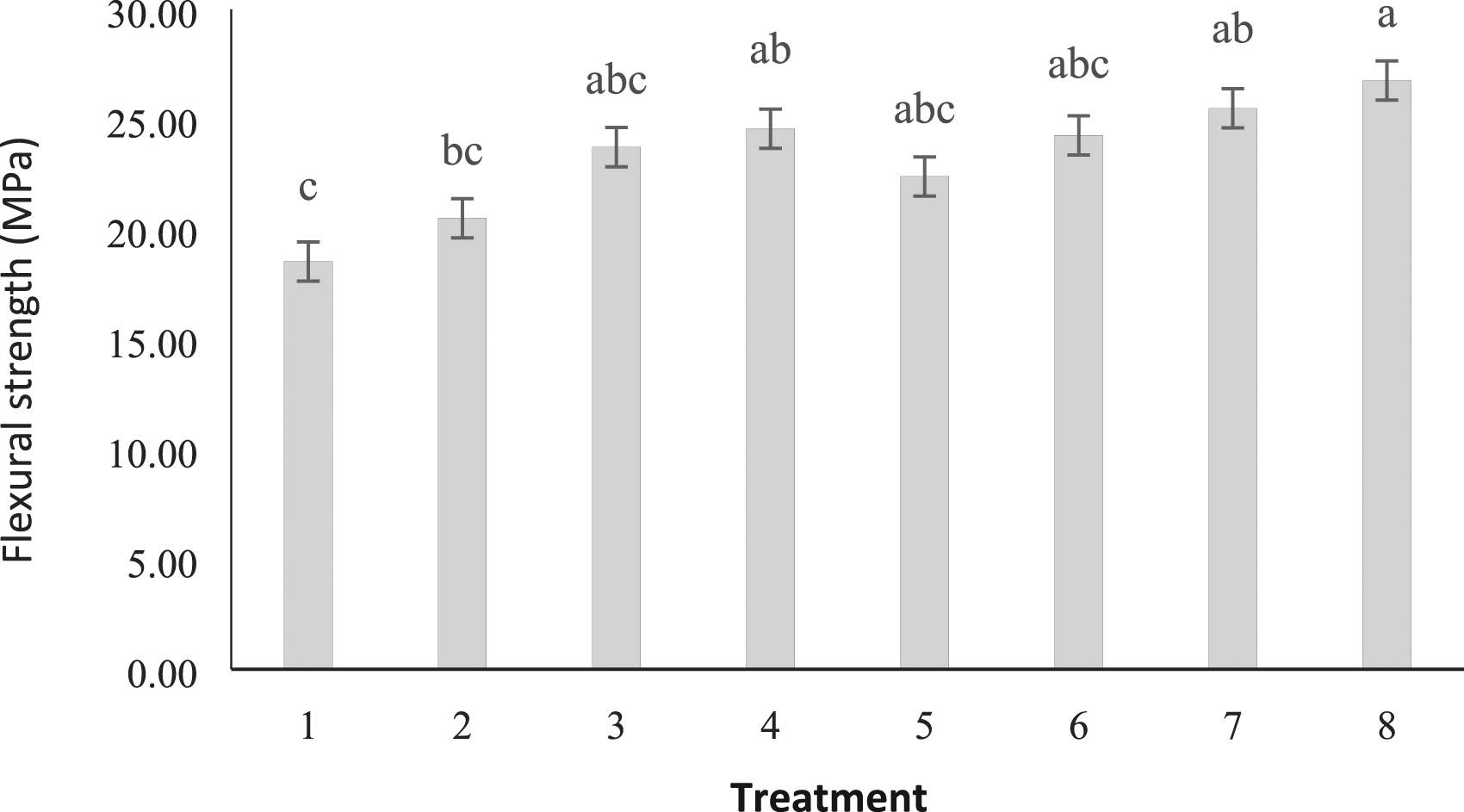
The trend of increasing the average flexural strength in treatments six, seven and eight was also observed in comparison with treatment five. However, it should be noted that the mean flexural strength with the addition of nanographene in treatments six, seven and eight, did not cause a significant difference compared to treatment five, although the trend was increasing with the addition of nanographene (p < .05). In general, no significant differences were observed between treatments two to seven. On the other hand, the mean flexural strength in treatments four, seven and eight were significantly different from treatment one (p < .05). Figure 3 shows the results of comparing the mean of different treatments for impact resistance of nanocomposite samples made of polylactic acid, nanographene and beech flour. The highest impact resistance was related to treatment two, which showed a significant difference with all the mentioned treatments (except treatment seven) (p < .05). After that, there was treatment seven which had a significant difference with treatments three, four, five, six and eight (p < .05). The lowest mean impact resistance was related to treatment five, which contained 70% polylactic acid and 30% beech flour. Comparison of mean treatments for impact resistance.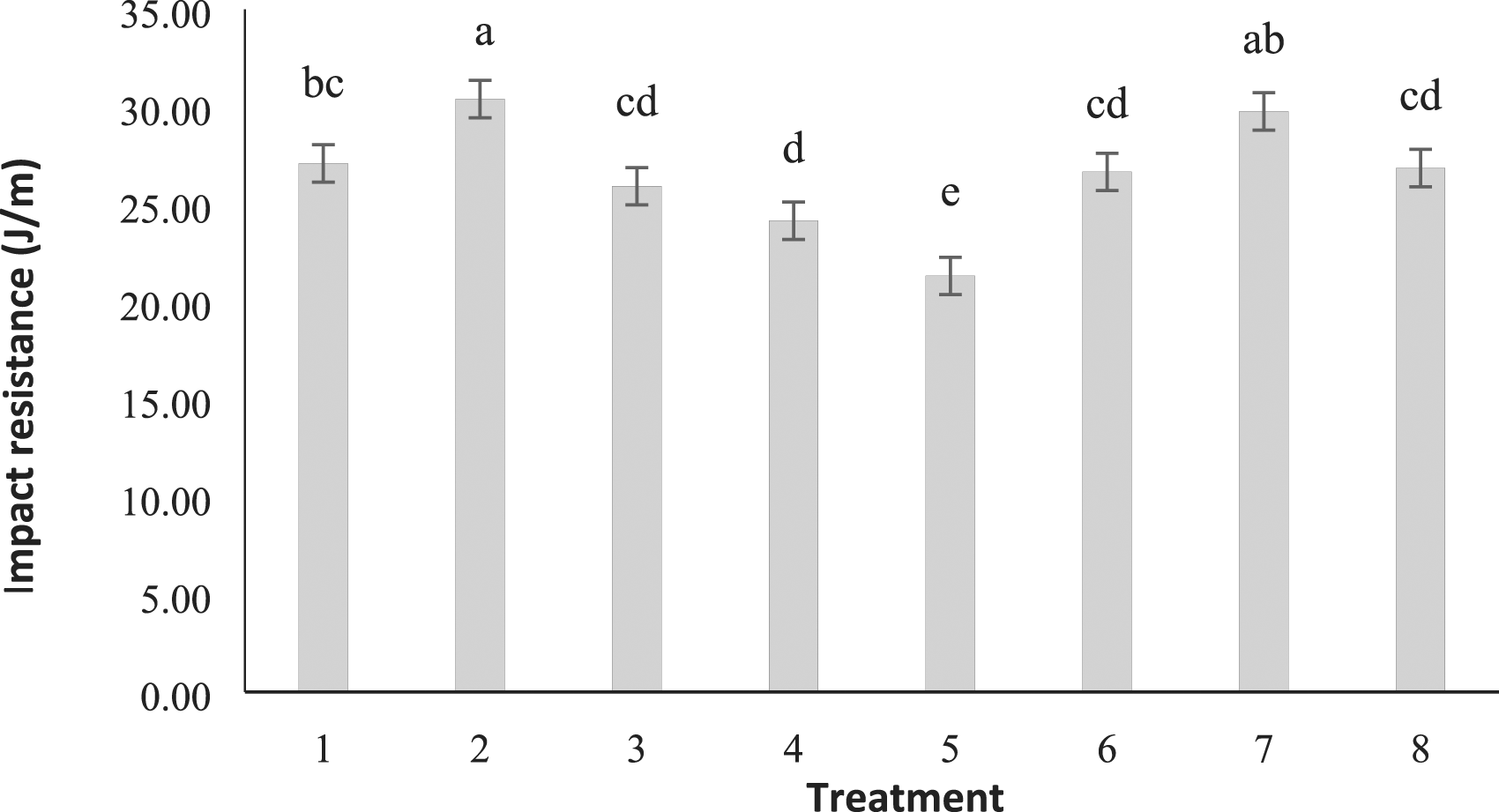
In treatments two, three and four, in comparison with treatment 1, no increasing trend was observed with the addition of nanographene. (05/0> p). In treatments three and four, the addition of 1.5 and 2.5% of nanographene did not cause an increase in impact resistance, as well as a decrease compared to treatment one, which was significant for treatment four (p <.05). In treatments six and seven, in comparison with treatment five, an increasing trend was observed with the addition of nanographene. When adding 2.5% of nanographene, an increase in impact resistance was observed compared to treatment five (p < .05), but this increase was less than treatments six and seven. Treatments one and five, in which nanographene was not used and differed only in the percentage of polylactic acid and beech flour, also showed significant differences, so that the flexural modulus in treatment five, which is higher than the percentage of beech flour Was less.
The results of comparing the mean of different treatments for the flexural modulus of nanocomposite samples made of polylactic acid, beech flour and nanographene are presented in Figure 4. The highest flexural modulus was obtained for treatment eight which contained 30% beech flour, 67.5% polylactic acid and 2.5% nanographene and its mean difference with other treatments was significant (p < .05). The lowest amount of flexural modulus was related to treatment one, which was statistically significant with other treatments (except treatment three) (p < .05). In fact, by adding different amounts of nanographene, an increasing trend was observed for the flexural modulus. Treatments two and four increased compared to treatment one, which was statistically significant with treatment one. This increase was also present in treatment three, although it was not significant (p < .05). Treatment five, which contained 70% and 30% polylactic acid and beech flour, respectively, showed better performance in terms of flexural modulus than the treatments containing nanographene and less beech flour (20%) in their composition. Comparison of mean treatments for flexural modulus.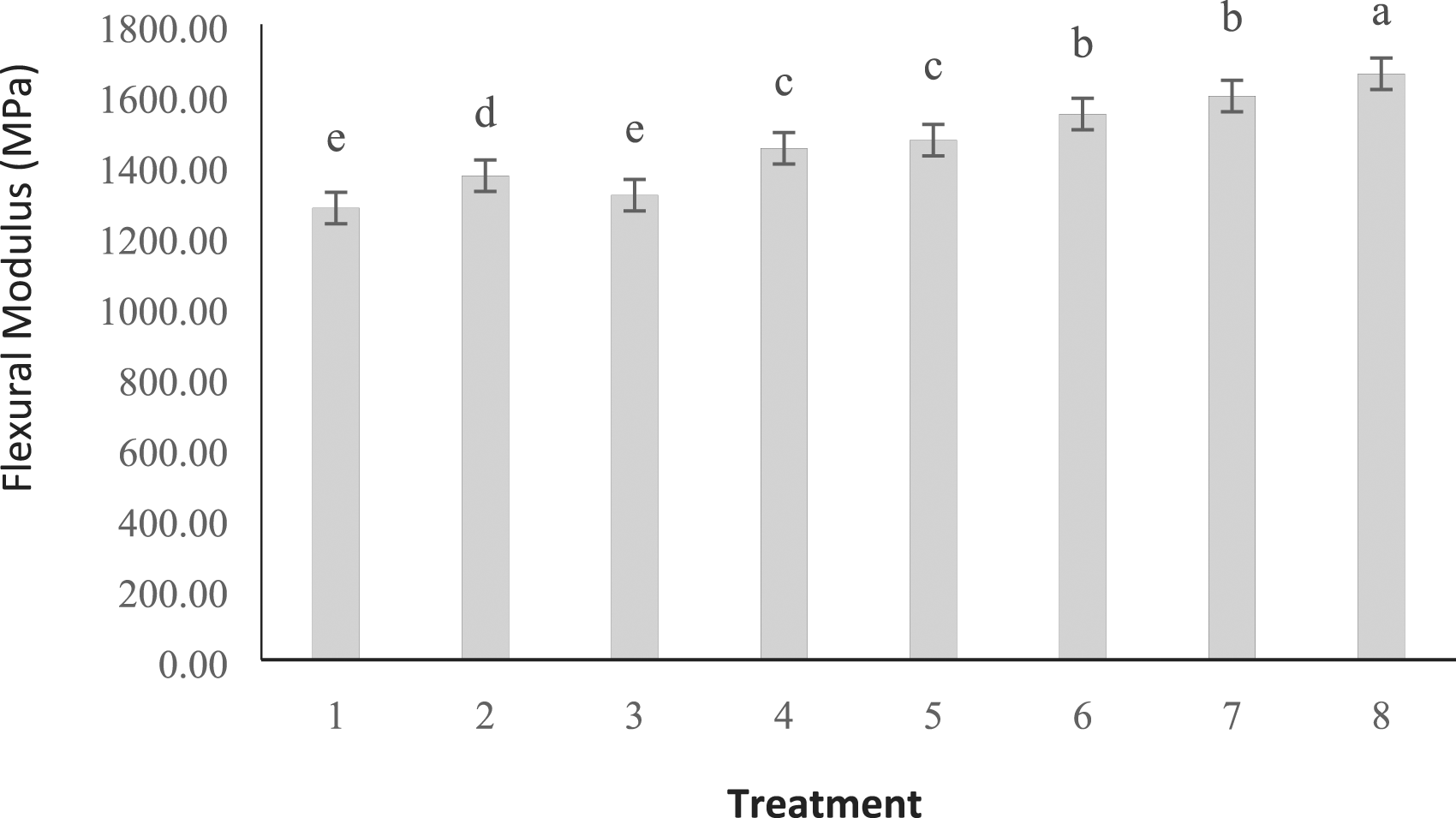
In fact, the difference between the means of treatments six, seven and eight was significant compared to treatment five. No significant difference was observed between treatments six and seven (p < .05). However, increasing the percentage of nanographene from 0.5 to 1.5% in treatments six and seven does not cause a significant difference in flexural modulus. Treatments one and five, which were without nanographene and differed only in the percentage of polylactic acid and beech flour, also showed significant differences. The flexural modulus was higher in treatment five, which had a higher percentage of beech flour in its composition. Figure 5 presents the results of comparing the means of different treatments for tensile strength of nanocomposite samples made of polylactic acid, nanographene and beech flour. The highest mean tensile strength was related to the samples of treatment eight, which were significantly different from other treatments (p < .05). The lowest tensile strength belonged to treatment one. Addition of different percentages of nanographene on displacement with amounts of polylactic acid increased the tensile strength of the samples, this increase was significant in treatments three and four compared to treatment one, although the increase in tensile strength of the samples was significant. Treatment two was also seen but their difference with treatment one was not significant (p < .05). Treatments one and five were different in terms of polylactic acid and flour content, which caused that despite the higher percentage of beech flour in treatment five, its tensile strength was better and their differences were statistically significant (p < .05). Addition of nanographene in treatments six, seven and eight compared to treatment five caused an increasing trend in the mean tensile strength of the samples. It should be noted that their differences were also statistically significant (p < .05). Comparison of mean treatments for tensile strength.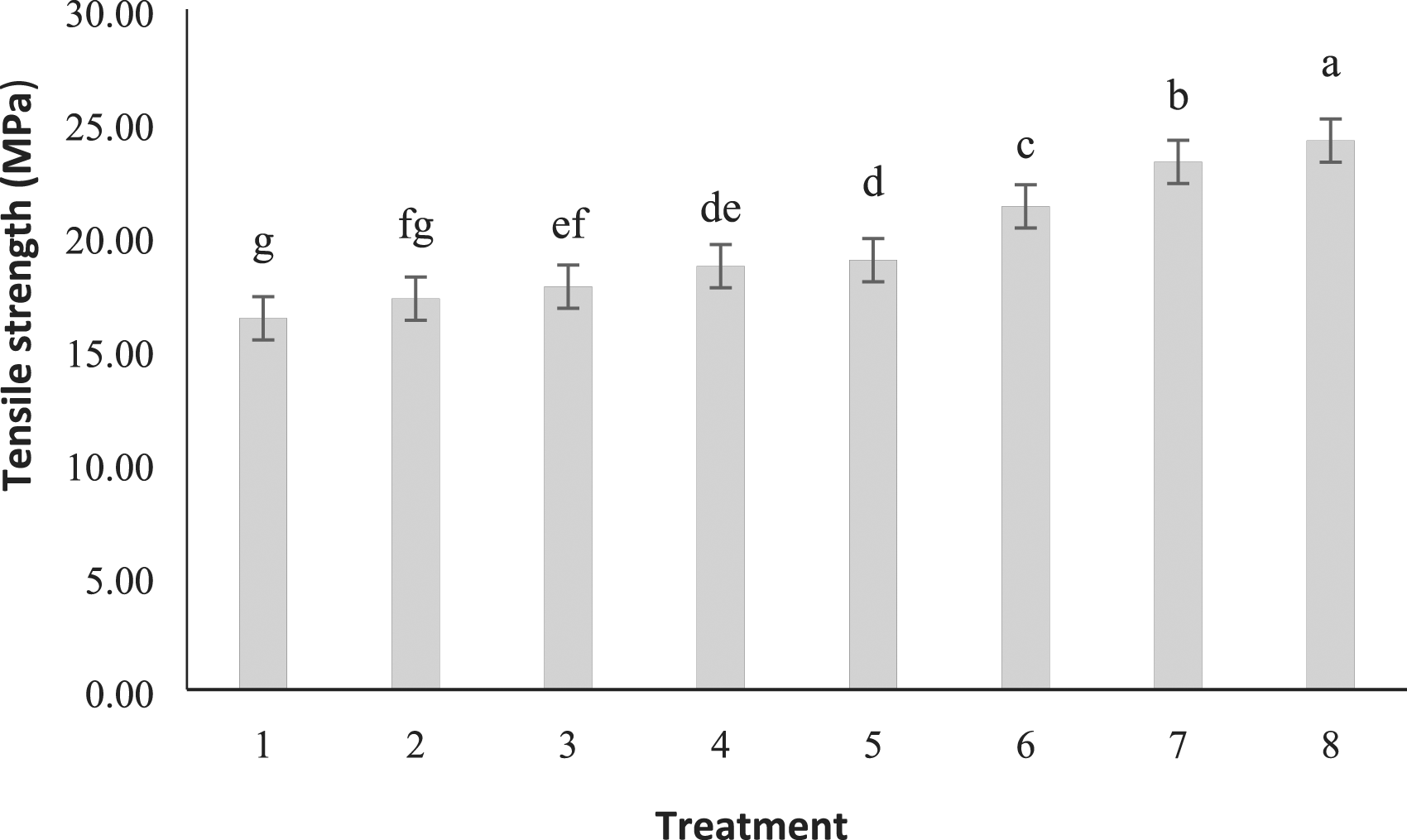
The results of differential scanning calorimetry test for sample 246 (Treatment eight) which contains 30% beech flour and 2.5% graphene are presented in Figure 6. As can be seen, with increasing the amount of wood flour, cold crystallinity, crystallization temperature and the amount of crystallinity of the composite increase and with the addition of wood flour, cold crystallinity decreases. It should be noted that the addition of graphene to the polymeric base material slows down the movement of molecules and delays the growth of crystals and cold crystallization and reheating, so the crystallinity of the composite is reduced compared to pure nanographene. However, sometimes it is expected that the degree of crystallinity of the composite will increase due to the ability to nucleate, and therefore the increasing process of melting temperature, crystallization temperature and crystallinity of the composite when adding wood flour to a high level can increase due to the role of wood flour particles. Crystalline cells and faster formation of crystals, which leads to increased thermal properties of the composite. In the sample of treatment six, the first peak (67.06°C) is related to the heating process in which the microcrystals created in the crystallization process begin to melt, the starting point of the corresponding peak was 66.42°C. The second peak in this diagram is due to the formation of microcrystals due to heating of the polymer, and because it is associated with heat release, a maximum can be seen in the diagram. For example, the first 245 peaks occurred at a temperature of 62.32°C and the temperature at the starting point of the corresponding peak was 60.28°C. However, with increasing the percentage of nanographene in nanocomposite (sample 246), the heating temperature has decreased so that the first peak started from 58.83 and the maximum was at 6.06. In this case, the second peak, which is related to the heating process, in which the microcrystals created in the crystallization process begin to melt, was equal to 99.97°C. This temperature was 103.64 and 103.65°C in 244 and 245 samples, respectively. The third peak in the differential scanning calorimetry diagram is related to the decomposition of matter. The onset and peak temperatures of the third peak for sample 244 were 162.49 and 170.53°C, respectively. However, with further increase in wood flour due to the formation of amorphous spots and delays in the nucleation process and the growth of crystals, the thermal properties decrease. Graphene has increased the crystalline nuclei and crystals around wood flour and increased the degree of crystallinity of the polymer. Studies have also pointed to the role of graphene material on increasing the melting temperature, crystallization temperature and the amount of crystallinity by increasing the ability to create crystalline nuclei in the polymer substrate. Also, the increase in crystallinity when using nanographene can be due to the fact that nanographene molecules increase the involvement and proximity of polymer and wood chains by increasing the mechanical and even chemical bonds between the nanographene groups and the hydroxyl groups of wood fibers. Crystalline crystals increase crystallinity. With increasing the percentage of nanographene in sample 245 to 1.5% and on the other hand decreasing the polylactic acid, the starting points and temperature peak of the decomposition stage reached 163.01 and 169.19, respectively. The starting temperature of the decomposition stage of the material increased which was equal to 0.3%. It should be noted that the temperature of the third peak in treatment seven decreased compared to treatment 6. The onset and peak temperature of the third peak for the sample of treatment eight were 162.14 and 170.53, respectively, which did not change compared to the sample 244 (treatment six). Differential scanning calorimetry diagram for treatment sample eight.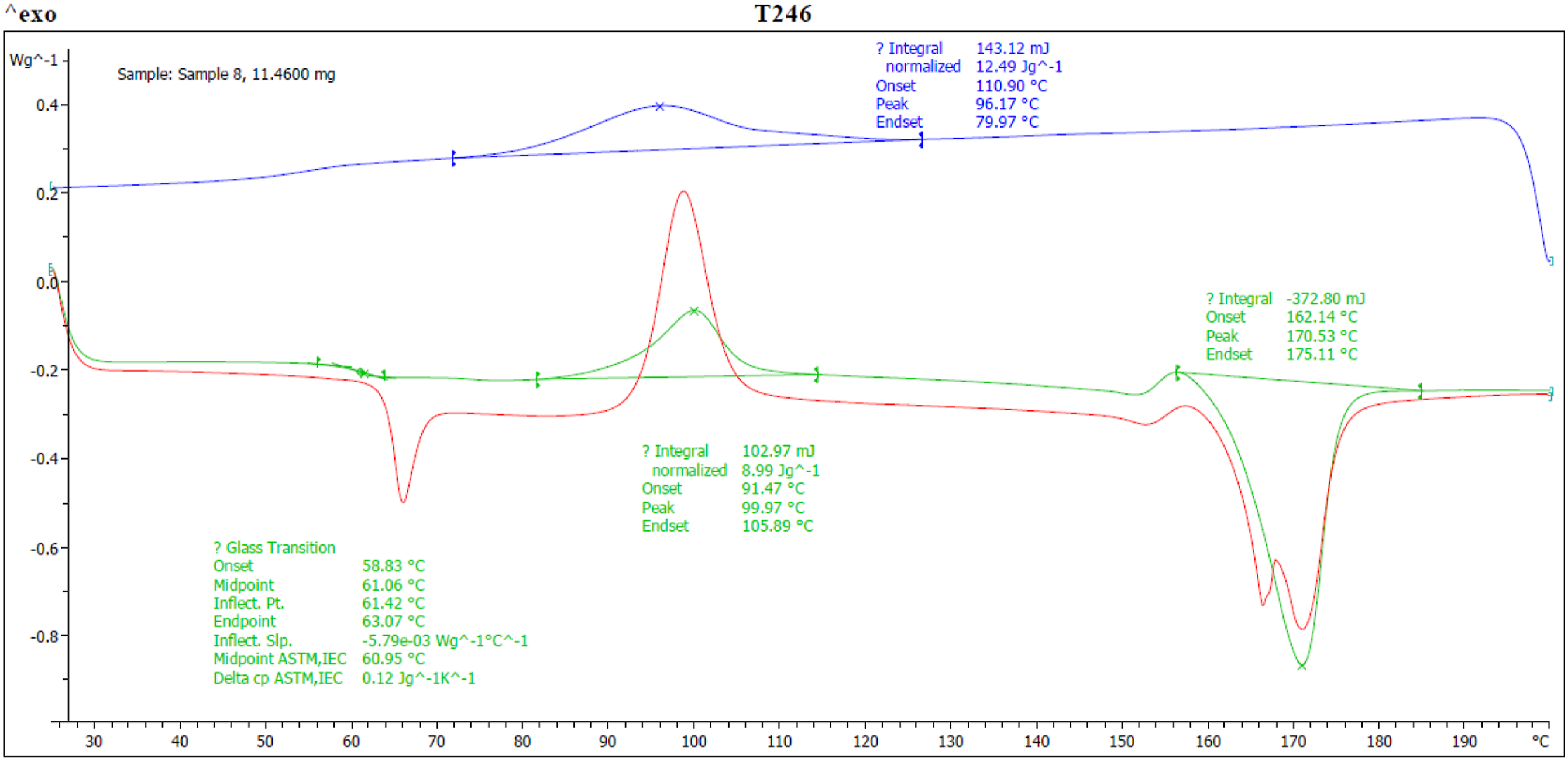
As can be seen in Figure 7, no peak of polylactic acid is observed for pure PLA on cooling. The reason for this is the low rate of PLA crystallization. In other words, at the applied cooling rate, the polymer chains do not have the opportunity to regulate and form crystals. By adding graphene nanoparticles to PLA, the peak of crystallization is observed in the curve, which means inducing crystallization with graphene nanoparticles in pure PLA. The main reason for this phenomenon is the increase in heterogeneous nucleation. A similar behavior for a mixture of PLA and graphene oxide has been reported by Wang et al. Due to the shape of crystallization temperatures for samples containing graphene is higher than the values for samples containing pure graphene nanoparticles. Better distribution of nanoparticles in the PLA matrix leads to more efficient nucleation as well as the onset of crystallization at higher temperatures. Another reason for the increase in crystallization rate in samples containing, as shown in the figure, at the considered temperatures, nanocomposites containing graphene nanoparticles show different behavior than particles containing pure graphene nanoparticles. In these figures, the maximum crystallization rate is determined at a certain temperature with a time peak. As can be seen in the figure, this time varies from sample to test. This time peak is transmitted to shorter times in graphene samples and constant temperature. In other words, crystallization occurs faster and this phenomenon is attributed to the fact that PLA bonding on graphene plates facilitates the nucleation process. From this figure, the start time of crystallization and the peak of polylactic acid for a sample at different temperatures can be compared. Changes in velocity as the test temperature increases, the onset time of crystallization decreases. This may be due to the mobility of the nanocomposite chains. In other words, polymer molecules at higher temperatures can take on a crystalline structure sooner. As can be seen in Figure 7, the X-ray diffraction pattern shows several peaks of graphene nanoparticles in the range of θ = 25–4 (angle between radiation and reflection).
16
In relation to the X-Ray diffraction spectrum for the combination of nano-graphene-polylactic acid-beech flour, three peaks are observed for the samples in treatments six, seven and eight, the desired peaks have a wide range and in each the three treatments show the same trend, albeit with different intensities. In all three treatments, the initial peak is in the range of θ = 5.5. Its intensities in treatments six, seven and eight were 3500, 3100 and 4000, respectively. The highest intensity was related to treatment eight, in which 2.5% of nanographene was present in the structure of nanocomposites. The second peak occurred in the range 16 = θ2. The intensity of the second peak for treatments six, seven and eight was 2000, 1500 and 1700, respectively. It should be noted that the third peak occurred in the range of θ2 = 22, the intensity of which was observed in treatments six, seven and eight, 2200, 1500 and 2000, respectively. In fact, with increasing amount of graphene nanoparticles, the width of the peaks has increased. Since most of the nanocomposite matrix is made of beech flour and polylactic acid, the X-ray diffraction patterns of the samples show a similar pattern, and only the peak intensity changes as the concentration of graft nanoparticles increases. It can be noted that due to the low percentage of graphene nanoparticles, the X-ray diffraction pattern is almost amorphous and if the nanoparticles become dense, they cause a sharp X-ray diffraction pattern. Graphene increases the crystalline nuclei and crystals around the wood flour and increases the crystallinity of the polymer. Studies have also pointed to the role of graphene material in increasing the melting temperature, crystallization temperature and crystallinity by increasing the ability to form crystalline nuclei in the polymer substrate.17–20 X-Ray diffraction pattern for sample 246 from treatment eight (RWF (30) + PLA (67.5) + NG (2.5)).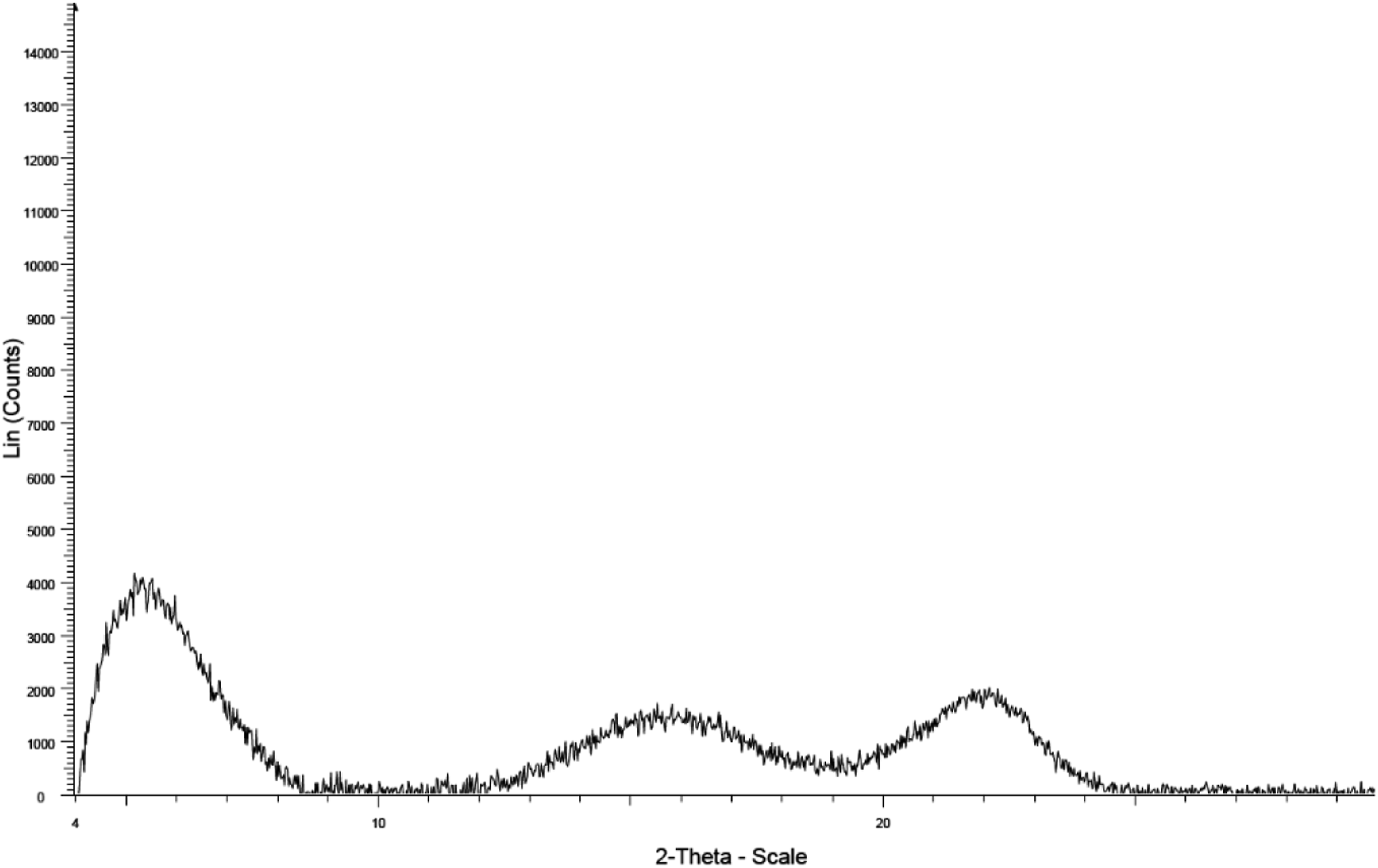
In the present study, the improvement of flexural properties in nanocomposites was attributed to properties such as higher stiffness, higher appearance coefficient and higher interface. The results of this study in relation to flexural properties were consistent with the results of Ghaje Biegloo et al. 21 It should be noted, however, that these researchers used nanographene for polyethylene composites and wood flour. They reported that the addition of nanographene by 0.5% significantly increases the flexural properties of composites. The type of nanocomposite fabrication methods is also important in the interaction of nanographene with composites. In fact, the type of bonding interaction at the separating surface between the nanographene and the polymer matrix has an important effect on the properties of the nanocomposite. Most methods produce nanocomposites that result from non-covalent interactions in which the polymer and nanographene matrices interact with each other through relatively weak forces. 22 As mentioned, due to the addition of nanographene, the flexural properties including flexural modulus and flexural strength increased, which was more in the samples that contained a higher percentage of wood fibers (beech flour). Although the addition of nanographene in these treatments, which had 30% by weight of beech wood fibers, had no significant effect on flexural properties, but their trend was upward. It seems that the increase in strength and flexural modulus of the samples is more dependent on the increase in the percentage of wood fibers than on the percentage of nanographene. Ghaje Biegloo et al. 21 in their study stated that increasing the percentage of composite nanographene to more than 1.5% reduces the flexural properties of the samples. The results of this study showed that the addition of nanographene in samples that had 20% by weight of beech wood in their structure in the amount of 0.5% increases the impact resistance, but when the amount of nanographene in the samples made Increased to 1.5 and 2.5% by weight Impact resistance decreased, which was also statistically significant in the treatment containing 2.5% by weight of nanographene. This trend was slightly different in samples containing 30% beech flour. So that with increasing the percentage of nanographene to 1.5%, the impact resistance increased. When the amount of nanographene was increased to 2.5%, the impact resistance decreased compared to the treatment containing 1.5% graphene (p < .05). However, it was still increased compared to the treatment without nanographene, which was also statistically significant. In fact, the resistance of materials to failure and the onset of cracks and fissures at weak points indicates the impact resistance of the composite. It should be noted that these weaknesses are usually located at the interface between the fibers and the polymer. Increasing the wood fibers in the structure of the composite reduces its impact resistance, which was clearly shown in the present study, so that increasing the percentage of beech flour in the composite building reduced the impact resistance. It hit but it didn’t make sense. In fact, the accumulation of wood fibers in the structure of composite reduces the impact resistance. 23
Reducing the failure area and delamination of impacted composite beams by adding nanoparticles is one of the most important results of nanoparticles on the mechanical properties of composite. 24 In justifying the results of impact resistance due to the high percentage of nanographene can be stated; Decreased impact strength due to the addition of a higher percentage of nanographene can be attributed to the agglomeration of graphene nanoparticles that impose the concentration of severe stresses on the material. In other words, very high stress concentrations can be created at the tips of the cracks, resulting in crack development and reduced impact strength of the composite. In fact, nanographene impose significant constraints on the composite, which does not allow the deformation and energy absorption mechanisms of the material to be activated. In addition, the dispersed layers of nanographene do not activate any other toughness mechanism in the material. Also, the reason for this can be considered in the excessive brittleness of the samples at high weight percentages of nanographene. 25 In this study, we showed that the addition of different levels of nanographene increases the tensile strength of beech flour/polylactic acid composite, which is also statistically significant (p < .05). Our results are consistent with the results of other researchers on the effect of adding nanographene on increasing tensile strength. Abdullah Sani et al. 26 reported that with increasing filler content of nanographene, the tensile performance of 6.6 nanocomposite nylon is significantly increased. They suggested that a small amount of nanographene filler could limit the molecular mobility of the composite, thus reducing its lifetime. Chieng et al. 27 in a comparative study studied the effect of adding graphene and oxidized graphene nanotubes on the tensile strength of poly (lactic acid) and poly (polyethylene-lactic acid) based composites. The results showed that the addition of oxidized graphene to graphene nanotubes increased the tensile strength of the composites under study. In another study, Yahya Dizaj et al. 28 investigated the use of black liquor and nano graphene oxide in urea formaldehyde adhesive to improve the physical and mechanical properties of particle board. The results showed that with increasing the percentage of nano graphene oxide, flexural strength, modulus of elasticity and internal adhesion increased, which is consistent with the results of the present study.
In the present study, differential scanning calorimetry test was used as a suitable tool to evaluate the melting behavior and crystallization of nanographene-polylactic acid-beech wood composite. By adding graphene nanoparticles, the melting temperature of the composites is transferred to higher temperatures. The reason for this can be attributed to the strong interfacial interactions between nanographene and polylactic acid that have formed dense crystalline regions in the polylactic acid substrate. 29 In fact, the proper distribution of graphene nanoparticles as in-polymer enhancers is an essential parameter for achieving improved properties compared to pure polymer. If graphene is properly dispersed within the polymeric base phase and there are strong interactions at the interface between graphene and polylactic acid polymer, the overall properties of the polymer matrix are significantly improved. 30 Results Our study was consistent with the results of Yarahmadi et al. 31 They reported that a change in the heating rate in the non-isothermal differential scanning calorimetry test caused a change in the onset temperature and peak temperature of the exothermic curves, and the reaction heat changed accordingly. The results of X-ray diffraction test showed that for all three treatments there is a similar trend in terms of peak diagram because most of the nanocomposite matrix is made of polylactic acid, so the X-ray diffraction patterns of the samples show a similar trend. In fact, as the concentration of graphene nanoparticles increased, only the peak intensity changed. Probably because the percentage of nanoparticles in the alloys was low, it did not have a similar X-ray diffraction pattern and no sharp peaks. If nanoparticles accumulate in places, they create an X-ray diffraction pattern with sharp peaks. 32 The presence of higher amounts of graphene nanosheets has been able to affect the intensity of the peaks, which is due to the interaction between graphene nanosheets and polylactic acid polymer. In treatment eight, which contains 2.5% of graphene nanoparticles, the peak intensity increase in this diagram is clearly detectable. Because the higher the peak intensity of the approximate angle θ = 5.2, which is related to nanographene, the higher its value in this mixture. According to Bragg’s law, it can be seen that the smaller the peak at an angle, the greater the distance between the plates, so in the present study and in the first peak, which occurred at an angle of 5.5, the distance between graphene nanoparticles was greater than the second and third peaks.
Conclusion
In the present study, a nanocomposite based on nanographene-polylactic acid-beech flour was fabricated and the effect of adding different amounts of nanographene to the composite was investigated. The results of this study showed that the addition of nanographene has a significant effect on mechanical properties including flexural strength, impact resistance, flexural modulus and tensile strength. With the addition of different amounts of nanographene, the mean flexural strength, flexural modulus and tensile strength increased, while little effect was observed for the impact strength of the specimens. Differential scanning calorimetry test showed that by adding graphene nanoparticles, the melting temperature of the composites was transferred to higher temperatures. The reason for this can be attributed to the strong interfacial interactions between nanographene and polylactic acid, which resulted in the formation of dense crystalline regions in the polylactic acid substrate. The X-ray diffraction pattern for the samples obtained from treatments six, seven and eight had a similar trend and was such that it did not have clear and sharp peaks. Therefore, it can be concluded that the spread of nanographene in the substrate has been somewhat uniform. However, if the nanoparticles accumulate in places, they create an X-ray diffraction pattern with sharp peaks. In general, the addition of nanographene to beech wood-polylactic acid composites has improved the mechanical properties and increased the thermal resistance. Also, due to the uniform distribution of nanoparticles in the polymer matrix, a prominent peak was not observed in the X-ray diffraction pattern.
Footnotes
Acknowledgements
This article is taken from Ramtin Ghorbanpour's master thesis entitled the study of the effect of graphene nanofibers on the properties of beech flour/polylactic acid composites. The authors appreciate the Iranian Polymer and Petrochemical Research Institute and the Islamic Azad University, Sari Branch, for providing a platform for research.
Declaration of conflicting interests
The author(s) declared no potential conflicts of interest with respect to the research, authorship, and/or publication of this article.
Funding
The author(s) received no financial support for the research, authorship, and/or publication of this article.
