




Abstract
Polymer nanocomposites consisting of multiwalled carbon nanotubes (MWCNTs), polyaniline (PANI), and polystyrene (PS) were prepared at different MWCNT weight ratios and fixed amount of PANI (0.2 wt%). Impedance, dielectric constant, dielectric loss, and electrical conductivity for these composites were investigated as a function of applied field and MWCNTs content at room temperature. Obtained results indicated that adding 0.2 wt% PANI polymer to MWCNTs-PS system will enhance electrical conductivity and polar character while reduce the percolation threshold from 0.8% to 0.2% MWCNTs of nanocomposites. Relaxation behavior of prepared nanocomposites showed interesting results. In general, impedance results showed that all samples contain capacitor and resistor elements. Increasing of MWCNTs amount will reduce the distance between CNTs–CNTs in the CNTs–polymer network, and the resistor element become more pronounced. Moreover, at high level of MWCNTs content the relaxation behavior is mostly due to conductivity relaxation with single value of relaxation time. The addition of PANI (0.2% PANI) to CNT–polymer or CNT–CNT networks will introduce easy pathway for carriers to transfer through network leading to increase the electrical conduction for composites. Relaxation results indicated that the relaxation behavior of prepared nanocomposite is mostly due to conductivity relaxation above 0.2 wt% nanocomposite.
Introduction
Commercial polymer such as polystyrene (PS) is transparent to visible light and excellent for electrical applications because of its high dielectric strength and high volume resistivity which decreases only slightly as temperature or humidity is increased; hence, PS can be used in electrical insulators and many other industrial applications. 1 –15
Nanofillers such as multiwalled carbon nanotubes (MWCNTs) are well-known as nanofillers with attractive physical properties, hence, they are widely used in neat polymers to produce new nanocomposite polymeric materials with desired properties for industrial applications. 1 –8,12 –14 At the same time, there are many problems faced by researchers on the dispersions of CNTs in the neat polymer to form well dispersed CNTs–polymer nanacomposites with minimum percolation threshold and good interfacial bonding between CNTs–polymer. There are many methods proposed by many research studies to solve such a problem, such as chemical treatments, exposing to ultraviolet (UV)–ozone, ultrasonication, and adsorption with aromatic compounds. 1 –3,16 –25
Generally, the enhancement of electrical conductivity in nanocomposites depend on polymer type, nanofiller type, dispersion, morphology, and so on. 15 Besides, several research works have demonstrated that the addition of an optimum amount of nanofiller such as CNTs greatly enhances the electrical conductivity of nanocomposites. 1 –8,12 –14,16 –25
Results with interesting effects were reported by us on nanocomposites such as PS-MWCNTs, 2,3 PVA-MWCNTs, 1 and P3OT-MWCNTs. 8 Additionally, the dielectric spectra and relaxation processes of different polymers and polymer nanocomposites have been studied before, 1,8,15 but the addition of conducting polymer such as polyaniline (PANI) to the nanocomposite system have not been previously reported.
If an insulating material is exposed to an alternating electric field that is generated by applying a sinusoidal voltage, the displacement polarization leads to electric oscillations. The orientation polarization is not a resonant process, because the molecular dipoles have inertia that will influence the dipole orientation with respect to electric field direction. This process is called “dielectric relaxation.” In general, dielectric spectroscopy is a powerful tool for the electrical characterization of polymer materials, because it is sensitive to dipolar spaces as well as localized charges or ions in a material, it determines their strength, their kinetics, and their interactions. 8,15
For polymeric materials, the loss factor term is a combination of two processes: (a) viscoelastic relaxation due to the dipolar relaxation, where these dipoles are permanent dipoles present on the side chains of the polymer backbone; and (b) conductivity relaxation, this process due to translational diffusion of ions which causes conduction. A. S. Ayesh 15 reported a mathematical procedure in order to resolve the viscoelastic process from the conductivity by taking the inversion value of complex permittivity, *, which is equal to complex electric modulus, M*:



where ε′: permittivity, ε″: dielectric loss, M′: electric modulus, and M″: electric loss modulus. Large differences between the properties of viscoelastic relaxations and the properties of conductivity relaxations are present in the polymers. Viscoelastic relaxations exhibit a distribution of relaxation times, while conductivity relaxations have only single relaxation time and it corresponds to the Debye model. 8,15
In the present work, the effects of MWCNTs loadings on the dielectric properties of PANI-PS nanocomposites such as conductivity, permittivity, dielectric relaxation time, and dielectric relaxation process in addition to the percolation threshold are reported.
Experimental
Materials and samples preparation
PANI was obtained from Segma Aldrich Co. MWCNTs with purity > 95%, outside diameter (OD) < 8 nm, and length ≈ 30 μm were obtained from Chengdu Organic Chemicals Co. Ltd., Chinese Academy of Sciences. Polystyrene (PS, mol. wt = 11,000 g mol−1) was kindly provided by Saudi Basic Industries Corporation (SABIC, AL-Jubel, KSA) with a brand name of PS 126. PANI was firstly treated with H2SO4 acid and MWCNTs was functionalized with Ultraviolet -ozone (UVO), 1 to improve their dispersion in the neat polymer. Different weight ratios of treated MWCNTs were ultrasonicated together with PANI (0.2 wt%) in chloroform solvent for 5 min using Heilscher Ultrasonic Processor (Germany) at an amplitude of 85% and cycle of 0.5. PS was then dissolved in the previous solution that contains (0, 0.2, 0.4, 0.6, 0.8, 1.0, and 2.0 wt%) MWCNTs and 0.2 wt% PANI. All components were ultrasonicated again at the same conditions for 24 h. A casting technique was used to prepare the composites. The mixture was casted into a glass petri dish (diameter of 15 cm). The obtained composite films were dried at room temperature for 24 h. The thickness of the resulting composite films was 0.1 mm. Additionally, the conformation of the used functionalized MWCNTs through Fourier transform infrared was reported and discussed elsewhere. 1
Electrical measurements
Electrical measurements with alternate current (AC)-applied electric fields were performed using 4200-SCS Semiconductor Characterization System (KEITHLEY Co., Cleveland, OH, USA). Samples were shaped into circular discs of area 1.2 cm2 and thickness of 0.1 mm. The AC electrical parameters such as relative permittivity (ε′), dielectric loss (ε″), and AC conductivity (σAC) where determined from measured impedance (Z) and phase angle (Θ) 2,5,3 at room temperature and frequency range of 1 kHz to 10 MHz.
Results and discussion
The electrical results of prepared nanocomposites were measured at room temperature in frequency range of 1 kHz to 10 MHz. The obtained results are presented graphically in Figures (1) to (7). Generally, results indicate the existence of capacitor element in all samples and the resistance element become the major one at high level of MWCNTs content. Besides dialectical results in Figures (3) to (5) reveal that the polar character of samples increases with multi workers nanotubes; moreover, MWCNTs enhance the electrical conductivity of the prepared samples, as shown in Figure (6).
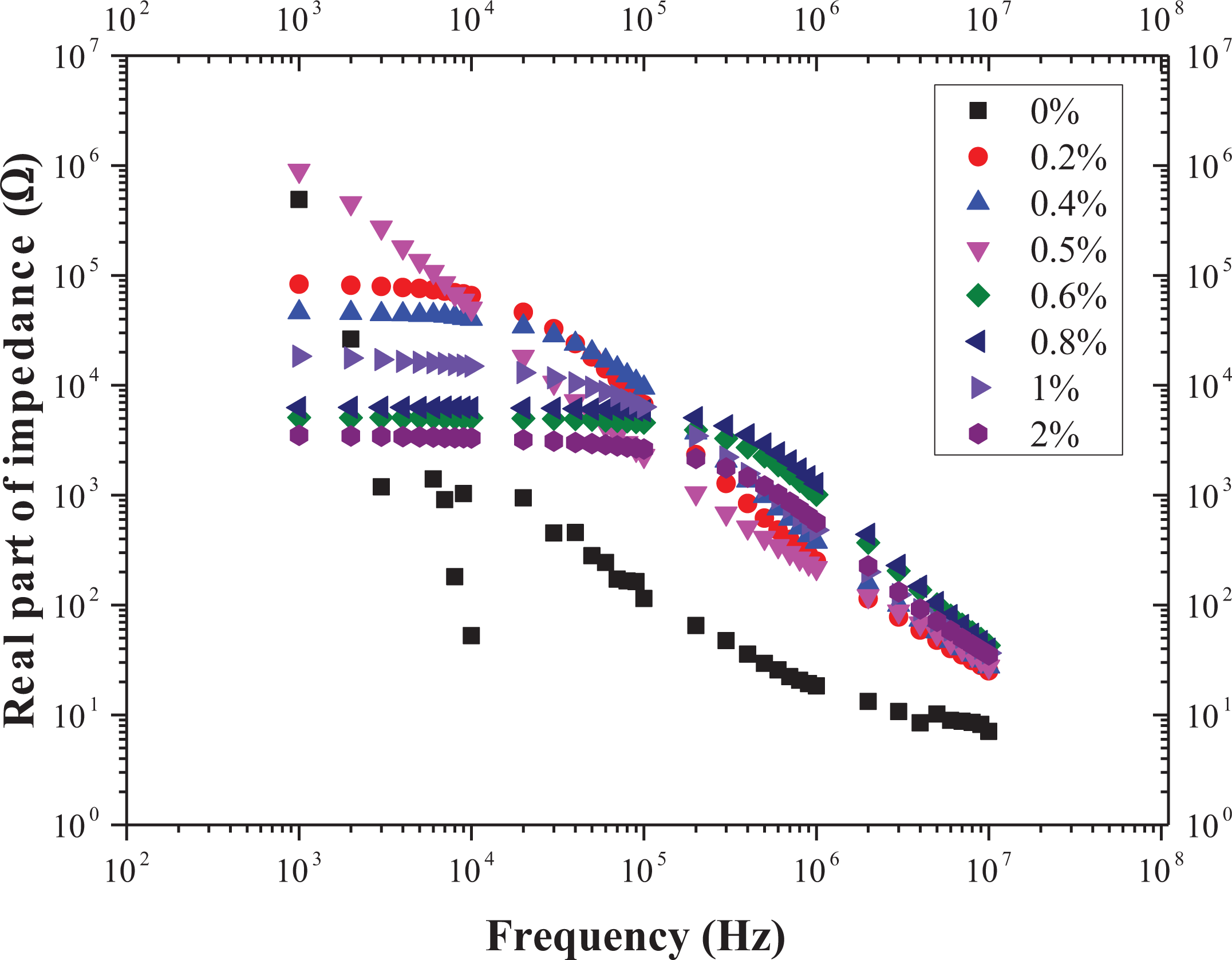
Real part of impedance versus applied frequency for prepared nanocomposites.
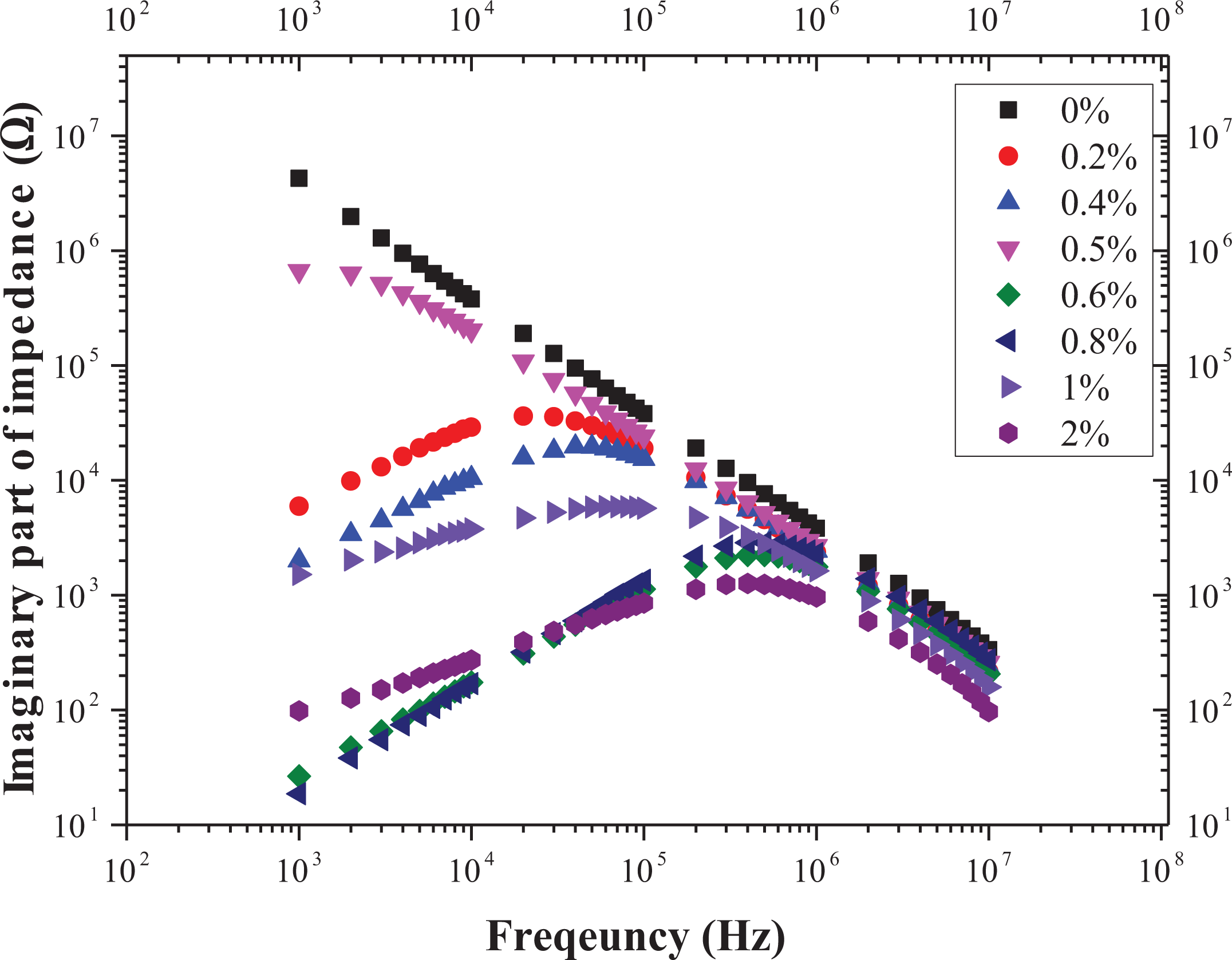
Imaginary part of impedance versus applied frequency for prepared nanocomposites.
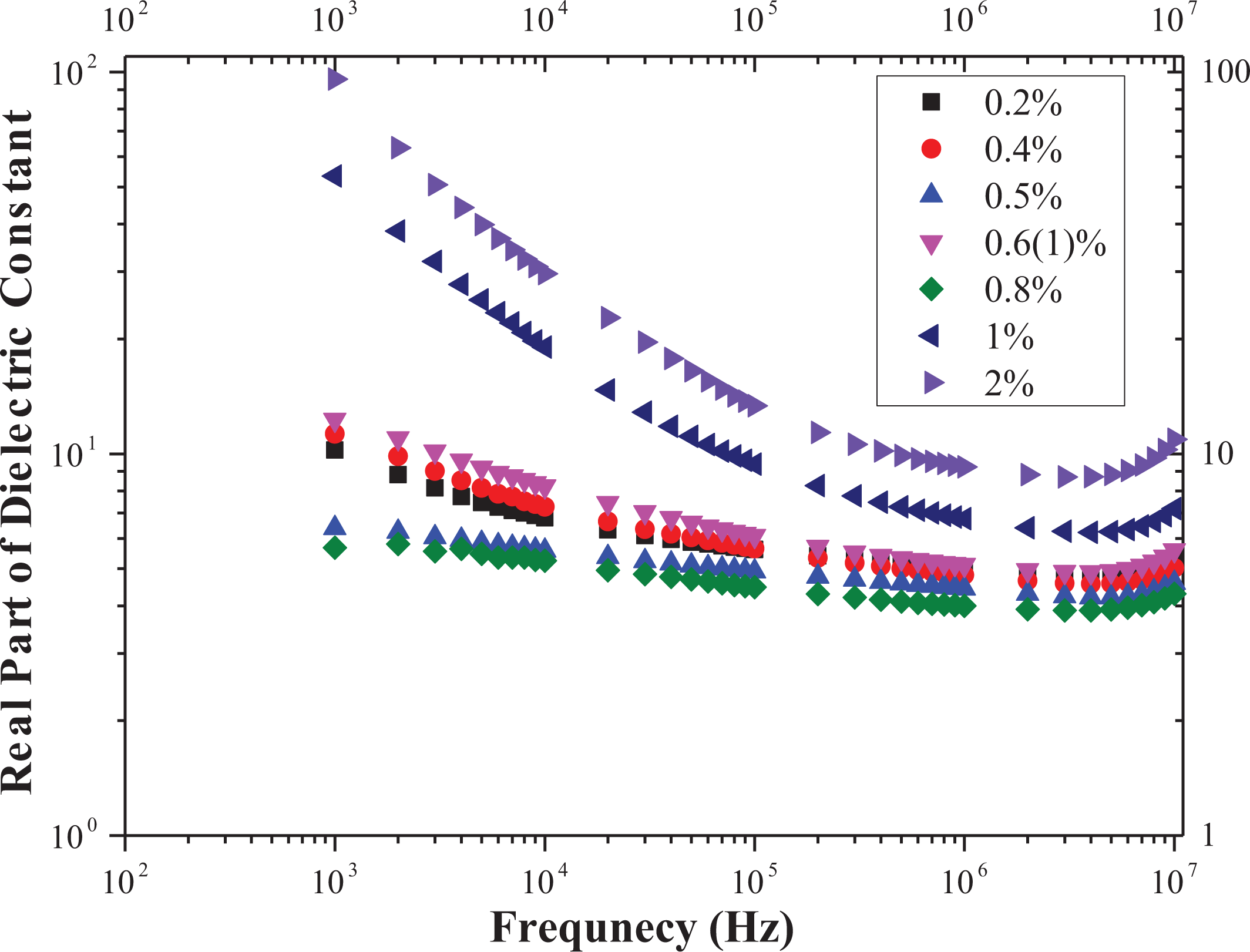
Variation of real part dielectric constant with applied frequency for prepared nanocomposites.
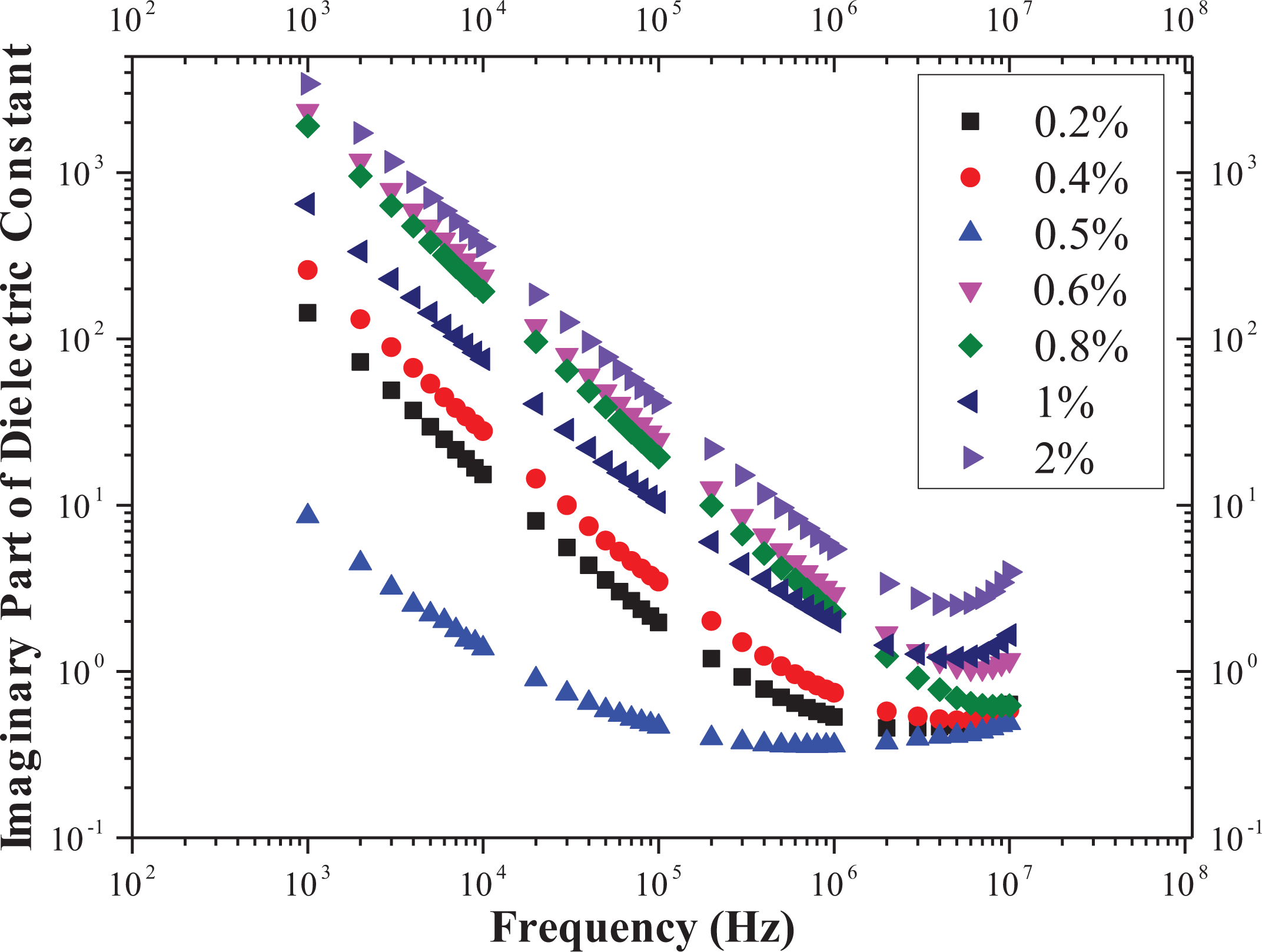
Variation of imaginary part dielectric constant with applied frequency for prepared nanocomposites.
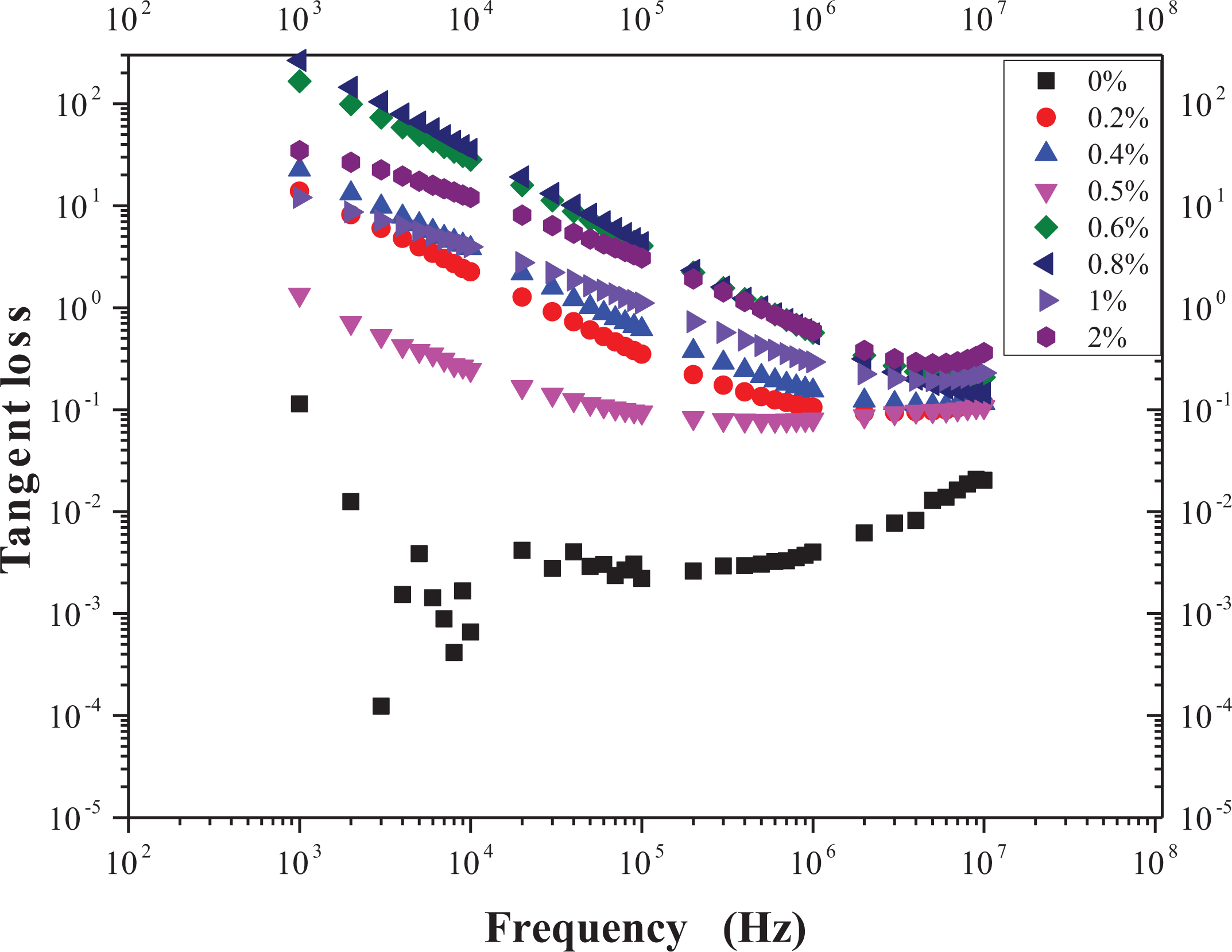
Tangent loss as a function of applied frequency for prepared nanocomposites.
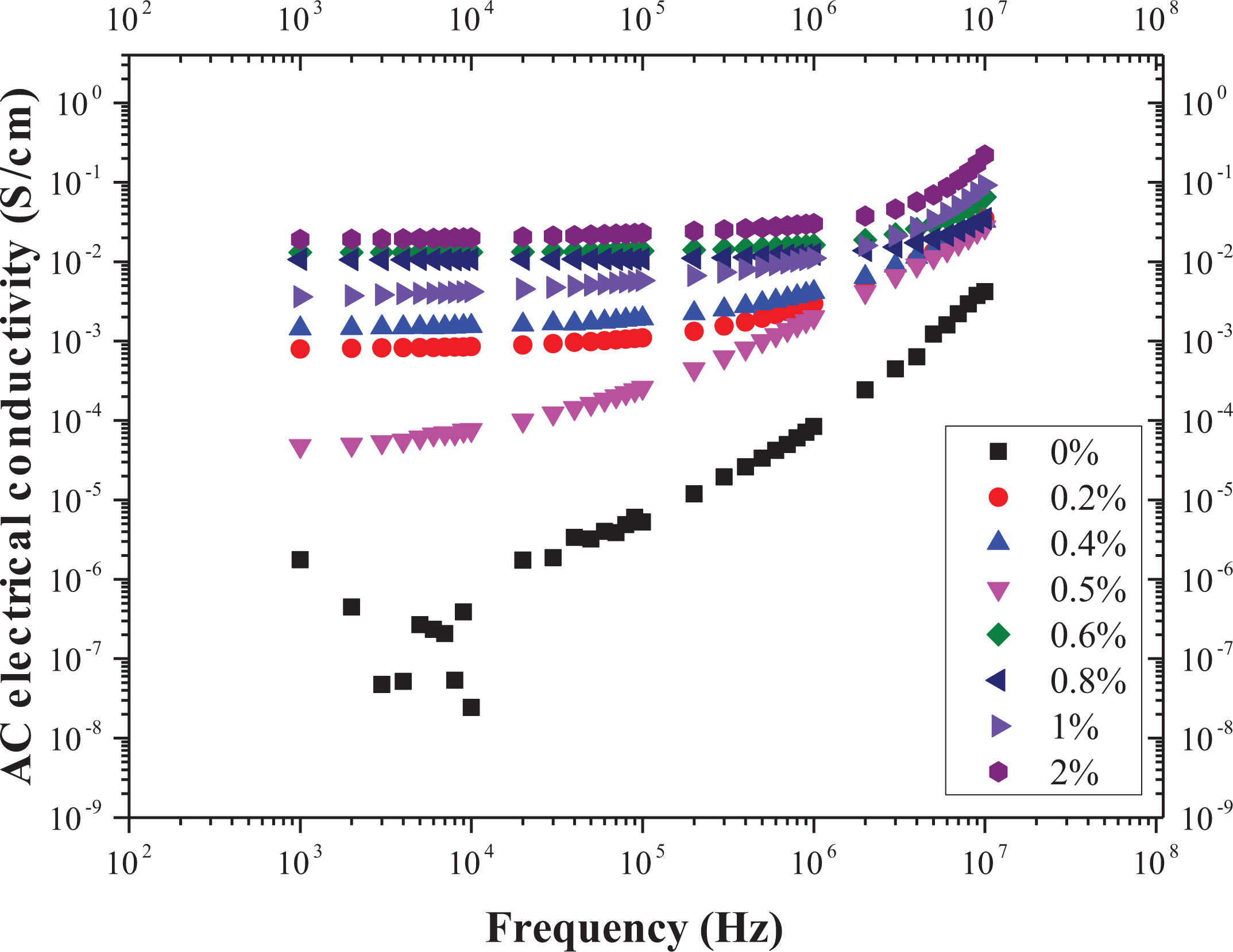
AC electrical conductivity versus applied frequency for prepared nanocomposites. AC: alternate current.
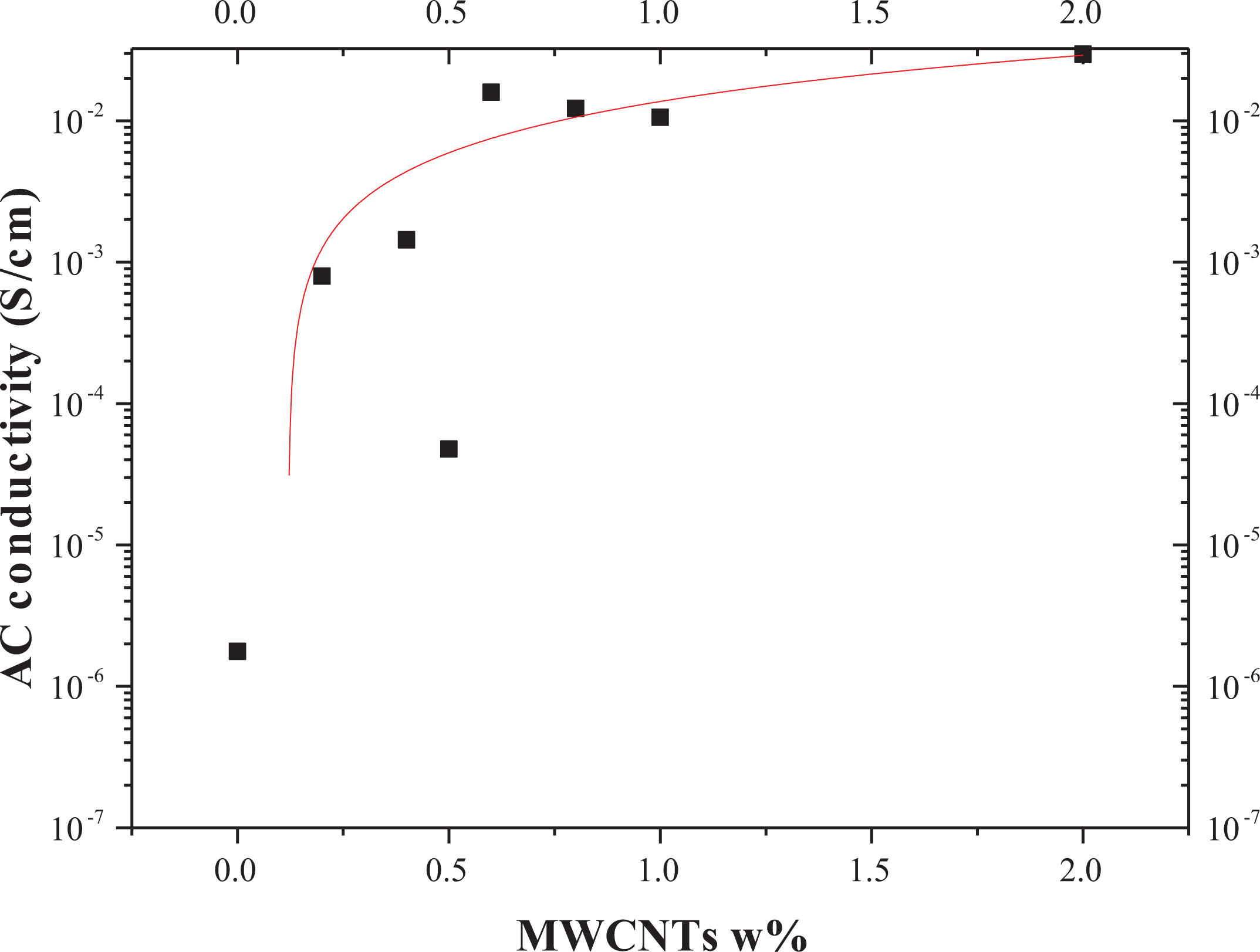
Dependence of AC conductivity on MWCNTs weight fraction at 1 kHz. AC: alternate current; MWCNTs: multiwalled carbon nanotubes.
The formation of MWCNTs-PANI-PS network can be realized in Figure (7), which shows the variation of AC electrical conductivity with MWCNTs at 1 kHz. It is clear that the percolation threshold of prepared nanocomposite is around 0.2 wt% MWCNTs, which means that the network is established above the percolation threshold. However, the obtained percolation threshold is less than those results obtained in the previous work. 2 The obtained results are in a good agreement with those obtained in scanning electron microscope (SEM) part.
However, dielectric results of the prepared samples of MWCNTs–polymer nanocomposites show similar behavior in comparison with those obtained previously (1–3), and the details of dielectric behavior were reported.
Relaxation behavior
To investigate the relaxation behavior of prepared samples, impedance results were resolved to real part (z′) and imaginary part (Z″). 2,3,21,25,26 The cole–cole draw of the prepared samples is shown in Figure (8). It is well-known that if the cole–cole draw has a semicircular behavior, then the relaxation is due to conductivity relaxation (or Debye relaxation), if not, then the behavior is due to viscoelastic relaxation (non-Debye relaxation). 9,15,22
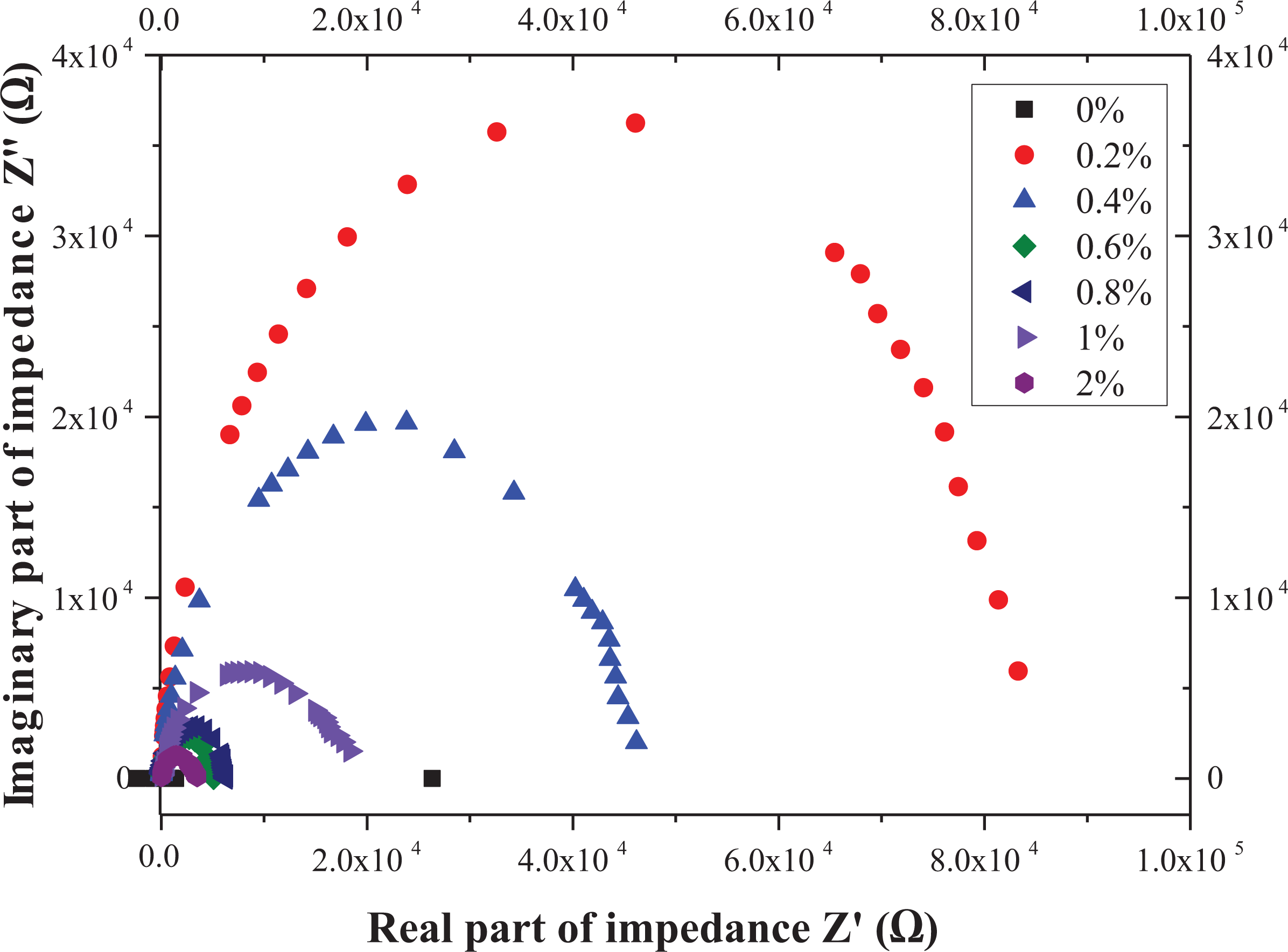
Cole–cole draw of impedance for prepared nanocomposites.
Results reveal that the relaxation appears as conductivity relaxation is above 0.2 wt%, while below this range the relaxation behavior is mostly due to viscoelastic relaxation. Also, the electrical modulus (M) was considered and calculated. 15 It was reported 15 that if the slope value in the log M′ versus log F is equal to one, then relaxation behavior is due to conductivity relaxation, if not then the case is due to viscoelastic relaxation. Apparently, Figure (9) indicates that the relaxation of 1 wt% nanocomposite is due to conductivity relaxation. These results are, however, in a good agreement with the previous results related to cole–cole results.
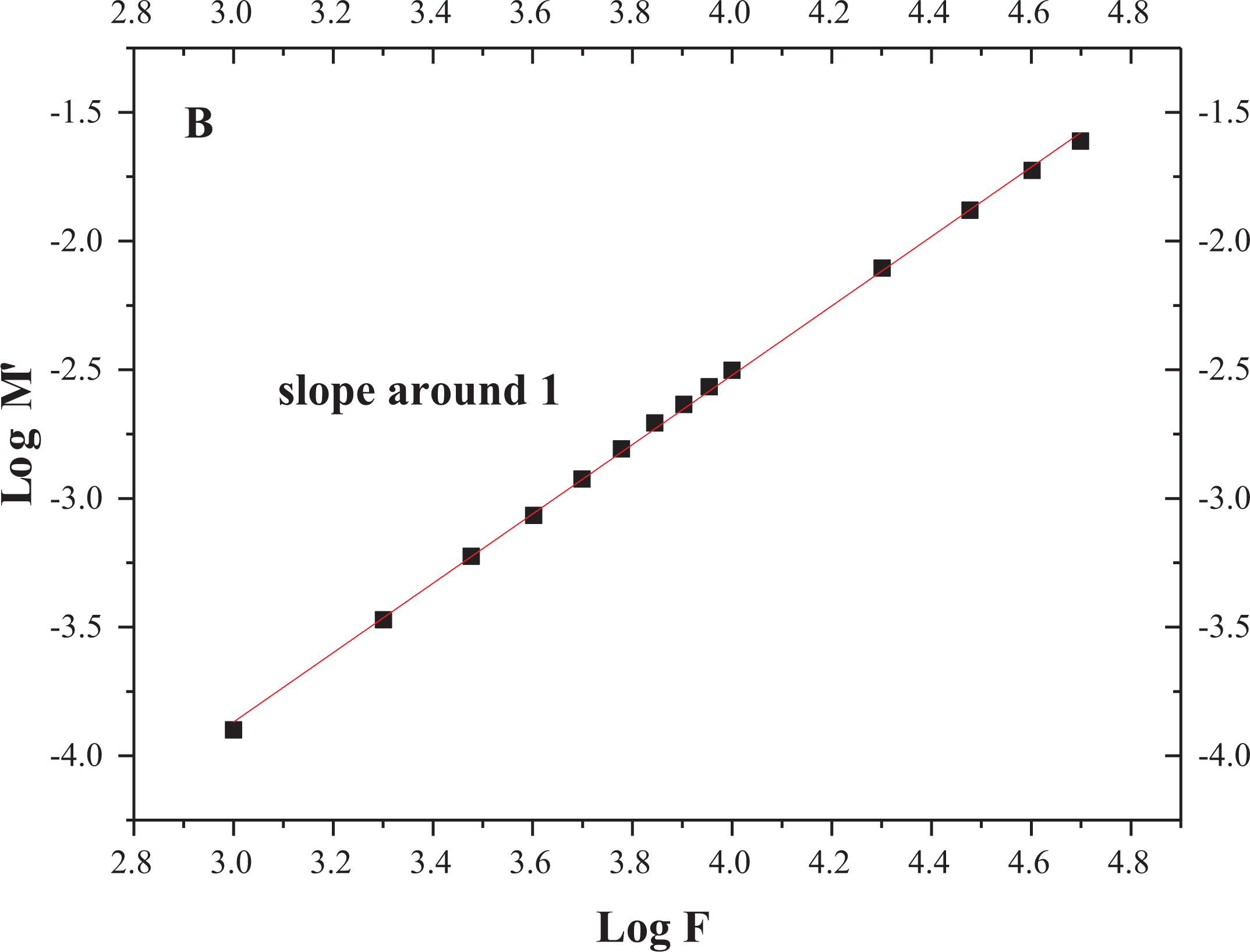
Log M′ versus log F for 1 wt% MWCNTs-PANI-PS nanocomposites. MWCNTs: multiwalled carbon nanotubes; PANI: polyaniline; PS: polystyrene.
Conclusions
Nanocomposites consisting of MWCNTs, PANI, and PS were prepared at different MWCNTs weigh fraction and fixed amount of PANI (0.2 wt%) to investigate the effect of PANI addition on the dielectric relaxation behavior and electrical properties of these composites. Dielectric results indicated that adding 0.2 wt% PANI polymer to MWCNTs-PS system will enhance electrical conductivity and polar character, while reduce the percolation threshold from 0.8% to 0.2% MWCNTs of nanocomposites. Impedance results showed that all samples contain capacitor and resistor elements and the increase of MWCNTs amount will reduce the distance between CNTs-CNTs in the CNTs-polymer network, and the resistor element become more pronounced. Results from relaxation behavior of prepared nanocomposites showed that at high level of MWCNTs content, the relaxation behavior is mostly due to conductivity relaxation with single value of relaxation time. The addition of 0.2 wt% PANI to CNT–polymer or CNT-CNT networks will introduce easy pathway for carriers to transfer through network leading to increase the electrical conduction for composites. Finally, the relaxation behavior of prepared nanocomposite is due to conductivity relaxation above 0.2 wt% nanocomposite.
Footnotes
Acknowledgement
The author would like to thank Prof. Ayman Ayesh for his help during all stages of this research.
Funding
The author(s) received no financial support for the research, authorship, and/or publication of this article.