



Abstract
This article is concerned with the effects of the silane surface treatment of silicon dioxide (SiO2) on the tribological properties of the SiO2-reinforced polymethyl methacrylate (PMMA) (SiO2/PMMA) composites filled with carbon fiber (CF). Silane treatment and CF bring positive effect to improve friction reduction and antiwear properties of SiO2/PMMA composites. Fourier transform infrared analysis shows that SiO2 has been oxidized and etched by silane treatment. The presence of active groups increases the polarity of SiO2, and so the bonding property between the particle and the matrix improves. The scanning electron microscopy (SEM) observation revealed that this hybrid reinforcement could be interpreted in terms of a positive rolling effect of the particles between the two sliding surfaces, which protected the short CFs from being pulled out of the PMMA matrix.
Keywords
Introduction
Polymers and polymer–matrix composites have been found to have great potential in industry as a class of important triboengineering materials. 1 –4 Polymer composites containing different fillers and/or reinforcements are frequently used for these purposes. Among the ingredients currently available for friction materials, the polymer–matrix and filled fibers play a crucial role in determining the friction and wear performance of the materials. 5,6
Polymethyl methacrylate (PMMA) is one of the most commonly used thermoplastic polymers. PMMA has several desirable properties, including exceptional optical clarity, biocompatibility, good weatherability, high strength, and excellent dimensional stability. It can also be processed at the microscale and nanoscale by lithography (deep ultraviolet and electron beam) and replication technologies (injection molding and hot embossing) and has applications in microoptical and microfluidic devices. However, its poor heat resistance, brittleness, and stress cracking limit its application. 7 In addition to traditional lubricants, nanoparticles have been found to be promising in improving the tribological properties of polymer composites. 8 The commonly used nanofillers in plastics are carbon nanomaterials, 9 –11 layered clay minerals, and nanoparticles of metals or their organic and inorganic compounds. On the other hand, better adhesion between polymer and nanoparticles is expected due to the high surface area of the nanoparticles. 12 Carbon fiber (CF) reinforcement dominates in high-performance applications due to its outstanding mechanical properties combined with low weight. 13 Nanosilicon dioxide (nano-SiO2) particles are usually chosen as stabilizers because these particles have high surface activity and can be functionalized to form a functional shell for the core–shell-structured composites. Their application is now mainly focused on the improvement of mechanical and tribological properties. 14,15
The aim of this work is not only studying the effect of air silane treatment on the surfaces of SiO2 but also investigating the effect of the nature of SiO2 on the wear resistance of the composites.
Experimental
Materials
SiO2 was purchased from the Great Lakes Company (Shanghai, China). Nano-SiO2 with an average diameter of 40 nm was applied as additional reinforcement. Polyacrylonitrile-based CF was selected as the reinforcement. The average diameter of the fibers was 6 μm.
PMMA (GUJPOL-P, 876G), with a melt flow index of 6 g/10 min and density of 1.19 g cm−3, and polyurethane (density1.109g cm−3) were supplied by M/s Gujarat State Fertilizers Company Ltd (Vadodara, Gujarat, India) and M/s Exxon Mobil Chemicals Ltd (Irving, Texas, USA), respectively.
Specimen preparation
Silane (KH550) was dissolved in ethanol before use. The particles of nano-SiO2 were dispersed in ethanol and subjected to ultrasonic agitation for 15 min; the silane solution was then introduced and the ultrasonic treatment continued for 1 h.
Preparation of blends
The polymers were predried in an air-circulating oven at 80°C for 4 h and mixed physically for 2 min prior to blending. Blending of the polymers in different proportions, namely, 95/05, 90/10, 85/15, and 80/20 by weight percentage of PMMA/CF was carried out by using 17.5-mm diameter twin-screw corotating extruder (model no. 9000, HAAKE Rheocord, Germany) having length/diameter ratio of 1:18 in the temperature range 150–200°C at 80 r min−1 just after the physical premixing by tumbling action. The resulting blends were subjected again to predrying conditions before molding into the appropriate specimens for tensile and abrasive test specimens as per the standard specifications by injection molding in Engel (Austria; type: ES330/80 HLS), computerized injection molding machine, set at 80 T.
FTIR analysis
The chemical changes occurring on the SiO2 after air silane treatment were determined by Fourier transform infrared (FTIR) spectroscopy.
Friction and wear test
Friction and wear experiments were run in a ring-block wear tester (MRH-3, Jinan, China). The diameter and width of the rings were 40 and 10 mm, respectively, with a sliding velocity of 0.42 m s−1. The test was carried out under dry sliding conditions with 50, 100, 150, 200, and 250 N normal load for 2 h. The surfaces of the block and the steel ring were cleaned with soft paper soaked in acetone and dried prior to each test. Each friction and wear test was performed for 60 min. After the test was finished, the block specimen was cleaned again with acetone and dried for measurement. The friction force was measured from the output of a strain mounted on a vertical arm that carried the block. Each sliding test was repeated three times, and the plotting values were the average of the three experimental values. The worn surfaces of the PMMA and its composites were studied using a JSM-5600 scanning electron microscope (SEM; JEOL, Japan).
Results and discussions
FTIR analysis
So as to investigate the possible change of chemical composition of the SiO2 bombarded with air silane at 50 W for 15 min, FTIR spectroscopy measurements in the mid-infrared (4000–400 cm−1) were performed. FTIR spectra were recorded on powder samples, which were obtained from SiO2 dispersed in dry potassium bromide using Bruker IFS/66v (Billerica, Massachusetts, USA). As shown in Figure 1, the stretching vibrations at 1550 and 2300 cm−1 in silane-treated SiO2 decreased in comparison with untreated fiber. It proved that the sizing agent on the original SiO2 had been cleaned as it was bombarded with air silane. At the same time, the stretching vibration at 1091 and 163 cm–1 had a higher intensity in silane-treated SiO2 compared with untreated one, which indicated that SiO2 had been etched by air silane treatment. As a result, we can infer that SiO2 has been cleaned and oxidized by silane treatment, which caused many active chemical groups produced on the surface of SiO2. The presence of active groups increased the polarity of the fiber, and so the bond property between the particle and matrix is improved.
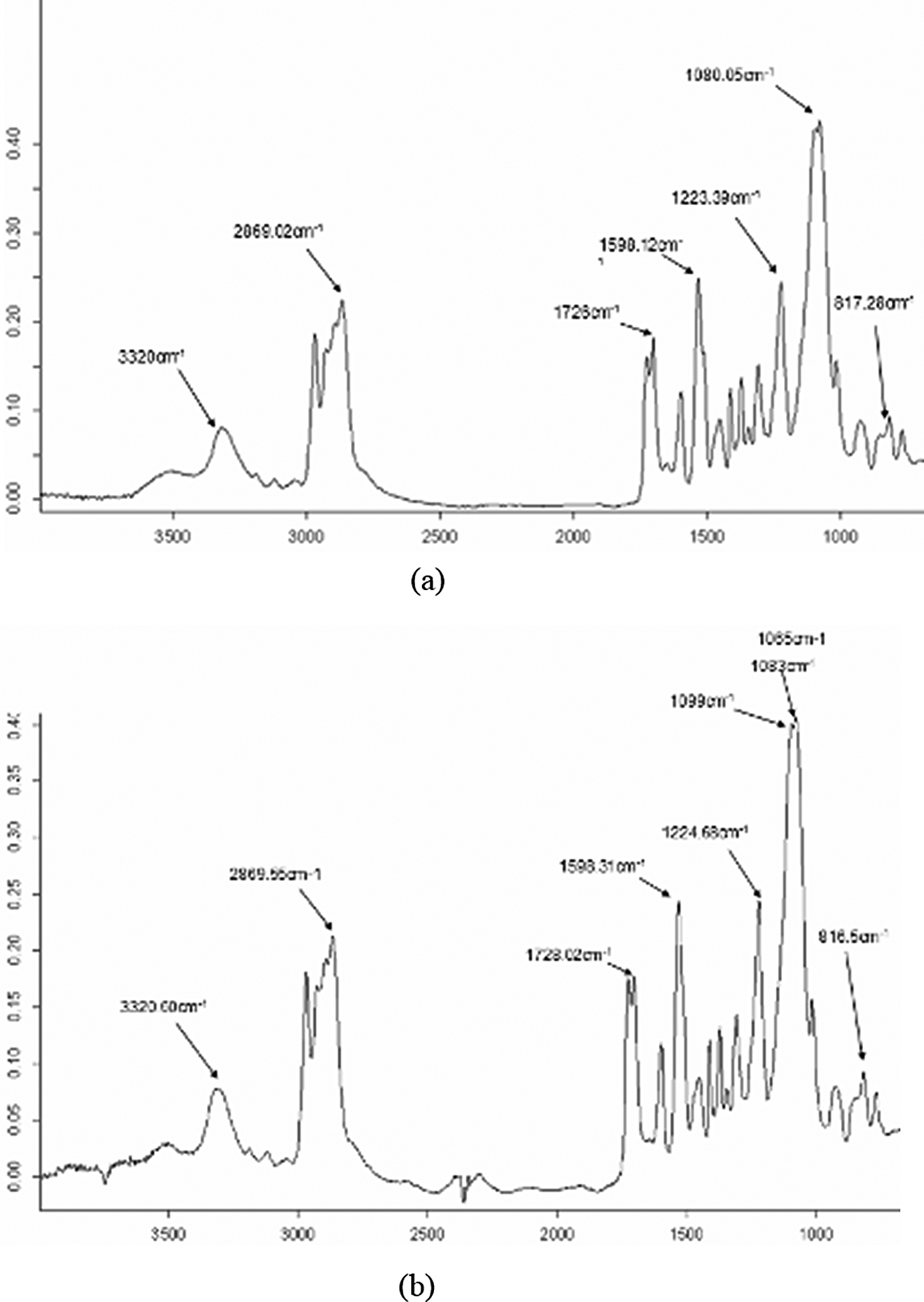
FTIR spectra of SiO2. FTIR: Fourier transform infrared; SiO2: silicon dioxide.
The effect of load on friction coefficient of the PMMA composite under dry sliding is shown in Figure 4. With increasing loading on composites, the friction coefficient appeared an obvious decrease in all kinds of PMMA composite, which was due to the chemical reaction resulting in surface softening. At the same load of 200 N, silane had an effect on the PMMA composite filled with CF, which showed the lowest friction coefficient. However, to some extent, CF and silane for the influence of reducing friction coefficient gradually began to abate. So it was worthwhile further researching for how much load was suitable for effective friction coefficient of composites.
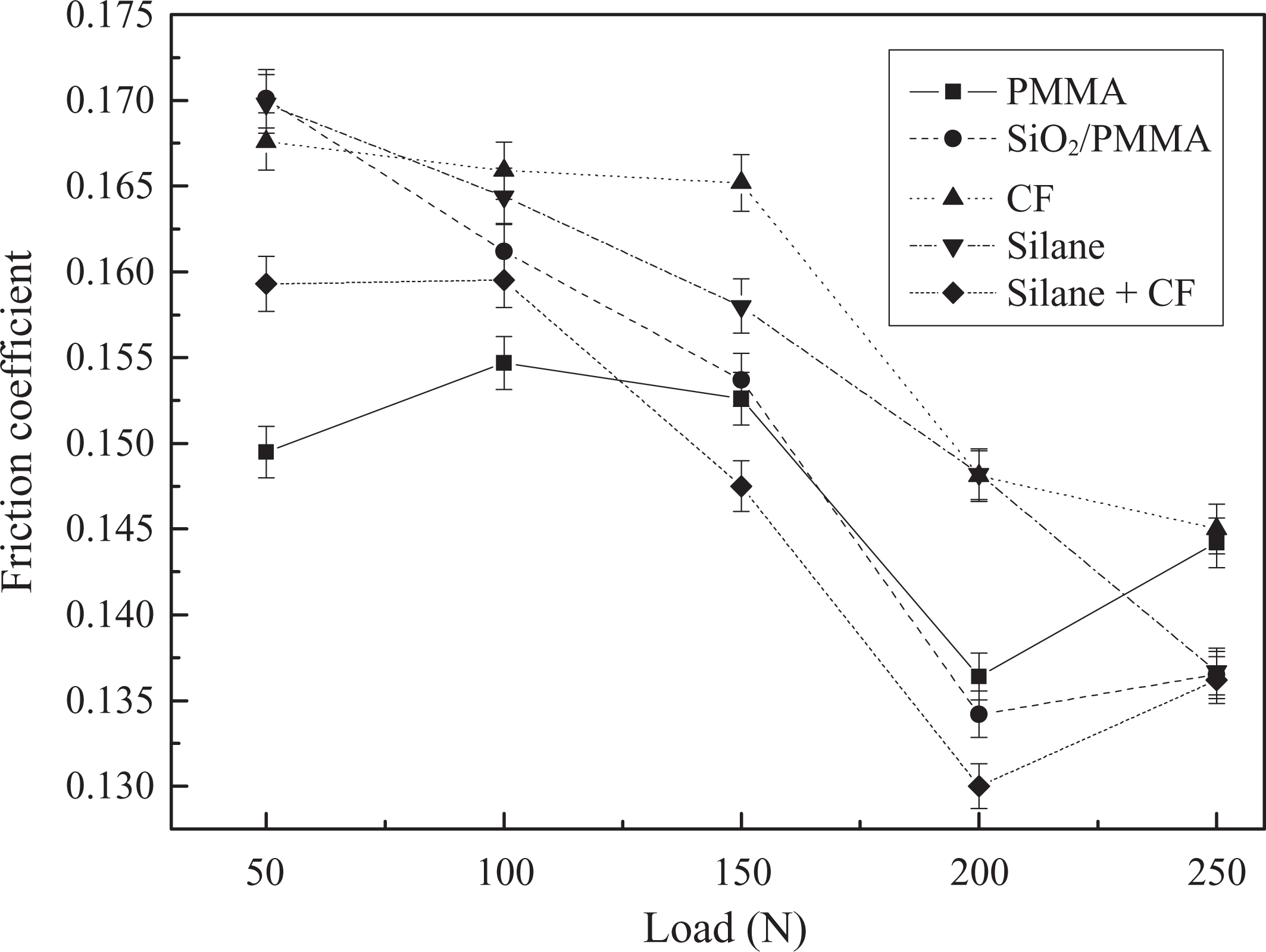
The effect of load on friction coefficient of the PMMA composite. PMMA: polymethyl methacrylate.
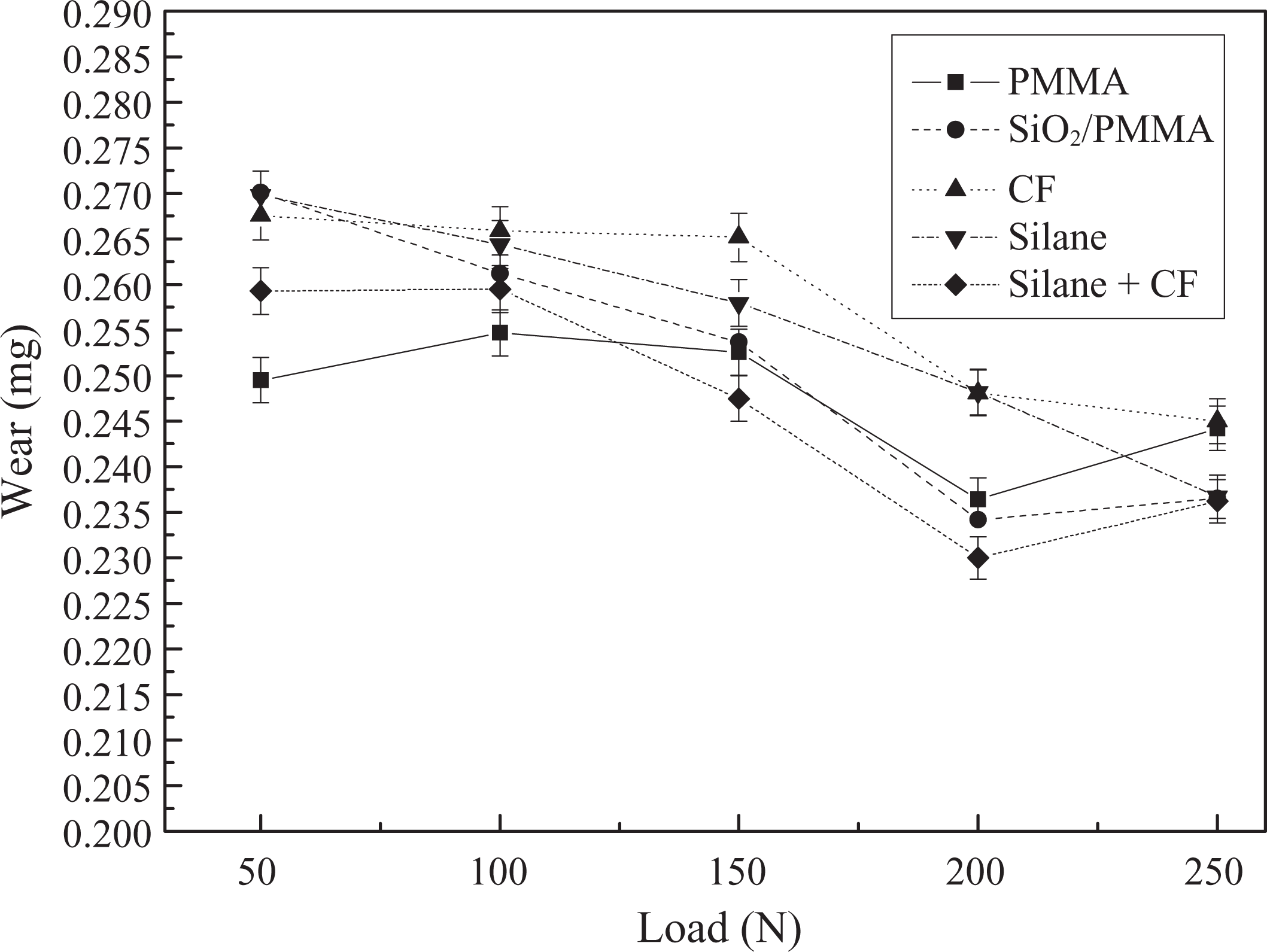
Wear rate of the different PMMA samples. PMMA: polymethyl methacrylate.
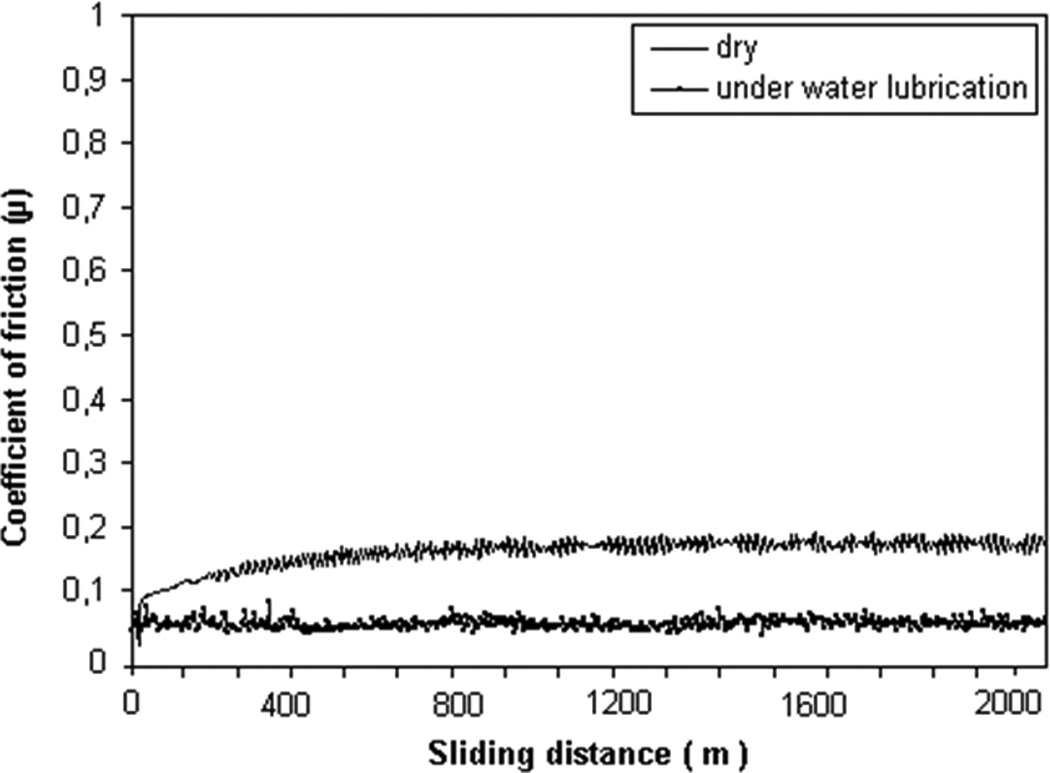
Variation of friction coefficient with sliding distance.
It can be seen from Figures 2 and 3 that the 10 wt% nano-SiO2 composite showed the lowest wear rate and friction coefficient, while the pure PMMA specimens exhibited the highest wear rate and friction coefficient among all samples Interestingly, silane-treated SiO2 composite exhibited lower friction coefficient and wear rate than CF-filled composite. This behavior was attributed to the presence of the nano-SiO2 particulates, which acted as effective barriers to prevent large-scale fragmentation of PMMA. Increasing the percentage of the nano-SiO2 particulates in PMMA increased the hardness and strength of composites, and consequently, decreased the real contact area of the pair, that is, decreased the friction force. When CF was added, friction coefficient and wear rate of composite increased compared to that without CF. This may be that the nano-SiO2 particulates stuck together and formed agglomerates in the size of several microns, as shown in Figure 5. As mentioned above, CF has good lubrication; so it greatly improves the friction coefficient of composites.
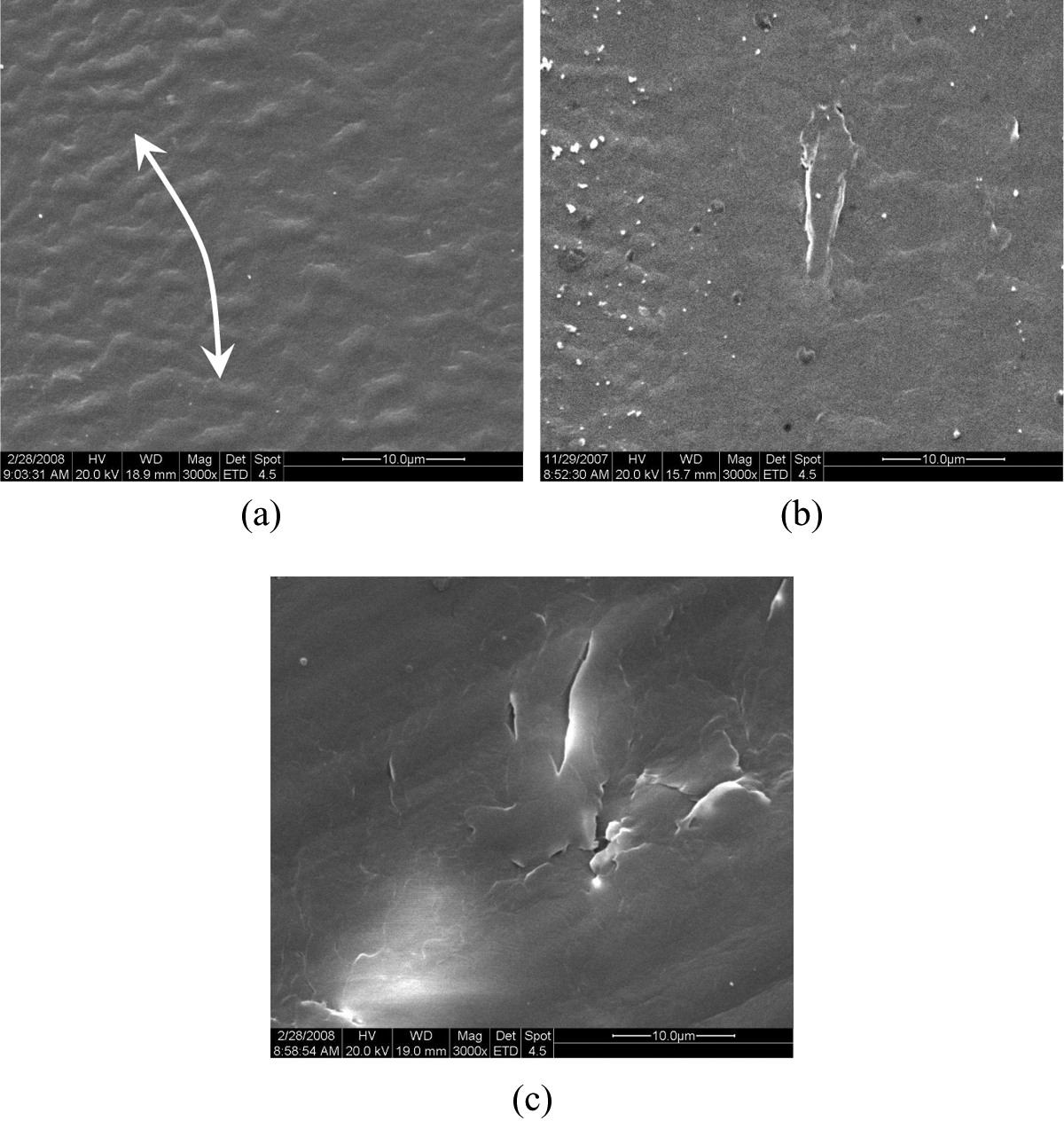
SEM micrographs of the worn surface. SEM: scanning electron microscopy.
Figure 3 illustrates the wear rate of the different PMMA samples. The wear rate of the pure PMMA was the highest dry sliding conditions. In contrast, the CF powder in PMMA surface spread and resulted in the lowest specific wear rate. It is seen that the wear rate of silane-treated SiO2/PMMA composite was reduced by about an order of magnitude by incorporation of CF. In general, it was found that the higher the particle size, the lower the wear rate. The reason for this could be the presence of an excessive amount of nano-SiO2 particles in PMMA, which have decreased mechanical strength and shear deformation of the composite surface. The nano-SiO2 were rubbed and damaged, and the surface features were different from those observed in dry conditions, where the worn surface was severely plowed and deformed.
Figure 4 shows the variation of friction coefficient with sliding distance. It was observed that the initial friction coefficient of all materials is relatively low, but it increased rapidly to maximum points and decreased rapidly within short sliding distance, followed by a relatively steady-stage sliding until the friction coefficient remained unchanged due to the formation of the steady transfer films between contact surfaces of friction pair during the repetitive sliding action.
Figure 5 shows the SEM micrographs of the worn surface of s under 200 N pressure and at 0.42 m/s speed. Plowing of the wear tracks and significant damage due to peeling/pitting of the matrix material are clearly observed in Figure 5(a), which suggests that the wear process is governed by plastic deformation and adhesion friction mechanism. In this case, the polymer generally obtains a high wear mass depending on the original roughness of the harder counterpart and the contact pressure. The wear debris of PMMA found in the experiments was not like small particles but instead was in the form of large slices after 30–35 min, and the PMMA matrix was plowed and extruded from the frictional surface under high loads. A rough surface topography and viscous flow of PMMA were observed in a micron scale due to the continuous sliding (mechanical action) and high heat generation during sliding in real contact area. The surface showed accumulation of worn material in the wear track in the form of lumps.
It is clear that shearing in the composite surfaces was greatly reduced. The surface became much smoother with reduced broken fibers and removal due to the reduction of the frictional coefficient, once the nanoparticles commence to function. Only a few sheared layers appeared to have been separated from the polymer matrix.
It was seen that after sliding, PMMA was characterized by the pulling out and exposure of SiO2 (Figure 5(a)), which indicated the PMMA experiences severe damage. With the silane-treated SiO2 composites (Figure 5(b)), there were relatively fewer SiO2 pulled out and cut from the composites in the worn surface. This indirectly indicated that the silane treatment could strengthen the interface adhesion between the SiO2 and adhesive and hence to improve the friction reduction and antiwear ability of the composites.
Besides chemical interactions, the SiO2 interfacial behavior should also result from morphological changes in the PMMA brought about the silane treatment. A clear increase in surface roughness could be observed after silane treatment (Figure 5(b)), with some small globular-like microstructures substituting the smooth surfaces presenting on the fresh fiber (Figure 5(a)). This should enhance the mechanical interlocking of the resin on the fibers’ surface.
Unlike the case of the nano-SiO2 reinforcement, the worn surface of the composite revealed evident traces of microcutting, microplowing wear, and much wear-particle accumulation. The worn surface morphologies as shown in Figure 5(c) exhibited sharp contrast between the composites with and without treatment. The compositions and surface properties of SiO2 after being bombarded with silane had been changed. Some active groups were introduced on the surface of SiO2, coupled with an increase in the surface roughness, which enhanced the adhesion between SiO2 and PMMA adhesive. As a result, the modified composite adhered had been significantly improved after the SiO2 were bombarded with silane under a certain condition.
Conclusions
The silane surface treatment of SiO2 and CF brings positive effect to improve friction reduction and antiwear property of SiO2/PMMA composites. The presence of active groups increased the polarity of the fiber, and so the bond property between the particle and matrix improved. With increasing loading on composites, the friction coefficient showed an obvious decrease in all kinds of PMMA composite, which was due to the chemical reaction resulting in surface softening. The presence of an excessive amount of nano-SiO2 particles in PMMA decreases mechanical strength and shear deformation of the composite surface. At the same load, silane had an effect on the PMMA composite filled with CF, which showed the lowest friction coefficient.
Footnotes
Declaration of Conflicting Interests
The author(s) declared no potential conflicts of interest with respect to the research, authorship, and/or publication of this article.
Funding
The author(s) received no financial support for the research, authorship, and/or publication of this article.