




Abstract
The physical properties of polystyrene composites containing different concentrations of iron (0, 5, 10, 20 and 30 wt.%) were studied as a function of ultraviolet (UV) wavelength, iron concentration, temperature, and applied field frequency. The absorption spectra were collected using the UV-spectrophotometry, and the electrical results were determined using the alternating current (AC) impedance method. Analysis of the optical absorption spectra results showed that the transition of energy electrons is direct in k-space and the optical energy gap decreases with iron content. The impedance was measured in the frequency range 50 kHz–1 MHz and temperature range 30–110 C. It was found that the dielectric constant and the dielectric loss of the composites increase with iron concentration and decrease with the applied frequency. The AC conductivity of the composites increases with frequency, temperature, and iron concentration. The low value of the activation energies indicates that the composite of 30 wt.% of iron nearly becomes a conductive material.
Introduction
Polymer composites have recently received a considerable amount of scientific and technological interests, because their properties can be controlled by choosing the adequate filling particles, their size, concentrations, and synthesis conditions.
Conductive polymer composites are, as a rule, strongly disordered systems. These composites have several advantages over the conventional conductive materials, including processability, flexibility, light weight, and ability to absorb mechanical shocks. 1–3
In recent years, considerable research has been conducted to modify the mechanical, electrical, thermal, and optical properties of polymer composites containing metallic fillers to meet specific technical and industrial applications. Much attention is currently focused on obtaining new structural components to be used in electrical conduction, thermal insulation, and electromagnetic shielding. In some areas of technological demands, the size or geometrical effect plays an important role in the characterization of the physical properties of solid state materials. The property characterization of polymer composites is extremely important not only for scientific knowledge but also for modern and advanced technological applications. Characterization of the optoelectrical properties of metallic composites is very important for modern technological applications, since they are used in the production of many optical devices and electronics components. 4–6
The optical properties can be affected by the composite morphology and crystal nucleating at the particles interfaces, and thus a composite with different light scattering and transmittance can be developed. Actually, one important step in designing and tailoring new optical properties of a particulate composite may be achieved by changing the filler particle size and distribution. The metallic particulate composite materials are used in a wide range of technical devices as waveguide sensors and other optical components. 7–9
The aim of the present study is to investigate the optical absorption and alternating current (AC) electrical properties of conductive polymer composites consisting of polystyrene (PS) matrix filled with iron particles of the average size of 100 μm. The effects of the temperature, applied field frequency, and filler concentration on AC electrical properties of the prepared composite were studied.
Experimental work
Composites preparation
Iron particles of average size of 100 μm were mixed with PS resin in a Brabender-like apparatus (Rheocord EC of Haake Inc., Milan) at a temperature of 260°C with a mixing time of 30 min and at a roller speed of 32 r/min. The matrix was modeled by compression in a heated press at a temperature of 260°C and a pressure of 100 bars to produce sheets of about 1 mm thickness and different iron concentrations of 5, 10, 20, and 30 wt.%.
Scanning electron microscopy
Scanning electron micrographs (SEM) of the composites were taken using Philips model XL20 microscope (Germany). Figure 1 shows a micrograph of fractured surface of the 30 wt.% PS/iron specimen. The granular areas in the figure indicate iron particles, while the extended white ones represent the PS matrix. The SEM micrograph exhibits good adhesion between the iron particles and PS matrix, since there are no voids, cracks, and open spaces shown in the polymer ground.
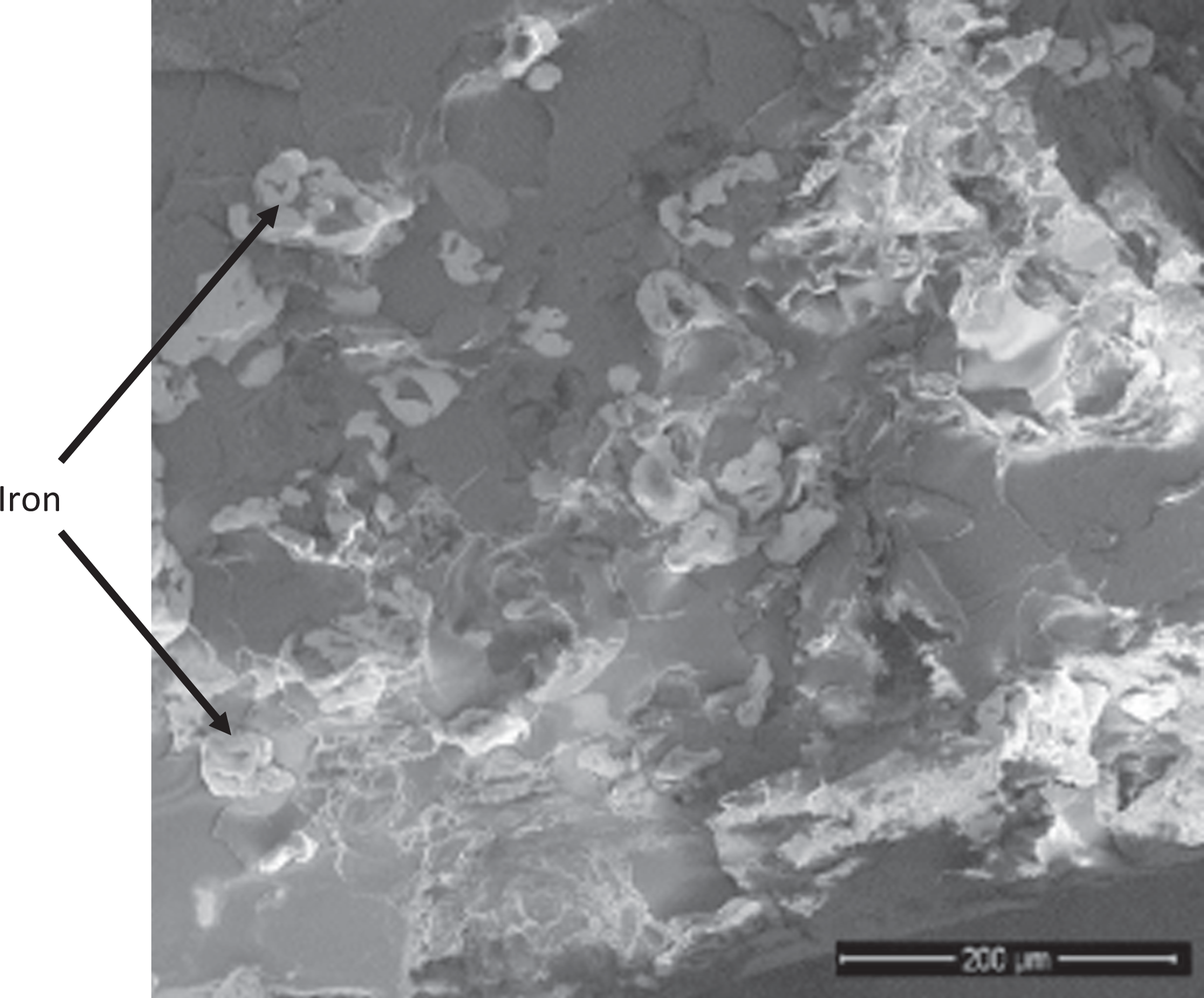
Scanning electron micrograph (SEM) of 30 wt.% PS/iron composite. PS: polystyrene.
Optical measurements
Optical absorption is one of the most important processes for understanding the band structure and electronic properties of solids and polymers, which depends on the transition of some electrons from the valence band to the conduction band. This transition occurs when the incident photon energy is greater than the band energy. The transition is direct when the wave vector of the electron remains unchanged. 10 Dielectric changes and structure relaxations observed in these composites can be investigated by the powerful impedance dielectric spectroscopy.
The absorption spectra of the prepared composites were collected using a Cary spectrophotometer. The optical absorbance (A) was measured at a wavelength range of 300–800 nm. The absorption coefficient α(λ) was calculated from the absorbance (A) spectra using the following equation:

and,

where I and I o are the incident and transmitted intensities of the ultraviolet (UV)-radiation, respectively, and x is the sample thickness. 8,9,11
Impedance measurements
Measurements of impedance (Z) and phase angle (φ) were carried out by Hewlett Packard (HP) 4192A impedance analyzer (Boston, USA). Values of impedance and phase angle were obtained by varying the frequency of the applied field. The test specimen of about 1 mm thickness and 1 cm diameter was placed firmly between two copper electrodes in a sample holder. The electrodes were connected through cables to the impedance analyzer. The measurements were performed in a frequency range from about 50 kHz up to 1 MHz at different temperatures. No impedance values were registered at lower frequencies because of the relatively large sample thickness and existence of the polarization electrode (space charge), that is ohmic resistance.
Results and discussion
Optical results
The near absorption edge of the optical absorbance α(ω) for a solid is given by:

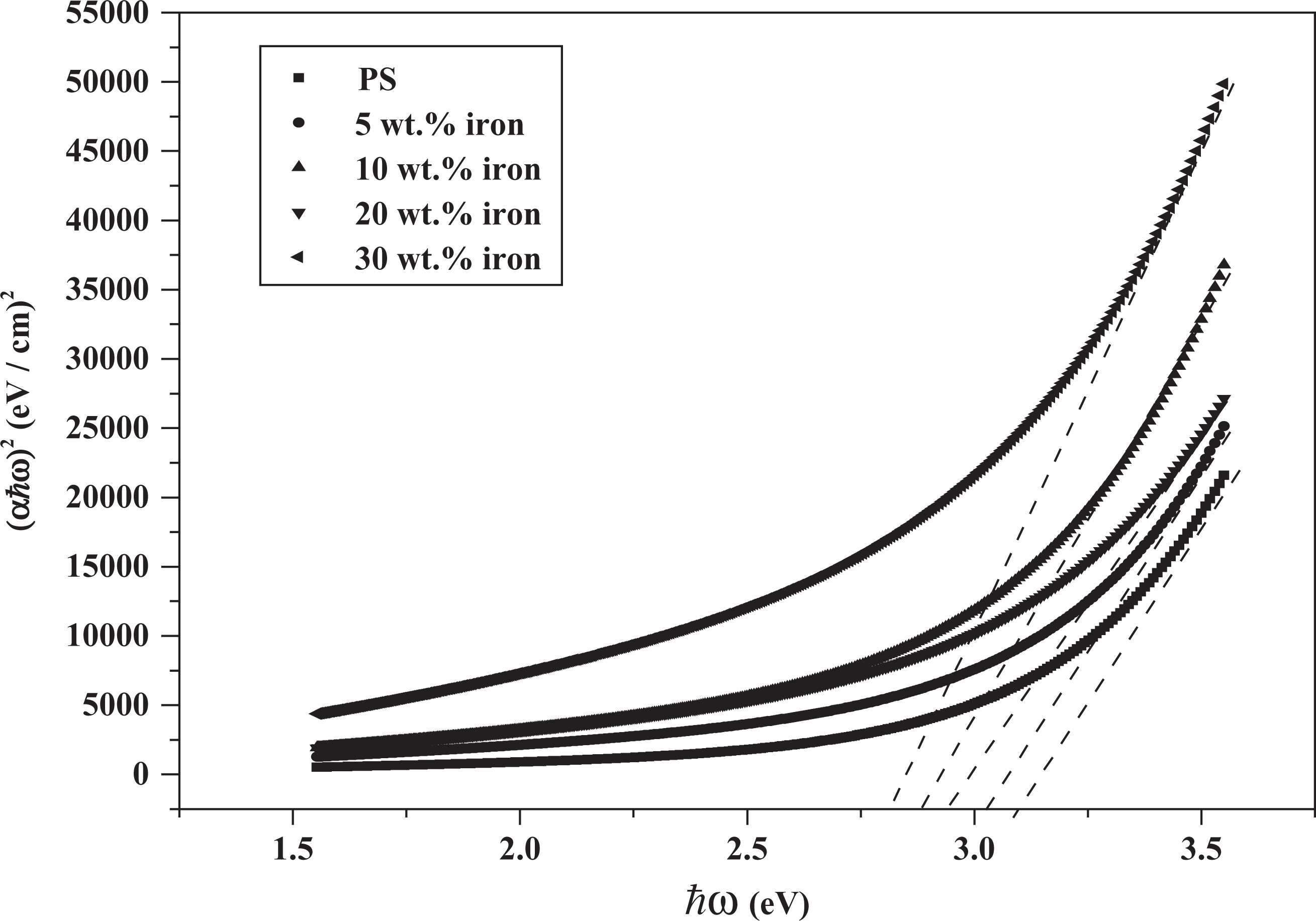
where ω is the photon frequency, E opt is the energy band gap, and β is a parameter used to derive the information about the structural changes. The exponent r can have different values for different types of interband transitions (½ for direct transition). 10,12
Figure 2 shows the absorption spectra for neat PS, 5, 10, 20, and 30 wt.% iron composites. The absorption decreases rapidly near the UV wavelength of 400 nm. The value of the optical energy gap, E
opt, can be derived from the plot of the product of absorption coefficient (α) and incident photon energy
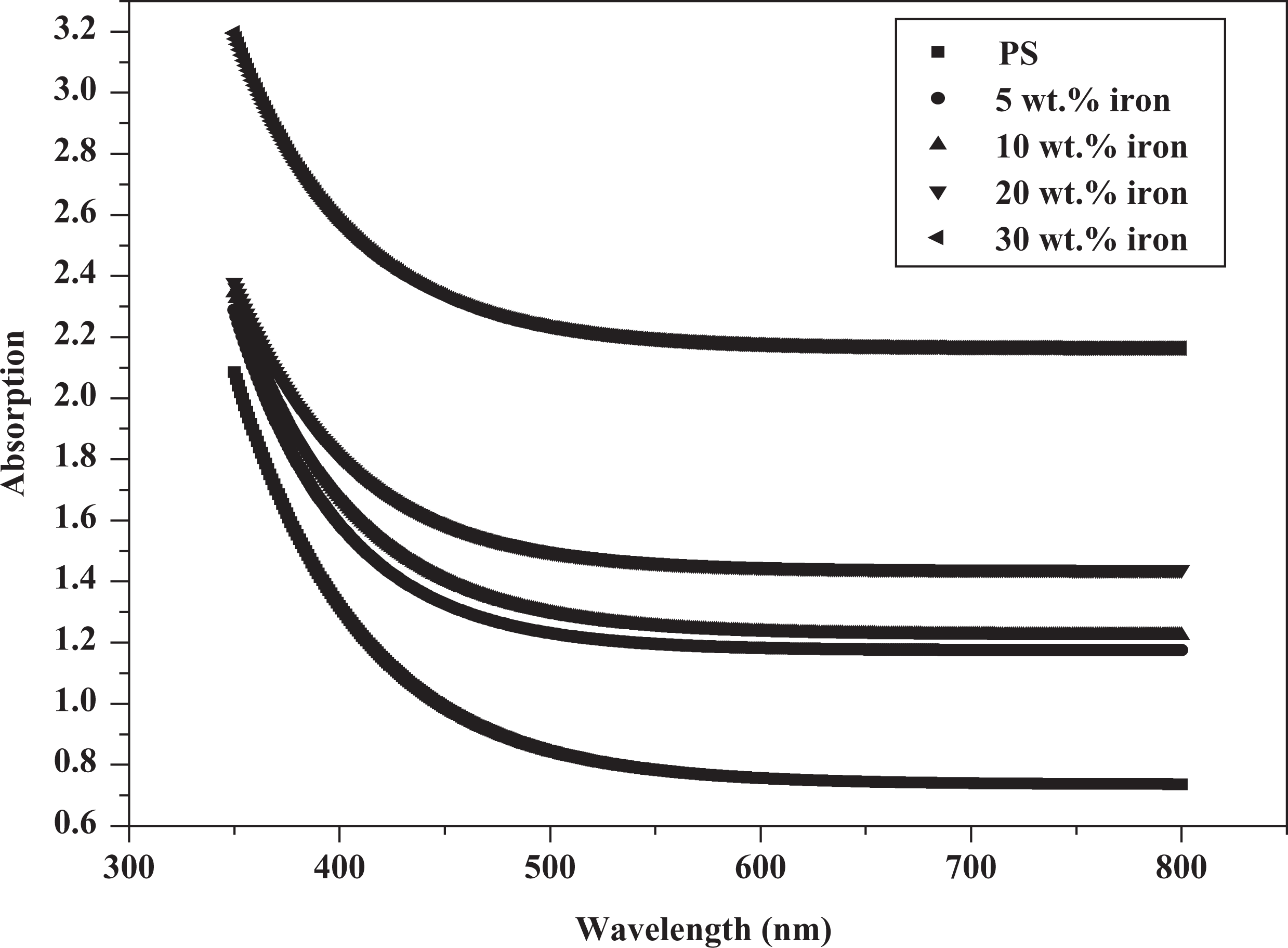
Absorption spectra of PS/iron composites. PS: polystyrene.
Optical results of PS/iron composites.
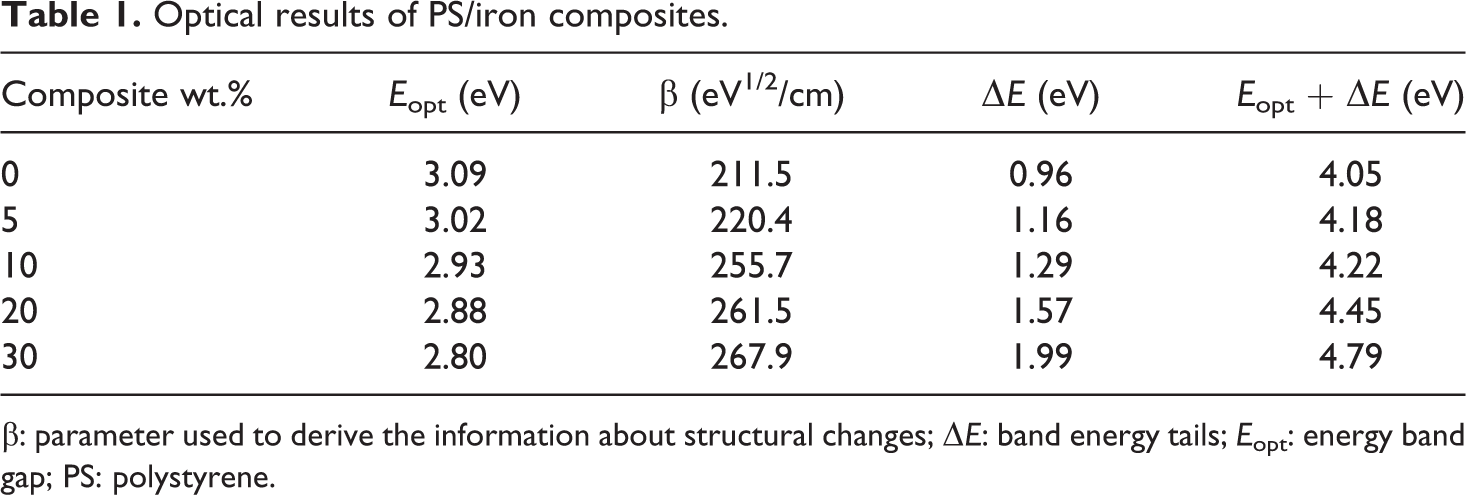
β: parameter used to derive the information about structural changes; ▵E: band energy tails; E opt: energy band gap; PS: polystyrene.
Values of Urbach
13
energy tail width ▵E can be obtained from a plot of In(α) versus
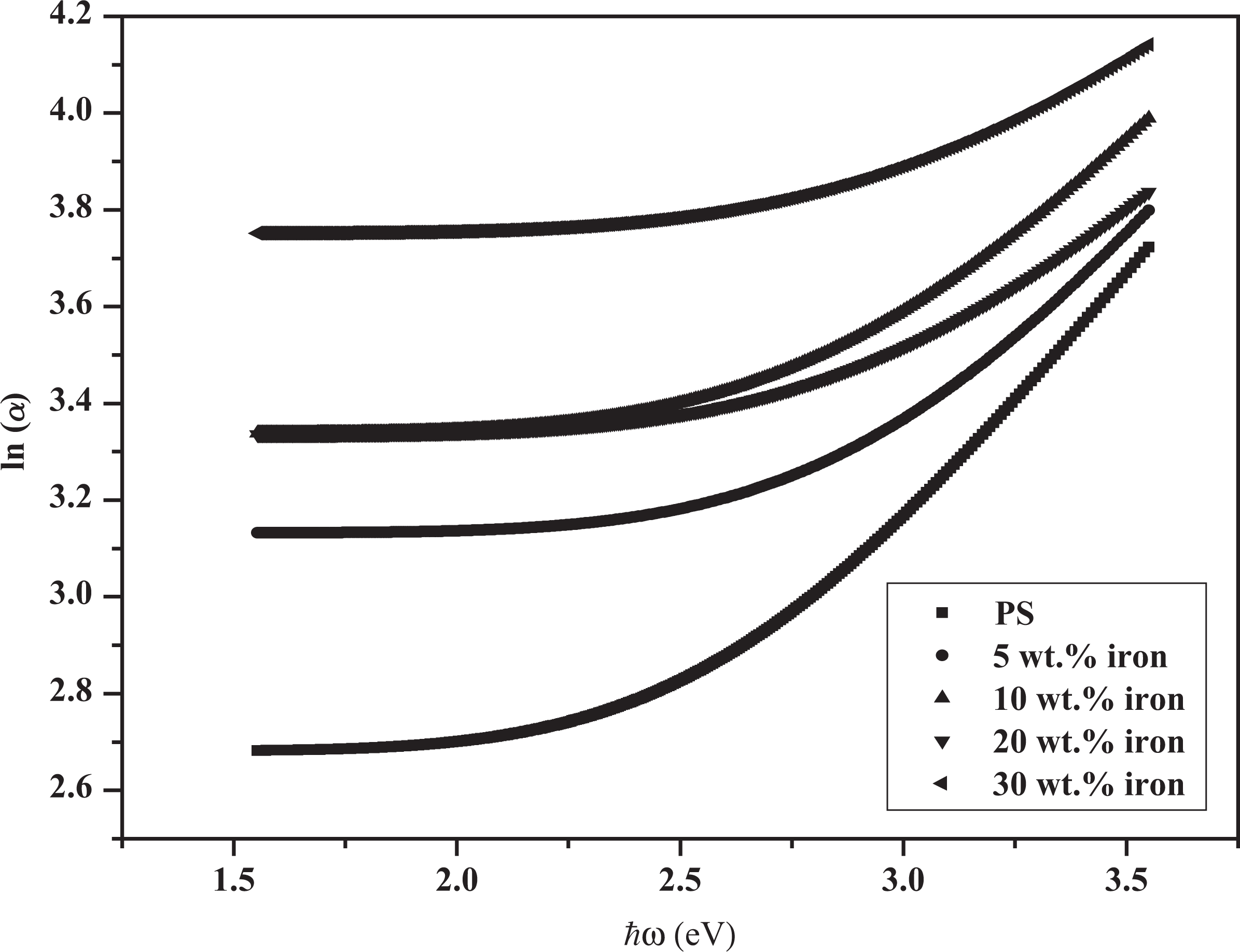
Ln (α) versus the incident light photon energy of PS/iron composites. PS: polystyrene.
Dielectrical results
The dielectric constant ∊′ and the dielectric loss ∊′ of the material were calculated from impedance equations reported in previous publications. 8,9
The results of the dielectric constant ∊′ were plotted against the frequency of the applied field at room temperature, as shown in Figure 5. The dielectric constant values decrease with increase in frequency and increase with the iron content. This behavior can be explained by the fact that as the frequency is raised, the interfacial dipoles of the polymer have less time to orient themselves in the direction of the alternating field.
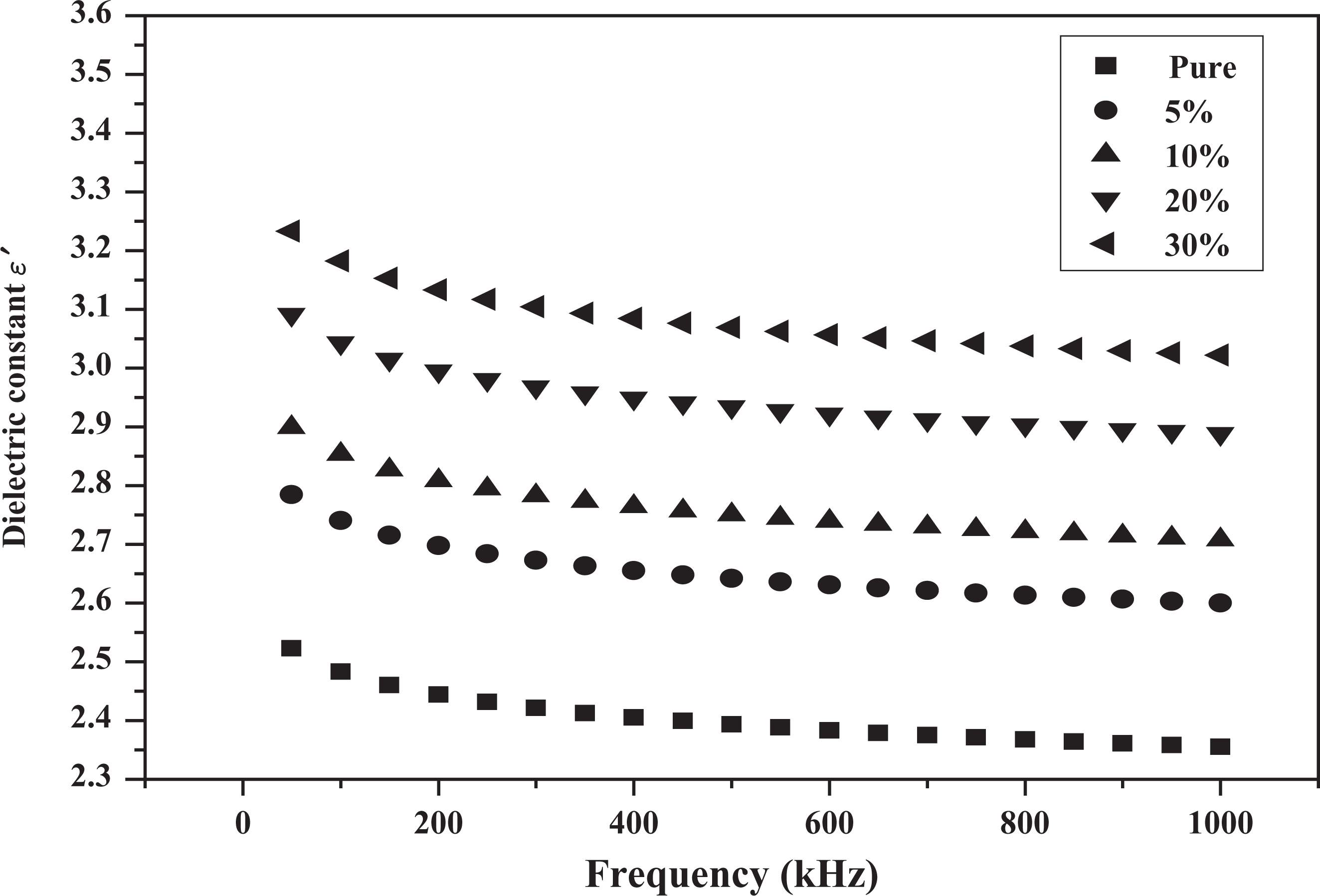
Dielectric constant versus the frequency of PS/iron composites. PS: polystyrene.
The dependency of the dielectric loss ∊′ on frequency is shown in Figure 6. The dielectric loss values decrease with the increase in frequency and may be attributed to the interfacial polarization, known as Maxwell–Wagner–Sillars
14
; a phenomenon appears in heterogeneous media due to the accumulation of space charges at the interfaces between the particle surfaces of the filler and the polymeric matrix.
14
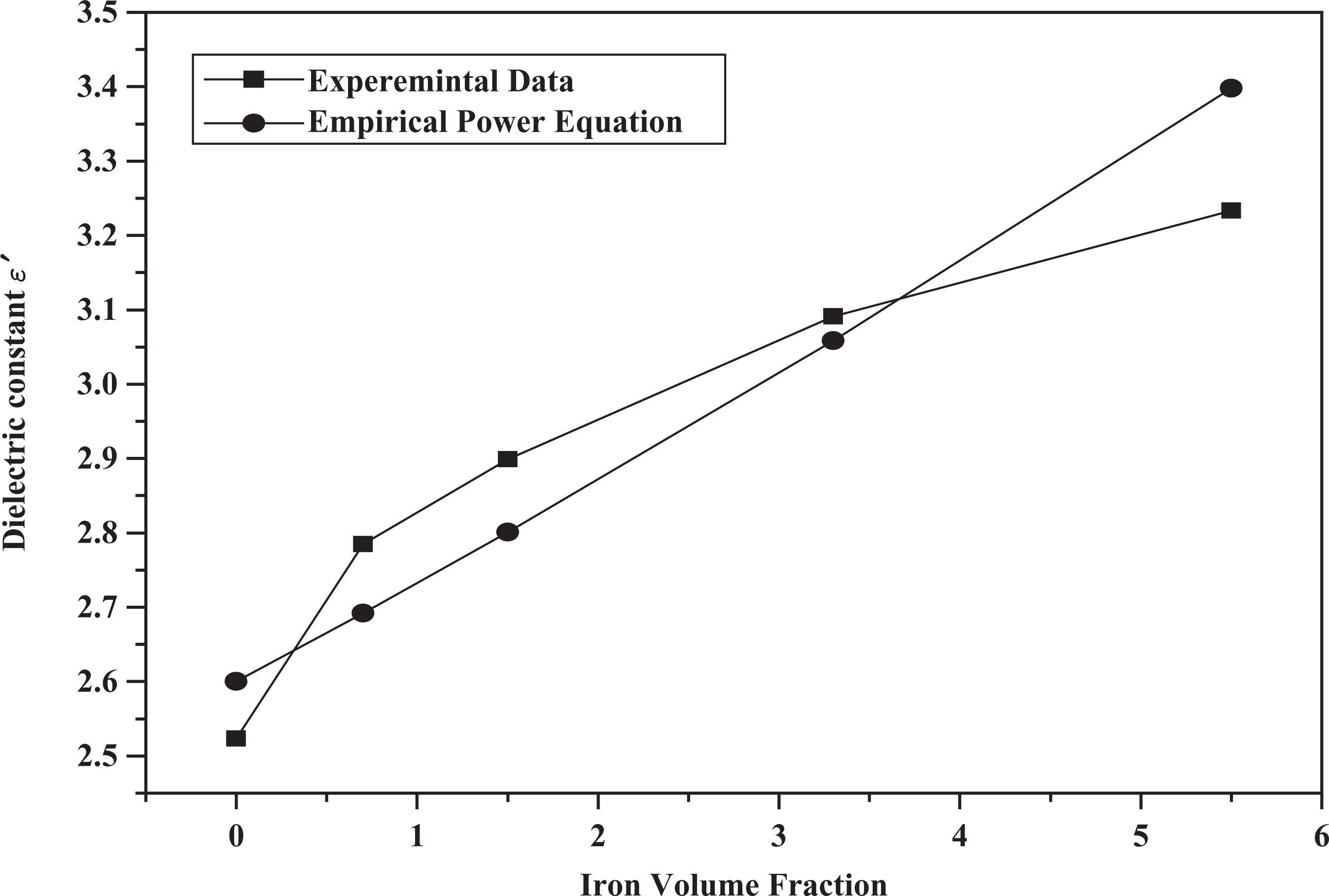
The relation of the dielectric constant ∊′ and the iron volume fraction can be expressed using the empirical law equation
15
: Dielectric loss versus the frequency of PS/iron composites. PS: polystyrene.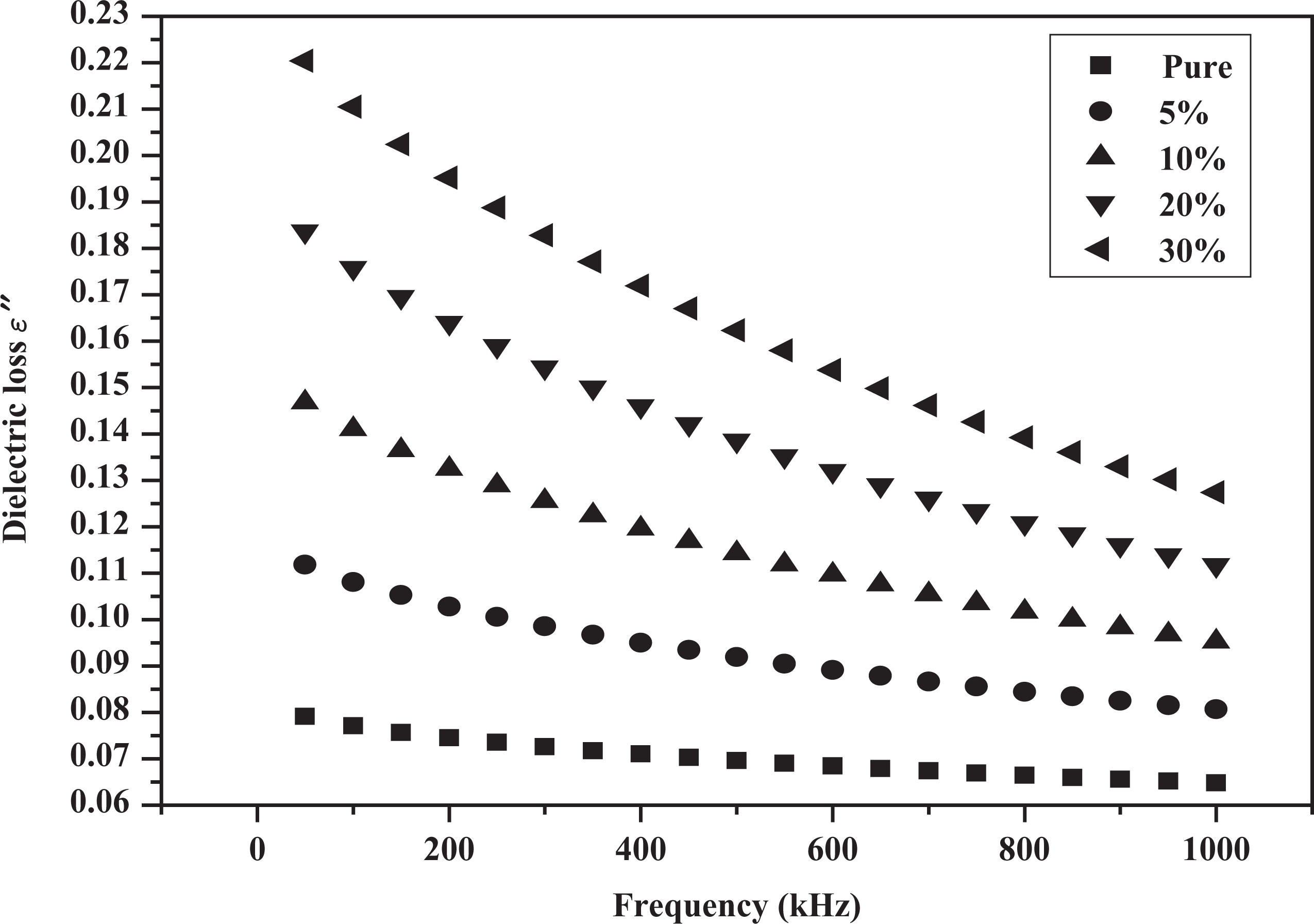

where ∊ Iron/PS and ∊ PS represent the dielectric constant of the composite and the matrix, respectively, and υ Iron is the volume fraction of the dispersed phase. Figure 7 exhibits that the power empirical formula gives acceptable fit for the experimental data of the investigated PS/iron composites.
Variation in alternating current (AC) conductivity against the iron concentration.
The variation in the dielectric constant ∊′ as a function of temperature is shown in Figure 8. It can be seen that the dielectric constant increases with temperature, which is due to the greater freedom in the movement of dipole molecules of polymer chain. Figure 9 shows the variation in the dielectric loss ∊′ as a function of temperature. It can be seen from these figures that the dielectric loss, in general, shows an increase with the increase in temperature. The increase in the dielectric loss is attributed to the molecular relaxation process that takes place in the polymer. 14,15
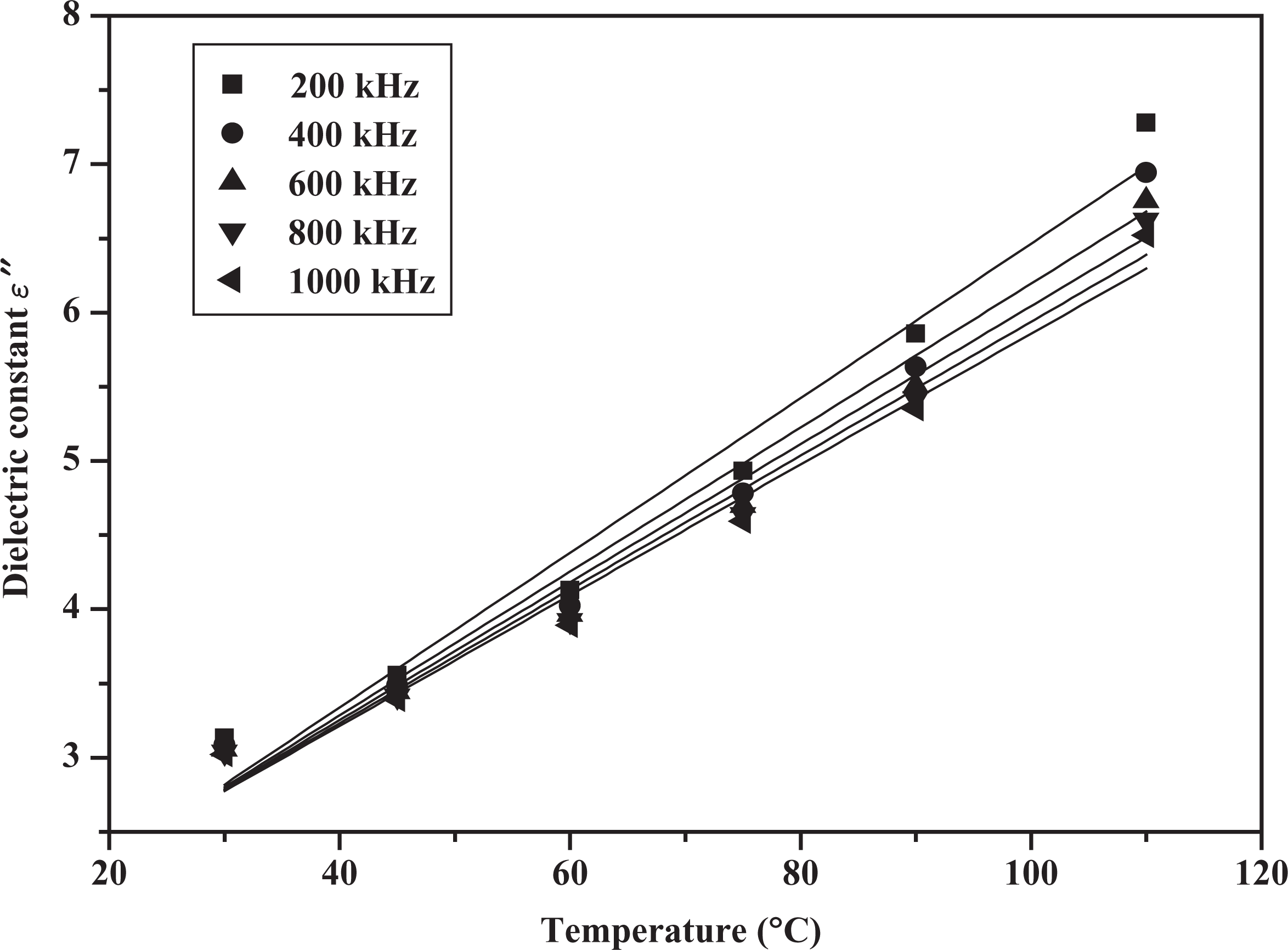
Dielectric constant versus temperature of the 30 wt.% composite.
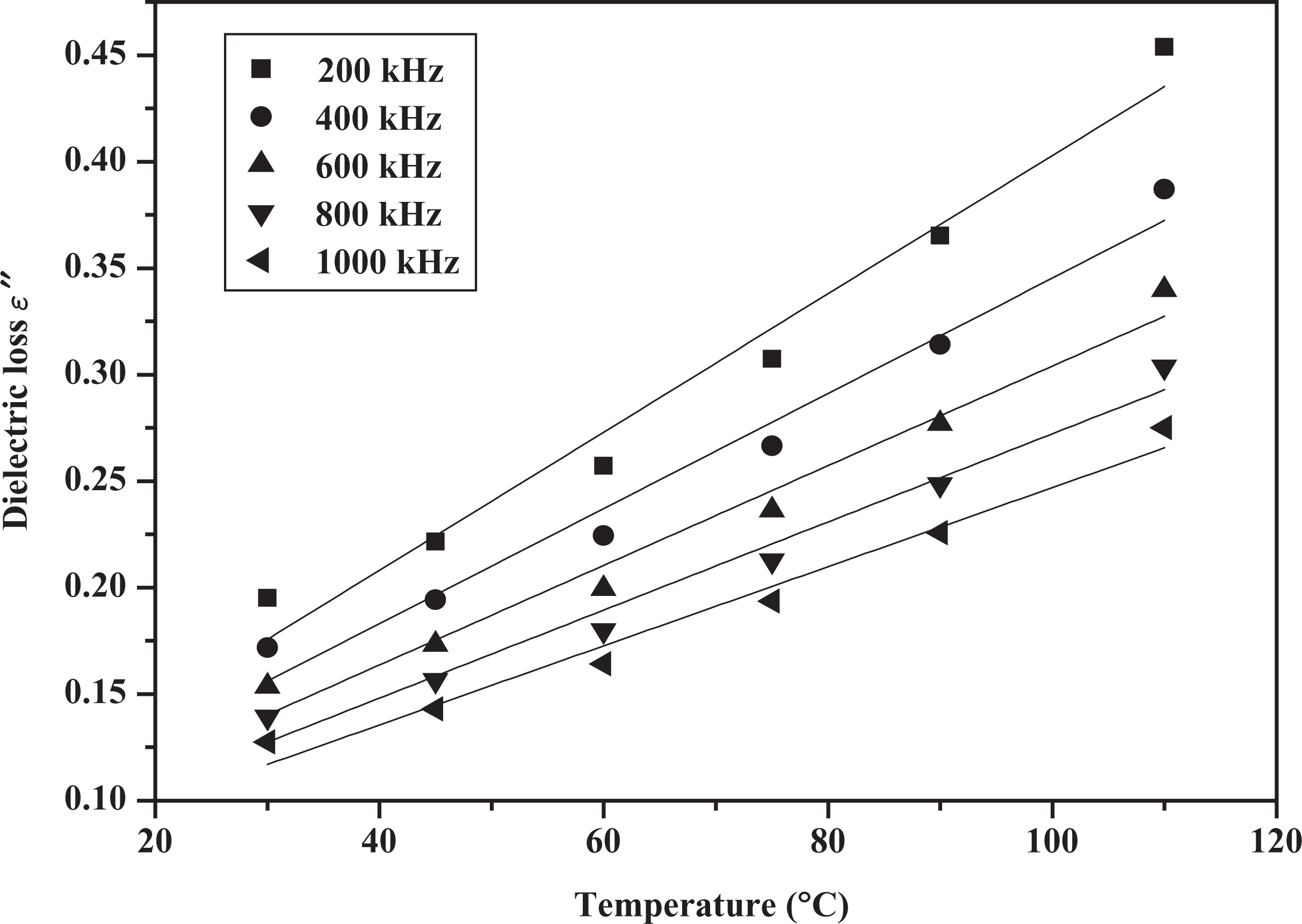
Dielectric loss versus temperature of the 30 wt.% composite.
AC conductivity results
The AC conductivity was calculated from
where f is the applied frequency.
The activation energy (E
a) of the electrical conduction process can be calculated by Arrhenius type equation:
where σ is the conductivity, σ o is the material constant, T is the temperature in Kelvin, and k B is the Boltzman constant.
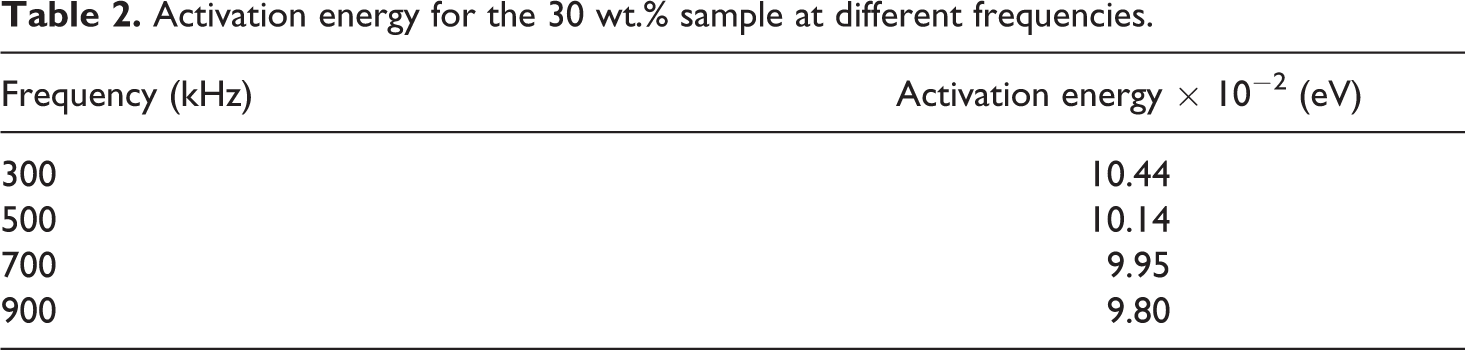
Figure 10 shows the dependence of the AC conductivity σ AC on temperature, and it increases with temperature. Values of activation energy (E a) of the composite were obtained by plotting the natural logarithm of the AC conductivity versus (1000/T) at different frequencies. E a values were determined from the slopes of the approximated straight lines shown in Figure 10 using Arrhenius equation (6). The conductivity increases and the activation energy decreases by increasing the iron content in the PS matrix, which means that the composite has better electrical conduction, that is it nearly becomes a conductor with small activation energy. The enhancement in σ AC is attributed to generation of iron particles contacts and paths which facilitate the electronic charge transport, and to the electrons hoping mechanism takes place between the valence and conduction energy bands of the composites (Table 2). 16–18
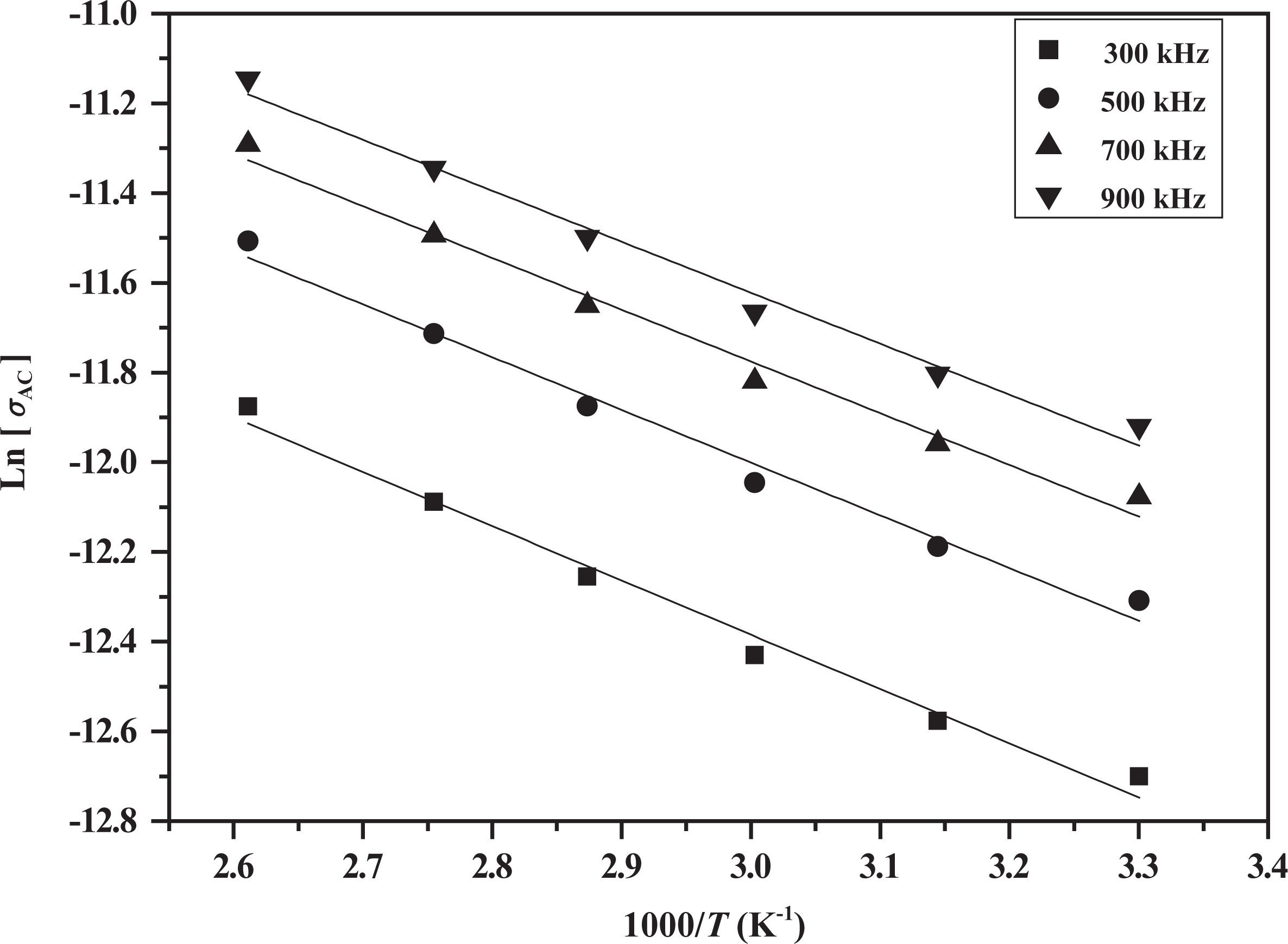
Ln alternating current (AC) conductivity versus 1000/T of 30 wt.% sample.
Activation energy for the 30 wt.% sample at different frequencies.
Conclusion
The optical absorption and AC electrical properties of PS/iron composites containing different concentrations of iron were studied as a function of frequency and temperature. Analysis of the optical results indicates that the transition of electrons is direct in k-space. The optical energy gap values decrease and band energy tails (▵E) increase with the increase in the iron concentration. Both the dielectric constant (∊′) and the dielectric loss (∊′) of the composites increase with the iron content and decrease with the increase in frequency. It was found that the AC conductivity (σ AC) increases with frequency, temperature, and iron concentration, while the activation energy decreases. The electrical behavior of the high iron content composites is nearly a semiconductive or conductive material.
Footnotes
Funding
This research received no specific grant from any funding agency in the public, commercial, or not-for-profit sectors.