



Abstract
The thermal performance and optical properties of wood–polypropylene composites made from untreated wood material with and without metal-containing pigments, and composites made from heat-treated wood material were studied. The thermal heat buildup and linear shrinkage were determined. The impact of the optical properties of the surface of the composites on the heat buildup was analysed. The wood–polypropylene composites made from untreated wood without pigment were found to have the lowest heat buildup; a similar composite containing grey pigment had the highest heat buildup. The linear shrinkage of the studied wood–polypropylene composites was in the range 0.05–0.16%.
Introduction
Composites made from a blend of thermoplastic and natural fibers have been the subject of much research and become attractive to manufacturers because of their many advantages. These advantages include improved environmental performance, mainly due to the use of biodegradable materials and a reduction in the use of nonrenewable (oil-based) resources throughout the whole life cycle of the composite; low cost of wood flour and natural-organic fillers in general; the lower density of these fillers in comparison to traditional fillers, such as glass fibers; improvements in the safety of production employees (reduced hazard in the case of accidental inhalation); special aesthetic properties of the composites, which can be easily processed and refined, obtaining wood-like looking products; and full recyclability of the composites. 1 There are many potential indoor and outdoor applications where composites can be used. For example, wood–polymer composites (WPCs), mostly manufactured through extrusion and injection molding processes, can be used in the automotive (dashboards or screen doors of vehicles) and construction industries (interior floor coverings, profiled parts for doors and windows, ornamental panels, external shutters, pavements, garage or entrance doors, etc). 2 Exterior nonstructural or semistructural composite building products such as decking, fencing, siding, and roof tiles are being introduced into the market. 3 In Europe, WPC development has started with decking. 4
The outdoor application of these materials has raised concerns about their durability, including fungal resistance, ultraviolet resistance, moisture resistance, and dimensional stability. 5 Additives, such as pigments, ultraviolet absorbers, and hindered amine light stabilizers are used to prevent the WPCs from color fading. According to a study reported by Kiguchi et al., 6 the addition of darker pigments improves the color stability of wood–polypropylene composites better than the addition of light color pigments. Deckings are mostly stained with grey or brown as dominant colors.
It is known that a surface exposed to solar radiation exhibits buildup of temperature. The absorbed solar energy is a reason for heat buildup. The Sun is a highly energetic system converting 4 million tons of hydrogen into helium and inversely at the temperature of hundreds of millions degrees Celsius every second, resulting in about 3.86 × 10²³ kW generated per year. Despite the fact that only 1.78 × 10¹² kW/year reaches the surface of the Earth, the amount of solar energy is still 20,000 times more than the total annual world energy production. 7 The amount of energy reaching the Earth greatly varies with its vertical angle. The largest amount is received at noon when the Sun’s rays fall at the right angle, and the smallest when the Sun rises and sets. The total amount of monthly radiation keeps increasing from spring to summer, and decreases gradually toward wintertime. 8 The intensity of solar radiation may vary significantly. For example, in industrial areas it may reach 600–700 W/m2, 800–900 W/m2 in urban areas, and around 1000–1100 W/m2 in high mountain regions.
The wavelength range of the Sun’s radiation is between 0.2 and 3.0 µm, and the energy varies with the wavelength. The solar radiation spectrum consists of the ultraviolet range 0.12–0.45 µm (15.89% of energy is collected in this region), the visible range 0.45–0.75 µm (35.80%), and the infrared range 0.75–1.00 µm (48.30%). 8 The thermal buildup of a surface exposed to solar radiation has a correlation with the color of the surface, that is, white-colored surfaces stay cooler than black-colored surfaces. The color of a surface can be explained in terms of the reflectance for each component of the visible spectrum. It is very important to know the absorptance/reflectance in the infrared region in order to predict the thermal properties of the material, because almost half of the solar energy is concentrated in this region. Some pigments, so called cool pigments, such as titanium dioxide influence the optical and near-infrared properties of coatings. 9
Various studies have been performed to understand better the thermal and optical performance of construction materials and their impact on the city climate.9–11 Lower surface temperatures contribute to decreasing the temperature of the ambient air, as the heat convection intensity from a cooler surface is lower. Such temperature reductions can have significant impacts on cooling energy consumption in urban areas, a fact of particular importance for cities in a hot climate. A laboratory test was introduced to predict the increase in temperatures above ambient air temperature due to solar energy absorption, using an infrared reflective heat lamp to imitate solar radiation.
In the present study, heat buildup was determined for wood–polypropylene composites made from heat-treated wood and for composites made from untreated wood with and without added metal-containing pigment. The optical properties of the surface of the composites were studied by using visible (VIS) and Fourier transform infrared (FT-IR) spectrophotometers. Linear shrinkage of extruded profiles was also determined.
Experimental
Materials
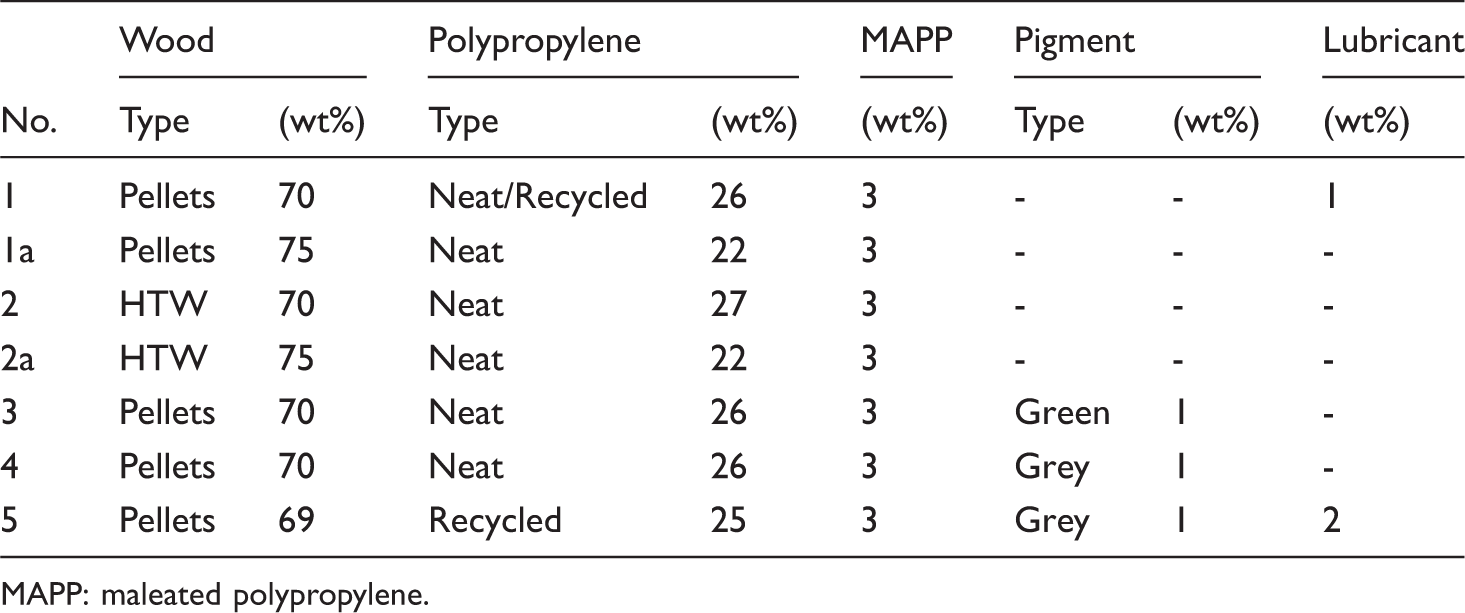
Formulation of wood–polypropylene composites.
MAPP: maleated polypropylene.
A neat polypropylene homopolymer, Eltex HY001P, supplied by INEOS Olefins&Polymers Europe (Brussels, Belgium), was used in the preparation of the composites. Recycled polypropylene homopolymer supplied by Ekiplast Oy (Hauho, Finland) was also used to compound the composites. The neat polypropylene homopolymer had the density of 0.91 g/cm3 and melt mass-flow rate of 45 g/10 min (230°C/2.16 kg), and the recycled polypropylene homopolymer had the melt mass-flow rate of 3 g/10 min (190°C/2.16 kg).
The coupling agent was maleated polypropylene (MAPP), OREVAC® CA 100 (Atofina, France). The Orevac CA 100 polymer has low functionality (1%) and a high molar mass (25 kg/mol). According to Sain et al., 12 the optimum concentration of a coupling agent is around 3–4% by weight of the composite, thus 3% MAPP was added in each case.
Two different pigments were used in the study: green pigment (purchased from Holland Colours NV, The Netherlands); and grey pigment (purchased from Clariant (Finland) Oy, Vantaa, Finland). The elemental analysis of the pigments was performed with scanning electron microscopy (SEM) coupled to an energy-dispersive X-ray spectrometer (EDS). The SEM–EDS results indicated the presence of cobalt (Co) and chromium (Cr) as major components of the green pigment. The analysis of the grey pigment revealed that titanium (Ti) was its major component, although other elements, such as silicon (Si), sodium (Na), aluminium (Al) and sulfur (S) were also detected.
For the formulation of the wood–polypropylene composites made from recycled polymer, a lubricant was added in order to improve the flow ability of the hot melt. Structol® TPW 113 (Ohio, United States), which is a blend of complex, modified fatty acid esters, was used as the lubricant.
Processing
The wood material, plastic, and additives were compounded using a Weber CE7.2 conical twin-screw extruder (Hans Weber Maschinenfabrik GmbH, Kronach, Germany). The gravimetric feeding system included a main feeder connected with side feeders for each individual component. All components were fed into the extruder through the main feeder.
The screw had the length-to-diameter (L/D) ratio of 17, and the screw speed was 12 rpm. The barrel temperatures of the extruder were 170–200°C, and the melt temperature at the die was 180°C. The pressure at the die varied between 4 and 7 MPa, depending on the material blend, and the material output was 25 kg/h. The samples were extruded through a rectangular die; the hollow profile is shown in Figure 1.
Hollow profile of wood–polypropylene composites.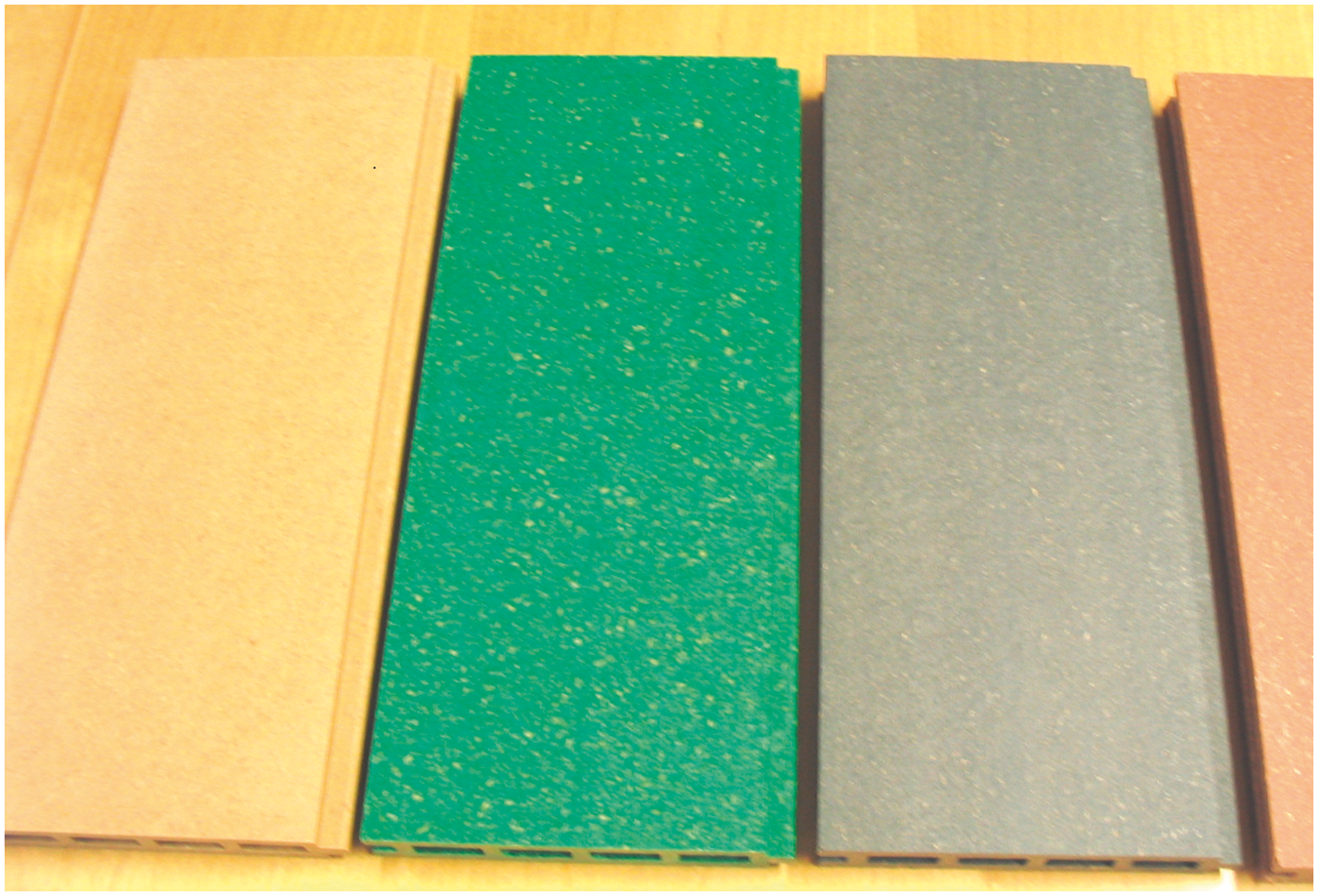
Heat buildup testing in laboratory apparatus
The heat buildup in the WPCs was tested according to TS 15534 (Annex F). The setup is shown in Figure 2. Samples with dimensions 75 mm × 75 mm × 5 mm were tested. A total of fifteen specimens per each type of composite were measured. A white infrared heat lamp having the nominal power of 250 W (purchased from General Electric, Hungary) was used. The distance between the lowest part of the downward-oriented lamp and the bottom of the box was 400 mm. The temperature of the composite measured at its bottom, and the increase of the temperature of the composite compared to ambient air (ΔTexp) were recorded with 1 min intervals by a digital thermometer equipped with a data logger.
Setup for heat buildup measurement.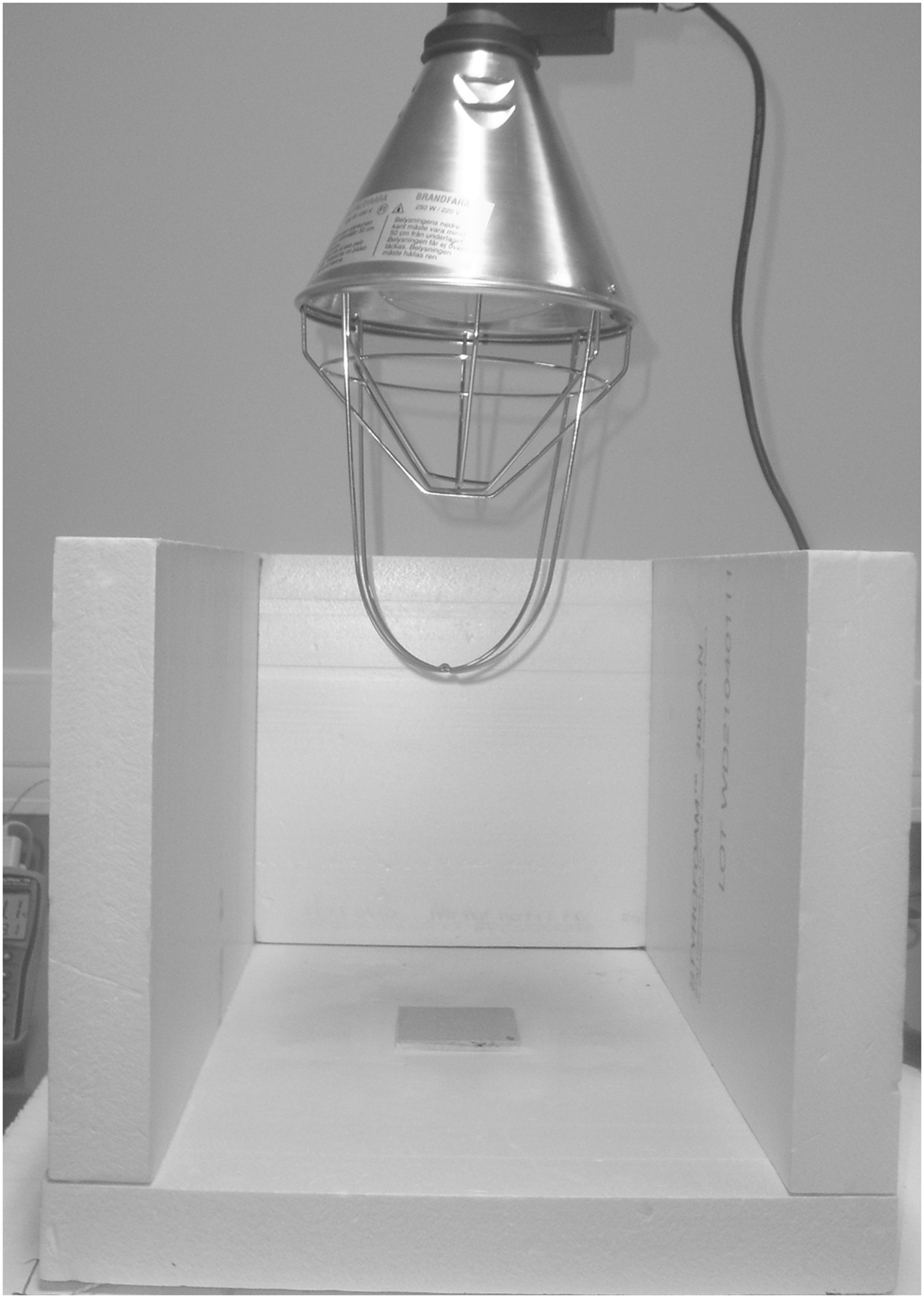
Optical characteristics
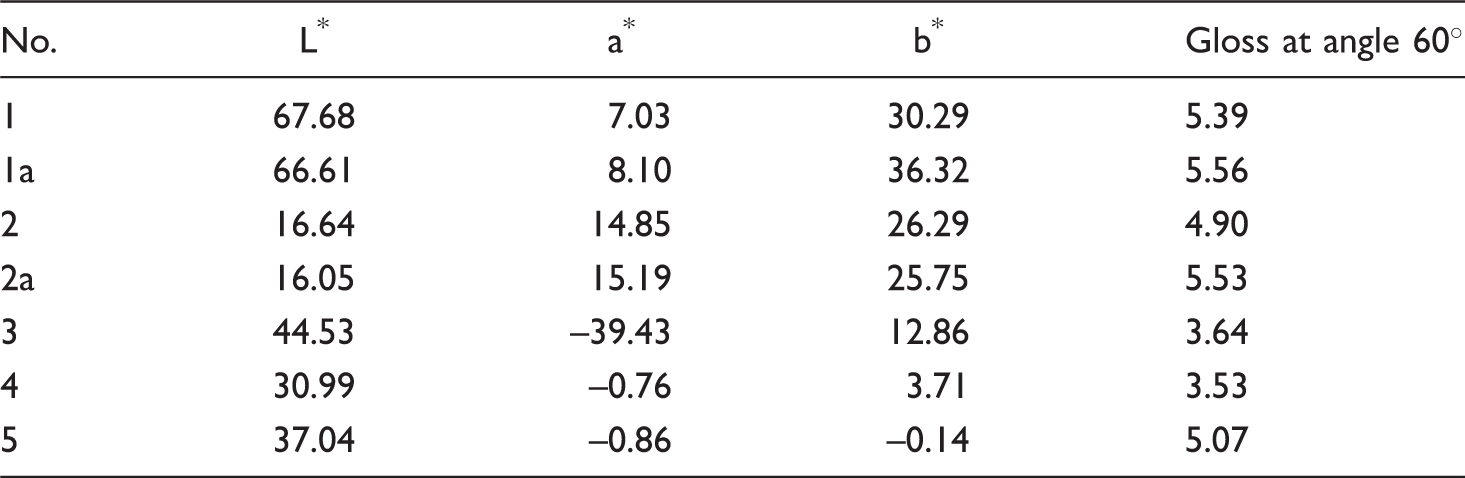
The reflectance curves of the composites in the visible range were measured with a Minolta CM-2500d spectrophotometer (Konika Minolta Sensing Inc., Japan). The measurements were made using a D65 illuminant and a 2 degree standard observer. The tristimulus X, Y, and Z values of all specimens were obtained from the spectrophotometer. The CIELAB color system was used to compute the surface color in L*, a*, b* coordinates. The L* represents the lightness coordinate, and it varies from 100 (white) to 0 (grey); a* represents the red (+a*) to green (–a*) coordinate; and b* represents the yellow (+b*) to blue (–b*) coordinate.
The gloss values of the composites were measured using a Novo-gloss TRIO glossmeter (Rhopoint Instruments Ltd, East Sussex, UK). The measurements were made at the angle of 60 degrees, which is recommended for WPCs.
Diffuse-reflectance infrared Fourier transform spectroscopy (DRIFTS) was used for powdered samples of composite using a Perkin-Elmer System 2000 FT-IR spectrophotometer equipped with Perkin-Elmer diffuse reflectance accessory. Powder of the top layer of the composite was prepared by sanding with sandpaper (grit designation P240). Samples of about 10 mg were analysed. Potassium bromide (KBr; Aldrich, FT-IR grade) was used as reference. Reflectance spectra were obtained in the range 10,000–2700/cm (1.0–3.7 µm) using 50 scans and 4/cm resolution.
Heat reversion (linear shrinkage) testing
Heat reversion was determined according to the EN 479 standard. This test establishes the percentage of linear shrinkage of a profile at an elevated temperature. The hollow profile with the length of 250 mm was placed in an oven at 100°C for 60 min. A marked length of this test sample was measured under identical conditions (23 ± 2°C), before and after heating in the oven.
The heat reversion R was calculated as a percentage using the following Equation (1):
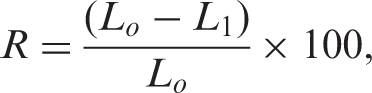
where Lo and L1 are the distances between the marks before and after heating in the oven (mm), respectively.
Results and discussion
Heat buildup testing
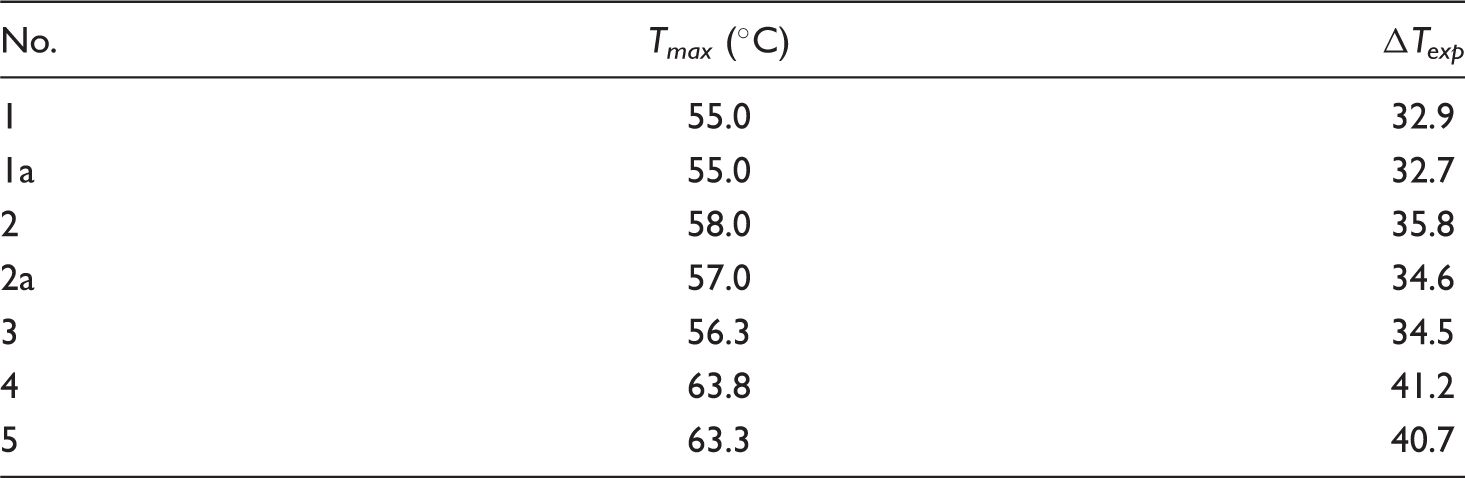
Maximum temperature reached by wood–polypropylene composites (Tmax), and the temperature difference between the maximal temperature of the sample and the temperature of ambient air (ΔTexp) (the results are the average of fifteen measurements).
Optical characteristics of wood–polypropylene composites
The results of the spectrophotometric measurements in the visible range are shown in Figure 3. The reflection curve in the visible region represents most accurately the color of a material. Wood–polypropylene composites (N1 and N1a) show very strong absorption in the 0.40–0.50 micrometers band, followed by high reflectance at longer wavelengths. Composites made from heat-treated wood (N2 and N2a) have very strong absorption in part of the visible spectrum. Both composites containing grey pigment (N4 and N5) exhibit low reflectance (about 7%) in the whole visible range. The composite containing green pigment (N3) has a small reflectance peak around 0.50 micrometers, and then shows strong absorption in the rest of the visible spectrum. No correlation between the maximum temperature and reflectance in the visible region was found for the studied wood–polypropylene composites.
Reflectance of wood–plastic composites in the visible wavelength range.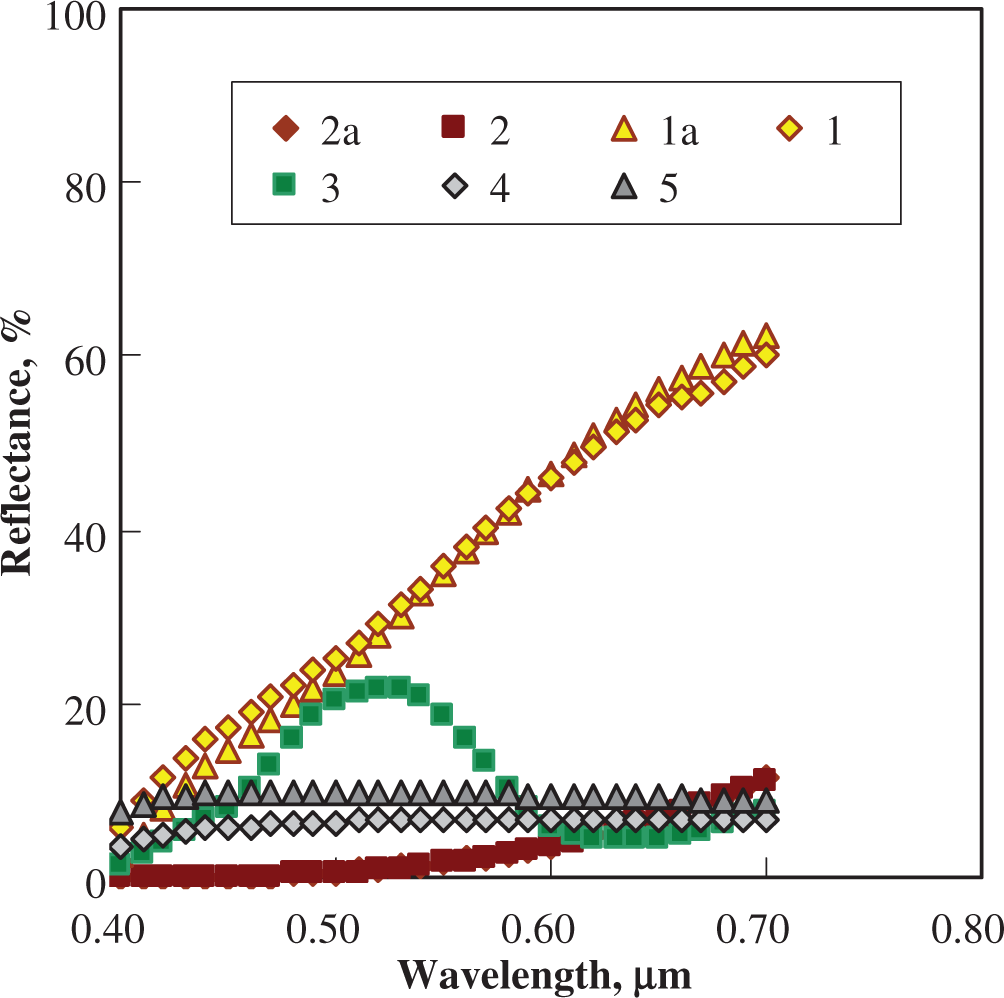
Color coordinates and gloss measurements of wood–polypropylene composites (the results are the average of ten measurements).
The reflectance of the composites in the near-infrared region (1.0–2.5 µm) was measured with an infrared (IR) spectrophotometer. As can be seen in Figure 4, reflectance in the near-infrared (NIR) region for composites N1 and N2 made from untreated and heat-treated wood, respectively, is similar, even though their reflectance in the visible region was different. The composites made without pigments have higher reflectance than the ones made with pigments. The reflectance of the composite containing green pigment (N3) is higher than the reflectance of the composite containing grey pigment (N4). Grey coloring is often used for decking, but as can be seen in Figure 4, the wood–polypropylene composites containing grey pigment have the lowest reflectance in the near-infrared region.
Reflectance of wood–polypropylene composites in near-infrared region: The yellow line represents N1, the brown line N2, the green line N3, and the grey lines N4 and N5.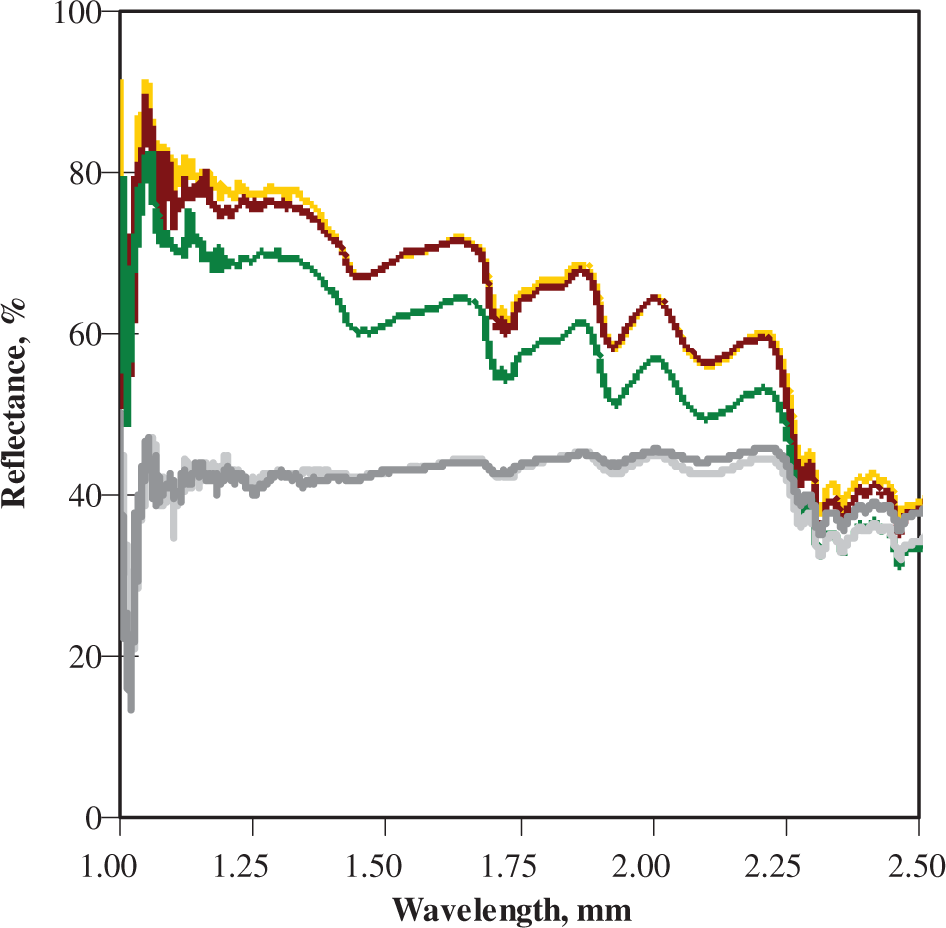
The reflectance of the raw wood samples was not measured in this study. Wood is known to be an excellent material to reflect light. 13 According to the literature data, moderately dark bare wood typically has a visible reflectance of 0.20, and the NIR reflectance of about 0.70, which results in the solar reflectance of about 0.45. 9 The outer layer of the studied wood–polypropylene composite profiles was consisted of polymer. This outer polypropylene layer affects the reflection/absorption of light. Inorganic pigments, which were added in wood–polypropylene composites belong to the typical pigments used widely to color plastics.
In their research on heat buildup of painted steel panels, Moerk and Reck
14
found that reflectance at 2.4 µm had a good correlation with the actual exterior heat buildup of painted steel panels with a similar gloss level. In the present study, the correlation between the maximum temperatures obtained at heat buildup testing and near-infrared reflectance measured at the middle point of the spectrum (1.0–2.5 µm) was examined. Figure 5 shows that the correlation between the maximum temperature and infrared reflectance was relatively good (R2 = 0.87). Application of integrals of reflectance spectra between 1.0 and 2.5 µm instead of single point reflectance at 1.75 µm resulted in a similar correlation between the reflectance parameter and the maximum temperature of the composite measured in heat buildup experiment. An exclusion of composite made from heat-treated wood resulted in a better correlation between the near-infrared reflectance parameter and maximum temperature (R2 = 0.97). Better correlation between the near-infrared reflectance and maximum temperature of composite material in the absence of heat-treated wood–polypropylene composite was considered as a proof that optical properties of outer polymer layer are determining parameter in this case.
Maximum temperatures of wood–polypropylene composites as a function of reflectance in the near-infrared region.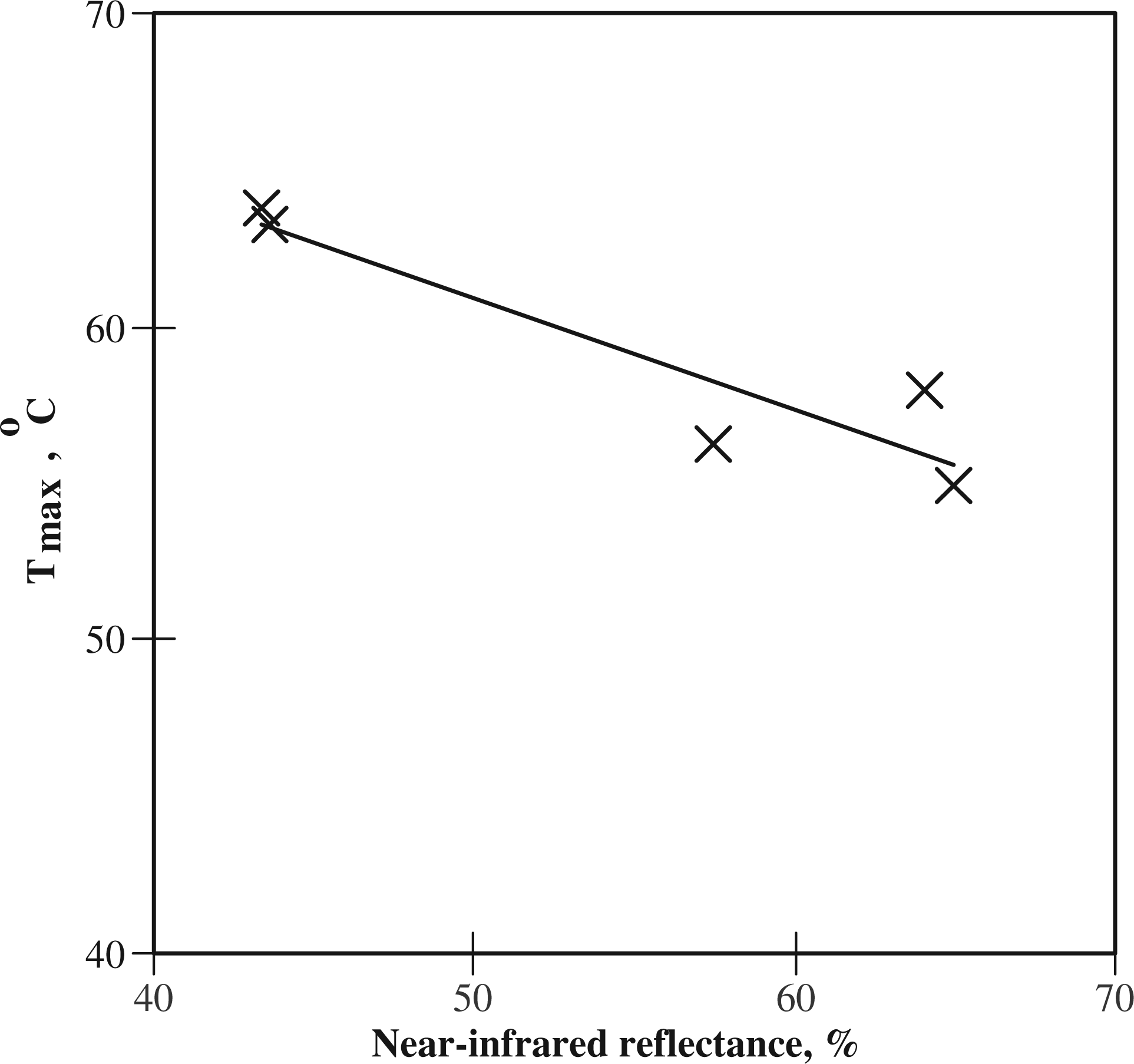
It has to be kept in mind that surface reflectance data for the wood–polypropylene composites obtained by a spectrophotometer can give a rough idea of the thermal buildup of composites exposed to solar radiation. Convection heat loss, forced convective wind cooling, and the variety of locations on the Earth’s surface should be taken into account for predicting the heat buildup of composites due to a solar radiation under natural conditions.
Heat reversion (linear shrinkage)
The problems of residual thermal stresses in fiber reinforced composites have been extensively studied.15–17 Residual stresses in thermoplastics are present in the composite structure immediately after the processing and subsequent cooling to the service temperature. These stresses influence the properties of the composite structures significantly. 15 The magnitude of residual stresses in the composite structures depends on four parameters in the case when the long-term and environmental parameters are ignored: the temperature difference, the coefficients of thermal expansion/shrinkage upon the cooling of the composite constituents, the elastic coefficients of these constituents, and the fiber volume fraction. 16
Fiber volume fraction (Vf) and heat reversion (linear shrinkage) of wood–polypropylene composites.
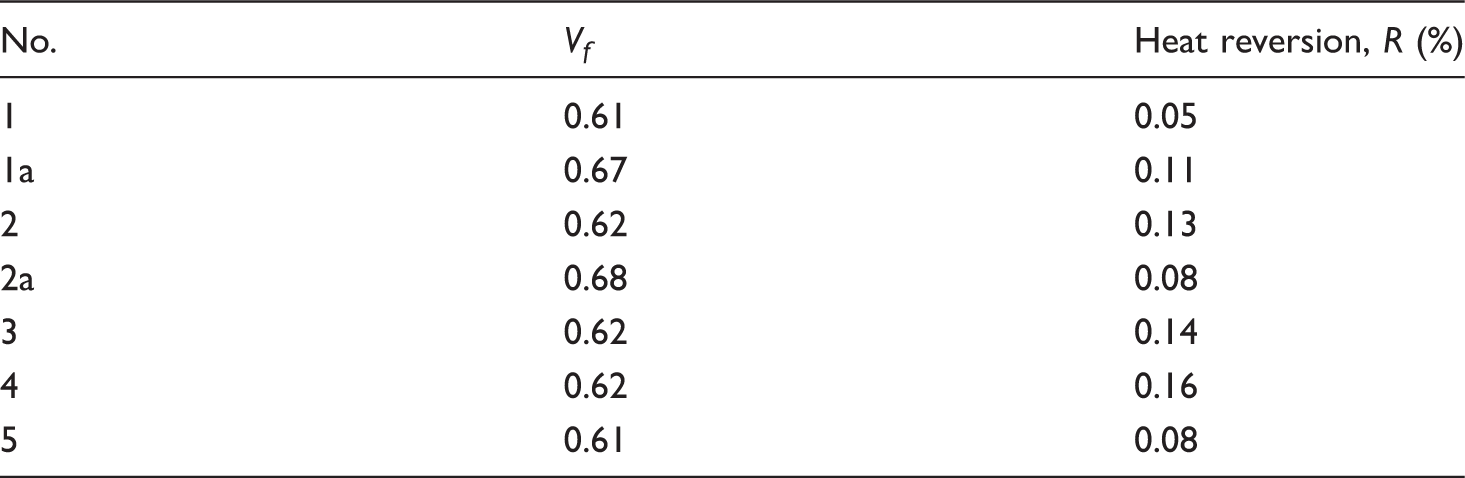
The micromechanical models developed 19 to estimate the thermal expansion/shrinkage of a composite requires knowledge of the properties of the constituents (e.g., coefficient of thermal expansion, Young’s modulus, and volume fraction) and microstructures (e.g., fiber orientation). In general, the coefficient of thermal expansion for the reinforcing fibers is much lower than for the thermoplastic matrices; 15 the linear coefficient of thermal expansion/shrinkage (LCTE) for polypropylene homopolymer is equal to 8–10 × 10–5 1/°C, and for wood species (hardwoods and softwoods) equal (along the grain) to 0.31–0.45 × 10⁻⁵ 1/°C. 18 The increase of the volume fraction of reinforcing fibers, having LCTE values lower than the matrix, decreases the linear expansion/shrinkage of the composite. In our study, no clear trend was found between the wood volume fiber fraction and heat reversion (linear shrinkage).
In connection with the question of the composite microstructure (fiber orientation and distribution in the composite structure), it should be noted that our previous study on mechanical properties of similar wood–polypropylene composites showed that the fibers had random orientation and size distribution. 20 Also, due to the high wood fiber loading in the studied composites, the presence of defects such as wood fiber aggregates and voids was detected. The presence of fiber aggregates were found to be more pronounced for composites made from pelletized wood material. Together with a lack of knowledge on properties of individual constituents (e.g., Young’s modulus for the fiber, which is normally obtained in a single fiber tensile testing), the above mentioned defects of structure were the main reasons why modeling is absent in our work. More thorough research work should to be done to identify the properties of the constituents in order to use the micromechanical approach to explain the behavior of the studied composites.
As a last note, a weight loss was observed after the composites had been kept in the oven at 100°C for 1 h in the course of the testing procedure (EN 479 standard). The moisture contents of the original composites were in the range 1.5–2.6%. The composites with a higher volume fraction of wood fiber were characterized by higher moisture content, except for the composites made from heat-treated wood, for which the difference in the moisture content was very small. Thus, it is considered that the linear shrinkage of composites shown in Table 4 can include the shrinkage due to the drying of wood.
Conclusions
The thermal heat buildup, optical properties and linear shrinkage of wood–polypropylene composites were studied. The following conclusions were drawn on the basis of the experimental results:
The thermal heat buildup was found to be well correlated with the near-infrared reflectance of the composites. The composites containing grey pigment had 6–9 degrees higher heat buildup values than the other composites, and they were characterized by the lowest infrared reflection. Because grey-colored composites are often applied for decking, it would be desirable to use reflective pigments in order to decrease heat buildup. Generally, the heat buildup for both untreated and heat-treated wooden samples was lower compared to the wood–polypropylene composites. The increase in wood content (from 70 to 75%), or the use of recycled polypropylene instead of neat one were found to have no significant effect on the heat buildup of the composites. The linear shrinkage of the studied wood–polypropylene composites was found to be in the range 0.05–0.16%. There was no clear trend between the fiber volume fraction and the linear shrinkage of the composite. The presence of moisture in the composites had an effect on the measured values of linear shrinkage.