



Abstract
Jute fabrics (hessian cloth) reinforced polyvinyl chloride (PVC) based composites were prepared by compression molding. Jute content varied from 40–60 wt% in the composites. Four layers of jute fabrics were compression molded with five layers of PVC. It was found that the composite containing 40% jute fabrics showed the best performance. The values of tensile strength (TS), bending strength (BS), tensile modulus (TM), and bending modulus (BM) of the composite (40 wt% jute fabrics) were found to be 59.3 MPa, 62.6 MPa, 1.3 GPa, and 3.2 GPa, respectively. The values of TS and BS were improved to 77% and 46%, respectively, compared to the matrix material PVC. Scanning electron microscopic analysis was carried out to investigate the interfacial properties of the composites. Degradation tests of the composites (up to 6 months) were performed in soil medium and showed partial degradation nature.
INTRODUCTION
Research on polymer and composite materials gained a significant attention due to their versatile applications in many fields. Early works on composites focused mostly on the synthetic matrix and reinforcement [1–3]. The synthetic materials are undoubtedly good in mechanical properties and durability. But they are not biodegradable and cause environmental pollution. Therefore, an attention is focused to invent environment-friendly composite materials to replace synthetic composite [4,5]. Unfortunately, fully biodegradable composites have not enough thermo-mechanical properties compared to that of the synthetic fiber-reinforced composites [6–8]. In this investigation, jute fabrics (hessian cloth) are used as reinforcing agent and PVC as the matrix material. Jute fabrics are made of jute fibers. Jute is a natural biodegradable fiber but PVC is not biodegradable. Jute-reinforced PVC-based composite is partially degradable-type composites which can compete with synthetic fiber-based composite materials. Jute is a very cheap and lightweight natural. So, to fabricate partially degradable-type low-cost and lightweight composite, jute fabrics were selected. Jute has three principal constituents, namely α-cellulose, hemicellulose, and lignin. The architecture of jute fabrics (hessian cloth or burlap) is shown in Figure 1. Interest in using natural fibers as reinforcement in polymer matrix as partial replacement of synthetic fibers has grown significantly during the last decade because of their low cost, low-abrasive nature and low density, biodegradability, and recyclable nature [9–11]. This leads to advantages with regard to technical, material recycling, or process of composite materials in general. When they are subjected to a combustion process or landfill at the end of their life cycle, the released amount of CO2 of the fibers is neutral with respect to the assimilated amount during their growth. Therefore, scientists found natural fibers as a potential candidate for applications in consumer goods, low-cost housing and automotive interior components, and many others. Natural fiber composite is of great demand in the whole world for environmental and ecological concerns [12–16]. Among all natural fibers, jute appears to be a promising material due to its low cost, nonabrasive nature, low density, high strength, and modulus than plastic and is commercially available in tropical countries. Jute composites can thus ensure a very effective and value-added application avenue for the natural fiber. It can be very cost-effective material especially for building and construction industry (panels, false ceilings, partition boards, etc.), packaging, automobile and railway coach interiors, and storage devices [17–21]. Thermoplastic matrix materials are the most important parts of a composite. PVC is a thermoplastic polymer and widely used as an engineering material because it possesses several vital and useful properties. It is inexpensive, durable, and flexible. It is a very popular material and has many and varied uses within industry and fabrication applications. Throughout the world, above 50% of PVC manufactured is used in the field of construction. There are several reasons why PVC has the broadest range of application and its use has grown more rapidly than other plastics [22–26]. It is because PVC is easy to fabricate and it can last for long time. PVC has outstanding chemical resistance to a wide range of corrosive fluids and offers more strength and rigidity than most of the other thermoplastics. It is a nonpolar and has a low permeability to gases. PVC exhibits greater tensile strength (TS) and high softening temperature (155°C). Its intrinsic properties make it demanding and suitable for numerous applications [27–32]. The objective of this research work was to study the mechanical and degradation properties of jute fabric-reinforced PVC-based partially biodegradable composites.
Architecture of jute fabrics (hessian cloth or burlap).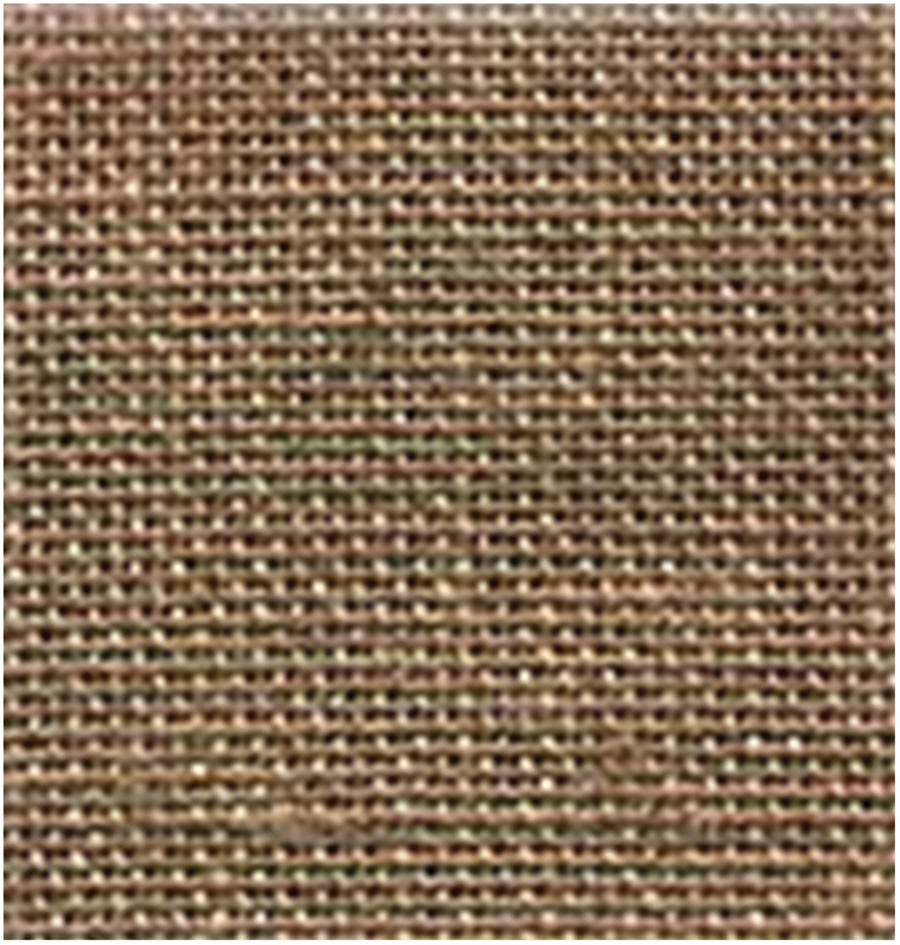
EXPERIMENTAL
Materials
Hessian cloth (unbleached commercial grade, made of Tossa Jute) was collected from Bangladesh Jute Research Institute (BJRI), Dhaka, Bangladesh. The architecture of hessian cloth is shown in Figure 1. Polyvinyl chloride (PVC) sheets were purchased from Polyolefin Company Ltd., Singapore.
Composites Fabrication
The PVC sheets were cut into small pieces (15 × 12 cm2) and kept in the desiccator until composite fabrication. Jute fabrics were dried in an oven at 105°C for 1 h and then cut into small pieces of dimension 15 × 12 cm2. Composites were prepared by sandwiching four layers of jute fabrics between five sheets of PVC and then the sandwich construction was heat pressed at 190°C (above the melting point of PVC) for 5 min between two steel plates using heat press (Carver Laboratory, USA Model 3856) under a pressure of 5 tons. Then, composite containing steel plates was cooled to room temperature using another press (same model) and then cut to the desired size for testing.
Mechanical Properties of the Composites
The mechanical properties such as TS, bending strength (BS), tensile modulus (TM), and bending modulus (BM) were determined for the composites according to DIN 53455 and DIN 53452 standard methods by a universal testing machine (INSTRON 1011) with a gauze length of 20 mm. The impact strength (IS) was measured using impact tester (MT-3016) according to DIN EN IS0 179 standard in the flat wise, un-notched mode. Hardness was determined by HPE Shore-A Hardness Tester (model 60578, Germany). All the results were taken as the average values of 10 samples.
Soil Degradation Tests of the Composites
Composite samples were buried in soil (having at least 25% moisture) for different periods of time. After a certain period, samples were withdrawn carefully, washed with distilled water, and dried at 105°C for 6 h and kept at room temperature for 24 h and then measured for their mechanical properties.
RESULTS AND DISCUSSION
Comparative Studies of the Mechanical Properties of the Composites
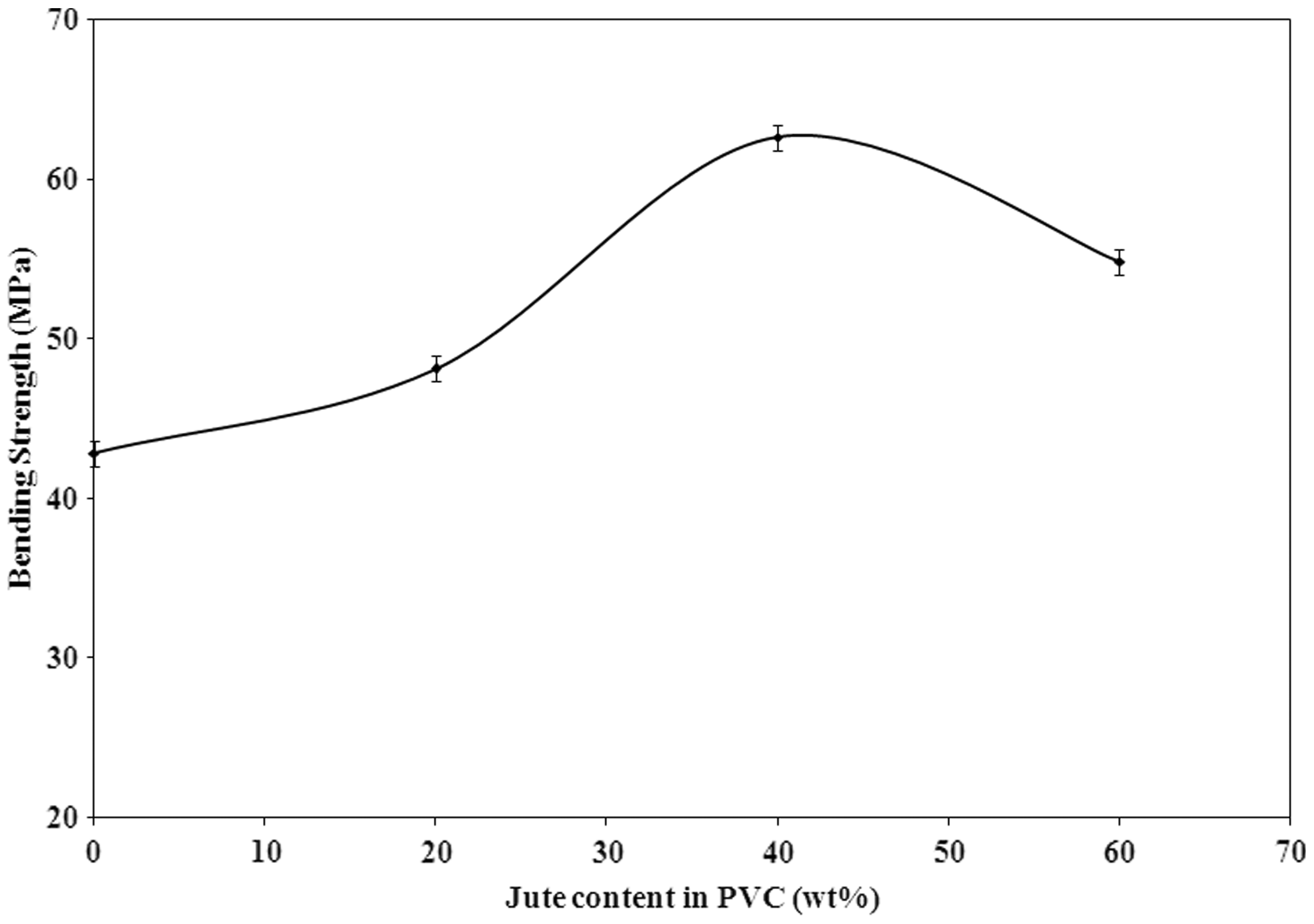
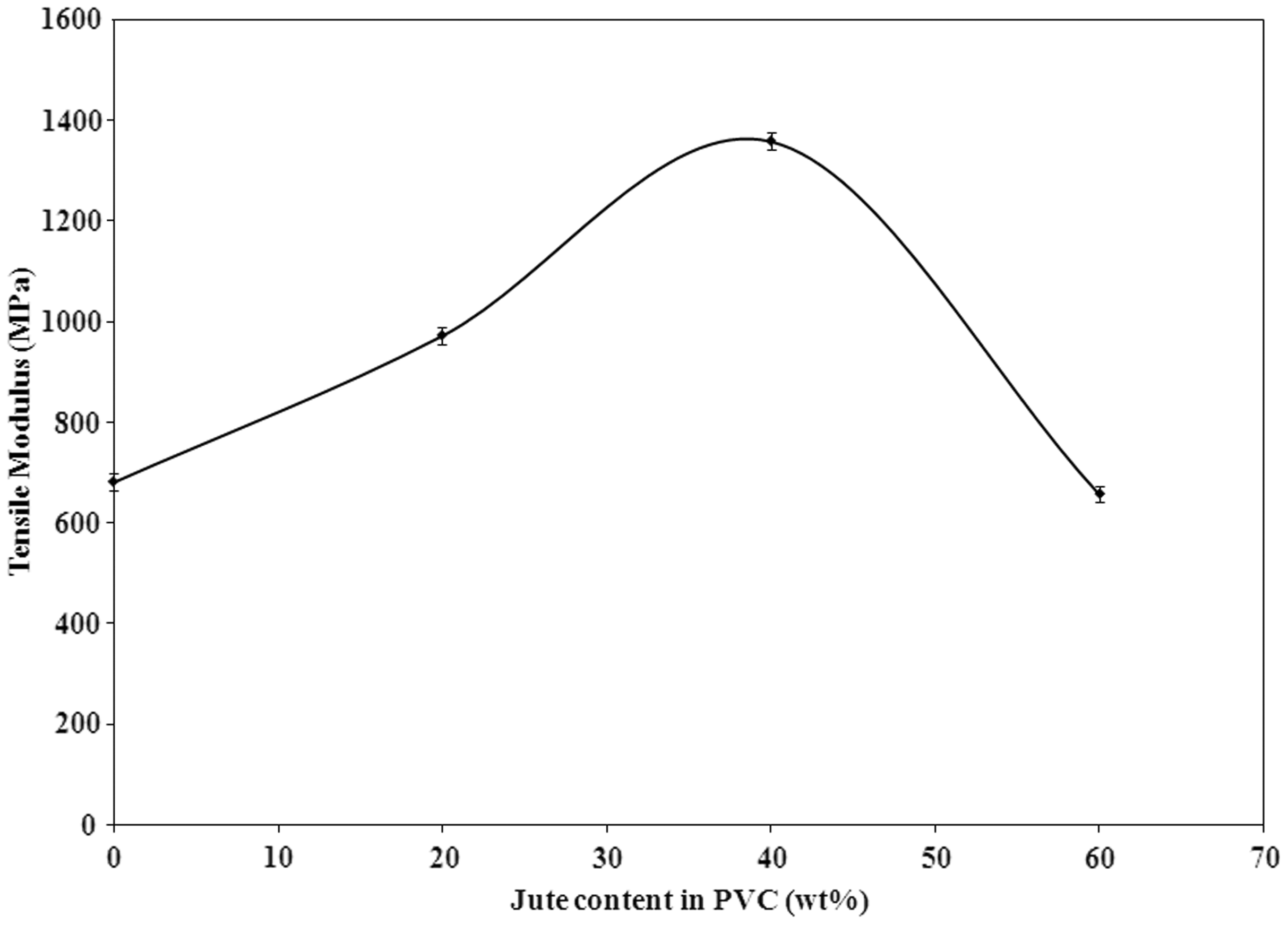
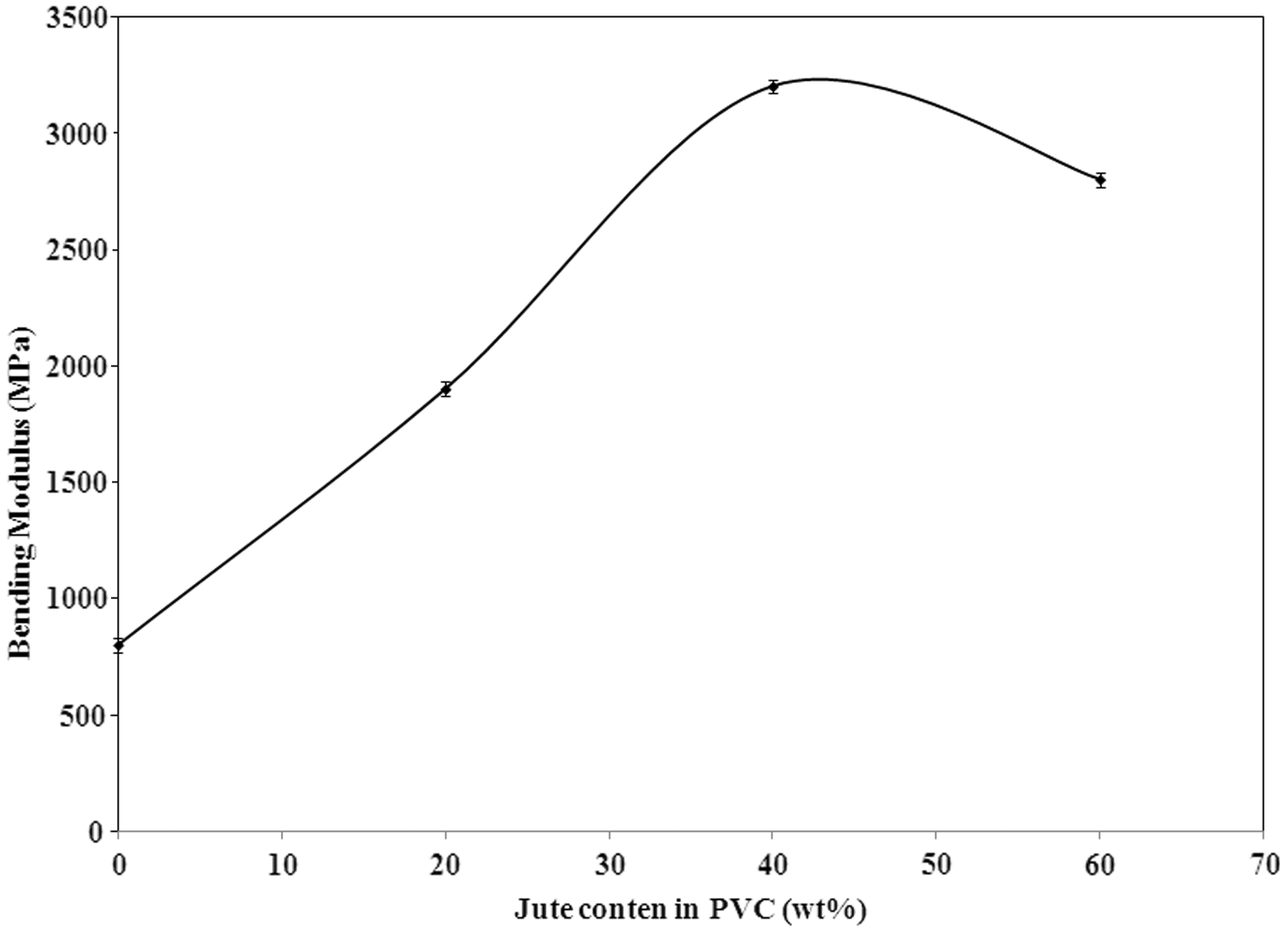
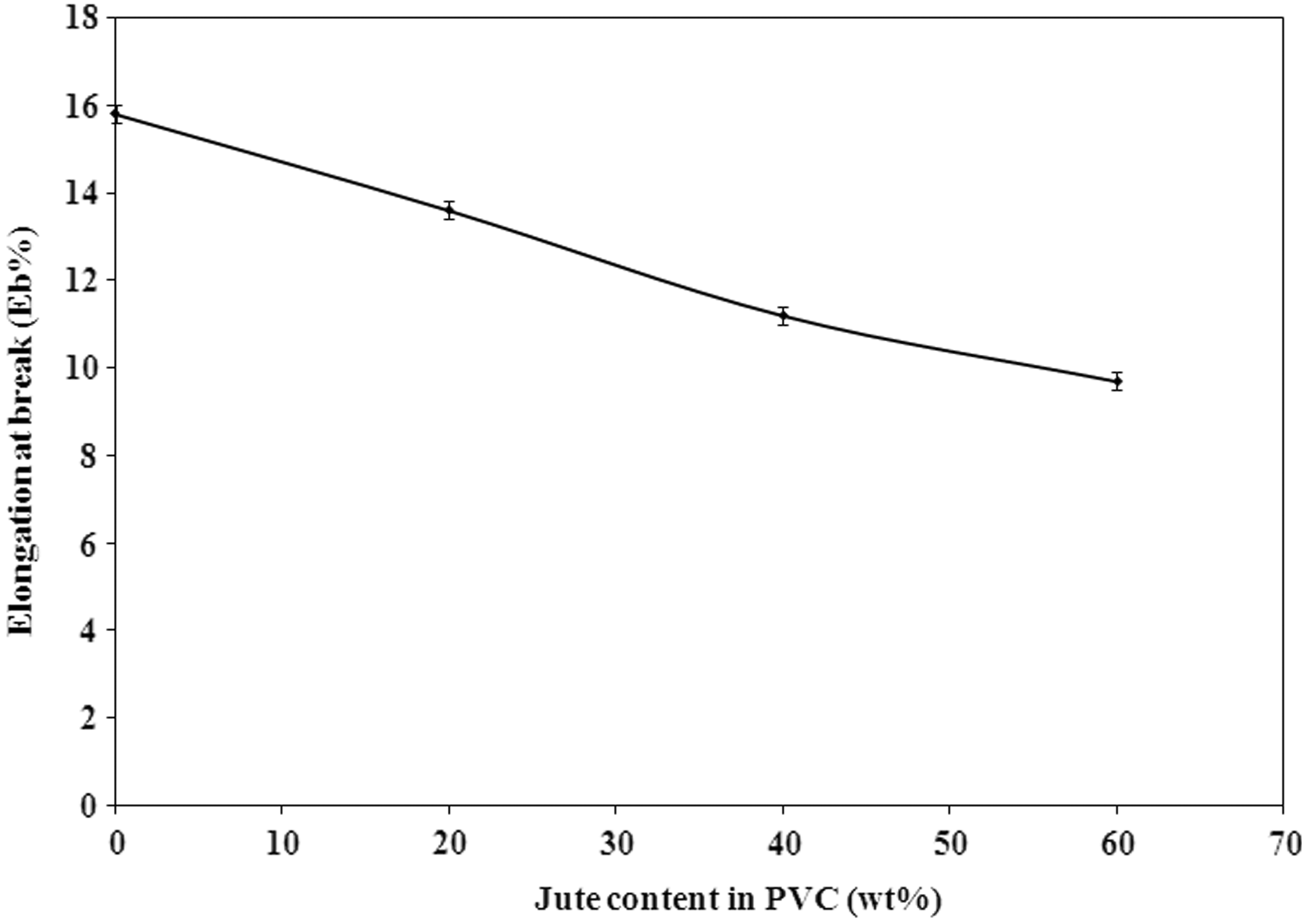
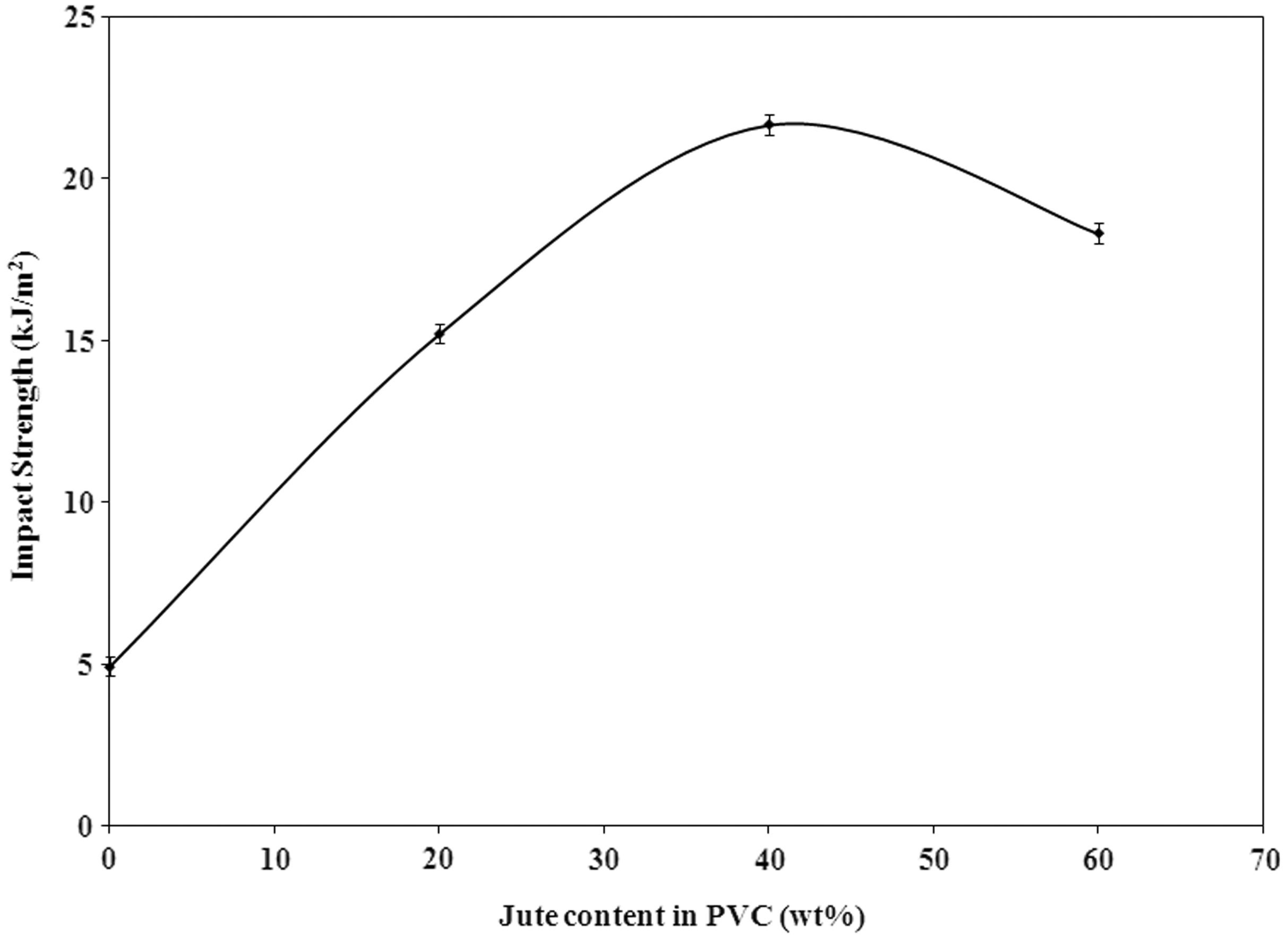
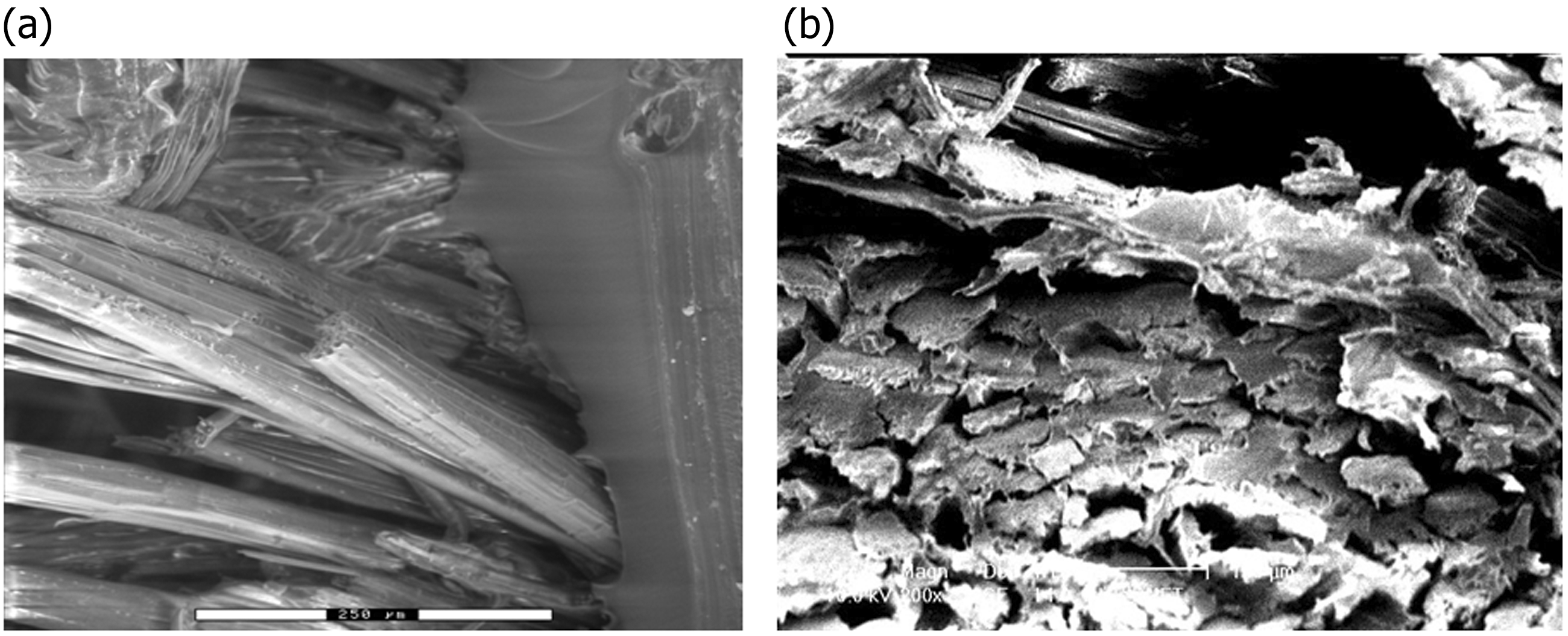
Jute fabric-reinforced PVC matrix composites (20, 40, and 60 wt% jute) were prepared and the mechanical properties were evaluated. The mechanical properties such as tensile, bending, impact, and hardness of the PVC sheet were investigated and the values are represented in Table 1. TS, BS, TM, BM, elongation at break (Eb%), IS, and hardness of the PVC sheet are found to be 33.4 MPa, 42.8 MPa, 0.681 GPa, 0.801 GPa, 15.8%, 4.94 kJ/m2, and 98 Shore-A, respectively. The mechanical properties of the jute/PVC composites as a function of jute fabrics were measured. The values of TS and BS of the composites with regards to percentages (%) of jute content in the composites are shown in Figures 2 and 3, respectively. It was observed that the values of TS and BS of composites were increased linearly with the increase in jute fabrics to 40%, as at this level, the density of the fibers is just right for maximum orientation and the fibers actively participate in uniform stress transfer from the continuous polymer matrix to the dispersed fiber phase. At lower levels of fiber content, the composite shows poor mechanical properties due to poor fiber population and low-load transfer capacity to one another. As a result, stress gets accumulated at certain points of the composites and highly localized strains occur in the matrix. However, beyond 40% of fiber content, there was a notable reduction in mechanical properties of composites. High levels of jute content lead to agglomeration within the matrix and nonuniform stress transfer takes place. This implies poor fiber–matrix adhesion, which promotes micro-crack formation at the interface and the resulting composite property is again found to decrease [33]. The values of TS and BS are found to be 59.3 and 62.6 MPa, respectively, for 40% jute-containing composite which gained 77.17% and 46.26% increase in TS and BS, respectively, than those of PVC matrix. TSs of 20% and 60% jute-containing composites are found to be 39.83 and 51.13 MPa, respectively, while BS values of these are found to be 48.1 and 54.8 MPa, respectively. A similar improvement in the TM and BM was also observed in Figures 4 and 5, respectively. It was found that both TM and BM showed continuously increasing trends from 20% to 40% jute content in polymer matrix further increasing of jute content decreased the values. Composite containing 40% jute showed 99.41% and 299.5% higher TM and BM than those of PVC sheet, respectively, and the values are found to be 1358 and 3200 MPa, respectively. For 20 and 60% jute-containing composites, the values of TM were found to be 972 and 657 MPa. On the other hand, the values of BM showed 1900 and 2800 MPa, respectively. The incorporation of jute into PVC matrix has resulted in reduction of the elongation at break which is represented in the Figure 6. The percentage of elongation at break (Eb%) of the composites was decreased with increasing jute content in composites because of low Eb% of the fibers compared to PVC. The values of Eb% were found to be 15.8, 13.6, 11.2, and 9.7 for PVC sheet, 20%, 40%, and 60% jute-containing composites, respectively. From Figure 7, it was found that IS values gradually increased with increasing jute content in composites up to 40% and the value is 21.67 kJ/m2 and then decreased whereas only 4.94 kJ/m2 is found for PVC sheet. Hardness of the composites is represented in Table 2. Shore-A hardness of the composites indicated that due to incorporation of jute fibers inside PVC, the hardness of the composite did not reduce but had almost similar properties. From this investigation, it is clear that jute composites gained huge mechanical properties over the matrix material and thus indicated good fiber matrix adhesion. The interface of the composites was investigated by scanning electron microscope (SEM). The SEM micrographs of (A) 40% and (B) 60% jute fabric-reinforced PVC-based composites are presented in Figure 8. It is clear that for 40% jute/PVC composites (Figure 8(a)), fibers (from jute fabrics) are distributed properly but for higher percentage (60% jute) of fibers in composite (Figure 8(b)), a clear distinction between matrix (PVC) and reinforcing agent (jute fabrics) is found. At higher percentage of jute, the matrix PVC is not good enough to cover all fibers of jute fabrics thus lowering the mechanical properties. This investigation was carried out based on the macroscopic point of view of the composite.
TS of composites against jute content in PVC. BS of composites against jute content in PVC. TM of composites against jute content in PVC. BM of composites against jute content in PVC. Variation of elongation at break with jute fiber content in composites. IS of composites against jute content in PVC. Scanning electron microscopic images of the interface of (a) 40% and (b) 60% jute fabric-reinforced PVC-based composites. TS, BS, IS, and hardness of PVC sheet. Hardness of composites.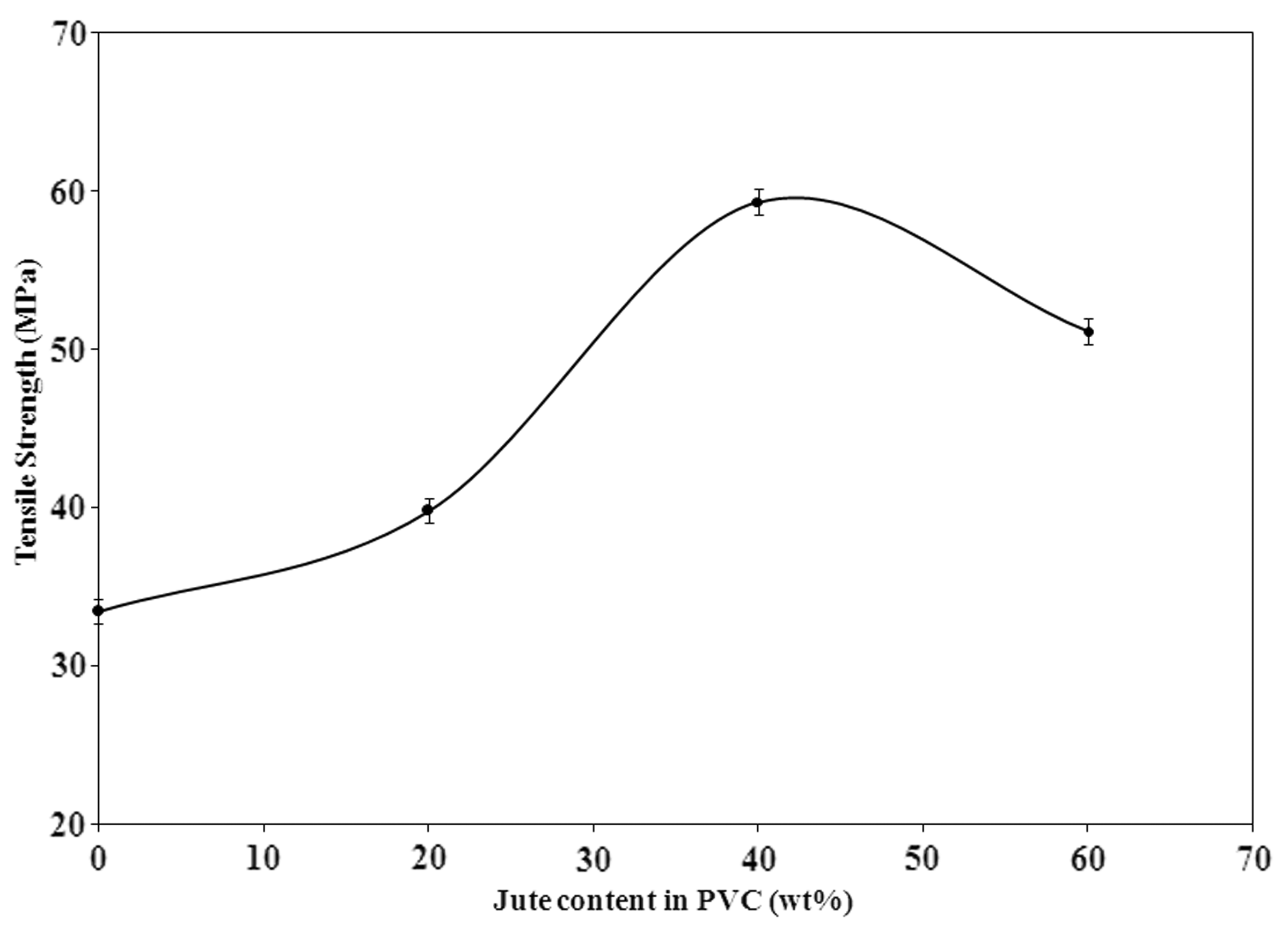


Relative Degradation of the Mechanical Properties of the Composites
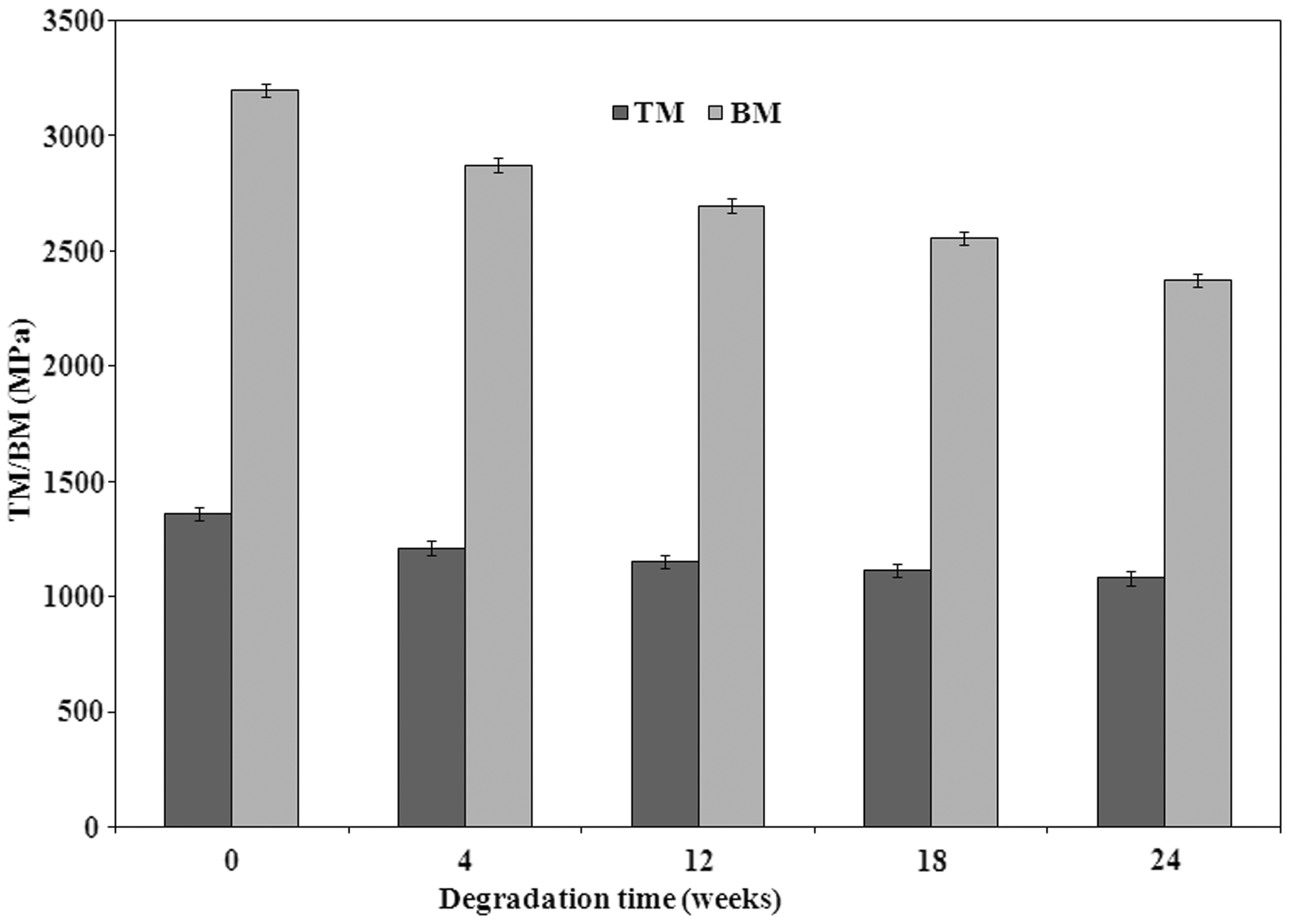
Degradation tests of the composites were performed in soil at ambient conditions for up to 24 weeks. Figure 9 shows the effect of degradation time on TS and BS of the composites. From the test results, it was observed that both TS and BS decreased slowly with time. After 24 weeks of soil degradation, the losses of TS and BS values for 40% jute-containing composite are found to be 15% and 17%, respectively. Similarly, TM and BM values were also decreased over degradation time and the results are depicted in Figure 10. It is found that after 24 weeks, the losses of TM and BM values are 20.47% and 25.84%, respectively, for 40% jute-containing composite. When buried, microbial degradation takes place as well as water may enter from the edges of the composites and thus degrade the fibers slowly inside the composite, as a result, the mechanical properties of the composites were decreased significantly.
Variation of TS and BS with soil degradation time of composite containing 40% jute content. Variation of TM and BM with soil degradation time of the composite containing 40% jute.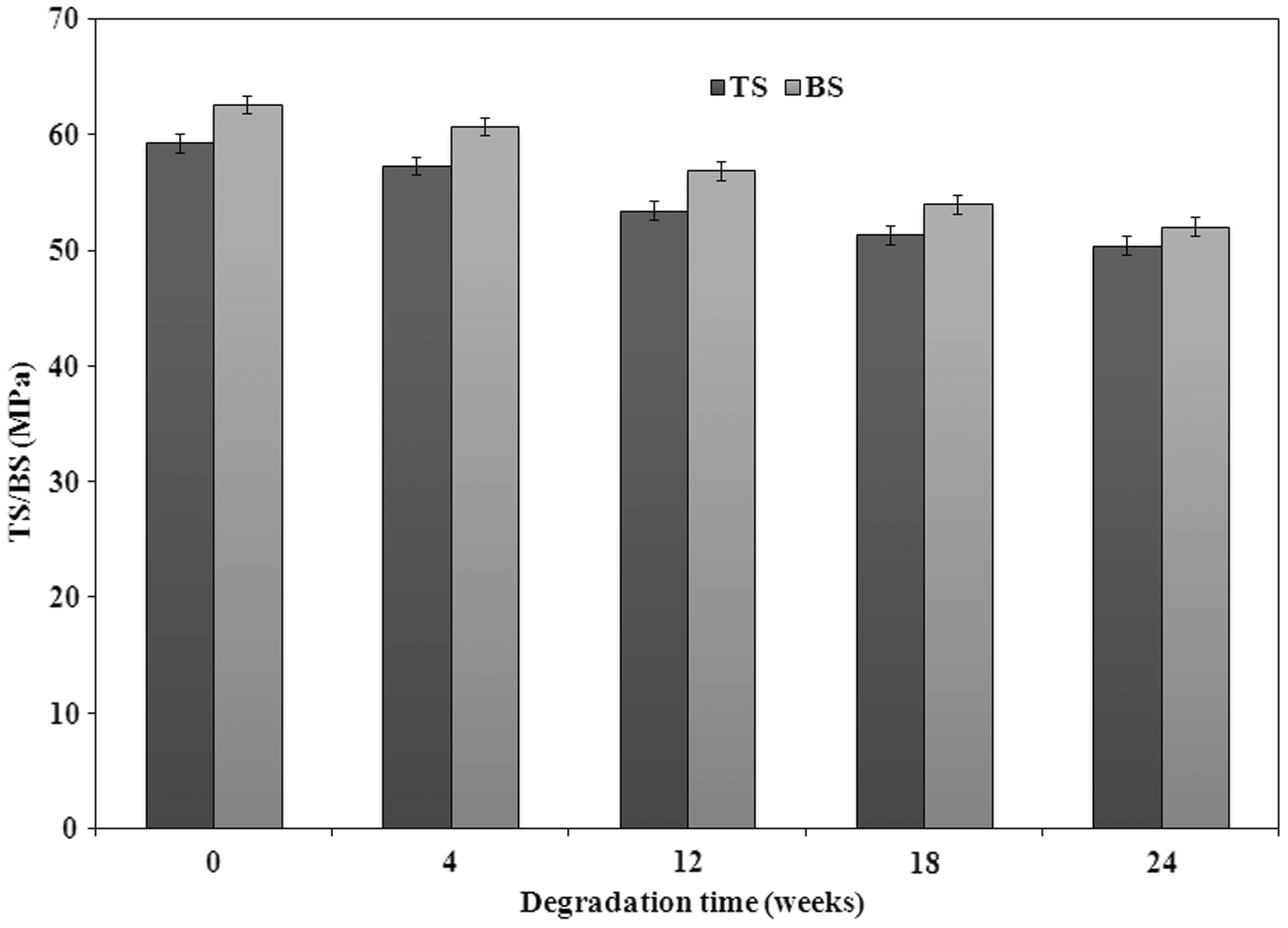
CONCLUSION
Hessian cloth (jute fabrics) reinforced PVC matrix-based composites (20–60 wt% fiber) were prepared by compression molding and the mechanical properties were evaluated. It was observed that incorporation of jute in PVC matrix, the mechanical properties of the composites improved. The best mechanical properties of the composites were found for 40% jute-containing PVC (60%) based composites. An increase of 77% and 46% in TS and BS was observed with 40% jute fabric-reinforced composite as compared with the PVC matrix, which indicated the potentiality of hessian cloth as reinforcing agent. Degradation tests in soil medium indicated that jute fabrics/PVC composites are partially degradable-type composite with advantages including low-cost natural fiber.
Footnotes
Figure 1 appears in color online 