



Abstract
Autonomy development is an important process in adolescence and is central to a successful transition to adulthood. Social contexts play a crucial role in supporting and suppressing autonomy. Considering social media is a salient and important context for mid-adolescents it has the potential to strongly influence autonomy development. This study applied qualitative methods to examine mid-adolescents’ perspectives of how their social media use impacts autonomy. Participants included 36 students aged 15 years from four schools in Melbourne, Australia. All participants completed a rich picture mapping activity and focus group discussions, and a sub-sample of 11 adolescents participated in follow-up, one-on-one interviews. Reflexive thematic analysis generated two overarching themes; supporting autonomy and suppressing autonomy. Sub-themes included; promoting self-governance, facilitating choicefulness, developing a sense of self, external forces motivating use, fostering compulsive and non-intentional use, and affordances of social media threaten personal control. This study revealed that social media contributes to today’s adolescents encountering unique experiences with regard to their autonomy development compared with other generations. Findings highlighted the need to harness the autonomy-supportive aspects of social media use whilst mitigating the autonomy-suppressive ones to help mid-adolescents engage with social media in a way that promotes healthy functioning and wellbeing.
According to self-determination theory (SDT), autonomy is a fundamental psychological need and an essential ingredient for healthy development and wellbeing (Ryan et al., 2019). Autonomy refers to a sense of volition and control over feelings, thoughts, and actions. Individuals feel autonomous when they experience self-governance within their lives and have the capacity to make choices that are congruent with personal interests, goals, and values. Conversely, autonomy is undermined when external forces control or coerce thoughts and behaviors, often resulting in stress and inner conflict with detrimental consequences for well-being (Ryan & Deci, 2020). Adolescence is a period where autonomy development is of central importance as it plays a crucial role in helping young people successfully transition to adulthood (Melendro et al., 2020). Adolescents benefit from environments that promote opportunities for autonomous regulation and behavior. SDT posits that social contexts “provide the most phenomenally salient experiences of autonomy support and control and have direct effects on wellness” (Ryan et al., 2019, p. 100). Therefore, given that social media is a pervasive and important context within adolescents’ lives (West et al., 2021), their social media use could play a substantial role with regard to autonomy fulfilment. This paper applies a SDT lens to explore mid-adolescents’ perspectives on how their social media use both supports and suppresses the psychological need for autonomy. It identifies aspects of mid-adolescents’ social media use that could be targeted to promote engagement with social media that enhances rather than threatens autonomy.
Sociocultural Contexts, Social Media, and Autonomy
Autonomy development occurs within the multi-faceted and broader sociocultural contexts of adolescents’ lives. Interactions between young people and their social environments strongly influence how developmental tendencies unfold (Bronfenbrenner, 1979). Of particular interest to SDT is the crucial role sociocultural contexts play in supporting or suppressing the psychological need for autonomy (Ryan & Deci, 2020). Research emphasizes the importance of autonomy-supportive environments for nurturing healthy development during adolescence (Guay, 2022; Ryan & Deci, 2020). Autonomy-supportive environments promote optimal functioning, enhance motivation and foster well-being (Mossman et al., 2022; Ryan & Deci, 2020), therefore, they provide an ideal climate for cultivating positive adolescent development. Autonomy-support has been studied within a range of environments that are particularly relevant to adolescents, including learning contexts (Guay, 2022; Ryan & Deci, 2020), the family sphere (Distefano & Meuwissen, 2022; Holt et al., 2021) and sporting environments (Moreno-Murcia et al., 2022; Mossman et al., 2022). Guidelines have been developed to help educators and parents create autonomy-supportive environments (Reeve & Cheon, 2021; Rodríguez-Meirinhos et al., 2020). However, research examining the social media context in relation to adolescents’ autonomy is scarce.
Considering that social media has quickly become a salient developmental context with unique appeal to adolescents (Magis-Weinberg et al., 2021; Vannucci & McCauley Ohannessian, 2019) a greater understanding of the potential for autonomy within this context is needed. Having grown up in a world where social media has always existed, today’s adolescents spend considerable time engaging with social media and rely on it for important purposes including connecting with friends, accessing and sharing information, and for entertainment (Anderson & Jiang, 2018; West et al., 2021). Social media may be especially alluring for adolescents due to biopsychosocial factors specific to this developmental stage, such as increased reward sensitivity, expanding social worlds, and the desire for self-exploration and identity formation (Gorea, 2021; Vannucci & McCauley Ohannessianf 2019). Therefore, just as scholars have recognized and identified ways to promote autonomy-supportive classrooms or home environments (Reeve & Cheon, 2021; Rodríguez-Meirinhos et al., 2020), further research is needed to understand how adolescents can interact within the social media environment in ways that maximize opportunities for autonomy-support.
Studies examining young peoples’ autonomy in relation to social media use have primarily addressed negative implications, with most studies focusing on extreme maladaptive usage (such as gaming disorder or social media addiction) (e.g., Keles et al., 2020; Rosendo-Rios et al., 2022; Xuan & Amat, 2020). Research has demonstrated that autonomy frustration is associated with problematic social media use for young people (Mills et al., 2018) which often manifests as uncontrollable or compulsive behaviors (Sun & Zhang, 2021; Yildiz Durak, 2019). Shoemaker Brino et al. (2022) recognized the need to combat problematic social media use among adolescents and developed a social media hygiene protocol. The protocol aims to help adolescents gain awareness and insights into problematic social media use and to curb unhealthy social media behaviors. Typical social media use (i.e., non-problematic) can also negatively influence adolescents’ autonomy. For instance, adolescents often experience a lack of control over the time they spend using social media and sometimes feel coerced or pressured to engage in social media activities (Griffiths et al., 2018). A prime example is FOMO (fear of missing out) which commonly motivates adolescents’ social media use (Oberst et al., 2017) despite it being positively associated with less autonomous motivation styles, including extrinsic motivation and amotivation (Alt, 2015).
In contrast, emerging research suggests that social media may be beneficial for young people’s autonomy. For example, scholars have demonstrated that social media can foster autonomous behaviors for LGBTQ+ youths by providing a safe environment for freedom of expression, controlled self-disclosure and identity exploration (Bates et al., 2020). Moreover, communication via digital technologies has been associated with a greater sense of volition for adolescents aged 14 to 17 years (Manago et al., 2020). Furthermore, online gaming is popular amongst adolescents (Verheijen et al., 2020) and game designs have evolved to incorporate features that promote many opportunities for autonomous behaviors such as providing choice (e.g., which characters, weapons or levels to attempt), the freedom to explore (e.g., different environments within game worlds) and the potential to actively control the narrative.
Autonomy Through a Self-Determination Theory Lens
SDT is a well-established theory of motivation, development, and wellness (Ryan & Deci, 2019). It identifies three fundamental psychological needs (autonomy, relatedness, and competence), that when satisfied, foster psychological health and well-being (Ryan & Deci, 2020). The current study focuses specifically on autonomy enabling a comprehensive investigation and discussion into this important domain of well-being. There are a number of reasons why SDT is particularly suitable for researching the implications of social media on autonomy. Firstly, SDT places a strong emphasis on the role social contexts play with regards to autonomy (Ryan & Deci, 2020). Thus, it provides a pertinent lens when considering that social media is recognized as a distinct and ubiquitous social context within adolescents’ lives (Nesi et al., 2020). Furthermore, studies applying SDT have shown that autonomy has broad functional implications with regards to motivation, engagement, and persistence toward specific behaviors (Ryan & Deci, 2021). Therefore, SDT may help explain why adolescents fervently and frequently use social media.
Moreover, SDT has established a comprehensive taxonomy of motivation, that takes into account both intrinsic and extrinsic factors that impact autonomous regulation (Ryan & Deci, 2021). SDT espouses that when behaviors are autonomous they are more intrinsically motivated and of high quality as they yield beneficial outcomes including enhanced performance, persistence, and well-being (Roth, 2019). In contrast, heteronomous motives are more extrinsically motivated and considered to be of poorer quality, as they often have detrimental consequences such as rigid behavior, feeling pressured, and ill-being (Roth, 2019). Consideration of this taxonomy when interpreting the current results could help toward generating more complex, meaningful, and applicable findings.
When investigating autonomy it is important to recognize the two conceptualizations that dominate the current literature, autonomy as independence or volitional functioning (Soenens et al., 2018). Autonomy as independence refers to the capacity to be self-reliant and take responsibility for oneself. Conversely within SDT, autonomy is considered as volitional functioning, which is the degree in which individuals can “regulate their behavior based on deeply held values, preferences, and interests” (Soenens et al., 2018, p. 1). SDT argues that being independent and being autonomous are not necessarily equivalent. Although volitional functioning can be characterized by increased independent behaviors, in some instances individuals may be coerced or forced to be independent rather than voluntarily choosing to be. Furthermore, inter-dependence can support autonomy. For example adolescents may seek guidance from parents to help them achieve self-endorsed goals rather than dealing with challenges on their own (Brown et al., 2020). Moreover, parenting that encourages volitional functioning (e.g., offering choice, adopting adolescents’ perspectives, and encouraging the use of initiative or personal exploration) yields positive benefits for adolescents including increased wellbeing and better quality of motivation (Mabbe et al., 2020).
Mid-Adolescence and Autonomy
Adolescence is a developmental period characterized by the maturational process that occurs as a young person progresses from childhood to adulthood (Steinberg, 2023). This process entails a series of complex transitions (including biological, cognitive and social) that are strongly influenced by contextual factors (Steinberg, 2023). Developmental scientists recognize that experiences within various stages of adolescence differ greatly. For example, a 10-year-old, a 15-year-old, and a 19-year-old, would have very different experiences of navigating their social worlds. Therefore, rather than viewing adolescence as a single developmental phase, it is commonly differentiated into stages; early adolescence (10–13 years of age), middle adolescence (14–17 years of age), and late adolescence (18–21 years) (Steinberg, 2023).
From an SDT perspective, autonomy fulfilment is sought across the lifespan, however, mid-adolescence represents a pivotal stage for autonomy development due to developmental changes unique to this period. Granic et al. (2020, p. 200) assert that early adolescence is characterized by conformity, whereas “mid-adolescence ushers in a period that prioritizes the need for personal agency.” In many societies, typically by mid-adolescence young people have transitioned from child to adolescent (early adolescence) and acquired a broader perspective on life beyond the family sphere. Mid-adolescents desire for increased autonomy is especially focused on personal domains such as choosing friends, deciding what to do in their free time and having the capacity to exercise their individuality and choice (Daddis, 2011). Subsequently, parental controls that were normative in early adolescence can shift toward a more equal and reciprocal relationship, especially in regards to personal domains (Branje, 2018). During mid-adolescence, peer relationships have heightened importance and are integral to self-discovery and self-definition (Bukowski et al., 2009; West et al., 2021). Certain cognitive capacities, including verbal fluency, the ability to reason, and perspective taking, reach adult-like levels by mid-adolescence (Icenogle et al., 2019). These capacities assist young people to consolidate personal values, interests and preferences, which contributes to identity formation (Pellerone et al., 2015). These referential processes are also central to autonomy development, given that autonomus decision-making and behaviors are inherently tied to a person’s sense of self (Pfeifer & Berkman, 2018). Furthermore, by mid-adolescence major pubertal and biological processes have taken place, producing physical and emotional changes that signify the transition toward adulthood (Dahl et al., 2018). Taken together, these factors suggest that mid-adolescents are primed to exercise and experience increased autonomy.
Accordingly, mid-adolescence is characterized by exploration and experimentation that sets the foundation for adult roles and responsibilities. For instance, it is a time when many young people encounter their first romantic relationship or sexual experience (Warren & Swami, 2019), experiment with drugs and alcohol (National Institute of Alcohol Abuse and Alcoholism, 2021; Tur-Porcar et al., 2019), and engage in preliminary decision-making with regards to vocational goals. The increase in maturity from early to mid-adolescence is often recognized and reflected within societal rules and regulations. For example, in Australia (where participants from the current study were recruited), in the eyes of the law mid-adolescence marks the age when young people gain new adult-like freedoms. At 15 years of age, they can legally attend movies rated for a mature audience, acquire their own government health insurance card, and engage in a broad range of paid work without parental consent. By 16 years of age mid-adolescents can obtain their learners permit to drive. This shift in expectations, experiences, and exposures creates new opportunities for mid-adolescents to practise autonomous regulation and behaviors. However, mid-adolescence represents a crossroad phase in development where young people are no longer considered children yet not quite adults (Brizio et al., 2015). Despite newfound freedoms and responsibilities, considerable constraints and limitations are still placed on mid-adolescents. For example, parents often instill curfews or family obligations, schools set codes of conduct, societal laws prohibit certain actions or practises for minors, and religious or cultural beliefs offer directives for acceptable behavior.
The Current Study
It is well-recognized that social media can strongly influence adolescent development (Weinstein & James, 2022) and that autonomy plays a key role in fostering healthy development (Ryan & Deci, 2020). Nonetheless, there is a specific gap in the literature with regard to understanding how social media impacts adolescent autonomy. Social media has, and will continue to have, a strong presence in adolescents’ lives. Therefore, we need to establish an evidence base that helps to promote a system of use that maximizes the benefit to youth while minimizing the harm. Understanding the potential for autonomy is crucial toward achieving this aim.
Prominent scholars (Davis et al., 2020; Weinstein & James, 2022) within the field of adolescent digital well-being emphasize the importance of consulting directly with adolescents. They note that researchers risk missing out on valuable insights, and that conversations about adolescents are “inherently flawed” if they do not include adolescent voices (Weinstein & James, 2022, p. 224). Privileging adolescent voice is impactful in a policy and practice space, particularly as young people and their relationship with social media are often misunderstood and misrepresented in these arenas (Goodyear & Armour, 2020; Hamilton et al., 2022; Weinstein & James, 2022). Furthermore, scholars recommend using qualitative methods to help unravel the more nuanced aspects of adolescent social media use (Davis et al., 2020). Accordingly, to gain meaningful insights, the current study adopted a qualitative approach capturing mid-adolescents unique perspectives and identifying in-depth details as to how their social media use supports and suppresses autonomy. Moreover, this approach championed the autonomy of young people by enabling them to share their voices.
We focused on mid-adolescence as this is a developmental period where autonomy becomes increasingly salient, thus, social media may be especially appealing to this age group as a means to practise autonomous regulation and behaviors. To reflect mid-adolescents’ typical social media use, within this study, social media encompasses social networking sites, content sharing, and social online gaming. The overarching research question was: In what ways do mid-adolescents perceive their social media use to impact the psychological need for autonomy?
Method
Participants
Participants included 36, middle school students aged 15 years from four metropolitan schools in Melbourne, Australia (refer to Table 1). All schools had above-average SES, as measured by the Index of Community Socio-Educational Advantage (Australian Curriculum Assessment and Reporting Authority [ACARA], 2019). Nine students from each school participated in a rich picture activity and focus groups. A sub-sample of 11 students also participated in follow up one-on-one interviews.
School and Participant Data Collection Information.
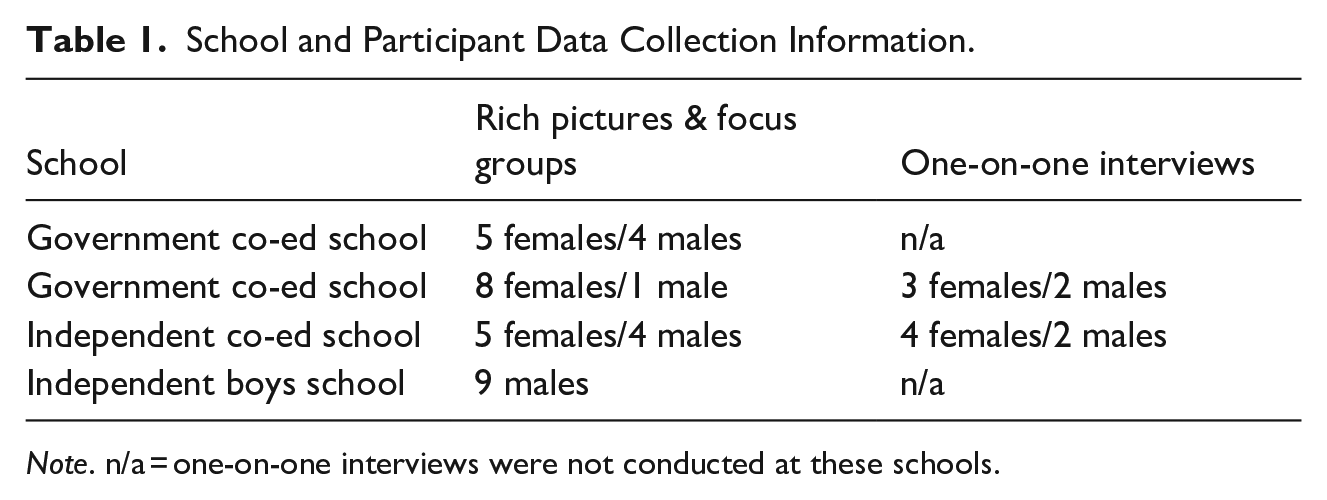
Note. n/a = one-on-one interviews were not conducted at these schools.
Procedure
Ethics approval was obtained from the University Human Research Ethics Committee and the Department of Education and Training. Data were collected between November 2018 and December 2019. School staff members (two middle school co-ordinators, one well-being co-ordinator and one vice-principal) informed all middle-school students in Year 9 at each school of the opportunity to participate in the study. A purposive sampling approach was adopted ensuring all participants were social media users. Staff members explained that students who use social media (including social networking sites, gaming, and content sharing) were welcome to express their interest in participating. Staff were asked by the lead researcher to recruit between 8 and 12 participants per school. This is a recommended size for focus groups as it provokes diverse insights, encourages contribution from each participant, whilst avoiding fragmentation, which can occur in larger groups (Carlsen & Glenton, 2011; Krueger & Casey, 2000). Letters explaining the study and consent forms were distributed to interested students and their parents/guardians.
Three data collection methods were used sequentially; rich picture mapping (RPM), focus groups, and one-on-one interviews. Data collection occurred during school hours in a spare room in each school and with consent they were audio recorded and transcribed verbatim. The first author liaised with school staff, moderated the RPM and focus groups, conducted interviews, and transcribed the audio-recordings. RPM was used as an initial exploratory tool. It entails small groups of participants working together to draw pictures or diagrams in response to a specific question. Within each school, the nine participants were divided into small groups of three, provided with colored markers and a large blank sheet of paper, then asked to draw responses to the question, “Why is social media important to adolescents?” The question was intentionally broad to allow participants to share their ideas freely and to avoid steering responses toward researchers’ assumptions. After approximately 10 min each sub-group explained their drawings to the broader group.
Immediately following RPM, focus group guidelines were outlined including matters concerning confidentiality and voluntary participation. Focus groups were then conducted and lasted between 45 and 75 min. A semi-structured framework was used with two overarching themes, 1. why social media is important to adolescents, and 2. how social media impacts factors associated with wellbeing. Questions included exploration into ways social media impacts adolescents’ daily life, positive and negative aspects of social media use and how life would be different without social media. Approximately 1 week after the focus groups, face to face one-on-one interviews were conducted with a sub-set of participants. A semi-structured approach with open-ended questions was used to encourage meaningful and nuanced responses. Questions explored the impact of social media on life balance, adolescents’ views on generational differences surrounding social media use and detailed examples of how social media is detrimental/beneficial for daily functioning. Interviews ran for approximately 30 min and participants went into a draw to win a $30 gift voucher.
Data Analysis
Data from RPMs, focus groups and one-on-one interviews were analyzed and interpreted using Braun and Clarke’s (2021) reflexive thematic analysis. Reflexive thematic analysis emphasizes the importance of the researcher’s reflexive and thoughtful engagement with the analytic process to enable fully realized themes to be generated. Familiarization of data was achieved through transcribing audio-recordings, noting preliminary impressions and reading transcripts multiple times. Braun and Clarke (2021) argue that multiple realities exist, thus, employing inter-rater reliability for qualitative coding is problematic. Accordingly, the first author was solely responsible for the coding process. Initial codes were generated by analyzing all comments within the transcripts and identifying those that were relevant to the research questions. Codes were collated based on similarity and then patterns were identified enabling the development of themes. Initial themes were reworked ensuring coded extracts were relevant and that themes were meaningfully distinctive. This resulted in the generation of two central themes and associated sub-themes.
To uphold trustworthiness and dependability of the analysis, Braun and Clarke’s (2006) checklist for quality research was applied. This included comparing all transcripts with audio recordings to verify accuracy and ensure there was an appropriate level of detail. Equal attention was given to each data item when coding to ensure the process was inclusive and thorough. Consistent with the checklist, a reflexive approach was used taking into account researchers’ experiences and values and the subsequent potential to influence the research process. As the lead researcher, the first author, drafted a positionality statement that considered pre-conceptions, experiences and beliefs that could potentially influence the topic under investigation, the relationship with participants and the research process. Method triangulation entails using multiple methods of data collection (in this case RPM, focus groups and one-on-one interviews). This approach provides a means of validation through identifying converging information (e.g., overlap and accuracy between findings from the different data sets) and acts as a form of complementarity (e.g., allows the findings from different methods to inform each other), which in turn can increase credibility (Nightingale, 2020). Furthermore, conducting focus groups after the RPM, and interviews a week later, provided multiple opportunities for participants to elaborate on their thoughts and ideas. It also allowed researchers to verify participants’ views and clarify meanings, thus avoiding mis-representation of adolescents’ comments. Researcher triangulation (i.e., having more than one researcher participating in the research process) functioned to combat intrinsic biases of the principal researcher. At various points throughout the research process the research team convened to discuss ideas, challenge assumptions and ensure themes were analyzed in a logical and meaningful way. Rigor was further enhanced through transparent reporting (e.g., verbatim quotes with analytical narratives and detailed methodological and procedural information).
Findings
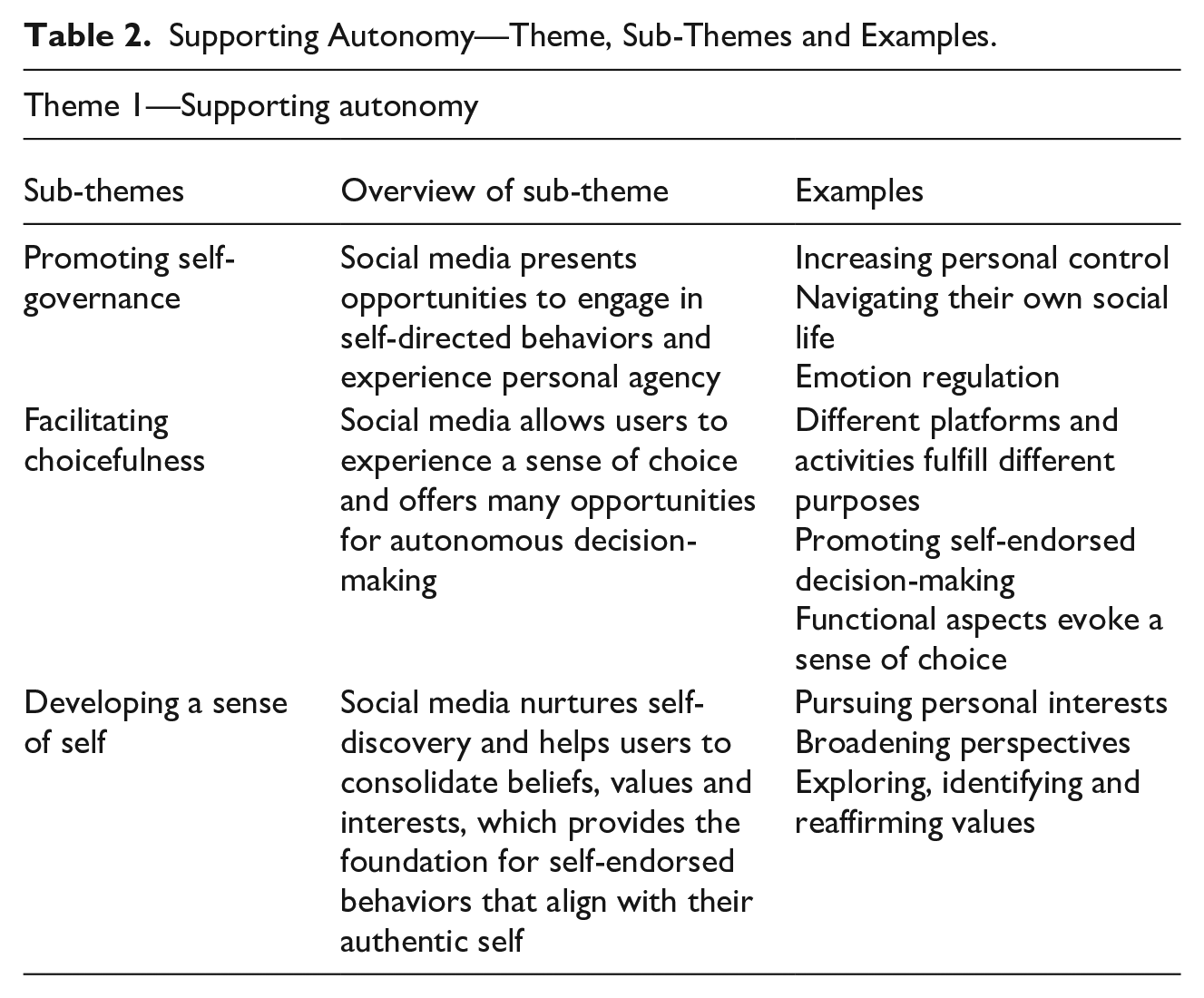
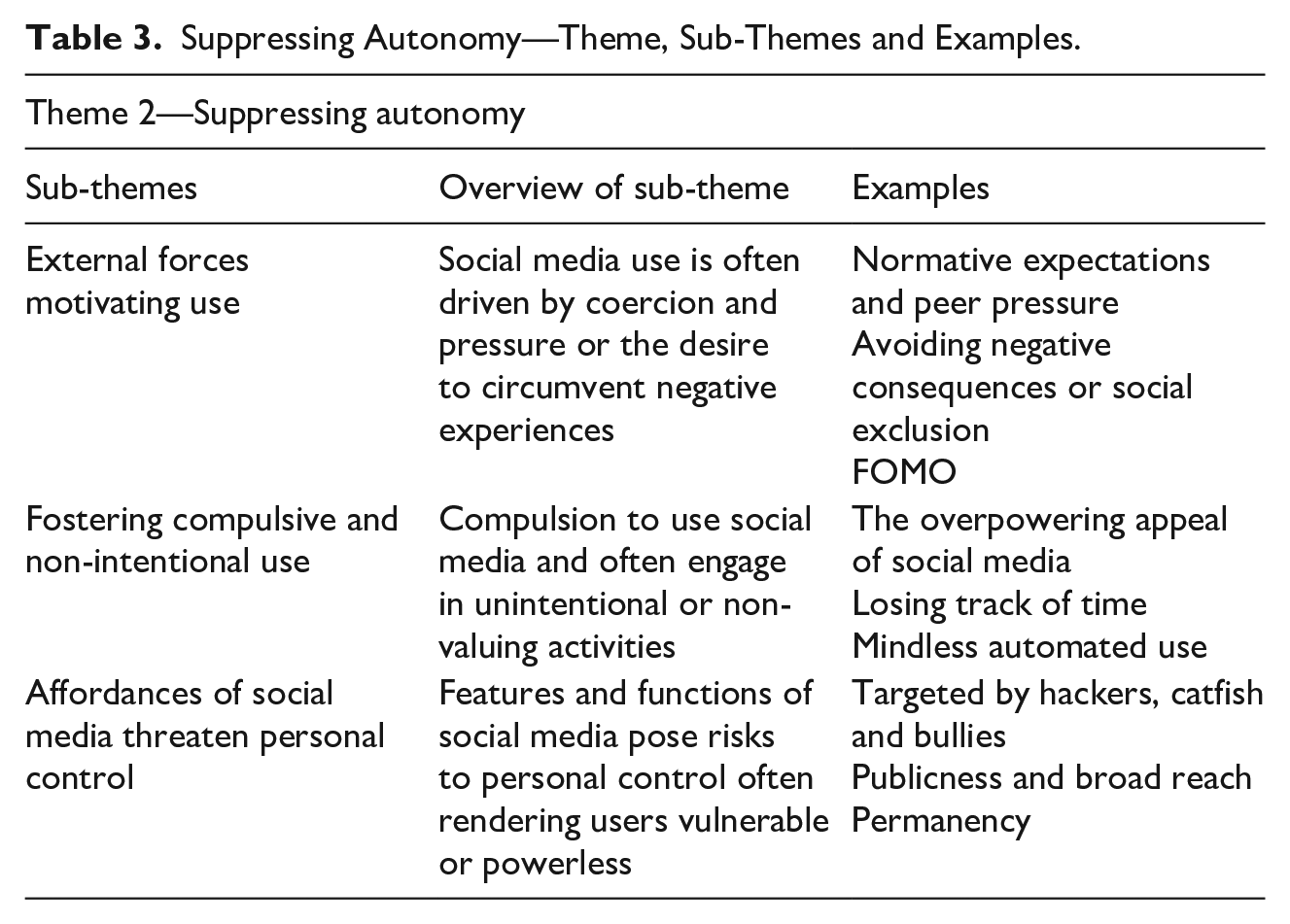
Transcripts from RPM discussions, focus groups and interviews were analyzed for data that specifically pertained to autonomy. Reflexive thematic analysis generated two overarching themes; “supporting autonomy” and “suppressing autonomy.” Tables 2 and 3 provide a summarized overview of findings followed by a detailed presentation of each theme and their sub-themes.
Supporting Autonomy—Theme, Sub-Themes and Examples.
Suppressing Autonomy—Theme, Sub-Themes and Examples.
In the following presentation of findings the abbreviations RPM, FG and I represent quotes from rich picture mapping, focus groups or one-on-one interviews (respectively). The participants’ schools are differentiated with 1 and 2 representing the two government co-educational schools, 3 reflects the independent co-educational school and 4 denotes the independent boys school.
Theme 1: Supporting Autonomy
Subtheme 1: Promoting Self-Governance
Participants discussed how they often feel constrained and controlled within their everyday lives and that social media provides them with opportunities to experience a sense of volition rather than hegemony. They provided numerous examples comparing online and offline experiences with regards to personal control. For example, one participant noted that when using social media “you feel like you have more power and you can do things easier but it’s not the same in real life” [FG, 2]. Another participant explained that social media offers more freedom to act in accordance with their own wishes compared with many face-to-face situations “if you aren’t liking what’s going on [on social media], you can just ignore it” [I, 3]. A further participant appreciated how the asynchronous nature of social media enables them to exercise control and precision when communicating “I read over my messages. . . before I send them out to make sure that everything is all good, whereas when you are just speaking normally [face-to-face] you can’t really back track ” [FG, 1].
A common view amongst participants was that they valued the chance to navigate their own social lives. Participants shared how social media encourages self-directed behaviors with regards to organizing their social calendars. For example, they use social media for planning activities “on the holidays” [I, 3] and to invite friends “to a party. . .everything is over social media not in person or a written invitation any more” [I, 1], and for instigating spontaneous catch ups “. . .you may be playing PlayStation, and it’s like let’s go do this [meet in person] later on. . .” [FG, 4]. The convenience of social media helps them manage and nurture their relationships “it’s easier to organize stuff . . . I probably wouldn’t see my friends as much without social media” [I, 3]. They appreciated how social media reduces their reliance on parents to organize social activities, one participant explained that social media “makes it a lot easier to make plans. . .whereas in primary school your mum would have to ring up their mum” [I, 3]. Participants also discussed how some relationships are threatened due to circumstances beyond their control such as time and distance. As social media defies geographical boundaries, it gives them the capacity to maintain connections and nurture important relationships. For example they “can stay in contact with people so like from primary school” [I, 3] and “with friends that don’t live in the same country” [RPM, 2] and “family overseas . . . you can’t just get on a plane” [FG, 2]. Another example of how social media helps participants exert control is through forming chat groups on social media. Participants not only decide who they invite but they also intentionally create an environment where they feel safe to interact “. . .you can have private stories where you can choose who you want in the story, . . .it’s a close group of friends that you want in there so you can post and you know they won’t judge you” [RPM, 1].
Participants emphasized how social media helps them take control of their emotions and regulate their moods. They frequently turn to social media to experience positive emotions, noting that they appreciate how “it allows you to have fun” [RPM, 4], and “makes you happy” [RPM, 3]. Participants also considered social media a valued tool for managing negative emotions. They explained that social media helps “to calm me down” [FG, 2], and is commonly used “for a brain break or to relax” [FG, 1] and as a way to combat daily hassles and frustrations “if I’m having a bad day I can like go onto Snapchat or Instagram and chat to people or look at what everyone is up to . . . and try and make myself happy” [I, 1].
Subtheme 2: Providing Choice
Participants explained how their self-governance is reinforced and enhanced by the vast array of choice that social media affords. Participants noted that they experience a sense of choice within many facets of their social media use. They particularly appreciate having numerous platforms and an extensive range of activities that are readily available. Different platforms serve different purposes and allow them to engage in a variety of activities that are important to them. For example, they use multiple platforms for communicating with friends “Instagram [is to]. . .rant, chat with friends, communicate, slide into those DM’s” [FG, 2], and “Snapchat is to talk to friends, have a chat and a bit of banter” [RPM, 4]. In contrast, “TikTok is for entertainment” [RPM, 4], YouTube is to learn “how to do things” [RPM, 1] and “Pintrest [is] for a lot of inspiration on, like, projects” [RPM, 1]. Participants discussed how gaming platforms are not only a source of entertainment they also create opportunities to bond. One participant commented “PlayStation allows me to have fun and play with my friends” [RPM, 4] another explained how “PlayStation is to make memories with each other” [FG, 3]. Taken together, these comments highlight how the extensive options available via social media provides opportunities for participants to tailor their social media use to address their personal preferences and needs.
Participants also highlighted how functional aspects of social media help to instill a sense of choicefulness and control. Design features provide options that allow participants to shape their social media use. For example, participants discussed how they can choose to share information publicly “so everyone can see what you’re doing” [RPM, 1] or more privately “through a secret group” [RPM, 1]. They can decide whether to accept followers or not with some participants being more selective “mainly just people I know” [I, 3] whilst others “accept anyone and everyone” [FG, 1]. They appreciated the option to use editing features “you can use different filters” [FG, 1] or “use it [Snapchat] for location underneath, like, say if you are going somewhere, like, away on a holiday, and you can take a photo put filters on it and you can put where you went as well” [RPM, 1]. Participants valued broader affordances of social media, such as 24/7 access via mobile devices, which promotes a sense of personal agency as they can choose when and where they use social media such as “. . . at weird hours of the day” [FG, 4] or “on the bus on the way home” [FG, 4].
Subtheme 3: Developing a Sense of Self
Participants explained how the provision of choice encourages exploration and engagement in different activities, which promotes self-discovery. In addition to using social media for entertainment, mood regulation and social purposes, participants valued social media as a means to satisfy their desire for knowledge. Participants described how they use social media to seek information of personal value ranging from sporting news.“.whether it be AFL [Australian football], cricket or basketball” [RPM, 4] to “keeping up with what celebrities are up to” [RPM, 2] or “things to do with science” [RPM, 1]. Whilst pursuing interests on social media participants interact with people from different walks of life and despite having differences, they bond over shared commonalities “. . .it brings everyone around the world to that one position, it doesn’t matter about your nationality or your color or whatever like that, you’ll have that same interest so you can relate to several or many people” [FG, 2].
Participants extended this notion highlighting how social media broadens their perspectives as it increases their awareness of diverse groups and cultures beyond those they typically encounter within their family, school and local communities. They noted that a key reason for using social media is “to see what’s happening in the world” [FG, 2]. One participant shared that on social media “you see something different and you haven’t ever seen it before” [I, 3]. They appreciated how social media is “connecting people everywhere” [RPM, 3] enabling them to “talk to people that you wouldn’t normally talk to face to face” [FG, 1] and for “communicating and meeting new people. . .from like a different country and a different state” [FG, 4]. They discussed how exposure to different people helps them broaden their views “you can look at their page and think you get their perspective” [RPM, 1], and interacting with them gives “. . .insight into them like into the person” [FG, 2].
Social media also helps participants identify and reaffirm their personal values. Participants explained that social media exposes them to a diverse range of ideas and viewpoints, enabling them to reflect on and consolidate their own values. For example whilst passively scrolling they can “get inspired by someone” [RPM, 1] or stumble upon perspectives they do not agree with such as “stupid things Donald Trump posts” [FG, 2]. One participant illustrated how scrolling through social media can help them clarify values and subsequently influence behavior: “I see people [on social media] doing the wrong thing and you’re like, I know that’s the wrong thing so I’ll veer away from that, or like that’s a good thing and make sure that I draw onto that, cos it’s something that I’d like to be a part of” [FG, 1].
Participants also actively engage with social media to explore their sense of self. One participant explained that social media is important as “it helps people to discover who they are” [I, 1]. Participants also use social media for self-presentation purposes, one participant exclaimed “it’s obviously a big part of your expression” [FG, 4]. They discussed different ways they present their online selves including curating profiles, sharing opinions and photos, or liking and redistributing specific content. One aspect of participants social media use that contributes to their self-expression is the publicness social media affords. Participants appreciated the opportunity to establish and convey their online identities to a broad audience. For example, one participant stated that the most important reason for using social media was because “it’s worldwide so everyone can see what you’re doing” [RPM, 3]. The process of expressing themselves to a broad audience online can prompt self-reflection. Participants noted that it raises questions as to who they are and whether their self-representations on social media are a true reflection of their authentic selves. This was illustrated by one participant who questioned “. . .what am I producing? Is it what I want the world to see? Is this really me or am I faking me?” [FG, 1].
Theme 2: Suppressing Autonomy
Subtheme 1: External Forces Motivating Use
Participants emphasized how they sometimes feel coerced or pressured to join social media platforms. One participant stated “I kind of just wish it didn’t exist because the only reason I think I have to have it, is because everyone else is on it, but if no-one else was on it, I would never, ever go on social media” [FG, 2] another participant shared “I got dragged into social media by this one friend and she’s like, you’ve gotta get an Instagram account so I can talk to you. . .” [FG, 1]. This comment illustrates the controlling use of rewards, which in this case is the chance to talk with a friend. Participants also feel “pressured” [FG, 2] by friends to be constantly connected. One participant commented that friends get “. . .upset or get angry at you. . .like you’re not there for them” [FG, 1]. Participants explained that at times the pressure to stay on social media can reach intense levels and negatively impact their wellbeing. One participant shared that “. . .they [friends] start to like blackmail you . . . they say that they are gonna self-harm themselves or they are gonna harm others” [FG, 1]. Another participant added “it’s like they [friends] are manipulating you and try and take control of your happiness and it really does take a lot to say hey I really need to focus on what I need to do” [FG, 2]. Participants highlighted how social pressure also impacts the content people share on social media. They explained that the desire to be accepted by peers can lead some friends to be inauthentic on social media. One participant commented “I know lots of people you wouldn’t recognize, like they can be a completely different person” [FG, 2] another concurred “. . . [they are] just putting on this façade” [FG, 2], and “they get easily influenced by others and want to be like them, so it’s not like showing themselves” [FG, 2].
Participants also feel compelled to use social media to prevent being socially excluded. One participant noted that “it locks you out of a whole other world if you don’t have it” they explained that social media “opens you up to a lot more talking to people and getting to know people better” [I, 1]. The general consensus was that without social media they would miss out on many social events and may feel awkward and left out of conversations when face-to-face with peers. One participant expanded on this view stating that the underlying motivation for using social media is “. . .all about the acronym FOMO, fear of missing out” [RPM, 4], another agreed “that feeling of when you’re not using it, what are you missing out on?” [RPM, 4]. Participants clarified that fear of missing out extends beyond social activities it also refers to “not wanting to miss out on anything” [RPM, 4], some examples they provided included news, memes, latest releases and various opportunities and experiences.
Subtheme 2: Fostering Compulsive and Non-Intentional Use
A common concern amongst participants was that social media is “just really tempting” [FG, 2] it “can be addictive” [I, 2]. One participant explained that social media “ can “take over a big part of [your] life. . . you have no control over it and you’re constantly on your phone or on YouTube” [FG, 4]. The general consensus was that despite good intentions to limit use, the allure often overpowers the capacity to control time spent on social media. One participant described how difficult it is to stop with social media I feel like you kind of get trapped. . . like into this loophole where it’s like ‘I’m gonna get off in five minutes,’ but five minutes goes by and you’re like ‘OK five more minutes’ and then ‘OK five more minutes’ and then ‘five more,’ it just keeps on going and going. . . [FG, 1]
Another participant mentioned how frustrated they feel when they completely lose track of time “I have had stages where I’ve been on there for an hour straight. . .felt more like 20 min” [I, 2].
Participants explained that their social media use is often automatic and unintentional “just like a habit” [FG, 2]. They discussed how it can be “a time waster” [FG, 2] particularly when engaging in non-valued activities such as mindless scrolling. Participants shared how the enticement of social media can encourage use despite negative consequences such as interfering with homework or sleep. They also recognize that design features contribute to their lack of control. One participant noted “. . .it doesn’t help when you get a notification, and like you get another one, cos it just continues on and on and on and on. . .” [FG, 2] another explained that they tell themselves “. . . I’ll watch one more video and then I’ll go to bed, and then there’s a ‘suggested for you’ and it’s like a video that really intrigues you. . .” [FG, 1]. The compulsive nature of social media use was also illustrated through the strong negative emotions participants experienced when they did not have access to social media. One participant shared “Instagram crashed this morning. . .I was like stressed out the whole morning” [FG, 3] another participant was traveling through a rural area when their social media cut out they noted “. . . you’re stressed until you get the service again” [FG, 3] a further participant exclaimed “I can’t even survive throughout the movies without it” [FG, 2].
Subtheme 3: Affordances of Social Media Threaten Personal Control
Participants emphasized how social media threatens volition by providing opportunities for people to take advantage of them. One participant shared how their privacy was breached by a hacker which left them feeling hurt and helpless “a hacker I know hacked into my phone and read secret messages, and like half of them they were like my biggest secrets that I’ve never told anyone. . .” [FG, 2]. The feeling of helplessness was exacerbated by the fact that “he stills hacks into my phone like once a week.” This illustrates how the inherent designs and features of social media leave mid-adolescents vulnerable to experiencing threats to volition on an ongoing basis. The lack of control participants experience was illustrated further through discussions on how they had little recourse when disparaged on social media “[people] say something hurtful to you, like you can’t really do anything about it. . .so unless it was face-to-face it’s like their screen is their protection” [FG, 1]. They discussed how the anonymity of social media creates situations where they can be easily deceived. One participant noted that when they are supposedly talking to someone their own age “I always think that they could be like a 40 year old man like sitting in his basement” [FG, 2]. A common concern was the lack of control they have once they share information on social media. The permanency of posts is an issue “once you send something you can’t ever take it back” [FG, 1] and the potential for information to spread “cos if you send something that you don’t mean to send, that person can then pass it on and it’s so easy to just screen shot it” [FG, 1]. They explained how innocuous posts or messages on social media can be misconstrued and easily spread, quickly getting out of hand and causing serious repercussions for friendships “it’s like World War III” [FG, 2].
Discussion
The current study contributes to the scarce literature examining the impact of adolescents’ social media use on autonomy development. It focuses on mid-adolescence, capturing the unique perspectives and experiences of young people at this specific developmental stage when autonomy becomes increasingly salient. Findings support and extend previous research that demonstrated how social media has both beneficial and detrimental implications for factors associated with wellbeing (Weinstein, 2018). Two overarching themes were generated “supporting autonomy” and “suppressing autonomy.”
Supporting Autonomy
Participants discussed how social media promotes self-governance, facilitates choicefulness and helps them develop a sense of self. Each of these factors play a crucial role toward satisfying the psychological need for autonomy. A central tenet of autonomy is that individuals’ actions should not only be perceived as self-governed, they should be congruent with their sense of self (Ryan & Ryan, 2019). Furthermore, it is not necessarily the number of choices that supports autonomy, it is the feeling of having choice (choicefulness), and that the available choices are aligned with an individual’s values, preferences or interests (Ryan & Deci, 2006).
The current study demonstrates how mid-adolescents’ social media use encapsulates these principles. In addition to appreciating the variety of activities on social media, participants place emphasis on the important role different activities play in fulfilling meaningful purposes (e.g., navigating their social life, regulating emotions and enjoying their leisure time). Findings also demonstrated that participants use social media to explore, expand and reaffirm personal values (e.g., through pursuing interests and exposure to diverse groups and cultures beyond their proximal reference groups and a broad range of information). This process promotes self-awareness and understanding. It is also reflective of the participants developmental stage, which according to psychologist Erikson (1968) is a moratorium phase where young people try on different roles and identities as they search for personal coherence. Davis and Weinstein (2017, p.15), explored the role of social media platforms in young people’s identity development through an Eriksonian perspective and concluded that “while recognizing the multiplicity of online life, Erikson would likely assert that the search for a coherent sense of self is not merely possible in a digital age, it is essential for gaining a sense of mastery over this multiplicity.” Current findings align with this viewpoint suggesting that social media provides mid-adolescents with a valued vehicle for self-exploration which in turn influences their capacity to engage in self-endorsed decision-making and behaviors.
Participants explained that compared with “real life” sometimes social media offers more opportunities to exercise volition. These findings are interesting when considering Daddis’s research from a decade ago. Daddis (2011) demonstrated that mid-adolescents desire more autonomy within their personal life especially with regards to exercising individuality and choice, controlling who they befriend and making decisions regarding leisure time. The current findings suggest that social media helps today’s adolescents fulfill these desires. Not only did participants appreciate how social media promotes choicefulness, they frequently use it for self-expression and exploration and as an easy and convenient way to initiate friendships. Participants shared how they consciously value these activities (or the outcomes of the activities), suggesting that their behaviors are autonomously motivated. Participants also considered social media important for entertainment purposes and for pursuing personal interests which reflects highly autonomous motivation as “play, exploration and curiosity-spawned activities exemplify intrinsically motivated behaviors. . .” (Ryan & Deci, 2020, p.17). It was evident that participants did not feel pressured or forced to use social media for entertainment or pursuing interests, on the contrary, they noted that they engage in these activities for the inherent satisfaction and enjoyment. Unlike the participants from the current study, Daddis’s research was conducted in a time when social media was still emerging as a cultural force, and as such the social media landscape was considerably different compared with nowadays. Many platforms that are popular amongst today’s adolescents (including TikTok and Snapchat) did not exist when Daddis’s sample were surveyed. This highlights, not only how rapidly the digital media landscape is evolving, but also the potential for digital media to create generational differences in adolescent experiences, including their autonomy development.
Scholars recommend applying a developmental perspective when examining the impact of social media on adolescents’ health and wellbeing (Davis & Weinstein, 2017; Moreno & Uhls, 2019). Consistent with this recommendation, the current findings highlight important developmental implications for mid-adolescents with regards to their autonomy development. Firstly, as mid-adolescents are primed for increased autonomy yet still have many constraints placed on them, findings showed that social media offers them a space to engage in meaningful decision-making providing them with many opportunities to practise autonomous behaviors, thus promoting volitional functioning. Secondly, the finding that mid-adolescents navigate their own social lives via social media is especially pertinent when considering the heightened importance of peer relationships and belonging during this period (West et al., 2021). Thirdly, mid-adolescence is an emotionally turbulent time characterized by heightened emotional reactivity (Steinberg, 2008) and a stage when most psychopathologies emerge, many of which are associated with emotion dysregulation (World Health Organisation [WHO], 2020). Therefore, having access to readily available emotion regulation strategies can increase their sense of control during this vulnerable developmental stage. Finally, identity formation is a key developmental task and mid-adolescents are in the midst of searching for a cohesive sense of self trying “to find personally meaningful identity-defining directions” (Kroger, 2015, p. 540). Prominent scholars in this field recognize that social media is an important context for young people to explore and experiment with different roles and identities (Davis & Weinstein, 2017). The current study substantiates this view providing detailed examples of how social media promotes self-discovery and helps mid-adolescents to explore and consolidate beliefs, values and interests.
Suppressing Autonomy
This study also highlights how mid-adolescents’ sense of autonomy is challenged by a myriad of influences across multiple levels, including macro (e.g., social norms), meso (e.g., interpersonal relationships) and micro (e.g., intrapsychic factors). This reflects Bronfenbrenner’s (1979) ecological systems theory of human development. Bronfenbrenner asserts that a child’s developmental is strongly influenced by their interaction with the complex layers of multiple environmental systems (ranging from immediate systems such as family and school, through to broader systems such as cultural and societal mores). Participants in the current study explained that external forces often motivate use, functional affordances can threaten personal control, and at times their social media use is compulsive and non-intentional. Findings show that participants’ social media use sometimes exemplifies the most heteronomous forms of external motivation; external regulation and introjected regulation (Ryan & Deci, 2020). Behaviors associated with external regulation include avoiding peripheral punishments and complying with contextual demands (Uzun & Aydemir, 2020). Participants discussed how they sometimes feel obliged to use social media due to social norms and peer expectations. For example, they feel pressured to join platforms, coerced to be constantly connected, and use social media to circumvent negative outcomes such as upsetting or angering friends. Behaviors based on introjected motivation are more ego-driven with the aim to increase self-esteem or maintain self-worth (Uzun & Aydemir, 2020). A key example participants shared is how friends post inauthentic self-representations on social media in an attempt to garner social approval and peer acceptance. Current findings highlight how these attempts can be ineffectual, as participants expressed disdain when friends online and offline identities were incongruent. This is consistent with research by Davis (2014) who found that adolescents expect their friends online identity representations to be recognizable and familiar. Introjected behavior was further evidenced as participants explained how they feel compelled to use social media to avoid social exclusion. At a glance, this may appear autonomy-supportive, as mid-adolescents value social interactions and subsequently use social media to foster relationships (West et al., 2021). However, autonomy is stifled when the motivation to use social media is based on avoiding negative social outcomes rather than experiencing social benefits. This aligns with literature examining the impact of FOMO. Researchers describe FOMO as an extrinsically imposed form of coercion, that is grounded in fear and often accompanied by anxiety and stress (Hodkinson, 2019; Kim et al., 2020). Therefore, considering participants from the current study identified FOMO as a key reason for using social media it could have detrimental implications for their autonomy and wellbeing.
When describing the compulsion to use social media, participants shared details that reflect the loss of control characteristic of behavioral addiction (Alavi et al., 2012). For example, participants become preoccupied and spend more time than intended on social media, sometimes at the detriment of factors that are important for their development (such as sleep and homework). They also experience cravings (intense urges) and withdrawal-like symptoms (stress and anxiety) when they cannot access social media. It should be noted that we are not pathologising participants’ social media use but merely highlighting how it may impede their sense of volition. Kuss and Griffiths (2017) assert that for younger generations the default mode is to be “constantly on” social media, which typically does not result in significant impairment and distress. Nonetheless, a small minority of adolescents can display problematic social media use resulting in intrapsychic conflicts “often including a subjective loss of control” (Kuss & Griffiths, 2017, p.6). This is reflected in the rapidly growing body of research investigating digital addictions such as nomophobia, social media and gaming addictions (Meng et al., 2022). Being “constantly on” can lead to habitual use (Griffiths, 2018) which was evident from the current findings. Participants explained how their social media use is often automatic and leads to unintentional or non-valuing activities. This behavior exemplifies the least autonomous motivational form, amotivation. Amotivation is characterized by the absence of intentionality and is often driven by a lack of control, value, or interest in an activity (Ryan & Deci, 2020).
Participants described how the affordances of social media create unique circumstances that threaten their sense of autonomy. In particular, they explained how the social media context provides distinct opportunities for people to take advantage of them and make them feel powerless (e.g., catfishing, hacking, and spreading hurtful content). This is consistent with Nesi et al.’s (2018) transformational framework that maintains that adolescents’ interpersonal experiences can be amplified and altered when interacting on social media. For example, victimization is often perceived to be more uncontrollable and harsh via social media compared with offline experiences (Massing-Schaffer & Nesi, 2020; Nesi et al., 2021). The current study suggests that publicness and permanency are two unique aspects of social media that contribute to a loss of autonomy. Publicness refers to the capacity for information to be disseminated broadly. Permanency reflects how information on social media remains accessible and available after it is initially shared (Nesi et al., 2018). Participants discussed how social media can quickly turn a simple act of posting into a full-blown drama. Publicness plays a key role toward amplifying the drama as posts are rapidly and widely disseminated and often misconstrued in the process. Permanency contributes to a sense of helplessness, as once the information is shared it often remains accessible and can therefore be retrieved, shared or reposted long after the initial post. Furthermore, participants explained that even if they delete posts people may have already screenshot them.
Findings also highlight how design features and functions of social media pose risks to mid-adolescents’ personal control. For example, participants commented that “alerts” and “recommendations” make it difficult to resist the temptation to check posts and they encourage continued use. This is understandable as social media platforms are intentionally designed to gain attention and increase stickiness (the desire to revisit and spend time on social media) and have become increasingly more sophisticated where “the user’s experience is determined by external design choices and underlying computational mechanisms” (Nesi et al., 2021). Platform designers aim to maximize engagement by integrating strategies such as automatic feeds based on algorithmic personalization, enticing sounds and haptics that attract attention, and unpredictable rewards that trigger dopamine hits (Griffiths, 2018; Swart, 2021). When considering mid-adolescents have underdeveloped self-regulation and cognitive control, increased impulsivity and heightened reward sensitivity including social rewards (Ferdinand et al., 2022), they may be particularly susceptible to the influence of these features which helps to explain why participants emphasized how they sometimes struggle to control their social media use.
Limitations, Implications and Future Directions
A few limitations need to be considered. This study provides insights into beliefs and views of mid-adolescents from metropolitan Melbourne in Australia. However, caution must be taken when generalizing findings to different populations. This is particularly pertinent as autonomy is considered a universal innate psychological need, yet the manifestations and experiences of autonomy have been shown to differ cross-culturally (e.g., between collectivist vs. individualistic societies) (Benito-Gomez et al., 2020; Marbell-Pierre et al., 2019). Similarly, adolescents’ social media use varies across countries due to a range of factors such as availability of platforms, censorship of specific content and cultural influences (Alsaleh et al., 2019; Sheldon et al., 2017). Furthermore, it is evident that participants from the current study are from above average SES schools. However, experiences with social media can differ for adolescents from varying SES. For example, evidence suggests that compared with higher SES, adolescents from lower SES encounter more negative experiences on social media (Skogen et al., 2022) and adolescents from low income families spend approximately 2 hr more time on screens compared with higher income families (Rideout & Robb, 2019). Furthermore, adolescents from higher SES tend to experience more personal control over different aspects of their lives compared with adolescents from lower SES (Shifrer, 2019). Future studies with diverse samples could explore how mid-adolescents from different regions, SES or cultures perceive their social media use to influence autonomy development. Examination into sub-populations could help gain a more nuanced understanding. For example, as Bates et al. (2020) demonstrated, social media fosters autonomous behaviors in LGBTQ+ youths. Perhaps, some marginalized adolescents may not have people they identify with or relate to within their proximal social groups and therefore social media provides them with an autonomy-supportive context for activities such as developing a sense of self.
Consulting directly with mid-adolescents was a key strength of this study and especially important for this specific research question. As social media has grown exponentially and rapidly evolved over the past decade, the current generation of adolescents are experiencing adolescence differently to other generations and subsequently have unique perspectives. Moreover, although some autonomous behaviors can be observed, many aspects of autonomy occur at an intra-personal level (e.g., emotional and cognitive autonomy). Therefore, mid-adolescent voices are crucial toward capturing in-depth and meaningful insights. Although this study intentionally focused on mid-adolescence, findings may not reflect experiences during early and late adolescence. Previous research identified differences between early and late adolescence with respect to autonomy desires—early adolescents wanted choice over their clothing and hair styles, whereas late adolescents wanted autonomy with regards to staying out late, holidaying without family and spending money (Fleming, 2005). Social media experiences also differ across developmental stages. A longitudinal study by Davis (2010) demonstrated that blogging posts and behaviors differed between adolescence and emerging adulthood. The changes were characteristic of the developmental stages (e.g., more emotionally-driven and peer influenced in adolescence and more future-oriented and focused on broader social issues in emerging adulthood). Further research could help extrapolate the implications of social media use on autonomy across different developmental stages.
Although this study provides a valuable contribution to the scarce literature in this area, many questions remain. One question that warrants attention is whether autonomy-support via social media transfers to offline experiences of autonomy. The current findings suggest that in some instances this could be the case. For example, developing a sense of self via social media may encourage self-endorsed behaviors offline. Furthermore, despite identifying nuanced ways mid-adolescents’ social media use supports or suppresses autonomy, it is unclear whether participants overall social media use was more supportive or suppressive. Do certain activities or interactions on social media have a greater impact on mid-adolescents’ autonomy? In accordance with negativity bias (Norris, 2021), do adolescents need to experience a greater amount of autonomy-supportive interactions to offset the suppressive ones? Most participants within the current study experienced both autonomy-suppression and support within their everyday social media use. However, participants did not discuss how they manage this complexity. Further investigation may be useful in identifying how adolescents seek to find a balance between the positive and negative ways social media can affect their autonomy.
Future studies could apply mixed-method approaches to tease out these questions. For example, adolescent wellbeing scholars (Hamilton et al., 2022) suggest that combining experience sampling methodology (ESM) and qualitative approaches may produce a more comprehensive understanding beyond using either method individually. ESM is well-suited for investigating dynamic emotional processes (Bolger & Laurenceau, 2013) as it captures momentary experiences as they unfold in real-time. Therefore, ESM would be particularly useful for studying adolescents’ emotional states, and their perceptions of control whilst engaging in different social media activities and interactions. ESM may also be used to capture when and how adolescents implement strategies that promote autonomy-supportive social media use (e.g., deactivating notifications at bed time or setting time limits when scrolling). Similarly, ESM could highlight instances where adolescents could apply strategies that combat autonomy-suppressive social media use. To complement ESM, follow up interviews, will allow a deeper examination into findings and help to unravel the complexities that surround adolescents’ social media use and their sense of autonomy.
This study emphasizes how mid-adolescents’ experiences of everyday engagement with social media can have underlying implications for their autonomy development. Previous research stresses the importance of autonomy-supportive environments for promoting adolescence wellbeing (Guay, 2022; Ryan & Deci, 2020). To-date there is a range of evidenced-based strategies to help guide educators toward creating autonomy-supportive environments (Reeve & Cheon, 2021). Similarly, a growing body of research identifies guidelines for autonomy-supportive parenting (Rodríguez-Meirinhos et al., 2020). However, little attention has been given to the social media context. In light of the current findings and the popularity and considerable time adolescents spend on social media, identifying how young people can use social media in an autonomy-supportive manner would be valuable toward optimizing their wellbeing. Consistent with Shoemaker Brino et al.’s (2022) social media hygiene protocol, some othe autonomy suppressive findings from the current study have a striking resemblance to the problematic behaviors the protocol address. For example, the implicit ways social media allures and encourages continued use, the inauthentic self-representations through filtered content and selective posting, the potential for privacy invasion, and the unintentional use and loss of time whilst on social media. Shoemaker Brino et al., outline strategies to help combat these issues such as highlighting implications of false-realities online, providing suggestions for disengaging from social media and for combatting privacy invasion.
These protocol strategies, coupled with the recommended autonomy-supportive directives for teachers and parents, could inform the development of guidelines to help adolescents engage in autonomy-supportive social media use. As a starting point, the current findings suggest it would be beneficial to educate young people on the implicit factors (e.g., social norms and dopamine triggering rewards) that can undermine their autonomy when using social media. Findings also suggest that practical strategies would help young people feel more in control such as disabling push notifications so they do not receive suggestions or notifications, placing their phone out of reach when going to sleep or studying, and setting clear boundaries with friends. Furthermore, using social media in a mindful manner may increase their awareness of activities or interactions that stifle autonomy. A collaborative, user focused-approach where adolescents are involved in the planning and development phases could increase the relevance and impact of the guidelines. Adopting autonomy-supportive strategies across multiple domains within adolescents’ lives (including the social media context) could bolster autonomy and maximize the potential for young people to flourish.
Conclusion
This study contributed to the scarce literature examining young people’s social media use and the impact on their autonomy. It focused on mid-adolescence which is a developmental stage where autonomy is particularly salient. Findings emphasized how today’s adolescents encounter unique experiences with regard to their autonomy development compared with other generations. Participants shared nuanced insights as to how social media provides opportunities to exercise volition including promoting self-governance, facilitating choicefulness and developing a sense of self. These findings are particularly pertinent when considering them within a developmental perspective. Participants also revealed that their autonomy is sometimes threatened by implicit and explicit factors such as external forces motivating use, engagement in compulsive and non-intentional use, and features and functions that challenge personal control. Despite social media being a prominent and integral context within adolescents’ lives, it has been neglected within the literature examining adolescents’ autonomy-supportive environments. The current findings highlight the potential social media has to impact adolescents’ autonomy and provides a foundation for further investigation. In line with research on autonomy-supportive parenting and learning contexts, and taking into account evidence-based strategies that promote healthy social media use, scholars could develop guidelines to help young people engage with social media in a way that minimizes autonomy suppression and maximizes autonomy support.
Footnotes
Acknowledgements
We would like to thank all participating schools for recognizing the importance of wellbeing research and for facilitating data collection. We would like to express our appreciation to the adolescents who willingly gave their time and shared their experiences to help further knowledge in this area.
Declaration of Conflicting Interests
The author(s) declared no potential conflicts of interest with respect to the research, authorship, and/or publication of this article.
Funding
The author(s) disclosed receipt of the following financial support for the research, authorship, and/or publication of this article: Dianne Vella-Brodrick and Monique West received no specific funding for this research project. Simon Rice was supported by a Career Development Fellowship from the National Health and Medical Research Council of Australia (GNT1158881), and a Dame Kate Campbell Fellowship from the Faculty of Medicine, Dentistry and Health Sciences at The University of Melbourne.
Ethics
Ethics approval was obtained from the University of Melbourne Human Research Ethics Committee (ID 1749985) and the Victorian Department of Education and Training (ID 2018_003633).
