




Abstract
Background
Many recent efforts focus on promoting neglected and underutilized species (NUS) for improved nutrition, but consumption depends on various factors.
Objective
With this in mind, this study aims to understand the factors associated with the consumption patterns of Adansonia digitata, Ocimum gratissimum, Vigna radiata, and Moringa oleifera by households in Atacora, northern Benin.
Methods
To achieve this, a food consumption survey was carried out in 3 communes. Two villages per commune were randomly selected to carry out the food consumption frequencies of households through a 7-day recall for periods of abundance and scarcity. A multinomial regression model was used to explain the consumption frequency of species depending on socio-demographic factors and seasonality.
Results
Different parts of these different species targeted were used in various forms to prepare sauces, porridges, juices, etc. Baobab- and moringa-based foods appeared to be the most widely consumed foods, regardless of the season. Even though fresh moringa leaves sauce and baobab seeds sauce were consumed mostly in periods of scarcity. The probability of rarely consuming foods made from these species was lower for households living in Toucoutouna and Tanguiéta compared to Natitingou. Furthermore, the consumption of these foods was usually higher for mothers who were students, hairdressers or seamstresses compared to housewives (P < 0.05).
Conclusion
The consumption patterns then vary from species to species and are influenced by demographic factors such as household location and mother's occupation. Promoting NUS among the population is essential to increase awareness of their nutritional importance and improve their consumption.
Plain language title
Factors Affecting Consumption of Neglected and Underutilized Species in Atacora, Northern Benin
Plain language summary
In recent years, many efforts have been made to improve the use of neglected and under-utilized plant species in food production. It should be noted that these plant species make a significant contribution to the supply of elements essential for good nutrition. However, several factors can influence their consumption by households. This study therefore aims to understand the factors associated with the dietary habits of neglected species such as Adansonia digitata, Ocimum gratissimum, Vigna radiata, and Moringa oleifera by households in Atacora, northern Benin. A survey of their eating habits was carried out in 3 communes in the Atacora department. Two villages per commune were randomly selected to carry out this household survey over the last 7 days for periods of food abundance and scarcity. The various target species’ leaves, fruits, kernels, and seeds were used in various forms to prepare sauces, porridges, juices, etc. Mainly baobab- and moringa-based foods seem to be widely consumed whatever the season. Indeed, baobab seed sauce, baobab leaves sauce and fresh moringa leaves sauce were mainly consumed in times of food scarcity while fresh baobab leaves sauce was predominantly consumed during abundance. Households living in Toucoutouna consume less food made from these species, unlike those living in Tanguiéta. Moreover, consumption of these foods for 5 or more days a week was higher for mothers who were students, hairdressers or seamstresses than for housewives. It is therefore essential to promote neglected and under-utilized species among the population to increase awareness of their nutritional importance and improve their consumption.
Introduction
The attempts to increase global food security face several complex and interrelated challenges. Food security means a situation that “exists when all people, at all times, have physical, social and economic access to sufficient, safe and nutritious food that meets their dietary needs and food preferences for an active and healthy life” according to World Food Summit in 1996. 1 Globally, nearly 12% of the world's population (928 million people) were severely food insecure in 2020, 148 million more than in 2019. 2 In Benin, approximately 9.6% of people are food insecure, equivalent to 1.09 million people, and the most affected departments are Atacora (24%), Couffo (16%), and Collines (15%). 3 This situation impacts the nutritional status of the Beninese population, particularly children aged 6 to 23 months and women of childbearing age. Indeed, about one-third of children under 5 (32%) are stunted, 5% are wasted, 17% are underweighted and 2% are overweighted, while 11% of women aged 15 to 49 are chronically underweighted and 26% are suffering from overweight and obesity. 4
One of the main causes of the multiple burdens of malnutrition is the poor diet of the population. 5 Most of the sub-Saharan African diets are mainly made from calorie-loaded staple crops (maize, rice, wheat, yam, cassava, etc.) that lack important micronutrients such as iron, zinc, iodine, and vitamin A. 6–8 Therefore, diets are mostly energy-dense and nutrient-poor and this could lead to undesirable health effects, such as stunted growth observed in children and anemia in women of childbearing age.9,10 Thus, the adoption of neglected under-utilized species (NUS) might be one of the most sustainable ways of fighting malnutrition and hunger thus reducing food insecurity, especially among the rural poor. 8
According to Padulosi et al, 9 NUS are plants, while valuable at the local level, are forgotten, abandoned, or seldom explored by agricultural and food system researchers and other research and development stakeholders (eg, low economic competitiveness; lack of improved seed, adequate cultivation practices, or processing technologies and reduced consumer appeal). These include wild, semi or fully cultivated plants from various edible plant groups (including cereals, vegetables, legumes, roots and tubers, fruits, nuts, spices, etc.), diverse growth forms (herb, shrub, vine, tree, etc.) and life cycle (annual, biennial, perennial). NUS provide macronutrients such as carbohydrates, proteins and fats, micronutrients such as vitamins and minerals, as well as bioactive non-nutrients that contribute to dietary health 10 and play a major role in the diversification of diet leading to a more balanced source of micronutrients. 5 The Republic of Benin has a huge diversity of neglected and under-utilized plant species. These species have enormous, nutritional, medicinal and economic values and, when promoted, could make a major contribution to poverty reduction, particularly in rural areas, and to improving the nutritional and health status of local populations. 11 Among these, some previous studies showed that Moringa oleifera, 12–14 Adansonia digitata, 15–17 Vigna radiata, 18–20 and Ocimum gratissimum21,22 are highly nutritious and can play important role in adequate feeding of the population.
Indeed, the baobab (Adansonia digitata) is a species with great food importance in Benin. 23 The flowers, seeds and young leaves are eaten raw, boiled or dried when they have to be kept for a long time. The baobab leaves are used in the kitchen in various sauces and are consumed by the population of northern and central Benin. In terms of nutritional value, the fruit has a high vitamin C content; 10 times that of an orange and the leaves are high in mineral content and pro-vitamin A (for 100 g of product). 24 The same is true for moringa, whose leaves (for 100 g of products) contain more calcium than milk, more vitamin A than carrots, more vitamin C than oranges, more iron than spinach and more potassium than bananas and even its protein quality rivals that of milk and eggs (for 100 g of products). 25 Ocimum gratissimum leaves can serve as good sources of micronutrients such as zinc, manganese, β-carotene, and ascorbic acid. 21 Concerning Vigna radiata, its proteins and carbohydrates are more easily digested and cause less flatulence than proteins obtained from other legumes. 26 Furthermore, mung beans are less rich in phytic acid (72% of total phosphorus content) than pigeon pea (Cajanus cajan L. Millsp.) and, soybean (Glycine max L.) and have the potential to play a major role in strategies to attain nutritional security. 18 Nevertheless, some factors such as socio-demographic, intrapersonal and interpersonal factors may influence the consumption of certain species. 27 In this context, this research aimed to evaluate the consumption level of Adansonia digitata, Ocimum gratissimum, Vigna radiata, and Moringa oleifera as well as the factors associated to their consumption by households, especially women childbearing age and children aged 6 to 23 months in northern Benin.
Materials and Methods
Study Site and Population
The research was carried out in 3 communes namely Natitingou, Toucoutouna and Tanguiéta in the department of Atacora (Figure 1). The estimated population in all 3 communes was 218 297, with 106 841 men and 111 456 women. 30 Three of the 7 communes in the department with a high level of food insecurity were selected: Natitingou with 27.8%, Tanguiéta with 26.5% and Toucoutouna with 29.8% for household global food insecurity. 3 The Atacora department is shown in the figure below. 28
Sampling
In each commune, 2 villages were randomly selected namely Kampouya and Koukorbirgou in Natitingou, Tectibayaou and Wabou in Toucoutouna and Kosso and Douani in Tanguiéta. Then, an exploratory study was conducted in each village with the help of local guides, village chiefs and community relays to obtain a list of all households where there is at least 1 child under 6 to 23 months of age and 1 woman of childbearing age.31,32
All eligible households meeting the criteria cited above for selection were totally taken into account for each village surveyed. A total of 187 households were surveyed in all villages distributed as follows (Table 1).
Number of Households Surveyed in Each Village.
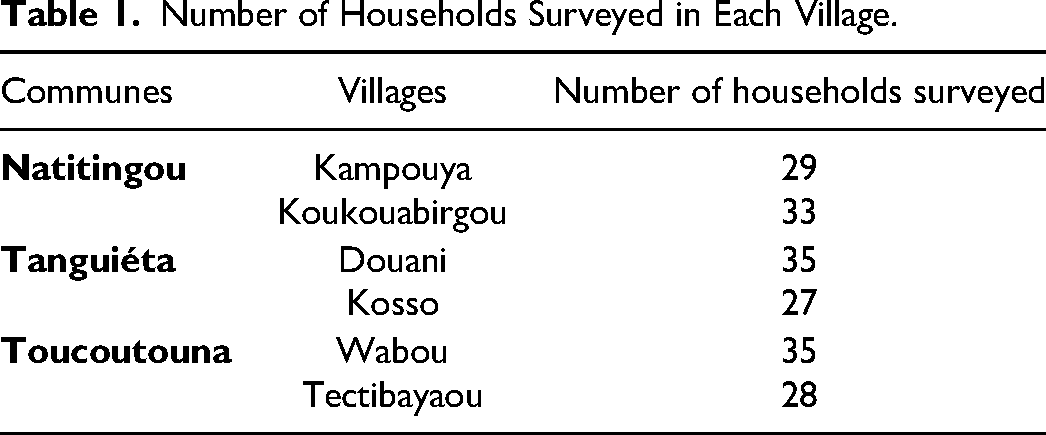
When many children or many women of childbearing age were found in a household, 1 mother and child aged 6 to 23 months pair were randomly selected to participate in the food consumption frequency survey. This means selecting 187 mother/child pairs in the 3 communes. We considered 2 main selection criteria: (i) selected women should be the ones who used to prepare and serve the meal to all members of the household and (ii) they had to show their willingness to participate to the survey and provide credible information by signing the consent form.
Data Collection
Mothers were considered as respondents since they are primary decision-makers for food preparation at the household level and primary caregivers to infants and young children in Benin. Mothers also stated that their 6-month-old children's consumption and their own consumption did not differ from household consumption. Then, the food consumption frequencies of households were assessed through a 7-day recall.
30
They were asked to name, list the foods they used to eat, and recall all foods for the past 7 days while specifying their consumption frequencies (number of days in the week). The consumption frequencies were categorized into 4 scales:
usually, when the food is consumed 5 or more days in a week; often, when the food is consumed 1 to 4 days in a week; rarely, when the food is consumed only once a year, once a month, etc.; never, when the food is not consumed at all.
34
The data were collected during periods of abundance and scarcity. According to the Global Analysis of Vulnerability and Food Security AGVSA report in 2017, there are 3 periods of food availability in Benin.
3
Abundance period runs from early October to late February. The pre-scarcity period runs from early March to April 15 and August 15 to the end of September. The scarcity period runs from April 15 to August 15.
The present study was conducted in the abundance period. However, the data collected were related to both abundance and scarcity periods. Respondents were asked to give their households weekly consumption frequency of targeted species in the 2 periods.
Some socioeconomic and demographic data such as age, profession, and ethnicity of mothers were also collected.
Data Management and Statistical Analysis
Data were entered into Excel sheets. We targeted Adansonia digitata, Ocimum gratissimum, Vigna radiata, and Moringa oleifera. The different species were then grouped into 3 categories: cultivated, semi-cultivated and wild. 31 In terms of seasonality, foods were categorized into 3 different groups: consumed only in abundance, consumed only in scarcity, and consumed in both periods. The Pearson Chi-squared test was performed to compare the percentage of households consuming plant species according to periods. A multinomial regression model was performed to explain consumption frequency with the season, ethnicity, communes, mother's age and profession. Data analysis was performed in STATA and significance, including regression model validation, was detected at P < .05 or .001.
Results
Participant's Characteristics
Most of the mothers surveyed were between 18 and 49 years old (99.4%) and were housewives (97.3%). As for their children, 53.1% were between 12 and 23 months old and 46.8% were between 6 and 11 months. Girls represented about 54.6%. The dominant socio-cultural group was Waaba (61.1%) followed by Otamaris (17.5%) and, Naténis (15.4%). Peulh, Mbermè and Berba were in small numbers. The percentage of the ethnical groups varied from one commune to another (Table 2).
Socio-Demographic Characteristics of Mothers and Their Children.
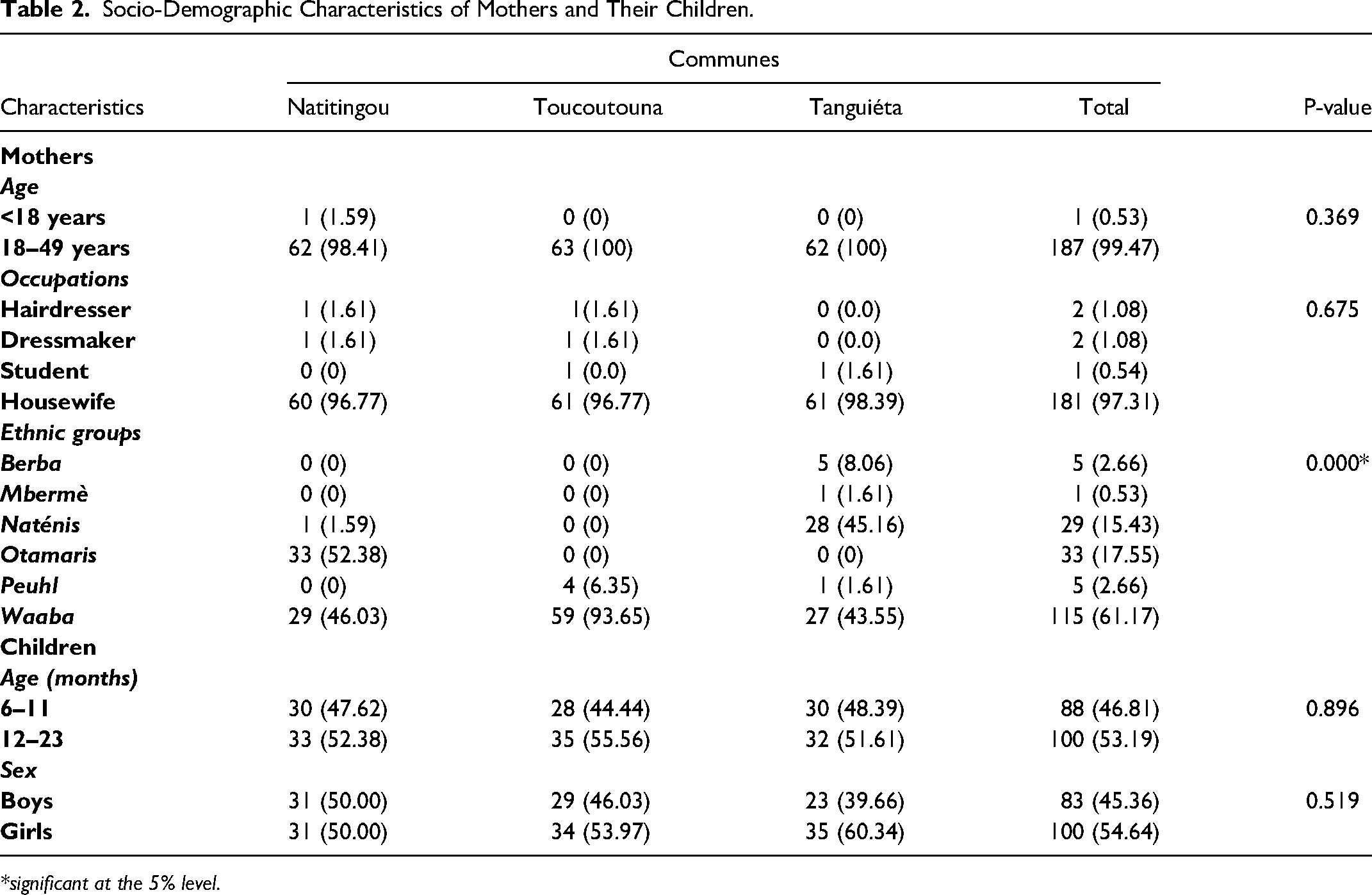
*significant at the 5% level.
Consumption Forms of Targeted Plant Species
Many parts of the 4 different species are used in various ways in people's diets (Table 3).
Organs and Forms of Consumption of Plant Species.
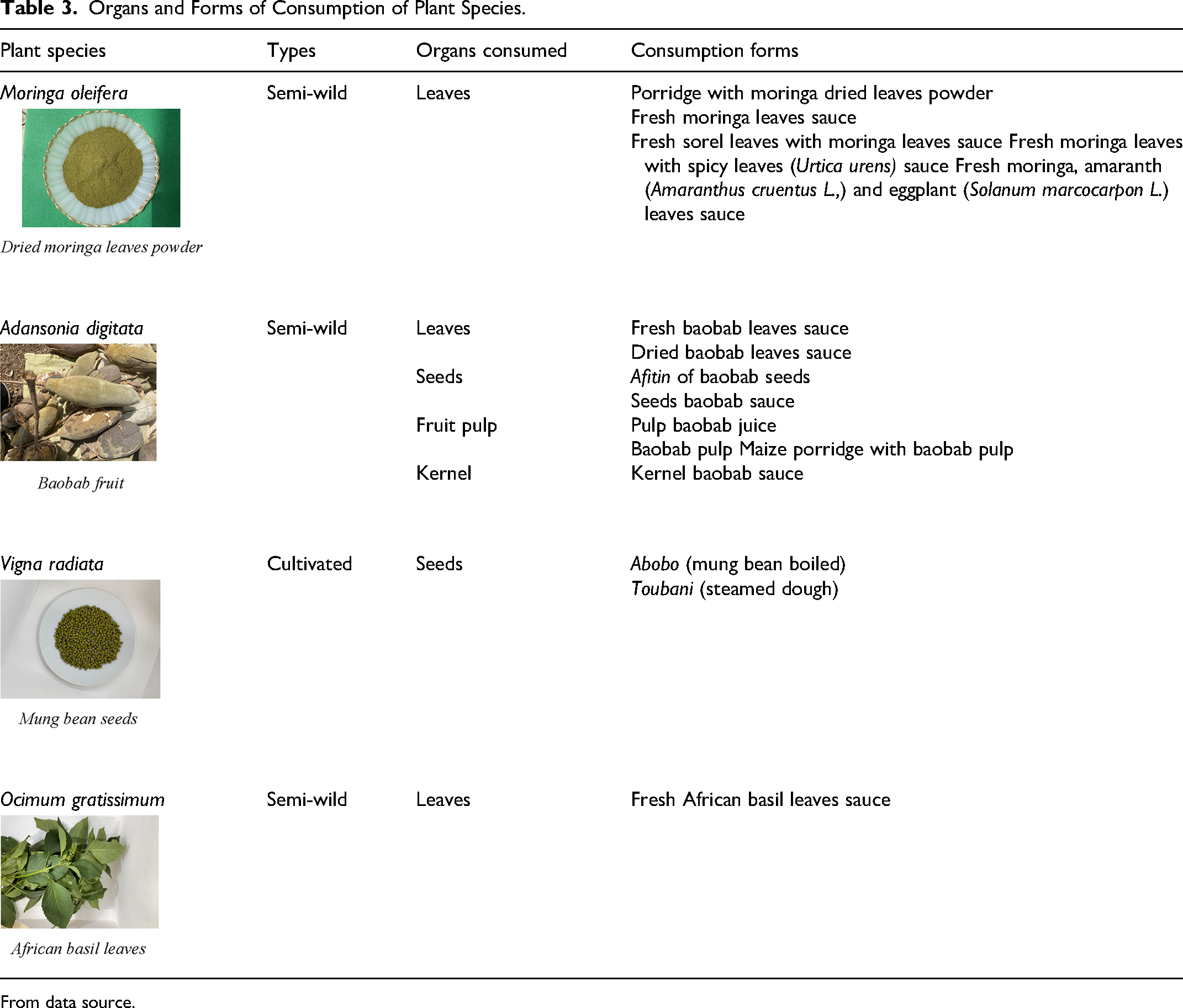
From data source.
Adandonia digitata
The main Adansonia digitata (Baobab) organs consumed were leaves, seeds, fruit pulp and kernels. The leaves were consumed in fresh or dry form for cooking sauce. The seeds were consumed as afitin (fermented seed) or dried and ground (as a thickener agent) for cooking sauce. The kernels obtained after seed decortication were also dried and ground then used to prepare sauces. The fruit pulp was directly consumed as juice or added to maize porridge by the households.
Moringa oleifera
The households consumed food based on Moringa oleifera as fresh leaves sauce or in association with Hibiscus sabdariffa (sorrel), Amaranthus cruentus L., (amaranth), Solanum marcocarpon L. (eggplants) or Urtica urens (spicy) fresh leaves. The dried leaves were ground and then, the powder was used in cereal-based porridge.
Vigna radiata
Vigna radiata (mung bean) was consumed in the form of abobo (boiled beans) or toubani (prepared by steaming bean seed flour, sometimes mixed with cassava flour).
Ocimum gratissimum
Ocimum gratissimum (African basil) leaves were mostly consumed as fresh leaves sauce.
Seasonal Variation of Household's Proportion Consuming Plant-Based Foods
The most widely food consumed throughout the year was fresh baobab leaves sauce (SFFB) with 35.28% of households followed by baobab pulp (18.51%) (Figure 2). Then, fresh moringa leaves sauce was mostly consumed by 29.41% of households in period of scarcity followed by baobab seeds sauce (19.61%). However, mung bean boiled and fresh basil leaves sauce were mostly consumed in abundance period respectively by 14.19% and 8.93% of households. Moreover, among all plant-based foods in this study, 5 of them (mung bean boiled, baobab pulp, fresh moringa leaves sauce, fresh basil leaves sauce and seed baobab sauce) had a consumption that varied from one season to another (P < .05; .001) (Figure 2).
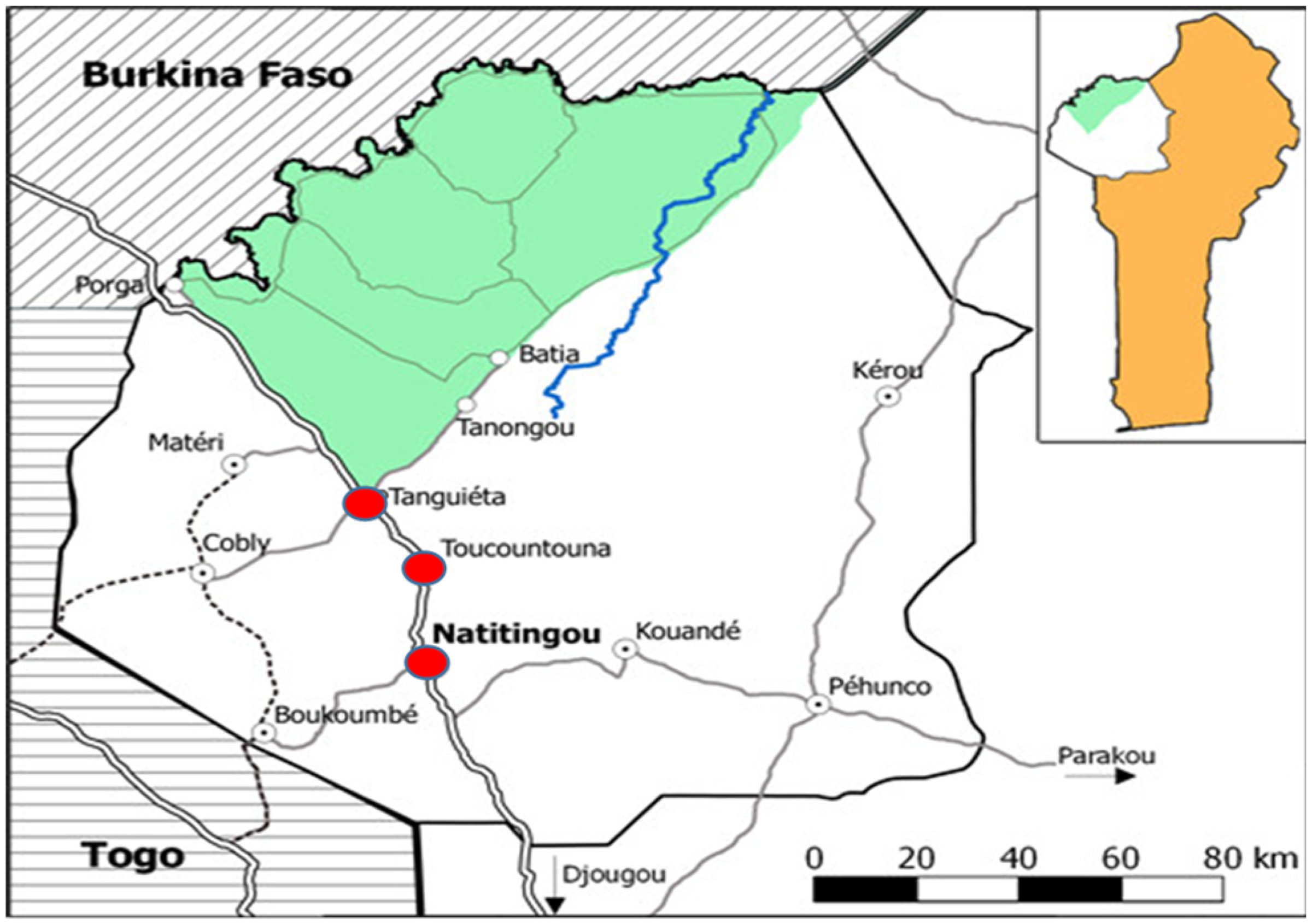
Atacora department map.
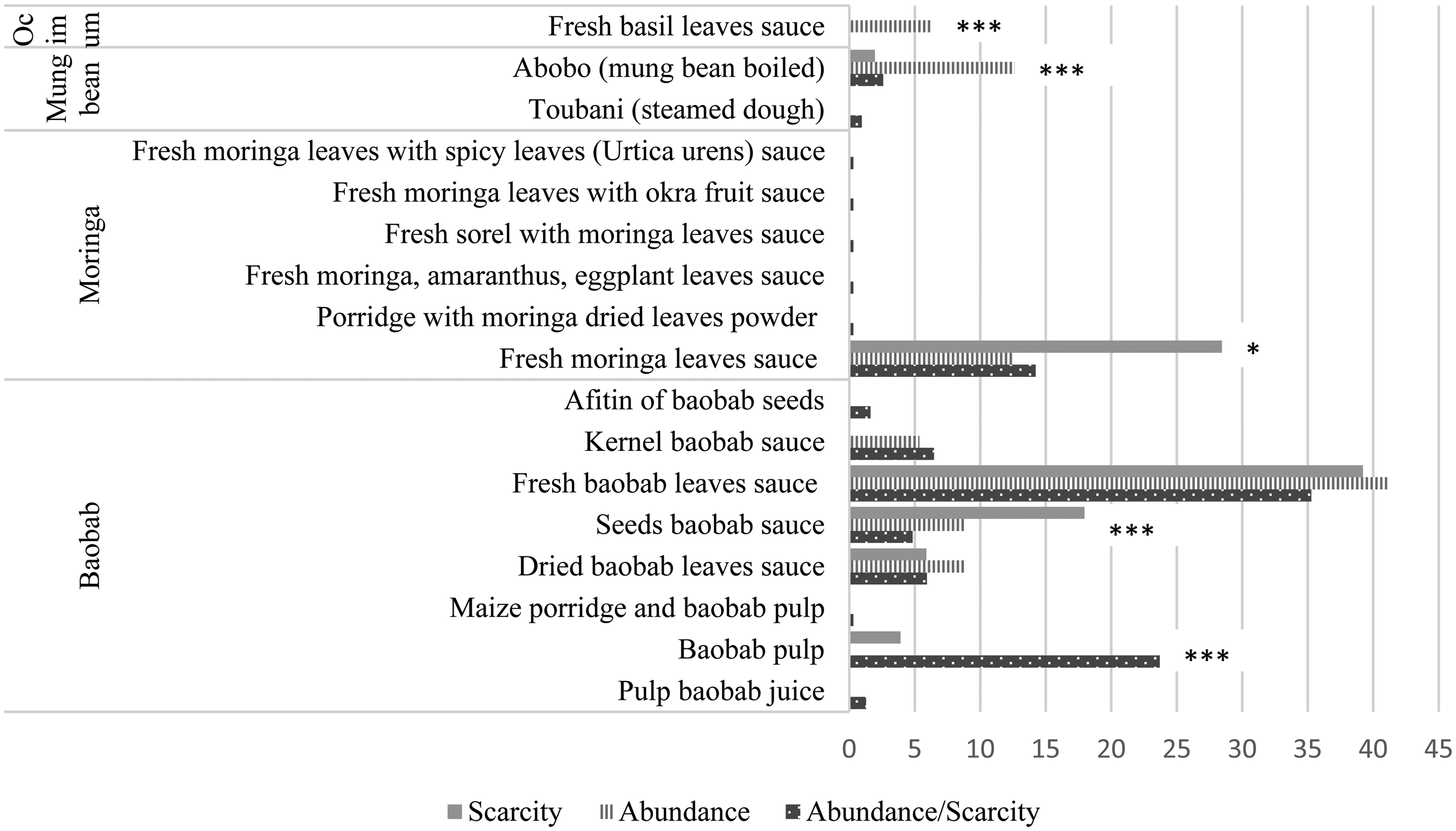
Households proportion consuming plant-based foods by season.
Consumption Frequency of Plant-Based Foods by Season
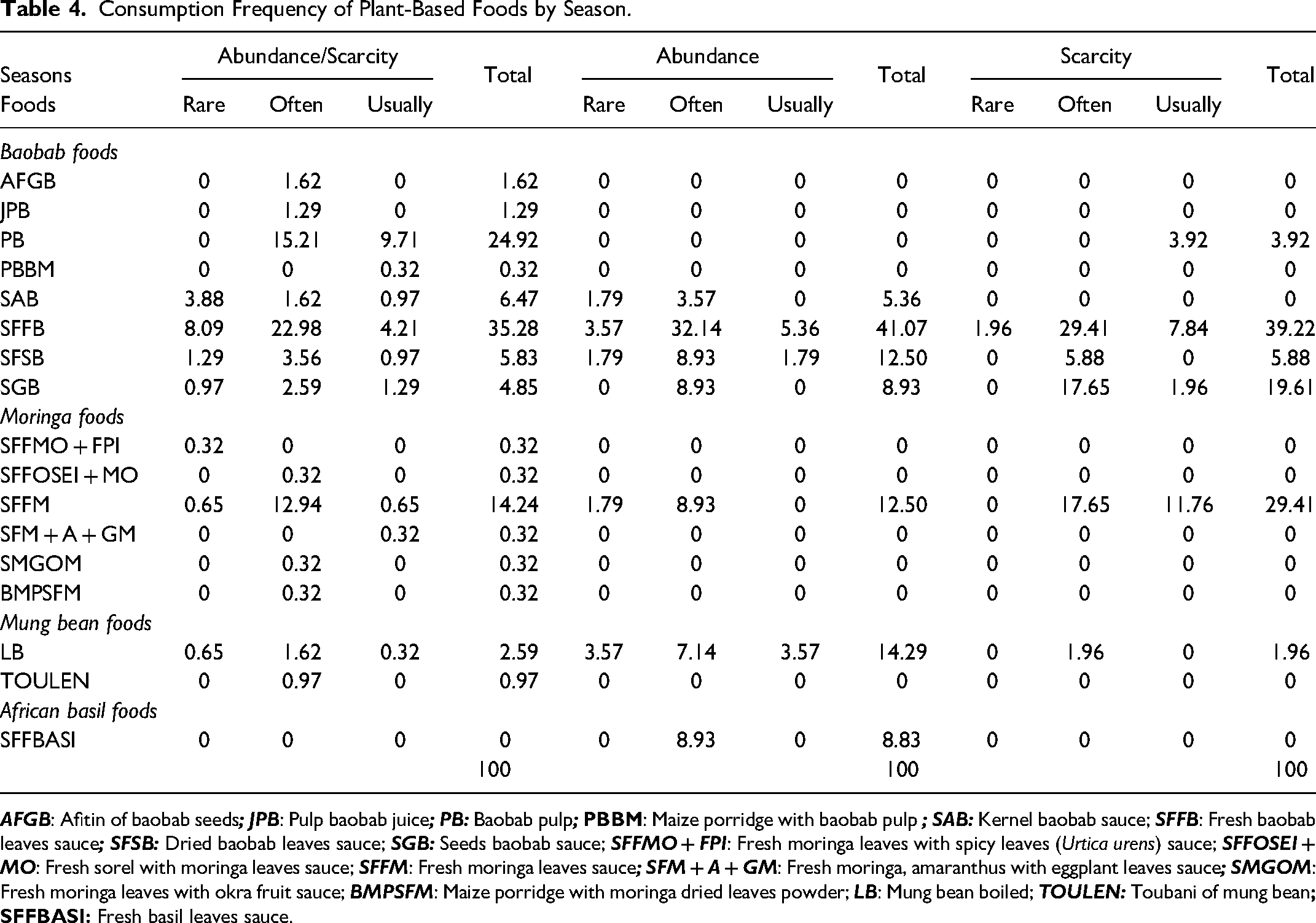
Fresh baobab leaves sauce appears to be consumed often (1-4 times a week) by the majority of households throughout the year (22.98%), followed by baobab pulp (15.21%) and fresh moringa leaves (12.94%). In food scarcity periods, besides moringa leaves consumed as sauce, households often consumed baobab seeds as a sauce (17.65%). It is also important to notice that households also often consumed baobab dried leaves and fresh basil leaves as sauce and boiled mung bean during the food abundance period (8.93%, 8.93%, and 7.14%, respectively), although their low consumption (Table 4).
Consumption Frequency of Plant-Based Foods by Season.
Factors Associated to the Consumption Frequency of Plant-Based Foods
The relative risk ratios from Natitingou to Toucoutouna and Natitingou to Tanguiéta were 0.36 and 0.28, respectively, for the consumption frequency of foods rarely compared to often. In other words, the probability of consuming rarely the foods based on Adansonia digitata, Ocimum gratissimum, Vigna radiata, or Moringa oleifera was lower for households living in Toucoutouna and Tanguiéta compared to Natitingou. Then, the relative risk ratio from housewives to other professions was 3.33 for the consumption frequency usually compared to often. This means that the probability of consuming these foods 5 days or more per week was higher for mothers who were students, hairdressers or dressmakers compared to housewives (Table 5).
Logistics Multinomial Regression of Frequency Consumption of Foods with Sociodemographics Factors and Season.
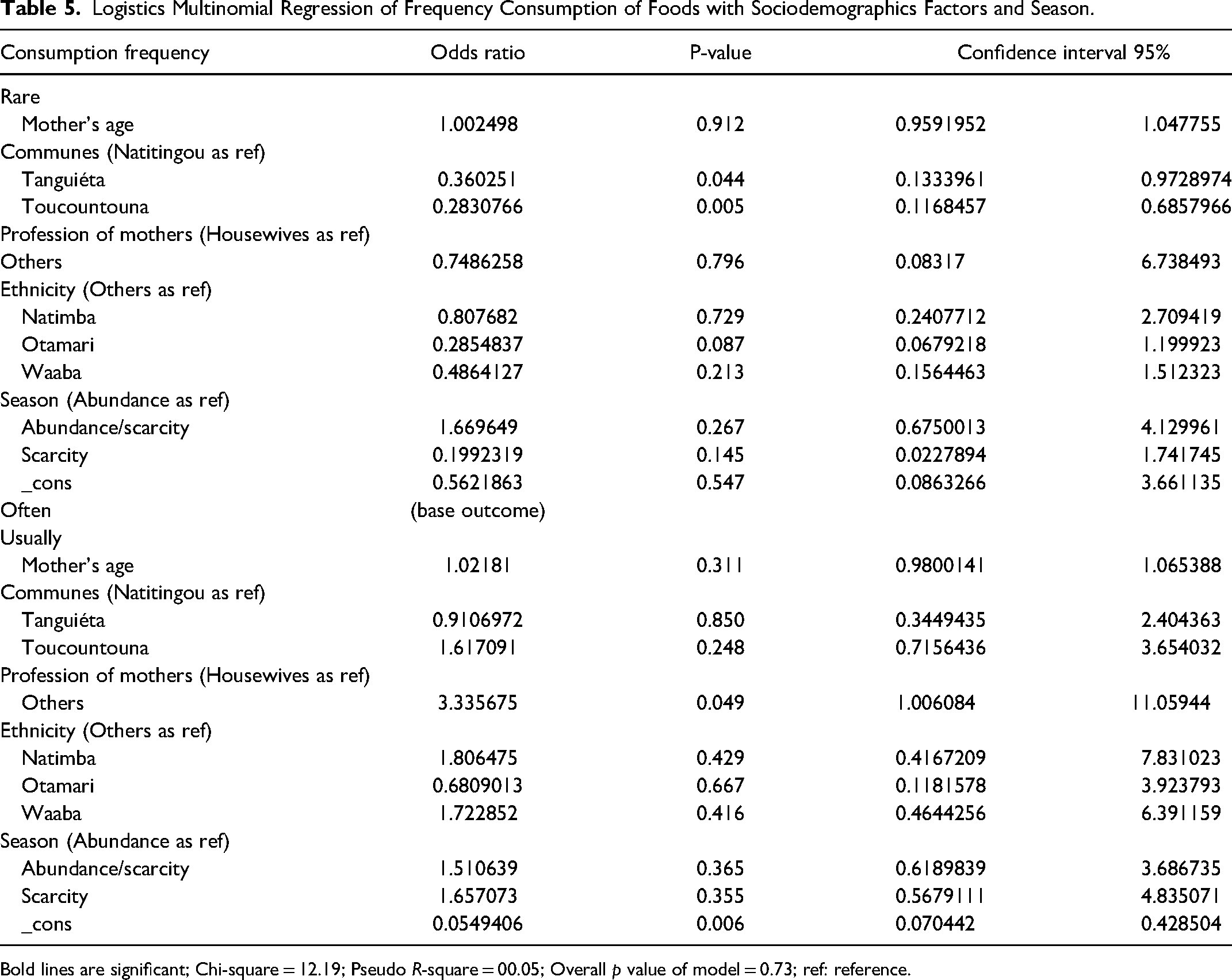
Bold lines are significant; Chi-square = 12.19; Pseudo R-square = 00.05; Overall p value of model = 0.73; ref: reference.
Discussion
This study aimed to assess the household consumption patterns of 4 plant species and the factors associated with their consumption in Natitingou, Toucoutouna, and Tanguiéta in northern Benin.
The results revealed that A. digitata leaves sauce was the most consumed by the households no matter the season. Indeed, the edible parts of baobab are available all year round or for several months, and leaves and fruits, in particular, can be preserved and stored for year-round use 32 ; thus, food tree baobab is considered as having a high contribution in hunger alleviating programs in many parts of Africa. Moreover, baobab trees are declining in number due to weak regeneration caused by a multitude of factors, including climate change. 33 Therefore, the Deutsche Gesellschaft für Internationale Zusammenarbeit (GIZ) is working with the local population in the Atacora region to domesticate and conserve this species, to make the leaves more readily available throughout the year for consumption. However, baobab seed sauce is more eaten in times of food scarcity. This could be explained by domestication being much more oriented to baobab leaves consumption. In the study carried out by Ford, 34 it was found that, among the Hausa people of eastern Botswana, pounded seeds are used as a famine food, since they are available at that moment and many people consider them palatable. Similarly, moringa leaves sauce is consumed much more in times of scarcity. According to Prakash et al 35 and Emongor, 36 this species is considered as a valuable food source in the tropics because the tree is in full leaves at the end of the dry season, generally when other foods are scarce. This could explain its higher consumption in scarcity season. V. radiata (mung bean) and O. gratissimum (African basil) species were much more consumed in the abundance season, even though their consumption level were low. Few works in the literature examine the reasons for this seasonal variation in consumption. However, Dansi et al 37 pointed out that the low consumption of NUS might be related to their low production in Benin. Low production could be linked to the lack of scientific research on these species. In addition, producers prefer cash crops such as cotton, sorghum and manioc, which generate a lot of money in a short time. Therefore, fresh baobab leaf sauce, moringa leaf sauce and baobab pulp keep the food system stable through the seasons. Other foods, such as boiled mung beans and basil leaf sauce, fluctuate according to abundance. The stability of the value chains for baobab and moringa products could serve as a model for the promotion of other crops under the program.
Then, about consumption forms of plant species, many uses were made with them. The different parts of the baobab, such as the leaves, pulp, seeds and kernels, were used to make sauce, porridge or Afitin as well. Chadare et al 38 also found that leaves are mainly used for fresh leaves sauce and are ranked as the most important leaves used, with dried leaves powder ranked in second place. Indeed, drying is the main method of preserving baobab leaves in Benin. Three techniques are used to dry the leaves: sun-drying, shade-drying and oven-drying. 19 Sun-drying preserves nutrients but exposes the leaves to contaminants. 39 Shade-drying preserves color and nutritional qualities, while oven-drying optimizes temperature and duration, effectively reducing humidity while preserving phytochemicals. 40 A report by Atwal et al 41 indicated that baobab kernels can be roasted or eaten raw, which is consistent with the results of this study. Other communities roasted the seeds, ground them and used the ground powder as a coffee substitute 42 or to thicken sauces. 43
For moringa, the leaves were the main part consumed; dried leaves powder was used to enhance the nutritional quality of certain dishes. This is in line with the results obtained by Kola-Oladiji et al 44 in Benin. A study carried out in Bangladesh, found that in addition to the leaves, which can also be eaten like green vegetables, boiled, fried or in sauces and stews, the young cooked pods can be eaten like green beans. Seeds are extracted and eaten boiled or fried like peas, especially when still green, or roasted and eaten like peanuts. The root and seeds can be dried and ground for seasoning. The dried flowers are used as tea and the resin from the tree trunk is useful for thickening sauces. 45 Ocimum species, on the other hand, is used exclusively for cooking sauces, although few people use it. In Nigeria, the leaves are used as a condiment in the preparation of dishes such as “pepper sauce,” "jollof rice", and vegetable sauces. 46
In Benin, Ocimum leaves are widely used for therapeutical properties to treat various illnesses such as malaria, intestinal parasites, infections, diarrhea, dysentery, hypertension, candidiasis, diabetes in pregnant women and Buruli ulcers. 47–49 The leaves have also biocide properties and are used as parasitoids, antifungal agents and insecticides.42,43 This could explain the low food use by households.
Mung bean was also, not consumed widely within households. The seeds were mainly consumed in boiled form or to cook Toubani. In India, mung bean is used to prepare chakli, essentially made from refined flour, night bean flour, salt, red chili powder and refined oil 41 or in Pakistan to make muffins, a type of semi-sweet cake or quick bread that is baked in appropriate portion. 50 In Burkina Faso, mung bean is used to make couscous, pasta, lumpy foods, cookies, chips, bread, liquor and juices or combined with ginger. 51 It can be eaten alone or mixed with cereals such as corn or rice and it is transformed into local dishes such as doughnuts. Various foods are obtained from the whole mung bean in association with either cereals (wheat, rice, millet) or other legumes (cowpea, sesame), or non-timber forest products (monkey bread, néré pulp, etc.).
People's consumption of plant species can vary from one household to another, or from one consumer to another. The main factors influencing the consumption of foods made from Adansonia digitata, Ocimum gratissimum, Vigna radiata and Moringa oleifera in the study area were the living area (commune) and the mother's occupation. Households where mothers are students, hairdressers or seamstresses had higher consumption rates of these different species than households where mothers are housewives. Kola-Oladiji et al 44 also revealed in the study conducted in Nigeria that education has a significant and positive influence on household moringa consumption. This can be explained by the fact that the better-educated household members are, the more likely they will be aware of the benefits associated with the use of moringa products, which will reinforce the effectiveness of use. Regarding baobab products, the results reported by Kiprotich et al 52 highlighted in Kenya that the level of household knowledge about the dietary use of baobab products positively influenced their consumption. However, there is a growing concern that knowledge of NUS in rural areas is not being transmitted to new generations. 53 The real threat is linked to the negative perception of NUS as “food for the poor,” as well as to the changing culture and socio-cultural structure in rural areas.
This situation is particularly alarming given the current erosion of local food cultures, the loss of traditional eating habits caused by the standardization of local food cultures resulting from globalization, and the global use of fast food or “junk food,” which favors standard and low-quality ingredients. Kiprotich et al 52 also noticed that consumption could sometimes influence education level negatively by consumption because the popular product “Mabuyu” made from baobab was mainly eaten as a snack by school-going kids. As people get older, they tend to get out of eating baobab sweets and snacks. Similar results were reported by Fungo et al 54 observed in a study on the purchase and consumption of nutrient-rich forest products in Cameroon. Nonetheless, several studies have also shown that other socio-demographic factors such as socio-economic status influence the nutritional quality of the household diet.55,56 A study conducted by Baco 57 revealed that in northern Benin, even organoleptic attributes and totemic considerations are factors that might justify the non-consumption of some traditional vegetables by some people. Another study could then investigate the various other factors that may influence the consumption of NUS by the population.
Study Limitation
One limitation of this study is that, instead of going out into the field twice (during periods of abundance and scarcity), data were collected only during food abundance periods. This meant relying on the memory of the mothers who were the respondents during this study. This approach was chosen by default because of the health situation facing the world during this data collection period, the COVID-19 pandemic.
Conclusion
This study highlights the food patterns related to neglected and under-utilized species by households and factors associated with their consumption in Atacora, northern Benin. The results showed that the different parts of these 4 target species consumed by certain households were seeds, leaves, fruits, or kernels. Consumption patterns vary from one species to another and are mainly influenced by the household place of residence and the mother's occupation. Consequently, public authorities, research and extension services should strive to promote the consumption of foods based on neglected and under-utilized species by households to adequately meet the nutritional needs of populations, and thereby also contribute to reducing the occurrence of chronic diseases. In this line, more research is needed for a better understanding of the socio-cultural aspects of plant species consumption.
Footnotes
Acknowledgments
The authors are also grateful to the mothers and village leaders who facilitated the implementation of the study activities.
Declaration of Conflicting Interests
The authors declared no potential conflicts of interest concerning the research, authorship, and/or publication of this article.
Ethics Approval and Informed Consent
This study was conducted based on the guidelines laid down in the Declaration of Helsinki. Ethical approval for the involvement of human subjects in this study was granted by the Benin National Health Research Ethics Committee (CNERS- ) with ethical approval number No.46 of November 07th 2019 and reference number No_093/MS/DC/SGM/DRFMT/CNERS/SA. A permission letter was obtained from each selected mother, per household. Written informed consent was obtained from all after receiving complete information about the study in the local language.
Funding
The authors disclosed receipt of the following financial support for the research, authorship, and/or publication of this article: This work was supported by the Deutsche Gesellschaft für Internationale Zusammenarbeit (GIZ) through BMZ Small Grants 2018 and the CGIAR Fruits and Vegetables for Sustainable Healthy Diets (FRESH) initiative.
CGIAR Fruits and Vegetables for Sustainable Healthy Diets (FRESH) initiative, the Deutsche Gesellschaft für Internationale Zusammenarbeit (GIZ) (grant number BMZ Small Grants 2018).