




Abstract
This research investigates the immediate effects of the COVID-19 pandemic on residential preferences in the Greater Toronto Area (GTA), Canada, using a stated preference (SP) survey dataset. The study examines changes in relocation preferences and trends in the GTA after the Ontario government lifted the initial lockdown. The obtained choice data is then modeled using a mixed cross-nested logit model to find substitution patterns across regions and dwelling types, as well as explore residents’ preferences for different dwelling characteristics and the accessibility of their residence, including factors such as telecommuting options. The results reveal that the pandemic caused short-term residential dissonance, with residents tending to want to move to lower-density areas to relocate to their preferred dwelling type, emphasizing telecommuting as a key factor influencing residential relocation preferences. Housing qualities were prioritized over accessibility. The study also found heterogeneous behavior among GTA residents with regard to telecommuting as a factor in residential relocation. The study’s findings are relevant for planners and policymakers in anticipating the potential long-term pandemic-induced home relocation decisions and their impact on future household travel behavior, particularly with regard to telecommuting and accessibility.
Keywords
In March 2020, the World Health Organization announced the novel coronavirus disease (COVID-19) outbreak as a pandemic ( 1 ). Shortly after that, governments across the globe implemented lockdowns and various protective measures. On March 17, 2020, the Ontario, Canada, government declared a state of emergency and locked down all non-essential businesses and activities ( 2 ). As a result of this decision, the Greater Toronto Area (GTA) housing market experienced a short-term deep freeze, followed by a subsequent record-breaking boom after the lockdown restrictions were lifted ( 3 ). A pattern in housing market demand was also observed in several other cities affected by pandemic lockdowns ( 4 – 6 ). This experience suggests that the advent of a pandemic could trigger a shock to the housing market and, ultimately, household residential preferences. This demand shock must be researched from a planning perspective, since any residential relocation entails changes in accessibility and consequently affects household travel decisions such as car ownership decisions, daily commute distances, and activity-travel behavior ( 7 ).
This research investigates the immediate effects of the COVID-19 pandemic on residential preferences in the GTA. In this context, “immediate effects” refer to the abrupt perturbations in households’ relocation behavior resulting from pandemic lockdowns. Understanding these immediate effects is crucial, as they will serve as a reference for future studies aiming to investigate potential long-term behavioral changes in residential location choices based on households’ pandemic experiences.
This study employs a stated preference (SP) survey that asked GTA residents to make hypothetical choices about their residential relocations. The hypothetical choice tasks target the direct and indirect behavioral changes caused by the COVID-19 pandemic. The “direct” effects refer to investigating how households behave differently under different stages of pandemic lockdowns. The “indirect” effects are the investigation of any possible changes in attributes that previous studies have reported participating in residential location behavior. The collected choice dataset is then modeled using a mixed cross-nested logit model to find substitution patterns across regions and dwelling types and explore respondents’ preferences for different dwelling characteristics and accessibility of their residence.
This paper is structured as follows. The following section presents a review of similar research findings. The third section briefly describes the sample and the survey results. The fourth section explains the mixed cross-nested logit modeling technique. The empirical model’s findings are then discussed in the final section.
Literature Review
In this section, we briefly review studies in the literature that emphasize the immediate impact of the pandemic on residential preferences. Additionally, we discuss other studies that explore how the adoption of telecommuting has influenced residential choices, particularly since the COVID-19 pandemic introduced widespread working-from-home arrangements in many households.
Immediate Pandemic Residential Preferences
Studying short-term perturbations of residential preferences caused by a pandemic was not a subject of interest before the global COVID-19 pandemic, given its unprecedented nature. However, the COVID-19 shock sparked a surge in interest in exploring the short-term effects of the pandemic on the residential preferences of households in various metropolitan areas. Using a national housing market survey and real estate listing data, a study in Italy found a significant increase in households’ preference for single-family homes in low-density areas, primarily because of fear of contagion ( 8 ). Other research on transaction-level data from 60 Chinese cities and self-reported survey data from 2,000 respondents across three metropolitan areas in South Korea found similar results, with the amplitude of the trend toward low-density areas being greater in cities with a bigger population ( 9 , 10 ).
A study of the effect of the pandemic on housing preferences in Japanese metropolitan areas using a web questionnaire survey revealed a shift in households’ residential preferences, with a greater emphasis on the environment and dwelling characteristics than the workplace accessibility factor ( 11 ). Another similar study conducted in Poland found that households place greater emphasis on the physical qualities of their homes than on workplace accessibility ( 12 ).
While the two key findings in studies examining the short-term effects of the pandemic on residential preferences are the attractiveness of low-density areas and the lack of interest in enhancing workplace accessibility, similar studies conducted in developing countries suggest contrary results. For instance, a survey of households in Tehran, Iran, revealed that having a home office for telecommuting is the least important factor in households’ residential preferences ( 13 ). Similarly, a Bank Indonesia survey revealed that the housing preferences of millennials have remained unaltered after the COVID-19 outbreak ( 14 ).
Despite their indirect focus on residential preferences, another group of studies worthy of inclusion in this literature review examined the prospect of a pandemic triggering urban exodus and households residing in urban dwellings moving to suburban regions ( 15 , 16 ). In July 2020, Statistics Canada revealed that Toronto and Montreal broke their yearly population loss record. The primary driver in Toronto’s population decline was the migration of urban dwellers to the suburbs ( 17 ). This relocation behavior is related in the literature, with urban dwellers wanting to move to areas with more private facilities and a lower risk of infection ( 18 ). Earlier studies on COVID-19 and urban exodus were primarily concerned with determining whether population transfer from urban to suburban areas would be a friend or foe in controlling COVID-19 cases ( 19 ). Recent focus appears to be shifting toward examining the long-term consequences of potential COVID-19 pandemic experience on urban form ( 16 , 18 , 20 , 21 ).
Uncertainty persists in the scientific literature on the potential impact of COVID-19 on urban exodus. On the one hand, despite data indicating migration from urban to suburban regions, this early mobility is believed to represent a transitory exodus, as most movers are young adults and students and not property owners ( 16 , 18 ). In addition, despite the documented tendency of city people to migrate to suburban areas, the out-migration numbers were insufficient to qualify as an urban exodus ( 20 ). It is supposed that information and communication technology adoption rates continue greater than pre-pandemic rates. In that case, however, a different study predicts that society will need to adjust and plan for a new normal ( 21 ).
This study shares a similar objective to the first group of publications that directly studied residential preferences. Contrary to the reviewed publications, which rely on self-reported preference data, this study employs an SP survey that simulates hypothetical residential relocation scenarios for GTA residents. As a result, using the generated choice dataset, it is possible to determine the trade-offs GTA residents make between the various characteristics of each housing type and their accessibility levels.
Pandemic Telecommuting Adoption and Residential Preferences
Several studies employed the SP method to investigate residential preferences in the pre-pandemic context. Among the key factors affecting residential preferences, workplace accessibility was widely recognized ( 22 – 26 ). Considering the significant role of workplace status in residential location decisions, one can speculate how adopting telecommuting will affect residential preferences. However, before the COVID-19 pandemic and its associated lockdowns, telecommuting was infrequently adopted because of workplace cultures and the social acceptance of this activity ( 27 – 29 ). Consequently, there was limited emphasis on the role of telecommuting in residential location choices within the literature of SP studies, as telecommuting adoption was only considered a determinant of residential mobility for a small fraction of individuals ( 30 ). Nevertheless, given the widespread exposure to telecommuting during the pandemic, there is a potential shift in the social desirability of this activity, which has prompted this section to review the relationship between telecommuting adoption and residential preferences ( 31 , 32 ). Subsequently, this review will be the foundation for including telecommuting in choice tasks within the SP design.
Findings in the literature about the impact of telecommuting on residential location choices remain inconclusive. Some studies have found that telecommuting adoption increases the likelihood of telecommuters choosing residences farther from their workplace ( 30 , 33 ). While telecommuting adoption is more common in suburban areas, it is unclear whether it directly accelerates relocations to peripheral areas, likely because of possible endogeneity ( 34 ). Another study found that telecommuters are not significantly more likely to relocate than regular commuters, exhibiting heterogeneity in the influence of telecommuting options on residential preferences ( 35 ). The persistent debate on the effect of telecommuting on residential locations may stem from a focus on the correlation between telecommuting adoption and residential location, rather than investigating causal effects. The SP approach and analyzing respondents’ behavior in various choice scenarios will help clarify whether telecommuting determines residential mobility and location choice. Accordingly, another contribution of the current study is that it directly investigates the effect of telecommuting by observing respondents’ desires under the various telecommuting options available to them, thereby filling a gap in the existing literature.
The Survey
Survey Design and Study Area
As mentioned in the introduction, the COVID-19 pandemic could have directly and indirectly influenced residential relocation preferences. In the SP survey, the direct effects are considered by including attributes related to pandemic status, telecommuting, and flexibility of office hours. Since there was limited prior information on how pandemic status affects residential preferences, the pandemic status was incorporated into SP scenarios as a conditional choice. Respondents were asked to make distinct choices under three conditions:
1) Return to normal status following mass vaccination.
2) Healthcare systems cannot find a vaccine or treatment for COVID-19, and all interactions are based on social distance and other health protocols.
3) A new pandemic or wave of COVID-19 strikes the community, and the authorities declare a new lockdown phase.
The flexibility of office hours is a binary factor, indicating whether employers allow workers to adjust their hours. The telecommuting attribute reflects the number of days respondents can work remotely in each scenario.
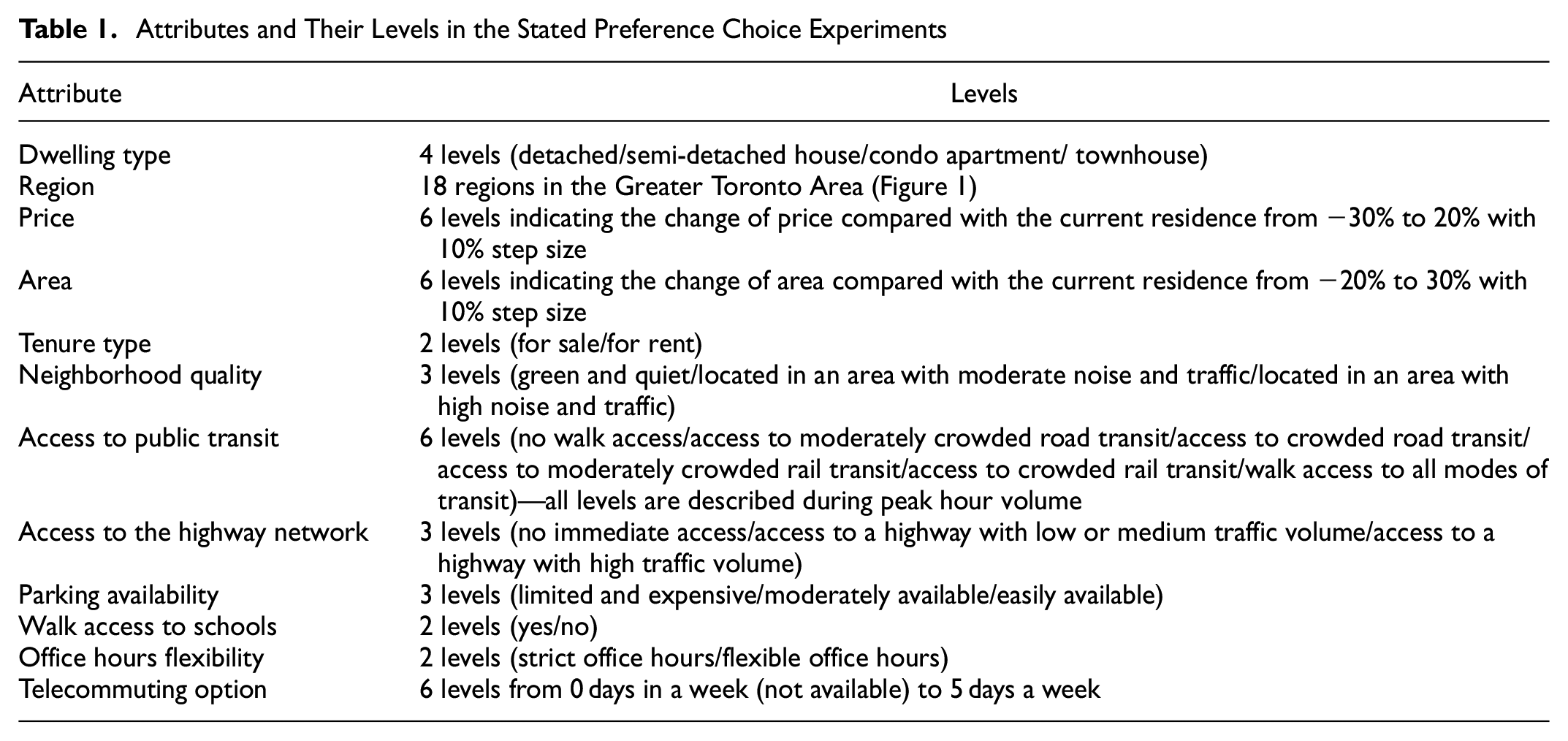
To consider indirect effects and potential changes to existing residential preference factors, we selected attributes with high influence, based on previous findings, to develop the initial design (22–26, 36 , 37 ). Then, we contacted relevant agencies and experts in GTA for guidance on attribute levels. For example, a team of transport planners at the Toronto Transit Commission recommended six levels for transit accessibility that include proximity and level of service information. We sought advice from regional and municipal experts for other attributes as well. To prevent bias in choice experiments, we ensured that attribute levels were multiples of each other. Table 1 summarizes all attributes and their respective levels in the SP experiment design. The study area is divided into 18 distinct regions, as shown in Figure 1. Figure 2 provides an example of a choice scenario presented to respondents.
Attributes and Their Levels in the Stated Preference Choice Experiments
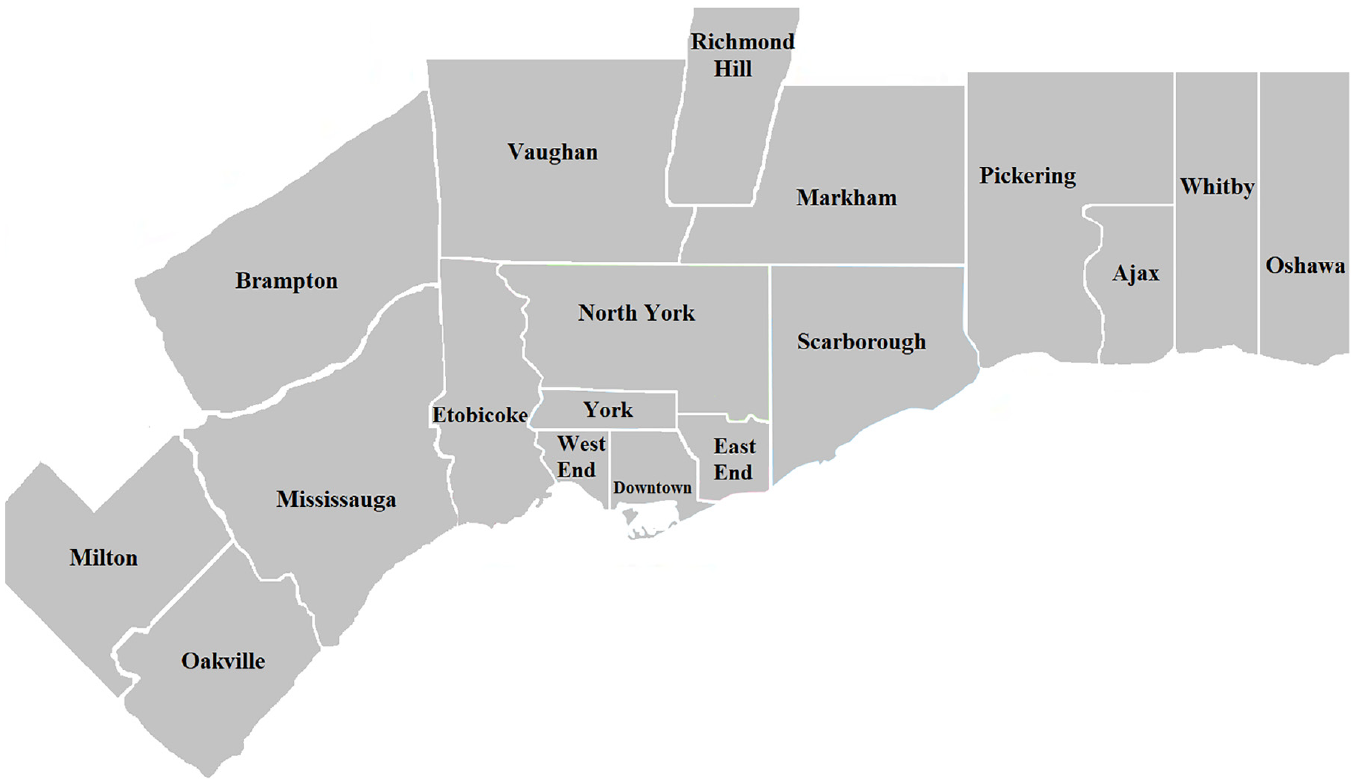
Map of all regions defined in the choice experiments.
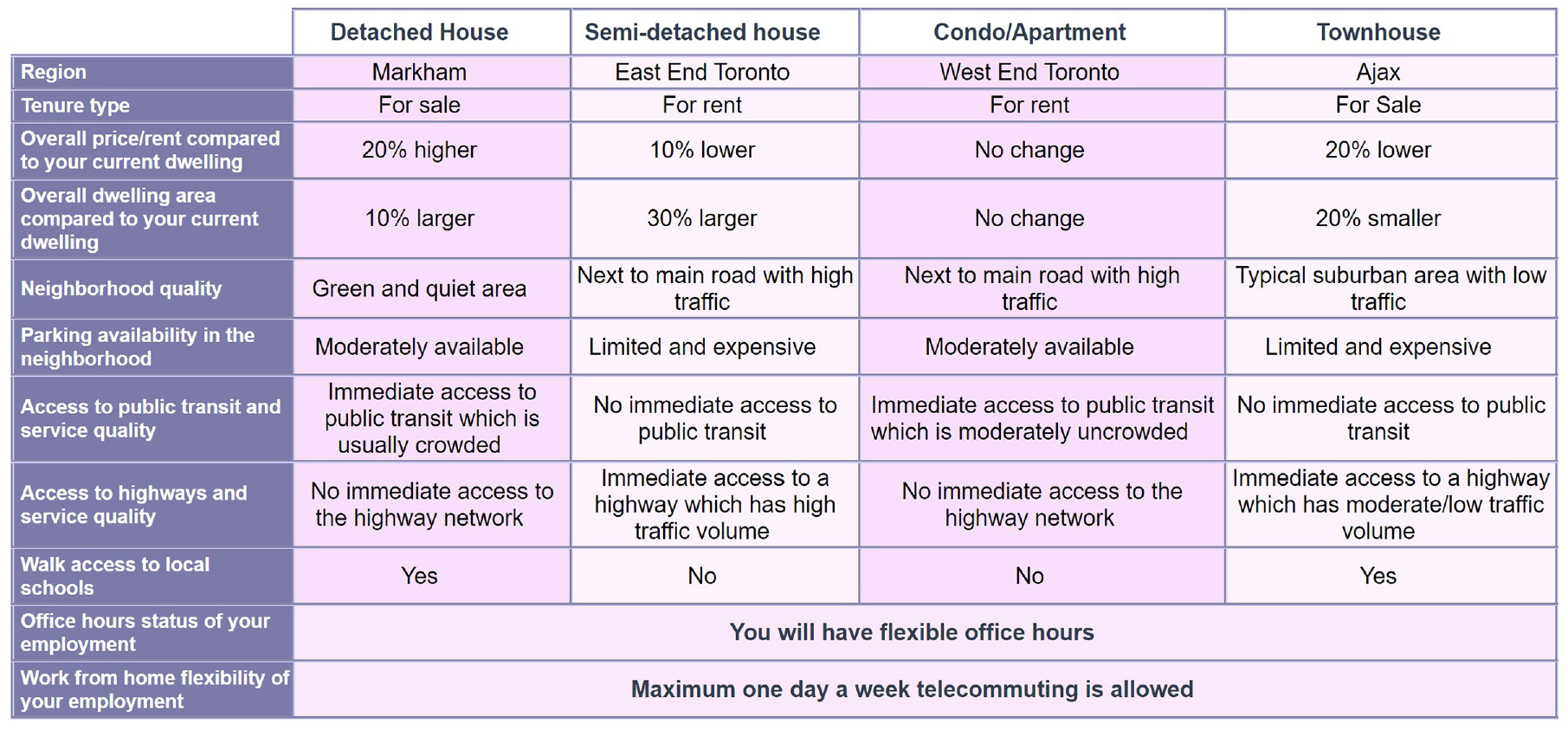
A sample of the stated preference choice experiment.
A D-efficient experimental design that maximizes the information matrix’s determinant produces a statistically efficient design for predicting standard errors and model parameters when designing the SP scenarios ( 38 ). The objective of D-efficient design is to determine the optimal design based on prior knowledge for the SP survey to reveal the most information on attribute levels and their trade-offs ( 39 ). This investigation primarily draws on insights from similar SP studies to establish priors for the D-efficient design (22–26, 36 , 37 ). These initial priors were subsequently adjusted based on the results of a pilot study conducted before the survey launch. It is important to note that the efficiency of the design in this study is not guaranteed, as it relies on the transferability of findings from other studies to the GTA context and the representativeness of the pilot study for the target population. However, given the broad scope of the study and the target sample size of 1,000 respondents, efficient designs are a more reasonable choice than factorial designs.
In the survey, 18 hypothetical scenarios were created in which participants could choose to relocate under three distinct pandemic conditions. To keep the questionnaire concise and to prevent respondent fatigue during each session, nine random scenarios were selected for each respondent. In the SP design, we implemented conditions to ensure that different regions are paired only with attributes relevant to them. For instance, in downtown Toronto, transit accessibility cannot have all possible combinations, as this area consistently offers quick access to all modes of transit and is moderately or highly crowded during peak hours. These conditions were deliberately incorporated into our SP design to give respondents realistic scenarios. Despite our efforts to create realistic alternatives, there is a possibility that some respondents may associate regions with pre-specified qualities in their views. The impact of such associations will inevitably be reflected in the region’s alternative-specific constant in the model.
Sample Description
In July 2020, when Ontario was in phase 1 of reopening, an online market research panel was hired to send 1,387 invitations to random individuals in the GTA. The hired market research panel uses double opt-in authentication and cash incentives as cheques to confirm the panelist’s identity. A total of 1,045 people completed the survey out of 1,387 invitations sent to people living in the research area. Inattentive responses are eliminated based on the time spent on specific sections of the survey and choice experiments during the data cleaning process, resulting in a sample of 913 respondents. Each respondent faced nine hypothetical scenarios out of 18 and responded to three different pandemic-related choice experiments. The 913 participants participated in nine scenarios under three conditions, resulting in 24,651 residential relocation choice experiments. The remainder of this section is divided into two subsections. First, the sample’s representativeness is evaluated. Second, descriptive statistical analysis of the overall findings of the weighted sample is presented and discussed.
Sampling Representativeness and Weighting
For the descriptive analysis section, it is essential to validate the sociodemographic variable distribution with the most recent census data to determine the data’s representativeness for the study area. Therefore, the population, age, and household size distributions of regions are compared with the most recent available Census data ( 40 ). These comparisons are shown in Figures 3 to 5. Figures 3 to 5 reveal that the targeted distributions of the survey do not exactly match the Census data from 2021, indicating possible biases toward various subsets of the sample. The paper uses the iterative proportional fitting method to match the most recent census data distributions of age, household size, and population distribution across regions ( 41 ).
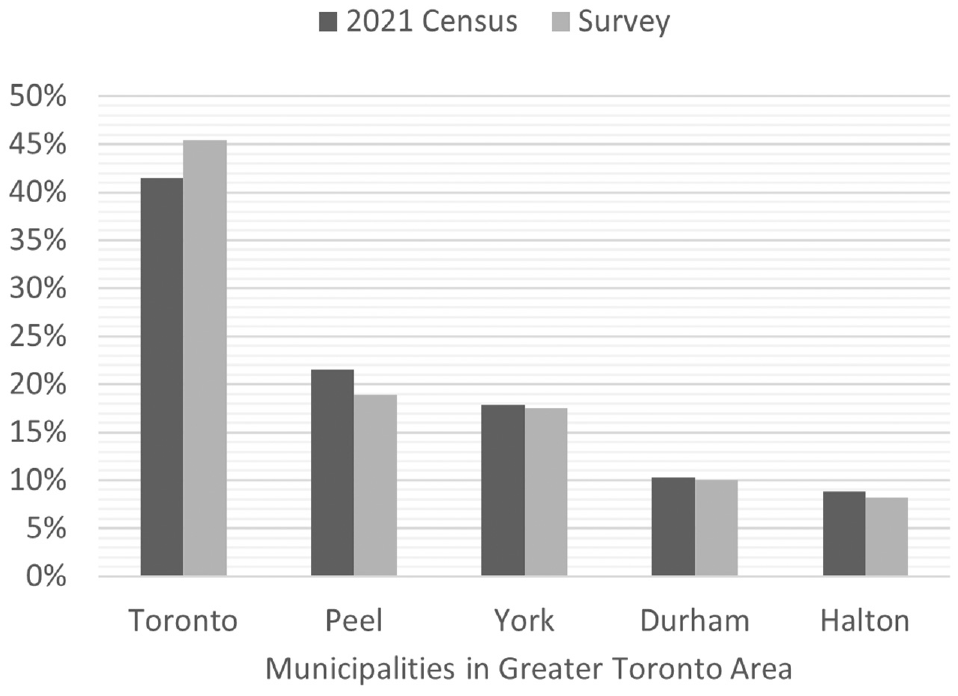
Population distribution in study area regions for Census 2021 versus the survey.
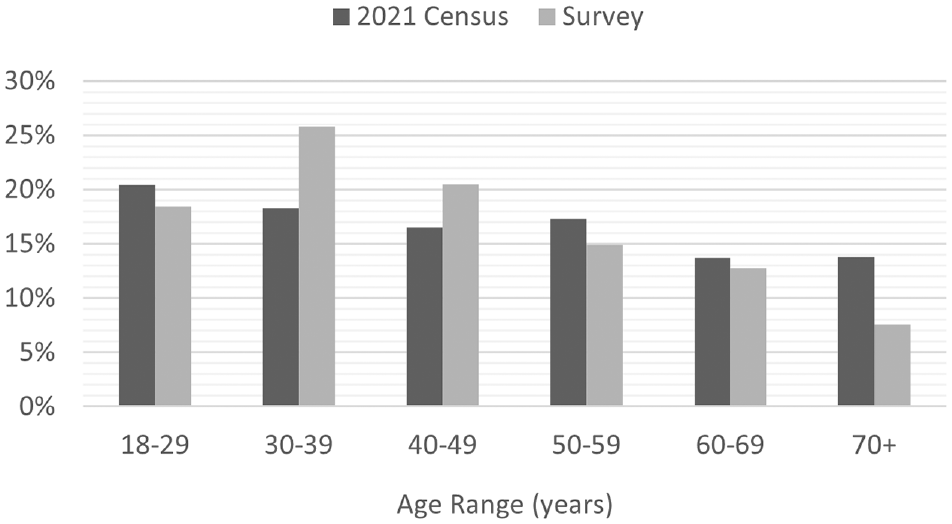
Age distribution in the study area for Census 2021 versus the survey.
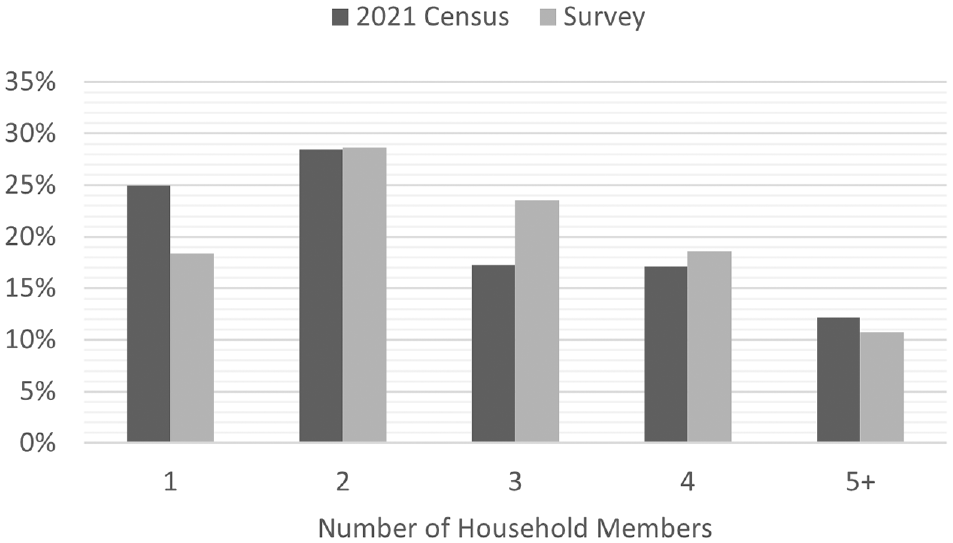
Distribution of household size in the study area for Census 2021 versus the survey.
Descriptive Analysis
This section discusses some primary findings about the aggregate effect of COVID-19 on the residential location preferences and related factors. Before the choice experiments, respondents were directly questioned about the factors influencing their residential location preferences. Figure 6 depicts the proportion of respondents who considered specific factors when selecting their current residence. This question was followed by asking if the respondent had lost interest in any factors they considered when selecting their residential location because of their pandemic experience. Figure 7 ranks the most affected COVID-19 factors by the selection frequency. Particularly, 62.7% of respondents mentioned proximity to public transit as a factor in selecting their current residence (Figure 6). After experiencing the lockdown, 25% were no longer interested in living near public transit (Figure 7). The findings on self-reported preferences, as argued in the literature review section, would not be appropriate for concluding disaggregate behavior. There is a possibility of bias because the data was not collected through a choice scenario, so it lacks the respondents’ trade-offs when selecting their favorite residential attributes. However, aggregate ranked preferences can improve the design and selection of attributes for choice experiments in future studies.
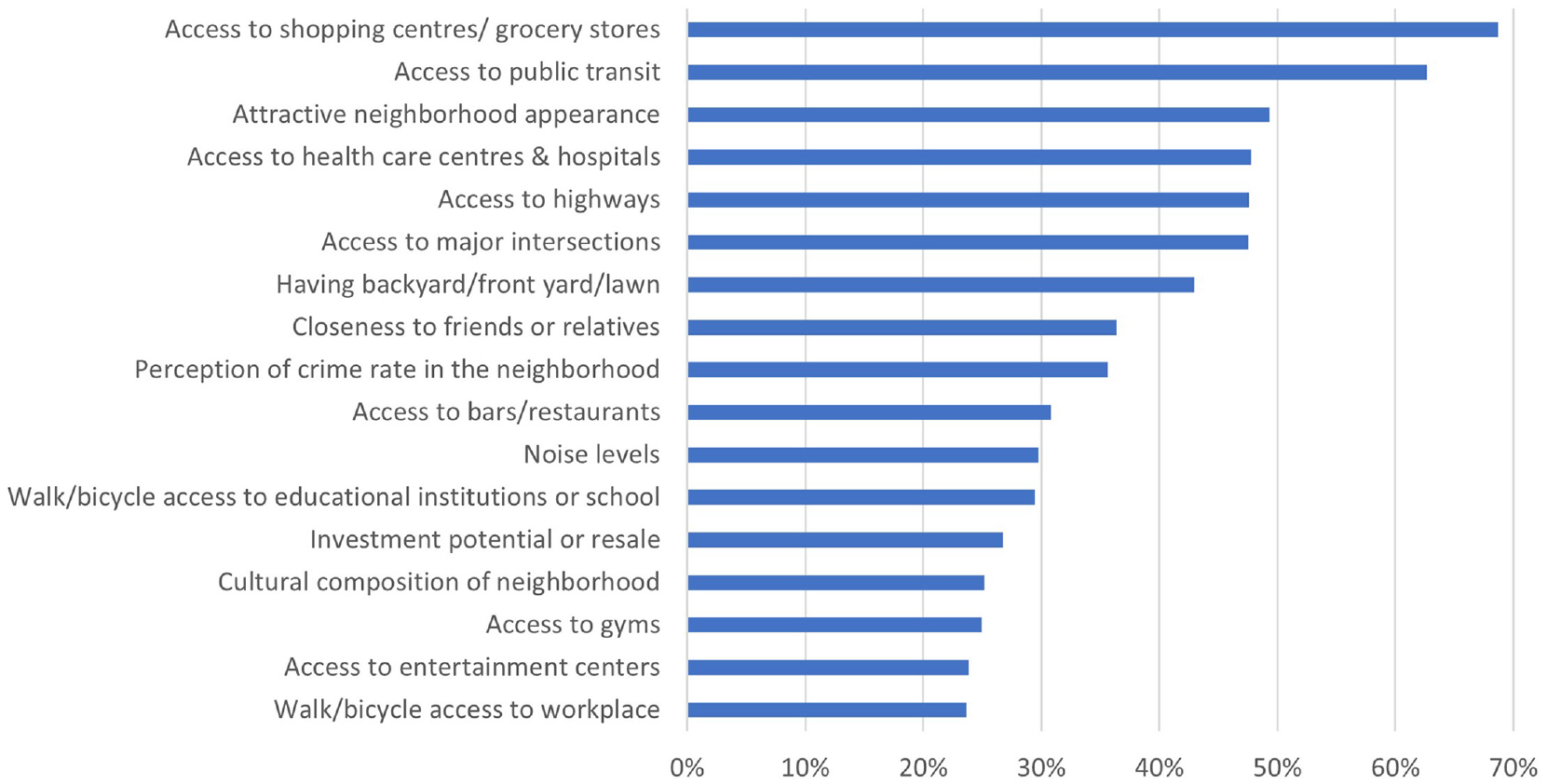
Self-reported factors survey respondents considered in choosing their current residential location (before the COVID-19 pandemic experience).
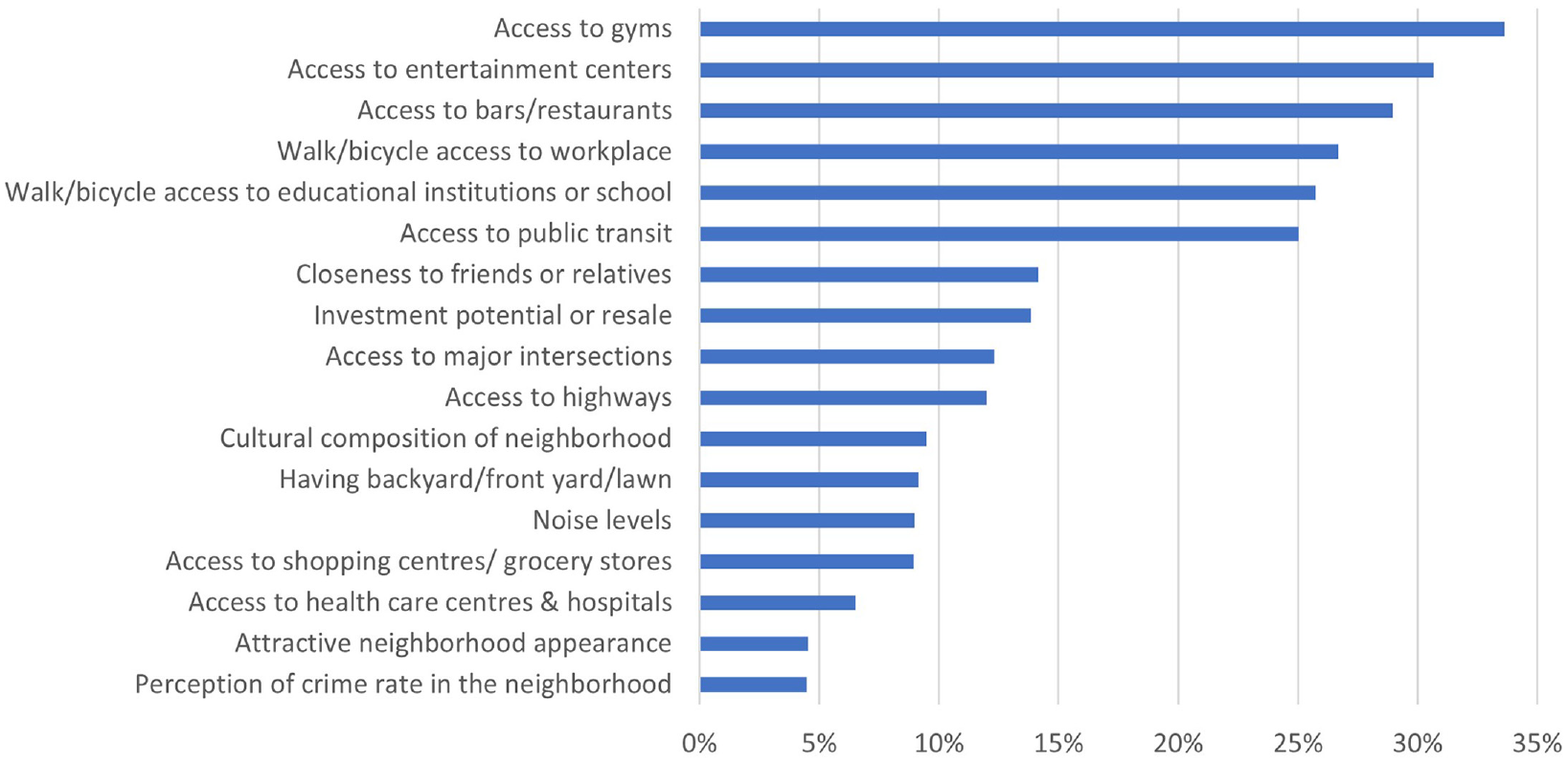
The percentage of survey respondents who no longer consider these factors important in residential location choice after the COVID-19 pandemic experience.
Figure 8 illustrates how COVID-19 has affected employment in the GTA. In the first 3 months of the COVID-19 pandemic, 32.1% of the population had worked exclusively from home, while 32.6% of workers had not experienced any changes to their in-person daily work routines. In addition, 18.3% of workers had a hybrid schedule consisting of in-person and remote work.
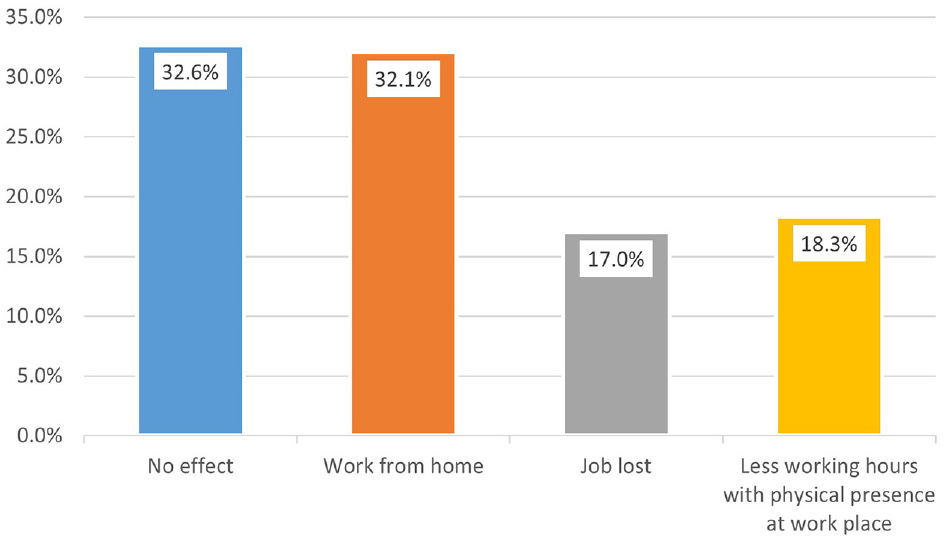
Percentage of COVID-19 effect on employed household members.
Figure 9 illustrates the geographic distribution of households that participated in the survey. The green dots on Figure 9 map represent participants who are pleased with their current location. In choice experiments, they display no tendency to relocate to other regions. The red dots represent respondents dissatisfied with their region and their desire is always to move to a different region. Finally, the yellow dots represent mobile residents with relocation flexibility. Their desires do not indicate any regional preferences and depend on other considerations. Finding a relocation pattern based on Figure 9 is unattainable, indicating the need for disaggregate modeling, as there are no discernible geographical trends in households’ desires to enter or relocate their current residents.
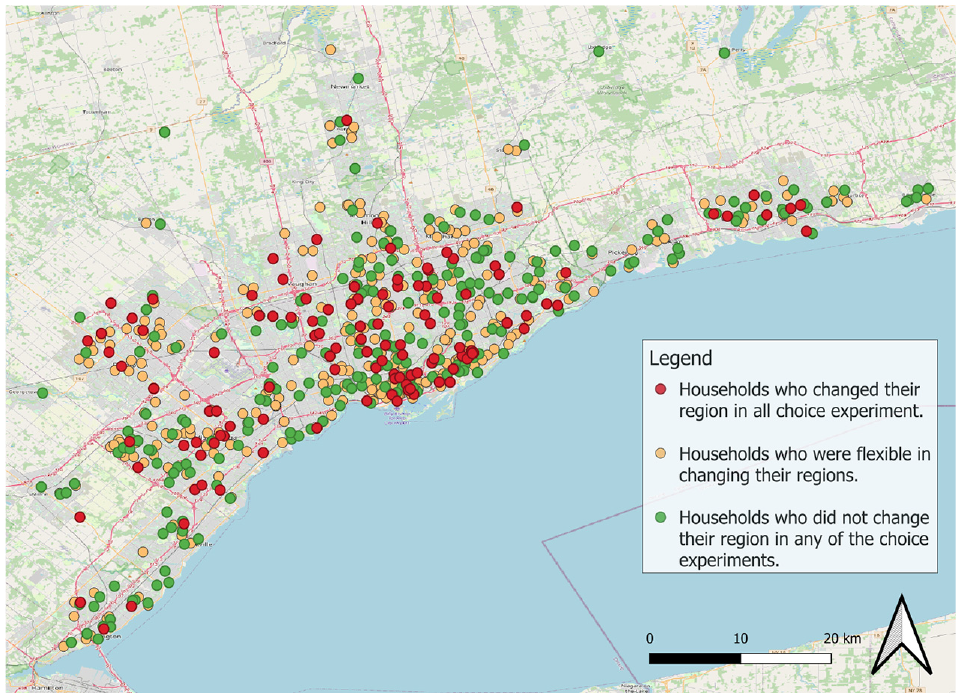
Geographical distribution of households in choice experiments.
Econometric Model of Residential Relocation Choice
Model Structure and Estimation Method
The SP experiments presented alternatives jointly through their dwelling types and regions. Each respondent considered these attributes and others in their choice tasks. However, when it comes to the modeling structure and its alignment with the way alternatives are presented to respondents, it is crucial to distinguish between individuals who give higher importance to dwelling types in their choices and those who prioritize the region. In addition, the typical household relocation process includes two decision components: 1) the choice to enter the market and 2) the evaluation and relocation decision ( 42 , 43 ). This paper proposes the model structure depicted in Figure 10, which combines a binary relocation choice with a cross-nested logit structure for dwelling type and region joint decision to account for both factors. In addition to estimating the allocation parameters of the cross-nested logit model to capture the dwelling type and region choice trade-off for each joint decision, using this model has the advantage of accounting for the dual process of relocation choice via the primary nest.
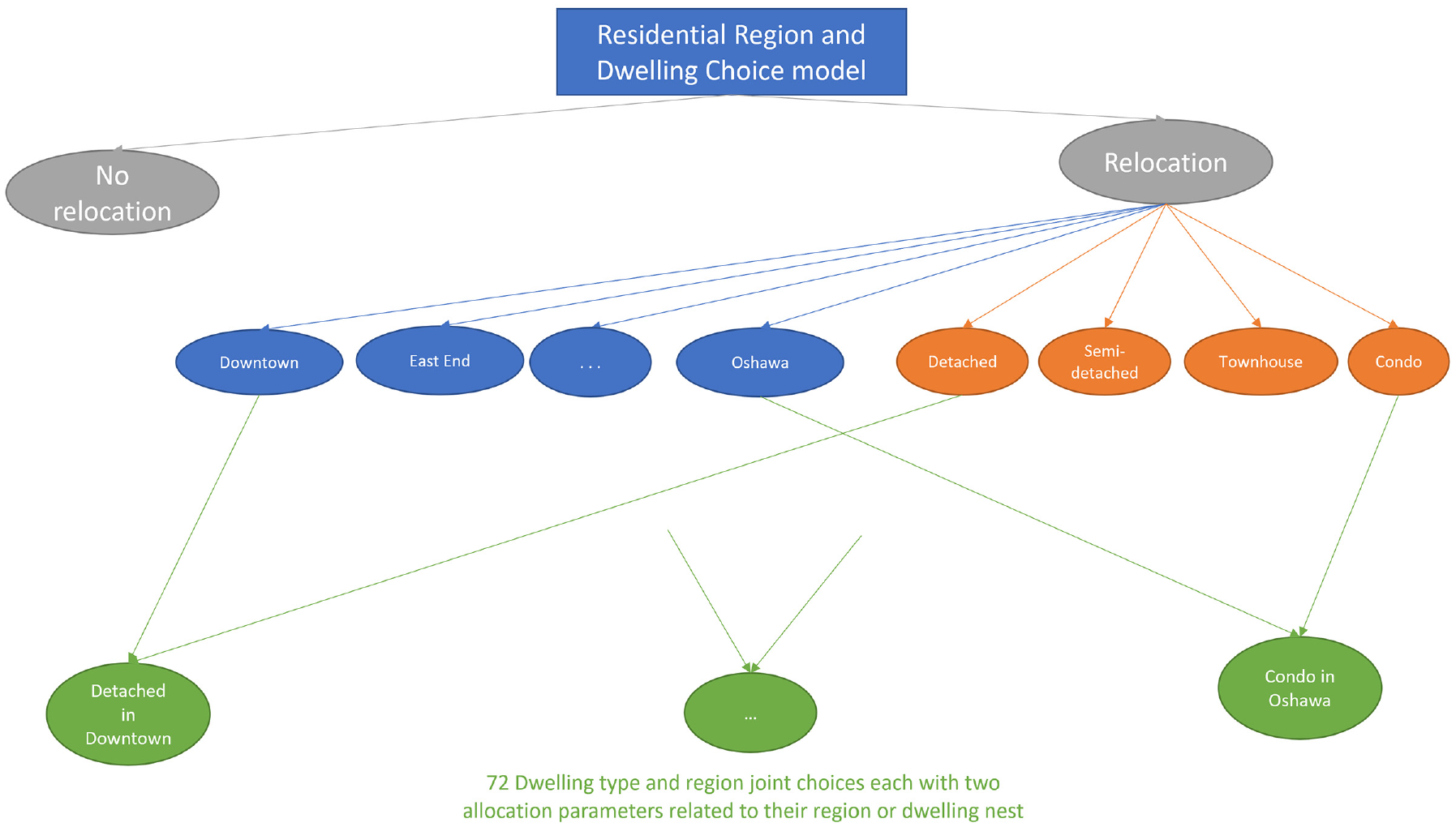
Proposed model structure for modeling the stated preference choice experiments.
The probability that an individual will select any dwelling type and location combination

where

where
For the cross-nested structure, the probability
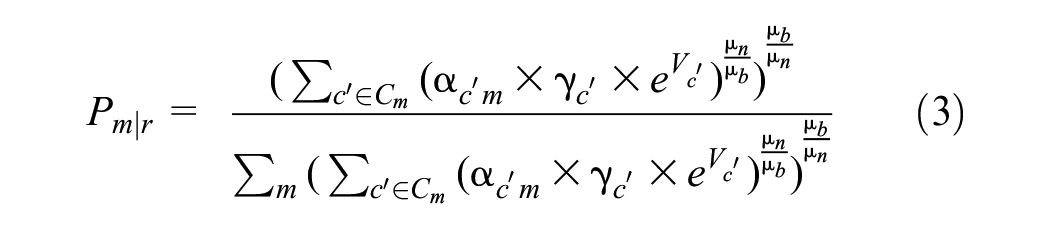

where
As previously stated, the allocation parameters for each dwelling type and region combination indicate the proportions allocated to the dwelling type and region nests. Consequently, the allocation parameters are constrained as follows:


To ensure that allocation parameters remain within their allowed range, the mediator parameter

Considering that there are only two nests for each possible combination, half of the allocation parameters are estimated, and the remaining half are identified as one minus the first allocation parameter.
In the SP choice experiments, each respondent was asked to make multiple selections under various hypothetical scenarios and conditions, a crucial aspect of the choice experiment design that must be considered in modeling practice. To account for repeated choices by decision-makers, this study assumes that the coefficients in the utility function are constant across scenarios for each individual but vary across respondents.
There are 913 individuals in the survey, and each has five options in nine scenarios under three conditions (

where
Further details on the definition of the utility functions will be discussed in the next section of the paper.
Since each individual i has done repeated choice experiments in the dataset, the product across choices for individual

where
Based on the assumption made earlier,

where
M = a large number.
This method of estimation is known as the maximum simulated likelihood estimator, which is consistent, asymptotically efficient, and asymptotically normal ( 46 ). Using the MLE 5.0 application in GAUSS™ software, the proposed model is estimated for the collected SP dataset.
Empirical Model and Discussions
This section begins with discussing the variables included in utility functions, followed by discussions of estimation results. In addition, the marginal effects of parameters in this section are intended to facilitate the interpretation of the estimated mixed cross-nested logit model and recognition of substitution rates between various SP attributes.
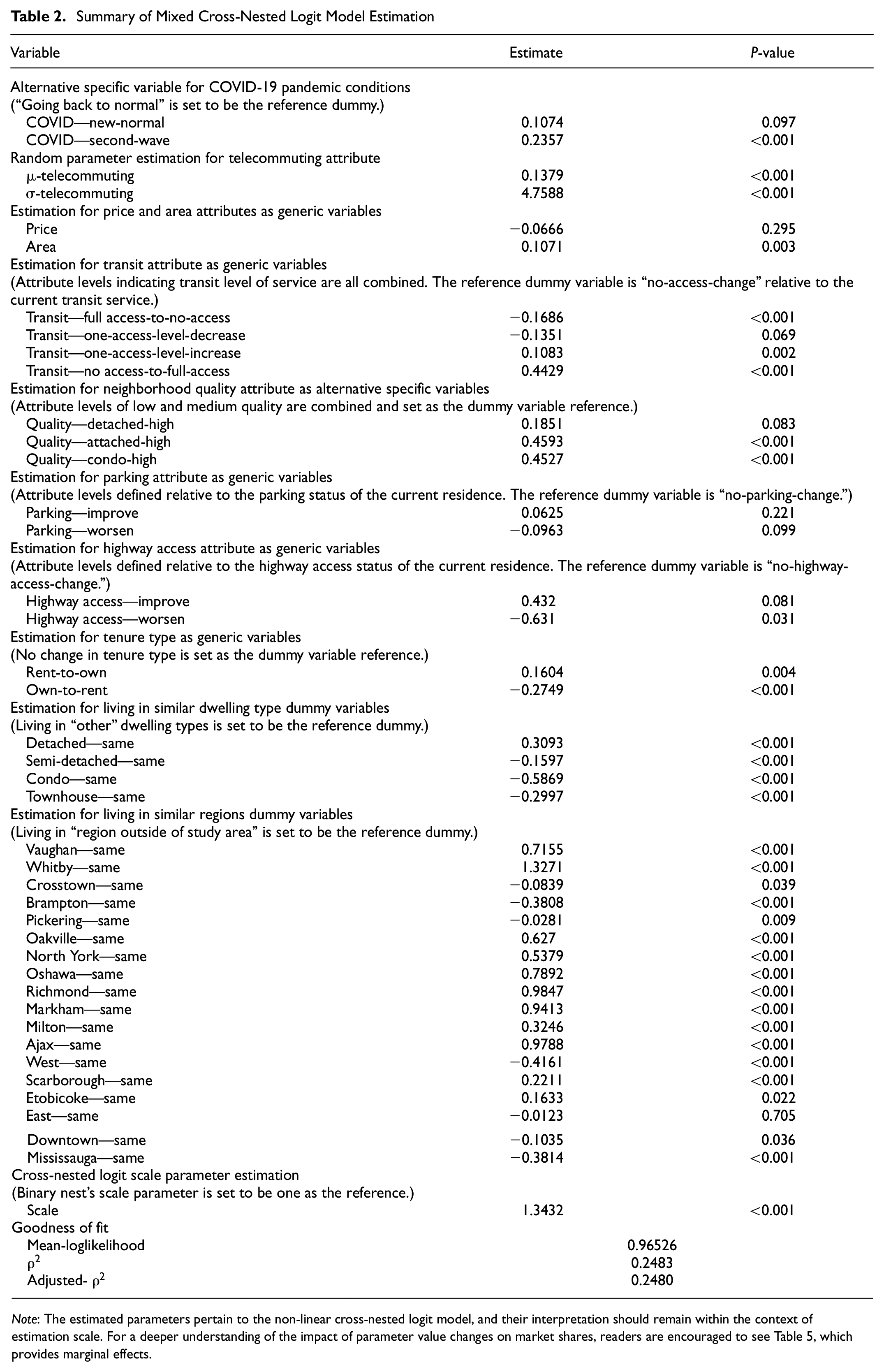
As stated, the model defines the permutations of four dwelling types and eighteen regions as joint choices. In each scenario, each respondent had exposure to only four of these combinations, in addition to the option of not relocating. Consequently, the disaggregate model consists of 73 utility functions, a relatively high number given the SP scenario design. For the “no-relocation” utility function, the significance of the pandemic conditions, the sociodemographic variables of households, and the telecommuting and flexible office hours variables are examined, as they are equal for all alternatives in each scenario. The utility functions of the 72 possible choice combinations are divided into three segments to ensure that each utility function is distinct. The first segment is related to the SP attributes such as dwelling price, area, parking, neighborhood quality, tenure type, local schools, highway access, and access to public transportation. The second segment of the utility functions consists of dummy variables that are included to consider the similarity of choice combinations to the current residential locations of a household. For instance, suppose a family lives in a downtown condominium; in this instance, two dummy variables are incorporated into the utility functions of all condo and downtown alternatives to account for the potential tendency of respondents to reside in the same dwelling type or region. The third segment of the utility function consists of alternative-specific constants to account for unobserved factors not captured by the survey. The estimated parameters for the SP attributes and alternative specific constants are displayed in Tables 2 and 3, respectively. The allocation parameters for the cross-nested structure are displayed in Table 4.
Summary of Mixed Cross-Nested Logit Model Estimation
Note: The estimated parameters pertain to the non-linear cross-nested logit model, and their interpretation should remain within the context of estimation scale. For a deeper understanding of the impact of parameter value changes on market shares, readers are encouraged to see Table 5, which provides marginal effects.
Estimations of Alternative Specific Constants for Joint region and dwelling type attributes in the Mixed Cross-Nested Logit Model
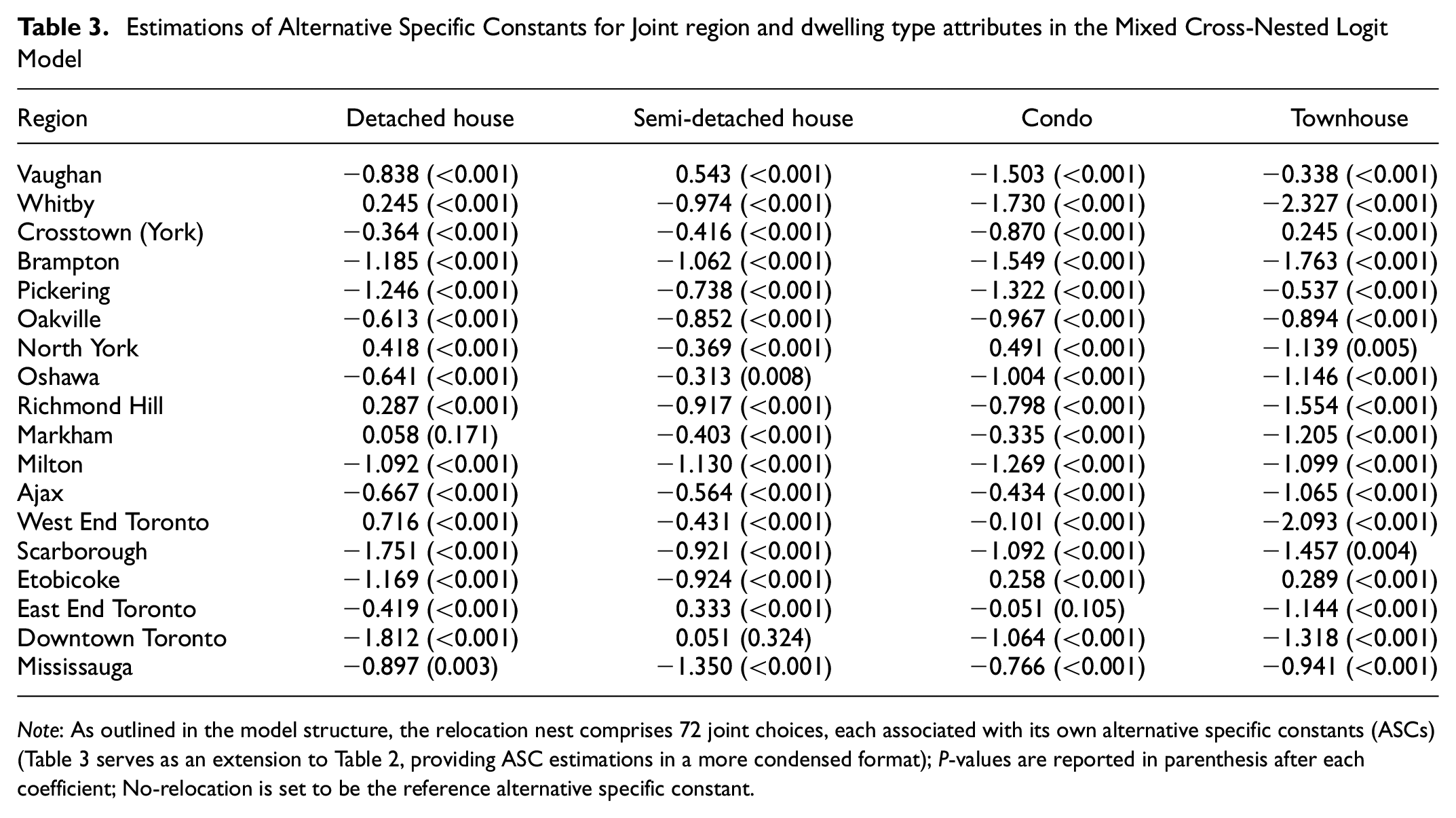
Note: As outlined in the model structure, the relocation nest comprises 72 joint choices, each associated with its own alternative specific constants (ASCs) (Table 3 serves as an extension to Table 2, providing ASC estimations in a more condensed format); P-values are reported in parenthesis after each coefficient; No-relocation is set to be the reference alternative specific constant.
Summary of Mixed Cross-Nested Logit Allocation Parameters
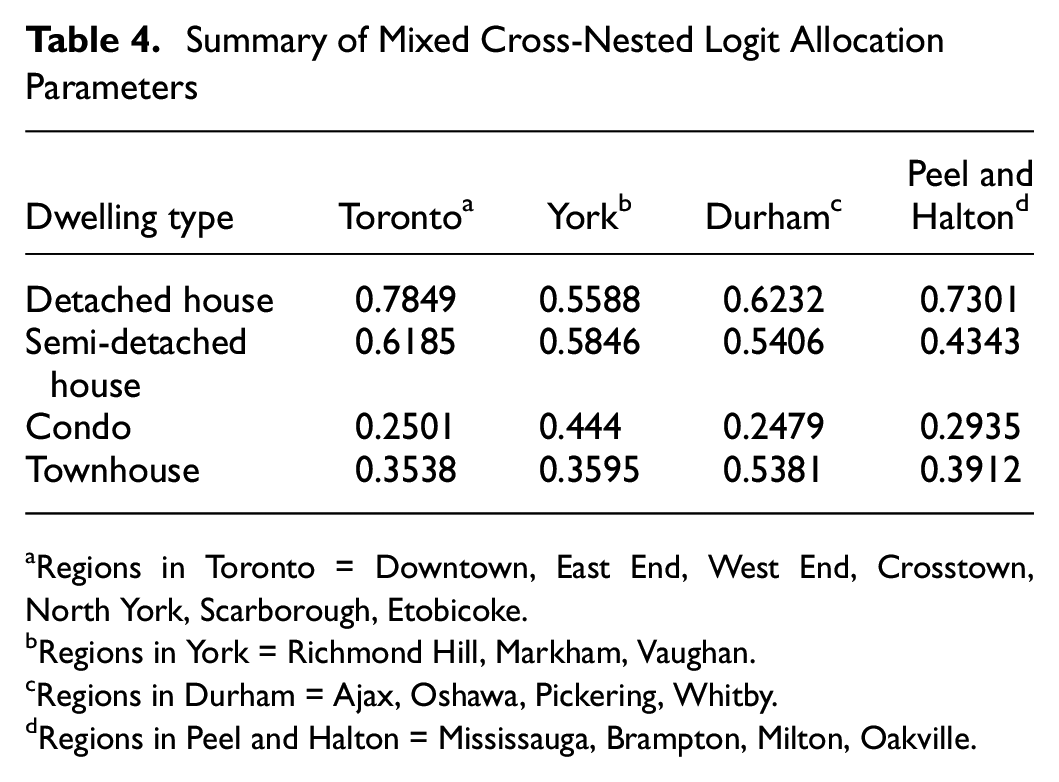
Regions in Toronto = Downtown, East End, West End, Crosstown, North York, Scarborough, Etobicoke.
Regions in York = Richmond Hill, Markham, Vaughan.
Regions in Durham = Ajax, Oshawa, Pickering, Whitby.
Regions in Peel and Halton = Mississauga, Brampton, Milton, Oakville.
Several combinations of explanatory variables were evaluated before estimating the best model presented in Table 2. The comparisons were based on the adjusted rho square and the explanatory power of the estimated models. The SP attributes that resulted in statistically insignificant in estimations for all of their attribute levels are dropped from the final estimation. The final model’s adjusted rho square is 0.2480. The relocation nest is estimated to have a scale parameter of 1.3432, which is significant and greater than the root scale parameter of 1. This confirms the household’s two-step relocation decision hypothesis, as respondents’ substitution patterns exhibited greater variance in the cross-nested nest than in the upper binary nest.
One of the primary motivations for implementing a cross-nested structure is to determine what percentage of movers prioritize dwelling type over region when making a joint selection of dwelling type and region, and vice versa. Allocation parameters provide useful information in this regard. Meanwhile, they complicate model estimation because fitting a model with all significant allocation parameters would be challenging. Since allocation parameters are linked to the nesting structure, it is critical to ensure that estimations are statistically significant. To ensure the significance of the allocation parameters, region nests in the same municipalities are set to be equal in the estimations. The final allocation parameters are shown in Table 4. With a 90% confidence interval, all the parameters in the table are statistically significant. All of the parameters presented are related to the “dwelling type” nest. In Table 4, allocation parameters rooted in the region are one less than their peer allocation parameter. This section concludes with a discussion of the interpretation of these parameters.
The allocation parameters in Table 4 represent the extent to which each joint choice belongs to a parent nest. For example, the dwelling type allocation parameter of 0.7849 for detached and Toronto means that 78.49% of the substitution patterns occur within the detached dwelling type nest between different regions, and 21.51% of the substitutions occur within the region nests between different dwelling types. As a result, if a respondent chose a detached unit in Toronto municipality, they most likely made their choice weighting more on the dwelling type rather than the region. The allocation parameters also indicate the relative strength of substitution within each nest. For example, smaller allocation parameters for condo units show respondents looking for options outside of the condo nest. As a result, allocation parameters in the estimated model for this paper provide valuable information on the trade-offs respondents make between dwelling types and regions.
Overall, the estimated allocation parameters reveal three major trends in relocation behavior: 1) Most people who chose a detached unit in a region did so because they wanted to live in a detached house, 2) Respondents are less interested in multi-unit residences than single-unit ones, and 3) The primary motivation for those who relocate to a condo dwelling type is to live in a specific location.
For semi-detached units and townhouses, allocation parameters do not have consistent patterns across different regions. However, one could argue that moving to a semi-detached unit is more similar to moving to a detached unit. The patterns for townhouses are similar to the findings for condo dwelling types.
Concerning the estimations in Table 2, the interpretation of coefficients will be difficult because of the complexity of the proposed model structure. As stated, each estimated parameter can affect the joint utility functions of dwelling types and regions at the same time. The proposed structure is a combined model of three options (residential mobility, dwelling type, and region), demonstrating the significance of calculating the marginal effects of attributes. As a result, the marginal effects for the parameters are calculated using the probability-weighted sample enumeration method to clarify the effects of each variable on the choices of interest that those variables are expected to change (see Table 5).
Calculated Aggregated Marginal Effects for Selected Dwelling Type and Region Choice Variables
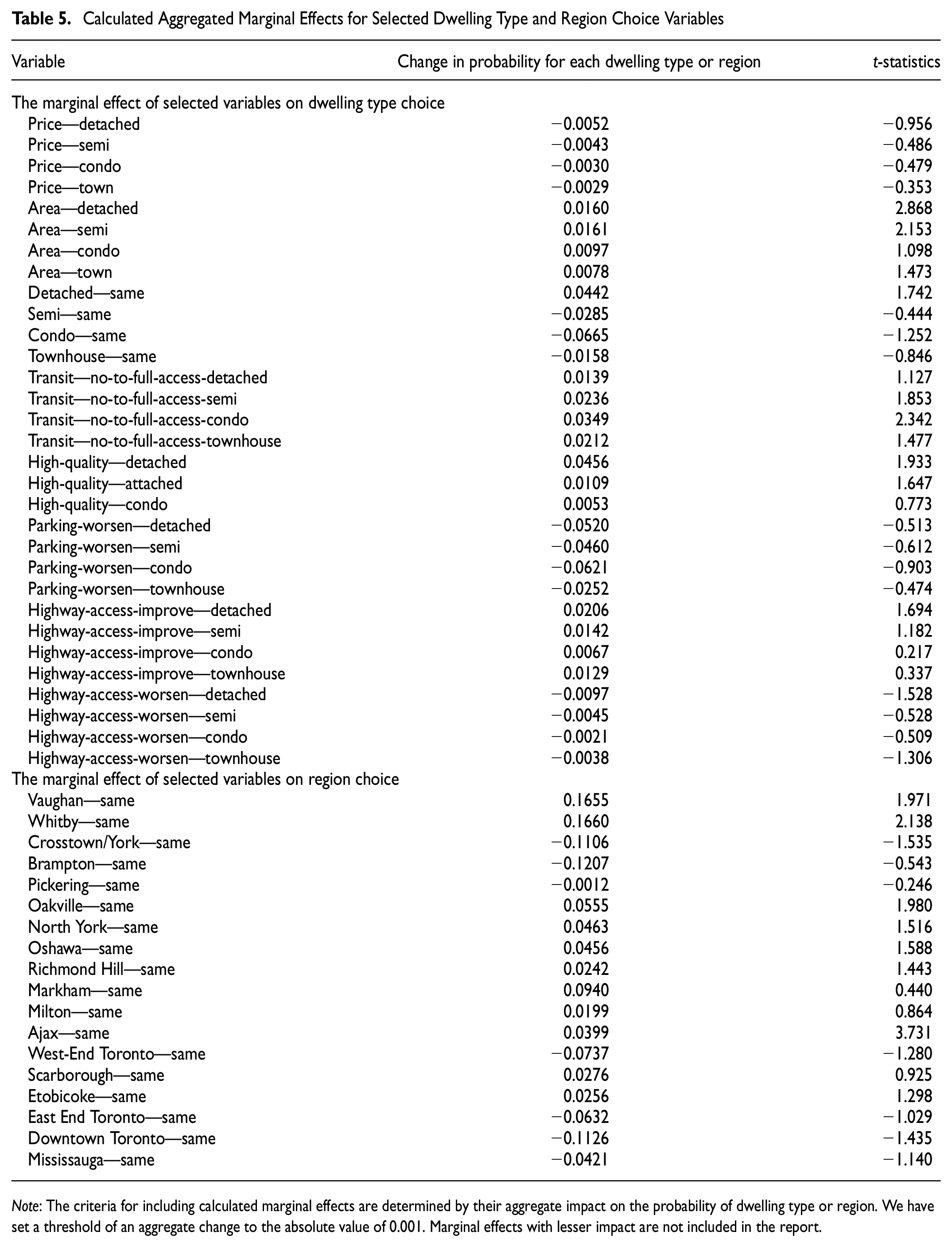
Note: The criteria for including calculated marginal effects are determined by their aggregate impact on the probability of dwelling type or region. We have set a threshold of an aggregate change to the absolute value of 0.001. Marginal effects with lesser impact are not included in the report.
The pandemic status parameters are the starting point for interpreting findings about the SP attributes. Respondents in each SP scenario confronted three distinct COVID-19 conditions: 1) returning to normal after mass vaccination, 2) failing to vaccinate people and adjusting to the new normal, and 3) the pandemic persists with a second wave. As the pandemic conditions are independent of alternatives, they are added to the utility function of the “no-relocation” attribute as dummy variables, with the first condition as the reference dummy. The positive and statistically significant pandemic coefficients indicate that GTA residents are less likely to relocate in uncertain conditions. In contrast, the overall observed relocations in the SP hypothetical scenarios are relatively high, occurring in approximately 46% of cases. In hypothetical choice scenarios, a high relocation rate indicates the emergence of residential dissonance. This finding explains the initial housing market freeze at the onset of the pandemic, leaving individuals uncertain, followed by a housing market boom where the accumulated residential dissonance is released.
A different method for incorporating the pandemic conditions as dummy variables is to divide the choice experiments based on the conditions and estimate three distinct models. The characteristics of the collected SP data prevent us from implementing this method for two reasons, even though it provides more information on relocation behavior. First, the survey design presents the pandemic conditions to respondents in three consecutive rows following SP attributes. It is unrealistic to assume that respondents evaluate the costs and benefits of each attribute for each condition. Consequently, it is more relevant to consider pandemic conditions as factors than to seek choice behavior explanations. Second, our experience with dividing the dataset into three sections and estimating three separate models revealed that reducing the sample size while maintaining the same number of model parameters will have a negative effect on the significance of parameters and goodness-of-fit measures of model fit.
The statistical significance of the random telecommuting parameter reveals the heterogeneity of respondents with regard to the telecommuting factor. The random parameter represents any unobserved factor for heterogeneous taste variation between individuals. The mean parameter for telecommuting is positive, indicating that, on average, providing more telecommuting flexibility for the workplace increases the utility of the current residence. However, the standard deviation parameters have a relatively large magnitude relative to the mean parameter, indicating that the random coefficient can be either positive or negative. Thus, the direction of the impact of telecommuting on a person’s current residence preference varies from person to person. The interpersonal mixing parameter confirms that respondents for this variable exhibit substantial heterogeneity. This discrepancy could be because respondents cannot find their desired dwelling type and region combinations in every scenario. Regardless of the direction of the influence, telecommuting during the pandemic has altered relocation preferences. It is possible that telecommuting will become one of the determining factors of residential mobility if it continues to be adopted at the same rate. However, this argument requires further examination in a separate study with a more recent dataset that examines both the short- and long-term effects of telecommuting.
Prices in choice experiments are defined relative to the current residential unit price of the household. The price parameter is negative, but it is considered insignificant. This is consistent with the calculated marginal effects in Table 5, as marginal price effects have a minor influence on shifting behavior. The conditions controlled in the SP design to ensure that the offered price for each alternative is relevant with area changes and comparable across all alternatives is a reasonable explanation for this finding. Similarly, the area attribute is defined as generic parameters and estimated to be statistically significant and positive. This demonstrates the area attribute levels’ direct influence on respondents’ choices. Furthermore, based on the marginal effects for different dwelling types, it appears that the influence of the attribute is greater for detached and semi-detached units.
The transit attribute is incorporated into the modeling procedure as dummy variables relative to the current transit status of the individual’s residence. The empirical results for the original transit attributes with all six levels defined in SP reveal that respondents are insensitive to the different levels of transit service. The insensitivity of respondents to transit attributes could have two different causes. First, the insensitivity could indicate respondents are not differentiating between different transit service levels. Second, the observed insensitivity is because of the existence of six transit attribute levels, making it difficult for respondents to distinguish between them. Subsequently, the transit levels are grouped and redefined according to the variables presented in Table 5. The results indicate that respondents’ relocation behavior changes the most when their transit access improves from no immediate access to the transit system to full access to all transit modes. Therefore, as long as transit modes are accessible, the respondents are indifferent about the service quality. Calculating marginal effects for various dwelling types expands this general to various dwelling types. The marginal effects show transit access change has the greatest impact on condo dwellers.
The parking attribute is included in the model compared with the current parking status of the respondents. After examining various permutations, the parking attribute was divided into three dummy variables: 1) better than the current residence, 2) no change in status, and 3) worse than the current residence. Additionally, the highway attribute is converted to an identical format. The findings indicate that respondents are against relocating to a residence with worse parking and highway accessibility. In contrast, when either attribute is enhanced in an alternative, respondents choose to remain in their current residence. This result indicates that, even though parking availability and highway accessibility attributes affect the respondents’ utility in choosing a new residence, they cannot be considered determinants of residential relocation decisions.
A similar strategy is tested for including the neighborhood quality attribute relative to the current residence’s quality. However, after testing various combinations, it was determined that respondents lack a relative perspective on the quality attribute. Regardless of the quality level of their current residence, respondents are more likely to relocate to alternatives when the quality of the surrounding neighborhood is identified as green and quiet. This behavior is more significant for detached dwellers, whose calculated marginal effect has the highest value among all calculated marginal values for dwelling types.
The model represents the tenure type by three dummy variables: rent-to-own, own-to-rent, and no change. “No change” is set to the reference dummy variable. Even though results indicate a trend toward homeownership, we argue that this result is because of the hypothetical nature of SP surveys. This attribute was included in the survey to identify homeowners who relocated their residences temporarily because of pandemic concerns. Urban exodus literature speculated that homeowners would temporarily rent single units in low-density suburban regions to reduce the risk of infection. However, the results of this study do not suggest the existence of this relocation behavior in the GTA region.
The remainder of this section attempts to identify any relocation patterns by determining whether respondents who currently reside in particular dwelling types and regions prefer new alternatives or choose to remain in their current environment.
Concerning the dwelling type similarity variables, only residents of detached houses are inclined to choose to live in detached dwellings in their future relocation decision. The survey data is insufficient to conclude that this preference did not exist before the pandemic, and this result could indicate the continuation of a previously established behavior. Observing the housing market in the summer of 2020 reveals that the pandemic has amplified the trend toward detached units ( 47 ). We hypothesize two causes for the increase in GTA residents moving from condominiums to detached homes. The first result is the perception that COVID-19 is more likely to spread in apartments, and that condo residents felt they were endangering the health of their family members by sharing their heating, ventilation, and air conditioning with other units. The second factor is that GTA families spent more time in their residences during the pandemic, and their family activities increased, which shifted the factors they considered most important when selecting a residence in favor of detached units ( 48 ). Although this is the case, the trend toward single-detached units can create less sustainable land use, and it is against the GTA’s intensification plan, which requires plans and policies to encourage households to stay in denser areas ( 49 ).
Concerning variables of region similarity, the preferences of residents of various regions fluctuate. However, suburban residents demonstrated greater resistance to relocating. Respondents in urban areas were relatively less likely to relocate to the same region when presented with relocation scenarios that included their current region of residence. Analysis of marginal effects also reveals that residents of densely populated areas are more adaptable when relocating to other regions.
Conclusions and Future Work
People’s activities were disrupted in unprecedented ways during the COVID-19 pandemic lockdowns and, in some cases, new activities, such as working and studying from home, were introduced. These experiences may influence the affected households’ expectations for their future residence. The primary concern in this regard is the long-term impact of probable home relocation decisions and their impact on future household travel decisions. The answer to this research challenge consists of two steps. First, research should examine the early shifts in relocation behavior triggered by the pandemic. Finally, follow-up studies should be conducted utilizing revealed preference and SP datasets to determine whether households will retain the observed relocation behavior. This research contributes to the first stage by examining SP data obtained during the early stages of the pandemic, revealing that the advent of the pandemic results in significant short-term residential dissonance. The paper’s summary findings about the effects of the pandemic on residential relocation choice behavior are as follows:
Relocation rates in hypothetical choice experiments imply increased residential dissonance among GTA residents at the start of the pandemic. This dissonance was initially reflected in the housing market because of concerns about the uncertainty of the pandemic. However, it accumulated, resulting in record-breaking housing market activity with the reopening.
Telecommuting—thought to have little effect on relocation behavior when there are few adopters—is expected to become a determinant in future residential location decisions if the adoptions stay at high rates.
GTA residents tend to move to lower-density areas. While moving to lower-density areas, residents are primarily motivated to relocate to their preferred dwelling type rather than their preferred region.
Respondents prioritize upgrading the physical elements of their dwelling and neighborhood quality over improving accessibility.
Whether the observed short-term preferences persist in the households’ long-term preferences is determined by future telecommuting rates and residents’ perceptions of pandemic uncertainty, which needs to be investigated by future studies.
Concerning policy implications, our findings underline the importance of smart growth policies in suburban areas. To discourage driving for non-work trips, public policymakers could consider the following strategies:
Encourage compact, mixed-use development by integrating residential, commercial, and land uses into local areas and implementing parking management strategies for non-residents in urban areas to discourage long-distance non-work trips in the GTA ( 50 , 51 ).
Develop pedestrian and bicycle infrastructure that facilitates access to mixed-used local areas ( 52 ).
Preserve natural parks and green areas in such sustainably developed local regions to maintain their attractiveness, since residential relocation behavior in the GTA places a higher priority on neighborhood greenness than accessibility attributes.
As we navigate the intersection of residential choices and public policy, future research endeavors can shed light on the efficacy of these strategies. Additionally, the insights derived can guide policymakers in formulating and refining strategies to create more sustainable and livable urban environments in the years to come.
The empirical model identified complexities in the design of attribute levels in the SP experiment designs, leading to respondents’ insensitivity toward some of the attributes and their levels. A high number of levels for an attribute could confuse respondents if they cannot discern noticeable differences between the levels, as noted by previous research ( 53 ). Therefore, researchers conducting similar studies are encouraged to control the number of attributes and attribute levels to avoid design complexities.
From a policy analysis perspective, the findings of this paper have restrictions. In the SP dataset used for this study’s analysis, many attributes are presented as dummies and then transformed into indicators of whether the attribute level is better or worse than the respondents’ current situation. While this approach aligns with the principles of discrete choice modeling, where the analysis revolves around comparing alternatives, it presents a challenge for policy interpretation. Specifically, if a certain attribute is already considered the best level in the current situation, the model does not guide policymakers on whether further improvement is worthwhile. Despite suggesting statistically significant parameters and marginal effects when transitioning from lower to higher levels, the model fails to offer insights for attributes already at their optimal (or worst) level.
Following the finding of this study, a compelling avenue for future research emerges—exploring the intricate relationship between residential choices and transportation behaviors. The current study suggests a trend toward lower-density areas, leading to an uptick in personal vehicle reliance, extended travel times, and a decreased uptake of alternative transportation modes ( 54 ). However, our study introduces a novel perspective, linking relocation behavior to adopting telecommuting ( 55 ). This potentially mitigates the adverse effects of work-related travel. However, a lingering concern persists, as a potential risk of continued personal vehicle reliance for non-work trips remains. This underscores the significance of implementing strategic policies, especially in suburban regions, to promote sustainable transportation practices. Future research avenues could delve into the effectiveness of such policies in curbing non-work-related driving habits.
Footnotes
Acknowledgements
The authors appreciate the two anonymous reviewers whose thoughtful comments and constructive feedback played a pivotal role in polishing this paper.
Author Contributions
The authors confirm contribution to the paper as follows: study conception and design: S. Shakib, K. Habib; data collection: S. Shakib; analysis and interpretation of results: S. Shakib, J. Hawkins, K. Habib, draft manuscript preparation: S. Shakib, J. Hawkins, K. Habib. All authors reviewed the results and approved the final version of the manuscript.
Declaration of Conflicting Interests
The author(s) declared no potential conflicts of interest with respect to the research, authorship, and/or publication of this article.
Funding
The author(s) disclosed receipt of the following financial support for the research, authorship, and/or publication of this article: This study was funded through an NSERC discovery grant and the Percy Edward Hart professorship fund.

The authors take full responsibility for analysis, interpretations, and errors.