



Abstract
Abstract
Introduction: Interbracket distance (IBD) plays a key role in load deflection and frictional resistance in the biomechanics of tooth movement.
Aim: The aim of this study was to assess the influence of load deflection and friction between the bracket and archwire for a specific load on different bracket designs.
Materials and Methods: IBD brackets (n = 60), Sondhi Mini Uni-Twin brackets (n = 60), low profile brackets (n = 60), and Victory conventional brackets (n = 60) were selected for the study. Load deflection was measured using a universal testing machine on 0.016″ nickel-titanium (NiTi) wire. A universal testing machine was used to measure the frictional resistance on 0.019″ × 0.025″ stainless steel wire.
Results: The load deflection of 0.016″ NiTi wire was the highest in IBD followed by Sondhi Mini Uni-Twin, Sondhi conventional, and Victory conventional. Static friction and kinetic friction were the highest in Victory conventional brackets followed by low profile brackets, Sondhi Mini Uni-Twin, and IBD brackets.
Conclusions: Load-deflection property will increase with increase in IBD, and frictional resistance will decrease with increase in IBD.
Introduction
Orthodontic treatment uses forces to reposition malaligned teeth. The interplay between brackets and active components such as elastics, wires, and springs causes measurable deflection, friction, and internal stress of the material. 1
The aligning and leveling stages play key roles in the success of orthodontic treatment. Proper mechanics in these 2 phases can minimize the finishing procedures. Load-deflection properties and frictional properties are the key factors in achieving the best treatment results in these 2 stages. Orthodontists should select brackets and archwires that can deliver forces in the optimal range, and the forces generated by the interplay between the bracket and archwire should not cause any undesirable side effects such as bone hyalinization, 2 root resorption, 3 pain and discomfort to the patient, 4 and anchorage loss. 5
The bracket width and interbracket span have a significant effect on properties such as load-deflection rate and friction between the bracket and archwire.6,7 Interbracket distance (IBD) brackets 8 claim to have increased the interbracket span by 40%. However, the claim of the manufacturer remains to be tested in comparison with conventional brackets and other brackets that also claim to have increased the interbracket span.
The objective of this study was to compare the load-deflection and frictional resistance properties of IBD, low profile, conventional, and Mini Uni-Twin brackets. 9
Aim
The aim of the present study was to compare the load-deflection characteristics and frictional resistance between Mini Uni-Twin, IBD, low profile, and conventional brackets through an in vitro study.
Objectives
Following are the objectives of the study:
To assess the load-deflection rate between Mini Uni-Twin, IBD, low profile, and conventional brackets for a given load on round archwires. To assess the resistance to sliding between Mini Uni-Twin, IBD, low profile, and conventional brackets for a given rectangular wire. To compare the load deflection rate and resistance to sliding characteristics between the different bracket groups.
Materials and Methods
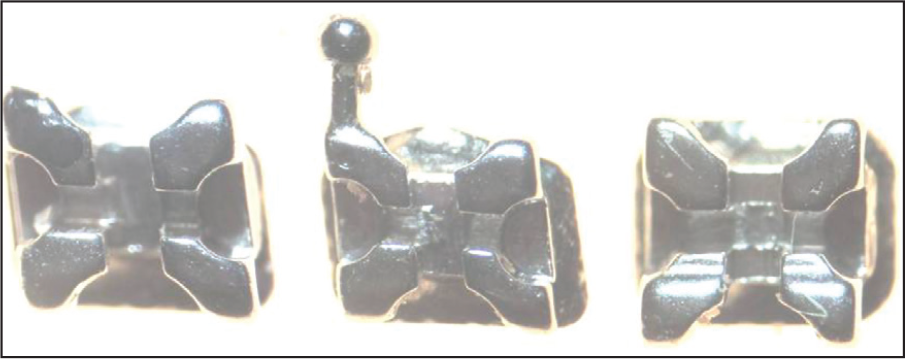
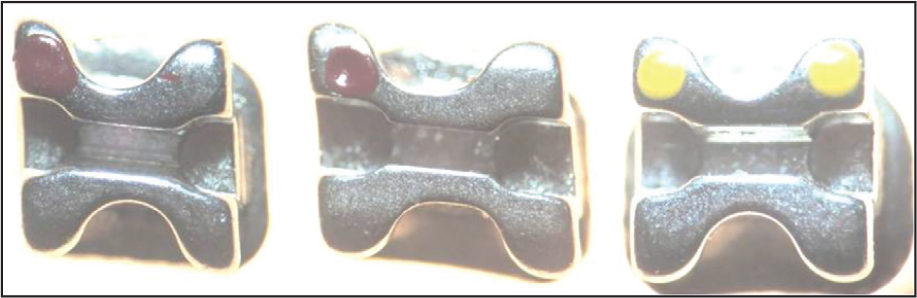
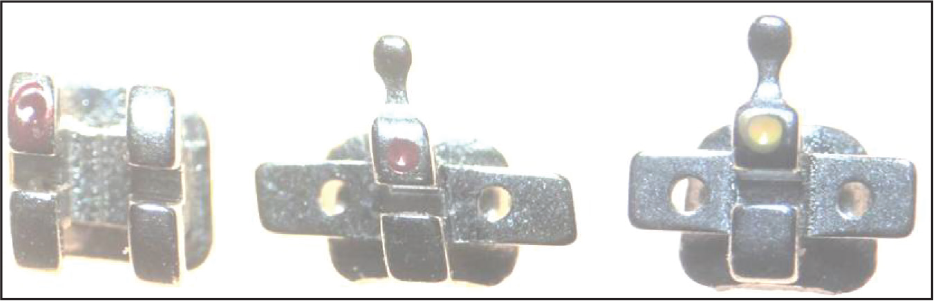
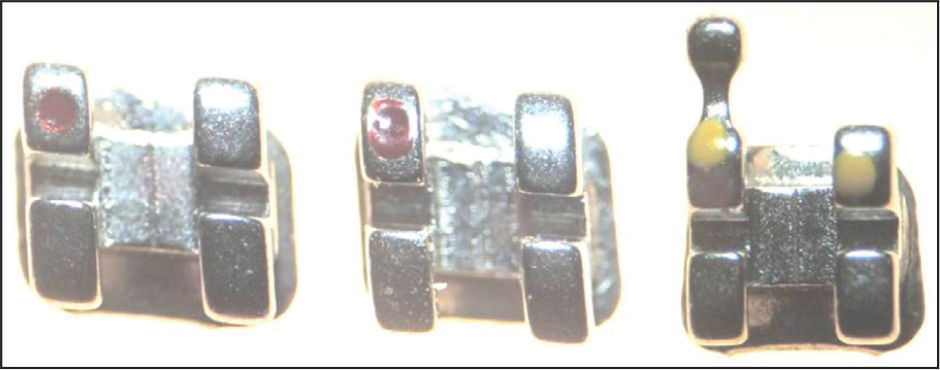
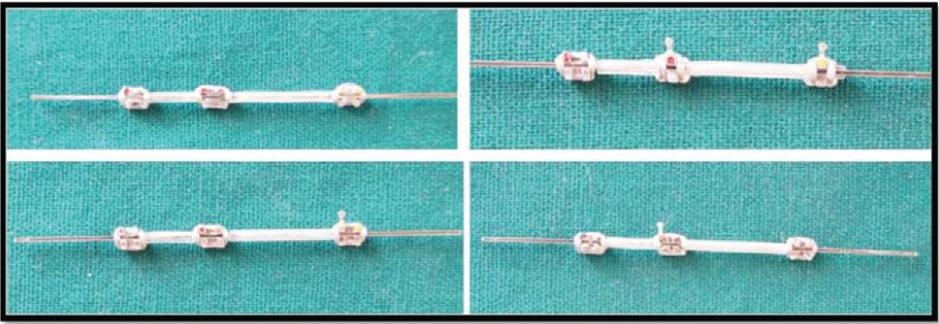
In the present study, brackets with varying IBDs were selected such as IBD brackets (Figure 1), Sondhi Mini Uni-Twin brackets (Figure 2), Sondhi conventional brackets (Figure 3), 10 and conventional MBT Victory series(Figure 4). 11 In total, 120 sets of brackets were taken for the study. Each set comprised maxillary right lateral incisor, canine, and premolar brackets. In total, 120 sets were divided into 8 groups. Each group was further divided into 4 subgroups of 15 sets each. To assess load deflection and friction, 0.016″ nickel-titanium (NiTi) and 0.019″ × 0.025″ stainless steel wires, respectively, were used. Group LA consisted of Sondhi Mini Uni-Twin bracket system (3M) (n = 15), group LB included IBD brackets (AO [American Orthodontics]) (n = 15), group LC included Sondhi conventional brackets (3M) (n = 15), and group LD included Victory conventional brackets (3M) (n = 15). Load deflection with 0.016″ NiTi wire was assessed in these groups. Group FA consisted of Sondhi conventional brackets (3M) (n = 15), group FB included Victory conventional brackets (3M) (n = 15), group FC included Sondhi Mini Uni-Twin brackets (3M) (n = 15), and group FD included IBD brackets (AO) (n = 15). Frictional resistance was assessed using 0.019″ × 0.025″ stainless steel wires.
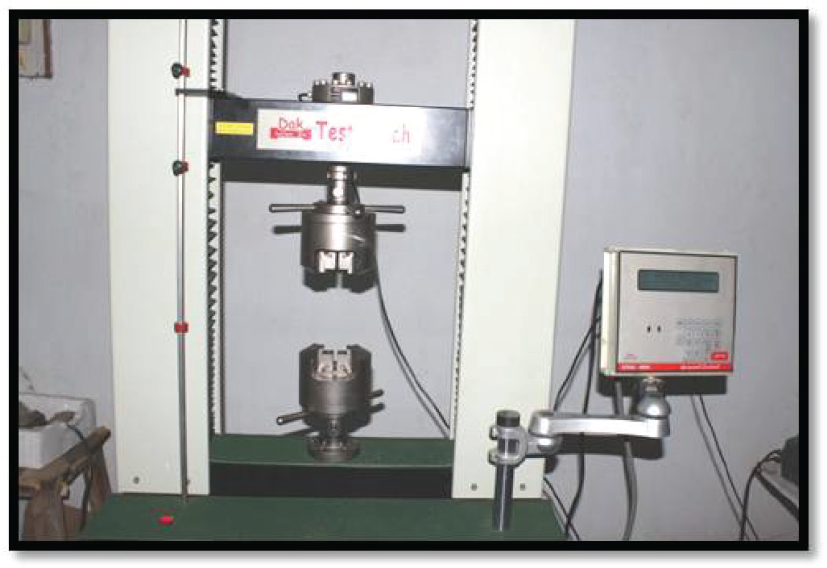
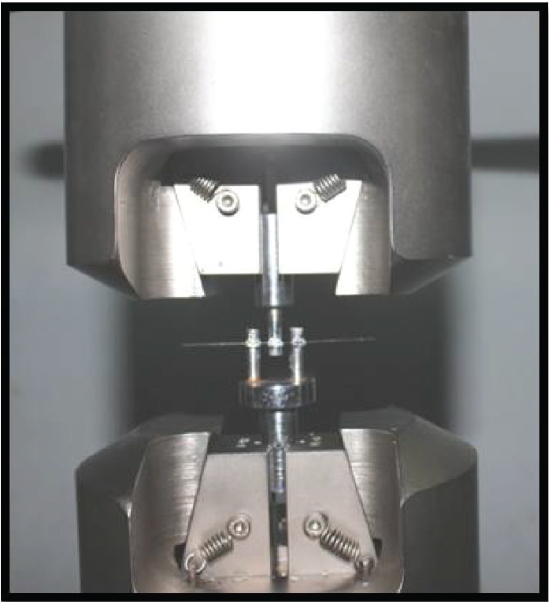
A universal testing machine (Figure 5) (Instron, WTI Company) having 10 N load cell and 0.001 N sensitivity with crosshead speed of 0.01 mm/s was used for the study.
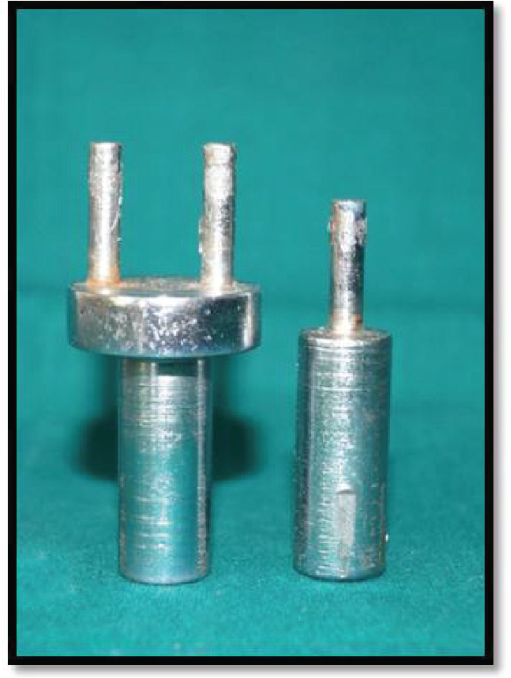
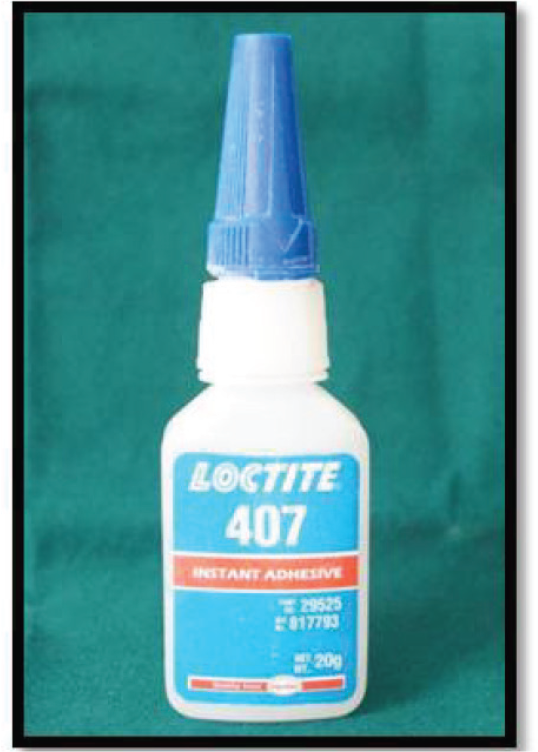
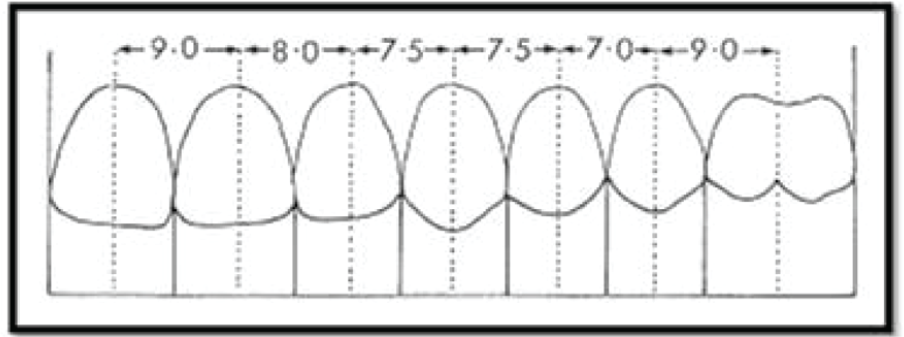
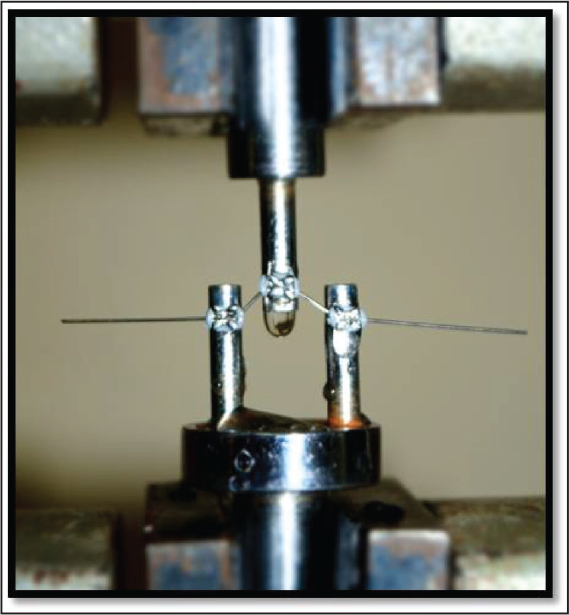
A custom-made jig with 3 cylindrical brass rods (Figure 6) with a diameter of 4 mm was used for the study. The fixed part of the experimental model was mounted with lateral incisor and premolar brackets, and to the movable brass rod, canine bracket was attached. A cyanoacrylate bonding agent (Figure 7) and 0.021″ × 0.025″ stainless steel wires were used to bind the brackets to cylindrical rods and acrylic blocks (Figure 8). To simulate a portion of the right maxillary arch, lateral incisor, canine, and premolar brackets were aligned to the experimental model. The experimental model with the 3 brackets was mounted on to the universal testing machine. IBD of 7.5 mm was set from the midpoint of each mounted bracket (Figure 9). 12
Acrylic blocks

Interbracket distance according to moyers
A 30-mm long 0.016″ superelastic NiTi archwire was used for testing load deflection. For all the bracket systems, ligature modules were placed using Mathieu’s plier.
The 3-point test was performed using 3 cylindrical brass mounts on the universal testing machine. Room temperature was set to 34°C, and during the procedure, artificial saliva was continuously sprayed on to the brackets attached to the custom-made jig, thereby simulating the oral environment. Load-deflection tests were carried out by using 0.016″ superelastic NiTi wire.
Deflection values of 2 and 4 mm were used to perform the tests, and the same conditions were used to carry out loading and unloading phases. Each test was carried out 5 times under a single deflection. For testing the frictional resistance (resistance to sliding), 3 different brackets were selected, and these were lateral incisor, canine, and premolar, for all the 4 different bracket systems. These bracket combinations were selected to simulate a first premolar extraction case. For all the bracket systems, IBD between the lateral incisor and canine was 7.5 mm, and the distance between the canine and the second premolar was 14.5 mm, 12 simulating a clinical scenario of the first premolar extraction case. Brackets were first aligned with the help of a 0.021″ × 0.025″ stainless steel wire. A sleeve and an elastomeric module were used to maintain the IBD and to secure the archwire, respectively (Figure 10). 13 It was then bonded onto the custom-made acrylic block with the help of a cyanoacrylate adhesive. This procedure ensured the elimination of second-order angulation errors.
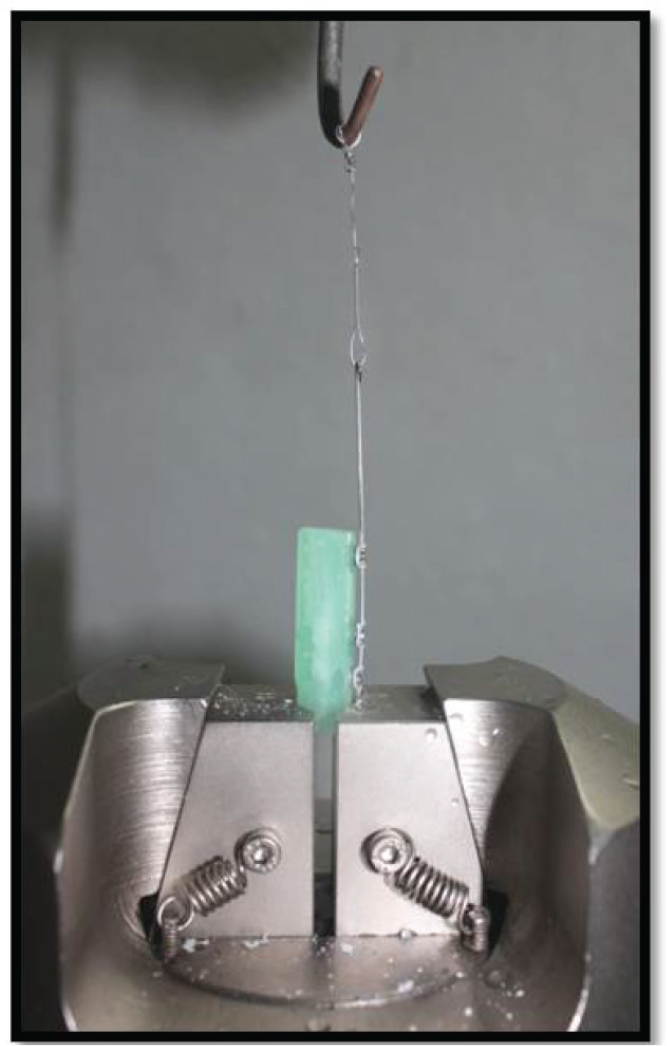
After aligning, the brackets were bonded on to the acrylic block using a cyanoacrylate bonding agent. A 0.019″ × 0.025″ (American Orthodontics) straight test wire was engaged into the bracket slot. For all the bracket systems, ligature modules were placed using Mathieu’s pliers. The bottom end of the acrylic block was fixed to the universal testing machine, and a stainless steel ligature wire was used to attach the test wire to the load cell. Introducing torsional forces into the test wire during clamping should be avoided. A speed of 5 mm/min was chosen as the standard to draw the test wire through the bracket, as other researchers have found no significant difference in friction measurements between speeds 0.5 and 50 mm/min. 14
Sleeve for securing the interbracket distance
The load cell was calibrated before each measuring session. Each test was carried out 5 times. Both the static friction and dynamic friction was recorded while 5 mm of test wire was drawn through each bracket system assembly. Room temperature was set to 34°C, and during the procedure, artificial saliva was continuously sprayed on to the brackets attached to the custom-made acrylic jig, thereby simulating the oral environment. Static frictional force was measured as the value of force needed to start the archwire moving through the bracket system assembly. Dynamic frictional force was measured as the mean level of frictional force observed during the movement of the test wire. Dynamic frictional force can be called as the frictional resistance (resistance to sliding). The values were tabulated and subjected to statistical analysis.
Results
Table 1 shows the descriptive statistics—mean and standard deviation of load deflection with 0.016″ NiTi wire (Figures 11 and 12) in all 4 groups at 2 and 4 mm loading and at 1.5 and 3.5 mm unloading (Figure 13). For 2 mm loading, the highest mean activation force was in group LD (Victory conventional) with a mean of 11.20 ± 0.04 followed by group LC (Sondhi conventional), LA (Sondhi Mini Uni-Twin), and LB (IBD).
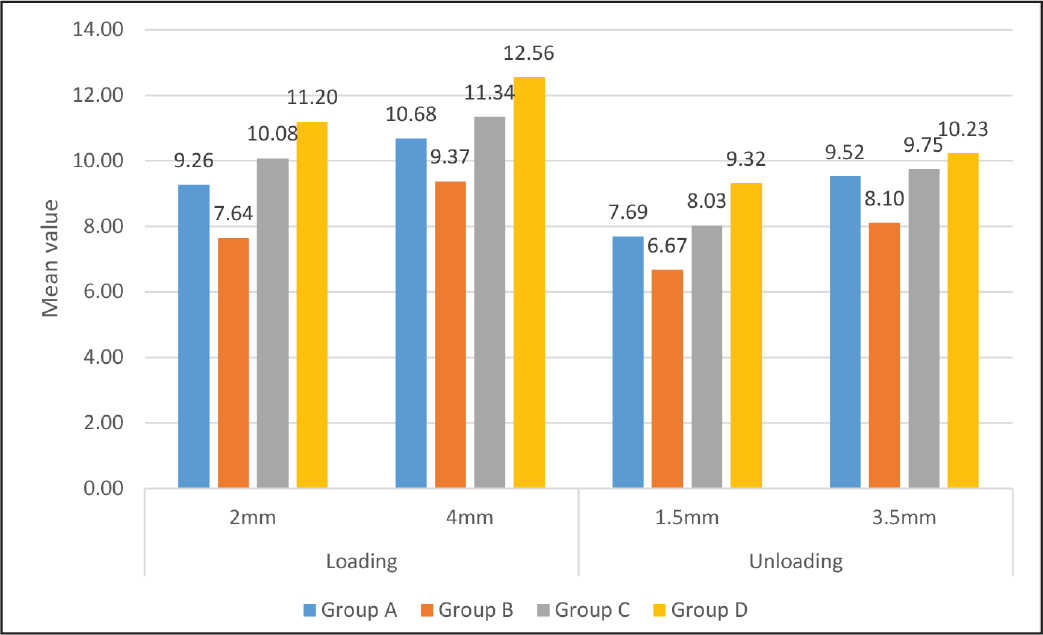
For 4-mm loading, the highest mean activation force was in group LD (Victory conventional) with a mean of 12.56 ± 0.03 followed by groups LC (Sondhi conventional), LA (Sondhi Mini Uni-Twin), and LB (IBD).
Mean and Standard Deviation of Load Deflection in Various Groups of Brackets by Using 0.016″ NiTi Wire
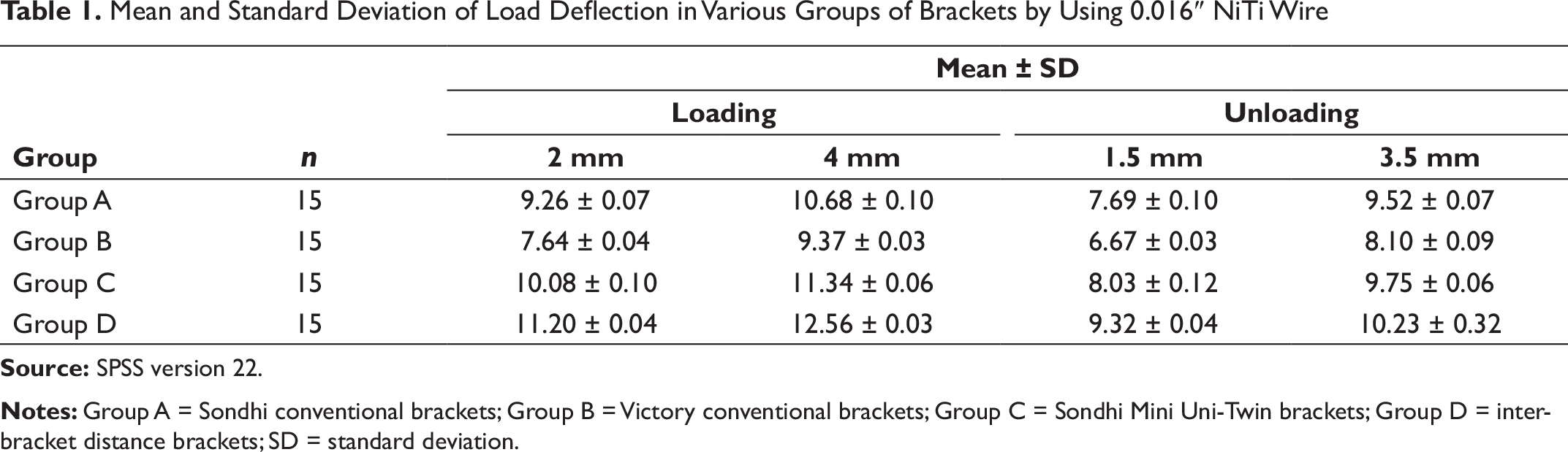
For 3.5-mm unloading at 4 mm maximum deflection, the highest deactivation force was in group LD (Victory conventional) with a mean of 10.23 ± 0.32 followed by groups LC (Sondhi conventional), LA (Sondhi Mini Uni-Twin), and LB (IBD).
Table 2 depicts the post hoc comparisons of load deflection of 0.016″ NiTi wire at 2 and 4 mm loading. Comparisons revealed statistically significant differences for 2 and 4 mm loading. On evaluation of the results with analysis of variance (ANOVA), highly significant differences were observed between the 4 groups at both 2 and 4 mm of maximum deflection (<.001) (Figure 14).
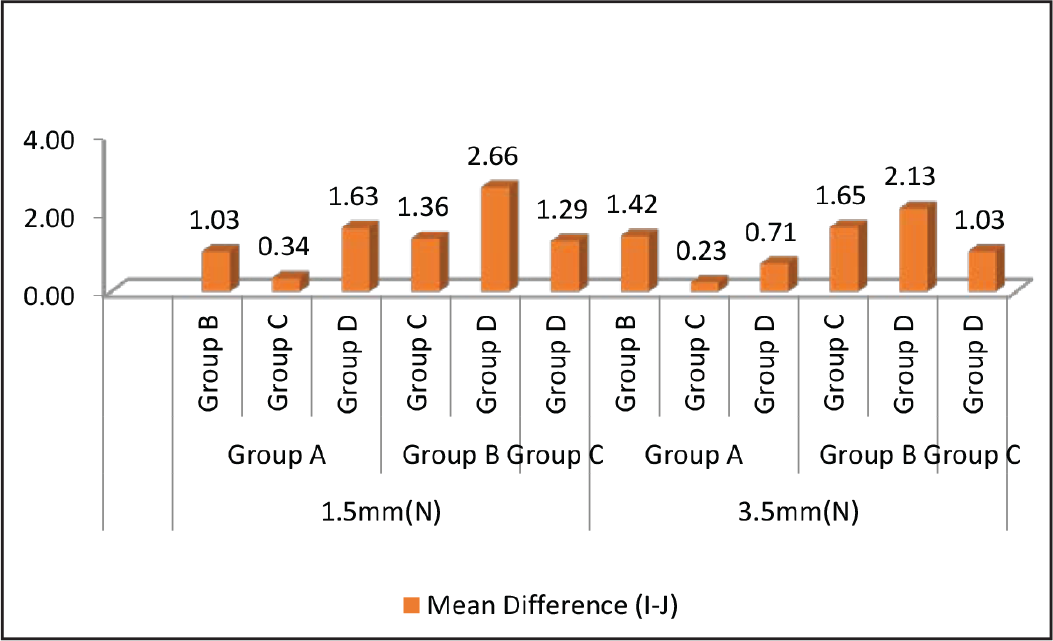
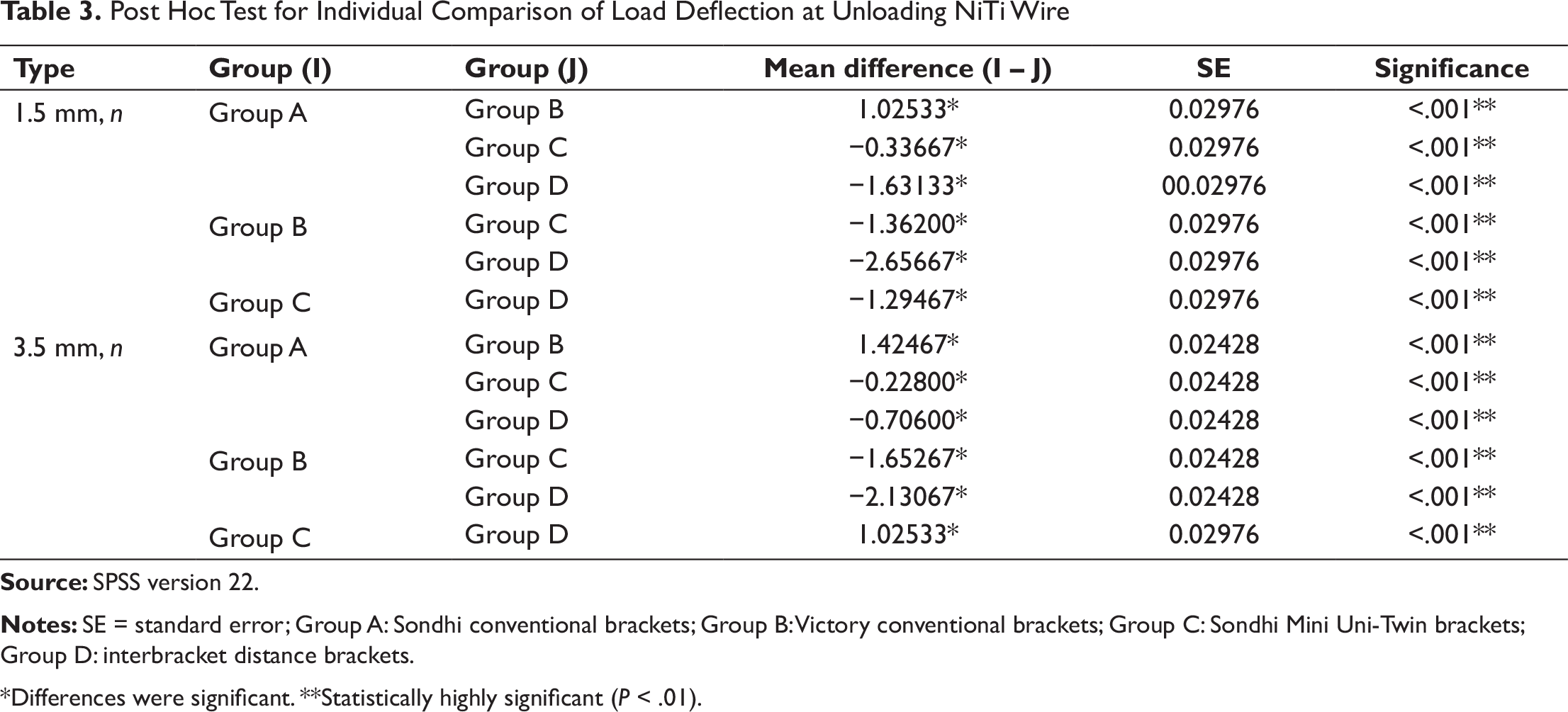
Table 3 depicts the post hoc comparisons of the load deflection of 0.016″ NiTi wire at 1.5 and 3.5 mm unloading. Comparisons revealed statistically significant differences for 1.5 and 3.5 mm loading. On the evaluation of the results with ANOVA, highly significant differences were observed between the 4 groups at both 1.5 and 3.5 mm (<.001) (Figure 15).
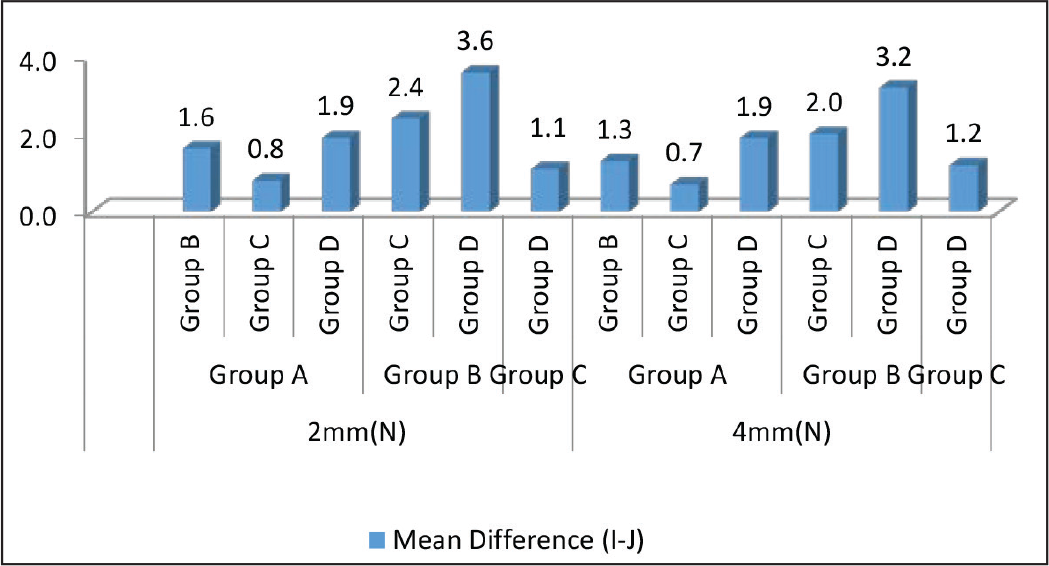
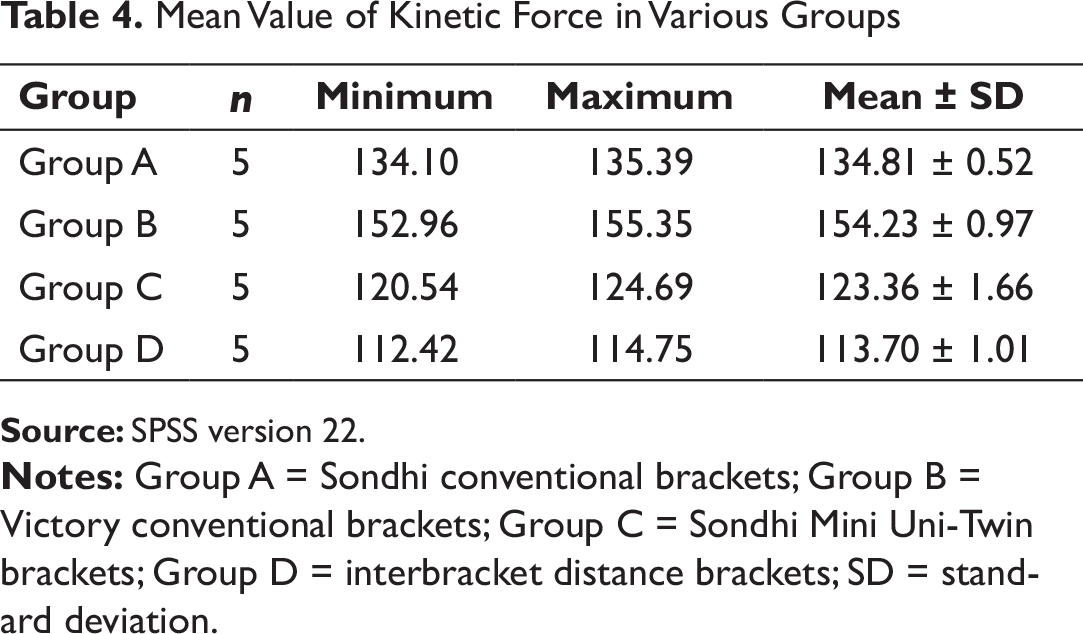
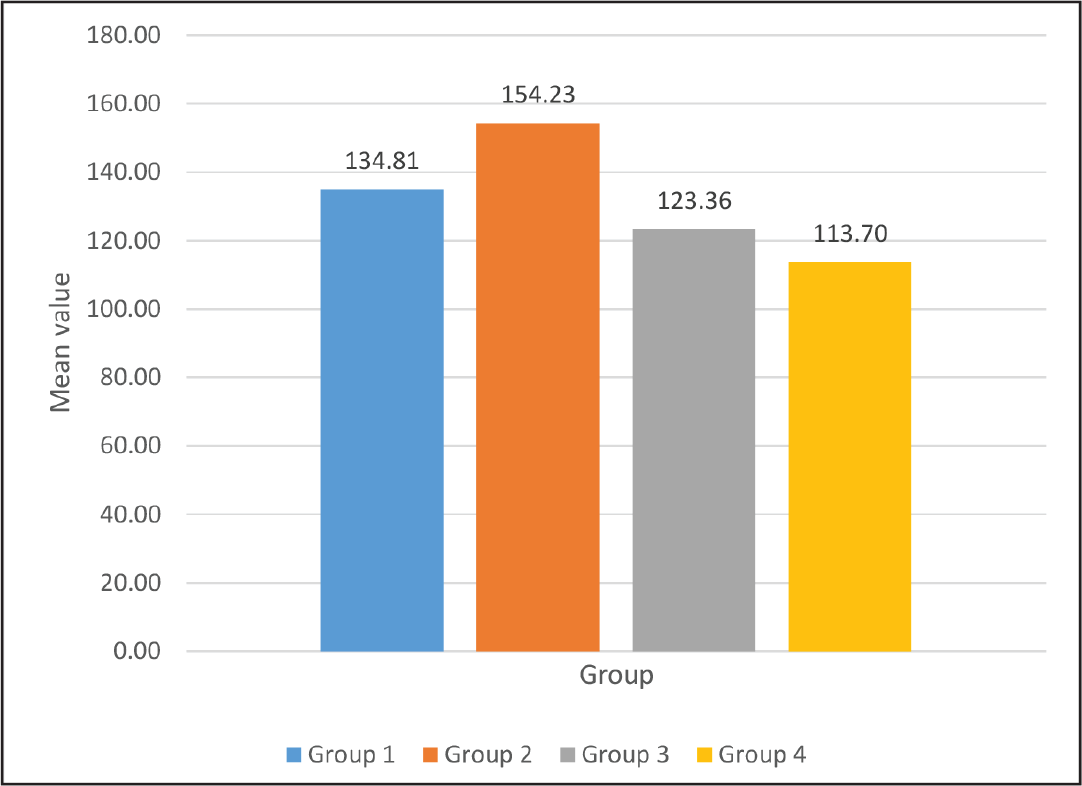
Table 4 shows the descriptive statistics—mean and standard deviation of kinetic frictional forces with 0.019″ × 0.025″ SS wire (Figure 16). Group FB (Victory conventional) showed the highest mean value of kinetic frictional force (154.23 ± 0.9) followed by groups FA (Sondhi conventional), FC (Sondhi Mini Uni-Twin), and FD (IBD) (Figure 17).
Table 5 depicts the post hoc comparison of kinetic frictional forces with 0.019″ × 0.025″ SS wire between the 4 groups by using one-way ANOVA; comparisons suggest that there is a statistically significant difference among the 4 groups compared. Highly significant differences were observed between the FA (Sondhi conventional), FB (Victory conventional), FC (Sondhi Mini Uni-Twin), and FD (IBD) groups for kinetic frictional forces with 0.019″ × 0.025″ SS wire (<.001) (Figure 18).
Post Hoc Test for Individual Comparison of Load Deflection at Loading NiTi Wire
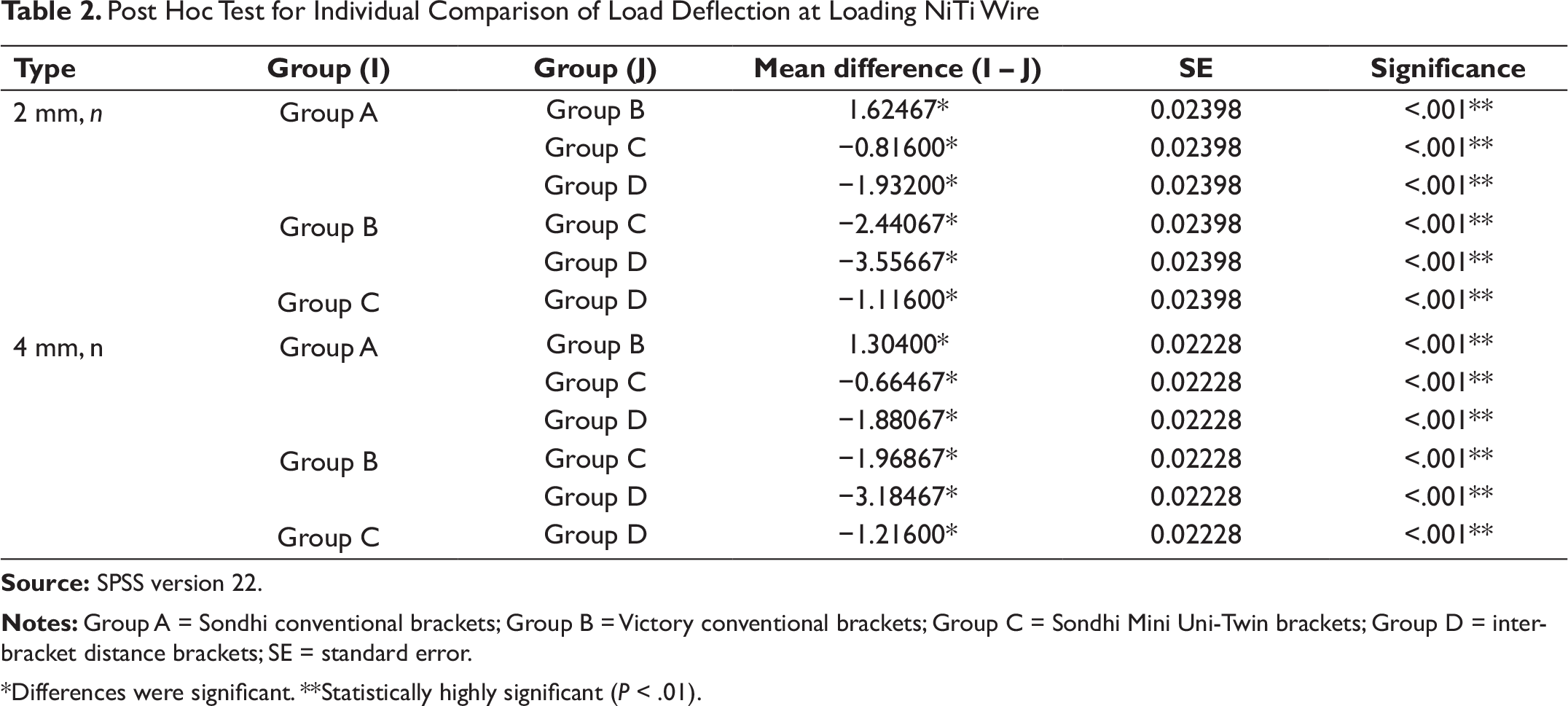
*Differences were significant. **Statistically highly significant (P < .01).
Post Hoc Test for Individual Comparison of Load Deflection at Unloading NiTi Wire
*Differences were significant. **Statistically highly significant (P < .01).
Mean Value of Kinetic Force in Various Groups
Post Hoc Test for Detailed Intergroup Comparison of Kinetic Frictional Force
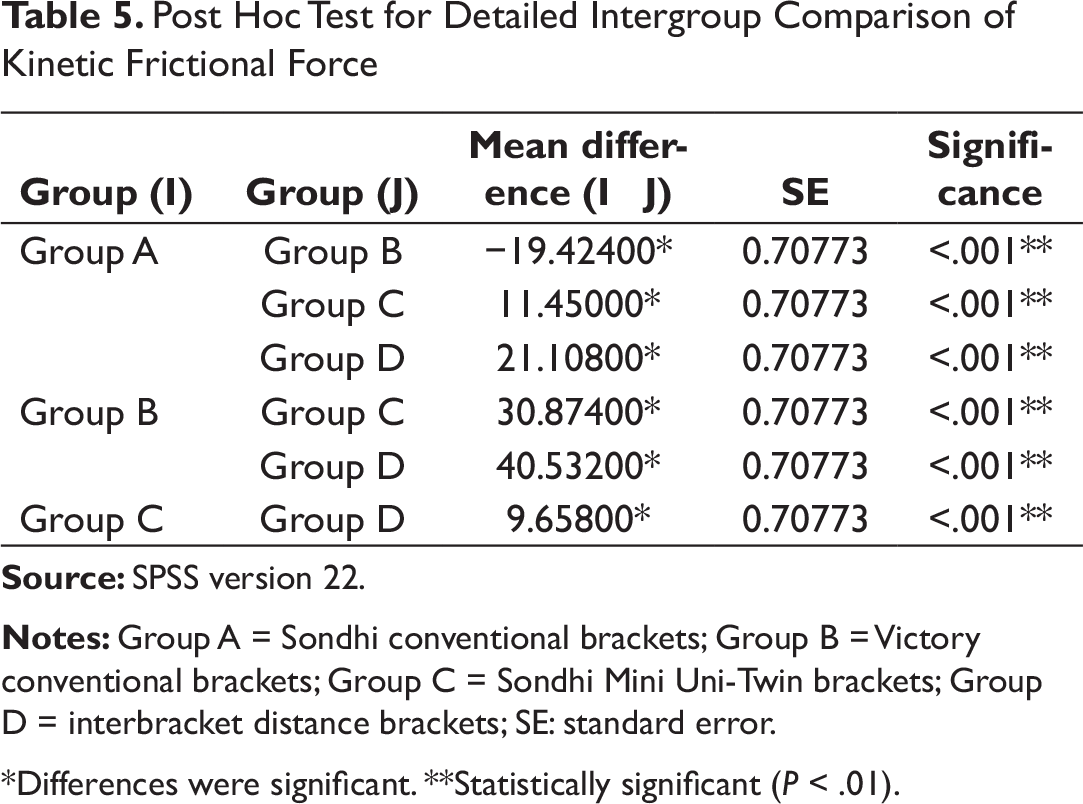
*Differences were significant. **Statistically significant (P < .01).
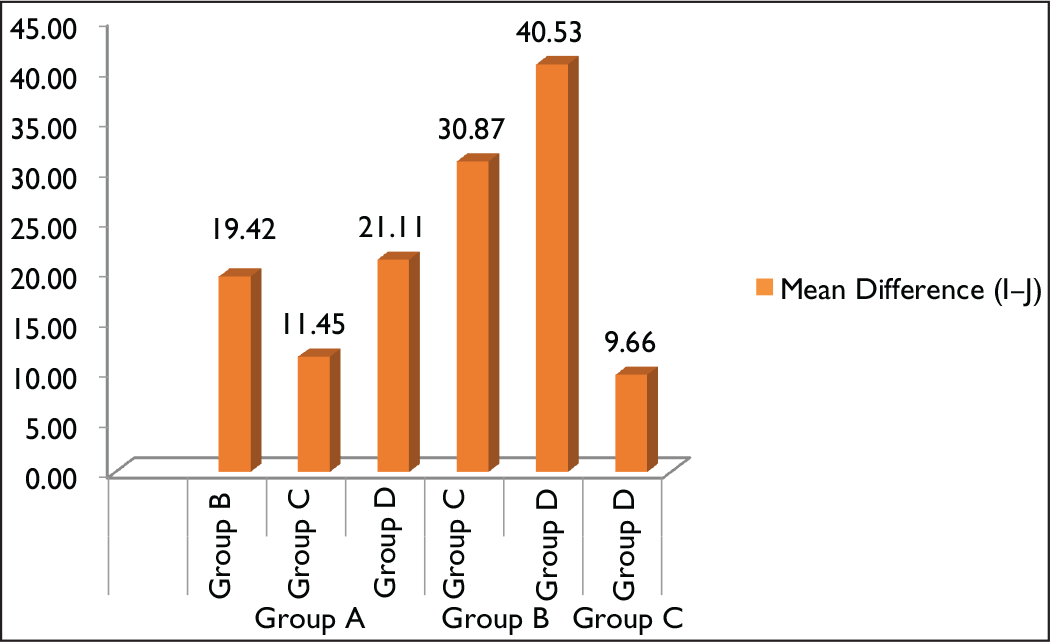
Discussion
Traditional brackets increase the dead area of the wires. More amount of dead wire is present within the wide brackets than active wire “between” the brackets. The efficiency of the wire is reduced as the working area is reduced, resulting is inefficient and slow treatment. 15 Wire flexibility and force levels of the wire are affected with an increase in the IBD. However, decreasing bracket width can cause poor rotational control. Interbracket span was 6.76 mm in IBD brackets, 6.02 mm in Sondhi Mini Uni-Twin brackets, 5.12 mm in Sondhi conventional brackets, and 4.83 mm in Victory conventional bracket.
The results of the present study show an inverse relation between load-deflection property and bracket width. As the bracket width decreases, load-deflection property of archwire increases. The results pertaining to load deflection property of 0.016″ NiTi wire show the highest load deflection was recorded in IBD brackets followed by Sondhi Mini Uni-Twin, Sondhi conventional, and Victory conventional.
Nanda 16 and Schudy 15 have stated that a large interattachment distance reduces the load deflection rate and helps deliver constant force magnitude, providing better directional control of the tooth movement. Increasing the wire length results in greater wire flexibility.
Both static and kinetic frictional forces were assessed to analyze friction. Friction exists in 2 forms, static and kinetic. In friction mechanics, the static friction of the system has to be overcome by the applied force for a tooth to begin movement. Kinetic friction acts between the archwire and the bracket once the movement starts. In friction mechanics, minimal static and kinetic frictions are required for optimal tooth movement. Kusy and Whitley 17 stated that 12% to 60% of the applied forces are lost due to resistance to sliding. If the 2 stages of treatment, that is, leveling and aligning and retraction, are carried out in a proper manner, the third stage of treatment, that is, finishing and detailing, becomes easier.
The present study concludes that static and kinetic friction were the highest in Victory conventional brackets followed by Sondhi conventional, Sondhi Mini Uni-Twin, and IBD brackets. Wider brackets generated greater frictional resistance when compared with narrower brackets. This finding was in concordance with the findings of Frank and Nikolai, 6 Sunil Kapila et al., 18 Whitley and Kusy, 19 and Kusy and Whitley, 20 who stated that resistance to sliding is inversely proportional to IBD. Hence, IBD in narrower brackets is more when compared with the wider brackets, which resulted in reduced friction when compared with wider brackets. The findings of the present study is in contrast to the findings of Husain and Kumar, 21 Tidy, 22 Drescher and Bourauel, 23 and Dickson et al. 24 who explained that as the bracket width increases, friction reduces due to reduction in tipping, and hence, binding is permitted by wider brackets. However, in the present study, the brackets were aligned in a level slot with the restriction of the second-order angulation.
In the present study, both the load-deflection rate and frictional resistance were significantly influenced by the interbracket span. Results drawn from the study can be applied clinically in selecting brackets with various interbracket spans to achieve better control over tooth movement with lesser forces and shorter duration of treatment time.
Conclusions
Following are the conclusions of this study:
The load-deflection property of 0.016″ NiTi wire revealed that at 2-mm loading, the highest mean activation force was seen in Victory conventional brackets, followed by Sondhi conventional, Sondhi Mini Uni-Twin, and IBD brackets.
At 4 mm, the highest mean activation force was in Sondhi conventional followed by Victory conventional, Sondhi Mini Uni-Twin, and IBD brackets. This finding indicates that to deflect the wire to 4 mm, more amount of force was needed in Sondhi conventional than in Victory conventional followed by Sondhi Mini Uni-Twin and IBD brackets.
At 1.5 and 3.5 mm of unloading, the highest mean deactivation force was seen in Victory conventional followed by Sondhi conventional, Sondhi Mini Uni-Twin, and IBD brackets.
Kinetic friction was the highest in Victory conventional brackets followed by Sondhi conventional, Sondhi Mini Uni-Twin, and IBD brackets.
Funding
The authors received no financial support for the research, authorship, and/or publication of this article.
Declaration of Conflicting Interests
The authors declared no potential conflicts of interest with respect to the research, authorship, and/or publication of this article.