




Abstract
AI advancements in higher education have reshaped marketing education, posing challenges for educators in integrating AI into curricula. This integration is essential for aligning with industry advancements and fostering responsible AI utilization among students. The purpose of this study is to provide insights into how marketing educators can incorporate AI into their curriculum practices. Central to our inquiry is the application of constructivist learning principles in leveraging AI to foster a dynamic, engaging, and deeply impactful educational environment. This approach advocates for active student engagement and the development of learning through direct interaction with AI technologies, bridging the gap between theoretical knowledge and practical application. Employing a dual-strategy methodology, this research provides a case study on an undergraduate digital marketing course to highlight practical considerations for responsible and purposeful integration in the classroom. These insights inform practical implications for marketing educators and guide future research directions.
Keywords
In recent years, AI-driven technology has emerged as a major disruptor in business, marketing, and the role of marketers (Davenport et al., 2020; Grewal et al., 2018). AI advancements have transformed marketing education (Crittenden & Peterson, 2019; Guha et al., 2024), with tools like DALL·E and ChatGPT enhancing learning experiences (Mollick & Mollick, 2022; Schlegelmilch, 2020; Seldon & Abidoye, 2018). Aligning curricula with AI advancements is essential for preparing students for the workforce (Andrzejewski & Dunal, 2021; Paschen et al., 2019). Educators must also engage students in discussions about the responsible use of AI, both in and out of the classroom (Peres et al., 2023).
The influence of AI has driven interest in integrating it into marketing education for enhanced personalized learning (Crittenden & Peterson, 2019; Davenport, 2018; Ferrell & Ferrell, 2020; Mollick & Mollick, 2022). There is a lack of clear guidelines for integrating AI into curricula while addressing ethical issues (Ferrell & Ferrell, 2020; Guha et al., 2024; Thontirawong & Chinchanachokchai, 2021). This article aims to bridge the gap between theory and practice, focusing on effectively integrating AI into marketing education. Our paper poses the following central research question to address this gap:
Constructivism emphasizes active knowledge development through experience and reflection (Applefield et al., 2000) and supports AI-driven learning in marketing education by fostering responsible AI use (Grubaugh et al., 2023). This approach aligns with modern educational theories, leveraging AI for personalized, interactive learning tailored to individual needs. By focusing on active knowledge construction and personal experience, constructivism connects theory with real-world scenarios, preparing students for AI-integrated marketing strategies, ensuring proficiency, responsibility, and adaptability in digital environments.
Our strategy involved two key steps. First, we collaborated with an undergraduate digital marketing program and a consumer electronics company to develop a course where students created an AI-driven digital marketing campaign for a new mobile phone targeting Generation Z. This approach applied theoretical concepts in a practical, digital context. Post-course, we analyzed feedback from students and lecturers to assess experiences, effectiveness, areas for improvement, and best practices. This research examines the interplay of technology, pedagogy, integrity, and industry readiness, offering insights for future marketing education curricula.
This research offers several key contributions. It advances constructivist learning theory within AI-enhanced marketing education, demonstrating how constructivist principles can shape active learning environments and deepen knowledge retention. It also contributes to the discourse on AI ethics in education by developing a specific ethical framework, which ensures that ethical considerations are integral to AI-driven learning. In addition, the study aligns educational programs with AI advancements in the marketing industry, bridging academic theory with industry practice. Finally, it provides practical insights and strategies for marketing educators to effectively integrate AI technologies, ensuring accessible and adaptable learning experiences.
The paper is structured as follows: The next section provides a conceptual background by examining AI’s impact on marketing education, focusing on key advancements and challenges. We then explore constructivism theory and its role in enhancing AI-driven marketing education. This is followed by an in-depth case study of an undergraduate course, detailing the development of a targeted marketing campaign for a consumer electronics company. The paper then discusses student and lecturer feedback, offering practical considerations for responsibly integrating AI tools in curricula. Finally, we conclude with the future agenda and the theoretical and practical implications of these practices.
Literature Review
AI has transformed digital marketing, redefining customer engagement, strategy optimization, and operations across areas like customer service, ecommerce, and sales management (Bock et al., 2020; Kaartemo & Helkkula, 2018; Y. Kumar et al., 2023). With AI investments projected to escalate from $10.1 billion in 2018 to an anticipated $126 billion by 2025, this adoption trajectory highlights the technology’s central role in shaping future business strategies (Tractica, 2020). Furthermore, with 24% of United States companies already leveraging AI and an expected annual growth of 37.3% between 2023 and 2030, AI’s influence within the sales and marketing sectors is increasingly pronounced (Haan, 2024). Its ranking as the foremost workplace innovation corroborates this trend, signaling its critical relevance in contemporary business practices and marketing disciplines.
Beyond strategic benefits, AI’s utility in marketing extends to practical applications such as customer journey mapping, content creation, and the enhancement of marketing efficiency through predictive modeling and recommendations (Järvinen & Taiminen, 2016; Mero et al., 2020). Indeed, machine learning algorithms find applications in areas such as natural language processing, marketing personalization, online recommendations, and predicting consumer behavior (V. Kumar, 2018). In addition, AI’s role in knowledge-based technologies (e.g., semantic computing and gender classification through natural language processing) underscores its capability to discern nuanced emotional and conceptual aspects of communication, facilitating a deeper understanding of consumer needs and behaviors across various platforms (Mukherjee & Bala, 2017; Poria et al., 2014). There is a collective call among stakeholders to incorporate AI into marketing education to ensure graduates’ job readiness (Elhajjar et al., 2021; Guha et al., 2024). Staying up to date with professional practice is crucial for marketing educators to equip future marketing professionals with essential knowledge and skills. Real-world implementations by leading companies further validate its strategic advantage, emphasizing the necessity for marketing education to embrace and adapt to these technological advancements (Crittenden & Peterson, 2019; Van Esch & Stewart Black, 2021). Indeed, past research strongly emphasizes that despite some challenges for educators, AI also presents many opportunities for the education industry, benefiting both teachers’ and students’ personal and professional development through a multitude of opportunities (Nguyen et al., 2023).
The ethical and operational challenges associated with AI demand a balanced educational approach that encompasses both technical training and ethical considerations, preparing students to navigate its complexities. Integrating AI tools in education prepares students for an AI-dominated future, emphasizing ethical and safe use (Baidoo-Anu & Ansah, 2023; Schiff, 2022). In fields like medical and STEM education, integrating AI is essential for developing technical skills and ethical values (Bower et al., 2024; Busch et al., 2023). In addition to critical technical skills, educators believe that the curriculum should be revised to educate students on its principles and usage, and the critical thinking skills, and ethical values necessary to thrive in a technology-driven society (Bower et al., 2024). Indeed, past research advocates for the utilization of emerging technologies and comprehensive marketing simulations in curriculum design to enhance student experience (Bolton et al., 2019; Crittenden & Peterson, 2019). AI applications in creative writing, coding, and prompt generation enhance student readiness for professional roles, particularly in marketing (Paschen et al., 2019; Taecharungroj, 2023; Teng et al., 2023). AI contributes to market knowledge crucial for B2B marketing and requires education on data security and accuracy risks (Boscardin et al., 2024; Paschen et al., 2019). AI literacy is essential for professionals to navigate evolving technology, with AI tools increasing productivity but requiring more training (Faruqe et al., 2021; Nielsen, 2023).
Education must address critical evaluation of AI-generated content to avoid passive acceptance and ensure scrutiny of accuracy and biases (Adiguzel et al., 2023; Cotton et al., 2023). Critical evaluation is crucial as AI blends with human content, raising concerns about eroding authenticity and originality in student work. This trend not only suppresses the diverse perspectives and unique insights that students contribute but also diminishes the vibrant spectrum of thought that should characterize educational dialogue (Kleebayoon & Wiwanitkit, 2023). Furthermore, the increasingly blurred line between a student’s authentic voice and AI-generated content raises ethical concerns regarding idea attribution.
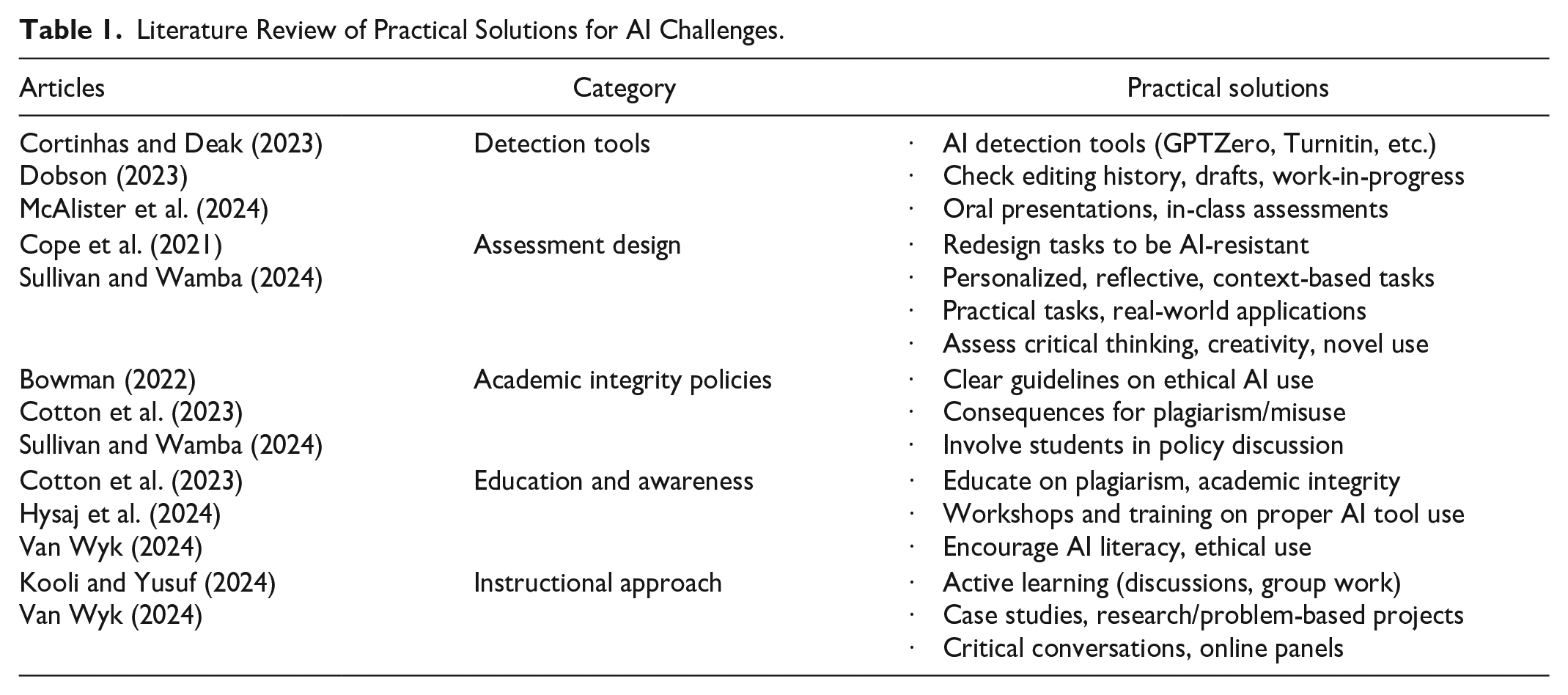
Generative AI like ChatGPT presents challenges for academic integrity, with concerns over misuse for cheating and plagiarism (Cortinhas & Deak, 2023; Dobson, 2023). Table 1 summarizes the key literature-based practical solutions proposed to address some of those issues. This suggests that learners can build AI knowledge by interacting with their environment and hands-on learning experiences. Students can simulate real-world digital marketing situations, enhancing their understanding through active participation, leading to practical and ethical skills development. The active learning proposed in our study focuses on the range of benefits that students can gain from AI tools while minimizing the risks and ethical considerations.
Literature Review of Practical Solutions for AI Challenges.
Theoretical Framework
Integrating AI into marketing education signifies a paradigm shift, necessitating a theoretical foundation to guide its implementation and evaluate its impact. This section introduces constructivism as a guiding theory that underpins its effective use in this context. Constructivism posits that learners develop knowledge through interactions with their environment, which aligns with the hands-on learning opportunities afforded by AI tools (Applefield et al., 2000). These tools allow students to simulate real-world digital marketing scenarios, fostering a deeper understanding through active engagement (Nguyen et al., 2023). This dual theoretical approach not only enriches the educational experience by leveraging technology to support traditional constructivist values but also adapts these principles for the digital era, recognizing the critical role of digital networks in contemporary learning processes. Other contemporary educational theories such as connectivism, which emphasizes the importance of social and technological networks in learning, and experiential learning theory, which focuses on learning through direct experience, also support the inclusion of AI to create dynamic and engaging educational experiences. However, constructivism was chosen as the focal theory owing to its holistic approach, which seamlessly integrates personal, social and experiential learning, providing a comprehensive framework for effectively utilizing AI in educational settings (Bransford et al., 2000; Mayer, 2004).
Constructivism, with its roots in the work of educational theorists such as Piaget and Vygotsky, emphasizes learning as an active, practical process through which learners build new knowledge upon the foundation of their previous understanding (Piaget, 1972; Vygotsky & Cole, 1978). This theory is particularly relevant in marketing education, an area in which AI tools offer unique opportunities for hands-on learning, allowing students to engage directly with real-world marketing scenarios. Constructivism also encourages a sense of personal agency by empowering students to take ownership of their learning and assessment (Brooks & Brooks, 1999). Through AI-driven analytics, predictive modeling and content creation platforms, students can apply theoretical concepts in practical settings, thus bridging the gap between abstract knowledge and its application. Social constructivism, a branch of constructivism, focuses on the importance of social interactions and cultural context in the learning process (Vygotsky & Cole, 1978). Vygotsky’s notion that social interactions significantly influence cognitive development underscores the value of collaborative learning environments. In AI-enhanced marketing courses, students can work together on projects using AI tools, fostering a collaborative learning culture in which knowledge is co-constructed. These activities not only reinforce individual learning but also enhance team building and communication skills, critical competencies in the marketing field.
In addition, AI tools in marketing education serve as catalysts for social constructivism by facilitating discussions and reflections among students. For instance, AI-powered social media platforms can enable students to experiment with different marketing strategies and receive immediate feedback, encouraging peer discussion and reflection on the outcomes. This interactive process mirrors Vygotsky’s emphasis on the zone of proximal development, where learners achieve higher levels of understanding through social interaction and guidance.
Furthermore, incorporating AI in digital marketing education aligns with constructivist principles by customizing learning experiences. Its ability to analyze individual learning patterns and adapt content accordingly ensures that students are engaged at an optimal level of challenge, promoting deeper learning and retention. This personalized approach not only supports the constructivist view of learning as a personal journey and prepares students for the complexities of the digital marketing landscape, where consumer behaviors and technologies are constantly evolving. Applying constructivism and social constructivism to AI-enhanced digital marketing education underscores the importance of active engagement, social interaction, and personalized learning experiences. By leveraging AI tools, educators can create dynamic, interactive learning environments that not only convey theoretical marketing concepts and equip students with the practical skills and collaborative experiences necessary for success in the digital age.
Finally, constructivism emphasizes active, reflective learning, in which students build knowledge through direct interaction with AI tools, simulating real-world marketing scenarios. Social constructivism further enriches this by fostering collaborative learning environments, which are crucial for developing teamwork and communication skills. This theory advocates for a pedagogical approach that leverages AI to create dynamic, interactive, and personalized learning experiences, preparing students for the complexities of the modern marketing landscape. This approach is also aligned with the transformative learning and embracing technology argument of Crittenden and Peterson (2019), which advocated for the necessity for higher education to go beyond imparting knowledge. It must also empower students to take responsibility for their learning, cultivate self-control in utilizing technology, foster effective inquiry skills, and enable them to evaluate and synthesize information critically.
Method
The objective of this study was to examine how we can implement AI into marketing education to prepare students for real-world marketing settings. Our main goal was to apply the constructivist principles by actively engaging students with AI technologies and exploring their practical marketing applications. Indeed, students play an active role in developing their learning and reflecting on their chosen practices. We employed a case study approach for this study, and selected a digital marketing course because of its active AI integration into marketing education—which aligns directly with its emerging importance in the marketing profession. Digital marketing is a field that increasingly relies on AI technologies for tasks, such as customer segmentation, campaign optimization and personalization of content, making it a suitable context for exploring how it can enhance educational outcomes and prepare students for industry demands. This course partnered with a global leader in consumer electronics for the launch of their latest product for the generation Z market. This partnership allowed us to include real-world applications in marketing, giving students hands-on experience with AI-driven marketing strategies. For this course, we employed an AI-enhanced curriculum to provide empirical evidence on the efficacy of such educational practices. It is important to note that this implementation was performed in a two-step process. We first rolled out a pilot implementation of this course with a much smaller cohort to test out the various aspects of the curriculum. Owing to space restrictions, however, in this paper, we explore the full implementation of this curriculum in a much bigger cohort of 197 students.
In addition, we aim to present initial findings on learning outcomes and teaching experiences derived from our design. The live collaboration with the electronics company and their approach to AI included using AI-driven analytics for market segmentation and personalized marketing campaigns, which were incorporated into the course curriculum to provide students with practical insights. In addition, we included faculty feedback on the challenges and advantages of combining these various tools in teaching a digital marketing course, offering practical recommendations for marketing educators in their digital marketing course development and delivery. Finally, we conducted exit interviews with our industry partners to gain a sense of what they consider a valuable practice in teaching AI-based skills to students.
Course Design and Implementation
The undergraduate digital marketing course was introduced in 2020 to equip students with the skills and knowledge needed for success in digital marketing, which is dynamic and requires continuous curriculum adjustments to remain relevant. The goal was to prepare students not just for the present but for the future of digital marketing, in which AI plays a central role in creating personalized, efficient, and effective marketing campaigns. AI refers to various technologies designed to perform tasks typically requiring human intelligence, primarily in machine learning and deep learning. Generative AI, a sophisticated implementation of deep learning, has expanded beyond traditional statistical applications to include generating images, speech, and other data formats (Feuerriegel et al., 2024).
Digital marketing education often fails to meet industry requirements due to outdated curricula, insufficient practical application, limited industry collaboration, and inadequate emphasis on data analytics, soft skills, and ethics (Ye et al., 2024). This leads to a disparity between skills acquired in marketing education and the changing demands of employers and the environment (Langan et al., 2019; Ye et al., 2024). Addressing this gap necessitates a curriculum that not only equips students with technical proficiency in AI but also ensures graduates are well-prepared for the ever-evolving nature and complexities of digital marketing. Several authors advocate for such a curriculum, emphasizing the importance of equipping students with relevant skills and introducing new technologies such as generative AI in classrooms to make them job-ready and meet industry demands (Guha et al., 2024; Parker et al., 2024). In the digital marketing course, ChatGPT was used alongside other generative AI tools for text-to-image and text-to-video generation, complementing traditional platforms such as HubSpot and SEMrush, which offer various purposes, such as advertisement optimization, audience targeting, content creation, and search engine optimization (SEO) insights. HubSpot’s AI features improve Google and social media advertising campaigns, while SEMrush’s machine learning algorithms and generative AI help with SEO and content marketing.
In Semester 2, 2023, a digital marketing course was offered as an elective in Stage 3, attracting 197 students spread across three cohorts. The course spanned 12 weeks and was conducted in person, featuring a weekly 1-hour plenary lecture along with three 2-hour tutorials: one for each cohort. All the educators co-taught the course across all delivery methods, ensuring the curriculum was implemented uniformly and consistently. The student body comprised individuals with majors and conjoint degrees in marketing, engineering, property, art, and finance, showcasing the course’s interdisciplinary nature. The class achieved an average grade of B+, reflecting the overall performance of the students.
Our goal of incorporating AI tools into the coursework was driven by a commitment to achieving the following learning outcomes (LOs): (1) outline a data-driven digital marketing campaign for a given live case that aligns with an organization’s overall marketing goals and addresses the problems/needs of target markets; and (2) select and justify digital marketing analytics tools and key metrics to determine the success of various marketing efforts and to what extent an organization leverages websites, social media, email, and other digital channels to connect with current and prospective customers.
These LOs highlight (1) the use of AI tools to develop data-driven digital marketing campaigns that align with organizational goals, emphasizing its role in data analysis, strategy optimization and content creation; and (2) the integration of AI tools to evaluate marketing efforts across digital platforms. The coursework encompasses three assignments: (1) an individual SEMrush exam/certification, ensuring students gain industry-recognized credentials; (2) an individual digital marketing audit assignment, in which students assess a client organization’s digital strategy; and (3) a group digital marketing campaign proposal, allowing students to apply their insights in a collaborative, real-world project. We implemented experiential and collaborative methods by including hands-on projects and group activities in the curriculum. This approach aligns with Kolb’s (2014) experiential learning theory, ensuring that students not only acquire theoretical knowledge but also apply it in real-world scenarios, thereby enhancing their practical skills and better preparing them for industry demands. The digital audit and marketing campaign proposal assignments were designed to address real-world problems, requiring students to apply theoretical knowledge in practical contexts. Feedback from both students and instructors was collected to evaluate the effectiveness of these methods.
We have also used the university graduate profile to ensure that the selected AI tools align with the graduate capabilities. The profile highlights the importance of solution seeking, critical thinking, and ethical professionalism. By incorporating generative AI tools such as ChatGPT, along with platforms such as HubSpot and SEMrush, we aimed to not only improve students’ technical skills but also cultivate their abilities as well-informed and ethical professionals. Table 2 summarizes the use of AI in both the digital audit and the final project assignments, highlighting the tools and their applications. These tools were selected based on their status as the most current and advanced offerings in the marketing field and existing collaborations between the university and the platforms. They were offered as an integral part of the course, and students were encouraged to use them to complete their assignments. The educators dedicated time in each tutorial, covering the practical use of each tool and their prospective uses.
Summary of AI Tools and Their Applications.
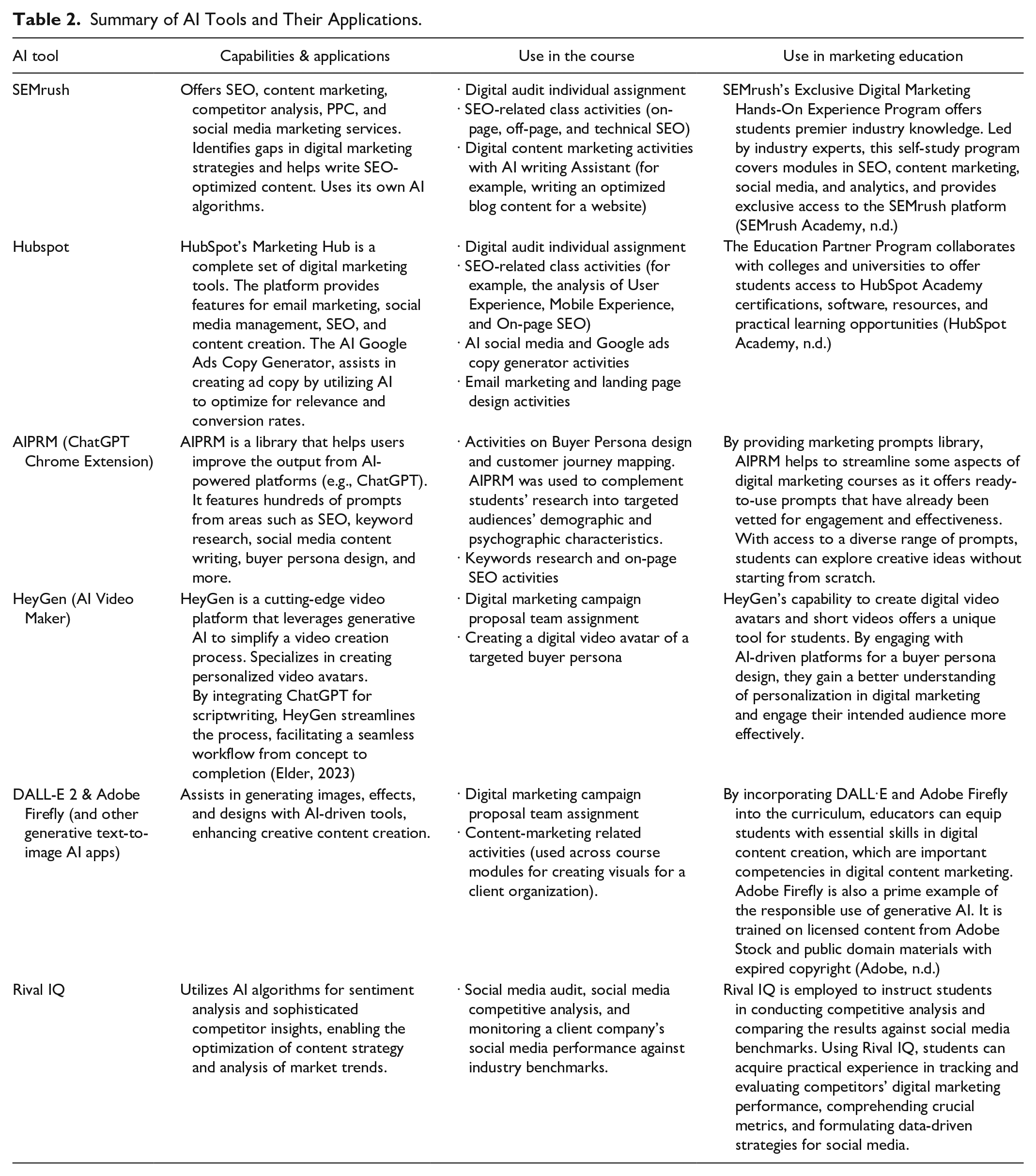
Combining traditional digital marketing platforms such as HubSpot and SEMrush, which use their own machine learning algorithms for keyword analysis and SEO, with generative AI offered a comprehensive learning experience. Generative AI, recognized for its effectiveness in various marketing-related tasks, as demonstrated by tools such as ChatGPT, complemented SEMrush’s insights and enabled students to engage directly with content creation and marketing challenges—skills that are immediately applicable in real-world settings. Furthermore, its versatility across various digital platforms (social media, email marketing, web content) made it an invaluable learning tool for students. It allowed us to explore cross-channel marketing strategies and understand how AI could optimize engagement across the customer journey. In addition, the tools streamlined the creation of marketing materials, from copywriting to visual content, enabling students to focus on marketing campaigns’ strategic aspects.
Follow-Up Interviews
As part of our comprehensive exploration into the integration of AI in digital marketing education, we conducted semi-structured interviews with the three lecturers responsible for teaching the course. These interviews were held via a series of emails and carried out at the end of the course. These interviews aimed to delve into the educators’ perspectives on the incorporation of these technologies, the pedagogical implications, and the observed effects on student engagement and performance. The qualitative nature of these interviews allowed for in-depth discussions, providing nuanced insights into the instructional strategies, challenges encountered, and the overall educational impact of AI tools.
We designed a structured yet adaptable interview strategy, setting the foundation with an interview guide with 10 core questions. This approach aimed to accommodate further inquiries and deep dives into nuanced aspects of digital marketing and AI in educational settings, aligning with the methodological flexibility advocated by Gläser and Laudel (2010). Interviews were conducted via email and Microsoft Teams. Central to our objective was capturing and understanding the experiences of educators in incorporating AI into digital marketing curricula. Through this exploration, we aimed to identify emerging themes and insights that would inform and guide future initiatives in this rapidly evolving pedagogical area.
The questions we explored covered a range of topics that addressed the implementation of AI in higher education. The discussions began with an introduction to AI technologies, probing participants on their initial exposure and evolving perceptions. We then examined the perceived benefits, asking educators to share instances when AI notably enhanced their learning or teaching experiences. Challenges and difficulties encountered in its use were also discussed, including how educators overcame these obstacles and what support they felt was needed. Ethical implications were scrutinized to understand educators’ concerns, particularly regarding data privacy, equity, and the potential for bias and misinformation. Looking ahead, we solicited educators’ visions for the future of higher education with the continued integration of AI and gathered their recommendations for institutions aiming to expand its use. In addition, discussions covered the training and support received or desired during introduction to these tools, highlighting how institutions can better prepare both students and educators. Finally, educators shared their key takeaways or lessons about using AI in higher education. These discussions provided valuable insights into the practical applications and implications in academic settings.
Student Feedback
To ensure a comprehensive feedback loop, we have included a sample of 25 student reflective reports related to Assessment 1 (SEMrush exam and certification) from the 197 reports submitted overall. These reports focused on three key questions: how the students’ understanding of digital marketing changed as a result of using SEMrush in the course, their most significant takeaways for personal growth, and their thoughts on its relevance to their future careers. These reports were selected randomly to ensure a diverse and representative sample, encompassing reflections from across the grade spectrum (i.e., including lower, middle, and high-grade ranges). This approach allowed us to capture different perspectives and insights, providing a holistic understanding of the students’ experiences and the impact of AI tools on their learning.
Results
The open coding phase analyzed interview transcripts line-by-line to capture educators’ experiences, challenges, and successes with AI in marketing education, identifying patterns and insights (Saldaña, 2015). Subsequently, we proceeded to focused coding, scrutinizing the preliminary codes from the open coding phase for their frequency, relevance, and significance (Bryman, 2016), distilling the data into concentrated themes most pertinent to our research questions. This step facilitated the assignment of codes into thematic categories, enabling a structured comparison across different educators’ perspectives, and highlighted common challenges, pedagogical strategies, and innovative solutions within the realm of AI-enhanced digital marketing education.
Axial coding explored relationships between categories, revealing social dynamics and pedagogical frameworks in AI-enhanced marketing education (Patton, 2014). Throughout the analysis process, regular team discussions and iterative reviews were conducted to ensure consistency, accuracy, and comprehensiveness in our coding scheme (Braun & Clarke, 2006; Clarke & Braun, 2017), allowing for the refinement of codes and categories and ensuring that our thematic analysis was both theoretically significant and empirically grounded. Moreover, the coding framework and thematic categories were continuously validated against the interview data (Hsieh & Shannon, 2005), enabling a rigorous and reflective analytical process attuned to the nuanced interplay of including AI in educational practices. Table 3 provides examples of codes and themes generated in the analysis process with accompanying codes. The names of the lecturers have been anonymized for privacy.
Summary of Qualitative Results.
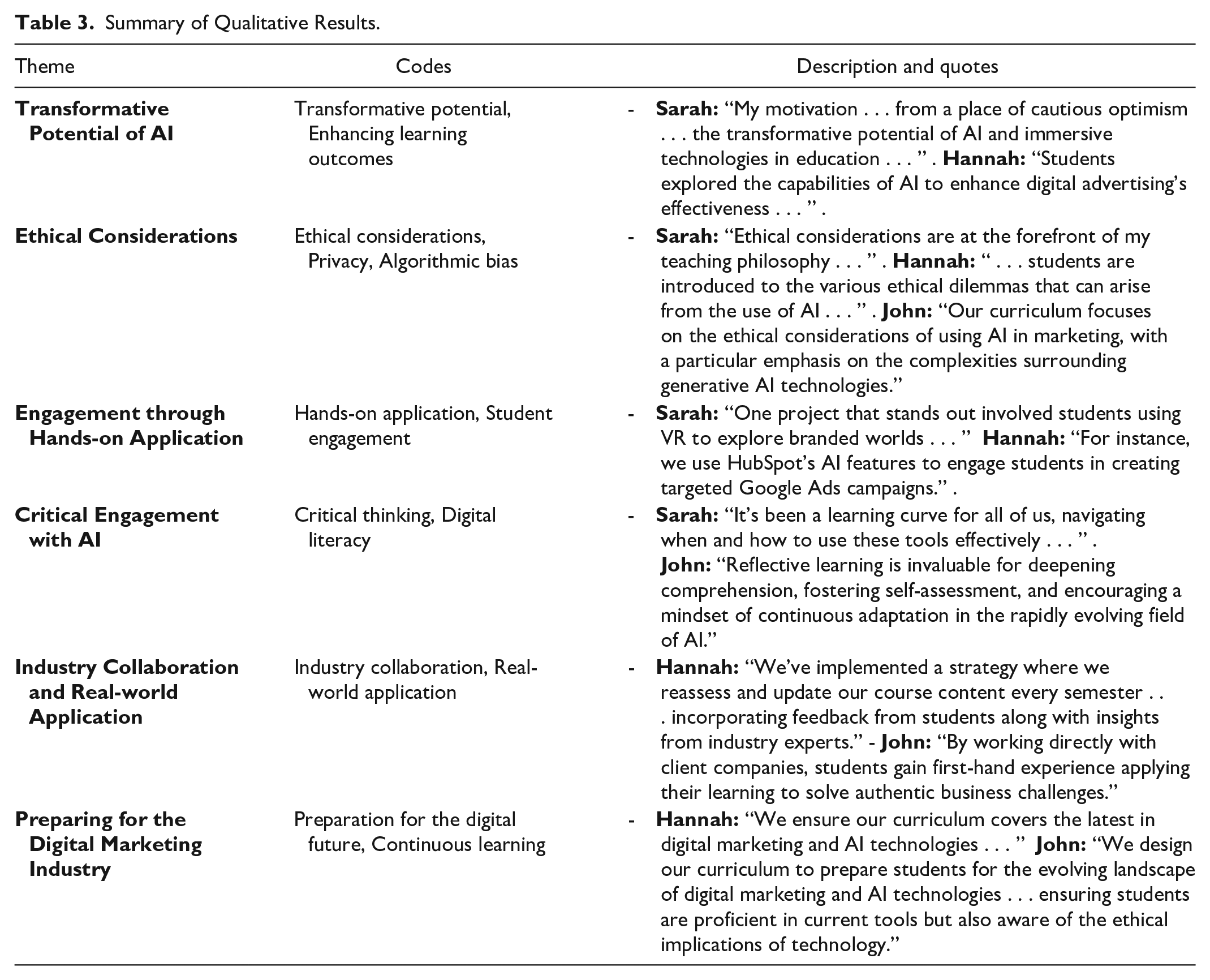
The theme “transformative potential of AI” encapsulates educators’ recognition of AI’s capacity to revolutionize digital marketing education. Sarah’s perspective, describing her cautious optimism toward immersive technologies, underscores a strategic approach to integrating these tools into education. Her emphasis on leveraging AI to enhance LOs rather than for novelty signifies a thoughtful implementation strategy. Hannah emphasized AI’s practical application, such as using HubSpot for targeted ads, underscoring the need for responsible and effective integration to enrich education.
The “ethical considerations” theme addresses the complex ethical landscape surrounding the use of AI in digital marketing education. Sarah emphasized the importance of ethical considerations in her teaching philosophy, spotlighting the ethical quandaries that accompany these technologies. Hannah extended this conversation by discussing students’ introduction of students to ethical dilemmas, preparing them to navigate the complexities of AI responsibly. John’s focus on integrating ethical considerations, particularly regarding generative AI technologies, into the curriculum underscores the collective priority on fostering an ethically aware learning environment. These contributions collectively stress the critical role of ethical mindfulness in shaping students’ understanding and application of AI in marketing.
“Engagement through hands-on application” highlights the importance of practical, interactive learning experiences in digital marketing education. Sarah shared a standout project involving virtual reality (VR) to explore branded experiences, showcasing the value of immersive learning experiences. Hannah’s incorporation of AI tools, particularly HubSpot for actual advertising campaigns, further exemplifies the shift toward hands-on, practical applications of theoretical knowledge. These experiences not only enhance student engagement and cultivate a deeper understanding of digital marketing strategies, demonstrating the educators’ commitment to providing students with relevant, experiential learning opportunities.
The theme of “critical engagement with AI” reflects on the educators’ strategies to foster a thoughtful and discerning approach to AI technology, including aligning LOs and graduate profile elements with the relevant tools. Sarah’s acknowledgment of the learning curve associated with using AI tools effectively highlights the importance of developing digital literacy among students. John emphasized the value of reflective learning for comprehending and adapting to the rapidly evolving AI field. This theme underscores the educators’ efforts to not only integrate these technologies into the curriculum and encourage students to evaluate critically evaluate and apply them thoughtfully apply them.
“Industry collaboration and real-world application” focuses on bridging theoretical knowledge with practical industry experiences. Hannah discussed the dynamic approach to curriculum development, influenced by student feedback and industry insights, which ensures course relevance and impact. John’s mention of direct engagement with client companies provides students with authentic challenges, emphasizing the significance of real-world applications. This theme showcases the educators’ strategies for preparing students for professional success by closely aligning educational experiences with industry demands.
The theme “preparing for the digital marketing industry” encapsulates the educators’ forward-looking approach to equipping students for future challenges and opportunities in digital marketing and AI technologies. Hannah’s commitment to updating the curriculum reflects an adaptive educational strategy that stays abreast of technological advancements. John’s emphasis on designing the curriculum with a focus on current tools and ethical implications highlights the holistic preparation of students. This theme demonstrates the educators’ dedication to developing a robust foundation for students, preparing them for the evolving digital landscape with a blend of technical skills and ethical awareness.
Student Feedback
By integrating insights from both our semi-structured interviews with educators and the reflective reports from students, we identified a complementary relationship between the two perspectives, which collectively enhance the learning experience in digital marketing education. Educators emphasized the transformative potential of AI, particularly in how it reshapes teaching strategies and student engagement. This theme was echoed in students’ reflections, where they recognized AI’s ability to fundamentally alter their approach to digital marketing, enhancing their decision-making and analytical skills. For instance, educators noted the importance of real-world application and industry collaboration, which students consistently highlighted as crucial for bridging theoretical knowledge with practical skills. The alignment between the educators’ focus on ethical considerations and the students’ growing awareness of the rapid evolution of marketing technologies underscores a shared understanding of the broader implications of AI use. This dual perspective not only enriches the learning experience but also offers valuable insights for educators seeking to integrate AI into their curricula, thereby contributing to the ongoing discourse in marketing education. The following section delves into the specific themes and insights from student reflective reports, drawing direct connections to the broader educational strategies identified by the educators.
By analyzing 25 randomly selected students’ reflective reports from students, we identified the commonalities and differences in educators’ and students’ views on using AI. By linking student insights to teacher-identified themes, we see the transformative potential of AI, the importance of hands-on engagement, and the role of real-world application in preparing students for the digital marketing industry. In addition, unique themes such as personal growth and motivation emerged from student feedback, highlighting the broader impact of AI tools on students’ learning experiences and career aspirations. The following section introduces insights from the student reflective reports.
The transformative potential of AI was evident in the students’ reflections, particularly on the SEMrush Academy modules included in the course workload. Zara thought AI-driven insights from tools such as SEMrush deepened her understanding of user engagement, facilitating data-driven improvements in digital marketing strategies. Paul articulated how AI-powered tools, such as keyword research and site audits, significantly enhanced his ability to create and implement effective digital marketing strategies. He stated, “Understanding SEO and using associated tools can significantly enhance the ability to create and implement an effective digital marketing strategy.” This comment aligns with the teacher-identified theme of its transformative potential, as students recognized how AI could fundamentally alter their approach to digital marketing by providing actionable insights and enhancing decision-making processes.
Students mentioned ethical considerations less frequently; however, Sofia highlighted the rapid advancement of marketing technology and its impact on brand loyalty. This reflection ties into the ethical considerations of maintaining brand loyalty and reputation amid the fast-paced evolution of digital marketing technologies.
Students consistently highlighted the value of the hands-on application of these tools. Guy found that AI tools, such as the SEO Content Template, were instrumental in developing data-driven content strategies. He shared, “The ability to use these tools in a practical setting will empower me to develop effective data-driven content that aligns with searcher intent and search engine algorithms.” This sentiment reflects the theme of engagement through practical application, as students gained significant insights and skills by directly interacting with AI tools in real-world contexts.
Students demonstrated critical engagement with AI by reflecting on how these tools enhanced their understanding and application of digital marketing strategies. Amar noted, “I gained valuable insights into consumer behaviour, optimised content for better search engine rankings, and developed effective digital marketing strategies responsive to real-time data.” This critical engagement with these tools underscores their importance in refining marketing strategies based on real-time insights and data analysis.
Real-world examples and industry collaboration were vital, with Dan highlighting the practical application of tools learned from client projects. This aligns with the theme of industry collaboration and real-world application, highlighting the importance of practical examples in bridging theoretical knowledge and practical skills.
Students felt well-prepared for the industry, with Alex noting that AI features helped in creating tailored content and analyzing statistics. Madeleine supported this by acknowledging that “in an industry that continually evolves, staying on top of market trends and having practical experience with digital marketing will be crucial to my future career.” Kamal highlighted the importance of staying current in a dynamic field: “I firmly believe that thе skills and insights gainеd from lеarning with SEMrush havе thе potential to support my futurе career in the marketing industry and mаkе mе stand out in the interview procеss, еspеcially as a nеw graduatе.” This practical exposure was critical in preparing students for future careers in digital marketing, reflecting the teacher-identified theme of industry readiness.
A unique theme that emerged from student feedback was personal growth and motivation. Students also reported personal growth and motivation, with Dan feeling inspired to pursue a digital marketing career after completing the SEMrush certification.
Industry Feedback
We also conducted exit interviews with our industry partners, focusing on senior managers who had direct involvement in the project. These qualitative interviews were conducted via email, allowing participants to provide detailed responses at their convenience. By comparing the insights gained from these interviews with those of the educator’s and students’ reflective reports, we were able to provide a preliminary understanding of our curriculum’s practical applicability. The industry partners praised the students’ proposals, highlighting the level of detail and insight demonstrated. They were delighted with the project outcomes, particularly regarding the information gathered on targeting the generation Z market and understanding this demographic’s preferences. The enthusiasm for future collaborations underscores the value of our practical, hands-on learning experiences. This comparative analysis reveals that while educators focus on theoretical foundations and academic rigor, industry professionals prioritize practical applicability and real-world impact. By integrating these insights, we ensure our curriculum is both academically rigorous and practically relevant, better preparing students for successful careers in digital marketing.
Discussion
Integrating generative AI into marketing education is a nuanced endeavor that weaves together the transformative potential of technology with the foundational principles of social constructivism. This approach emphasizes knowledge development through social interactions and real-world experiences, reflecting a deep alignment between educational strategies and how students prepare for the professional challenges and opportunities in the digital marketing landscape (Duffy & Jonassen, 2013). Two educators in our study, Sarah and Hannah, have highlighted the importance of ethical considerations in the curriculum, fostering a learning environment where students collaboratively explore and navigate the ethical complexities of AI technologies. This collaborative exploration is central to social constructivism, encouraging students to create a shared understanding of ethical principles in the context of marketing. By engaging in discussions and shared problem-solving, students develop a robust framework for ethical decision-making, preparing them to responsibly address the challenges presented by AI in their professional lives. Furthermore, the emphasis on practical, interactive learning experiences, incorporating immersive tools, such as VR and actual AI-driven advertising campaigns, exemplifies the constructivist belief that knowledge is actively developed through engagement with the environment (Lefoe, 1998). These hands-on experiences not only deepen students’ understanding of digital marketing strategies but also foster a collaborative learning atmosphere where knowledge is co-created, reflecting the collaborative nature of the marketing profession.
As encouraged by educators, the critical engagement with these technologies aligns with the constructivist view that learning is an active, reflective process. By promoting digital literacy and reflective learning, educators enable students to critically evaluate the applications and implications of AI, fostering a culture of inquiry and reflection (Adams, 2022). This critical engagement ensures students are not just passive recipients of knowledge but active participants in its development, ready to adapt to this rapidly evolving field. Collaboration with the industry and the inclusion of real-world applications into the curriculum further embody social constructivist principles, bridging theoretical knowledge with practical experiences. This dynamic approach to curriculum development, informed by student feedback and industry insights, ensures that educational experiences are closely aligned with the evolving demands of the marketing industry. By engaging directly with client companies and incorporating these real-world challenges into the learning process, students experience the contextual application of their knowledge, enhancing their readiness for professional success.
The forward-looking strategy employed by educators to prepare students for the digital marketing industry, focusing on both current tools and ethical considerations, reflects the constructivist emphasis on learning as an evolving process. This adaptive approach ensures students are not only technically proficient and ethically aware, embodying the principles of social constructivism by fostering an environment of continuous learning, application, reflection, and adaptation.
Implications for Practice
Educators must consider practical factors for responsible AI implementation to prepare marketing graduates with the technical, soft, and ethical skills needed for the future.
Alignment of AI-Related Tasks and Tools With Course LOs and a Graduate Profile
Select AI tools that align with course learning outcomes and essential competencies, making their inclusion in coursework mandatory. For example, students could use AI tools, such as HeyGen and Answer the Public, to create a digital avatar of a buyer persona for a client organization. By incorporating AI tools into the curriculum, students can learn and practise the skills required by the industry while also gaining an understanding of their ethical use. In addition, their use motivates students to think creatively and critically think about leveraging technology in their marketing campaign to be industry-friendly and professional, aligning with the graduate profile’s emphasis on critical thinking and solution-seeking.
Positioning AI as a Complementary Resource That Enriches the Learning Process
Design assessments that require original work supported by AI to enhance learning, ensuring AI tools aid skill development rather than shortcut success. For instance, for a final assignment, students developed a virtual brand community using the Spatial metaverse platform, creating content aligned with client branding and engagement goals.. The project also included developing features such as video advertising and posters. AI tools provided additional capabilities that would be difficult to achieve manually, such as realistic digital avatars and creating content such as posters and videos. In this regard, hands-on activities should be incorporated into every class to help students critically engage with AI technologies. These sessions were designed to help students understand their capabilities and limitations and to ensure that they use them effectively and ethically.
Ethical Considerations in the Use of AI
Incorporating ethical considerations is vital; the SACRAD framework (Specificity, Accuracy, Clarity, Relevance, Appropriateness, Depth) was developed to guide responsible AI use. This framework was introduced at the start of the course to guide students in the ethical creation and evaluation of AI-generated content. SACRAD not only ensures that the content is of high quality but also ingrains ethical practices in students’ approach to AI.
SACRAD ensures content quality and ethical practices, with activities like using ChatGPT and Padlet for refining client meeting questions. By embedding AI into in-class activities, assignments, and rubrics, the course effectively teaches students about its ethical and responsible use, equipping them with the critical skills needed for their future careers use.
Analysis and Interpretation of AI-Generated Data
Critical analysis of AI-generated data is crucial for marketing careers, helping students evaluate output accuracy and reliability. Activities like conducting SEO and keyword research with AI tools, such as AIPRM, enhance students’ data analysis skills. However, students were required to not to rely solely on these tools, but to also cross-check the AI-generated keywords with industry tools (e.g., SEMrush). When designing assessments, it is important to consider the potential biases or misinformation of AI tools, so creating tasks that require its evaluation and critique is crucial. It is recommended to conduct workshops early in the course to teach students about the underlying AI algorithms and prompt engineering to address the effective use and critical evaluation of the AI-generated outputs. This approach not only enhances students’ technical proficiency but also prepares them to navigate the complexities of AI in professional marketing contexts, aligning with the graduate profile’s emphasis on the graduates’ understanding of disciplinary knowledge and practice in their fields of study.
Industry Engagement and Real-World Projects
Real-world projects and industry collaborations provide hands-on experience, enhancing technical skills and aligning with ethical and professional competencies. This aligns with the graduate profile’s emphasis on knowledge and practice, ethics and professionalism. For instance, one of the assessments requires students to use industry-standard tools and AI technologies to conduct a digital audit of a client organization. Implementing real-world projects with AI components ensures that students are exposed to the latest industry practices and challenges driven by technological advancements.
Developing Soft Skills
Developing soft skills like teamwork, communication, and adaptability is essential, especially in rapidly evolving fields like digital marketing. Practical activities designed to enhance these skills can include team-based tasks, such as persona design and content creation for a client organization. Implementing activities that require students to adapt quickly adapt to new information or tools can better prepare them for the fast-paced, ever-changing work environment. It is also beneficial to invite speakers from various backgrounds, including AI ethics and psychology, and industry leaders, to discuss the importance of soft skills in marketing. Such initiatives align with the resilience and lifelong learning capability stated in the graduate profile.
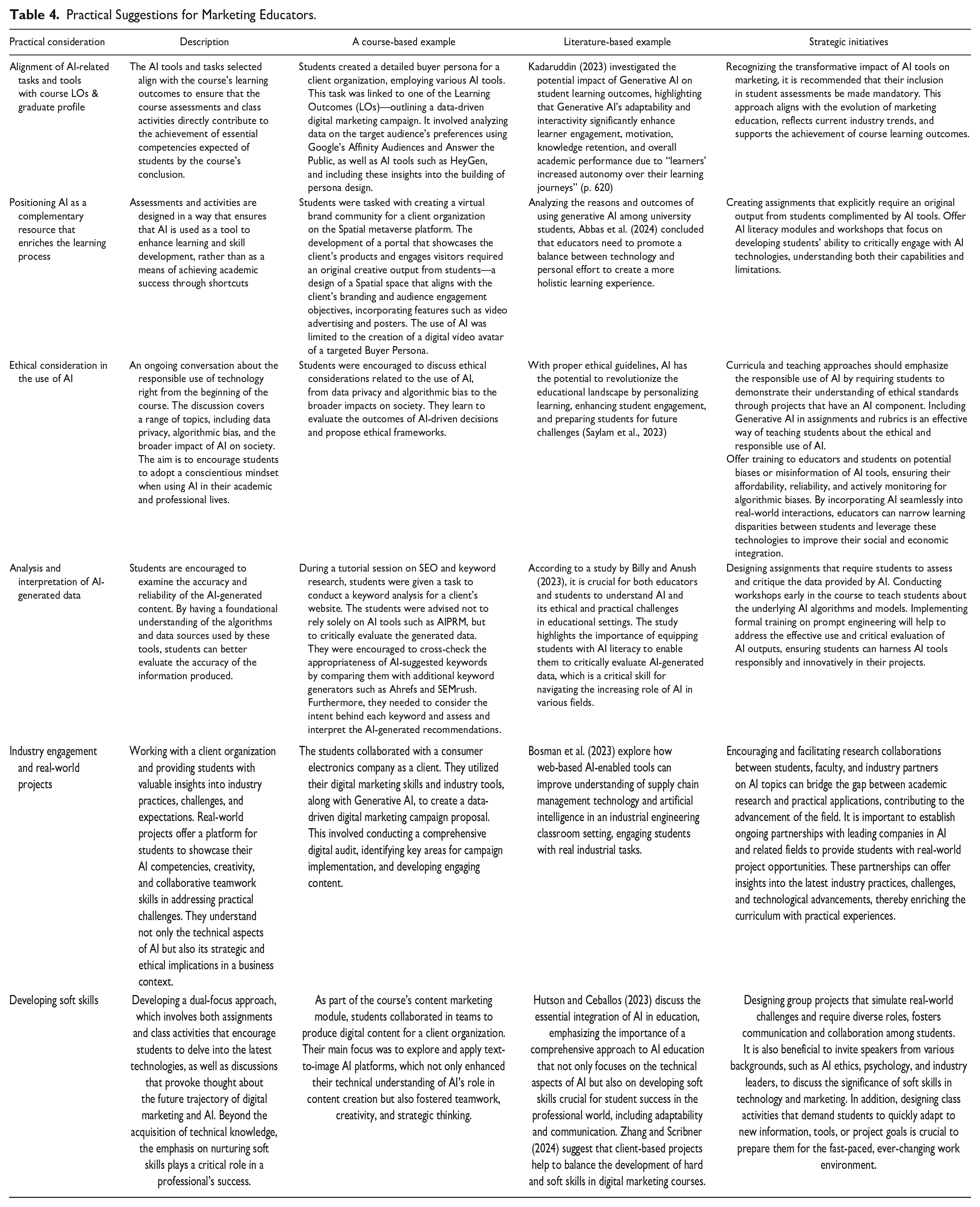
Table 4 provides an overview of key considerations for using AI in education, including successful integration examples, supporting literature-based evidence, and forward-thinking strategic initiatives. By examining these factors, educational institutions can develop informed strategies that leverage AI technologies, making them accessible, beneficial, and adaptable to the evolving educational landscape.
Practical Suggestions for Marketing Educators.
Contributions to the Marketing Education Literature
This research makes several theoretical contributions to marketing education. First, it contributes to the application of constructivist learning theory in the context of AI-enhanced marketing education. By actively involving students in the learning process, encouraging exploration and social interactions and facilitating reflective practices, this study demonstrates a thorough application of constructivist principles in the context of learning AI technologies and their marketing applications. Indeed, pedagogically driven perspectives emphasize the utilization of active and experiential teaching methods, such as case studies (Sallam et al., 2023), research- and problem-based projects (Firaina & Sulisworo, 2023), authentic assessments (Cortinhas & Deak, 2023; Van Wyk, 2024) and reflective tasks (Sullivan & Wamba, 2024). This approach can stimulate knowledge development through social interactions and real-world experiences. In synthesizing the themes from our results, we observe a coherent alignment with constructive learning principles. The themes of student engagement, real-world application, and reflective practices collectively underpin our approach to active learning. This inclusion not only enhances the learning experience but also significantly contributes to the theory by demonstrating the practical benefits of these methods.
Second, the paper enriches the knowledge around AI ethics in education by formulating (a framework) an approach that tackles the ethical implications of including these tools in the marketing curriculum. In response to the lack of information about its effective use in business schools, this article aims to provide deeper insights into how marketing educators should work and collaborate actively to ensure that AI is integrated effectively and responsibly in the classroom. Several pedagogical approaches are being used to deal with and implement these tools in higher education. Some methods rely on providing academic standards in terms of plagiarism and academic misconduct (Dehouche, 2021; Guha et al., 2024), setting up guidelines regarding the use of AI (Cotton et al., 2023; Sullivan & Wamba, 2024) and detection tools (McAlister et al., 2024; Uzun, 2023). Our findings demonstrate that collaborative exploration is crucial in fostering a shared understanding of ethical principles in marketing. Through discussions, problem-solving, and critical thinking through the SACRAD criteria, students build a strong foundation for ethical decision-making, readying them to tackle AI challenges responsibly in their careers. The introduction of a purpose-built ethics framework (SACRAD) promotes practical and interactive learning, fostering active engagement and social interactions among cohorts of students and educators while guiding educators on fostering its responsible use, with ethical implications as a central learning component.
Finally, this research contributes theoretical insights into aligning educational curricula with rapid AI advancements in marketing, bridging theory and practice for students’ preparedness in a technology-driven landscape. Designing courses considering AI’s practical and ethical aspects is crucial given the pressure on business schools to equip students comprehensively in its usage, ethical considerations, and industry impact (A. S. George et al., 2023; A. J. George & Rose, 2023; Klimova et al., 2023). While challenges exist in incorporating AI programs, embracing these technologies in marketing education is a key recommendation in higher education (Ferrell & Ferrell, 2020). Despite potential educator stress, AI presents opportunities for improved teaching, learning experiences, and workforce readiness (Guha et al., 2024). Our findings showcase how these tools are incorporated into course materials, assignments, or projects, and help prepare students for the industry. In addition, gathering feedback from students, educators, and industry professionals on the effectiveness of the AI-integrated curriculum provides empirical evidence of its impact on bridging theory and practice in this changing environment.
Implications for Future Research and Practice
In the case of our project, building on insights from integrating AI into marketing education, the authors have significantly adjusted the curriculum for the new semesters to implement AI tools such as ChatGPT into the learning process more deeply. Recognizing the transformative impact of these tools on marketing analysis and strategy development, they have mandated their usage in student assessments for subsequent semesters. This move aligns with the dynamic evolution of marketing education and current industry trends and prepares students for the realities of a digitally driven marketplace.
To support this curriculum evolution, the authors have integrated formal training on prompt engineering, directly addressing the responsible use of AI technologies. This training is pivotal for maximizing AI tools’ potential in generating insightful, nuanced marketing analyses. Furthermore, the introduction of ChatGPT as part of the assignments actively contributes to teaching students its ethical and responsible use, a critical component of their digital literacy development. A new rubric criterion, “effectiveness of AI utilization in digital marketing analysis,” evaluates students’ proficiency in leveraging these technologies, focusing on technical skills and the innovative application of AI-generated insights to marketing challenges. These adjustments to the curriculum reflect a proactive approach to marketing education, signifying a commitment to staying at the forefront of technological advancements while fostering a responsible and ethical approach to AI use. By formalizing generative AI tools and emphasizing their strategic application through focused training, assessment criteria, and responsible usage, educators can significantly enhance students’ preparedness for the future of marketing.
Future research should explore the outcomes of these curriculum enhancements, particularly the impact of compulsory AI tool usage, prompt engineering training, and the emphasis on the responsible use of AI on students’ analytical capabilities and overall marketing acumen. Investigations could focus on the effectiveness of the rubric criterion of AI utilization in enhancing students’ strategic use of AI for marketing analysis, including ethical and responsible usage. In addition, it could examine students’ ability to synthesize AI-generated insights with traditional marketing strategies, evaluating the innovation and depth of their analysis and their approach to its responsible use.
We recognize that our research has certain limitations that offer avenues for future research. One limitation of our study is the lack of exploration into how AI integration affects diverse student groups. Future research could reveal whether certain groups of students, such as those from different education, socioeconomic backgrounds, varying levels of technical proficiency, or with disabilities, are disproportionately advantaged or disadvantaged by integrating AI tools. By pinpointing these disparities, educators and institutions can implement targeted strategies to address inequities, ensuring that AI-enhanced learning environments support and benefit all students.
In addition, our research focused on a single course that aligns well with constructivist principles within an AI context. Future studies could expand this inquiry by conducting a comparative analysis with a control course to evaluate the effectiveness of the constructivist AI-integrated approach in marketing education compared with other methodologies. This comparative approach would enable nuanced comparisons and highlight contexts where this approach excels. In addition, while our study primarily utilized qualitative data and feedback, further research could incorporate more quantitative measures to objectively assess AI’s impact on student LOs. Furthermore, longitudinal studies could track graduates to evaluate the enduring effects of AI-focused education, including its responsible application and their career progression and preparedness in navigating an AI-enhanced marketing landscape.
Conclusion
This study explored the effective implementation of AI tools in marketing education, mainly focusing mainly on strategies beyond plagiarism prevention and detection. We identified a gap in current practices, which primarily emphasize technical aspects or concerns about academic integrity. Our findings highlight the importance of experiential and collaborative learning methods, such as case studies, industry-focused research projects, and authentic assessments, in preparing students for the ethical and practical challenges of AI in the marketing field. This focus on real-world application fosters a deeper understanding of the implications that could be adapted in various industries and business functions. For example, incorporating AI tools into medical training could include simulations of diagnostic processes, patient care scenarios, and data analysis tasks, enhancing students’ practical skills and ethical understanding. In management education, AI tools could be used to simulate business decision-making processes, analyze market trends, and improve organizational efficiency. A social constructivist approach would encourage students to engage in collaborative problem-solving and strategic planning exercises, fostering ethical decision-making and practical skills.
Furthermore, we propose a social constructivist approach as a framework for incorporating generative AI tools. This approach leverages social interaction and collaborative exploration to develop technical skills alongside ethical understanding. Through discussions and problem-solving, students actively engage with AI, fostering responsible decision-making for their future careers. The presented curriculum redesign serves as a practical example of including generative AI (e.g., ChatGPT). By mandating its use in assessments and incorporating prompt engineering training, we prepare students for the realities of the AI-driven marketing landscape. This approach prepares them to leverage these technologies effectively and ethically, enhancing their digital literacy and skillset.
Footnotes
Declaration of Conflicting Interests
The author(s) declared no potential conflicts of interest with respect to the research, authorship, and/or publication of this article.
Funding
The author(s) received no financial support for the research, authorship, and/or publication of this article.
