




Abstract
Considering the impacts of the most recent global economic crisis in 2008/2009, this paper explores how firm size, type of business activity and approach to internationalisation influence SMEs’ survival. Based on the literature in the field, we developed three hypotheses regarding determinants of Small and Medium Enterprises (SME) survival. We tested these hypotheses in a 7-year quantitative study and a survey of 344 SMEs in Poland – the seventh largest market in the European Union. Our findings reveal that, in the context of crisis, internationalisation acts as a stimulus for SMEs and influences their long-term sustainability, with businesses operating in foreign markets being more likely to survive after a global crisis. However, neither business size nor the type of business activity appears to have an impact on SMEs’ survival in a post-global economic crisis environment. Our paper extends knowledge about factors influencing a firm’s post-crisis survival and proposes a new framework for understanding characteristics of SMEs and their propensity to survive in a post-crisis context. In our conclusions, we discuss implications for SME entrepreneurs showing that, in order to enhance chances of survival, even small and medium enterprises should consider expanding business activities beyond their national markets.
Introduction
Small and medium-sized enterprises (SMEs) are considered to be the engines of worldwide economies and the main source of job creation (Wiklund et al., 2019). Due to their impact on economic growth and progress (Steiner and Atterton, 2014; Virglerova et al., 2020), factors influencing their propensity for survival have been researched for many years (Sharma et al., 2020). What is known is that key business survival factors include, for example, ability to innovate (Buccieri et al., 2020; Kraus et al., 2020), business experience and access to strategic networks (Liu and Yang, 2019; Löfsten, 2016), international trading (Dabić et al., 2020; Morais and Ferreira, 2020), access to affordable finance (Calabrese et al., 2020; Moscalu et al., 2020), ownership structure and aggregate financial performance (Baumöhl et al., 2019; Serrasqueiro et al., 2018). Interestingly, however, only a small number of studies have explored these matters in times of crisis (Moneva-Abadía et al., 2019) – a unique and ambiguous context that impacts entrepreneurial activities and their success (Bartz and Winkler, 2016), financing ecosystems and the operational behaviour of entrepreneurs (Cucculelli and Peruzzi, 2020). Although knowledge in this field is growing (Josefy et al., 2017; Moneva-Abadía et al., 2019), little is known about determinants of firm survival in a post-global economic crisis environment – that is, a recovery period when economic indicators of employment, productivity and gross domestic product (GDP) improve internationally. Indeed, research on SMEs in post-global economic crisis contexts remains underdeveloped.
Gaps in existing knowledge derive from the fact that since the Great Depression of the 1930s, the world has experienced only four global recessions – in 1975, 1982, 1991 and 2008/2009 – giving limited opportunities to study this phenomenon and its impact on entrepreneurship. Each of these four episodes led to a decrease in global GDP and had negative impacts on key economic indicators including levels of industrial production, trade, capital flows, (un)employment and competitiveness (Ma et al., 2014). In many cases, these crises and global macroeconomic shocks have extended over a long-time horizon and led to economic disruptions and market slowdown, affecting the economic trajectories of regions and countries around the world (Kose et al., 2020). In particular, the global economic crisis (GEC) of 2008 has been perceived by many leading economists as the worst economic crisis since the Great Depression and the deepest post-World War II depression, affecting most of the world’s national economic systems, as well as the activities of firms (Ma et al., 2014). For instance, many companies have been forced to redefine their business interests, introduce cutbacks, pursue margin-shaving imperatives and implement saving strategies and austerity plans in order to survive in an uncertain environment (Harris and Ogbonna, 2020).
In a globalised and integrated world economy, recessions have become increasingly synchronised internationally and the collapse of major economies frequently has severe consequences for the economies of other countries (Perri and Quadrini, 2018). Spreading faster than ever before and with a magnitude worse than in the pre-globalisation era (Kose et al., 2020), economic crises simultaneously affect companies at an international level, with many businesses struggling to survive. As SMEs ‘are not only the largest contributors to regional economies but also the firms most affected in times of crisis’ (Moneva-Abadía et al., 2019: p.173), it is essential to better understand determinants of SME survival in a post-global crisis context (Steiner and Steinerowska-Streb, 2012). Such knowledge is particularly important for SME owners affected by uncertainty associated with crises, as well as for policymakers seeking to protect the interests of national economies.
Our study seeks to address some of the highlighted gaps by examining links between firms’ survival post-global crisis and three variables: firm size, type of business activity and market range. We focus specifically on micro, small and medium enterprises due to their important role in providing employment and innovation, their significant contribution to the GDP of many free-market economies (Radic, 2020; Mogos et al., 2020; Virglerova et al., 2020; Wiklund et al., 2019) as well as the distinctive size-related characteristics of SMEs that affect their ability to identify, cope with and respond to new sources of threat and opportunity (Moneva-Abadía et al., 2019).
Interestingly, after the 2008/2009 global financial crisis, many entrepreneurs suggested that the risks of running a business had increased compared to the pre-crisis period. These risks are felt even more keenly by SMEs (Virglerova et al., 2020) with research evidence showing that ‘many smaller firms suffer even more than large companies in times of crisis’ (Moneva-Abadía et al., 2019: p.173). However, although they face challenges, SMEs might also be in a better position than large organisations to recognise, evaluate and exploit new opportunities associated with a crisis (Shepherd and Williams, 2018). Through being reactive and sometimes even proactive, SMEs are able to quickly adapt to changing market conditions. For instance, SMEs can more easily adjust their production of goods and services to satisfy market demands and can introduce innovation practices much more easily and quickly than larger firms, which eventually enables them to boost their performance (Kraus et al., 2020). As a result, SMEs influence the development of competition and contribute to demonopolisation of some sectors, while shaping the market and influencing occurring market processes (Steinerowska-Streb and Steiner, 2014).
The limited research on the activities of SMEs after crises (Rehman et al., 2020) and the well-known importance of micro, small and medium enterprises for wider economies created grounds for our study. Based on the international business literature in the field (see following sections), we developed three hypotheses. We posit that, in the context of crisis: (i) the probability of SMEs’ survival increases with firm size; (ii) the probability of SMEs’ survival depends on the type of business activity; and (iii) SMEs’ international activities positively influence the probability of their survival. Indeed, our literature review identified these three variables (this is: firm size, type of business activity and internationalisation) as determining factors in contributing to SMEs’ survival success.
We conducted our study in the largest Eastern European economy among European Union member states and the seventh largest market in the European Union (Statista, 2021), Poland – a country populated by nearly 38 million people (World Population, 2020). Polish SMEs account for over 99% of the country’s enterprises and they generate around 50% of national GDP and over 60% of employment (Skowrońska and Tarnawa, 2021). Three decades ago, Polish SMEs played an important role in a wider process of social and economic transformation, helping to transition from a centrally planned socialist economy based on dominant state ownership and bureaucratic regulation to a market-based system supported by private ownership and liberal deregulation. More recently, Polish SMEs have been described as ‘the main motors behind a country’s growth, in job creation, and for innovation’ (Staniewski et al., 2016: p.862). Indeed, the economic transformation of the 1990s resulted in the rapid development of entrepreneurship within Polish society, leading to the creation of thousands of small, privately owned firms (Marjański and Sułkowski, 2020). As such, they now have a significant role in national economic growth and in mitigating the impacts of potential crises (Steinerowska-Streb, 2012).
By testing the proposed hypotheses, the paper bridges gaps in the literature in several ways. First, we extend knowledge about factors influencing firms’ post-crisis survival – a better understanding of the effects of global economic crises on SMEs’ performance can assist policymakers in developing more efficient policies and business support for entrepreneurs in times of crisis. Second, our findings add to previous studies demonstrating the importance of internationalisation for firms’ survival. Although explored in the past (see, e.g. Dabić et al., 2020; Morais and Ferreira, 2020), until now, research on the impact of internationalisation on firms’ survival has not considered the specific context of post-crisis recovery. Our findings can also inform entrepreneurs’ decision-making when seeking to secure and enhance SME performance. Finally, we develop a framework for understanding SMEs’ survival in a post-crisis environment (see Figure 1) and encourage the academic community to test it in wider international settings. The age of firms that survived and did not survive in the post-crisis business environment.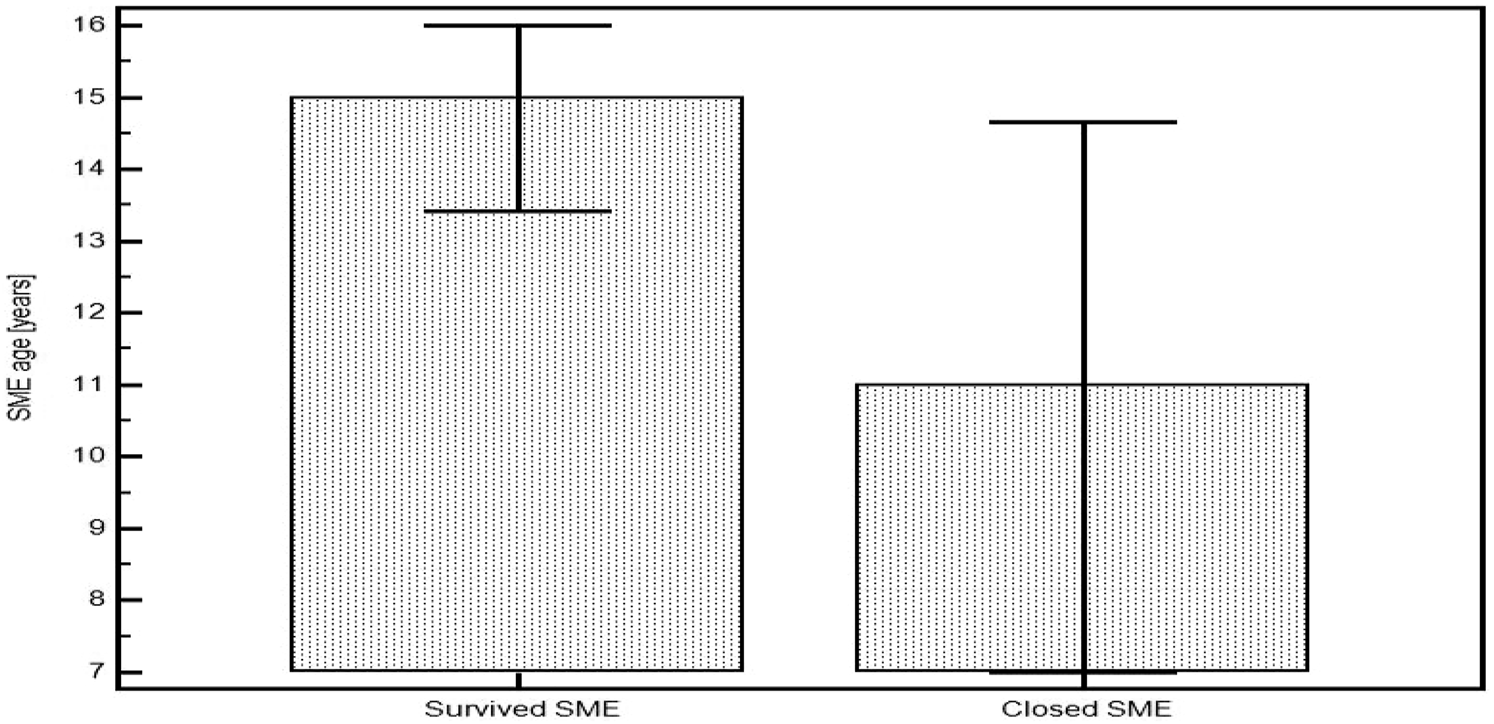
Considering the theme of SMEs in times of crisis and our study aim, the paper begins with a literature review that informs the development of the three study hypotheses. This is followed by a description of the methodology, including study context and research methods, then findings and discussion. Implications for policy, practice and research are highlighted in the conclusions.
Theory and hypotheses
Economic crises lead to a downturn in product and service demand, and, thus, have negative impacts on the economic development of affected countries (Hadziahmetovic et al., 2018). However, unlike those at a localised national level, global economic crises impact domestic demand and the demand for exported products at the same time, leading to a substantial decline in international trade (Kose et al., 2020). For example, considering the most recent 2008 global financial crisis, between September 2008 and January 2009, world trade fell by 30% (Bricongne et al., 2012), bringing international fluctuations in demand for products and services. More recently, due to the Covid-19 pandemic, the decline in global trade in 2020 was 8%, with global GDP falling by 4.8% (OECD, 2021; World Trade Organization, 2020). In these challenging times, many businesses fail. More resilient businesses, on the other hand, survive (Steiner and Atterton, 2014). Indeed, decisions made by SME entrepreneurs about how to structure their businesses can dictate the future of their firms. In this paper, we explore the top three SME characteristics that the literature suggests are significant for SME survival in a crisis context (see below for detailed discussion), namely; firm size, business activities and internationalisation.
SME size and post-GEC survival
Companies’ responses to crisis are determined by different variables, including their ability to deal with contracts, employees, customers, suppliers and financial issues in a flexible manner (Dabic et al., 2020). In one way, due to their smaller and flatter structures, unity of given commands, simplified methods of decision-making and relative absence of bureaucracy, smaller businesses can respond faster than their larger counterparts to environmental or market changes (Angeles et al., 2019; Steinerowska-Streb and Steiner, 2014). Arguably, therefore, one can expect smaller firms to cope more successfully in a post-GEC environment. Importantly, however, due to their differing sizes, larger and smaller businesses have different access to resources and different abilities to pursue diverse strategies and/or operate in various markets and, as such, face different opportunities and threats (Masood and Sonntag, 2020). Smaller businesses, in contrast to larger companies, rarely conduct professional environmental analyses with many business decisions being based on the personal preferences of the owner-manager (Wong et al., 2018). As such, smaller firms may not be aware of all the opportunities and/or threats that emerge in the post-crisis period, placing them in a vulnerable position. Moreover, the survival of smaller firms after the global crisis may be limited by their inability to access finance to develop competitive advantages. When seeking a loan, smaller firms face more stringent financing conditions and higher interest rates than their larger counterparts, with many SMEs unable to use financing mechanisms available to larger companies (OECD, 2017). Indeed, although the landscape for entrepreneurial finance has changed significantly over recent years, smaller firms usually experience more financial constraints than larger businesses (European Central Bank, 2018).
To our knowledge, prior research concerning firm size and survival has not yet focused specifically on the period that follows global crisis. However, previous studies have already explored the impact of firm size on survival, and their results are inconsistent. A number of studies show a positive link between survival rate and firm size (Löfsten, 2016). According to other studies, this relationship exists but at a decreasing rate and may be nonlinear (He and Young, 2016).
Given that many attributes of smaller firms may negatively influence their probability of surviving the period following a global crisis, we postulate that there is a positive relationship between firm size and the likelihood of post-global crisis survival. We assume that the larger the firm is, the greater its chances for post-global crisis survival. This assumption is consistent with ecological theory, which states that the rate of company failure declines as firms increase in size, as the selection process in the market favours the structural inertia of large companies (Ropęga, 2013). Likewise, our assumption is in line with the liability of smallness theory (Hannan and Freeman, 1984), suggesting that size matters when considering the vulnerability of companies to environmental changes. Being a smaller firm is less beneficial due to limited resources and capabilities. Accordingly, the following hypothesis is formulated: H1: The probability of SMEs’ survival increases with firm size.
SME business activity and post-GEC survival
Although global crises affect all industries, their consequences vary from industry to industry (Moore and Mirzaei, 2016), having different impacts on firms’ survival post-crisis. Indeed, research has shown that business survival and exit rates depend on the industry in which businesses operate. He and Young (2016) showed that firms live longer in growing industries than in declining industries, even when industry turbulence, size, scale, concentration and the type of entrant are taken as control variables. Using a database of retail, hotel and catering companies, Audretsch et al. (1997) found that the relationships between company size, age, survival and growth differ between service and manufacturing companies, with the latter being more resilient than trade and service businesses. On the other hand, Ferragina et al. (2014) point to non-multinational firms having a higher chance of survival when they represent the service sector. The type of business activity can thus be a firm-specific factor that influences the probability of firms’ survival post-GEC.
Considering evidence from previous studies (He and Young, 2016), we propose that the propensity of firms to survive after a global crisis depends on firm activity. Taking into consideration production, construction, services, trade (defined here as the retail and wholesale trade sector) and mixed activities as business activity categories, we developed the following hypothesis: H2: The probability of SMEs’ survival depends on the type of business activity.
SMEs’ internationalisation and post-GEC survival
In the 20th century, SMEs mainly occupied local markets. However, due to globalisation and rapid technological progress, they began to expand their markets, with some SMEs running cross-national businesses. Indeed, in recent years, the increasing number of internationally active SMEs led to the recognition of small and medium enterprises as international market players (Dabić et al., 2020).
There are a number of benefits of internationalisation. For instance, SMEs with access to foreign markets can spread R&D expenditures across markets and diversify, scale-up and grow their operations (European Commission, 2014). In addition to increased recognition and reputation benefits, the positive effects for SMEs resulting from internationalisation can also include access to less expensive or scarcer resources. This aligns with Resource-Based View theory (Coleman et al., 2013), which posits that developing, acquiring and assembling tangible and intangible resources ensures a company’s competitive advantage. Furthermore, internationalisation can assist in increasing knowledge, developing products and raising the operational flexibility and stability of a business (Peng, 2022). There is also evidence that, during GECs, firms that export their products and services are less likely to exit the market than non-exporters. Consequently, a number of studies show that greater exposure to internationalisation leads to higher chances of survival (Coeurderoy et al., 2010; Dabić et al., 2020).
Despite the advantages of internationalisation, entering foreign markets generates new costs associated with transportation, distribution, marketing and employment of additional staff (Eduardsen and Marinova, 2020). Moreover, not all studies show that companies are more likely to survive when they operate in foreign markets. In fact, there is some evidence suggesting that internationalisation is associated with some degree of risk and uncertainty as it requires domestic firms to work outside of their comfort zones and, due to exposure to international competition, international firms might be more likely to fail (Eduardsen and Marinova, 2020; Sharma et al., 2020). Wagner (2013) also claims that despite a strong positive link between firm survival, imports and two-way trading, exporting alone does not prevent businesses from exiting the market.
In this study, we assume that the probability of firms’ post-crisis survival is related to their presence in international markets. Although global recessions are highly synchronised internationally, their impact varies across different groups of countries and the strength of recovery differs across countries (Kose et al., 2020). As such, we posit that the chances of post-GEC survival are higher among international SMEs than for those that do not engage in international activities. Thus, we propose the following hypothesis: H3: SMEs’ international activities positively influence the probability of their survival.
Methodology
Study context
The most recent global financial crisis, which began with a credit crunch in the U.S. in 2007, influenced Poland in 2009 (Nițescu and Murgu, 2019), when, compared to 2008, national GDP fell by 3.3% (Statystyczny, 2010) and the number of bankruptcies reported by Polish firms increased by 68% (Coface, 2020). Our study began in 2010, when recovery from the crisis became apparent; from that year, the number of businesses reporting bankruptcy decreased, and the profitability of Polish firms improved (Steinerowska-Streb, 2012). The research spanned a 7-year period to consider the potential lagged effects of the crisis and adaptations made by companies in different phases of their business cycle. Studying SMEs over this extended period of time created unique opportunities to monitor the survival rate of younger and older firms, including those that were set up just after the crisis.
We acknowledge that our study was conducted in the pre-pandemic period. Indeed, although the Covid-19 pandemic had a negative impact on the Polish economy and other economies internationally, Polish SMEs received an unprecedented package of support within the context of free-market Polish history. Extending our study and including the pandemic years in our data could distort the results of the study. Moreover, the full economic impact of the pandemic is still to be seen and, as such, is beyond the scope of this study.
Sampling and research methods
To test our hypotheses and explore how firm size, type of business activity and approach to internationalisation influences firms’ survival, our study consisted of two key stages, enabling longitudinal monitoring of SMEs’ behaviour. In the first stage, in 2010, when the recovery from the global financial crisis began in Poland, we surveyed a sample of SMEs. Consisting of microenterprises, small enterprises and medium-sized enterprises, our sample was generated from the Foreign Trade Promotion Group NETEX-STERLING 2010 database – a commercial database of email-addresses for Polish enterprises. To clarify, SMEs were defined as enterprises that employ no more than 249 staff, with microenterprises employing fewer than 10 people, small enterprises between 10 and 49 people and medium-sized enterprises 50 to 249 people (Madarasi-Szirmai et al., 2021).
Initially, an email containing a link to a structured questionnaire was sent to chief executives of the sampled SMEs. The questionnaire was based on a review of literature in the field and included a set of standardised questions (Appendix 1). The purpose of the survey was to collect baseline data on the characteristics of Polish SMEs and the activities they were involved in. Respondents were asked to provide information about their companies, including aspects of their employment level, business activity and market range, with ‘market’ being defined as ‘a geographic area in which the companies offer their products and in which the conditions of competition are sufficiently homogeneous’ (European Commission, 2015: p.1). In total, 344 fully completed questionnaires were returned and included in our data analysis (note: the size of our research sample was similar to the sample of other studies exploring aspects of business survival; see, for example, Coeurderoy et al., 2010). Of the SMEs participating in the study, 42% were microenterprises, 46% were small firms and 12% were medium-sized enterprises. Moreover, 79% of the researched firms operated exclusively in the domestic/national market and 21% were also involved in international activities. A total of 24% of respondents represented the trade sector, 26% production, 28% services and 6% construction. The remaining 16% of firms were characterised by mixed-business activities.
The second stage of the study took place in 2017, seven years after collecting our baseline data. To determine the post-crisis survival level among SMEs and comment on business activities, we used data from the Polish Registry of Enterprises (Ministerstwo Rozwoju i Technologii, 2017). Firms that had not closed their operations during the study period were considered to be successful in terms of survival. SMEs that ceased or exited their operations as a result of merger and acquisition were classified as ‘closed’. As such, we followed other studies in the field in defining survival as ‘the length of survival until the discontinuance of the firm, independent of whether this event consists in the disbanding of the firm or a merger and acquisition’ (Cefis and Marsili, 2012: p.796).
Data analysis
To determine whether the probability of SMEs’ survival varies across firms of different sizes, type of business activity and market range, we first estimated the duration of firms’ survival using a nonparametric method proposed by Kaplan and Meier (1958). The technique is commonly used in the analysis of firm survival (Bieszk-Stolorz, 2017), for example, by Iwasaki et al. (2022) when analysing surveys on SME survival.
The year 2010 was used as the starting point of the analysis. Our analysis was guided by three assumptions (Goel et al., 2010), namely: that (i) at any time, firms that were observed have the same survival prospects as those who continue to be followed; (ii) the survival probabilities are the same for firms recruited early and late in the study; and (iii) the event happens at the time specified.
The Kaplan–Meier estimation includes calculation of the probability of an event occurring at a specific point in time. These successive probabilities are multiplied by any previously computed probabilities to get a final estimate. The survival probability at any point in time (St) is calculated by the formula given below (Goel et al., 2010).

A Kaplan and Meier (1958) survival analysis test helped us to assess survival in the studied group. Following this, Kaplan-Meier curves were generated for each category of the selected variables. These curves show the probability of surviving over a given length of time, considering time in many small intervals (Goel et al., 2010). The absolute value of the slope of the survival curves represented the hazard ratio (the likelihood that a firm will survive to a certain point in time based on its survival to an earlier time).
We also applied the Mann–Whitney U test to compare continuous variables depending on the normality of the distribution. We applied this test as it is useful for continuous variables. The Mann–Whitney U test is commonly used in the field of behavioural sciences as it allows the identification of differences between two groups. One of the strengths of the Mann–Whitney U test is its applicability in studies characterised by small samples (Meléndez et al., 2020).
We determined the independent predictors of SMEs’ survival using the Cox proportional hazard model. This model is often applied in the analysis of firm survival data because it does not require a particular probability distribution to represent the survival time.
The Cox proportional hazard model calculates the expected number of events in each group, such as E1 and E2, while O1 and O2 are the total observed events. The Cox proportion hazard test is calculated using the formula given below (Goel et al., 2010).
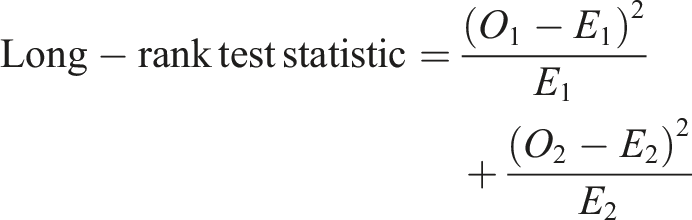
The results of the analysis are presented as hazard ratios with 95% confidence intervals (CIs). A p-value <0.05 indicates significance in all analyses.
Results
During the study period, 26.74% (of the 344 participating firms) were closed. The shortest survival time was 5 months. Seven years after our initial data collection, the remaining 271 firms were still active. The mean survival time was 78.82 months (standard deviation: ± 16.144). Detailed data on survival times are presented in Appendix 2. The median age of the surviving firms was 15 years (CI: 13.4267–16 years). In contrast, the median age of closed SMEs was 11 years (CI: 7–14.6611 years). Detailed data on the age of the surveyed firms are presented in Figure 1.
Using the Mann–Whitney U test, we found that the median age of closed SMEs was significantly lower than the age of firms that survived (p = 0.0124). The dispersion of firm closure as a function of the study period and firm age is shown in Figure 2. Firm closure and firm age.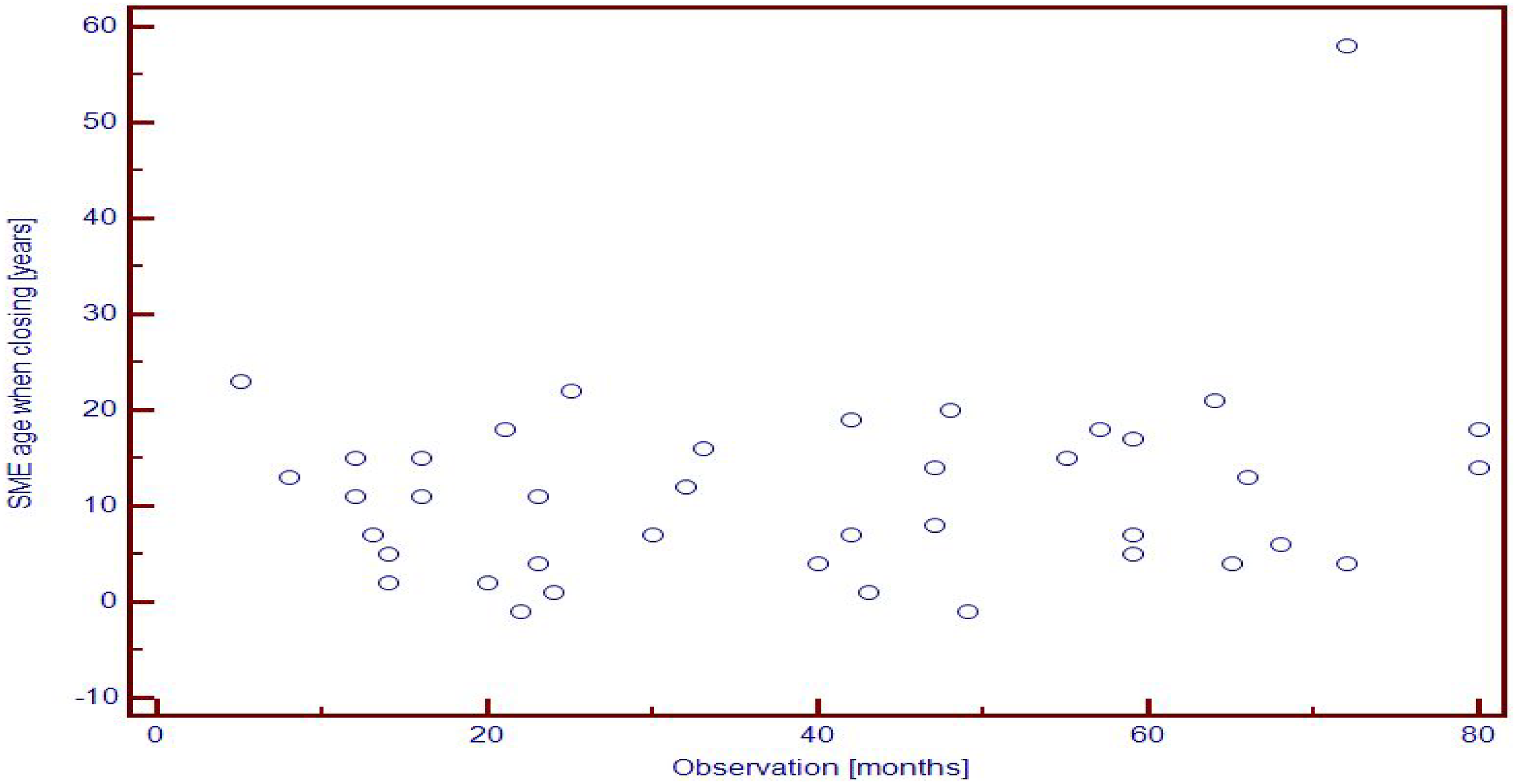
To assess the failure rate over the entire follow-up period, we used Kaplan and Meiers’ method. We applied the method to all SMEs participating in the study and separately to micro, small and medium-sized enterprises. The analysis of data for all SMEs revealed that the failure rate was similar for the entire sample over the whole study period (Figure 3). Interestingly, although the phases of the business cycle changed between 2010 and 2017, the survival analysis does not allow us to indicate either the acceleration or deceleration periods of SME closure. SMEs’ survival over the study period.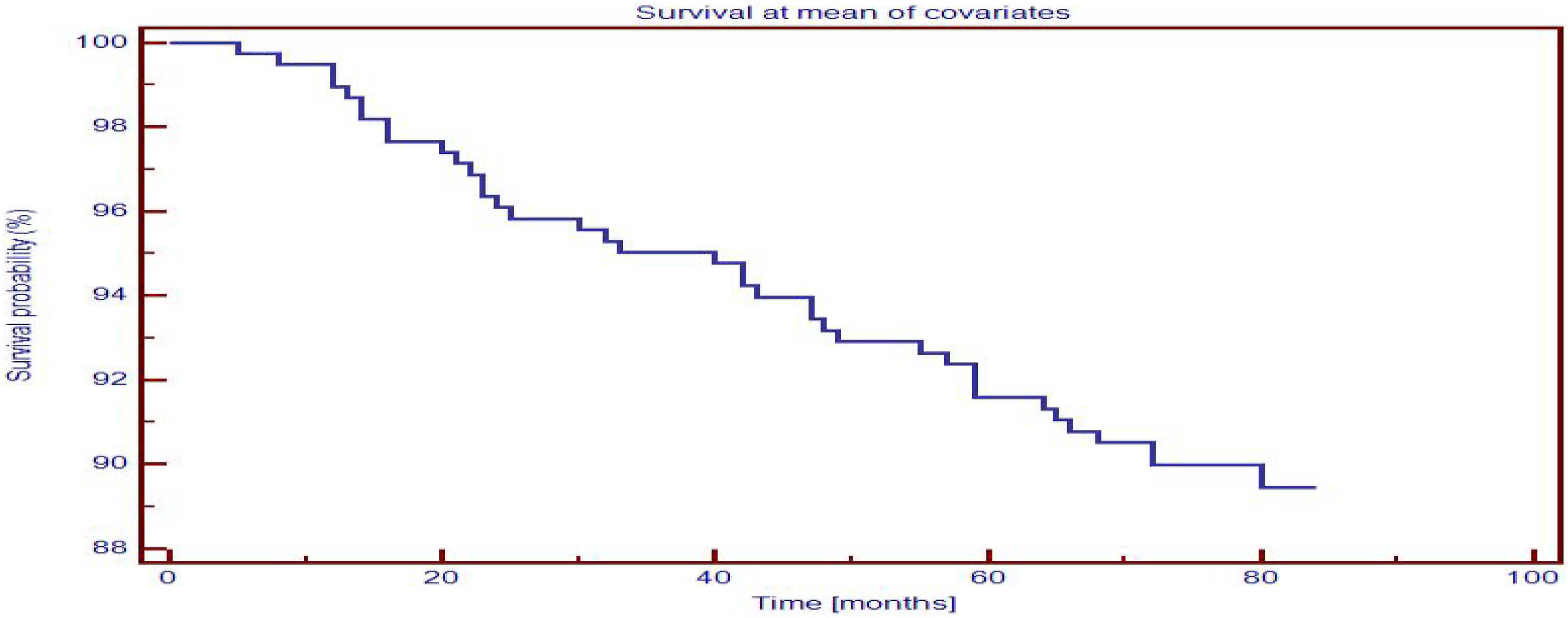
We also found no differences in the failure rate of micro, small and medium-size enterprises. Indeed, although the outcome of medium-size enterprises in the first 17 months was worse than that of micro and small enterprises, in the longer term, the probability of survival of all SMEs was similar (Figure 4). Thus, no significant differences were identified in the probability of survival between micro, small and medium-sized enterprises. Consequently, our analysis led to rejection of hypothesis H1, which states that the probability of SMEs’ survival increases with firm size. Business survival and firm size.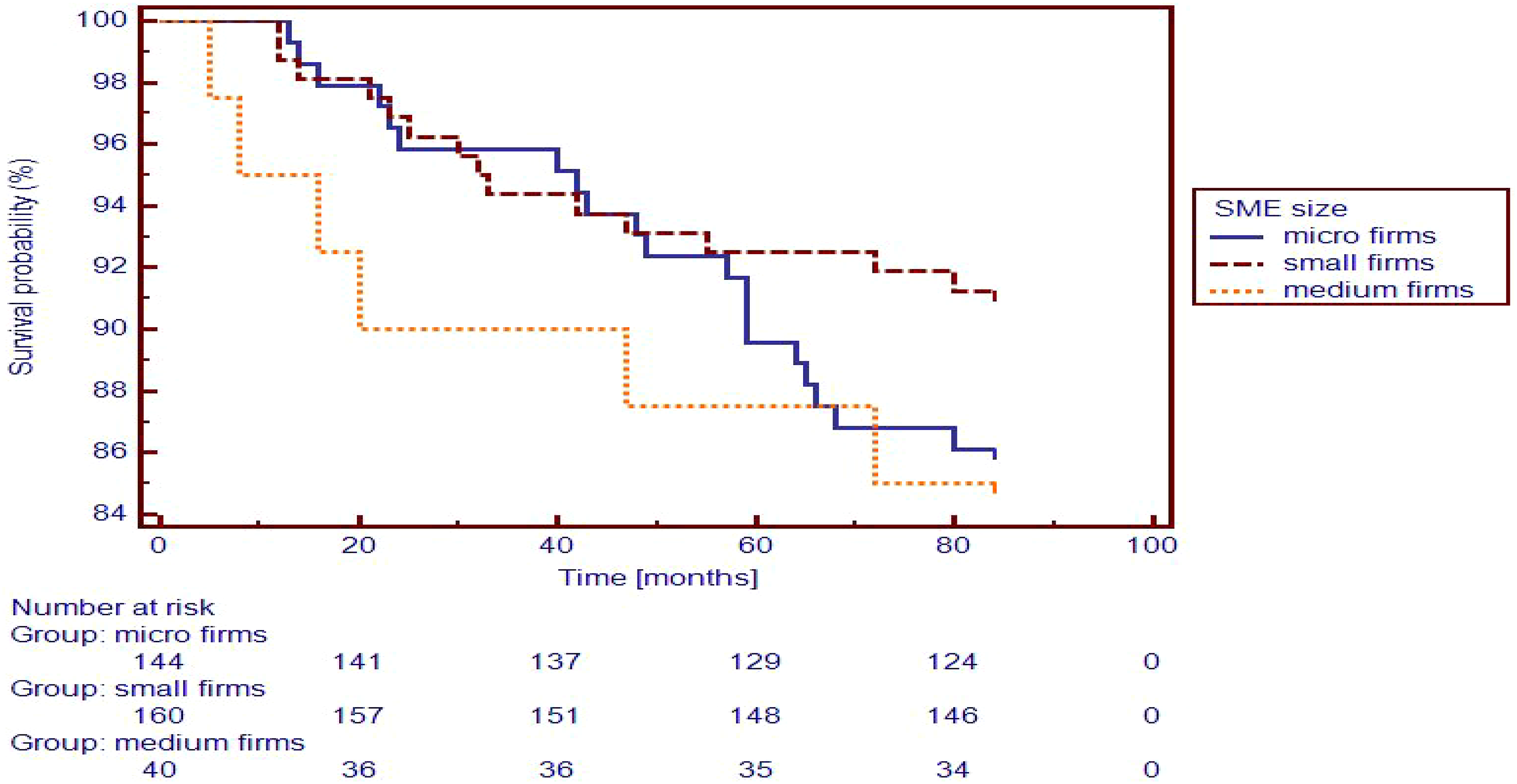
The Kaplan–Meier curves presented in Figure 5 indicate that the survival of different types of businesses is similar. We found no significant differences in the survival of firms representing various types of business activity. This result rejects hypothesis H2, according to which SMEs’ survival depends on the type of business activity. Business survival and type of business activity.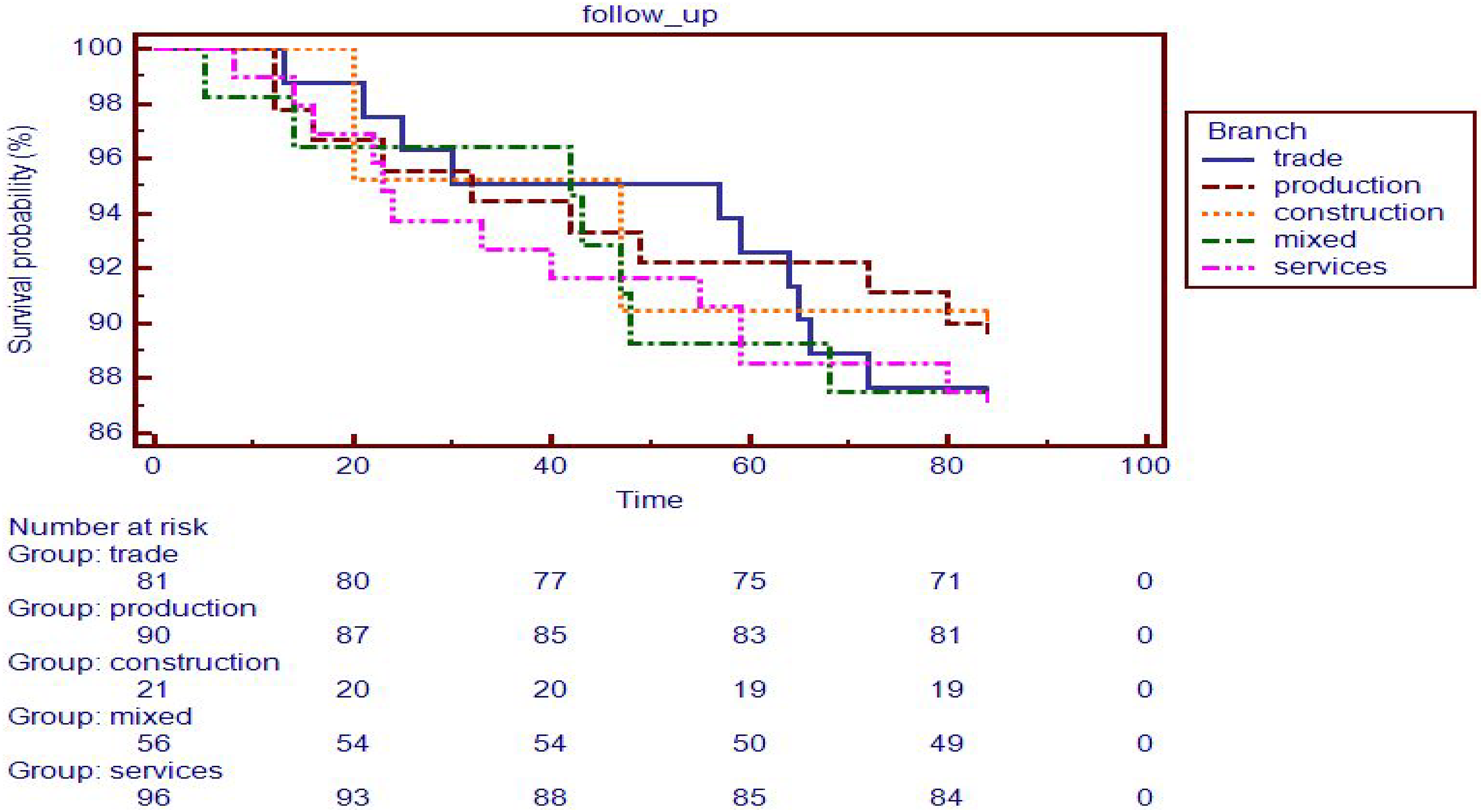
Finally, our analysis showed that international firms had a lower probability of closure at each point of the observation (Figure 6). Namely, the probability of survival was significantly better for international SMEs (p = 0.0263) in comparison to SMEs that were not present in foreign markets. Thus, our analysis confirms hypothesis H3, according to which SMEs’ international activities positively influence the probability of their survival. Business survival and internationalisation.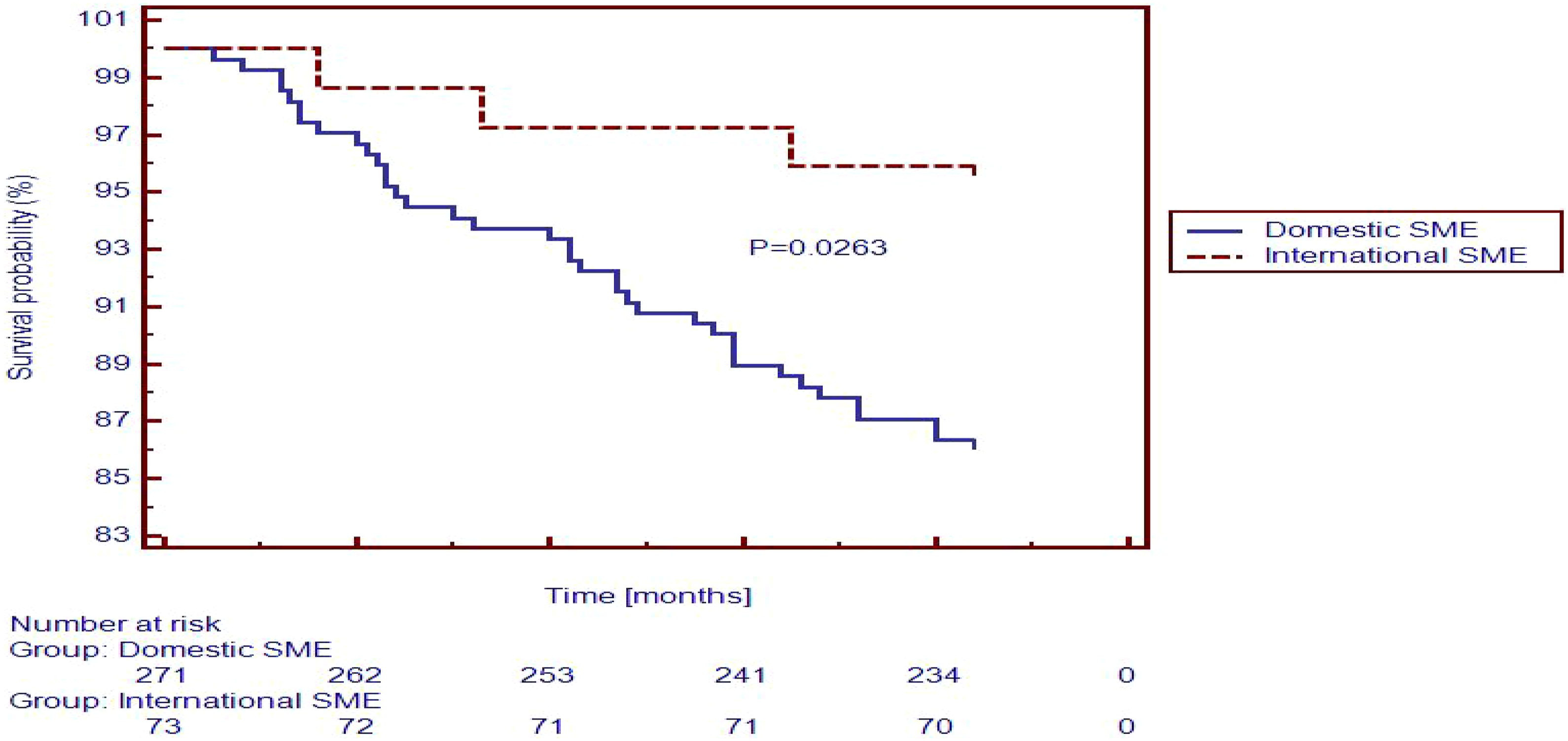
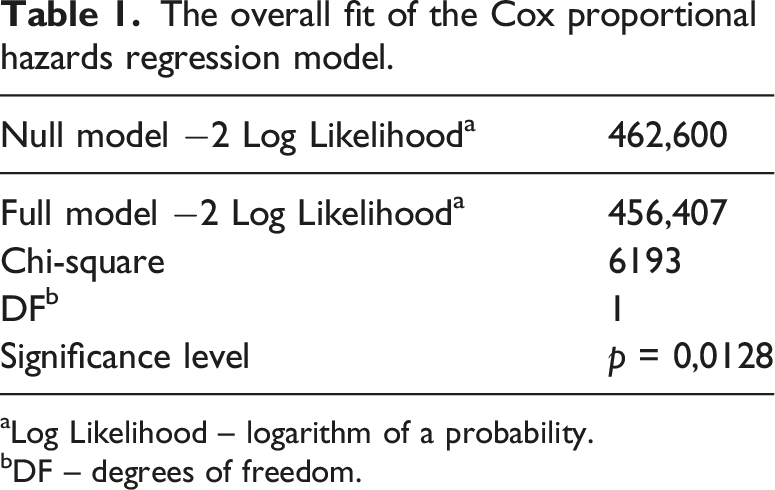
The overall fit of the Cox proportional hazards regression model.
aLog Likelihood – logarithm of a probability.
bDF – degrees of freedom.
The Cox proportional hazards regression model shows that there is a notable increase in survival probabilities for firms as they internationalise their activities. The data analysis reveals that the probability of survival increased by almost 30% when the firm was involved in foreign market operations (the hazard ratio was 0.2867 for the 95% CI, ranging from 0.1357 to 0.6054).
Discussion
Considering evidence deriving from the international business and entrepreneurship literature and new empirical findings presented in this paper, Figure 7 presents the importance of the context of crisis for business performance and survival. We now discuss our study results and present conclusions and implications of our work in the following section. Characteristics of SMEs and their survival in the post-global economic crisis environment. Note: SME: Small and Medium Enterprises.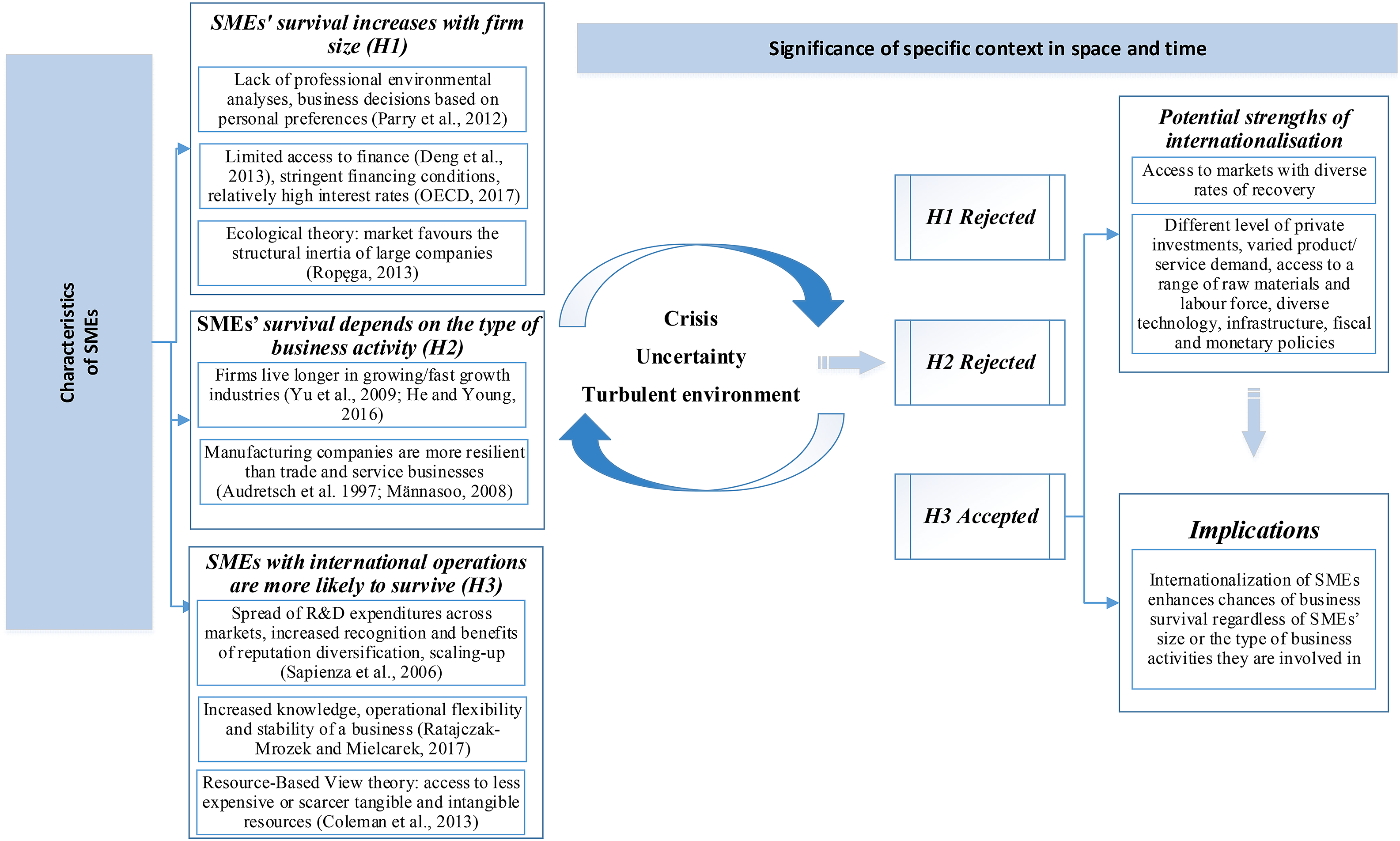
Our empirical data show that the probability of post-global financial crisis survival varies considerably across SMEs, depending on their market range. To be precise, findings from this study revealed that firms operating in international markets are almost 30% more likely to survive a post-global crisis period than those only operating in a domestic market. This relationship occurs independently from the size of companies and their market activities. Given that international companies can access markets with diverse rates of recovery, internationalisation has a positive impact on firm survival. Although the collapse of the global financial market in 2008/2009 was synchronised internationally, recovery from the global crisis did not occur in all countries simultaneously. Indeed, many emerging economies bounced back to their pre-crisis state quicker than developed countries. For example, Japan and the U.S. experienced prolonged negative growth (Keeley and Love, 2010). These differences among countries appeared to be due to different levels of private investment, varied domestic and external demand, differentiated availability of raw materials and labour force, diverse technology levels and infrastructure, varying fiscal and monetary policies, and a wide range of institutional differences influencing economic growth potential (International Labour Office, 2011). It could be that, by operating internationally, companies have an opportunity to access stronger markets and generate higher profits compared to companies only operating in a domestic market. Consequently, international business activities can support firms in balancing temporary losses experienced in domestic markets.
Based on the analysis, it seems that in a globalised world, establishing operations in foreign markets is particularly important for SMEs. International expansion offers companies much more than an opportunity to reach new consumers, increase sales, have better access to scarce resources and minimise costs per capita due to the scale effect. Instead, and as evidenced in our study, through diversification of the customer base across other economies, SMEs’ expansion into foreign markets can reduce their risks of failure. Hence, in addition to exposing SMEs to the threats and impacts of global crises, globalisation can also create opportunities to mitigate those threats.
By showing that a presence in foreign markets increases firms’ post-global crisis survival, our results extend findings from other studies on determinants of SME survival (see, e.g. Shin et al., 2017). Further, we provide new evidence demonstrating that the probability of SMEs’ survival post-GEC does not increase with firm size. Interestingly, this finding contradicts ecological theory, according to which the failure rate of a company decreases as its size grows (Ropęga, 2013). Although the size of a firm is crucial in today’s world due to the potential benefits of economies of scale (Olawale et al., 2017), being a larger organisation does not offer a privileged position in the market in a post-global crisis context. Indeed, in challenging economic times with low demand for products and services, larger companies may struggle with some disadvantages of scale, including scale inefficiencies associated with bureaucratic processes and high agency costs (Ozcan et al., 2017). At the same time, however, smaller firms may face resource scarcity obstacles in the local market. Consequently, as highlighted in other studies, we show that the relationship between firm survival and firm size is not uniform (Baumöhl et al., 2019) and may be nonlinear (He and Young, 2016). Indeed, so far, existing research on firm size and survival offers no conclusive findings on whether being a micro, small, medium or large-firm influences survival. Hence, in the post-crisis business environment, the size of a company alone might not be a determinant of business survival. Internationalisation, however, can act as a stimulus of business activities.
Considering the relationship between the type of business activity and firm survival, and contrary to our expectations, we see that SMEs’ survival does not vary among trading, service, production, construction and mixed-activity businesses. Thus, the type of business activity does not determine firms’ post-global crisis survival. Although there are industries in which the consequences of the global crisis may be more visible than in others (Moore and Mirzaei, 2016), all companies, regardless of the type of activity they are engaged in, struggle with changes in demand and supply. It is worth noting, however, that these findings differ from some other studies exploring the survival of firms characterised by different business activities. For example, in an Italian study by Ferragina et al. (2014), the survival of service-based firms differed from that of firms engaged in other types of business activities. Similarly, differences in survival between service and non-service firms were found in a U.S. study by Coleman et al. (2013). What is important to note, however, is that our research was carried out in a specific context, capturing business performance after the global crisis – an unusual and atypical business environment. This shows the importance of conducting studies and building new knowledge that considers the ‘crisis factor’ and evidences varied SME characteristics and their impact on business survival.
Conclusions
Scholars agree that entrepreneurial activities vary systematically both across countries and over time, with entrepreneurship being both stimulating and imperative in times of economic stability, as well as times of change (Bosma et al., 2018). Yet, although important, research evidence exploring factors influencing firms’ survival in a post-global crisis context is currently underdeveloped (Kose et al., 2020; OECD, 2021). Considering the global financial crisis of 2008/2009, our study builds new knowledge showing how firm size, type of business activity and market range affect the survival of SMEs.
Our 7-year longitudinal study showed that neither firm size nor the type of business activity influences the post-global crisis survival of SMEs. However, internationalisation may influence the long-term sustainability of SMEs, with businesses operating in foreign markets being more likely to survive after a global crisis. As such, in order to enhance survival chances, even small and medium enterprises should consider expanding business activities beyond their national markets. This means that, in a globalised market with frequent and unpredictable forms of crises, internationalisation can offer some competitive advantages to facilitate the work of SMEs.
Our findings have a number of implications for policy, practice and research. Firstly, policy interventions must be tailored to the context of crisis. For instance, knowledge about the impact of internationalisation may encourage the launching of policies to support SME expansion beyond domestic markets, regardless of firm size or the type of business activities they are involved in. As our study shows, designing policies that support internationalisation can prevent SMEs from failure and support their recovery in the post-crisis environment. The latter has implications for wider society, which benefits from the employment opportunities that SMEs create, as well as the services and products that they provide (Mazzei and Steiner, 2021).
Secondly, on a practical level, institutions supporting entrepreneurship may develop training courses for SME owners to engage in international trade. Moreover, and considering business survival issues, our study can help SME entrepreneurs to decide whether to expand their businesses abroad. Indeed, SME owners face the challenge of balancing and assessing risks and benefits associated with internationalisation (Puig et al., 2014; Virglerova et al., 2020).
Thirdly, our study develops new knowledge about SMEs and their survival in a post-GEC context – something which has not been sufficiently explored in previous studies (Cucculelli and Peruzzi, 2020; Moneva-Abadía et al., 2019). In particular, our study demonstrates that the probability of SMEs’ survival post-GEC does not increase with firm size, challenging assumptions of ecological theory (Ropęga, 2013). Importantly, our investigation was conducted in the understudied context of Poland – a post-transitional economy in which, since the economic and political transformation of 1989, firms operating in a free-market economy have experienced only one global crisis, occurring in 2008/2009.
Finally, our findings led to construction of a framework presenting characteristics of SMEs and their propensity to survive in a post-crisis environment, contributing to currently limited business and entrepreneurship literature describing impacts of global recessions on SMEs. By doing so, our study shows that the context in which we research businesses matters (Markantoni et al., 2018). Indeed, these three implications could be important in the post-Covid-19 recovery process and, in particular, to SME owners making strategic decisions about future investments and developments.
In addition to presenting new findings, our study raises some questions and areas worthy of further exploration. For instance, considering that our study was conducted exclusively in Poland, future research should be conducted in other countries, ideally on a larger sample of SMEs, adding to, or challenging, our findings. We recognise that, although there have been many economic, social and political changes, as a post-transition country, Poland still exhibits a degree of heterogeneity compared to mature market economies. Thus, further work should consider both mature market economies and other post-transition economies. Moreover, future studies could analyse the impact of other firm characteristics on SMEs’ survival. When considering the role of internationalisation in the post-global crisis survival of firms, it would also be interesting to verify whether there are any differences in survival rates between enterprises operating across a greater and smaller number of countries, as well as regional or sub-national variations in survival rates of SMEs operating in Poland – these research areas can provide more detailed information that our study did not explore. As noted by Wach et al. (2020), assessments of entrepreneurial success should incorporate aspects of entrepreneurs’ satisfaction, work-life balance, firm social responsibility, firm reputation, employee satisfaction and client satisfaction. We recommend investigating these factors in the context of crisis and post-crisis business environments. Finally, future research could also focus on SMEs’ survival in the post-Covid-19 business environment to further expand our knowledge in the field.
Footnotes
Declaration of conflicting interests
The author(s) declared no potential conflicts of interest with respect to the research, authorship, and/or publication of this article.
Funding
The author(s) received no financial support for the research, authorship, and/or publication of this article.

Appendix 1
Examples of questions
Question no.
Select one answer
Q1. Considering full-time staff, how many people, on average, have been employed in your company in the last year?
Up to 9
Between 10 and 49
Between 50 and 249
Q2. Your company operates on
Domestic market
International market
Q3. What is the main area of the company’s activity
Production
Construction
Service
Trade (defined as retail and wholesale trade sector)
Mixed
Appendix 2
Business survival rate
Firms that survived
Firms that did not survive
Sample size
271
73
Survival (in months)
Survival proportion
Standard error
Survival proportion
Standard error
5
0.996
0,00368
—
—
8
0.993
0,00520
—
—
12
0.985
0,00733
—
—
13
0.982
0,00817
—
—
14
0.974
0,00964
—
—
16
0.970
0,0103
0.986
0,0136
20
0.967
0,0109
—
—
21
0.963
0,0115
—
—
22
0.959
0,0120
—
—
23
0.952
0,0130
—
—
24
0.948
0,0134
—
—
25
0.945
0,0139
—
—
30
0.941
0,0143
—
—
32
0.937
0,0147
—
—
33
—
—
0.973
0,0191
40
0.934
0,0151
—
—
42
0.926
0,0159
—
—
43
0.923
0,0162
—
—
47
0.915
0,0169
—
—
48
0.911
0,0173
—
—
49
0.908
0,0176
—
—
55
0.904
0,0179
—
—
57
0.900
0,0182
—
—
59
0.889
0,0191
—
—
64
0.886
0,0193
—
—
65
—
—
0.959
0,0232
66
0.882
0,0196
—
—
68
0.878
0,0199
—
—
72
0.871
0,0204
—
—
80
0.863
0,0209
—
—
84
—
—
—
—
Comparison of survival curves (Log rank test)
Endpoint: Observed n
37,0
3,0
Expected n
31,2
8,8
Chi-square
4,9348
—
DF
1
—
Significance
p = 0,0263
—