



Abstract
This study was conducted to examine the information behaviour of informal caregivers in a university college hospital in Ibadan, Nigeria. Informal caregivers in the teaching hospitals constitute critical pubic health care players whose information behaviours have not been studied. Data was collected from 208 caregivers using a questionnaire that consisted of structured and open-ended questions. The study found that healthcare providers were the primary source of health for caregivers, with 34.1% actively seeking information from them. The caregivers seldom utilised sources like the internet, community organizations, books, family, and friends. The preference for healthcare providers as sources is due to their accessibility and ability to provide prompt and accurate answers. Caregivers have diverse information needs, including medication-related information, first aid techniques, nutrition, exercise, mental health, and lifestyle choices. They seek this knowledge to make informed decisions that improve their loved ones’ well-being. The study also revealed that caregivers heavily rely on information technology for health information due to its accessibility and reliability. The study highlights the need for ongoing training and proactive information sharing by healthcare providers to better support informal caregivers in Nigeria, emphasizing the importance of integrated support systems within healthcare facilities. To meet diverse information needs, healthcare institutions should diversify dissemination strategies, including culturally sensitive materials and digital literacy programs, while developing tailored mobile applications and online support communities for caregivers. Policymakers must focus on creating supportive healthcare policies, funding caregiver programs, and expanding insurance coverage to alleviate financial burdens, ensuring that caregivers have access to necessary resources and information.
Introduction
Caregiving is the act of providing assistance to someone who lacks the capacity to meet his or her social, and, or, health needs (Hoffman and Zucker, 2016). It is a process that encompasses the provision of physical, emotional, and social support that often involves activities that are related to the assistance, monitoring, and management of the well-being, health, and daily needs of an individual, especially those with physical, cognitive, or medical challenges. Typically, caregiving includes such tasks as instrumental activities of daily living and activities of daily living as well as the coordination of healthcare, medication management, and the emotional and psychological well-being of the care recipient. Caregiving may involve complex assessment, planning, and ongoing care provision to optimise the recipient's quality of life and overall health.
Caregivers play an important role in the healthcare system by providing support and assistance to patients, assisting with activities of daily living such as cleaning, dressing, cooking, and providing both emotional and social support, as well as communicating with other healthcare officials such as doctors and psychologists. Caregivers also provide direct assistance and support to patients with their daily activities, personal hygiene, mobility, and medical needs, ensuring that patients receive the necessary care and attention to maintain their health and comfort. They offer emotional support and companionship to patients, helping them cope with the challenges of illness, injury, or medical treatment, and act as advocates, ensuring that patients’ voices are heard and their concerns addressed within the healthcare system (Cooper et al., 2021; Delemere and Maguire, 2022).
Additionally, caregivers play a crucial role in educating patients and their families about health conditions, treatment options, medication management, and lifestyle modifications, as well as facilitating communication and coordination among healthcare providers to ensure comprehensive and integrated care for patients throughout their healthcare journey. They advocate for the rights and needs of patients within the healthcare system, liaising with healthcare professionals, insurance companies, and other stakeholders to address barriers to care and access necessary services and resources.
As a result, caregiving obtains in different settings – homes, healthcare institutions, workplaces, healthcare institutions, and others. It is an important public health activity that affects the quality of life for millions of individuals. Caregiving may include help with one or more activities important for daily living such as bathing and dressing, paying bills, shopping, and providing transportation. It also may involve emotional support and help with managing a chronic disease or disability (Talley and Crews, 2007). There are two categories of caregiving: formal caregiving and informal caregiving. Formal caregivers in traditional institutional settings are medical healthcare professionals trained to cure, rehabilitate, and restore functioning (Roth, 2015). These professionals include nurses, personal support workers, rehabilitation specialists, and physicians who, according to the law of society, are paid for the service they render to the living tasks of patients or clients (Ku et al., 2013).
Informal caregivers are family, friends, neighbors, and others whose caregiving services are usually unpaid for. Their role includes helping with personal needs and household chores, managing a person's finances, arranging for outside services, or visiting regularly (Hogstel et al., 2001). The informal caregivers - family, friends, and neighbours may not live in the same household as the person who requires care (Kim et al., 2017). They have been, and will continue to be integral to the system of providing critical assistance to persons who need extra care (Burwell and Jackson, 1994). Unlike a formal caregiver, an informal caregivers need little or no prior knowledge of caregiving before they can render help to their patients.
The intensity of informal caregiving does indeed vary between developed and developing countries, primarily due to differences in healthcare systems, cultural norms, and social support structures (Zarzycki et al., 2022). In developed countries, informal caregiving often complements formal care systems where state or private services provide significant support. Countries with robust welfare systems, such as those in Western Europe, tend to have lower intensity of informal caregiving because formal care services are more accessible and extensive. For instance, in Northern and Western European countries, the state provides a substantial amount of caregiving, reducing the burden on family membersreLe 2023; Georges and Doblhammer, 2023; Zarzycki et al., 2024).
In contrast, in developing countries, informal caregiving tends to be more intense. The lack of comprehensive formal care services means that family members often take on more significant caregiving roles. This is especially evident in regions where healthcare infrastructure is limited and there are fewer social services available to support caregivers. Cultural expectations also play a role; in many developing countries, there is a strong cultural emphasis on family responsibility for elder care and care for those with chronic conditions. A study in Malaysia, for example, highlights that caregivers often experience high-intensity caregiving due to the limited availability of formal care services and support. Caregivers in such settings frequently provide care for over 20 h per week, significantly impacting their physical and mental health, daily activities, and social livesi(Fu et al., 2024; Jawahir et al., 2021)).
Caregivers, therefore, play indispensable roles within healthcare systems in developing countries, particularly significant due to multiple factors influencing healthcare access and delivery. These nations often lack sufficient healthcare infrastructure, such as hospitals and clinics, leaving caregivers as primary providers of essential services to patients without formal healthcare access (Gaudin and Yazbeck, 2021). Severe shortages of healthcare professionals, including doctors and nurses, further exacerbate these challenges, with caregivers bridging the gap, offering frontline care, especially in remote or underserved areas (Al-Worafi, 2024). Moreover, developing countries grapple with high disease burdens, ranging from infectious diseases to chronic illnesses and maternal and child health issues. Caregivers are instrumental in managing and treating these conditions, providing vital care and support to affected patients (UNICEF, 2020).
Additionally, many individuals in these countries lack access to health education and information on preventive care and treatment options. Here, caregivers serve as crucial educators, empowering patients and families with knowledge and resources to make informed health decisions (Al-Worafi, 2024). Furthermore, barriers like financial constraints, geographic isolation, and cultural factors hinder healthcare access. Caregivers play pivotal roles in surmounting these obstacles, delivering care directly to homes or communities, ensuring even the most vulnerable populations receive necessary support. In resource-limited settings, community-based care provided by caregivers emerges as the most viable and sustainable approach to meeting healthcare needs. Embedded within local communities, caregivers offer culturally sensitive and contextually appropriate care to patients and families (UNICEF, 2020).
The work of a caregiver is delicate, requiring access to timely and accurate information. For caregivers to perform their tasks effectively with other healthcare officials, it is important for them to have vast knowledge of their respective patients, including specific health information such as health insurance and medications. They require support and resources to maintain their own health and well-being, which may be provided through caregiver support programs, counseling services, respite care, and educational resources offered by healthcare organizations and community agencies.
The information behaviour of caregivers is crucial for improving healthcare access, decision-making, and support services is critical to the healthcare systems. Caregivers, often the primary sources of healthcare information in such contexts, play pivotal roles in delivering care, making health-related decisions, and promoting healthy behaviours within their communities. Access to reliable healthcare information is essential for caregivers to fulfill their roles effectively. However, many face barriers such as limited access to formal healthcare services, low literacy rates, and language barriers. Understanding their information-seeking behaviours helps identify these obstacles and design targeted interventions to overcome them (Gaudin and Yazbeck, 2021).
Caregivers’ information needs vary depending on factors like the health condition of the patient, available resources, cultural beliefs and caregivers’ factors. By understanding their preferences and challenges, healthcare providers and policymakers can tailor information resources and support services to meet their specific needs (UNICEF, 2020). Additionally, caregivers often lack access to adequate support services and resources to fulfill their caregiving responsibilities effectively. By identifying gaps in support and understanding caregivers’ information needs, organizations can develop tailored training programs, support groups, and resource materials to empower caregivers and enhance their ability to provide quality care (Al-Worafi, 2024). Furthermore, promoting equity in healthcare access requires addressing disparities in information access and delivery.
Understanding the information seeking behaviour of caregivers is essential for healthcare professionals to effectively provide care and support to patients. Caregivers are often equipped with having knowledge about possible treatments for their patients, information about available drugs for the patients, information about the caring methods that can be employed in giving the patients adequate care, recommendations on how to choose the adequate tools in aiding the recovery of their patients (Remr, 2022; Shaji and Reddy, 2012; Zwakhalen et al., 2012). Caregivers seek information from healthcare providers such as medical doctors, nurses and other seniour colleagues in the profession, they also get information from print materials, community resources and web-based sources (Dee and Stanley, 2005). For caregivers who have access to the libraries, they rely on health focused books to get information. For those who have access to the internet, they make use of various health databases and health journals such as; PubMed.
Further understanding of caregivers’ information behaviour helps identify and address the disparities, ensuring that all caregivers, regardless of socioeconomic status or geographic location, have equitable access to the information and support they need (UNICEF, 2020).Information behaviour can be defined as “… the totality of human behaviour in relation to sources and channels of information, including both active and passive information seeking, and information use” (Wilson, 2000: 49). Information behaviour is a broad term that encompasses all of the ways in which individuals interact with information, whether it be through searching for information actively, browsing or serendipitous discovery, or consuming information passively.
The University College Hospital (UCH) in Ibadan was established in August 1952 by an Act of Parliament with the aimed to fulfill the critical need for medical training in Nigeria and West Africa. It is Nigeria's premier tertiary health institution. Initially housing 500 beds, it has expanded, operating at a consistent occupancy rate. Strategically located in Ibadan, the largest city in West Africa and home to Nigeria's first university, now known as the University of Ibadan, UCH started with two clinical departments and has evolved to house more than 65 departments. UCH offers a diverse range of programs, encompassing undergraduate medical education within the College of Medicine at the University of Ibadan, postgraduate residencies across various medical specialties, and diploma/professional courses in healthcare disciplines. Beyond its tertiary designation, UCH actively engages in community-based healthcare outreach, providing primary and secondary healthcare services across multiple locations.
UCH manages a huge burden of primary and secondary healthcare due to regional facility breakdowns, welcoming 150,000 new outpatients annually and attending to around 6500 emergency cases each year. The hospital's impactful services have garnered both national and international patronage, further establishing its crucial role in healthcare provision and education. Additionally, the hospital's management, supported by government initiatives, has successfully revitalised crucial services, such as the reintroduction of open-heart surgeries, achieving a 100% success rate in numerous procedures, marking a significant achievement in Nigeria's medical landscape. At the UCH, as in Nigerian hospitals, the responsibility for caring for in-patients largely falls mainly upon informal caregivers, typically relatives, family members, or friends. This differs from the situation in the global-north settings where hospital in-patient care is primarily managed by formal care staff that include social workers, nurses etc. Despite playing pivotal, unpaid roles in ensuring the health and well-being of patients, these caregivers often operate in the shadows, overlooked and undervalued by hospital authorities (Chukwu et al., 2022).
There are many dimensions that can be adopted to address factors influencing caregivers’ information ‘behaviour in a Nigerian setting. For instance, investigating information sources and caregivers’ information seeking highlight a potential relationship between sources of health information and caregivers’ information seeking. By examining this dimension, the sources the caregivers rely on consistently could be revealed, or if they exhibit diverse information-seeking patterns regardless of the availability of the sources. This opinion aligns with the perspectives of Agarwa (2011) and Cantaro (2016), which suggest that the degree of success in the process of a seeker obtaining information from a source depends to a large extent on the seeker/actor placing the source within their shared context.
Also, relating caregivers’ information needs to their information-seeking ‘behaviour will reveal the way caregivers seek information and how this may influence the types of information they require. Investigating whether caregivers’ information-seeking ‘behaviours remain consistent regardless of the urgency or specificity of their information needs will shed light on their overall information ‘behaviour. Soong et al. (2020a, 2020b) emphasise the critical role of reliable information access for both people with dementia and their caregivers, highlighting its profound impact on patient care and quality of life. Their comprehensive scoping review revealed that existing dementia information sources cover a wide range of topics but lack emphasis on healthcare service-related information (Soong et al., 2020a, 2020b). Soong et al.'s (2020a, 2020b) study found that non-professional caregivers actively seek information, particularly through electronic sources. Factors such as the status of the patient and caregiver were identified as influential in shaping information needs, underscoring the importance of tailored resources to effectively meet these diverse needs.
Furthermore, exploring caregivers’ information technologies use and their information seeking is crucial in an era when information technologies have eased the challenges of information access. It is important to ascertain whether caregivers who use the information technologies extensively exhibit similar information-seeking ‘behaviours as those who do not (Mendez et al., 2023). Comfort with information technology and information seeking propose that caregivers’ comfort with information technology may influence their information seeking behaviour. Finally, healthcare providers’ attitudes towards caregivers may significantly impact caregivers’ information seeking (Smith et al., 2018).
Statement of the problem
Caring for individuals with health challenges in developing countries poses unique and multi-layered demands on caregivers, necessitating the need to examine their information-seeking ‘behaviours. A study that examines the information ‘behaviour of caregivers in developing nations will need to elucidate the complexities and nuances inherent in their search for health-related information. By examining the relationships between health information sources, caregivers’ information needs, internet usage patterns, comfort with technology, and the attitudes of healthcare providers, this study aims to provide a broader understanding of the complex dynamics guiding caregivers’ information-seeking ‘behaviours. Through empirical investigation, this research seeks to identify key determinants of information behaviour of the caregivers and their significance, thereby contributing to the development of more effective support strategies and interventions for caregivers for the overall good of the health care system and the patients.
Objectives of this study
The main aim of this study is to examine the information seeking behaviour of all categories of informal caregivers that were found visiting patients at the University College Hospital, Ibadan, Nigeria. Specifically, the study examined (i) sources available to the caregivers (ii) their information needs (iii) satisfaction with information obtained (iv) comfort with information technology
Research hypotheses
There is no significant relationship between sources of health information and caregivers’ information seeking.
There is no significant relationship between caregivers’ information needs and their information seeking behaviour.
There is no significant relationship between caregivers’ use of the internet and their information seeking.
There is no significant relationship between comfort with information technology and caregivers’ seeking of information.
There is no significant relationship between the attitudes of healthcare providers towards caregivers and caregivers information seeking.
Literature review
Information seeking behaviour of caregivers
Lee et al. (2013) investigated the information needs and seeking behaviour of family caregivers of patients with heart failure. The study made use of the qualitative approach in collecting data from 10 family caregivers in Taiwan. The data collected from the interviews were transcribed and analysed using content analysis. The information needs of the caregivers are: knowing the disease and its symptoms, managing medications, providing emotional support, and knowing the right time to seek medical help. The study identified various sources of information. These are healthcare professionals, the internet, family and friends, and lastly, printed materials. In addition to this, the caregivers encounter some major challenges when seeking information; these challenges are language barriers, limited access to information, and lack of time and energy. In conclusion, the study recommended that healthcare professionals provide structured information and support to meet the specific needs of family caregivers. The use of technology was also suggested in helping to curb the problems posed by language.
Using a qualitative approach, Imani-Goghary and Ghaljehm (2020) generated data from 20 family caregivers in the Netherlands with the use of structured interview schedules which were transcribed and analysed using thematic analyses. The result of the study showed that family caregivers see their roles as challenging and complicated. They usually feel sad about the quality of care that their loved ones receive in the nursing home. However, there are also various positive results attributed to this transition. They concluded that there is a need for supportive interventions in helping family caregivers narrow down the challenges the transition brings, and to also ensure excellence and quality care for individuals with dementia in nursing homes.
In their study, Oliver et al. (2010) studied the information needs of informal caregivers of older adults with chronic health conditions using a qualitative approach. The study included 25 informal caregivers who were providing care for older adults with chronic health conditions. Interviews were conducted and analysed using thematic analysis. The results show that informal caregivers have a big appetite for information related to the care of older adults with chronic health conditions. The information needs include; knowing and understanding the health condition and its progression, knowing the right medications to use, learning about the healthcare system, and lastly, providing the right emotional support. The study also highlighted the challenges informal caregivers face when accessing information. These challenges include difficulty in finding relevant information, the complexity that comes with searching for medical information, and the lack of support from other healthcare professionals. In conclusion, the study suggests that healthcare professionals should provide adequate information and support to meet the information needs of informal caregivers. It also suggests the use of such technology as the online resources to help in accessing information to support informal caregivers.
Gottlieb and Rooney (2012) explored the information seeking behaviour of female family caregivers of older adults in the community. The study, carried out in Canada included 105 female family caregivers. Using a qualitative approach in collecting data through a survey questionnaire, the study included questions, related to the caregivers’ information seeking behaviour, sources of information, and challenges experienced when seeking information. The results suggest that the caregivers have a high level of information seeking behaviour. They actively seek information related to the care of their loved ones, as well as information about their own self-care. The following sources were highlighted; the internet, books and magazines, information from healthcare professionals, and support groups. However, the study identified various challenges in seeking information. These challenges include a lack of time and knowledge on where and how to find information and concerns about how reliable the information is. The study recommends the use of technology to reduce the burden on caregivers as well as get the necessary help from healthcare professionals.
O’Connor et al. (2012) studied the differences in information seeking behaviour based on the caregivers’ status and demographic. A sample of 4748 individuals was used. The data was obtained from the 2007 Canadian survey on caregiving and care receiving. The results of the study found that prominence was given to information related to health and caregiving, as well as legal and financial information. It was gathered that female caregivers were more likely to seek information regarding health than their male counterparts. In terms of demographics, individuals who were younger, more educated, and had higher incomes were more likely to seek information related to health and caregiving. In conclusion, the study shows how important identifying the information seeking behaviour of caregivers is to ensure the efficiency of caregivers.
Huy and Nguyen (2017) examined the information needs and seeking behaviour of informal caregivers for patients with dementia in Vietnam. Using a cross-sectional survey design, the study made use of 131 informal caregivers providing care to patients with dementia. The survey included questions on the demographics, information needs, and sources of information. The study revealed that the majority of informal caregivers had high information needs related to the disease, its progression, and management. They seek information from various sources such as healthcare professionals, the internet, and support groups. However, they are faced with problems of language barriers and lack of access to reliable information. The study also found that the demographics of informal caregivers are a great determinant of the kind of information they have access to. In summary, the study suggests that healthcare professionals provide the right kind of information to informal caregivers. They also emphasise the importance of providing reliable and accessible information to informal caregivers to help them provide better care to patients with dementia. Additionally, they highlight the need for more support services and resources for informal caregivers in Vietnam.
Guseh and Brendel (2016) studied why caregivers learn, and the role of caregiver characteristics in information seeking behaviour. They examined specifically the factors that motivate caregivers to seek out information about caring for older adults. They argue that caregiver characteristics such as self-efficacy, knowledge of available resources, and social support play a significant role in determining caregivers’ information seeking behaviour. The study employed the quantitative and qualitative methods of research. This includes surveys and interviews with caregivers. Participants were recruited from seniour centres, caregiver support groups, and other community organizations. The survey asked participants about their demographic characteristics, caregiving experiences, and information seeking behaviour. The interviews were designed to provide a deeper understanding of the caregiver's information seeking behaviour. The results of the study suggest that these characteristics highlighted above play a very role in information seeking behaviour. Caregivers who had higher levels of self-efficacy and knowledge of available resources were more likely to seek out information about caring for older adults.
The study also notes that caregivers with limited knowledge of information resources may be less likely to seek out information even if it will benefit them. In conclusion, the study points out the importance of understanding caregiver characteristics in shaping information seeking behaviour. It suggests that healthcare providers and other professionals who work with caregivers should take these characteristics into account when providing information and support to caregivers. By doing so, they may be able to help caregivers in meeting the needs of the older adults they are caring for, and in turn, improve the quality of care provided.
The information needs and sources of caregivers of patients with ALS (also known as Lou Gehrig's disease) were studied by Hansen et al. (2019). The authors argue that understanding the information needs and sources of caregivers can help healthcare providers and other professionals provide the right support for caregivers. The study employed a qualitative design, including in-depth interviews with 15 caregivers of patients with ALS. Participants were recruited from ALS clinics, support groups, and other community organizations. The interviews were used to explore the caregivers’ experiences of caring for someone with ALS, their information needs, and their information sources.
The results of the study suggest that caregivers of patients with ALS have a wide range of information needs, including information about the disease and its progression, symptom management, assistive devices, and community resources. Caregivers also reported a need for emotional support and information about how to cope with the challenges of caregiving. The study found that caregivers used a variety of sources in obtaining information, including healthcare providers, the internet, support groups, and other caregivers. However, they also noted that some caregivers had difficulty finding reliable information and navigating the healthcare system. The study highlighted the importance of understanding the information needs and sources of caregivers of patients with ALS. The study suggests that healthcare providers and other professionals who work with caregivers should provide the right kind of information caregivers needs. They also recommend that healthcare providers work to improve the accessibility and reliability of information for caregivers, including providing resources in multiple formats and languages.
Choo et al. (2020) argue that users employ a range of search strategies during this phase, including browsing, scanning, and filtering, and that they use a variety of sources to gather information, including personal contacts, social media, and online databases. The study propose a four-stage model of information seeking on the Web, which includes orientation, exploration, formulation, and collection. In the orientation stage, users define their information needs and goals. In the exploration stage, users browse and search for information to help refine their information needs.
To effectively manage their health, persons living with HIV/AIDS (PHAs) and their caregivers need reliable, current information about HIV/AIDS and its treatment. However, accessing timely health information can be challenging for residents of remote or sparsely populated communities. This paper presents findings from a research project conducted in three rural regions of Canada, exploring how rural PHAs, along with their formal and informal caregivers, exchange HIV/AIDS-related information and support. Drawing from a conceptual framework rooted in the literature of organizational learning, the analysis considers ideas from social network studies in business settings and Etienne Wenger's concepts of communities of practice as they apply to the health information ‘behaviour of rural PHAs and caregivers (Walter de Gruyter GmbH & Co. KG, 2010).
In a separate study focused on individuals living with cancer and their informal caregivers in Alberta, Canada, and the internet emerged as a crucial source of information. The study aimed to develop a theory explaining why individuals use the internet to find information about cancer, identify challenges with existing web-based content, and offer recommendations for content design. Results highlighted that internet searching helped address orientation questions related to cancer challenges, leading to improved well-being. Recommendations included creating content that is well laid out, concise, and addresses key orientation questions (Thiessen et al., 2023). Moreover, research on informal caregivers of persons with dementia demonstrated their reliance on social media for health information support. Analysis of caregivers’ posts on Reddit revealed active sharing and seeking of health information, particularly regarding psychosocial issues, daily care, and dementia characteristics (Thiessen et al., 2023).
Similarly, a scoping review on dementia information needs and seeking ‘behaviour highlighted the importance of electronic sources for obtaining health information, with a focus on healthcare service-related information. Qualitative exploration of informal caregivers’ information ‘behaviour in dementia care identified a temporal model, wherein caregivers progressed from noticing symptoms to purposive information seeking. Public discussion about dementia could help caregivers better understand the disease and expedite decision-making regarding medical advice (Springer International Publishing AG, 2017).
Theoretical and conceptual model
There are many different theoretical models that have been developed to address the question of information ‘behaviour. A suitable model for this study is the McKenzie's Two-dimensional Model of Information Seeking. This model posits that information seeking behaviour is the way people search for and use information in various contexts. Information-seeking behaviour is a more specific concept of information behaviour. It specifically focuses on searching, finding, and retrieving information. Information-seeking behaviour research can focus on improving information systems or, if it includes information needs, can also focus on why the user behaves the way they do. A review study on the information search behaviour of users highlighted that behavioural factors, personal factors, product/service factors, and situational factors affect information search behaviour. It also refers to how humans perceive their need for, the pursuit of, and use of information (Case and Given, 2016). Information seeking as a social behaviour occurs when an individual sees the need to acquire information and takes action to resolve the need (Agarwal, 2018). Cho and Kim (2006: 948) defines Information-Seeking Behaviour “as patterns of behaviour that people display as they recognise information needs, make choices about where and how to look for information, and reflect or act on the information they see”. Information seeking behaviour is a process where people search for information and utilise the same to complete their assigned task. Information is structured or processed data. People need information from all walks of life.
McKenzie's model is based on the idea that information seeking is a complex process that involves the interaction between two dimensions: the user's cognitive structure and the information environment. The cognitive structure dimension refers to the user's internal state, including their knowledge, experiences, beliefs, and attitudes. This dimension affects how users perceive and interpret the information environment, as well as how they engage with information sources. The information environment dimension refers to the external factors that influence the user's information seeking behaviour, including the availability and accessibility of information sources, social and cultural norms, and technological infrastructure. McKenzie's two-dimensional model of information seeking provides a useful framework for understanding the complex and dynamic process of information seeking in everyday life which we now elaborate.
Empirical studies based on mcKenzie's two-dimensional model of information seeking
Many studies have explored information behaviour in everyday life management using Mckenzie's model. Savolainen (2023) provides insights into how researchers approach the interplay between work-related and non-work elements within the framework of everyday life information behaviour. This study discusses the evolving conceptualizations of daily life, highlighting the complex relationship between different life domains. McKenzie's work, particularly in McKenzie (2020), further investigates into the intricacies of managing various facets of everyday life, emphasizing the negotiation and establishment of boundaries among work, family, health, education, and leisure. McKenzie's research challenges the traditional isolation of workplace and daily life practices in Information Science, demonstrating how individuals integrate tasks like waste collection within their daily routines, transcending the boundaries between work and home life.
McKenzie and Davies (2022) shed light on how individuals use calendars, planners, and cognitive tools to document temporal aspects in their lives. This study unveils the concealed efforts involved in synchronizing activities and managing different temporal concepts, highlighting the variety of strategies people use in managing time-related documentation within broader social and temporal frameworks. King et al.'s (2020) study contributes by evaluating the evolution of adventure education and risk perception. They contrast McKenzie's foundational principles with current trends, advocating for an approach grounded in the Ecological Dynamics framework. This framework prioritises the interplay between individuals, their environment, and task dynamics in adventure education, emphasizing relational elements and aligning program design with participants’ everyday environments for a more holistic approach focused on individual well-being beyond traditional risk-centric paradigms.
Choo et al. (2020) argue that users employ a range of search strategies during this phase, including browsing, scanning, and filtering, and that they use a variety of sources to gather information, including personal contacts, social media, and online databases. The study propose a four-stage model of information seeking on the Web, which includes orientation, exploration, formulation, and collection. In the orientation stage, users define their information needs and goals. In the exploration stage, users browse and search for information to help refine their information needs.
Conceptual framework: informal caregiving information behaviour model
This study proposes the Informal Caregivers’ Information Behaviour Model (ICIBM) that highlights the multidimensional nature of the information behaviour during the caregiving experience, recognising that caregiving involves physical, psychological, social, and spiritual dimensions (Figure 1). ICIBM suggests that caregivers’ well-being is influenced by their personal and environmental resources, the quality of their relationship with the care recipient, and caregiving outcomes. The model also underpins the fact information behaviours are influenced by users’ cognitive structure and the information environment. The model explains the perceived process of information seeking and its use in the hospital context, emphasising a user's internal state and external factors as contributors to how caregivers seek and use information.
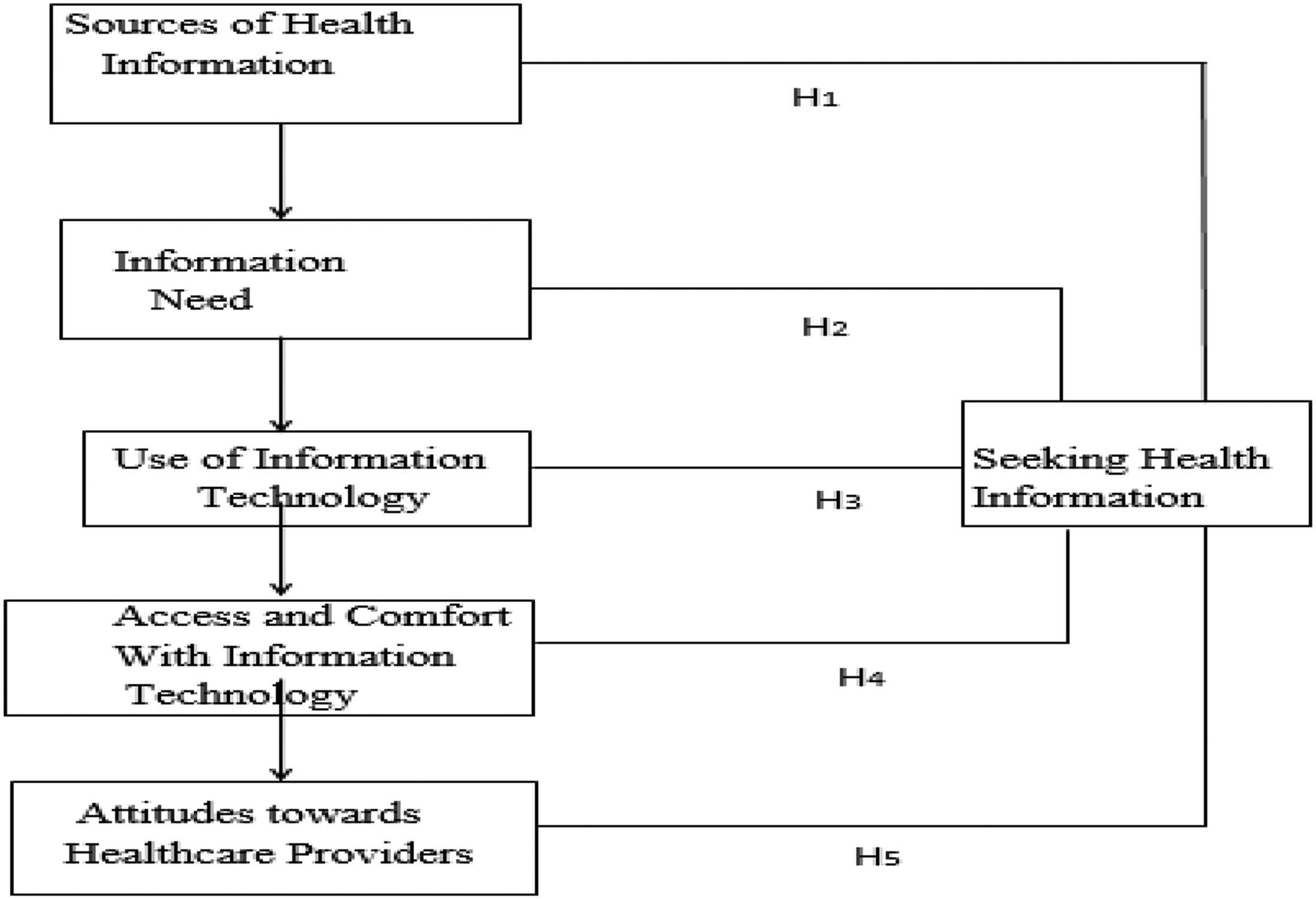
Conceptual framework.
The ICIBM suggests that the caregivers themselves are one of the most important determinants of caregiving, and this task consists of the caregivers’ socio-demographics, the psychological and physical state. This is linked to McKenzie's Two-dimensional Model of Information Seeking model. That is made up of two dimensions that can be likened to the determinants. ICIBM also highlights the complex interplay between caregivers’ social, psychological, and physical factors and their information needs and behaviours. This understanding can inform the development of interventions and support programs that address the unique needs of informal caregivers and promote their well-being.
The five stages in the McKenzie's Two-dimensional Model of Information Seeking model show how individuals search for, evaluate, and use information. The model suggests that information seeking behaviour is influenced by individual factors (e.g., knowledge, motivation), information source characteristics (e.g., credibility), and situational factors (e.g., urgency). Individual factors such as caregiver knowledge and motivation may influence whether caregivers seek information in the first place.
The conceptual framework for this study (Figure 1) illustrates the key components and their interrelationships involved in understanding the information behaviours of informal caregivers in a hospital setting in Nigeria. This framework provides a visual representation of how various factors interact to influence information behaviour in this specific context. Informal caregivers are central to the framework. These individuals, including medical librarians, health information managers, and administrative staff, are responsible for managing and disseminating information within the hospital. Their information needs are critical and encompass clinical information, administrative data, patient records, and health policies. To meet these needs, caregivers engage in information-seeking behaviour, which involves various actions and strategies to locate and acquire necessary information. This can include using digital databases, consulting colleagues, or accessing printed resources.
The sources from which caregivers obtain information are diverse, ranging from internal sources such as hospital databases and patient records to external sources like online medical journals and professional networks. However, caregivers often face barriers to information access. These barriers can include technological limitations, lack of training, or restricted access to certain databases, all of which can hinder their ability to obtain needed information. Once information is acquired, it is utilised in daily activities. Information use encompasses decision-making, patient care, administrative tasks, and policy implementation. The outcomes of these information behaviours have significant impacts on hospital operations and patient care. Positive outcomes can include improved patient outcomes, enhanced efficiency, and better compliance with health regulations.
Contextual factors, both external and internal, influence information behaviour. In a Nigerian hospital context, these might include cultural factors, resource availability, institutional policies, and technological infrastructure. These contextual factors affect every aspect of the framework, shaping information needs, influencing the choice of information sources, creating barriers, and impacting overall outcomes. The relationships between these components are dynamic. Information needs drive seeking behaviour, prompting caregivers to fulfill specific information requirements. Effective seeking behaviour often leads to the identification of reliable and relevant information sources. However, barriers can negatively impact seeking behaviour by making it more difficult to find and retrieve necessary information. The quality and relevance of information sources directly affect how information is used, with high-quality sources contributing to more effective and accurate use. Proper use of information, in turn, influences outcomes, leading to positive impacts on patient care and hospital administration.
Methodology
The study was carried out in the Pediatrics and Family Medicine Departments in the University College Hospital (UCH) Ibadan Nigeria. The Pediatrics Department provides comprehensive care to children from birth to 18 years of age and houses many caregivers as it is very important for children to have someone who cares for them at all times. The Pediatrics department consists of other departments such as the Special Care Baby Unit, the Cardiac and Neonatology Clinic, the Neurology Department. The Family Medicine Department focuses on providing comprehensive healthcare to individuals and families across all ages and genders. A preliminary visit was carried out on the 3rd of May, 2023 to seek permission and negotiate for convenient time for the survey. Data collection was carried out during the 9th–25th of May 2023 with the help of a research assistant.
This study adopted a sample survey research design, involving collecting data from a sample of individuals. The study is a quantitative type, an important approach that refers to the process of gathering numerical or statistical information to analyse and draw conclusions about a particular phenomenon or research question (Neuman, 2013). The target population is the caregivers. The total population of caregivers in these departments is infinite because of the constant migration/mobility of patients and caregivers, and the hospital does not keep records of the information caregivers. This migration of patients occurs due to recovery, and sometimes referral to other departments while the migration of caregivers can be as a result of caregiving responsibilities that may require shifting roles among family members or friends based on factors such as availability, proximity, or changes in the care recipient's condition.
A questionnaire that consists of closed-ended and open-ended questions was used for the data collection instrument. Using both closed-ended and open-ended questions in this study allowed for efficiency of quantitative data collection and insights from qualitative data that provide depth and context to the research findings. This combined approach ensured a comprehensive understanding and enhances the validity of the study through triangulation of data.
Description of the instrument and administration
The questionnaire used in our study consisted of seven distinct sections, each serving a specific purpose. Section A - Demographics: In this section, we gathered essential demographic information from the participants. This included details such as age, gender, education level, income, frequency of seeking health information online, and their sources of health information. Section B - Information Sources: This section aimed to collect data on the various information sources utilised by caregivers at the University College Hospital. Section C - Information Needs: We used this section to assess the information needs of caregivers at the University College Hospital. It also allowed us to explore the relationship between their information needs and their information-seeking ‘behaviour. Section D - Information Technology Usage: This section provided insights into the use of information technology for seeking information. It included questions about how often caregivers use technology for this purpose and the number of respondents who do so.
Further, Section E - Access and Comfort with Technology: This part aimed to understand caregivers’ access to smartphones for information-seeking, their comfort level with using technology for this purpose, and any challenges they face when seeking information using technology. Section F - Attitudes toward Healthcare Providers and the System: Section F collected data on caregivers’ attitudes towards healthcare providers and the healthcare system at the University College Hospital. This involved their comfort levels in seeking information from healthcare providers, accessibility of healthcare providers, and suggestions for improving communication and collaboration. Section G - Satisfaction with Information Services: The final section focused on caregivers’ satisfaction with information services, including health information online and the healthcare system in Nigeria. The questions were formulated by the researcher based on Informal Caregivers’ Information Behaviours Model (ICIBM).
Data collection
With the assistance of three research assistants, we administered a total of 230 questionnaires to the caregivers who were seen in the hospitals during the study, and were willing to participate in the study. A total of 230 copies of the questionnaire were administered in the two department. Detailed explanations were provided about the research's aims and how it could benefit them before the instrument was administered. A significant portion of the respondents required help in interpreting the questions. We recovered 200 completed questionnaires, about 87% response rate. The collected data underwent thorough cleaning, transformation, and analysis using Statistical Package for Social Science (SPSS) Version 20. We used regression analysis to explore the relationships between the independent variables and information behaviour variables.
Results
Demographic characteristics of the respondents
Table 1 shows that the caregivers were mainly female (63.5%) while males constituted 36.5%. Many of the caregivers (66.0) were people aged 31–40 years, followed by those 41–50 years old while those aged 21–30 constituted 3.5% and none of them was aged above 51. The highest level of education of 9.6% of the respondents is at the primary school level, 31.3% secondary school level, 55.8% tertiary level and 3.4% of them had no educational qualification
Demographic characteristics of the caregivers.
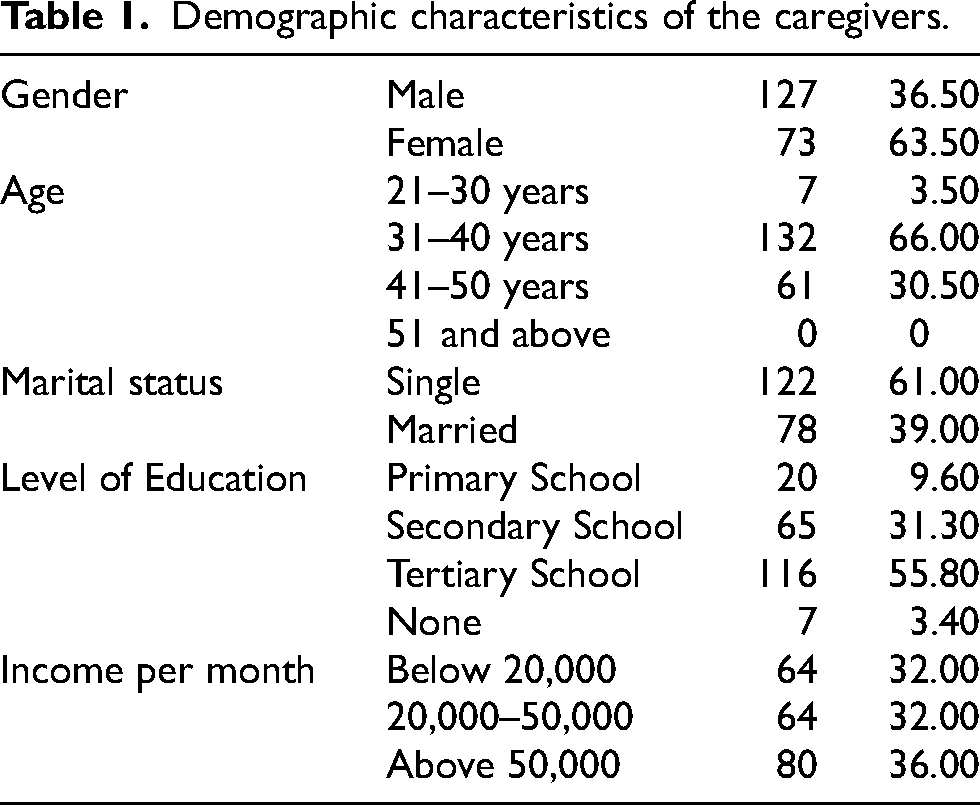
Also, 32% of the respondents earn below 20,000 Naira monthly, same proportion 8% earn 20,000–50,000 Naira monthly and 36% earn above 50,000 Naira.
Sources of information to caregivers
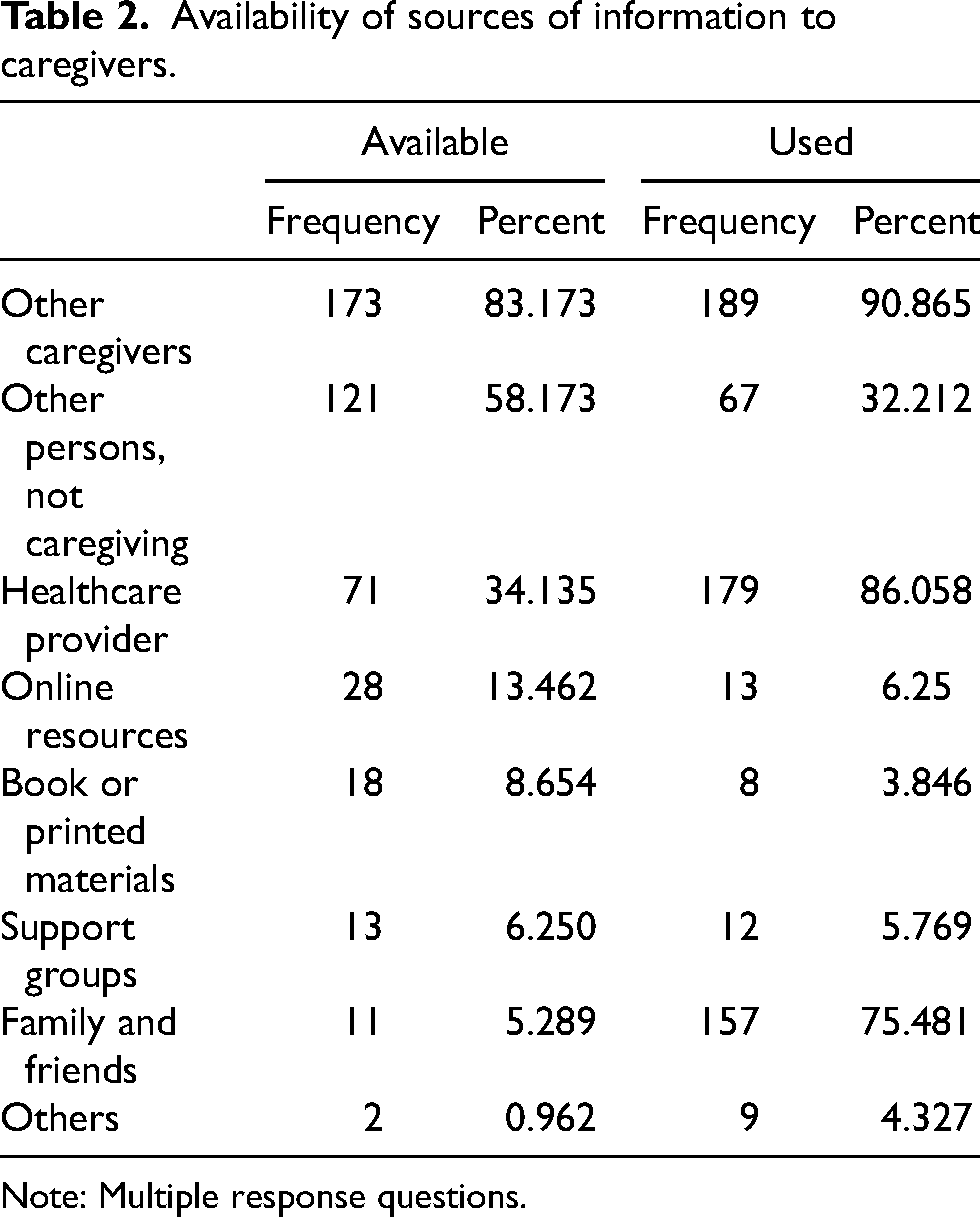
Table 2 shows that the major sources of information to the caregivers are other caregivers in the hospital (83.173%), other persons who are not necessarily providing care services to patients in the hospital (58.173%), and health care providers (34.145%).
Availability of sources of information to caregivers.
Note: Multiple response questions.
Online sources, books, or oriented materials and support groups were sources of 13.465%, 8.654%, and 6.25% of the respondents respectively. Most surprisingly, family and friends were sources of information only to 5.286% of the caregivers while only 3.4% would use all the sources listed.
Table 2 also sheds light on how informal caregivers access information in their caregiving roles. Informal caregivers are individuals who provide care and support to family members, friends, or acquaintances in need. Nearly 91% of informal caregivers in this study reported that they rely on fellow caregivers as a source of information. This high percentage suggests that caregivers often share experiences and knowledge with one another to support their caregiving responsibilities. Also, 32% of caregivers mentioned seeking information from individuals who are not involved in caregiving. This might indicate that caregivers are looking beyond their immediate circle for information and support. About 86% of informal caregivers turn to healthcare providers for information. This is a substantial proportion, highlighting the crucial role that medical professionals play in providing guidance to caregivers.
A smaller percentage, 6.25%, prefer to use online resources. The internet has become an increasingly popular platform for accessing information, which is reflected in this data. Only 3.85% of caregivers rely on books or printed materials as a source of information. This indicates that traditional printed resources are less commonly used by informal caregivers. Approximately 5.77% of caregivers find support groups valuable for information. Support groups can offer a sense of community and shared experiences, making them an essential resource for some. Three-quarters of the caregivers, specifically 75.48%, seek information from their own family and friends. This shows the importance of personal networks in the caregiving process. Lastly, a small proportion, around 4.33%, utilise sources not explicitly mentioned in the table. These “other” sources could include local community services, government agencies, or specialised organizations.
Information needs of caregivers
Table 3 shows the information needs of the informal caregivers. At the forefront of their responsibilities is the need to be informed about their loved ones’ progress, a responsibility recognised by 80.769% of the caregivers. Regular updates are not just a formality; they serve as a lifeline for the families seeking solace and assurance during challenging times. Another is the imperative to provide support services, acknowledged by 62.980% of caregivers. These services encompass a wide array of assistance, from physical care to emotional support, addressing the diverse requirements of patients and their families. Financial and billing information, deemed vital by 61.538% of caregivers, helps alleviate the financial burden that often accompanies medical treatment, allowing families to focus on what truly matters – the well-being of their loved ones. The caregivers also understand the emotional and psychological toll that medical conditions can have, with 59.135% recognizing this as a crucial need. It's not just about the physical recovery but also about nurturing emotional well-being.
Information needs of caregivers.
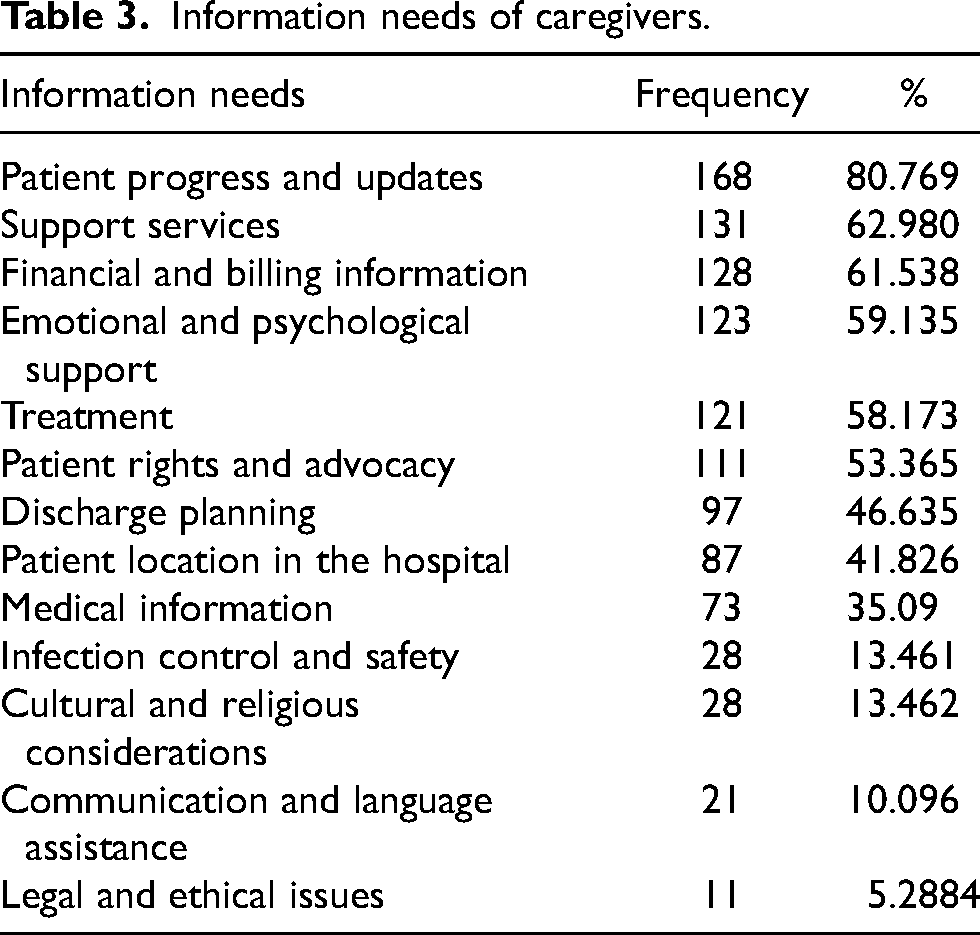
Comprehending the intricacies of medical treatment is equally essential, acknowledged by 58.173% of caregivers. It reflects their dedication to understanding and communicating treatment plans effectively. Advocating for patient rights, recognised by 53.365% of caregivers, ensures that patients receive the care they deserve and are treated with respect and dignity throughout their journey. As patients prepare to leave the hospital, discharge planning, valued by 46.635% of caregivers, takes center stage. It's a meticulous process aimed at ensuring a smooth transition back to daily life. Knowing the patient's location within the hospital, which is acknowledged by 41.826% of caregivers, is paramount for timely care and attention. Access to medical information, as recognised by 35.09% of caregivers, ensures that patients and families are well-informed about their conditions and treatment.
Safety and infection control, noted by 13.461%, are critical for creating a secure environment within the hospital, safeguarding the well-being of patients. Cultural and religious considerations, equally acknowledged at 13.462%, demonstrate the caregivers’ respect for the diverse backgrounds and beliefs of those under their care. Effective communication, including language assistance, is pivotal for 10.096% of caregivers, especially when patients have diverse language needs. Finally, though less frequent, addressing legal and ethical issues, at 5.2884%, signifies the caregivers’ dedication to navigating complex challenges with care and precision. In the tapestry of caregiving, these percentages represent the diverse and interconnected needs that caregivers recognise, weaving a safety net of support and care for patients and their families within the complex and challenging healthcare environment.
Frequency of information seeking by caregivers
Figure 2 shows that often, 38.8% of the caregivers reported seeking information, while 19.7% did this not often; 17.9% did not seek information at all, 8.9% reported seeking for information rarely and 14.9% did this not very often.
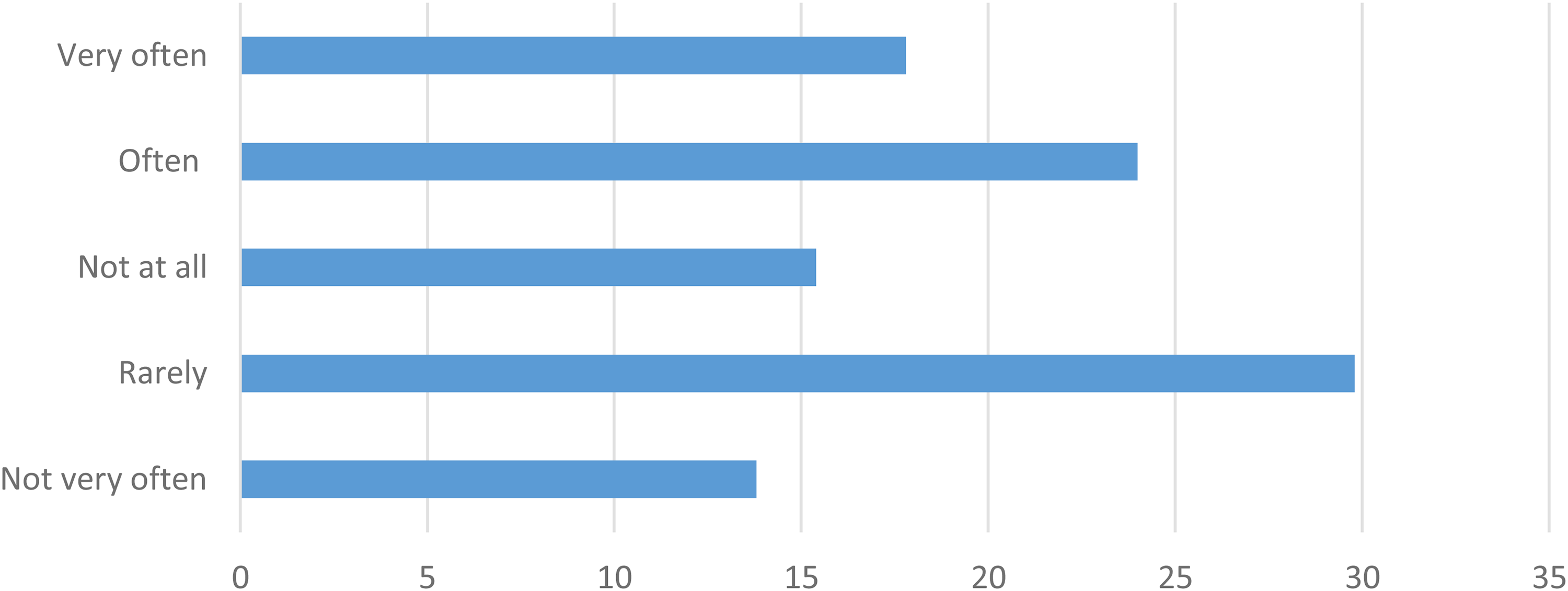
Frequency of information seeking by caregivers.
Comfort with information technology
The respondents were asked how comfortable they were in using information technology. The findings show that 40.9% of the respondents are very comfortable with using technology, 31.7% are comfortable, 15.9% are slightly comfortable and 11.5% are not comfortable. Regarding
Caregivers’ satisfaction with information obtained from the healthcare system
Table 4 shows the caregivers’ satisfaction with information obtained from the healthcare system
Caregivers’ satisfaction with information obtained from the healthcare system.
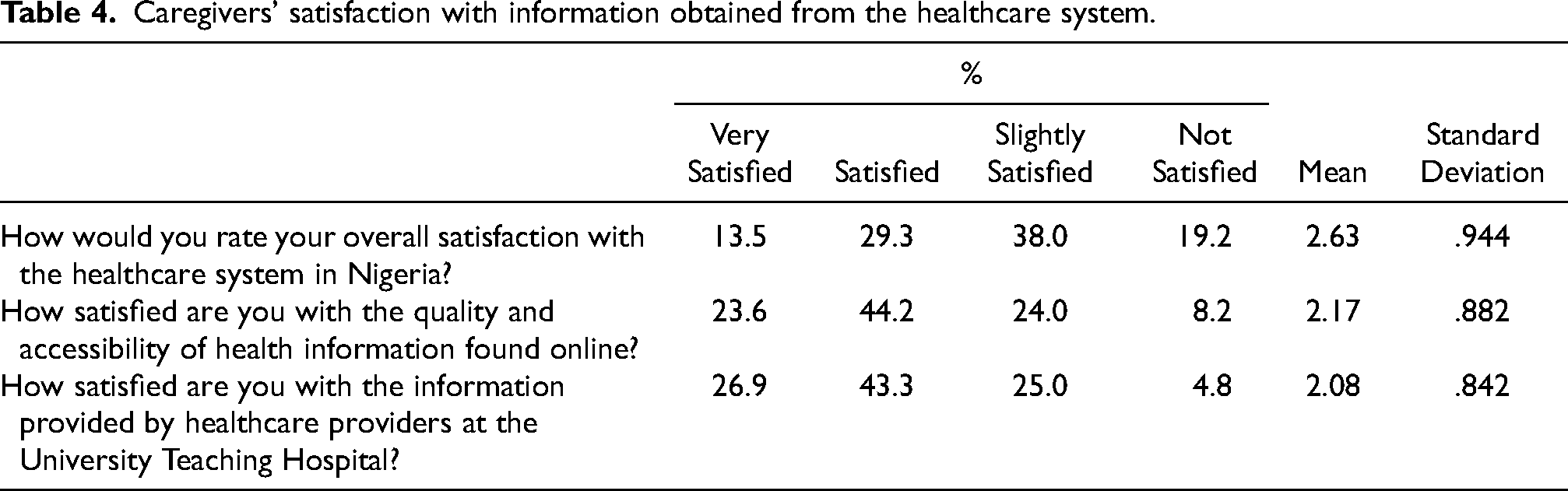
Table 4 further shows that 13.5% of the respondents were very satisfied with the healthcare system in Nigeria, while 29.3% were satisfied with it, 38% of the respondents were slightly satisfied with it and 19.2% of them weren’t satisfied with the system at all. On the average, the respondents are satisfied with the healthcare system in Nigeria. (Mean = 2.63, STD = .944).
Testing the hypotheses
H01: There is no significant relationship between sources of health information and caregivers’ information seeking.
Table 5 shows that the Model Summary shows that R = 0.144, R-Square = 0.021, and this depicts a low correlation between the observed and predicted model, and only 2% of the variation can be explained by the predictors in the model. The ANOVA result shows that SS (1.049, 48.589), Df = 1, F = 4.335, MS = (1.049, 0.242), p = .039. Table 3 shows the coefficients of the regression analysis of sources of information versus caregivers seeking behaviour. The result reveals that sources of health information have a significant relationship with the information seeking behaviour of the caregivers (B = −0.020, SE = 0.010, p = .039). H02: There is no significant relationship between caregivers’ information needs and their information seeking behaviour.
Relationship between sources of information sources and caregivers’ seeking for information.

Table 6 shows the Model Summary shows that R = 0.191, R Square = 0.036, Adjusted R Square = 0.032, Se = 0.815. The ANOVA for the regression shows that SS = (5.155, 136.672), Df = (1, 206), MS = 5.155, 0.663), p = .006.
Relationship between caregivers’ information needs and information seeking behaviour.

Table 4 presents the regression analysis output that shows that caregivers’ information needs (B = 0.216, SE = 0.078, p = .006) positively and significantly predicted health seeking behaviour of the caregivers (p > .05). H03: There is no significant relationship between caregivers’ use of the internet and their information seeking.
Table 7 shows the Model Summary which reveals that R = 0.187, R Square = .035, Adjusted R-Square = 0.030, Se = 0.461. The ANOVA of the regression shows that SS = (1.581, 43.838), Df = (1206), MS = 1.581, 0.213, F = 7.428, p = .007.
Relationship between caregivers’ use of information technology and information seeking behaviour.

Table 7 presents the regression analysis output that shows that caregivers’ information use (B = −0.095, SE = 0.035, p = .007) positively and significantly predicted health seeking behaviour of caregivers (p > .05). H04: There is no significant relationship between comfort with information technology and caregivers’ seeking of information.
Table 8 shows the Model Summary, R = 0.251, R Square 0.063, Adjusted R Square =0.054, and Se = 0.274 while the ANOVA of the regression shows that SS = (1.037, 15.405), Df = (2, 205), MS = (0.518, 0.075), F = 6.899, p = .001.
Relationship between caregivers’ comfort with information technology and their information seeking behaviour.
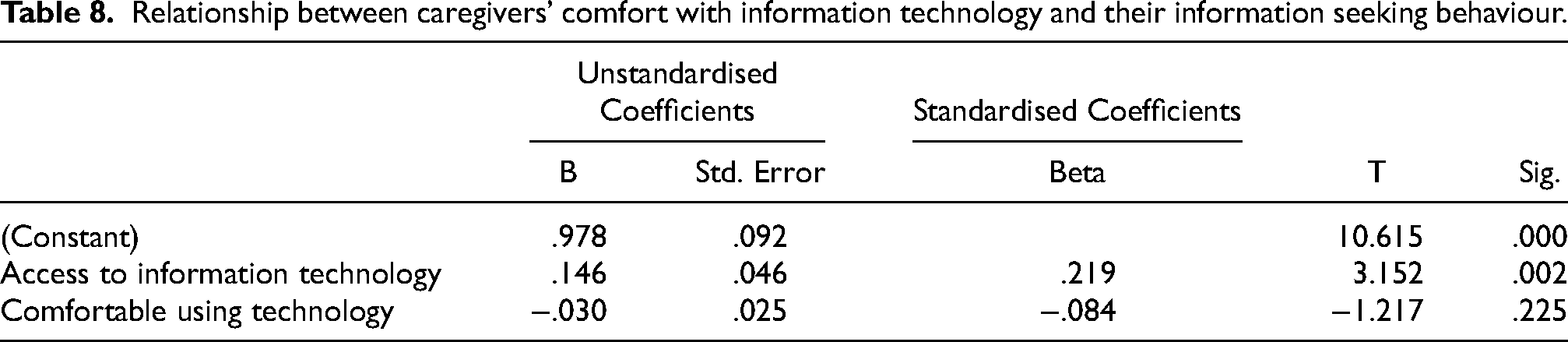
Table 8 shows that access to a smartphone or internet-based phone (B = 0.146, SE = 0.046, p = .002) predicted the information seeking behaviour of caregivers, while comfortable using technology (B = −0.030, SE = 0.025, p = .225) did not provide a significant result H05: There is no significant relationship between the attitudes of healthcare providers towards caregivers and caregivers information seeking.
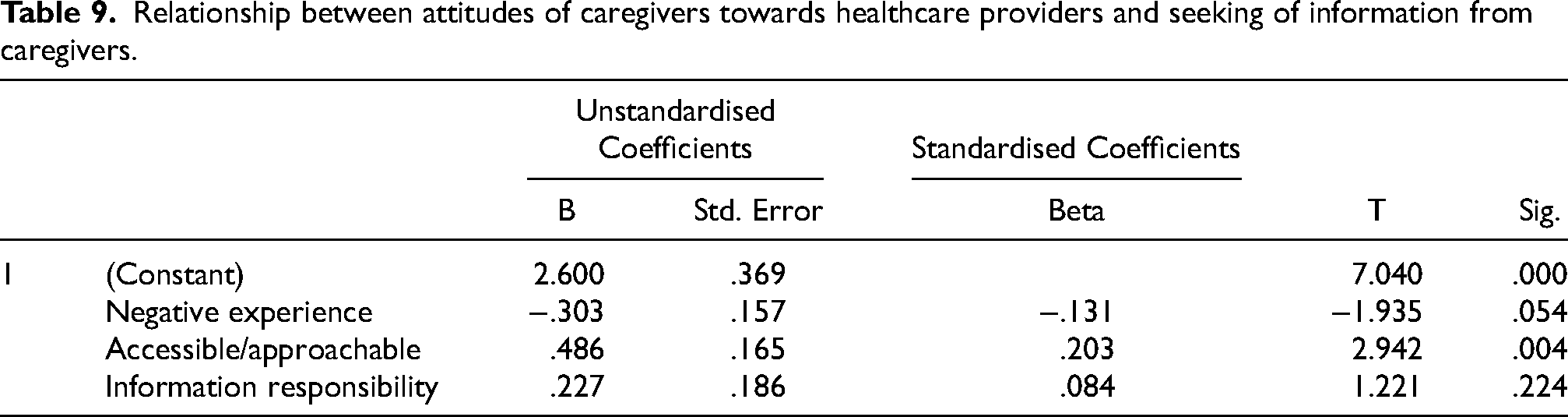
Further, Table 9 shows the Model Summary that indicates that R = 0.261, R Square = 0.068, Adjusted R Square = 0.055 and Se = 1.126. The ANOVA shows that SS = (18.977, 258.634), Df = (3, 204), MS = (6.36, 1.268), p = .002. Table 7 presents the regression analysis output. The results show that negative experience of caregivers (B = −0.303, SE = 0.157, p = .054) and accessibility to caregivers (B = 0.486, SE = 0.165, p = .004) provide a significant relationship with caregivers seeking of information, while responsibility to provide information (B = 0.227, SE = 0.186, p = .224) did not provide a significant result.
Relationship between attitudes of caregivers towards healthcare providers and seeking of information from caregivers.
The open-ended questions
The Two open ended questions generated very interesting responses which we teased together for a coherent result.
How do you think that healthcare providers can improve their communication with caregivers to better meet their information needs?
Healthcare providers can improve their communication and collaboration with caregivers to better meet their information needs in several ways. First and foremost, they should provide accurate answers to caregivers’ questions and ensure they have access to the right information. Swift responses to questions and being available when help is needed are also essential. Creating awareness among caregivers about available resources and services can be beneficial. Utilizing social media platforms can help disseminate information effectively. Additionally, healthcare providers should communicate well with caregivers, paying attention to their concerns and being approachable and nice.
Giving caregivers access to information and providing health education can empower them to make informed decisions. Skill acquisition programs can enhance their understanding and abilities. It is important for healthcare providers to be more attentive and give timely and accurate information. They should also be considerate and respectful when interacting with caregivers. Making information readily available to caregivers when they need it is crucial. Health centers can be established to cater to their specific needs. By giving more explanations on health matters and answering questions promptly, healthcare providers can foster better communication and understanding. It is essential not to ignore caregivers and to give them the necessary attention and support they require.
How do you think that healthcare providers and policymakers can better support caregivers in accessing and using information technology for information?
In order to improve communication and collaboration with caregivers and better meet their information needs, healthcare providers can take various actions. They should provide the necessary facilities and medications to support caregivers in their caregiving responsibilities. Offering counseling services can help caregivers cope with the emotional and mental challenges they may face. Healthcare providers should also create strategies to lessen the burden on caregivers. This can include finding ways to allocate dedicated time for caregivers, allowing them to take breaks and engage in self-care. It is crucial to improve the overall health structure and system to better support caregivers in their roles.
Providing sufficient and comprehensive information about different illnesses and health conditions is essential. This includes explaining symptoms, treatment options, and potential side effects, and empowering caregivers to make informed decisions. Efforts should be made to make healthcare more affordable and accessible for caregivers. Implementing policies and initiatives that reduce financial burdens and offer support can greatly assist caregivers in their caregiving journey. Healthcare providers should actively seek solutions to the problems faced by caregivers, addressing their specific needs and challenges. This can involve developing and providing adequate and accessible information resources tailored for caregivers. Furthermore, ensuring caregivers have access to necessary health equipment and resources can enhance their ability to provide effective care.
Discussion of findings
According to the study, healthcare providers emerged as the primary source of information for caregivers, with 34.1% of the caregivers actively seeking information from them. Caregivers also utilised a range of other sources, such as the internet, community organizations, books, family, and friends. Nevertheless, it is crucial to consider the factors influencing their choice of information. Healthcare providers are more accessible and approachable for most caregivers, providing prompt and accurate answers. These findings align with the research conducted by Susannah and Duggan (2013) in which they reported that 81% of adults living with chronic conditions received information, care, or support from doctors or other healthcare professionals. They also found that 65% received information or support from friends and family, and 27% received information or support from individuals with the same health condition. These results indicate that the abundance of health information sources can present a challenge in identifying the most reliable and accurate information. When examining caregivers’ sources of information and their information seeking behaviour, it is essential to consider these implications.
Caregivers have a wide range of information needs, particularly when it comes to medication-related information, as they want to comprehend the effects, side effects, and treatment options of drugs. They also seek knowledge of first aid techniques to handle emergencies effectively, demonstrating their proactive approach to critical situations. Furthermore, caregivers are motivated to gather information on various well-being topics, including nutrition, exercise, mental health, and lifestyle choices, in order to make informed decisions that improve the quality of life and support the physical and emotional well-being of their loved ones. This study is supported by (Soong et al., 2020a, 2020b), in their study, investigating the information needs and information seeking behaviour of individuals with dementia and their non-professional caregivers, the caregivers expressed a need for specific types of information. These information needs primarily focused on areas such as the disease itself, patient care provision, healthcare services, and the caregivers’ own self-care. The study also revealed that caregivers frequently sought out information related to their specific informational requirements, suggesting a correlation between their information needs and their information seeking behaviour.
According to the findings, caregivers utilise information technology to search for health information due to its accessibility and reliability. Furthermore, some individuals mention that information technology provides a wide range of resources to choose from. In addition, the results of this study agree with (Delemere and Maguire, 2022), in their study on Caregivers of Children feel Confident about using the Internet for Health information, revealed that the internet is the most common source of health information for caregivers of children. The result also showed the internet was the most common source of information for caregivers of children (n = 247), with high confidence, low frustration and effort reported as its determinant. Younger, higher educated and higher income caregivers were significantly more likely to use the internet for information. These results build on existing evidence that internet use for information seeking have a direct impact on their information seeking behaviour.
In their study on caregiver attitudes toward internet-enabled sources of information, Felts et al. (2023) confirmed that caregivers are not only comfortable with using smartphones and internet-connected devices but also have access to them when seeking information related to their caregiving responsibilities. The research also revealed a significant proportion of caregivers who possess internet access, indicating a widespread availability. Moreover, a considerable number of caregivers expressed a high level of comfort in utilizing the internet for their information needs. However, these factors rely solely upon the caregivers’ confidence in using such technology. It was observed that elderly caregivers and those with lower levels of education encountered difficulties in accessing information from the internet. This finding aligns with a previous one by Shaffer et al. (2018) which emphasised that computers and mobile devices are practical platforms for disseminating caregiving-related information and supportive services to informal caregivers.
In the past, healthcare professionals played a central role in providing information, (Hesse et al., 2005). Caregivers’ attitudes towards healthcare providers influenced their information seeking behaviour, as they were seen as the authoritative source of knowledge. However, with advancements in technology, the relationship between caregivers and healthcare professionals has shifted significantly. Recent findings show that a significant number of respondents view healthcare providers as accessible and approachable, and believe they have a responsibility to provide information. Caregivers’ attitudes strongly impact how they seek information, with many perceiving healthcare providers as accessible and approachable. Positive experiences in seeking information from healthcare providers have led to a sense of trust in their interactions for the majority of caregivers.
Majority of the respondents expressed slight satisfaction with the information services provided by the healthcare system, possibly attributed to the uncertainty associated with obtaining information from healthcare providers. Similarly, caregivers also report slight satisfaction with online information, acknowledging its occasional misleading nature. Furthermore, caregivers display a slight satisfaction with the healthcare system in the country. However, the study reveals a noteworthy correlation between caregivers’ satisfaction with the healthcare system and their behaviour of seeking information.
Conclusions
Several conclusions and insights could be drawn from this study. The primary sources of information for caregivers are other caregivers in the hospital, followed by other individuals who are not necessarily caregivers, and then, healthcare providers. This highlights that caregivers rely heavily on their peers within the caregiving community for information. At the forefront of their responsibilities is the need to be informed about their loved ones’ progress, majority of the caregivers are very comfortable with using technology and are with the information provided by healthcare providers at the University Teaching Hospital. A minority of the caregivers seek information very often or often. At the forefront of their responsibilities is the need to be informed about their loved ones’ progress, majority of the caregivers are very comfortable with using technology and are with the information provided by healthcare providers at the University Teaching Hospital.
The hypotheses suggest that caregivers tend to seek less information when their sources of health information are more varied or accessible. Also, when caregivers have specific information needs, they are more motivated to seek out relevant information. Caregivers who utilise the internet are more likely to actively seek health-related information. Further, access to information technology, such as smartphones, facilitates caregivers’ ability to seek out health-related information, while comfort using such technology doesn't seem to have a significant impact. Finally, caregivers are more inclined to seek information when they have negative experiences with healthcare providers or when providers are more accessible. However, the perceived responsibility of healthcare providers to provide information does not significantly influence caregivers’ information-seeking behaviour.
The open-ended responses from caregivers suggest that improving communication and collaboration between healthcare providers and caregivers is essential. This can be achieved by providing accurate and timely information, being approachable and nice, and utilizing various communication channels, including social media. Additionally, caregivers highlighted the importance of being aware of available resources and services and having access to health education and skill acquisition programs. Also, respondents emphasised the need for information support from healthcare providers and policymakers. This support includes making information facilities available and accessible to caregivers. Policies and initiatives that make healthcare more affordable and accessible for caregivers were also recommended.
Recommendations
Several recommendations could be made based on the findings and the insights derived from this study. There is need to conduct longitudinal studies that would track the caregivers’ information seeking behaviour and needs that would span over an extended period of time. Besides uncovering trends or patterns that are not apparent in data collected in this study, it could also provide further insights into how these behaviour and needs evolve over time. A combination of quantitative and qualitative data in this study could pose some limitations to the depth of the research. For this reason, there is need for complementary quantitative studies using only in-depth interviews or focus group discussions to provide a deeper understanding of the motivations, challenges, and experiences of caregivers when seeking information. The studies of Law et al. (2021) and Atanuriba et al. (2021) are very insightful in this regard. Also, the scope of the study could be expanded to include a more diverse population of caregivers that include those caring for individuals with different medical conditions, disabilities, or age groups.
Implication for practice and policy
The study on the information behaviour of informal caregivers in Nigeria reveals several critical implications for both practice and policy, aimed at enhancing the support and resources available to caregivers. These implications are categorised into four main areas: improvements in healthcare practices, information dissemination strategies, technology utilization, and policy interventions. First, healthcare practices must be refined to better support caregivers. Ongoing training for healthcare providers is essential to equip them with the knowledge and skills needed to offer accurate, timely, and compassionate information. This includes being well-versed in various health conditions, treatment options, and caregiving techniques. Additionally, healthcare providers should adopt a proactive approach to sharing information, offering regular updates on patients’ conditions, treatment plans, and caregiving tips without requiring caregivers to request this information. Establishing integrated support systems within healthcare facilities can significantly improve information access for caregivers. This could involve the creation of dedicated caregiver support desks or the appointment of liaison officers to assist caregivers in navigating healthcare information efficiently.
To address the varied information needs of caregivers, healthcare institutions should diversify their information dissemination channels. This includes the use of printed materials, online resources, and community outreach programs. The information provided must be culturally sensitive and available in local languages to ensure it is accessible and understandable to all caregivers, regardless of their educational background. There is need for implementing feedback mechanisms is also crucial. These mechanisms allow caregivers to report on the usefulness and clarity of the information they receive, helping to continuously improve the quality of information provided.
Given the reliance on technology for information, it is vital to implement digital literacy programs for caregivers. These programs should teach caregivers how to effectively use the internet and other digital tools to find reliable health information. Developing mobile applications tailored to caregivers’ needs can facilitate easier access to relevant health information, caregiving tips, and support networks. These apps can include features like medication reminders, emergency contacts, and links to local health services. Furthermore, establishing online forums or social media groups where caregivers can share experiences and information can foster a supportive community and provide additional practical knowledge.
In respect of policy, policymakers should focus on creating and enforcing healthcare policies that ensure caregivers have access to necessary resources and information. This includes policies that mandate hospitals and clinics to provide comprehensive caregiver support services. Allocating funding for programs that support caregivers, such as training workshops, mental health support, and respite care services, can help alleviate the burden on caregivers. Additionally, expanding healthcare insurance coverage to include services and support for caregivers can reduce the financial strain associated with caregiving responsibilities. To enhance caregivers’ satisfaction with healthcare providers, there needs to be an emphasis on building trust through consistent, clear, and empathetic communication. Addressing caregivers’ concerns promptly and involving them in decision-making processes can also improve satisfaction levels. Regular monitoring and evaluation of caregiver satisfaction with both healthcare providers and online information sources can help identify areas for improvement and ensure that caregivers’ needs are being met effectively.
Further studies
There is need to investigate whether geographic location influences caregivers’ information seeking behaviour. This is because regional or cultural differences may impact the sources of information used and the frequency of seeking information. There may also be institutional differences. There is also need to explore caregivers’ digital health literacy levels and how this relates to their ability to effectively use information technologies for information seeking. This element could help in the designing of interventions for improving digital health literacy of caregivers. David et al. (2020) have examined the roles of information technologies in caregiving; but there is need for empirical examination of how caregivers deploy information technologies to meet the needs of their tasks.
There is also need for to conduct experimental studies for assessing the impact of information interventions on caregivers’ information seeking behaviour and their caregiving experiences such as evaluating the effectiveness of information workshops or digital health tools in supporting caregivers. Related to the foregoing, researchers could study healthcare providers’ communication practices and their role in facilitating or hindering caregivers’ information seeking, and assess how different communication styles and approaches impact caregivers’ experiences. Cooper et al.'s (2021) study on factors affecting caregivers’ views and practices reveal the need for cultural factors in understanding caregivers’ information behaviour.
Research on the subject matter could examine existing healthcare policies and their implications for caregivers’ access to information and support. Are there policy interventions that could be aimed at improving caregiver experiences in in seeking for information to care for their loved ones? Also, there is need to develop technological solutions that are tailored to caregivers’ specific information needs, such as mobile apps, online platforms, or virtual support networks designed to provide relevant information and facilitate communication among caregivers (Bangerter et al., 2019a, 2019b; Reinhard et al., 2008a, 2008b).
In the course of this study, need was observed about conducting comparative studies across different countries or regions to identify global or regional variations in caregivers’ information seeking behaviour and the factors that influence it. There was also the observation of the need to promote interdisciplinary research collaborations between healthcare professionals, information scientists, psychologists, and social scientists to gain a holistic understanding of caregivers’ information needs and behaviour. Caregivers encounter economic issues, and there is need to investigate how economic factors, such as the cost of healthcare and access to insurance, impact caregivers’ information seeking and their ability to provide care effectively. Also, there is need to examine the psychological well-being of caregivers and how it relates to their information seeking behaviour. This would help understand the emotional aspects of caregiving and how they influence information needs. Finally, there is need to evaluate the impact of policies and interventions aimed at supporting caregivers in accessing and using information technology.
Limitations of the study
The data collected relied on self-reported information from caregivers; self-reported data can be influenced by social desirability bias or recall bias, leading to inaccuracies in responses. Caregivers may provide responses they believe are expected rather than reflecting their true behaviours or experiences. Also, the study only captured a snapshot of caregivers’ information seeking behaviour at one point in time, thus limiting the ability to make strong causal inferences or understand how behaviour change over time. Further, the study identified several sources of information, but the study may not have captured the full spectrum of sources that caregivers use. Use of emerging digital platforms, social media, or specific support groups could be overlooked. Finally, the findings in this study may not be generalizable to all caregiver populations as caregivers’ needs and behaviours vary significantly based on the characteristics of the care recipients, the caregivers’ relationship to the recipient, among other factors. Park and Choi (2009) have examined the challenges of relying on self-reported data and the potential biases it introduces in their research on caregiver experiences. Their work examines the nuances of social desirability bias and recall bias, shedding light on the limitations of data collected through self-reports.
Footnotes
Declaration of conflicting interests
The author(s) declared no potential conflicts of interest with respect to the research, authorship, and/or publication of this article.
Funding
The author(s) received no financial support for the research, authorship, and/or publication of this article.
