




Abstract
This exploratory study investigates the potential role of ChatGPT in supporting individuals adjusting to sight loss. Through the analysis of ChatGPT’s responses to eight distinct queries, the research evaluates its ability to provide empathetic and practical guidance. Findings suggest that ChatGPT adapts its tone and content based on the wording of queries, demonstrating contextual sensitivity. While ChatGPT offers numerous suggestions across emotional, practical, and technological domains, its effectiveness is constrained by the wording of the queries and its inability to tailor advice to unexpressed individual circumstances. These limitations highlight the need for user training and careful interpretation of artificial intelligence (AI) outputs. Nevertheless, ChatGPT shows promise as a cost-effective, accessible, complement to rehabilitation of sight loss, particularly for individuals with limited access to professional services. It is recommended that research on vision loss, and on disabilities in general, investigates the integration of conversational AI into rehabilitation programmes and its usefulness in adjustment.
Introduction
Sight loss affects millions of individuals worldwide and presents significant emotional, practical, and social challenges. In the United Kingdom alone, more than one million people live with a long-term, irreversible eye health condition (Royal National Institute of Blind People, 2025). Adapting to vision loss often requires complex psychological adjustment, environmental modifications, and the development of new practical skills.
Emerging artificial intelligence (AI) tools, such as ChatGPT, may offer innovative support during this adjustment process. ChatGPT, a conversational AI model developed by OpenAI, has been increasingly applied across education, health care, and professional domains. Its ability to generate personalized feedback and accessible information positions it as a potentially valuable tool for individuals adapting to sight loss. However, its effectiveness depends on careful query construction, and risks such as misinformation and contextual misunderstanding remain important considerations.
This current study aims to explore whether ChatGPT can complement traditional rehabilitation by providing emotional support and practical suggestions tailored to the challenges faced by individuals experiencing vision loss. I decided to explore the potential of ChatGPT to assist adjustment to sight loss, as I am severely sight impaired and ChatGPT has helped me adjust to my sight loss.
Literature review
The potential and limitations of ChatGPT
Adoption of ChatGPT across educational, health care, and professional domains has raised both enthusiasm and concern. In education, studies such as those by Montenegro-Rueda et al. (2023) and Yan (2023) highlight ChatGPT’s ability to facilitate personalized feedback and enhance learning efficiency, particularly for language learners. Similarly, in medical education, Boscardin et al. (2024) reported that ChatGPT supports personalized learning and assists with data analysis, suggesting potential for wider professional applications.
However, significant limitations have been identified. Choudhury and Shamszare (2023) emphasize that reliance on AI systems in high-stakes contexts, such as health care, could lead to misinformation with serious consequences. Security vulnerabilities, including jailbreaks and prompt injections, have been highlighted by Gupta et al. (2023), further underscoring the risks of deploying AI tools without appropriate safeguards. These concerns are particularly pertinent when considering the use of AI to support vulnerable populations, such as individuals adjusting to sight loss.
Use of ChatGPT by visually impaired people
Recent research has begun to explore ChatGPT’s applications in enhancing accessibility for visually impaired users. Ahmad et al. (2024) proposed integrating voice-based interaction with a vision impairment detection model, enabling ChatGPT to adapt responses based on user needs. Complementing this, Kuzdeuov et al. (2023) developed a mobile application combining speech technologies such as automatic speech recognition and text-to-speech, facilitating natural, barrier-free communication for blind users.
Qualitative studies also offer insights into user experiences. Adnin and Das (2024) found that blind individuals perceive ChatGPT as a valuable informational resource but expressed concerns about inaccuracies and misunderstandings, emphasizing the need for refinement. Similarly, Uludag (2023) explored the role of conversational AI in providing more engaging and personalized alternatives to traditional screen readers, enhancing both informational access and social interaction. Hardware innovations integrating ChatGPT, such as the portable device proposed by Vimal et al. (2024), demonstrate the growing interest in developing comprehensive assistive solutions. Furthermore, Zombron et al. (2024) illustrated ChatGPT’s capacity to assist in education for visually impaired students by generating accessible descriptions of visual systems thinking representations, aligning with broader efforts to make STEM education more inclusive.
Adjustment to sight loss
Sight loss very often affects quality of life as it can make it hard or even impossible to carry out sight-dependent activities. The activities affected and the extent they are affected vary from person to person and depend critically on the extent of the sight loss. Examples of affected activities include difficulties with driving, crossing certain roads, finding it much harder to use technology, finding it hard to cook, and not being able to recognize faces.
Adjustment to sight loss is influenced by a complex interplay of emotional, familial, and practical factors. Emotional distress, particularly depression, is strongly associated with poor adaptation, as shown by Tolman et al. (2005) and Evans et al. (2004), highlighting the need for integrated mental health support. Rehabilitation services, although effective in improving quality of life (Hooper et al., 2008; Lamoureux et al., 2007), often remain underutilized due to systemic barriers such as low awareness and diagnostic challenges (Overbury & Wittich, 2011).
Family and social support are critical facilitators of adjustment. Studies by Reinhardt (1996) and Quintero et al. (2023) emphasize the role of family cohesion and spiritual coping strategies in enhancing psychological resilience. Practical adaptations – such as environmental modifications and assistive technology use – have also been linked to improved outcomes. Brunnström et al. (2004) and Brennan and Cardinali (2000) found that environmental interventions like improved lighting and structured coping approaches positively impact daily functioning. In addition, challenges related to medication management (Connors et al., 2021; McCann et al., 2012) and physical activity (Tindall et al., 2017) underscore the importance of targeted interventions to maintain independence and well-being.
Recent advancements in telerehabilitation, explored by Jones et al. (2024), offer promising avenues to address access barriers by delivering vision rehabilitation remotely. Tools such as the LVQOL questionnaire (Wolffsohn & Cochrane, 2000) provide validated frameworks for measuring quality-of-life outcomes, supporting the evaluation and refinement of such programmes.
Research questions
My primary questions are the following:
How empathetic were ChatGPT’s responses?
How numerous were ChatGPT’s practical suggestions and to what extent did they overlap?
My supplementary question is how many sources did ChatGPT cite in its eight responses?
Methodology
This study utilized an exploratory single-user research design to examine ChatGPT’s potential to support individuals adjusting to sight loss. Data were collected from ChatGPT 4.0 Mini in October 2024.
To develop a range of varied but related prompts, an initial query – ‘Suggest fifteen different wordings that are as similar as possible to “How do I adjust to sight loss”’ – were submitted to ChatGPT. I present the 15 alternative phrasings generated in Table 1.
Fifteen alternatives to ‘How do I adjust to sight loss’.
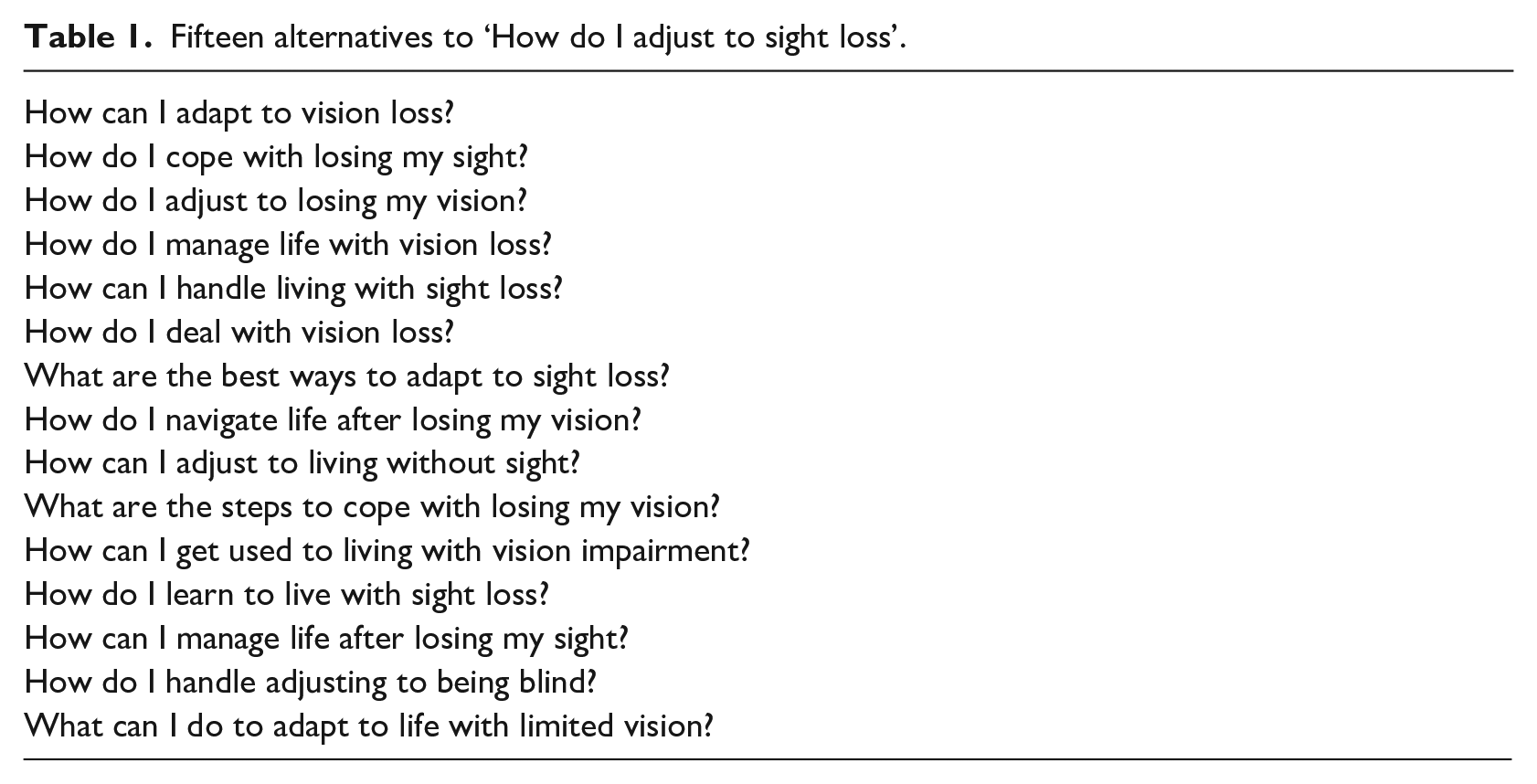
From these fifteen alternatives, eight queries were selected based on their diversity of wording to maximize variation in ChatGPT’s responses. Each of these eight queries was individually submitted to ChatGPT, and the complete responses were recorded for analysis.
Each response was analysed with respect to
The number of practical suggestions offered;
The categorization of these suggestions into thematic domains;
The number and nature of sources cited;
The apparent empathy conveyed, particularly through the first three categories presented.
To assess thematic overlap and richness, the two pairs of suggestions in each response that appeared most similar were identified. The extent of overlap across the eight responses was also evaluated to gauge the variety of guidance provided by ChatGPT.
Results were summarized in comparative tables, including counts of suggestions, categories, and citations. In addition, an overall thematic classification was conducted across all eight queries to identify recurring types of support offered (e.g., emotional support, environmental adaptation, assistive technology).
As this investigation involved only AI-generated text without human participants, formal ethical approval was not required. In the interests of validity, each query was in a different thread and the memory setting of ChatGPT was turned off (i.e., ChatGPT was not using information from my previous queries when it formed its responses). A limitation of this study is that the findings may be different if multiple queries were in the same thread or if the memory setting was turned on.
Extracts from ChatGPT’s responses
In this section, I present ChatGPT’s suggestions on adjusting to sight loss. In each table, I present the suggestions in response to a specific query. The first column contains ChatGPT’s suggestions and the second column the category. To convey more accurately the suggestions and categories, I use ChatGPT’s wording of these and present the categories and suggestions in the same order as they were listed by ChatGPT. To keep this article shorter, I omit ChatGPT’s explanation of its suggestions.
Table 2 indicates that the query, ‘How do I cope with losing my sight?’ provided 17 suggestions in 9 categories and cited 4 sources. The most similar pairs of suggestions were: (a) Seek Support AND Peer Support, and (b) Counselling and Therapy AND Mindfulness and Relaxation.
Suggestions on how do I cope with losing my sight?
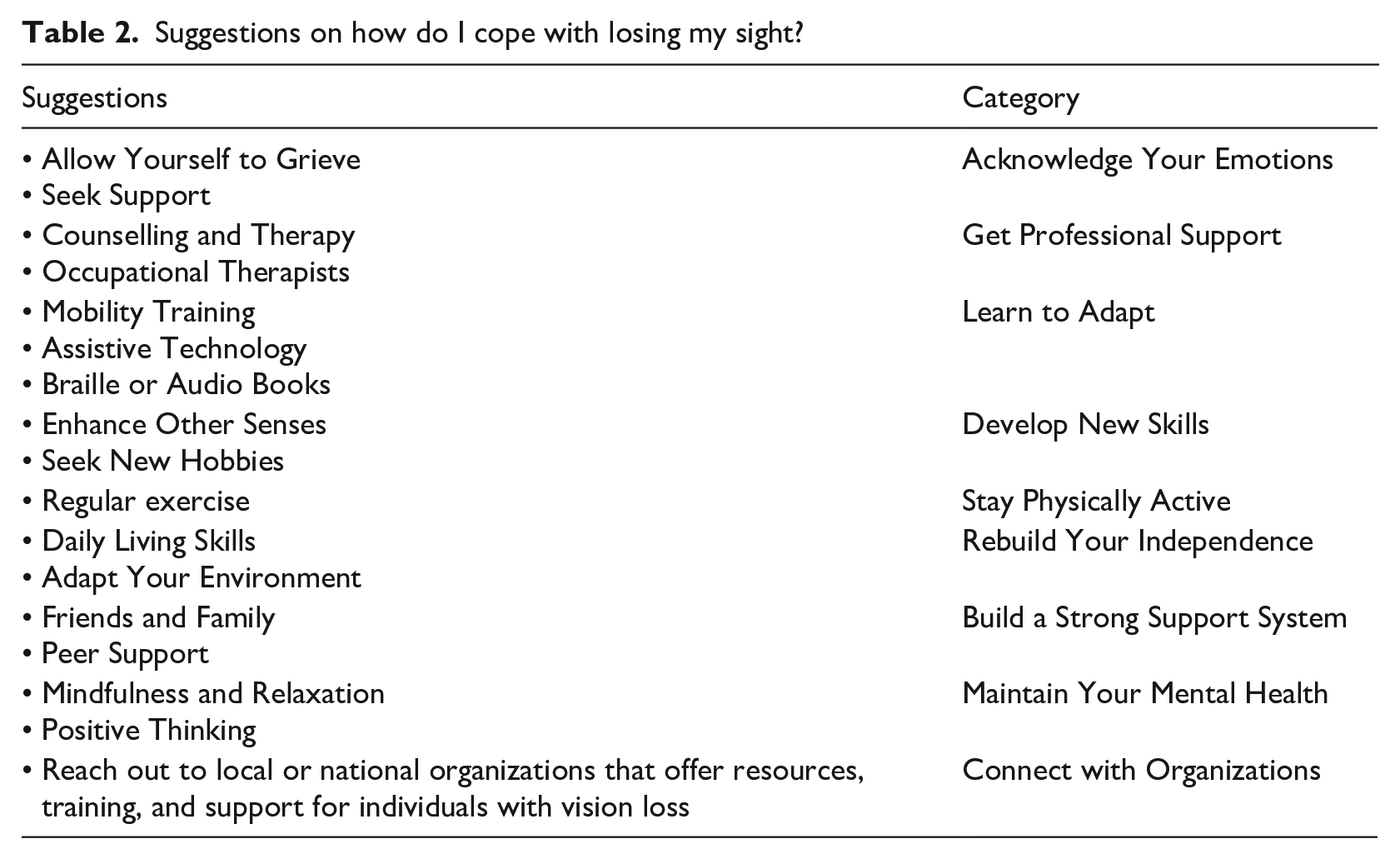
Table 3 indicates that the query, ‘How do I adjust to sight loss?’ provided 25 suggestions in 10 categories and cited 4 sources. The two most similar pairs of suggestions were: (a) Counselling or support groups for people with sight loss AND Support Groups, and (b) Organize Your Space AND Labelling Systems.
Suggestions on how do I adjust to sight loss?
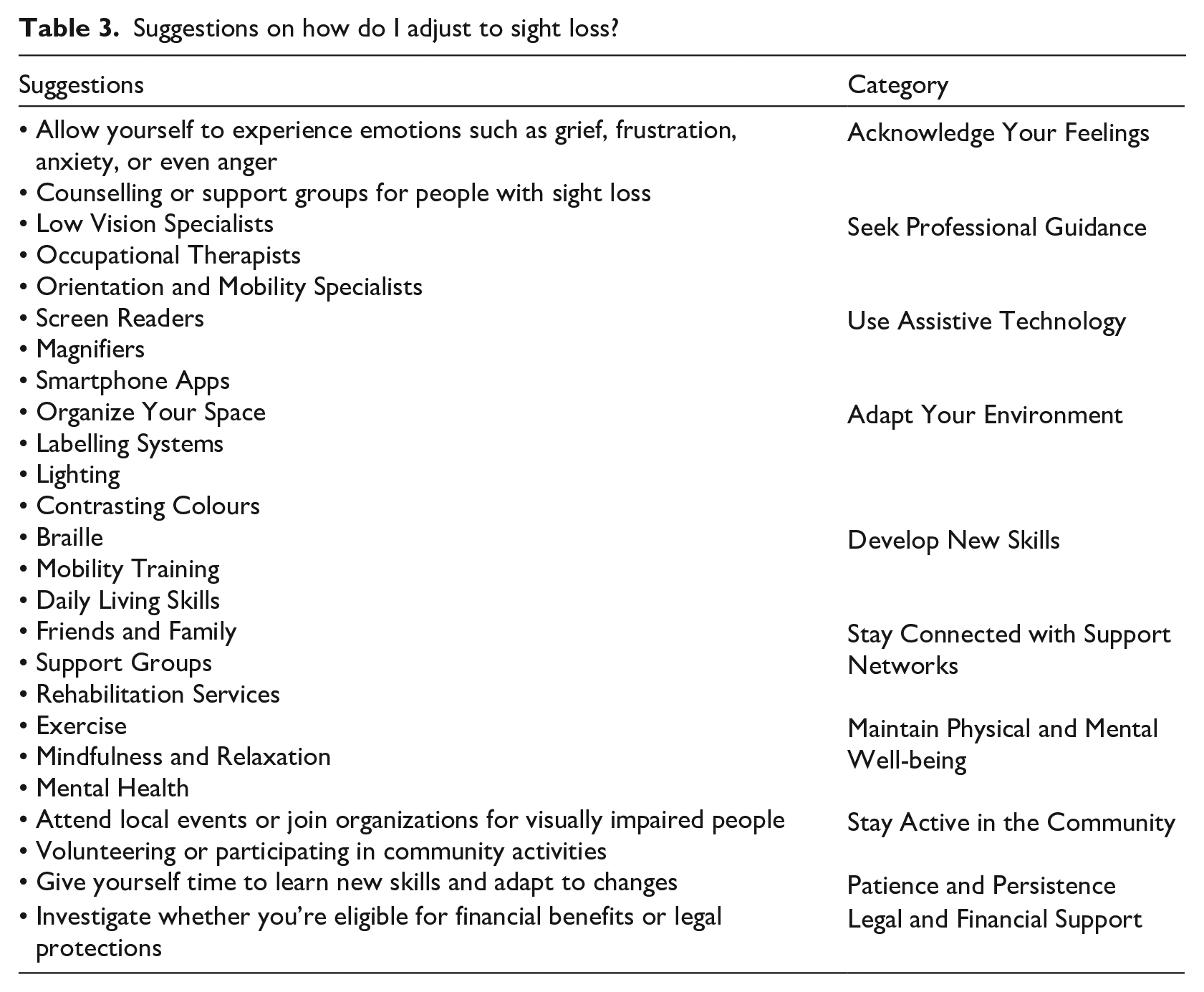
Table 4 indicates that the query, ‘What are the steps to cope with losing my vision?’ provided 10 suggestions in 10 categories and cited 9 sources. The two most similar pairs of suggestions were: (a) Seeing an ophthalmologist or low-vision specialist can help you understand your condition and what to expect AND Understanding your vision condition helps you and your family make informed decisions about your future and fosters empathy and support, and (b) Sharing your experiences with others who are also living with vision loss can provide emotional support and practical tips AND Allow yourself to experience emotions such as feelings of grief, fear, or frustration, and seek support from others.
Suggestions on what are the steps to cope with losing my vision?
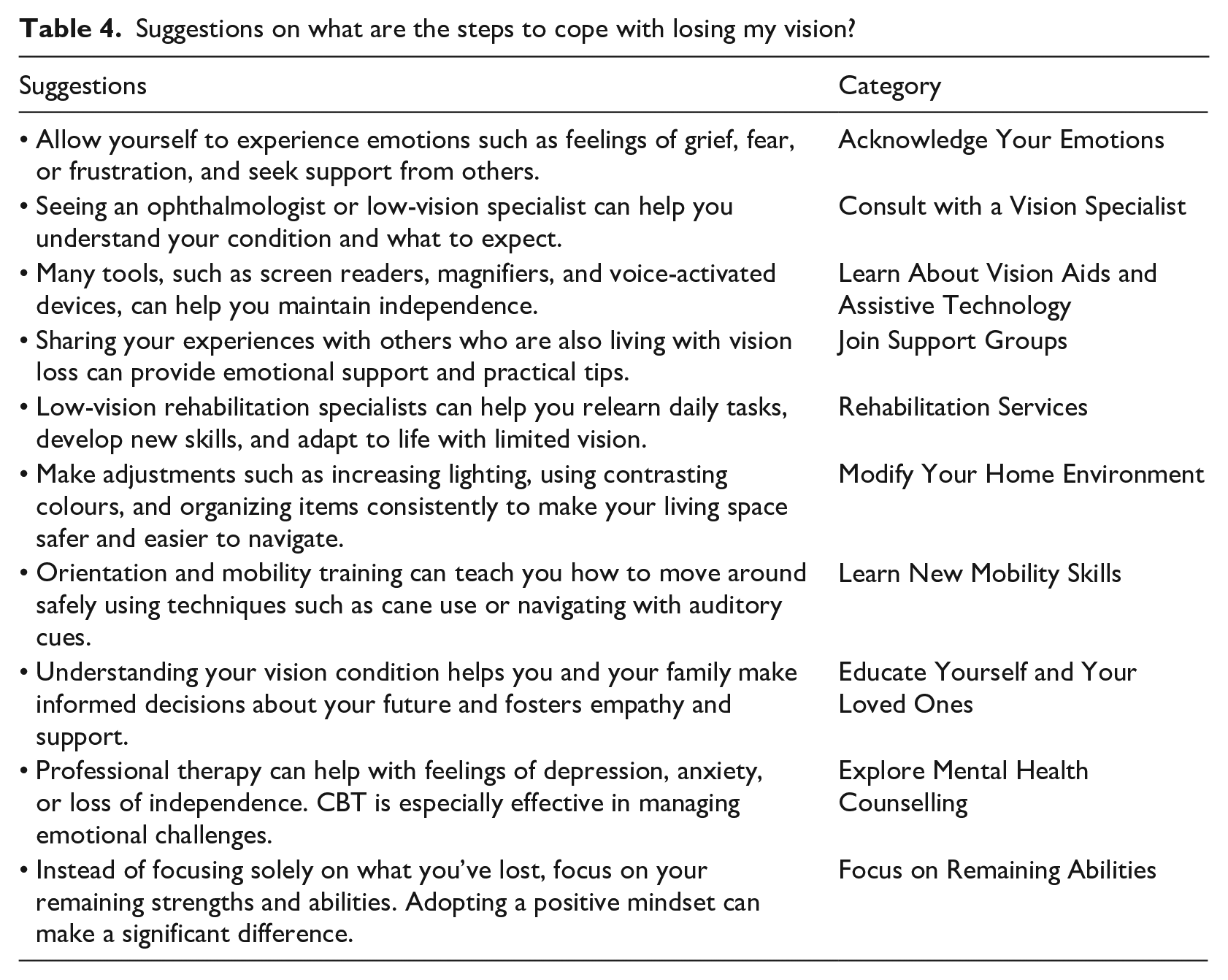
Table 5 indicates that the query, ‘How can I adapt to vision loss?’ provided 20 suggestions in 8 categories and cited 5 sources. The two most similar pairs of suggestions were: (a) Support Groups AND Counselling or Therapy, and (b) Daily Living Skills Training AND Vision Rehabilitation Services.
Suggestions on how can I adapt to vision loss?
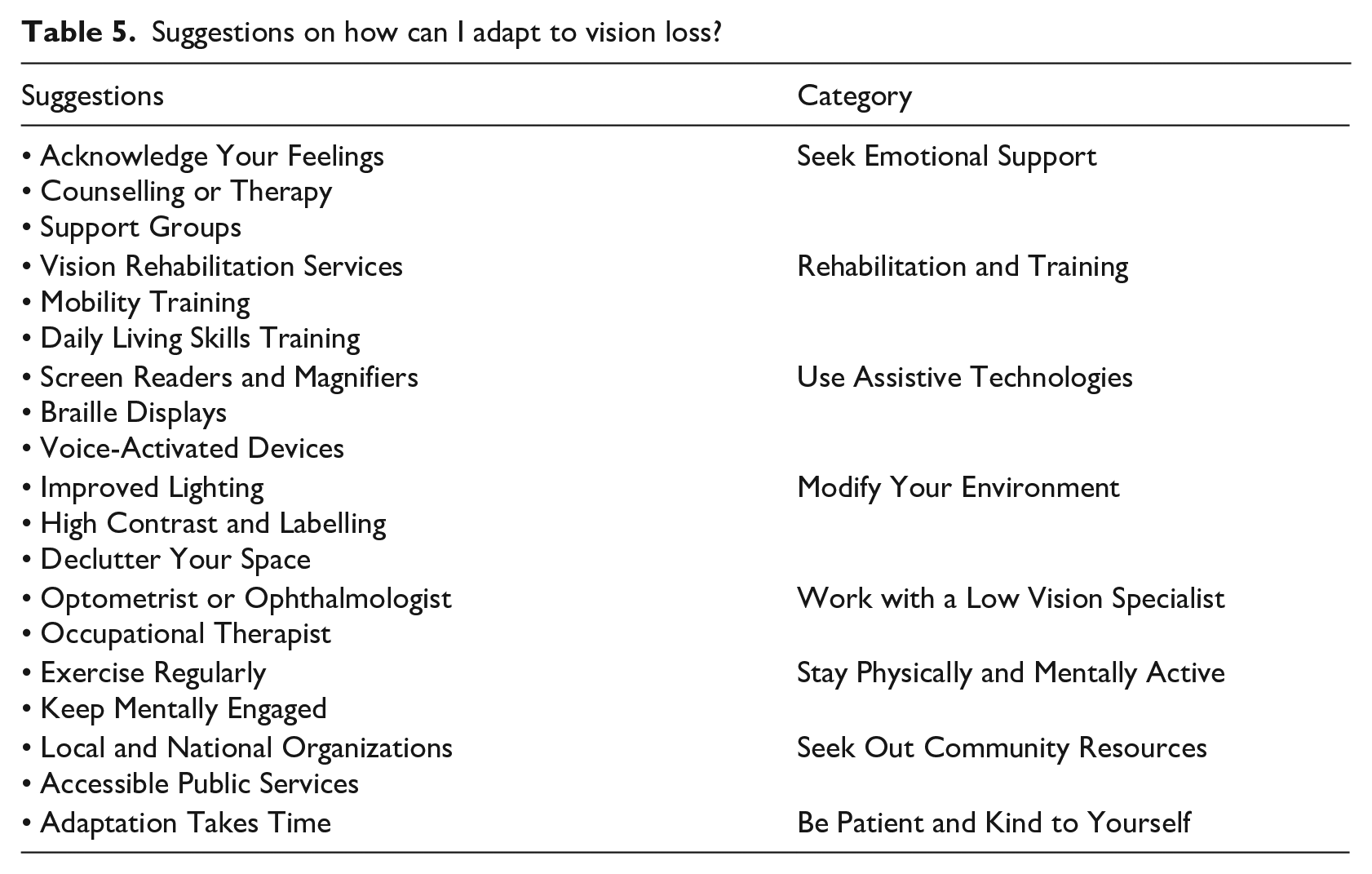
Table 6 indicates that the query, ‘How can I handle living with sight loss?’ provided 15 suggestions in 5 categories and cited 7 sources. The two most similar pairs of suggestions were: (a) Support Groups AND Family and Friends, and (b) Home Modifications AND Labelling Systems.
Suggestions on how can I handle living with sight loss?
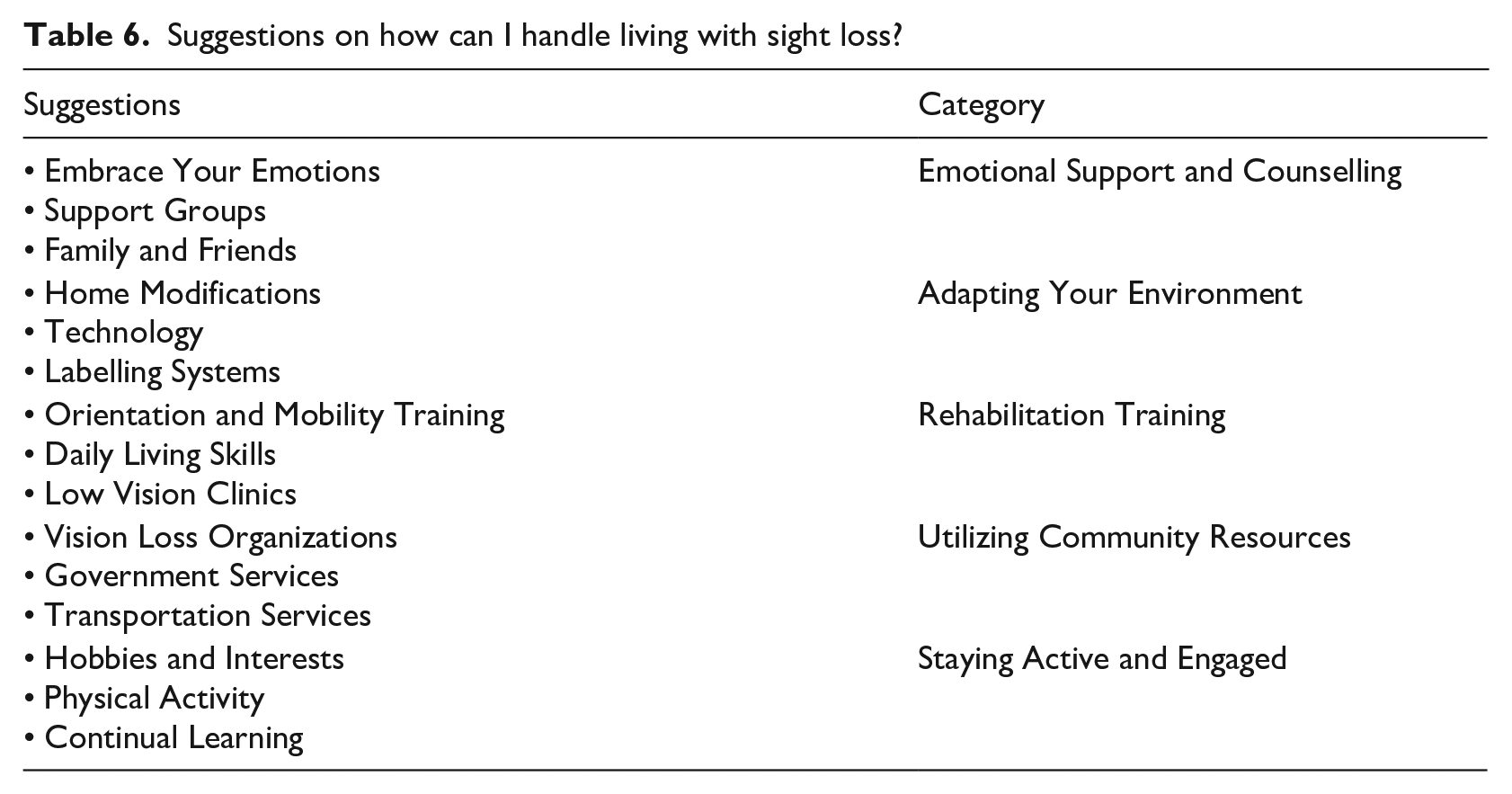
Table 7 indicates that the query, ‘What are the best ways to adapt to sight loss?’ provided 19 suggestions in 7 categories and cited 7 sources. The two most similar pairs of suggestions were: (a) Vision Rehabilitation Services AND Low Vision Specialists, and (b) White Cane Training AND Guide Dogs.
Suggestions on what are the best ways to adapt to sight loss?
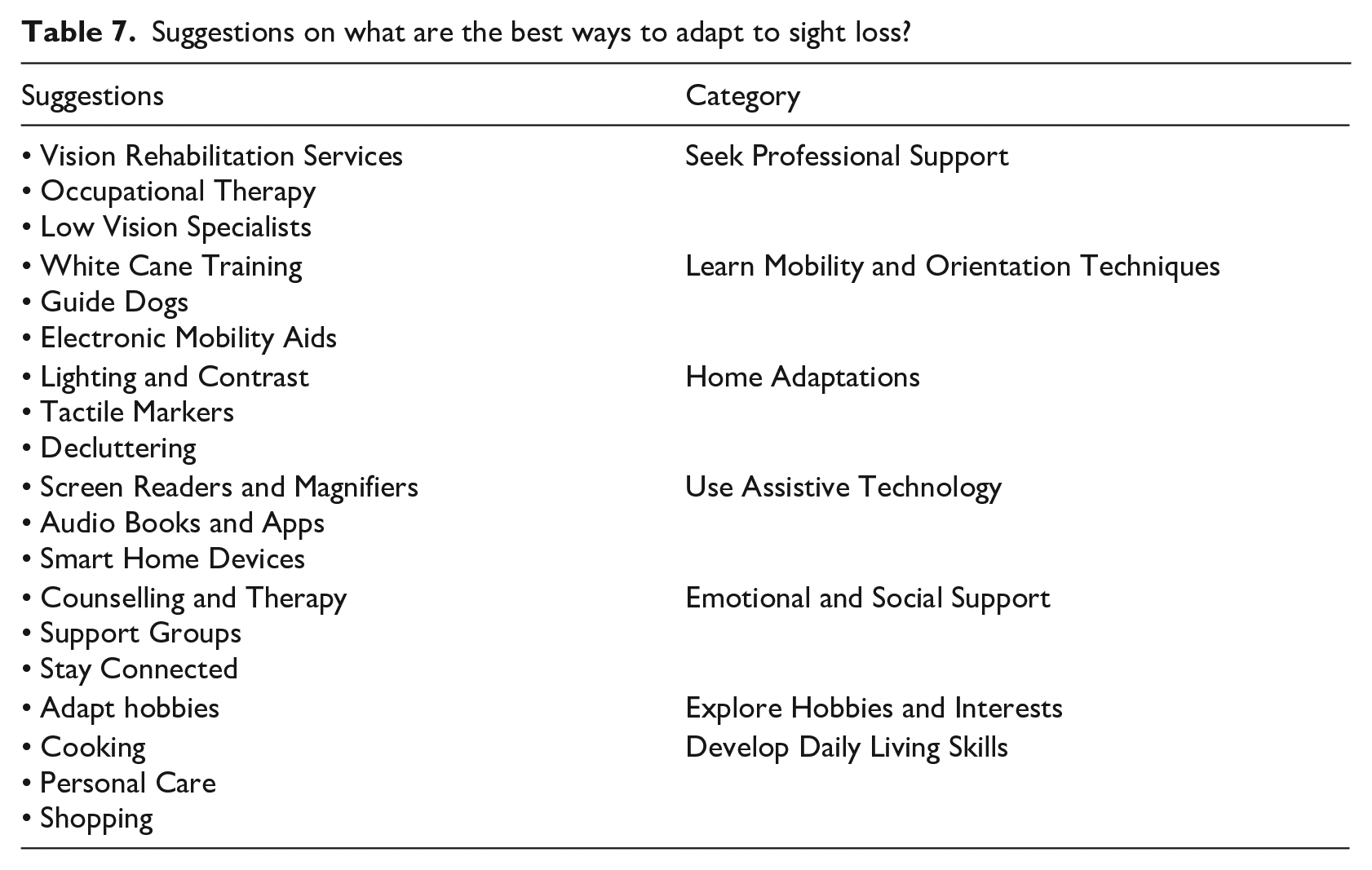
Table 8 indicates that the query, ‘How can I manage life after losing my sight?’ provided 13 suggestions in 13 categories and cited 18 sources. The two most similar pairs of suggestions were: (a) Navigate environment safely using canes, GPS systems, or guide dogs AND Increased independence and mobility with guide dogs, and (b) Teach life skills like cooking, cleaning, adapted for vision impairment AND Focus on specific techniques for cooking, cleaning, and organizing.
Suggestions on how can I manage life after losing my sight?
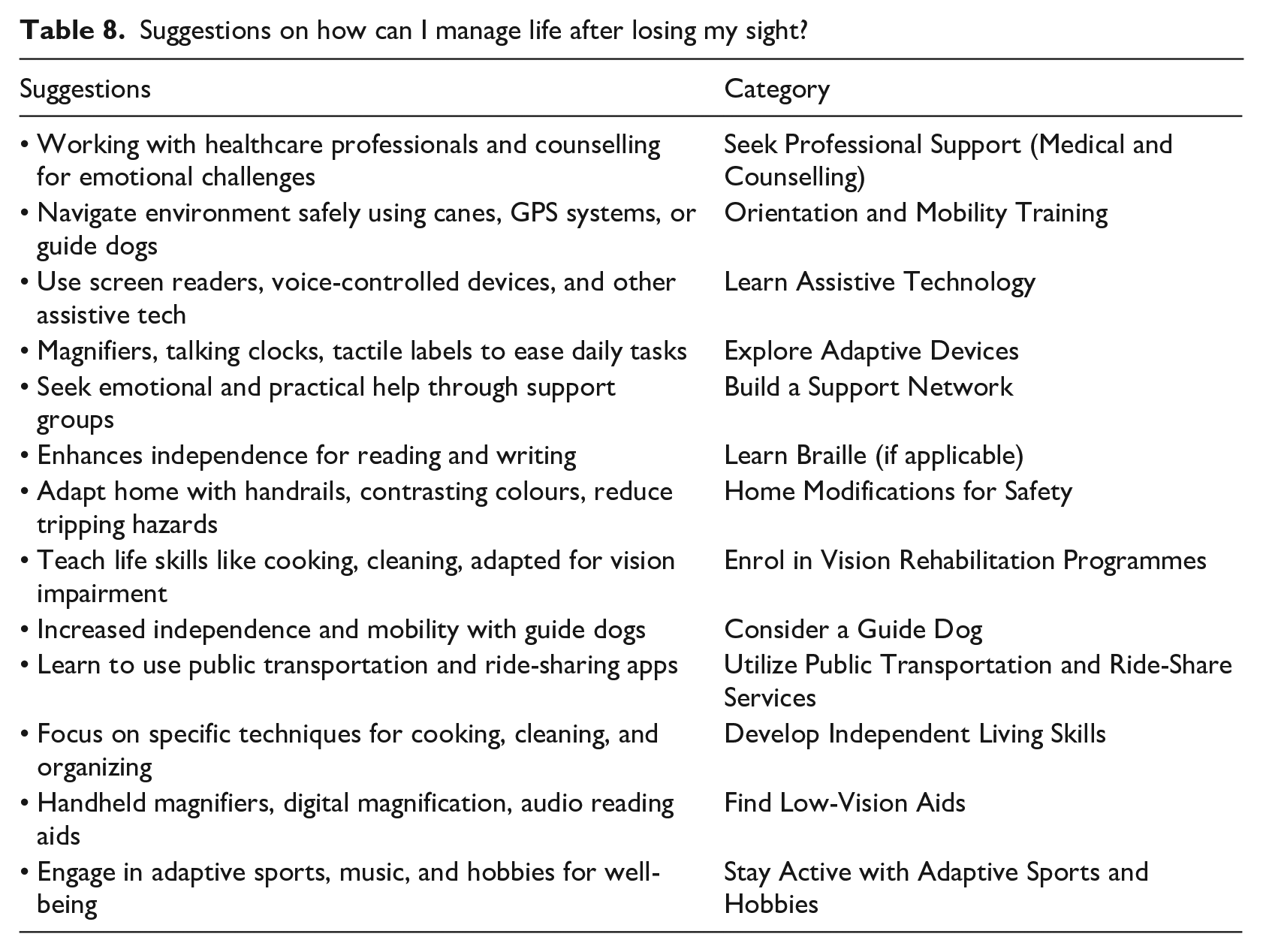
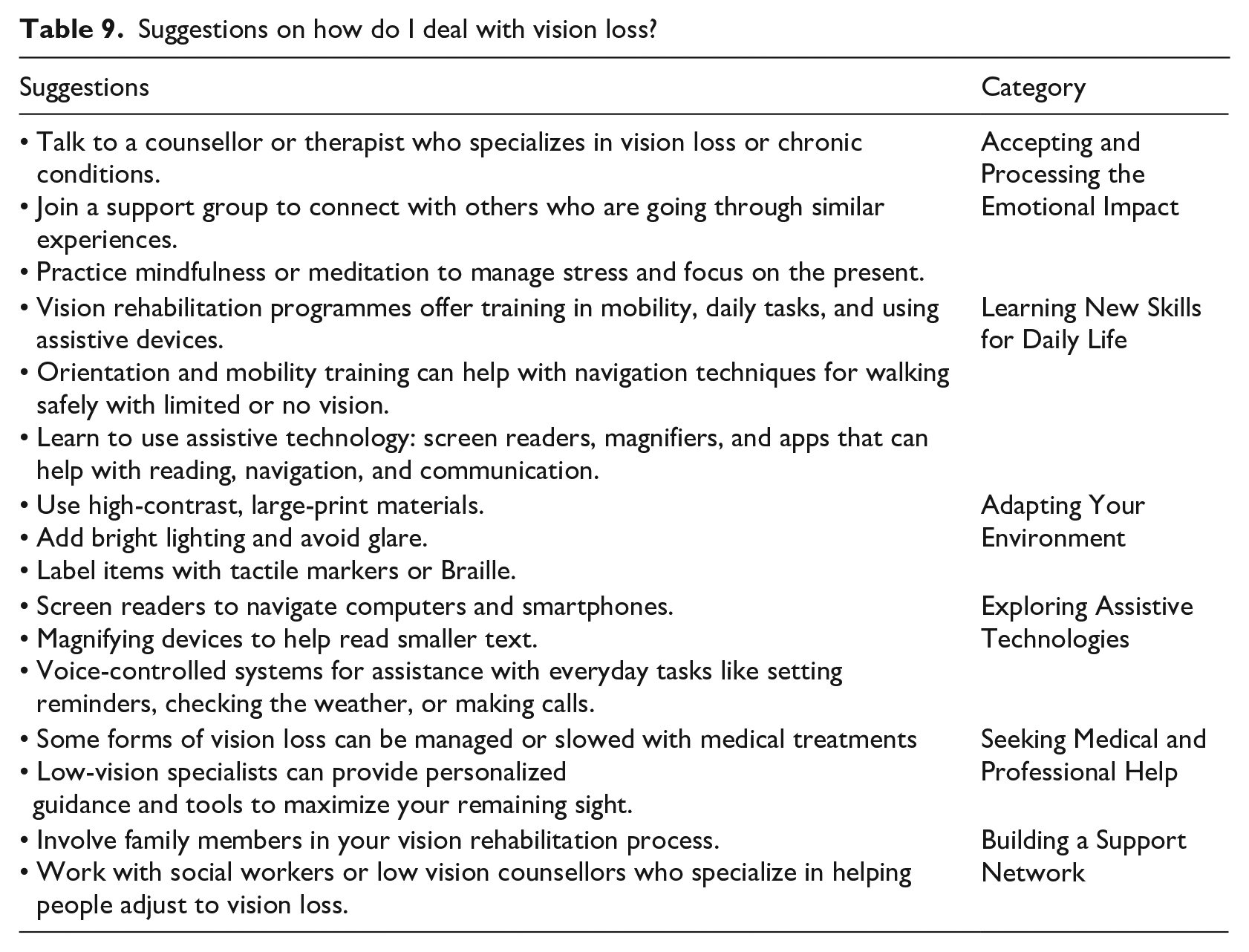
Table 9 indicates that the query, ‘How do I deal with vision loss?’ provided 16 suggestions in 6 categories and cited 3 sources. The two most similar pairs of suggestions were: (a) Talk to a counsellor or therapist who specializes in vision loss or chronic conditions AND Work with social workers or low-vision counsellors who specialize in helping people adjust to vision loss, and (b) Learn to use assistive technology: screen readers, magnifiers, and apps that can help with reading, navigation, and communication AND Screen readers to navigate computers and smartphones.
Suggestions on how do I deal with vision loss?
Addressing research questions
I used data from the previous section to address my questions.
The categories in Tables 2 to 9 fit into the following types:
Social Support and Community Engagement: This type includes categories related to building and maintaining social connections, joining support groups, and staying involved in the community.
Emotional Support and Mental Health: This type encompasses categories related to addressing emotional and psychological well-being, seeking support for coping, and managing feelings of loss or distress.
Professional Guidance and Support: This type includes categories for seeking help from professionals such as doctors, counsellors, vision specialists, and other trained experts.
Environmental Adaptation: This type includes categories related to modifying or adjusting one’s home or surroundings to ensure safety, accessibility, and ease of movement.
Rehabilitation and Skills Development Categories focused on rehabilitation, training, and learning new skills, including mobility training, daily living skills, and other adaptive techniques.
Assistive Technology and Aids: Categories in this type focus on using technology, tools, or devices to assist with vision loss, such as specialized software, devices, or low-vision aids.
Independence and Daily Living: Categories related to maintaining or rebuilding independence, adapting daily activities, and living with minimal reliance on others.
Physical Activity and Well-being: This type includes categories that promote staying physically active and maintaining overall well-being, including exercise and adaptive sports.
Legal and Financial: This type includes categories about addressing legal, financial, and logistical challenges, such as finding resources or understanding rights and benefits.
All 8 tables had categories classified as Social Support and Community Engagement, all apart from Table 8 had categories classified as Emotional Support and Mental Health, all apart from Table 6 had categories classified as Professional Guidance and Support, all apart from Table 9 had categories classified as Environmental Adaptation, and all apart from Table 9 had categories classified as Rehabilitation and Skills Development.
All apart from Tables 2 and 6 had categories classified as Assistive Technology and Aids, all apart from Tables 5 and 6 had categories classified as Independence and Daily Living, and all apart from Tables 7 and 9 had categories classified as Physical Activity and Well-being. Only Table 3 had a category classified as Legal and Financial Support.
Addressing research questions
In this section, I present the findings of this exploratory analysis. Results are organized according to the three research questions: empathy and contextual sensitivity, breadth and overlap of practical suggestions, and patterns of source citation.
Question 1: how empathetic were ChatGPT’s responses?
To address this question, for each of my queries I compared the categories that ChatGPT numbered 1, 2, and 3 in its response with my search query.
ChatGPT’s first three categories on ‘How do I cope with losing my sight?’ were Acknowledge Your Emotions, Get Professional Support and Learn to Adapt. Coping with sight loss starts with recognizing and processing emotional reactions like fear or frustration. Accepting these feelings is the first step in dealing with the reality of vision loss. Seeking professional help, such as counselling or therapy, aids in coping by providing emotional and practical tools to adjust to sight loss. Coping also involves developing new skills and adapting to daily life with vision loss. This may include learning to navigate using mobility aids or adopting assistive technologies that enhance independence.
ChatGPT’s first three categories on ‘How do I adjust to sight loss?’ were Acknowledge Your Feelings, Seek Professional Guidance and Use Assistive Technology. Adjustment involves acknowledging and processing emotions associated with vision loss, which is a key part of accepting and adapting to the situation. Adjusting to sight loss often requires expert advice to learn new strategies for daily life. Adjusting also involves practical solutions such as using assistive technologies (screen readers, magnifiers) to help in managing day-to-day tasks independently.
ChatGPT’s first three categories on ‘What are the steps to cope with losing my vision?’ were Acknowledge Your Emotions, Consult with a Vision Specialist and Learn About Vision Aids and Assistive Technology. Emotional acknowledgement is an initial step in the coping process. Recognizing feelings of grief and fear is crucial in beginning to manage vision loss. Consult with a Vision Specialist: Consulting experts is a practical step that provides essential information and strategies to cope with vision loss more effectively. Learning about available tools and technologies is a vital step to cope with the practical challenges that come with losing vision.
ChatGPT’s first three categories on ‘How can I adapt to vision loss?’ were Seek Emotional Support, Rehabilitation and Training and Use Assistive Technologies. Adapting involves finding emotional stability through counselling or support groups, which helps individuals face the new challenges of sight loss. Vision rehabilitation and training in new skills like mobility or using assistive devices are crucial for adapting to a life with visual impairment. Using assistive technologies, such as screen readers or magnifiers, enables individuals to regain independence and adjust more easily.
ChatGPT’s first three categories on ‘How can I handle living with sight loss?’ were Emotional Support and Counselling, Adapting Your Environment and Rehabilitation Training. Handling the challenges of vision loss starts with addressing emotional well-being. Counselling and support groups provide strategies to cope with fear or sadness. Making changes to the living environment – like improving lighting or using contrast – helps manage the practical difficulties of living with sight loss. Learning new mobility skills and daily living techniques helps individuals handle the day-to-day realities of vision loss.
ChatGPT’s first three categories on were Seek Professional Support, Learn Mobility and Orientation Techniques and Home Adaptations. Professional help, like rehabilitation services or occupational therapy, provides structured guidance to adapt to the challenges of vision loss. Learning to navigate using canes or guide dogs is one of the best ways to physically adapt to vision impairment. Making changes in the home environment to improve safety and accessibility helps individuals adapt to living with less or no vision.
ChatGPT’s first three categories on were ‘How can I manage life after losing my sight?’ were Seek Professional Support (Medical and Counselling), Orientation and Mobility Training and Learn Assistive Technology. Seek Professional Support (Medical and Counselling): Managing life after sight loss starts with professional support to deal with both the medical and emotional aspects. Learning how to safely navigate the world is a key part of managing life with vision impairment. Utilizing technology such as screen readers and voice-controlled devices helps individuals regain independence and manage daily tasks effectively.
ChatGPT’s first three categories on ‘How do I deal with vision loss?’ were Accepting and Processing the Emotional Impact, Learning New Skills for Daily Life and Adapting Your Environment. Dealing with vision loss begins with accepting the emotional impact and finding support to manage feelings like grief or frustration. Daily Life: Learning new skills through rehabilitation programmes helps individuals deal with the practical aspects of living with vision loss. Making changes to one’s living space to improve accessibility helps deal with the practical challenges of vision loss.
I suggest that ChatGPT tailored its response to the tone of the question, and in doing so demonstrates empathy.
Question 2: how numerous are ChatGPT’s practical suggestions and to what extent do they overlap?
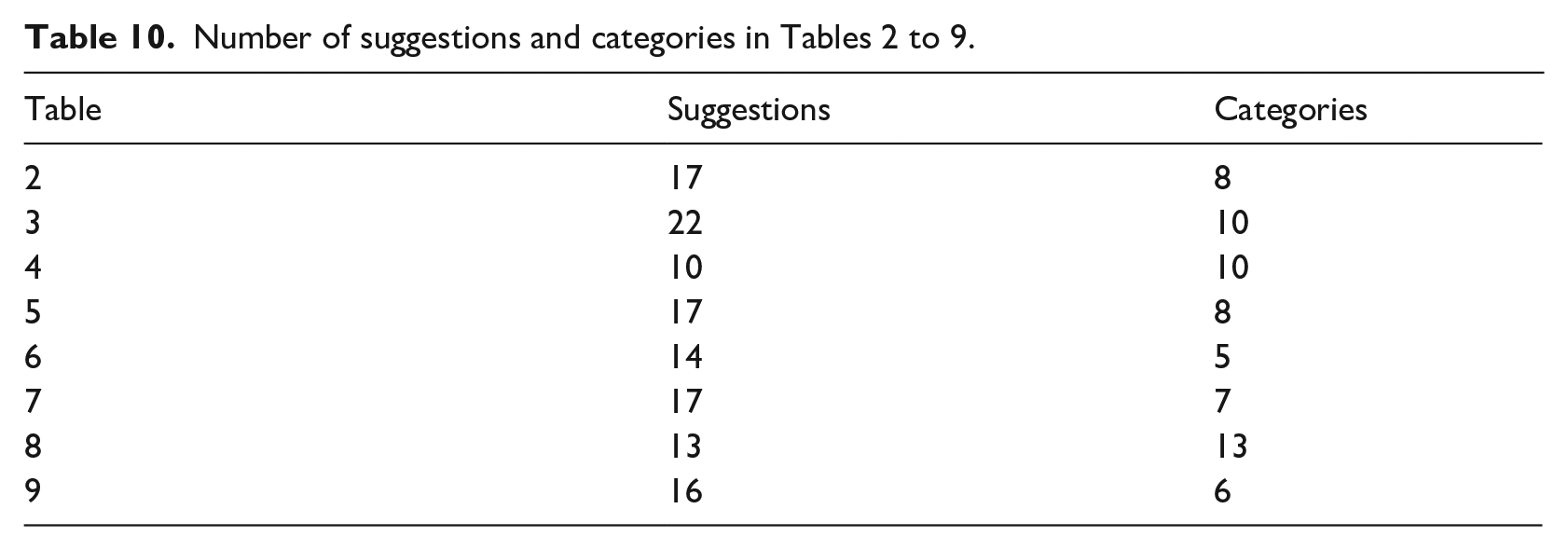
In Table 10, I present the number of suggestions and categories in Tables 2 to 9. In Table 10, the number of suggestions and categories varied considerably. The smallest number of Suggestions was 10 and the largest was 25. The smallest number of categories was 5 and the largest 13. On average ChatGPT provided 16.9 suggestions in 8.5 categories. In addition to ChatGPT’s suggestions being numerous, they overlapped relatively little, in that the two pairs of suggestions that seemed most like one another did not have a strong level of overlap.
Supplementary question: how many sources did ChatGPT cite in its eight responses?
The responses to the eight queries cited 35 sources between them. The sources cited most by the eight ChatGPT responses were American Academy of Ophthalmology (cited by five responses) and Lighthouse Guild (cited by four responses). American Foundation for the Blind, Braille Institute and Insight into Low Vision were each cited by 3 responses. American Council of the Blind, Connect Centre, National Council on Aging, National Eye Institute, National Federation of the Blind, Perkins School for the Blind and Vision Aware were each cited by 2 responses. The remaining 23 sources were cited by one table only. The smallest number of sources cited was 3, the largest 18, and the average number of sources cited was 7.1.
These findings provide an initial foundation for evaluating ChatGPT’s potential role in supporting adjustment to sight loss while highlighting areas for further investigation.
Conclusion
This exploratory study suggests that ChatGPT holds promise as a supplementary tool for individuals adjusting to sight loss, offering empathetic, practical, and accessible guidance. By adapting its responses to the emotional tone and phrasing of user queries, ChatGPT demonstrates contextual sensitivity that may support adjustment.
However, its effectiveness is constrained by a reliance on carefully constructed queries and an inability to address unspoken needs or individual circumstances. These limitations highlight the importance of user training, critical interpretation of AI outputs, and the need for careful integration alongside professional rehabilitation services.
This study provides an initial foundation for understanding how conversational AI might complement existing support frameworks. Future research should explore multi-user studies, longitudinal effects of AI-supported adjustment, and comparative evaluations across AI platforms. Ethical considerations, including the risks of misinformation, data security, and AI bias, must also be systematically addressed.
Despite its limitations, conversational AI such as ChatGPT shows potential to enhance accessibility, emotional resilience, and independence for those facing life-altering health challenges. With thoughtful application and safeguards, it could contribute meaningfully to the evolving landscape of vision rehabilitation.
Footnotes
Acknowledgements
I thank Prof. Mike Thelwall for his very helpful feedback on my early research on ChatGPT. I thank Dr. Felipe Moreira for his very helpful support of my visual impairment while I formed this article and for submitting this article on my behalf.
Declaration of conflicting interests
The author(s) declared no potential conflicts of interest with respect to the research, authorship, and/or publication of this article.
Funding
The author(s) disclosed receipt of the following financial support for the research, authorship, and/or publication of this article: This research was funded by the University of Wolverhampton.