




Abstract
Adolescents with vision impairment report deficient feelings of school belonging and challenges in developing social relationships with teachers and classmates. These challenges negatively affect other aspects of their school lives such as their academic learning. However, there is very little empirical research into the social dimensions of school inclusion in adolescents with vision impairment and their role in socio-emotional development and academic inclusion. The authors conducted two empirical studies to examine the following two dimensions of social inclusion in school: school belonging and close relationships at school. The relationship between school belonging and self-esteem and the relationship between close relationships at school and academic inclusion were also examined. Both studies recruited adolescents with severe sight impairment, sight impairment, and sighted adolescents. Study 1 involved 44 adolescents aged 12–18 years attending both mainstream and special schools in the United Kingdom. In Study 2, 42 adolescents aged 12–14 years, attending only mainstream schools in the United Kingdom, participated. The first study took place in seven UK schools, whereas the second study was conducted online. Adolescents were asked to complete questionnaires that examined school belonging, close relationships at school, self-esteem, and academic inclusion. The findings indicated that adolescents with sight impairment felt significantly less socially included compared to their peers. School belonging significantly influenced specific areas of self-esteem and the social relationships with close friends had a significant effect on academic inclusion. No group differences were found in the self-esteem and development of close social relationships between adolescents with and without vision impairment. Overall, our research highlighted the school experiences of adolescents with vision impairment and underlined the positive role of school inclusion in their academic experiences and socio-emotional development. Unexpectedly, it appears that adolescents with sight impairment experience socio-emotional challenges in their school inclusion, which should be addressed in future research and practice.
Keywords
Adolescence is a developmentally sensitive period for young people due to cognitive, emotional, and biological changes as they seek to develop their personal and social identity often dependent on their social environment (Crocker & Quinn, 2003). It could be argued that adolescents with vision impairment may be at greater risk of experiencing emotional distress than their sighted peers because of the multitude of their needs and presenting challenges associated with vision loss (Augestad, 2017). Previous research has shown that students with vision impairment may experience significant challenges related to social aspects of their school life, such as a lack of positive social interactions with their sighted classmates and teachers (West et al., 2004; Worth, 2013) and limited involvement in school activities (George & Duquette, 2006; Jessup et al., 2017). In addition, placing students in inclusive classrooms often undermines their sense of belonging as a result of experiencing different social behaviours from their teachers and peers compared to their classmates (De Verdier, 2016; Thurston, 2014). In particular, research findings suggest that adolescents develop inferiority feelings due to their lack of vision which limits their participation in school activities alongside their sighted peers (Jessup et al., 2018).
Specific chapters in the current SEND Code of Practice acknowledge the urgent need to promote the social inclusion of students with SEND, such as their involvement in extra-curricular activities (Department for Education & Department of Health and Social Care, 2015). However, the SEND Code of practice lacks detailed information about the socio-emotional needs of students with vision impairment and specific guidance for teachers on how to facilitate socio-emotional development in educational settings. To improve the quality of school experience and promote social inclusion among students with vision impairment, stakeholders first need to prioritise social inclusion and acknowledge it as an integral component of socio-emotional development (Roe, 2008). Bronfenbrenner’s socio-ecological model (Bronfenbrenner, 1977, 1986) informed the development of our two studies aiming to unpack the different dimensions of adolescent social inclusion in school (Figure 1). Our socio-ecological model draws its components from previous research focusing on the social inclusion of students with vision impairment, as well as the socio-ecological model developed by Allen et al. (2018) who conceptualised school belonging and other social factors (e.g., teacher and peer support) that may affect school belonging (a detailed analysis of this socio-ecological model is included in another research article by the first author of this study, which is currently under review).
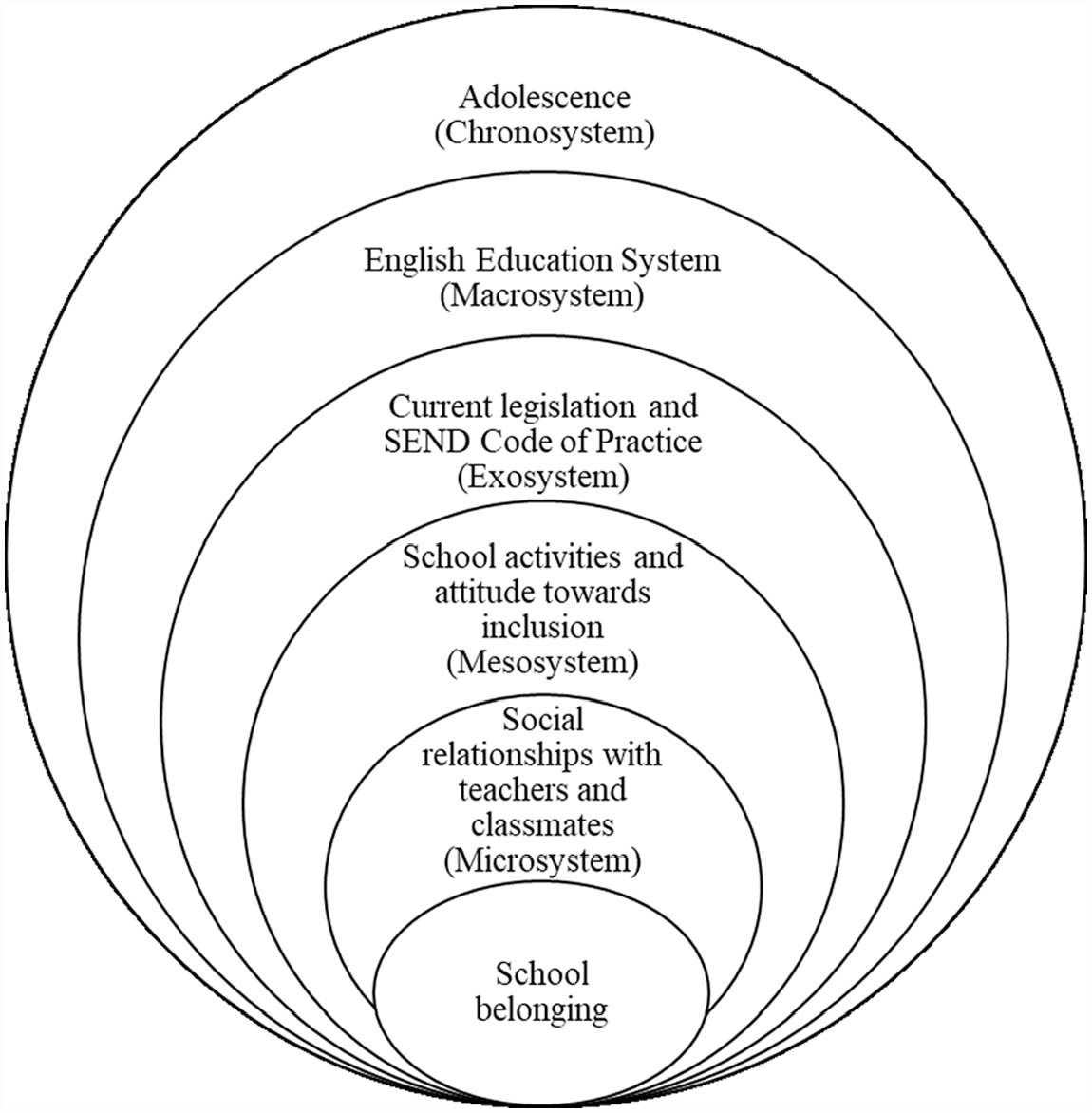
Bronfenbrenner’s model applied to social inclusion.
Current studies
This article aims to examine the predictive relationship between school belonging and self-esteem and the predictive relationship between close relationships at school and academic inclusion in sighted adolescents, and adolescents with severe sight impairment (previously ‘blindness’) and sight impairment (previously ‘low vision’). Considering previous literature that highlights the significant role of the severity of vision impairment in the socio-emotional development of individuals with vision impairment (Brown et al., 1997; Peterson et al., 2000; Preisler, 1991), our research investigated the differences in social inclusion across the three groups.
To our best knowledge, this is the first piece of research to emphasise the role of sense of belonging in school environment among students with vision impairment. Although previous studies have attempted to examine the social relationships that children and adolescents with vision impairment form at school (Celeste, 2006; Chang & Schaller, 2002; George & Duquette, 2006), research into the characteristics of close social relationships developed at school is limited. Prior research also suggests that the challenges associated with vision impairment in adolescents may negatively affect specific dimensions of their socio-emotional development, such as their self-esteem (Jessup et al., 2018; Rosenblum, 2000), and their academic performance (De Verdier, 2016; Thurston, 2014). Given the lack of literature in this area, more evidence-based research is needed to understand the effect of social inclusion on the daily and school lives of adolescents with vision impairment. Two studies with adolescents with vision impairment have been conducted to investigate the effect of school belonging on self-esteem (Study 1) and the effect of developing close relationships at school on academic inclusion (Study 2) and will be presented below.
We defined self-esteem as a multidimensional term, consistent with previous literature, suggesting that self-esteem consists of domain-specific and global self-esteem (Rosenberg et al., 1989, 1995). Domain-specific self-esteem refers to adolescents’ perception of their specific abilities (e.g., evaluation of their school performance, Harter, 2012), while global self-esteem refers to the overall feelings developed about themselves (Augoustinos et al., 2014). The definition of academic inclusion which is used in this study is based on the conceptual approach of academic inclusion by Stinson and Antia (1999) who reviewed previous literature on the inclusion of students with hearing impairment. Stinson and Antia emphasised that classroom participation has a significant effect on students’ grades and academic performance; therefore, these two components should be closely linked and form academic inclusion.
Existing research in the field of vision impairment has attempted to represent the general population of visually impaired students, including those with additional SEND (De Verdier, 2016; Jessup et al., 2017, 2018; Thurston, 2014; Worth, 2013). However, it is difficult to draw consistent conclusions about the social inclusion of this student population due to their heterogeneous needs (e.g., different learning and socio-emotional difficulties depending on the nature of the additional needs) that significantly impact their school lives. One-size-fits-all approaches have also been found to be ineffective in education, due to a lack of attention to individual differences (e.g., current diagnosis and comorbid presentation) that may significantly affect academic success (Weis et al., 2016). Therefore, to effectively address the socio-emotional needs of students with vision impairment and to improve the quality of academic and socio-emotional support, stakeholders need to recognise and prioritise the heterogeneous needs of this student population. To address this limitation of previous research and to better understand and subsequently promote the distinctive needs of vision-impaired adolescents, we decided to conduct inclusive-based research by only focusing on adolescents with vision impairment and no additional SEND.
Study 1
Our first study looked at the role of vision in school belonging and self-esteem by comparing sighted adolescents, adolescents with sight impairment, and those with severe sight impairment. It also investigated the predictive relationship between school belonging and self-esteem. The hypotheses of this study were as follows:
Hypothesis 1. Sighted students will have higher school belonging, domain-specific and global self-esteem scores than adolescents with sight impairment who in turn will have higher school belonging and domain-specific and global self-esteem scores than adolescents with severe sight impairment.
Hypothesis 2. Regardless of the severity of vision impairment, school belonging will be a significant predictor of domain-specific and global self-esteem in adolescents with and without vision impairment.
Method
Participants
Forty-four adolescents with and without vision impairment (50% were female) participated in the current study. Fifteen participants had severe sight impairment (M = 13.98, SD = 0.57), 10 participants had sight impairment (M = 14.53, SD = 0.58), and 19 adolescents were sighted (M = 14.14, SD = 0.58). Most adolescents with vision impairment had congenital vision impairment (72%) and 28% of them had acquired vision impairment. Fifty percent of the participants attended mainstream schools, 31.8% attended mainstream schools with special provision for students with vision impairment, and 18.2% attended special schools.
Materials
All participants participated in an interview with the first author where they were asked to complete the revised form of Harter’s (2012) Self-Perception Profile that examines domain-specific and global self-esteem and rates the importance attached to each specific domain of self-esteem. The following domains of domain-specific self-esteem were examined in this study: scholastic competence, social competence, athletic competence, physical appearance, job competence, behavioural conduct, and close friendship. Adolescents were also asked to complete the Psychological Sense of School Membership (PSSM) scale (Goodenow, 1993a, 1993b), an 18-item questionnaire that examines school belonging.
The parents of adolescents with and without vision impairment, who participated in the present study, were asked to complete a demographic questionnaire about their children.
Design and procedure
This study followed a mixed-subjects design. All participants were recruited through social media, research advertising websites, and school contacts. The research took place in adolescents’ schools and each interview lasted approximately 30 min. Information sheets and consent forms were prepared for headteachers, adolescents, and their parents. One school did not consent to any research on their premises and one family preferred their child tested outside of the school environment so for the two adolescents their interviews took place at their home.
Both studies received a favourable ethical opinion from the Research Ethics Committee of the Faculty of Business and Social Sciences at Kingston University London.
Results
The data were analysed using the statistical software IBM SPSS Statistics 26 for Windows 10. Based on the nature of our hypotheses and on previous research indicating that parametric tests, such as analysis of variance (ANOVA) and regression, are highly robust to small sample sizes, Likert-type data, and non-normal distributions (see Gaito, 1980; Norman, 2010; Pearson, 1931), the data of this study were analysed by parametric tests. To examine the role of vision in school belonging and self-esteem, the sample was stratified by severity of vision impairment (severely sight impaired, sight impaired, and sighted).
Descriptive statistics are displayed in Table 1.
Means and standard deviations in school belonging, global and domain-specific self-esteem.
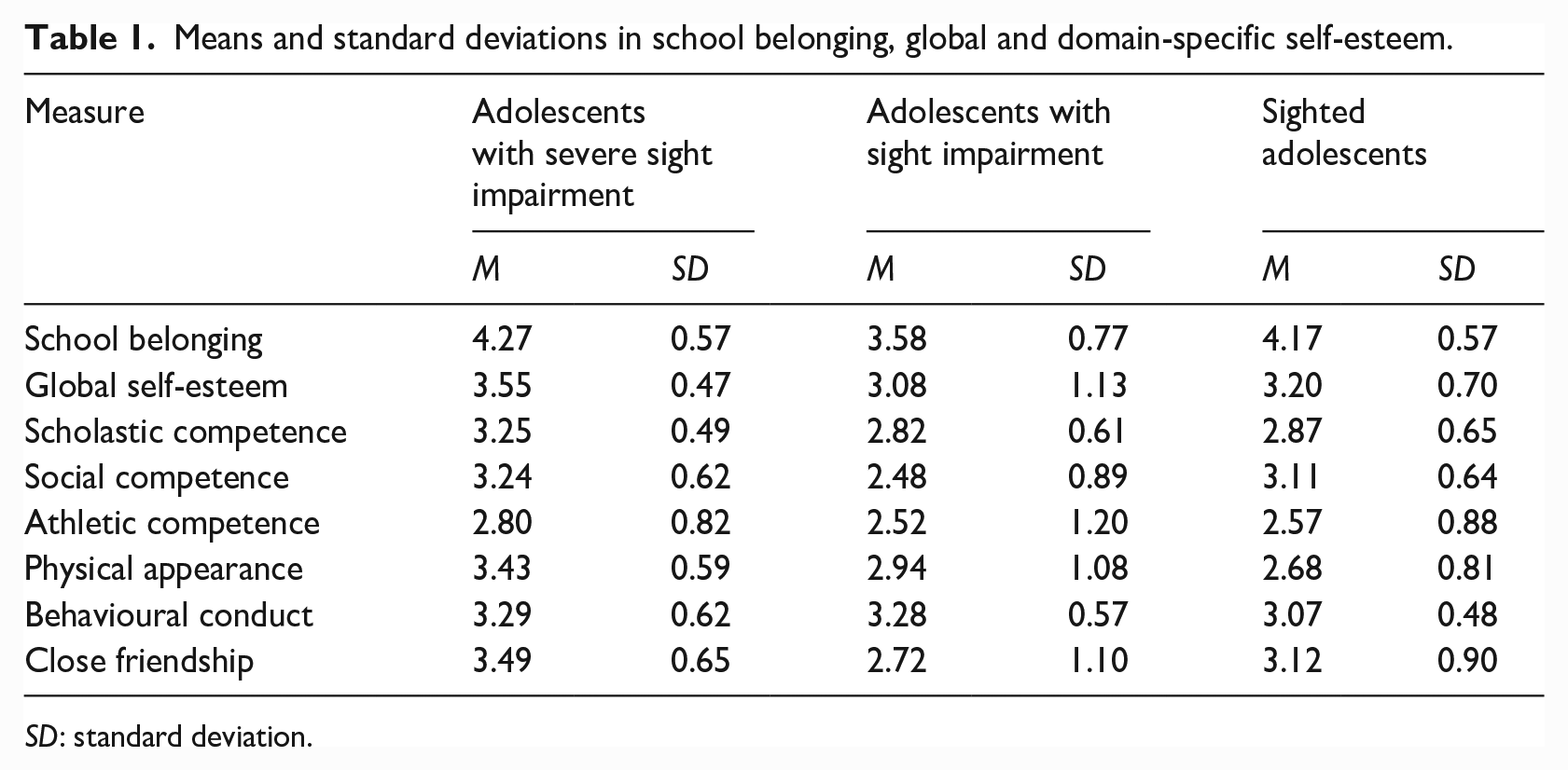
SD: standard deviation.
One-way ANOVAs were conducted to compare the role of vision in (1) school belonging and (2) global self-esteem across the three groups (Hypothesis 1). Our findings indicated that vision had a significant effect on school belonging in all three groups (p = .023). Planned contrasts revealed that adolescents with sight impairment had significantly lower school belonging scores compared to sighted adolescents (p = .019), whereas adolescents with severe sight impairment had significantly higher school belonging scores compared to adolescents with sight impairment (p = .009; see Figure 2). On the contrary, our findings indicated that vision did not have a significant effect on global self-esteem (p = .187). A repeated-measures ANOVA compared the effect of vision on domain-specific self-esteem across the three groups (Hypothesis 1). No significant effect of vision was found on domain-specific self-esteem (p = .228).
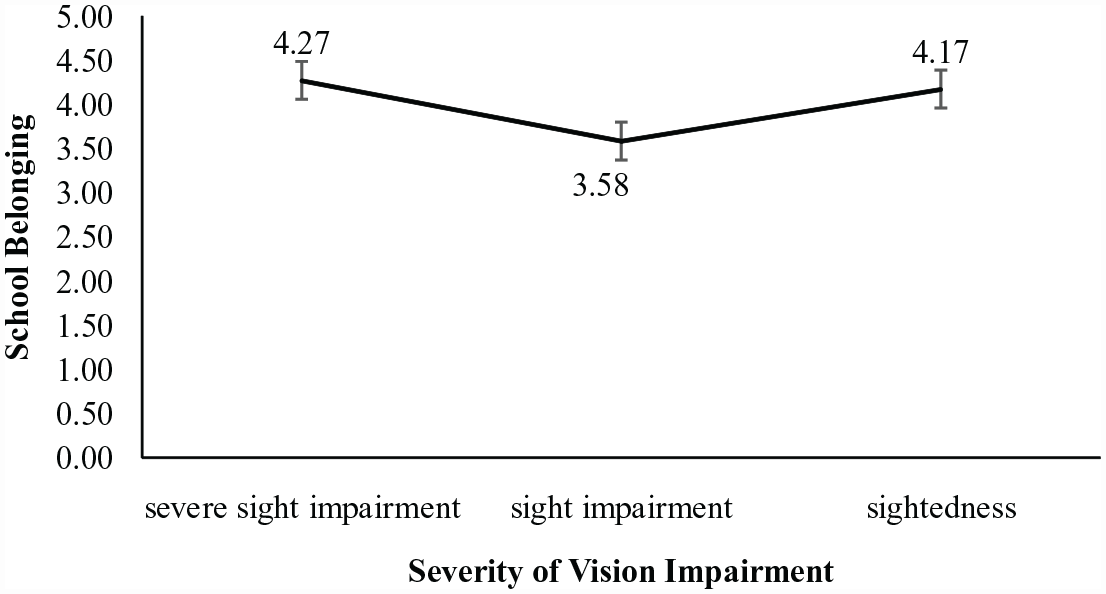
Means plot for school belonging.
To test Hypothesis 2, a multivariate multiple regression analysis was conducted. Our findings partially confirmed our hypothesis which stated that regardless of the severity of vision impairment, school belonging will be a significant predictor of domain-specific and global self-esteem in adolescents with and without vision impairment. Our findings indicated that school belonging was a significant predictor of social competence, close friendship, and global self-esteem (see Table 2).
Regression of associations between school belonging, domain-specific and global self-esteem.
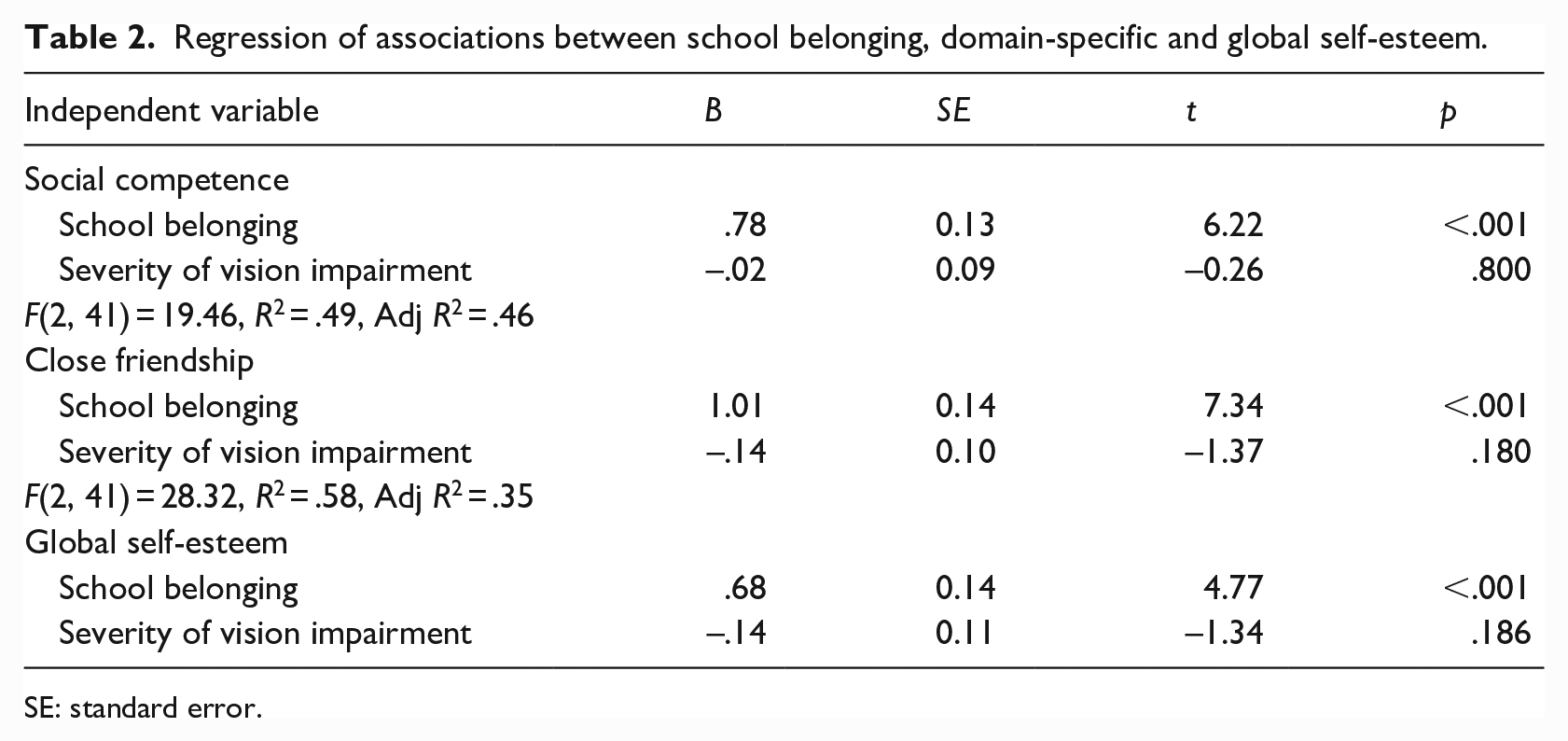
SE: standard error.
Discussion
While the findings showed significant differences in school belonging between the three groups of participants, these were not in the direction predicted by our first hypothesis. Our findings indicated that adolescents with severe sight impairment had significantly higher school belonging scores compared to adolescents with sight impairment who had significantly lower school belonging scores than sighted adolescents. Previous literature has shown that students with concealable SEND who try to hide their disabilities from their typically developing peers are more likely to be bullied compared to their peers who have visible disabilities due to a potential lack of understanding of their specific academic and social needs (Lindsay & McPherson, 2012). Therefore, it could be argued that adolescents with sight impairment may feel less confident sharing their presenting needs and adverse school experiences and they may prefer to hide their disability. On the contrary, adolescents with severe sight impairment might have come to terms with their disability that is visible, and this process had a positive impact on their feelings of school belonging and acceptance.
It could also be argued that adolescents with sight impairment fall between the gaps from schools and teachers’ perspectives who do not feel confident understanding and addressing their specific needs. Although previous research has highlighted a lack of confidence expressed by Qualified Teachers of Children and Young People with Vision Impairment (QTVI) in their ability to deliver educational interventions targeting the socio-emotional needs of students with vision impairment (Pilson, 2021), there is a lack of evidence focusing on the specific experiences of teachers with students with severe sight impairment and sight impairment respectively. However, teacher attitude and treatment may depend on the severity of vision impairment; therefore, future studies should further explore this issue.
In addition, adolescents with sight impairment may feel less socially included due to feelings of internalised shame they develop using special equipment in the classroom (Thurston, 2014). As previously mentioned, adolescents with severe sight impairment might have accepted their vision loss and the need to use specialist equipment, while adolescents with sight impairment wish to receive equal treatment with their sighted classmates. Future research should be directed to the role of vision on school belonging due to the lack of evidence in this area that could support the development of strong arguments about the social inclusion of students with vision impairment according to the severity of vision loss.
Our findings indicated that vision loss did not affect either global or domain-specific self-esteem, and there were no significant differences among the three groups. Defence mechanisms and the desire to present with an ideal self-esteem (Lifshitz et al., 2007) may explain the positive self-esteem reported by adolescents with vision impairment. Another explanation for these findings could be that the adolescents with sight impairment who participated in this study have adapted to their vision loss or have received social-emotional support tailored to their needs from their schools or other support services; therefore, they developed more positive self-esteem (Bowen, 2010; Shapiro et al., 2005, 2008).
The findings of this study partially confirmed our second hypothesis and revealed that school belonging was a significantly positive predictor for some areas of specific-domain self-esteem as well as a significant predictor of global self-esteem in adolescents with and without vision impairment. These findings are consistent with previous literature which has underscored the positive impact of school belonging on adolescent mental health, such as self-confidence (Jose et al., 2012) and resilience (Oldfield et al., 2018). They also appear to be consistent with previous research which has highlighted the effect of specific aspects of social inclusion, such as the development of social relationships with teachers and peers, on self-esteem (Sarkova et al., 2014; Spilt et al., 2014). In view of the domains of self-esteem affected by school belonging (scholastic competence, social competence, and close friendship), these findings may demonstrate the critical role of school inclusion in enhancing adolescents’ ability to develop social relationships with their peers and academic competence.
Study 2
This study examined the role of vision in the development of close social relationships at school by comparing sighted adolescents, adolescents with sight impairment, and those with severe sight impairment. It also investigated the predictive relationship between these relationships and academic inclusion. The hypotheses of Study 2 were as follows:
Hypothesis 1. Sighted adolescents will develop more positive social relationships with their favourite teachers/teaching assistants and closest school friends compared to their peers with vision impairment, with those who are the most severely sight impaired developing the least positive social relationships.
Hypothesis 2(a). The positive social relationships that adolescents with vision impairment (both severely sight impaired and sight impaired groups) develop with their favourite teachers/teaching assistants and close friends at school will be a positive predictor of their academic inclusion.
Hypothesis 2(b). The least positive social relationships that adolescents with vision impairment (both severely sight impaired and sight impaired groups) develop with their favourite teachers/teaching assistants and close friends at school will be a negative predictor of their academic inclusion.
Method
Participants
Forty-two adolescents with and without vision impairment (52% were female), aged between 12 and 14 years old, participated in this study. Fifteen adolescents had severe sight impairment (M = 13.62, SD = 0.92), 14 had sight impairment (M = 13.72, SD = 0.78), and 13 were sighted (M = 1.38, SD = 0.79). Most adolescents with vision impairment had congenital vision impairment (86%) and 28% of them had acquired vision impairment. Only participants attending mainstream schools or mainstream schools with special resourced provision participated in this study. Taking into consideration the limitations of the first empirical study, where the age range of the participants was wide and might have affected their responses (e.g., research shows that susceptibility to peer influence is higher during early adolescence than during later adolescence; Berndt, 1979; Furman & Buhrmester, 1992; Steinberg & Silverberg, 1986), the main focus of this study was on early adolescence. Therefore, this was a new sample with only one female adolescent who had also participated in Study 1.
Materials
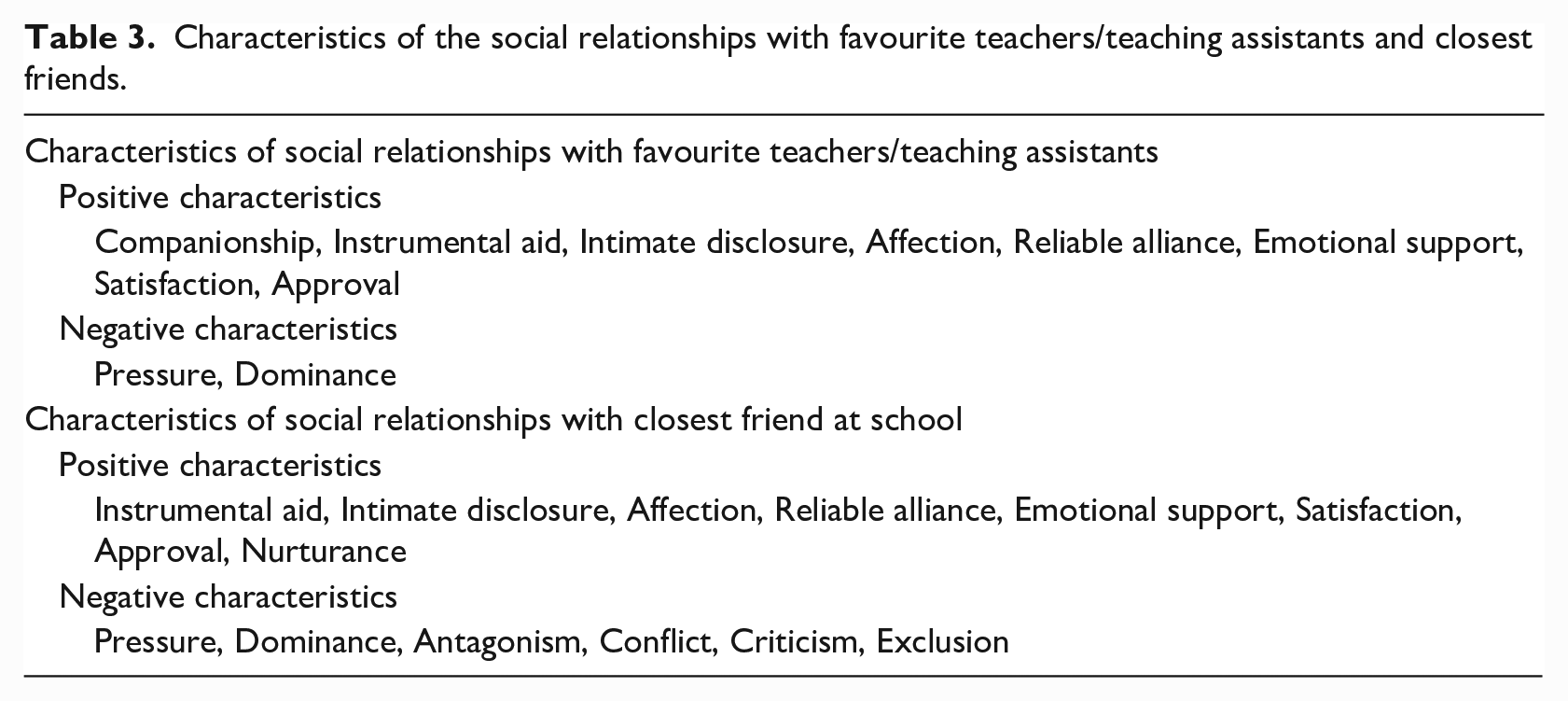
All participants attended an online interview where they were asked to complete a demographic questionnaire and two questionnaires focusing on the social relationships they had developed with their favourite teacher/teaching assistant and closest friend at school. These two questionnaires are an adapted version of the ‘Network of Relationship – Social Provision Version’ (Furman & Buhrmester, 1985) and ‘Network of Relationships – Relationship Quality Version’ (Buhrmester & Furman, 2008) questionnaires that examine the specific characteristics of the social relationships that individuals develop with significant others (e.g., family members and teachers). Due to their low internal consistency scores, some characteristics have been excluded from the analyses. Table 3 shows the specific characteristics that have been examined in this specific study.
Characteristics of the social relationships with favourite teachers/teaching assistants and closest friends.
The favourite teachers/teaching assistants of the adolescents who participated in this study were asked to complete a 19-item questionnaire regarding the academic inclusion of their students with and without vision impairment. Given the variation in the way schools measure and test for academic performance at pre-GCSE level, academic performance was not measured by objective standardised tests, but by teachers rating on a 5-point scale comparing them to other students in the class. This questionnaire consists of the following two parts: The first part includes some demographic questions (items 1–10), and the second part includes questions that examined adolescents’ academic performance (items 11–14; for example, How would you rate this student’s academic performance in classroom tests compared to his or her sighted classmates’ academic performance in classroom tests?) and classroom participation (items 15–19; for example, How would you rate this student’s classroom participation compared to his or her sighted classmates’ classroom participation?).
Design and procedure
This study followed a mixed-subjects design and was conducted online due to the restrictions of the COVID-19 pandemic. Participants were mainly recruited through social media, research advertising websites, the VI forum, school contacts, and charity websites. After obtaining written consent from adolescents and parents, a remote interview that lasted approximately 45 min was arranged. During the online meeting, adolescents were asked to nominate their favourite teachers or teaching assistants. After the interview, their favourite teachers/teaching assistants were asked to complete an online questionnaire focusing on their academic inclusion. The completion of this questionnaire took 10 min.
All adolescents interviewed for this project were entered into a draw as an incentive for their participation and five £10 Amazon vouchers were awarded. A £50 Amazon voucher was also offered after a draw at one of the schools that facilitated this study.
Results
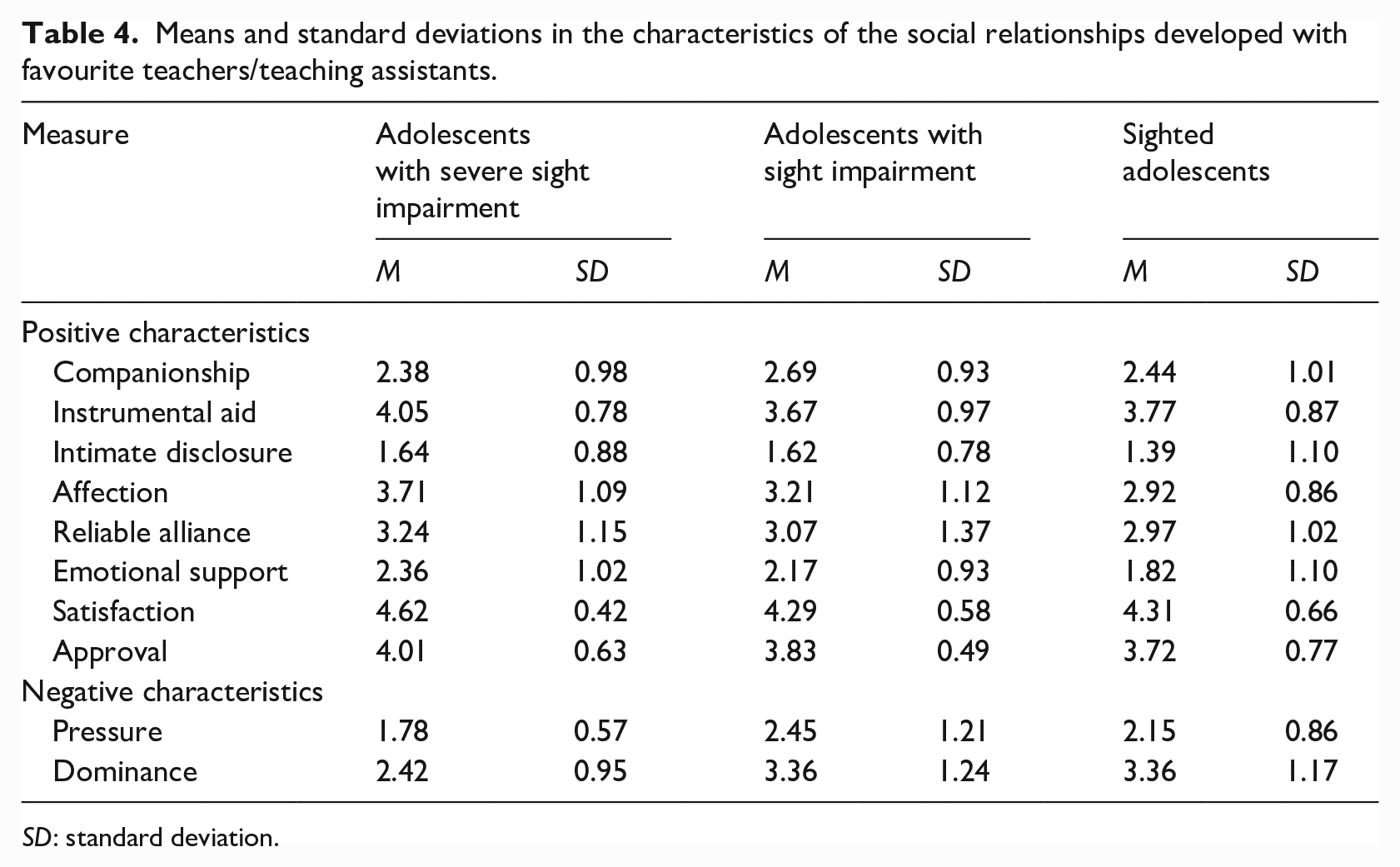
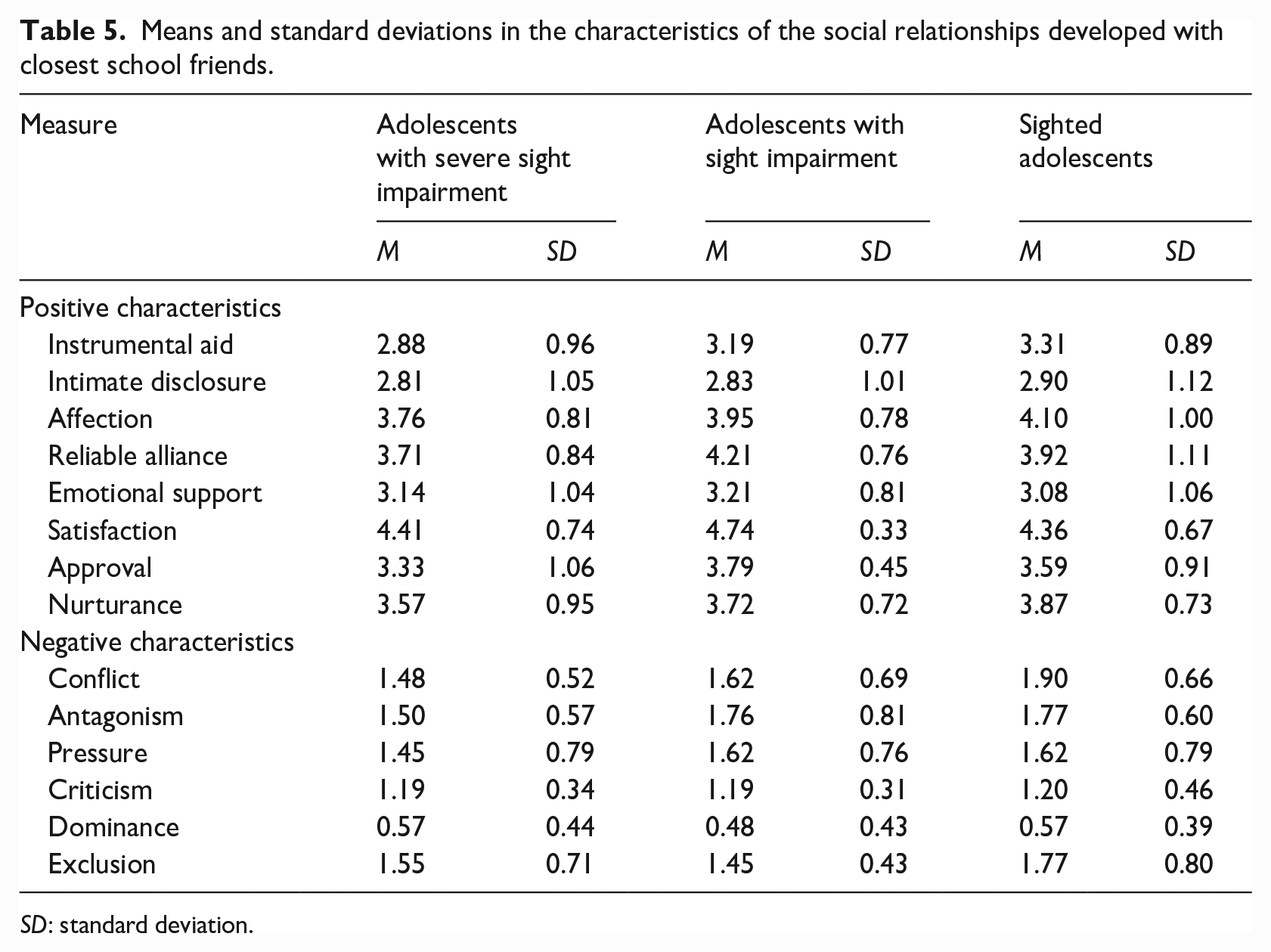
The role of vision in the development of close social relationships at school was examined by comparing adolescents grouped according to the severity of their vision impairment (severely sight impaired, sight impaired, and sighted). Descriptive statistics are displayed in Tables 4 and 5.
Means and standard deviations in the characteristics of the social relationships developed with favourite teachers/teaching assistants.
SD: standard deviation.
Means and standard deviations in the characteristics of the social relationships developed with closest school friends.
SD: standard deviation.
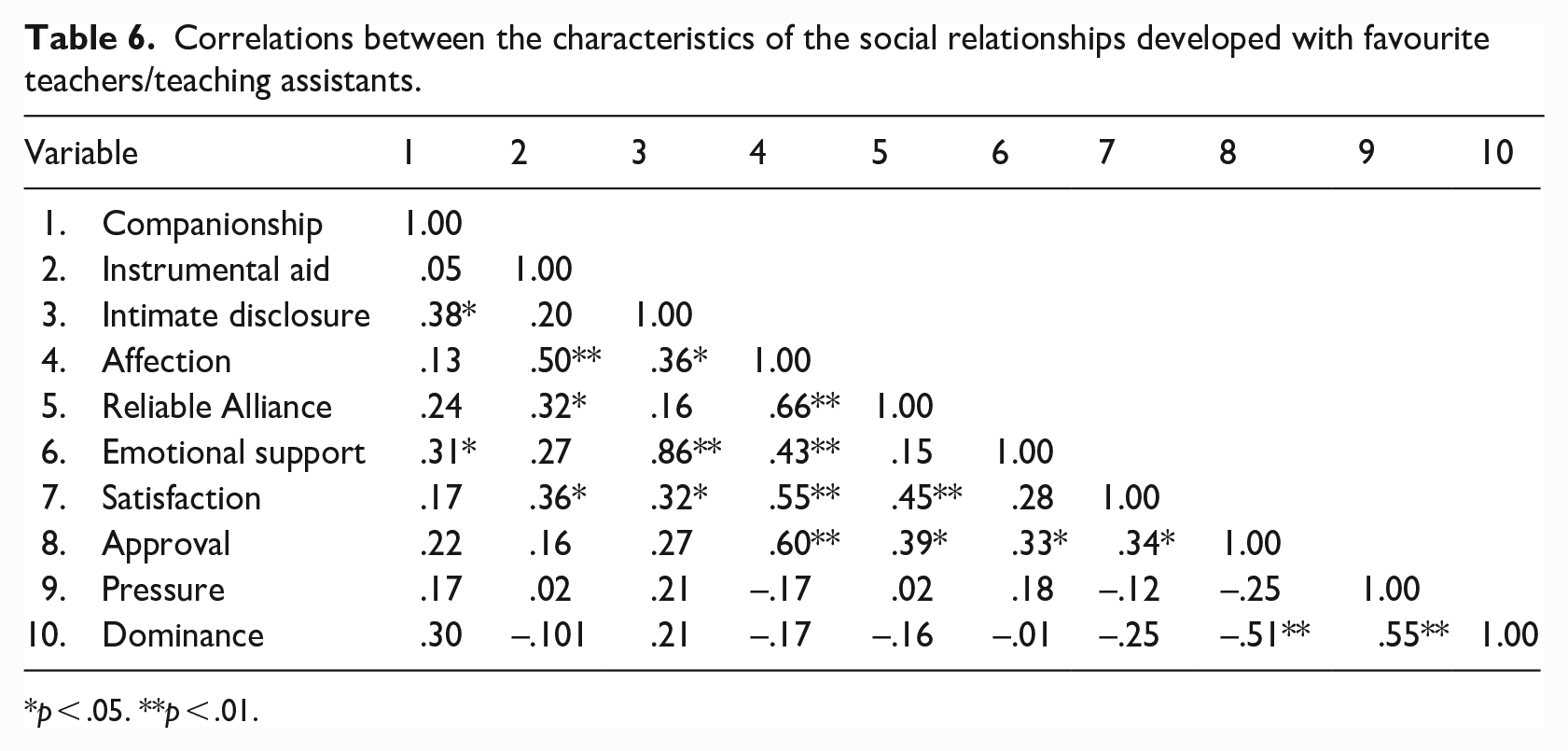
Furthermore, two correlation matrices have been prepared with the independent variables of this study. The first correlation matrix includes the characteristics of the social relationships that the adolescents had developed with their favourite teachers/teaching assistants and that have been examined in this study. The second correlation matrix includes the characteristics of the close friendships that the adolescents had developed in the school environment and were examined in this study. Both correlation matrices can be found in Tables 6 and 7.
Correlations between the characteristics of the social relationships developed with favourite teachers/teaching assistants.
p < .05. **p < .01.
Correlations between the characteristics of the social relationships developed with closest school friends.
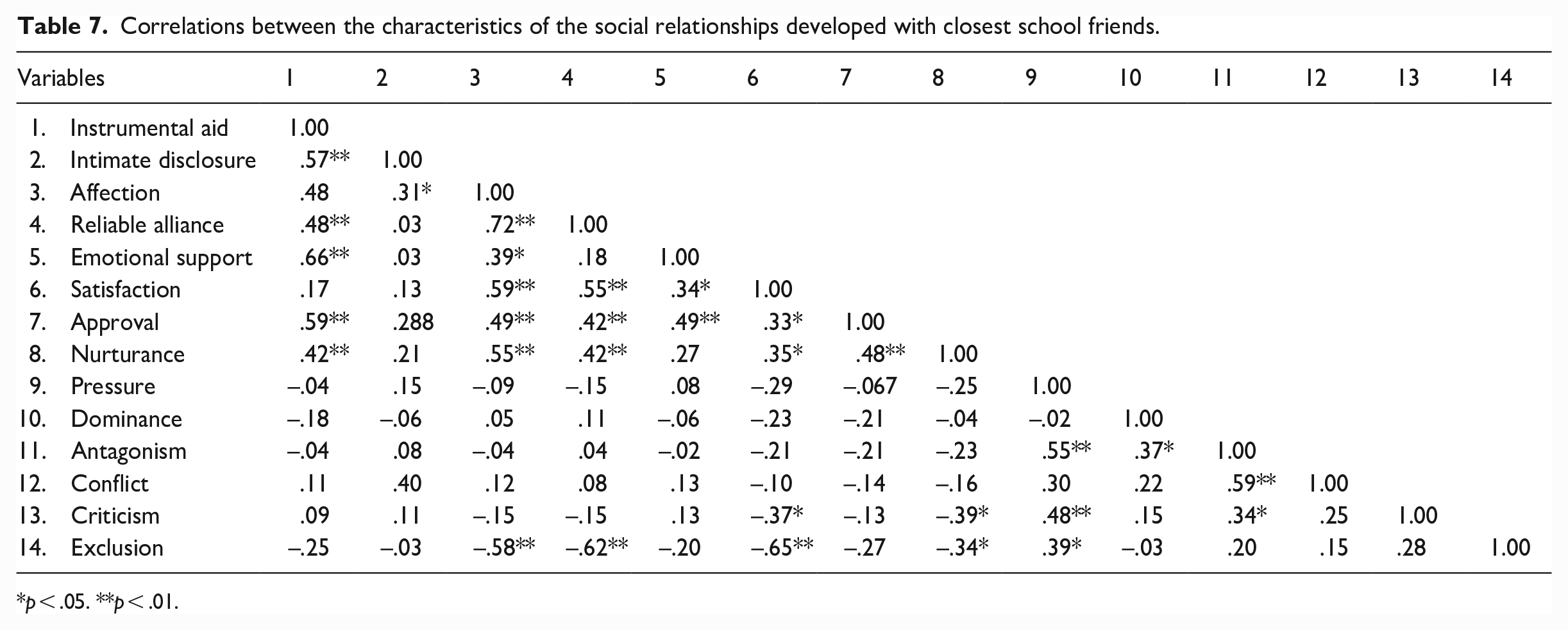
p < .05. **p < .01.
Repeated-measures ANOVAs were conducted to compare the effect of vision on the social relationships that adolescents had developed with their favourite teachers/teaching assistants and closest friends at school (Hypothesis 1). There was no significant effect of vision on the positive (p = .794) or negative characteristics (p = .360) of the social relationships that adolescents had developed with their favourite teachers and teaching assistants. There was also no significant effect of vision on the positive (p = .825) or negative characteristics (p = .814) of the social relationships that adolescents had developed with their closest friends at school.
To test Hypotheses 2(a) and 2(b), two multiple regression analyses were conducted. Neither the positive characteristics of vision-impaired adolescents’ relationships with their favourite teachers/teaching assistants (p = .151) nor the positive characteristics of their social relationships with their closest friends (p = .611) were significant predictors of academic inclusion. Although the negative characteristics of adolescents’ relationships with their favourite teachers/teaching assistants were not significant predictors of their academic inclusion (p = .717), the analysis indicated that several specific negative characteristics (antagonism, criticism, dominance) of adolescents’ relationships with their closest friends was a significant predictor of their academic inclusion (see Table 8).
Regression of associations between negative characteristics of social relationships with closest school friends and academic inclusion.
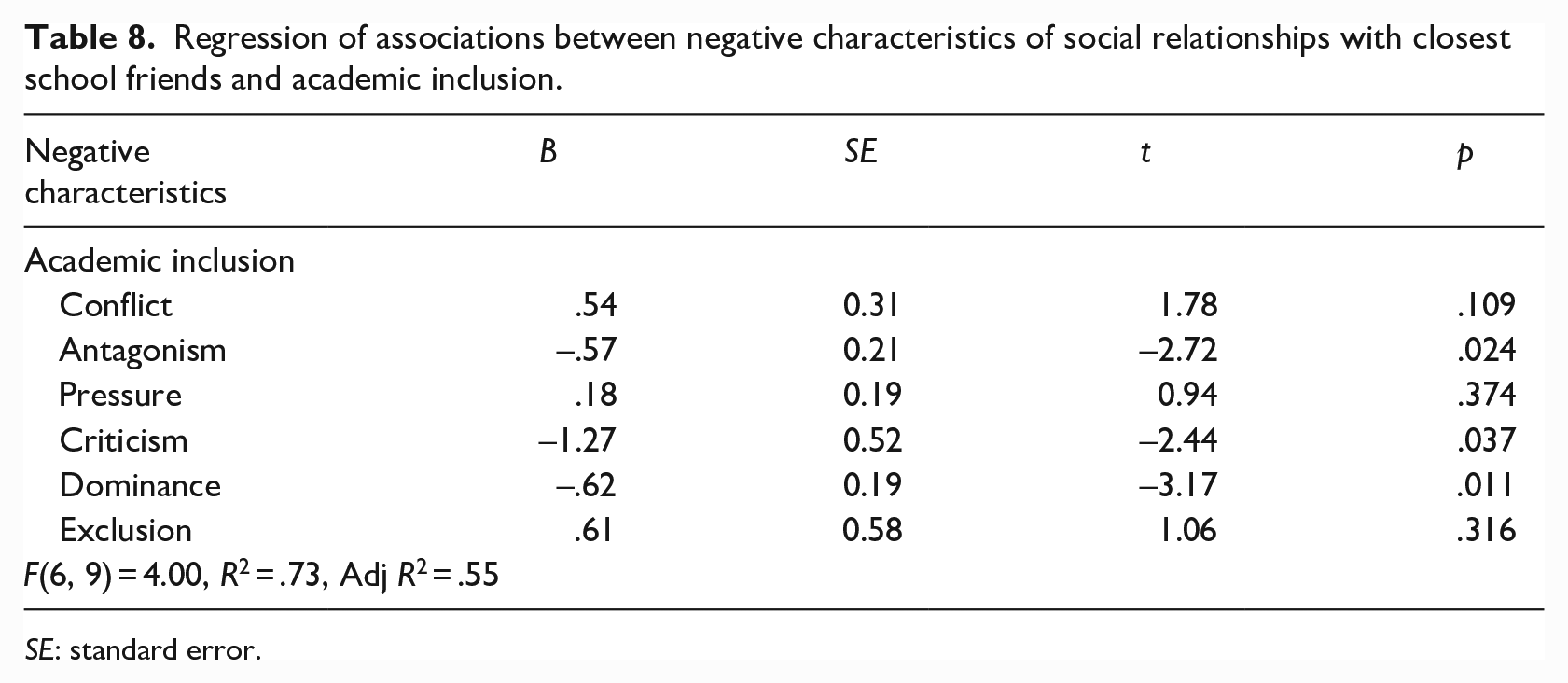
SE: standard error.
Considering the small sample size of this study, we re-estimated this regression model with only the significant independent variables included. Although this second regression model was also significant (p = .021), none of the included variables (antagonism, criticism, and dominance) had a significant effect on the academic inclusion of adolescents with vision impairment.
Discussion
Our findings did not confirm our first hypothesis and showed that there were no differences among the three groups of participants in terms of the characteristics of their social relationships with their favourite teachers/teaching assistants and closest school friends. These findings are not in line with previous research which suggests that adolescents with vision impairment experience difficulties in forming positive social relationships with their peers due to their lack of vision (Khadka et al., 2012), non-verbal communication (George & Duquette, 2006), and the fact that they try to hide their impairment from their sighted peers (Rosenblum, 2000). However, it is important to note that previous literature did not investigate the specific characteristics of adolescents’ relationships with their closest school friends, but rather examined their general social interactions and relationships with school peers. Previous research reports mixed findings on the social relationships that students with vision impairment develop with their teachers (Khadka et al., 2012; Worth, 2013). Although our participants might have experienced similar issues to those described in the literature with their favourite teachers and teaching assistants, such as lack of learning adaptations that can cause tension in these particular relationships (Chang & Schaller, 2002), they were able to nominate certain teachers or teaching assistants with whom they have developed close relationships.
Our findings demonstrated that the positive qualities of the social relationships that adolescents had developed with their favourite teachers/teaching assistants and closest friends were not significant predictors of their academic inclusion. These findings may suggest that significant others outside the school environment play an important role in the academic outcomes of adolescents with vision impairment. These significant others might refer to a social support network including family members (George & Duquette, 2006) and specialist services (Crudden, 2012). In view of the difficulties that individuals with vision impairment encounter in the formation of social relationships at school, it could be argued that they might rely more on significant others to help them succeed in academic life.
On the other hand, our first regression model indicated that specific negative qualities of the social relationships with closest friends (antagonism, criticism, and dominance) were significant predictors of academic inclusion. These findings are consistent with previous literature suggesting that negative social experiences at school have an adverse impact on other aspects of school inclusion, such as classroom participation (Thurston, 2014; Worth, 2013). In particular, our findings indicated that academic inclusion is pertinent to negative social experiences, such as experiencing antagonism, criticism, and dominance. These findings are also in line with previous literature, which has highlighted the role of positive peer relationships in identity development during adolescence, which can in turn influence individuals’ cognitive and mental health (Jones et al., 2014; Ragelienė, 2016). This study may extend the findings of previous research by emphasising the effect of peer relationships on the academic development of adolescents with vision impairment, which previous research has shown to be closely related to their cognitive development (Peng & Kievit, 2020). Finally, it could be argued that these findings highlight the friendship preferences of students with vision impairment, whose academic performance may be affected by the challenges they encounter in their close friendships. It appears that adolescents with vision impairment value acceptance in their friendships and are more sensitive to certain negative characteristics of their social relationships. However, considering the findings of our second regression model analysed above and the small sample size of this study, it is important to interpret these findings with caution and conduct similar studies that will help us draw more concrete conclusions in the future.
General discussion
This research examined specific aspects of social inclusion (school belonging and social relationships) among adolescents with vision impairment in the school environment, as well as their predictive role to self-esteem and academic inclusion. Our two studies shed light on the current experiences of adolescents with sight impairment in both mainstream and special schools, highlighting the difficulties experienced in school belonging. Our findings suggest that adolescents with sight impairment (compared to severely sight impaired and sighted groups) are more likely to experience socio-emotional challenges pertinent to school inclusion (lack of school belonging) that should be further explored in future longitudinal studies. They also highlighted the predictive role of school belonging to domain-specific and global self-esteem, as well as the predictive role of the negative characteristics of close school friendships to the academic inclusion of adolescents with vision impairment.
In contrast to previous literature which has underscored the differences in the socio-emotional development between students with and without vision impairment (De Verdier, 2016; Halder & Datta, 2012; Khadka et al., 2012), our findings suggest that vision impaired and sighted adolescents may be more alike than different in their socio-emotional traits and needs. No significant differences were found in the domain-specific and global self-esteem, as well as in the characteristics of the social relationships that adolescents with (severely sight impaired and sight impaired) and without vision impairment develop with their favourite teachers/teaching assistants and closest school friends. This may be because social factors, independent of vision, significantly affect social inclusion. Previous research suggests that teacher and parental social support can serve as protective factors against socio-emotional challenges such as lack of social skills (Celeste & Grum, 2010). Thus, it could be argued that the adolescents who participated in our research may have received sufficient guidance and practical assistance from their teachers and family members to meet all the challenges they experience in their social interactions and enhance their socio-emotional skills (Pavri & Monda-Amaya, 2001). Further evidence has demonstrated that the participation of vision-impaired students in educational interventions aimed at promoting social interactions with their sighted peers may positively affect their social behaviour (Jindal-Snape, 2005a, 2005b; Peavey & Leff, 2002); therefore, the adolescents who took part in this study might have had the opportunity to participate in similar interventions in their school environment. Previous literature has also provided evidence that vision (re)habilitation services address numerous life areas that contribute positively to the well-being of individuals with vision impairment (Cimarolli et al., 2006); hence, it could be assumed that the adolescents who participated in this study might have also received this type of support. Therefore, future studies should further investigate the impact of certain social factors on the socio-emotional development of students with vision impairment. It is expected that the findings of this study will help stakeholders to have a clear picture of the needs of students with vision impairment.
This study provides useful insights into the social inclusion of adolescents with vision impairment; however, the heterogeneity and diversity of the needs of this student population requires further attention. Although the focus of the second empirical study was more specific compared to Study 1 in terms of age and school type, it is important to acknowledge the presence of demographic and clinical characteristics (e.g., type and cause of vision impairment) that highlight the heterogeneous needs of the vision-impaired population. Our sample was representative of our targeted population despite the challenges we experienced with recruitment, such as the delay in response from educational staff, as reported in previous literature (Rosenblum, 1998). However, our findings should be interpreted with caution considering the parametric statistical analyses performed with small sample sizes. In addition, although there may be significant variation in how UK schools assess and grade their students, it is important to note that school grades may be considered as a more objective measurement of academic performance (Study 2). Lacking an objective measure that could examine the academic performance of the adolescents who participated in this study, future research can examine the academic inclusion of students with vision impairment by focusing on students who are attending the same class.
Although previous literature has highlighted the positive effect of social inclusion on the socio-emotional development and academic performance of students with vision impairment, this is the first piece of research that has examined the relationship between social inclusion, self-esteem, and academic inclusion. In contrast to previous literature relying primarily on qualitative data to examine the school inclusion of adolescents with vision impairment (see Jessup et al., 2017, 2018; Rosenblum, 2000; Thurston, 2014; Worth, 2013), this research adopted a quantitative approach to investigate the social inclusion of adolescents with and without vision impairment. Our studies aimed to shed light on the unique school experiences of adolescents with vision impairment, a student population that has been underrepresented in current research and practice. Adolescents with vision impairment usually report a lack of involvement in decision-making about their educational plans (Thurston, 2014). Our findings may help stakeholders, such as school and policy makers, to better understand the particular needs of students with vision impairment and further promote their involvement in future research and practice. This research could also be considered the first step in opening the research area of the social inclusion of adolescents with vision impairment. Thus, future research should further explore the role of complex and comorbid needs and presentation in young people with vision impairment to improve current social inclusion policies.
Our findings have the potential to inform the development of future psychosocial interventions that can be applied in educational settings with the aim to facilitate the socio-emotional development of adolescents with vision impairment. Positive inclusion in the school environment could be seen as an indicator of overall quality of life for students with SEND and their families (Bhopti et al., 2019). To achieve school inclusion, it is important to acknowledge the socio-emotional needs of this under-representative student population and increase their representation in subsequent studies. It also seems urgent to promote inclusive approaches in secondary education aimed at fostering both diversity and inclusion by prioritising the heterogeneous needs of this student population. As previously discussed, one-size-fits-all approaches can have an adverse impact on the school inclusion and overall well-being of students with vision impairment. Therefore, there appears to be an urgent need to develop innovative, creative, and evidence-based interventions to facilitate the socio-emotional and academic trajectories of students with vision impairment.
