




Abstract
Background and Objectives:
Substance use among young college students in India poses public health challenges. This study seeks to uncover the motivation behind alcohol and illicit drug consumption, applying social norms theory.
Methods:
This qualitative research utilized the framework method to analyze data from 14 college students (18–24 years) across various disciplines. Participants were selected using purposive sampling to ensure diversity in demographics and perspectives. Data collection was conducted online. The study used a combination of in-depth interviews (n = 14) and focused group discussions (n = 2). We used AtLAS.ti to facilitate data analysis. We used a mixed inductive and deductive coding approach. A mind map was generated to visualize the complex interplay between social norms and other individual and external mediators.
Results:
We identified 10 themes, 20 subthemes, and 42 codes. The themes revealed descriptive (e.g., media and modernization) and injunctive (e.g., availability and legality) social norms that facilitate substance use and social disapproval and stigma that might deter young people from using substances. Family and institutional support were also found to play a protective role. The individuals also weigh the personal consequences (e.g., health and academic harm) and advantages (e.g., coping and relaxation) of substance use, which can influence their decision to use substances. Gendered norms and subtle differences in the social norms between alcohol and illicit drugs were also identified.
Conclusion:
Our study illuminates culturally tailored substance use prevention/intervention strategies that operate at the social, individual, and policy levels.
Perceived social norms significantly drive substance use among Indian college students, highlighting the need for normative education. Strong family involvement acts as a protective factor against substance use, suggesting the importance of family-centric interventions. Media portrayals and modernization increase substance use, necessitating targeted interventions to address these cultural influences.Key Messages:
The consumption of alcohol and illicit drugs among young college students represents a significant public health challenge because of its adverse health, social, emotional, and cognitive outcomes. 1 This demographic is particularly susceptible to the initiation and continuation of substance use due to a variety of factors, such as developmental transitions, peer influence, and psychological stressors during emerging adulthood. 2 Increased autonomy, identity exploration, and emotional regulation difficulties heighten vulnerability, while the college environment’s social pressures and accessibility to substances further exacerbate risk.3,4 Understanding the underlying reasons and motivations for substance use in this population is crucial for developing effective prevention and intervention strategies. 5
Despite the prevalence and potential health risks associated with these behaviors, substance use research among young people is largely sourced from high-income countries, limiting the understanding of youth substance use globally. The experience of adolescence varies greatly between cultures and countries, influencing substance use patterns. In low- and middle-income countries, young women often face lower educational levels and higher rates of early marriage and pregnancy than those in wealthier nations, affecting their exposure to substance use. 1
Additionally, legal and cultural responses vary, with some regions lacking preventive interventions such as needle and syringe programs, increasing the risk of blood-borne viruses among youth who inject drugs. 6 This disparity is compounded by stigma, which limits access to information and services. Expanding research to include these countries is crucial for understanding global substance use trends and developing effective, culturally appropriate interventions.
Additionally, varying internet and social media access might influence the nature and pattern of use globally. Social media, on the one hand, may improve social connectedness and communication. Still, on the other hand, it may change the landscape of peer relationships and support, facilitate inaccurate information about substance use, and expose young people to alcohol and tobacco marketing.7-9
Despite commonalities, findings from other countries from the global south may not apply to India, which presents a unique sociocultural environment where traditional values coexist with rapidly modernizing influences. 10 In India, the family is often the primary social unit, and the influence of family norms can act as both a protective factor and a risk factor for substance use. For instance, parental disapproval of alcohol and drug use is typically strong, which can deter substance use among young adults. 11 However, the growing influence of globalization and modernization has introduced conflicting norms, where Western lifestyles and liberal attitudes toward substance use are increasingly prevalent. 12 This clash between traditional values and modern influences creates a unique context for studying substance use in India. Caste, religion, and local customs and traditions significantly influence drug choices, consumption patterns, and control measures in rural and semi-urban populations. 13
As such, initiating and continuing these behaviors are complex phenomena influenced by individual choices and broader social influences. Theories such as social norms theory provide a valuable framework for exploring these influences. This theory suggests that individuals’ behavior is heavily influenced by their perceptions of how other members of their social group act and what attitudes these peers hold toward certain behaviors. 14 Research has highlighted two types of norms that influence behavior: descriptive norms (beliefs about what others do) and injunctive norms (beliefs about what others approve of). For example, young people may engage in substance use because they believe that their peers do the same (descriptive norms) or because they feel that such behavior is approved within their peer group (injunctive norms). 15 Students may overestimate their peers’ consumption of drugs and alcohol, which can, in turn, influence their consumption patterns. This misperception escalates substance use among college students, underscoring the importance of accurately assessing and addressing these perceived norms. Previous research has demonstrated that such misperceptions can significantly impact behaviors, with individuals aligning their actions more closely with what they incorrectly believe their peers are doing rather than the actual norms. 16 In the Indian context, in addition to the peer group, disapproval of substance use from parents and elders often serves as a significant deterrent. At the same time, family expectations and cultural values influence young adults’ decisions regarding substance use. 17 Literature leveraging the social norms theory has yielded insights into how social norms influence substance use among adolescents and young adults. Radimer and Rowan-Kenyon 18 discuss the connection between social norms and masculine norms, suggesting that cultural perceptions about masculinity may also influence drinking behaviors, further complicating the landscape of social influences.
The impact of social norms on substance use can vary significantly across different cultural contexts. For instance, in some societies, drinking might be viewed as a rite of passage, while in others, it could be frowned upon. However, much of this research has been concentrated in Western contexts, with relatively fewer studies examining these dynamics from the Global South. This gap is critical given India’s distinct cultural, social, and regulatory environments that can influence both the manifestation of these norms and their impacts on behavior. 19
Moreover, existing studies often focus predominantly on quantitative assessments, which can overlook the nuanced ways individuals interpret and enact social norms. Qualitative research, therefore, is essential to unearth a deeper understanding of the personal and contextual factors that drive alcohol and drug use among young college students.
Methods
Research Team and Reflexivity
Our interdisciplinary research team consisted of psychiatrists (AG and DB), social workers (RRP and BBG), psychologists (MS), and public health experts (KS and JV), each bringing a wealth of expertise to the study. The team leaders (AG, KS, and RRP), each with over a decade of experience in qualitative research, held MD and Ph.D. degrees. The junior researchers (BBG and JV) possessed at least a master’s degree in their respective fields and a minimum of two years in research or clinical roles. The research team comprised a mixture of male (n = 4) and female (n = 3) members.
Over four months, the junior research staff underwent comprehensive training, which included conducting pilot interviews and engaging in hands-on analysis to hone their qualitative research skills. We facilitated two online sessions for college faculty, allowing the team to foster a collaborative relationship with the college administration.
Before beginning in-depth interviews (IDIs) with the college students, the research staff spent time on campus to introduce the study’s objectives and establish rapport with participants. We contacted the peer-led networks and their monitors. The team was not involved in the direct care or administrative decisions concerning the study participants, ensuring an unbiased approach. Given the subject matter’s sensitivity, strict measures were adopted to maintain participants’ confidentiality and privacy. The research protocol received approval from the Institutional Ethics Committee.
Study Design
Theoretical Framework
Our study used the framework method for qualitative analysis, which systematically organizes and categorizes qualitative data using deductive and inductive techniques. The reasons for using the framework method in our research were as follows: (a) our research involved diverse data sources from interviews and focus groups, and the framework method can efficiently manage this variety by organizing data into comparable categories; (b) with a team comprising psychiatrists, social workers, and public health experts, the structured matrix format of the framework method allows for effective collaboration across disciplines. Each team member can contribute to and extract insights from the data matrix, ensuring a comprehensive analysis that incorporates multiple expert perspectives; (c) the framework method’s dual emphasis on deductive and inductive reasoning supports this by allowing the team to apply existing theories about social norms and substance use (deductive) while remaining open to new themes that emerge from the data (inductive). 20 We complied with the consolidated criteria for reporting qualitative research guidelines to ensure transparency and thoroughness in reporting our methodologies and findings. 21
Participant Selection and Settings
Participants were selected using a purposive sampling technique to ensure a diverse representation of college student demographics, including age, gender, and year of study. This method was chosen to specifically include individuals who could provide varied insights into substance users’ personal and social dynamics within a college setting. This approach aligns with the methodologies used in similar studies where purposive sampling has been instrumental in selecting participants who possess the characteristics or experiences most relevant to the research questions.22,23 By focusing on participants who are most likely to provide meaningful data, we ensure that our findings are both contextually relevant and analytically rich.
Potential participants were approached via email or phone, using contact details obtained during the controlled trial, with prior consent. The initial email/WhatsApp message briefly described the purpose of the study and invited students to participate. Interested students were then allowed to respond via email/WhatsApp.
Data saturation was a key consideration in determining our sample size. Drawing on established guidelines from qualitative research, we aimed for a sample size of 14–20 participants, which is generally sufficient for achieving saturation in studies examining complex social behaviors. 24 Out of the 20 students initially approached, 14 agreed to participate in the study, resulting in a participation rate of approximately 70%. The remaining 25 students were either expected to respond to the invitation till the time the study was about to commence or declined to participate. Reasons for non-participation, where provided, included lack of interest, time constraints, and concerns about privacy regarding the sensitivity of the research topic.
Settings
Data were collected via online interviews on Zoom, enhancing participant accessibility and comfort by allowing engagement from preferred locations. This method facilitated flexible scheduling, promoting higher participation rates and ensuring privacy for discussing sensitive topics. Only the participant and the researcher were present during the interviews. The IDI participants included 10 males and 4 females, aged 18–24 years, with 6 having the lived experience of substance use. They were from various academic disciplines: 7 in Bachelor of Arts, 1 in Bachelor of Psychology, 2 in Bachelor of Science, and 4 in Bachelor of Commerce, with 11 from government and 3 from private colleges. Two focus group discussions (FGDs) included six male final-year students, aged 18 to 24 years, from psychology and arts streams.
Data Collection
Detailed interview guides for both IDIs and FGDs were developed by AG and BBG and then refined based on feedback from pilot tests with two college students (not included in the analysis). These guides covered various aspects of drug and alcohol use, including perceived benefits and harms, reasons for use, and the influence of social environments and stress. The IDI guide focused on personal perceptions and experiences. In contrast, the FGD guide captured collective opinions and social norms around moderate consumption, counseling, and family influences on substance use behaviors.
No repeat interviews were conducted to minimize the burden on student schedules and capture a snapshot of current attitudes and behaviors. Audio recordings were made for all sessions, with video recordings (n = 10) only when participants were comfortable. Field notes were taken during and immediately after each interview and focus group session, including observations on nonverbal cues. Each IDI lasted approximately 45–60 minutes, and each FGD lasted about 60–90 minutes, allowing flexibility to ensure that all participants could fully express their views.
Saturation was assessed continuously during data collection, and after 14 IDIs, no new themes or significant insights emerged, indicating that we had reached saturation.
Transcripts were not returned to participants for comments or corrections to avoid logistical challenges and potential biases in responses. Instead, AG and JV rigorously checked the accuracy of transcriptions prepared by BBG to ensure data reliability. Please see Supplementary 1 and 2 for the detailed interview guides available as online only materials.
Data Analysis
Three data coders (BBG, JV, and AG) coded the data collected from the interviews and focused group discussions.
The qualitative data analysis software AtLAS.ti managed and facilitated data analysis. The AtLAS drove the initial inductive coding.ti artificial intelligence (AI). BBG and JV then independently went through all the excerpts and codes generated by the AI and retained/discarded/renamed the codes. They also added new codes. Subsequently, JV and BBG discussed the differences in their coding and agreed. AG resolved the disagreements between JV and BBG. Finally, the three coders discussed and agreed upon all codes through intensive deliberations. Thus, the team developed an initial code dictionary. JV and BBG then reviewed the data, refined the existing codes/categories, and tagged them with descriptive labels. Following this, all subsequent coding adhered to the established code dictionary. Nonetheless, the research team documented any new emergent codes and discussed these developments with AG.
The coding tree was developed and refined during the initial stages of data analysis. In the “Results” section, we provided a detailed description of the coding tree, outlining the hierarchical structure of themes and subthemes that emerged from the analysis.
Themes were primarily derived inductively from the data. Initial codes were generated based on recurring patterns and critical concepts observed during the initial readings of the data. These codes were then grouped into broader themes that captured the underlying narratives and perspectives expressed by the participants.
Participant checking was conducted to enhance the validity and accuracy of the findings. Drafts of the compiled themes and interpretations were shared with the FGD participants, who provided feedback to ensure that the results accurately reflected their experiences and views. This feedback was incorporated into the final analysis to refine and substantiate the findings.
Based on the social norm theory, the final theoretical framework was constructed by defining the characteristics of the categories and their relationships through discussions and consensus among JV, RN, and AG. A narrative summary outlined the elements of the theoretical framework. This summary was then reviewed and validated by other members of the research team and supervisors to ensure accuracy and thoroughness.
We used the MindMeister online mapping tool to generate the figures depicting the conceptual frameworks.
Results
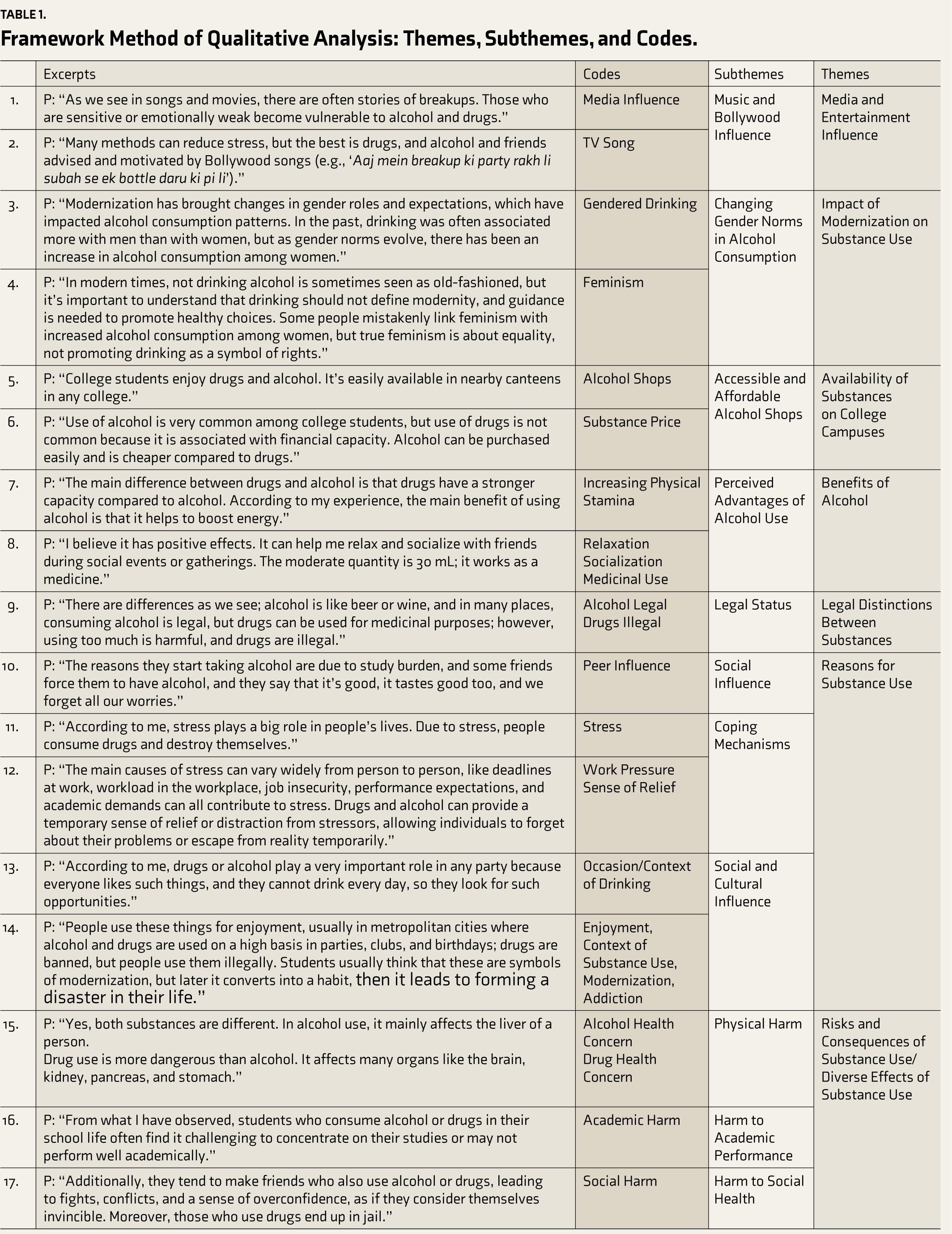
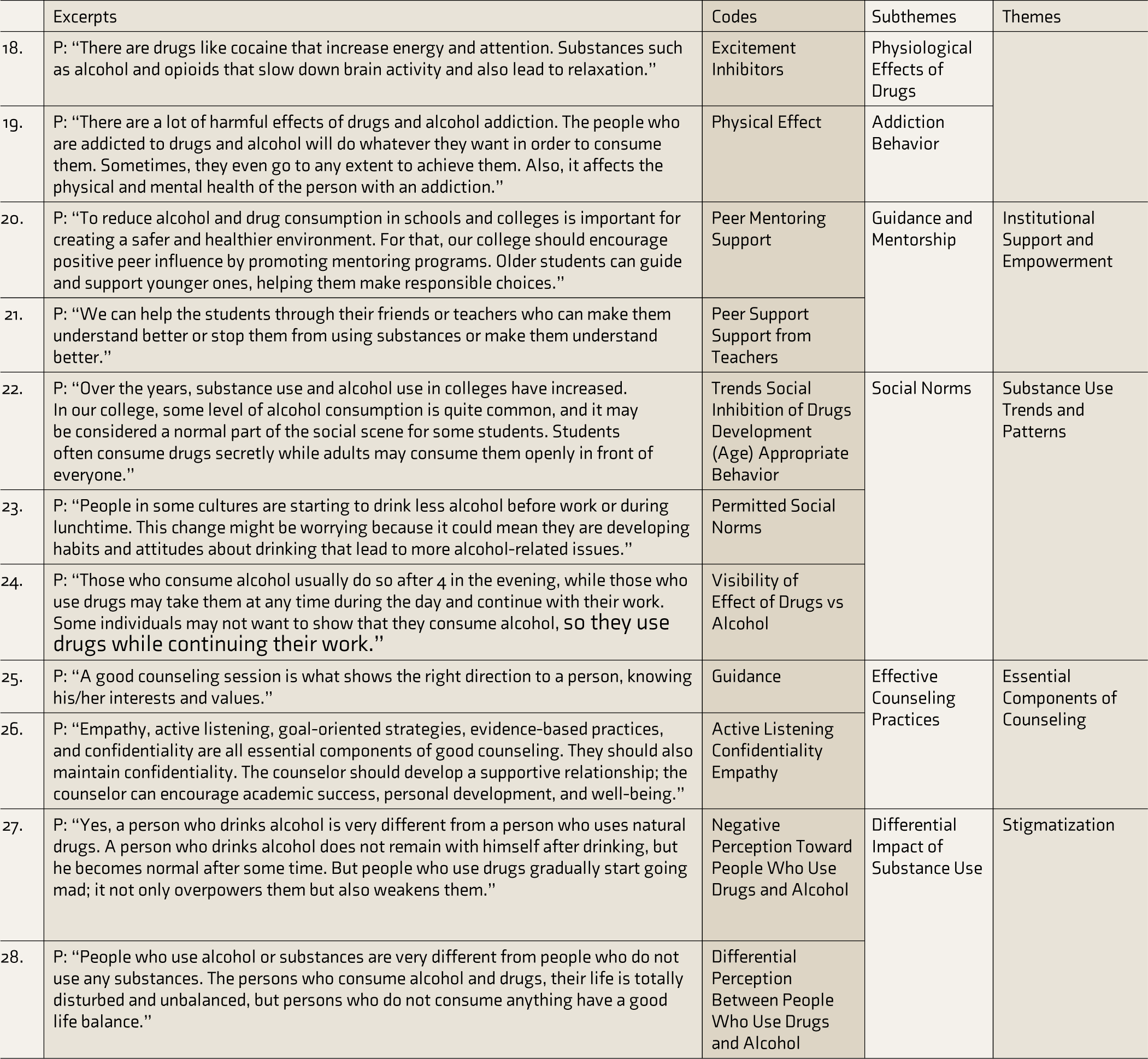
We identified 10 themes (categories), 20 subthemes, and 42 codes. Each theme and subtheme was defined by the cumulative insights derived from coded data (participant statements) that exemplify specific perspectives on substance use in young people. The codes represent direct or paraphrased quotations from participants that substantiate the themes and subthemes, providing concrete examples and rich, qualitative depth to the study’s findings.
Descriptions of the Themes (Categories), Subthemes, and Codes
This theme explores how media and entertainment shape perceptions and behaviors regarding substance use among college students.
This theme addresses how societal changes, especially in gender roles and modern lifestyle expectations, influence substance use patterns.
This theme discusses the ease of access to alcohol and drugs within college environments.
This theme highlights the perceived positive effects of alcohol consumption from the students’ perspectives.
This theme explores the motivations behind initiating and continuing substance use among students.
It focuses on how substances are used as a tool to manage stress and emotional challenges.
It describes the negative physical and psychological effects associated with substance use.
This theme examines the broader social and cultural norms that impact substance use.
This theme discusses the role of educational institutions in shaping substance use behaviors through support and preventive measures.
This theme explores the social stigma associated with substance users and its impact on their social identity and interactions.
We enumerated the themes, subthemes, and codes in Table 1 for more details.
Framework Method of Qualitative Analysis: Themes, Subthemes, and Codes.
Understanding Youth Substance Use with the Social Norms Theory
We created a mind map (Figure 1) that provides a comprehensive visualization of the multiple factors that influence alcohol use among young college students, with a particular emphasis on various social norms. In what follows a detailed description of how these norms are integrated into the broader context of substance use has been provided.
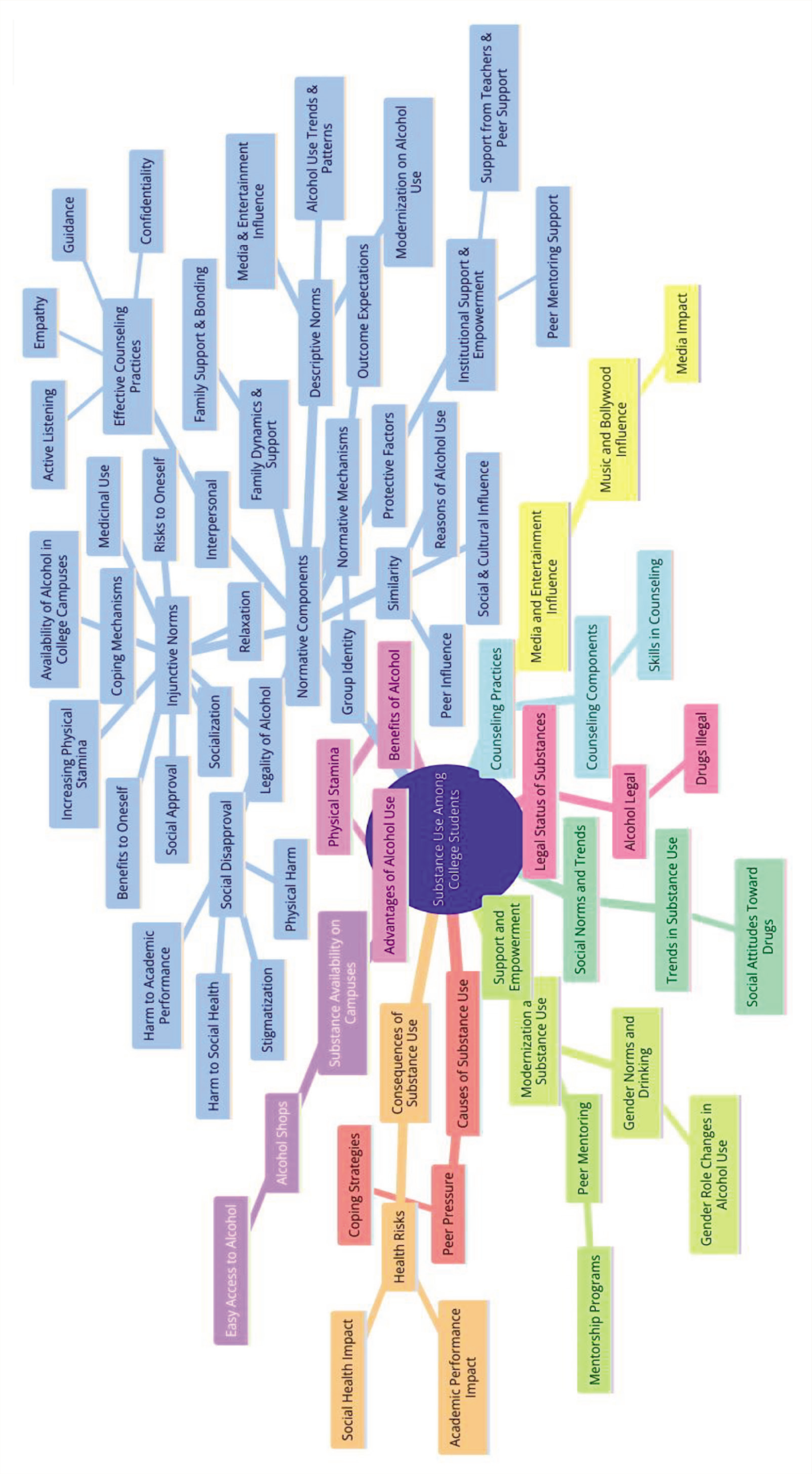
This concept map illustrates the multifaceted dynamics of substance use among college students, highlighting the negative and positive aspects. Key themes include the impact on social and academic performance, coping mechanisms, peer influence, and the role of institutional support. Additionally, it addresses the influence of media, legal considerations, and societal attitudes toward substance use. The diagram provides a comprehensive overview of factors contributing to substance consumption patterns and their broader implications within a college setting.
Media and Entertainment Influence
This branch of the mind map highlights how media, particularly music and Bollywood, shapes perceptions and behaviors related to alcohol use. The portrayal of alcohol in media as glamorous or as a coping mechanism for emotional distress can normalize and even encourage its consumption among young viewers.
Modernization and Substance Use
This section explores how modernization has impacted traditional gender norms, leading to increased alcohol consumption among all genders. It reflects a societal shift toward greater equality and highlights how these evolving norms can increase substance use as a perceived expression of freedom or modernity.
Social Norms and Trends
This area delves into the general societal attitudes toward drugs and alcohol, documenting trends in substance use and how they are perceived socially. It illustrates how social acceptance or disapproval can significantly influence students’ decisions to consume alcohol. For instance, in some settings, drinking may be seen as a necessary part of socializing, which can pressure individuals to conform to group behaviors.
Normative Components
Descriptive norms: This node reflects the observed actions within a social group, highlighting what individuals believe others are doing. It includes perceptions shaped by media and entertainment influence and modernization on alcohol use, which suggest that alcohol use is common and accepted behavior in modern, media-saturated contexts. It also links to alcohol use trends and patterns, indicating how widespread practices can form a baseline expectation for behavior.
Injunctive norms: These norms concern what is considered acceptable or unacceptable within a group, focusing on the approval or disapproval of certain behaviors. This includes:
Social approval. Connected to the legality of alcohol and the availability of alcohol in college campuses, it underscores how legal access and availability reinforce the acceptability of drinking. Risks and benefits to oneself. These nodes consider how individuals weigh the personal consequences and advantages of alcohol use, which can influence their decision to consume alcohol based on expected outcomes like relaxation, socialization, and medicinal use. Social disapproval. This involves the stigma or negative perceptions associated with alcohol use, such as stigmatization, and the potential for causing physical harm, harm to academic performance, and harm to social health. This can act as a deterrent, influencing students to avoid or moderate their alcohol consumption. Similarity. This node connects the reasons students might choose to use alcohol, such as peer influence and broader social and cultural influence. It highlights the impact of seeing oneself as similar to others in a group, reinforcing the likelihood of engaging in behaviors that are seen as normative within that group.
Family Dynamics and Support
This segment underscores the role of family in shaping attitudes toward alcohol. Family support and bonding can serve as a protective factor, influencing students’ decisions about alcohol consumption based on family expectations and norms.
Protective Factors and Institutional Support
These nodes detail the support structures that can mitigate substance use, such as peer mentoring and teacher support. These institutional and interpersonal supports reinforce positive norms about substance use and provide students with the resources to resist peer pressure and make healthier choices.
Each of these components interactively influences young students’ attitudes and behaviors toward alcohol, making it clear that alcohol use is not merely a personal choice but is deeply embedded in a complex web of social norms and expectations. This mind map serves as a comprehensive tool to understand these dynamics, offering insights into possible interventions and support mechanisms to address alcohol use in college environments.
The “Normative Components” in the mind map are strategically connected to various other nodes to elucidate how social norms influence individual behaviors directly and interact with broader social and cultural influences. The connection between media and modernization shows how societal changes and media representations can significantly alter what behaviors are seen as normal or desirable, impacting descriptive norms. Additionally, the link to institutional and family support highlights how the supportive environment created by family and institutions, such as through peer mentoring support and support from teachers, can reinforce positive injunctive norms that encourage responsible alcohol use or abstinence. Furthermore, the interaction with social and health consequences, by connecting with nodes that detail the consequences of substance use, illustrates how awareness of these risks can influence normative beliefs about the appropriateness of alcohol use, shaping injunctive norms. This expanded discussion underscores how “Normative Components” serve as a critical nexus in the mind map, illustrating the complex interplay of observed behaviors, approved conduct, and the social consequences of alcohol use, which collectively guide the alcohol-related decisions of college students.
Social Norms for Alcohol Versus Drugs
We identified differences and overlaps between the alcohol and illicit drug-related social norms. The social norms influencing alcohol and drug use among college students and young people differ primarily in terms of societal perceptions, legality, and cultural acceptance. Alcohol is legal in many regions and has normative components tied to its legality and availability on college campuses, which normalize its use among students. In contrast, the use of many drugs remains illegal, influencing normative views toward drugs with strong social disapproval and stigmatization. While alcohol use is often portrayed in media as a sophisticated or necessary component of modern life, drug use is portrayed with more emphasis on risks and its illegal nature, which deters use or pushes it into secretive environments. Alcohol’s visibility in media and entertainment reinforces its consumption as typical or expected. In contrast, the secretive nature of drug consumption due to its illegality fosters a different set of descriptive norms, often associated with rebellion or subculture identity rather than mainstream acceptance. Alcohol use is also perceived as less harmful than drug use (Figures 2 and 3).
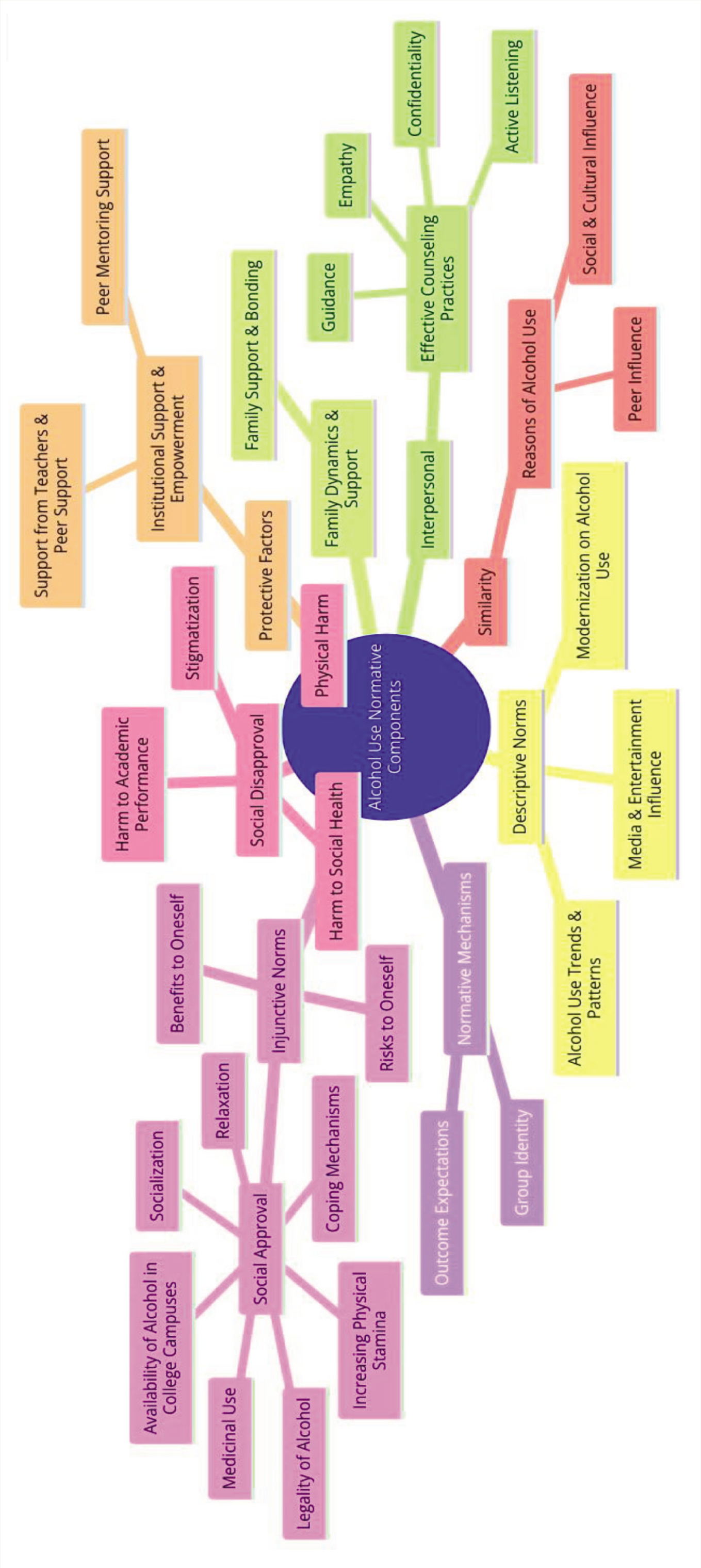
This concept map depicts the normative components and societal influences on alcohol use among college students. It explores various factors such as campus availability, legal issues, social approval, and the impact on health and academic performance. It also highlights the role of peer influence, family support, and effective counseling practices in shaping alcohol consumption behaviors. The map provides a holistic view of how individual, social, and institutional factors interact regarding alcohol use.
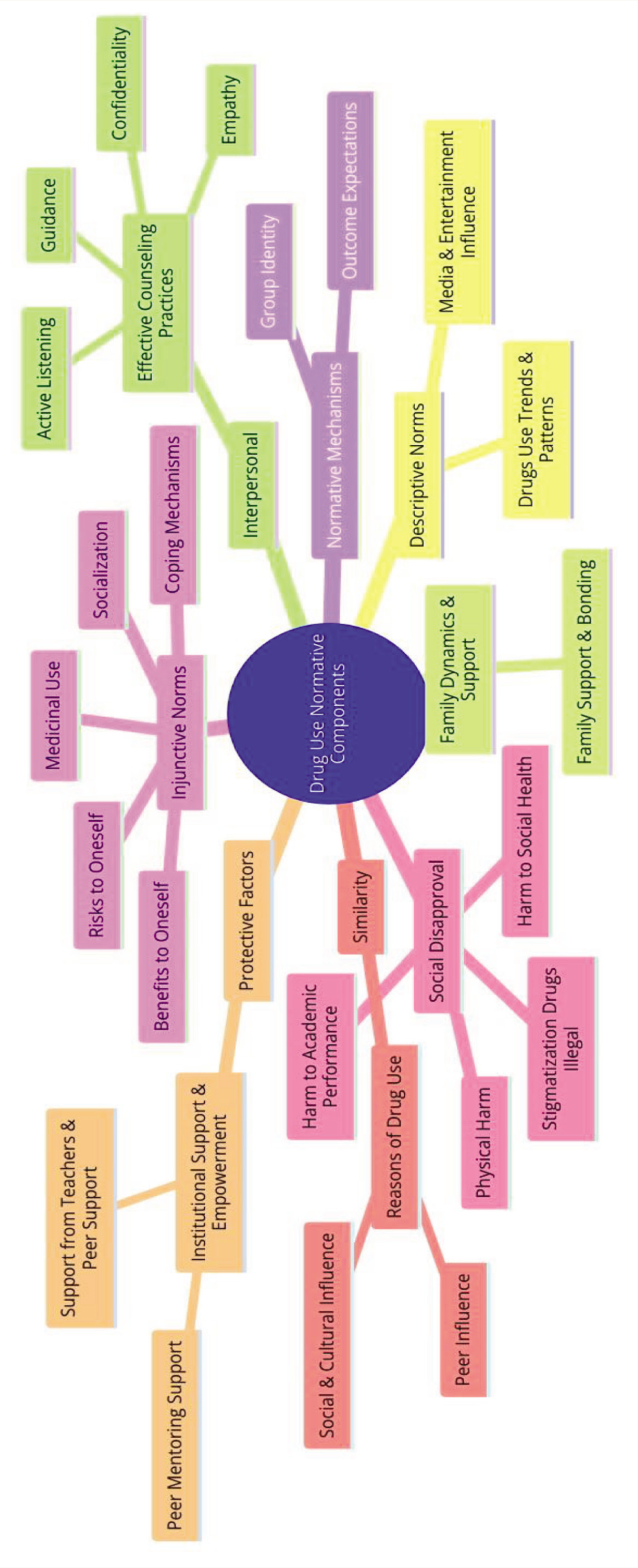
This concept map delineates the normative components and societal influences on drug use within the college student demographic. It captures the interactions between personal benefits, social norms, and institutional factors alongside the potential risks and consequences of drug use. The map also highlights supportive mechanisms, including peer and family support, and the role of effective counseling, illustrating how these factors collectively influence drug consumption behaviors and perceptions among students.
Both alcohol and drug use are influenced by peer and sociocultural influences, where group identity and outcome expectations play roles in shaping behaviors. The shared norms for both substances revolve around their use as coping mechanisms, with similar protective factors such as family support and institutional interventions such as peer mentoring and counseling practices. These interventions aim to mitigate misuse and provide support.
Discussion
Our findings highlight the significant role of social norms in shaping substance use among young college students. As social norms theory suggests, students’ behaviors are heavily influenced by their perceptions of peers’ behaviors and attitudes. 25 This study underscores that both descriptive and injunctive norms significantly contribute to the normalization of substance use, consistent with research indicating that misperceptions about peer substance use can promote similar behaviors among others. 26
Consistent with global trends, our results emphasize the considerable impact of media portrayals on substance use. 27 Media and modernization introduce new norms and expectations around substance use, often glamorizing it and diminishing perceived risks, which can influence young adults’ attitudes and behaviors toward substances. 28
The study also sheds light on the influence of evolving gender norms on substance use behaviors, particularly noting an increase in substance use among young women as societal roles and expectations change. 29 This aligns with findings that modernization leads to shifts in traditional roles, impacting substance use patterns across genders. 30
Our study highlights the significant role of family dynamics in influencing substance use behaviors among young college students in India. Family involvement and support were identified as crucial factors in shaping attitudes toward alcohol and drug use. In contexts where families were closely involved in the lives of students, there was a noticeable decrease in substance use. This protective role of the family is seen in their ability to provide emotional support, set expectations, and model healthy behaviors.
In contrast, Western literature often presents a more nuanced picture of the role of family in substance use. Research from regions like the United States and Europe suggests that while family involvement can serve as a protective factor against substance use, certain family dynamics, such as high conflict or dysfunction, can increase the risk of substance use among adolescents and young adults. 17 For example, studies have shown that parental monitoring and warmth are associated with lower levels of substance use. In contrast, familial substance use and permissive parenting are linked to higher levels of use. 31
The variance in the impact of family on substance use can often be attributed to cultural differences. In Indian society, where family structures are typically tight knit and parental involvement is high, family influence on young individuals’ behavior is substantial. This contrasts with many Western contexts, where individualism is more pronounced, and young adults may experience greater autonomy from their families at an earlier age, thereby modifying the influence familial attitudes and behaviors have on substance use. 23
Our study also demonstrates how crosscutting frameworks to understand substance use in young adults, such as novelty-seeking tendencies and emotion regulation, can also be observed through the lens of social norms theory. For example, the tendency to explore new behaviors during college years often occurs within a social context where peer approval and perceived norms strongly influence decision-making. Similarly, difficulties in emotional regulation may lead students to conform to social norms that endorse substance use as a coping mechanism.
Enhancing prevention and intervention strategies for substance use among college students is crucial, mainly through normative education and family-centric interventions. Our study emphasizes the need for normative education programs that address and correct misconceptions about the prevalence of substance use among peers. By conveying accurate behaviors and attitudes, these programs can significantly reduce substance initiation and continuation and should be culturally tailored to enhance relevance and effectiveness. 32 Furthermore, family plays a critical protective role, suggesting that interventions should bolster family dynamics by improving communication and providing education on recognizing and addressing substance misuse. 17 These family-centric approaches can empower families to serve as a support system and a preventive force against substance use.
The impact of peer-led interventions may be significant, as peers can directly influence the reduction of harmful substance use through positive role modeling and peer education. 33 Changing injunctive norms and reducing the stigma associated with substance use are also critical. Programs that modify injunctive norms to make nonuse more acceptable and interventions that decrease stigma can facilitate a healthier social environment, making it easier for students to seek help and reduce substance use without fear of judgment. 34
Policymakers and educational institutions should leverage these insights to implement comprehensive community and school-based programs that engage students and their families. Policies that integrate substance use education into school curricula and provide training for educators on effective substance use management 35 are needed. These strategies, combined with peer-led initiatives and efforts to shift social norms and reduce stigma, form a multifaceted approach to preventing and mitigating substance use in college settings.
Limitations
Our study provides insightful observations into how social norms and family dynamics influence substance use among college students in India. Nevertheless, these findings need to be more widely generalizable across different cultural or demographic settings due to diverse normative beliefs and family structures. The cross-sectional design of our research also restricts us from establishing causality between these social factors and substance use, underscoring the need for longitudinal studies to track these dynamics over time for clearer insights. Additionally, the reliance on self-reported data might compromise the accuracy of our findings, as participants could have minimized their substance use reports due to social desirability bias. We did not collect additional sociodemographic and family details of participants because of concerns about anonymity. However, this additional information might help understand the broader demographic context. Given our research objectives, we deliberately chose not to explore individual personality traits or emotional regulation as primary variables. While personality traits and emotional regulation are significant factors in substance use, our study was focused on understanding the broader social dynamics at play rather than individual psychological factors.36,37
Conclusion
Our study shows that perceived social norms and family dynamics play important roles in influencing substance use among college students in India, with misperceptions about peer behaviors significantly driving substance use. Family involvement and institutional support act as protective factors. This research underscores the need for culturally tailored, family-centered interventions, and normative education to address and reduce substance use in college environments effectively.
Supplemental Material
Supplemental material for this article is available online.
Footnotes
Declaration of Conflicting Interests
The authors declared no potential conflicts of interest with respect to the research, authorship and/or publication of this article.
Declaration Regarding the Use of Generative AI
The authors used AtLAS.ti to generate the initial codes/themes.
Ethical Approval
The research protocol received approval from the Institutional Ethics Committee (IEC /2022/ 000763).
Funding
The authors disclosed receipt of the following financial support for the research, authorship, and/or publication of this article: The authors received the funding support from Science and Technology Review Board, Department of Science and Technology, New Delhi, India.
Informed Consent
Informed consent was obtained from all study participants.
References
Supplementary Material
Please find the following supplemental material available below.
For Open Access articles published under a Creative Commons License, all supplemental material carries the same license as the article it is associated with.
For non-Open Access articles published, all supplemental material carries a non-exclusive license, and permission requests for re-use of supplemental material or any part of supplemental material shall be sent directly to the copyright owner as specified in the copyright notice associated with the article.
