




Abstract
Background:
The first two years of life are critical for brain development. Experiences and exposures during this period can have long-term effects on an individual’s health. Therefore, we aim to develop a program for new parents in the Indian context to help them understand their developing infant’s needs and provide the best possible care grounded in traditional practices to ensure healthy developmental outcomes.
Methods:
The program was developed using the exploratory–confirmatory framework grounded in qualitative methods—(a) collection of empiric evidence base by conducting a thorough literature review, (b) tacit experience, and (c) focus group discussions with relevant stakeholders. Picture-based content (one picture per day for two years) was created, and the program was expert-validated. A web-based application was developed to make it available to parents, and the program was translated into three regional languages to improve its reach. A telephonic user feedback survey was carried out, and descriptive statistics were used to present the findings from the survey.
Results:
DOLPHIN stands for “Developing Opportunities of Learning for Parents to Help Infant Nurture.” Over 600 parents accessed the program. Feedback is positive in the domains of parental satisfaction and user-friendliness.
Discussion:
The program primarily focuses on ensuring appropriate sensorimotor stimulation and meeting the socioemotional needs of the growing infant through the first two years, emphasizing healthy nutrition and hygiene to ensure holistic development. Therefore, its approach is health-promotive and disease-preventive. It incorporates traditional child-rearing practices of India rich in stimulation, promoting secure attachment, and incidental learning: “readiness.”
Conclusion:
The DOLPHIN program demonstrates a promising approach to supporting new parents in nurturing their infants during the critical first two years of life. With positive feedback and a focus on traditional practices and evidence-based content, it holds potential as a health-promotive and preventive intervention for holistic child development in the Indian context.
The DOLPHIN program, an acronym for “Developing Opportunities of Learning for Parents to Help Infant Nurture,” is introduced as a promising initiative designed to guide new parents in understanding and meeting their infants’ needs through evidence-based and traditional practices, promoting holistic development. The DOLPHIN program is highlighted for its health-promotive and disease-preventive approach, focusing on appropriate sensorimotor stimulation, socioemotional needs, healthy nutrition, and hygiene practices. Incorporating traditional child-rearing practices enriches the program, fostering secure attachment and incidental learning for comprehensive child development in the Indian context.Key Messages:
Infants of the human species are inherently dependent on their parents from birth. During the first two years of life, there is a remarkable progression in brain development, growth, and neuronal pruning. Infant brain development and social, emotional, and cognitive growth are contingent upon establishing a nurturing bond with a primary caregiver, typically a parent. Cumulative empirical findings from developmental psychology, neurobiology, and animal epigenetic investigations underscore parental support’s indispensable role during the initial biennium in orchestrating salutary trajectories of child development and enduring prognostic implications. 1
Parenting behaviors are of critical significance in shaping the behavior of human infants, both in the present and the future. Within the parent–infant dyad, infants undergo their initial social encounters, thus establishing blueprints for their expectations of others and their ability to meet societal expectations. 2 Conventionally, mothers have assumed a greater share of childcare duties than fathers. Nevertheless, research indicates that paternal involvement in caregiving and parenting is dynamic, adapting to the developmental stages of a child, with the paternal role becoming particularly influential during infancy or early development.3,4
In India, where approximately 26 million babies are born every year, 5 the Indian Academy of Pediatrics recently released a consensus statement on early childhood development (ECD), ensuring a comprehensive approach to address the needs of this substantial population. It emphasizes active caregivers’ involvement in adopting an age-appropriate approach to enable a supportive environment with a disclaimer that the “consensus statement is prepared for assisting pediatricians by current scientific evidence and guidelines for acting in ECD as a whole; however, many areas are still not clearly defined.” 6 Given the scarcity of resources leading to a demand–supply gap in the Indian context and an increasing need to create awareness, we set out to create a self-help resource to empower parents with the knowledge and tools necessary for nurturing healthy and well-rounded child development. The primary objective of our research was to develop an evidence-based web-based application for new parents in the Indian context to promote their awareness of typical developmental milestones, thereby identifying any deviations if present early. The secondary objectives were to improve parenting skills and promote parent–child bonding.
Methods
Target Age of Children
The period of infancy is arbitrary. The term derives from Latin words, in + fans, which means non-speaker. 7 Bowlby theorized that birth to 2.5 years is the critical period for the development of attachment. 8 It is also evidenced that deficits in ECD cannot be effectively repaired when interventions are done after 24 to 36 months of age.9,10 Therefore, based on the objective of the study, which was to develop a web-based program for parents to ensure healthy developmental outcomes, and the availability of relevant literature, the target age range of children for the parenting program was determined to be 0 months to 24 months.
An exploratory–confirmatory framework grounded in qualitative methods was used to develop the program. The series of iterative steps included the following: (a) literature review; (b) tacit experience; (c) focus group discussions (FGDs) with relevant stakeholders; (d) thematic analysis; (e) inductive program development; (f) expert validation; and (g) web-based application development.
Literature review: A comprehensive literature review was conducted to gain insights into research on child development and lay a foundation for the subsequent development of the program.
Tacit experience: Tacit experience plays a pivotal role in qualitative methodology. It involves unspoken, deeply ingrained knowledge and perceptions that researchers bring to their interactions, enriching the depth of qualitative data. The researchers had a combined experience of over 50 years in the field of child development.
Focus group discussions (FGDs): FGDs were conducted with developmental pediatricians, child mental health experts (including child psychiatrists, clinical psychologists, speech therapists, and occupational therapists), and caregivers. The objective was to identify essential theoretical constructs that could serve as the cornerstone for program development.
Thematic analysis: Thematic analysis is a qualitative research method that systematically identifies, analyzes, and reports patterns or themes within a dataset. Researchers use this approach to distill and interpret the meaning and significance of qualitative data, such as interview transcripts or text documents. It helps uncover key insights and generate a deeper understanding of complex phenomena. Thematic analysis was used to study and understand the content derived from FGDs.
Inductive program development: Researchers gathered data and analyzed it, looking for patterns to inform the development of a framework for the parenting program and, subsequently, its web-based application, considering the users’ needs and preferences.
Expert validation: Feedback and input from a panel of experts were sought to refine and enhance the program’s content and structure. Expert recommendations were incorporated to ensure content validity and appropriateness.
Web application development: A hybrid web application-based service was developed to make it accessible to parents. The program was translated into three regional languages for the expansion effort. A thorough back-translation process complemented this to ensure accuracy and maintain the program’s effectiveness in diverse linguistic contexts. A telephonic user feedback survey was carried out, and descriptive statistics were used to present the findings.
Ethical Considerations
Approval to conduct the study was obtained from the Institutional Research Committee. The parents were provided with written and verbal explanations of the purpose and procedures of the study. Written informed consent was taken from all the parents. Anonymity and confidentiality were maintained.
Results
DOLPHIN stands for “Developing Learning Opportunities for Parents to Help Infant Nurture.” This unique program is designed for new parents to help them understand the various stages of child development by providing daily activities for the first two years of life. The results are presented under the following sections.
The DOLPHIN Framework
The DOLPHIN framework was derived based on the findings from thematic analysis of FGDs’ content. Table 1 elaborates on the themes and subthemes.
Themes and Subthemes Derived from Thematic Analysis.
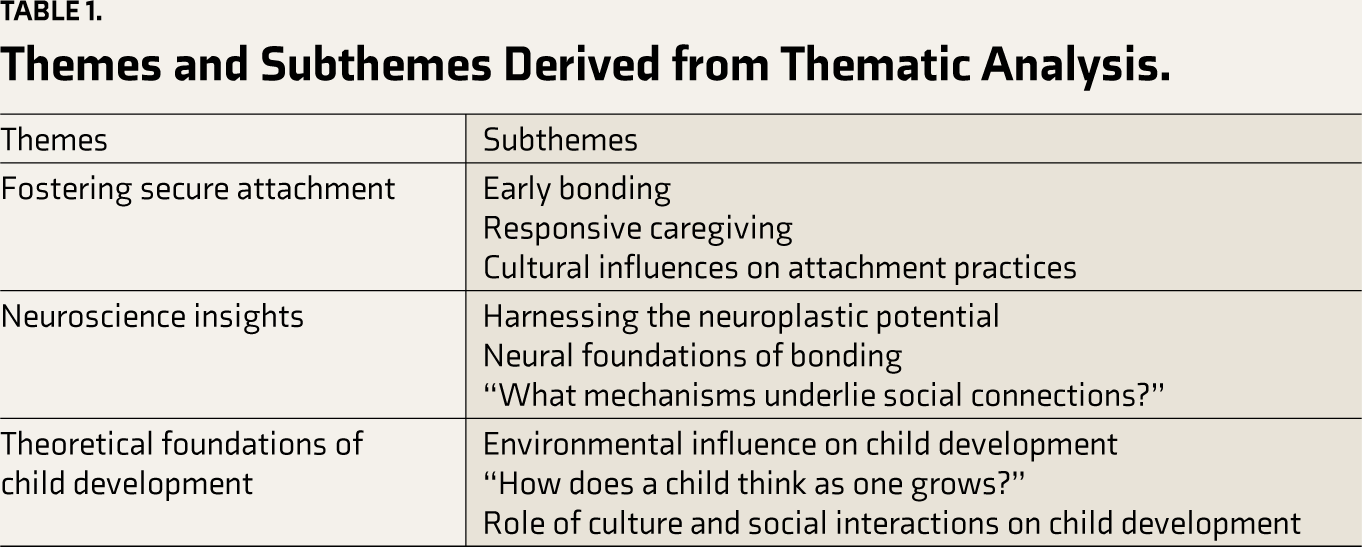
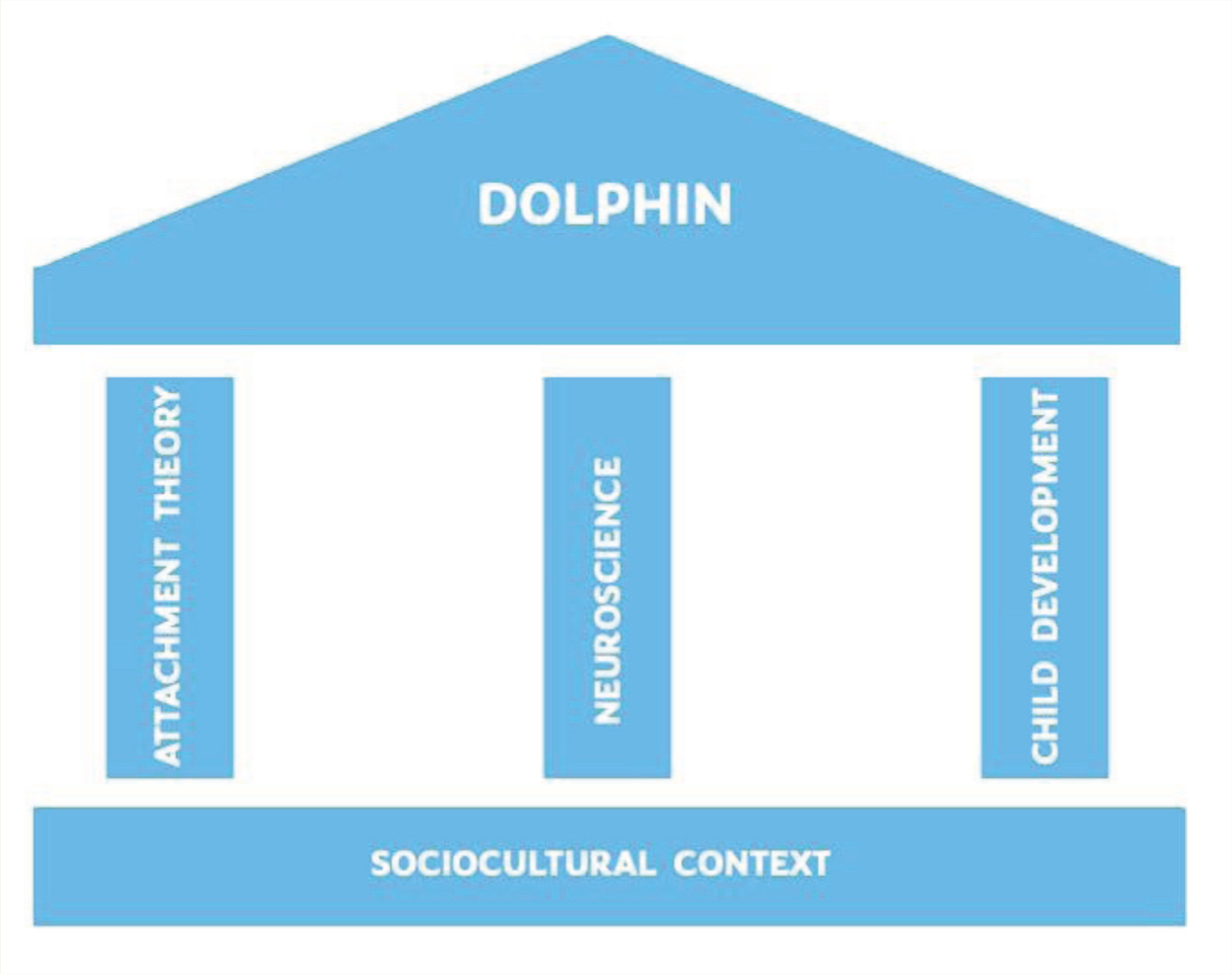
Hence, the DOLPHIN program was guided by the three scientific domains of attachment theory, neuroscience, and child development, with these three pillars firmly grounded in the context of sociocultural factors, as illustrated in Figure 1.
DOLPHIN Framework.
The DOLPHIN Program
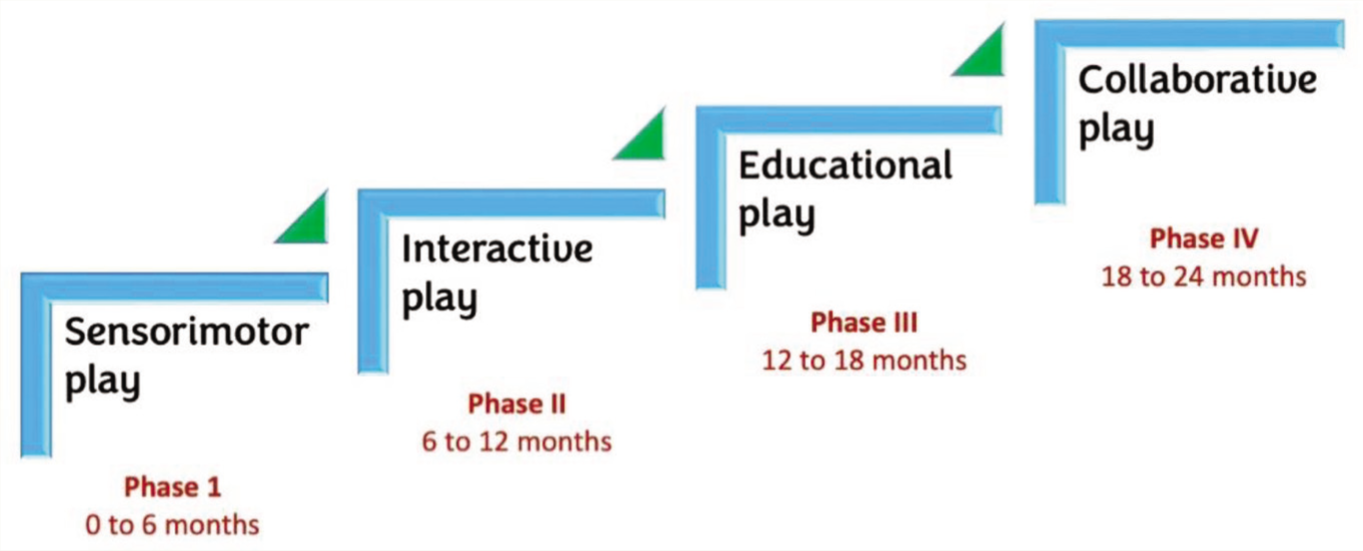
The DOLPHIN program was developed by incorporating principles of attachment theory, neuroscience, and theories of child development strongly rooted within the framework of sociocultural influences based on the data that emerged from the FGDs of various stakeholders. A step-up approach was devised for parents to engage with their growing child through play-based activities tailored to their developmental needs. The two years were divided into four six-month phases. The initial phase emphasized sensorimotor activities, the second phase accentuated interactive play, the third phase incorporated educational materials, and the fourth phase prioritized collaborative play. It is crucial to emphasize that parents should continue the fundamental principles and activities from the previous stage when transitioning to the subsequent phase. Figure 2 illustrates an outline of the DOLPHIN program.
The Step-Up Approach to the DOLPHIN Program.
The DOLPHIN Activities
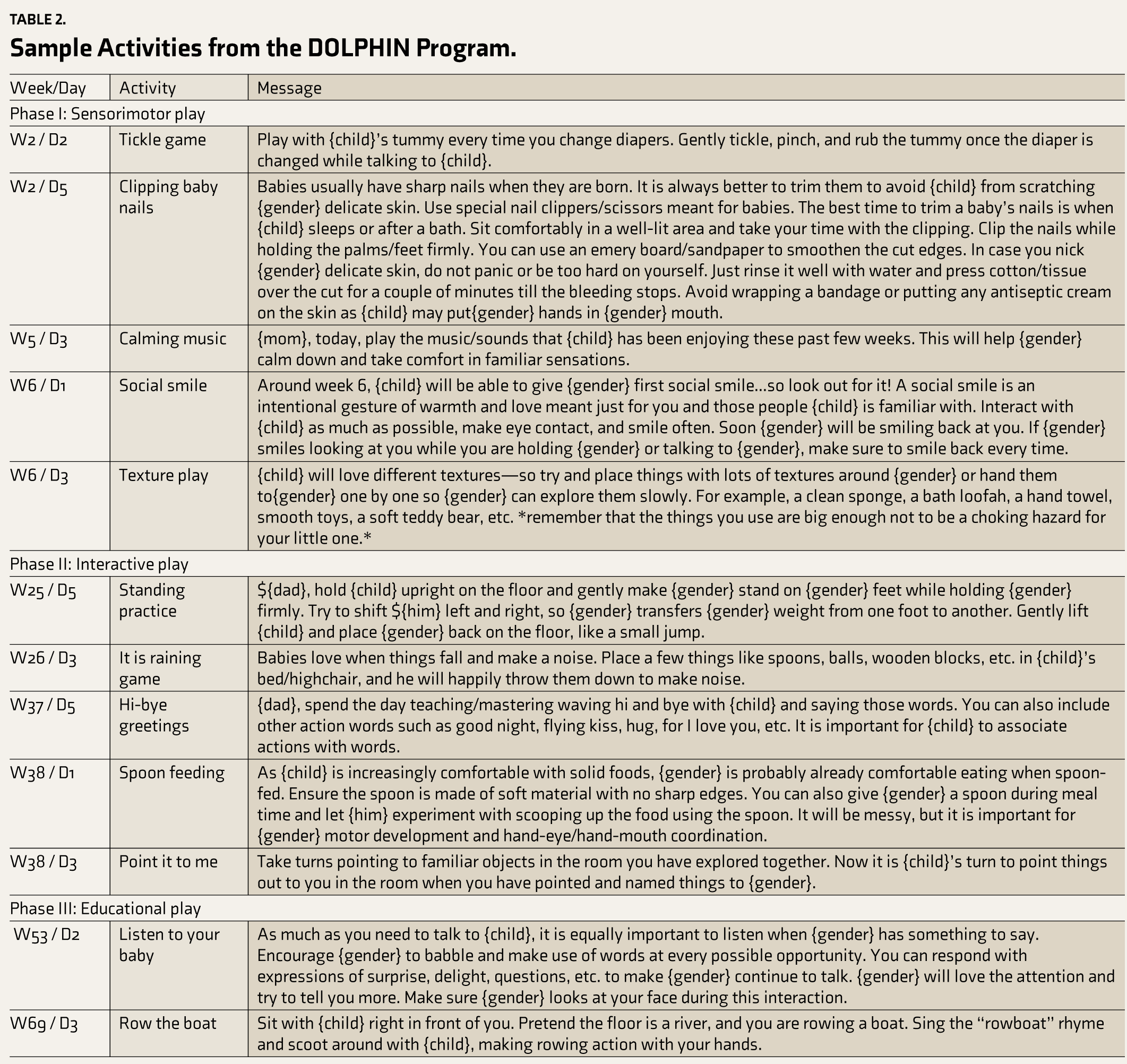
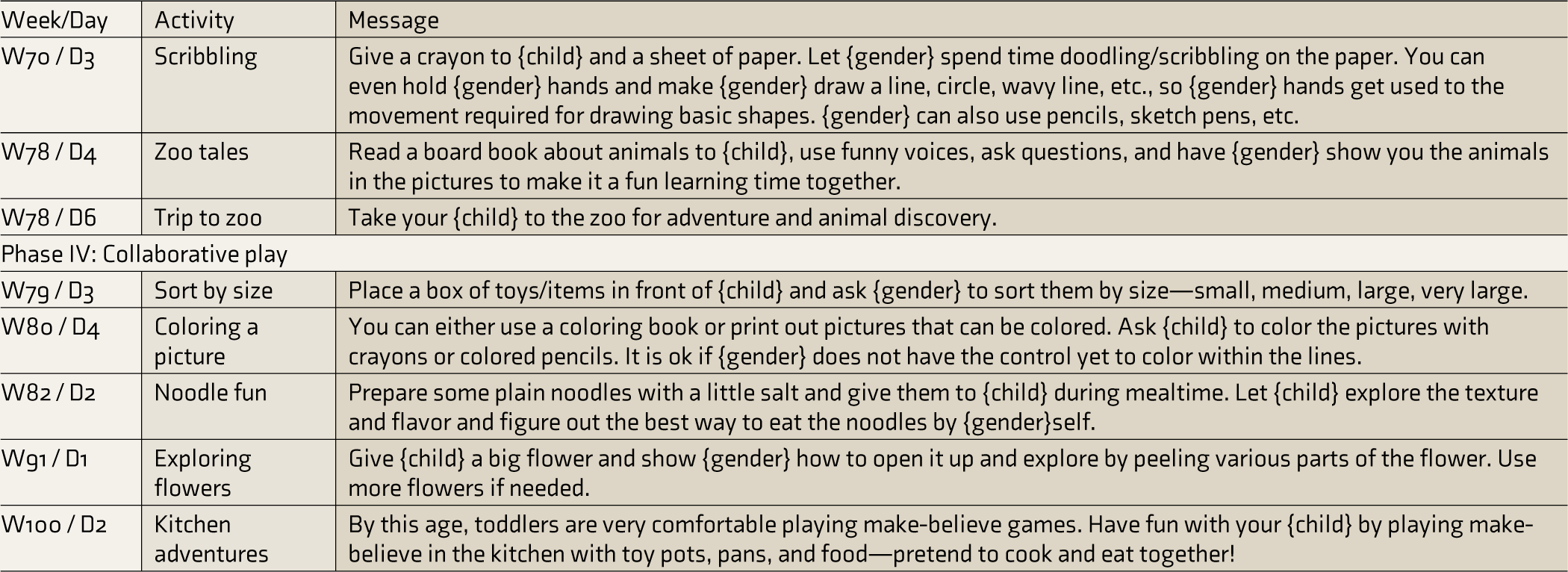
Child development follows a linear progression, with a range of normal developmental variations. Activities were identified and distributed over a specific period to align with the child’’ developmental stage. These activities were contextualized to the child’s sociocultural background, creating simple messages for the caregivers. Table 2 demonstrates the DOLPHIN program by illustrating 20 activities—five activities for each phase.
Sample Activities from the DOLPHIN Program.
The DOLPHIN Pictorial Messages
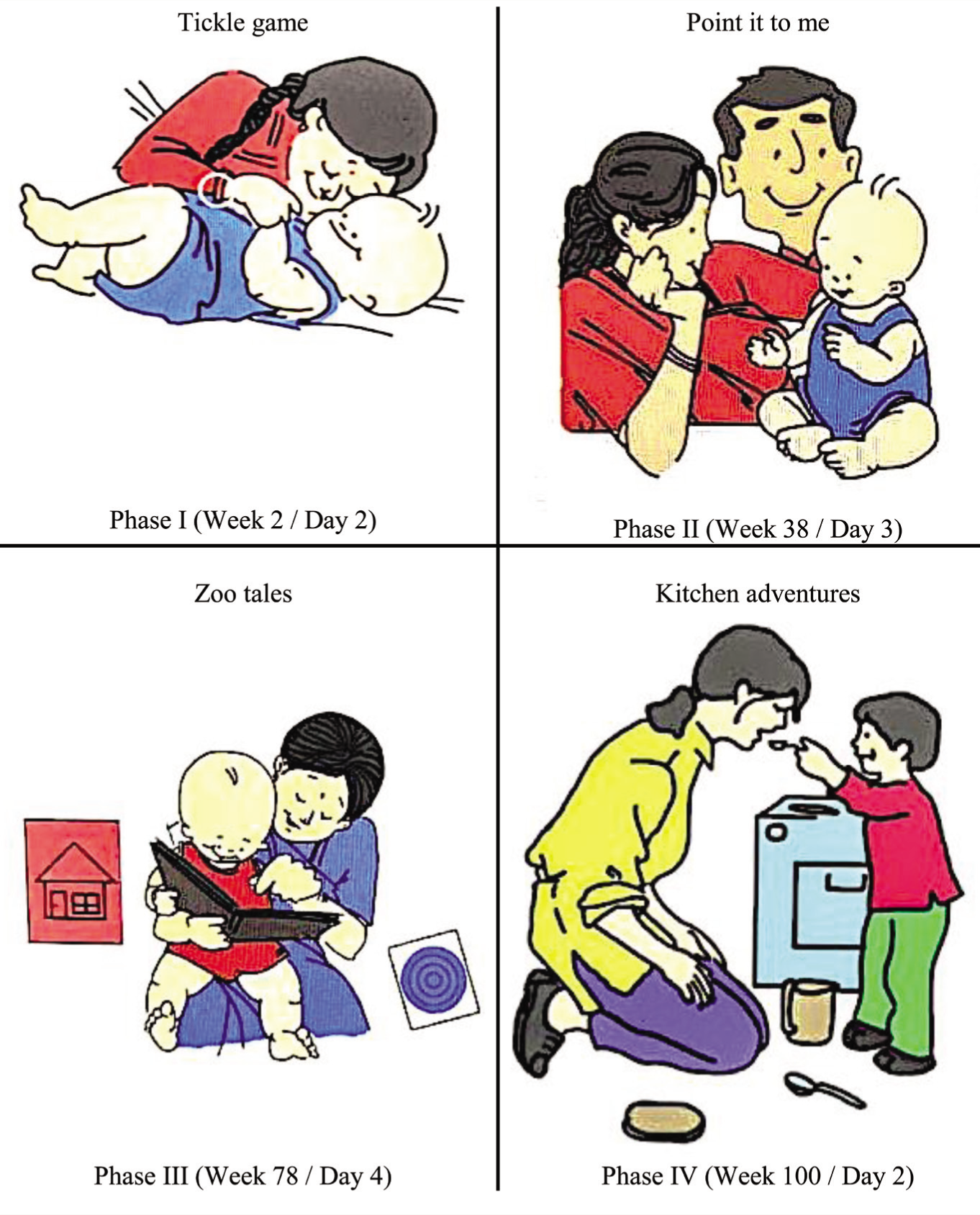
Pictures were created to convey the message more effectively to the caregiver, and one message a day was sent to the caregivers who subscribed to the DOLPHIN program. Figure 3 illustrates four prototypes (original pictures are not provided here due to copyright considerations)—one for each phase.
Sample Images from the DOLPHIN Program.
The DOLPHIN Application and User Feedback Survey
DOLPHIN is constructed as a hybrid web application. It operates on cloud infrastructure, utilizing artificial intelligence to support caregivers’ child-raising journey. It offers age-appropriate daily activities to meet the growing children’s developmental needs, weekly quizzes, and red flag alerts (related to child development once every six months) to parents. A total of 657 users subscribed to the “DOLPHIN” program. A telephonic survey was carried out. Of the 657 subscribers, 305 (47.4%) users could not be contacted. About 96.9% (n = 341) of the 352 users who were contacted found it useful and user-friendly, and only 3.1% (n = 11) had a neutral response. Few caregivers (n = 5; 1.4%) were seeking additional therapies for their children, and few users (n = 5; 1.4%) faced/encountered technical issues in getting updates due to changing phone numbers.
Discussion
Children should be supported by an environment that addresses their developmental needs. Literature suggests that a child’s developing brain requires nurturing support, 11 encompassing elements such as quality healthcare, nourishing nutrition facilitated through responsive feeding, 12 engaging experiences supported by positive, responsive parenting (involving timely, consistent, and suitable interactions involving play, communication, and affection), initial learning offered by parents and extended family members, 13 and an environment of safety and security. The DOLPHIN program, firmly rooted in attachment, neuroscience, and child development principles, offers parents activities to ensure their child’s holistic development. The three theories are elaborated as follows.
Attachment theory: Attachment is a strong biological instinct. Bowlby suggested that all infants attach to their caregiver, even if the care is harsh. However, the quality of attachment varies. Responsive caregiving leads to secure attachment, while inconsistent or neglectful care results in insecure or disorganized attachment. 14 The initial secure attachment pattern was viewed as a significant developmental pathway, as confirmed by longitudinal research. 15 This emphasizes the crucial role of one’s early environment in molding future behavior.
Neuroscience: Brain development relies on experience-dependent mechanisms that either enhance or diminish neural activity, leading to the survival of active neurons and the pruning of unused ones, especially during early life, a growth period unmatched in later years. 16 Leveraging the brain’s neuroplasticity during the early years is pivotal for fostering robust child development. 17 This malleability allows for the creation of strong neural pathways that underpin vital skills and abilities, 17 including the neurobiology of attachment, which forms the foundation for secure relationships and emotional well-being throughout life. 18 The bond with the primary caregiver influences the infant, resulting in neurobiological alterations that can impact emotional responses, reward processing, and perceptions later in life. 18 An integrated understanding of the brain basis of child development and parenting has profound implications for mental health by shedding light on the neurological underpinnings of healthy parent–child relationships and potential interventions. Science has also started unraveling the influence of environmental factors and the quality of parenting on genetic expressions that extend across multiple generations. 19
Child development: Bronfenbrenner’s ecological systems model highlights the importance of different contexts in child development. It emphasizes that individuals are shaped by their immediate environments (microsystem), broader social contexts (mesosystem), cultural and societal norms (exosystem), and historical factors (macrosystem), all of which play a crucial role in understanding the complexity of human development. 20 Children progress through distinct stages of cognitive development, each characterized by unique ways of thinking and understanding the world. Children actively construct their knowledge through experiences and interactions. 21 Caregivers play a crucial role in providing adequate opportunities for the growing child to learn. Vygotsky emphasized that social interaction is crucial for cognitive development. 22 Vygotsky emphasized the caregiver’s role in guiding a child through the “zone of proximal development” through scaffolding. 22 In contrast, Piaget focused on “readiness,” suggesting that children should be taught specific things only when they can. 21 The activities in the DOLPHIN program progress along the natural course of development; however, they should be attempted based on a child’s readiness.
The program also educates and handholds parents through the fussy weeks, when infants may display increased irritability and fussiness, often associated with growth spurts or developmental milestones, 23 and general nutrition and hygiene practices as they play a pivotal role in fostering healthy development in early life and laying the foundation for lifelong health. 24 Neurodevelopmental milestones and behaviors in early childhood appear innate and universal when nutritional and health needs are met with a consistent sequence and timing. 25 However, it is essential for contingent loops of interactions to take place between parents and infants in order to ensure survival and appropriate development. 2
Pictorial messages serve as a powerful tool for parental education and guidance, facilitating clear and accessible communication in the realms of parenting and child development. The DOLPHIN program provides parents with one pictorial message a day. They have been previously used as pictorial calendars to assist parents in engaging with their children and equip accredited social health activists and Anganwadi workers with the means to support parents and families in fostering healthy child development in the Indian context. 26
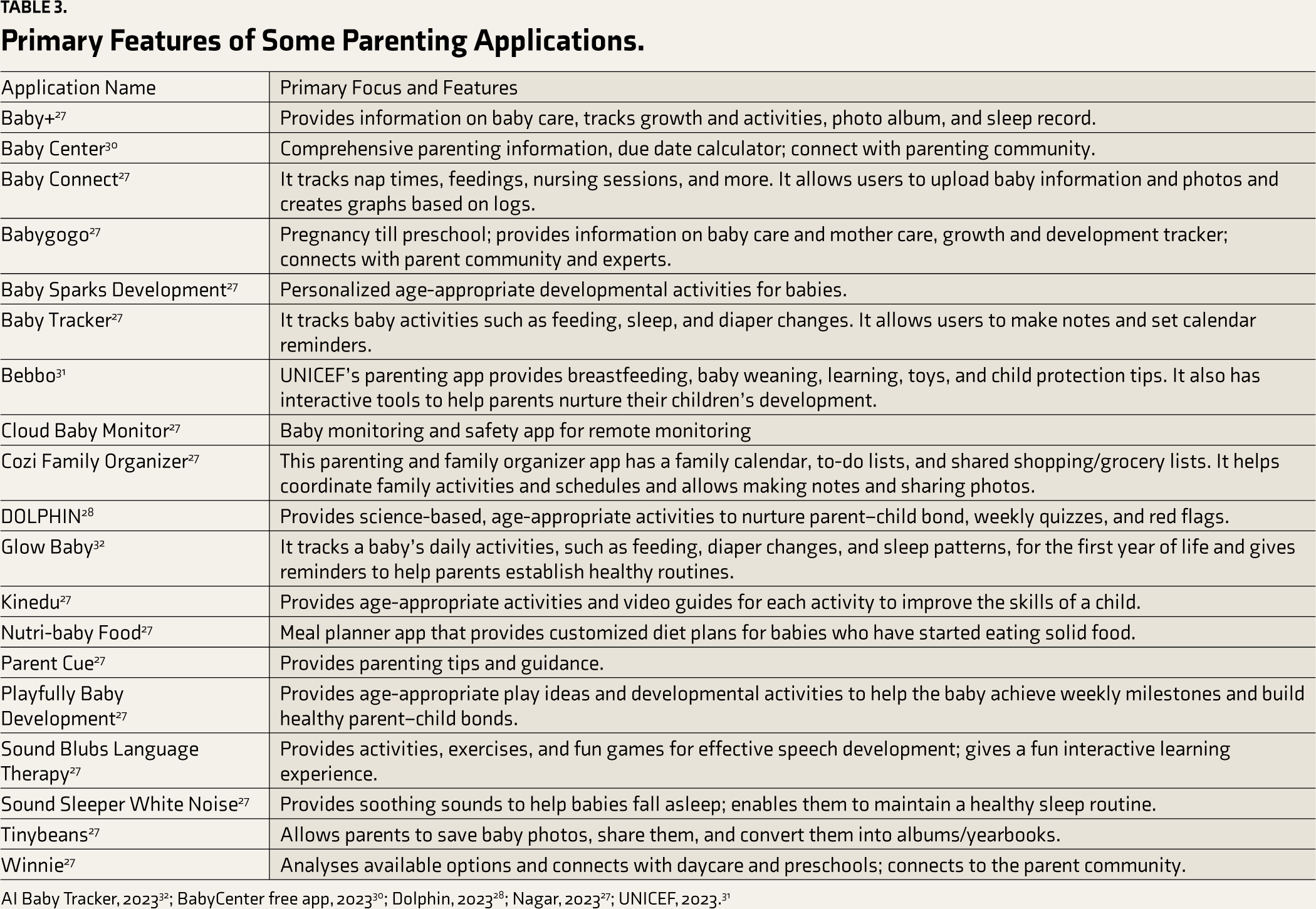
Parenting applications have proliferated globally, offering various digital tools and resources to support caregivers in their child-rearing journey. These apps often provide developmental guidance, parenting tips, educational activities, and family organization features, track baby care activities, record vaccination schedules, and even connect parents to online communities for sharing experiences and advice. 27 DOLPHIN is a parenting and baby development application that empowers parents with the knowledge of evidence-based, age-appropriate daily activities. It also has features like weekly quizzes and red flag alerts (once every six months related to child development). 28 This application also emphasizes fathers’ pivotal role in infant development, offering resources via visuals and activities. The literature shows that healthcare professionals create a few apps targeted at fathers. 29
The primary focus and features of some of these prominent parenting applications and the DOLPHIN app are presented in Table 3. It is essential to choose a parenting app depending on one’s specific needs and preferences.
Primary Features of Some Parenting Applications.
AI Baby Tracker, 2023 32 ; BabyCenter free app, 2023 30 ; Dolphin, 2023 28 ; Nagar, 2023 27 ; UNICEF, 2023. 31
A pilot randomized control trial of a parenting app involving 79 parents of infants aged 0–6 months in the UK reported a higher app usage frequency correlated with greater parental self-efficacy outcomes. 33 The existing literature also indicates that evidence-based apps tend to be scientifically rigorous. However, they may not be as engaging or have intuitive user interfaces compared to commercial apps. 34 Therefore, our cross-sectional survey evaluated the utility and user-friendliness of the DOLPHIN app. Over half (n = 341) of the total sample (n = 657) found the app useful and user-friendly. Future studies could explore parental self-efficacy through comparable pre- and post-intervention assessments while addressing ethical challenges.
Strengths and Limitations
The DOLPHIN program is a culturally sensitive program developed by actively involving professionals and parents. It provides evidence-based, age-appropriate daily activities to parents so they can engage with their children consistently, fostering bonding and healthy development. It is easily accessible to parents from diverse linguistic backgrounds as it is translated into three regional Indian languages. Its interactive features, such as the weekly quizzes, engage parental learning. The red flag alerts raise awareness for early recognition of possible developmental delays and encourage early intervention. However, the DOLPHIN application also has some limitations. It does not track a child’s milestones or other baby care activities. It does not provide individualized activities or customization options to address specific problems. It does not provide access to experts or parent communities. The program’s effectiveness depends on parents’ willingness and ability to engage in the recommended activities, which may vary consistently. The program’s accessibility relies on internet connectivity and digital devices, which may exclude families with limited access to technology or the internet. We must note that 47% of the users could not be contacted; this could lead to a non-response bias. Therefore, the study results need to be interpreted with caution. While describing the general profile of the user base can help contextualize our findings and provide a clearer picture of the population utilizing our app, we had collected the contact numbers of subscribers solely for communication and engagement within the app. Future directions for our research include considering baseline and end-line assessments to measure the impact of application usage and enhance our understanding of the app’s effectiveness for the general public.
Conclusion
The DOLPHIN program offers a promising technology-based strategy to assist new parents in nurturing their infants through the crucial first two years of life. Rooted in traditional practices and evidence-based content, it has the potential to serve as a holistic health-promoting and disease-preventive intervention for comprehensive child development in the Indian context, fostering positive outcomes.
Footnotes
Acknowledgements
We extend our heartfelt gratitude to Mr Karthik Krishnamurthy for his invaluable contributions to the DOLPHIN web-based application development.
Declaration of Conflicting Interests
The authors declared no potential conflicts of interest with respect to the research, authorship and/or publication of this article.
Declaration Regarding the Use of Generative AI
None used.
Funding
The authors received no financial support for the research, authorship and/or publication of this article.