




Abstract
Background:
Very few studies have examined the extent and nature of legal, social, and occupational problems among persons who have SUDs. This study was aimed at studying the prevalence and patterns of the aforementioned problems among individuals with alcohol use disorders (AUDs) and their relationship with the quantity of alcohol consumed and other variables.
Methods:
We conducted a cross-sectional study of adult patients with a diagnosis of AUDs admitted to the deaddiction unit of a tertiary care facility in India, using a semistructured questionnaire prepared for this study.
Results:
The mean age (SD) of the 91 subjects (95.6% males) was 40.3 years (8.5). Majority of them (92.3%) had started alcohol consumption before the age of 25 years. Common problems reported were work absenteeism (83.5%), a major altercation with spouse (69.3%), assaulting someone while intoxicated (53.8%), and driving under the influence of alcohol (59.3%). Significant association was found between being unemployed and having a police complaint lodged against them (chi-square = 5.7, P = 0.01). Quantity of alcohol consumed per day was significantly more among those who had a history of work absenteeism (Z = 2.27, P = 0.01), major altercation with spouse (Z = 2.25,
Conclusion:
The quantity of alcohol consumed is significantly more in those who had several legal, social, and occupational problems when compared to those who did not have, highlighting the need for routine assessment of the aforementioned problems among patients of AUDs. Treatment of AUDs should be multidisciplinary, with targeted interventions tailored to the aforementioned problems. Doing so will go a long way in reducing the harm to patients and the community at large.
Legal, social, and occupational complications are common in patients suffering from AUDs. We should include the systematic assessment of legal, social, occupational problems during the assessment of individuals with AUDs and devise targeted interventions, using a multidisciplinary team, which are tailor-made to address these problems.Key Messages:
Alcohol causes significant heightening in aggressive responses and impaired cognition, perception, attention, balance, and coordination, leading to road accidents and violence like homicide, sexual assault, and child abuse. 7 According to the report of the National Crime Records Bureau (NCRB), many accidents due to drunk driving have resulted in fatalities, with 42% of the drunken-driving victims losing their life in 2015.8, 9 Studies have shown that 10%–40% of those injured in traffic accidents were under the influence of alcohol.10–12 In the United States, around 300,000 violent assaults per year take place when the perpetrator is under alcohol intoxication. 13 Studies from Australia and New Zealand have shown that around half of the offenders are intoxicated at the time of committing the crime.14, 15
Density of alcohol outlet in the locality has been shown to correlate with the rate of intimate partner violence. 16 Multiple studies had shown that 30%–75% of perpetrators were intoxicated with alcohol when they inflicted intimate partner violence.17–20 American studies have shown that intimate partner violence leads to marital dissatisfaction and eventually to divorce.21–24
Alcohol use increases suicide thoughts and behaviors by producing depression, decreased inhibition or impaired judgment.25–30 A hospital-based study among older people reported that as many as half of those with alcohol use disorder (AUDs) had a history of a suicide attempt. 31
Alcohol use increases firearm misuse, both indirectly and directly, by possibly affecting educational attainment, employment, and income, thereby facilitating association with delinquent peer groups. 32 Alcohol, combined with easy accessibility to firearms, also increases rates of suicides by gunshots. 33
Alcohol abuse/dependence causes decreased productivity at work and increases work absenteeism, thereby leading to unemployment.34–39 Alcohol misuse, especially alcohol dependence, is linked to sustained unemployment. 40
Most of the past research has assessed the prevalence of AUDs in people facing different legal, social, and occupational problems, but almost none have assessed the reverse. We undertook the current exploratory study to assess the prevalence of different legal, social, and occupational problems in patients with AUDs and If the quantity of alcohol consumed per day predicted presence of absence of any of the above problems.
Materials and Methods
Ethical clearance was obtained from the Institutional Ethics Committee. Participants were recruited from the Centre for Addiction Medicine of a tertiary care government hospital, using systematic sampling (every third patient from admission register) between October 2016 and March 2017. The hospital is situated in South India, and patients who get admitted to the hospital predominantly belong to low and middle socioeconomical classes, with very few from higher socioeconomic class. Patients from across India visit and get admitted to this center as it is a pioneer in mental health and neurosciences. Both male and female adult inpatients with a primary diagnosis of “alcohol use disorder” as per Diagnostic and Statistical Manual of Mental Disorders, fifth edition (DSM-5) criteria and ready to consent for the study were included after taking written informed consent. Patients diagnosed by the treating psychiatric team as an organic brain syndrome or dementia, or as having comorbid mood disorder/psychosis/personality disorders/any other substance use disorder (SUD) (apart from tobacco) were excluded. Patients were interviewed by the first author after their withdrawal symptoms were adequately controlled. Patients and their caregivers were interviewed separately and together, ensuring that patients are comfortable enough to discuss the legal, social, and occupational problems they have come across.
Patients were interviewed using a semistructured questionnaire specially prepared for this study (Appendix S1). The semistructured questionnaire was prepared by using three different standardized scales, viz. Addiction Severity Index (ASI), 41 Alcohol Problem Questionnaire (APQ), 42 and harm to others scale (HTO), with inputs from experts in the field of addiction psychiatry and forensic psychiatry. The questionnaire so prepared was approved by all investigators of the study.
The average milliliters of alcohol consumed per day in the previous month were enquired. It was then converted into standard units of alcohol (30 mL of rum/whiskey/vodka = 1 standard unit of alcohol, 90 mL wine = 1 standard unit of alcohol, and 330 mL of strong beer = 2 standard units of alcohol). There were very few subjects who were consuming country-made alcohol. Country-made alcohol was taken as equivalent to 42% alcohol for calculation purposes.
Data was entered on SPSS version 20. For statistical analysis, median scores were compared on the Mann–Whitney U test, and the chi-square test was used for comparison of categorical variables.
Results
Sample Characteristics
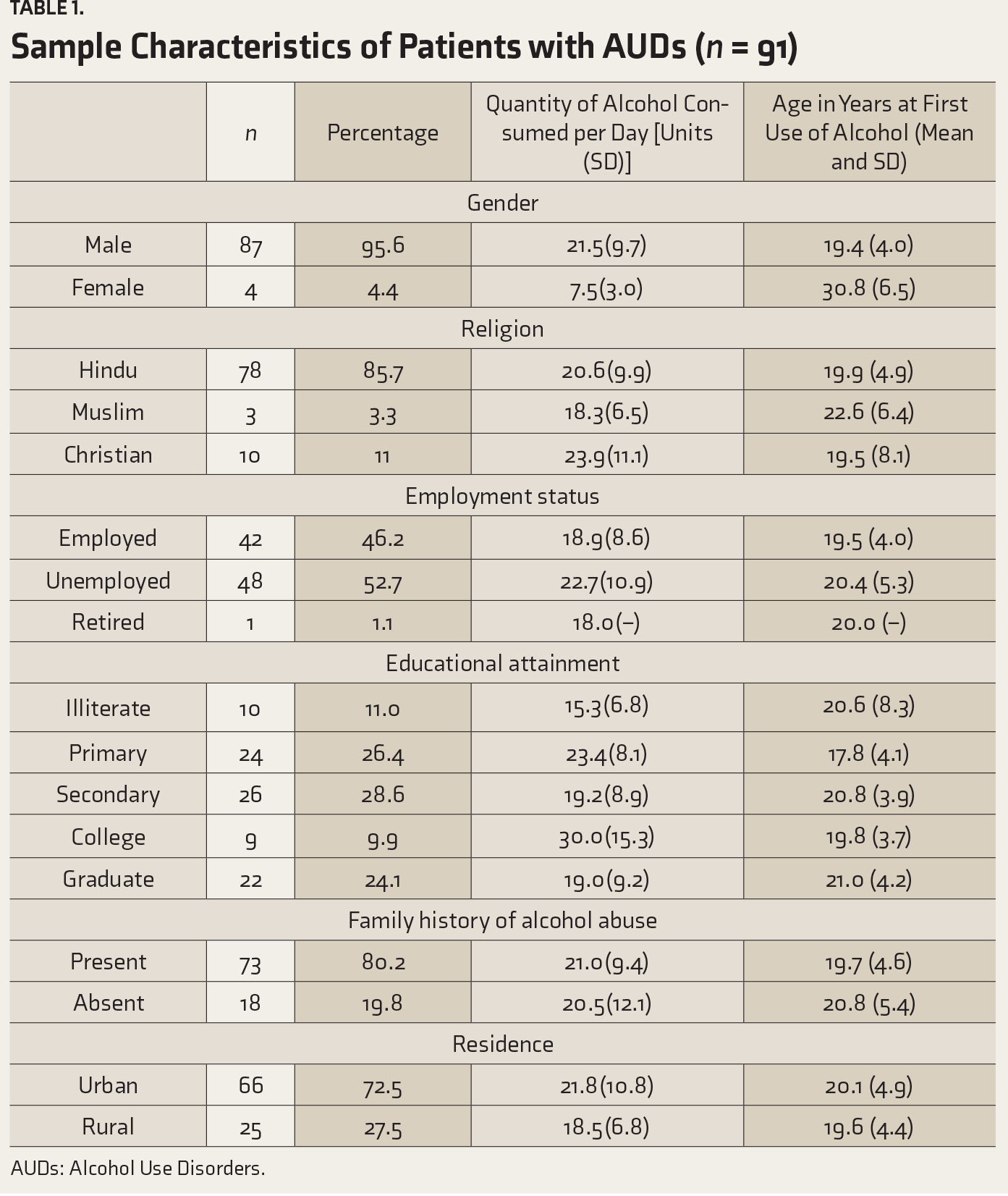
125 patients were screened, among whom 34 were excluded for various reasons (presence of comorbid cannabis use disorder, opioid use disorder, bipolar affective disorder, schizophrenia, organic psychosis, etc.) and 91 with AUDs were enrolled for the study. The sample included predominantly males (87, 95.6%). The age range was 25–64 years, with a mean (SD) age of 40.3(8.5) years. Two-thirds of the sample (66, 72.5%) were urban residents. At the time of evaluation, 48 (52.7%) were unemployed; one subject had taken premature retirement from service. Most of the subjects (84, 92.3%) had initiated alcohol consumption by 25 years of age. Mean (SD) daily alcohol consumption of alcohol in the last month was 20.9 (9.9) units (
Sample Characteristics of Patients with AUDs (n = 91)
AUDs: Alcohol Use Disorders.
All the cases that were recruited had severe form of AUD as per DSM-5 criteria. First-degree relatives of 62 (68.1%) patients, and second-degree relatives of 51 (56.0%) patients had a history of AUD. On the whole, family history of AUD was present in 73 (80.2%) patients (
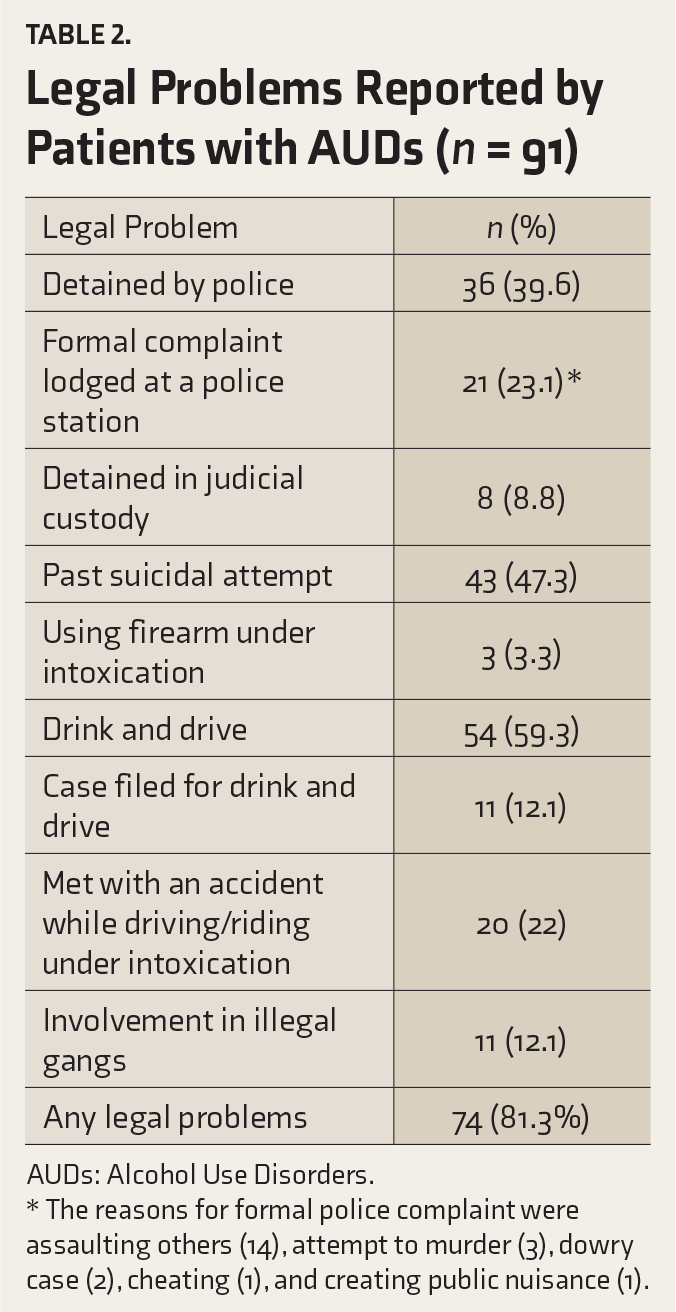
The different legal, social, and occupational problems that were assessed are listed in
Legal Problems Reported by Patients with AUDs (n = 91)
AUDs: Alcohol Use Disorders.
* The reasons for formal police complaint were assaulting others (14), attempt to murder (3), dowry case (2), cheating (1), and creating public nuisance (1).
Occupational and Social Problems Reported by Patients with Alcohol Use Disorders (n = 91)
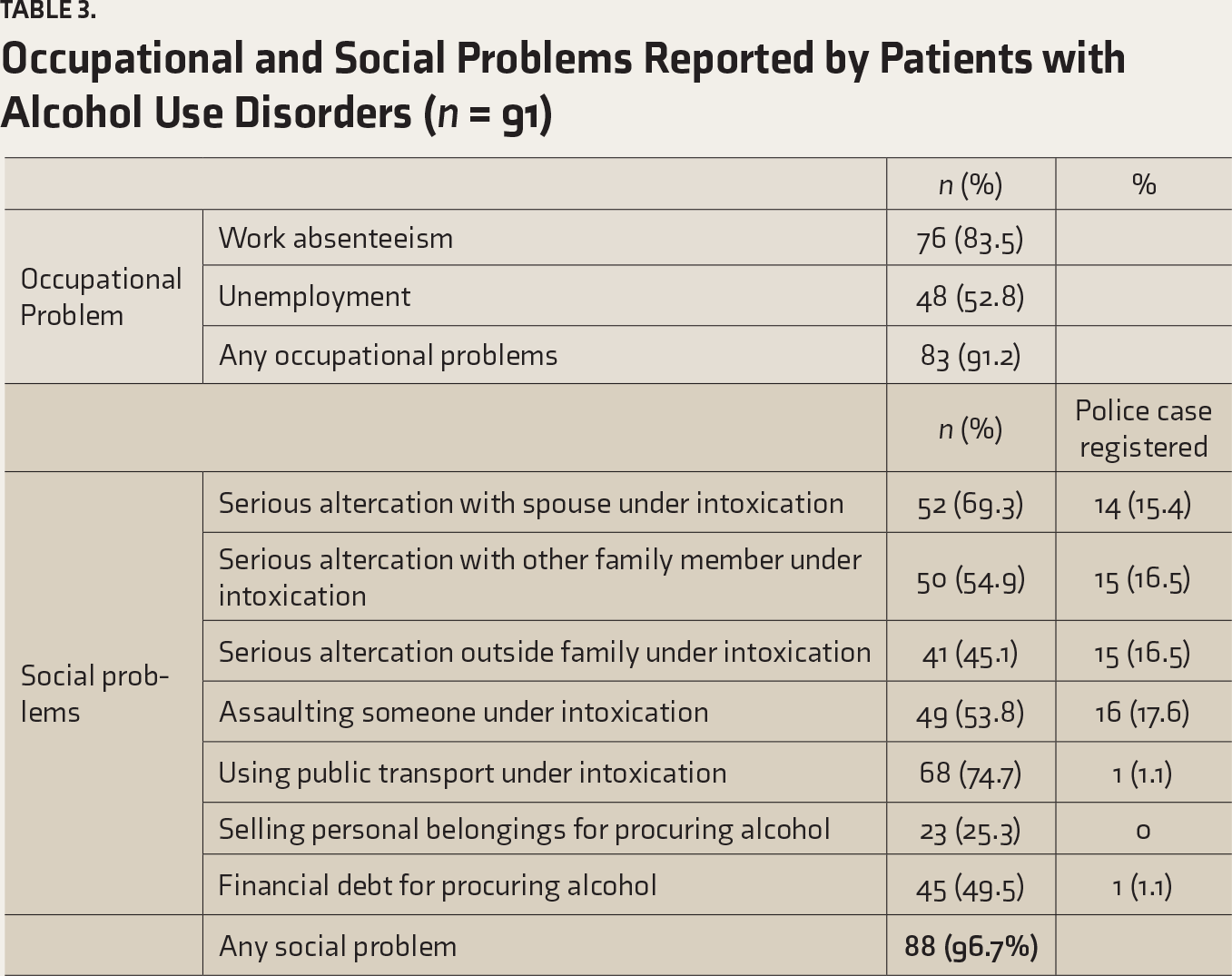
Quantity of alcohol consumed per day was significantly more among those who had a history of work absenteeism (Z = 2.27, P = 0.01); altercation with spouse (Z = 2.25, P = 0.02), another family member (Z = 1.93, P = 0.05), or outside family (Z = 3.40, P < 0.001); assaulted someone under intoxication (Z = 2.33, P = 0.02); travelled in public transport under intoxication (Z = 2.06, P = 0.03); financial debts (Z = 2.87, P < 0.001); attempted self-harm (Z = 2.07, P = 0.04) or sold off their belongings to procure alcohol (Z = 2.06, P = 0.03) as compared to those without such adverse consequences (
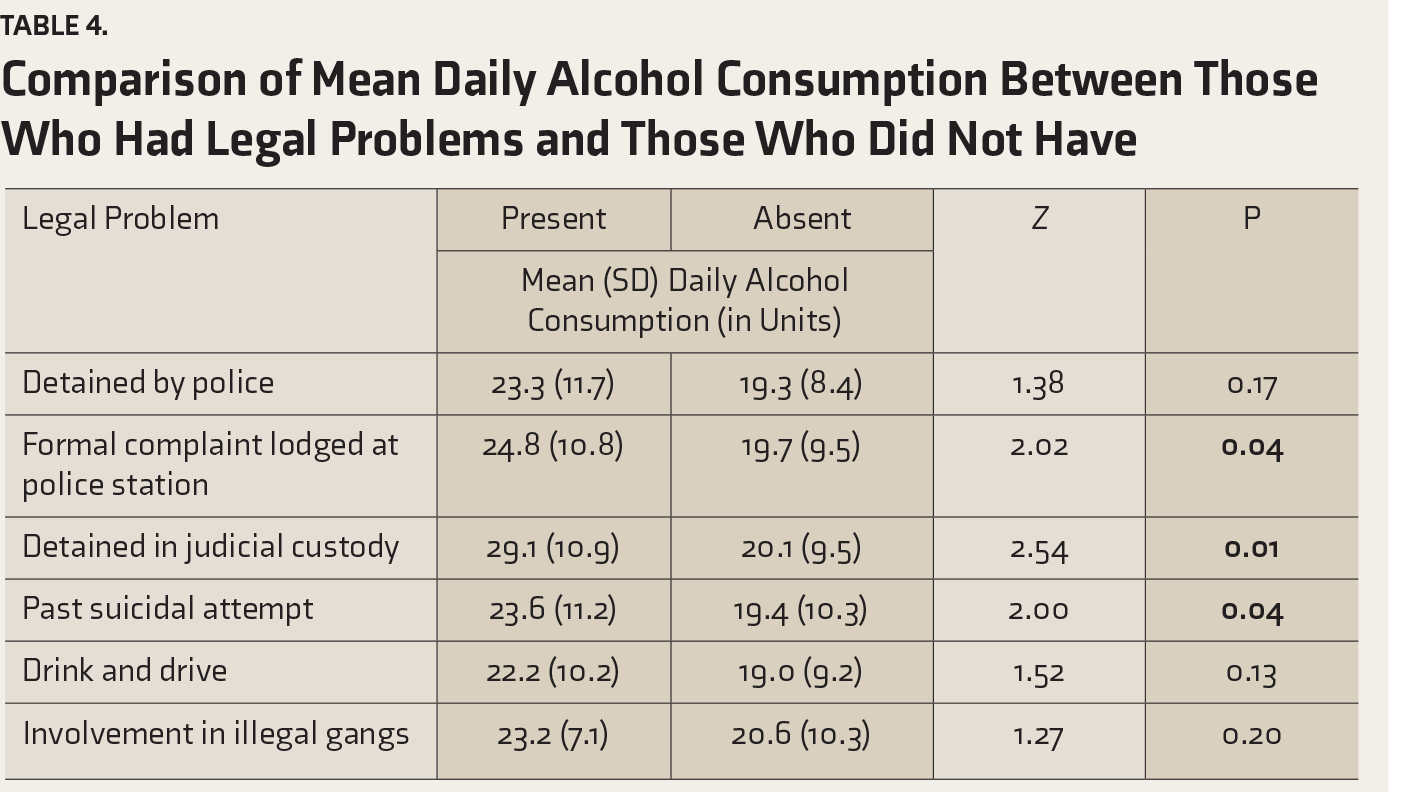
Comparison of Mean Daily Alcohol Consumption Between Those Who Had Legal Problems and Those Who Did Not Have
Comparison of Mean Daily Alcohol Consumption Between Those Who Had Occupational and Social Problems and Those Who Did Not
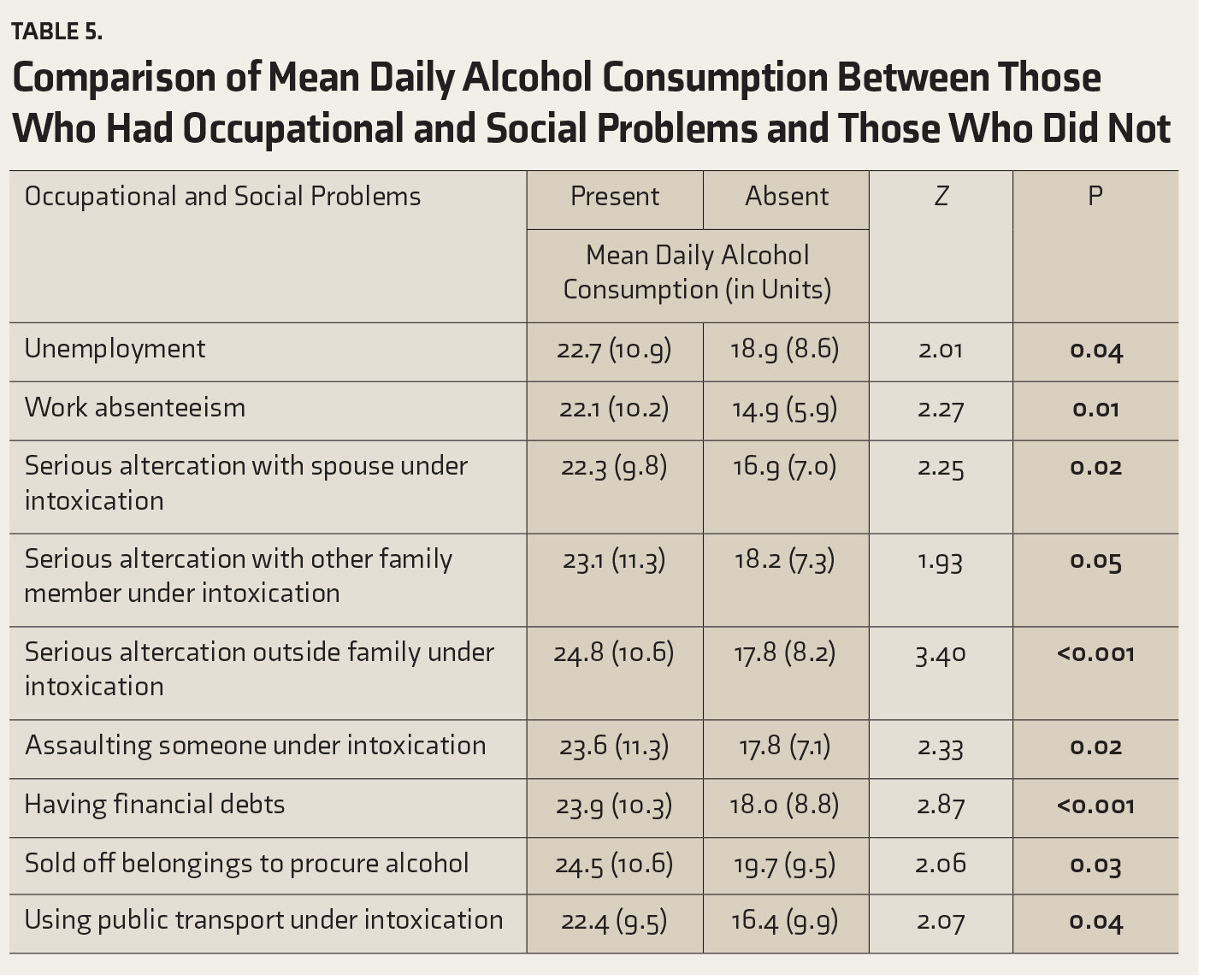
Quantity of daily alcohol consumption was significantly more among those who were unemployed (Z = 2.01, P = 0.04), and those who had a history of work absenteeism (Z = 2.27, P = 0.01) as compared to those who were employed and were regular at work, respectively (
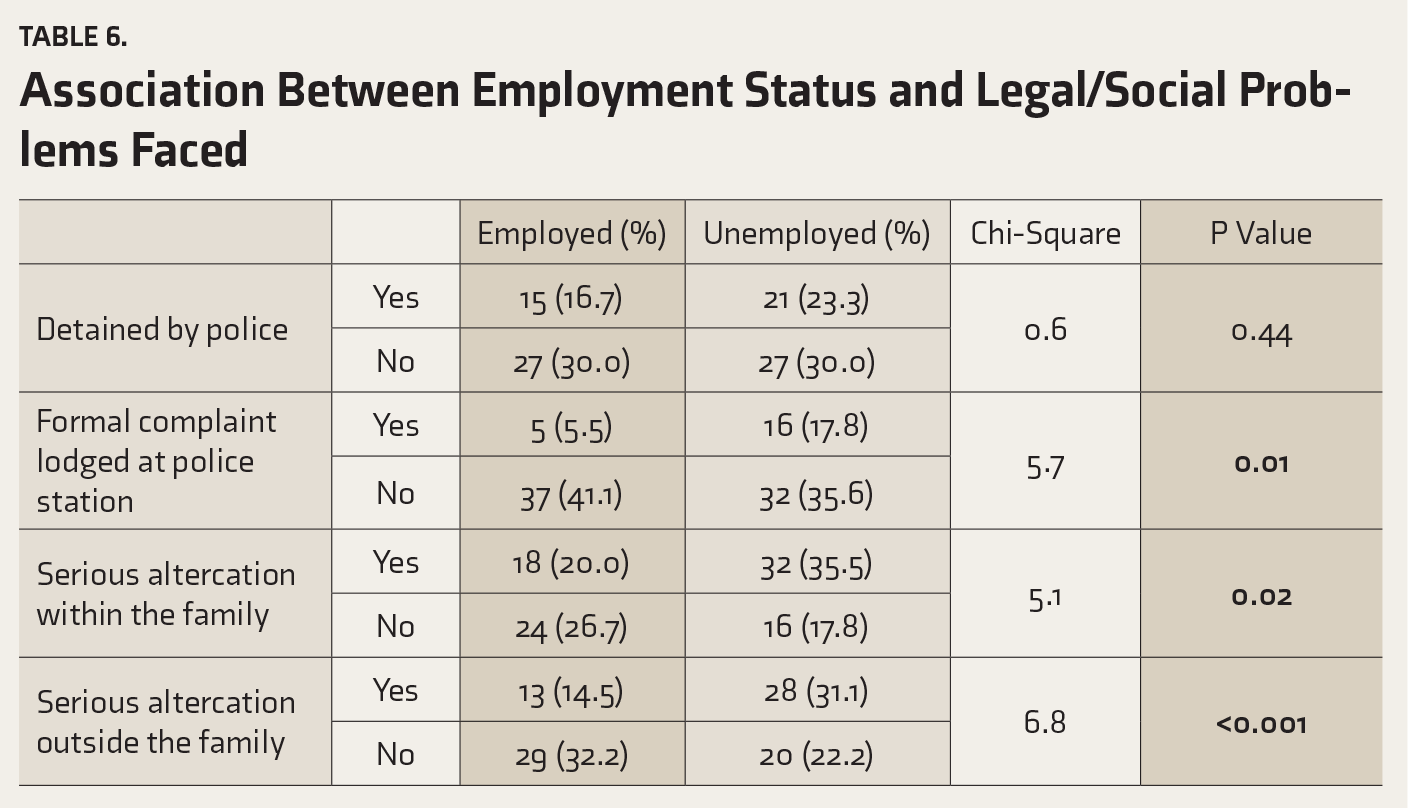
There was no significant association between employment status and being detained by police, but the unemployed group was significantly more likely to have a formal police complaint filed against them (chi-square = 5.7, P value = 0.01). Significant association was also found between being unemployed and having had serious altercation with someone within the family (chi-square = 5.1, P value = 0.02) or outside it (chi-square = 6.8, P value < 0.001) (
Association Between Employment Status and Legal/Social Problems Faced
There was no significant difference in the quantity of alcohol consumed per day between those who had been detained by police, and those who had not been, but the same was significantly more among those who had a formal police complaint registered against them
(Z = 2.02, P = 0.04) (
While the average alcohol consumption per day was more among those who had driven a vehicle under intoxication, met with an accident when driving under intoxication, or had a history of a suicidal attempt when compared to those who did not have such adverse consequences, however these differences did not reach statistical significance.
No gender comparison was undertaken, as there were very few female respondents in this sample. All the four were irregular at work and have had an altercation with a family member. Only one female had taken debts for consumption of alcohol, another one had sold off her personal belongings, and another one had attempted suicide under intoxication.
Discussion
There are no standard definitions for work absenteeism and unemployment. So, for the purpose of this study, we considered three months of not having any meaningful job as unemployment, and work absenteeism as being absent from work beyond what would be considered as reasonable (when the patient had a meaningful job in the past).
The majority of our subjects had not studied beyond 12th grade (75.8%), had a history of work absenteeism (83.5%), and were unemployed (52.7%) at the time of the study. AUD, poor academic achievement, and unemployment are interlinked. Youngsters who have academic difficulties are more vulnerable to turn to alcohol use, and persons who begin to consume alcohol early may have serious disruption to their academic performances. Disrupted academic performance will mean fewer chances of getting meaningful employment, and unemployment might lead to depression and worsening of alcohol use behavior.38–40, 43–46 In addition to unemployment, AUD also increases the financial burden on the individual and the family independently. To procure alcohol, almost half the subjects (49.5%) had got into financial debts, and a quarter (25.3%) had sold off their belongings.
Similar to findings of Morin et al., half the respondents in our study reported having attempted self-harm under intoxication. This can be due to preexisting subsyndromal depressive symptoms, financial instability, social stressors, increased impulsivity, or risk-taking behavior. 31 Since self-harm attempts are in response to severe stress or psychological disturbances, there was a need to decriminalize this behavior, which was rightly done on June 2018 by removing section 309 of the Indian Penal Code (IPC). When this study was conducted in 2017, IPC 309 was in place.
Increased impulsivity and impaired decision-making capacity under alcohol intoxication predispose the individual not only to self-harm but also to be aggressive and violent on others. Like findings of Richardon et al., more than 50% of our sample had assaulted someone while under intoxication and mean daily alcohol consumption was significantly higher among those who had such history when compared to others. 47
Impaired decision-making under alcohol intoxication, along with multiple other factors like low education and impulsive personality traits, lead to escalated chances of violence in the family setting. This is shown by the fact that almost two in three subjects had frequent altercations with their spouse, with two having legally divorced their spouses. Our finding is comparable to those by Madhivanan et al., where 62.7% of husbands who consumed alcohol inflicted intimate partner violence. 17 In addition, we also found that 50 (54.9%) subjects have had a serious altercation with family members other than the spouse, while intoxicated. Among 78 subjects who were married at least once in their lifetime, only two were divorced. This translates to a mere 2.6%, which is far lower than the 15.5% that National Epidemiologic Survey on Alcohol and Related Conditions (NESARC) study reported. This might be because of cultural differences where, in India, the spouses tend to remain in a violent marital relationship on account of economic and social reasons. 24
All the earlier described situations have the potential to end up in police involvement, either informally or formally (i.e., through a police complaint), which was present in almost 40% and 24% of the sample, respectively. It is difficult to conclude an etiological relationship between alcohol intoxication and police complaint, as patients of AUDs generally have multiple predisposing factors like impulsive traits, financial troubles, anger dysregulation, etc., which can lead to the involvement of police, either formally or informally.
Even though driving under intoxication was very common (59.3%) in our sample, very few had been prosecuted (12.1%) for the same. Similar challenges in the implementation of drink and drive legislation have been mentioned in news reports. One important reason attributed to this is the predictable location of police checkpoints, which drivers who have consumed alcohol can easily avoid. 48 Although drink and drive laws are strict in the state of Karnataka (where this study was conducted), this finding reflects the inconsistent implementation of the Motor Vehicles (MV) Act. The latest amendment in the MV act has increased the penalty amount by ten times, with a hope to curb violation of traffic rules.
An intoxicated person traveling in public transport can be a nuisance to the co-passengers. In our study, almost three fourth (74.7%) had traveled in public transport under intoxication. There is no specific legislation in India with regard to this except for the Indian Railway Act, which prohibits intoxicated persons from traveling in a railway carriage. We opine that similar legislation be implemented for all the public transport modes. 5
In our study, only 3 (3.3%) had used firearms under intoxication, easily explained by the relative unavailability of firearms when compared to western countries and the location of our study (South India).
The study had its own limitations. Since we were enquiring about legal and potential legal problems, there are chances that the patients did not disclose everything. Although we excluded subjects with diagnosed personality disorders, subsyndromal personality traits too have an important role to play in the causation of the aforementioned problems. Another important limitation is that we had very few female patients of AUD, the assessment of whom might reveal a different pattern of legal, social, and occupational problems. The study included only inpatients who had a severe form of AUD. A similar study on outpatients might reveal a different pattern. So, the findings of our study cannot be generalized.
It would be worthwhile carrying out further research on different specific sets of samples like women and those with cannabis, opioid, and other SUDs, to derive comparative data on the aforementioned problems across different sets of populations.
Conclusions
To conclude, patients with AUDs face a plethora of legal, social, and occupational problems. A higher quantity of alcohol consumed per day is associated with higher chances of having the aforementioned problems. The relationship between AUD and the aforementioned problems is a vicious cycle, where AUDs worsen the aforementioned problems, and they in turn, further worsen the AUD. There is need to routinely screen patients with AUD for adverse legal, social, and occupational problems. Along with treatments aimed at reducing alcohol use, we should also have targeted interventions to address the aforementioned problems, with the help of a multidisciplinary team, which otherwise will be incomplete management of patients with AUD, and there will be higher chances of relapse and failed rehabilitation of patients. If the assessment and management strategies for the aforementioned problems become a mandatory part of the management of AUD, it will go a long way in reducing the harm to patients and the community at large.
Supplemental Material
Supplemental material for this article is available online.
Footnotes
Declaration of Conflicting Interests
The authors declared no potential conflicts of interest with respect to the research, authorship, and/or publication of this article.
Funding
This research has not received specific financial grant from any funding agency in the public, commercial or not-for-profit sectors
References
Supplementary Material
Please find the following supplemental material available below.
For Open Access articles published under a Creative Commons License, all supplemental material carries the same license as the article it is associated with.
For non-Open Access articles published, all supplemental material carries a non-exclusive license, and permission requests for re-use of supplemental material or any part of supplemental material shall be sent directly to the copyright owner as specified in the copyright notice associated with the article.
