




Abstract
Biogas, a methane-rich renewable energy source produced via anaerobic digestion, has the potential to replace traditional biomass fuels in Africa, where over 70% of households rely on fuelwood and agricultural residues for cooking. However, biogas adoption remains limited in low- and middle-income countries (LMICs) like Botswana due to policy, economic, and technical barriers. This study assesses the status of biogas technology in Botswana, identifying key challenges and opportunities for its development and integration into the country's energy system. A review of literature from Scopus, ScienceDirect, Web of Science, Taylor & Francis, Google Scholar, and SpringerLink, along with grey literature from 2012 to 2022, was conducted to analyse biogas potential, existing policies, and barriers to adoption. Botswana faces several challenges in biogas development, including a heavy reliance on coal (∼90% of electricity generation), a lack of formal policies supporting methane recovery, outdated waste management regulations, low technical capacity, and limited public awareness. Despite these obstacles, the country has an estimated biogas potential of 360–750 million m³ per year, primarily from its cattle population exceeding 2 million, yet this resource remains underutilized. Conclusion: Addressing policy gaps, increasing investment, and implementing capacity-building initiatives could enhance biogas adoption, reducing dependence on fossil fuels and contributing to a circular economy. This review synthesizes fragmented information on Botswana's biogas sector, providing a comprehensive assessment of barriers and opportunities while highlighting future directions such as landfill gas recovery and agro-waste methane extraction.
Keywords
Introduction
Globally, annual waste generation is predicted to increase by 70% by 2050, with resource stress contributing to half of total gas emissions, biodiversity loss, and water scarcity. Traditional biomass disposal methods, including the burning of livestock residues, food waste, industrial sludges and agricultural by-products (Chew et al., 2019), have become increasingly challenging (Zhou and Wang, 2020). Improper treatment of these by-products, particularly agro waste, leads to environmental issues such as field burning, impacting air quality, public health, and climate change. The burning of biomass emits pollutants, including carbon dioxide (CO2), carbon monoxide (CO), and fine particulate matter (PM), which are linked to respiratory and cardiovascular diseases (Manisalidis et al., 2020).
In Sub-Saharan Africa (SSA) managing agricultural waste remains a significant challenge due to growing livestock populations and increased agricultural activity (Khan et al., 2022). In Botswana, landfill disposal is the primary waste management method. Statistics Botswana (2020b) reported that approximately 224,320 tonnes of solid waste, including 8169 tonnes of garden waste, 2495 tonnes of poultry waste and 117,191 tonnes of household waste were deposited in landfills, However, inadequate transportation infrastructure limits the proper waste disposal, leading farmers to burn agro-waste in backyards, emitting nitrous oxide and other greenhouse gases (GHGs). Additionally, agro-waste accumulation contaminates water bodies through runoff during the rainy season, posing significant threats to environmental sustainability. Key barriers to effective waste management in Botswana include insufficient technology, poor waste management planning, limited recycling facilities, weak enforcement mechanisms, lack of public-private partnerships, and low levels of public awareness.
To address these challenges, many countries are implementing waste-to-energy (WtE) technologies that involve generating energy from waste materials thus converting agro-waste into energy, reducing waste volumes while generating renewable energy (Ayodele et al., 2017). In Botswana, the potential for WtE through biogas is significant, especially given the agricultural sector's waste, such as cow dung from the over 2 million cattle in the country. Botswana has made progress in WtE initiatives, notably through biogas program led by the Ministry of Minerals and Energy, in partnership with the United Nations Development Programme (UNDP). Currently, Botswana heavily relies on imported electricity and coal for electricity generation, which presents environmental, and sustainability challenges and demonstrates limited diversification into renewable energy technologies. The nation faces significant obstacles, including high dependency on unsustainable fossil fuel use and increasing waste generation from agricultural and municipal sectors. In this context, biogas technology offers a sustainable alternative by converting organic waste into usable energy, thus addressing both waste management and energy supply issues.
This study investigates the feasibility of biogas as a practical waste-to-energy solution aligned with the principles of circular economy, providing insights into its potential role in addressing Botswana's pressing energy and waste management challenges. The concept of a circular economy refers to an economic system aimed at eliminating waste and the continual use of resources. In the context of Botswana, biogas technology can contribute to a circular economy by converting organic waste into energy, thus reducing reliance on non-renewable resources and minimizing environmental impact. Through the integration of biogas technology within Botswana's energy strategy, the country can enhance energy security, promote environmental sustainability, and foster economic development.
By mid-2021, 110 small-scale digesters had been installed, producing approximately 80 m3 of biogas per day, equivalent to 7227 million m3 per year (Tshipa, 2022). However, the impact of these biogas projects on the national grid remains unevaluated, as the biogas program only began in 2019. Limited studies on biogas in Botswana highlighted cultural barriers, such as perception that firewood-cooked meals taste better than those prepared using biogas, which hinders adoption (Tshipa 2022).
Further research on biogas in Botswana has focused on the UNDP-supported biogas initiative, emphasizing its contributing to Sustainable Development Goal (SDG) 7: Affordable and Clean Energy (Runyowa and Fourie, 2021). Other works, including Roopnarain and Adeleke (2017), review the status and challenges of biogas technology in Africa. Mahachi et al. (2015) note the use of biogas digestate in greening the hospitality sector, demonstrating biogas's contributions. UNDP (2015) identified key barriers to biogas adoption in Botswana, including lack of insufficient demonstration projects (i.e., was true at both the household as well as the institutional levels), limited stakeholder knowledge, and weak public–private sector engagement. The absence of a dedicated biogas policy and regulatory further limits adoption, a lack of investment capacity within banks to assess the technical risks and benefits of biogas systems.
Several earlier studies have explored on biogas in SSA, including Botswana, to provide context for current developments. Parawira (2009) reviewed biogas constraints and potential in SSA, while Khatibu (1986) assessed three types of digesters in Botswana: the horizontal, Chinese, and Indian in 10 m3 size for water pumping, highlighting successful water-pumping applications with floating-type digesters. Mabuza et al., (2007) identified implementation issues in biogas projects, such as erratic cow dung collection, inadequate construction designs, and insufficient maintenance support in Mogwalale, Serowe. The Rural Industries Innovation Centre (RIIC) pioneered the first biogas project in Kanye, Botswana, for water pumping. However, the remains a lack of comprehensive research on the current status, challenges and potential contribution of biogas to Botswana's energy landscape. Hence, this study's aim was to assess the status of biogas technology in Botswana, identify the challenges hindering its adoption, and propose actionable recommendations to enhance its utilization in the context of sustainable waste-to-energy development. This involves contributing to reducing waste accumulation, enhancing energy diversification, and promoting the principles of a circular economy. The study is structured as follows: the
Methods and materials
This study employed a compilation method to gather and synthesize data from multiple sources, including governmental statistical reports, peer-reviewed journal articles, scientific papers, and national energy statistics. The data collection aimed to investigate energy consumption patterns, of renewable energy exploration, and the status of biogas technology in Botswana, identifying key barriers to its adoption. By comparing and analysing these data, the study provided a comprehensive assessment of biogas potential and factors hindering its development. The study involved a critical evaluation of existing literature, policy frameworks, legislative documents, and strategic reports related to biogas technology. This approach ensured a broad and in-depth understanding of the subject matter, drawing on both regional and global perspectives.
Literature search strategy
To evaluate the feasibility of biogas technology in Botswana, a systemic literature review was conducted using electronic databases, including Scopus, ScienceDirect, Clarivate's Web of Science, Taylor & Francis, Google Scholar, SageOpen, and SpringerLink. The literature search was conducted between 1 August and 30 November 2022, as shown in Figures 1 and 2. The search strategy employed the following key terms and Boolean operators:
“biogas technology” AND “waste-to-energy” AND “Botswana” “biogas feasibility” AND “energy diversification” “agricultural waste management” AND “low-and-middle income countries”
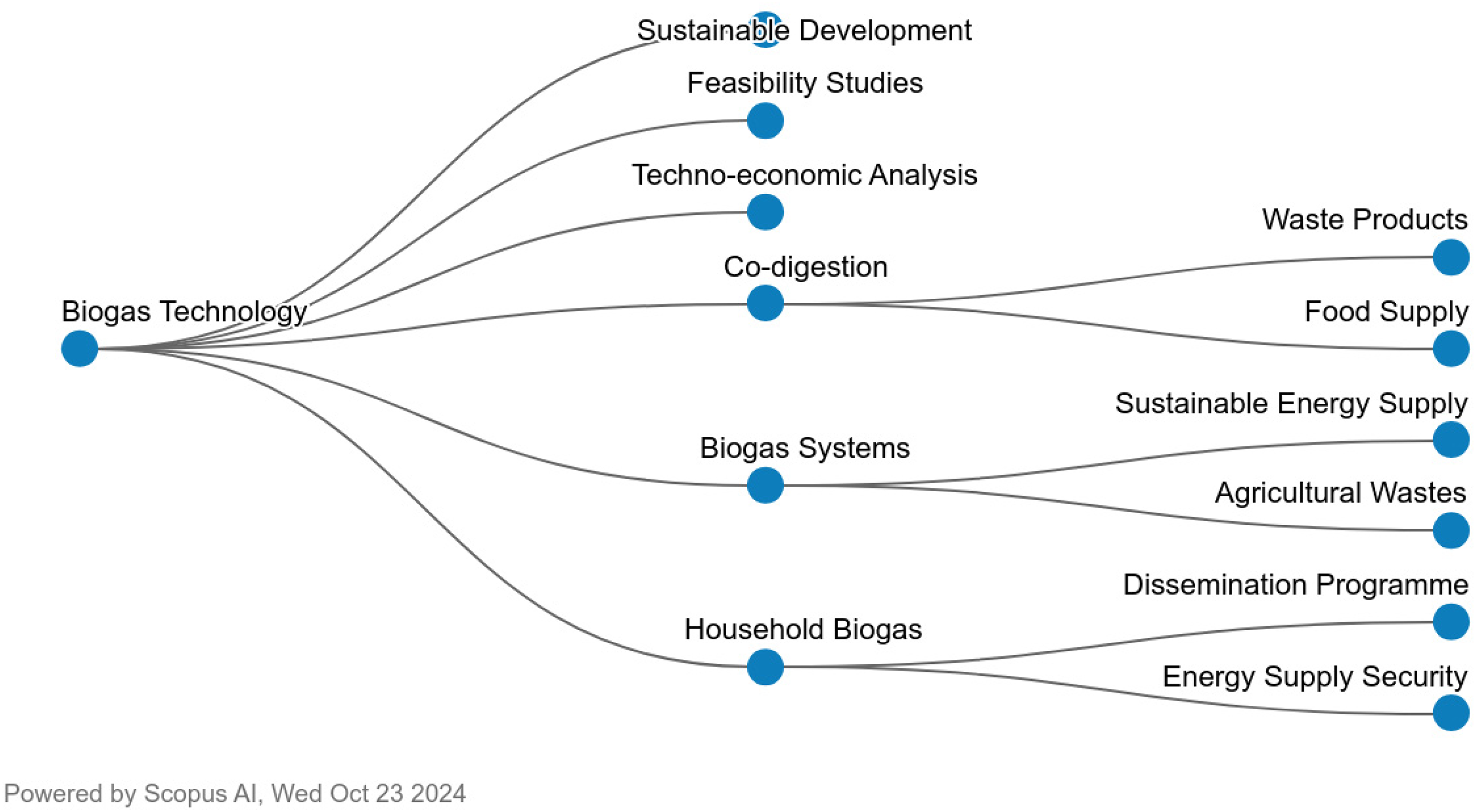
Concept map.
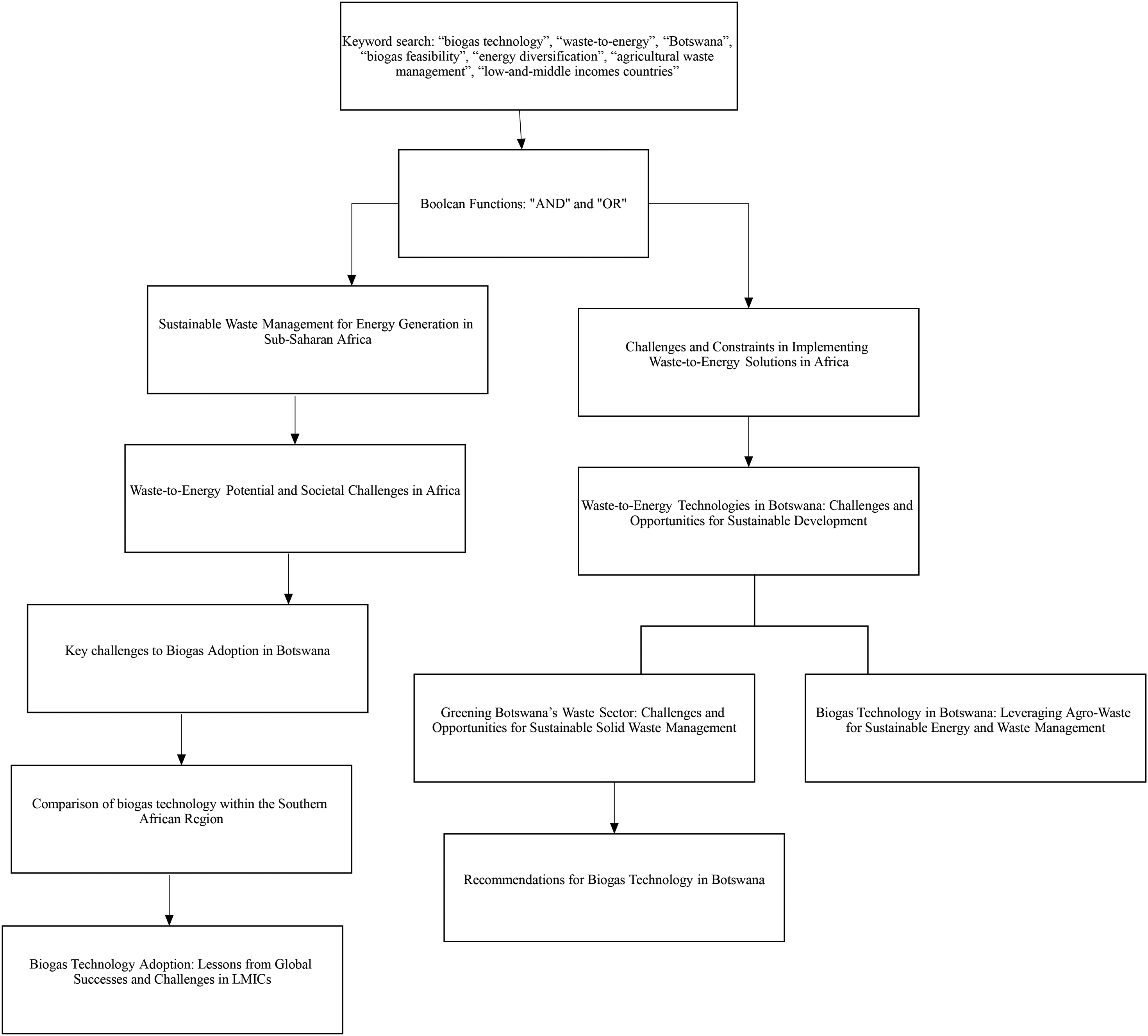
Methodological framework used in the study.
The search covered peer-reviewed journal articles, conference papers, technical reports and policy documents focused on biogas technology in developing countries, particularly within sub-Saharan Africa. Studies published between 2012 and 2022 addressing biogas feasibility, waste-to-energy technologies, or renewable energy strategies were used to ensure the inclusion of recent advancements and policy update articles. Grey literature and government publications were also reviewed to capture relevant policy reports and technical documents. A flow diagram illustrating the search and selection process is provided in Figure 1 for additional clarity.
Inclusion criteria
The search yielded a total of 350 records. After removing 120 duplicates, 230 unique articles remained. The retrieved data was analyzed to identify recurring themes and critical gaps in biogas technology adoption, policy development, and technical challenges. The titles and abstracts of these articles were screened according to the inclusion and exclusion criteria outlined below. Following this screening process, 85 articles were identified as relevant for detailed analysis. Among these, 60 were primary research papers, and 25 were review articles. The final set of sources was critically evaluated to inform both the SWOT analysis and policy recommendations presented in this study. The selected publications provided information on biogas feedstock availability, system design, policy impacts, and implementation challenges. Inclusion criteria were applied to ensure the relevance of selected studies:
Studies that focus on the implementation or feasibility of biogas technology in developing countries, with a specific emphasis on Africa or similar resource-constrained contexts. Articles published in peer-reviewed journals, conference proceedings, and official technical reports. Studies that provide quantitative or qualitative assessments of biogas production, energy output, or cost-effectiveness
Exclusion criteria
Exclusion criteria eliminated studies that focused solely on non-organic waste technologies or were published in languages other than English. Articles were screened for relevance based on their titles, abstracts, and full texts. Studies were included if they provided data on biogas technology adoption, barriers, policy implications, or renewable energy strategies applicable to Botswana or comparable low- and middle-income countries. Other exclusion criteria included the following:
Studies focused solely on non-organic waste-to-energy technologies (e.g., incineration) or other renewable energy technologies (e.g., solar or wind). Publications in languages other than English. Studies without accessible full-text versions or incomplete data relevant to the study.
The selected literature was analyzed to identify key variables, including feedstock availability, energy output, cost efficiency, and implementation challenges, which informed the subsequent SWOT analysis.
SWOT analysis
The SWOT (Strengths, Weaknesses, Opportunities and Threats) analysis was employed as a strategic assessment tool to evaluate the feasibility of biogas technology in Botswana by categorizing internal and external factors that influence its adoption. This analytical framework provided a comprehensive structure for assessing factors that could influence the adoption and sustainability of biogas technology as an energy source in Botswana. The SWOT analysis facilitated a systematic examination of benefits (strengths), limitations (weaknesses), enabling factors (opportunities), and challenges (threats) that influence the adoption of biogas technology. These multifaceted perspectives are essential for understanding the technical, economic, and socio-political considerations that shape the energy technology landscape in Botswana. The following criteria were used to define each component:
Data from the literature review, interviews with local stakeholders, and policy documents were systematically evaluated to populate each SWOT category. This structured analysis allowed us to assess both the technical and socio-economic feasibility of biogas technology within Botswana's specific context. The results of the SWOT analysis are integrated into the Discussion to offer actionable insights and recommendations.
The insights gained from the SWOT analysis can inform policy recommendations and technology adoption strategies in the developing context of Botswana. By understanding the strengths and opportunities, stakeholders can formulate approaches to enhance biogas uptake, while also addressing the identified weaknesses and threats. That enhances the adoption of biogas, while addressing weaknesses and threats. This practical, evidence-based approach is essential for overcoming challenges and promoting the widespread adoption of biogas technology in Botswana.
Data collection and analysis
A comprehensive assessment was conducted, integrating information from literature analyses, interviews with key stakeholders, and policy documentation to populate the SWOT framework. This systematic approach provided insights into the technical and socioeconomic viability of biogas technology within Botswana's specific context. A standardized data collection form was utilized to record essential variables, including system dimensions, feedstock diversity, energy conversion rates, and cost-benefit analyses. Relevant research was examined to gather data on biogas generation potential, energy output, implementation challenges, and policy recommendations. The consolidated findings were employed to contextualize the potential application of biogas technology in Botswana. Qualitative techniques such as thematic analysis were adopted to assess the data collected to help in organizing and interpreting information from multiple sources. This included thematic analysis to identify key themes, patterns, and research trends in the literature. The SWOT analysis results were incorporated into the Discussion section to offer practical insights and recommendations.
Results and discussions
Sustainable waste management for energy generation in Sub-Saharan Africa
The global waste generation is predicted to triple in Sub-Saharan Africa (SSA) and double by 2050 (Khan et al., 2022), driven by population growth, economic expansion and urbanization. Low- and middle-income countries (LMICs) in SSA generate 48.70% and of organic waste, respectively. Most waste is dumped or openly burned, causing air pollution and adverse health issues (Manisalidis et al., (2020). Methane and carbon dioxide (CO2) emissions from open dumpsites contribute to climate change (Chen et al., 2017). High organic waste in SSA and SA exacerbate groundwater contamination and toxic leachate production. This necessitates calls the implementation of sustainable, environmentally friendly technologies in African LMICs, such as using of organic waste for energy generation. The organic waste potential in SSA is substantial, making it critical to address these challenges (Khan et al., 2022). Research links waste generation and management to the UN's sustainable development goals, particularly goal 12 (reducing waste generation through prevention, reduction, recycling, and reuse by 2030) and 13. This also can connect to SDG-7, which aims to increase renewable energy's share in the global energy mix by 2030.
Properly treated waste has the potential to become a promising renewable energy source (Khan et al., 2022) through the utilization of waste-to-energy technologies. However, due to various challenges, the implementation of waste-to-energy processes is limited among countries, as evidenced by the adoption disparity observed in high-, middle-, and low-income nations. WtE technologies have evolved from simple turbines to advanced methods like pyrolysis and MCFs (Dilip Kumar et al., 2022). These technologies convert waste to energy or fuels, supporting the circular economy (CE) (Xiao et al., 2020). Methods include combustion, mechanical biological treatment, torrefaction, gasification, pyrolysis, liquefaction, and fermentation (Goli et al., 2021; Coimbra-Araújo et al., 2014; Shailendra et al., 2016). In comparison to countries like Egypt, China, Brazil, and India, etc (Khan et al., 2022), the selection of WtE technologies depends on waste volume and type (Jeswani and Azapagic, 2016), with the calorific value (CV), being a key determinant for energy output (World Energy Council, 2016).
Waste-to-energy technologies (WtE) are primarily used in high-income countries (HICs) such as Italy, Finland, France, and Japan (Dong et al., 2018a; Dong et al., 2018b) to reduce greenhouse gas emissions (Yi et al., 2018), and create employment opportunities (Rehan et al., 2017). High-income countries (HICs), such as Japan, the US, and EU member states, have developed resource-efficient strategies to generate energy, heat, fuels, and compost from solid waste (Scarlat et al., 2018; Mmereki et al., 2016; Charis et al., 2019; Shailendra et al., 2016; Charis et al., 2019). Political will, well-developed policies, and infrastructure drive technological advancement and investment in WtE in HICs. In contrast, low-middle-income countries like Botswana face challenges in implementing state-of-art technologies. WtE plants can contribute to sustainable development by providing more effective waste management systems (Jeswani and Azapagic, 2016). However, WtE is used infrequently in LMICs, where traditional fuels (e.g., wood, kerosene etc.,) remain prevalent, posing environment and public health risks (Balidemaj et al., 2021).
Waste-to-Energy potential and societal challenges in Africa
In recent years, increased waste generation in African countries has negatively impacted on public health, the environment, and natural resources. Current waste management systems in these nations do not guarantee effective waste treatment or disposal (Ferronato and Torreta, 2019). However, waste can be converted into valuable products. For instance, in Nigeria, there is significant bioenergy potential from inedible agri-food loss and waste (approximately 1816.8 ± 117.3 PJ), sufficient to meet the 2030 national bioenergy targets (Afolabi et al., 2021). Nonetheless, poor attitudes and unfavourable traditions towards waste management persist in Nigerians (Ayodele et al., 2017).
Challenges and constraints in implementing waste-to-energy solutions in Africa
WtE adoption in African countries is still nascent (Zhou and Wang, 2020) due to socio-economic factors; governance issues, weak policy frameworks, and international influences. Limited research and development (R&D), a lack of regulations, and technical standards, and unsuitable business models further hinder WtE implementation (Khan et al., 2022). Other barriers include high capital investments and operational costs and the availability of cheaper conventional energy sources (Goli et al., 2021). LMICs allocate 20% to 50% of municipal budgets to waste management, yet practices remain rudimentary (Khan et al., 2022). Additionally, insufficient knowledge and experience under specific local conditions pose significant challenges to deploying WtE plants in LMICs. Managing municipal solid waste (MSW) is particularly challenging in LMICs due to rapid population and economic growth, urbanization, inadequate policies, poor awareness, and limited landfill space. “Poor source segregation” in countries like Nigeria (Afolabi et al., 2021) and India (Choudhury et al., 2013) contributes to WtE failures, adversely affecting public health and the environment. Research suggests that integrating conventional and unconventional technologies is essential for effective WtE generation and achieving a circular economy (Kumar et al., 2022). Furthermore, political will and leadership commitment influence technology adoption. The blanket adoption of HICs’ strategies and initiatives without considering the local circumstance may hinder successful implementation (UNDP, 2015).
Waste-to-Energy Technologies in Botswana: Challenges and Opportunities for Sustainable Development
The waste-to-energy landscape in Botswana is currently underdeveloped, thus underutilizing its potential for energy recovery from WtE sources (e.g., agro-waste, food waste, biomass). The government must promote energy conservation and efficiency measures to ensure sustainable development (SD), meeting current demands without compromising future generations’ needs. The country's renewable energy (RE) efforts align with National Development Plan (NDP) 11, which emphasizes strengthening supply security, equitable access to affordable modern energy, increasing renewable energy use, and reducing carbon emissions (UNDP, 2015). However, Botswana has yet to establish a formal WtE sector. Agricultural waste, including livestock manure and crop residues, presents significant potential as a primary feedstock. According to studies (Statistics Botswana 2020a; Food and Agricultural Organization, FAO, 2021; Molefi and Muzenda, 2019), approximately ∼25–30 million tons of organic waste are generated annually from livestock farming alone, providing an abundant resource for biogas production. Municipal solid waste also contributes to this feedstock supply, although challenges related to waste segregation and collection remain significant barriers. Current government policies, such as Botswana Recycling Guidelines, aim to promote renewable energy, but implementation strategies are still in their nascent stages.
Lessons from EU countries, especially Germany (Scarlat et al., 2018), could inform Botswana's roadmap for strengthening WtE. However, local socio-economic factors must be considered to ensure successful technology transfer. Adequate evaluation of WtE project challenges in Botswana, alongside insights from successful EU models, could enhance performance and foster long-term advancement. In Botswana, unsanitary landfills remain major pollution sources, contributing to health and environmental problems (Suresh and Vijayakumar, 2011). Poor public awareness and inadequate solid waste management (SWM) systems result in groundwater and surface water contamination, affecting public health and natural resources (Mmereki, 2018). Increased pollution from open waste incineration and declining cleanliness further exacerbates the situation (Suresh and Vijayakumar, 2011).
The government has launched several initiatives to improve waste management. The Ministry of Local Government has undertaken waste removal in areas like Old Naledi (Gaborone), Somerset (Francistown), and Botshabelo (Selebi Phikwe). Additionally, a plastic bag ban was implemented, with alternatives provided to development and green economy initiatives. Botswana's current SWM does not guarantee proper treatment or disposal of waste (Mmereki, 2018; Charis et al., 2019). Financial support is urgently needed to utilize of solid waste (SW) fractions for energy recovery. In line with the Botswana Waste Management Strategy, waste recovery measures like WtE are essential (Sun et al., 2020). Botswana's Vision 2036 and SDGs 2030 emphasize the role of innovative sectors like the WtE in renewable energy and resource efficiency (IRENA, 2022). The country aims to increase renewable and waste-based electricity to 55% of total output by 2030 (UNDP, 2015).
Greening Botswana's waste sector: challenges and opportunities for sustainable solid waste management
Botswana is a signatory to the Paris Agreement, committing to climate change mitigation (Mmereki, 2018). Additionally, Botswana is committed to sustainable development and 2030 Agenda (IRENA, 2022). Its GHG emissions decreased by 13.25% in 2019 compared to 2018, reflecting progress in emission reduction (Macrotrends, 2022). However, the waste sector's legislative framework is fragmented (Mmereki, 2018), lacking unified management body. The sector's fragmented structure involves various stakeholders, including government agencies, informal waste collectors, the private sector, and recycling firms (Kgosiesele and Zhaohui, 2010). Botswana has made progress in waste recycling, reuse, and recovery policies (Kgosiesele and Zhaohui, 2010; Mmereki et al., 2016) as part of the Kyoto Protocol commitments (Mmereki, 2018). The Botswana Waste Management Strategy (BWMS) prioritizes the waste management hierarchy, including reduce, reuse and recycling, and promotes the polluter-pays principle (Republic of Botswana, 1998; Kgosiesele and Zhaohui, 2010). Additionally, The Botswana Recycling Guidelines (BRGs) provide comprehensive guidance for SMW, including composting, incineration, and waste disposal (Scheinberg et al., 2012). Despite this, the Department of Waste Management and Pollution Control (DWMPC) has fallen short, (Mmereki, 2018), leading to insufficient data on waste composition (Mmereki et al., 2016). Moreover, recycling industries face obstacles such as lack of proper collection system and weighbridges (Suresh and Vijayakumar, 2011). Other regulatory framework include the Air Pollution (Prevention) Act 1971 (Republic of Botswana, 1971), Public Health Act (1981) (Republic of Botswana, 1981), Guidelines for the disposal of waste in landfills 1997, Environmental Impact Assessment (EIA) and EIA regulations (2012) (Republic of Botswana, 2011), Botswana Municipal Recycling Guidelines, 2012, the Basel convention on the control of transboundary movements of hazardous wastes and their disposal, and Stockholm convention on persistence of organic pollutants (Mmereki et al., 2017). Even so, the absence of integrated waste management system (IWMs), and enforcement remains a challenge (Mmereki, 2018). Therefore, greening the waste sector is required for transforming traditional SWM practices to emphasize reduction, reuse, recycling, and recovery (Ugwu et al., 2021). Greening the Botswana's waste sector will require novel technologies (e.g., WtE), to tackle environmental challenges (Woo and Kang, 2020), and foster eco-friendly businesses (Alwakid et al., 2021). A green SWM system supports multiple SDGs, poverty reduction, health, clean energy, sustainable cities, climate action, and partnerships for development (Hannan et al., 2020: Singh et al., 2019). Sustainable solid waste management (SWM) contributes to green economy growth by reducing waste, lowering emissions, optimizing resource use, creating new jobs, and protecting of public health (Mandpe et al., 2023). Achieving sustainability requires addressing economic, social, and environmental pillars (Czekala et al., 2022; Gautam et al., 2009; Kim et al., 2012; Rahman et al., 2018). Economic sustainability involves job creation, secondary material production, and affordable energy. Social sustainability ensures safe working conditions and social protections. Environmental sustainability promotes waste prevention and sustainable consumption (Mensah and Casadevall, 2019; Rama et al., 2013; Scarlat et al., 2018). Biogas systems are among Waste-to-Energy (WtE) technologies that can contribute to enhancing the sustainability of Botswana's waste sector due to their environmental and economic impacts, specifically by mitigating environmental pollution while contributing to the energy mix in Botswana.
Biogas technology in Botswana: leveraging agro-waste for sustainable energy and waste management
Botswana, with a cattle population of 2.55 million, faces an increased in agro-waste generation from cow dung, abattoir waste, and poultry litter, which negatively impacts public health, the environment, and natural resources (UNDP, 2015). As summarized in Table 1, potential feedstocks include wastewater from the Gaborone treatment plant and Botswana Meat Commission (BMC) abattoir waste (UNDP, 2015). Botswana's waste management challenges are significant compared to LMICs like South Korea (Yi et al., 2018), Brazil (Coimbra-Araújo et al., 2014), the Peoples’ Republic of China (PRC) (Ali et al., 2022), Zimbabwe (Kaifa and Wilson, 2019), Pakistan (Shahzad et al., 2021), Nepal (Gautum et al., 2009), Bangladesh (Bedana et al., 2022) and India (Shailendra et al., 2016). Addressing these issues is vital to reduce GHG emissions. Agro-waste can be converted into biogas for cooking, heating or lighting, or further processed to generate energy (UNDP, 2015).
Biogas potential in Botswana.
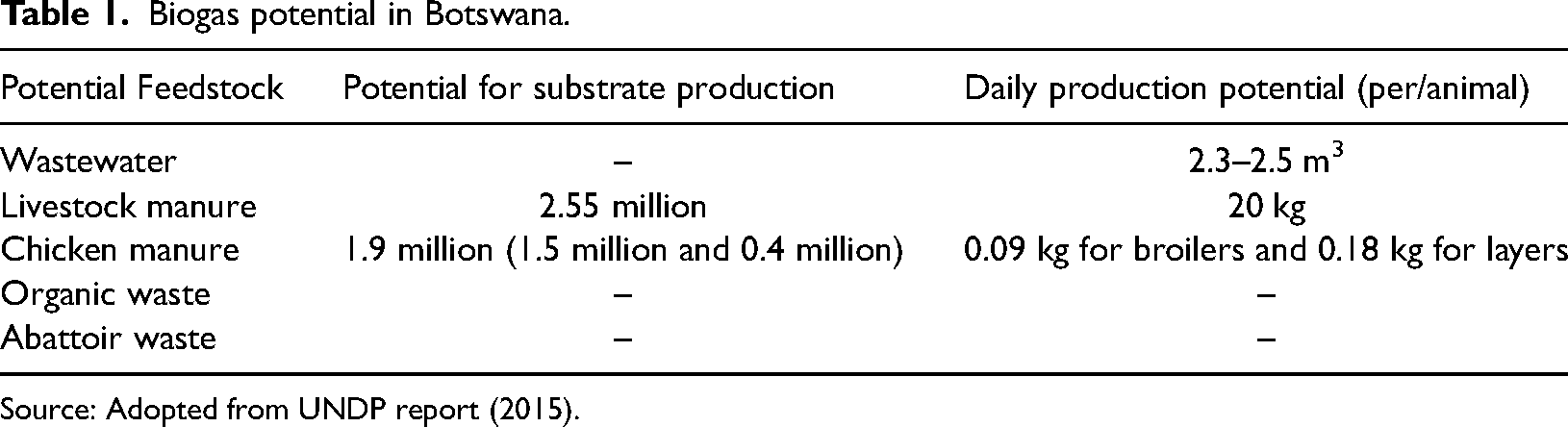
Source: Adopted from UNDP report (2015).
Conventional municipal solid waste management relies on open dumpsites that do not meet health and environmental standards (See Figure 3) Biochemical conversion, particularly anaerobic digestion (AD), offers viable waste management solution, contributing to the energy sector and reducing GHG emission. AD is increasingly used in households and institutions as an alternative to landfilling, capturing methane from waste streams. While no comprehensive data on agro-waste in Botswana is available, research indicates such waste is suitable for methane production, with inherent WtE potential (Bambokela et al., 2022). SWM in Botswana poses significant environmental challenges (Mmereki, 2018) due to unclear policies, limited waste collection and disposal systems, a shortage of technically skilled human and financial resources (Charis et al., 2019), and insufficient landfill space. Addressing these issues requires non-conventional solutions to reduce, reuse, and recycle agro-waste, as well as strengthening institutional frameworks and capacity to incorporate it into the energy mix (UNDP, 2015). Since the introduction of biogas technology in Botswana, various digester designs, including horizontal, Chinese, and Indian models with10 m3 capacities, have been implemented (Khatibu, 1986), serving as replicable models in regions like Serowe. Valela et al., (2019) designed a biodigester to produce biogas from cow dung, demonstrating the potential for 45.3 MWh of surplus energy annually at Lemcke's farm in Ghanzi, Botswana, with 5000 cattle. Similarly, Nduse and Oladiran (2016) showed that co-digestion offers the highest biogas yield, followed by cow dung and food waste. In Palapye, Botswana, 100 kg of discarded foods, animal manure and abattoir waste produced 2 m3 of biogas, convertible into energy and fertilizers (Bambokela et al., 2022). A UNDP-funded in South-eastern part of Botswana promoted using agro-waste for biogas production. Despite progress in biogas development, fuel standards (Tshipa, 2022), renewable energy tariffs, and development of the Integrated Waste Management Bill, only a few small-scale WtE facilities are operational.
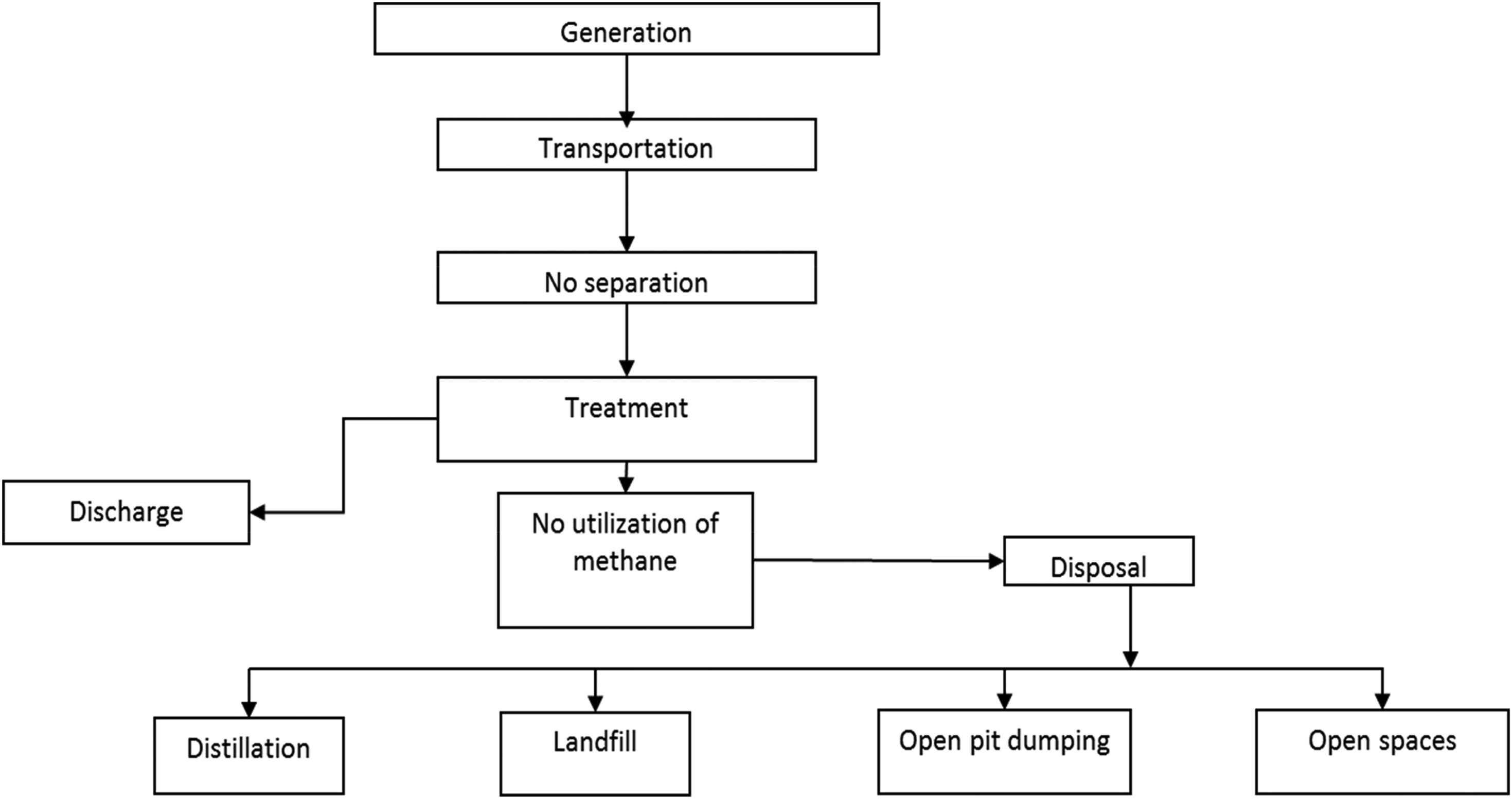
Generic flow of the substrates from different sources in Botswana.
The absence of dedicated policies and financial incentives for biogas technology in Botswana limits investment and adoption. Current renewable energy frameworks prioritize solar and coal-based power (See Table 2), leaving biogas largely unsupported. Global examples such as Germany (Ismail et al., 2015) and Kenya (Ndiritu and Engola, 2020) demonstrate that tailored financial mechanisms are critical for promoting renewable energy technologies. For instance, German's feed-in-tariff system for biogas producers provides guaranteed pricing for energy sold back to the grid (Ismail et al., 2015). While direct replication of this model may be financially prohibitive for Botswana, a simplified performance-based subsidy system tied to biogas production volumes could be a viable alternative. Additionally, public-private partnerships could be leveraged to develop microcredit schemes that offer low-interest loans for biogas system installation, modeled after successful renewable energy financing programs in South Africa (Mukumba et al., 2016).
Botswana coal summary statistics, tonnes (2010–2019)
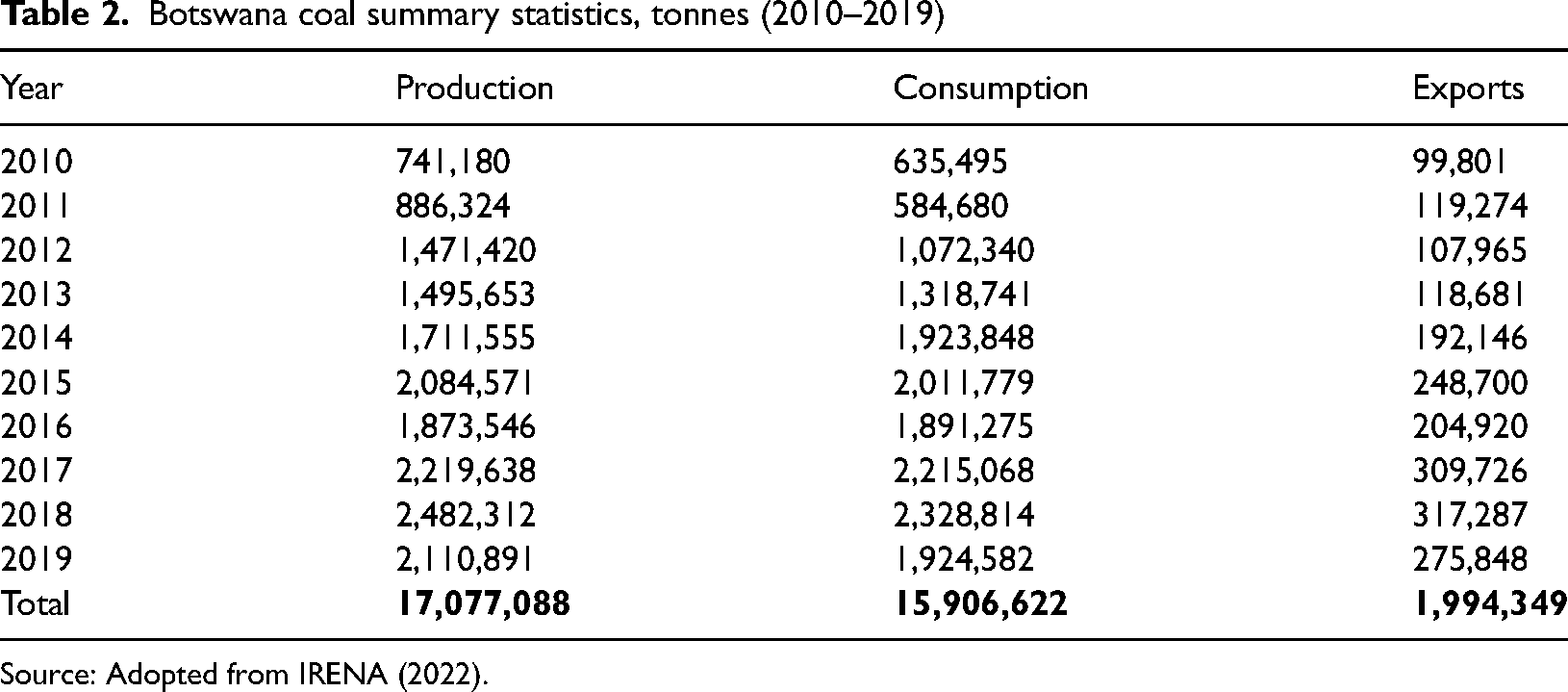
Source: Adopted from IRENA (2022).
To further encourage private sector investment, Botswana should also adopt risk-sharing frameworks where the government co-funds initial capital investments for biogas projects. This approach has proven effective in mitigating investor risk in emerging renewable energy markets.
Public acceptance and technical expertise remain persistent challenges. While public awareness campaigns have driven adoption in countries like Kenya (Ndiritu and Engola, 2020), Botswana's approach must go beyond education to actively engage stakeholders in participatory technology design. Co-designing biogas systems with input from local farmers and small business owners can increase both usability and community buy-in. Additionally, mobile training units that provide on-site technical training and troubleshooting services could accelerate skills development, reducing dependence on external technical experts.
An innovative solution would be to create community-based biogas cooperatives that pool resources and share costs for biogas system maintenance. These cooperatives, supported by regional technical centers, could enhance sustainability by spreading financial and operational burdens across multiple stakeholders.
A SWOT analysis is useful for evaluating energy sources, focusing on internal strengths and weaknesses and external opportunities and threats. A SWOT analysis of biogas technology is shown in Table 3.
SWOT analysis of biogas in Botswana.
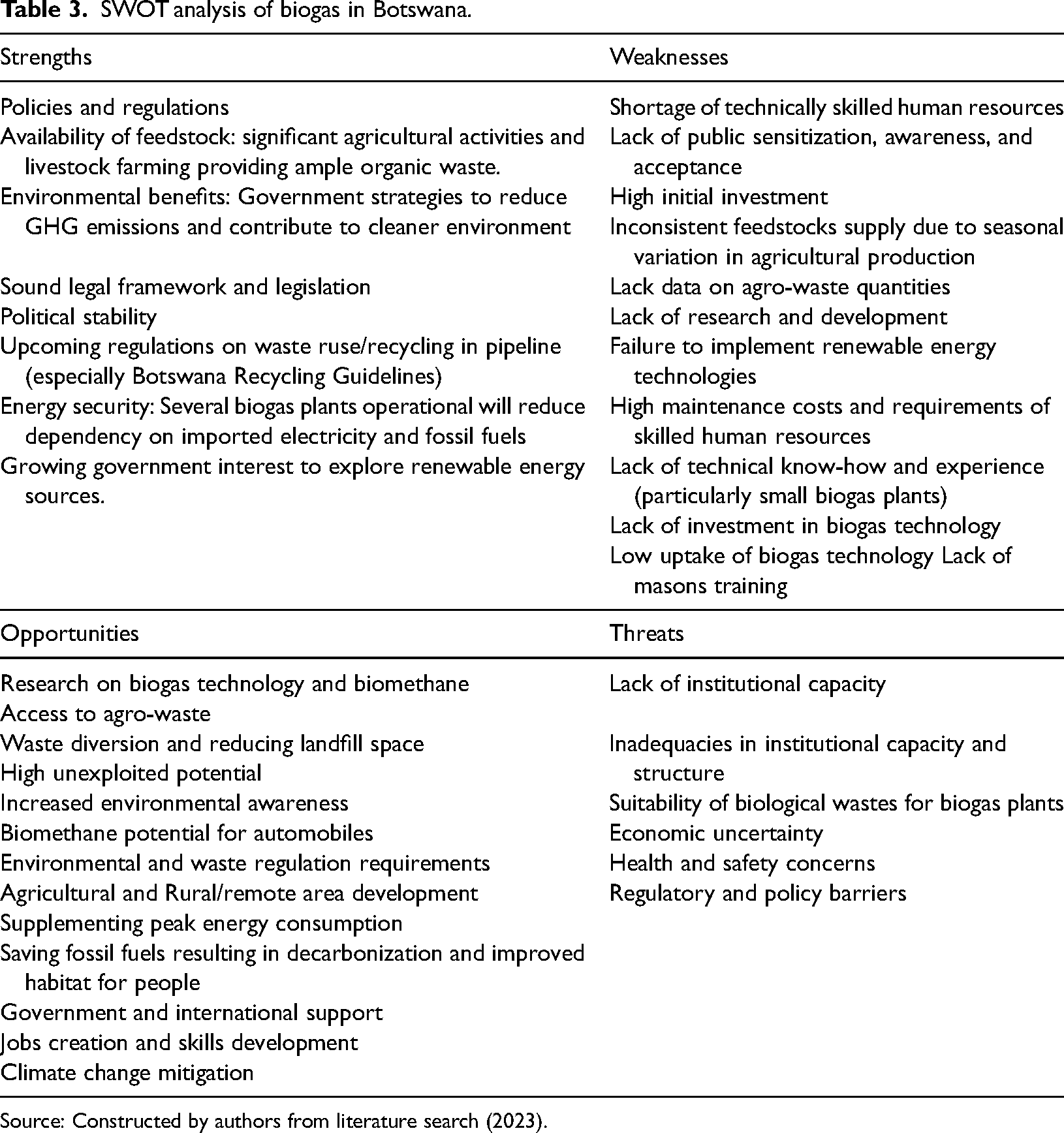
Source: Constructed by authors from literature search (2023).
Biogas technology in Botswana: progress, challenges, and opportunities for commercial adoption
Since 1985, over 200 biodigesters have been installed, primarily in the South-eastern Botswana (Khatibu, 1986). Most projects focus on household-level biogas production for cooking, heating, and lighting (Tshipa, 2022). The UNDP has promoted biogas as an environmentally friendly energy source, using agro-waste as feedstock (Tshipa, 2022). Unlike countries such as Rwanda (Food and Agricultural Organization, FAO, 2021), Brazil (Coimbra-Araújo et al., (2014), India (which generates approximately 17000 MW) (Shailendra et al., 2016), and China (Giwa et al., 2020), where robust infrastructure supports large-scale biogas production, Botswana lacks the necessary waste collection and processing systems. Botswana has yet to adopt biogas commercially as a substitute for natural gas, fuel oil, or coal (See Table 4). To bridge this gap, a phased approach could be adopted, starting with small-scale, decentralized biogas systems in rural farming communities. This would reduce initial capital costs while building capacity for future expansion.
Total electricity production by components of production (MWh), 2010 −2018.
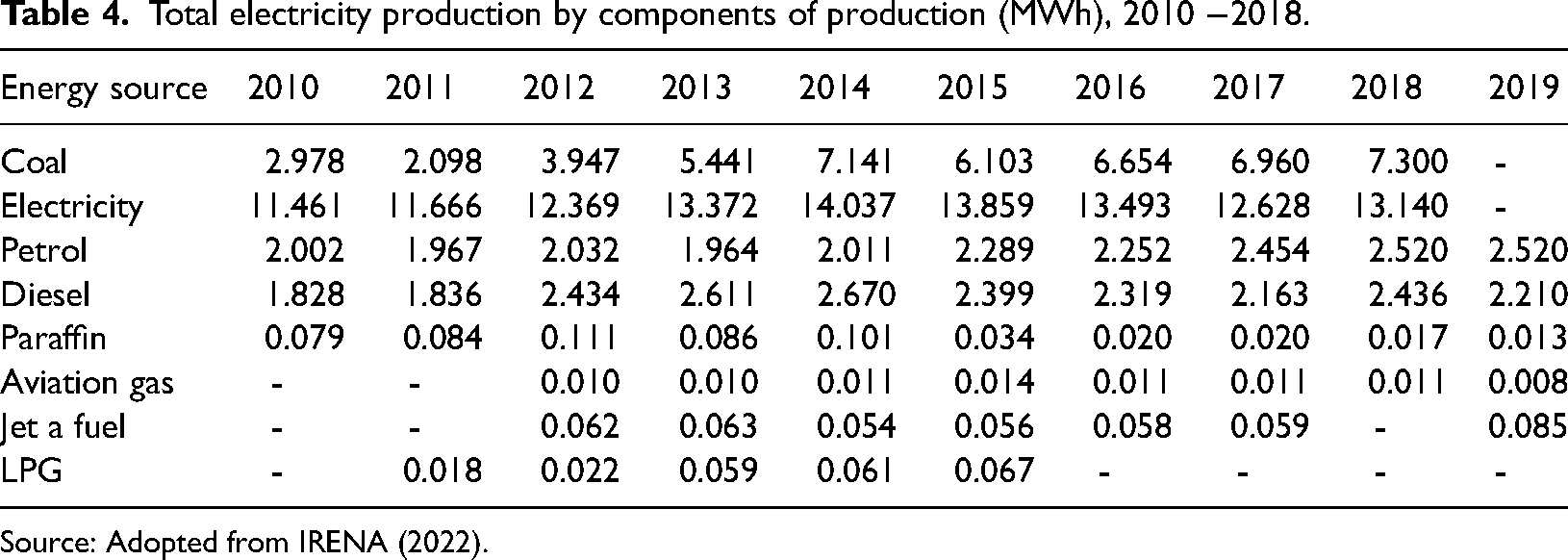
Source: Adopted from IRENA (2022).
The estimated costs of implementing fixed dome biodigesters in Botswana was around US$2632-million, funded by the Global Environment Facility and $ 200,000 from UNDP. This covered mason training for biodigesters construction (Tshipa, 2022). The project, led by the UNDP with the support of Botswana Innovation Technology and Research Institute (BITRI), Department of Waste Management and Pollution Control, Botswana Development Cooperation (BDC), Botswana Meat Commission (BMC) and the Ministry of Environment, Natural Resources Conservation and Tourism (UNDP, 2015), initially aimed to installed 1000 biodigesters, but was reduced to 210, primarily benefiting women (52.8%) – across Kweneng (101), Kgatleng (42), Southern (58) and Southeast (30) districts)) (Tshipa, 2022).
Effective biogas production models could optimize energy recovery. In Botswana, biogas from agricultural waste (e.g., cow dung, crop residue, chicken droppings) and agro-industrial activities (e.g., slaughter) has considerable potential (UNDP, 2015). Research has noted that cattle typically produce 11–12 kg of dung per a day, translating to significant methane output if 60% of dung is recoverable (Statistics Botswana, 2018). The findings highlight significant biogas potential from agricultural waste in Botswana, with livestock manure as the dominant feedstock. However, while the estimated energy yield is promising, current infrastructure and technical capacity pose critical barriers. Unlike countries such as China and India, where robust biogas production systems are supported by established supply chains and maintenance networks (Afridi et al. 2023), Botswana lack a similar ecosystem. Addressing this gap requires not only direct investment in infrastructure but also innovations in decentralized biogas systems that reduce dependency on centralized infrastructure. Small-scale modular digesters, which require minimal operational expertise, could be tailored to rural farming communities where energy access remains limited.
A scalable innovation would be to develop hybrid systems that combine biogas technology with solar energy to ensure a continuous energy supply during biogas system downtimes or reduced gas production. This hybrid approach has been successfully piloted in Kenya, where solar-biogas systems are used to meet fluctuating household energy demands (Ghaem Sigarchian et al., 2015). Implementing such a model in Botswana could reduce reliance on grid-based electricity while optimizing renewable resource use.
Biogas production addresses environmental and the energy deficits, offering clean, efficient energy for residential use (UNDP, 2015). Health and sanitation benefits should be further explored, and quantified in Botswana.
Key challenges to biogas adoption in Botswana
Botswana's biogas technology progress lags behind countries like China (Duan et al., 2014), South Africa (Mukumba et al., 2016), India (Singh et al., 2019) and Vietnam (Roubík and Mazancová, 2019). Existing biodigesters are underperforming, with limited data on their efficiency and contributions (Tshipa , 2022). Several key challenges facing the poor adoption of biogas technology in Botswana include:
Policy barriers
Despite the promising potential for biogas technology, several policy-related barriers hinder its implementation. Currently, there is no comprehensive national policy specifically promoting biogas as part of Botswana's renewable energy strategy. Existing energy policies primarily focus on large-scale solar and coal-based energy systems. Additionally, a lack of financial incentives, such as subsidies or tax benefits, further limits investment in biogas systems. Addressing these policy gaps is critical for creating a supportive regulatory environment that encourages the adoption of waste-to-energy technologies.
Implementation challenges
Several technical and socio-economic challenges affect the feasibility of biogas technology in Botswana.
Biogas: a sustainable solution for energy, agriculture, and climate change mitigation in Botswana
Cleaned biogas/biomethane can power combined heat and power (CHP) systems, trigeneration, or be compressed into Bio-CNG and bio-LPG. Biogas-derived Fuels are produced by cleaning, and purifying biogas, then reforming it into syngas, or methanol for gasoline production (Kabeyi and Olanrewaju, 2022). With abundant feedstocks, biogas is competitive, sustainable energy resource applicable for heating, power generation, and chemical production (Achinas et al., 2017). Global biogas electricity capacity increased from 65 GW in 2010 to 120 GW in 2019, a 90% increase (Kabeyi and Olanrewaju, 2022).
Biogas has proven to be a sustainable energy source for industrial and domestic applications, and a solution to the global energy crisis. It aligns with Agenda 21 and Kyoto Protocol's call for renewable, low-carbon energy (Sahota et al., 2018). Compared to conventional fuels like diesel and kerosene, conventional dry cells, biogas offers renewable energy production, organic fertilizers from digestate, and sustainable agricultural practices (Czekała et al., 2022; Kabeyi and Olanrewaju, 2022).
Biogas supports multiple SDGs (Chowdhury et al., 2022), reducing dependence on biomass for cooking. By 2040, biogas could provide clean cooking fuel for 200 million people, mainly in Africa and Asia (International Energy Agency, 2020). Applications include electricity generation, cooking, heating, and biofuel production (Kabeyi and Olanrewaju, 2022). Internal combustion engines are cost-effective power per kWh, particularly for small-scale biogas power, while gas turbines suit larger systems (3 to 5 MW) (Kabeyi and Olanrewaju, 2022). One cubic meter of biogas equates to 0.5–0.6 liters of diesel or 6 kWh of electricity (Kabeyi and Olanrewaju, 2020).
Biogas projects enhance rural livelihoods by providing grid power and organic manure (Muvhiiwa et al., 2017). For instance, in China, over 90,000 people work in biogas-related jobs, with 85,000 and 50,000 workers in Germany and India (Kabeyi and Olanrewaju, 2022). Biogas offers business opportunities for farmers using local materials.
Biogas implementation aligns with the United Nations’ sustainable development goals (UN SDGs) 1, 2, 7, and 8 (Rahman et al., 2019). Factors affecting biogas utilization include waste composition, substrate mixing, cost, and maintenance. Diversifying applications and feedstock enhance sustainability (Kabeyi and Olanrewaju, 2022).
Botswana's biogas sector could reduce GHG emissions, boost clean energy access and mitigate deforestation. MSW could be tapped for biogas production, addressing energy shortages. Rural communities, often far from utility grids, rely on wood fuel for cooking and heating (Fagbenle, 2001). Biogas digesters could alleviate deforestation, reduce emissions, and ease women's firewood collection burden (Mukumba et al., 2016). Despite growing interest in biofuels, biogas remains underutilized (AGAMA, 2019). Agriculture offers significant biogas potential in rural Botswana.
The principles of a circular economy, which emphasize waste valorization and resource efficiency, are poorly integrated into Botswana's current waste management strategies. A shift in policy focus toward circular economy models could drive the adoption of biogas technology by positioning waste as an economic resource rather than a disposal problem. Policymakers should explore synergies between biogas technology and agricultural development policies to enhance food security, reduce methane emissions from livestock waste, and promote sustainable rural development.
Comparison of biogas technology within the Southern African region
Many Southern African countries face energy crises (International Energy Agency (IEA), 2020), making it necessary to adopt economical, reliable, abundant, environmentally friendly, and high-quality energy sources. Research suggests that reducing costs and improving energy supply reliability are crucial for mitigating the health impacts of traditional fuels in rural communities, and fostering sustainable economic growth (Akinbami et al., 2021). Among these countries, South Africa has developed a comprehensive renewable energy strategy that includes WtE initiatives incorporating biogas technology (Charis et al., 2019), South Africa's biogas sector has significant potential, with over 200 operational biogas digesters (Department of Energy, DoE, 2015), generating around 2.5 GW of electricity, and a market value at R10 billion, offering substantial job creation opportunities (Roopnarain and Adeleke, 2017).
Support for biogas technology in South Africa comes from non-governmental organisations (NGOs), European Union member states, Department of Minerals and Energy, and climate mitigation agencies. Key players include Bio2Watt (Pty) Ltd, Mpfuneko Community Support (MCS), Netherlands Wild Goose Dutch Development Organisation, Biogas SA and BiogasPro. The most common digesters are fixed dome and balloon digesters (Mukumba et al., 2016). Notable projects in include community initiatives in Giyani (Boyd, 2012), the Bronkhorstspruit plant generation with a 4.6 MW capacity in the City of Tshwane, and a 1.2 MW biogas plant commissioned at the Diepsloot wastewater treatment works (WWTW) in Johannesburg in 2015 (Department of Forestry, Fisheries and the Environment DFFE, 2021).
Large-scale biogas adoption in South Africa appears promising (Roopnarain and Adeleke, 2017), driven by growing awareness, and initiatives like the renewable Independent Power Producers (IPP) procurement programme, which aims to install 3725 MW of renewable power under the Integrated Resource Plan (IRP) 2010–2030 (Department of Energy, 2015). However, biogas implementation has be slow due to a lack of acceptance of biogas technology, low tariffs, high bid document costs, and project size limitations under the Renewable Energy Independent Power Producer Procurement Programme (REIPPPP) (Griffiths, 2013).
Several organisations, including the South African Biogas Industry Association (SABIA), Biogas SA and the South African National Energy Development Institute (SANEDI), are involved in biogas research and implementation. The REIPPPP facilitates private investment in renewable energy, while SABIA promotes biogas development (DFFE, 2021).
In contrast, Botswana remains in the early stages of waste treatment (Mmereki, 2018), with disparities across Southern African countries attributed to legal and technology barriers (Ferronato and Torretta, 2019). Botswana Waste Act and Management Strategy have not evolved to prioritize resource efficiency (Charis et al., 2019). Additionally, ‘The Botswana Recycling Guidelines’ lack provisions for energy recovery from non-recyclable fractions and organic waste (Mmereki, 2018).
Biogas receives limited attention in Southern African countries, and Botswana lags in AD (biogas) development. Namibia has renewable energy potential (e.g., sun, wind, and biomass) (Roopnarain and Adeleke, 2017), with opportunities for biogas production from common reed (Phragmites australis), which reduces the Fish River's carrying capacity and contributes to flooding. However, little is known about the status of Namibia's small-scale biogas projects under the Clean Development Mechanism (CDM) projects (Rama et al., 2013). Zimbabwe has installed large-sized and medium-scale domestic biogas digesters to convert slaughterhouse waste, industrial waste, agricultural residues, household waste and animal excrement into biogas (Stafford (2019). Projects include the Mbare Biogas plant (800 m3 capacity) for electrifying Mbare area, and the Firle Biogas Project (2.5 MW capacity) at a sewage treatment plant in Harare, along with a 2.2 MW in Bulawayo (Stafford 2019). Zambia also livestock-based biogas potential (Shane et al., 2017). Table 5 shows that Mozambique, Eswatini and Lesotho have also developed domestic digesters, though technical, financial, and social barriers, as well as insufficient scientific research, hinders progress (Roopnarain and Adeleke, 2017).
Southern African countries with biogas producing digesters.
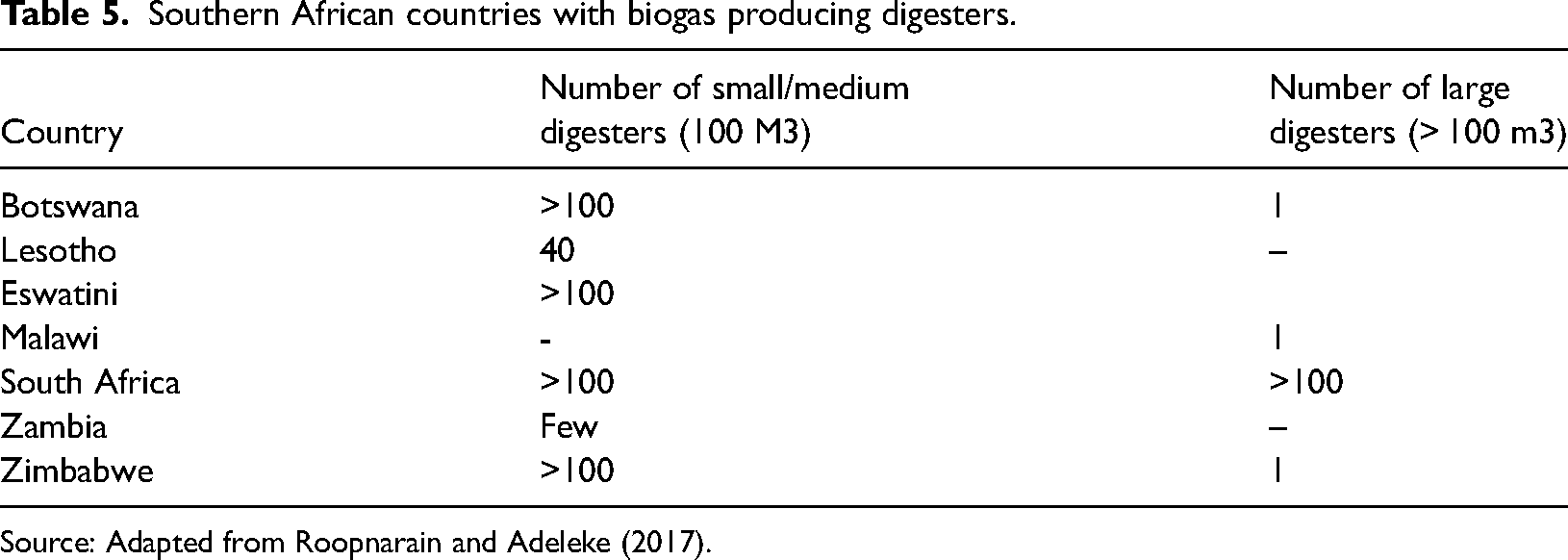
Source: Adapted from Roopnarain and Adeleke (2017).
Several studies (Charis et al., 2019; UNDP, 2015) highlight Botswana's slow biogas development compared South Africa, where partnerships with non-governmental organizations (NGOs), private companies, and CDM projects (the country had 19 registered CDM projects in 2010) have fostered progress (Mukumba et al., 2016). Renewed efforts in renewable energy policy are urgently needed across Southern Africa to alleviate energy shortages stifling economic growth. The region's climate and waste production offer significant potential for anaerobic digestion and energy recovery, which could reduce GHG emissions under the Kyoto Protocol (Friedrich and Trois, 2016). Research should focus on biogas technology, digester performance, and solutions for managing digestible waste from crops, manure, and sewage.
Advancing research into digester design, requires substrate optimization and operational management (Roopnarain and Adeleke, 2017). A comprehensive assessment framework is needed to measure emissions from livestock, chicken, food, and crop waste. Developing a biomass emissions database accessible to policymakers, academics, and stakeholders would support policy and guideline formulation.
Promoting biogas from agro-waste and organic waste could reduce dependence on traditional fuels like wood and LPG. Raising public awareness and encouraging farmers to market biomethane for cooking, heating, and fertilizer production can lower CO2 emissions.
Informing Botswana’ leaders and financial institutions about biogas benefits is essential (See Figure 5). A detailed study on missed social and economic benefits, including job creation for masons, plumbers, engineers, and agronomists, is necessary. Stakeholder engagement throughout project implementation is critical to successful biogas adoption, as shown in Figure 4.
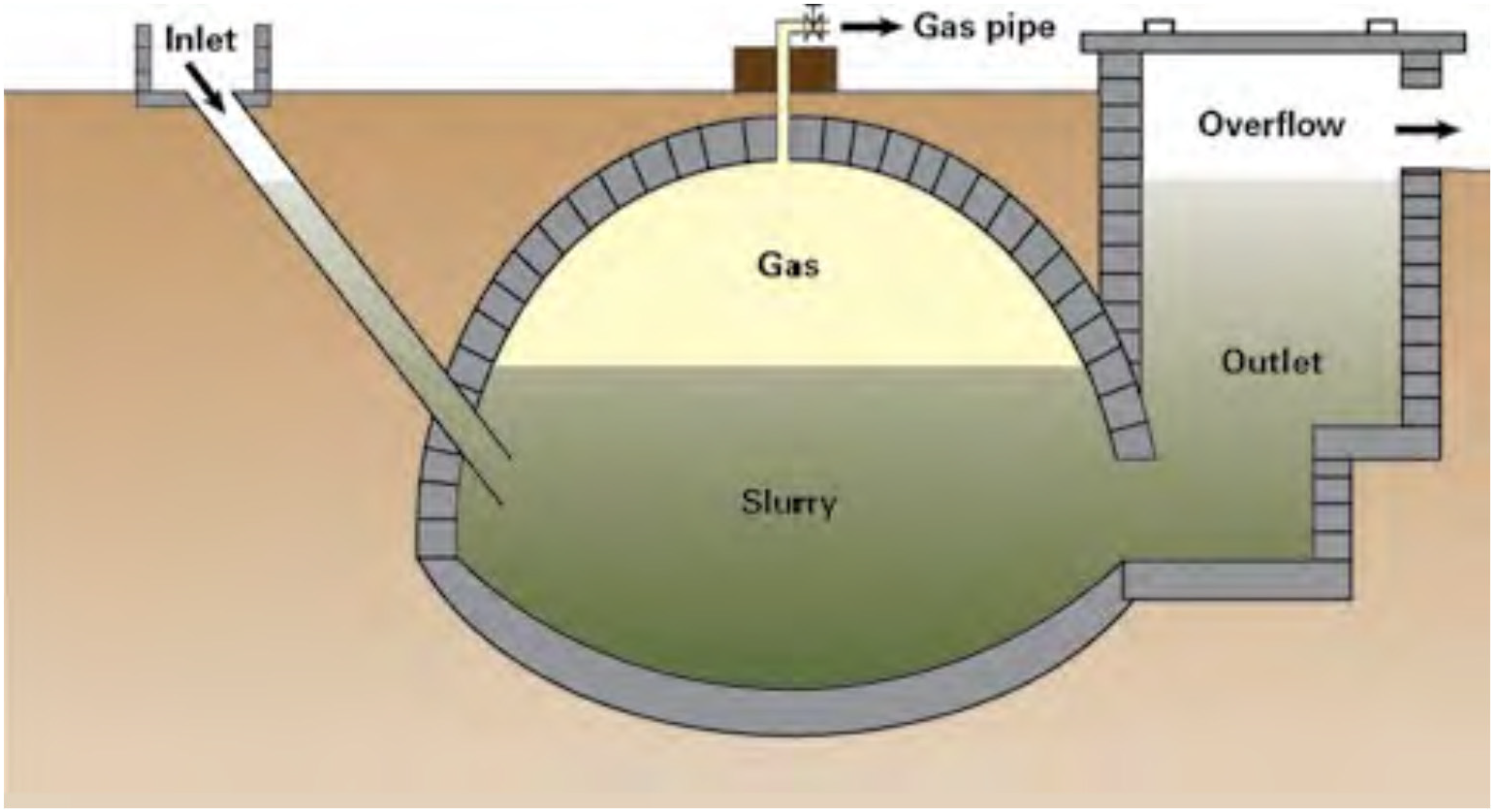
Schematic diagram of a fixed dome biodigester.
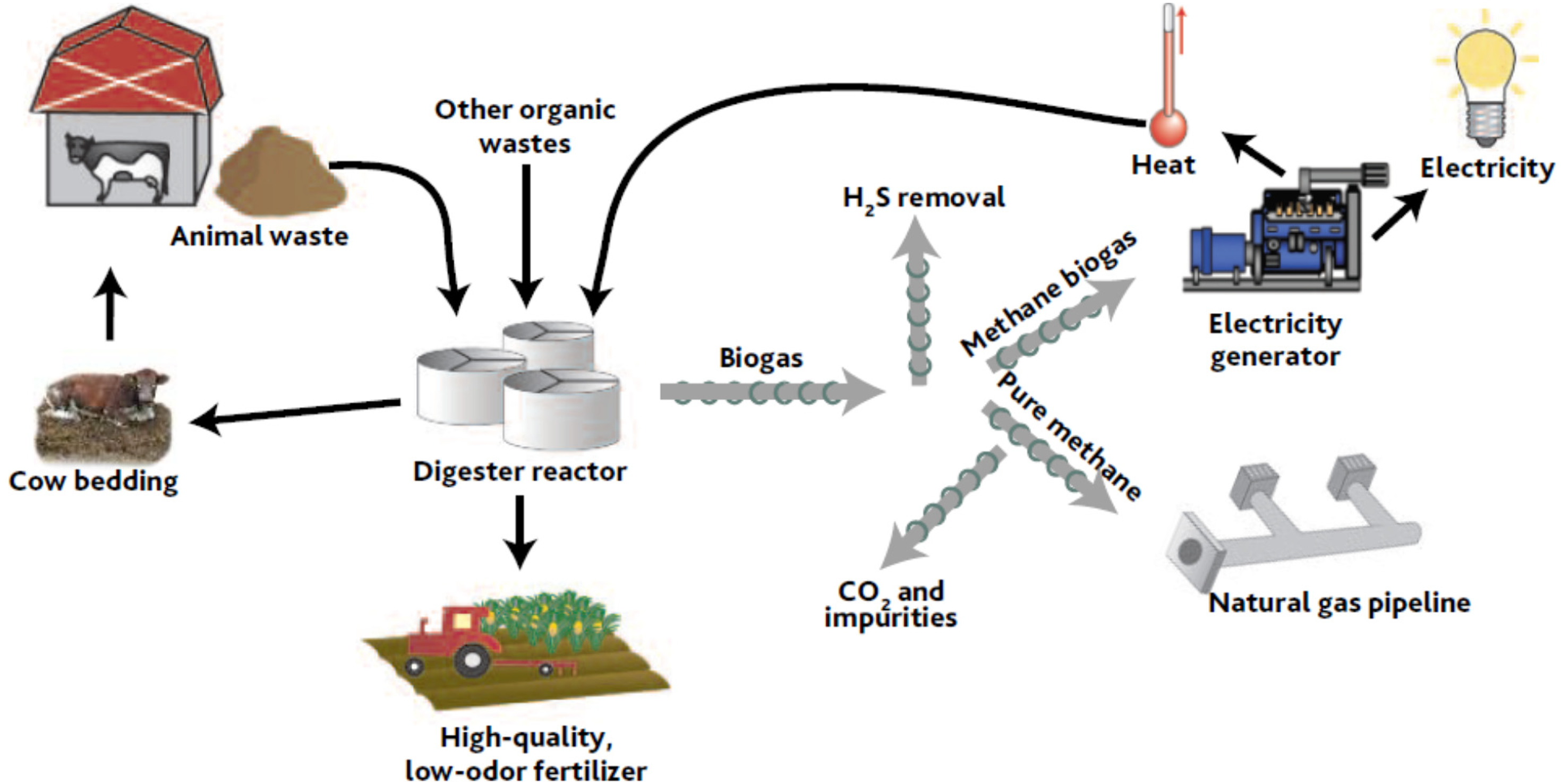
Benefits of biogas technology.
Biogas technology adoption: lessons from global successes and challenges in LMICs
Several countries have successfully integrated biogas technology into their renewable energy portfolios. Countries like China (Duan et al., 2011; Mao et al., 2015), India (Nixon et al., 2017), and Thailand (Srisaeng et al., 2017) and Vietnam (Roubík and Mazancová, 2019) face limited WtE adoption due to inadequately application of waste management hierarchy (reduce, reuse, and recycling). In China, widespread adoption of biogas systems has been driven by government subsidies and well-established infrastructure, allowing agricultural waste to be converted into energy on both small and large scales (Lu and Gao, 2021). Subsidies for equipment costs and operational expenses have significantly lowered barriers to entry for rural households and farmers. For Botswana, similar subsidies could be introduced, but with modifications suited to its fiscal capacity. A possible adaptation is the implementation of performance-based subsidies, where financial incentives are linked to the amount of biogas generated and used, thereby ensuring cost-effectiveness and accountability. Additionally, Botswana could establish microcredit schemes for small-scale farmers to finance the installation of biogas digesters, leveraging partnerships with local financial institutions and international development agencies.
Similarly, in Nigeria, small-scale biogas, community-based biogas systems have proven effective in addressing rural energy deficits while providing sustainable waste management solutions (Obada et al., 2024). This approach is particularly relevant for Botswana, where rural areas remain underserved by centralized energy infrastructure. Adopting a similar model would involve encouraging farmer cooperatives to pool resources and share biogas systems. To support this, Botswana could establish regional biogas training centres, modelled after Nigeria's community biogas programs, to provide technical support and capacity-building at the local level. These international examples highlight critical factors for success, including robust policy frameworks, financial incentives, and community-level engagement.
Kenya's experience highlights the importance of public awareness campaigns and capacity-building programs (Rotich et al., 2024). Public engagement initiatives, such as demonstration projects and media campaigns, have played a critical role in increasing the acceptance of biogas technology. Botswana can adapt this strategy by partnering with local agricultural extension services to organize biogas demonstration projects in farming communities. Additionally, training programs tailored to local technical needs should be developed in collaboration with universities and vocational training institutes, focusing on the design, maintenance, and troubleshooting of biogas systems.
Countries like Germany and India have established clear regulatory frameworks and quality standards for biogas plant construction and operation. In Botswana, the lack of such standards presents a significant barrier to investment and sustainable implementation. Adopting internationally recognized guidelines, with adjustments for local economic and environmental conditions, could reduce regulatory uncertainty. For instance, Botswana could develop safety and performance standards for small-scale biogas systems in collaboration with regional regulatory bodies and international organizations.
Lessons from China and Nigeria offer valuable insights for the development of biogas technology in Botswana. Like China, Botswana's agricultural sector generates significant organic waste that could be repurposed for energy production. However, Botswana lacks the policy incentives and infrastructure necessary to replicate China's large-scale biogas adoption. Nigeria's experience with small-scale digesters demonstrates the feasibility of decentralized biogas systems, which could be more suitable for Botswana's rural regions. Incorporating these global lessons into a localized strategy could accelerate the adoption of waste-to-energy solutions and enhance energy diversification.
Recommendations for biogas technology in Botswana
This study highlights the significant potential of biogas technology in addressing Botswana's energy diversification and waste management needs. Agricultural and municipal organic waste represent abundant, underutilized resources that can be harnessed for renewable energy production. However, the successful implementation of biogas technology faces several key challenges, including policy gaps, limited financial incentives, inadequate technical capacity, and low public awareness. To overcome these barriers and unlock the full potential of biogas technology, we propose the following targeted recommendations:
For policy development
Implementation of a National Biogas Policy: Develop a comprehensive national biogas policy that integrates biogas into the broader renewable energy strategy and outlines specific goals, clear quality standards and safety regulations for biogas systems, funding mechanisms, and regulatory frameworks to support biogas projects and increase investor confidence. This policy should also include guidelines for the operation and maintenance of biogas plants to ensure their sustainability and efficiency. Incentives for Investment: Financial incentives, such as tax breaks or subsidies for businesses and households that adopt biogas systems are recommended to encourage investment in biogas technology. This could help mitigate the high initial costs associated with biogas installations, which are identified as a significant barrier to adoption.
Capacity building and community engagement
Public Awareness and Community Engagement Implement nationwide targeted awareness campaigns for biogas technology that educate communities about the benefits of biogas; the economic, environmental, and energy benefits of biogas technology. These campaigns could include workshops, demonstrations, and success stories from other regions to inspire local adoption. community-based biogas cooperatives can also be promoted, where groups of farmers or households share resources and responsibilities for system installation, operation, and maintenance. Training Programs for Local Communities establish regional training centres, mobile training units and programs that equip local communities with the necessary skills to build local technical expertise on building, operating, and maintaining biogas systems. Collaborating with NGOs and international organizations that have experience in capacity building could enhance the effectiveness of these programs by improving low skills levels. Universities and vocational institutions can integrate biogas technology modules into existing renewable energy and agricultural programs.
Innovative financing solutions
Exploration of Alternative Financing Models Develop innovative financing solutions and microcredit programs such as micro-financing options in collaboration with local banks and international development organizations to provide accessible loans for small-scale biogas projects. Creation of public-private partnerships to co-finance biogas projects and share investment risks. This approach could empower local entrepreneurs to invest in biogas technology without the burden of high upfront costs. Additionally, establishing partnerships with financial institutions to create green financing products specifically for renewable energy projects could be beneficial.
By adopting these strategies, Botswana can enhance the adoption and sustainability of biogas systems, contributing to circular economy principles, reducing reliance on fossil fuels, and improving energy access in rural areas. Future research should focus on the long-term socio-economic impacts of biogas implementation and the feasibility of hybrid renewable energy systems that combine biogas with solar power for greater energy reliability.
The successful implementation of biogas technology in Botswana requires a strategic, phased approach. Below, Tables 6 and 7. present actionable recommendations prioritized according to their feasibility (ease of implementation) and impact (potential to drive adoption and sustainability), and classification of key strategies for the promotion of Biogas technology in Botswana. As shown in Table 7, the recommendations are organized into categories based on stakeholder responsibilities, including government-led policy initiatives, research-driven technical advancements, and financing mechanisms involving public-private partnerships. This framework aims to provide a clear and actionable roadmap for implementing biogas technology, addressing both policy and technical barriers while ensuring sustainable funding solutions.
Actionable recommendations prioritized according to their feasibility (ease of implementation) and impact (potential to drive adoption and sustainability).
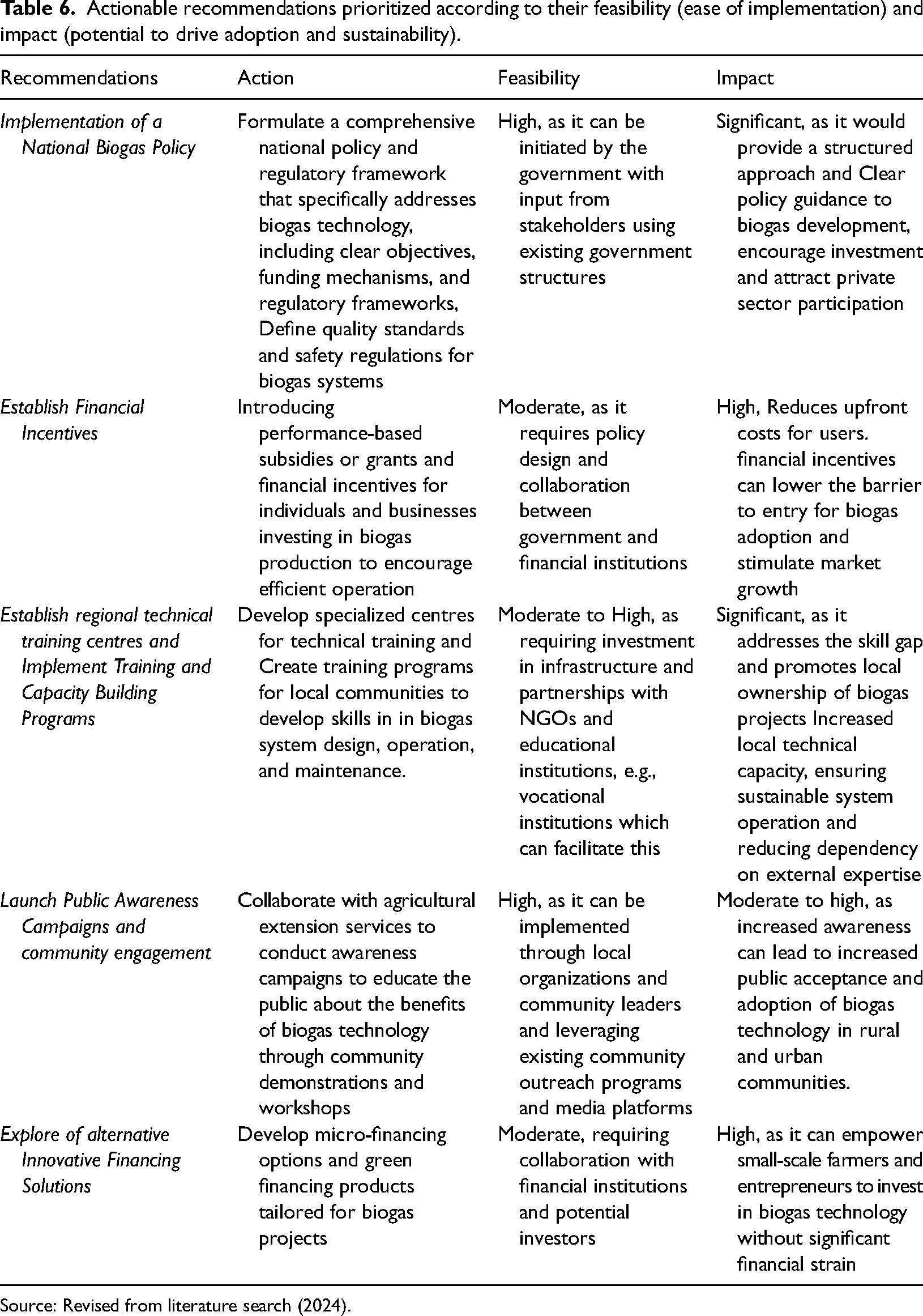
Source: Revised from literature search (2024).
A structured classification of key strategies for the promotion of biogas technology in Botswana
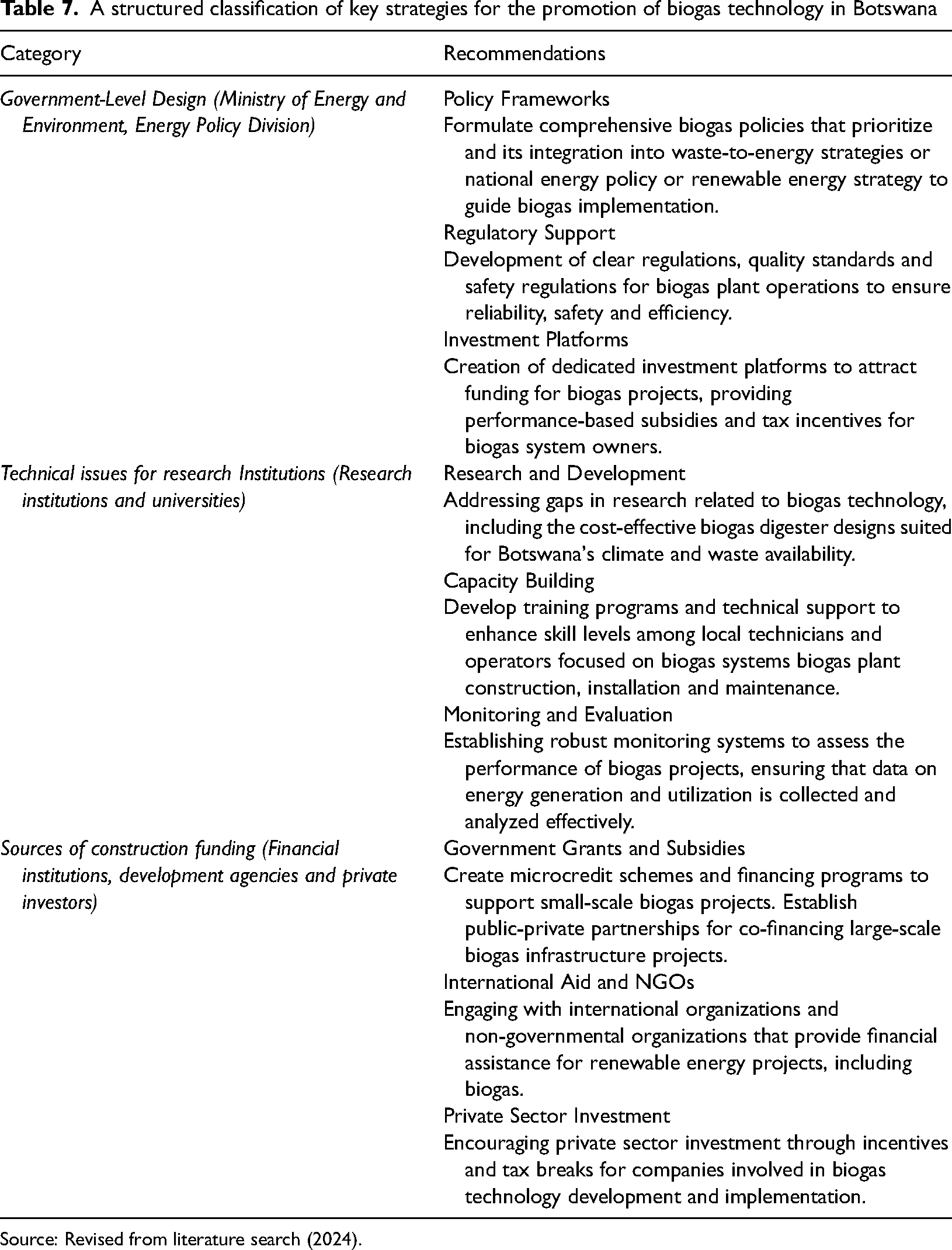
Source: Revised from literature search (2024).
Conclusion
Biogas technology offers opportunities to reduce deforestation, lower greenhouse emissions, and provide cleaner energy for cooking and space heating. However, biogas development in Botswana is slow due to institutional, feedstock, training, and legal constraints. Although plans called for 1200 biodigesters in southeastern Botswana, only 200 have been completed.
WtE technologies like biogas remain more expensive than conventional energy solutions, but this analysis can inform policymakers, researchers, and energy planners about strengthening institutional capacity, increasing organic fertilizer production, and converting waste into energy. If fully realized, biogas could significantly reduce wood fuel use, lower GHG emissions, and replace petroleum-based energy, promoting sustainability while delivering financial and social benefits. The successful adoption of biogas technology in Botswana requires a holistic approach that integrates policy reforms, financial incentives, and innovative technical solutions. By learning from international experiences and tailoring these strategies to local conditions, Botswana can create a sustainable, decentralized energy system that contributes to waste management, energy security, and rural development. Future research should focus on improving biogas technology efficiency and scalability in Botswana. Furthermore, research should explore the feasibility of hybrid solar-biogas models and assess the socio-economic impacts of community-owned biogas initiatives.
Footnotes
Acknowledgements
The authors would like to thank anonymous reviewers for the comments to improve the article.
Declaration of conflicting interests
The authors declared no potential conflicts of interest with respect to the research, authorship, and/or publication of this article.
Funding
This work is supported by United Nations Development Programme (UNDP) and funded by Global Environment Fund (GEF).
