




Abstract
This paper examines a broad spectrum of challenges plaguing electric power supply in Africa. The challenges have lingered very long that policymakers, energy companies, and government agencies have shown docility in tackling the problem headlong. The increasing human population and technological innovations are evidence that the more the problem lingers, the more it becomes insurmountable. In this paper, it was proposed the lingering challenges can be solved using the standalone system of power generation. The renewable energy option and its adaptability were highlighted to guide standalone users on the way forward. The growing population in Africa can be advantageous in generating biogas from human feaces. It was discovered that renewable energy devices are quite expensive; hence, the biogas option for cooking and powering gas generators seem to be sustainable as its technology can be modified to suit the users' financial base. Therefore, it is projected that if the human excretal biogas can be adopted, Africa will soon overcome its energy crisis through the doggedness of its standalone users.
Introduction
Energy needs in Africa are becoming an essential commodity as ist human population had escalated over the years. Most governments in Africa have not given energy generation a second thought; hence, making the subject matter a complicated problem. According to the reports provided by the Electricity Generating Companies, the average power supply in Nigeria is 3 851 MW (INFORMA PLC, 2020). The peak averaged power supply was fixed in January 2017 and was around 4 425 MW. Figure 1(a) shows the energy generation in selected countries in Africa versus their human population. The diagrammatic illustration clearly shows that policymakers, energy companies, and government agencies' mental state in tackling the energy challenge in the region. Unfortunately, energy burdens are high due to global technological innovations that had evaded the Africa market. The overburden impact of the human population and technological innovations is evidence that the more the problem lingers, the more it becomes insurmountable.
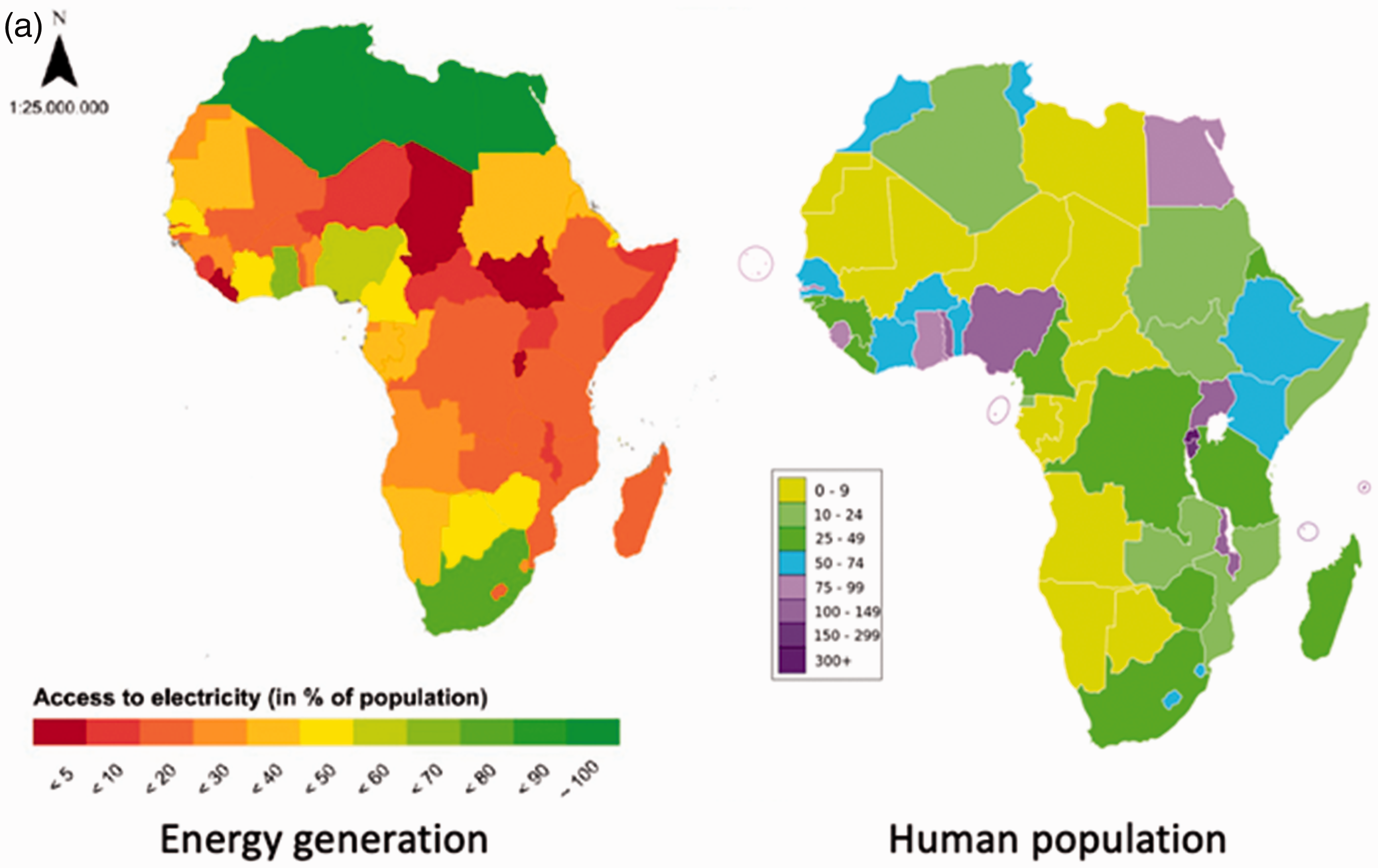
(a) Energy generation and the human population in Africa. (b) Schematic diagram of paper content.
Most advanced countries have many sources of energy generation to service different sectors of the economy. This scenario is different in Africa as over 60% of countries rely on two energy sources to meet-up the teeming energy demands. For example, Nigeria practically relies on three main energy generation sources: coal, hydro, and natural gas. In reality, only the hydro and natural gas stations are functioning at a ridiculously low capacity. This situation has adverse effects on the economy as it slows down the country's development process and other alternative energy sources (INFORMA PLC, 2020). On the other hand, South Africa had shown seriousness by expanding energy generation sources in the country; however, low maintenance of facilities had crippled most energy generation-leaving coal sources as its primary energy generation source.
Biomass is known as the fourth largest source of energy. Biomass fuels are well established in some commercial and well-developed countries and are a leading source of energy. However, expansion is a massive challenge for developing countries, especially the poor and the least developed countries worldwide. Africa is known to have huge bioresources with inadequate technical input to generate renewable energy for its teeming population. One of the bioresources identified to solve the energy crisis in Africa at a low cost is biogas. The cheapest form of biogas that is directly related to its population is human biogas. Human biogas may not be the best biogas based on quality, but it is the most abundant and sustainable.
When biogas projects are carried out, they usually enhance the primary or already known applications or methods. In recent times, biogas applications are beginning to gain wide patronage. For example, there fare projects such as biogas lamps, biogas stoves, biogas engines, and biogas heaters.
Lighting is a basic need, not just in rural areas but also in urban areas. A biogas light's lighting is subject to the gas mantle's tuning and the fire state at the spout. This tuning has to be done ideally to produce this lighting (Kenya Standard, 2013). The body must be encircled by the fire's inward center and give off the gas at least rate. This idea is essentially the hottest core. If the gas mantle shows that it is glowing excessively, it will show dull spots; on the other hand, if the fire is excessively massive, gas utilization will be excessively high per light-motion yield. The explanation goes a long way to prove that for a gas lamp to be highly efficient, it must be designed to glow or burn fire at the least trace or detection of fuel and avoid excessive glow, which leads to the production. It is no news that energy is a fundamental need, just as a superficial point of interest. In any case, biogas lamps are not vitality proficient. Overtime during usage, they get very hot. Apart from that, they could cause fire hazards when not placed or appropriately handled.
Domestic application of biogas includes the utilization of biogas in homes (Rajib et al., 2016). One of the most popular uses of biogas in homes is for heating and cooking purposes. The burning of biogas in homes is seen in domestic stoves. Another use is portable electricity by using it as a source of fuel. Biogas is compressed to fill cooking cylinders and sold to consumers (Emetere and Pindar, 2019).
Another vital use of biogas is the production of bio-methane (Brightbiomethane, 2020). This process entails pure methane production, which can be used to power generators or even sold to consumers willing to buy. This research is a grey area where the Africa government can invest in empowering the people. Biogas engines are suitable for powering tractors and light-duty trucks and vans (IRENA, 2018). There are two ways to use gas in engines: diesel engines' conversions and spark-ignition engines' conversion. Whatever form is utilized, the technical compositions, safety, energetic cost of gas compression, and storage must be considered.
This paper examines fundamental issues plaguing a stable power supply in developing countries and suggested renewable energy based on available resources that abound in nature. The aim of this paper is to suggest a sustainable and affordable solution that has little governmental contribution. The content schematic diagram of the paper is displayed in Figure 1(b). In the second section, the paper examines the causes of erratic power supply in Africa. The outlook of the renewable option and the quantification of biomasses in Africa was adequately discussed in third section. In the fourth section, the biogas option with the spectrum of renewable energies was justified as appropriate to meet-up the current energy crisis in Africa. In the last section, the operational bottle-neck existing biogas chamber designed was discussed wholistically.
Visible causes of erratic power supply in developing countries
Poor implementation of power policies and projects is a significant factor. This factor has been one of the most overwhelming challenges that have given rise to the inability to improve Africa's power supply. Many laudable policies had been initiated in the past, but they were not implemented satisfactorily (Njoku 2016; Akomolafe 2015; Anuforo and Okere, 2016). For example, since 1999, power management in Nigeria has gone through various phases to ensure an adequate, safe, reliable, and affordable power supply. Unfortunately, however, Nigerians still groan under irregular or, in most cases, no power supply. The policy and projects on diversification of power sources through off-grid and hydro-systems etc. have not been implemented satisfactorily despite the massive sum of $16 billion allegedly spent on projects targeted towards the improvement of the sector between 1999 and 2007 (Oghene et al., 2015; Sunday Sun Editorial, 2015; The Guardian Editorial, 2014a). In South Africa, solar energy generation gained huge support from local and foreign investors. For example, the Multilateral Investment Guarantee Agency (MIGA) invested U.S. $116 m in this project. Google also invested in this project while the government invested over $260 million. These efforts added about 780 MW between 2013 and 2014 (IRENA, 2020). However, the power generation capacity has reduced partly due to poor implementation of power policies. In Ethopia, 46% of its population in the urban area use electric energy while 80% of the population in the rural area of the country have no sustainable energy supply (IEA, 2019).
Oil theft is a generic term for stealing crude oil and refined products by involving various categories of people in and outside the oil sector (The Guardian Editorial, 2014). The reprehensible crude oil activities thieves have contributed immensely in frustrating the government efforts towards improving power generation in Nigeria. The oil thieves usually cart away large quantities of crude oil through broken oil pipelines. For strategic economic purposes, the crude oil could have been refined, and the petroleum and gas made available to power generating plants. The impact of oil theft on the power sector is significant in oil-producing countries. Like oil theft, pipeline vandalism is very significant to the smooth running of natural gas turbines. Nigeria has the most massive oil supply in Africa, making it the 7th member of the Petroleum Exporting Countries (OPEC). It is also considered to be the seventh-largest oil-producing country in the world. Therefore, oil is made to provide around 24.8% of the power supply in Nigeria.
Nevertheless, the environmental impact of this energy source is also devastating in every way. The amount of damage oil causes brings about land and water pollution. The emissions from burning fossil fuels also provide a great problem for the environment.
The net effect is that the power plants often lack adequate gas supply for power generation. Besides, the crude oil theft deprives the country of enormous financial resources that could have been substantially utilized in developing the power sector. For instance, a civil society organization known as Stakeholders Democratic Network, S.D.N., has disclosed that Nigeria lost $14 billion in 2014 to oil thieves who broke pipelines to scoop crude oil for sale. In a similar view, the Nigerian National Petroleum Corporation, NNPC, in its report covering between January 2013 and April 2014, has revealed that Nigeria recorded N858 billion losses to oil thieves and pipeline vandals (Okere, 2015a). Also, the Nigerian Navy and other security agencies have been waging a relentless war against oil thieves, most of whom were said to have backed some influential members of the society (Njoku, 2016). Most of the oil theft and pipeline vandalism occur in the Niger Delta region and Lagos axis. For example, the Nigerian Navy was reported to have seized 4,000 jerry cans of petroleum products and arrested some vandals in Ikorodu, Lagos, in October 2014 (Odita, 2014).
Similarly, the Nigerian Navy and other security agencies have been launching relentless raids on illegal refineries that were said to have been established by oil thieves and their accomplices in some parts of the Niger Delta region. On the whole, it is estimated that at any point in time, up to 10% of Nigeria's crude output is stolen each day, thereby depriving the nation of daily revenue of tens of millions of dollars (The Guardian Editorial, October 23, 2014b: 18). Crude oil theft from January to April 2015 was said to have stood at 39.3 million barrels, amounting to a loss of about $3.9 billion at an average crude price of $97.9 per barrel (Salau, 2015a; 2015b). The harmful activities of oil thieves, no doubt, have a negative effect on the power industry in the country as it deprives the nation of adequate financial resources for improving the power sector. Pipeline vandals often break pipelines that transport gas to thermal power plants. This challenge causes a severe shortage of gas supply to power plants and ultimately results in the epileptic power supply or total blackout for quite some time in several parts of the country (Njoku, 2016).
In a recent report written by Ikenna Ifediobi, a consultant to the American Petroleum Institute, API, United States of America, pipeline vandalism was identified as a major cause of Nigeria's epileptic power supply (Njoku, 2016). According to the report, this idea is because about 81 percent of power in the country is generated by thermal power plants dependent on gas supply. According to the report, Nigeria loses about 1,50,000 barrels of crude oil per day to pipeline vandals. The report noted that the loss translates to about $7.2 million daily to vandalism, $50 million a week, and $2.6 billion a year at approximately $48 per barrel of Brent crude oil. The report further noted that half of the amount currently being lost through this reprehensible act would revitalize the entire energy sector in less than two years. The report suggested that the Nigerian government use Distributed Acoustic Sensing (D.A.S.), a digital surveillance that guarantees pipelines and crucial asset perimeters from sabotage (Okoromadu, 2015). There is also the problem of wanton vandalizing of power equipment and other vital public electrical installations in some parts of the country. This idea often results in total darkness in the affected communities and a considerable revenue loss to the power sector. On November 20, 2015, it was widely reported that nine states in Nigeria would experience a further drop in power supply following the vandalizing of the Okpai/Onitsha 350 KVA Power line by cable vandals. The vandalism stopped power generation from the most reliable power station from the Enugu region of the Transmission Company of Nigeria (T.C.N.), which conveys 450 MW of energy (Obi, 2015).
The presence of saboteurs is significant in the erratic power supply in Africa. New York Times (1984) reported that Mozambique saboteurs blow up power lines in South Africa. The saboteurs were rebels of the anti-Marxist Mozambique National Resistance. Aside from Africa's warring zones, some fossil-fuel saboteurs believe that power provision would throw them out of business. For example, Nkwopara (2015) in Njoku (2016) reported that saboteurs are why regular power supply has remained a mirage in Nigeria. Ayodele (1999) observed that the vandalized equipment was usually resold, in most cases, to public/private electricity institutions, etc. This terrible situation has primarily contributed to the country's current electricity crisis by which only about 4,800 MW could be generated and distributed. However, experts have stated that Nigeria requires at least 18,700 MW of electricity to achieve healthy economic growth (Vanguard, 2015). Some countries in Africa had adopted military task forces to ensure the successful protection of gas pipelines' network (Abubakar, 2015). In Egypt, it was reported that the terror attacks on infrastructure has increased its energy burden by 20%, thereby creating stress on existing power infrastructure (Patrick, 2014).
The impact of gas flaring on the power sector's development is another salient factor for erratic power in oil-rich developing countries. For example, Nigeria's proven gas reserves were put at 188 trillion cubic feet (Okere, 2015b). However, the bulk of the gas reserves were said to have been discovered in oil exploration and production activities (Ekpo, 2004). This challenge means that large reserves of gas in Nigeria are associated with crude oil. This scenario is perhaps why oil companies since the inception of oil exploitation in Nigeria have been engaging in gas flaring, thus wasting a large quantity of gas that could have been utilized for domestic use and electricity generation in the country. By 2009, Nigeria was said to have been flaring 40 percent of its gas. Okonji and Ogidan (2009) reported that despite the Federal Government's efforts to stop gas flaring, about 40 percent of gas produced in the country was still flared. Similarly, Eboh (2015) reported that according to Nigerian National Petroleum Corporation, NNPC, Statistical Bulletin for 2014, the country lost up to $868.8 million and about N173.76 billion to gas flaring in 2014. He further reported that Nigeria lost $359.01 million and about N71.8 billion to gas flaring in the first quarter of 2015.
On the whole, the country was said to have lost about N22.232 billion ($611.16 million) between January and September 2015 as oil and gas companies flared 203.72 billion cubic feet (bcf) of gas (Eboh, 2015). Apart from its adverse effects on the environment, gas flaring deprives the country of enormous financial resources for national development. For instance, such financial resources could have been utilized to develop gas infrastructure to improve the country's energy sector (Njoku, 2016). The Chief Executive of NERC, Dr. Sam Amadi, has revealed that one of the primary reasons the country's dream of reliable power has remained a mirage two years after the unbundling of the PHCN was due to lack of gas transmission infrastructure (Ogbonna, 2015). Thus, gas flaring constitutes a colossal economic waste as such gas could have been utilized for power generation. The Chief Executive Officer of the Total Support Group, Mr. Ubani Nkaginieme, has disclosed that half of Nigeria's flared gas can generate 5,000MW of electricity and fuel over one million cars per day if converted into usable energy (Igbikiowubo, 2016).
Moreover, gas is also in high demand in the international market for electricity generation and transportation, and domestic use. In this context, the gas flared ought to have generated substantial revenue for African countries. Figure 2 presents the gas flaring ranking among nations of the world. It can be observed that Africa made up 27% of the countries. Thus, it is time to put off the flare and light up Africa for its rapid development.
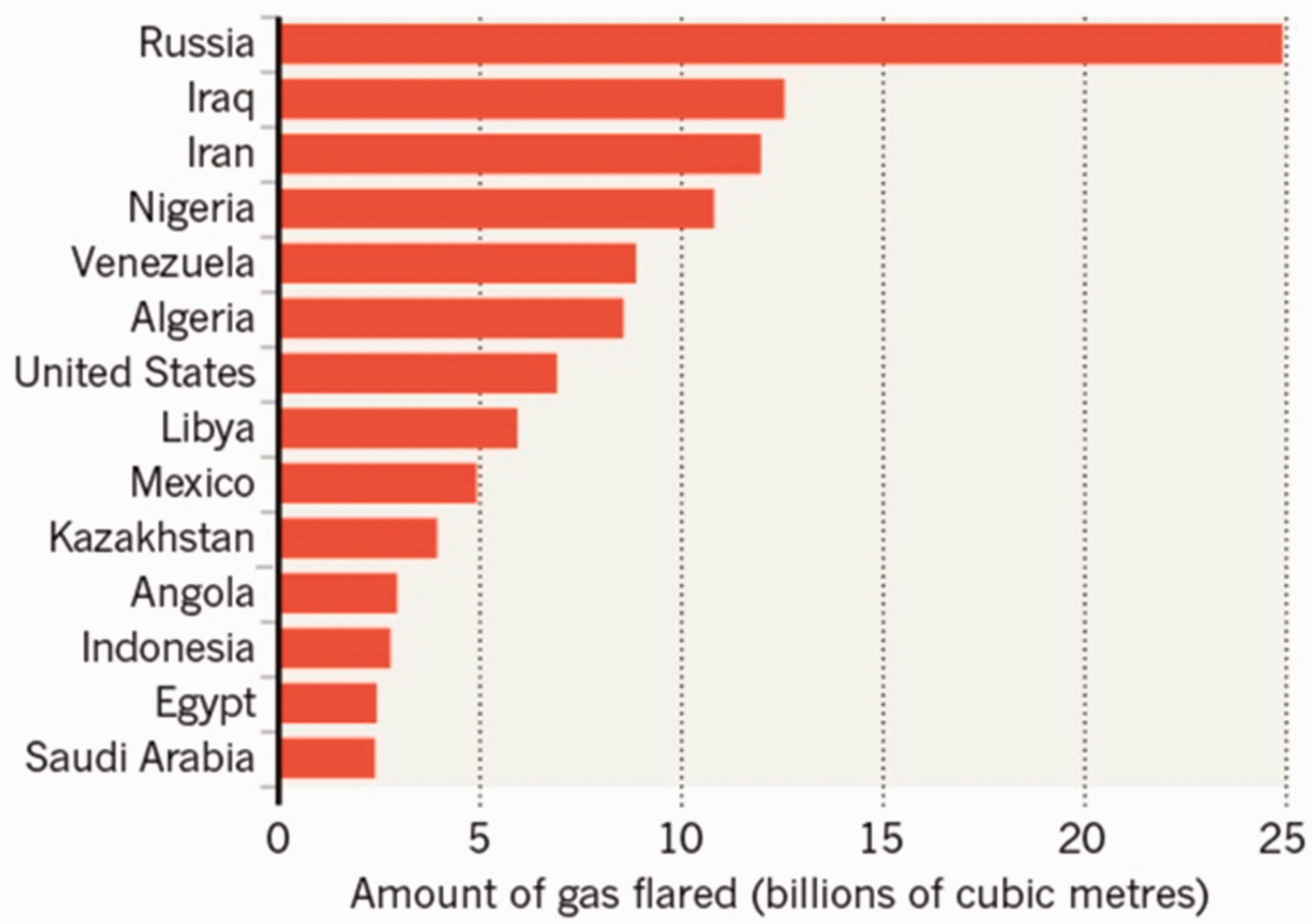
Gas flaring ranking among nations of the world (Tollefson, 2016).
Lack of regular maintenance of power equipment is prevalent in most countries of the world. IFC (2014) reported that erratic power supply persists in Africa because of low infrastructure maintenance and operational complexities arising from poor system maintenance. For example, the major challenge of power companies in DR Congo, apart from the demand for cost-reflective tariff, is the poor state of power equipment and weak transmission network (Kusakana, 2016). In a similar view, the Managing Director and Chief Executive of Egbin Power Plant Nigeria, Engr. Mike Uzoigwe has stated that the challenge of power supply in Nigeria stems from the fact that there was a meager investment in the sector for a long time. He noted that new plants were not built (except recently when I.P.P.s were built), and the old ones were not adequately maintained. For example, he gave Egbin power station the case, which he said did not overhaul one single plant in its station for 15 years until recently. Therefore, he noted that a lack of systematic overhaul of the power plants might lead to system failure, thereby causing epileptic power supply or total blackout (Obineche, 2015). In a similar perspective, Njoku (2016) observed that one of the challenges facing the energy sector in Nigeria was that equipment and other facilities used for generation, transmission, and distribution had operated for several years beyond their expected life span, without adequate and regular maintenance, servicing and rehabilitation. This scenario causes frequent power outages in the country. However, it should be noted that the Transmission Company of Nigeria, T.C.N., has stated that it would require $7.7 billion (about N1.2 trillion) to expand its infrastructure and significantly improve the power situation in the country (The Guardian, March 25, 2014: 19).
Moreover, there have been cases of reckless abandonment of imported power equipment at the nation's seaports, where they rot away due to lack of clearance. For instance, Akomolafe (2015) reported that the Transmission Company of Nigeria (T.C.N.) abandoned multi-billion-naira power equipment brought in 27 containers at the seaport. He noted that the containers bearing the equipment have been rotting away at the port for almost one year. This unpatriotic attitude frustrates the nation's desire for effective and efficient power generation, transmission, and distribution.
The controversy over the billing system for power (electricity) consumers is an essential factor contributing to the erratic power supply across the globe. Economists believe that the billing system is somewhat related to the poverty index of the nation. Figure 3 shows the electrification rate versus income for selected countries around the globe. It is observed that Africa countries pay higher for energy because it is a scarce commodity. A comparison between the billing system and the poverty index in Africa is indeed lopsided. Aside from the poverty index, the processes of accessing billing meters or recharging prepaid-meters are excruciating based on administrative bottlenecks. For example, energy customers are forced to travel to banking halls and queue for hours.
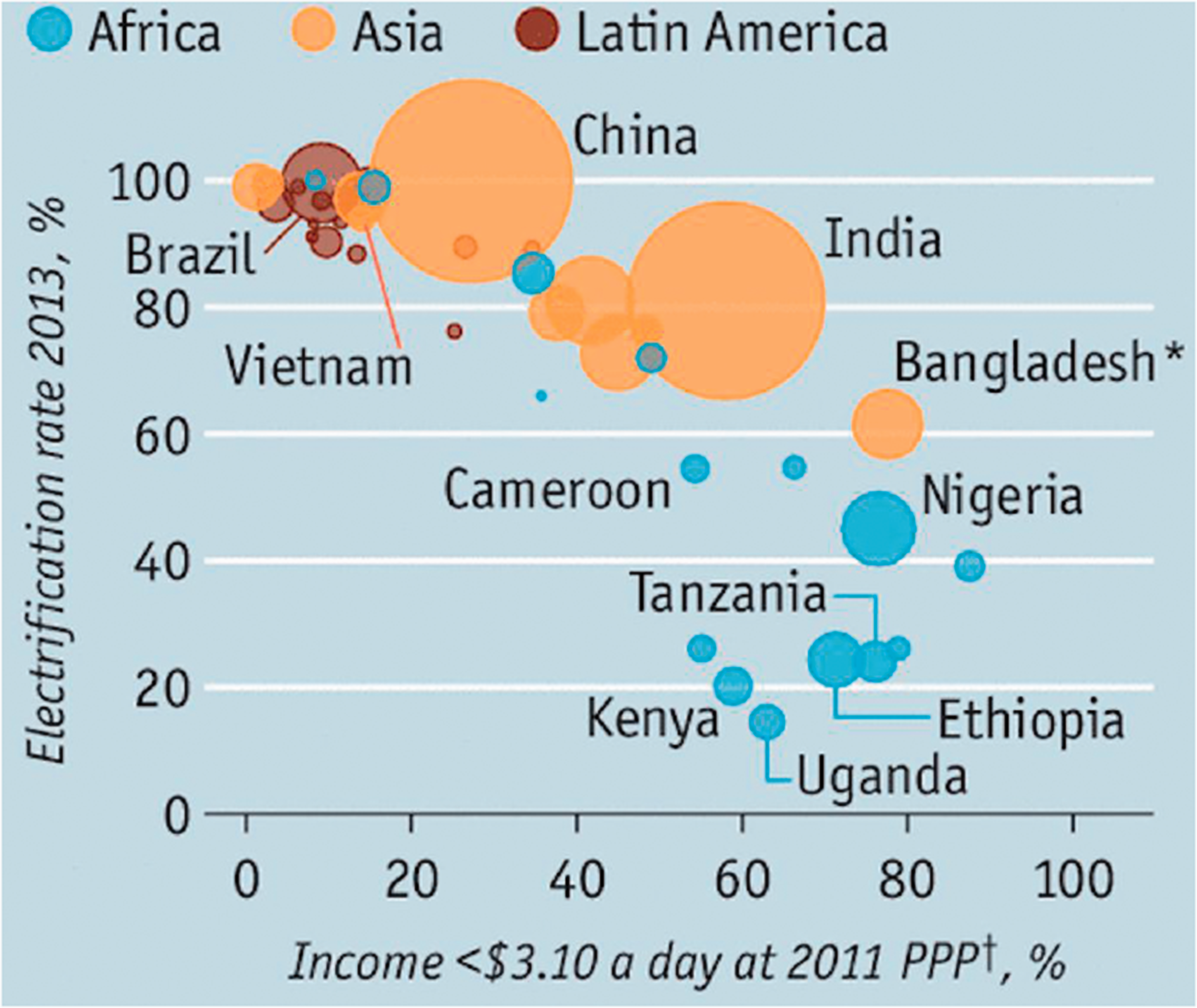
Factor that determines the electricity billing system (WHO, 2016).
The energy users in rural settlements are deprived the most because they may spend a day accessing pre-paid credit. In Nigeria, the distribution companies (DISCOs) Nigeria have tried to retain the old billing system of the unbundled PHCN to reduce the stress of accessing pre-paid energy credit; but, it has pitched the electricity company against the consumers because of accumulated depth. Some other regions that do not have electricity meters are billed using the estimated billing system. For instance, the estimated billing is believed to be associated with fraud as consumers are compelled to pay more than what they consume (Nnodim, 2015). Hassan (2015) had reported that about six million electricity consumers in Nigeria are billed using an estimated billing system, and many consumers end up not paying the over-bloated bills. The National Electricity Regulatory Commission (NERC) in Nigeria has recommended aggressive metering to avoid overbilling of consumers in the face of epileptic power supply Agoruah (2021). However, the DISCOs appear not to have embarked on aggressive metering as they complain of inadequate funds (Hassan, 2015), as it requires N250 billion to ensure that all electricity consumers in Nigeria have meters (Ajibade, 2015).
Thus, the above contentious issues generate controversy between electricity companies and consumers in Africa. One of the ways of resolving the billing system is the enactment of laws and regulations. Nigeria's energy sector is regulated centrally by the Nigerian Electricity Regulatory Commission (NERC). DISCOs are presently mounting pressure on Nigerian Electricity Regulatory Commission to approve a 40 percent hike in electricity tariff due to inconsistencies in energy regulation. The DISCOs insist that this represents the reflective cost tariff, while the electricity consumers nation-wide have opposed the tariff hike without appreciable improvement in power supply (Ajayi, 2015; Esiedesa, 2016; Aluko, 2015; Anuforo, 2015; Emodi and Ebele, 2016).
Meanwhile, on February 1, 2016, the National Electricity Regulatory Commission NERC approved the take-off of the new electricity tariff structure under the Multi-Year Tariff Order (MYTO). This order was in disregard to the House of Representatives' order for a stay of action on implementing the new tariffs pending when its Committee on Power concludes its public hearing on the country's power situation. The NERC, in its policy document, reportedly stated that the new Multi-Year Tariff Order might raise the country's yearly investment profile by N1.36 trillion over the next five years. The document also reportedly stated that power generation is expected to hit 5,465MW by the end of 2016 and progressively rise to 11,383MW by 2020 (Okere, 2015c). Similarly, Kenya has suffered from energy policy summersault from the Electrical Power Act of 1997, Petroleum Act Cap 116, Energy Act of 2006, and Petroleum Exploration and Production Act (Energy Regulatory Commission, 2020). The reality of policy document towards solving the lingering energy crisis in Africa is vague.
Substantial electricity bills owed by many households and government facilities had hampered the financial base of energy companies in developing countries. Most of the time, because of the porous tracking system to punish offenders, most users take advantage of the compromised system to garner unimaginable debts. Also, the problem caused by owing power bills means electricity companies cannot break even, make good profits, and reinvest into the sector for optimal service delivery. Besides, what kind of investor will be willing to risk pouring money into such a debt-ridden business (Ejoor, 2016).
The incompetent staff of the energy companies has a significant effect on sustaining energy generation. The problem of incompetence on the part of many staff members of the energy companies is attributed to the abnormalities in most government firms where workers are employed based on favoritism, racism, and tribalism rather than on merits and competence.
For instance, most energy companies in Africa had staff whose employment mainly came through backdoor manipulations based on undue favoritism, racism, and tribalism. Some countries in Africa have specific quotas for their citizens, even when it is clear that they are not incompetent. A typical example of enforced employment is a pressurized xenophobic attack. Even when, eventually, the government privatized the generation, transmission, and distribution of electricity, those new companies still retained the old incompetent staff for whatever reasons (InfoGuide, 2020).
Insufficient financial investment by government, local, and foreign investors is very salient in worsening the erratic status of power generation and supply in developing countries. In 2017, some experts put the total amount required to give Nigeria an adequate and regular power supply at an estimated 500 billion dollars. The current Minister of Power, Works, and Housing in Nigeria, Raji Fashola, has blamed the inadequate electricity supply to consumers on lack of sufficient financial investment in the power sector (Njoku, 2016). Although the country has expended what may appear as sizeable, the money so far expended was inadequate to surmount the current challenges confronting electricity supply. In 2012, Nigeria generated approximately 5,000 MW of power for the population of over 150 million people. This situation may be compared with the second-largest economy in Africa, South Africa, which produces over 40,000 MW of energy for 62 million people. The main problem is provided with private generators that cannot reach their potential's full capacity. Egypt experienced ballooning population increase in 2014 where its population increased by an estimated 1 million within six months (Patrick, 2014).
Under-exploitation of Africa's abundant energy endowments is the most crucial bottlenecks toward addressing erratic power supply. Africa has vast biomass resources in the globe. Sielhorst et al. (2008) noted that Africa has enormous potentials for biomass resources. For example, South Africa, Nigeria, Ethiopia, Kenya, and Tanzania are the largest corn producers in Africa; Nigeria, Cote d'Ivoire, DR Congo, and Ghana are the largest palm oil producers. Hence, over-dependence on one source of energy is a tremendous disservice to itself. A typical example of under-used energy potential can be seen in the two significant resources used to power electricity in Nigeria, i.e., “falling water” (hydroelectricity as in the Kainji dam) and “gas” for the thermal stations. There is a need to utilize the vast energy potentials in solar power, biogas, wind, and ocean currents for adequate electricity supply in commercial quantities. Other essential resources are radioactive elements, which can be used to harness nuclear power for electricity generation. Kogi, Benue, Gombe, and especially Enugu provides around 0.4% of coal used for Nigeria's energy output. Natural gas provides about 39,8% of energy for Nigerians. Like Nigeria, other parts of Africa should adopt nations like Russia, the United States, Finland, United Kingdom, France, China, Brazil, France, Germany, South Korea, North Korea, or Japan to harness this vast resource for electrical purposes.
In conclusion, the challenges confronting energy generation in Africa was categorized broadly into financial, emotional, sociological, and attitudinal. The challenges mentioned above requires concious efforts from government, policy maker (legislature), and energy companies to urgently address this issue.
Renewable energy sources in Africa and its lingering inadequacies
In this section, the forms of renewable energies were discussed to understand the importance of natural resources towards mitigating erratic power supply in most developing countries. Most energy users in Africa are not connected to the grid system. For example, in Madagascar, only 15% of the country is connected to its grid system (Africanews, 2019); in Mali, only 25.6% of the country is connected to its grid system (LightAfrica, 2019); In Mauritania, 40% of the country is connected to its grid system (Bordat & Curnier, 2019; Dia et al., 2017). This figure becomes more embarrassing when the 54 countries in Africa is analyzed. Hence, the solution to energy in Africa must lie on the standalone users as there are no infrastructure to cater for the teeming population of standalone energy users. In this section, we analyze the available renewable energy sources that is accessible to the standalone users-with the view of narrowing down to an energy solution that is sustainable and financially affordable.
Most Solar energy is energy gotten from the sun. It comes in two forms, which are light and heat. These energies are tapped using a range of technologies (Emetere, 2020). Some of these technologies are; solar heating, photovoltaic cells, solar thermal energy, solar architecture, etc. These ever-evolving technologies are characterized as passive or active technologies. This fact highly depends on how they capture, store, convert, and distribute solar energy. Active solar techniques include photovoltaic systems, concentrated solar power, and water heating systems to harness the energy, while passive solar mainly includes the design, selection of materials with good thermal and light-reflecting materials to help tap this energy. It also includes the orientation of a building to the sun for active collection. An instrument called the pyranometer is an instrument used to measure solar irradiance on a planar surface. It is made to measure the solar radiation flux density (W/m2) within the range of 0.3 μm to 3 μm. The top countries known to use solar energy are Germany, Italy, China, the U.S.A., producing 32411, 16361, 8300, and 7777 MW, respectively (Almerini, 2019).
The solar energy industry has experienced a significant surge of growth. In 2,01,276% more solar installations than the previous years producing over 88,500 megawatts of energy and, to date, are still being utilized by some countries. Despite this massive growth, it may not be replacing fossil fuels soon because there are still many barriers that could hold the use back. These barriers include inefficiency, infrastructure, and oversupply. Africa is not out of the countries that make use of solar energy. In October 2016, Nigeria's first solar plant was inaugurated at the University of Ibadan. The plant will, when completed, power three universities and their environment. Eight months after this, another solar project in Abuja was announced in June 2017 (Adebulu, 2019). However, despite all of these attempts, Nigeria has had its fair share of limitations. Despite the underlying challenge, solar has proven to be an alternative energy source in Nigeria and fully tap into it.
Wind energy is another renewable energy option that has wide gain usage over the years. It makes use of mechanical power, which is transformed into electrical power for use. Wind power is a sustainable, clean, and renewable energy source of energy that has a less harmful impact than fossil fuels on the environment. One primary way of taping and using this energy is making use of turbines. Wind farms are adopted to house these turbines, which are then connected to electrical transmission networks. There are two main types of farms which are onshore and offshore wind farms. Offshore farms are farms constructed in large water bodies, while the onshore farms are built on the land. Sometimes these lands may be used for agricultural purposes. Onshore wind farms are cheaper to construct and may be built-in wild and rural areas for best use regardless, the offshore is the one seen to create more energy due to its strategic location but has higher maintenance to produce more wind energy.
Wind on its own is an intermittent energy source, which cannot make electricity directly and cannot be dispatched on demand. It gives variable power, which varies significantly over shorter time scales. Weather forecasting has been of great help in the wind energy industry as this has helped determine the speed and estimate the amount of energy to be generated. Winds in some areas are lower than in some other areas depending on the day's seasons and times. These inconsistencies must be used together with various power sources and storage facilities to give a reliable supply.
Biomass is simply the use of animal or plant materials to produce energy. This is essentially the burning of plant-gotten biomass releases CO2 to the atmosphere. This, indeed, has been classified as a renewable energy source in the E.U. and U.N. legal frameworks. This factor is simply because it is believed that photosynthesis uses the CO2 by cycling it back to the new crops. Although the cycling back of CO2 has its side effects, especially when the CO2 goes into the soil rather than the plants, a larger percentage of the CO2 is believed to enter the plants and encourage photosynthesis.
For a long time, humans have used biomass-derived energy since the beginning of time. First-generation biofuels were derived from food sources such as sugarcane and corn starch. The alcohol gotten from fermented sugar is used to make bio-ethanol, which was an additive to gasoline or used on its own in a fuel cell to produce electricity. Second-generation biofuels utilized sources such as animal and agricultural municipal waste to produce energy. However, these second-generation biofuels are still underutilized. The modes of converting biomass to electricity come in different ranges and conversions. Some of them are; Thermal conversion, biochemical conversion, chemical conversion, and electrochemical conversion. The form of conversion being adopted at any point in time would dictate the kind of machinery used to harness it. Some of these machineries include; turbines, combustors, power plants, generators, boilers, etc. Since biomass cannot be measured directly, a device known as a spectrophotometer can measure the amount of grass biomass in a field. This idea is then compared with the amount of energy gotten when eventually produced for calculation purposes. This idea helps biofuel companies worldwide determine a certain amount of biofuel to make a certain amount of energy. Most of these have already been used by some countries globally, and others are still underutilized. Nigeria is currently ranked as one of the countries that use biomass, using 81.5% of energy from combustible waste (Bosu et al. 2016; Christian and Israel, 2018). Other countries are Ethiopia, Congo, Tanzania, etc. One of the most significant disadvantages of using biomass as an energy source is the land space. Nevertheless, it has indeed been identified as a great low-carbon source of energy and can be used in combination with other sources to produce energy for a country.
Geothermal genergy is the energy gotten from stored thermal energy in the Earth. Radioactivity under the earth is the source of the earth's internal heat. The high temperatures and pressures in the earth's interior cause some rocks to melt and harden; some of these rocks then behave like plastics, resulting in losing and gaining heat. Portions of the mantle convect upwards since it's lighter than its surrounding rocks. Temperatures can occur over 4000 °C. This heat exchange then determines the temperature of the earth. Thermal energy potentially determines the temperature of the earth.
In the Palaeolithic era (Roman times), geothermal energy was utilized for heating water and space. Direct hot water was also gotten from hot springs. Currently, it is better known for electricity generation Worldwide. With the knowledge of physics, gadgets are devised or designed so that they can send waves to the ground to find out areas containing these forms of energy. Worldwide, 38 countries currently use geothermal energy for direct application in agricultural production (FAO, 2015). Twenty-four of these countries use it to generate electricity. Geothermal power is cost-effective, reliable, sustainable, and environmentally friendly. Due to its unavailability in certain areas, it has been secluded to only areas near tectonic plate boundaries. Geothermal wells are not left out when it comes to releasing greenhouse gases, but these emissions are lower per energy unit than those of fossil fuel, which makes this source of energy very viable and good.
Ocean energy or ocean power is usually known as marine energy or marine power. This form of energy makes use of ocean waves, tides, salinity, and sometimes ocean temperature differences. The movement of water in the oceans creates a vast store of hydrokinetic energy. This energy can be harnessed to generate electricity to power homes, transport, and industries. The U.K. is taking the lead in wave and tidal power generation. The world's first marine energy test facility was to kick start developing the marine energy industry in Orkney, Scotland. The European Marine Energy Centre (EMEC) has supported the deployment of more wave and tidal energy devices than at any other single site in the world. Other countries include; U.S.A., and Portugal. Countries like Canada, South Korea, Australia, Chile, Mexico, and other nations are also expressing support and interest in clean ocean energy.
Amidst all these goodies, this source of energy has its fair share of disadvantage, which include;
The risk of marine creatures getting stuck and struck. The effects of E.M.F. and underwater noise The behaviours of marine animals during projects The potential effect of near field and far field marine environment processes.
However, tidal and wave energy is still in a developmental phase, and the ocean will always be ruled by the moon's gravity, which makes tapping its power a good renewable portion.
Anaerobic digestion is a biological process where microorganisms help break down biodegradable materials in the absence of oxygen. This process can be used for domestic or industrial use. The digestion process involves four main stages, which are hydrolysis, acidogenesis, acetogenesis, and methanogenesis. These are all chemical reactions. The overall digestion starts with bacterial hydrolysis of the raw material. Most times, the biomass is made up of large organic polymers. These raw materials break down into soluble organic polymers, simple sugars, amino acids, and fatty acids such as carbohydrates. This breakdown makes the product available for acidogenic bacteria to convert sugar and amino acids into ammonia, hydrogen, carbon dioxide, and other organic acids. This process can be seen in the souring of milk. The organic acids in this first process are further converted into acetic acid and extra ammonia, hydrogen, and carbon dioxide. Lastly, Methanogens act on them by turning these products into methane and carbon dioxide as the final products.
Anaerobic digestion is widely known and used as a great renewable source of energy. This process is due to its production of biogas that can be used to power engines and turbines. The residue gotten after the process, known as the digestate, can be used as a fertilizer due to its nutrient-rich state.
The temperature of the process determines the species of methanogenesis to be present in the digesters.
Mesophilic Digestion- At this stage, mesophiles are the primary organisms available. This process occurs primarily between 20 and 45 degrees and optimally between 30 to 38 degrees. Thermophilic Digestion- At this stage, thermophiles are the primary organisms available. This process occurs at temperatures between 49 to 57 degrees or high temperatures of 70 degrees.
The predominant use of biomass fuels in developing countries is mostly seen in the domestic sector. Over two billion people, mostly in the rural and urban regions, rely heavily on solid fuels, coal, and other traditional biomass sources to take care of their daily needs. The use of traditional cookstoves (T.C.s) and firewood burning within homes is the most popular way these solid fuels are utilized. In DR Congo, it was reported that 93.6% of the country population depend on wood fuel for cooking (Kusakana, 2016). This idea is mainly because the most basic modern fuels or improved stoves are out of reach to these regions. This heavy reliance on solid fuels has resulted in dramatic health challenges, mostly in women and children, owing to poor ventilation and indoor or air pollution. Also, combustion emissions contribute to excessive gas in the atmosphere leading to global warming and drastic climate change. Aside from rising deadly health challenges, combustion produced from these solid fuels has been wasted due to mismanagement and ill-constructed ways of use.
The uses of solid fuels tend to differ in rural and urban areas. More organized regions, such as the urban communities and cities, tend to have a controlled or restricted use than the rural areas. However, these locations each have their own merits and demerits. Firstly, those in the rural or village regions may have these materials are readily available to them. The rural areas get to use these materials at a cheaper rate. An easy adaptation or change to various other types of solid fuels can be observed, especially if one solid fuel goes out of season or depreciates. This change cannot easily occur in the urban areas due to controlled environs and already crafted building structures. For example, firewood cannot be used in a modern house. In as much as these favours the rural residences it poses a bad effect on their health than the urban community. On the other hand, the individuals in the urban regions have a better probability of upgrading modern cooking fuels and methods but a higher rate. Amidst the location barriers, there is also the problem of affordability, and this solely depends on the individuals' level of income and size of one's family.
Surveys held in India and China's rural areas indicate widespread use of agricultural residues, fuelwood, and coal as the main sources of energy (Table 1). This study is based on a survey of 3,000 rural households in six Chinese counties in China and 5,000 rural households in India. The highest level of fuel observed was used in the relatively developing country of Xiushui in Chinas Jiangxi province. It was found that more than 67% of the total primary energy was gotten from fuelwood or firewood. Coal was also found to be predominant in places that had a low supply of fuelwood. Coal, together with leaves and grasses, took the remaining 33% of the total primary energy. The table below shows the various sources and rates of usage in the six counties.
Percentages of household using different fuels in china villages (ESMAP, 1996).
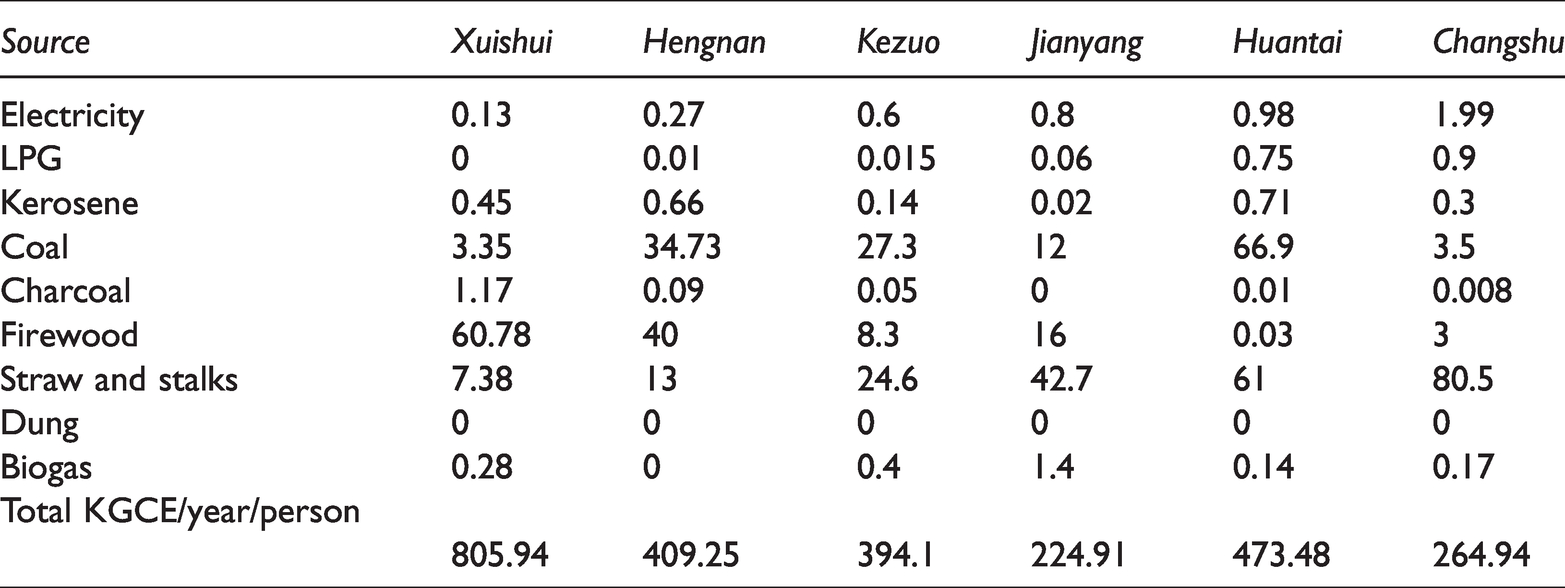
Despite the differences, India shows some similar patterns. Initially, a survey was done on four Indian states in the year 1980; these values were compared with a more recentexamination carried out on the same four states in 1996. Table 2 shows the percentages of households using different fuels. It also compares the decline in each solid fuel source in 1980 and 1996.
Percentages of household using different fuels in India in the years 1960 and 1980 (Zafar et al., 2019).
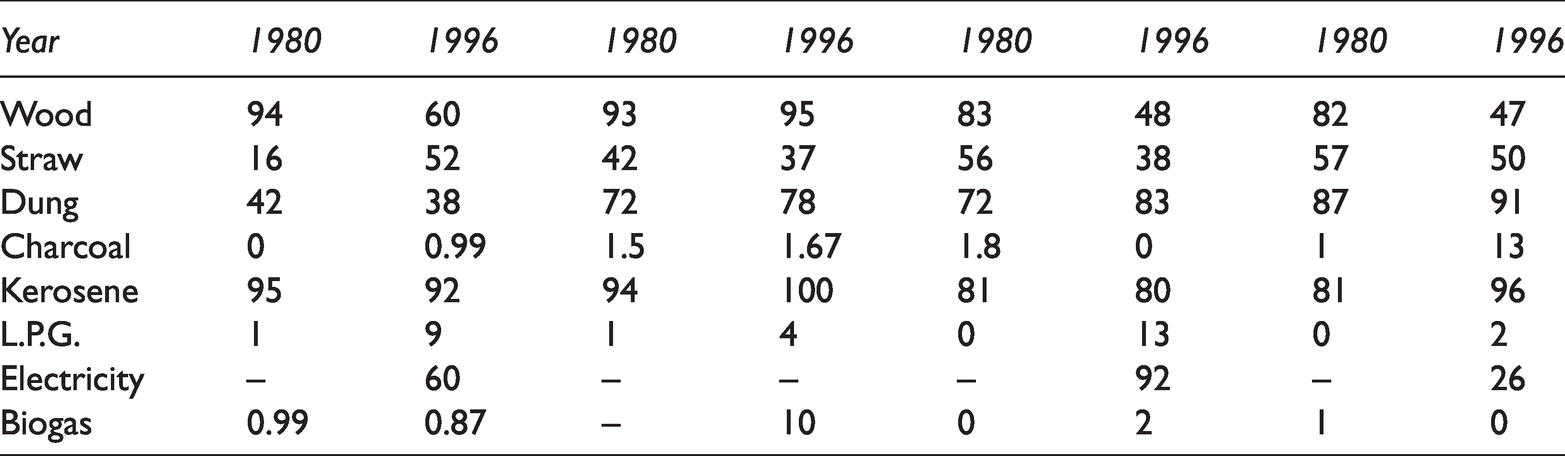
In summary, China and India's surveys support the notion of the predominant and wide use of solid fuels in the rural areas of developing or developing countries. However, there is emerging evidence that people have begun turning to fuels such as kerosene, L.P.G., or coal in some wealthier rural areas.
As a renewable energy source, biomass has so many compelling features. Biomass on its own can provide power and electricity on demand, but it encounters some challenges on its way. Some of the challenges include:
The rapid growth rate of these developing countries' population creates an ever-rising demand for firewood and wood from a reducing supply. Degradation is feared here. Air pollution in the form of smoke produced from the burning of firewood fires is another source of air degradation and health risks. Women are usually the ones that suffer the effects of using this energy source. Also, they are at risk of respiratory illnesses. Sugar cane and maize, which are predominant food crops, can also be used as energy-producing crops. Therefore, using them for energy can lead to a lack of food. Considering the exponential growth of population, food is necessary. This factor can also lead to an increase in the price of food crops. Lack of equipment and infrastructure for energy storage. The bio-energy industry requires large land for the cultivation of energy crops. Private ownership of lands would be an obstruction to large scale farming. This factor can affect the availability of raw materials for energy production.
In conclusion, it has been reported that Africa is blessed with huge renewable energy resources that can change the fortunes of its populace based on meeting energy demand and opening to commercial activities. Also, Africa can learn from the given data analysis from other parts of the globe as mentioned in this section.
Sustainability and affordability of renewable energy resource in Africa
Biogas is a form of biofuel that comprises a mixture of gases made from organic matter decomposition. These organic materials are allowed to the breakdown in an anaerobic environment. The process can be natural or industrially enhanced. In this breakdown, they release a blend of gases highly concentrated with methane and carbon dioxide (CO2). The decomposition of organic materials happens all the time around us some are noticed over time. The bacteria known to aid in this breakdown are known as part of the oldest organisms on earth. This bacterium is in-fact multi-celled. The first use of biogas can be traced to the Assyrians in the 10th century. It was also popular with the Persians in the 16th century (Mang et al., 2013). At this time, the gas that caused combustion was not known. John Dalton Humphrey helped in unraveling this mystery gas in the 18th century, which is now known as methane. In 1859, the first major anaerobic plant was founded in Bombay (Meynell, 1976). This method gradually spread into the year 1898, where the U.K. adopted the anaerobic decomposition method, where they converted sewage to biogas. This invention brought a huge amount of power that was used in those days to power street lights.
Due to the increase in the price of fossil fuels and their related products, the increase in digesters' use rose. Due to this, many companies took it upon themselves to make develop the digester and make it more efficient. Countries such as China and India helped produce bio-digesters primarily for farmers in rural areas. The primary aim was to reduce poverty circulation and to combat ill methods of cooking that caused harm to health
Biogas is known as a clean source of energy. This fact is because proper production of biogas helps in combating two basic environmental issues, which are:
The uncontrolled release of methane gas into the environment The reliance on energy production on fossil fuels
The transformation of organic waste to useful energy is a way to recycle unwanted materials into another form of product that is useful to countries and the nation. Secondly, it helps as another reliable source of energy other than fossil fuels (Reith et al., 2003).
Sources of biogas include landfill gas, green waste, wood waste, water waste, animal waste, manure waste, human waste. Landfill gas is obtained from the breakdown of wet organic compounds in a condition without air. The waste is trapped and compressed by the number of deposits made on top of it. This trap helps anaerobic microorganisms thrive and grow, which then aid in the decomposition. The gas is then directed to an area of collection and storage to prevent harmful release to the environment.
Green waste is known as any biological waste such as agricultural waste and kitchen waste. Examples are wastes from livestock production, plant residues, rotten food leftovers, fish and meat organs, etc. Due to the nature of the waste, it is commonly used in a liquefied form to produce maximum output. Another great source of biogas is the synthesis of gas from wood, also known as wood gasification. Due to the harm that it could cause to the environment, the process has to be managed appropriately. The synthetic gas is produced, cooled, and filtered. During this filtration, stage soot is removed. The purified gas is then taken to a storage tank from which it is properly tapped for use. Water waste is usually comprised of domestic water waste, liquid municipal wastes, and greywater. They are oftentimes gotten from toilet pipes, kitchen pipes, or laundry pipes. This water, when gotten, is treated to remove pathogens inside them for cleaner use. Some are mixed with domestic slurry to enhance biogas production.
Manure waste is usually comprised of a collection of different waste materials from animals, food materials, and animals. These wastes are originally used on farms to serve as nutritional supplements for food crops. When this combination of manure is stored is kept or stored under anaerobic condition and left to decay. During decay, organisms tend to act on them and aid in the production of methane. Nitrous oxide is also a by-product that is produced when manure is kept on land or used in farms. Biogas produced from this source is 322 times much more aggressive than that produced from cow dung. Animal waste is mainly made up of strictly waste from animals. They include droppings from fowls, dogs, cow dungs. These waste materials can also be used as manure on farms. However, biogas can be made directly from these animal droppings. These materials are restricted to an anaerobic environment and left to decay, herby producing biogas. By converting cow waste specifically to methane biogas via anaerobic digestion, millions of cattle would produce approximately 100 billion-kilowatt worth of electricity. Biogas production is not just restricted to animals and plants. Biogas can also be produced from human excreta. It is said to be able to produce large quantities enough to power homes. For human excreta to produce gas, it must be set in an anaerobic condition to generate gases. Human biogas is said to contain 60% methane and 40% carbon dioxide. This medium is adopted primarily in homes to produce cooking gas. Furthermore, converting human waste into methane biogas helps to improve waste management and reduce global warming generally.
Biogas can be produced from biomass. Biomass is in its solid-state and can be defined as the total mass of organisms found in a particular area. The organisms in this context refer to both animal and plant organisms.
Historically, humans have been known to make use of biomass energy over a long period. This process began using heat from burning wood to cook, heat, pottery, etc. Biomass is biologically produced, and it contains carbon, oxygen, and hydrogen. The highest source of biomass energy we have now is from wood and its corresponding residues. It is usually used directly or transformed into other forms (USEIA, 2018). Other ways of harnessing biomass are;
Fermentation: There are various types of the fermentation process, but the common one is adding yeast into the product to age the starch to produce ethanol. This process is usually done in maize. Another method includes the use of cellulose in plant strands to allow the further production of ethanol. Bacterial Decay: This is another way to get biomass. In this process, microorganisms feed on dead plants and dead animals. Methane is therefore created when these natural materials get rotten. Burning: This is the most common way to harness biomass. The heat gotten can be used to create steam for heating and provide warmth. Conversion: Biomass can be converted into different forms for use. These conversions can be as follows; thermal, chemical, biochemical, electrochemical etc.
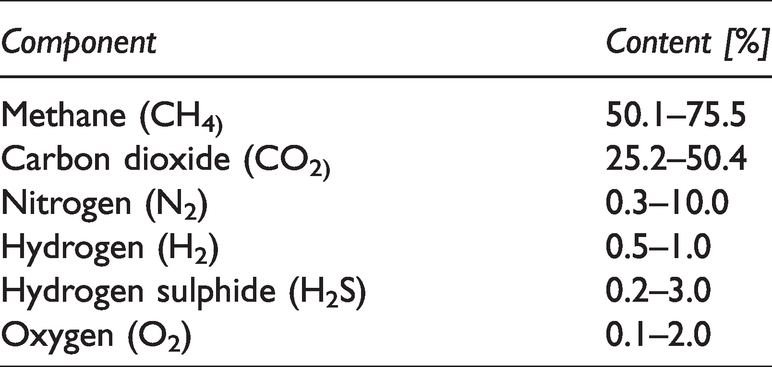
The composition of biogas greatly depends on the origin of the anaerobic digestion process (Table 3). The landfill has methane concentrations of around 50%, while advanced waste treatment technologies can produce biogas with 55–75% CH4.
Percentage % quantities of biogas contents (Kavuma, 2013).
Like most pure gases, their characteristic properties are pressure and temperature-dependent. They are likewise influenced by how damp it is. The variables of fundamental intrigues are:
The difference in volume as a component of temperature and weight, The difference in calorific incentive as a form of component of temperature, weight and water-fume content, and The significant difference in water-fume content as an element of temperature and weight.
Biogas has a calorific value of about 6 kWh/m3; this potentially compares to a large portion of a liter of diesel oil (Niels et al., 2020). Methane is the significant segment under the part of utilizing biogas as a fuel. Composting is the most basic way of decomposing organic materials. The compost itself is very beneficial to land in so many ways. Compost acts as a fertilizer to the soil and adds humus to the soil; others act as a pesticide, acting against pests that feed on the soil. Composting dates back to the early Roman Empire in the 160's B.C. Due to its disadvantages, modern methods were adopted in the early 1920s in Europe. The first well was built in Austria. Gradually, the farming method known as bio-dynamics was found. Sir Albert Howard and Lady Eve Balfour jointly worked on more sustainable ways of composting extensively in India. From the 1960's into the 1980's some European leaders that coincidentally met in India during the times of Sir Albert and Lady Eve helped import the method into the U.S. (Rodney, 2020).
The simplest form of composting is the heaping of wet organic wastes on each other and then allowing the waste to breakdown. This breakdown most times takes months. In more advanced mediums of composting, other factors are added to increase the rate of the process. Sometimes they are placed in humid areas that help to breed organisms and bacteria that help to speed the process (Kushkevych, 2013).
Composting organisms require some ingredients to perform adequately. These are;
Carbon- The oxidation of carbon leads to the production of heat Nitrogen- The presence aids the growth of more organisms Oxygen- this is needed for the oxidation process Water- Help in maintaining activity.
Composting technologies consist of the different technologies invented and implemented to achieve maximum output. This process also includes different applications for different products; therefore, divides into two, which are; Industrial and household level. There are; vermicomposting, composting toilets, Bokashi, in-vessel composting, windrow composting, and black soldier fly larvae at the industrial level.
At the household level, we have; garden bed, compost tea, and worm hotels. Importance of composting includes:
Drastically reduces the use of chemical fertilizers. Helps to control methane emissions from landfills Helps to enrich the soils Helps to suppress plant diseases Encourages the production of bacteria and fungi that are most beneficial to the soil. Helps to reduce the cost of managing farms
The most widely recognized technologies for residential biogas creation at domestic unit scale are Plastic Tube Digester or Polyethylene Tube Digester (PTD), Plastic tank digester, Floating drum digester.
G.T.Z. has especially pushed PTD innovation in South America and Bolivia. The primary aim of this was that the material is utilized for the digester. On the other hand, polyethylene can be effectively damaged. The innovation life expectancy is conceivably short, depending on how cautious the user is. This innovation requires a particular digester installation and operation.
Plastic tank digester innovation is made out of two pre-built rigid plastic tanks: a first tank for the assimilation of natural materials and a second tank for the delivered biogas' capacity. This innovation of this design is very easy to introduce and use. The tanks are typically not underground, which makes them easily damageable. The digester tanks' volumes are 1.8m3 and 1.5m3; these are for a digester tank and gas stockpiling tank, respectively. A life expectancy of 20 years can be guaranteed with a water tank, notwithstanding that plastic tank digesters' quality is very low presently. Technologies based on the Fixed Dome model: This group of bio-digesters has been generally and effectively utilized in Asia, in one of the most renowned places in Nepal where there is an excess of 2,50,000 plants are. It is thus the local biogas innovation with the most noteworthy number of references. However, fixed vault plants such as this require specific development organizations. Business creation is along these lines a side advantage of this sort of innovation. An average residential digester generates about 4m3 to 10m3 in volume.
Floating drum digester innovation was first presented during the 50's. It is made of two loads. In this case, the digester pit is found underground, and the produced biogas streams up to a reverse drum (made of steel, called gasholder) that is cast over the maturing slurry or in a different water tank. Since the drum can move, the gas pressure inside is consistent. Such plans have been broadly utilized in the past, particularly in India. However, this method or design is considered old and insufficient due to a shorter life expectancy.
Even though biogas project design for organisational needs is for households, organisations can equally implore them. However, there are aspects to look out for when taken to a larger level of production.
The social aspect encompasses the raising of awareness and social acceptance. Awareness is important because it raises individuals' and companies' participation levels in providing better solutions in application. Forms of awareness include media, radio houses, articles, and brochures to broadcast the information. Via education and proper awareness make it easy for individuals and other societal leaders to accept it easily (United Nations, 2008).
The technical aspect greatly depends on the nature of the biogas been harnessed. This factor also depends on the type of technology being used to harness it as it heavily involves people with unique skills and qualifications to measure the amount of space and quantity of materials needed. Here, the project's design is being laid out and checked before proper construction and installation are begun.
Operation is also important in this aspect because what truly is the use of building a massive machine without proper utilization of machine to solve problems (United Nations, 2008).
The economic aspect includes potential investors and construction companies from the public and private sectors. Here deals and agreements are discussed and signed between contractors and companies. The projects' economic gains are estimated and weighed with the capital being invested in guaranteeing loss or gain (United Nations, 2008).
The financial aspect is that unit construction's price can generally be paid via subsidies from international cooperation, regional districts, and Nongovernmental organizations.
Other sources include direct donations and taxes from specific sectors and homes. Aside from all these, the project managers need basic financial knowledge to manage and inspect all activities carried out properly. They should be held accountable for all the decisions and actions are taken on the project ground.
Industrial biogas advances are not new. This process implies that critical work has been done in the course of the most recent years. Different political plans have been attempted at the national level and various types of associations to make this work. Many data have been gotten regarding specialized perspectives and “Best Practices” for this sort of project.
As an outcome, venture engineers are exceptionally urged not to begin from scratch. It is prescribed to depend on existing structures (local and foreign) to profit by possible collaborations between various entertainment types at each progression of the procedure. This procedure includes a motivating force system, financing plans, and specialized structures (United Nations, 2008).
In conclusion, the biogas resources in Africa have tremendous potentials to solve its energy crisis. With this revelation, standalone users can invest in biogas to solve its challenge with minimal expenditure.
Operational bottle-neck towards biogas adoption in Africa and modifications in biogas chamber designs
The streamlining of specialized techniques in a biogas plant is planned to raise the accessibility of the innovation and guarantee smooth administration of the procedure. This aspect aims to ensure that the plant can meet its target even at a high use rate. When a machine is seen not to perform well, technical issues are put into consideration. However, when these technical qualities are put into consideration, mechanical expenses are brought to light. Below are some other ways to solve quick technical issues;
Persistent Maintenance Introduce estimating hardware to identify issues Stocking of extra machine parts Guaranteed monitoring from the administration from the workshop is accessible.
Financial advancement is usually planned for reducing costs and expanding yields. In order to run a sustainable biogas plant, it is essential to place the following factors into consideration:
Working expenses: Work force costs Upkeep costs Fix costs Vitality costs Cost of upkeep Venture costs Substrate costs (quality and substrate amounts) Income for created power Income for substrates Income for aging build-ups/compost
The environmental aspect is a side that consists mainly of how the environment would gain or lose as a result of the project to be carried out. Somehow the pros and cons must be weighed so that it does not bring about damage to its environment. In order for a full analysis to be carried out, the below factors must be put into consideration:
Hygenisation requirements Air pollution control Water pollution control Noise Abatement
The utilization of unwanted material, organic or inorganic material, to produce biogas is not only limited to agricultural, animal, and food waste but can also be beneficial when human waste is being used. Apart from energy generation, proper management and utilization of human waste can also aid in the overall care of the environment and society (World Bank, 1999).
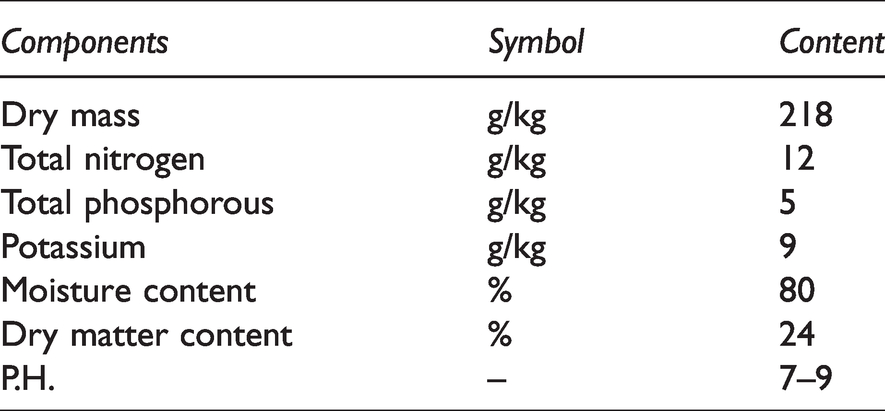
Studies have shown that human faeces as a raw material has a high potential of producing good quality and quantity of usable biogas due to its near chemical similarity with cow dung, which can be seen from Table 4 below;
Mass content of a typical human waste-derived biogas (Andriani et al., 2015).
However, it will be unfair to consider the harmful nature of human waste compared to animal waste (WHO, 1999). This process, therefore, brings about the treatment of human waste before use. In much more civilized countries, these human wastes are collected via a similar channel, well-handled, and treated before brought to the production ground for use. However, these could pose a severe problem for unorganized communities where individuals dig their latrine pits, which may or may not be connected to a central place for collection or use. However, this idea poses a problem for even huge innovative companies or human re-use policies to access these massive human wastes for utilization. This challenge can be combated via housing plans that centralize and streamline human waste to a single collection for use.
Despite the harmful nature of human waste, there still exists glaring usefulness in human biogas generation. Buswell equation vividly described ways of utilizing human biogas. Buswell originally created this formula to help in the estimation of products produced from anaerobic breakdown processes. The Buswell equation is written as:

According to him, for a ratio of 10,000 people with 250 grams being produced by a single person per day, there would be about 2500 kg per day. 100–400 gram of human excreta is equal to 30–60 gram of dry matter; therefore, 2500 kg of human excreta would produce 750 kg of dry matter. Estimated biogas generated from human excreta using the Buswell equation is as follows.
Assuming carbon is biodegradable, we have:

For example, If carbon has a percentage of 24% and a weight of 750 kg and then the carbon content that can be converted to biogas is given as 180 kg × 0.6 = 108 kg.
From Buswell 53% CH4 in biogas, the weight of methane carbon (CH4-C) becomes = 108 kg × 0.53 = 57.24 kg carbon. therefore the weight of the methane becomes 57.24 kg × 16/12 = 76.32 kg CH4. If 1 mole gas at Standard temperature and pressure is 22.4 litres and 16 g of CH4 is 22.4 litre, then 57,240 g CH4 = 3,577.5 moles. Therefore CH4 and can be converted into litres, which gives us 3,577.5 × 22.4 = 106,848 litre. Therefore, 106.85 m3 of CH4 can be generated from 2500 kg per day from human excreta, and the calorific value is variable. This calculation is because it depends on the methane content. The typically calorific value of biogas is 22 M.J./m3. If this value is used in calculation, we can get an energy yield of 2,350.7 MJ/day or 652.97 kWh/day.
Many scientists have proposed the use of human biogas for domestic generators. However, the supply of biogas for such a project is strictly based on its generation source. Several biogas plant designs have proven to be effective for the generation of biogas. Such plant design includes fixed dome biogas plants, floating drum plants, low-cost polyethylene tube digester, balloon plants, horizontal plants, earth-pit plants, ferro-cement plants, continuous plants, semi-batch plant. All biogas plants have their advantages and disadvantages (Oxfam, 2011; Rajib et al., 2016). The efficiency of the biogas plants depends on: the amount and type of organic waste to be disposed of in the digester, organic waste treatment, biogas quality, and volume of biogas produced. A close observation of all the plants shows that there modifications that must be incorporated for higher functionality. These modifications process human excreta to screen-out communicable diseases, optimize anaerobic conditions, gas transport and compression for storage purposes.
In general, human waste has been notably hard to manage in Africa as a source of biogas production due to technical know-how. However, it is important to note that the use of biogas technologies available in the world can now help salvage such situations and potentially help supply electricity to homes, industries, villages, and communities that need them. The challenges of the human excreta biogas include technology, slurry deposition technique, and social-economic problem. Considering the technological shortcoming of human excretal biogas generation, Andriani et al. (2015) suggested a biogas generation using human excreta presented in Figure 4. This design does not have salient compartment such as a treatment unit, slurry reprocessing unit. The environmental risk of the outlet is enormous, i.e., looking at the spread of infectious diseases. Regattieri et al. (2018) presented a simple human biogas generating plants (Figure 5). This type of design is good for only domestic use. However, its domestic usability would depend on the volume of the slurry, anaerobic conditions, and biogas physical properties that will enhance transfer into the output tank anytime. This type of design is particularly recommended for rural communities in Africa because of its cost and the existing excreta disposition system that exist in major communities. Biogas plants can be adopted for human biogas generation with slight modifications. For example, the biogas plant presented by Effluent et al. (2017) is presented in Figure 6. This plant can be modified by adding an optimization and treatment unit, as presented in Figure 7. The modified biogas plant may be affordable for schools in both rural and urban communities in Africa.
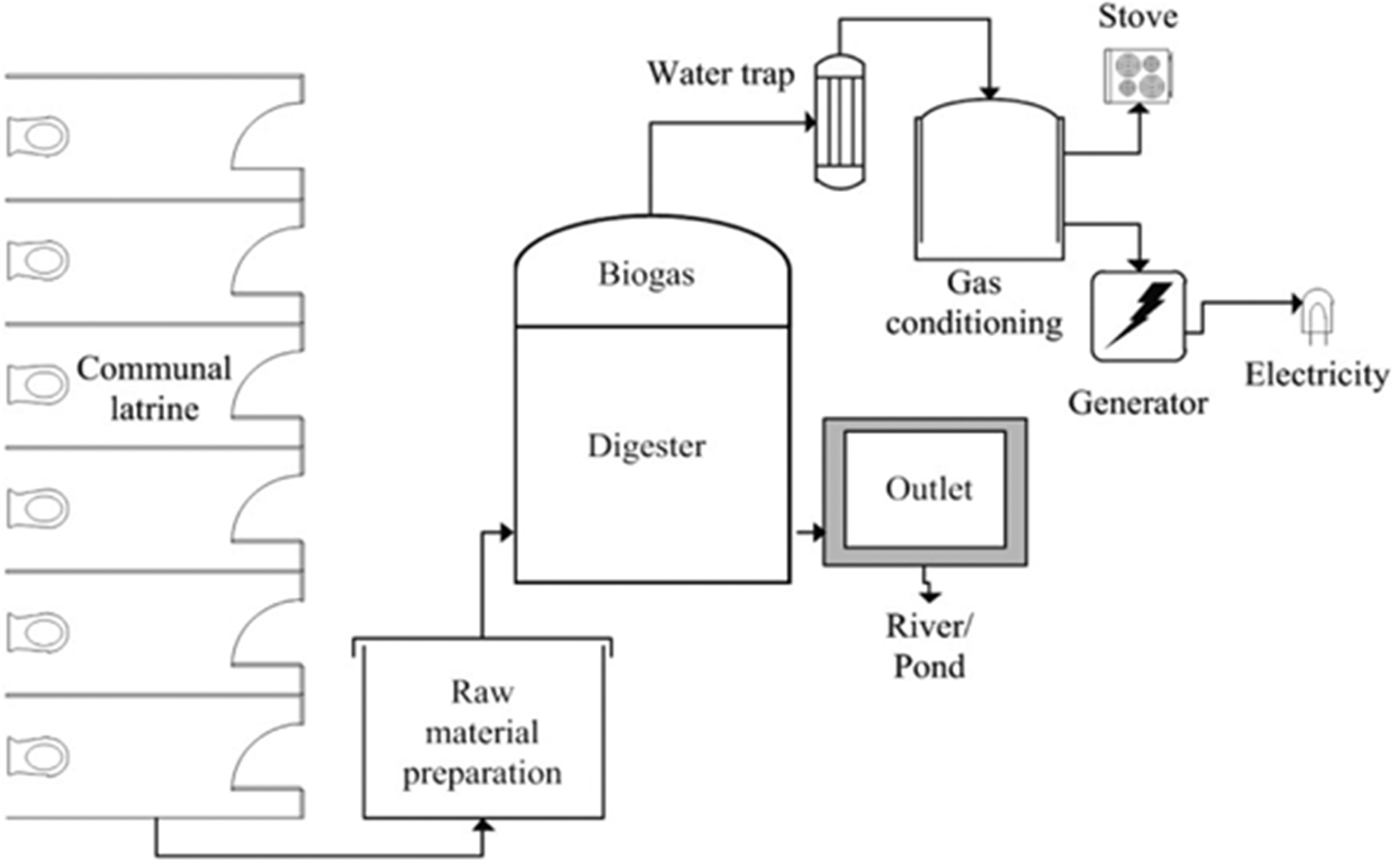
Biogas generation using human excreta (Andriani et al., 2015).
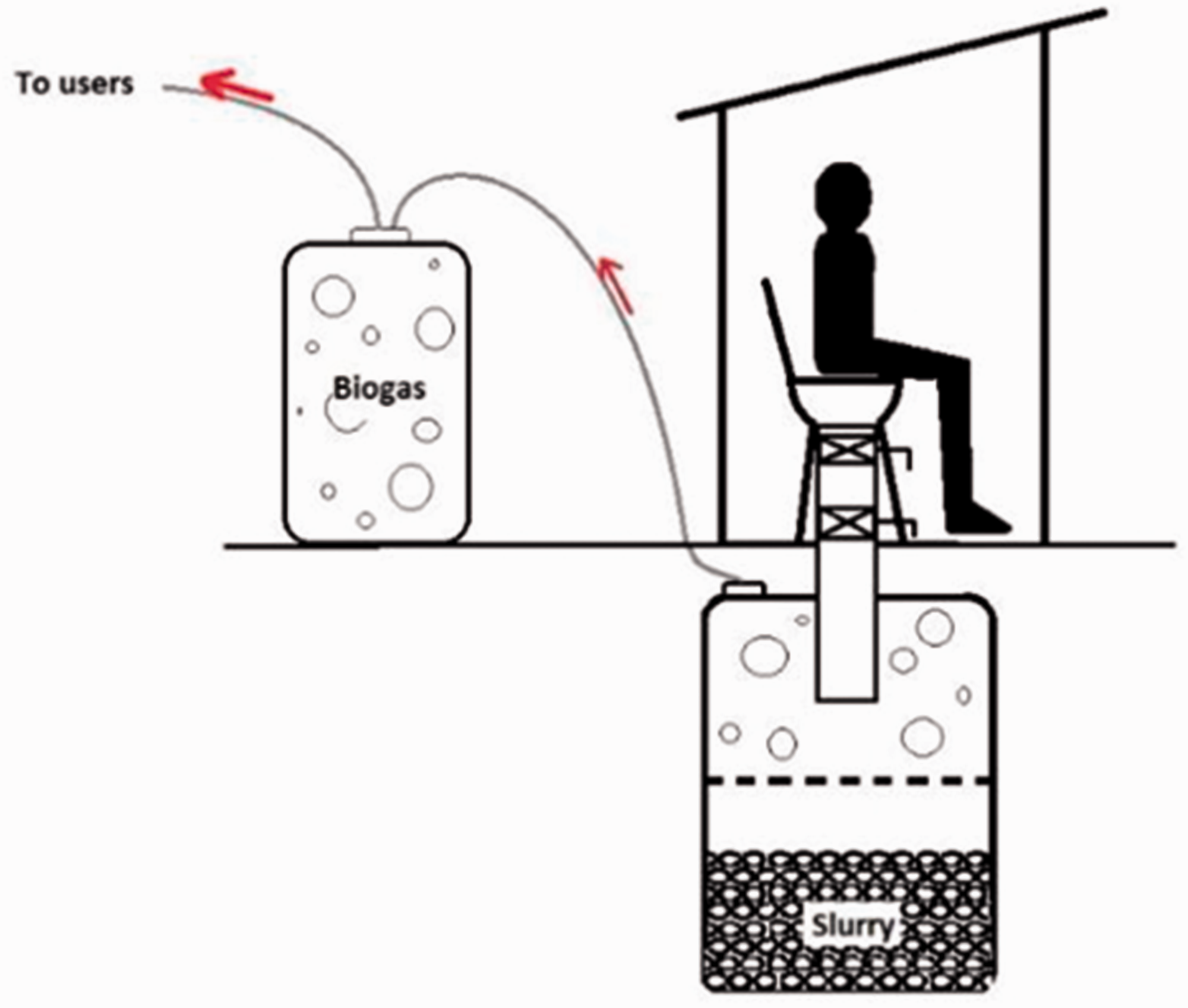
Typical human biogas generation (Regattieri et al., 2018).
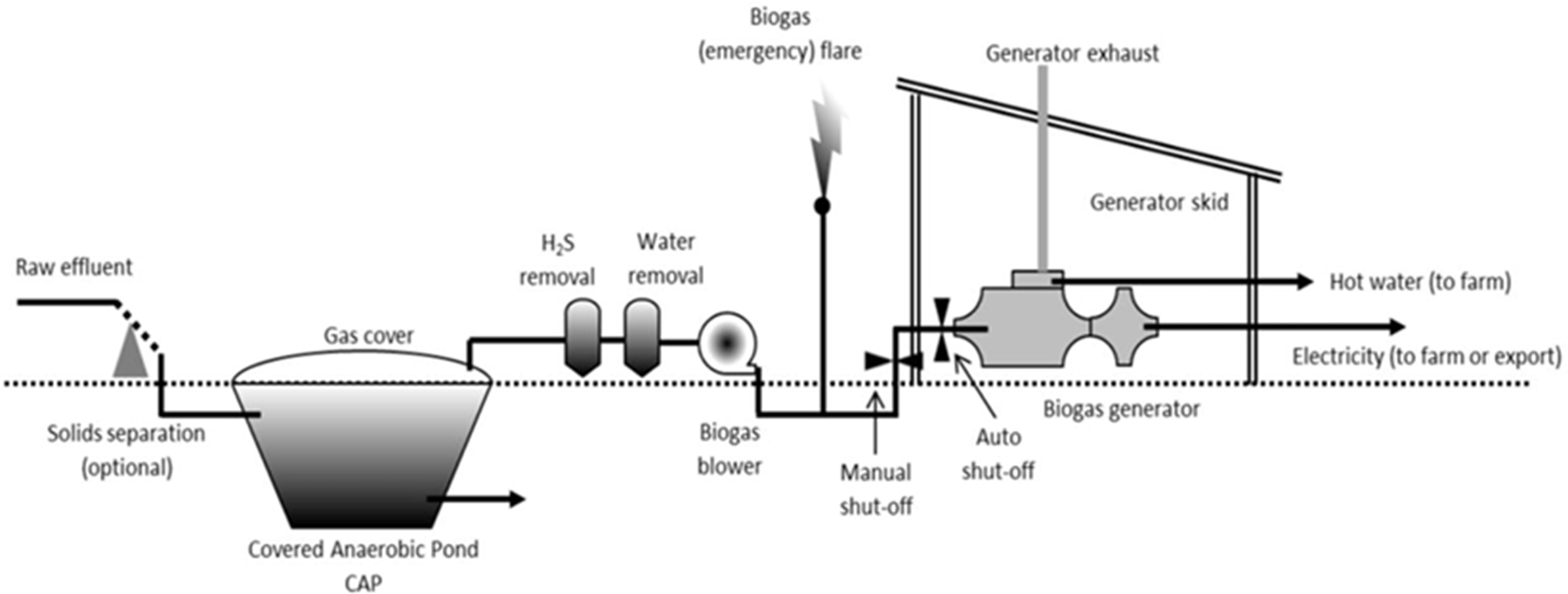
Typical biogas piggery plant (Effluent et al., 2017).
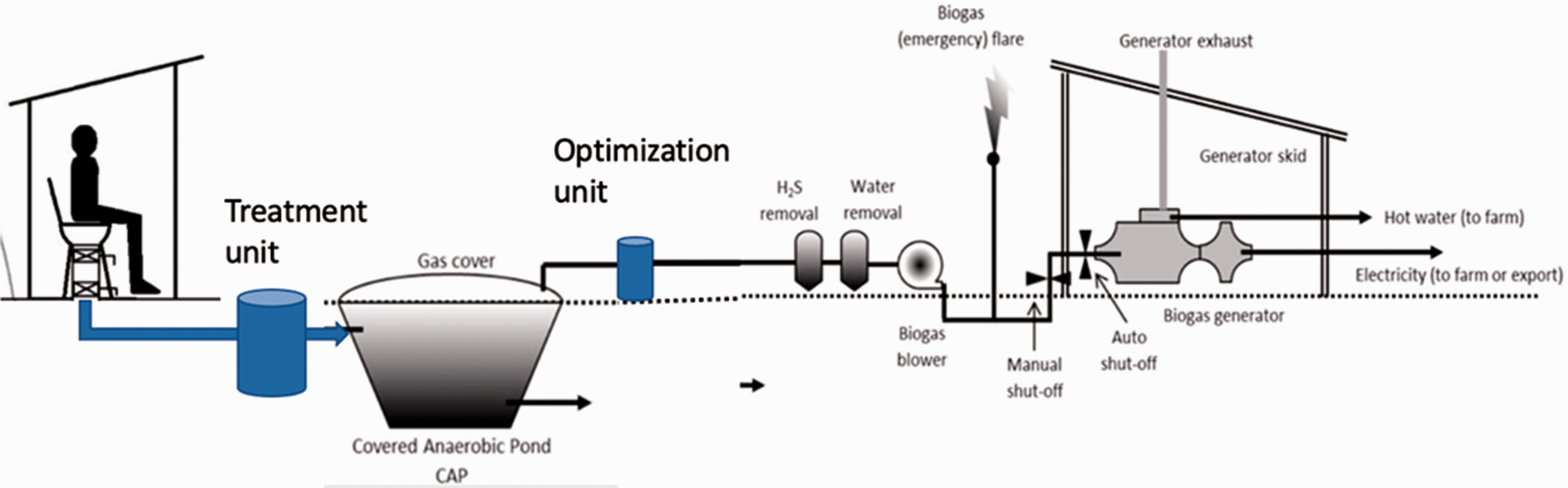
Modified human excreta biogas plant.
Rajib et al. (2016) proposed a small-scale biogas plants as presented in Figure 8 to solve the lingering problem of leakages of undesired CH4 emissions from reactor and solid digestate incrustation floating in the biogas chamber. These aforementioned challenges decrease biogas production. The reduction of the biodigester as suggested in Figure 8 was proposed to be the solution to the above challenge. If this solution is scaled-up to reality of biogas production from human excreta, then standalone users will be required to evacuate feaces regularly from the septic tank. This idea maybe laudable but when considering the percularity of biogas production from human excreta, it is technically flawed.
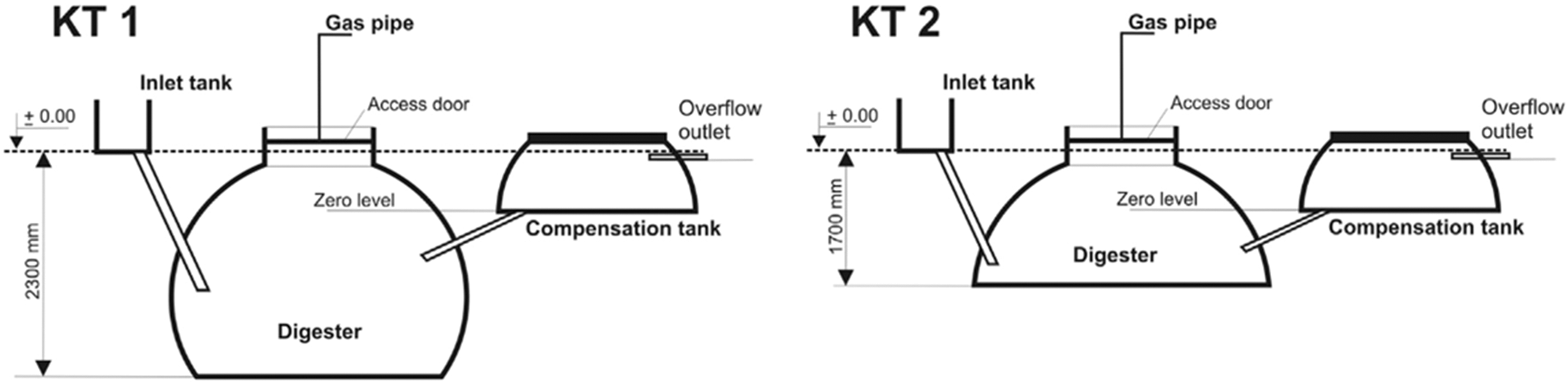
Small-scale biogas plant (Roubik et al., 2016).
In conclusion, the basic requirement for small-scale biogas plant is complex in nature as the specification of the sewage tank and the toiet system has huge impact on biogas production. The suggested modification to the biogas plant makes biogas production from human excreta sustainable and affordable.
Conclusion
This paper established that power supply has not appreciably improved in the continent despite the efforts made by policymakers, energy companies, and government agencies. The significant reason for erratic power supply in Africa has been exhaustively discussed in the paper. The challenges confronting energy generation in Africa can be categorized into financial, emotional, sociological, and attitudinal. This paper establishes that despite the privatization of public energy companies' assets in Africa, there has not been an appreciable improvement in the power supply. This factor is due to numerous challenges facing the new power companies' investors/management and the power system. These include the reprehensible activities of the oil thieves and pipeline vandals, the lack of effective gas transmission networks for thermal power plants, revenue shortfall, and the problem of dilapidated power equipment. The power companies also face the challenge of raising adequate funds to finance their operations. There is also a controversial billing system that generates tariff crises and vehement opposition from the electricity consumers. This challenge can only be solved when electricity consumers develop a positive attitude towards regular electricity bills for sustainable improvement in the power supply.
There is more than enough literature with different proposals of what should be done to ensure Africa develops its renewable electricity generation capacity. This suggestion is workable if it is decentralized such that 70% of users in rural can efficiently depend on the local power generation using the abundant bioresources that lies within Africa. It was proposed in this study that the myraids of power shortages in Africa can be resolved on standalone basis. In this sense, a sustainable and less technical solution would be the required solution. Since, renewable power generating device may not be affordable due to the poverty index in Africa, it was suggested that biogas from human excreta would be appropriate to address the lingering energy crisis. In this light, the human excreta biogas production was spotted as the cheapest and sustainable energy generation source for the future. The technologies were discussed, and the current modification of existing biogas plants for human excreta biogas generation was suggested for scale-up purposes.
Footnotes
Acknowledgement
The authors appreciate Covenant University for partial sponsorship of the research.
Declaration of conflicting interests
The author(s) declared no potential conflicts of interest with respect to the research, authorship, and/or publication of this article.
Funding
The author(s) received no financial support for the research, authorship, and/or publication of this article.
