




Abstract
The current study investigates the steady two-dimensional (2D) hybrid nanofluid (Hnf) flow over an inclined permeable plate/cylinder. The Hnf flow has been examined in the context of mixed convection, heterogeneous/homogenous chemical reaction, and permeable medium. The Hnf is prepared by dispersing silver (Ag), and iron ferrite (Fe3O4) nanoparticles (NPs) in water. The current research is motivated by the increasing demand for highly efficient cooling devices in a variety of industries and energy-associated operations. The energy transmission and fluid flow are mathematically specified by using a coupled nonlinear system of partial differential equations (PDEs). The system of PDEs is simplified into a dimensionless form of ODEs, which are then further numerically treated with the MATLAB package based on the finite difference method (bvp4c). It has been noticed that the permeability component develops the heat transfer curve while decreasing the flow rate of the fluid. The impact of heat source/sink increases the energy profile. Moreover, the plate surface demonstrates the dominant behavior of energy transportation than a cylinder with the variance of Ag-Fe3O4-NPs.
Keywords
Introduction
Fluid flow over a plate or cylinder has a wide range of industrial applications. Some practical uses in industrial sectors involve heat exchangers, aerodynamics, cooling methods, and ecological engineering (Rafique, Mahmood, Adnan et al., 2024). Waqas et al. (2021) addressed the Darcy-Forchheimer bioconvective nanoliquid flow using a stretching plate/cylinder with modified mass and heat flux characteristics. It was revealed that the fluid velocity drops with the variation of the local inertia coefficient and mixed convection parameter. Xu et al. (2021) used a numerical method to assess the steady power-law nanofluids flow consisting of gyrotactic microbes through plates with the energy exchange and determined that the fluid velocity demonstrates an upsurge as the buoyancy convection factor increases. Bilal et al. (2021) calculated the mixed convection Darcy flow of a hybrid nanoliquid containing CNTs and Fe3O4-NPs across a prone expanding cylinder. The outcomes indicated that the hybrid nanoliquid is the effective source for enhancing heat conveyance and may be utilized as a cooling agent for industrial appliances. Algehyne et al. (2022) deliberated the hydromagnetic nanoliquid flow containing roaming microbes and NPs through a penetrable plate. The porosity parameter, buoyancy ratio, and inertial parameter have an adverse impact on the distribution of velocity. Alharbi et al. (2022) reported on the ternary nanoliquid flow with heat transmission involving metallic NPs across a prolonged cylindrical with the influence of magnetic induction using the bvp4c package. Salawu et al. (2023) used hybridized SWCNT-Ag and MWCNT-MoS4 magneto-nanomaterials to evaluate heat radiation and convection in engine oil throughout a cylinder. Bin Mizan et al. (2021) studied magnetic induction effects on an electroconductive incompressible nanofluid flowing over a cylindrical cylinder. Heat was distributed in a boundary layer using metallic nanoparticles or ferroparticles during flow. Raizah et al. (2023) investigated the 3D flow of Ag, MgO, and motile microbes’ water-based hybrid nanoliquids as they flowed across a circular cylinder sinusoidal in shape. It was noticed that the quantity of hybrid nanoparticles (Ag-MgO) enhances the energy fields. Shamshuddin et al. (2024) created a novel radiative nanoliquid flow mathematical model. Stretching a nanoparticle-immersed sheet with an inclined magnetic field creates this model. Some remarkable results related to fluid flow across cylinder/plate are presented by Ali, Jubair, Mahmood et al., 2024; Rafique, Mahmood, Ali et al., 2024; and Vijatha and Bala Anki Reddy, 2024.
The study of fluid flow over a cylinder or plate has several industrial and practical applications, such as aerodynamics, wind energy, heat exchangers, civil engineering, marine engineering, biomedical applications, and renewable energy (Islam, Mahmood, Khan, Ali et al., 2024a; Shah and Ali, 2019). In the current analysis, Ag and Fe3O4 NPs are considered in the based fluid water. Abbasi, Gul and Shehzad (2020) examined the effectiveness of Au, Cu, and Fe3O4 NPs on peristalsis flow hybrid nanofluids. Muhammad et al. (2021) highlighted the viscous dissipation and meting effect on the hybrid nanofluid consisting of CNTs and CuO-NPs. Larger values of the squeezing factor, melting constraint, and CNTs-CuO-NPs upsurge the fluid's velocity. Alqahtani et al. (2023) and Islam, Mahmood, Khan et al. (2024b) studied an incompressible magnetohydrodynamics nanofluid consisting of CoFe2O3-NPs flowing over a vertical plate. It was observed that the presence of CoFe2O3-NPs increased the mass conversation rate to 17.102% whereas increasing the energy transmission rate to 13.92%. Ahmad et al. (2024) studied the hybrid nanoliquid (Cu and Al2O3) flow surrounding the spinning sphere. It was observed that the hybrid nanoliquid (Cu and Al2O3/water) velocity is amplified by the influence of rotational and acceleration parameters. Adnan, Abbas, Said et al. (2024) scrutinized the thermal endurance of a water-based nanofluid containing oxide and metallic NPs (SiO2, Au, and MoS2). It was examined that the ranges for MoS2 NPs concentrations (0.1–0.6%) and Eckert number efficiently improved the fluidity of the working fluids. Adnan, Abbas, Alqahtani et al. (2024) introduced a novel ternary nanoliquid model that describes the thermal radiations, mixed convection, heating sources, and generated magnetic fields. Yasmin et al. (2024) set out to investigate the effects of reactive species, heat sources and sinks, and hybrid nanofluids on mass and energy transmissions over a stretched cylinder. Further related results are presented by Ali et al. (2023) and Acharya (2024).
In many different applications, including chemical reactors, gasoline and diesel engines, prevention of pollution, catalytic processes, atmospheric chemistry, wastewater treatment, electrochemistry, energy production, and green technologies, homogeneous and heterogeneous (HH) chemical reactions have a substantial impact on fluid flow (Damseh et al., 2009; Ghailan et al., 2023; Maraj et al., 2023). Haq et al. (2022) studied the upshot of a porous media, and HH chemical reactions on the hybrid nanoliquid flow over three different surfaces (conical shape, wedge, and plate). The decrease in HH reaction enhances the concentration profile. Pattnaik, Bhukta and Mishra (2022) inspected the effects of a nonuniform HH reaction on the Micropolar nano liquid flow via a vertically extending surface. Naveed, Imran and Gul (2023) and Bani-Fwaz et al. (2024) reported the heat exchange through nanoliquid in a channel created by extending and constricting walls, with the impact of thermal radiation, surface flexibility, and HH reaction. Waqas et al. (2024) calculated the nanoliquid flow through a vertical prolonging surface using numerical methods. It is evident that activating energy increases mass disseminating rate whereas chemical reactions lead it to decrease with the impact of magnetic field, HH reaction, and thermal radiation. Takhar, Chamkha and Nath (2000) studied mixed convection flow over a moving vertical thin cylinder, considering heat and mass diffusion. Some valuable results are recently delivered by Ali, Jubair and Siddiqui (2024); Ali, Jubair, Mahmood et al. (2024); and Xie et al. (2024).
This work is unique in using porous medium. Porous media enable fluids to pass through and interact with the solid matrix. Porous medium is essential in most academic fields. Computational fluid dynamics that account for spongy bone tissue's porosity may help predict drug distribution in medical applications. Limestone, beach sand and sandstone naturally store oil, gas and water. Some paper printing components, battery fuel cells, and baked product filters need porous media. Darcy pioneered porous media research to improve water distribution systems, according to Ali J Chamkha (1997). Darcy found that fluid flow through a porous medium is directly related to pressure difference and cross-sectional area and inversely proportional to viscosity. In porous media, conduction through the solid matrix and convection within the fluid inhabiting the pores interact to change heat transmission. Because of this complexity, managing heat transport within porous materials is challenging. To improve heat transfer processes in scientific, technological, and environmental sectors, these impacts must be understood (Mahmood, Rafique, Khan, 2024b). Because Darcy's rule is simple and robust, it may be used directly in numerical simulations for many purposes. Thus, the Darcy flow model in the boundary layer has been used in various recent porous medium studies. The effects of porous media on fluid dynamics and heat transport in Newtonian fluids are studied (Chamkha and Rashad, 2012; Chamkha, 1997).
In the previous paragraphs, the researcher addressed fluid concerns using typical methods. Nowadays, researchers use recent computer developments, such as optimization methods in machine learning models, have changed fluid mechanics. Artificial neural networks (ANNs) with the Levenberg-Marquardt (LM) strategy can solve fluid flow problems. The LM scheme optimizes nonlinear least squares problems and fits mathematical models that describe fluid flow behavior to experimental or simulated data. The LM technique minimizes sum of squared errors between observed data and model predictions to enhance fluid flow model parameter estimation. This helps us forecast flow patterns, turbulence, and other fluid phenomena. ANNs, which are affected by the human brain, can evaluate complex fluid flow patterns, forecast, and simulate turbulence and fluctuating flows. These approaches give a complete foundation for fluid mechanics’ complexity. Akbar, Zamir and Muhammad (2024) created an AI-driven neural network utilizing the LM approach to examine liquid mass and heat transport across a cone-disk device's conical gap. Akbar et al. (2024) used the LM technique, known for its innovative approach and convergent stability, to numerically model the evolution of a hybrid Cu-Al2O3/water nanofluid on a porous stretched sheet (HNF-PSS) using regression plots, state transition measures, histogram representations, and mean squared errors. Alghamdi et al. (2024) study a dual stratified common on the diversified convection barrier layer discharge of an Eyring-Powell fluid induced by a prone extended barrel. Concentration and temperature outside the barrel may be greater than in the moving stream. The flow equations are solved using a well-established numerically-based LM neural network scheme (LMNNS) aggregating solver.
In the current study, Hnf flow over an inclined permeable plate/cylinder. The Hnf flow has been observed under the effect of heterogeneous/homogeneous reaction, and permeable medium. The Hnf is prepared by dispersing Ag, and Fe3O4-NPs in water. The energy transmission and fluid flow are mathematically specified by using a coupled nonlinear system of PDEs. The system of PDEs is simplified into a dimensionless form of ODEs, which are then further numerically treated with the bvp4c. The main objectives of the present study are:
The current research is motivated by the increasing demand for highly efficient cooling devices in a variety of industries and energy-associated operations. To investigate the steady 2D hybrid nanoliquid flow over an inclined absorbent plate/cylinder. The Hnf flow is observed under the impact of mixed convection, heterogeneous/homogeneous chemical reaction, and permeable medium. To obtain the numerical solution of the nonlinear system of PDEs using Matlab built-in package bvp4c. To examine the influence of Ag-Fe3O4-NP on the velocity and energy transmission rate.
Mathematical formulation
The 2D laminar Hnf flow over a permeable inclined plate/cylinder is studied subject to the permeable medium, mixed convection, and heat source/sink. The silver (Ag) and iron oxide (Fe3O4) nanoparticles are used in water for the preparation of Hnf. x and r reveals the axial and radial directions, where u indicates the reference velocity as displayed in Figure 1. The ambient and surface temperature of the plate and cylinder is denoted by
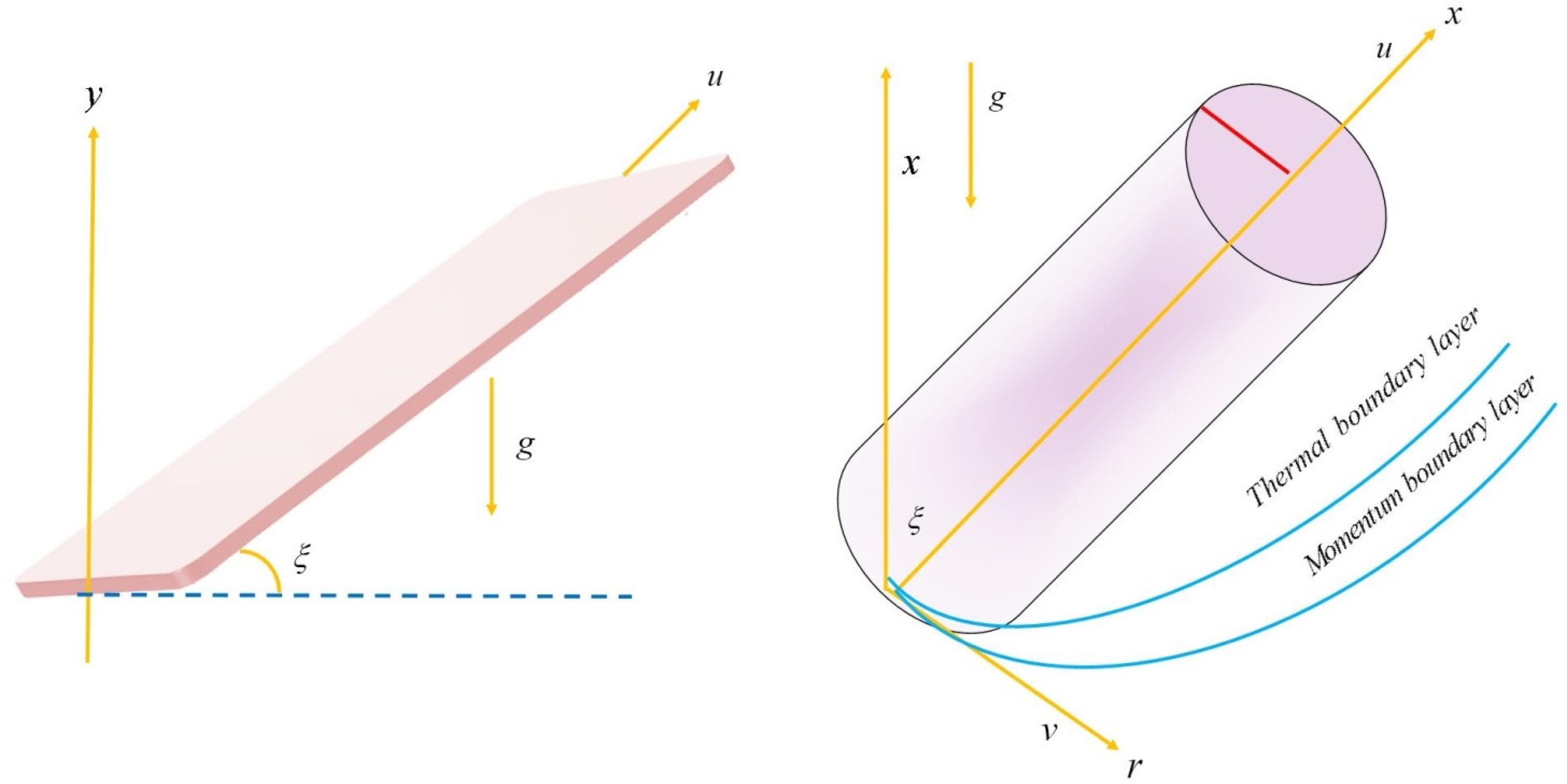
Fluid flow over an inclined cylinder/plate.
Furthermore, the nanofluid model including the heterogeneous and homogeneous reactions across two chemical components, A* and B* has been assumed. A cubic homogeneous (autocatalytic) reaction is considered in this model within the boundary layer flow. Similarly, a first-order heterogeneous reaction takes place on the catalyst surface, stated as Pooja, Narasimhamurthy and Anitha (2024):

The modeled equations based on the above suppositions are framed as Madhukesh et al. (2023) and Pooja, Narasimhamurthy and Anitha (2024):








The similarity variables are (Madhukesh et al., 2023):






Physical parameter along with the symbols and expressions (Madhukesh et al., 2023; Pooja, Narasimhamurthy and Anitha, 2024).
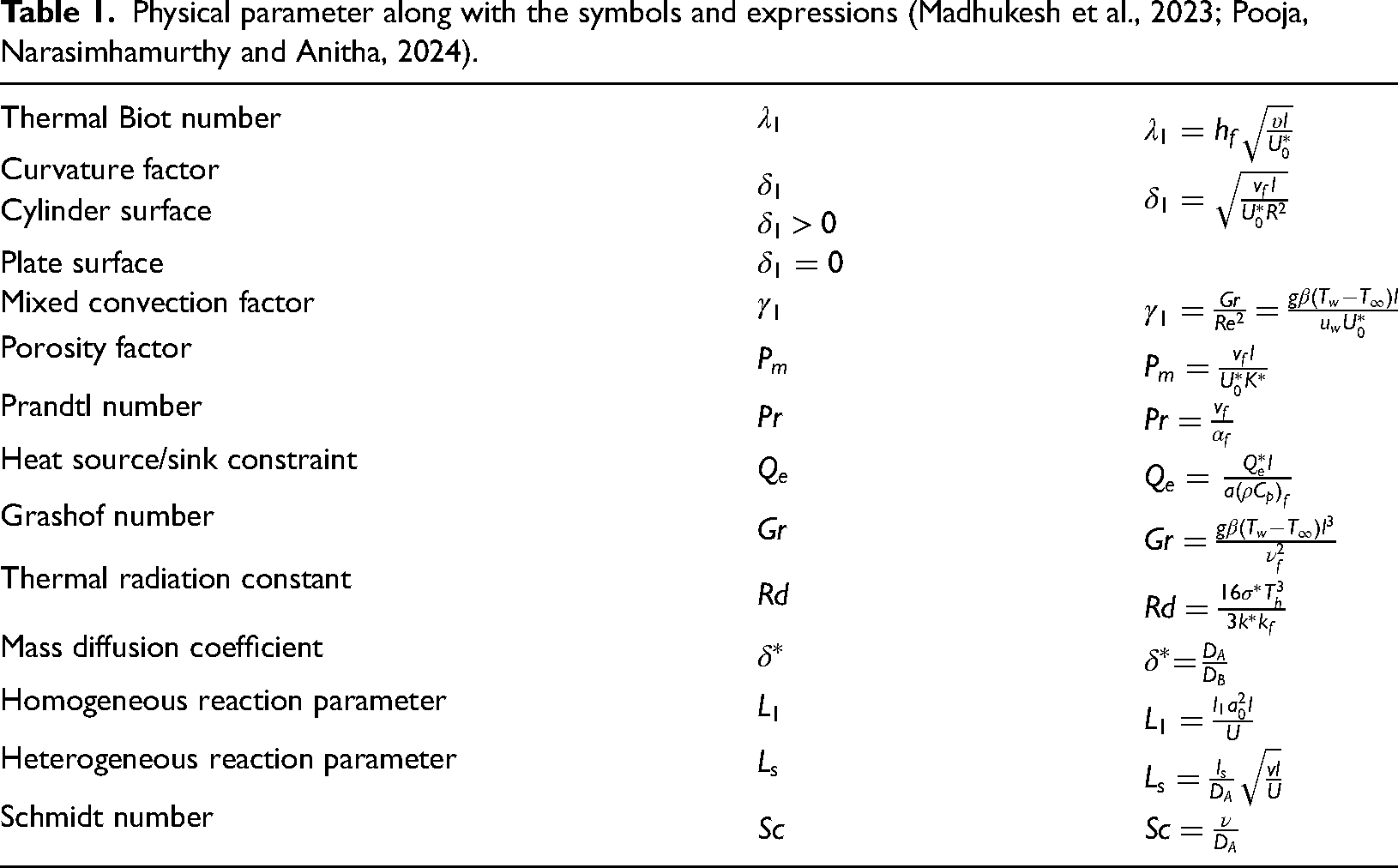
where
The numerical values of water, Ag, and Fe3O4 (Zhang et al., 2021).

Thermophysical properties of Hnf (Zhang et al., 2021).
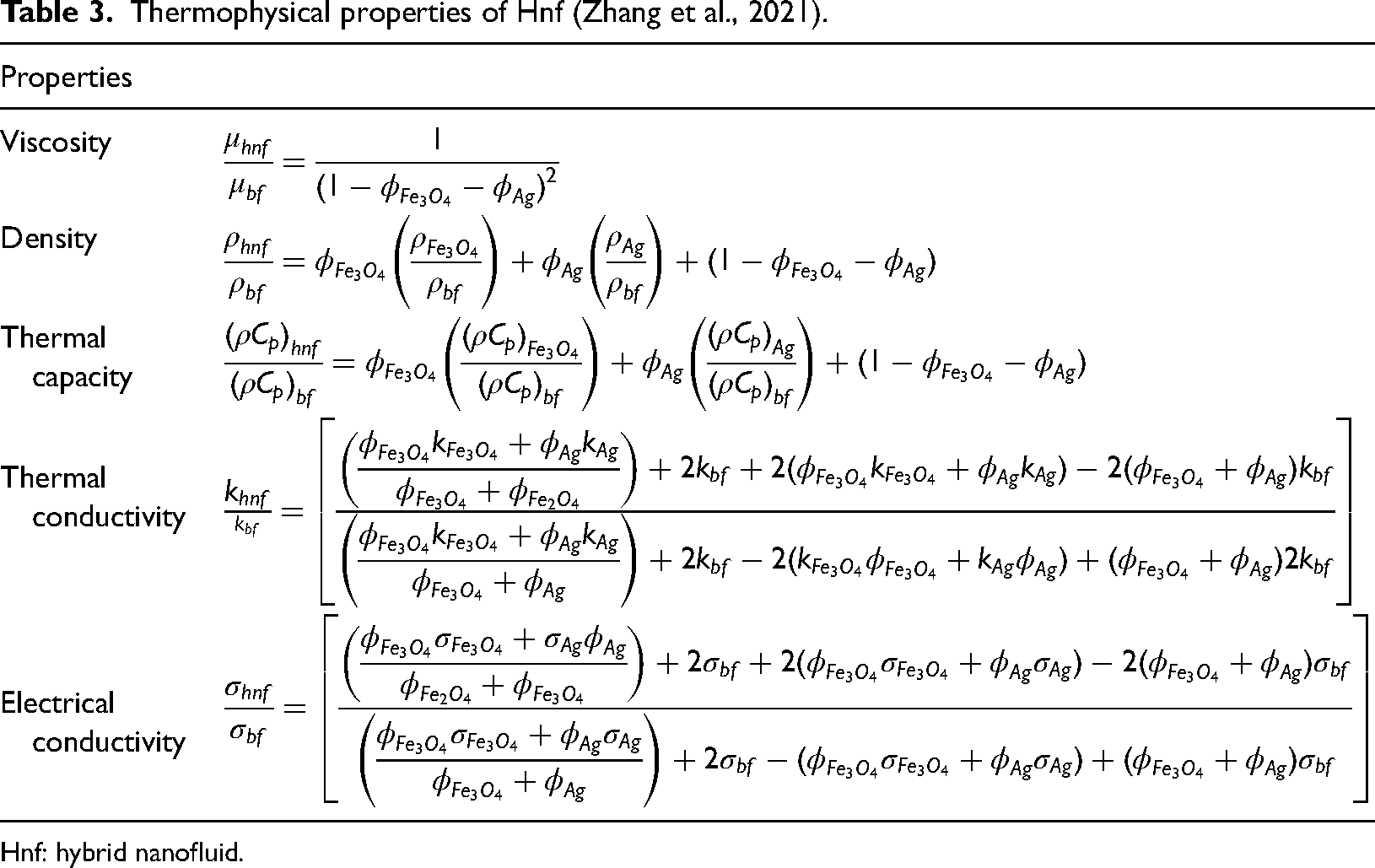
Hnf: hybrid nanofluid.
For skin friction and Nusselt number along with their transform form are: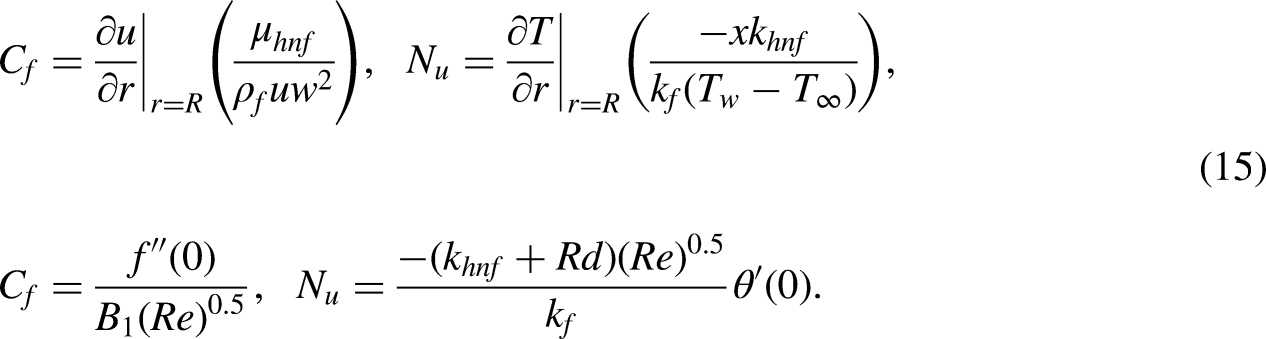
Numerical solution and validation
The MATLAB boundary value problem solver BVP4c is built around the finite difference approach. The concept of finite difference is in fact utilized in the framework of BVP4c to estimate differential equation solutions despite explicitly discretizing the problem. The iterative process is continued until a precise outcome of 





Results authentication
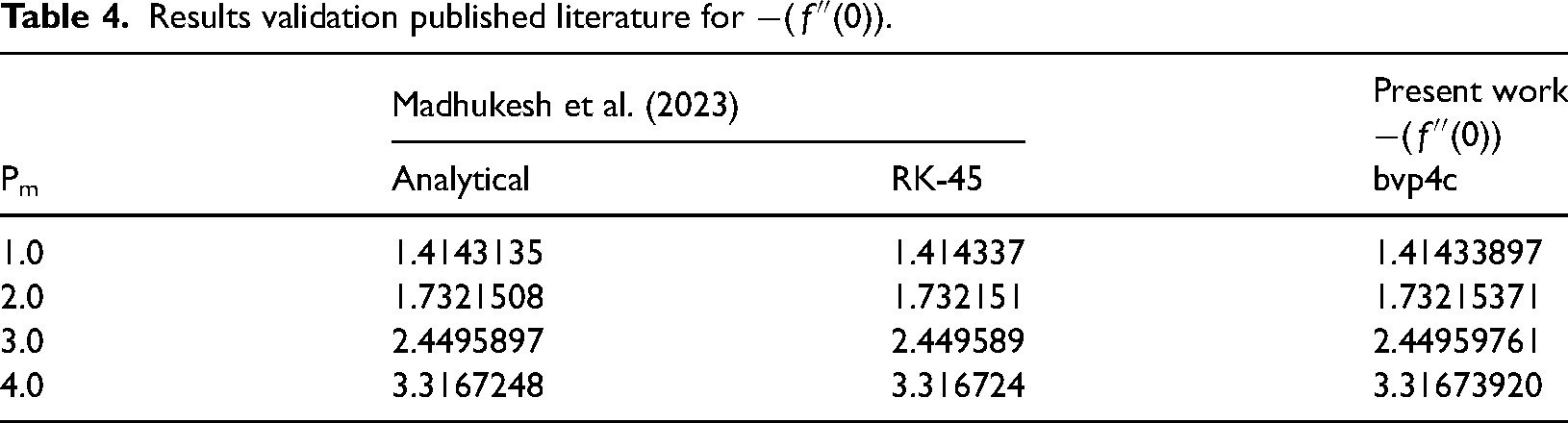
The reliability and accuracy of the results are numerically compared to the existing study in Table 4, demonstrating that the current outcomes are accurate and credible.
Results validation published literature for
Results and discussion
In this section, the physics behind the graphical results versus the variation of physical parameters is discussed.
Figure 2 reveals the influence of the porosity parameter
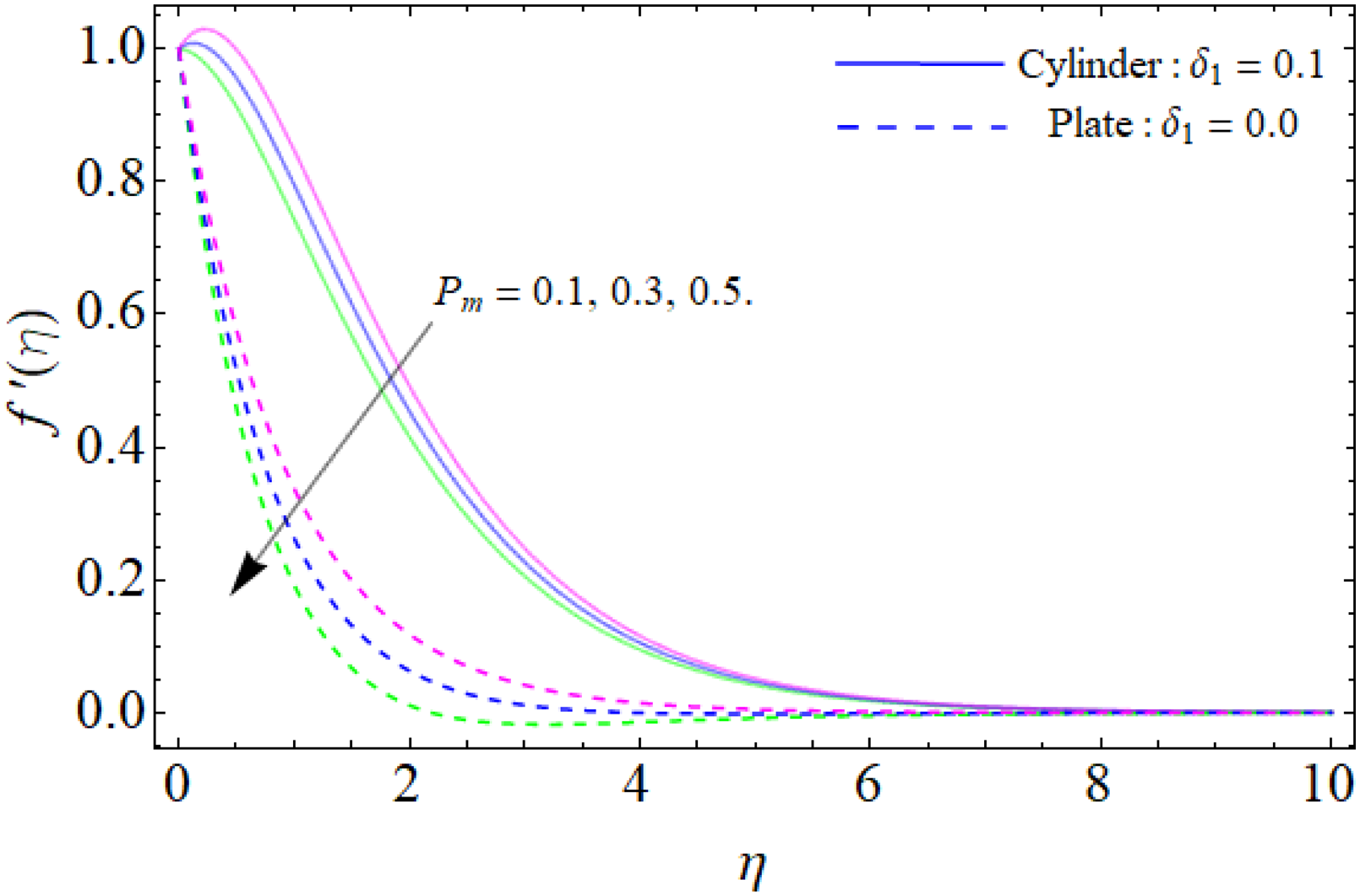
Hnf velocity
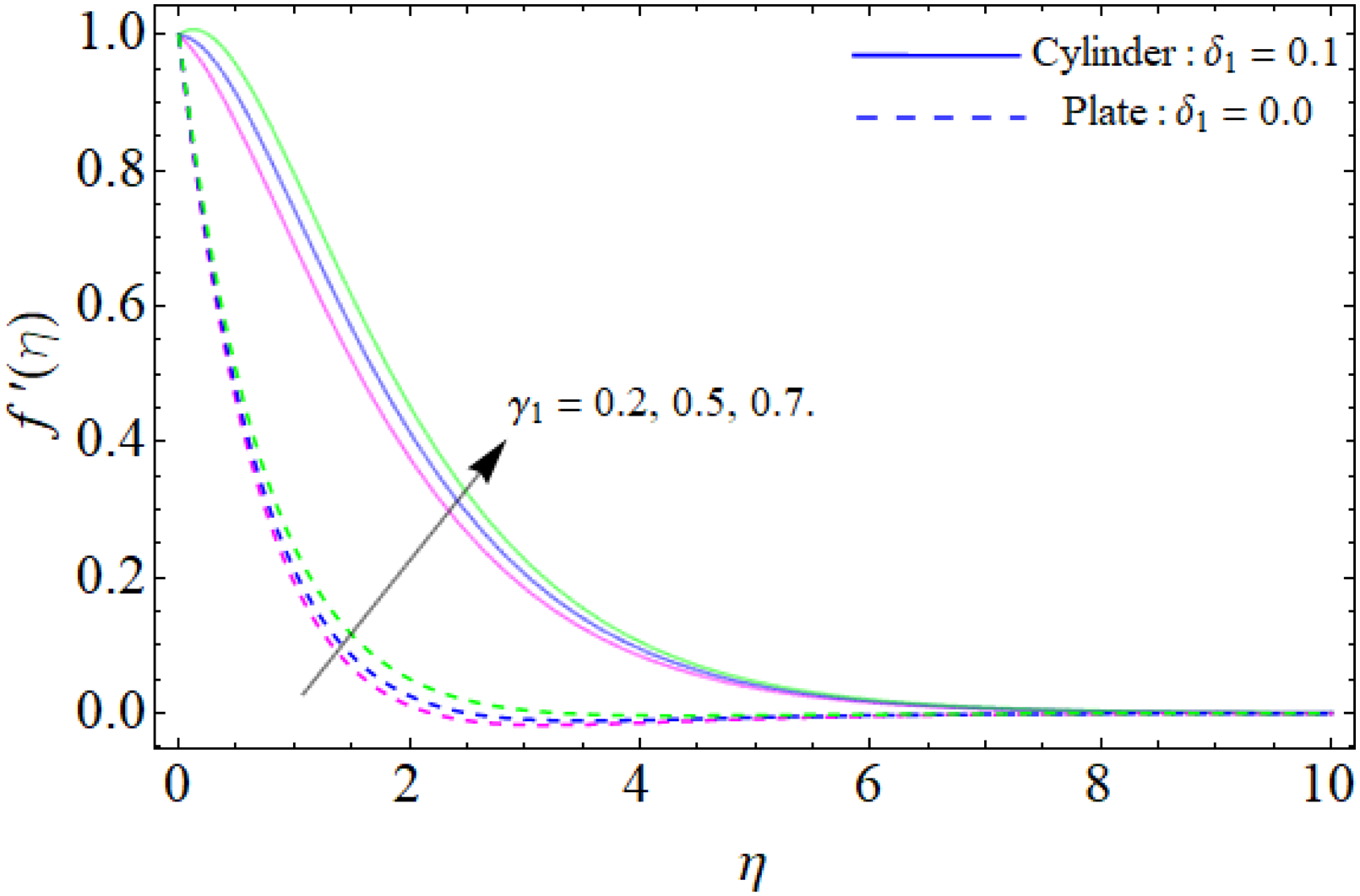
Hnf velocity
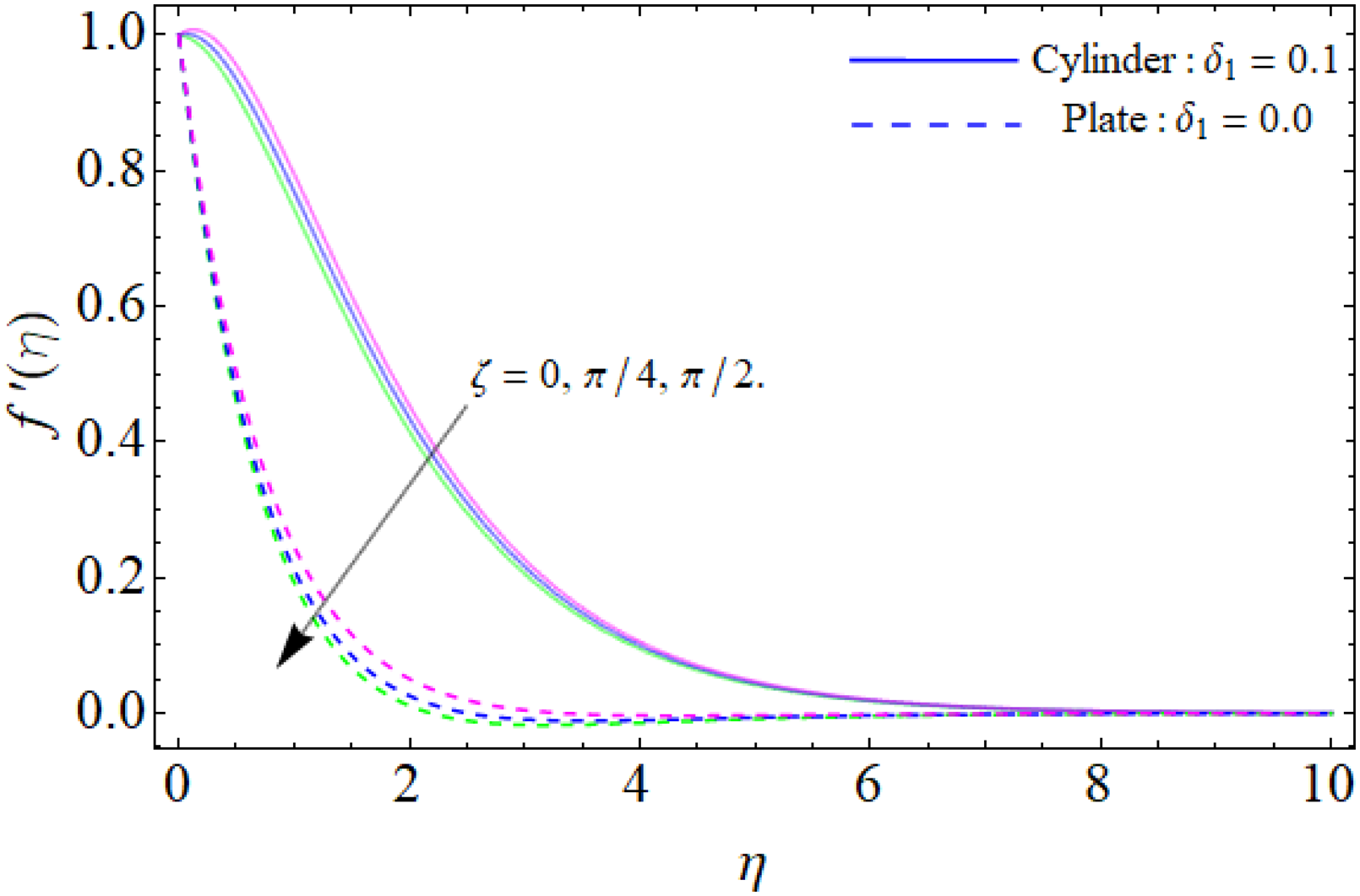
Hnf velocity
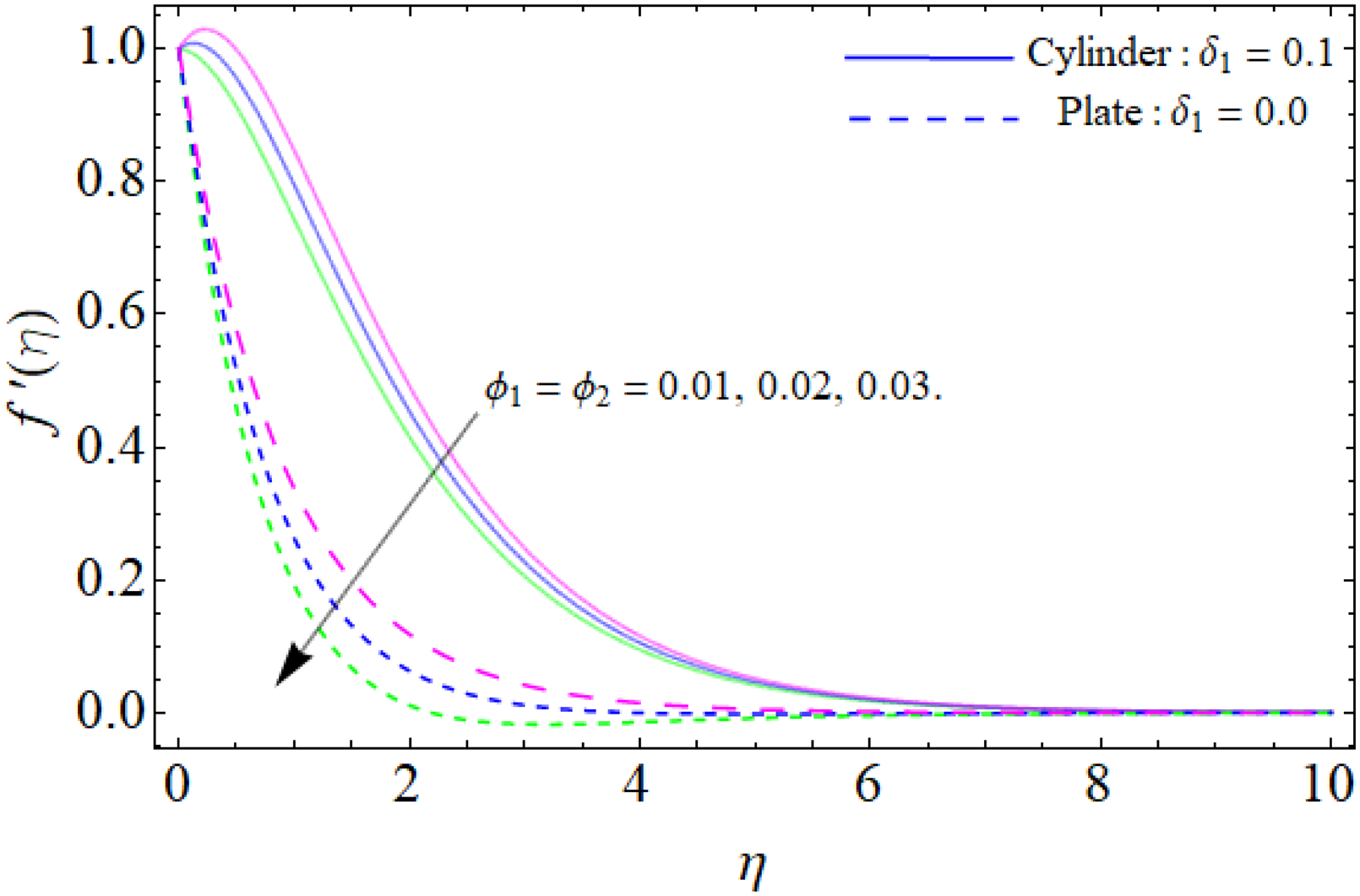
Hnf velocity
Figures 6 and 7 disclose the influence of Qe and Rd on the fluid temperature. Physically, more heat gets injected into the fluid when the Qe and Rd parameters rise. As the fluid takes in the heat from the source, this extra heat energy causes the temperature of the fluid to rise overall. Figure 8 reveals the influence of the thermal Biot number
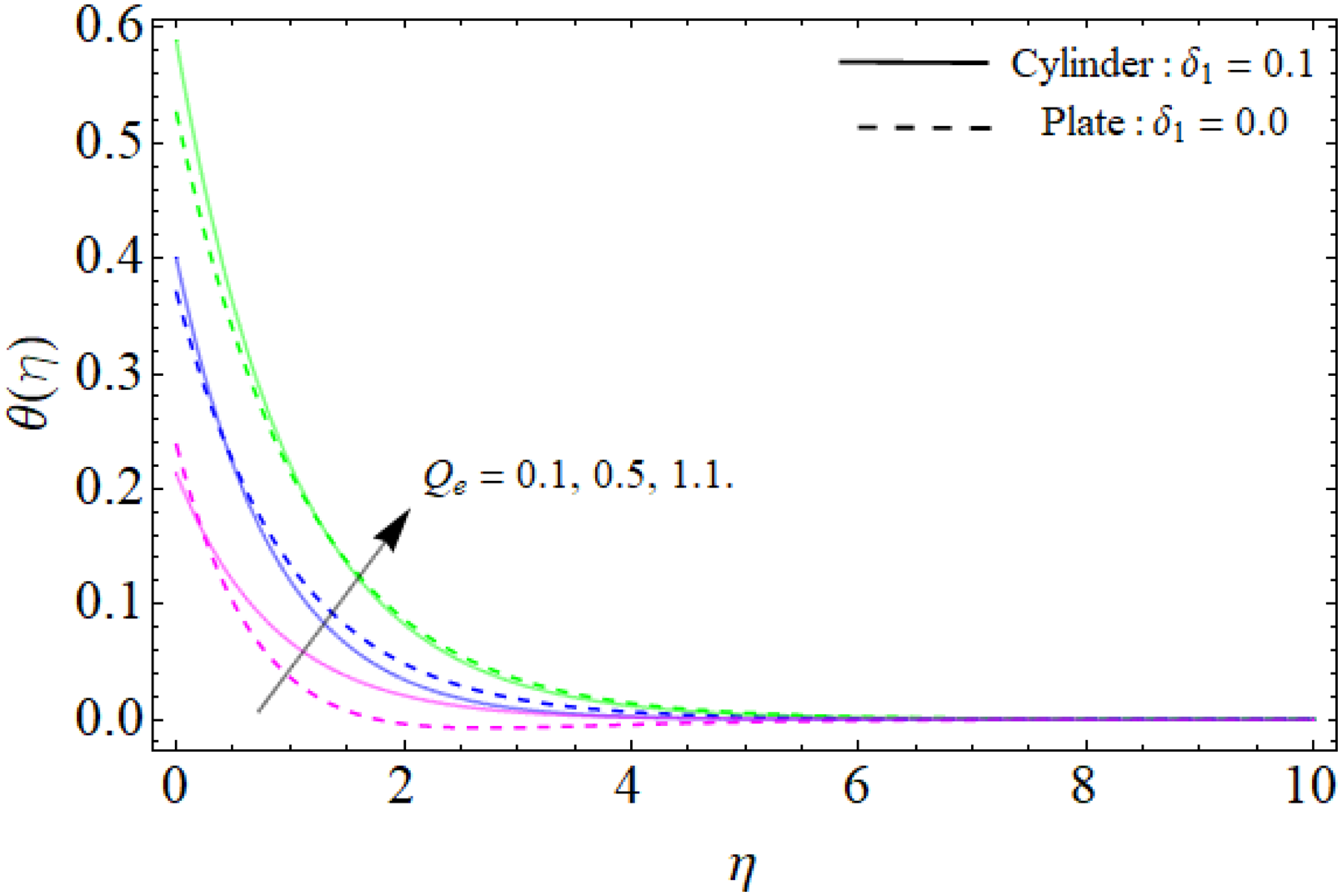
Fluid temperature
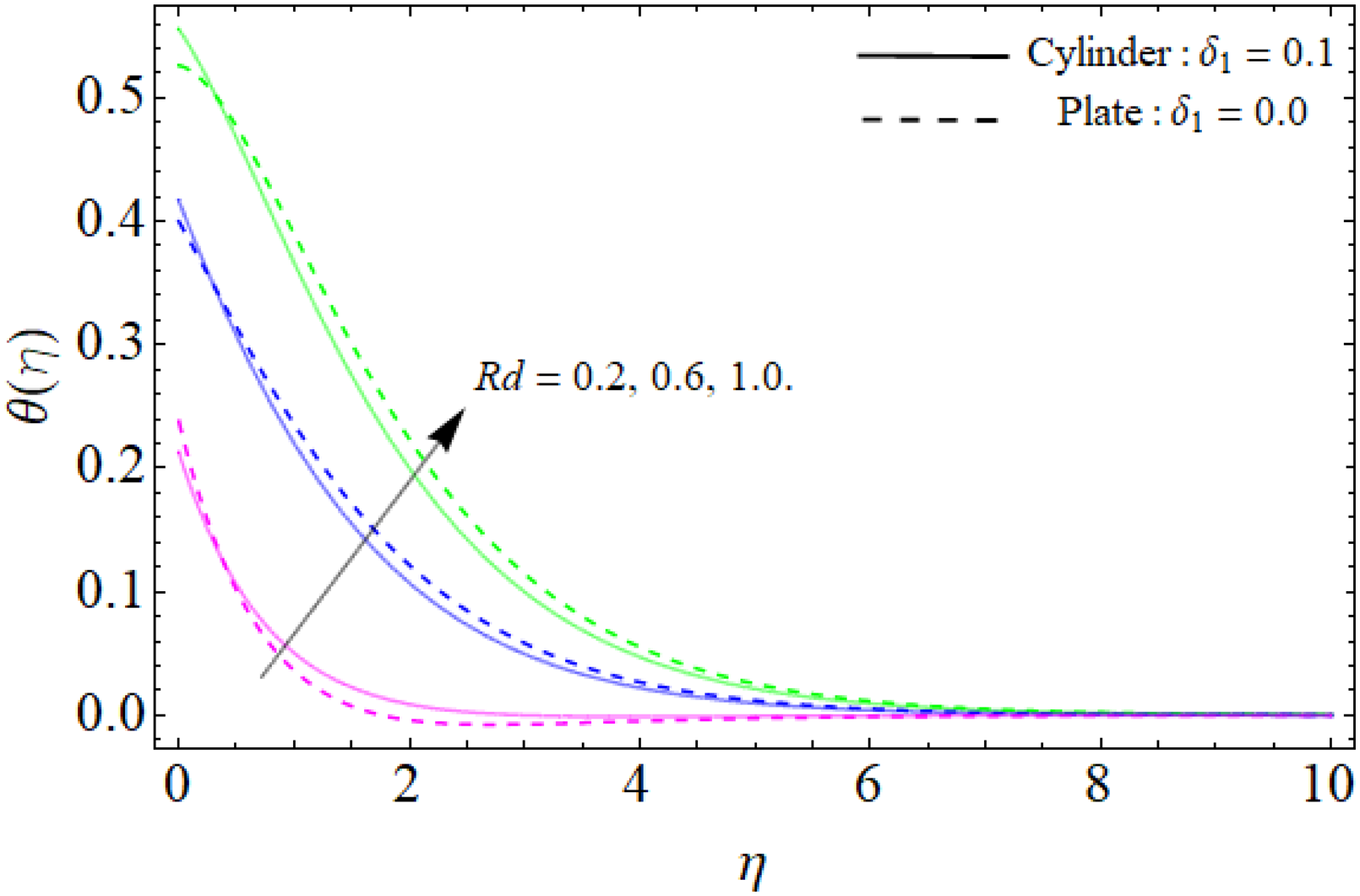
Fluid temperature
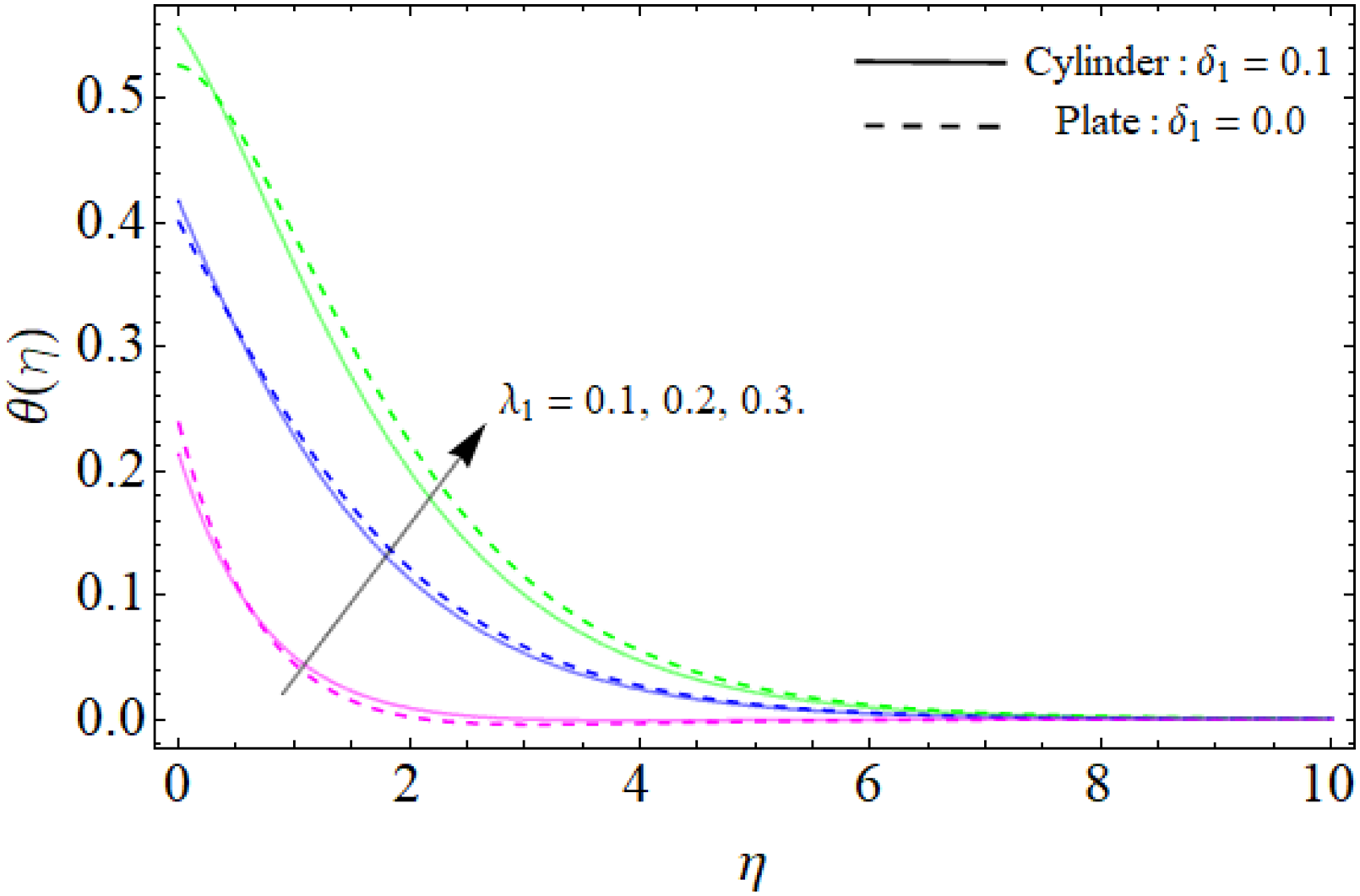
Fluid temperature
Figure 9 shows the influence of
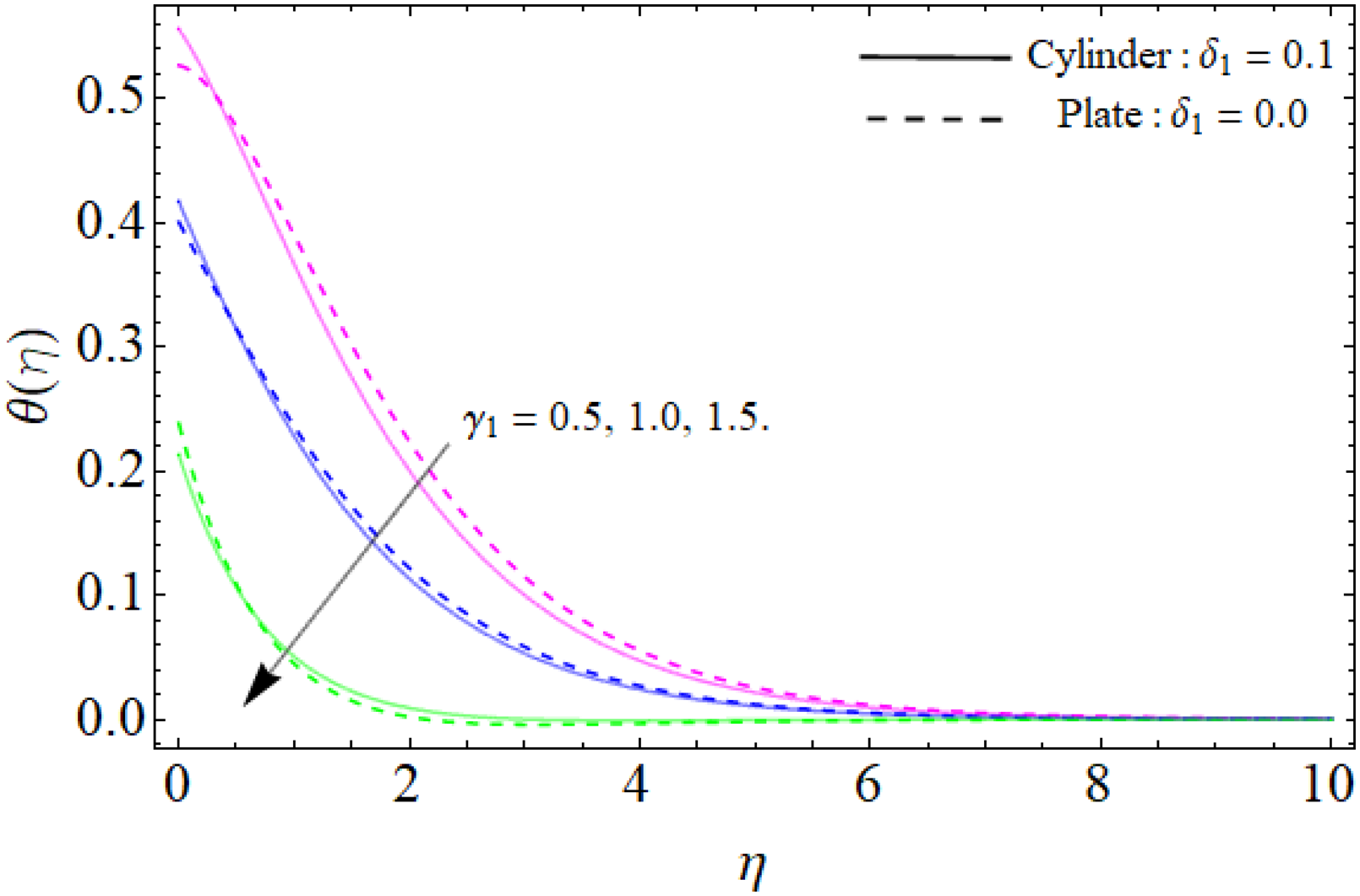
Fluid temperature
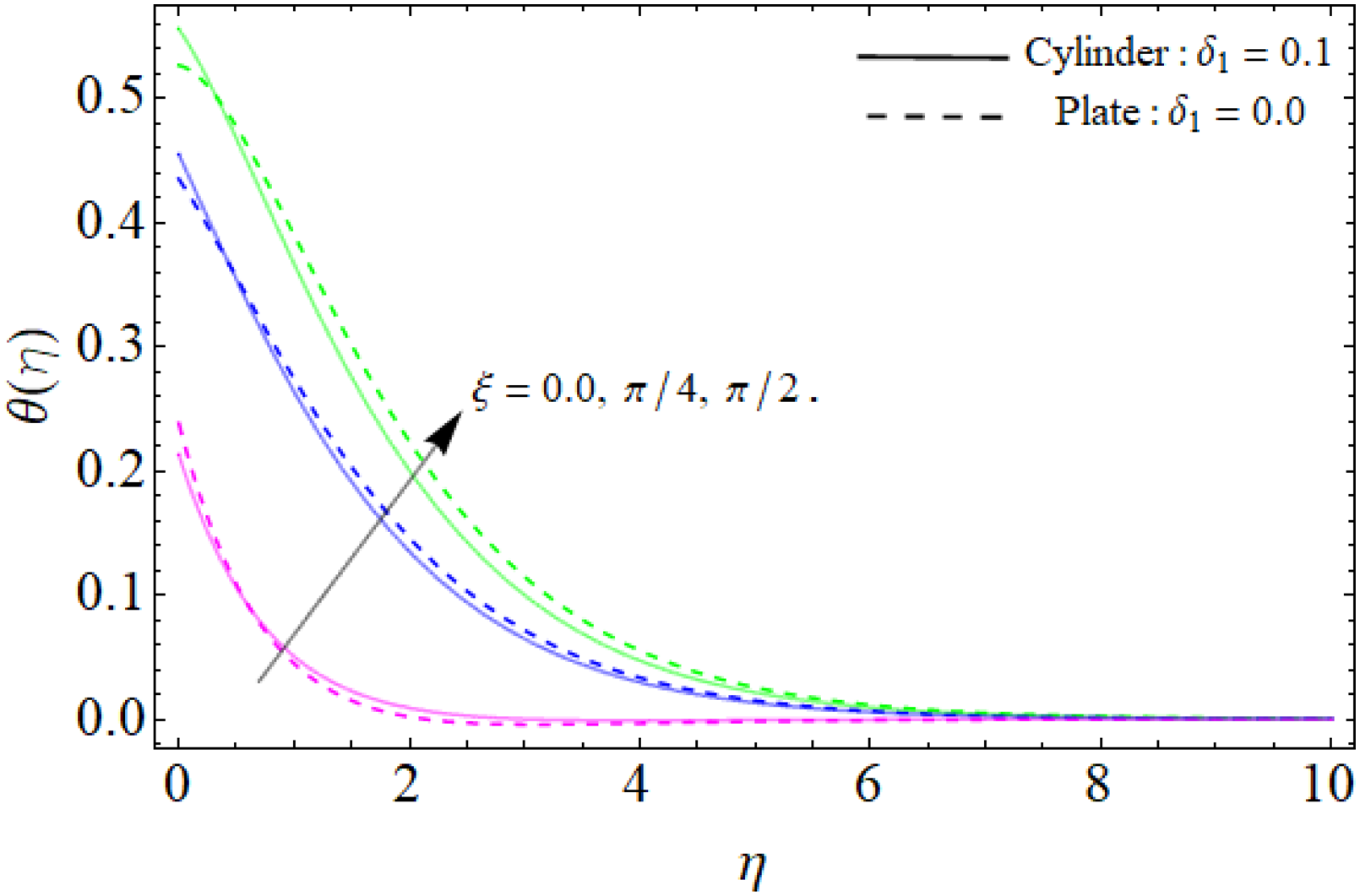
Fluid temperature
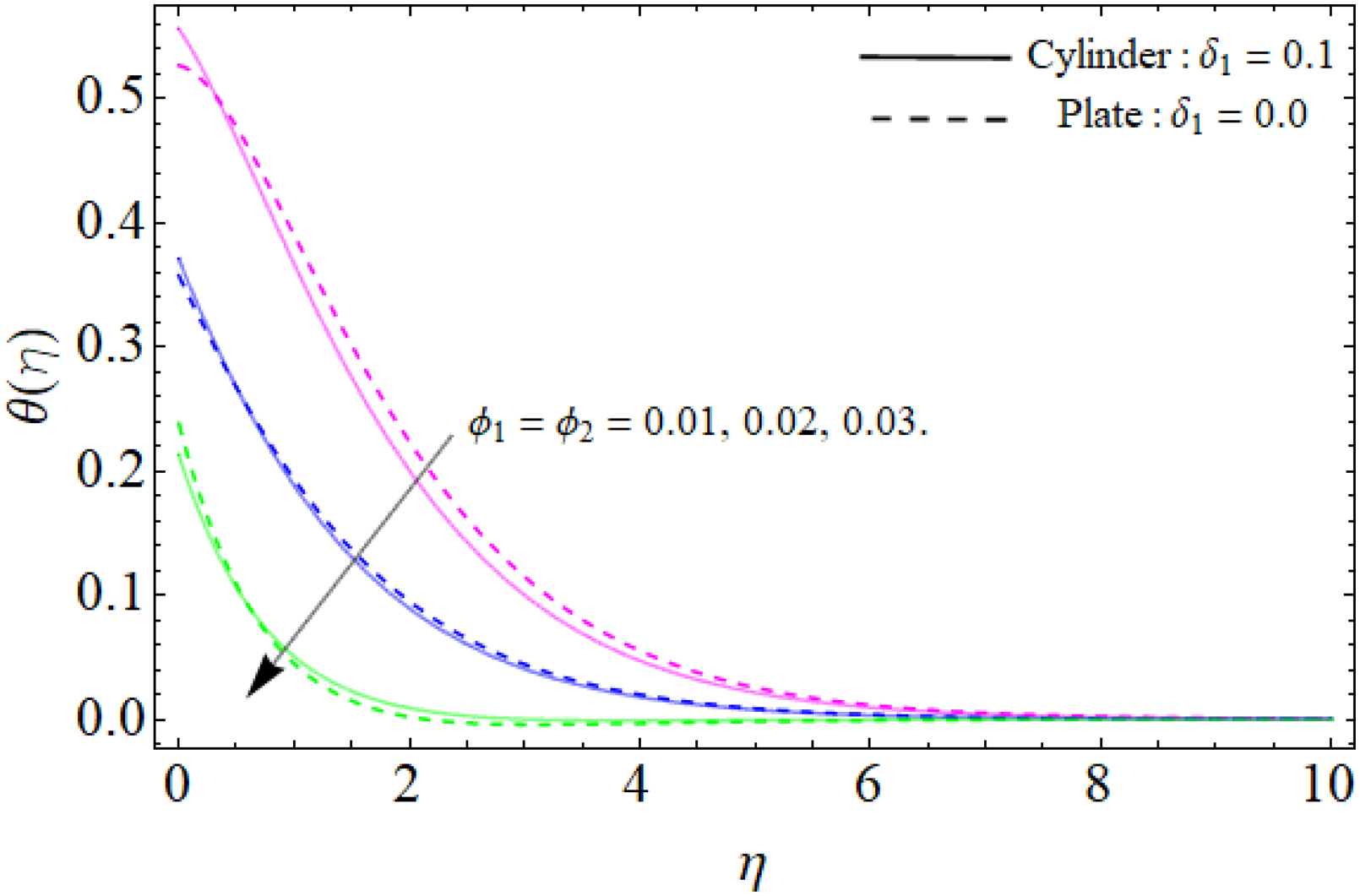
Fluid temperature
Figures 12–14 demonstrates the nature of mass profile
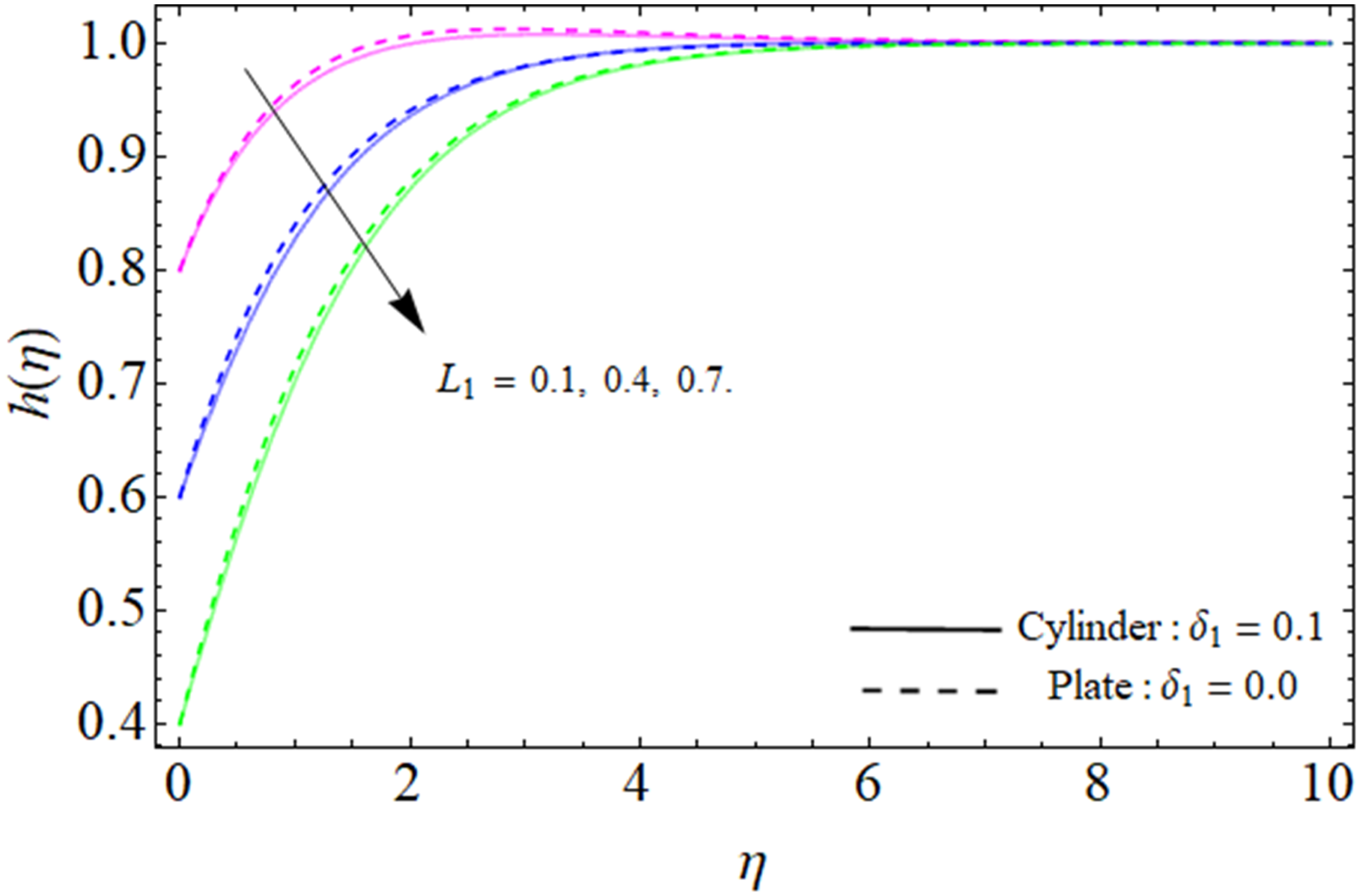
Mass profile
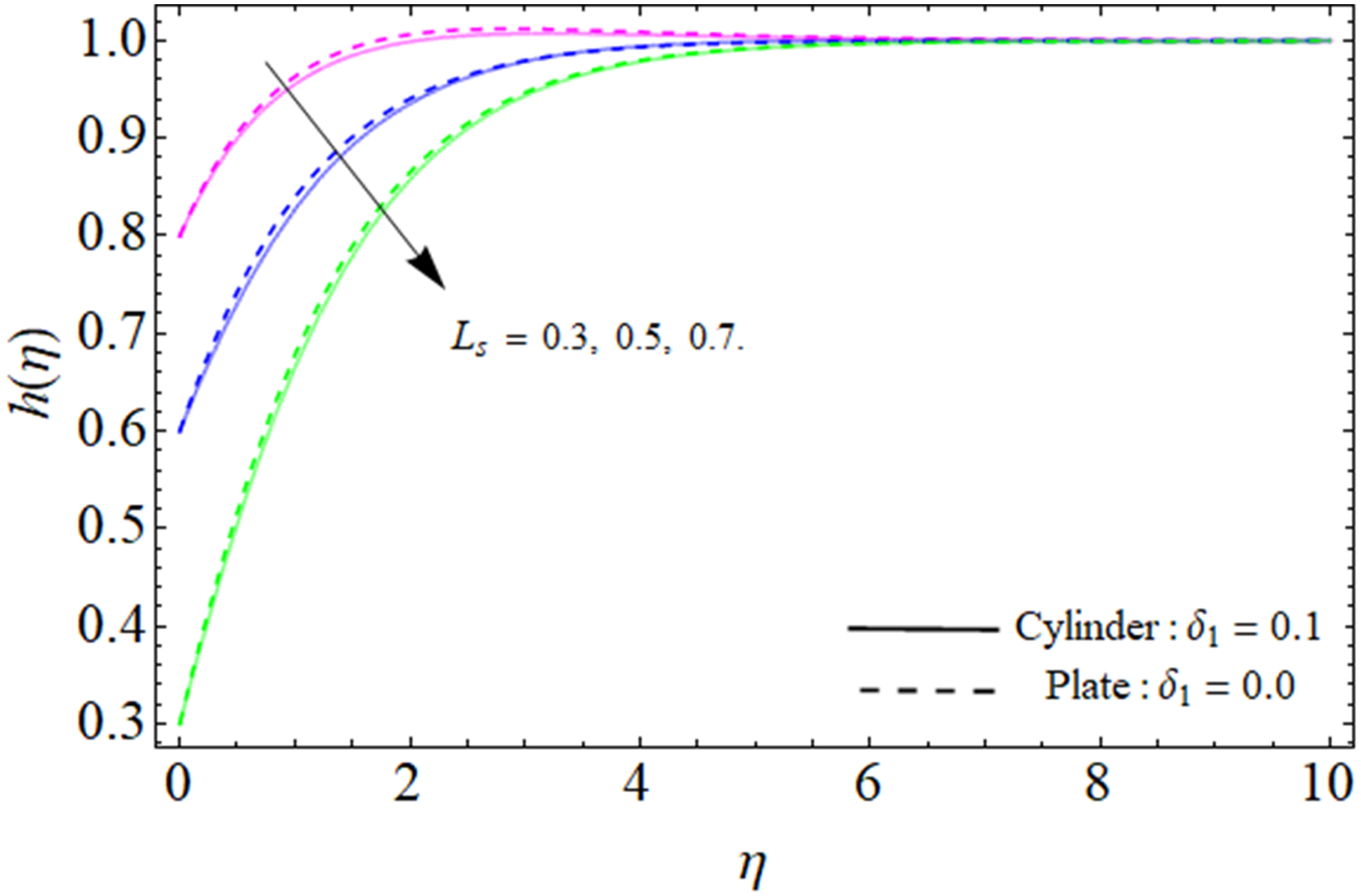
Mass profile
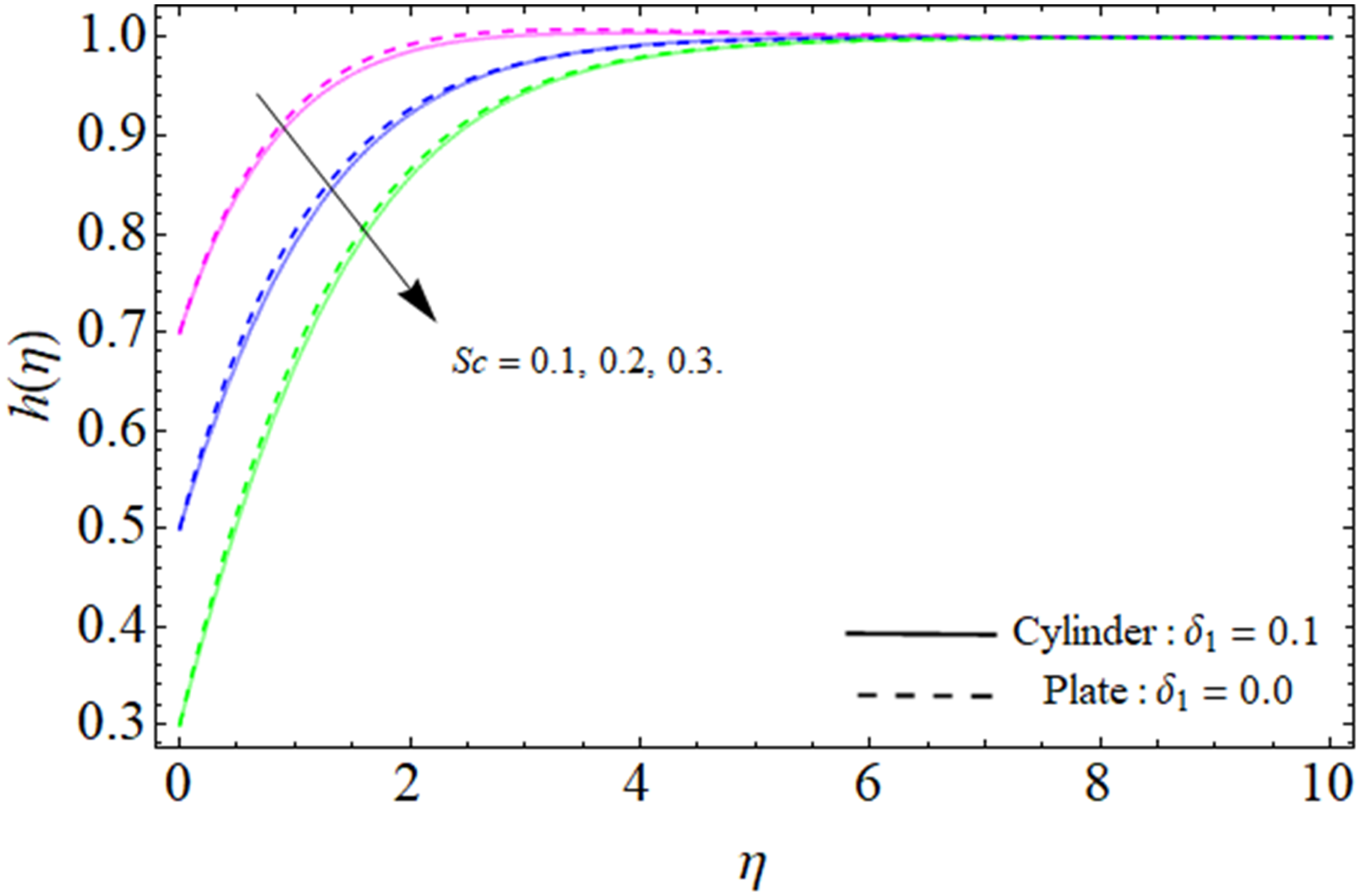
Mass profile
Figures 15 and 16 elucidate the graphical outcomes of Nusselt number
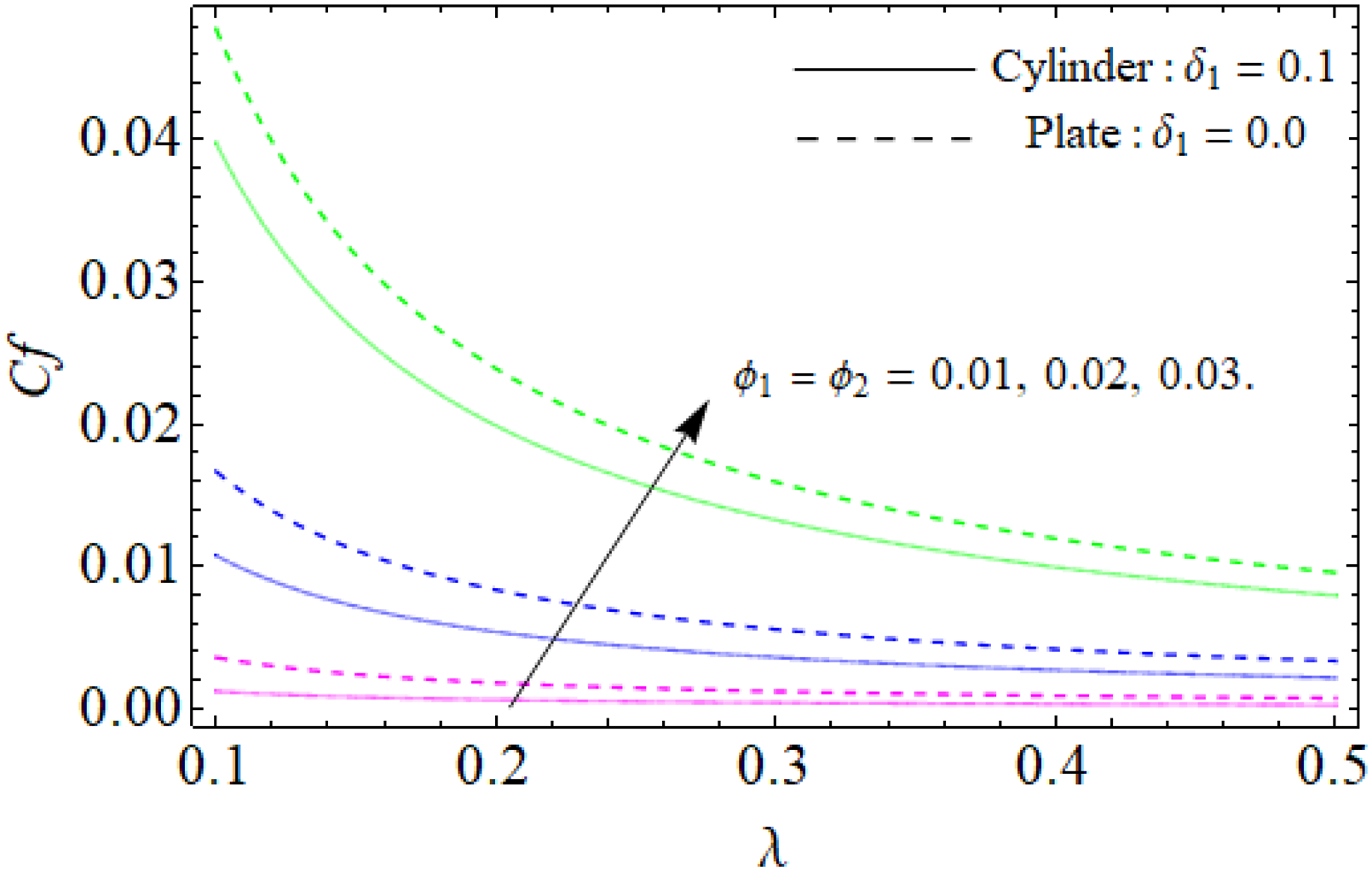
Ag-Fe3O4-NPs versus Skin fraction (Cf).
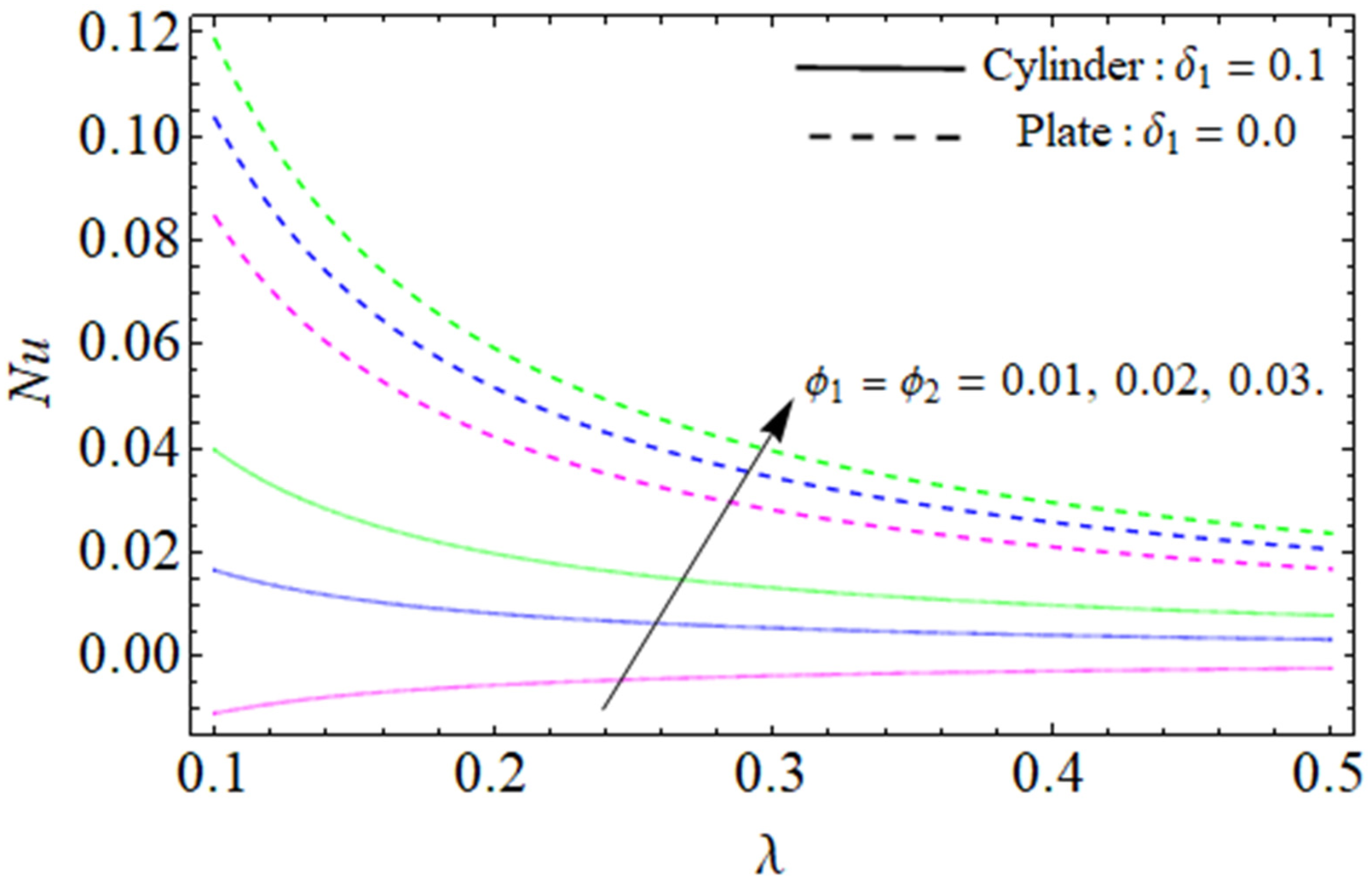
Ag-Fe3O4-NPs versus Nusselt number (Nu).
Conclusions
We have numerically evaluated the steady 2D Hnf flow over an inclined permeable plate/cylinder. The Hnf flow is examined under the impact of heterogeneous/homogeneous chemical reaction, and permeable medium. The Hnf is prepared by Ag and Fe3O4 NPs in water. The energy transmission and fluid flow are mathematically specified by using a coupled nonlinear system of PDEs. The system of PDEs is simplified into a dimensionless form of ODEs, which are then further numerically treated with the Matlab package bvp4c. The primary conclusions are:
The effect of the porosity parameter The rising numbers of Ag-Fe3O4-NPs also decline the velocity field The influence of Qe and heat radiation enhances the fluid temperature. The fluid temperature upsurges due to the flourishing effect of thermal Biot number and angle inclination parameter. The influence of mixed convection parameters The significances of homogeneous reaction The energy transference rate of hybrid nanoliquid increases with the rising numbers of Ag-Fe3O4-NPs.
Footnotes
Data availability
All data used in this manuscript have been presented within the article.
Declaration of conflicting interests
The authors declared no potential conflicts of interest with respect to the research, authorship, and/or publication of this article.
Funding
The authors disclosed receipt of the following financial support for the research, authorship, and/or publication of this article: The study was funded by Researchers Supporting Project number (RSPD2024R749), King Saud University, Riyadh, Saudi Arabia.
