




Abstract
This paper aims to scrutinize the effect of Green technology innovation, digitalization, renewable energy use, environmental taxes, GDP, energy prices, and population on energy efficiency in a panel comprising 22 member nations of the European Union. Using the generalized least squares and the panel-corrected standard error, we found (1) the positive effect of digitalization, green patterns, and renewable sources on energy efficiency. (2) The environmental tax has a limited and insignificant effect. (3) On the contrary, the population, GDP, and energy prices negatively affect energy efficiency. Based on the findings, relevant economic and environmental policies have been proposed for energy, technology stakeholders, and policy decision-makers, including substantial investment in digital infrastructure to facilitate the adoption of smart grids, Internet of Things devices, and advanced data analytics for energy management
Introduction
Literature analysis (Batouta et al., 2023; Gajdzik et al., 2024) indicates that interest in the problem of energy efficiency is growing, both in the area of cognitive theory and practical application. However, the concept of energy efficiency is not clearly defined. There are different perspectives on how to understand this concept. Economic, social, and technical approaches are most clearly emphasized (Batouta et al., 2023; Gajdzik et al., 2024). The EU Energy Efficiency Directive (EU, 2015) uses a comprehensive definition: energy efficiency is the ratio of the output of performance, service, goods, or energy to input. Energy efficiency is also understood as energy intensity, i.e. the amount of energy used or needed to produce and deliver a product (Lewis and Nocera, 2006; Batouta et al., 2023). Energy efficiency in industry is achieved by implementing energy-saving technologies that contribute to reducing the consumption of primary and final energy and materials needed per unit of energy sources’ production or creation (Schulze et al., 2016; Menghi et al., 2019; Dunlop, 2022). Therefore, the energy-saving process can be implemented either by implementing energy-saving technologies by limiting the consumption of traditional energy carriers, such as fossil fuels, by replacing them with alternative energy sources (Caglar et al., 2023c).
From a social perspective, energy efficiency is analysed in terms of household behaviour and, more precisely, as a change in consumer behaviour or actions taken by consumers to achieve savings through energy-efficient services or products (Ameli and Brandt, 2015; Poortinga et al., 2018; Wang et al., 2024). However, in the technical approach to energy efficiency, the emphasis is on the costs that must be incurred to cover the energy needs of society or the economy as a whole (Patterson, 1996; He et al., 2019; Khan et al., 2023; Amendola et al., 2024).
In addition to the economic, social, and technical perception of energy efficiency, attention should also be paid to its strategic and political aspects (Gromet et al., 2013; Chou and Zhang, 2020; Dunlop and Völker, 2023). Energy efficiency is a significant part of EU energy policy, and it is seen as a critical ingredient in reducing energy consumption and greenhouse gas emissions in Europe (European Commission, 2016). Energy efficiency was introduced into public policy in the European Union due to the oil crisis in the 1970s (Kinley, 2017; Economidou et al., 2020). With sustainable development, striving to improve energy efficiency has become an integral element and, thus, an indispensable factor in transforming the way of generating economic growth in conditions of energy constraints (Fedajev et al., 2023). As the economies of many countries have an energy-based production structure, there is growing interest in identifying and analysing factors that increase energy efficiency (Caglar et al., 2024).
According to the International Energy Agency (IEA) roadmap in the NetZero report by 2050, energy efficiency and behavioural change are among the key pillars of the global energy system decarbonization (Net Zero, 2021). Successful implementation of this plan requires an unprecedented transformation of how energy is produced, transported, and used worldwide. The report is the world's first comprehensive study to include recommendations on transitioning to a net zero energy system by 2050, ensuring both stable and affordable energy supplies and universal access to energy, thus driving solid economic growth. The report charts a viable and economically efficient path to a clean, dynamic, and stable energy economy dominated by renewable energy sources such as solar and wind rather than fossil fuels. Over 400 milestones have been identified to pave a global path to achieving the net zero goal by 2050. For example, it is crucial to stop investing in new fossil fuel extraction projects and refrain from finalizing further investment decisions regarding new coal-fired power plants without carbon sequestration. By 2035, the sale of new passenger cars with combustion engines should be stopped, resulting in the global electricity sector reaching net zero emissions by 2040. The IEA points to three main types of behavioural changes needed in NetZero scenarios: (1) reducing excess or wasteful energy, (2) changing the mode of transport, and (3) improving material efficiency. It should be taken into account that the scale and speed of absorption of behavioural changes may vary in individual countries, which may be influenced by many factors, such as the level of income (Liu and Wang, 2014; Bakirtas and Akpolat, 2018; Feng et al., 2024; Shabur and Ali, 2024), social and cultural conditions (Ang et al., 2020; Goggins et al., 2022; Omar and Hasanujzaman, 2023), level of energy infrastructure development (Chen and Lin, 2021; Komarova et al., 2022; Song et al., 2023), and the level of development of green innovations (Ahmed et al., 2022; Hao and Chen, 2023; An et al., 2023). As numerous studies show, high-income countries usually have higher levels of energy consumption per capita (Chang, 2015; Ehigiamusoe et al., 2020; Zhang et al., 2023; Huang et al., 2024), which allows us to claim that changes in energy-related behaviour can play an essential role in reducing excessive or wasteful energy consumption.
Innovation and technological progress are becoming more and more common in energy efficiency analyses (Cutcu et al., 2023, 2024; Nuta et al., 2024). Research shows that innovation and technological progress can improve energy efficiency (Jin et al., 2018; Chen et al., 2021; Waheed et al., 2021; Zhang and Fu, 2022). For example, Li and Du (2021) calculated a comprehensive urban Internet development index and showed that for every 1% increase in Internet development, energy efficiency could increase by about 0.38%. In turn, the positive impact of renewable energy innovations on renewable energy production was demonstrated in their research by Solarin et al. (2022).
Digitalization significantly enhances energy efficiency by integrating advanced technologies across various sectors. Digitalization provides real-time data and analytics by developing smart grids, energy management systems, and the Internet of Things (IoT), optimizing energy use in households, businesses, and industrial processes (Lin and Huang, 2023). It reduces waste by automating and improving the efficiency of electricity distribution, heating, cooling, and lighting. Furthermore, digitalization supports remote work and digital services, reducing the need for travel and physical office spaces. Furthermore, Renewable energy is pivotal in enhancing energy efficiency and sustainability on multiple fronts (Caglar et al., 2023a, 2023b; Caglar and Yavuz, 2023; Pata et al., 2023; Rao et al., 2024). By harnessing solar, wind, and hydroelectric power sources, renewable energy technologies offer cleaner alternatives to fossil fuels, reducing greenhouse gas emissions and mitigating climate change. Furthermore, their decentralized nature promotes energy independence and resilience, bolstering the stability of energy systems (Dogan et al., 2024; Soylu et al., 2024).
Based on the above, this study examines the effect of digitalization and green technologies on energy efficiency in the EU from 2011 to 2020, considering the role of renewable energy use.
We aim to address the following research questions:
What are the effects of green technology innovation and digitalization on energy efficiency in the European Union? What are the effects of renewable energy use and environmental taxes on energy efficiency across member nations of the European Union? How do economic factors such as GDP and energy prices influence energy efficiency in the European Union? What is the relationship between population growth and energy efficiency in the European Union member nations?
The existing literature undoubtedly lays the foundations for understanding energy efficiency. However, the analytical framework, research perspectives, and research methods on the relationship between energy efficiency and various determinants still have some limitations and require further deepening and expansion. First, the existing literature does not adequately address the impact of digitalization on energy efficiency and practicality in the EU. Secondly, from the point of view of the importance of the problem and the dynamic development of energy policy on a global scale, there is still a lack of holistic analyses, i.e. those that take into account several determinants at the same time and comparative analysis conducted in a set of different countries.
Moreover, our study contributes simultaneously to policy discussions regarding attaining the sustainable development goals (SDGs). Green technology and digitalization can facilitate resilient infrastructure development, accelerating progress toward SDG 9. Clean energy focuses on SDG 7 and SDG 11, which can combat climate adversities. Such steps address SDG 13 on climate concerns. These research gaps became the motivation for undertaking the research presented in the study. The study begins with the introduction. The authors present the data and the method used in the second section. The paper ends with the discussion and conclusions section, in which the authors give the implications of the study as well as the limits and future research directions.
Methodology
Data and their description
This manuscript examines the influence of digitalization (DGT) and green patents (GPT) on energy efficiency (EINT) in 22 European Union member nations, considering the role of environmental taxes (TAX), GDP, renewable energy use (REC), and energy pricing (Brent). Due to the lack of data, Bulgaria, Cyprus, Malta, and Romania were omitted from the analysis. Data relevant to the specified parameters within the period ranging from 2011 to 2020 has been collected and compiled. Our research is restricted to a particular time frame because of the introduction of a digitalization index in 2011.
The foundational framework for this research endeavour can be expressed in the following:


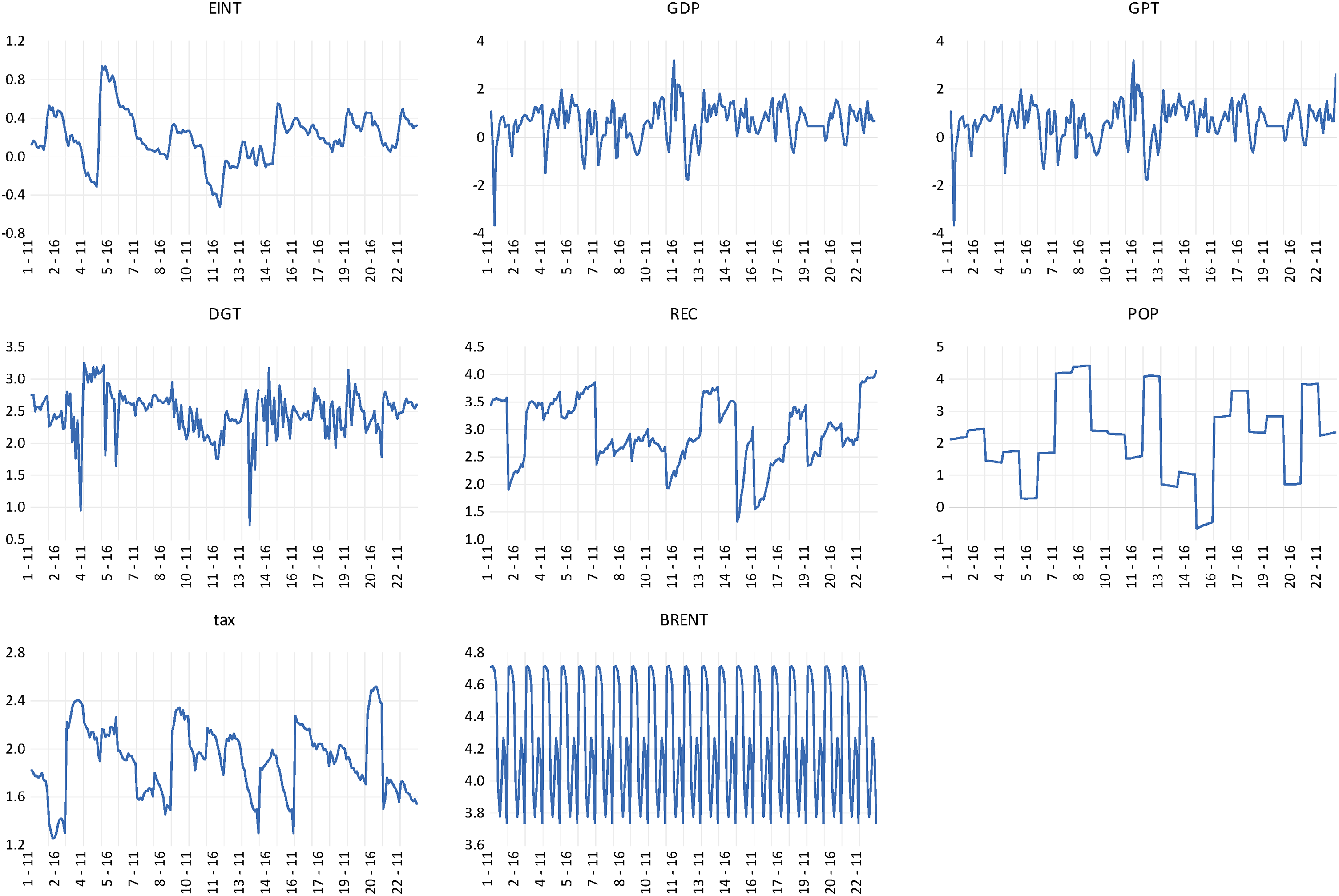
Data trend for the European Union's 26 member nations.
Variables description.
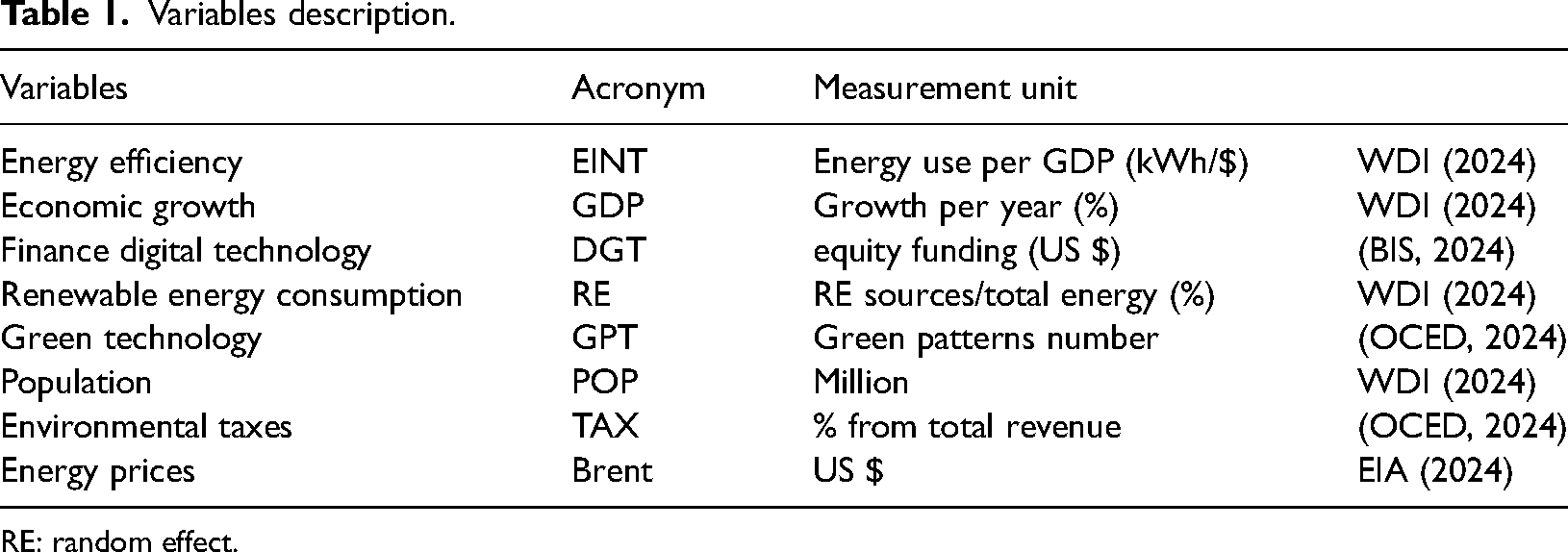
RE: random effect.
Figure 1 shows the data trend for the European Union's 26 member nations, from 1 to 22: Austria, Belgium, Croatia; Denmark, Estonia; Finland, France; Germany, Greece, Hungary, Ireland; Italy; Latvia, Lithuania; Luxembourg; Netherlands; Poland; Portugal; Slovakia; Slovenia; Spain; Sweden.
Methodology definition
Before presenting the empirical model, it is imperative to establish a comprehensive theoretical framework that guides our analysis. Adopting renewable energy sources has emerged as a critical strategy in addressing global energy challenges while mitigating environmental degradation. Extensive literature in the above section underscores the intricate relationship between renewable energy deployment, energy efficiency improvements, and sustainable development objectives. The theoretical underpinnings of our study draw from established economic theories, such as the theory of technological change and environmental economics, which posit that investments in renewable energy infrastructure can lead to efficiency gains and environmental benefits. Moreover, considering the panel nature of our dataset, the empirical analysis necessitates robust econometric techniques to account for potential biases arising from heteroscedasticity and cross-sectional dependence. Therefore, we employ the generalized least squares (GLS) model, which offers efficient parameter estimation while accommodating heteroscedasticity and autocorrelation in the error terms. Furthermore, to address serial correlation and heteroscedasticity issues in panel data, we utilize the panel-corrected standard error (PCSE) model. This approach allows us to obtain unbiased and efficient estimates of the relationships under investigation, ensuring the robustness of our findings. By integrating these theoretical insights with advanced econometric methods, our study aims to provide a nuanced understanding of the impacts of renewable energy adoption on energy efficiency and sustainability outcomes.
We build panel data to adopt the GLS model, choosing between the fixed effects (FE) model and the random effects (RE) model based on the Hausman test (Goldar et al., 2024; Nuţă et al., 2024). The GLS model is an advanced version of ordinary least squares that can accommodate individual heterogeneity and temporal dynamics (Theiri and Hadoussa, 2024). It is suitable for datasets with non-constant error variance or correlated errors. The FEs model helps analyse data with repeated observations of the same subjects over different periods (Bai et al., 2021; Balazsi et al., 2024). It accounts for all features of the subjects that do not change over time, emphasizing variations within each subject across time. The RE model posits that individual-specific effects are random and independent of the independent variables, making it more efficient than the FE model and enabling the analysis of both within- and between-entity changes (Khan et al., 2021). Choosing between the FE and RE models depends on the correlation between independent variables and unobserved individual effects. If they are correlated, the FE model is preferred for its capability to address omitted variable bias. Statistical tests like the Hausman test can assist in selecting the most suitable model depending on the data's properties. The PCSE was also used to address the correlation problem in the building data structure. PCSE tackles these problems by modifying the standard errors to account for the specific characteristics of panel data, considering within-panel autocorrelation and cross-panel heteroskedasticity, allowing the generation of impartial standard errors even while facing these challenges, and improving the precision of hypothesis testing and confidence ranges for the estimated effects (Worku, 2022; Xu et al., 2023).
Results and discussion
Descriptive statistics
Table 2 presents descriptive statistics. Apart from the basic summary statistics, we also test for non-linearity, non-normality, skewness, and kurtosis for the selected data. The total observations for the data is 218, indicating that this is an unbalanced panel model. All data values have an extremely positive mean. The median values are far from their respective mean values and have modest variations, which stipulates that the chances of outliers in the data series are not limited. The data points remain far from their mean values across all reports, according to the standard deviation values (SD). All selected series are negatively skewed, except for energy intensity. The variables are not symmetric, as seen by the fact that the skewness coefficients are different from zero. The data kurtosis coefficients show excess kurtosis as the number exceeds and is close to three, stipulating the deviation of these series from the normal distribution. All the data pass the Jarque-Bera test and fail the normality test, as evident from the probability values, which are significant at a 90% confidence interval, indicating that the data panel periods do not follow a normal distribution, except the taxes and populations.
Descriptive statistic.
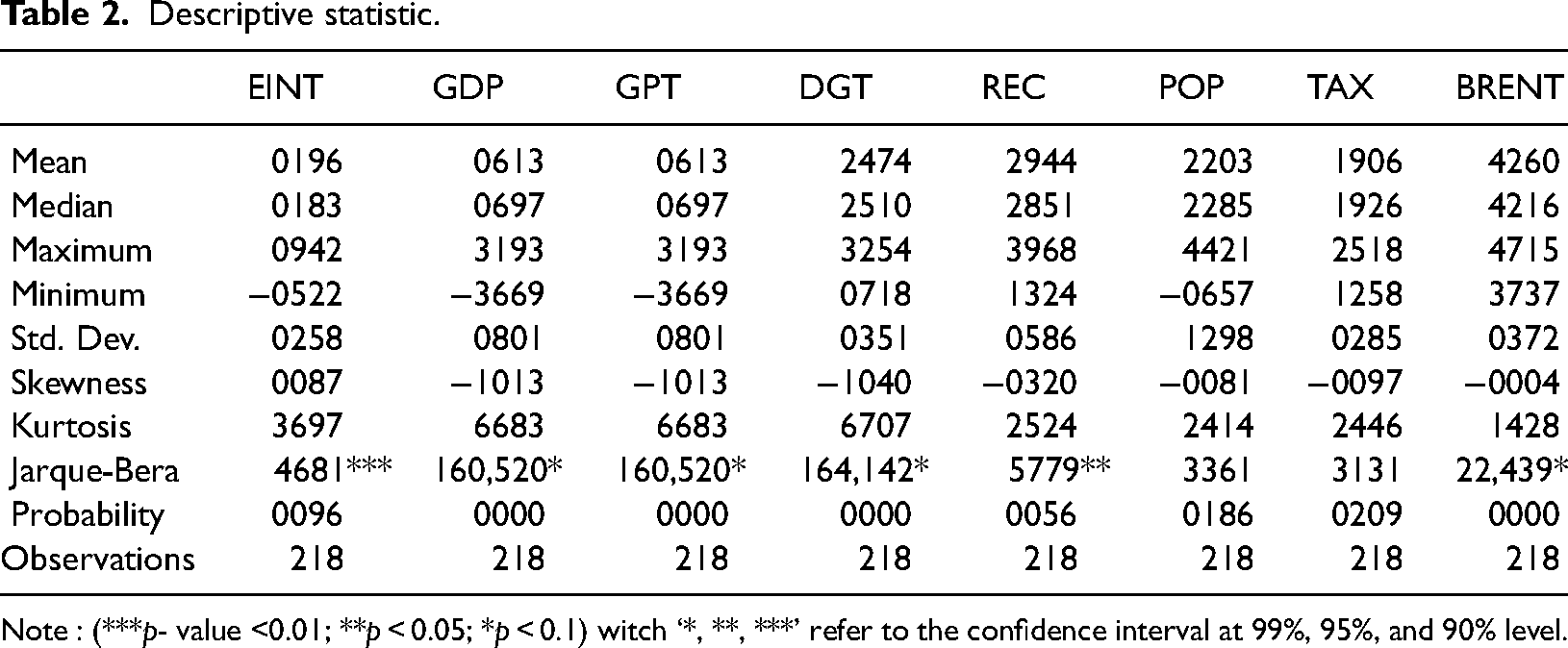
Note : (***p- value <0.01; **p < 0.05; *p < 0.1) witch ‘*, **, ***’ refer to the confidence interval at 99%, 95%, and 90% level.
Correlation results
A pairwise correlation analysis was performed between the two series, and the results are presented in Figure 2. Notably, energy intensity and digitalization exhibit the largest positive association among the other selected series, as demonstrated by a value of 0.2. The correlation of energy intensity exhibits a limited link with renewable energy and taxes and Brent. On the other hand, it seems that energy intensity negatively affects population, economic growth, and green technology, with the correlation coefficients being 0.4, 0.20, and 0.07, respectively.
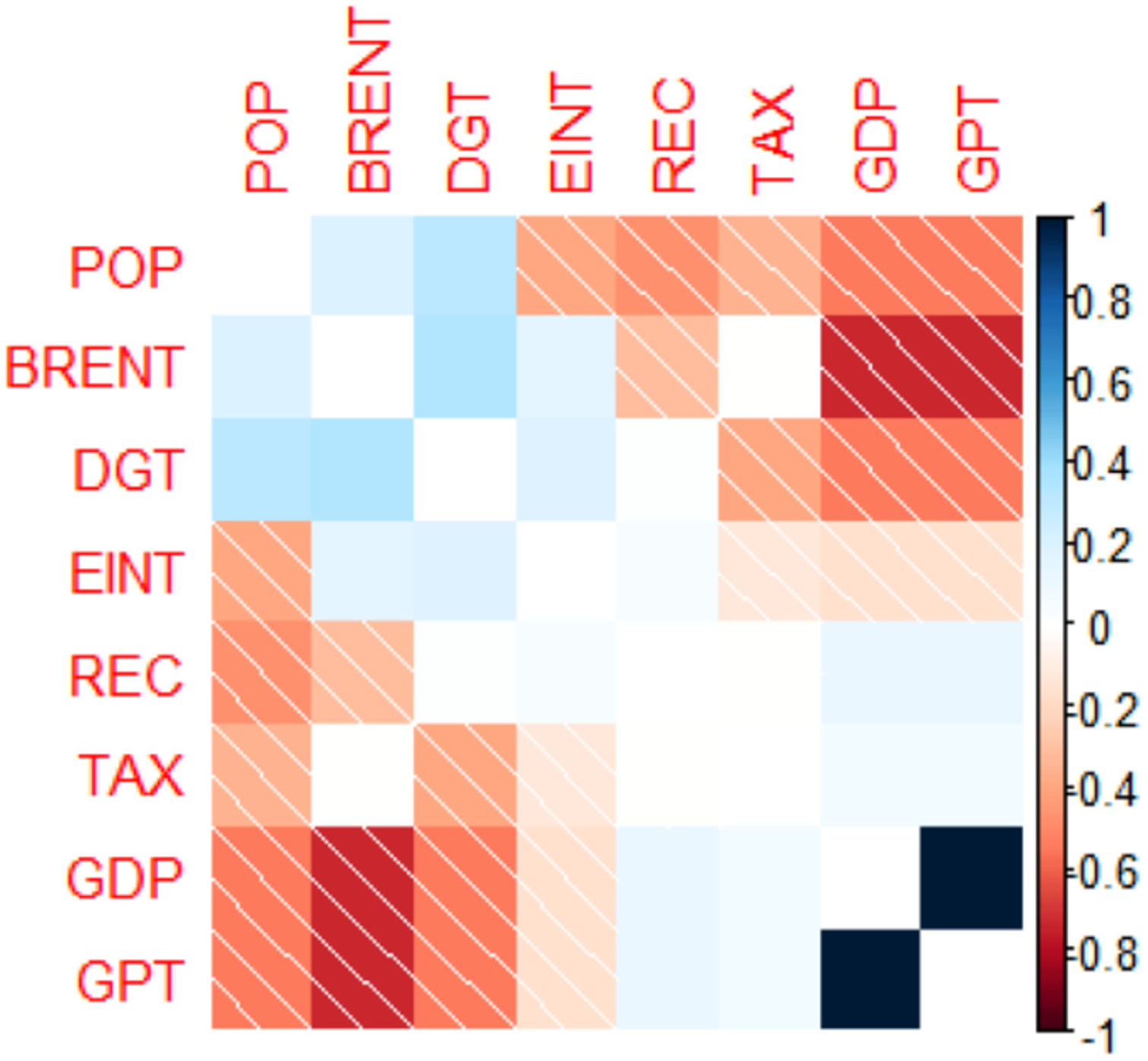
Correlation plot.
Multicollinearity test results
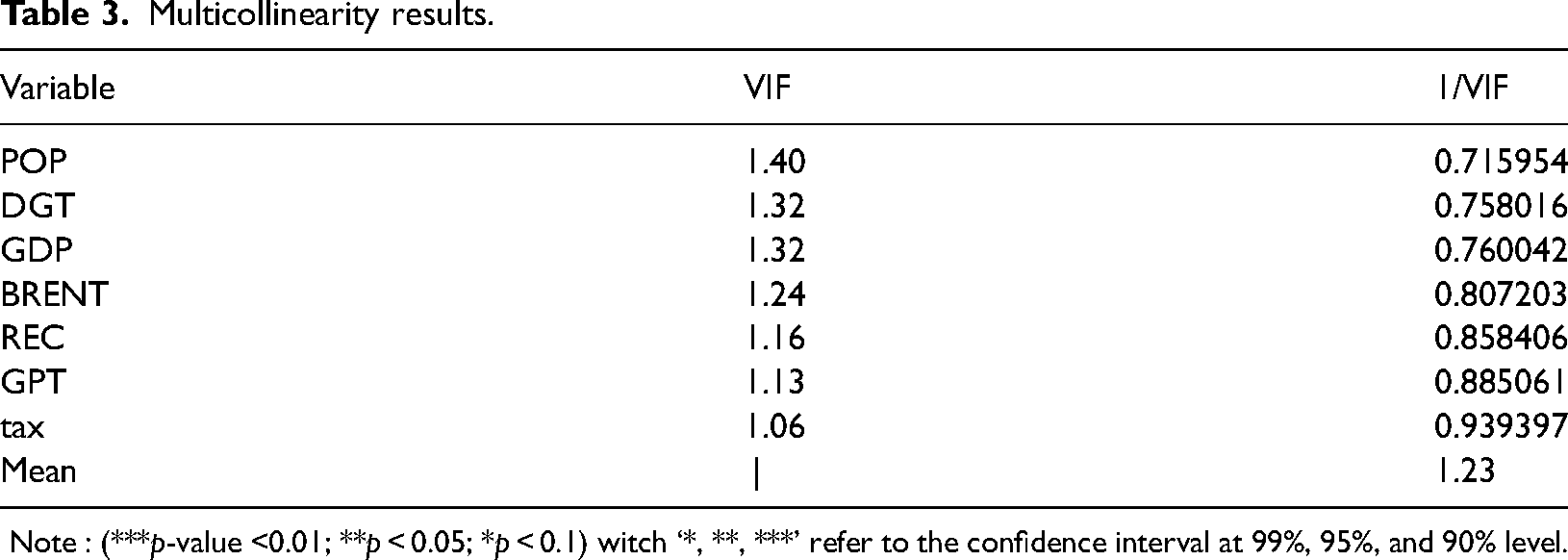
Figure 2 presents the multicollinearity test. The VIF is a measure used to determine the presence and severity of multicollinearity by quantifying how much the variance of an estimated regression coefficient rises due to collinearity. A VIF score of more than 10 is a common cause for concern since it suggests that the variable is significantly linked with others, thereby weakening the trustworthiness of the regression coefficients. The VIF values for the variables (POP, DGT, GDP, BRENT, REC, GPT, and tax) range from 1.06 to 1.40, which is well below the threshold of concern. The reciprocal of VIF (1/VIF) depicts the amount of variance in the predictor that is not explained by other predictors, revealing the degree of multicollinearity. Given these VIF values, it is obvious that the model's variables do not exhibit considerable multicollinearity. The findings indicate that each variable contributes independently to the model's predictive capability while not being overwhelmed by the redundancy of other variables. As the low VIF values indicate, the absence of considerable multicollinearity confirms the model's validity. It assures that the regression coefficients can be confidently interpreted in connection to the dependent variable. This result confirms the first conclusion drawn from the multicollinearity examination, as stated in the paragraph detailing the test outcomes in Table 3, indicating no worries about multicollinearity among the variables.
Multicollinearity results.
Random effects GLS regression
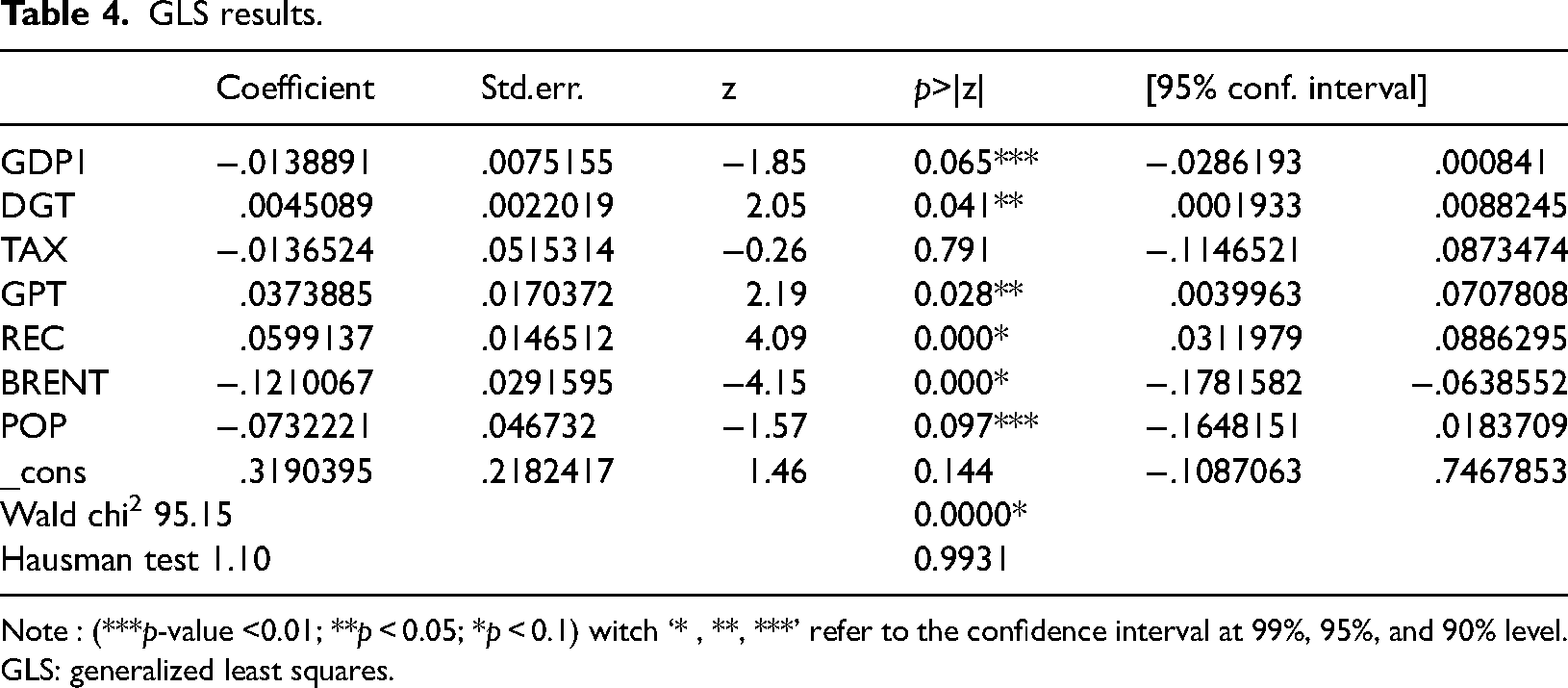
The results of the panel GLS regression are presented in Table 4 below. The finding shows a strong and statistically significant correlation between digitalization and energy efficiency, with a digitalization coefficient of 0.004 and a p-value of 0.04. At a significance level of 5%, the findings indicate that a 1% rise in digitalization correlates with a 0.004 unit rise in energy efficiency. The statistical significance of this link suggests a strong level of confidence that digitalization has a favourable impact on energy efficiency, not due to chance but as a real benefit. This observation is consistent with Li and Du (2021) as they demonstrated that digitalization involves incorporating and using digital and green technologies in many areas, which can result in improved operations, resource management, and energy-efficient technologies. This information is essential for stakeholders interested in sustainability since it emphasizes that digital transformation is a strategic approach to improving energy efficiency.
GLS results.
Note : (***p-value <0.01; **p < 0.05; *p < 0.1) witch ‘* , **, ***’ refer to the confidence interval at 99%, 95%, and 90% level.
GLS: generalized least squares.
Similarly, the effects of green patents and renewable energy use on energy efficiency exhibit strong evidence of their positive influence, with coefficients of 0.037 and 0.06, respectively, statistically significant at the 99% confidence level. A 1% rise in green patents, representing innovations and technological advancements in eco-friendly solutions, correlates with a 0.0374 unit boost in energy efficiency. A 1% rise in REC, indicating a transition to sustainable energy sources such as solar, wind, and hydro, is associated with a 0.0599 unit gain in energy efficiency. This result corroborates the prior studies. Solarin et al. (2022) and (Qing et al., 2024) find the positive effect of RE and green patens on improving energy efficiency. The findings significantly affect environmental regulations, energy planning, and sustainable growth. They emphasize the crucial importance of green technology innovation and the implementation of renewable energy in improving energy efficiency. Supporting the creation and spread of environmentally friendly patents helps accelerate sustainable technical progress while emphasizing renewable energy certificates, highlighting the significance of shifting from fossil fuels to cleaner energy sources.
Moreover, the negative effect of −0.06 for GDP at a 10% significance level indicates that a 1% rise in GDP is linked to a reduction in energy efficiency of around 0.0687 units. The inverse association suggests that economic growth, as measured by GDP, could result in less efficient energy utilization, possibly due to the rise in energy consumption that typically occurs with economic development. The outcome shows that taxes do not significantly impact energy efficiency, as indicated by a coefficient of −0.013 and a p-value of 0.791. The findings highlight the intricate nature of factors affecting energy efficiency. Economic growth may hinder energy efficiency, but tax policy does not seem to impact energy efficiency outcomes based on the analysis conducted substantially.
Examining the coefficients of BRENT and population (POP), which are −0.121 and −0.073, respectively, along with their statistical significance, reveals valuable insights into their effects on energy efficiency. A negative coefficient for Brent crude oil prices indicates that a 1% increase in petroleum prices results in a 0.121 unit drop in energy efficiency. This result aligned with the work of (Wu et al., 2024), which concluded that higher energy costs may not necessarily encourage adopting more efficient energy practices or technology. Alternatively, it may indicate a transition to less effective and costlier energy sources due to increasing oil costs. A 1% increase in population is linked to a 0.073 unit loss in energy efficiency due to the negative coefficient for population growth. This could be due to a rise in energy consumption surpassing the rate of efficiency enhancements or the difficulties in implementing energy-efficient solutions in the face of increasing population development. The finding contradicts the prior studies (Lv et al., 2020).
Robustness test
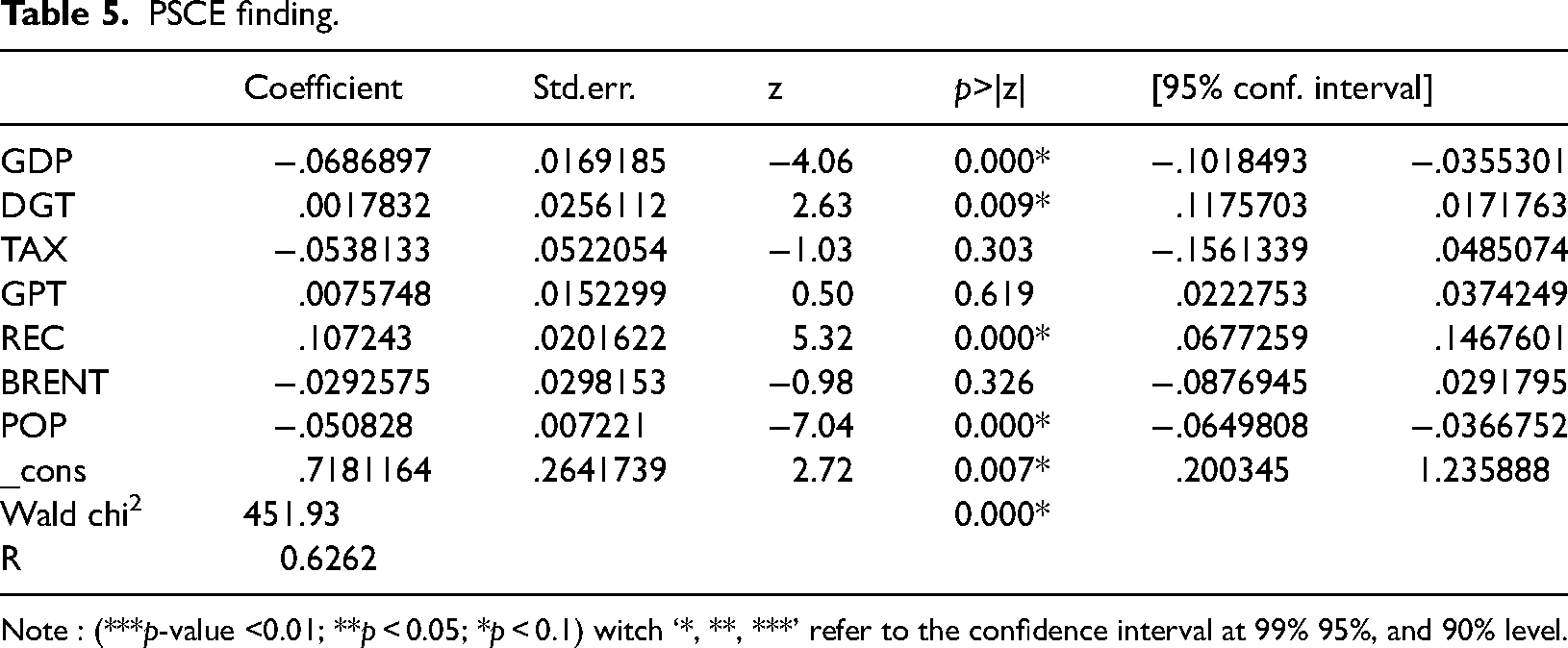
The robustness check outcomes used the PSCE model, as shown in Table 5. Digitalization, green patents, and renewable energy use (REC) are key factors that positively improve energy efficiency, confirming the GLS finding that incorporating digital technologies and green patents improves operational and resource management. On the other hand, the finding also pinpoints elements detrimental to energy efficiency, such as GDP, population, and Brent crude oil, suggesting that higher cost and energy consumption decrease energy efficiency, as found in GLS results. The finding also confirmed that taxes have a minimal effect on energy efficiency, highlighting the complex interplay between fiscal policy and energy efficiency.
PSCE finding.
Note : (***p-value <0.01; **p < 0.05; *p < 0.1) witch ‘*, **, ***’ refer to the confidence interval at 99% 95%, and 90% level.
Causality finding
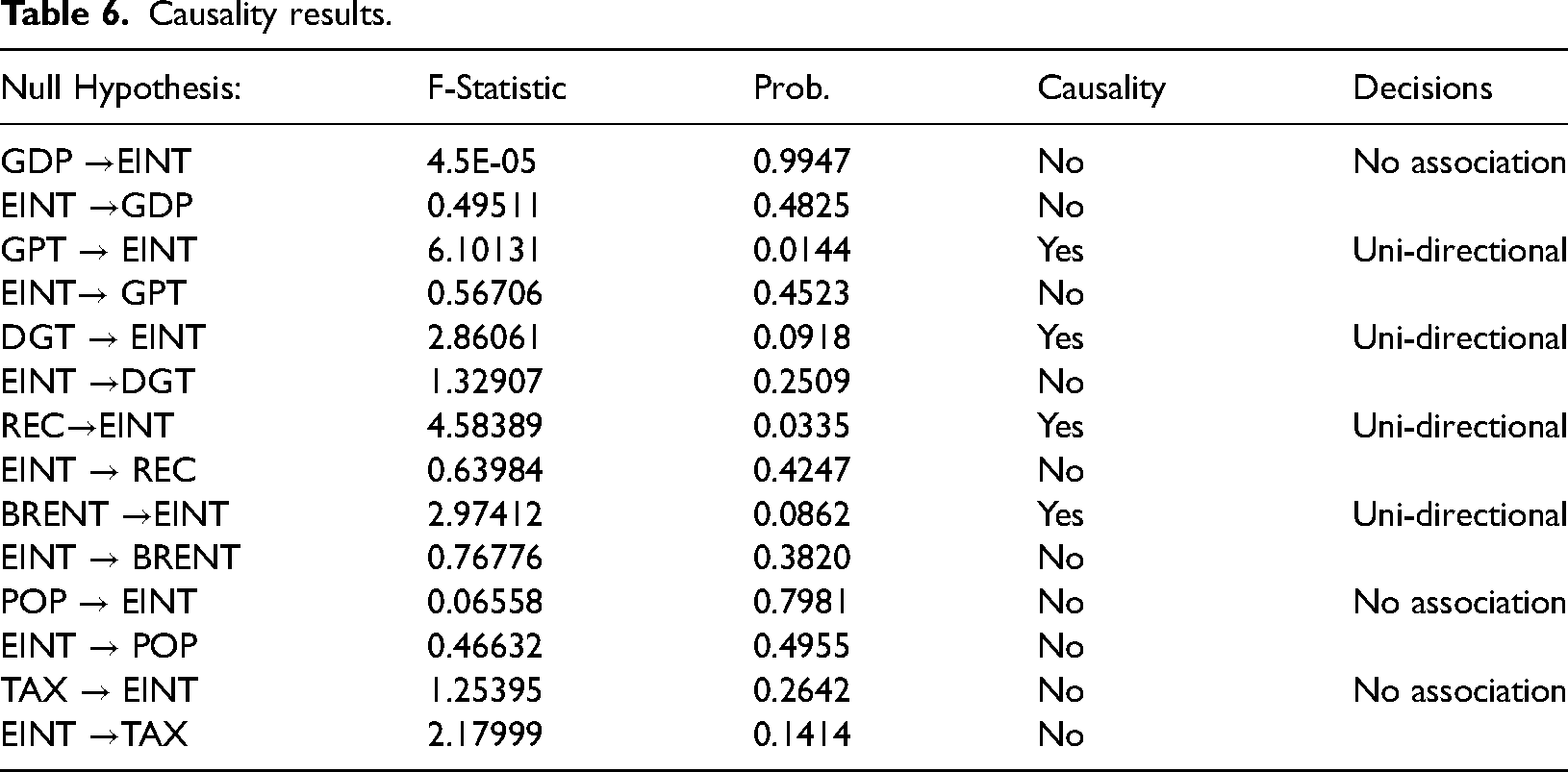
We refined our study by incorporating a causality test to verify the directional causation between energy efficiency and its determinants, as demonstrated in Table 6. Uni-directional causality is observed in the primary determinants of energy efficiency, such as GPT, DGT, REC, and Brent. On the contrary, no direction is captured when examining the direction from GDP, POP, and TAX to energy efficiency and the inverse case.
Causality results.
Conclusion
In this study, we examined the impacts of several factors, including green technology innovations, digital advancements, the utilization of renewable energy, environmental levies, GDP, energy costs, and population numbers, on energy efficiency across 22 European Union member states. Utilizing the GLS and PCSE methods, our findings indicated that the influence of digitalization, ecological innovation, and the adoption of renewable energy sources enhance energy efficiency. The effect of population growth, GDP, and rising energy prices were found to affect energy efficiency detrimentally.
The positive impacts of digitalization and green technology on energy efficiency identified in the study suggest a compelling case for focused policy action in these areas. To leverage these benefits, policymakers should prioritize integrating digital technologies and green innovations into the broader energy strategy. This could involve substantial investment in digital infrastructure to facilitate the adoption of smart grids, IoT devices, and advanced data analytics for energy management. Simultaneously, promoting green technology through policy measures is crucial, as it incentivizes research, development, and deployment of renewable energy sources and energy-saving technologies. Policies could include financial incentives such as grants, tax breaks, and subsidies for producers and consumers of green technologies.
Moreover, encouraging collaboration between the private sector, academic institutions, and government bodies is vital for fostering innovation and accelerating the adoption of digital and green technologies. This partnership can lead to developing new technologies, efficiently implementing existing ones, and creating educational programs to prepare the workforce for a greener, more digital economy. The EU's ambitious agenda, as evidenced by the European Green Deal 2019, sets a clear pathway for the bloc to achieve climate neutrality by 2050. This plan emphasizes reducing human environmental impact through concrete targets, action measures, and policy implications that should be focused on green technology and digitalization.
While this study contributes valuable insights, it is important to acknowledge its limitations. Firstly, the reliance on aggregated country-level data may obscure within-country variations and regional disparities in energy efficiency. Secondly, using secondary data sources may introduce limitations in data availability and accuracy, potentially impacting the robustness of our findings. Moreover, focusing exclusively on European Union member nations may restrict the generalizability of the results to other regions with distinct socio-economic contexts and policy landscapes. Additionally, the complexity of the relationships under investigation necessitates careful consideration of potential omitted variable bias and endogeneity issues. Finally, while efforts have been made to control for relevant factors, the presence of unobserved heterogeneity and measurement errors underscores the need for cautious interpretation of the results. Overall, in light of our findings, it is imperative to consider the alignment of our proposed policies with the United Nations SDGs. By prioritizing investments in green technology innovation, digitalization, and renewable energy adoption, policymakers can significantly contribute to SDG 7 (Affordable and Clean Energy), SDG 9 (Industry, Innovation, and Infrastructure), and SDG 11 (Sustainable Cities and Communities). Furthermore, our recommendations for environmental taxation reform can help advance SDG 12 (Responsible Consumption and Production) by incentivizing sustainable energy consumption patterns. However, it is essential to recognize that population growth, GDP expansion, and energy price fluctuations may hinder progress towards SDG 7, SDG 11, and SDG 12.
This study opens up several promising avenues for future research. Firstly, investigating the nuanced effects of policy implementation and regulatory frameworks on energy efficiency outcomes could provide deeper insights into the efficacy of interventions such as renewable energy incentives and environmental taxes. Comparative analyses across different regions or countries could shed light on the contextual factors influencing energy efficiency outcomes, facilitating the development of targeted policy interventions. Additionally, exploring the role of additional variables such as industrial structure, technological readiness, and cultural factors could enrich our understanding of the multifaceted determinants of energy efficiency.
Footnotes
Declaration of conflicting interests
The authors declared no potential conflicts of interest with respect to the research, authorship, and/or publication of this article.
Funding
The authors disclosed receipt of the following financial support for the research, authorship, and/or publication of this article: This research was funded by Princess Nourah bint Abdulrahman University Researchers Supporting Project number (PNURSP2024R548), Princess Nourah bint Abdulrahman University, Riyadh, Saudi Arabia.
