




Abstract
Energy efficiency is crucial for achieving a balance between economic growth and sustainable development. As carbon-neutral targets continue to gain momentum, green investments are becoming increasingly important. Therefore, it is critical to investigate the relationship between green investment and energy efficiency. This paper aims to fill a gap in the macroeconomic literature by using a generalized method of moments (GMM) technique based on panel data from 30 provinces in China from 2006 to 2019. The econometric results indicate that green investment is positively associated with energy efficiency. Additionally, green investment indirectly promotes energy efficiency by fostering technology innovation and research and development (R&D) intensity. The results also suggest that more advanced digital development is linked to improvements in energy efficiency. Furthermore, regions characterized by higher levels of digital economy exhibit a more pronounced contribution of green investment to energy efficiency. Based on these findings, this paper provides valuable insights for Chinese policymakers on green investment and low-carbon development.
Introduction
The increasing climate change issues and carbon emissions in China have caused significant concern worldwide, and for good reason (Li et al., 2023; Ren et al., 2023b; Wang et al., 2023; Zhang et al., 2023). China's emissions have risen by an average of 1.6% per year over the last decade, which has had a dominant impact on the global trend. In fact, China's fossil CO2 emissions made up the highest absolute contribution (30.7% of the total) to global emissions in 2022 (BP, 2022). As the world's largest emitter of carbon emissions since 2007 (Dong et al., 2018), China has a key role in reducing greenhouse gas emissions and mitigating the impacts of climate change. To better fulfill its environmental responsibilities, China proposed a “dual carbon target” in 2020, which aims to achieve a carbon peak by 2030 and carbon neutrality by 2060 (Liu et al., 2022; Zou et al., 2023). The 14th Five-Year Plan of China sets the goal of achieving a cumulative reduction of 13.5% in energy consumption per unit of GDP over the next five years. Given the close relationship between energy, carbon emissions, and socio-economic progress in China and the critical role of energy in driving socio-economic development, enhancing energy efficiency has become an essential strategy for reducing carbon emissions (Anderson, 1993).
Undoubtedly, energy efficiency improvements have played a significant role in reducing carbon emissions, and they will continue to do so in the future. This article defines energy efficiency as the minimum energy consumption yielding the maximum economic return. Macroeconomists commonly use decomposition and empirical analysis techniques to determine the contributions of various factors to changes in energy intensity at the sectoral or economy-wide level (Saunders et al., 2021). Previous research has highlighted several macroeconomic factors that are thought to influence energy efficiency trends, such as environmental investment (Yu et al., 2022), industrial reorganization (Voigt et al., 2014), technological innovation (Wang and Wang, 2020; Cai et al., 2023), urbanization (Poumanyvong and Kaneko, 2010; Sheng et al., 2017), and economic development (Balitskiy et al., 2016). Of these factors, environmental investment has received particular attention in previous literature. Many studies have emphasized the role of green investment in promoting green growth (Mahat et al., 2019; Tran et al., 2020) and lowering carbon emissions (Ren et al., 2022; Shen et al., 2021). The “China Industrial Green Development Plan 2016–2020” stipulates that more funding must be allocated to green investment, a foundation for a green financial system must be established, and social resources must be directed towards the environmental protection sector. As shown in Figure 1, China has significantly increased its spending on the environmental sector and industrial pollution, to help achieve its dual carbon targets and become carbon neutral.
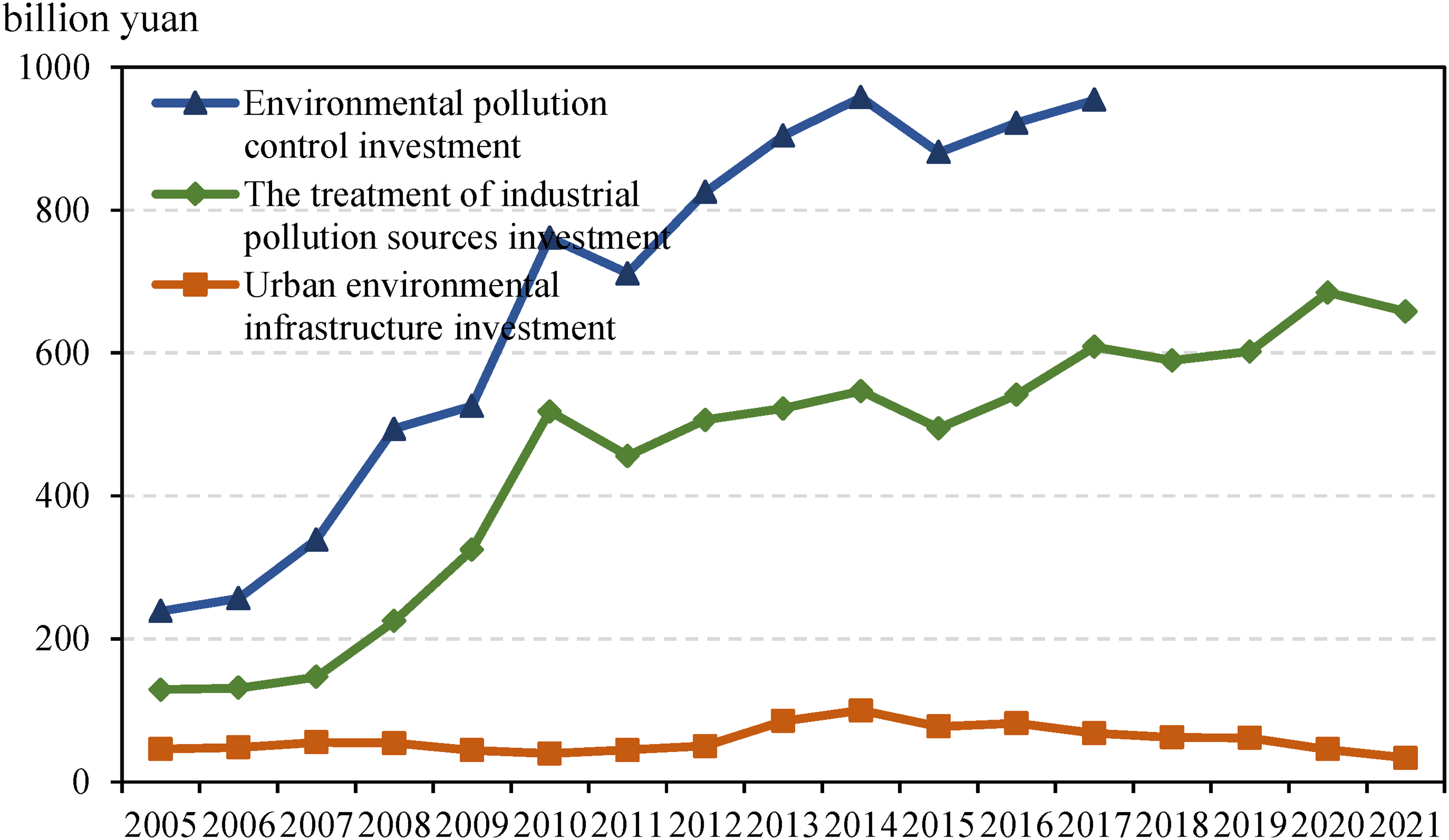
Development level curves of China's environmental-related investment from 2005 to 2021.
Currently, there is limited research on the relationship between investment and energy efficiency within specific target industries. Furthermore, there is a lack of investigation into the impact of an integrated green investment on energy efficiency. Considering the intricate environmental externalities and the diverse range of methods to address environmental problems, green investments should be recognized as an essential factor affecting energy efficiency. However, there has been little discussion on how environmental investment impacts energy efficiency and the internal mechanisms involved. This article seeks to address these gaps by analyzing the impact of green investment on energy efficiency based on panel data of 30 provinces in China from 2006 to 2019. The objective is to better understand the internal mechanisms by which green investments influence energy efficiency. To achieve this, this article will explore the influence of green investment on energy efficiency using a generalized method of moments (GMM) technique. Additionally, this article will investigate the mediating mechanism, moderating effects of the digital economy, and the nonlinear relationship between green investment and energy efficiency. By answering questions such as whether green investment is a critical influence on energy efficiency and what pathways it affects energy efficiency, this article aims to contribute to the literature on green investment and energy efficiency.
Our econometric results make several important research contributions. First, we investigate the impact of green investment on energy efficiency in a novel way, filling gaps in the existing literature and generating fresh data for academics and government agencies. Second, we analyze the effects of green investment on energy efficiency through two channels: research and development (R&D) intensity and technological innovation. This approach identifies promising areas for green investment and provides valuable guidance for scholars and policymakers. Third, we explore the claim that the positive effects of green investments on energy efficiency depend on the state of the digital economy. The preceding provides valuable assistance in ensuring an environmentally sustainable society within the prospective backdrop of the era characterized by digitization and technological advancement. Additionally, it furnishes valuable points of reference for governmental endeavors toward achieving future-oriented eco-friendly development.
The remainder of this article is structured as follows. The next section provides an overview of the relevant literature on green investment and its relationship to energy efficiency. In the Section “Methodology and data,” we introduce the models and variables used in this study. Section “Empirical results” presents our empirical findings, followed by a detailed discussion in Section “Further discussions.” Finally, the last section offers our conclusions and policy recommendations.
Literature review
Research on energy efficiency
Energy and carbon emissions are now the focus of attention, and the issue of efficiency is crucial (Chen et al., 2023; Dong et al., 2023; Khan et al., 2021; Zhao et al., 2022). Governments and academics have shown great interest in promoting energy efficiency in recent years, resulting in a growing body of literature using parametric and nonparametric frontier methods to measure economic efficiency (Filippini and Hunt, 2015). One widely used approach is the stochastic frontier method, which has been applied in various studies such as Buck and Young (2007), who examined energy efficiency in Canadian commercial buildings, and Filippini and Hunt (2012), who estimated residential energy demand in the United States. Another approach is the nonparametric method, commonly used in data envelopment analysis (DEA) (Murillo-Zamorano, 2004). DEA has become increasingly popular in energy and environmental research, as indicated in a recent literature review by Zhou et al. (2008). Mardani et al. (2017) also reviewed and measured DEA models regarding energy efficiency. For example, Hu and Wang (2006) analyzed the total-factor energy efficiency of 29 provinces in China for the period of 1995–2002 using labor, capital stock, energy consumption, and total sown area of farm crops as inputs and real GDP as output. Zhou and Ang (2008) measured the economy-wide energy efficiency performance of 21 OECD countries by treating different energy resources as different inputs. Shi et al. (2010) measured the industrial energy efficiency of 28 administrative regions and found that the east region had the best average energy efficiency. Wu et al. (2014) investigated the energy utilization efficiency of 30 provinces in China using DEA and Malmquist indices, emphasizing regional technical efficiency. While deviations in cost and production functions can affect the results of parametric models, DEA is attractive in the energy efficiency literature as a nonparametric approach. Therefore, this article will employ the DEA technique to explore energy efficiency.
Research on nexus between green investment and energy efficiency
There remains a lack of consensus surrounding the precise definition of green investment. In essence, it refers to investments aimed at reducing greenhouse gas and air pollutant emissions while maintaining current levels of nonenergy product production and consumption, encompassing private and public investment (Eyraud et al., 2013). Pang et al. (2022) operationalize green investment comprising total energy and environmental protection investment. Fan et al. (2022) scrutinize the investors and investment objects of green investment, dividing objects into three categories: urban infrastructure, pollution control, and environmental facilities. Likewise, according to Liao and Shi (2018) and Ren et al. (2022), green investment can be categorized into three components: environmental pollution control, renewable energy investment, and traditional hydropower investment. However, there remains a lack of a unified definition and measurement criteria regarding the scope of green investment.
As global scholars increasingly focus on climate change and sustainable development, the relationship between green investment and energy efficiency has become a primary subject of debate, with energy efficiency investments and their effectiveness being a focal point. Most studies on the impact of green investment and energy efficiency have centered on decision-making. At the individual level, Ameli and Brandt (2015) examined the determinants of households’ investment in energy efficiency. At the firm level, Cooremans (2012) focused on investment characteristics and proposed a new approach to promote energy efficiency investments. At the industry level, Velthuijsen (1993) listed incentives for investment in energy efficiency and applied a novel econometric evaluation model to different industries. Moreover, Li et al. (2019) confirmed that tourism investment is a contributing factor in enhancing energy efficiency across the transportation and residential sectors. Finally, Xu et al. (2022) empirically demonstrated that information and communication technology (ICT) capital can enhance carbon emission efficiency, pure technical efficiency, scale efficiency, and technological progress.
In the realm of macroeconomics, the topics of green finance and energy efficiency have gained the attention of several scholars. Wang and Wu (2022) define environmental investment as the total investment made towards environmental pollution control, positing that recent environmental investments have bolstered energy efficiency. Yu et al. (2022) have explored the role of sustainable investments and have concluded that the impact of investment on energy efficiency within the study period hinges on the degree of financial advancement. Rasoulinezhad and Taghizadeh-Hesary (2022) have shown that green finance can be an effective tool in promoting green energy projects and significantly reducing CO2 emissions through the use of the population, affluence, and technology (STIRPAT) model. However, sure researchers have found that due to many underlying issues, green financing may not be an effective tool in many developing nations. For instance, Akalpler and Hove (2019) discovered that in India's climate action plan, the lack of regulations and a financial void in the private sector rendered green bonds irrelevant to sustainable development goals (SDGs).
Literature gaps
Thus far, there has been limited consensus on the causal linkages between green investment and energy efficiency, and several research gaps persist in this domain. Firstly, there is a dearth of research at the provincial level that examines the interplay between green investment and energy efficiency. Secondly, some studies have treated green investment as a unidimensional metric rather than a multifaceted system. It is noteworthy that environmental investment can positively impact energy efficiency, yet the pathway through which this occurs has not been adequately explored in existing literature.
Methodology and data
Econometric model
Ehrlich and Holdren (1971) proposed the IPAT model, a conceptual framework that quantifies the effects of human activity on the environment as the result of three factors: population (





Further, to test the moderating role of the digital economy on the impact of green investment on energy efficiency, this study constructs the following moderating effect model. Equation (6) indicates the influence of the digital economy (

Moreover, Hansen's threshold test method was chosen to explore whether the nonlinear correlation between green investment and energy efficiency exists. The digital economy (

Variable measures and data resources
This article employs provincial balance panel data covering China's 30 provinces (Tibet, Hong Kong, Macao, and Taiwan are excluded due to the unavailability of data) to investigate the influence of green investment on energy efficiency from 2006 to 2019.
Dependent variable
Drawing on the existing work (Wang et al., 2022b), this article measures energy efficiency by using the most extensive DEA among nonparametric methods. Besides, this measurement method is widely employed in the previous literature. In general, the indexes of energy efficiency are obtained from the super efficiency slacks-based measure (SBM) model as follows (Lee and Lee, 2022; Li et al., 2013):
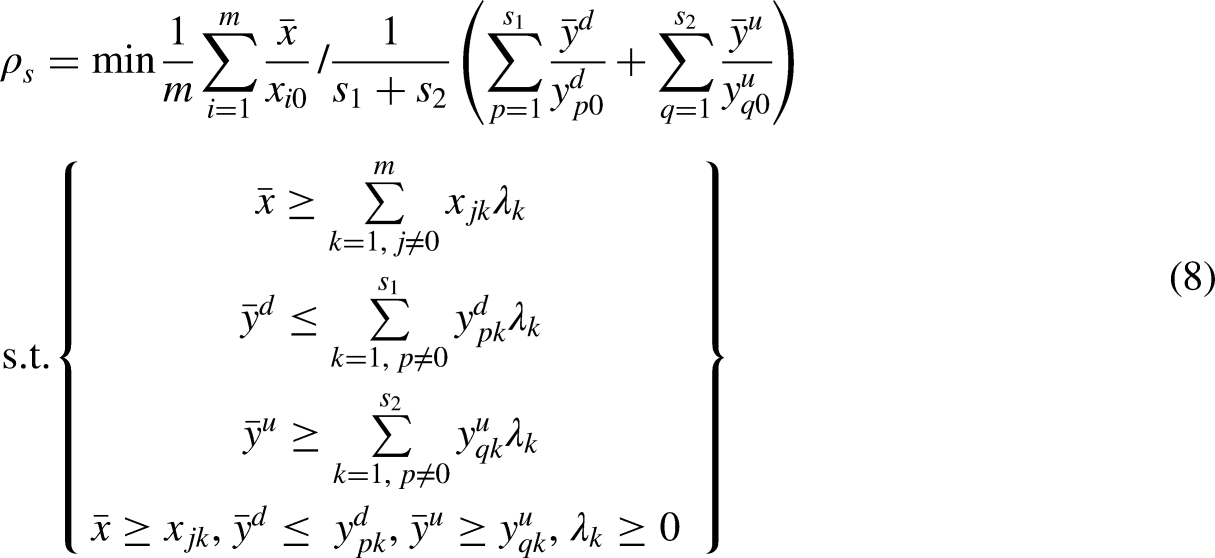
Based on previous research, this study assesses energy efficiency using three input factors: one desirable output, and one undesirable output, as presented in Table 1. The number of workers in each province is utilized as a proxy for labor input, investment in fixed assets is used as a proxy for capital input, and total energy utilization is considered a proxy for energy intakes, in line with Lee and Lee (2022) recommendations. The perpetual inventory method, with 2002 as the base year, is employed to calculate the capital stock. All economic data has been adjusted to reflect constant prices for 2006. Compared with the traditional method of using GDP/energy consumption, the DEA model used in this article takes into account both input and output variables, which is more objective and real to reflect the real situation of energy efficiency.
Indicators for measuring energy efficiency.
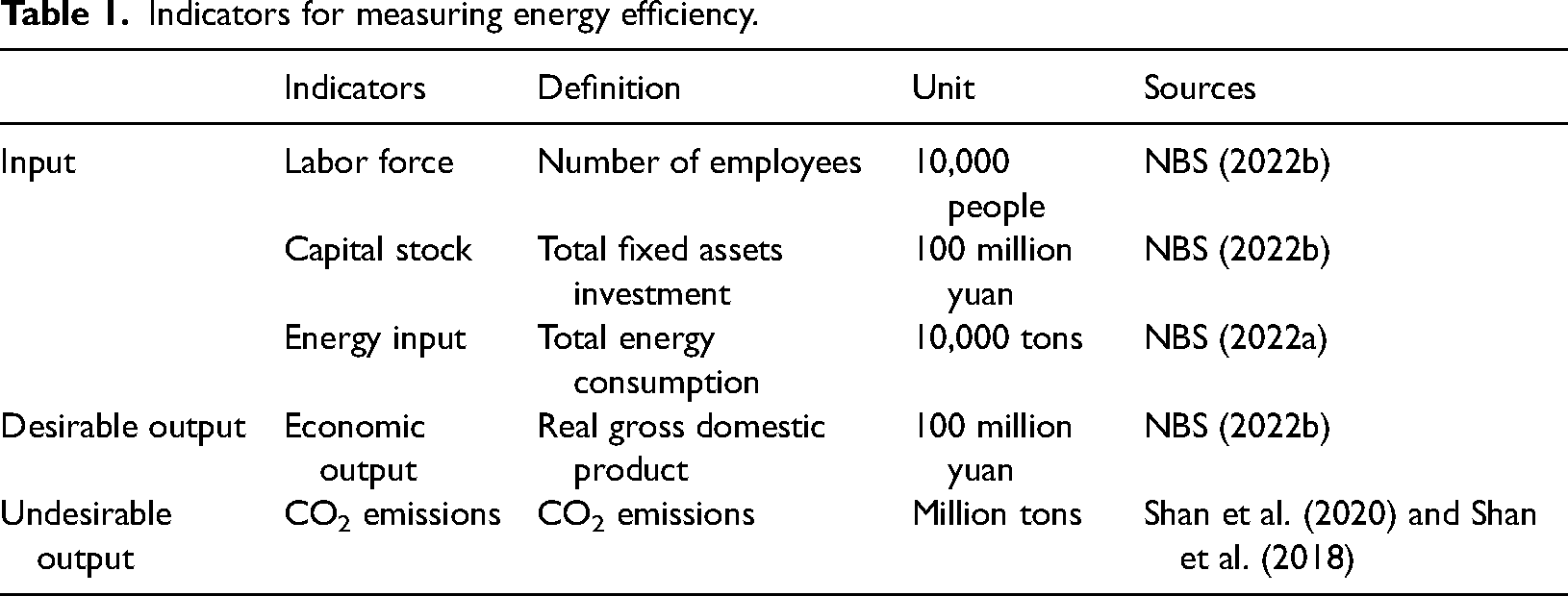
Figure 2 shows the range of energy efficiency changes for 30 provinces for selected years. The results show a significant upward trend in energy efficiency overall, with increasingly significant local disparities.
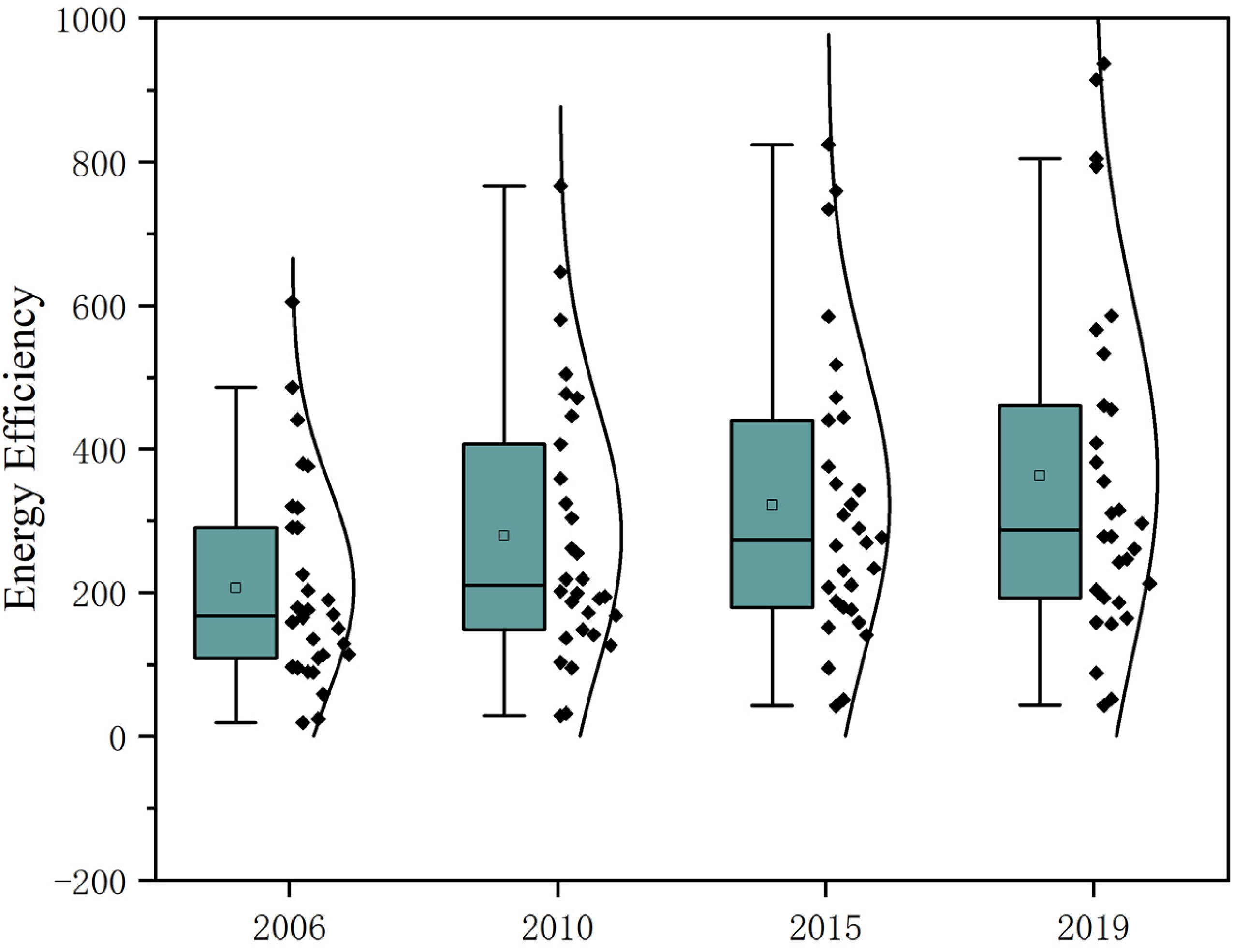
Range of energy efficiency changes in 30 Chinese provinces in 2006, 2010, 2015, and 2019.
Independent variable
Based on Ren et al. (2022), this article examines green investment using three distinct aspects: investment in environmental pollution control, investment in renewable energy, and investment in carbon sequestration. Investment in environmental pollution control encompasses investment in urban environmental infrastructure construction and the treatment of industrial pollution. The data on environmental pollution control investment is sourced from the China Statistical Yearbook on Environment. Given that water hydroelectric power generation accounts for over 60% of total new energy generation and data availability, this study substitutes investment in renewable energy with investment in water conservancy construction. Specifically, the study collects traditional hydropower investment data from the Almanac of China's Water Power. As forests serve as the largest carbon reservoir in terrestrial ecosystems, investment in forest construction is utilized as an indicator of carbon sequestration. The forest construction investment data is obtained from the China Forestry and Grassland Statistical Yearbook. Finally, the article aggregates the three aspects of investment and uses the fixed asset investment index to adjust for inflation.
Mediating and moderating variables
In this study, technology innovation (
Furthermore, the growth of the Internet has the potential to advance China's energy sector to higher standards and reduce carbon emissions, as the rapid development of the digital economy can greatly impact the allocation of resources and human capital. Numerous published studies have emphasized the role of digitalization in low-carbon development and enhancing energy efficiency (Hassan et al., 2022; Wang et al., 2022b). Consequently, digitalization was chosen as a moderator to further examine the correlation between green investment and energy efficiency. The digital economy in this article is defined as an economic form that relies on information and data as its foundation, utilizing modern information technology methods such as the Internet to drive economic growth, innovation, and reform. It is a multi-dimensional metric. In line with Wang et al. (2022a)'s research, this article employs the entropy method to construct a comprehensive digital economy index consisting of four aspects: infrastructure, innovation and application, social impact, and digital employment.
Other control variables
Urbanization (
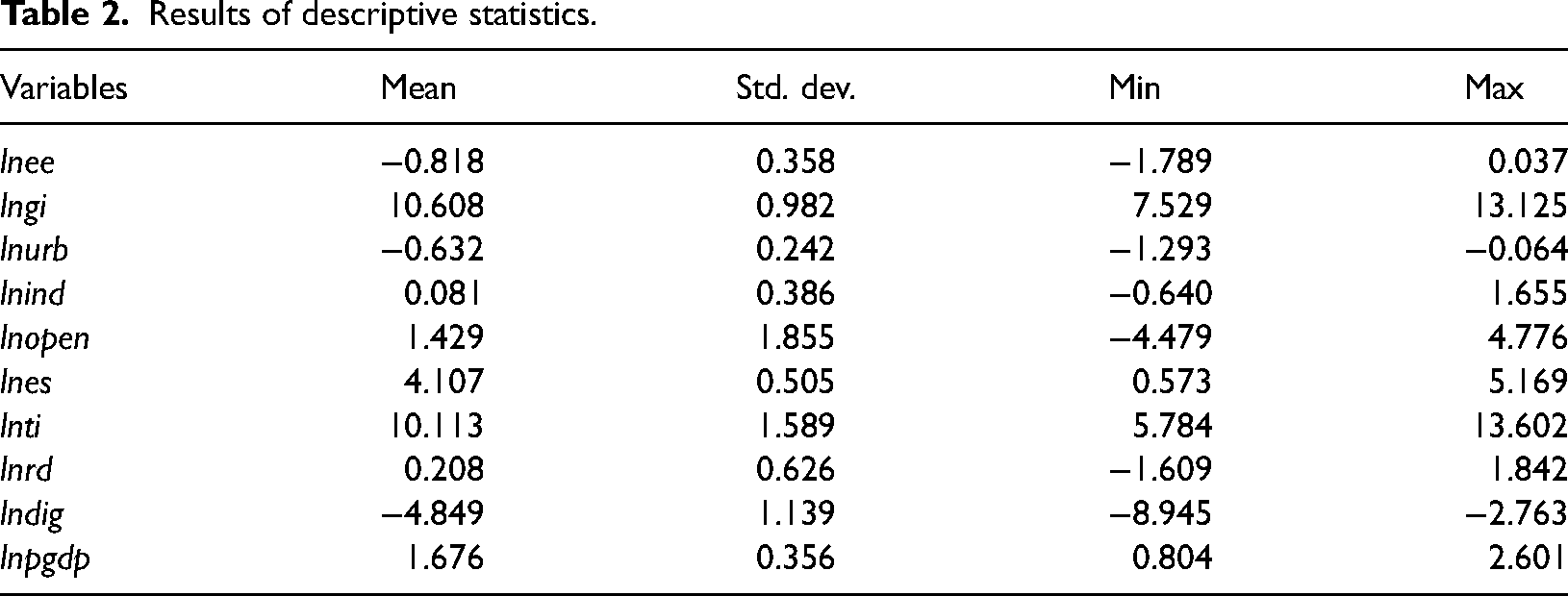
Table 2 shows the results of descriptive statistics for the variables utilized in this article.
Results of descriptive statistics.
Empirical results
Benchmark regression
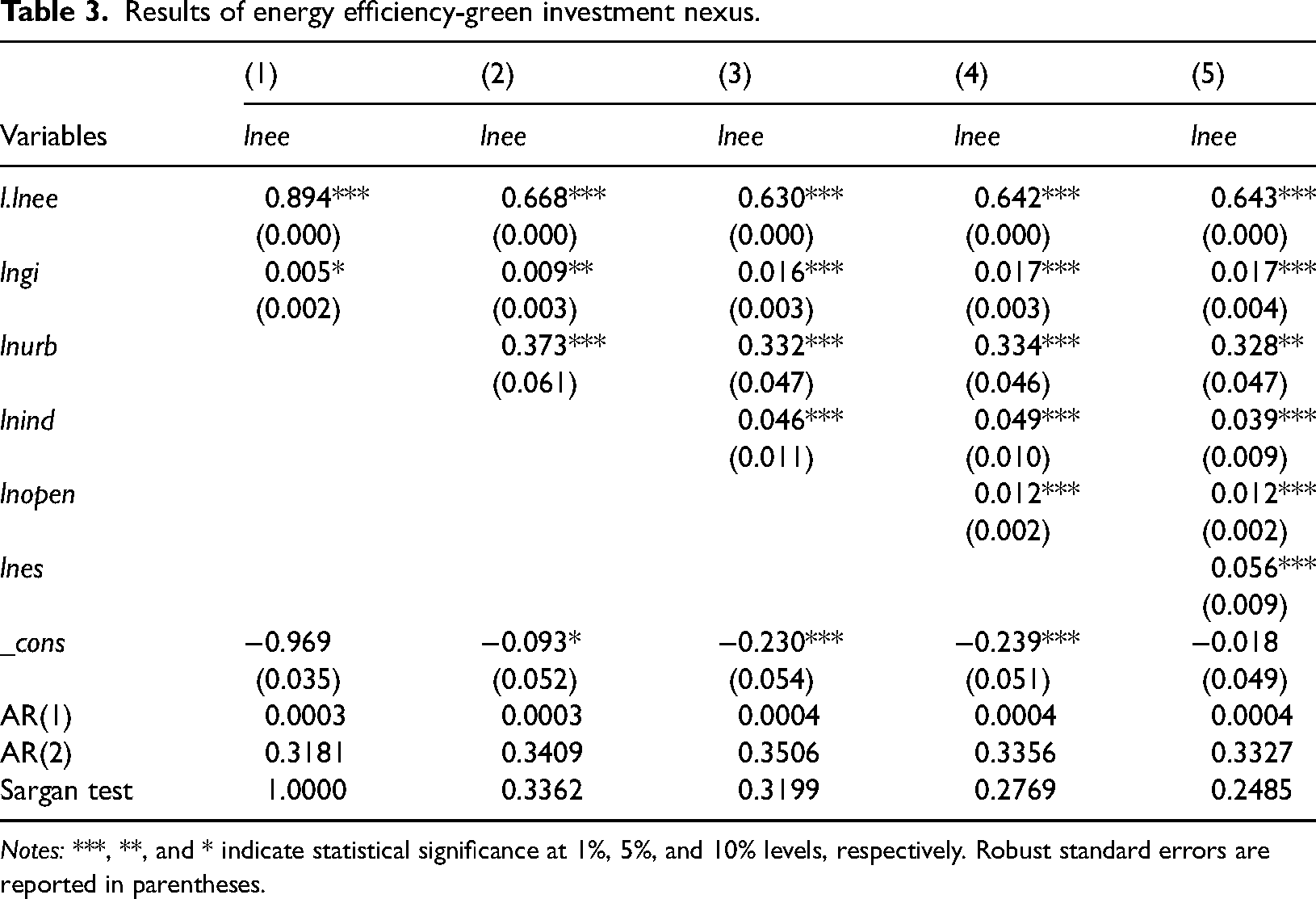
Table 3 illustrates the impact of green investment on energy efficiency, with the GMM technique used to estimate the results. To ensure the accuracy of the GMM estimator, two tests are conducted in this study: the Arellano–Bond test and the Sargan test (Ren et al., 2023c). The validity of the GMM estimator relies on the absence of autocorrelation and the exogeneity of the instruments. Our results show that the p-value of AR(1) is significant, while the p-value of AR(2) is above 0.1. This indicates that the error terms from two different periods are uncorrelated, and the null hypothesis is accepted. The Sargan test does not show any significance, which implies that the instruments used in the estimation are exogenous. The Sargan test and Arellano–Bond test values further confirm the validity of our instruments.
Results of energy efficiency-green investment nexus.
Notes: ***, **, and * indicate statistical significance at 1%, 5%, and 10% levels, respectively. Robust standard errors are reported in parentheses.
The results of stepwise estimations suggest a significant positive relationship between green investment (
For the control variables, there are significantly positive correlations between industrial structure (
Robustness analysis
Robustness test I: environmental pollution control investment
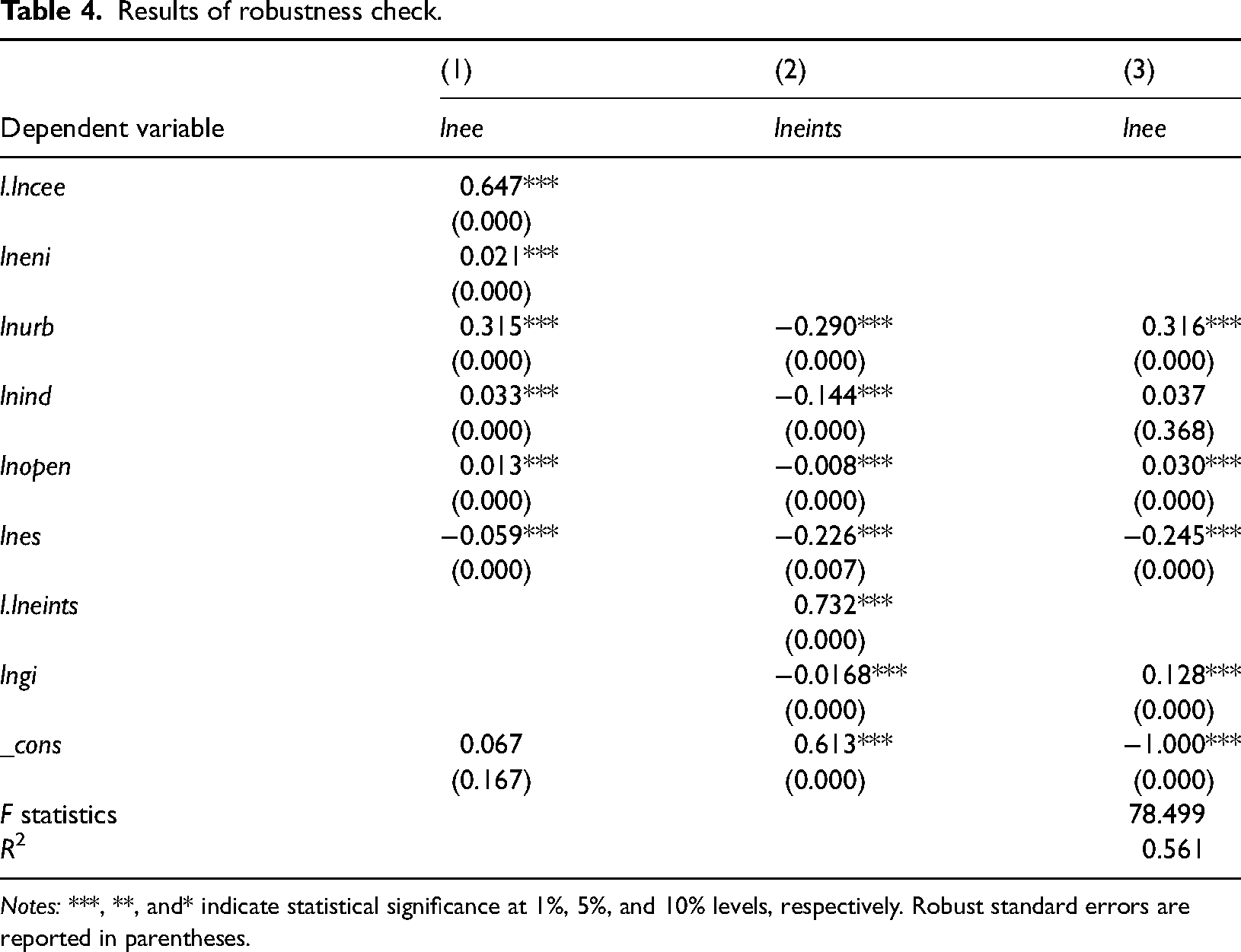
To further enhance the validity of our conclusion, we conducted a series of robustness tests. Instead of relying solely on green investment, we utilized environmental pollution control investment from the China Environmental Statistics Yearbook as a measure of environmental protection expenditure. The results, presented in column (1) of Table 4, demonstrate that the coefficient of environmental pollution control investment (
Results of robustness check.
Notes: ***, **, and* indicate statistical significance at 1%, 5%, and 10% levels, respectively. Robust standard errors are reported in parentheses.
Robustness test II: energy intensity
To account for the potential opposing relationship between energy intensity and energy efficiency, this article utilized energy intensity as the dependent variable. Energy intensity refers to the amount of energy consumption required to produce economic output. As shown in column (2) of Table 4, the GMM technique yielded robust results, confirming the validity of our findings.
Robustness test III: IV-GMM technique
In this section, we employed the instrumental variable-generalized method of moments (IV-GMM) technique to verify the robustness of the results obtained through the GMM approach. In the case of unknown heteroskedasticity, IV-GMM provides effective results and resists autocorrelation (Baum et al., 2003). Additionally, IV-GMM addresses the problem of variable omission bias and offers reliable outcomes (Muhammad et al., 2022). Instruments are used to address the potential endogeneity issue, which may arise due to the possibility that improvements in energy efficiency could also influence a company's green investment decisions. The results, presented in column (3) of Table 4, revealed that the coefficient of green investment remained positively significant at the 1% level. This finding confirms that green investment has a positive impact on energy efficiency.
Mediating effect analysis
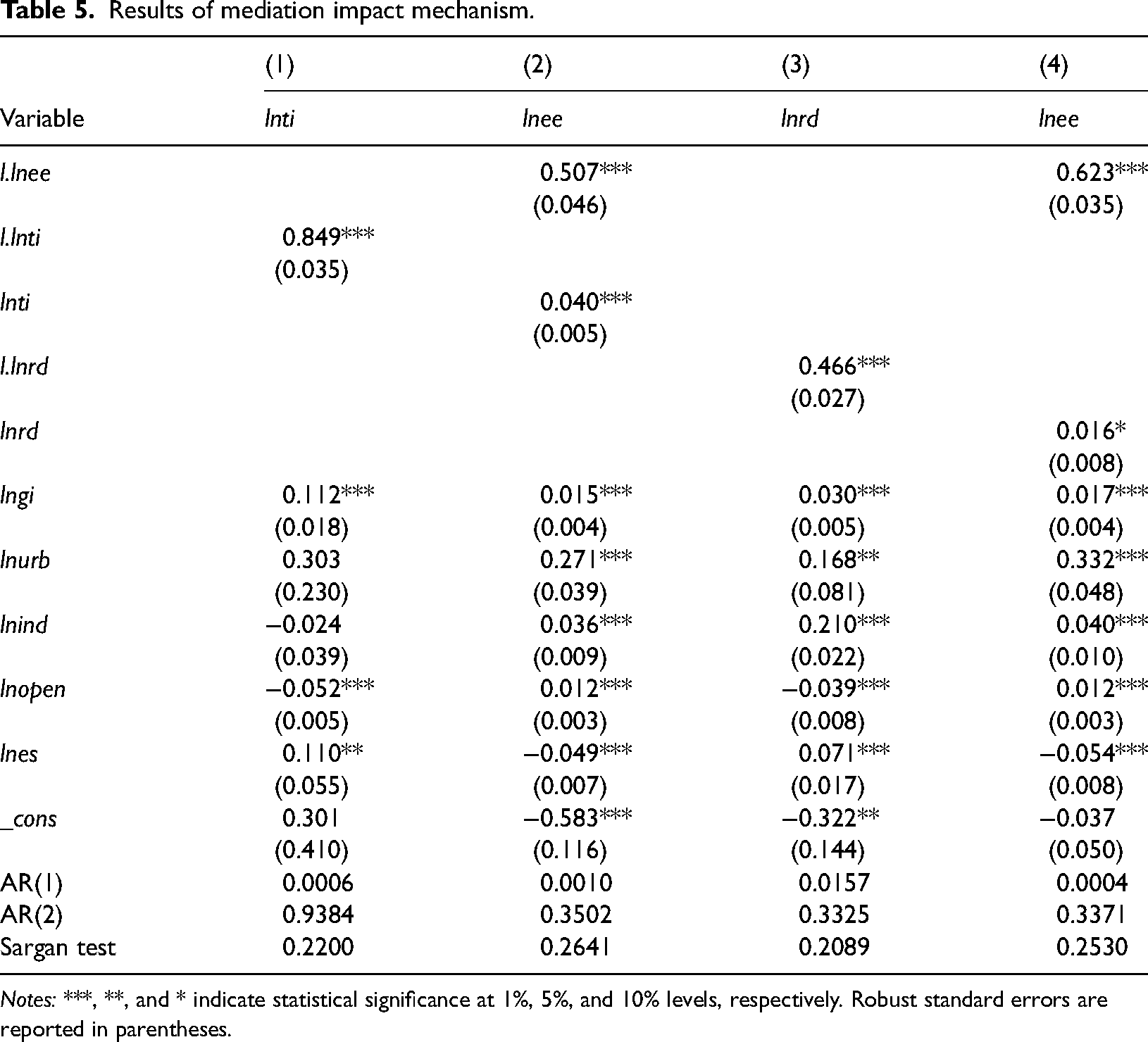
Columns (1) and (2) in Table 5 check the impact of technology innovation in the course of green investment affecting energy efficiency as a mediator; columns (3) and (4) show the mediating role of R&D intensity. We opted for these two mediators primarily because, on the one hand, green investments typically involve the introduction and application of novel technologies, affording enterprises a competitive edge within the green market and thereby contributing to the optimization of resource utilization. On the other hand, government initiatives towards green investments often coincide with the promotion of R&D activities, encompassing mechanisms such as tax incentives, subsidies, and the mitigation of regulatory obstacles, thereby fostering the development of the green economy.
Results of mediation impact mechanism.
Notes: ***, **, and * indicate statistical significance at 1%, 5%, and 10% levels, respectively. Robust standard errors are reported in parentheses.
Mediating effect of technology innovation
Column (1) in Table 5 shows that green investment has a positive impact on technology innovation, corroborating the finding of Ren et al. (2022). One possible explanation for this could be that green investment, mainly from the government, can influence the direction and process of technology innovation by affecting the industry's scale, structure, and demand from consumers and the public. Moving on to column (2), we observe that technology innovation and green investment coefficients are significantly positive. The progress in technology can enhance energy efficiency by increasing the marginal output growth rate of the factor input and improving the energy allocation efficiency (Shao et al., 2016; Wang and Wang, 2020). Therefore, technology innovation may mediate between green innovation and energy efficiency. This result aligns with the findings of Pan et al. (2019) and Wang et al. (2022b), indicating that technological innovation has contributed to improving energy efficiency or carbon emission efficiency.
Mediating effect of research and development intensity
Given the empirical evidence of a mutual relationship between R&D intensity and technology innovation (Liu and Xia, 2018), it is imperative to consider R&D intensity as a mediating factor that moderates the impact of green investment on improving energy efficiency. The results presented in column (3) of Table 5 reveal a significantly positive coefficient of green investment at the 1% significance level, indicating that green investment can enhance the level of R&D intensity. This outcome could be attributed to the orientation of government funding, where green investment generates a substantial quantity of high-tech green sectors, leading to significant government investment in capital and projects to advance green technology research and development. Moreover, the influence coefficients of green investment and R&D intensity on energy efficiency are significant, as shown in column (4) of Table 5. Thus, green investment can enhance energy efficiency by augmenting R&D intensity. The empirical findings exhibit noteworthy similarities with those of Safitri et al. (2020), who confirm the positive and significant effect of R&D intensity on eco-efficiency. Furthermore, previous research has established that R&D intensity requires a prolonged period to work (Liu and Xia, 2018; Song et al., 2019), underscoring the importance of increasing R&D intensity while focusing on green development.
Further discussions
Moderating role of digital economy
Table 6 presents the results of the regression analysis, which examines the interaction between green investment and the digital economy. The coefficient of the interaction term,
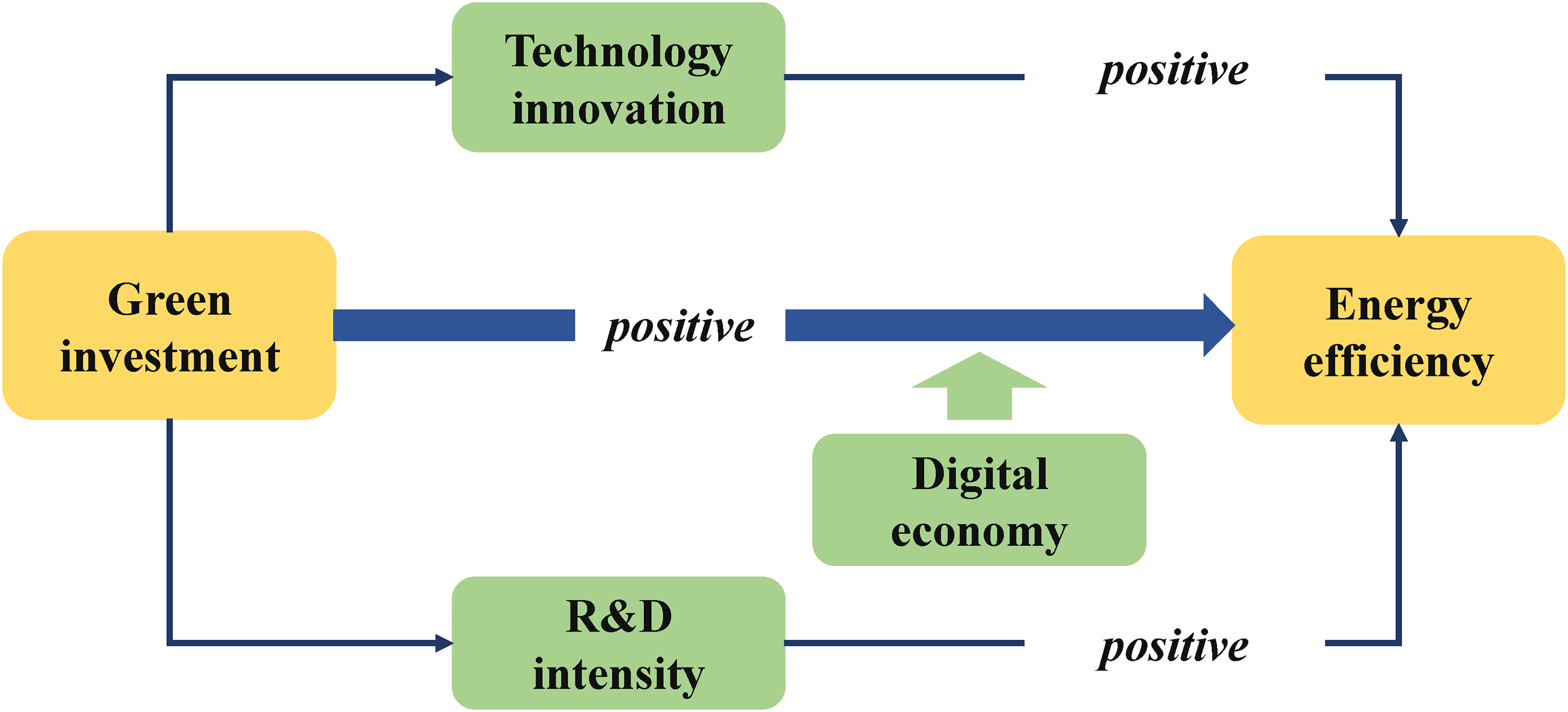
The impact mechanism diagram of the green investment's effects on energy efficiency.
Results of moderation impact of digital industry.
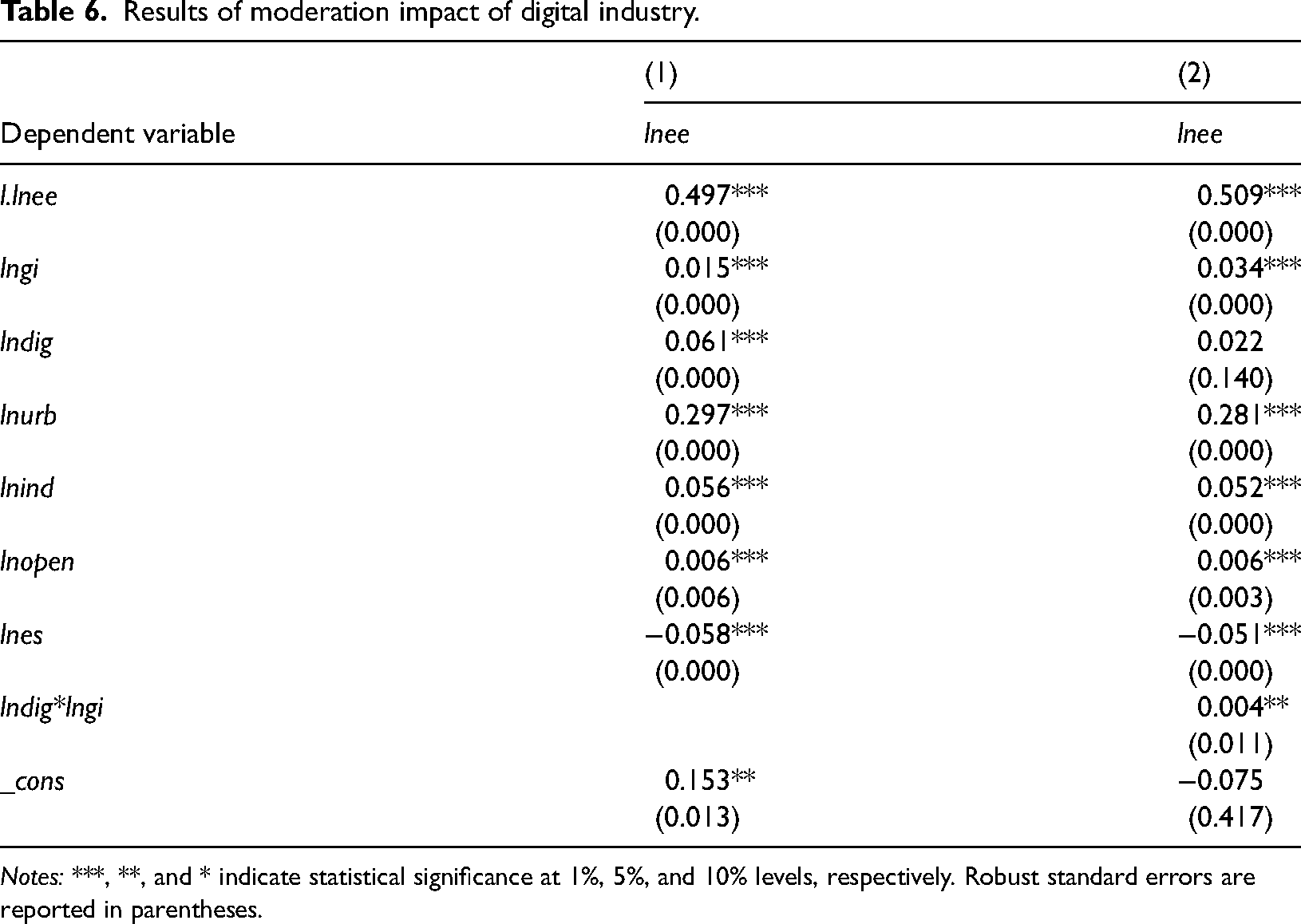
Notes: ***, **, and * indicate statistical significance at 1%, 5%, and 10% levels, respectively. Robust standard errors are reported in parentheses.
Threshold effect analysis
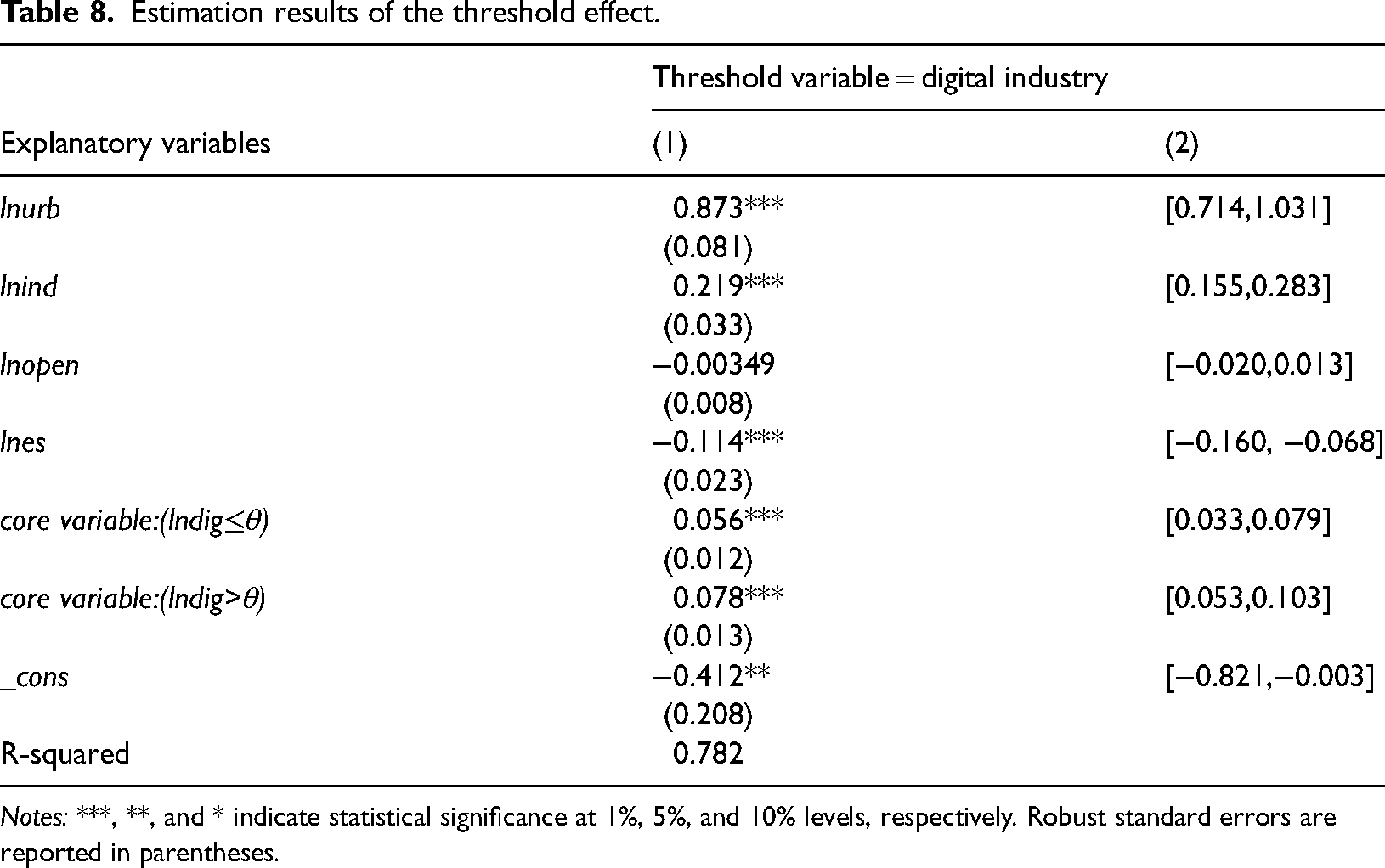
The estimated tests for threshold effects are presented in Table 7. In this study, we utilized the likelihood ratio (LR) test to determine the optimal number of threshold effects, as depicted in Figure 4. Based on the results, the single threshold passed the significant test, whereas the dual threshold failed in both models. Therefore, it is justifiable to select the single threshold test. The estimated outcomes are provided in Table 8.
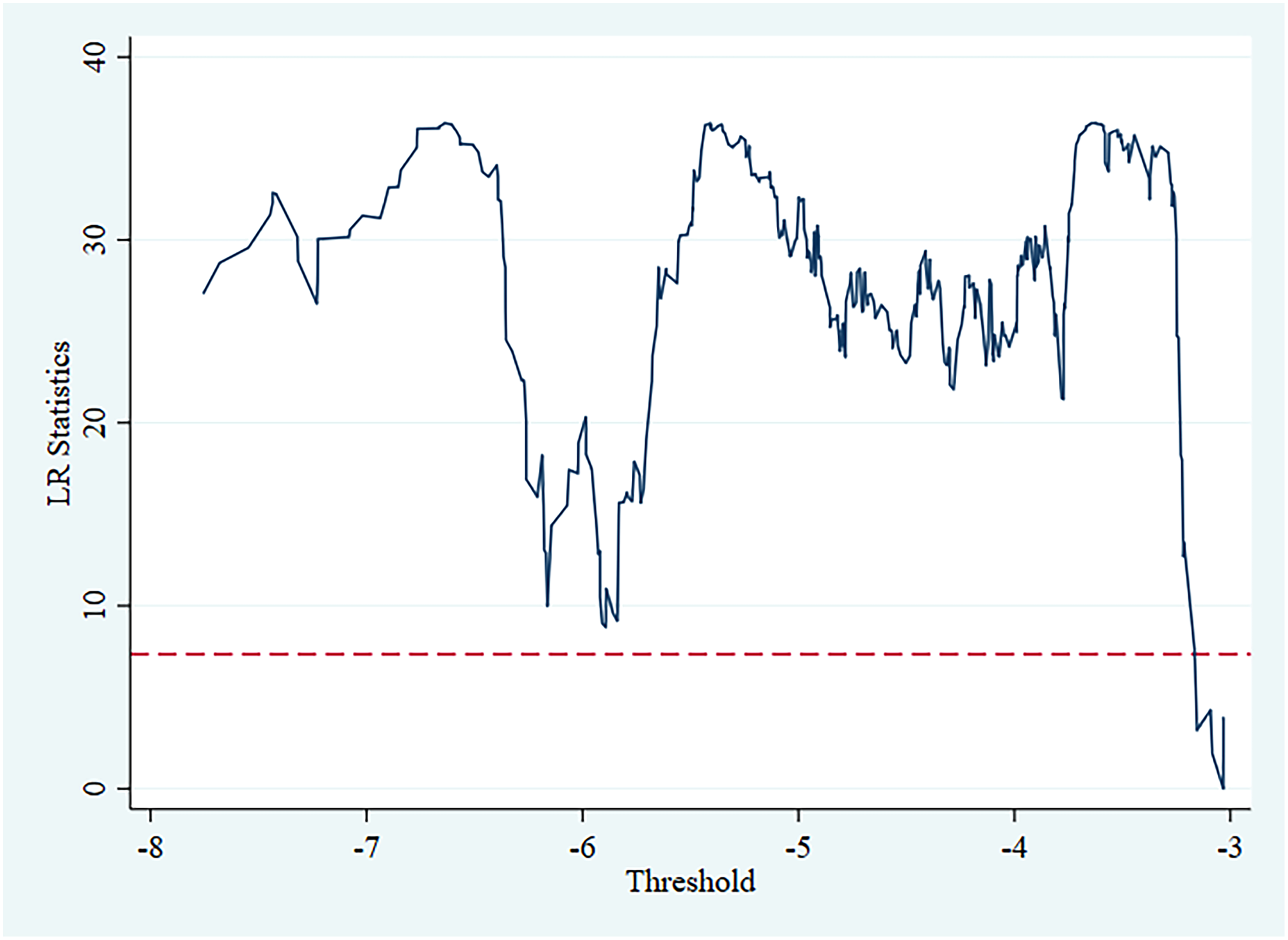
The LR graph of the threshold within the 95% confidence interval.
Threshold affects test results.
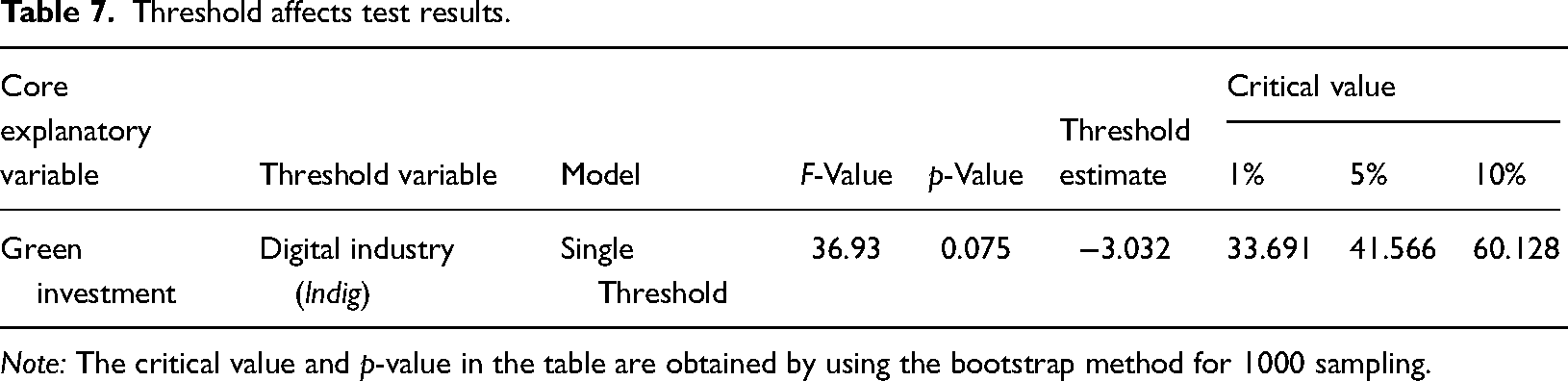
Note: The critical value and p-value in the table are obtained by using the bootstrap method for 1000 sampling.
Estimation results of the threshold effect.
Notes: ***, **, and * indicate statistical significance at 1%, 5%, and 10% levels, respectively. Robust standard errors are reported in parentheses.
Columns (1) and (2) of Table 8 confirm the threshold effect of the digital economy. When the digital economy index (
Conclusions and policy implications
Conclusions
This article provides a description and the potential mechanism for the impact of green investment on energy efficiency in 30 provinces from 2006 to 2019 by using a GMM technique to investigate. The following conclusions can be drawn from the above analysis. (1) Based on the panel data of 30 provinces in China, a strong relationship between green investment and energy efficiency has been reported in this article. (2) Technological innovation and R&D intensity play important mediating roles in the relationship between green investment and energy efficiency in China. (3) The digital economy moderates the effect of green investment on energy efficiency. (4) The results of threshold effect tests support the idea that regions with higher digital economy have more efficiency on the energy efficiency of green investment. These results suggest the asymmetric link and possible mechanism between green investment and energy efficiency.
Policy implications
These findings suggest several courses of action for achieving green and low-carbon development.
The Chinese government should give paramount importance to enhancing green investments and optimizing the efficacy of green funds utilization. To be more specific, it becomes imperative for the government to augment allocations towards environmental preservation, renewable energy generation, and carbon sequestration. Moreover, recognizing the pivotal role that technological innovation and intensified research and development play in advancing energy efficiency, it would be judicious for the government to contemplate augmenting financial support for research and development initiatives within academic institutions, research establishments, and technology enterprises. These investments are paramount in propelling strides towards heightened energy efficiency and bolstering sustainability. Green investment should be approached carefully considering the identified nonlinear correlation between green investment and energy efficiency. To be precise, our study reveals that regions characterized by elevated levels of economic development demonstrate enhanced proficiency in harnessing the potential of green investment. Conversely, heightened levels of energy efficiency might paradoxically engender inefficiencies in investment. This discernment holds the potential for strategic interventions to cultivate judicious utilization of green investment resources. Consequently, in pursuing green investment initiatives, governmental bodies ought to factor in the distinct economic developmental trajectories of various regions and the contextual energy dynamics. Such considerations are pivotal to steering a sustainable green transition and enhancing the efficacy of investment undertakings. Another pivotal revelation from this study pertains to the paramount influence of the digital economy. Our meticulous scrutiny through moderating effect analysis and threshold effect examination has unequivocally substantiated the pivotal stature of digital advancement in propelling energy efficiency. In light of this, it becomes imperative for the Chinese government to accord precedence to endeavors aimed at fortifying the digital industry's foundations and expediting the metamorphosis of conventional sectors through digital integration. This ambitious undertaking could encompass strategic investments in digital infrastructure, the cultivation of digital ingenuity, and the facilitation of seamless integration of digital technologies across multifarious sectors. These proactive measures would stand as indispensable enablers of sustainable progress and heightened energy efficiency across the entirety of the Chinese economic landscape.
Footnotes
Acknowledgements
The authors gratefully acknowledge the financial support provided by the National Social Science Foundation of China (Grant No. 20VGQ003). The authors acknowledge the useful comments from the editor and anonymous reviewers. Certainly, all remaining errors are their own.
Data availability statement
The data that support the findings of this study are available from the corresponding author upon reasonable request.
Declaration of conflicting interests
The authors declared no potential conflicts of interest with respect to the research, authorship, and/or publication of this article.
Funding
The authors disclosed receipt of the following financial support for the research, authorship, and/or publication of this article: The article is sponsored by the National Social Science Foundation of China (Grant No. 20VGQ003).
