




Abstract
Clarifying the main controlling factors of reservoirs and their oil-bearing potential is vital for predicting tight sandstone reservoirs. The Chang 8 reservoir in the southwest of Ordos Basin is a typical tight sandstone reservoir and is widely distributed. Observation description and sampling analysis of cores, the grain size analysis, casting thin section, scanning electron microscope, mercury pressure, nuclear magnetic resonance, and conventional physical analysis are used to clarify the main controlling factors and oil-bearing potential characteristics of the Chang 8 reservoir in southwest Ordos Basin. The results show that delta front subfacies are mainly developed in Chang 8 member, including distributary channel, natural dike, estuary bar and distributary bay. The main rock type of reservoir is lithic feldspathic sandstone, followed by feldspathic lithic sandstone. The types of reservoir space are mainly intergranular pores and intragranular dissolved pores, with a small amount of clay-related pores and micro-fractures. The average porosity and permeability of the reservoir are 11.67% and 0.52 × 10⁻³μm2, respectively. The reservoirs with high oil saturation are mainly distributary channels and thicker mouth bar sand bodies. Compaction is the main factor of reservoir compaction (porosity loss rate is 55.73%), followed by cementation (porosity loss rate is 29.23%). The favorable diagenesis is the dissolution of feldspar grains and some cement. The Chang 8 tight reservoir contains various nano-scale pore-throat. For tight reservoirs with similar physical properties, the pore-throat structure controls the oil saturation of the tight reservoir. Favorable conditions for tight sandstone reservoirs oil saturation include favorable sedimentary environment (distributary channel or thick mouth bar) and suitable microscopic pore characteristics.
Introduction
Unconventional oil and gas resources are increasingly prominent in the world energy structure, showing great potential (Eia, 2011; Jia et al., 2012; Zou et al., 2015). The unconventional oil and gas exploration and development model in North America, which is dominated by “'marine facies,” has led the global unconventional oil and gas exploration and development process. China's extraordinary scale innovation based on “terrestrial facies” will provide a theoretical basis for terrestrial oil and gas exploration and development (Zou et al., 2015). Triassic Yanchang Formation in Ordos Basin is a typical tight sandstone reservoir in China. Chang 8 reservoir is one of the most important units for increasing storage and production in Ordos Basin. Tight sandstone reservoir has attracted widespread attention from experts and researchers in China and abroad (Beard and Weyl, 1973; Ehrenberg, 1990; Henares et al., 2014; Spencer, 1989; Sun et al., 2009; Zhao, 2012; Zou et al., 2009, 2012). Currently, the study of the tight reservoir in the Ordos Basin has achieved fruitful results. Tight sandstone oil and gas reservoirs have no obvious traps and have extremely poor reservoir physical properties with multi-scale reservoir space types (Gao et al., 2013; Law and Crutis, 2002; Zhao, 2012; Zou et al., 2009, 2012). Many factors, including structural background, lithofacies, microscopic pore structure, etc., control the tight sandstone reservoir oil-bearing property (Henares et al., 2014; Law and Crutis, 2002; Zou et al., 2009). The evaluation criteria and main types of tight sandstone reservoirs have been clarified (Jia et al., 2012; Lin et al., 2023; Zou et al., 2012). The formation mechanism and enrichment rules of tight sandstone oil and gas in China have been discussed and summarized in detail (Bai et al., 2022; Chu et al., 2013; Ma et al., 2012; Zhu et al., 2019; Zou et al., 2012, 2015). The present situation, types and quantity of tight sandstone oil and gas resources in the Ordos basin have also been wholly recognized. The remaining resource series and regional distribution law have been predicted (Hui et al., 2019; Yang et al., 2017; Yao et al., 2018). Sedimentation, diagenesis, and hydrocarbon filling are the three major factors affecting reservoir physical properties, and they interact and influence each other (Chen et al., 2021; Liang et al., 2022; Ren et al., 1994; Shi et al., 2016; Wang 2023). High cement content, complex occurrence form, or poor dissolution degree of tight sandstone reservoirs are the key geological causes of poor reservoir physical properties and complex pore structure (Yang et al., 2017; Zhou et al., 2022). However, the above research results are either a summary of macro characteristics or an analysis of micro-mechanisms. There are few studies on the reservoir and its oil-bearing property combined with the two methods. Based on the above considerations, we use various analysis and testing methods, including comprehensive macro-sedimentary microfacies analysis and micro-reservoir structure evaluation, to explore the characteristics of tight reservoirs and their oil-bearing properties. The research results can provide a reference for predicting tight sandstone reservoirs.
Geological setting
The Ordos Basin was formed in the Palaeozoic and developed in the Mesozoic and Cenozoic in the North China Craton (Feng et al., 1999; Jia et al., 1997; Liu et al., 2009; Sun, 1981; Sun et al., 2009). The study area is located in the southwest of the Ordos basin. The structural division stretches across the Tianhuan depression, Yishan slope and Weibei uplift of the current basin (Figure 1). During the late Triassic period, Ordos basin developed a set of lacustrine and shallow water delta sedimentary fillings under the background of a stable inland Craton (Sun et al., 2009; Wang et al., 2013). The Chang 8 Member ranges in thickness between 80 and 100 m. (Figure 2). Lithologies are dominated by silty sandstone and mudstone of delta-front origin. Source rocks of the Chang 7 and Chang 9 members provided hydrocarbons to the Chang 8 reservoir, and the hydrocarbon generation pressures in the mudstone layers provided the necessary pressure to charge Chang 8 with hydrocarbons (Guo, 2017; Xiao et al., 2019).
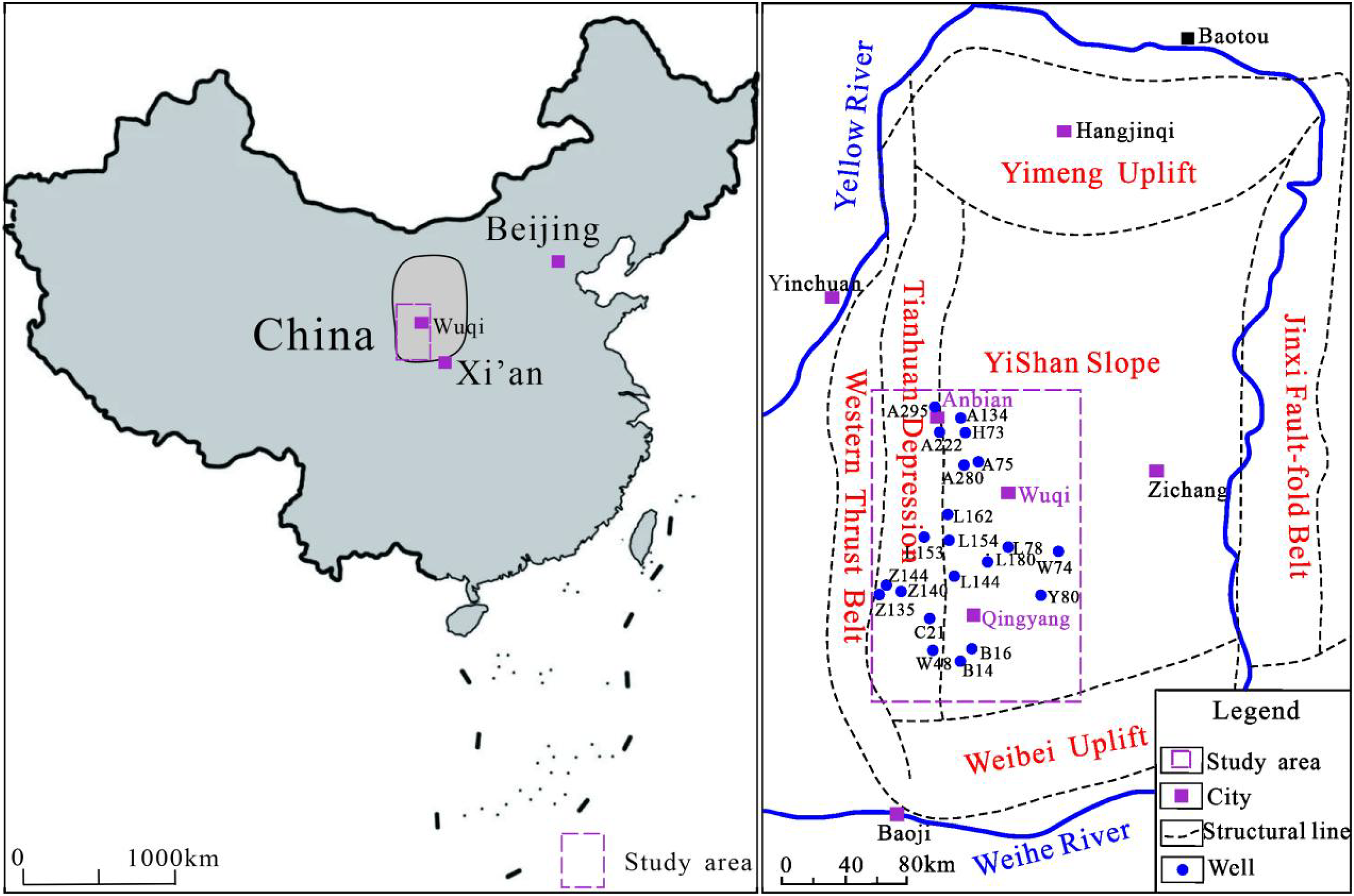
Structural location of the southwest Ordos Basin.
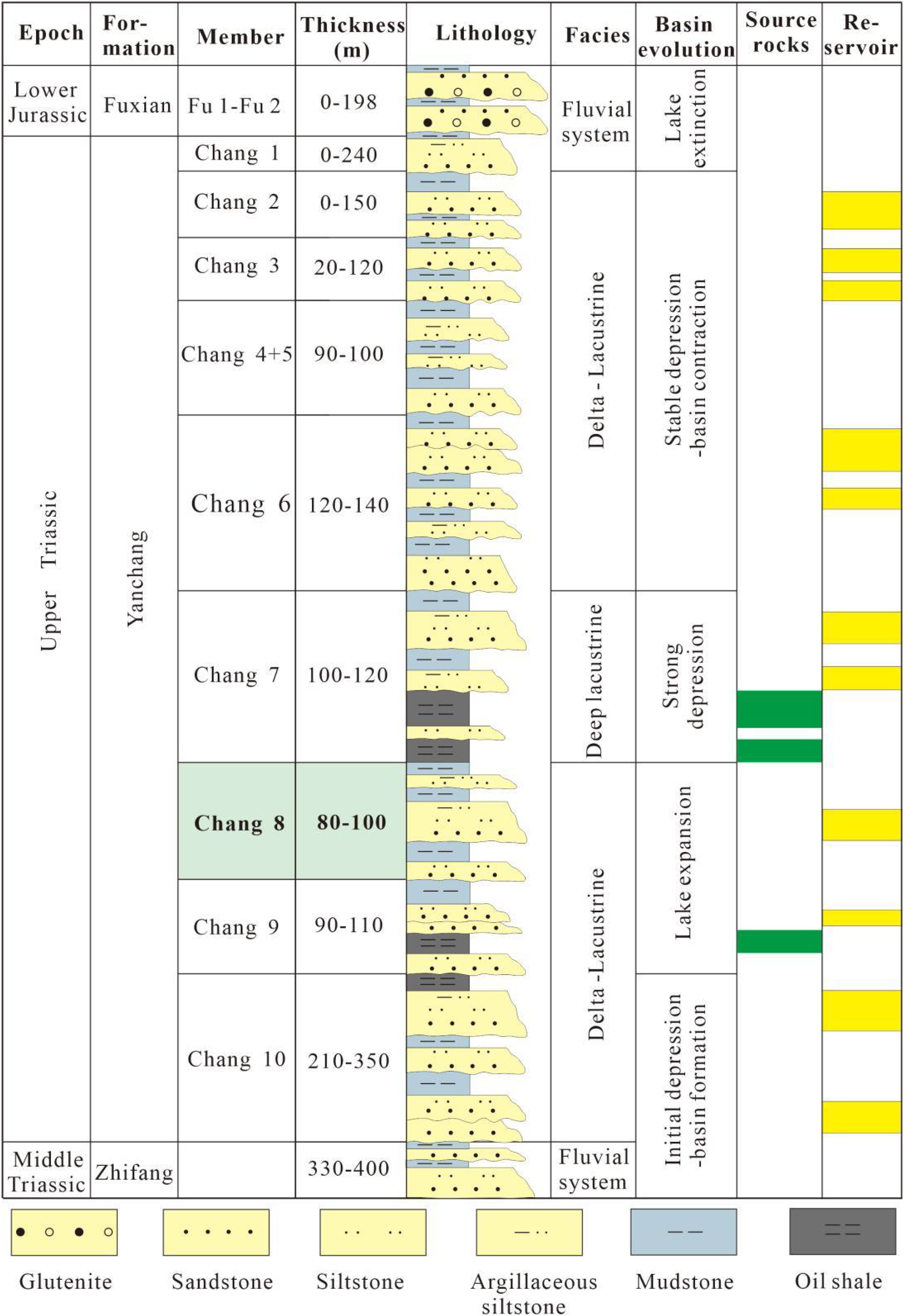
Stratigraphy and depositional environment of the Yanchang formation in Ordos Basin.
Data and methods
A detailed description of approximately 360 meters of core is provided to analyze sedimentary microfacies and oil bearing characteristics (from 23 oil wells). We selected 186 core samples (2.5 cm × 1.5 cm × 0.5 cm), grinding them into thin slices (0.03 mm thick) with SLKS-300, and analyzed them with LEICA-DM4500 to study their petrological characteristics, diagenesis and pore characteristics (25°C and 40% humidity). After analyzing the thin sections, the polished blocks and short columns on the fracture surfaces of 15 samples were observed by FEI-quanta-400 FEG scanning electron microscope (equipped with an energy spectrometer). The working voltage was 15 to 20 kv. The porosity and permeability measurements from the 186 cores samples were made at ambient and confined conditions using the Boyle's Law method with helium as a gaseous medium. The determination methods of oil saturation include oil-based mud drilling coring and logging interpretation. The former is used to determine the oil saturation of rock samples, and the latter is used for comprehensive logging interpretation based on sample analysis. Twenty-four samples were collected for mercury injection and six samples for nuclear magnetic resonance (NMR). The mercury porosimeter model is Auto PoreIV9520 and the maximum mercury injection pressure is 200 MPa (surface tension strength, 0.48 n/m; wetting angle, 140 48°). The NMR instrument model is Maran Drx2; the waiting time is 3000 ms and the echo time is 300 ms (echoes:1024, scans:64, gain:50). After the sample is saturated with simulated formation water for 24 h, the transverse relaxation time T2 distribution is measured. The T2 spectra were then measured by centrifuging the samples at 300 psi for 3 h (Figure 3).
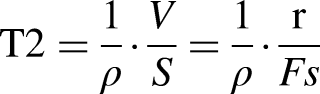
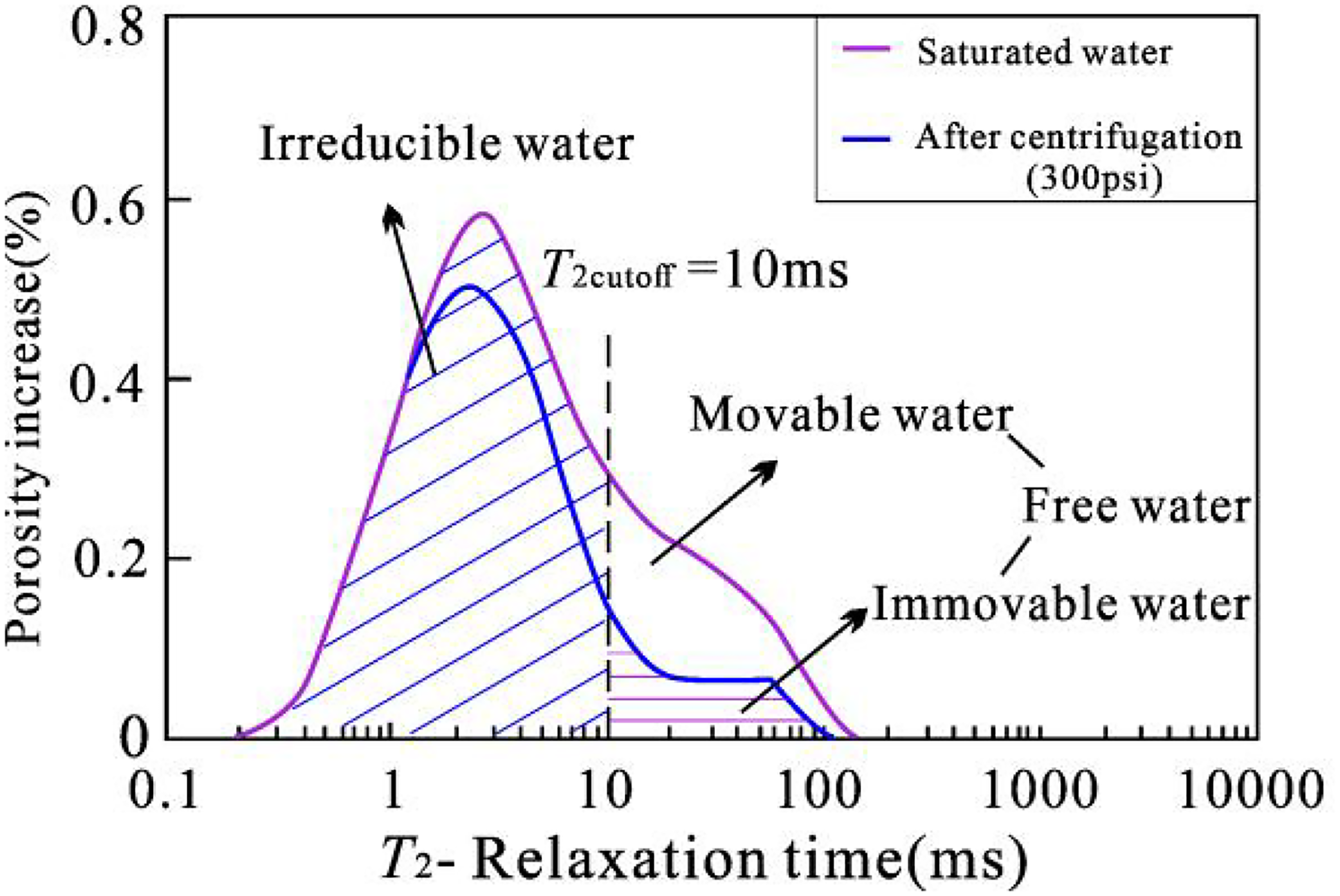
T2 spectra and distribution for different waters.
T2 : transverse relaxation time; ρ:surface relaxation rate; Fs:pore type.
T2 = C·r
C:conversion coefficient; r: radius.
NMR-bound water and free water saturations were determined by the difference in the NMR signals at T2 of the samples before and after centrifugation (George, 1999; Lai et al., 2018). The distribution of T2 cutoffs for sandstone samples ranges from 3.4 ms to 10 ms (Figure 4). Characterization of microscopic pore-throat technology by high-pressure mercury intrusion and NMR is based on the similarity of the two distribution curves. The mercury intrusion curve calibrates the NMR T2 spectral curve and its coordinate system is converted from relaxation time-amplitude to pore-throat size-volume ratio.
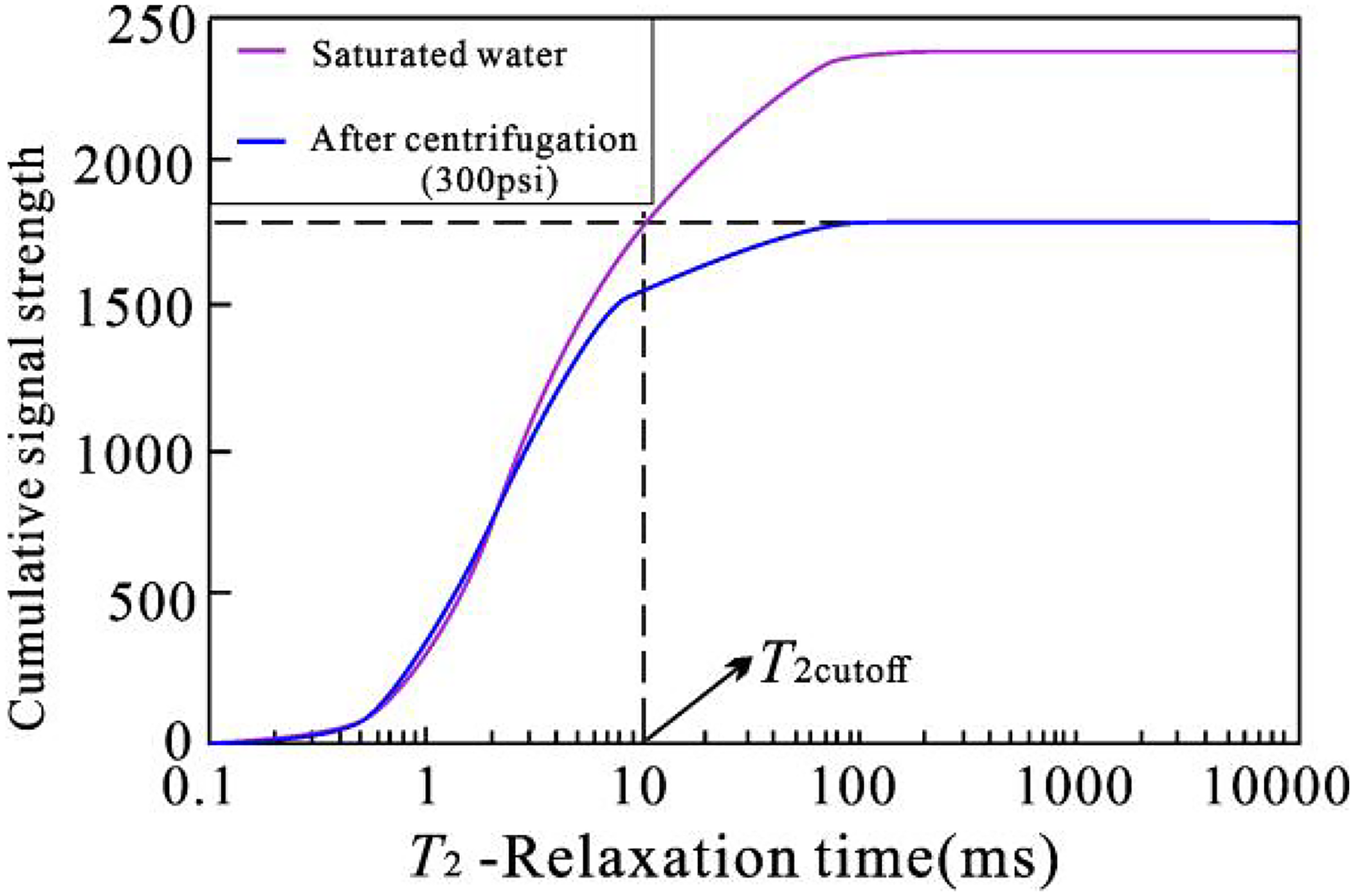
Determination of T2 cutoff value.
Results
Petrological characteristics
The analysis of 186 samples from 23 wells shows that the rock type of Chang 8 is mainly lithic feldspathic sandstone, followed by feldspathic lithic sandstone, with a small amount of Shi Ying sandstone. Sandstone is primarily medium-fine-grained, with medium sorting and medium-poor rounding, sub-angular to sub-circular. The support type is mostly grain support (Figures 5 and 6).
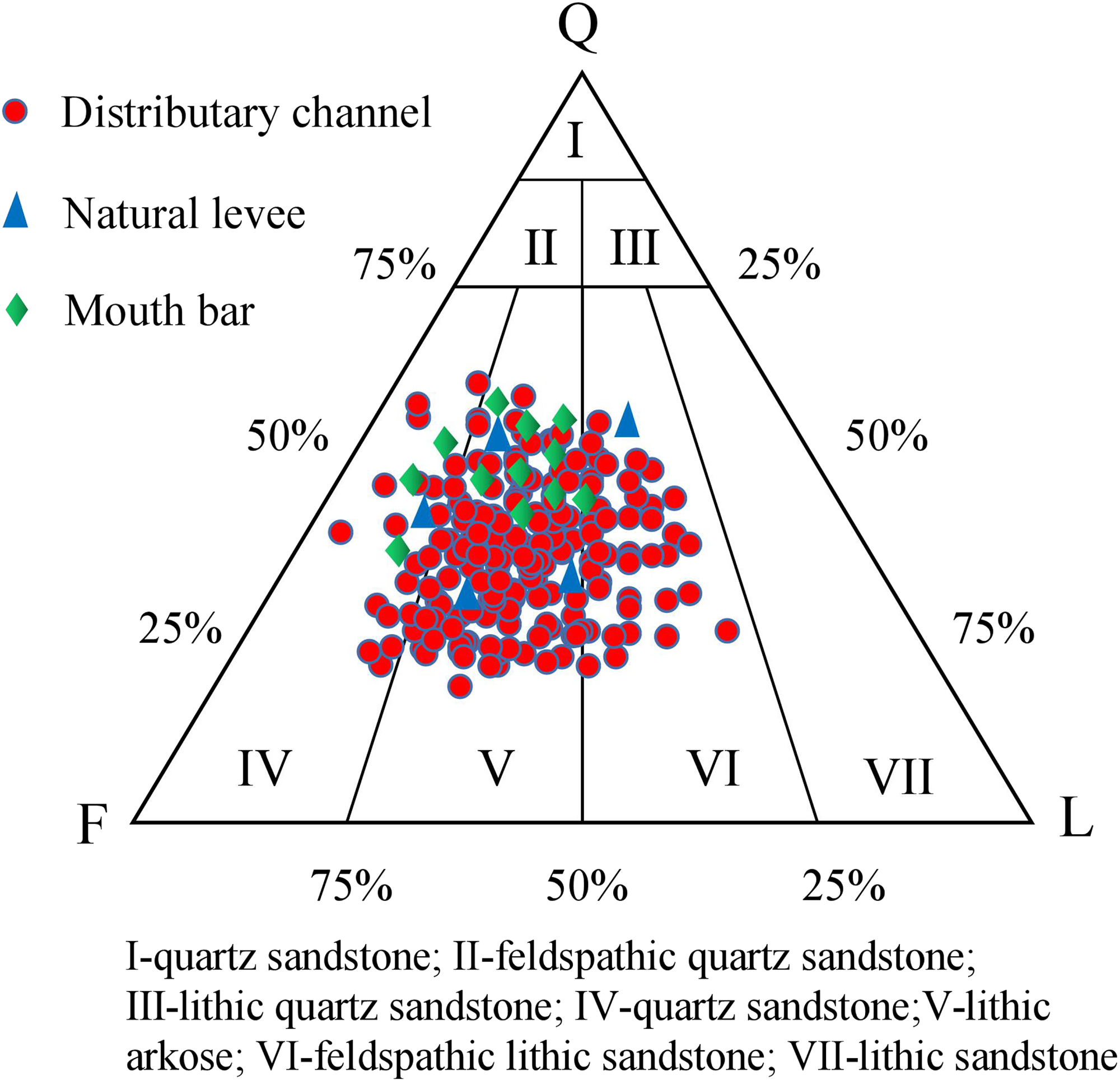
Composition of sandstone reservoir in Chang 8.
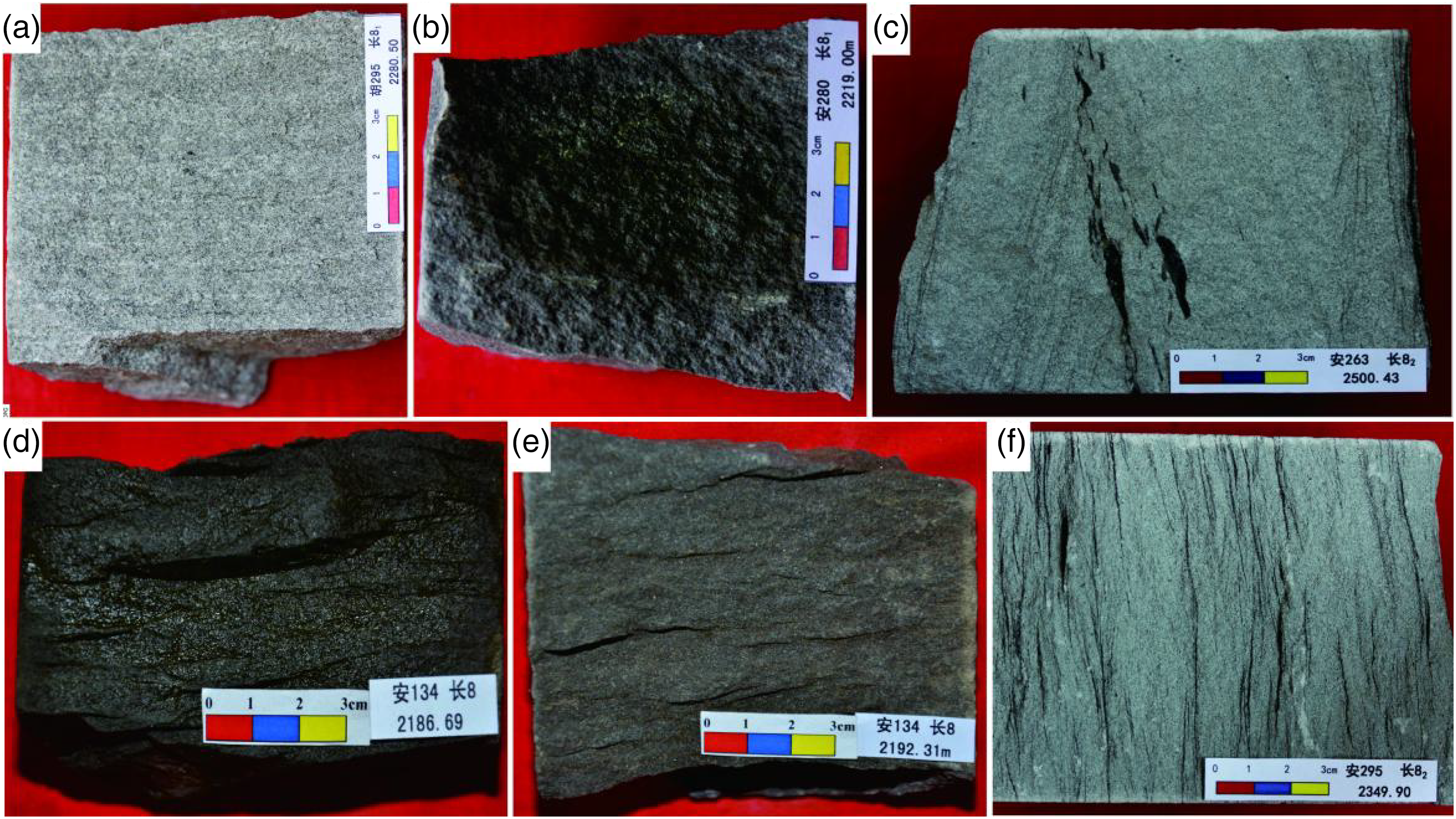
Sedimentary characteristics of Chang 8 in southwest Ordos Basin. (a) Well H295, 2280.5 m, light gray medium-fine sandstone, parallel bedding, distributary channel; (b) Well A280,2219.0 m, medium gray sandstone, oil immersion, distributary channel; (c) Well A263, 2500.4 m, fine gray sandstone, wedge-shaped cross-bedding, mud gravel, distributary channel; (d) Well A134, 2186.7 m, dark gray fine sandstone, full of oil, wavy cross-bedding, mouth bar; (e) Well A134, 2192.3 m, fine gray sandstone, oil immersion, mouth bar; (f) Well A295,2349.9 m, light gray siltstone, sand cross-bedding, natural levee.
Sedimentary microfacies
In the Late Triassic, a large inland lake was formed in Ordos Basin, and a complete river-delta sedimentary system developed (Li et al., 2009; Luo et al., 2008; Meng et al., 2011). According to the core observation of 23 wells and the analysis of logging facies, it is considered that Chang 8 in the study area is mainly a shallow water delta sedimentary system with delta front subfacies, including underwater distributary channel, mouth bar, natural levee and distributary bay. Among them, the distributary channel is gray medium-fine sandstone, and parallel bedding and wedge-shaped cross-bedding are often developed (Figure 6(a) to (c)). The microfacies of the mouth bar are mainly fine sandstone (Figure 6(d) and (e)). The microfacies of natural levees and distributary bays are fine in grain size, mainly composed of gray and dark gray siltstone and mudstone (Figure 6(f)).
Reservoir pore types and size
The space surrounded by rock grains and not filled with cement and matrix is called a pore. The relatively narrow space between grains is called the throat. The Chang 8 reservoir has intergranular pores, intragranular pores, clay-related pores, and rare microfractures. Pores are mainly nanopores (Figure 7). Due to strong compaction, cementation, and clay minerals filling the pore and throat, the pore and throat radius is mostly less than 5 μm. The connectivity of pore assemblages deteriorates as the pore-throat ratio increases (Huang et al., 2019). Intergranular pore sizes mostly range from 10 μm to 200 μm. Dissolution pores and intercrystalline clay pores are smaller and range is size from 0.01 to 0.1 μm. Dissolution pores and intercrystalline clay pores are “tree-like” pore-throat combinations, showing good connectivity.
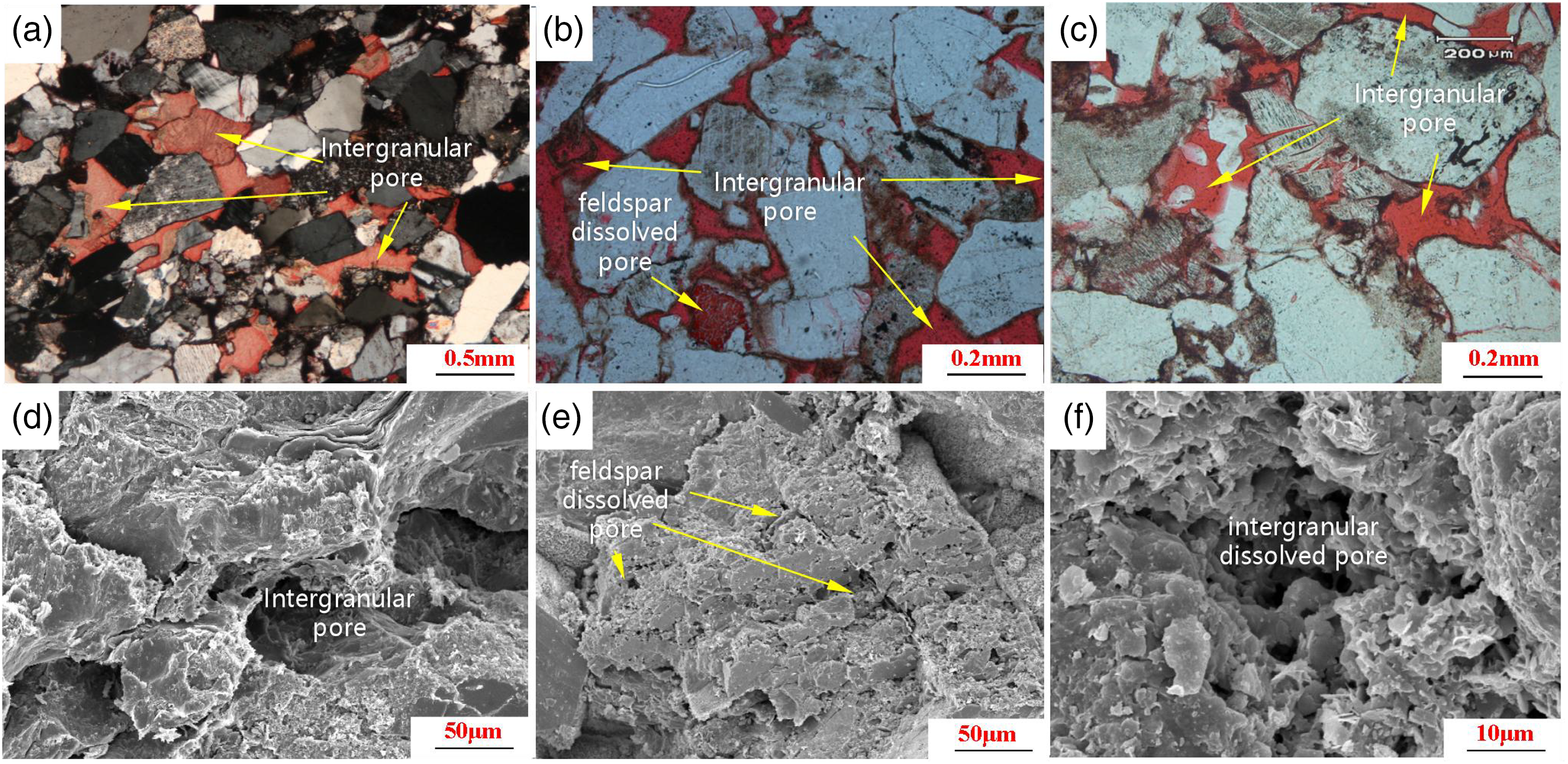
Microscopic characteristics of the Chang 8 reservoir. (a),(d) well H73, 2460.5 m, intergranular pores with particle surfaces wrapped by clay films; (b),(e) well A222, 2359.9 m, feldspar intragranular dissolved pores, and intergranular pores; (c),(f) well A75, 2466.3 m, intergranular dissolved pores.
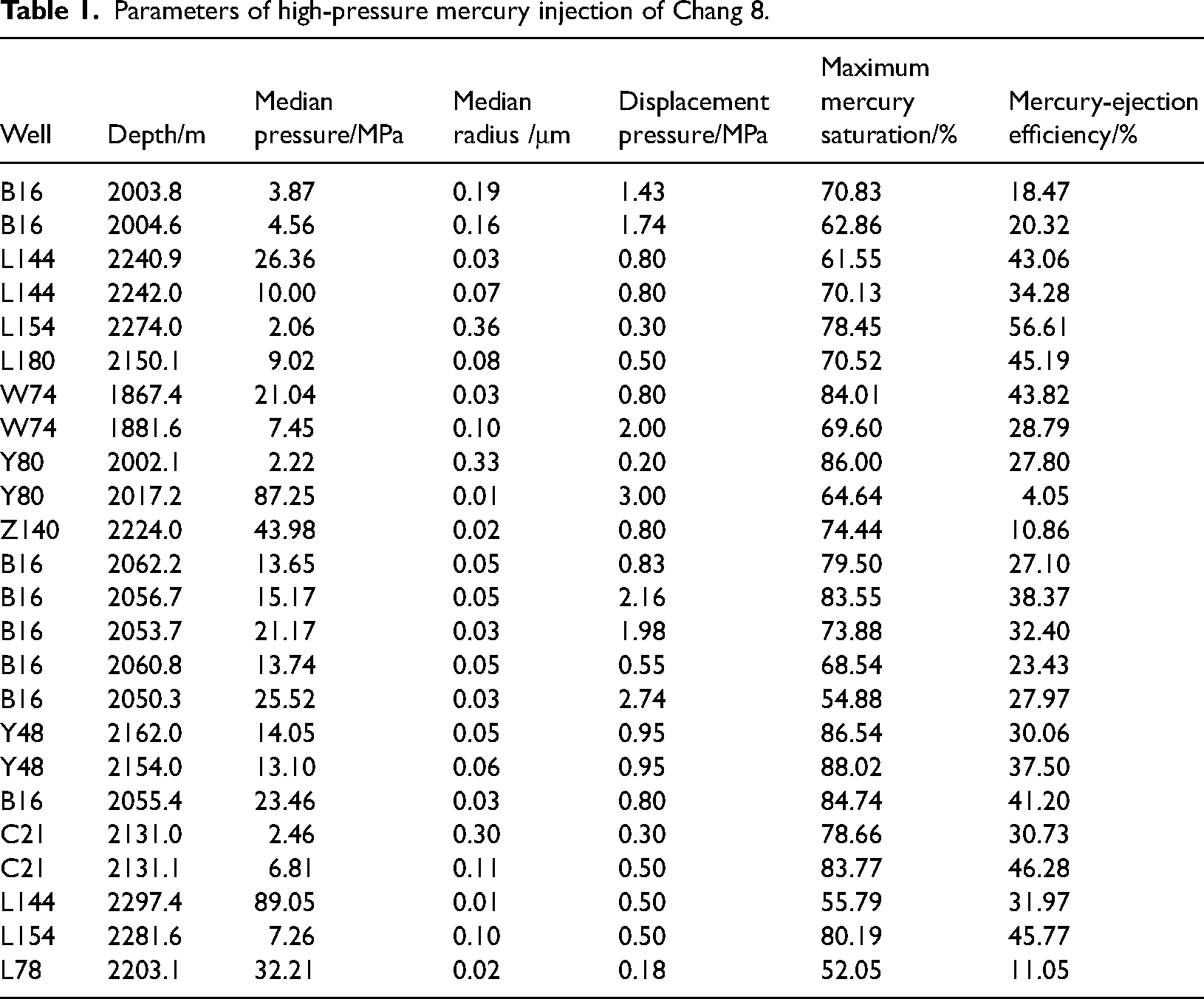
Microscopic throats of the Chang 8 reservoir are mainly meso-throats (0.1 μm–1 μm) and transition throats (0.01 μm–0.1 μm), accounting for 78.9% of the total throats (Table 1). Relatively thick throat is primarily developed in distributary channel or mouth bar reservoir (Figure 8). As porosity increases, microscopic throats with a radius larger than 0.01 μm tend to increase (Figure 9). As the porosity decrease, the throat transitions to better sorting and slightly finer skewness, and the initial pressure of mercury injection increases (Figure 10). pore-throat is small and concentrated when the reservoir is very tight.
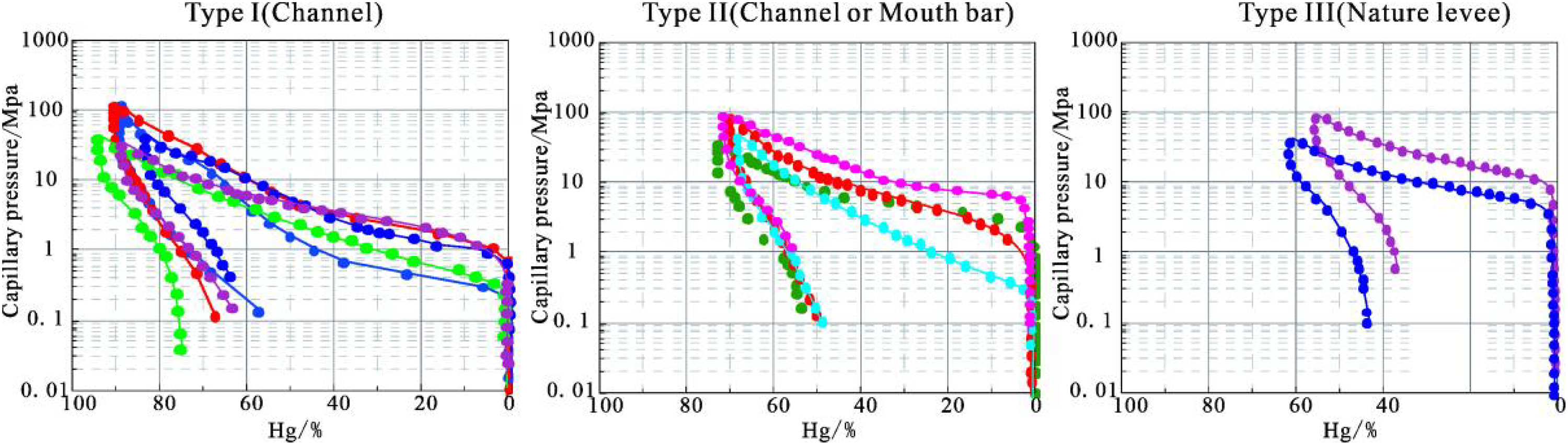
Characteristics of three typical mercury injection curves in Chang 8 reservoir.
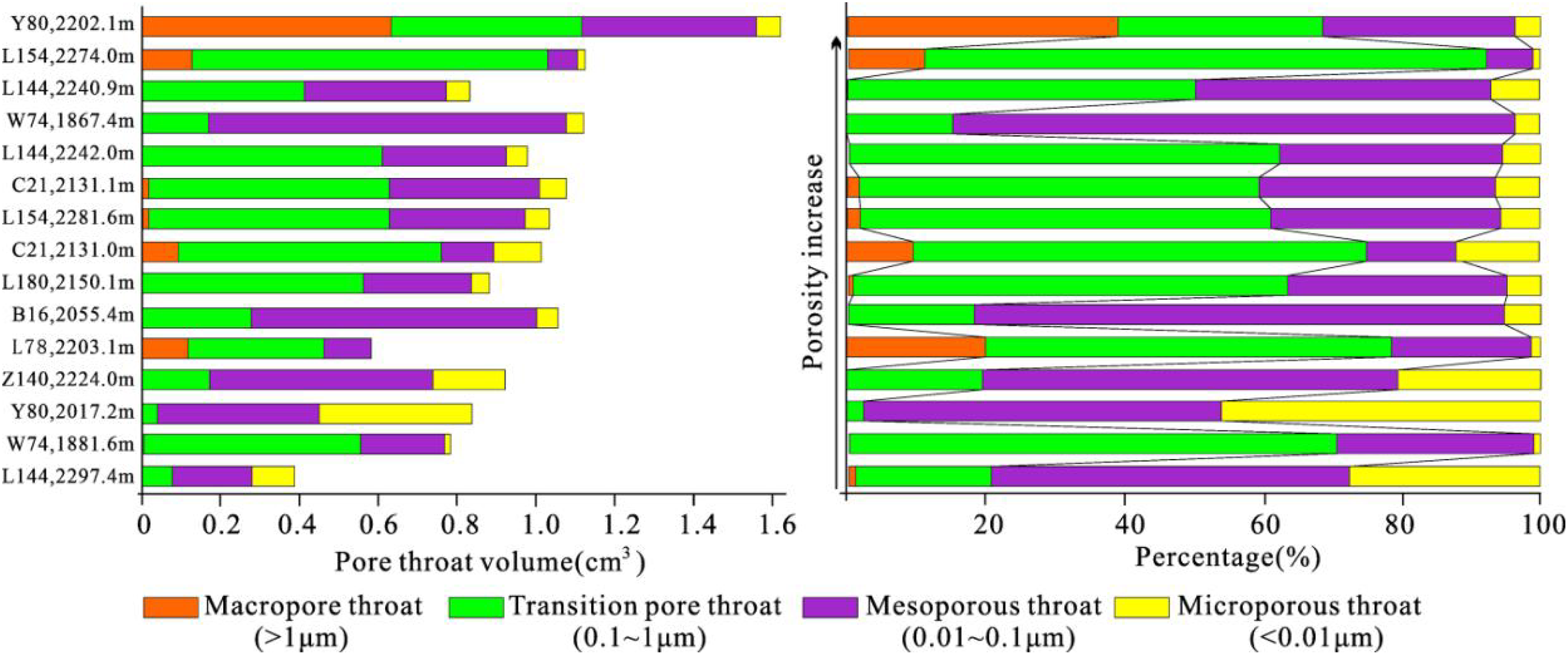
Pore throats contents in different sizes.
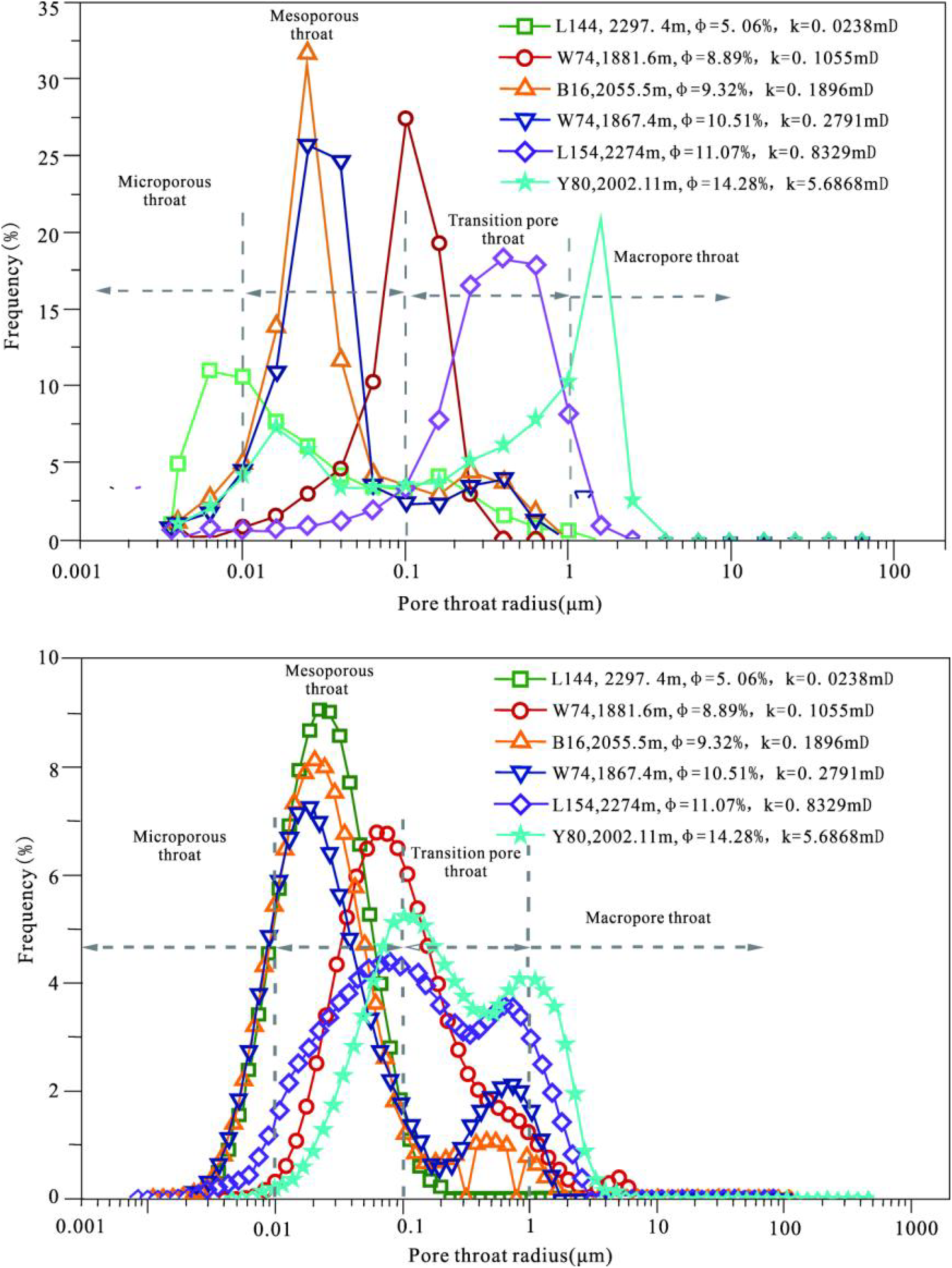
Comparison of mercury injection analysis and NMR results.
Parameters of high-pressure mercury injection of Chang 8.
The pressure and throat limits of the tight sandstone mercury injection process are insufficient to characterize very small throats because the mercury injection process cannot accurately reflect information of large throats controlled by tiny throats (Gong et al., 2016; Lu et al., 2022).This effect can be eliminated by converting NMR using the mercury intrusion results. The pore and throat distribution of Chang 8 is mainly bimodal, with a few unimodal patterns, indicating that the pore and throat distribution is complex (Figure 10).
Discussion
Reservoir macroscopic characteristics and oil-bearing: Sedimentary microfacies
The quality of a sandstone reservoir is a function of provenance, sediment transport, and sedimentary environment (Bjorlykke, 2013). The reservoir classification evaluation based on the constraints of sedimentary microfacies is convenient for reservoir prediction (Ali et al., 2020; Mahgoub and Abdullatif, 2020; Zhang et al., 2022). The average porosity and permeability of the reservoir are 11.67% and 0.52 × 10⁻³μm2, respectively. The physical properties of underwater distributary channels are 11.72% and 0.52 × 10⁻³μm2, respectively. The average porosity of the mouth bar is 9.31%, and the average permeability is 0. 51 × 10−3μm2. Natural levee sand body has poor physical properties (Figure 11 and 12). Comprehensive comparative analysis of sedimentary microfacies, porosity, permeability and oil saturation profiles shows that the distribution of sedimentary microfacies and reservoir physical properties have corresponding good characteristics, and sedimentary microfacies control the oil saturation. The reservoirs with high oil saturation are mainly distributary channels and thicker mouth bar sand bodies (Figures 12 and 13).
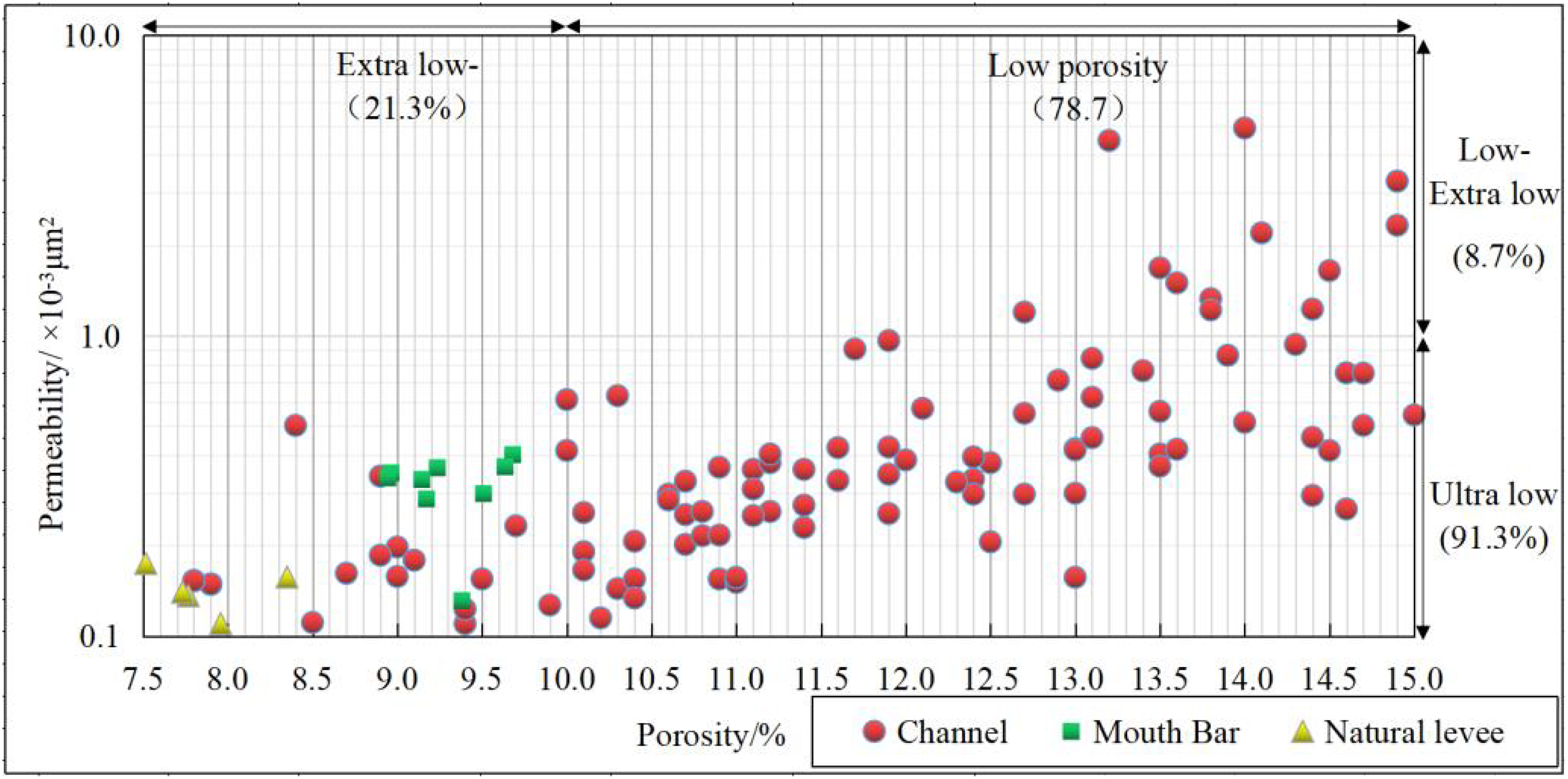
Porosity and permeability of different sedimentary microfacies in Chang 8, Southwest Ordos Basin.
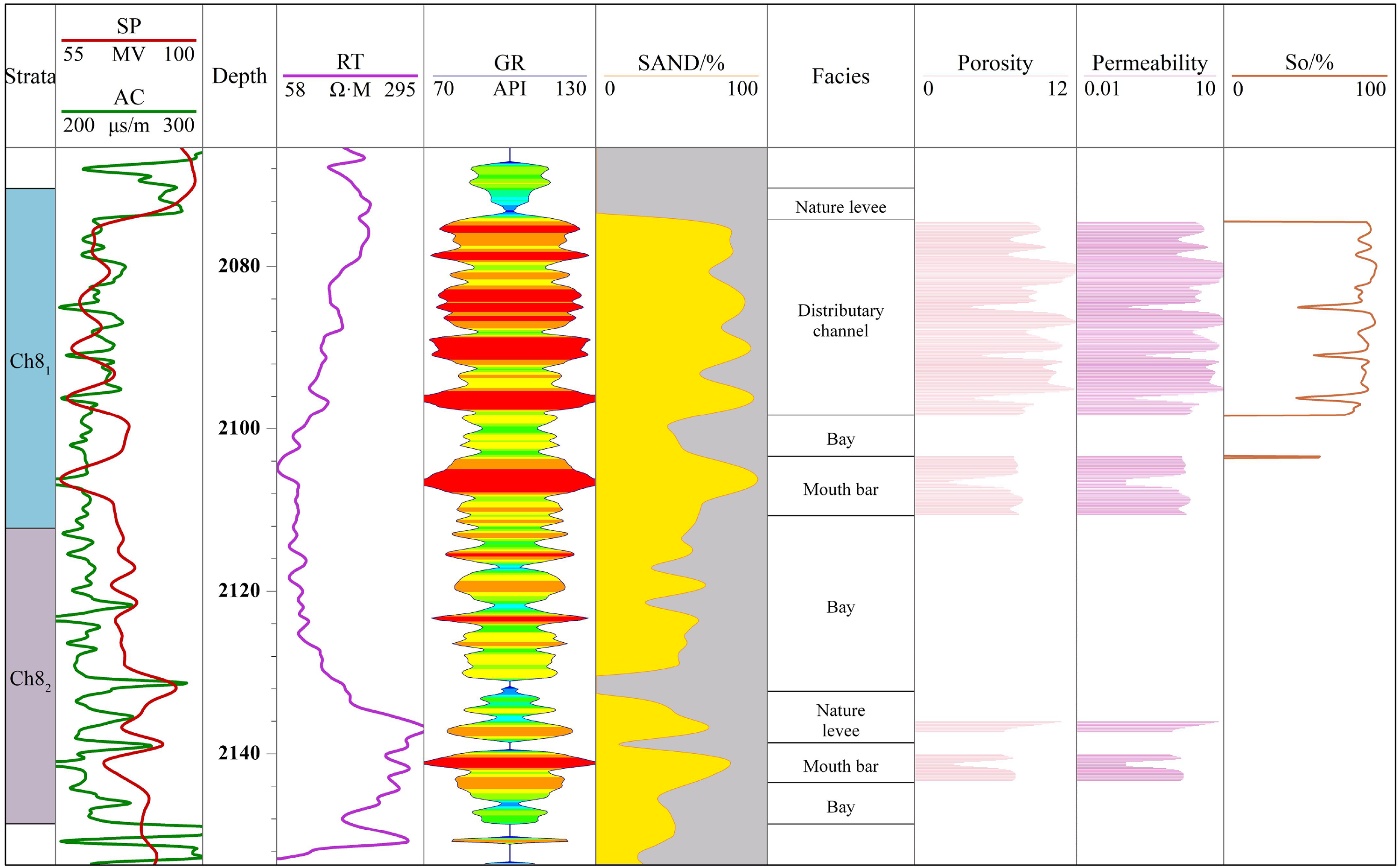
Relationship between sedimentary microfacies and reservoirs of Chang 8.
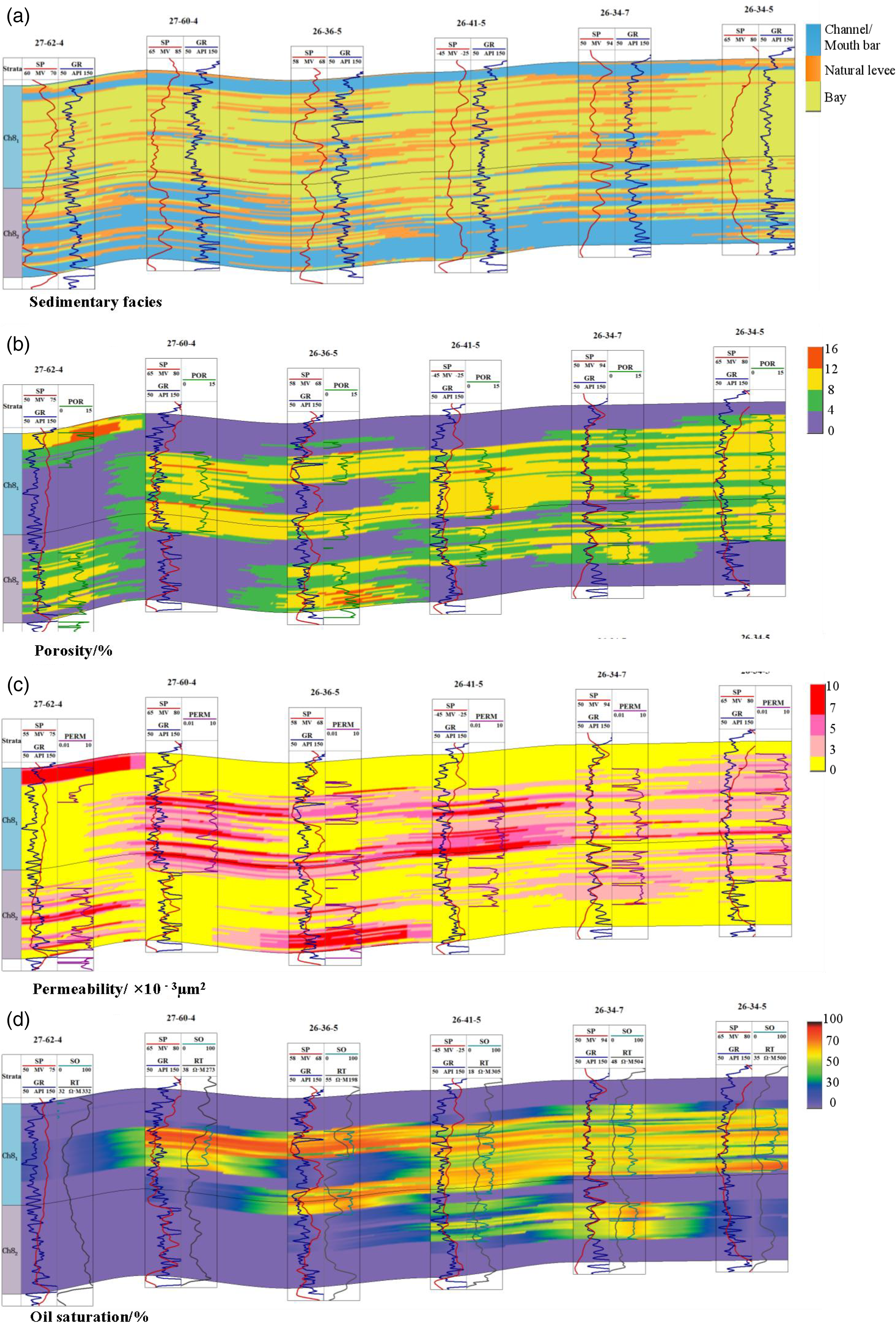
Corresponding characteristics of sedimentary microfacies, porosity, permeability and oil saturation.
Reservoir microscopic characteristics and oil-bearing: Diagenesis and pore structure
Tight oil reservoir in China has complex lithology, diverse types, wide distribution and overall density. Diagenesis, porosity reduction and oil emplacement are closely related in sandstone reservoirs (Huang et al., 2014; Jia et al., 2012).
Destructive Diagenesis: Compaction and cementation
Compaction and cementation have great influence on the porosity of the Chang 8 reservoir and are the main destructive diagenesis types (Yan et al., 2018). The paleogeothermal gradient of Chang 8 reservoir is as high as 0.35 to 0. 40°C/km, which is a typical “Hot Basin"(Ren et al., 1994). With the increase in temperature, the porosity decay rate of sandstone is greatly improved by mechanical compaction (Meng et al., 2012). In the early diagenetic stage, the formation pressure rises with the increase of buried depth, and the compaction causes close contact between particles, significantly reducing the original porosity (Figure 7(a) to (c)). According to the grain size statistics of sandstone samples, the sorting coefficient of the sandstone reservoir in Chang 8 member is 1.08 to 1.87, with an average of 1.59; The average original porosity is 35.31%. The average porosity loss caused by compaction is 19.68%, and the residual porosity after compaction is 15.63%. The porosity loss rate caused by compaction is 55.73%, which belongs to medium-strength compaction. Cementation mainly includes the formation of argillaceous calcite, quartz and clay rims in the eogenetic stage and the formation of bright calcite and quartz in the mesogenetic stage (Figure 7, Figure 14). The average loss porosity caused by cementation is 10.32%, and the loss rate is 29.23% (Table 2).
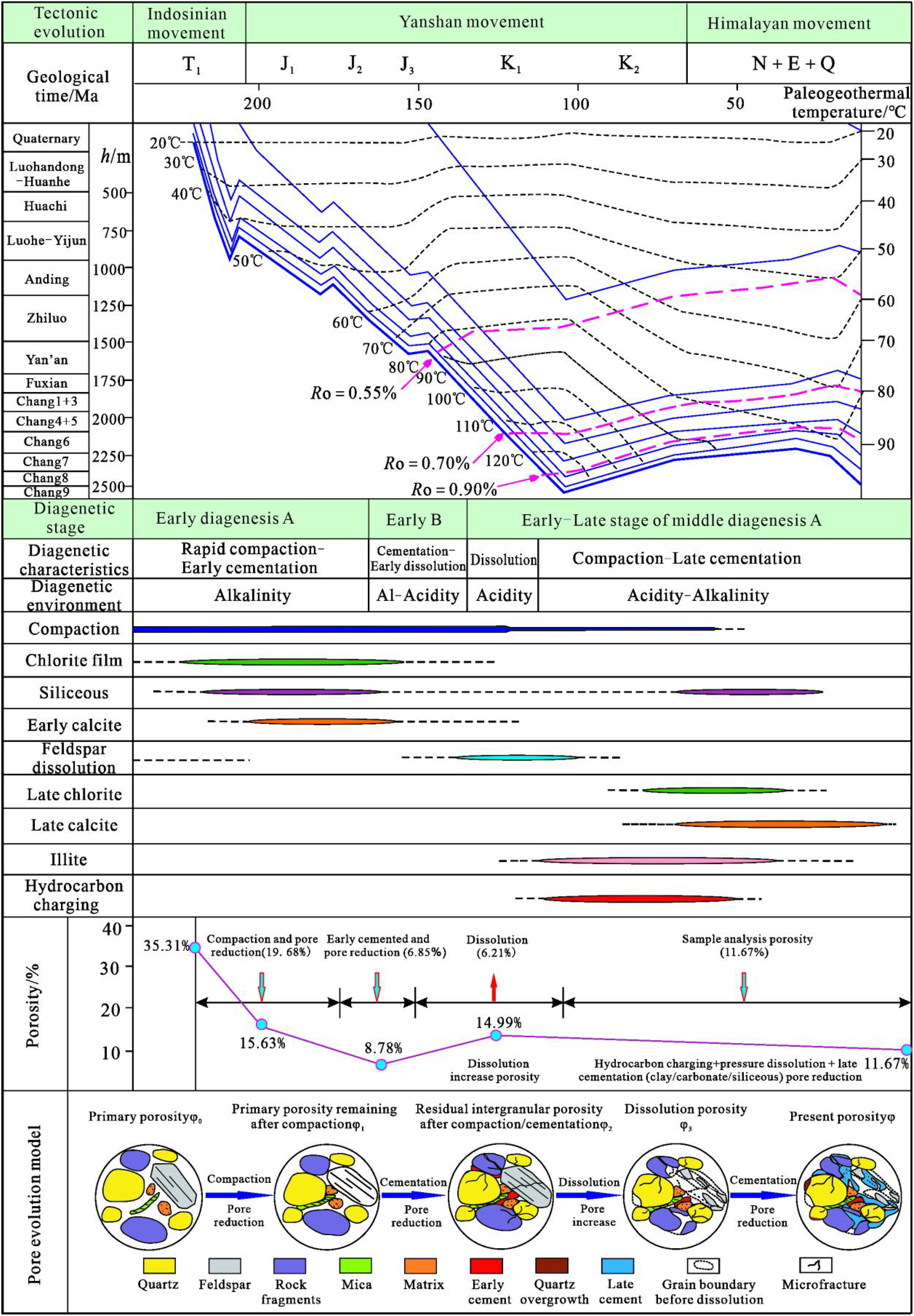
Porosity evolution for the tight sandstone reservoir of Chang 8, Southwest Ordos Basin.
Quantitative calculation of porosity for the Chang 8 reservoir, Southwest Ordos Basin.
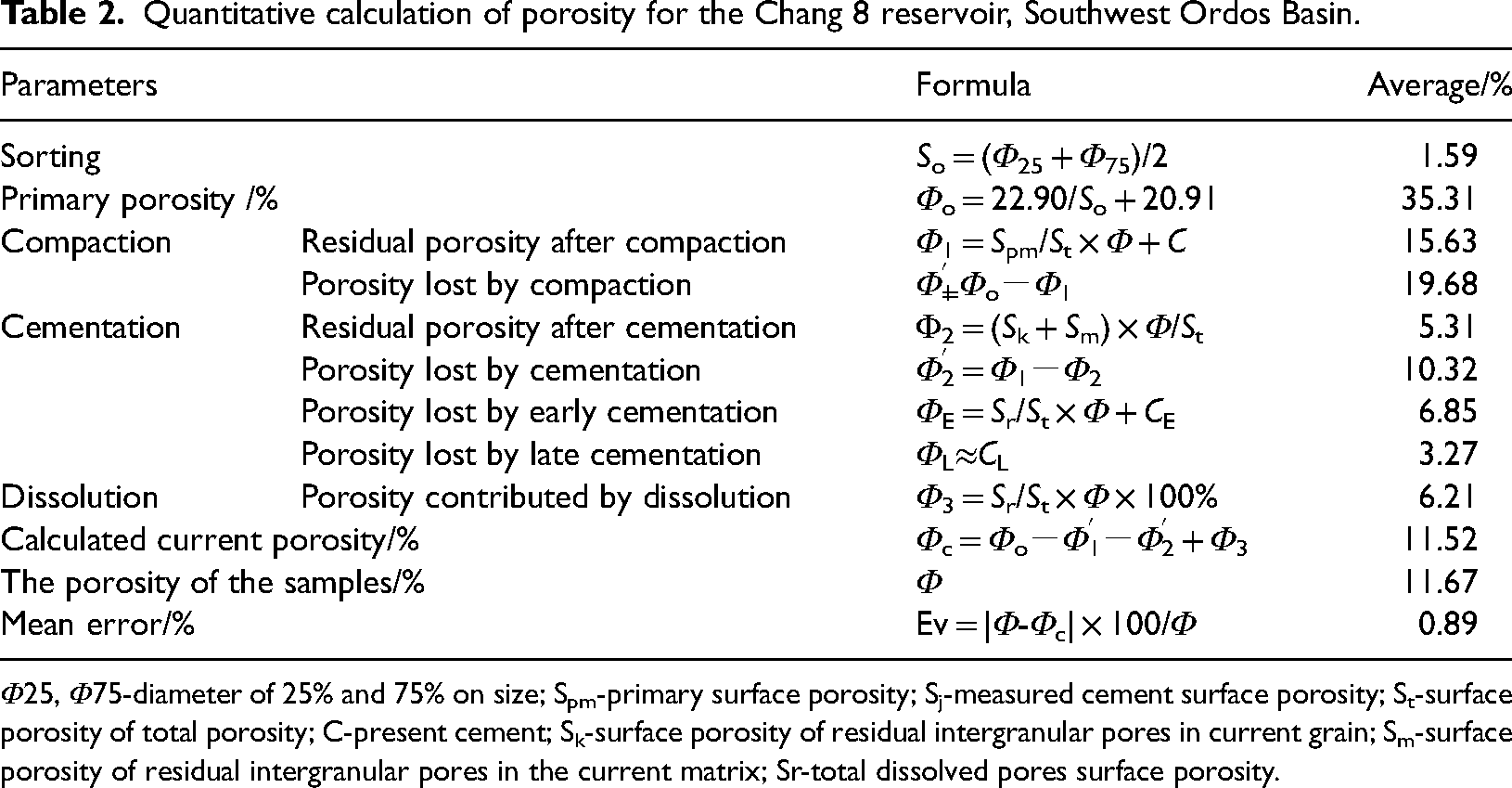
Φ25, Φ75-diameter of 25% and 75% on size; Spm-primary surface porosity; Sj-measured cement surface porosity; St-surface porosity of total porosity; C-present cement; Sk-surface porosity of residual intergranular pores in current grain; Sm-surface porosity of residual intergranular pores in the current matrix; Sr-total dissolved pores surface porosity.
Φ25, Φ75- diameter of 25% and 75% on size; Spm- primary surface porosity; Sj-measured cement surface porosity; St-surface porosity of total porosity; C-present cement; Sk-surface porosity of residual intergranular pores in current grain; Sm-surface porosity of residual intergranular pores in the current matrix; Sr-total dissolved pores surface porosity.
Constructive Diagenesis: Dissolution
Dissolution occurred in the early stage of middle diagenesis, which is the main diagenesis to form secondary pores and improve the quality of Chang 8 reservoir. The development of dissolution in the study area is due to the Chang 8 sand body being adjacent to the overlying Chang 7 source rock, and the organic acid formed by the source rock in the process of organic matter maturity migrates into the Chang 8 reservoir, resulting in the general dissolution of feldspar and rock debris (Kang et al., 2021; Shi et al., 2009). Feldspar is often dissolved along the cleavage plane, twin junction plane or edge, and some feldspars are completely dissolved (Figure 7(e) and (f)). The porosity increased by 2.76 to 13.68% due to the improvement of dissolution, with an average of 6.21%. The development of dissolution in the study area is due to the fact that the Chang 8 sand body is adjacent to the overlying Chang 7 source rock, and the organic acid formed by the source rock in the process of organic matter maturity migrates into the Chang 8 reservoir sandstone, resulting in the general dissolution of feldspar and cuttings (Shi et al., 2009).
Micro pore structure and oil saturation
Compared with conventional reservoirs, tight sandstone reservoirs usually undergo a complicated diagenetic transformation process, showing high diagenetic strength and complex pore throat structure (Kang et al., 2021; Li et al., 2013). The microscopic pore and throat volume ratio (Vr) of mercury injection reflects the degree of development of reservoir pores and throats (Li, 1997). The Vr of the Chang 8 reservoir varies greatly (0.8 to 23.3) but is mainly in the range of 0.8 to 5. In the larger Vr range (>5), oil saturation is inversely proportional to Vr (Figure 15(a)). The relationship between oil saturation and Vr displays an increase followed by a decrease (Figure 15(b)). Both pores and microscopic throats control the oil saturation of the reservoir. The reservoir space dominated by microscopic throats is relatively small and not effectively connected, unfavorable to hydrocarbon migration. Moderate Vr is the key to the oil saturation of the reservoir.
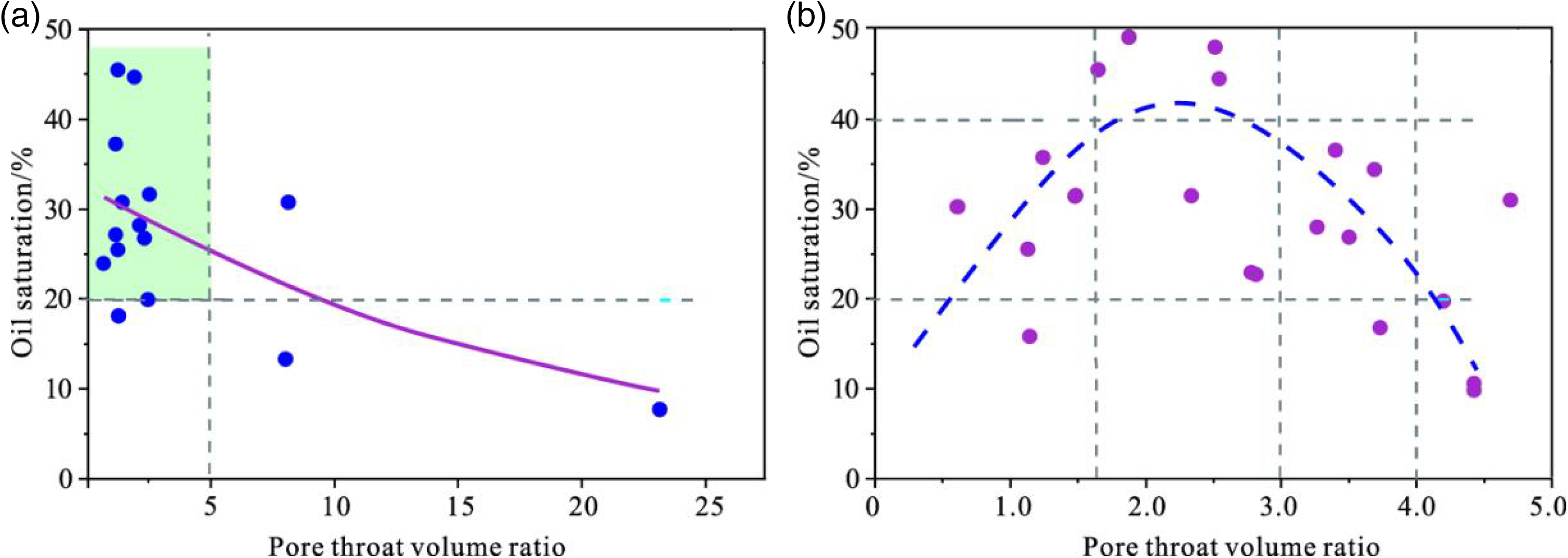
Relationship between pore throat volume radio and oil saturation.
Microscopic pores and throats in the Chang 8 reservoir are either unimodal or multimodal in size distribution (Figure 16). Oil saturation is proportional to the radius corresponding to the peak value of the pore and throat distribution. The lower limit of microscopic pore and throat in the Chang 8 reservoir is 0.077 μm (Wang et al., 2020). Oil saturation of reservoirs with unimodal pore and throat distribution is controlled by microscopic pore-throat volume and concentration. The microscopic pore and throat distribution of bimodal and multimodal reservoirs is relatively dispersed, and oil saturation does not change significantly when the radius is greater than 0.077 μm. Pore and throat sorting affects the oil saturation of the tight reservoir. For sorting coefficients greater than 2.9, the oil saturation of the reservoir reaches more than 30%. Oil saturation is also lower when the sorting coefficient is lower (Figure 16). This shows that under similar conditions, when the pore and throat size distribution is too concentrated, it is adverse to filling hydrocarbon in tight reservoirs.
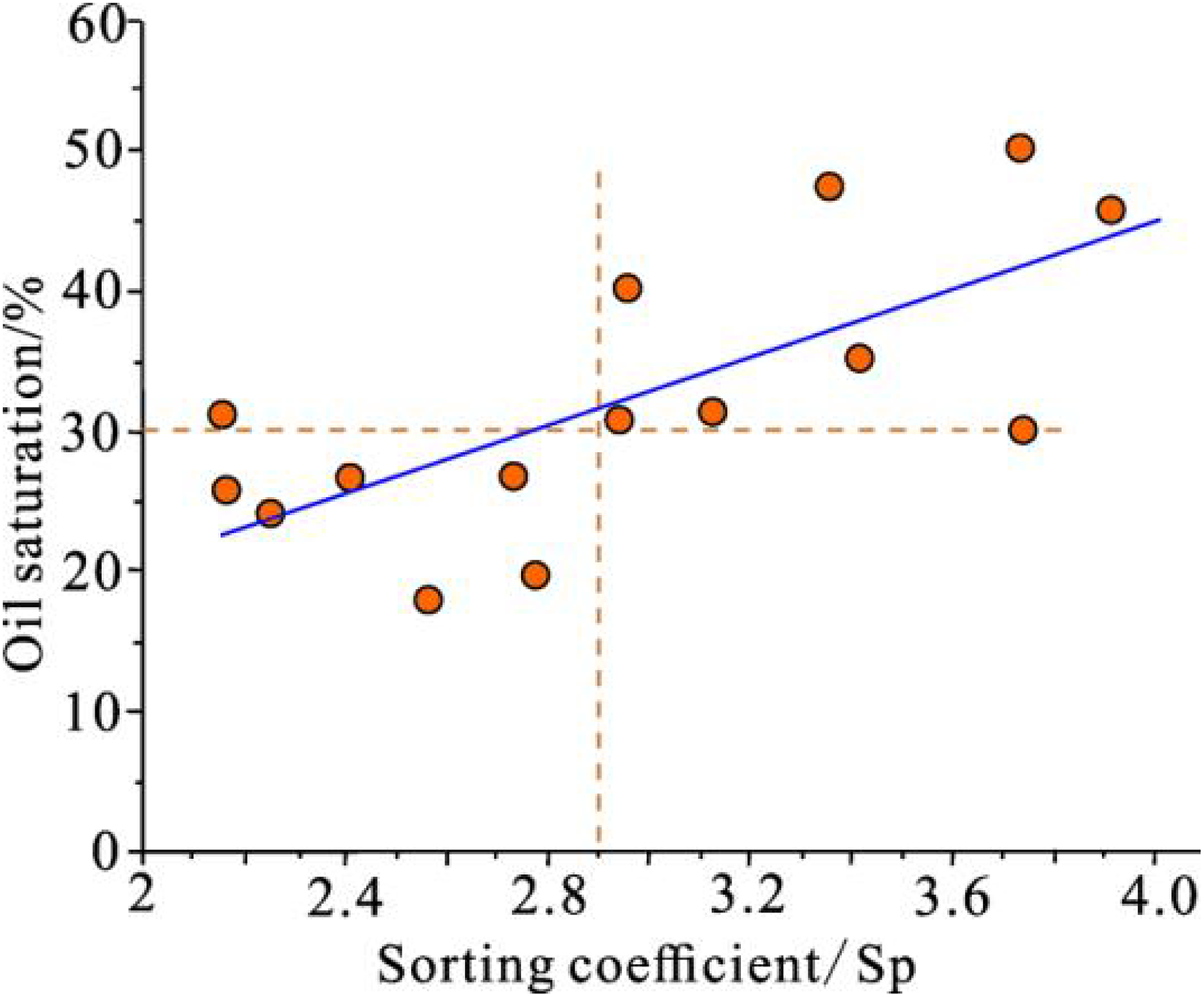
Pore-throat sorting coefficient and oil saturation of tight reservoirs.
NMR-free water saturation reflects pore connectivity. The concentration of free and irreducible water in Chang 8 reservoir varies greatly; irreducible water accounts for 3.2% to 52.7% of the total volume of pore and throat; the free water concentration ranges from 7.8% to 54.2%. Oil saturation is proportional to free water concentration. When the ratio of free water to irreducible water saturation increases, oil saturation increases significantly in the reservoir (Figure 17). The main reason is that a high free water concentration indicates many connecting pores and throats, which is instrumental in hydrocarbon charging.
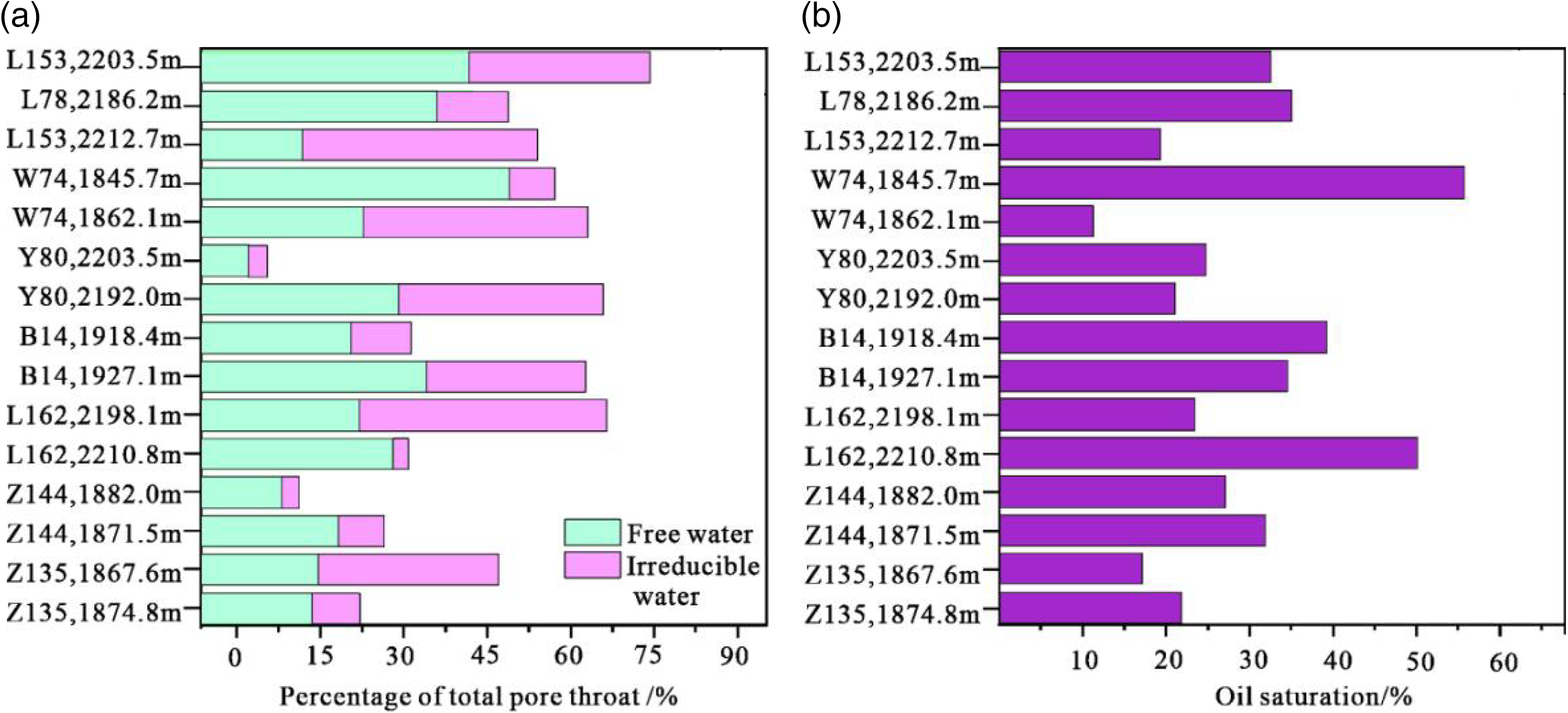
Distribution characteristics of free water and irreducible water content in different pore-throat sizes and relationship with oil saturation.
Conclusions
Delta front facies is mainly developed in the southwest of Ordos Basin, including distributary channel, natural levee, mouth bar and distributary bay. The primary rock type of reservoir is lithic feldspathic sandstone, followed by feldspathic lithic sandstone. The types of reservoir space are mainly intergranular pores and intragranular dissolved pores, with a small amount of clay-related pores and micro-fractures.
The average porosity and permeability of the reservoir are 11.67% and 0.52 × 10⁻³μm2, respectively. The distribution of sedimentary microfacies and reservoir physical properties have corresponding good characteristics, and sedimentary microfacies control the oil saturation. The reservoirs with high oil saturation are mainly distributary channels and thicker mouth bar sand bodies.
Diagenesis has an important influence on reservoir quality. Compaction is the main factor of reservoir compaction (porosity loss rate is 55.73%), followed by cementation (porosity loss rate is 29.23%). The favorable diagenesis is the dissolution of feldspar grains and some cement.
Because of diagenesis, the pores and throats of the reservoir are greatly compressed. The Chang 8 tight reservoir contains various nano-scale pore-throat. Most of the intragranular pore-throat are a result of dissolution during progressive burial. For tight reservoirs with similar physical properties, the pore and throat structure controls the oil saturation of the tight reservoir. The median radius of reservoir pore and throat is mostly less than 1μm, mainly between 0.01 μm and 1 μm.
Favorable conditions for tight sandstone reservoirs oil saturation include favorable sedimentary environment (distributary channel or thick mouth bar) and microscopic pore characteristics (well-developed intergranular pore and throat, moderate pore and throat volume ratio, uniform pore and throat distribution and high concentration of pore and throat greater than the lower charging limit, higher pore and throat free water saturation degree and higher free- water to bound-water saturation ratio).
Footnotes
Acknowledgements
The author highly appreciates the efforts of Changqing Oilfield Company for its help in obtaining cores. We thank Professor Kenneth A. Eriksson for his guidance and help writing the paper. Special thanks should be extended to the Energy Exploration & Exploitation editors and reviewers for their constructive suggestions.
Declaration of conflicting interests
The author(s) declared no potential conflicts of interest with respect to the research, authorship, and/or publication of this article.
Funding
The author(s) disclosed the following financial support for the research, authorship, and publication of this article: This research was supported by the National Science and Technology Major Project (2016zx05050006) and the Education Department of Shaanxi (Project 14JS081, 14JS083).
