




Abstract
In order to study the controlled factors and variation of gas content in deep low-rank coal reservoirs, taking No.4 coal of Jurassic Yan’an Formation in Huanglong coalfield as an example, collects the production data and prepares the coal samples. Carrying out the coal rock and coal quality test and multi-temperature methane isothermal adsorption experiment to explore the influence of different temperature and pressure conditions on coal adsorption capacity, and analyzes the variation characteristics of gas content with burial depth combined with geological conditions. The results show that the sedimentary, structural and hydrogeological conditions have a certain influence on the formation and preservation of coalbed methane. The gas content increases with the increase of coalification degree and vitrinite content, and decreases with the increase of inertinite content, ash yield and volatile yield. With the increase of moisture, the gas content increased first and then decreased. When the pressure is less than 4 MPa, the adsorption capacity increases about 4-4.7m3/t with the increase of pressure, and the increasing trend slows down when the pressure is greater than 4 MPa. The adsorption capacity decreased more obviously with the increase of temperature when the temperature increased from 25°C to 35°C. Based on the prediction model of saturated adsorption capacity of deep coal reservoirs, it is found that there is a gas content critical conversion depth 800-900 m. The gas content shows a process of rapid increase (<800 m)-slow increase (800–900 m)-gradual decrease (>900 m) with the increase of burial depth. Below 800 m, the positive effect of reservoir pressure is dominant, and the gas content increases with burial depth. Above 900 m, the negative effect of reservoir temperature is dominant, and the gas content decreases with burial depth. The study results provide a theoretical basis for the development of deep low-rank coalbed methane resources.
Keywords
Introduction
Deep coalbed methane (CBM) resources are an important resource base for the scale development of CBM industry in China (Tao et al., 2019; Zou et al., 2019). However, the geological conditions of deep CBM in China are special, and the development is difficult, which has not yet formed a large scale utilization (Lu et al., 2021; Qin et al., 2017). Therefore, revealing the occurrence state of deep coal reservoir is the premise to promote the development of deep coalbed methane industry.
Gas content is one of the important factors in CBM development (Li et al., 2017; Moore, 2012; Zhou and Guan, 2016). The gas content of deep coal reservoirs is controlled by multiple factors, and there are a series of geological main controlling factors in addition to the nature of coal reservoirs (Guo et al., 2019; Li and Tang, 2014). Among them, its own properties include coal quality, coal adsorption capacity, coal pore characteristics and coal structure (Bao et al., 2019; Wang et al., 2020; Yang et al., 2020). The external geological factors include coal seam burial depth, overlying bedrock thickness, structure, hydrogeological conditions, reservoir pressure, and reservoir temperature (Ma et al., 2016; Zhu et al., 2017). The proportion of adsorbed gas is the highest in the occurrence state of CBM, and the changes of pressure and temperature will affect the adsorption and desorption properties and occurrence state of CBM (Clarkson et al., 1997; Mastalerz et al., 2004; Yang and Saunders, 1985), thereby affecting the gas content of coal reservoirs. With the increase of buried depth of coal seam, compared with shallow coal seam, deep coal reservoir has higher in-situ stress, formation fluid pressure and formation temperature (Ju et al., 2019; Qin et al., 2012; Shen et al., 2014). The influence of formation pressure and formation temperature on coal seam adsorption showed two opposite effects: pressure positive effect, resulting in enhanced adsorption capacity, coal seam gas content increased (Li et al., 2015; Tao et al., 2020); the negative effect of formation temperature weakens the adsorption capacity and reduces the gas content (Wu et al., 2016). There is a critical depth of temperature-pressure coupling. Under the critical depth, the gas content of deep coal seam is lower than that of shallow coal seam (Zheng et al., 2019). Therefore, it is necessary to comprehensively study the influence of temperature and pressure changes caused by the increase of buried depth on the gas content of deep coal reservoirs, determine the critical conversion depth, and then analyze the variation law of gas content in deep coal reservoirs.
Previous research mainly focused on the influence of temperature and pressure changes of coal reservoirs in middle and high coal rank areas on adsorption performance (Li et al., 2018; Wei et al., 2019), while the trend of gas content changing with burial depth was not deep enough through isothermal adsorption experiment (Guo et al., 2022; Li et al., 2016). In particular, the understanding of the critical depth of reservoir temperature-pressure conversion in low-rank coal areas was insufficient, and the critical depth of gas content defined by coal seams in different regions varied (Chen et al., 2016; Mohamed and Mehana, 2020). In this study, combined with the geological conditions of low-rank coalbed methane in Huanglong coalfield of Ordos Basin and isothermal adsorption experiments of samples from different mining areas, the enrichment law and main control factors of coalbed methane are systematically analyzed. Through the difference of methane adsorption performance under different temperature and pressure conditions, the prediction model of gas content in deep coal reservoir is established, and the critical conversion depth and gas content variation law of temperature and pressure dominant effect of low-rank coal in study area are determined, which provides theoretical support for the study of gas content in deep low-rank coalbed methane.
Samples and experiment
In this study, the coal samples are collected from Huanglong coalfield in southwestern Ordos Basin. Six coal samples from different mining areas (one in Xunyao mining area, two in Jiaoping mining area, one in Binchang mining area and two in Yonglong mining area) were selected to prepare dry coal samples with particle size of 0.180–0.250 mm for isothermal adsorption experiments. By collecting production data and test data of 113 drilling wells or coalbed methane wells, the relationship between buried depth, thickness, coal quality, reservoir temperature and reservoir pressure and gas content was analyzed.
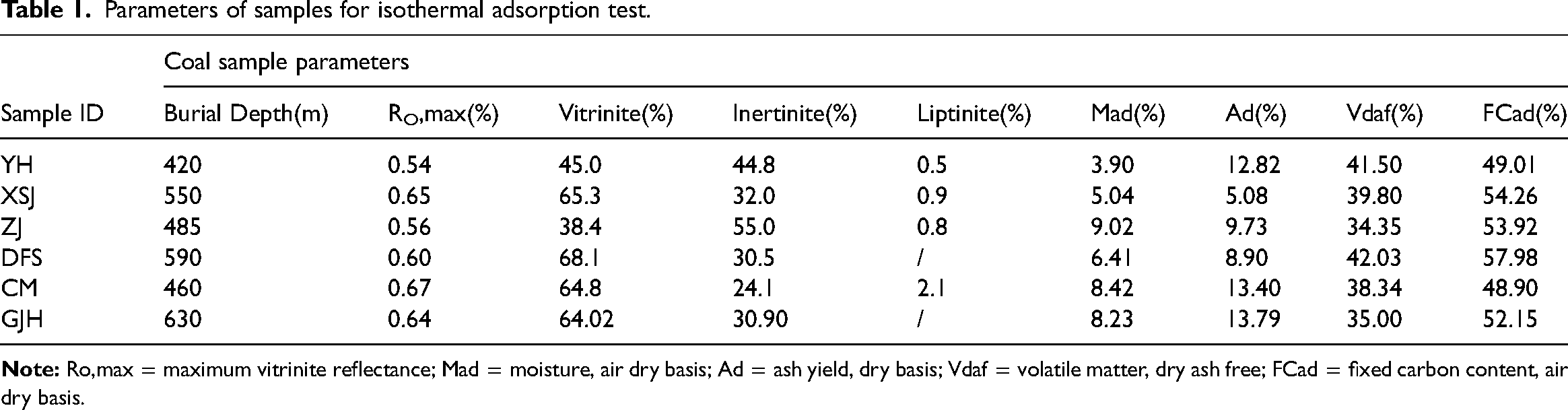
The instrument used in isothermal adsorption experiment is AST-2000 large sample simulation instrument for isothermal adsorption/desorption of coalbed methane developed by Xi’an University of Science and Technology and China University of Petroleum. The maximum pressure of the instrument can reach 25 MPa, the temperature can be adjusted in the range of 0–80°C, and the constant temperature accuracy is higher than ± 0.2–0.5°C. According to the characteristics of reservoir temperature and pressure in the study area, isothermal adsorption experiments were set at 20,25,30,35 and 40°C, respectively, and the adsorption equilibrium pressure was about 0–8 MPa. The determination of maceral composition, vitrinite reflectance and proximate analysis test were carried out according to the Chinese national standard GB/T 15590-2008, GB/T 6948-2008 and GB/T 212-2008 respectively. The sample information and results are shown in Table 1.
Parameters of samples for isothermal adsorption test.
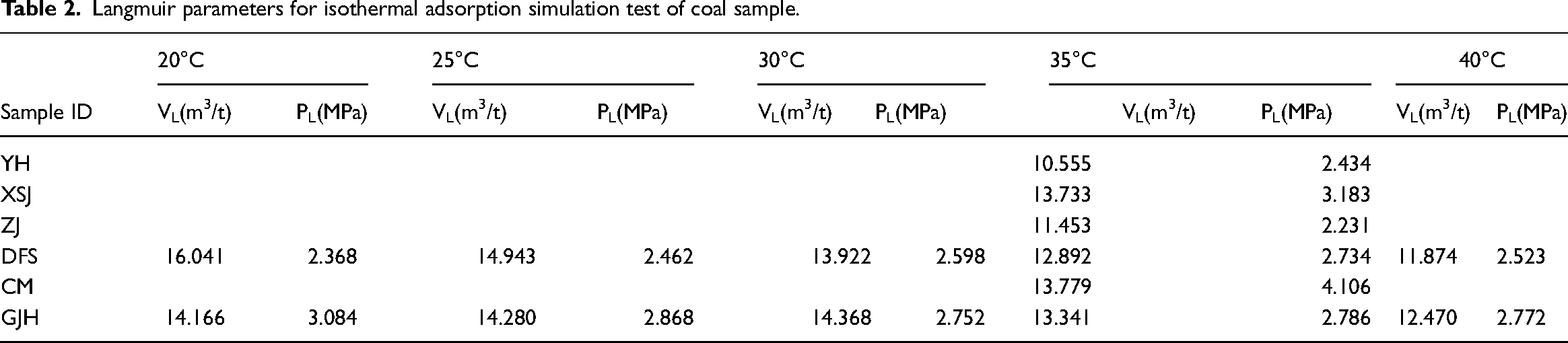
The data were processed according to the Langmuir isothermal adsorption equation, and the Langmuir volume VL and Langmuir pressure PL were calculated to fit the isothermal adsorption curve (Figure 1, Figure 2). The adsorption experimental results of the above six groups of samples under temperature and pressure conditions are shown in Table 2. The results show that the measured data basically conform to Langmuir equation.
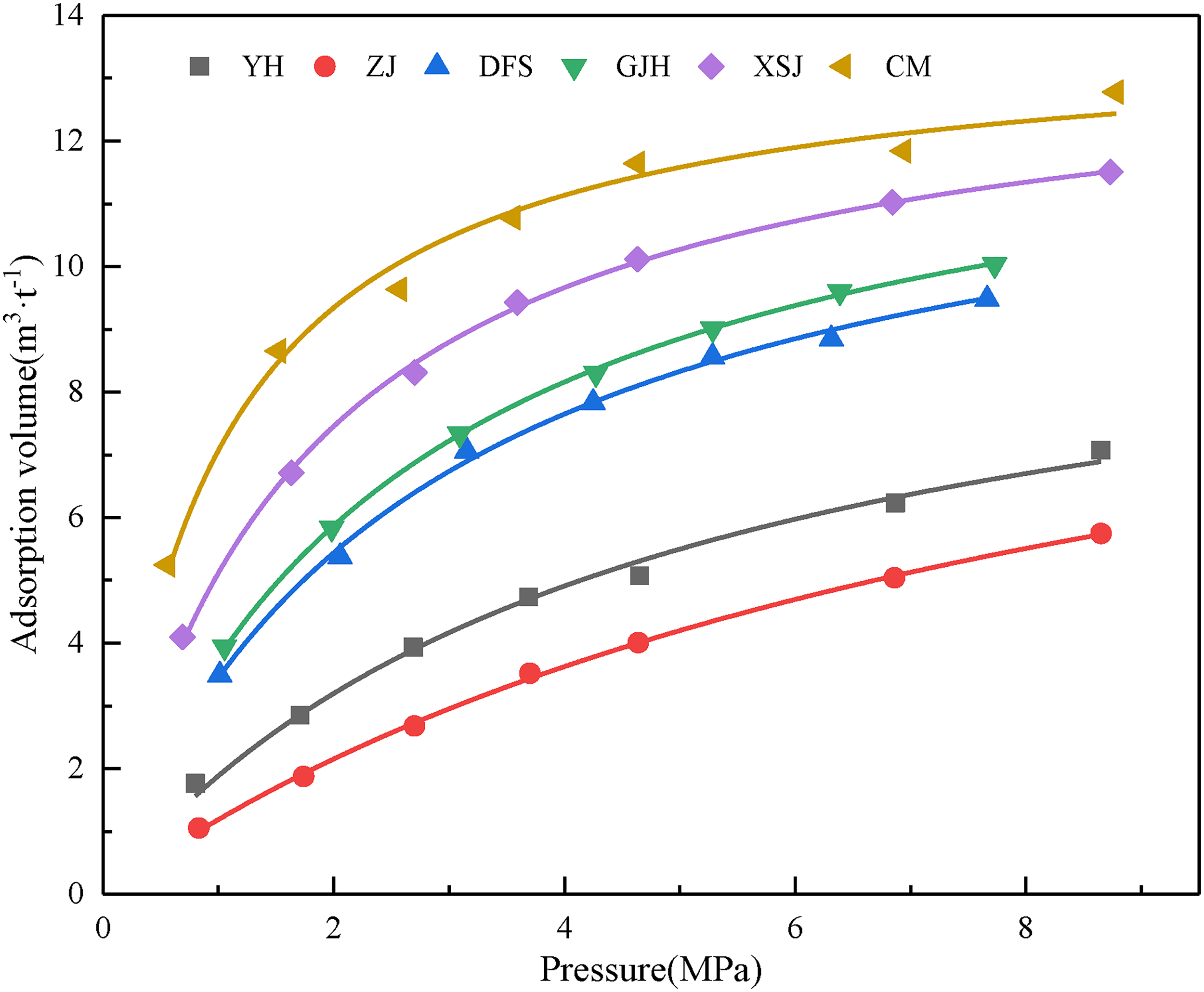
Isothermal adsorption curves of different coal rank at 35°C.
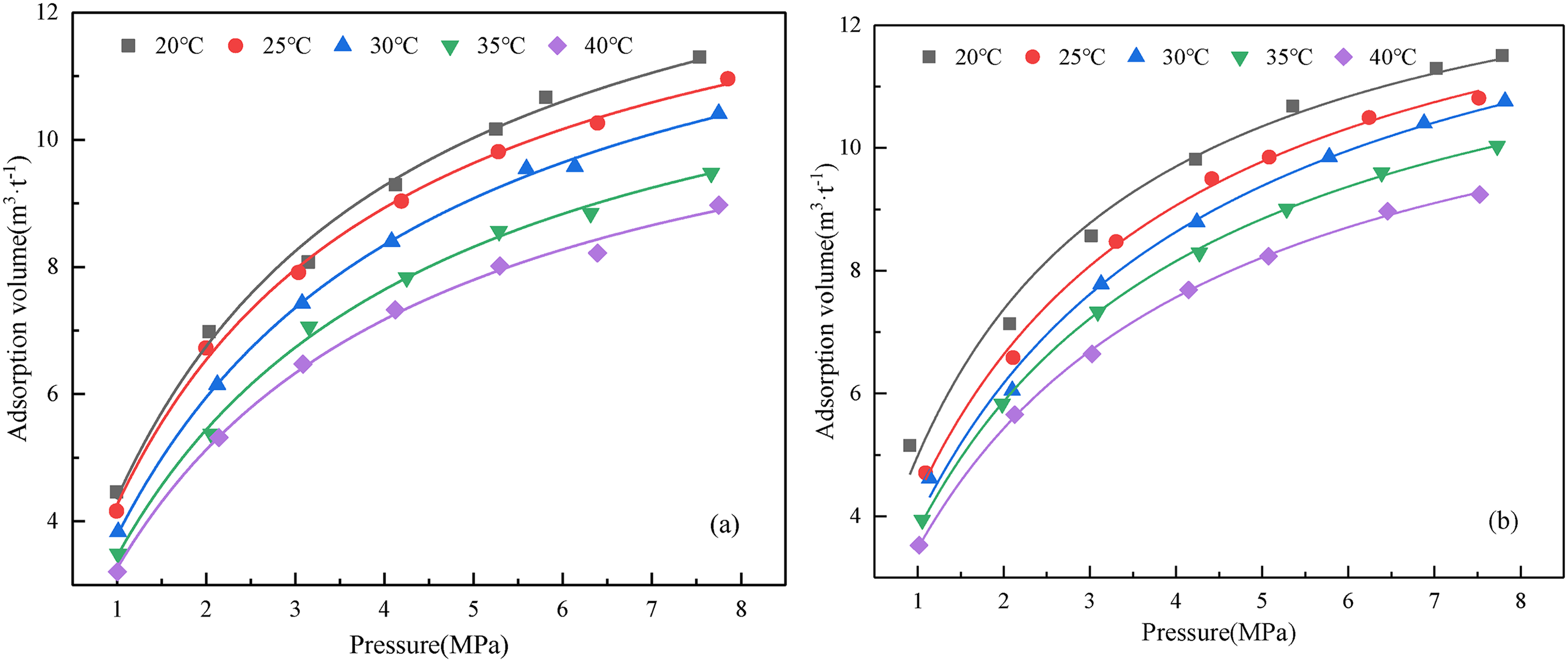
Isothermal adsorption curves under various pressure and temperature. (a)DFS. (b)GJH.
Langmuir parameters for isothermal adsorption simulation test of coal sample.
Study area geological conditions
Huanglong coalfield is located in the southwestern margin of Ordos basin, mainly in Miaobin sag of Weibei uplift
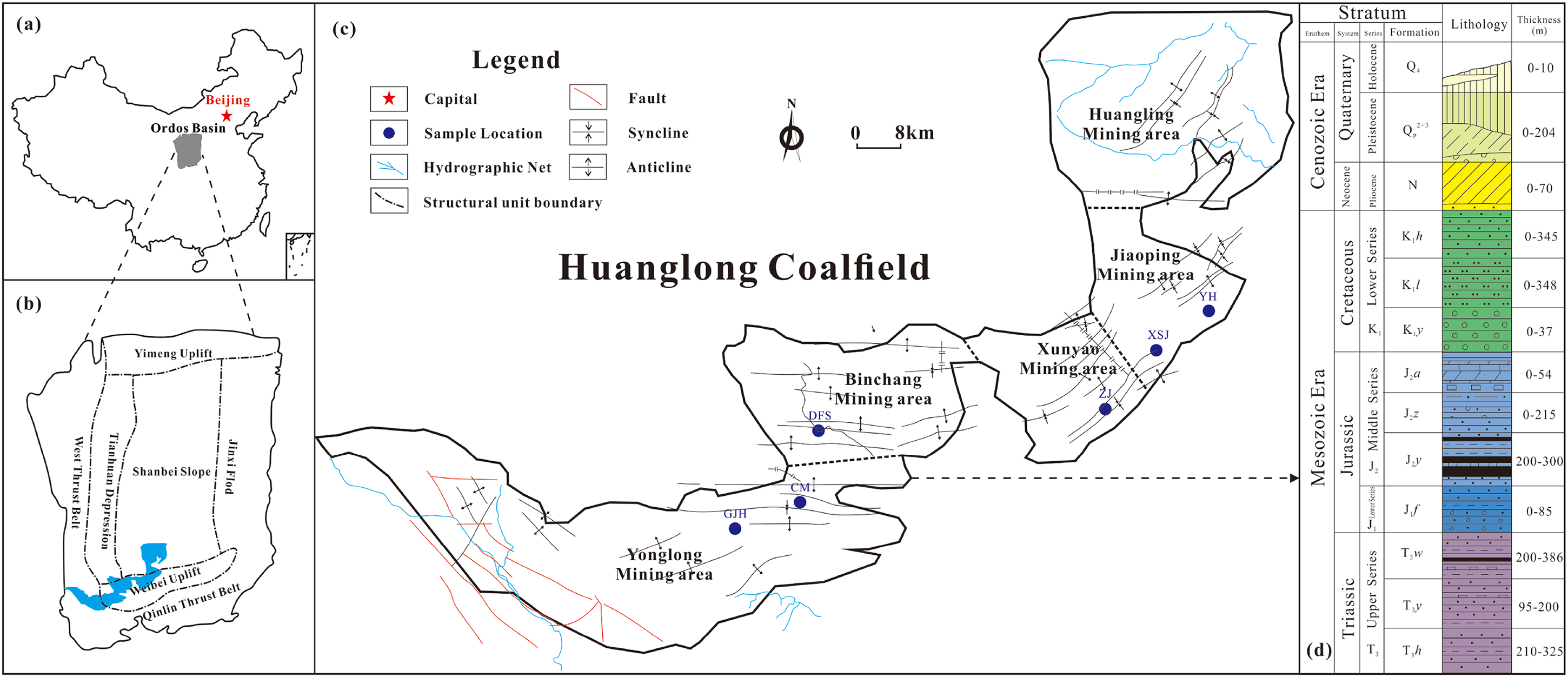
The location and stratum of Huanglong coalfield and sampling point.
The maximum vitrinite reflectance of No.4 coal is mainly between 0.51–0.81%, which is basically low-rank coal. According to the results of drilling statistics, the buried depth of No.4 coal seam is 54.56–1650.50 m (Figure 4), and the thickness is 0.05–43.87 m. The change is large, and the average coal thickness is 11 m. The reservoir temperature is 22.13–34.00°C, and the reservoir pressure is 0.28–9.22 MPa. The measured gas content varies greatly from 0.01–4.56m3/t. The low gas content area is mainly affected by faults and collapse columns, and the preservation conditions are poor. The thickness of No.4 coal are basically low in the southwest and high in the northeast and central regions (Figure 5).
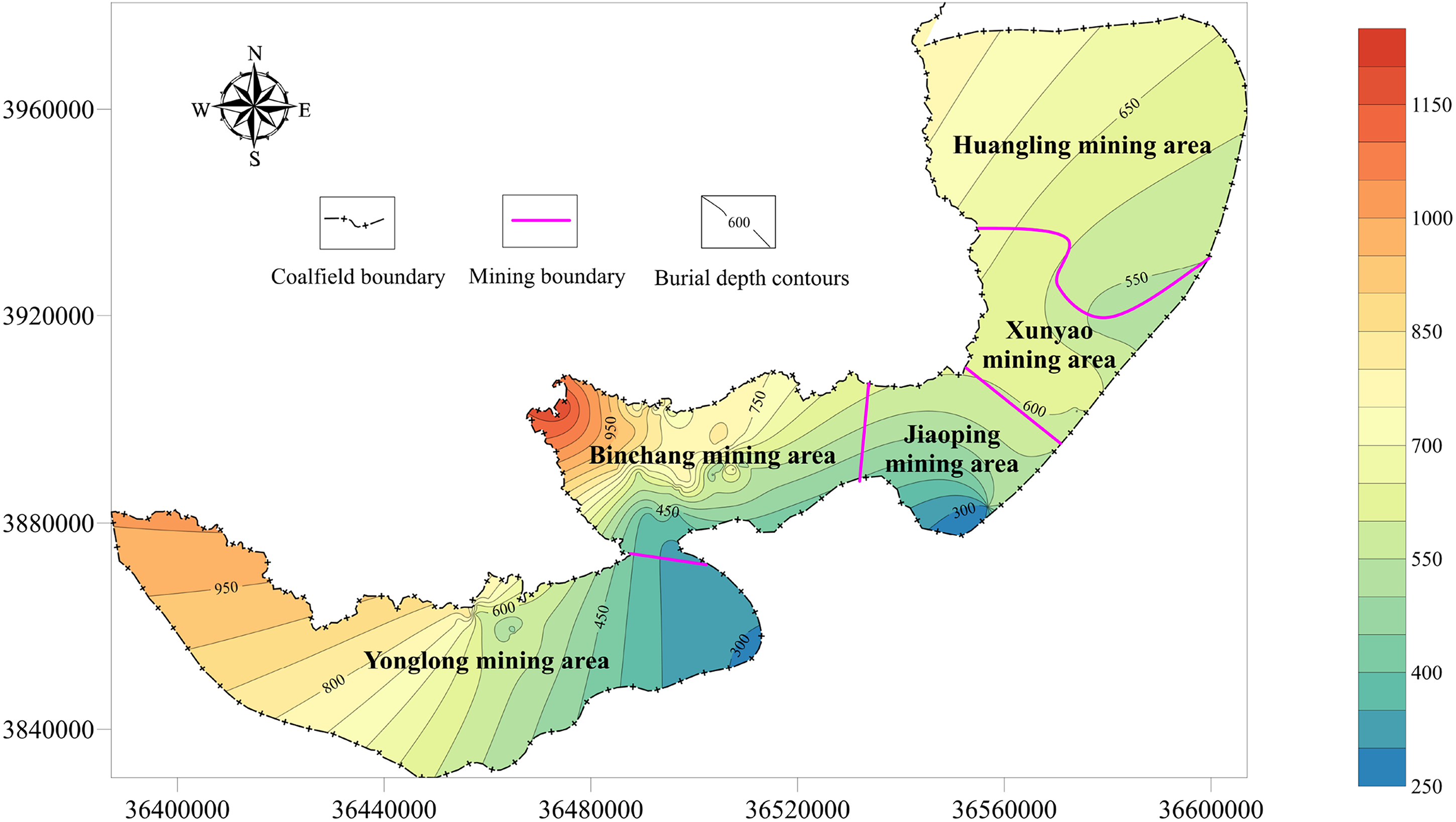
Contour map of buried depth.
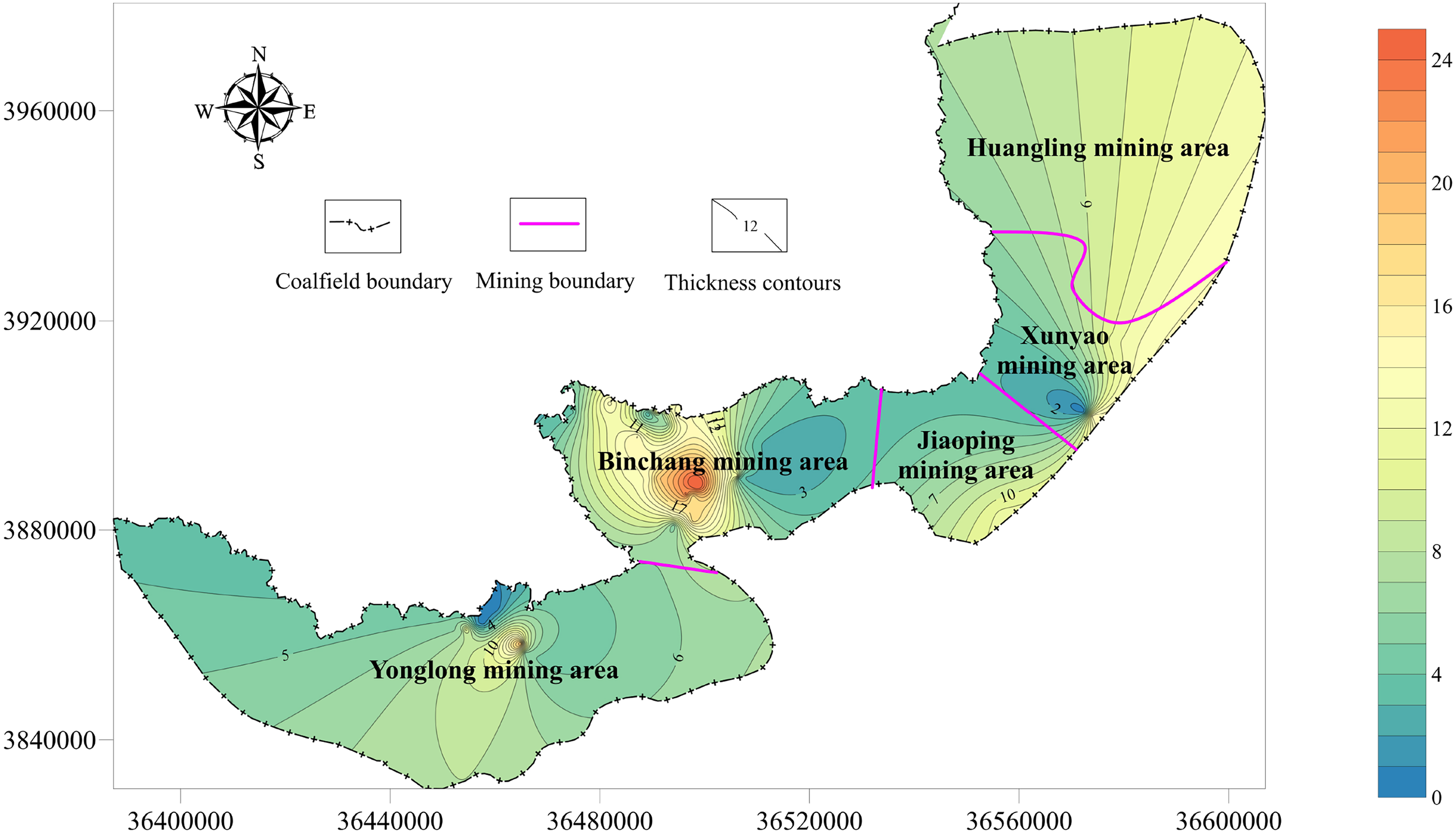
Contour map of thickness.
The coalbed methane resources in the study area are rich. At present, the exploration and development of coalbed methane is mainly concentrated in Binchang, Huangling and Jiaoping mining areas, only in the local scope or single well success, the overall development efficiency is not high.
Results and discussion
Enrichment law and main controlling factors
Main controlling factors
The accumulation of low-rank coalbed methane is affected by many geological factors such as sedimentation, structure, hydrogeological conditions (Chen et al., 2015; Shen et al., 2018; Yan et al., 2015). From the three main reservoir-controlling factors of sedimentation, structure and hydrology, combined with the characteristics of coal thickness, surrounding rock permeability and aquifer thickness, the enrichment and accumulation mechanism of low-rank coalbed methane is discussed.
There is a obvious positive correlated trend between the thickness of coal seam in the first member of Yan’an Formation and the thickness of stratum in the first member of Yan’an Formation (Figure 6). The deposition of the first member of Yan’an Formation is greatly influenced by paleotopography. Under the action of sedimentary filling, peat swamp deposition is easy to form in low-lying areas, which is beneficial to the formation of peat and the occurrence of coal accumulation. Finally, the stable recoverable No.4 coal seam is formed, and the coal accumulation center is consistent with the stratigraphic sedimentary center. When the second member of Yan’an Formation is deposited, the sedimentary environment changes greatly. In some areas, the terrain is high, the peat deposition is less, the thickness of coal seam is relatively thin, and the coal accumulation center and stratigraphic sedimentary center are not completely consistent. The thickness of No.4 coal has a weak positive correlated trend with gas content (Figure 7). But the correlated trend between coal thickness and gas content is poor, and the gas content is not affected by the sealing of coal seam itself.
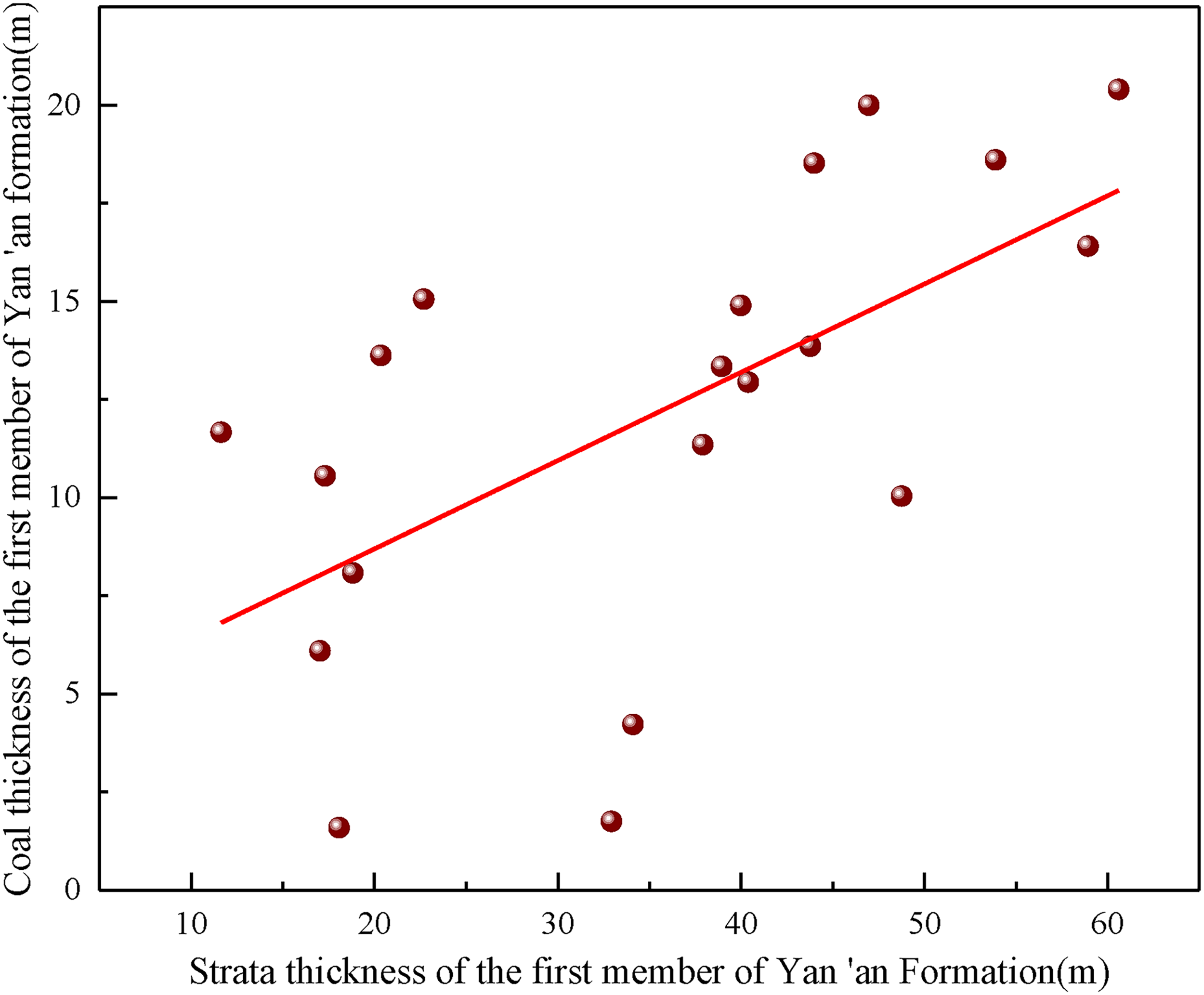
Relationship between coal thickness and stratum thickness in the first member of Yan’an formation.
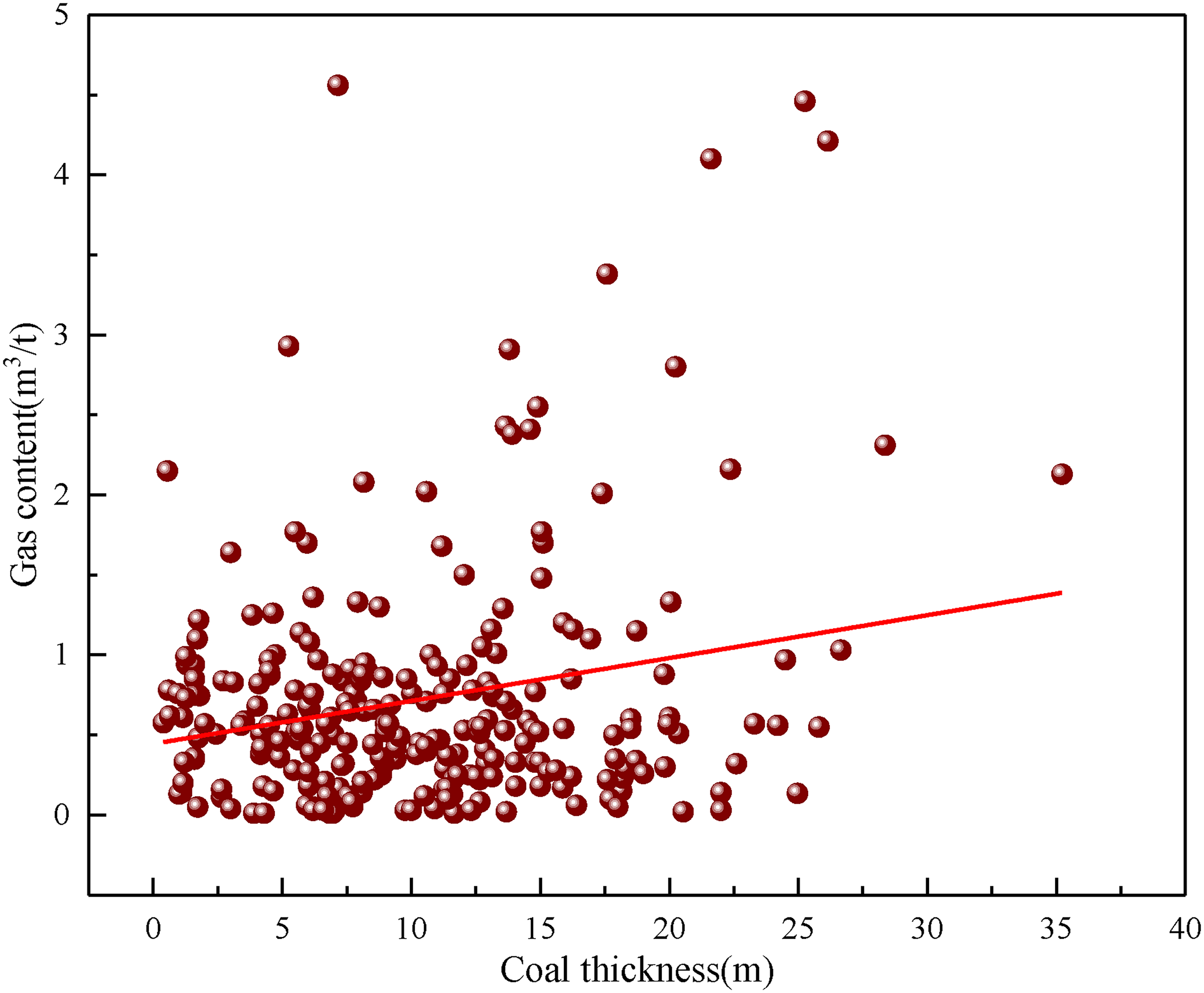
Relationship between gas content and coal thickness.
The permeability of surrounding rock directly affects the occurrence, migration or enrichment of coalbed methane. The sandstone roof with good permeability is conducive to the dissipation of coal bed methane, and the coal bed methane content is relatively low. The roof of rock and sandy mudstone with poor permeability hinders the diffusion of coalbed methane, and the content is relatively high. According to the drilling data in the study area, the statistics of 20 m strata on the coal seam are carried out. The results show that the gas content is affected by the sealing of surrounding rock, and the gas content is negatively correlated trend with the sand-mud ratio (Figure 8). The more developed the sandstone in the coal-bearing formation, the larger the proportion, the pore of the caprock is relatively developed, and the sealing is poor. The sealing effect on coalbed methane is weakened, which is easy to lead to the dissipation of coalbed methane and is not conducive to the preservation of coalbed methane.
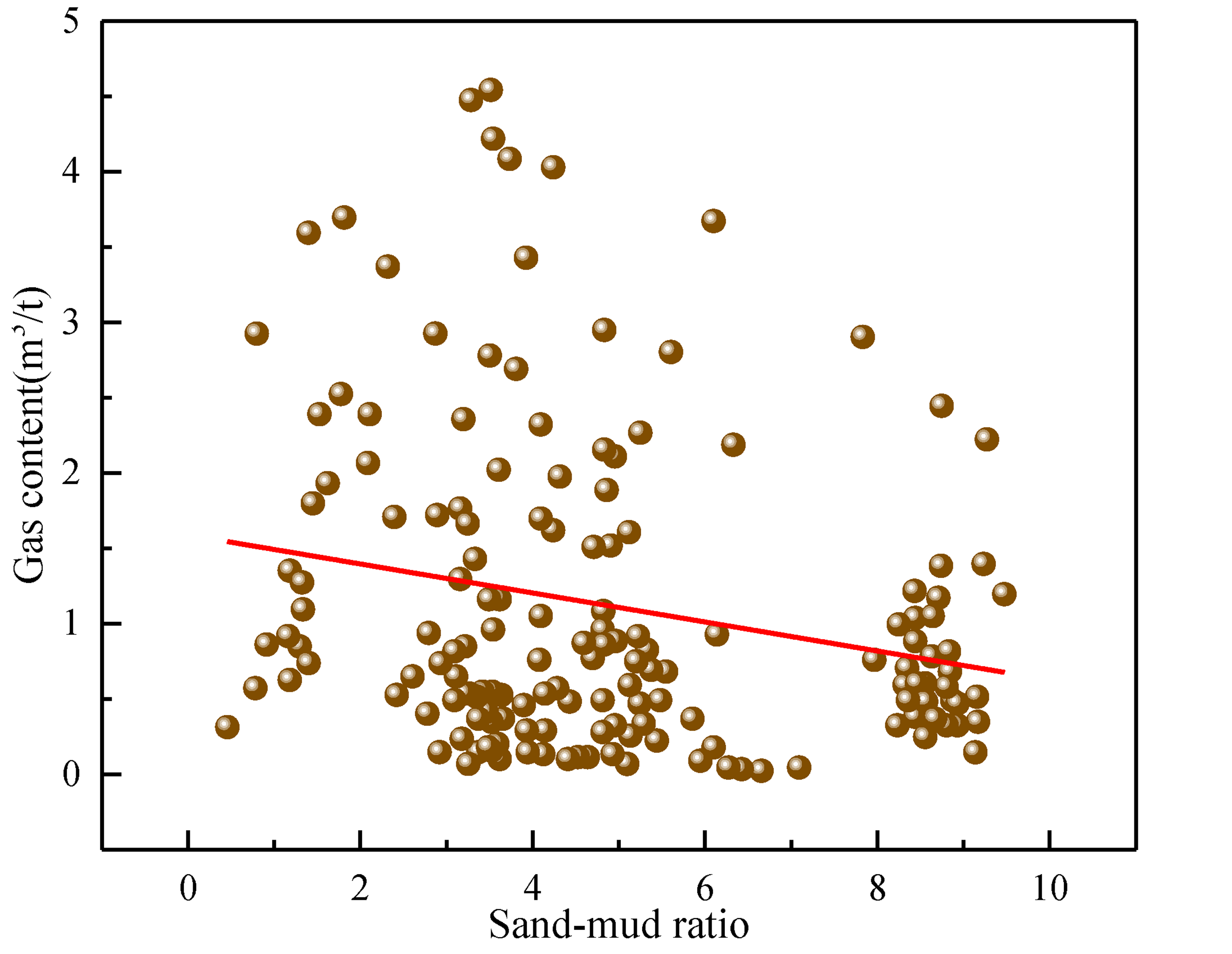
Relationship between gas content and sand-mud ratio of 20 m overburden.
Fold is the main structural factor affecting coalbed methane enrichment in the study area. Taking Binchang mining area, a typical coalbed methane development area in the study area as an example, the mining is generally a monoclinic structure with gentle dip to NW direction. On this monoclinic, a wide and discontinuous secondary fold structure is developed, and the fault is not developed (Figure 9). Near the fault, the gas content is low, indicating that the fault is not conducive to the storage of coalbed methane. In the place where the syncline is relatively developed, especially its axis, coalbed methane is more enriched, mainly because the syncline passes through strong horizontal extrusion in the formation process, which makes the sealing better and coalbed methane more enriched. The gas content in the developed anticline is generally low. On the one hand, due to the lack of gas-forming materials, it can not form a large number of gas. On the other hand, the reservoir sealing is poor, which causes the dissipation of coalbed methane in the vertical direction.
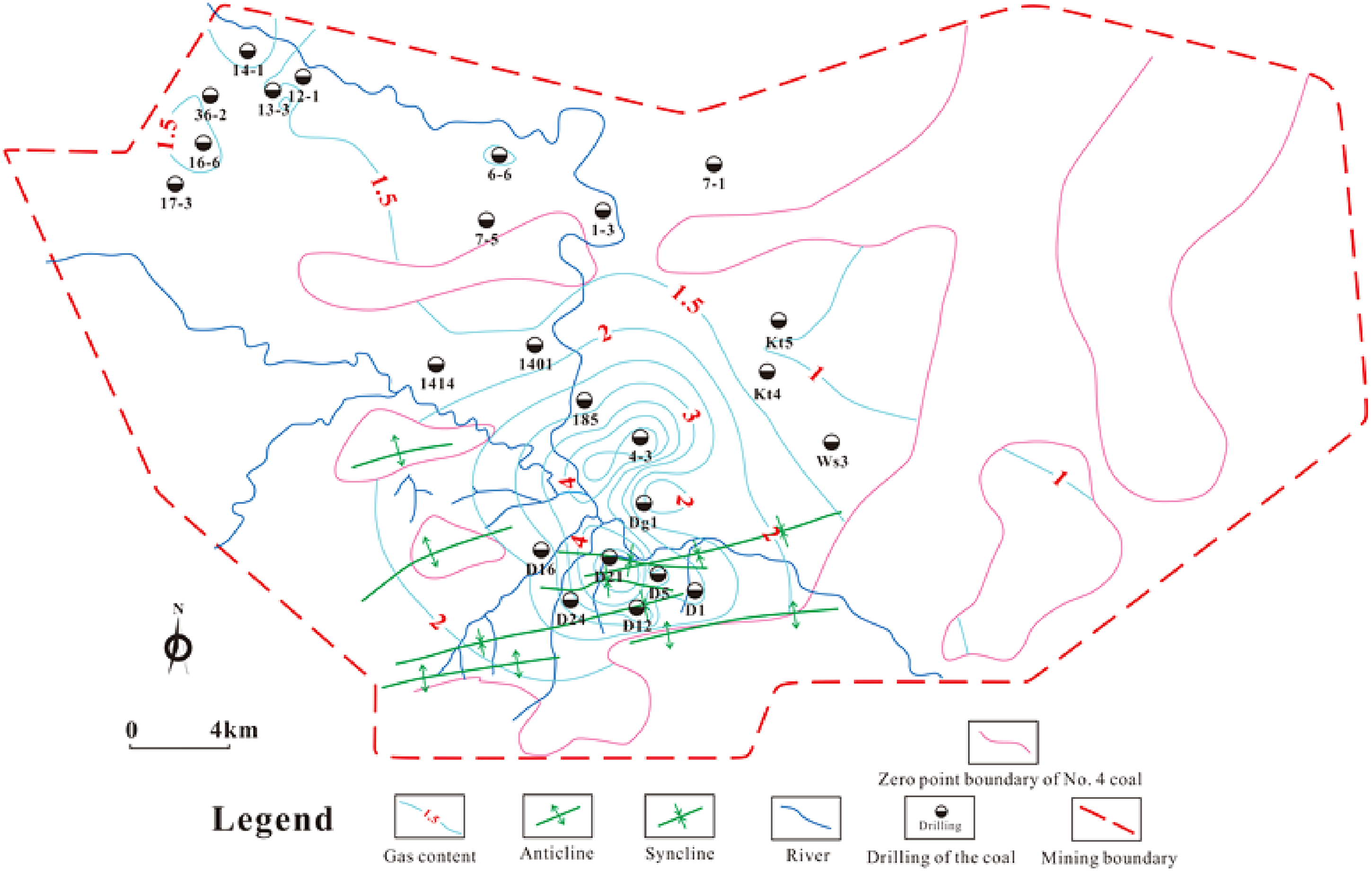
Relationship between coalbed methane content and tectonic changes in Binchang mining area.
The Yan’an Formation(J2y) and Zhiluo Formation(J2z) of middle Jurassic in the study area are weak water-rich strata, and they are pore-fracture type weak water-rich aquifers dominated by fractures. In the Middle Jurassic Zhiluo Formation and Yan’an Formation, water-resisting layers with multi-layer mudstone, sandy mudstone and siltstone are developed. While blocking groundwater runoff, the aquifuge also blocks the hydraulic connection between aquifers in coal-bearing strata to a certain extent, and the vertical aquifers are basically isolated. The aquifer thickness of Jurassic Zhiluo Formation has a weak negative correlated trend with the gas content (Figure 10). The main reason is that coalbed methane in the study area is a mixed gas dominated by secondary biogenic gas, and microorganisms are more active in the water environment. Secondary biogenic gas plays a leading role, and the generated methane gas is dissolved in water, resulting in low gas content in the reservoir.
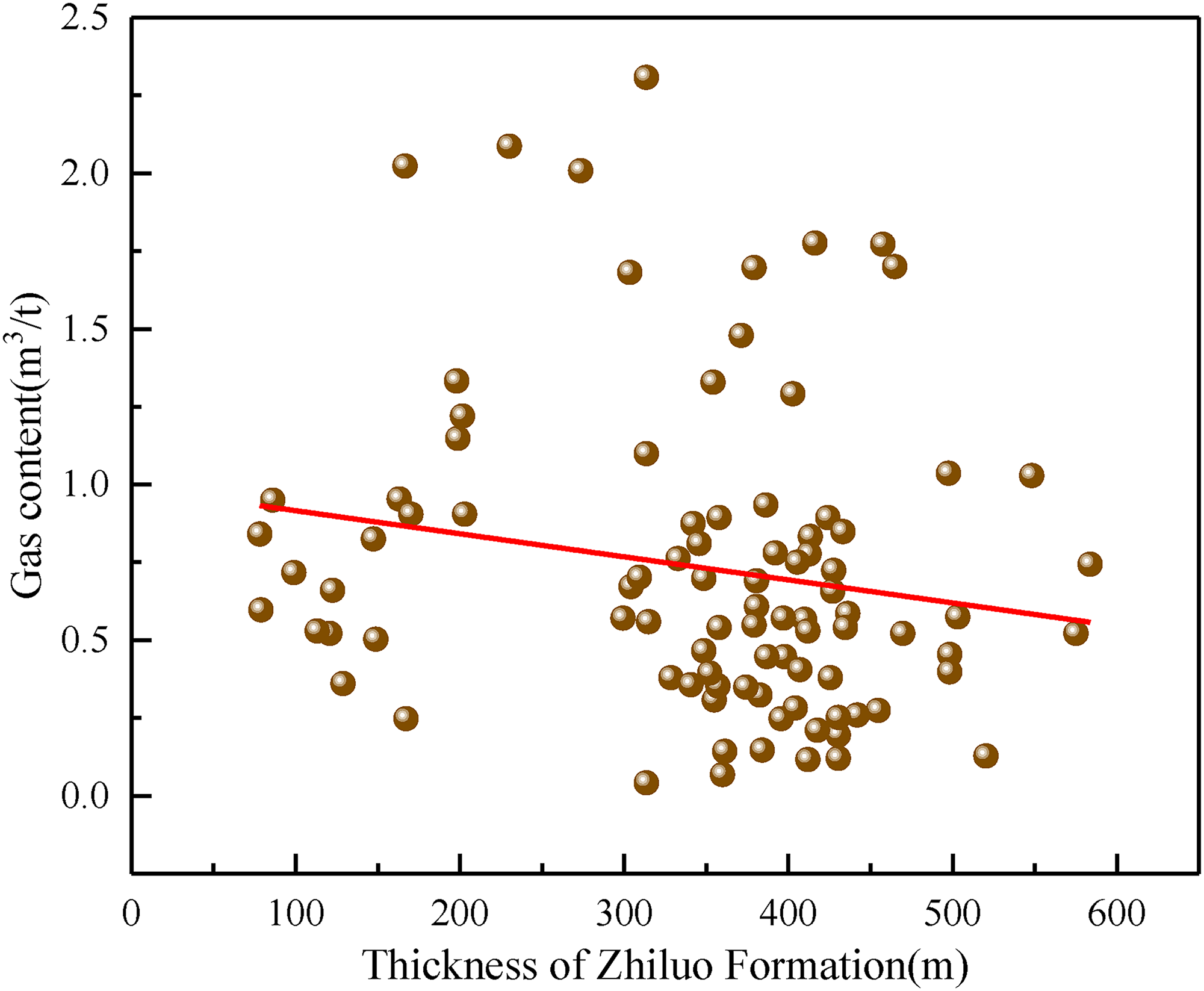
Relationship between Zhiluo formation thickness and gas content.
In addition to geological control factors such as sedimentation, structure and hydrology, coal quality characteristics of coal reservoir also affect gas content. The maximum vitrinite reflectance RO of No.4 coal is 0.81%. Because the whole study area is low-rank coal, the RO change is small, and the change of gas content with coal rank is not obvious (Figure 11(a)). The correlated trend between the gas content and vitrinite reflectance shows that, the coal seam gas content grows with the increase of the maximum vitrinite reflectance (Figure 11(b)).
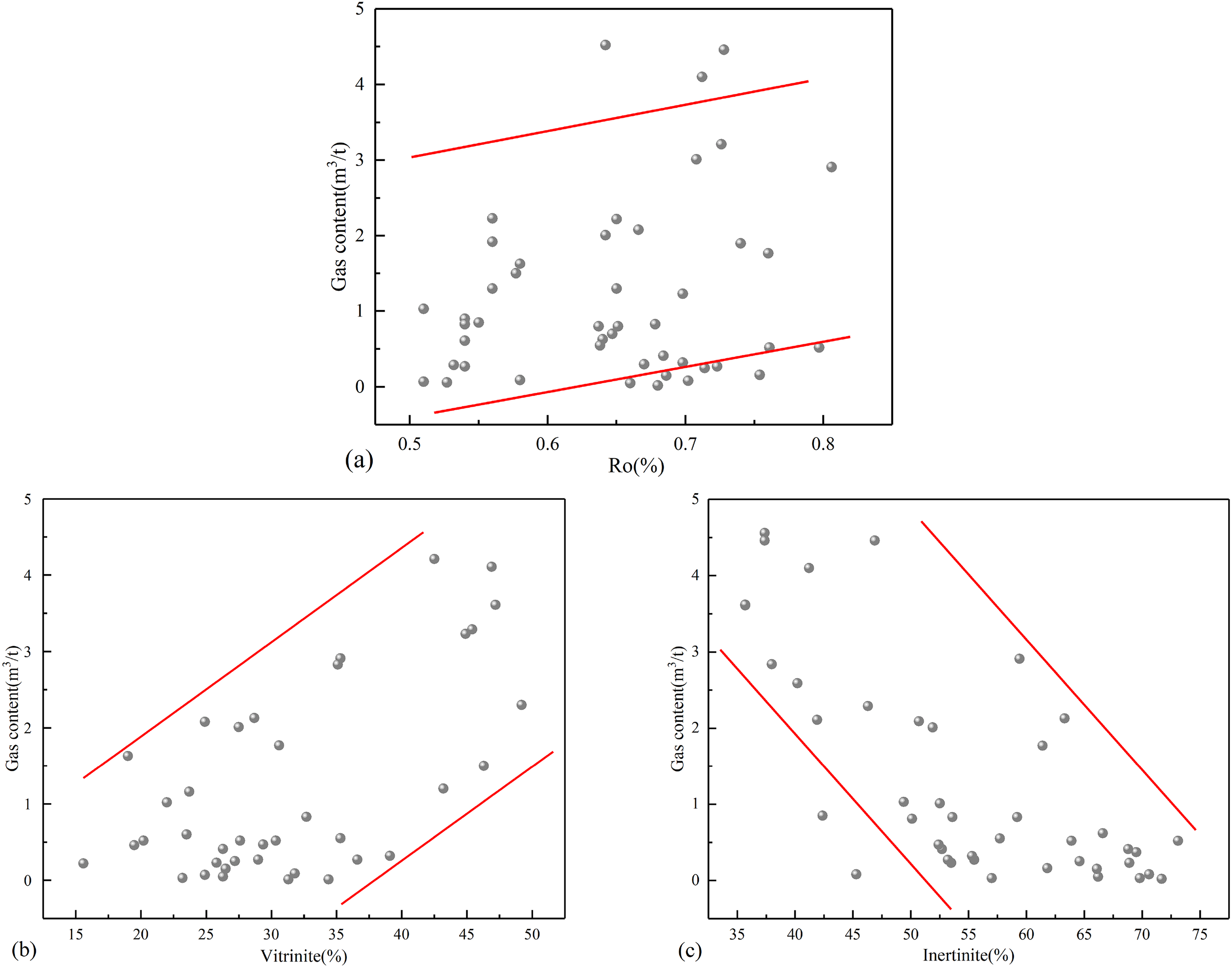
Relationship between RO and maceral composition vs gas content.
There are three types of coal macerals, vitrinite, inertinite and liptinite, among which vitrinite and inertinite play the main roles in controlling gas content in coal reservoirs(Xin et al., 2019). Micropores are well developed in vitrinite with large specific surface area and strong adsorption capacity for methane (Keshavarz et al., 2017; Liu et al., 2019). The pores and fractures in the inertinite group are not developed, and are more hydrophilic than the vitrinite. The increase of water content will reduce the ability of coal reservoir to adsorb methane (Chen et al., 2018; Zhao et al., 2018). The vitrinite content in the study area is 15.1–49.7%, and the inertinite content is 35.1–73.6%. The vitrinite content has a positive correlated trend with gas content in coal reservoirs, while the inertinite content is significantly negatively correlated (Figure 11(c)).
The water content in the study area is mainly 4–10%, and the gas content increases first and then decreases with the increase of water content. When the moisture content is 7%, the gas content of No.4 coal tends to the maximum, and then gradually decreases (Figure 12(a)). This is mainly because water is a polar molecule, and coal seam preferentially adsorbs more water. After coal adsorbs water, on the one hand, it reduces the effective area of adsorbed methane, and on the other hand, it blocks the channel for methane molecules to enter the micropore. The ash content is mainly concentrated in 0.5–25%, and the ash content has a negative correlated trend with the gas content. The higher the ash yield in the coal seam, that is, the higher the inorganic mineral content is, and the filling pores and fractures will block the adsorption and storage space of coal reservoirs. Therefore, the higher the ash content in the coal seam is, the gas content is lower (Figure 12(b)). Volatile content is the volatile matter emitted by coal at high temperature, and it will affect the adsorption space of methane. Volatiles are mainly concentrated between 25–40% in the study area. The correlated trend between gas content and volatile matter is poor (Figure 12(c)).
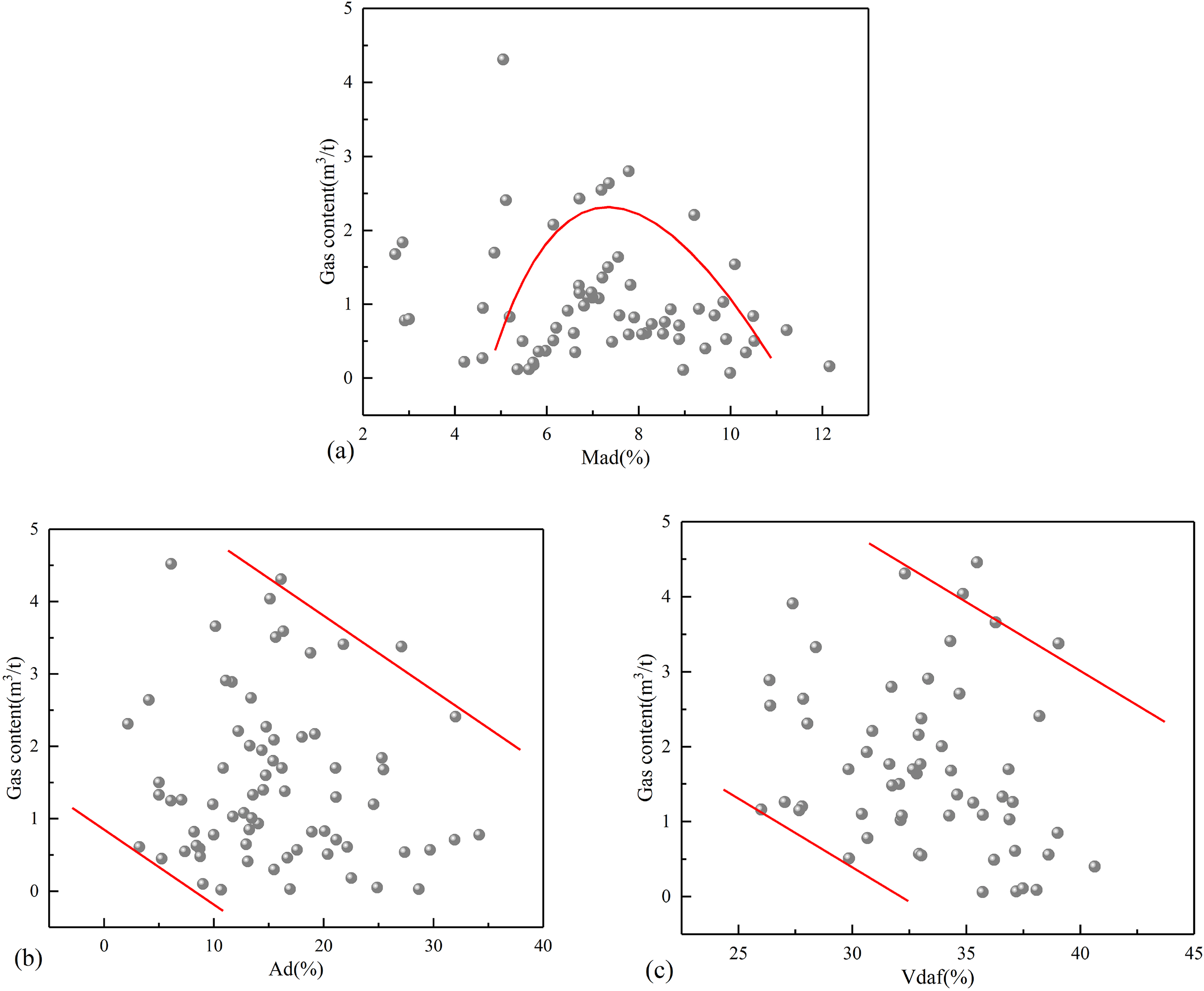
Relationship between coal quality and gas content.
Characteristics of gas bearing
The gas content of No.4 coal reservoir is up to 4.56m3/t in the study area, and the gas content shows a trend that the gas content at the center is higher than that on both sides (Figure 13). The gas content in the south of Yonglong mining area is the overall trend of high center and low sides, 1.2–1.6m3/t in the west, 0.8–1.2m3/t in the east, and 2.6m3/t in the middle. The average gas content in Dafosi area of Binchang mining area reaches 4m3/t. The overall gas content of Jiaoping and Xunyao mining areas is not high, basically at about 0.75m3/t, and there are small enrichment centers in the eastern Jiaoping mining area. The gas content in Huangling mining area shows a distribution trend of low in south and high in north, with an average of 1.8m3/t.
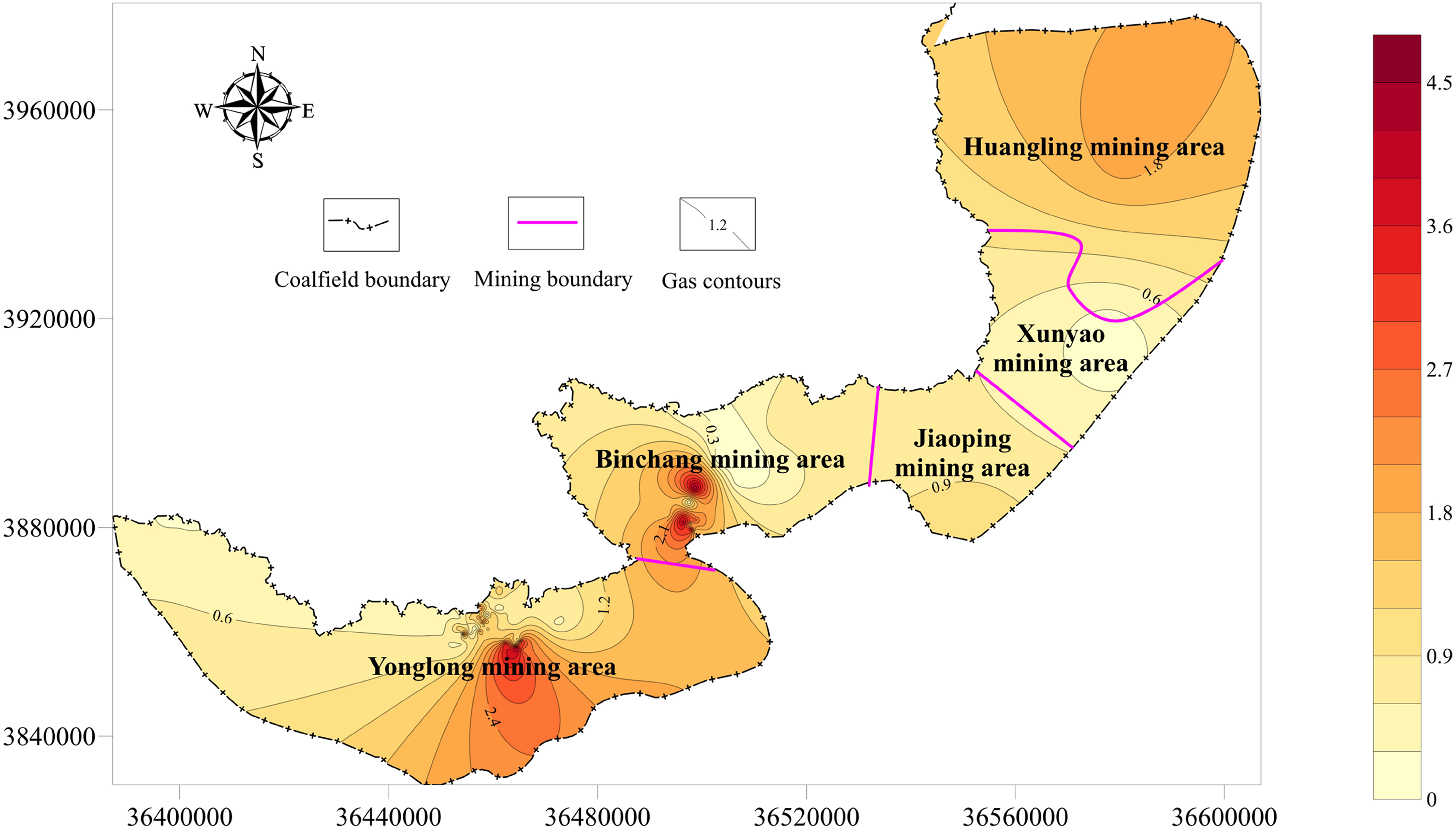
Contour map of gas content.
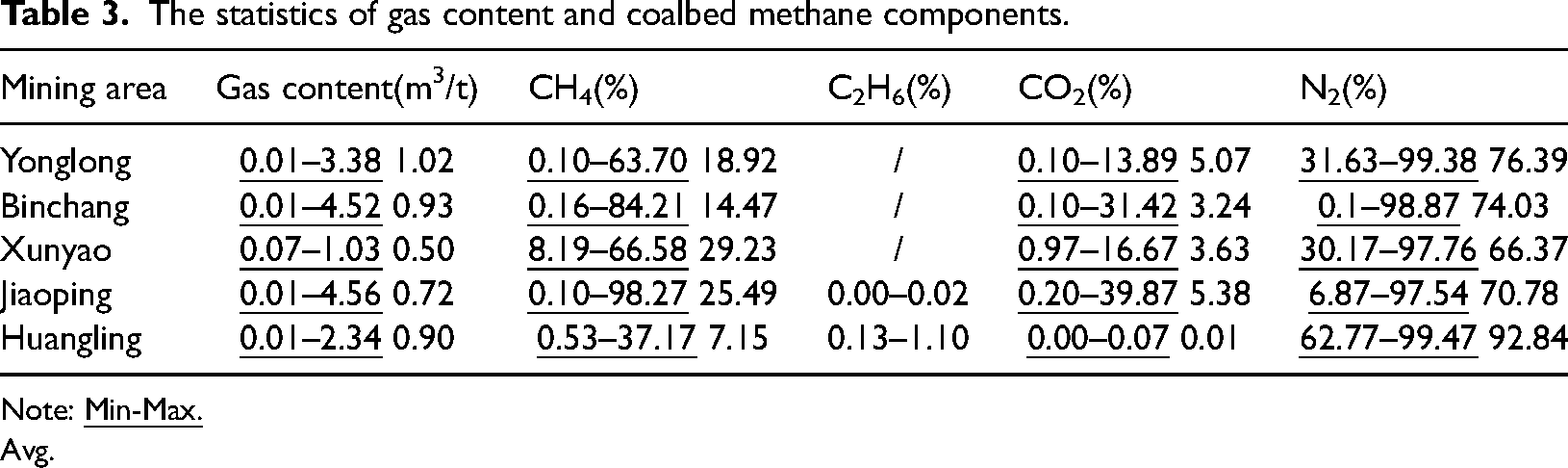
The CH4 content of coalbed methane is 0.00–98.27%. Heavy hydrocarbons are mainly C2H6, the content is between 0.00–1.10%. The CO2 content is 0.00–39.87% and the N2 content is 7.15–37.21% (Table 3).
The statistics of gas content and coalbed methane components.
Note:
Avg.
Isothermal adsorption characteristics
At the same temperature, RO is positively correlated with Langmuir volume VL (Figure 14). The Langmuir pressure PL of different coal samples is between 2.231 MPa and 4.106 MPa, and the average value is 2.91 MPa. It shows that the adsorption of low-rank coal reservoirs is relatively easy in the low pressure area, and the increase rate of coal adsorption in the high pressure area is significantly slowed down with the increase of pressure. The Langmuir volume VL of coal samples is basically positively correlated with vitrinite content, and negatively correlated with water content, and the correlation is not obvious (Figure 15). The vitrinite has developed micropores, large specific surface area and strong adsorption capacity for methane, while the increase of water content will reduce the adsorption capacity of reservoir (Ma et al., 2016; Zhang et al., 2022).
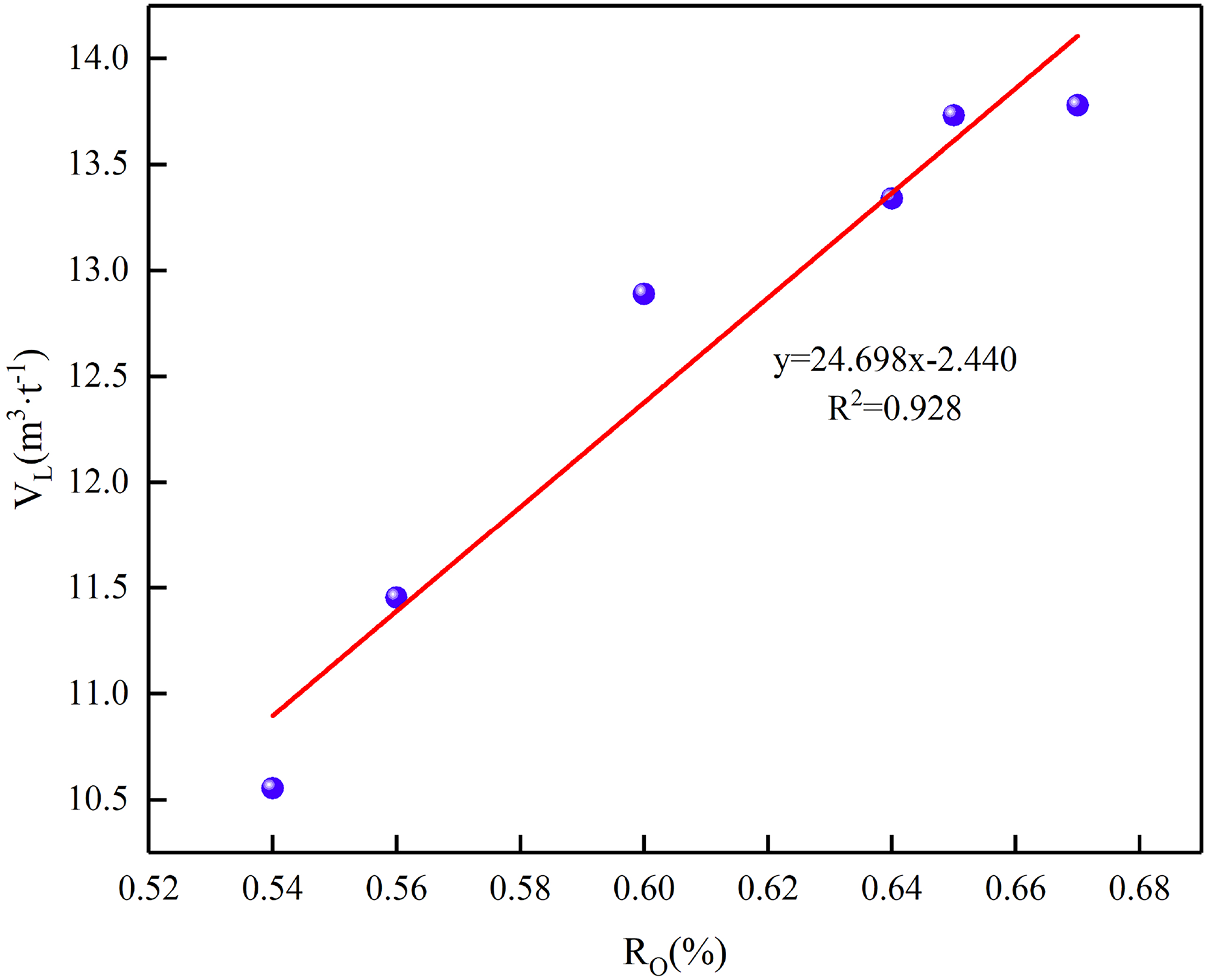
Relationship between Langmuir volume and RO.
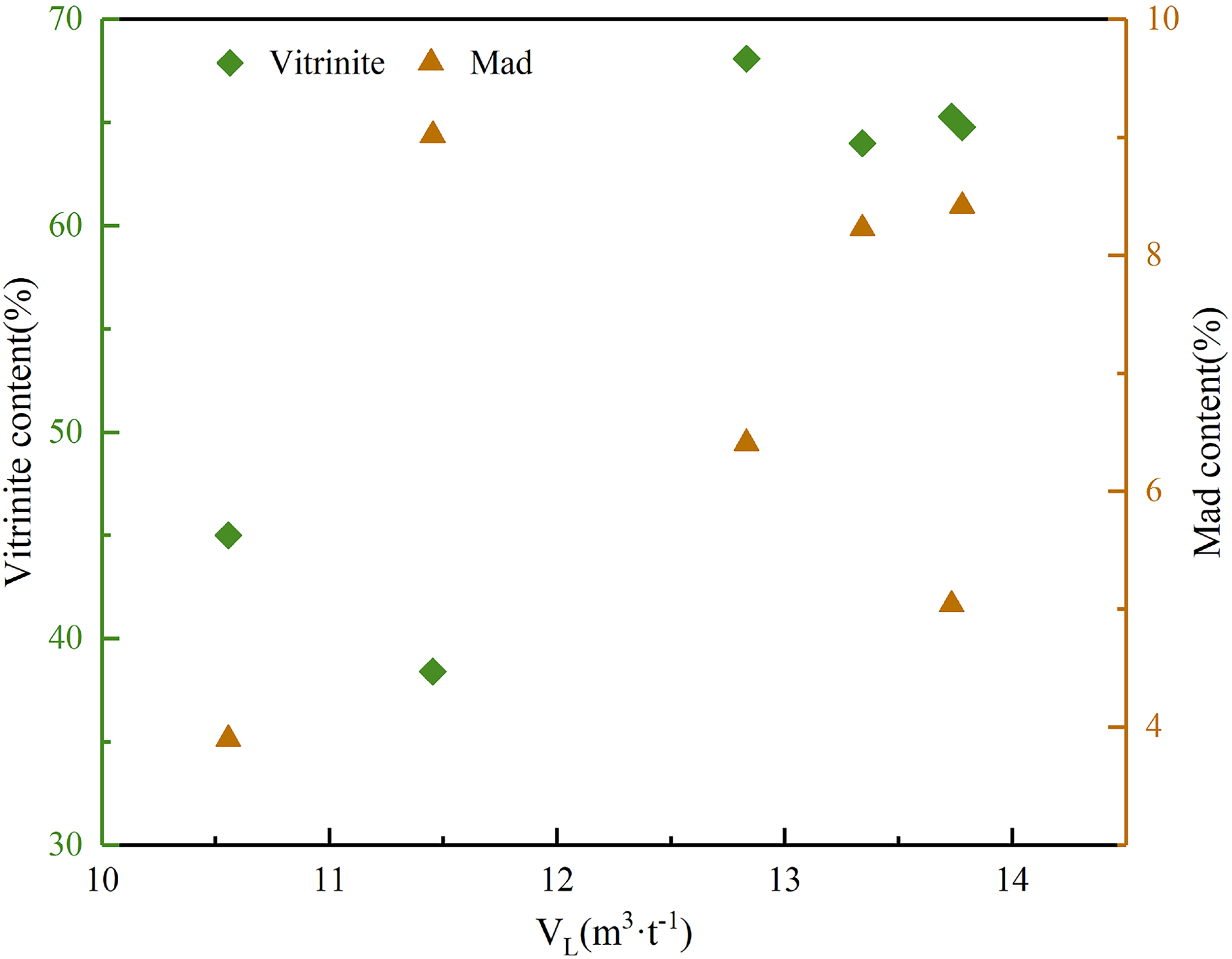
Relationship between vitrinite and water content vs Langmuir volume at 35°C.
The results of isothermal adsorption experiments show that the methane adsorption amount of coal increases with the increase of pressure at the same temperature. When the pressure increases to a certain extent, the increase rate of adsorption amount gradually slows down. The adsorption capacity of coal to methane decreases with the increase of temperature under the same pressure(Chen et al., 2021; Gao et al., 2021; Zheng et al., 2021). Comparing the relationship between DFS and GJH temperature and adsorption capacity, it is found that the adsorption capacity increased by 4–4.7m3/t, when the pressure increased from 1 MPa to 4 MPa (Figure 16). The adsorption capacity increased by 1.1–1.5m3/t from 4 MPa to 6 MPa, and the increasing trend gradually slowed down. From 6 MPa to 7.5 MPa, the increase value of adsorption capacity is significantly reduced, about 0.7m3/t. According to the results of multi-temperature point adsorption experiments, the adsorption capacity gradually decreases as the temperature increases from 20°C to 40°C. And the adsorption capacity decreases obviously when the temperature increased from 25°C to 35°C. The results show that the temperature and pressure conditions in the study area have a great influence on the adsorption performance of coal reservoirs. The greater the pressure, the greater the adsorption capacity, and the pressure promotes the adsorption capacity. The adsorption capacity decreases gradually with the temperature increasing. The temperature has an inhibitory effect on the adsorption performance.
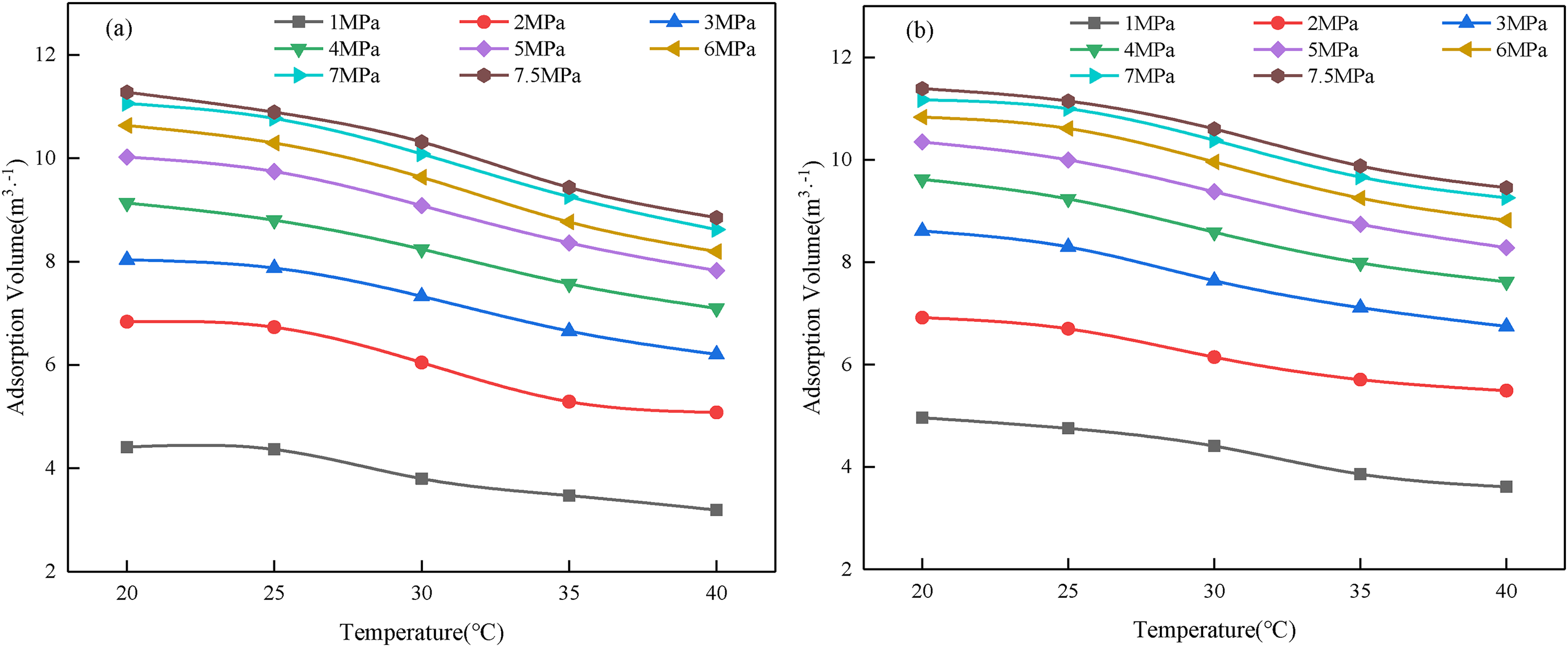
Relationship between temperature and adsorption capacity. (a)DFS. (b)GJH.
Variation law of gas content in deep low-rank coal
Saturated gas content model of deep low-rank coal reservoir
Burial depth is one of the important resource conditions of coal reservoirs. According to the above experimental results, the changes of reservoir temperature and reservoir pressure caused by burial depth have a certain impact on the adsorption performance of coal. On the one hand, the higher the reservoir temperature, the smaller the coal adsorption. On the other hand, reservoir pressure not only determines the occurrence state of coalbed methane, but also directly affects the difficulty of drainage and depressurization during mining (Liu et al., 2018). By collecting the reservoir temperature and reservoir pressure data in the study area, the geothermal gradient and pressure gradient are calculated (Table 4).

Characteristics of reservoir temperature and reservoir pressure.
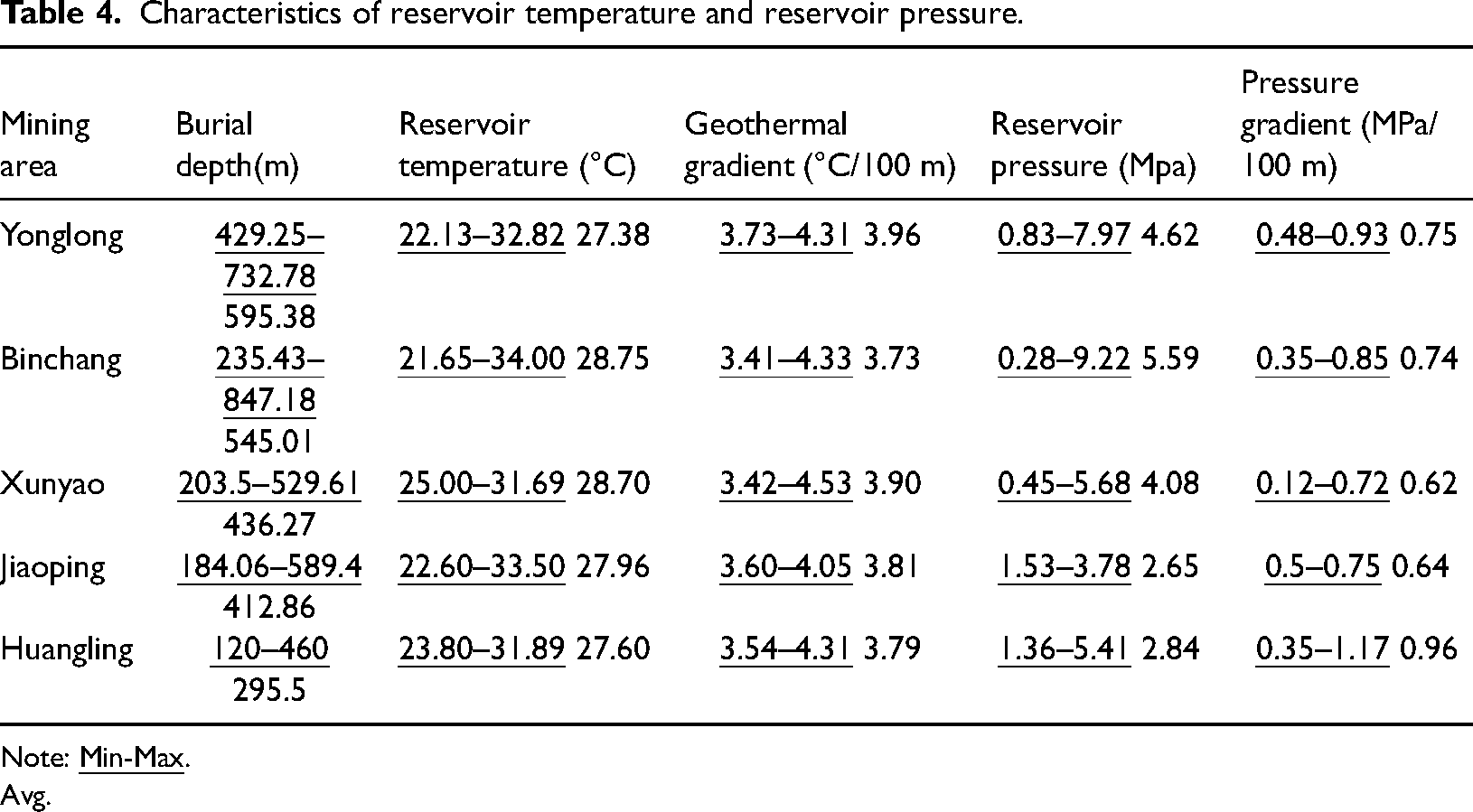
Note:
Avg.
According to the relationship between the buried depth of coal reservoir and the reservoir temperature and reservoir pressure in the production data of coalbed methane, a regression equation is established. The fitting results show that in the vertical direction, with the increase of buried depth, the reservoir temperature and reservoir pressure increase, showing a positive correlation trend (Figure 17). After testing, the Eq.(1) correlation coefficient is 0.865, and the Eq.(2) correlation coefficient is 0.923, both of which are significant.
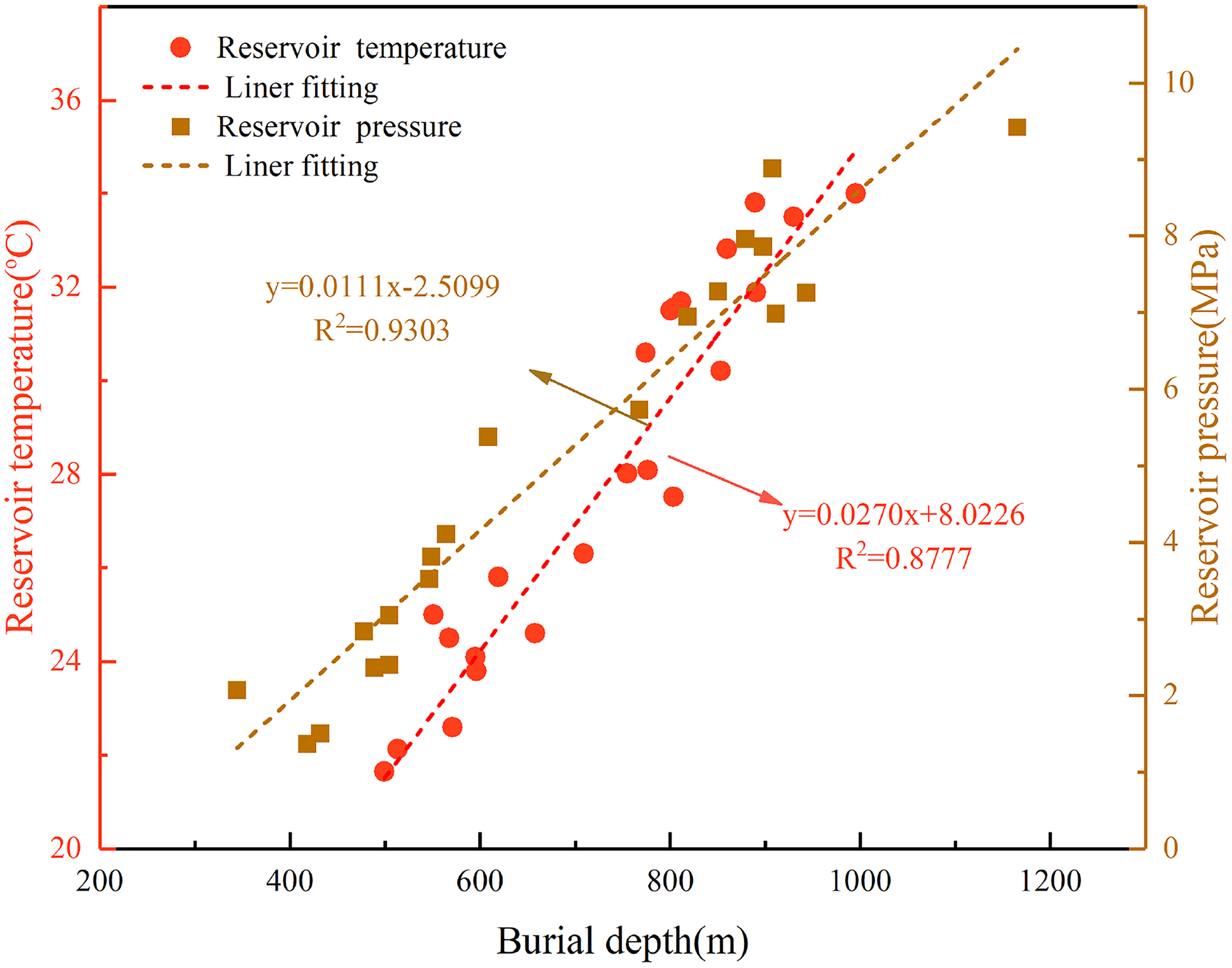
Relationship between temperature and pressure of reservoir vs burial depth.


Taking DFS adsorption experimental data as an example, based on the relationship between Langmuir volume VL, PL and reservoir temperature T, and the relationship between buried depth H and reservoir pressure P, reservoir temperature T respectively obtained by regression analysis of production data, the prediction model of gas content in deep coal reservoir is established:

Replace Eq.(1) with Eq.(3) and Eq.(4) respectively, and

Substituting Eq. (2), Eq. (5) and Eq. (6) into the Langmuir isothermal adsorption equation (Langmuir, 1917; Yang et al., 2019), namely Eq. (7):
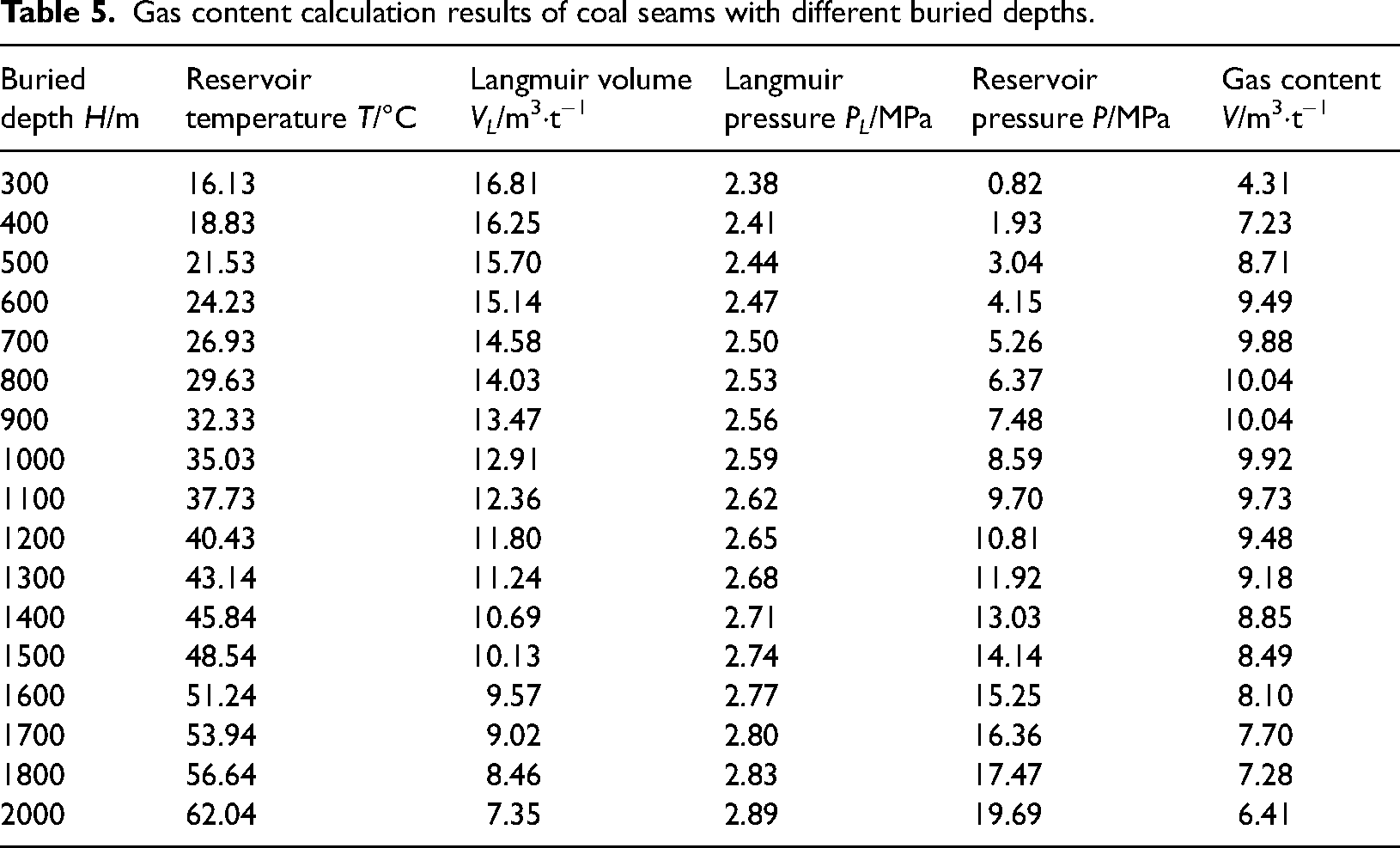
According to (7), the gas content of coal seam with different depths in the study area can be calculated (assuming that the gas saturation of coal reservoir is 100%), the results are shown in Table 5.
Gas content calculation results of coal seams with different buried depths.
Critical depth of temperature-pressure coupling
The buried depth of coal seam increases, the ground temperature rises and the reservoir pressure increases, which causes the change of coal seam gas content. In general, the analysis of the influence of coal seam buried depth on gas content mainly considers the temperature and pressure changes caused by buried depth. According to the adsorption theory of coalbed methane, the increase of buried depth results in the positive effect of pressure increase and the negative effect of temperature increase. In other words, the influence of buried depth on gas content is the superposition result of the two effects. The dominant effects are different in different buried depth ranges. Previous studies have shown that any region has a maximum equilibrium point of adsorption depth (Hou et al., 2020; Zhang et al., 2018). With the increase of burial depth, the decrease in the amount of adsorbed methane caused by the increase of temperature offsets the increase in the amount of adsorbed methane caused by the increase of pressure increase of buried depth, the temperature also increases, which is not conducive to methane adsorption. After reaching the limit value, no matter how the pressure increases, the adsorption capacity of coal almost remains unchanged, which is due to the limited gas storage capacity of coal. Therefore, with the increase of buried depth, the negative temperature effect and the positive pressure effect gradually reach the critical value, and the dominant effect will change afterwards. In the analysis and evaluation of deep coal seam gas content, shallow coal seam gas content gradient can not be simply used to analogy deep coal seam gas content. It is necessary to comprehensively consider reservoir temperature and reservoir pressure to evaluate deep low-rank coal seam gas content.
According to the established gas content prediction model, when the buried depth of coal seam is 300–2000 m, the reservoir temperature is 16.13–62.04°C, and the reservoir pressure is 0.82–19.69 MPa. In saturated adsorption state, the coal seam gas content is 4.31–10.04m3/t. When the buried depth of coal seam is less than 600 m, the buried depth increases, the gas content increases faster. When the buried depth of coal seam is 600–800 m, the gas content increases slowly. When the buried depth is less than 800 m, the positive effect of pressure increase plays a leading role. When the buried depth of coal seam is 800–900 m, the reservoir temperature increases to 29.63°C, the reservoir pressure increases to 7.48 MPa, and the gas content reaches the maximum 10.04m3/t. At this time, the dominant role changes from positive pressure effect to negative temperature effect. With the increase of buried depth, the gas content decreases gradually from 10.04m3/t to 6.41m3/t, and the negative effect of temperature rise is dominant (Figure 18). In saturated adsorption state, the gas content below 800 m is mainly dominated by positive pressure effect, and the gas content above 900 m is dominated by negative temperature effect. The critical conversion depth of temperature and pressure effect is about 800–900 m, and the conversion temperature and pressure are 29.63 MPa and 6.37 MPa, respectively, which are basically consistent with the previous experimental results.
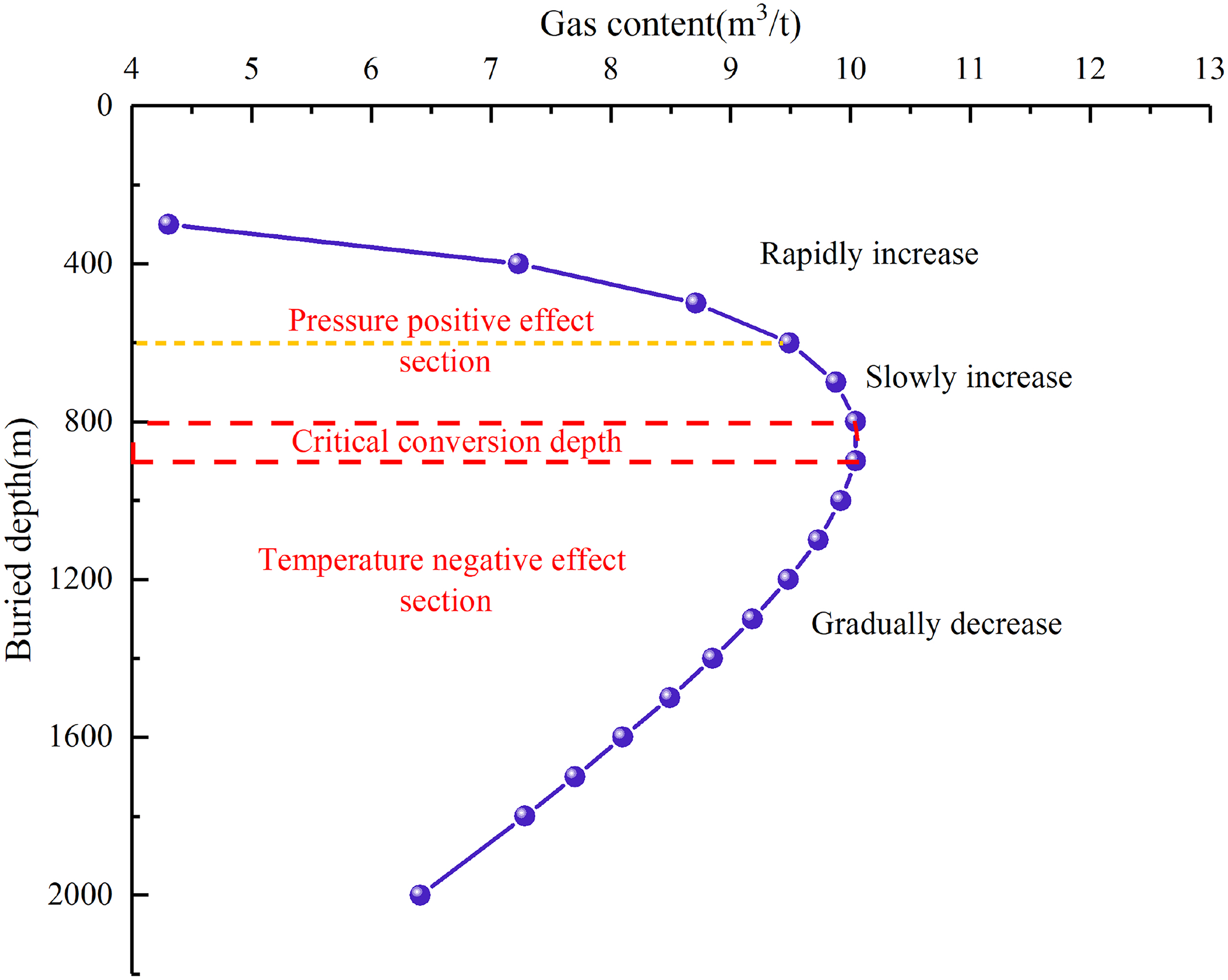
The critical depth of gas content change of coal reservoir.
Variation characteristics of actual gas content with buried depth
With the increase of burial depth, under the action of compaction, the density of sediments is increasing, the porosity is decreasing, the pore fluid is continuously excluded, and the permeability of coal seams is poor, which is beneficial to the storage of coalbed methane. The gas content of coal reservoir increases linearly with the burial depth, but according to the measured gas content data, the increase rate of coalbed methane content will slow down and tend to constant with the increase of burial depth. The measured critical conversion depth of gas content in low-rank coal reservoirs in the study area is 600–700 m (Figure 19). Subsequently, the negative temperature effect dominates the change of gas content, and gas content is negatively correlated with burial depth.
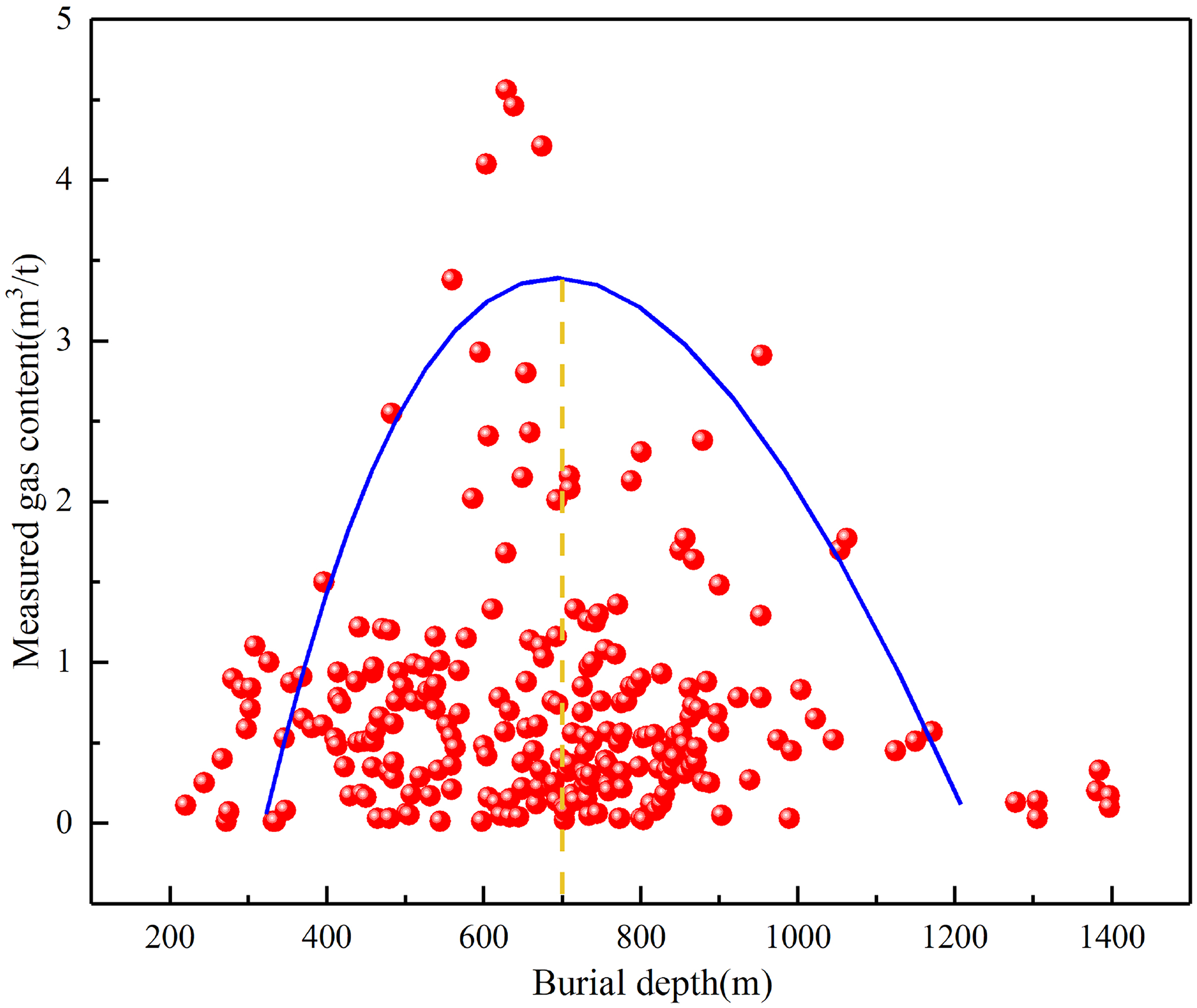
Relationship between buried depth and measured gas content.
Compared with the predicted results, the actual critical depth of temperature-pressure conversion is shallower, and there are two main reasons. Firstly, the genesis of low rank coalbed methane in the study area is a mixed gas dominated by secondary biogenic gas, and it requires hydrogeological conditions of freshwater infiltration (Park and Liang, 2016). The hydrogeological conditions in the study area are poor, resulting in a small amount of biogas production in the area with large burial depth. The real gas content is smaller than theoretical gas content of the buried depth section, resulting in a shallower critical depth of the actual temperature-pressure conversion. The preservation of coalbed methane also needs good sealing conditions. The lithology and thickness of coal roof and floor will have a great influence on the storage of coalbed methane. Secondly, the gas content V calculated by Langmuir equation is the theoretical maximum gas content of adsorption, which cannot represent the real gas content. The real gas content is affected by gas saturation (Banerjee and Chatterjee, 2021; Meng et al., 2017; Yu and Wang, 2020). In general, the gas saturation is negatively correlated with coal seam depth and coal seam temperature, that is, with the increase of coal reservoir depth and temperature, the gas saturation of coalbed methane decreases gradually.
Conclusion
The gas content is controlled by many factors of low rank coal in Huanglong Jurassic coalfield,divided into internal factors and external factors. The external factors include sedimentation, structure, hydrogeological conditions, reservoir temperature and reservoir pressure. The internal factors include the genesis of coalbed methane, coal rock, coal quality and isothermal adsorption characteristics. Gas content is positively correlated trend with coalification degree and vitrinite content, and negatively correlated trend with inertinite content, ash yield and volatile yield. With the increase of water content, the gas content first increases and then decreases.
Langmuir volume is positively correlated with RO and vitrinite content, and negatively correlated with water content. The pressure has a positive effect on the adsorption capacity of coal. In the low pressure region (<4 MPa), the increase value of adsorption capacity is 4–4.7m3/t, which is significantly larger than that in the high pressure region (>4 MPa). The temperature has a negative effect on the adsorption capacity of coal. The adsorption capacity decreases with the increase of temperature under different pressures, and the adsorption capacity decreases obviously at 25–35°C.
The gas content of shallow coalbed methane is mainly affected by the plutonic metamorphism, which is positively correlated with the buried depth of coal seam and reservoir pressure. And the gas content in middle-deep coal seam controlled by coupling of temperature and pressure. According to the calculated theoretical gas content of coal seam with different buried depths, there is a critical conversion depth (800–900 m) for the gas content variation in the study area. Below 800 m, the positive effect of reservoir pressure is greater than the negative effect of reservoir temperature on gas content. Above 900 m, the negative effect of reservoir temperature is dominant, and the gas content decreases with the increase of depth.
Footnotes
Declaration of conflicting interests
The author(s) declared no potential conflicts of interest with respect to the research, authorship, and/or publication of this article.
Funding
The author(s) disclosed receipt of the following financial support for the research, authorship and/or publication of this article: This work was supported by National Natural Science Foundation of China (Grant No. 41902175, Grant No. 41972183), the Shanxi Province Science and Technology Major Special Funding Project (Grant No. 20201101002), the Shaanxi Province Natural Science Basic Research Program Funding Project(Grant No. 2019JQ-245), and the Projects Funded by China Postdoctoral Science Foundation (Grant No. 2019M653873XB). The authors also thank editor and anonymous reviewers very much for valuable comments and suggestions that have greatly improved the manuscript.
