




Abstract
Coalbed methane (CBM) resources are abundant in the Gujiao block, Xishan coalfield, China. However, few studies have been conducted on the coalbed methane geology of the Gujiao block. In the present study, based on logging responses and numerical simulations, the coal structures of coal seam No. 8 of this block were identified, and the mechanical properties of the coal and its roof/floor were calculated. The geological factors influencing the coalbed methane reservoir were quantitatively characterized according to the fuzzy gray model. High-quality coalbed methane reservoirs in the No. 8 coal were predicted and classified using the model, and some suggestions on rational exploitation were determined. Reservoirs of the No. 8 coal are dominated by the III-type, followed by the II- and IV-types. The III-type reservoirs are the most common, and primarily developed at the Xiqu, Zhenchengdi, Malan, and Tunlan coal mines in the north of the studied area. The III-type reservoirs represent low coalbed methane contents, high thickness proportions of granulated-mylonitized coal, and low burial depths. The II-type reservoirs are primarily developed close to the axis of the Malan syncline and in the south and northwest of the studied area, and have low permeability, less significant differences between the mechanical properties of coals and their roofs and floors, and low reservoir pressure gradients. The IV-type reservoirs have a scattered development, dominance of granulated-mylonitized coal, and low permeability, indicating low potential to improve reservoir permeability. Targeted exploitation technology and drainage systems corresponding to the different types of coal reservoirs should be proposed to improve coalbed methane production.
Introduction
The production of individual wells in the Gujiao block, Xishan Coalfield, North China, varies significantly, mainly because of the high heterogeneity of the coalbed methane (CBM) reservoirs. Few studies have focused on the evaluation of the CBM reservoirs in the Gujiao block (Huang et al., 2018; Mo et al., 2012; Wang et al., 2015). Therefore, it is very important to predict and evaluate high-quality CBM reservoirs in this area.
Prediction and evaluation of high-quality CBM reservoirs is dependent on how the major parameters and prediction methods are chosen. Previous studies reported that the CBM content, permeability, coal seam thickness, reservoir pressure gradient, and hydrogeological conditions are major qualitative or quantitative parameters for CBM reservoir evaluation (Wang et al., 2018a; Zhang et al., 2016), but a key geological factor, coal structure, has been neglected in these studies. As a key geological factor for CBM reservoir evaluation, quantitative identification of the coal structure is necessary for the prediction of high-quality CBM reservoirs (Bai et al., 2012). Some identification methods for coal structure include identification from borehole cores, underground observation, geological analysis, rock mechanics, correspondence analysis technology, and identification from logging responses (Hou et al., 2016; Teng et al., 2013, 2015; Yao et al., 2009). Identifying coal structures from their logging responses is more feasible compared with the other methods (Fu et al., 2009; Teng et al., 2013, 2015; Wang et al., 2018b). Huang et al. (2018) identified the coal structures of the No. 8 coal in the Gujiao block using a quantitative index of coal structure. In addition, the differences between the mechanical properties of the coal and those of the roof and floor have significant influence on the development of the fractures generated by hydraulic fracturing technology (Meng et al., 2010; Yan, 2014). Therefore, these two factors were considered in the present evaluation of the high-quality CBM reservoirs of the Gujiao block.
Due to the prevail application of neural network, numerical method, predictive algorithms, and three-stage network, the CBM geology is developed in detail and quantitatively (Cinefra, 2019; Qi et al., 2019; Wiens, 2019; Yu et al., 2019). Therefore, some calculation methods suitable for the prediction and evaluation of CBM reservoirs are proposed in recent years, such as gray correlation, fuzzy matter-element analysis, multi-level fuzzy mathematical analysis, back-propagation neural networks, and numerical simulation (Fu et al., 2016; Hu et al., 2014; Li et al., 2013, 2015; Meng et al., 2014; Vishal et al., 2013; Wang et al., 2018b; Zhang et al., 2016). The above evaluation and prediction methods have different advantages and disadvantages, and it is not very scientific or rational to evaluate reservoir potential and predict high-quality areas when some geological factors are neglected, such as coal structure and the difference between the mechanical properties of the coal and those of the roof and floor. In addition, only the fuzzy nature or gray nature of the geological factors was considered in these evaluation methods, but the evaluation of high-quality CBM reservoirs is of both fuzzy nature and gray nature. For example, the differences between the mechanical properties of the coal and those of the roof and floor fuzzily correspond to other geological factors. Using fuzzy mathematical methods, contradictory geological factors can be transformed into compatible geological factors (Wang et al., 2018a; Yao et al., 2009). Gray system theory focuses on the study object with definite extension and ambiguous intension (Ning and Duan et al., 2011). For example, the difference between the mechanical properties of the coal and those of the roof and floor is also of gray nature. The high-quality reservoirs within coal seam No. 8 were predicted using the fuzzy gray model in the present study, considering both the fuzzy nature and gray nature of various geological factors. The configuration relations between the geological factors of CBM reservoirs were evaluated, and favorable districts for CBM exploitation were identified on this basis. This study provides a basis for formulating an ordered exploitation scheme and well pattern design for CBM.
Geological setting
The Gujiao block is located in the northern part of the Xishan Coalfield, North China, with a north-to-south length of 38 km, a west-to-east width of 32 km, and an area of 789.81 km2 (Wang, 2015). According to the latest resource evaluation results published by the Ministry of Natural Resources of the People’s Republic of China, the CBM reserve of the Xishan coalfield is 150 billion m3, of which 79.37 billion m3 is at depths lower than 1200 m. The resource abundance is 45 million m3/km2. The Xishan coalfield contains four blocks: the Qianshan, Gujiao, Qingjiao, and Dongshe blocks. The Gujiao block has a CBM reserve of 82 billion m3 (Mo et al., 2012). At present, a total of 400 CBM wells in the Gujiao block have been put into production, and the average production capacity of these wells is close to the average for all Chinese CBM wells, although the production capacities of individual CBM wells vary significantly (Mo et al., 2012; Wang et al., 2018a).
The Gujiao block is located in the northwest of the Xishan coalfield, and it includes the Dongqu, Xiqu, Tunlan, and Malan mines (Figure 1). The Malan syncline has undulating morphology and is developed through the whole block from north to south; on its eastern wing, some short-axis synclines and anticlines and north-east (NE)- and north-east-east (NEE)-trending faults are developed. The tectonics of the Gujiao block mainly comprises the Gujiao, Duerping, and Wangfeng faults and the Manlan syncline (Figure 1).
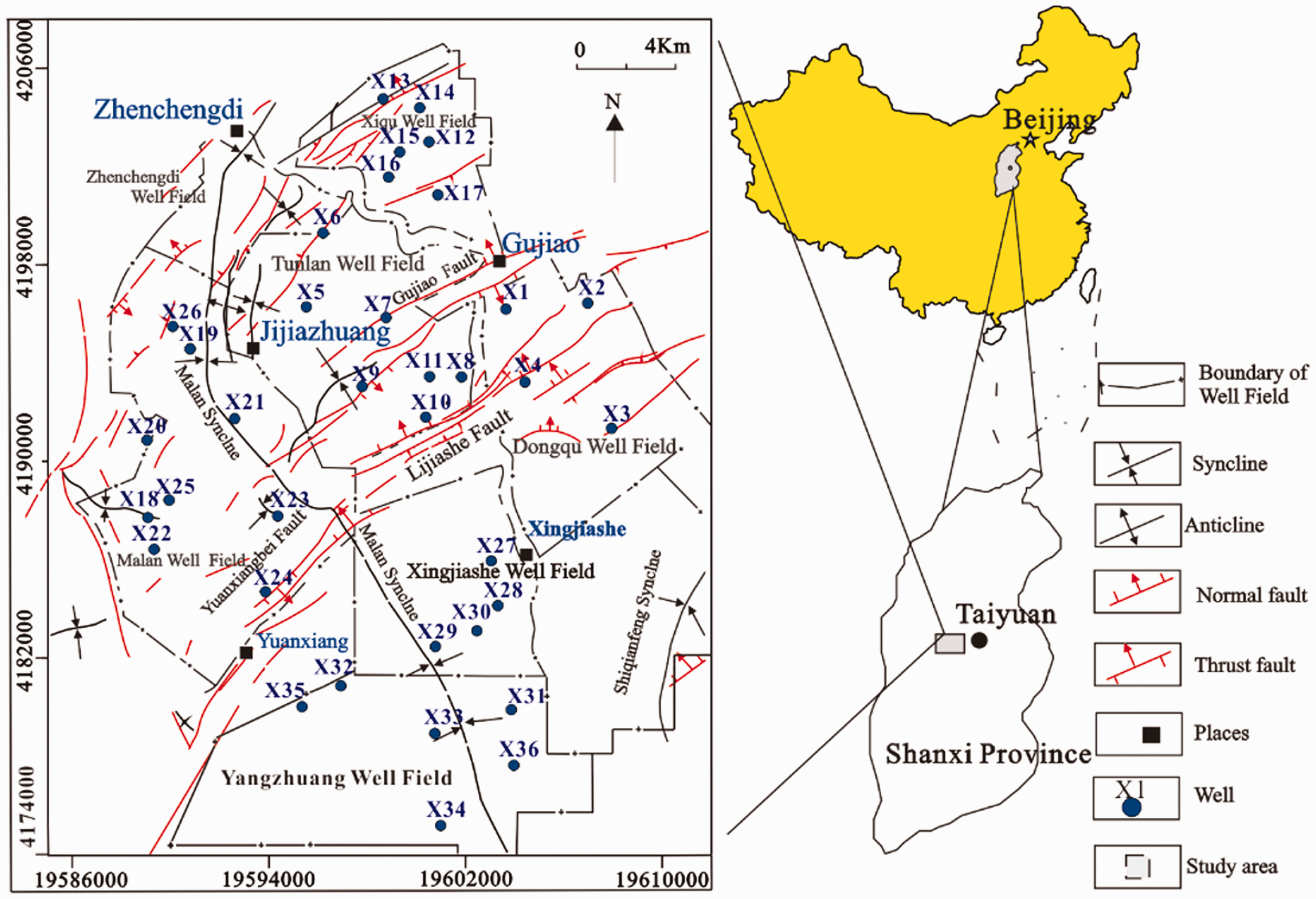
Tectonic outline and logging well distribution of Gujiao block (modified from Wang et al., 2018a).
The coal-bearing strata in the Gujiao block include the upper Carboniferous Taiyuan Formation and the lower Permian Shanxi Formation (Figure 2). The Taiyuan Formation has a thickness of 86.70–128.64 m with an average of 110 m. This formation mainly includes gray medium–coarse sandstone, dark gray limestone, dark gray mudstone, and coal. It contains 7–8 coal seams, of which the No. 8 coal is the major minable coal seam in the Gujiao block. The Shanxi Formation has a thickness of 29.60–60.50 m with an average thickness of 45.88 m. This formation is primarily composed of sandstone, dark gray sandy mudstone, mudstone, and coal. Coal seam No. 2 in this formation is locally minable with a thickness of 0.84–2.55 m and an average of 1.55 m. The No. 8 coal is the target of the present study.
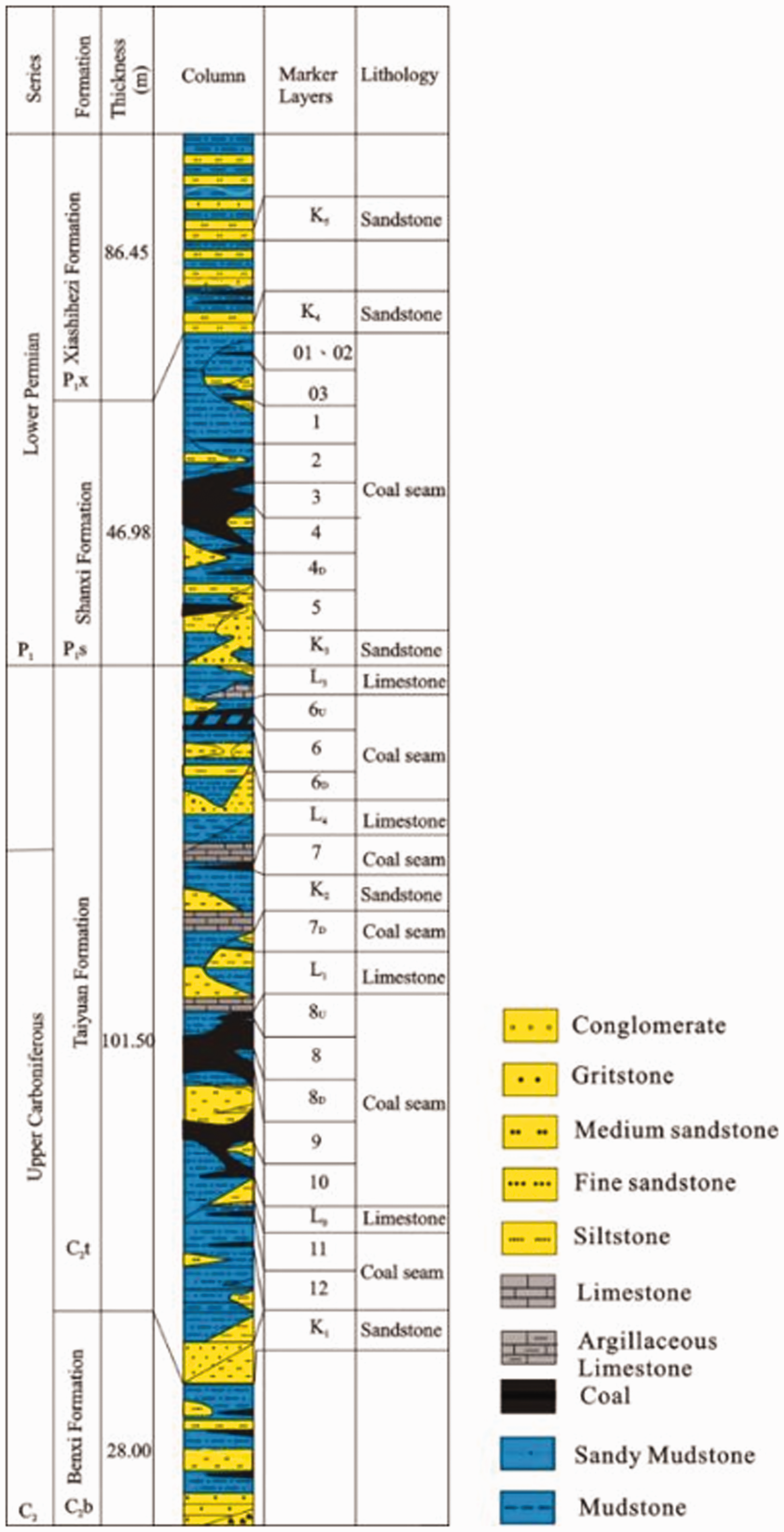
Stratigraphic column of the Permo-Carboniferous coal-bearing strata in the Gujiao blocks (modified from Wang et al., 2018a).
Samples and methods
Sampling and experiments
The coal samples were prepared according to the Chinese Standard Method GB474-2008 (2008). Thirteen coal samples with different coal structures were vertically collected from the calibration well X32, and their inherent water contents (Mad%), ash yields (Ad%), vitrinite contents (V%), cleat densities, and macrolithotypes were determined (Table 1 and Figure 3). We used the coefficient of the natural gamma radiation from the rocks, that is, the total number of gamma photons emitted by radioisotopes of U, Th, and K per second per gram of rock, to characterize the natural gamma log values (Zhang et al., 2000). The contents of U, Th, and K were substituted into the following formula to calculate the dimensionless value A for the 13 samples from the vertical profile (Table 1).

Cleat density (count/5 cm), vitrinite content (V%), ash yield on dry basis (Ad%), A value, and moisture on air dry basis (Mad%) of the different coal structures of the No. 8 coal in well X32.
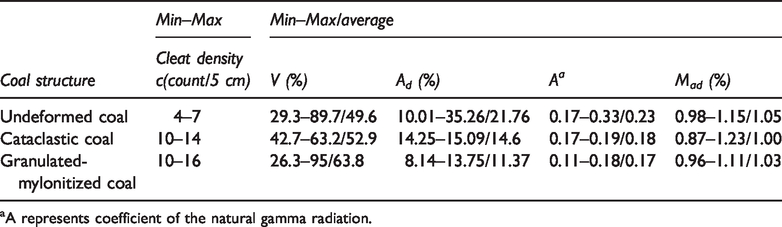
aA represents coefficient of the natural gamma radiation.
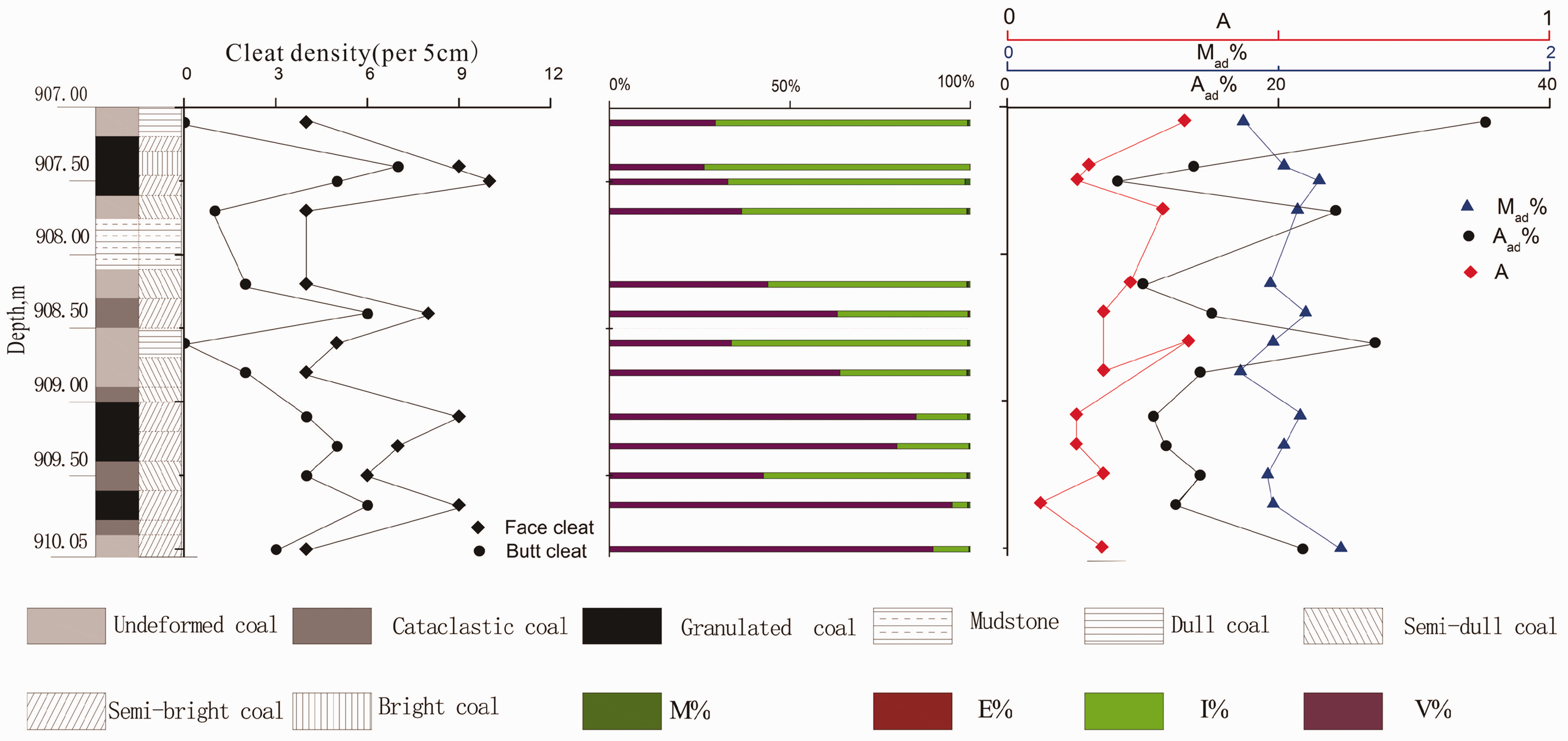
Vertical variations of cleat density, vitrinite content, A value, ash yield, and moisture of the No. 8 coal in the Well X32.
The coal structure of the calibration wells is composed of undeformed coal, cataclastic coal, and granulated-mylonitized coal with complex stratification (Figure 4). Undeformed coal has a complete, massive, wide-banded structure with little to no development of exogenous fractures from tectonic activity. This coal has no crumpled surfaces, and the hard coal is unlikely to break; the macrolithotype of this coal is clearly distinguishable and is generally semi-dull or dull coal (Figure 4(a)). Because of tectonization, cataclastic coal has more developed exogenous fractures and slightly dislocated bedding planes with slight displacements on the fracture surfaces. This coal is relatively complete in that it has a massive structure. The macrolithotype of this coal is clearly distinguishable, and the coal is relatively hard and brittle (Figure 4(b)). The granulated coal structure is severely destructed, and the coal is cut into small granules with multiple sliding surfaces (Figure 4(c)). The mylonitized coal is scaly or powdery, and fractures cannot be observed by the naked eye; the coal has crumpled sliding surfaces that are highly developed (Figure 4(d)) (Huang et al., 2018).
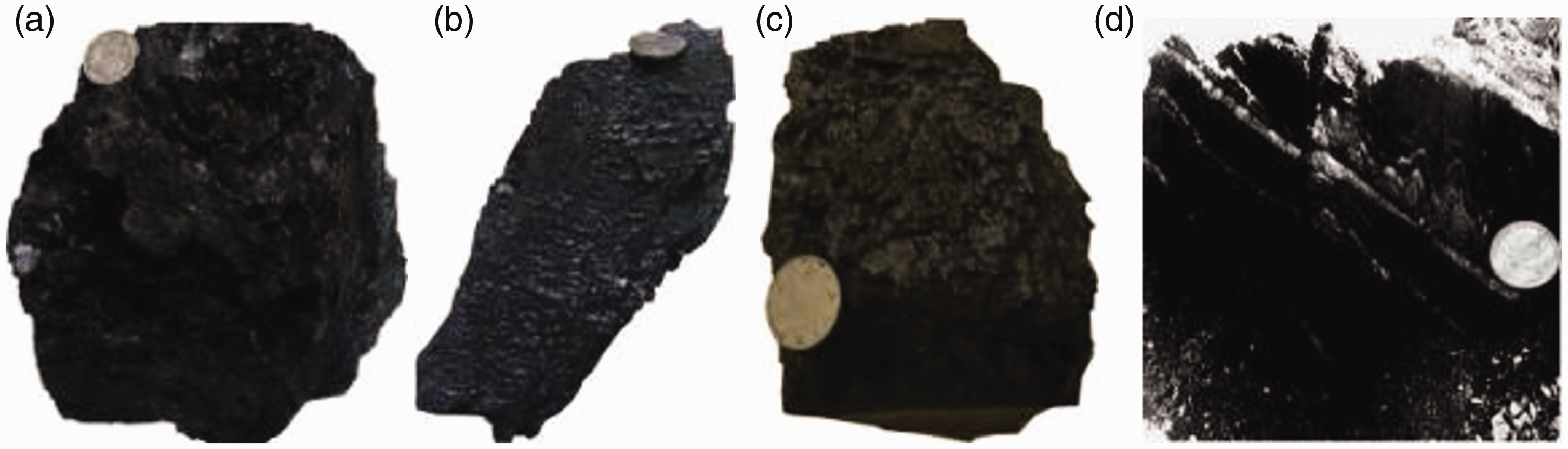
Typical macroscopic characteristics of the coal structures of the No. 8 coal in Gujiao Block. (a) Undeformed coal (well X32); (b) Cataclastic coal (X20); (c) Granulated coal (X32); and (d) Mylonitized coal (X15).
Based on the chemical and physical differences between the different coal structures, sensitive logging responses of different coal structures were obtained, and a numerical model of the coal structure was established (Huang et al., 2018).
Fuzzy gray model for predicting high-quality CBM reservoirs
In light of the certain and uncertain natures of the geological factors, the fuzzy gray analysis method was adopted in the present study because this method is advantageous in research on integrated configuration relations between multiple elements (Chen and Ren, 2018). CBM reservoirs in the same block have different configuration relations between various geological factors. Therefore, the production potentials of the CBM reservoirs in the No. 8 coal of the Gujiao block were evaluated using the fuzzy gray model, and the CBM reservoirs were classified according to the degree to which the geological factors were configured favorably (Meng et al., 2014).
The evaluation parameters were ascertained according to the geological factors influencing the CBM reservoirs, and these parameters were used to establish a comparison matrix (Table 2 and equation (2))
Prediction parameter and weight of favorable production districts.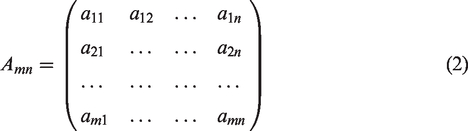

Weights were calculated to judge the influences of various parameters on CBM reservoir quality (equation (3)). The weights in the present study were obtained by establishing the judgment matrix and then calculating the eigenroots and eigenvectors of the judgment matrix (equation (4)) (Wang et al., 2018b; Zhang et al., 2016)
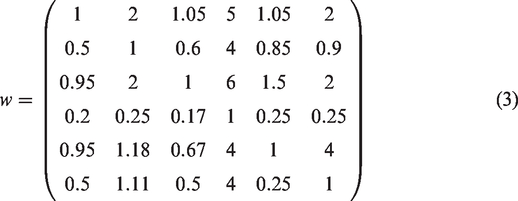
The weight coefficients are the eigenvector of the judgment matrix and were calculated as follows
3. The level of the quality evaluation was ascertained according to the validity of the geological factor configuration. The CBM reservoirs in this study were classified into four types: the I-type represents the most favorable district for CBM exploitation with the best configuration relation between various geological factors; the II-type represents the second most favorable district; and the III-type and IV-type represent less favorable districts. 4. The piecewise functions of various geological factors were established according to the levels of the quality evaluation, and the quantitative indices were ascertained. 5. Fuzzy comprehensive calculation was performed to calculate the clustering coefficient σi and the maximum 6. Grade classification and evaluation of the qualities of CBM reservoirs were performed based on drilling parameters.
Results and discussion
Geological parameters
Coal structure
A numerical model for identifying coal structure was established according to the sensitive parameters of logging response as well as their combinations (Hatherly, 2013; Huang et al., 2018; Teng et al., 2015). Coal structures were quantitatively identified for the 36 boreholes in the Gujiao block using the numerical model, and the layered and regional distributions of the coal structures were also predicted.
The numerical model used to identify primary undeformed and cataclastic coals is shown as follows (Huang et al., 2018)

The numerical model used to identify granulated-mylonitized coal is shown as follows

The value of I1 is negatively correlated with the degree to which the coal structure has been deformed. The primary undeformed coal of the calibration well has an I1 value of 44.28, and coals with I1 > 44.28 are classified as primary undeformed coal. The value of I2 is positively correlated with the deformation degree of the coal structure. The granulated-mylonitized coal of the calibration well has an I2 value of 33.21, and coals with I2 < 33.21 are classified as granulated-mylonitized coal (Huang et al., 2018).
The results indicate that granulated-mylonitized coal is very common in the No. 8 coal, with a maximum proportion of 83%. The No. 8 coal is influenced by the Malan syncline and NE-trending faults, and the granulated-mylonitized coal and cataclastic coal are alternately distributed along north-south and NE strikes. The No. 8 coal at the western wing of the Malan syncline has a high dip angle, where faults are not well developed. Conversely, faults are very well developed in the eastern wing. The granulated-mylonitized coal is generally developed along the axis of the Malan syncline with a banded distribution. Because of the influences of the axis pressure of the Malan syncline and the faults developed at the eastern wing, a granulated-mylonitized coal zone with a thickness of 1–1.4 m developed along the axis of the Malan syncline in the vicinity of boreholes X9 and X27 (Figures 5 and 6).
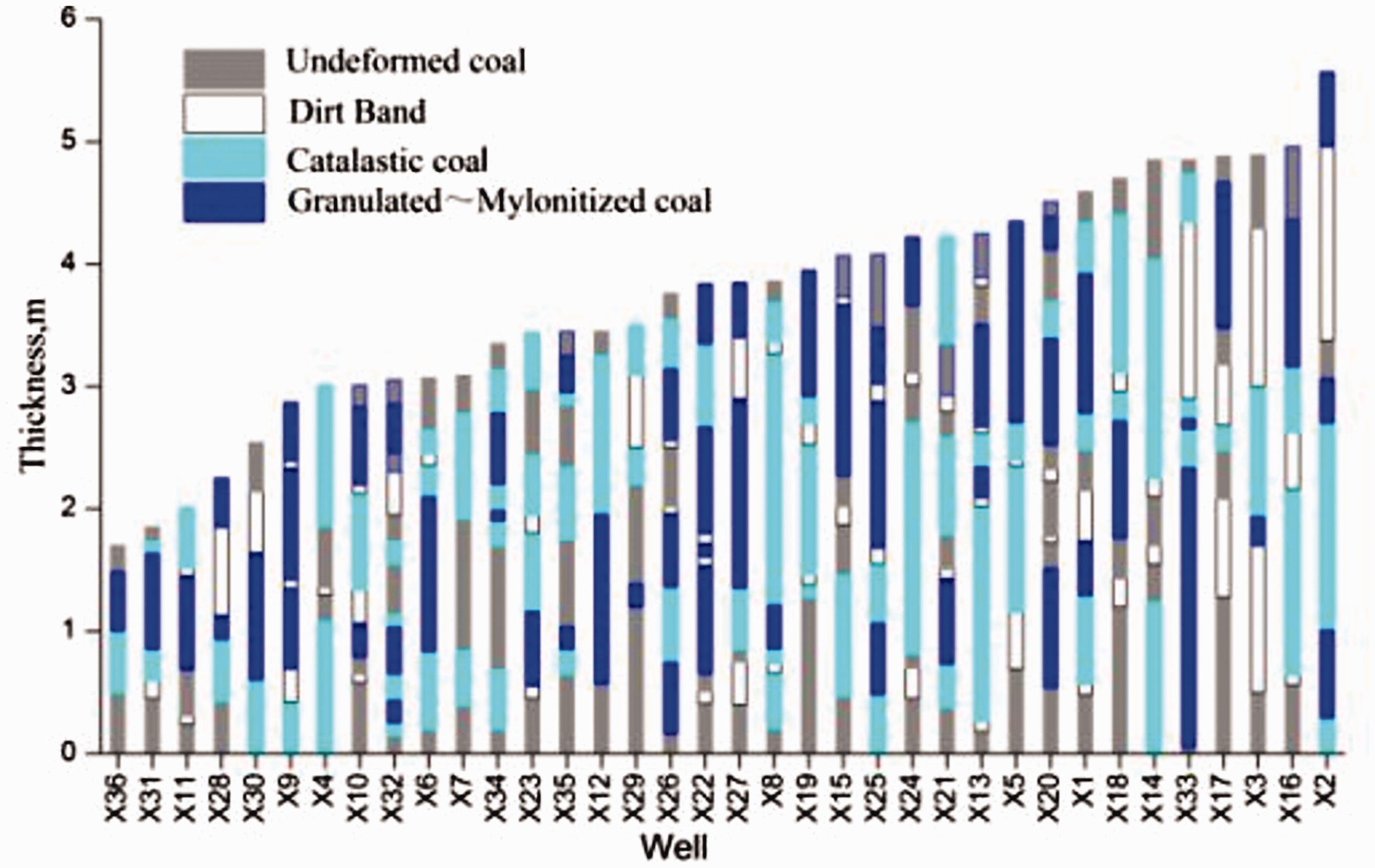
Vertical distribution of coal structures of the 36 well in the Gujiao block. The results were inferred from the logging data using the mathematical model.
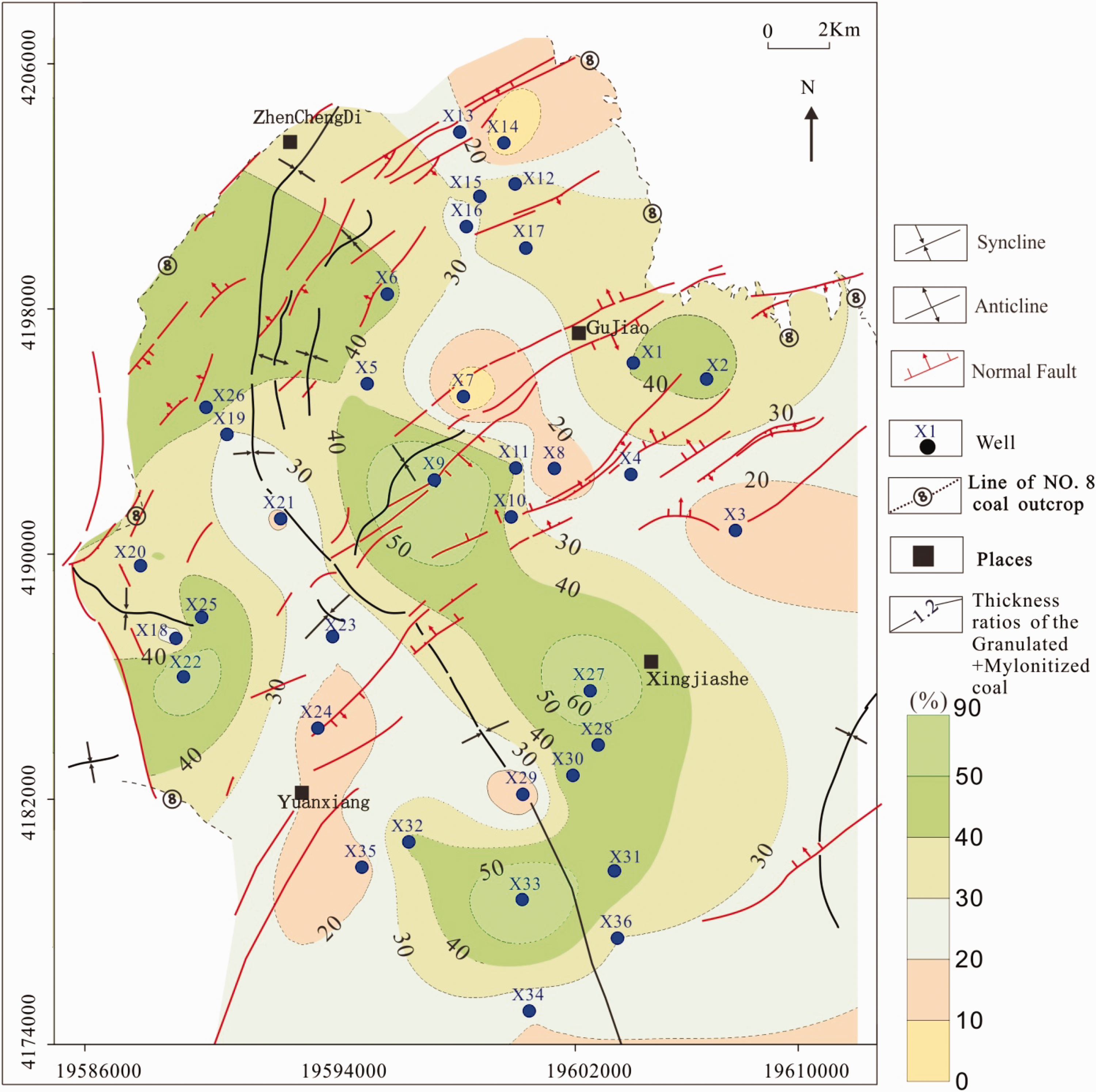
Isopach map of the thickness ratios of granulated-mylonitized coal of the No. 8 coal seam.
The development of the granulated-mylonitized coal resulted in a densification cycle around the open hole, which further influenced the extension of fractures, and even resulted in engineering problems such as sand blockage (Hu et al., 2014). Previous studies reported that primary undeformed and cataclastic coals mainly contributed to the producing capacity of CBM vertical wells, whereas the contribution of granulated-mylonitized coal was small (Ni et al., 2010; Wang et al., 2015).
The coal structure types were classified as shown in Table 3 according to the thickness proportions of granulated-mylonitized coal in the No. 8 coal of each borehole. The boundary values of the thickness proportions of different coal structure types are 17%, 34%, and 50%.
Classification of CBM reservoir based on single parameter.
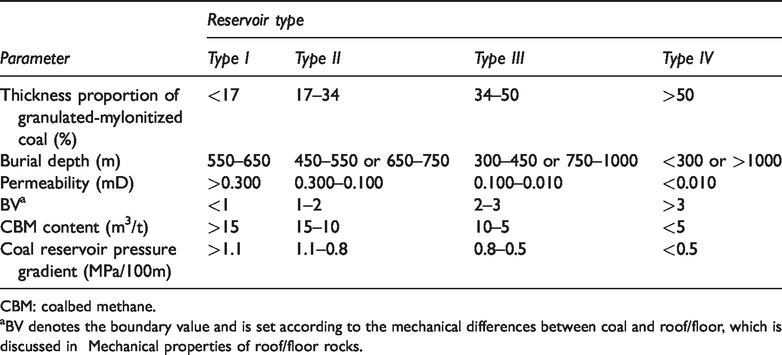
CBM: coalbed methane.
aBV denotes the boundary value and is set according to the mechanical differences between coal and roof/floor, which is discussed in Mechanical properties of roof/floor rocks.
Based on these boundaries, four whitening functions were established:
Type I

Type II
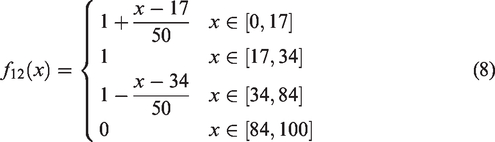
Type III
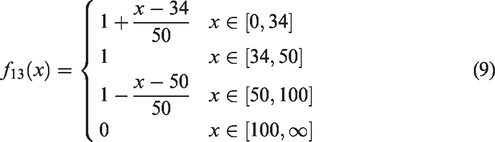
Type IV

Burial depth
The No. 8 coal has a burial depth of 357.01–906.20 m with an average of 639.70 m (Wang et al., 2018a). The CBM content has an increasing trend with increasing burial depth. The CBM dissipates easily when the coal seam is above the boundary of the weathering/oxidation zone with a shallow burial depth and a thin cap stratum. Conversely, great burial depth results in high overburden pressure and low reservoir permeability and thus has a negative effect on CBM potential (Zhang et al., 2016).
Based on the results of CBM exploration in the southern Qinshui Basin and Ordos Basin, the ideal burial depth for CBM exploration varies from 500 m to 700 m (Tao et al., 2014; Yao et al., 2009; Zhang et al., 2016). Therefore, the burial depths of 550–650 m were set as the boundary values for the I-type parameter (Table 3).
The whitening functions are shown as follows:
Type I
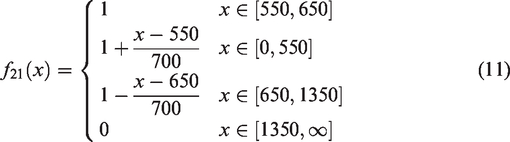
Type II
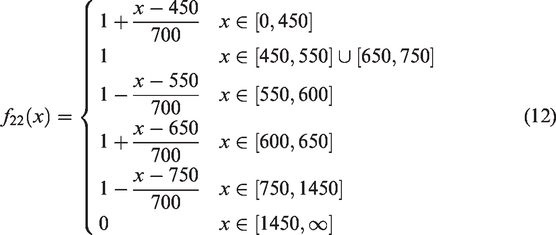
Type III
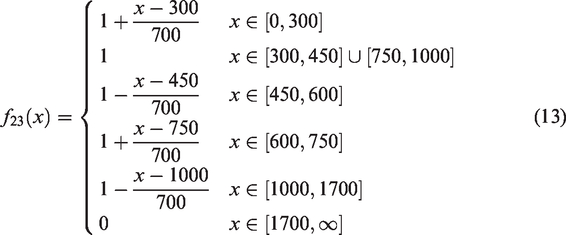
Type IV
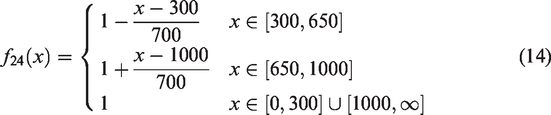
Permeability
The structural curvature of the floor of the No. 8 coal was calculated using the maximum-difference method proposed (Qi et al., 2019) (Figure 7). According to the numerical model of the structural curvature and fractural space (Huang, 2018; Zhao et al., 2014), the fracture permeability of the No. 8 coal in the Gujiao block was predicted as follows

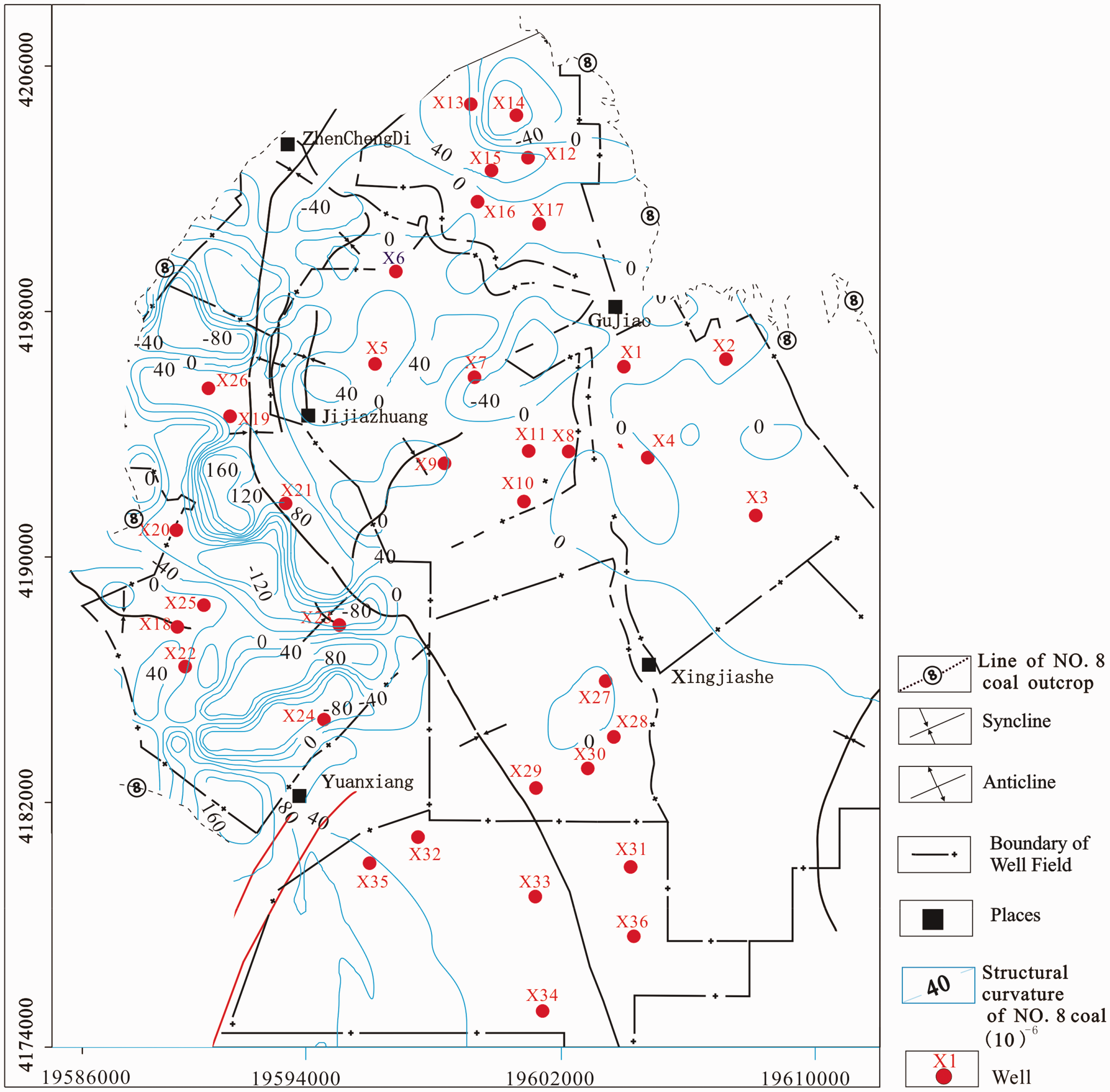
Structural curvature distribution of the No. 8 coal in the Gujiao block.
The results indicate that the permeability of the coal reservoirs varies from 0.001 mD to 0.650 mD with an average of 0.236 mD. Because of the influence of the Malan syncline and the NE-trending faults, the permeability of the No. 8 coal has a banded distribution (Figure 8). In the east of the study area, the coal floor has relatively low structural curvature, the coal seam was weakly deformed, the space of the fractures is small, the coal structure is dominated by primary undeformed coal, and the permeability of the coal reservoir is lower than 0.0011 mD. The south of the study area shows features opposite to those in the north. The coal reservoirs in the south are characterized by high structural curvature (positive values). This indicates that the fractures have a large amount of space because of tensile stress, and the coal structure is significantly heterogeneous. The permeability of the coal reservoirs varies by orders of magnitude from 0.001 mD to 0.121 mD (Figure 7). Positive and negative structural curvatures are alternately distributed at the west wing of the Malan syncline in the west of the study area. In the district with positive structural curvature, the coal reservoir has been influenced by tensile stress and the fracture space is large; the permeability varies from 0.101 mD to 0.601 mD and is even higher than 0.601 mD in some districts (Figure 7). The permeability of CBM reservoirs is significantly influenced by coal structure. The permeability is relatively high where primary undeformed and cataclastic coals are distributed, and low where granulated-mylonitized coals are distributed. Permeability decreases exponentially with the increase of the thickness proportion of granulated-mylonitized coals.
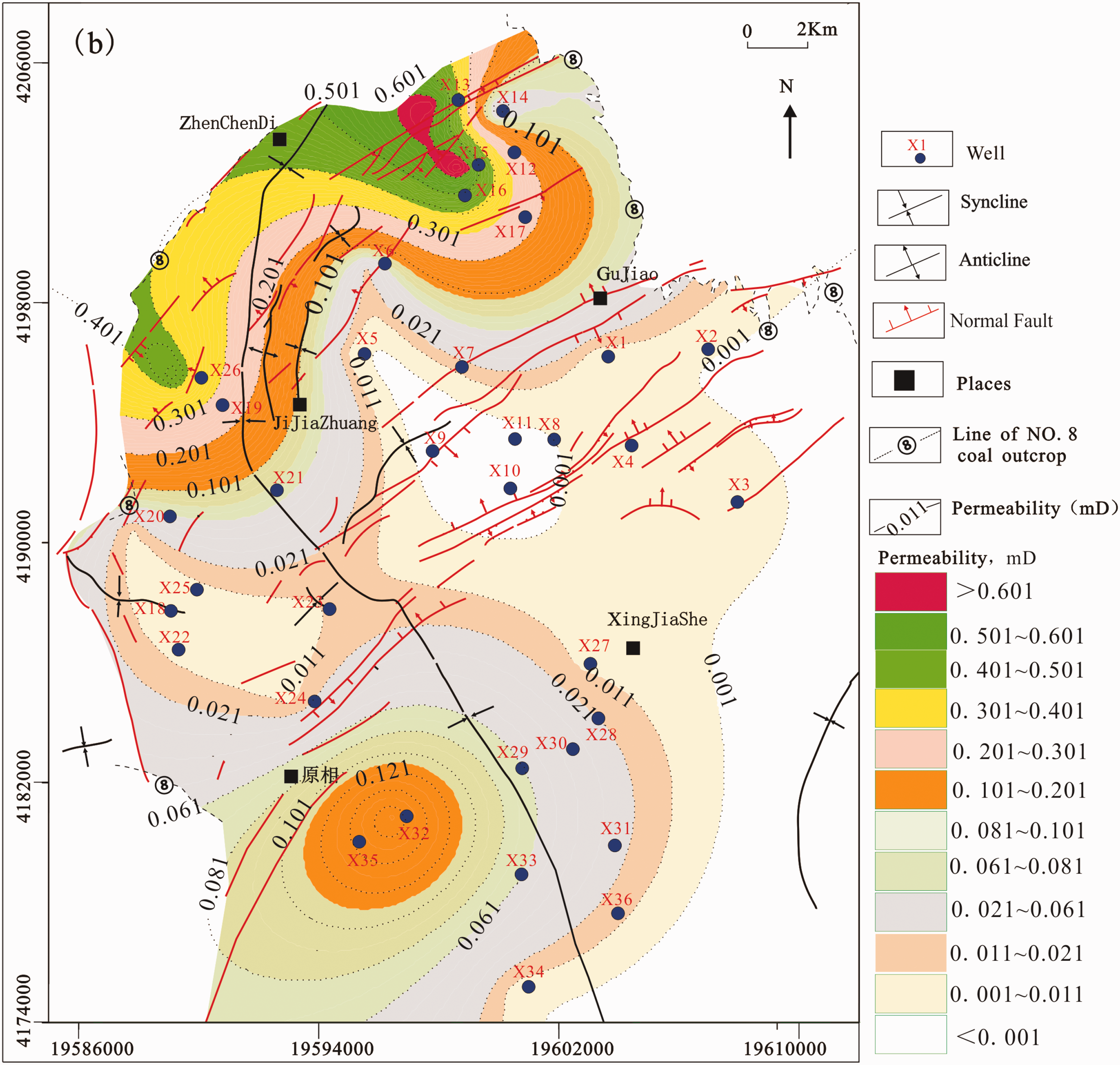
Permeability distribution of the No. 8 Coal in the Gujiao block.
Based on the prediction results for coal reservoir permeability and the classification of coal reservoir permeability in the Gujiao block proposed by Han (2015), coal reservoirs with fractural permeability lower than 0.01 mD were classified as IV-type, as shown in detail in Table 3.
The whitening functions are shown as follows:
Type I

Type II
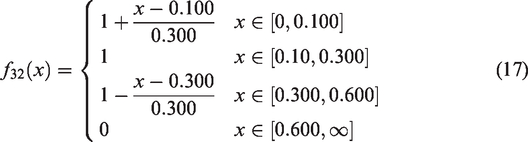
Type III
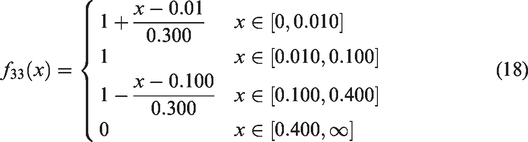
Type IV

Mechanical properties of roof/floor rocks
The influence of mechanical properties on hydraulic fracturing is mainly reflected in two aspects. First, the fractures generated by hydraulic fracturing develop more easily until they extend to the roof and floor when the difference of the elasticity modulus between the coal and roof/floor rocks is relatively small (Simonson et al., 1978; Hanson and Shaffer, 1980). Second, it is easier to restrict fracturing in the coal when the ratio of the compressive strengths of the coal and roof/floor rocks is higher than 5 (Yan, 2014). The control of mechanical differences between coal and roof/floor rocks on the fractures generated by hydraulic fracturing was evaluated based on the ratios of the mechanical parameters of the coal and roof/floor rocks in the boreholes (Figure 9).
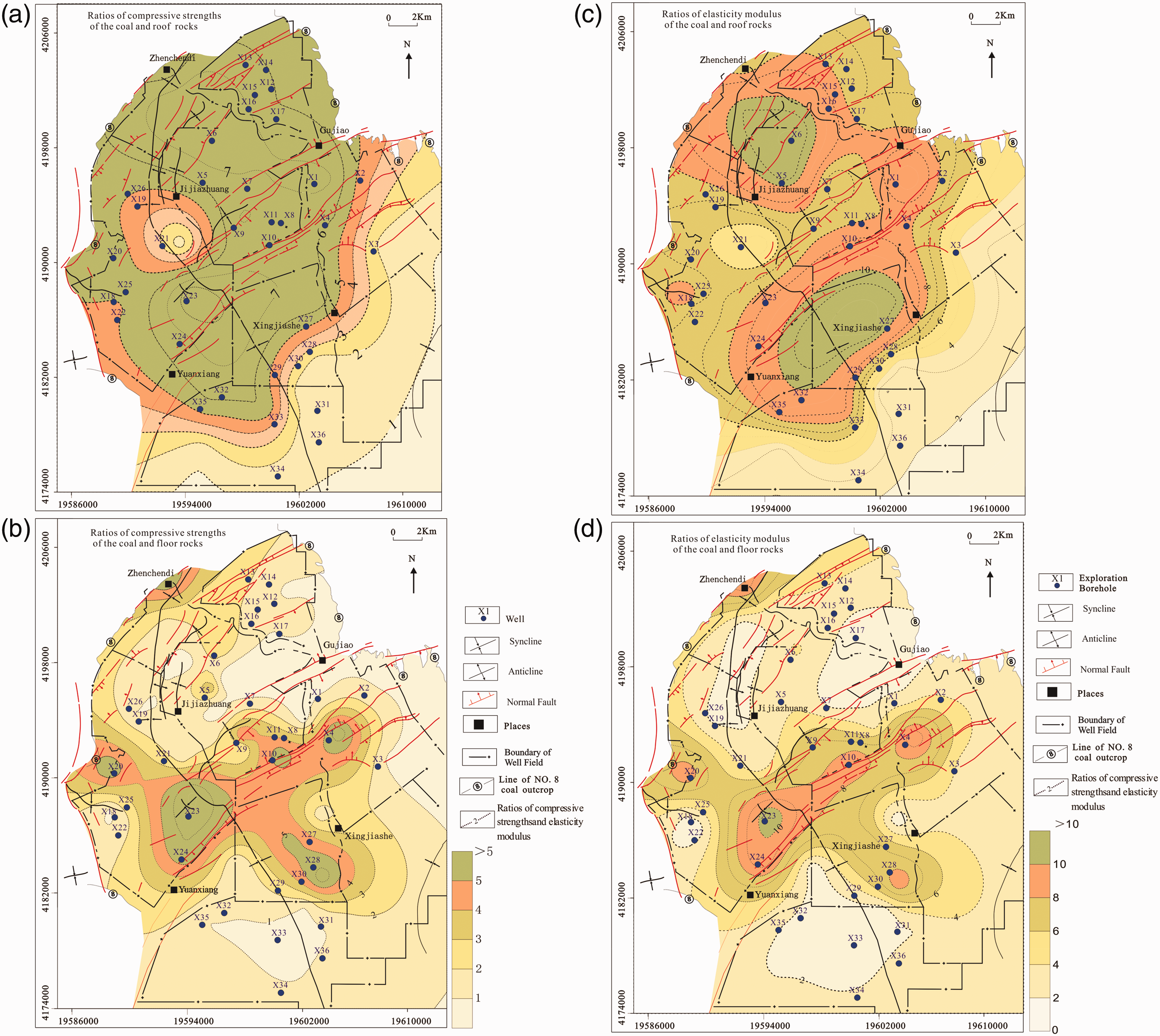
Distribution of the mechanical parameter ratio of the No. 8 coal to the roof/floor.
The lithology of the roof/floor rocks of the No. 8 coal is complex. The differences of mechanical properties between the coal and roof/floor rocks are consistent with the lithological distribution. The ratio of the compressive strengths of the coal and roof rock is generally higher than 5, and the ratio of the elasticity moduli is generally higher than 6 when the roof rock is dominated by limestone (Figure 9(a) and (c)). In contrast, the ratio of compressive strengths of the coal and floor rocks varies from 1 to 3, and the ratio of the elasticity moduli ranges from 2 to 4 when the coal and floor rocks have similar compressive strengths and elasticity moduli and the floor is dominated by mudstone, sandy mudstone, and siltstone (Figure 9(b) and (d)).
The I-type is characterized by ratios ≥ 5 of the compressive strengths and elasticity moduli of the coal and roof/floor rocks, and the fractures generated by hydraulic fracturing are easily restricted in the coal seam. The I-type is advantageous for hydraulic fracturing, and the upper boundary value (BV) is set to 1. The II-type is characterized by ratios ≥ 5 of the compressive strengths and elasticity moduli of the coal and roof rock and ratios < 5 of the floor rock, and the fractures generated by hydraulic fracturing are easily restricted under the roof. The II-type is also advantageous for hydraulic fracturing, and the upper BV is set to 2. The III-type is characterized by a ratio ≥ 5 of the elasticity moduli of the coal and roof rock, and the fractures generated by hydraulic fracturing are difficult to restrict under the roof. The upper BV of the III-type is set to 3. The IV-type is characterized by ratios < 5 of the compressive strengths and elasticity moduli of the coal and roof/floor rocks, and the fractures generated by hydraulic fracturing can easily extend through the floor. The upper BV of the IV-type is set to > 3 (Table 3).
The whitening functions are shown as follows:
Type I
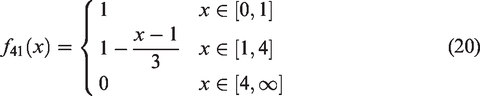
Type II
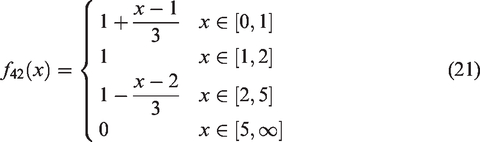
Type III
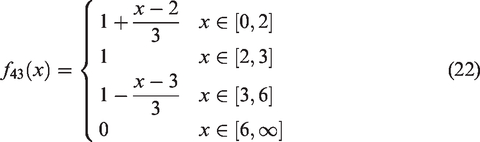
Type IV

CBM content
The CBM contents of the No. 8 coal vary from 3 m3/t to 20 m3/t. The production capacity of an individual CBM well generally increases as the CBM content increases (Figure 10). The CBM wells close to the faults in the study area have low production capacities, whereas those close to the fold core have high production capacities. This finding indicates the correlation between CBM content and production capacity (Wang, 2015). Therefore, the CBM content values of 5 m3/t, 10 m3/t, and 15 m3/t were set as the boundary values of the fuzzy evaluation in the present study (Table 3).
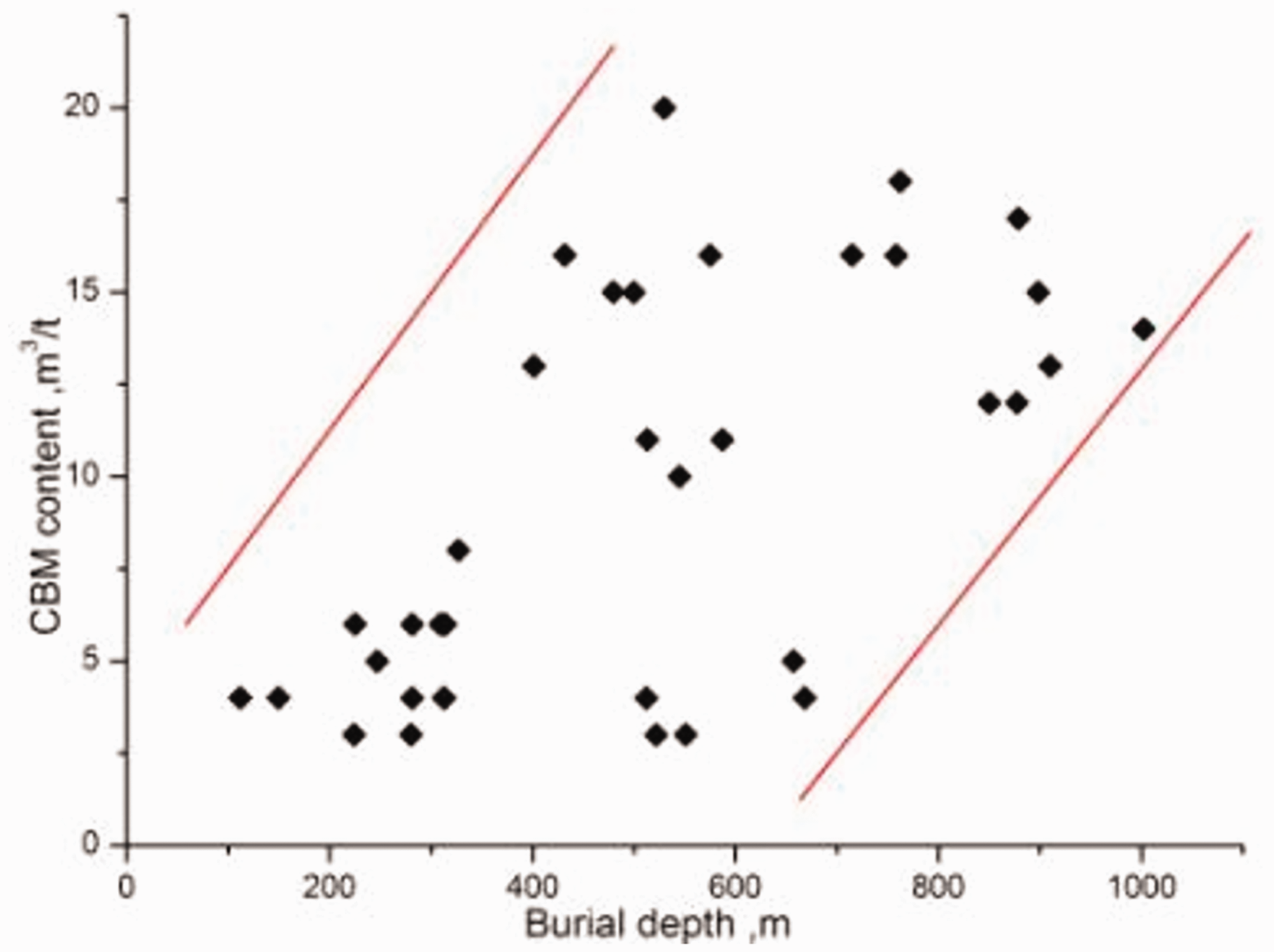
Plot for CBM content vs. burial depth of the No. 8 coal in the Gujiao block. CBM: coalbed methane.
The whitening functions are shown as follows:
Type I
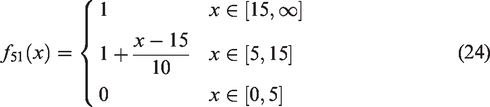
Type II
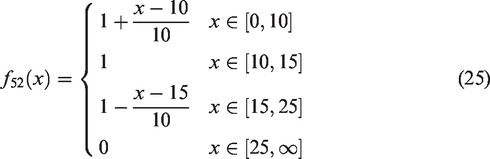
Type III
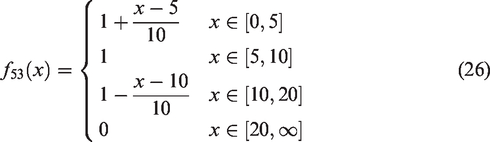
Type IV

Coal reservoir pressure gradient
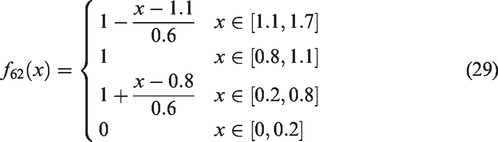
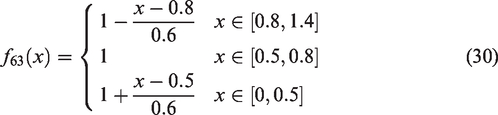
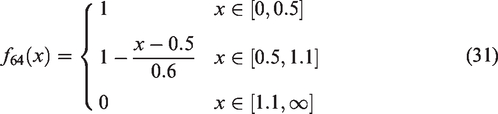
The reservoir pressure gradient of the Taiyuan Formation varies from 0.30 MPa/100 m to 0.95 MPa/100 m with an average of 0.76 MPa/100 m. In the northwest of the study area, the pressure gradient is as high as 0.90 MPa/100 m, and most coal reservoirs are in an under-pressure state (Figure 11). In the present study, the reservoir pressure values of 1.10 MPa/100 m, 0.80 MPa/100 m, and 0.50 MPa/100 m were set as the boundary values of the fuzzy evaluation (Table 3).
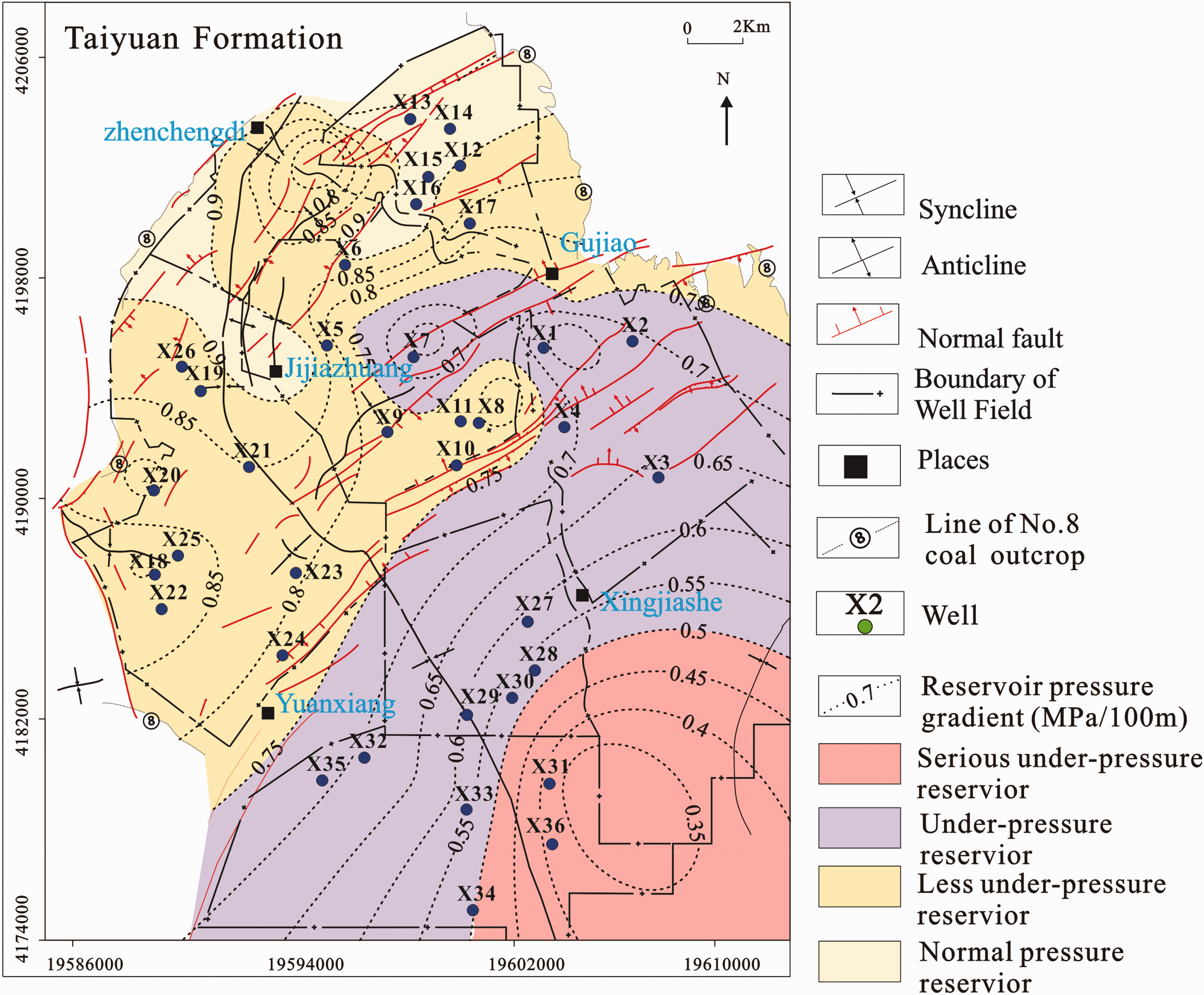
Gradient contour of reservoir pressure in the Taiyuan Formation of the Gujiao block (Wang, 2015).
The whitening functions are shown as follows:
Type I

Type II
Type III
Type IV
Prediction of high-quality CBM reservoirs
Based on the functions corresponding to various well parameters, the clustering coefficient σi was calculated. The weight vectors σij were established, which make up the parameter matrix R. The R matrix was used to evaluate the level of each borehole, and the types of the CBM reservoirs in the Gujiao block were predicted.
Taking borehole X1 as an example, the evaluation level of the No. 8 coal was calculated according to the gray whitening function. The R matrix of borehole X1 was established as follows
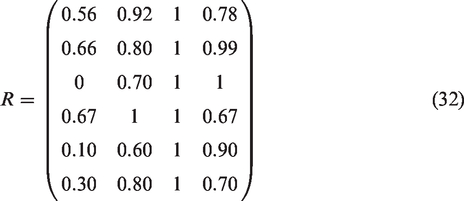
The fuzzy evaluation results are shown as follows

The clustering coefficients σi were calculated, and the evaluation results correspond to the maximal σi (σi = 1). Thus, the No. 8 coal of borehole D4 was classified into the III-type. The prediction results of the boreholes are shown in Table 4. The fuzzy gray analysis results indicate that because of the heterogeneity of the CBM reservoir, the geological factors influencing CBM exploitation cannot be configured in balance. The coal reservoirs in the study area are dominated by the III-type, followed by the II- and IV-types (Table 4 and Figure 12).
Essential parameters of Gray fuzzy model evaluation for the No. 8 Coal in the Gujiao block.
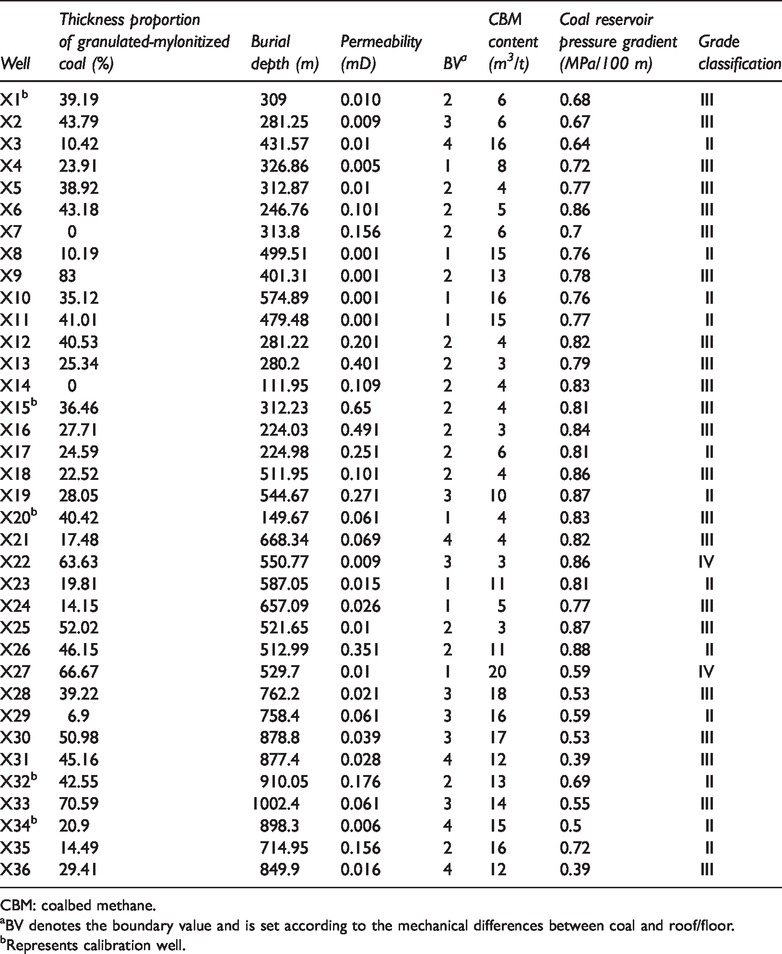
CBM: coalbed methane.
aBV denotes the boundary value and is set according to the mechanical differences between coal and roof/floor.
bRepresents calibration well.
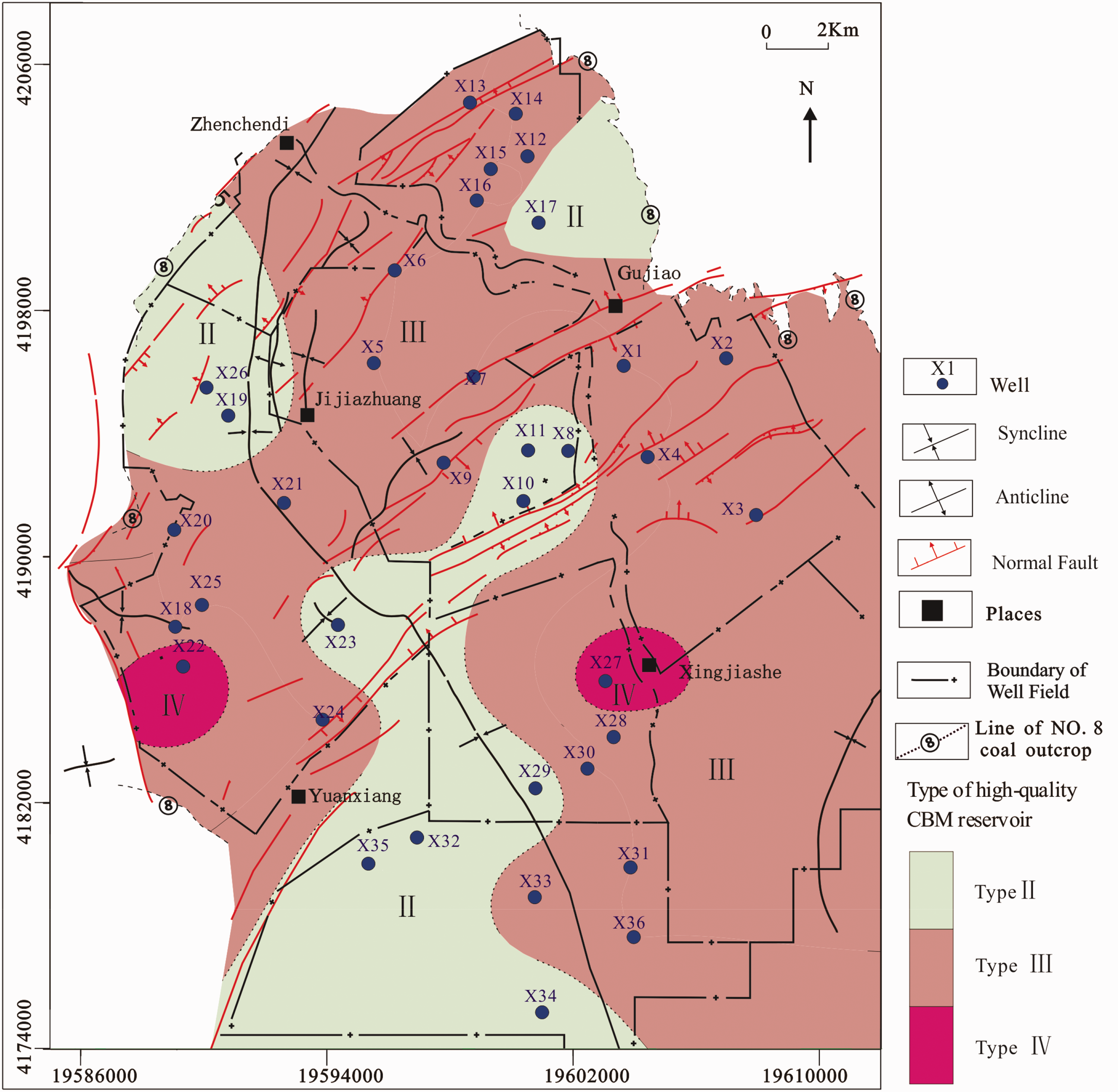
Prediction on the favourable production districts in the Gujiao block.
The II-type CBM reservoirs are mainly distributed at the axis of the Malan syncline in the south of the study area. The CBM reservoirs at the axis of the Malan syncline are characterized by favorable burial depths, high CBM contents, and much lower thickness proportions of granulated-mylonitized coal; thus, this axis is an advantageous district for CBM exploration. The CBM reservoirs in the northeast of the study area are characterized by greater burial depths, dominance of primary undeformed and cataclastic coals, and well-developed permeability. The northeast is another advantageous district for CBM exploration in the Gujiao block (Figure 12). The northwest of the study area is also an advantageous district for CBM exploration because of the influence of small faults, well developed fractures, and high CBM reservoir permeability. The III-type CBM reservoirs are widely distributed, mainly at the Xiqu, Zhengchengdi, Malan, and Tunlan coal mines. The IV-type CBM reservoirs are scattered at the Xingjiashe coal mine and in the west of the Gujiao block (Figure 12).
The major influencing factors of different reservoir types
The major influencing factors of favorable CBM production districts were analyzed using the box-plot method. The CBM reservoirs in the favorable CBM production districts of the present study are dominated by the II-type with burial depths of around 600 m, CBM contents of 10–15 m3/t, and a much lower thickness proportion of granulated-mylonitized coal than those of the III- and IV-type CBM production districts. The favorable geological factors of the II-type CBM production district were the coal structure, permeability, burial depth, CBM content, and pressure gradient (Figure 13). The numerical simulation results indicate that the permeability of the II-type reservoirs has relatively high heterogeneity, and that the coal structure is dominated by primary undeformed and cataclastic coals. Because of the influence of the primary undeformed coal distribution, the permeability of the II-type reservoirs is relatively low in some areas. However, the permeability of the II-type reservoirs is much more easily enhanced because the primary undeformed coal is much more brittle and more easily fractured compared with the other types of reservoirs. The II-type reservoirs are high-quality reservoirs for CBM exploitation because of the high CBM contents, appropriate burial depths, high pressure gradients, and favorable configuration relations between various geological factors. Conversely, mechanical differences between the coal and roof/floor rocks are the only factor that has negative influence on the II-type CBM production district. The fracture height should be controlled to prevent fracturing of roof/floor rocks when hydraulic fracturing is implemented in some areas with small mechanical differences between the coal and roof/floor rocks.The favorable geological factors of the III-type CBM production district are the permeability, pressure gradient, mechanical differences between the coal and roof/floor rocks, and coal structure (Figure 13). Compared with the II-type CBM production district, the III-type CBM production district has a poor configuration relation between various geological factors. The III-type CBM production district is characterized by burial depths < 400 m or > 700 m and CBM contents < 6 m3/t (Figure 13). The major geological factors with negative effects on the III-type CBM production district are the lower CBM contents and deeper or shallower burial than those of the II-type CBM production district. The low CBM contents of the III-type CBM production district result in the poor configuration relations between various geological factors.
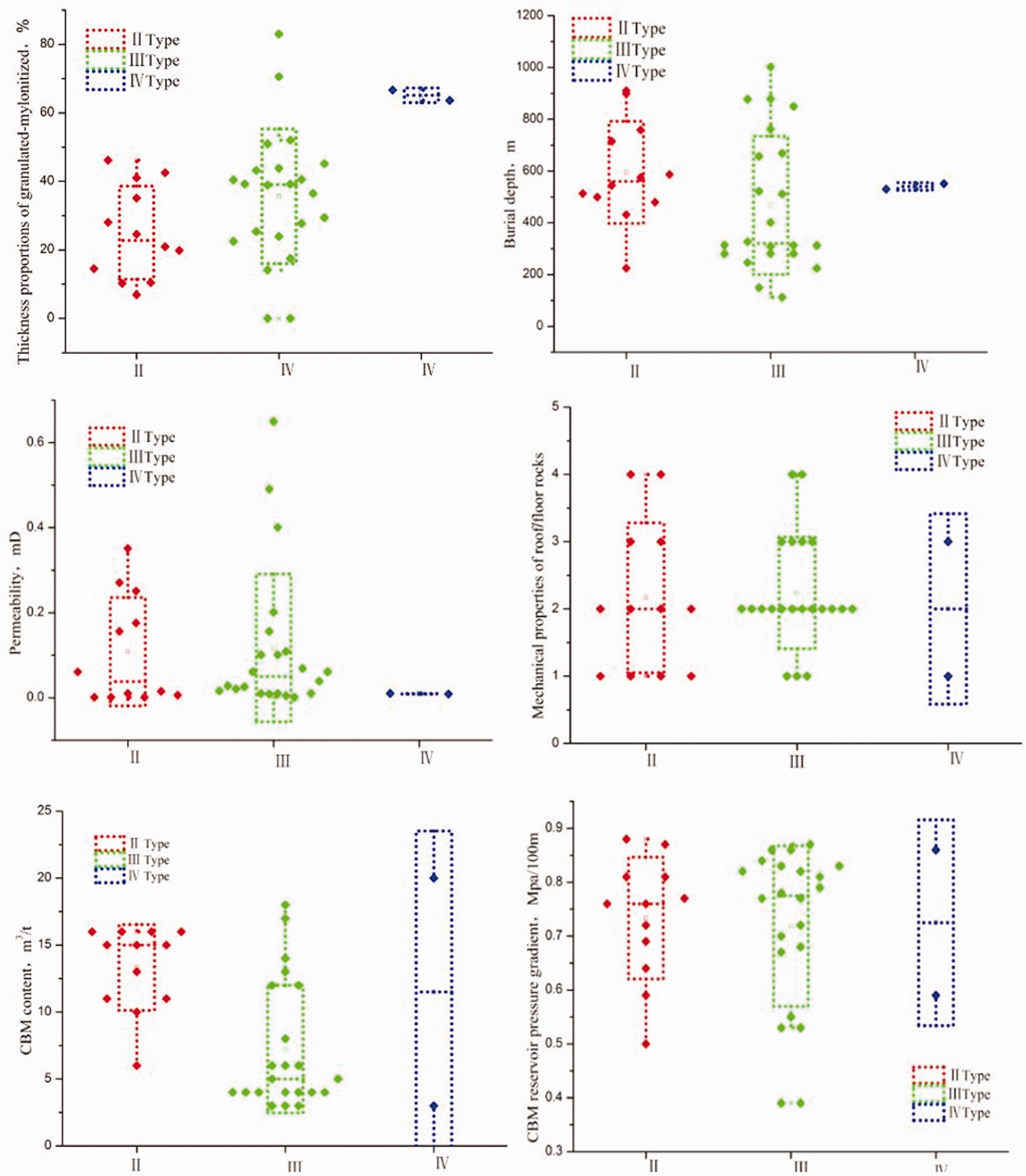
Box plots of the evaluation indictors of favorable CBM production areas. CBM: coalbed methane.
The thickness proportion of granulated-mylonitized coal in the IV-type CBM production district is generally higher than 60%, which is the major factor negatively influencing the IV-type CBM production district (Figure 13). The IV-type CBM reservoir has the worst configuration relations between various geological factors of all the types. The granulated-mylonitized coal has poor hydraulic fracturing modifiability, and it is therefore difficult to enhance the permeability. Conventional hydraulic fracturing is not suitable for CBM exploitation in the IV-type CBM production district.
The II-, III-, and IV-type CBM production districts have different influencing factors. The major geological factors should be further analyzed and discussed, and corresponding constructive technology and drainage systems should be considered in the process of CBM exploitation to enhance CBM production.
Conclusions
The high-quality CBM reservoirs in the Gujiao block were effectively classified and evaluated using the fuzzy gray model, and some appropriate suggestions for CBM exploitation were determined in the present study. The conclusions are shown as follows:
The No. 8 coal of the Gujiao block was dominated by granulated-mylonitized coal with a maximum proportion of 83%, a depth of 357.01–906.20 m (639.70 m on average), a CBM content of 3–20 m3/t, and a reservoir permeability of 0.001–0.650 mD (0.236 mD on average). Most CBM reservoirs in the block exist in under-pressure conditions, and the pressure gradient of the Taiyuan Formation varies from 0.30 MPa/100 m to 0.95 MPa/100 m with an average of 0.76 MPa/100 m. The fractures generated by hydraulic fracturing can be effectively restricted in the coal seam by the roof of the No. 8 coal. However, the floor and the coal have similar mechanical properties, and the heights of the fractures generated by hydraulic fracturing cannot be effectively controlled. According to the fuzzy gray model, the CBM reservoirs in the present study were classified into three types, with dominance of the III-type followed by the II- and IV-types. The II-type reservoirs are mainly developed close to the axis of the Malan syncline in the south of the study area and in the northwest of the study area. The II-type reservoirs are the high-quality reservoirs in the study area with the best configuration relation between various geological factors. The II-type CBM production district is a favorable area for CBM exploitation with great exploitation potential. The III-type reservoirs are most common, and mainly developed in the Xiqu, Zhenchengdi, Malan, and Tunlan coal mines located in the north of the study area. The III-type reservoirs have a moderately favorable configuration relation between various geological factors, and the IV-type reservoirs have a poor configuration relation. The IV-type reservoirs are scattered in the study area, and are dominated by granulated-mylonitized coal with low permeability and low potential to improve the reservoir permeability. The IV-type CBM production district has low potential for CBM exploitation. The mechanical differences between coal and roof/floor rocks are the major geological factors influencing the CBM exploitation of the II-type reservoirs, whereas the major influencing factors for the III-type reservoirs are the CBM content and burial depth. The III-type reservoirs have a low reservoir permeability and poor modifiability because of the relatively high thickness proportion of granulated-mylonitized coal. CBM exploitation should be carried out in order according to the reservoir types, and the II-type reservoirs should be exploited first.
Footnotes
Acknowledgements
The authors would like to thank the Geology Section of the Xishan Coal Electricity Group and the Xishan Lan Yan Limited Liability Company for providing the exploration well logging data and collecting coal samples.
Declaration of conflicting interests
The author(s) declared no potential conflicts of interest with respect to the research, authorship, and/or publication of this article.
Funding
The author(s) disclosed receipt of the following financial support for the research, authorship, and/or publication of this article: This research was financially supported by the CBM Mutual Funds of Shanxi Province (No. 2012012001), the National Science and Technology Major Project (No. 2016ZX05066-001), the National Natural Science Foundation of China (No. 41502154), and the Scientific and Technological Project of Henan Province (No. 182102310016).
