




Abstract
The hydration and swelling of shale is a persistent challenge in the drilling of oil and gas wells. Many methods of reducing shale hydration and swelling have been developed; however, most of them are high-cost or release pollutants. In this study, we explored the use of pomelo peel powder as a novel additive to water-based drilling fluids for inhibiting shale hydration swelling in an environmentally sustainable manner. We compared the performance of the drilling fluid containing pomelo peel powder to that of traditional shale inhibitors, such as potassium chloride and polyamine. Moreover, hydration inhibition, bentonite precipitation dynamic linear expansion, rolling recovery, and adsorption experiments were conducted to investigate the inhibitory effects of the pomelo peel powder on shale. The results show that the pomelo peel powder solution with a mass fraction of 1% and an optimised particle size of over 160 mesh was acidic, could prevent shale collapse, and could reduce mud loss by filtration. The rolling recovery of shale cuttings reached 95% with the addition of pomelo peel powder, and the powder could also inhibit the hydration of bentonite, prevent clay minerals from dispersing in a solution, and reduce the expansion of bentonite. The inhibitory effect of the powder was slightly worse than that of potassium chloride and polyamine; however, the difference was not significant. The anti-swelling mechanism of pomelo peel powder was then analysed, and we found that fresh pomelo peel powder contains a high number of active substances that reduce the filtration of mud, improve its rheological properties, and hinder the hydration and expansion of clay. Pomelo peel is available worldwide and is easy to obtain as a shale inhibitor. Thus, using pomelo peel powder can effectively alleviate ecological pressure and reduce environmental pollution.
Keywords
Introduction
With global economic development, the demand for energy is increasing. With the intensification of the use of unconventional energy resources, the successful exploration and development of shale gas in North America has caused an upsurge in global shale gas development (Bahadur et al., 2015; Chalmers et al., 2012; Chen et al., 2018; Clarkson et al., 2013; Dong et al., 2017; Lei et al., 2019; Ma et al., 2018b; Maitlo et al., 2019). It is estimated that there is 22016 Tcf of shale gas available worldwide, which is almost equal to the combined amount of coal-bed methane and tight sandstone gas (Ma et al., 2018a; Lyu et al., 2015; Yue et al., 2019). During oil and gas well drilling, wellbore stability must be maintained. However, the wellbore instability caused by shale hydration expansion and dispersion is a persistent issue in oil and gas well engineering. Shale is a low-permeability sedimentary rock with medium-high clay mineral, quartz, feldspar, carbonate, sulfide and organic matter contents (Liang et al., 2018). Clay minerals, including montmorillonite, which is a layered mineral consisting of extremely fine hydrous aluminosilicates, are the main components of shale. Weak van der Waals forces act between the middle layer and shale formation, which aids the absorption of water and expansion during interactions with water-based drilling fluids, resulting in a decrease in the wellbore strength and damage to the reservoir. However, the interaction process is highly complex (Santarelli et al., 1992; Tang et al., 2019). Shale constitutes over 75% of the drilling formations, and over 70% of the reported wellbore instability problems have occurred in shale (Al-Bazali, 2012; Meng et al., 2019). The main factor causing shale instability is water. Wellbores absorb water, which leads to expansion and shedding (Chenevert, 1970; Lyu et al., 2019a). Therefore, when drilling in shale formations, the inhibitory effect of the drilling fluid must be improved and the incidence of complex downhole conditions must be minimised. Owing to the expansion of shale formations by hydration, drilling bits and logging tools both become stuck due to balling or upon insertion into the wellbore. It is estimated that the oil industry loses hundreds of millions of dollars per year due to wellbore instability (Anderson et al., 2010; Chamkalani et al., 2017).
Numerous researchers have developed oil-based fluids to control the hydration and expansion of shale formations during drilling. However, oil-based drilling fluids are expensive and will pollute the environment due to the addition of diesel oil and other chemical substances (Clark and Benaissa, 1993). Saline and water-based fluids are also suitable for drilling in shale formations. They are suitable for highly water-sensitive formations and have good inhibitive properties for formations that expand due to hydration (Jiang et al., 2019). However, their salt content is high, which could be toxic to the environment. Amines and their derivatives have been used as shale stabilisers in recent years (Yang et al., 2013; Zhong et al., 2013). Amine inhibitors can be embedded in clay layers through their unique adsorption process and can reduce the tendency of clay to absorb water. Moreover, the molecular structure of amine inhibitors can be optimised by adjusting their substituents or introducing new functional groups to improve their performance. These non-ionic surfactants are highly effective after swelling as they adhere to the surface of charged active clay and can reduce the absorption of water. Therefore, amine inhibitors are promising for shale (Cui and van-Duijneveldt, 2010; Zendehboudi et al., 2013). However, many amines are toxic when they are impure; thus, they can pollute the environment. Some researchers are currently exploring the addition of nano-silica, which would not pollute the environment, to water-based mud in order to improve mud filtration and inhibit shale (Cai et al., 2012; Li et al., 2012; Sharma et al., 2012; Sheikholeslami, 2017; Wagle et al., 2015). However, this type of mud has not yet been used on a large scale.
With the development of shale gas resources, the trade-off between shale well stability and environmental protection has been one of the main issues in research, and its increasingly stringent conditions have increased pressure on governments and oil companies (Yang et al., 2017; Lyu et al., 2019b). Therefore, a new type of shale inhibitor with high efficiency and environmental sustainability must be urgently developed. In this study, the use of pomelo peel powder to inhibit shale and the expansion of shale hydration are explored. Many researchers have extracted pectin and other similar substances from pomelo peel, which are gels that can thicken and stabilise other substances and be used in the food and cosmetics industries (Yuree et al., 2019). Pomelo peel extract has a variety of biological and physiological characteristics that affect human nutrition and health; therefore, it has also attracted the attention of researchers in the pharmaceutical industry (Yamada, 1996). Some laboratory research has been conducted on using the working fluid of natural, plant-derived materials that are similar to pomelo peel during drilling or fracturing. Barati et al. (2016) used horsetail extract as a shale inhibitor and achieved good results. Lyu et al. (2019a) used lecithin from soybean to reduce the damage fracturing fluid causes to coal reservoirs. However, there have been few reports of experimental studies and field applications that have used pomelo peel in drilling fluid. In this study, we added pomelo peel powder to a water-based drilling fluid to determine its ability to inhibit shale hydration expansion, and we found that the addition of a certain amount of pomelo peel powder can greatly change the performance indices of drilling fluid, which were tested using the relevant instruments. Therefore, pomelo peel is a good inhibitor of shale hydration expansion. The composition of clay is a major factor affecting shale expansion, and montmorillonite is the main component of both clay and bentonite (Qiao et al., 2015). Therefore, in this study, we used the inhibitory effect of pomelo peel powder on bentonite as a proxy to indicate its inhibitory effect on shale.
Pomelo is a citrus fruit of the genus Rutaceae, with a diameter of 30 cm and weight of 10 kg, approximately 30% of which is provided by the peel. Thus, large quantities of pomelo peel are available for use (Sudto et al., 2009). Pomelo peel does not damage the environment and is easily obtained, and its utilisation reduces waste (Methacanon et al., 2014; Yuree et al., 2019). Pomelo peel contains high amounts of pectin, essential oils, soluble polysaccharides, active polysaccharides and flavonoids (Huang et al., 2014; Liu et al., 2017), which can reduce the filtration of mud, improve its rheological properties and hinder the hydration and expansion of clay. As a drilling fluid additive, it is naturally sustainable and renewable; thus, it can increase the economic benefits of the pomelo processing industry, reduce the treatment cost of oilfield waste mud and reduce environmental pollution. It also provides a basis for the further development of pomelo peel as a natural, efficient and environmentally sustainable shale inhibitor.
Materials and methods
Experimental materials
The peel of pomelos produced in Fujian, China (Figure 1) were washed to remove the Yellow epidermis, cut into small pieces with an edge length of approximately 1 cm, soaked in distilled water and washed. The pomelo peel was dried in a drying oven at 60°C until a constant weight was achieved and then crushed into a powder. The powder was separated into particle sizes of 40–60, 60–80, 80–100, 100–120, 120–140, 140–160 and >160 mesh using a standard sieve and then stored in a drier until further use.
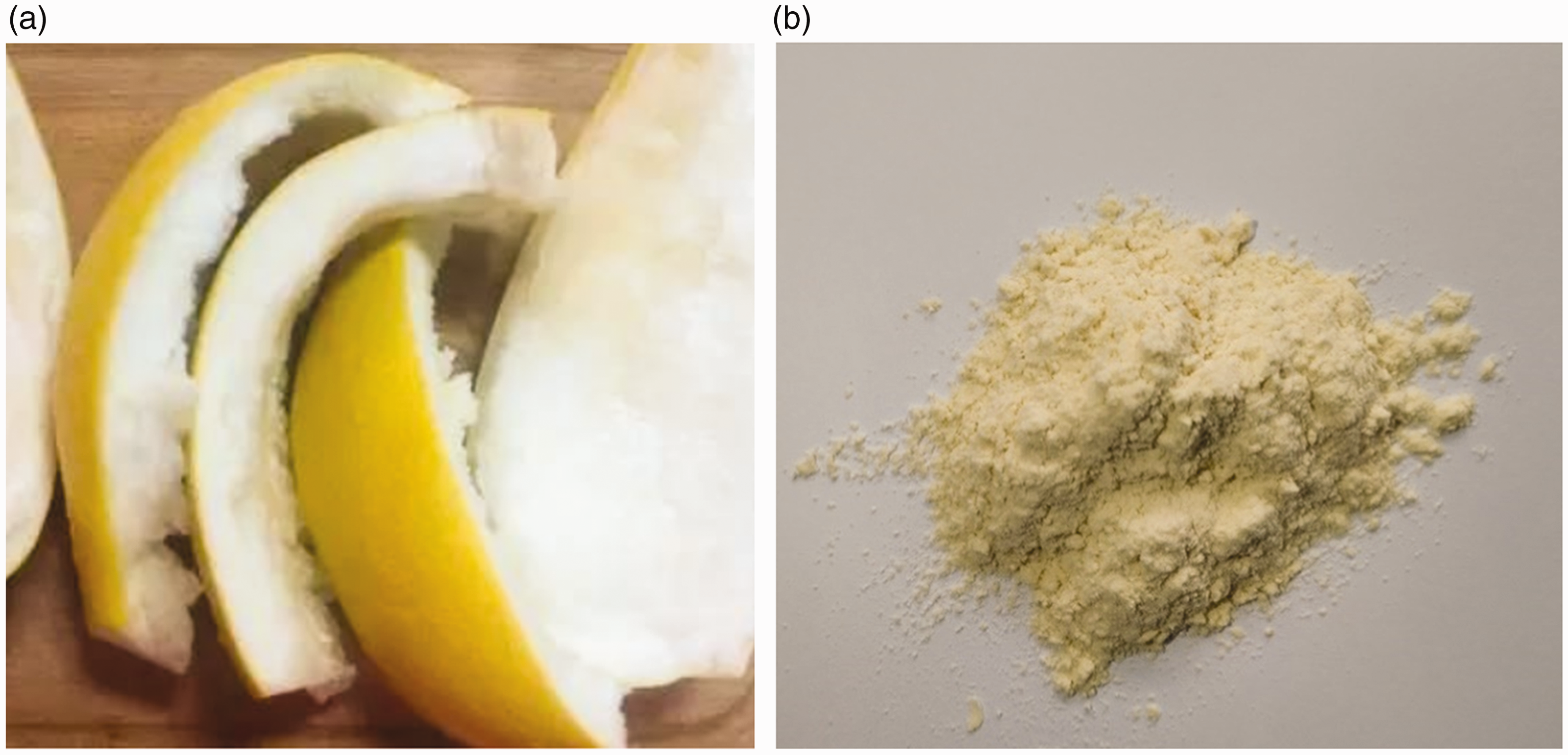
(a) Fresh pomelo peel and (b) crushed pomelo peel powder.
The bentonite used in this study was provided by Hangzhou Jegao Bentonite Technology Development Co., Ltd. According to the x-ray diffraction (XRD) Atlas analysis (Figure 2), the bentonite had a high montmorillonite content (Table 1); thus, it was classed as sodium-based bentonite with 90.38% montmorillonite and 9.62% quartz.
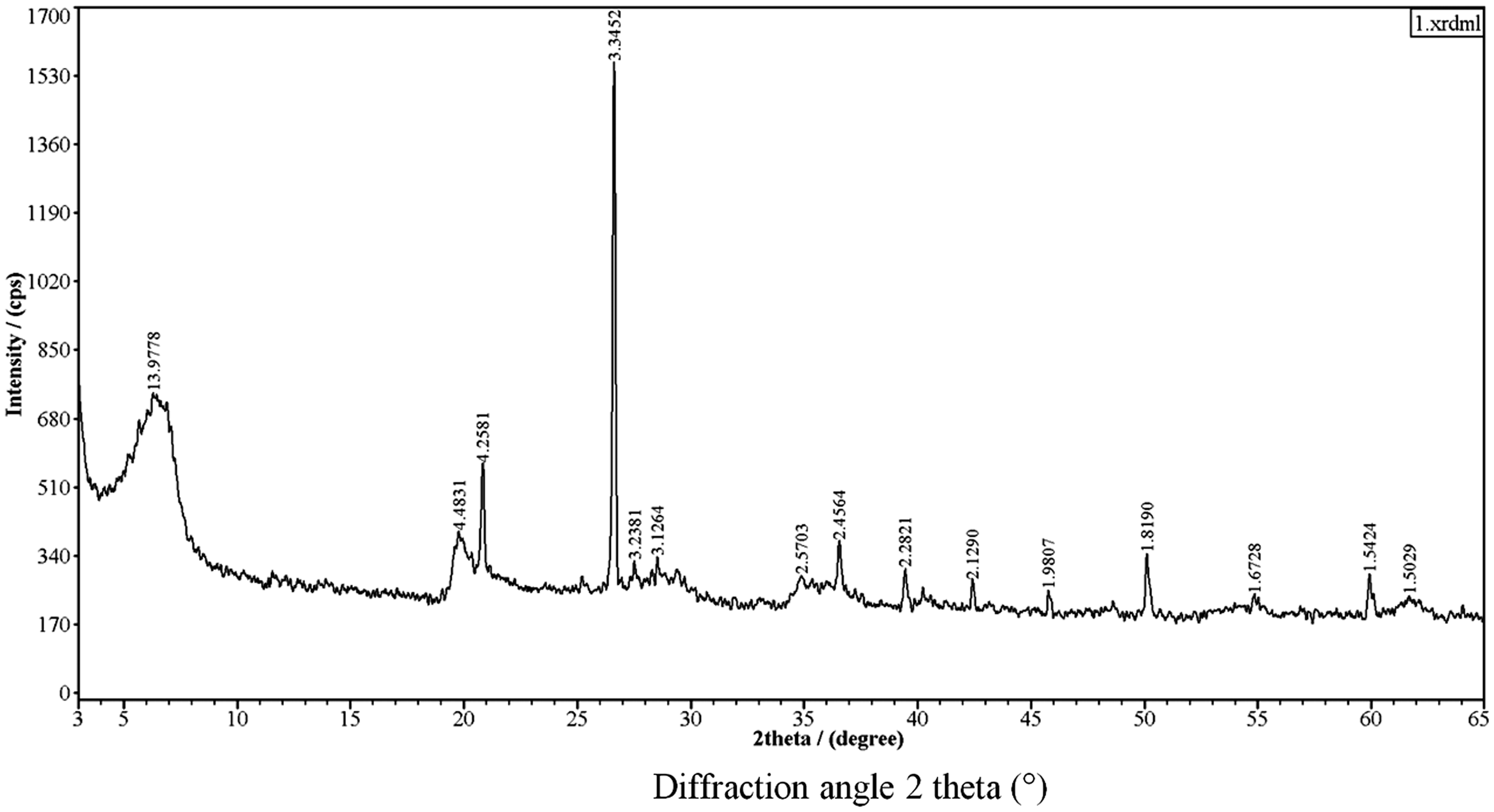
XRD spectrum of the sample bentonite crystal powder.
Semi-quantitative mineral content of the bentonite sample crystal powder according to the XRD analysis.

XRD: x-ray diffraction.
The shale used in this paper was collected from drilling cuttings obtained from Well S2, Songliao Basin, at a depth of 3960 m (Lower Cretaceous Shahezi Formation). The potassium chloride was provided by Siopharm Chemical Reagent Co. Ltd., and the polyamine was provided by Zhangjiagang Kaibaolai Environmental Protection Technology Co., Ltd. All experimental materials were not purified further.
Test instruments
The following instruments were used in the experimental tests: ZNN-D6 six-speed rotating viscometer; GJSS-B12K variable frequency high-speed mixer; BGRL-5 roller furnace; NP-01 normal temperature and atmospheric pressure expansion measuring instrument and a ZNS mud water-loss meter produced by the Qingdao Haitongda Special Instrument Factory, an electromagnetic stirrer (Shanghai Yongnuo Biotechnology Co. Ltd.), PHS-3C acidimeter (Xianyang Ark Science and Technology Development Company), DDS-11D conductivity-measuring instrument (Shanghai Lei Magnetism Instrument Factory), and a TGL-16 centrifuge (Changzhou Tianrui Instrument Co., Ltd. Stopwatch). We also used pH test paper, filter paper, a measuring cylinder, beaker, specific gravity slurry, glass rod and a table balance.
Optimum pomelo peel powder particle size
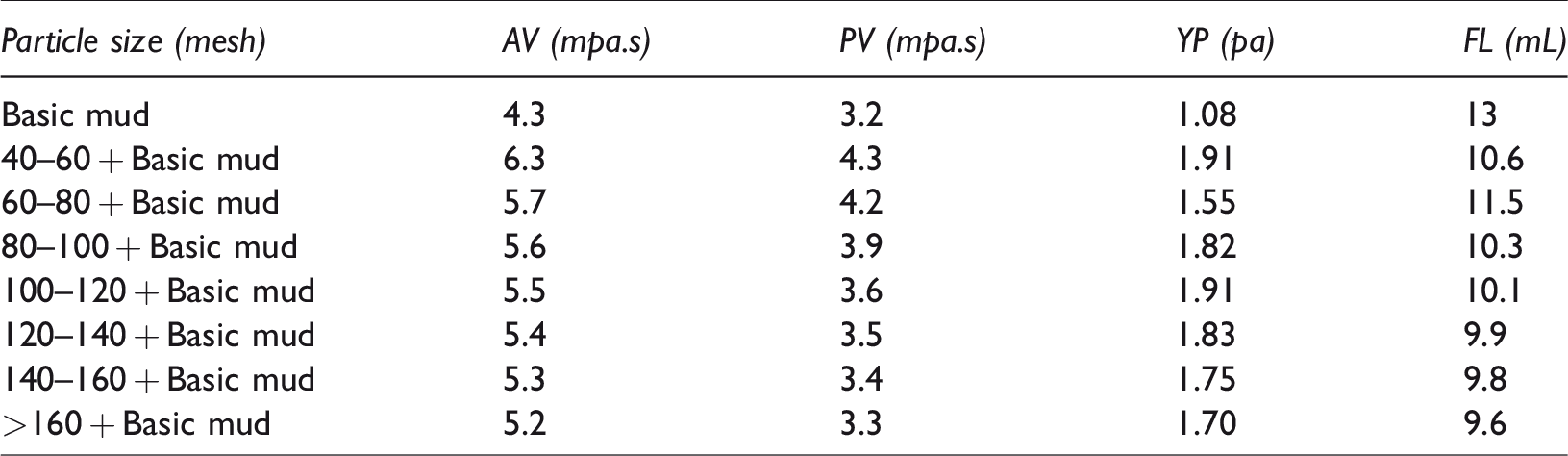
As pomelo peel powder contains some solid particles that are insoluble in water, and the size of solid particles in a drilling fluid system greatly influences the performance of the drilling fluid, the effect of the size of pomelo peel particles on the performance of the drilling fluid must be considered first. Pomelo peel powder with particle sizes of 40–60, 60–80, 80–100, 100–120, 120–140, 140–160 and > 160 mesh was added to mud samples with a bentonite content of 3% to obtain the corresponding drilling fluids with a pomelo peel powder content of 1%. We measured the viscosity and water loss using a ZNN-D6 six-speed rotating viscometer and ZNS mud water-loss meter and found that the peel powder with particles larger than 160 mesh is more suitable for adding to a fluid.
The pomelo peel with particles larger than 160 mesh was added to distilled water to prepare solutions with different pomelo peel powder concentrations. The pH of the pomelo peel powder solutions with different concentrations was measured by a PHS-3C acidity meter to obtain their pH curves.
Simple immersion experiment
By conducting a simple immersion test, we can estimate the ability of the solution to hinder rock expansion by measuring the looseness of a rock core when immersed in the solution. Four large cores collected from the same shale layer (3200 m) of well S2 were soaked in 50 mL solutions of 1% potassium chloride, 1% polyamine, pure water and 1% pomelo peel powder and the expansion of the core was measured after 1 h.
Rolling recovery experiment
A rolling recovery experiment was conducted to evaluate the anti-swelling ability of shale after the addition of pomelo peel powder to the drilling fluid. First, shale drill cuttings were collected and cleaned in water, air dried and then screened to obtain shale particles with a size of 6–10 mesh. Fifty grams of the dry sample were added to the tank along with 350 mL of the solution, and the lid was tightened. The tank was then heated in a roller furnace (65.5°C, 16 h). Following this, the pot was removed from the furnace and cooled to room temperature. The water and shale in the tank were then poured through a 40-mesh sorting screen and washed with distilled water for 1 min. After cleaning, the sorting screen and shale were dried in an oven at 105°C for 4 h, cooled for 24 h and weighed. The data were recorded and the corresponding rolling recovery rate was calculated.

Inhibition of the hydration of bentonite
Montmorillonite is the main component of bentonite and also the main cause of hydration swelling in shale. Therefore, the inhibition of hydrated bentonite was tested to evaluate the ability of pomelo peel powder to prevent active clay minerals from entering the drilling fluid and causing hydration expansion. A series of water-based solutions with pomelo peel powder contents of 0%–1% were prepared using a high-speed mixer. Samples of the bentonite rolled at 65.5°C for 16 h were then added to the pomelo peel powder solutions with different concentrations. The proportion of bentonite added to each sample was 3%, and following bentonite addition, the solution was stirred using a high-speed mixer for 20 min. Before the bentonite was added, a ZNN-D6 six-speed rotary viscometer was used to record the readings at 600 and 300 r/min, which were used to calculate the rheological properties of the mud, and the six-speed values were measured to calculate the apparent viscosities (AV), plastic viscosities (PV) and yield points (YP).



As potassium chloride and polyamine are the two most commonly used shale stabilisers in the drilling industry, 1% potassium chloride and polyamine solutions were prepared for the experiments, and their performances were compared to those of the pomelo peel powder solutions. With the same amount of bentonite, the smaller the increase in viscosity and shear force of drilling fluid, the better the inhibitory effect of the tested material on bentonite.
Bentonite precipitation experiment
The ability of pomelo peel powder to prevent the dispersion of clay minerals in the solution was evaluated by conducting a bentonite precipitation experiment. First, a series of aqueous solutions containing 0%–1.5% pomelo peel powder were prepared. Then, 1 g bentonite was added to 100 mL of the pomelo peel powder solution and stirred with an electromagnetic stirrer for 30 min to evenly disperse the bentonite. The dispersed solution was then injected into a 100 mL measuring cylinder, which was then sealed with the plastic wrap. After 24 h, a clear interface was formed between the sediment and supernatant. The distance from the interface and liquid level to the tube bottom (h and H, respectively) was measured, and the ratio of h to H was calculated.
Dynamic linear expansion experiment
The expansion rate of the bentonite slices in the pomelo peel powder solution was measured using a dynamic linear dilatometer. First, 10 g of bentonite was placed in a hydraulic compactor at 5000 psi for 30 min to prepare bentonite flakes with a diameter of 21 mm. After measuring the initial thickness (H0) of the bentonite slice with a calliper gauge (precision of 0.01 mm), it was placed in a linear expansion cup with a dial indicator (precision of 0.01 mm) to measure the increase in its thickness. After setting the dial indicator to zero, the pomelo powder solution was added to the cup. The increase in the thickness (H1) of the bentonite slice was measured over a period of 24 h (once every 5 min in the first 3 h, once every 10 min between 3 and 5 h and once every 20 min after 5 h), and the expansion rate of the bentonite sheet (Rt) was calculated. Potassium chloride and polyamine solutions with concentrations of 1% were prepared, and their effects on the expansion rate of the bentonite sheet were compared with that of the pomelo peel powder solution with the same concentration.

Adsorption assay
In this study, the adsorption of the pomelo peel powder on the surface of the bentonite particles was measured following the conductivity method. First, a series of aqueous solutions with pomelo peel powder concentrations of 0.1–1.2% were prepared, and their conductivity was measured using a DDS-11D conductivity meter, which was calibrated before use. The conductivity values were to create a relationship curve between the measured conductivity and pomelo peel powder concentration. The bentonite was then stirred with an electromagnetic stirrer for 30 min to disperse it evenly in the solution. The dispersed solution was then placed in a shaking screen for 24 h at room temperature and atmospheric pressure. The bentonite was then precipitated for 2 h at a speed of 6000 r/min in a TGL-16 centrifuge, and the conductivity of the supernatant was measured by a conductivity meter. The concentration of pomelo peel powder in the supernatant could then be obtained using the curve between conductivity and the pomelo peel powder concentration obtained previously. Finally, the adsorption capacity of pomelo peel powder on the surface of the bentonite particles was calculated using the following formula

Results and discussions
Optimal pomelo peel powder diameter
Figure 3 shows that the pomelo peel powder solution becomes more acidic with an increase in the pomelo peel powder, but the pH stabilised as the concentration increased above 1 wt%.
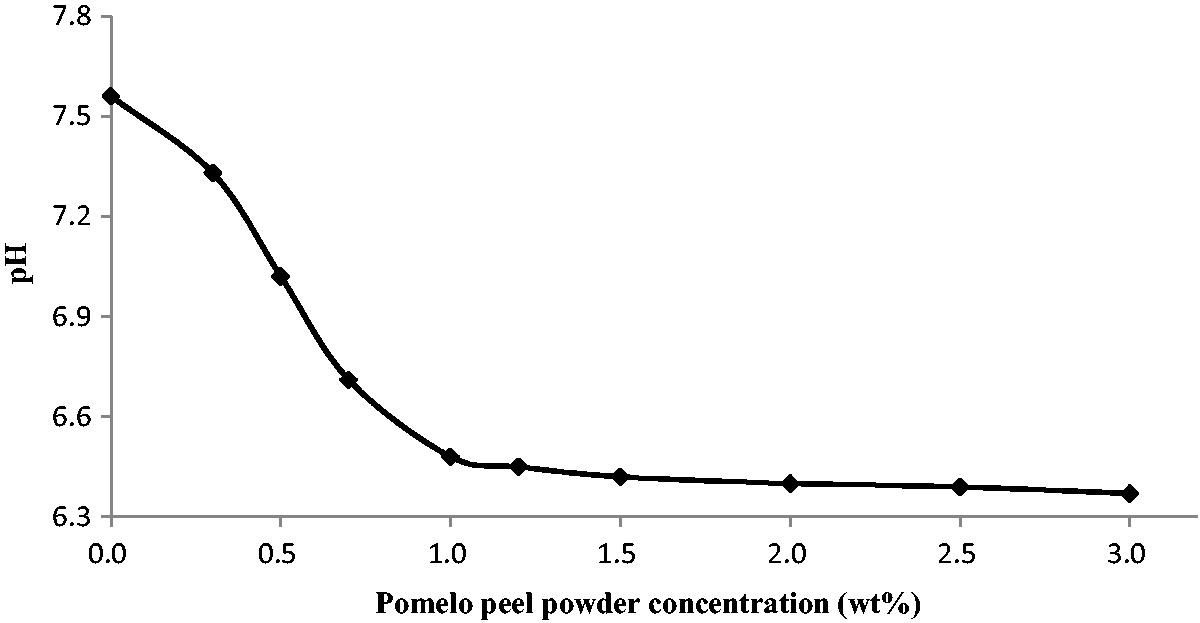
Change in solution pH with increasing pomelo peel powder concentration.
Table 2 shows that the apparent and plastic viscosity of the drilling fluid decreased gradually with an increase in the pomelo peel powder particle size, while the dynamic shear force did not change significantly, and the filtrate loss of the drilling fluid decreased significantly. When the particle size of the pomelo peel powder exceeded 160 mesh, the filtration failure effect of pomelo peel powder was better than that of the other groups. Therefore, pomelo peel powder with a particle size of over 160 mesh was used in the following experiments.
Effect of pomelo peel powder with different particle sizes on drilling fluid properties.
Soaking experiment
Figure 4 shows that a small amount of the shale core collapsed after soaking in the 1% pomelo peel powder solution for 1 h. The core broke into many fragments in distilled water, while there was almost no collapse after soaking in 1% polyamine and 1% potassium chloride solutions for 1 h. Simple immersion experiments showed that, at the same concentration, the ability of pomelo peel powder to inhibit the hydration of bentonite in the shale core is much stronger than that of distilled water but differed little from that of polyamine and potassium chloride. The polysaccharides and phytophenols in the pomelo peel powder could effectively reduce the filtration of mud and form a compact membrane structure that can block the micro-fissures of shale, preventing water from entering, increasing the compactness of the structure of the core and inhibiting the tendency of the core to loosen and collapse.
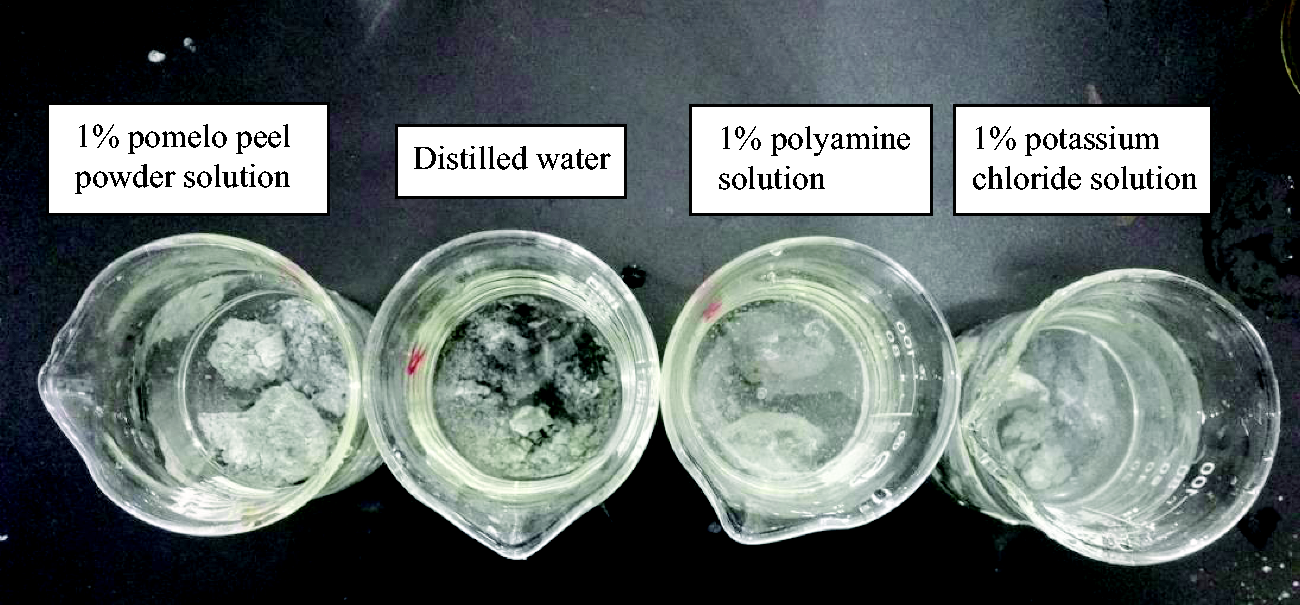
Shale cores immersed in different solutions.
Rolling recovery experiment
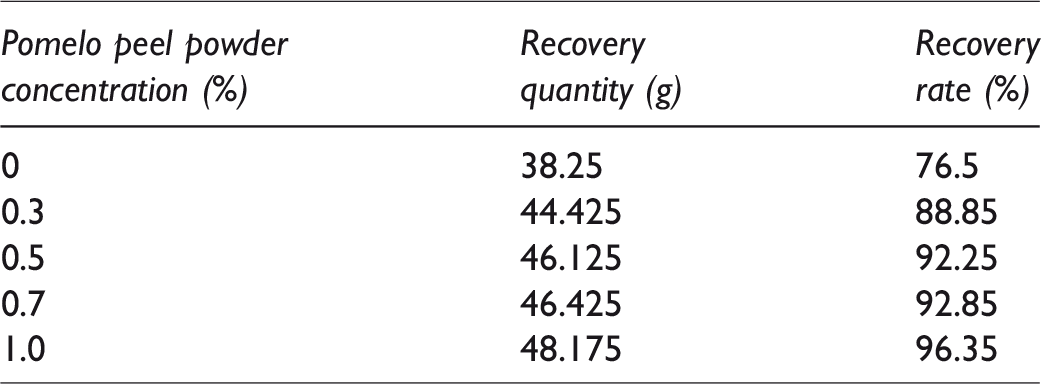
The drilling cuttings recovery experiment was conducted using distilled water and pomelo peel powder solutions with concentrations of 0.3%, 0.5%, 0.7% and 1%. After hot rolling for 16 h at 65.5°C, the rolling recoveries calculated using formula (1) were 76.5%, 88.85%, 92.25%, 92.85% and 96.35%, respectively. Table 3 shows that the pomelo peel powder solution could inhibit the fragmentation and dispersion of cuttings in water. With an increase in the concentration of the pomelo peel powder solution, the recovery rate increased and the hydration expansion of the cuttings was inhibited better. Further increasing the concentration would improve inhibition very little. A pomelo peel powder concentration of 0.7% could inhibit the drilling cuttings. When the polysaccharides and phytophenols in pomelo peel dissolve in water, clay particles join together to form a compact membrane structure that can block the micro-fissures of shale and hinder their dispersion, thus inhibiting the fragmentation and dispersion of rock cuttings in water.
Results of the rolling recovery tests of the cuttings under different pomelo peel powder concentrations.
Hydration inhibition of bentonite
The rotating viscometer readings of the various solutions at 600 and 300 r/min were recorded, and the apparent viscosity, plastic viscosity and dynamic shear force data of the mud were obtained using formulas (2), (3) and (4), and their values are presented in Figure 5, which show that the apparent viscosity (a), plastic viscosity (b) and dynamic shear force (c) of bentonite in distilled water increased rapidly with the increase in the amount of bentonite. This demonstrates that the rheological properties of the system changed significantly, and the viscosity increased rapidly after the bentonite was sufficiently hydrated. Under the same conditions, the apparent viscosity, plastic viscosity and dynamic shear force of bentonite hydrated with pomelo peel powder did not increase as rapidly, and, with an increase in the pomelo peel powder concentration, the growth rate decreased significantly. The pomelo peel powder could inhibit the hydration of bentonite, and the inhibitory effect increased with the pomelo peel powder concentration. However, above a pomelo peel powder concentration of 0.7%, the inhibitory effect was not significantly enhanced. According to the experimental data in Figure 5, when the bentonite concentration was 9%, the apparent viscosities of pomelo peel powder, polyamine and potassium chloride with concentrations of 1% were 49.3%, 86.7% and 81.3% lower than that of distilled water, the plastic viscosities were 50.0%, 66.7% and 66.7% lower, and the dynamic shear forces were 49.0%, 96.1% and 88.2% lower, respectively. When the bentonite concentration of was 15%, the apparent viscosities of pomelo peel powder, polyamine and potassium chloride solutions with a concentration of 1% were 34.7%, 60.7% and 56.0% lower than that of dissolved water, the plastic viscosities were 45.0%, 55.0% and 50.0% lower, and the yield points were 30.9%, 62.7% and 58.2% lower, respectively. By comparing the above experimental data, it can be found that the improvement in the rheological properties of drilling fluid due to the addition of pomelo peel powder is stronger than that due to the addition of polyamine and potassium chloride at the same concentration, indicating that the ability of pomelo peel powder to inhibit bentonite hydration is weaker than that of polyamine and potassium chloride but much stronger than that of distilled water.
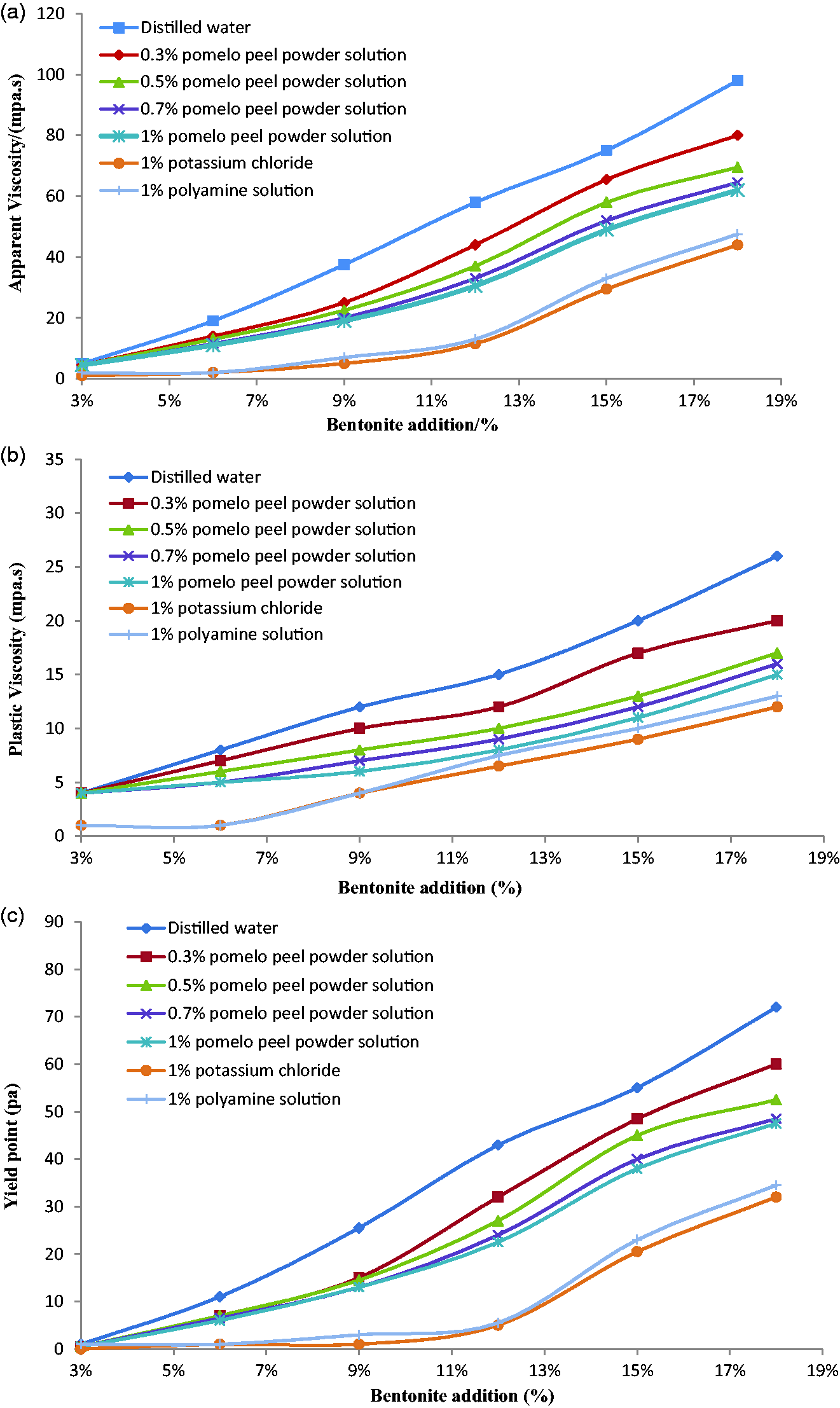
Changes in the rheological parameters after the addition of bentonite to pomelo peel powder, potassium chloride, and polyamine.
Bentonite precipitation experiment
As shown in Figure 6, without pomelo peel powder, bentonite is evenly dispersed in distilled water and forms a stable dispersion system. When the bentonite solution was added to pomelo peel powder solutions with different concentrations, a stable dispersion system was not formed, the bentonite precipitated and the stability of the system decreased with an increase in pomelo peel powder concentration. The stability of the system did not continue to decrease when the pomelo peel powder concentration reached 0.7%. Figure 7 shows that the ratio of h to H reflects the free expansion of bentonite in the solution. With a concentration of 1%, the h/H of the pomelo peel powder and potassium chloride solutions was 43% and 18%, respectively, indicating that the ability of pomelo peel powder to prevent the uniform dispersion of bentonite in the solution was not as strong as that of potassium chloride but much stronger than that of water, and these results agree well with the above conclusion. When the polysaccharides in the pomelo peel dissolved in water, the clay particles were combined, hindering the expansion of bentonite.
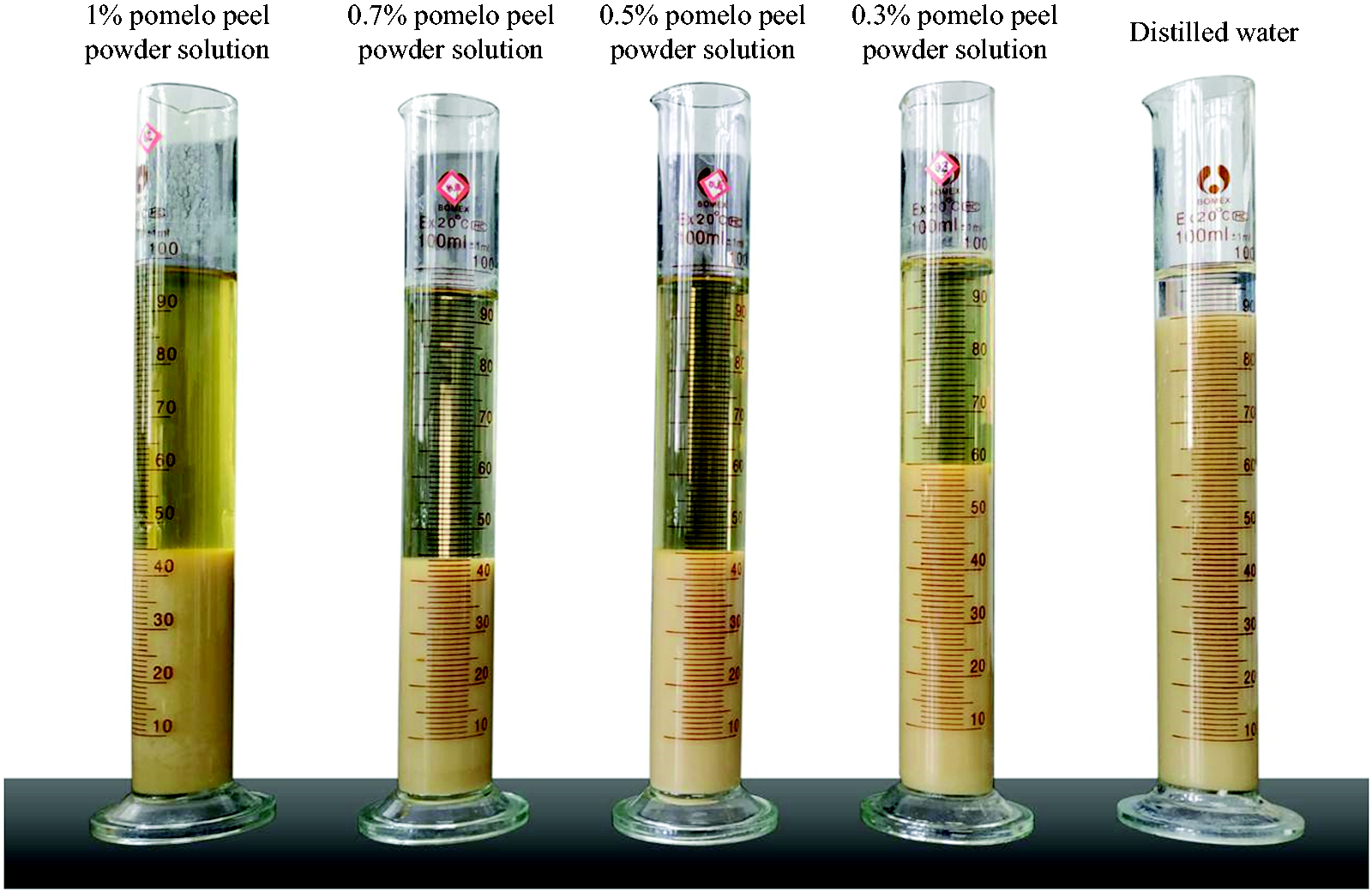
Bentonite precipitation in pomelo peel powder solutions with different concentrations.
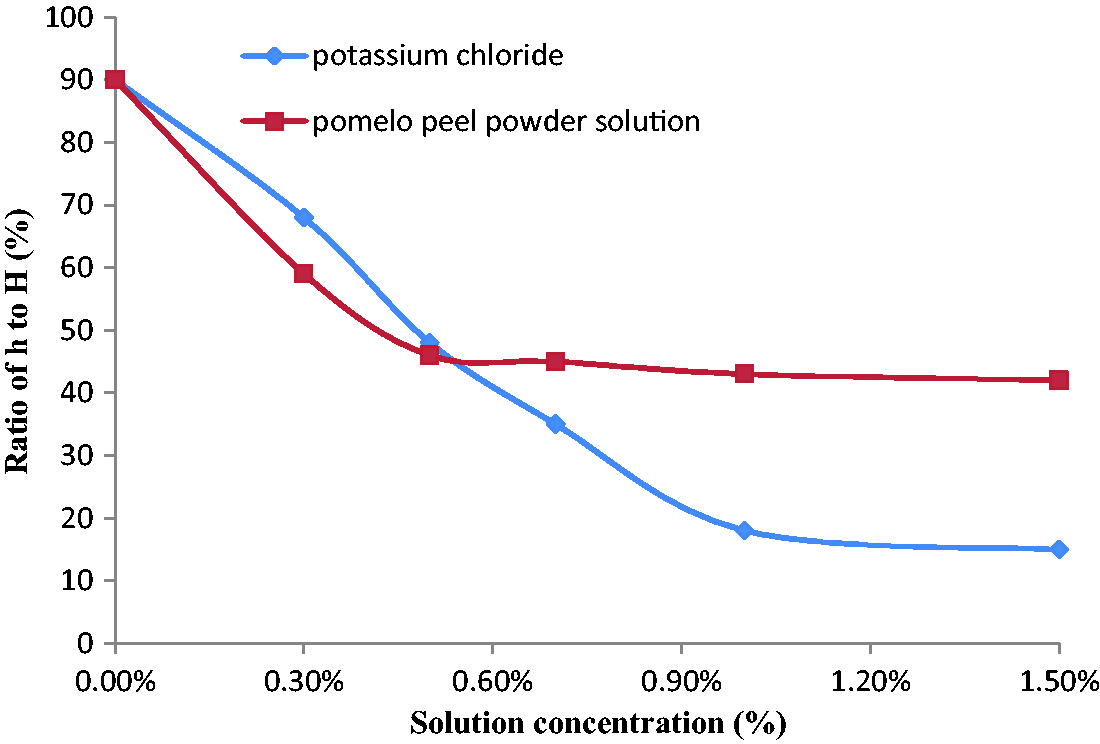
Bentonite precipitation in pomelo peel powder and potassium chloride solutions with different concentrations.
Dynamic linear expansion
Figure 8 shows the swelling curves of bentonite sheets in pomelo peel powder solutions with different concentrations. At 21°C, the expansion rate of pomelo flakes reached 70.2% after soaking in distilled water for 24 h, according to the formula, but only reached 50.3% after 24 h of soaking in the 0.7% pomelo peel powder solution. By comparing the experimental results of the 0.7% and 1% pomelo peel powder solutions, we found that the effects of the two solutions were very similar. By combining these results with those of the bentonite hydration inhibition and precipitation experiments, we found that the optimum concentration of pomelo peel powder was 0.7%.
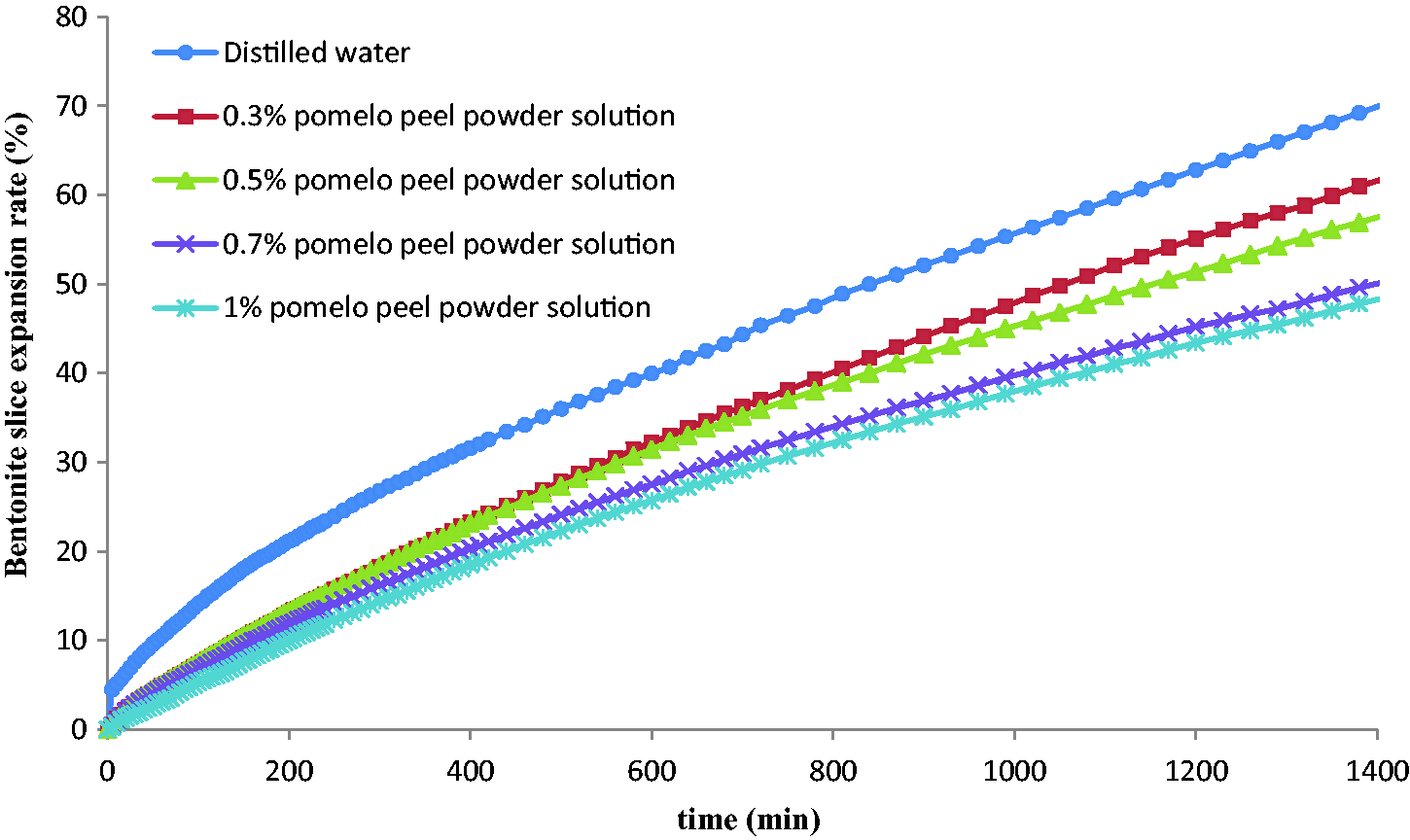
Swelling characteristics of bentonite in pomelo peel powder solutions with different concentrations.
To compare the abilities of pomelo peel powder, potassium chloride and polyamine to inhibit the expansion of bentonite, dynamic linear expansion experiments were conducted using several solutions with the same concentration, and the results are shown in Figure 9. The bentonite sheets were soaked in the pomelo peel powder, polyamine and potassium chloride solutions with concentrations of 1% for 600 min, and we compared the collected data. The expansion rates in distilled water, pomelo peel powder, polyamine and potassium chloride were 39.9%, 25.7%, 34.5% and 28.9%, respectively. When the soaking time exceeded 860 min, the swelling rates of bentonite in distilled water, pomelo peel powder, polyamine and potassium chloride at 1200 min reached 62.8%, 43.4%, 49.7% and 39.5% respectively. At this time, the swelling rate in pomelo peel powder was higher than that in potassium chloride, indicating that the inhibitory effect of pomelo peel on bentonite swelling gradually weakened with an increase in the soaking time. Active alkyl substances in pomelo peel powder, such as flavonoids, compete to adsorb on the surface of bentonite particles with water molecules, reducing the binding of water molecules to bentonite and resulting in lower expansion of bentonite sheets in the solution with pomelo peel powder than that in distilled water.
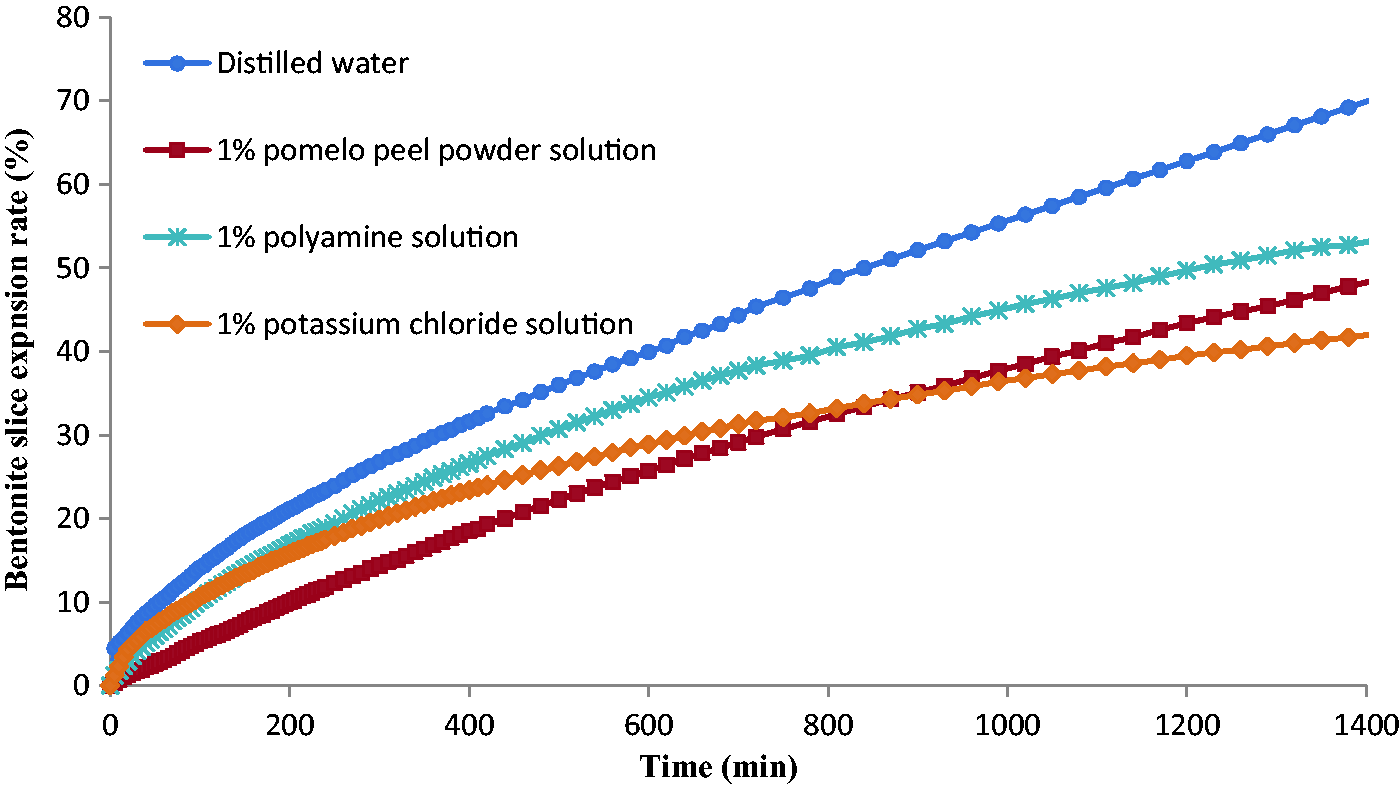
Expansion characteristics of bentonite in pomelo peel powder, polyamine, and potassium chloride solutions.
Adsorption experiment
Figure 10 presents the fitting curves obtained by measuring the conductivity of the pomelo peel powder solutions with different concentrations. The slope of the curve changed when the pomelo peel powder concentration reached approximately 0.7%. This concentration is referred to as the critical micelle concentration. At concentrations higher than the critical micelles concentration, molecules will aggregate and micelles will form in a solution. The activity of the pomelo peel powder solution below this concentration was better.
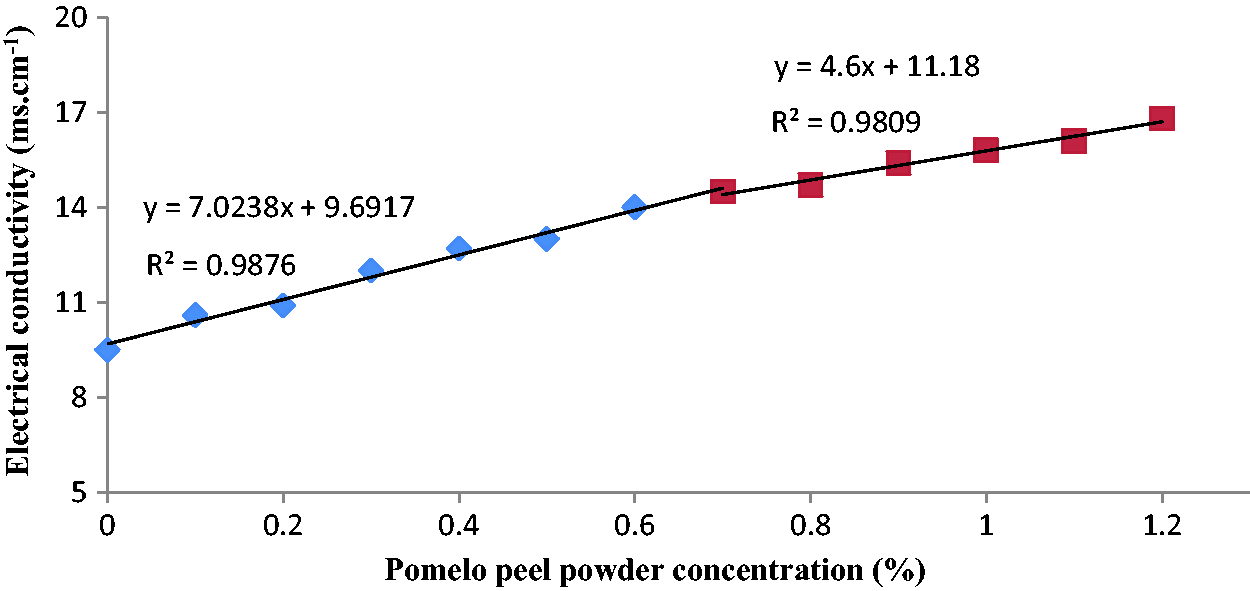
Relationship between conductivity and pomelo peel powder concentration of the solution.
Figure 11 shows images of the bentonite precipitated for 2 h at 6000 r/min by a centrifuge. The conductivity in the upper part of the corresponding solution was measured by a conductivity meter. Figure 12 presents the amount of pomelo peel powder adsorbed to the surface of bentonite particles at various pomelo peel powder concentrations, which was calculated according to formula (6). The amount of pomelo peel powder adsorbed first increased and then decreased with an increase in the pomelo peel concentration and peaked at the concentration of 0.7%–0.8%. The results presented in Figures 10 and 12 further demonstrate that the optimum pomelo peel powder concentration is 0.7%.
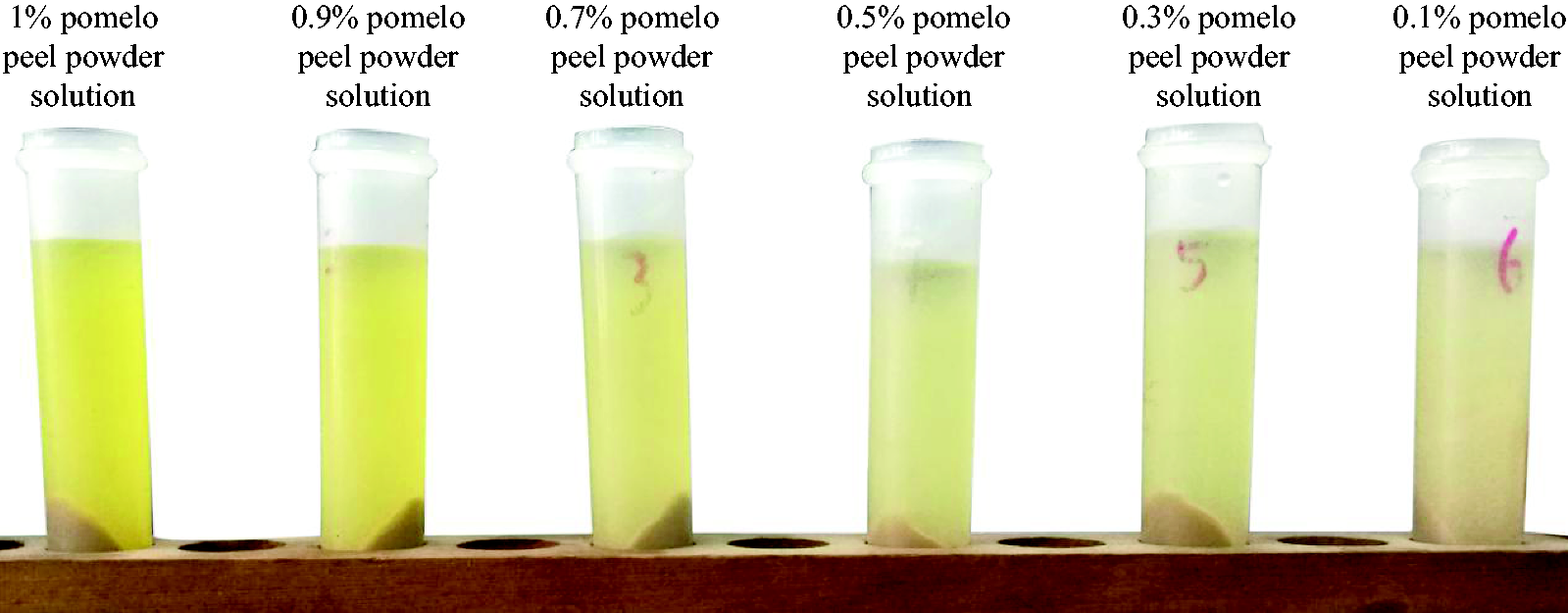
Bentonite precipitation in the pomelo peel powder solutions after high-speed centrifugation.
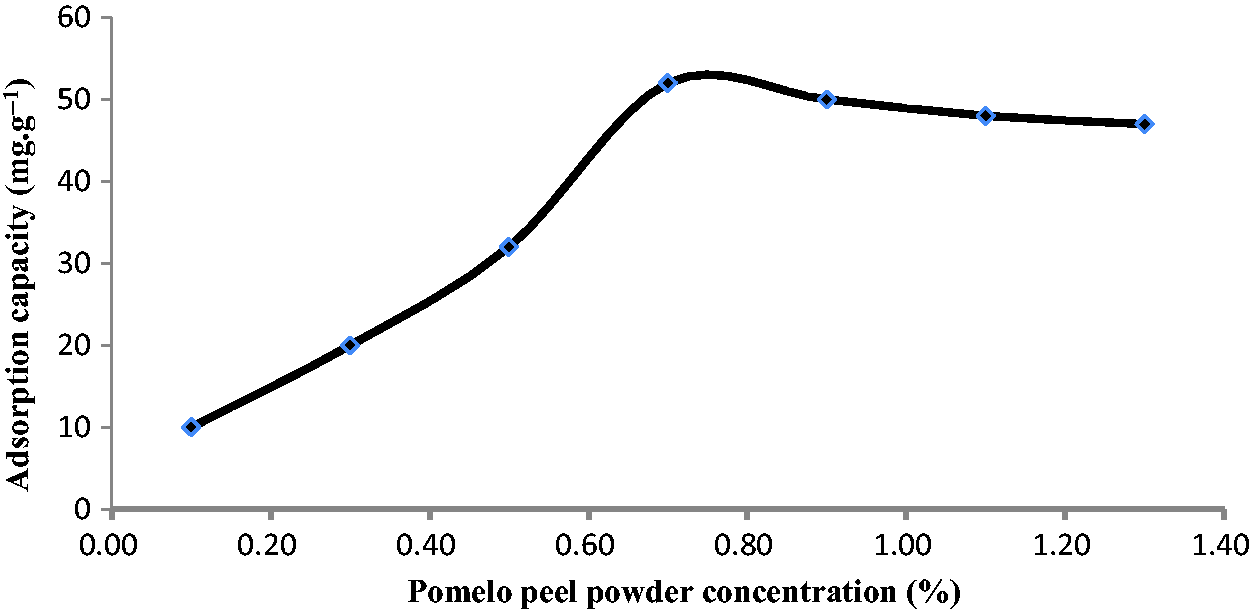
Adsorption capacity of pomelo peel powder to the surface of bentonite at different concentrations.
Anti-swelling mechanism
The hydration expansion caused by the interactions between water and the clay minerals in shale is mainly due to the bentonite in the clay minerals. The main component of bentonite is montmorillonite, which has a layered structure. Each layer contains an aluminium-oxygen octahedron between two silicon-oxygen tetrahedrons. When bentonite is added to water, its polar molecules associate with the oxygen atoms on the outer surface of the bentonite silicate layer through hydrogen bonds (De Paiva et al., 2008). Previous studies have shown that the shale stabilisers used in the drilling industry, such as ethylene glycol (De Souza et al., 2010; Liu et al., 2004) and amines (Yang et al., 2013; Zhong et al., 2012), can reduce the associations between water molecules and the surface of the bentonite particles as they compete with the water molecules for adsorption to the bentonite, thereby reducing swelling. If the hydrogen bonds between water molecules and the surface of bentonite particles can be replaced by hydrogen bonds between another substance and the bentonite particles when drilling the shale layer, the water absorption rate of the bentonite particles will be reduced, thereby reducing the expansion of bentonite.
After analysing the mechanisms of the anti-swelling properties of pomelo peel powder, we can find that pomelo peel contains a high amount of pectin, essential oils, soluble polysaccharides, active polysaccharides, flavonoids and some other components. The mechanism of the interactions between bentonite in shale and these components is shown in Figure 13. There is a “mosaic adsorption” effect, where the pomelo peel powder components (such as flavonoids with active groups) combine the hydrogen bonds between the oxygen atoms on the surface of the tetrahedral silica of bentonite particles. Flavonoids enter the layers of clay minerals, prevent water molecules from entering them and compete with water molecules to adsorb to the surface of bentonite particles, thus reducing the amount of water molecules adsorbed and inhibiting clay hydration. Additionally, polysaccharides can reduce the filtration of mud, form a compact membrane structure that can seal the micro-cracks in the shale and enhance the cementation strength, which plays a role in preventing the collapse of shale. These two effects prevent most of the water molecules from entering the structure of the bentonite, which delay expansion and inhibit shale hydration.
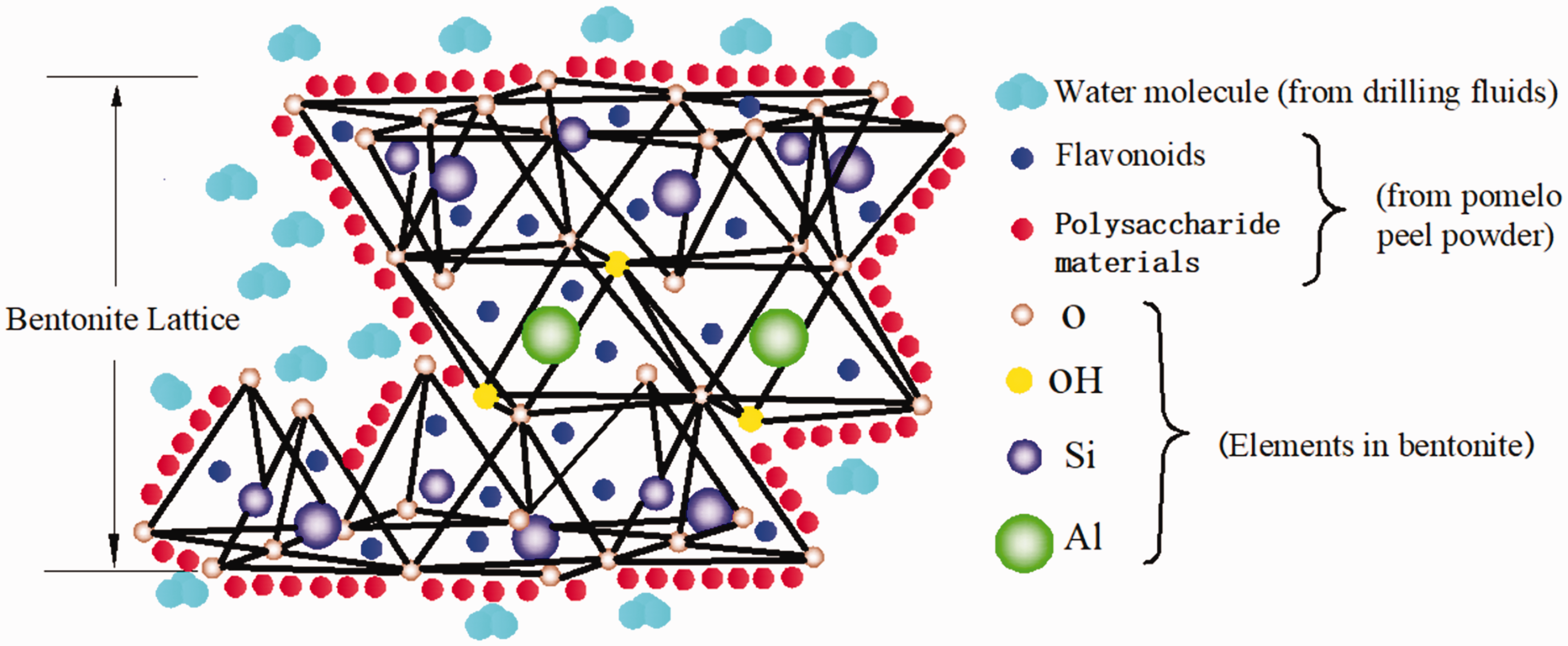
Schematic diagram of the adsorption of active pomelo peel powder substances on the surface of bentonite, preventing expansion.
Conclusion
Bentonite hydration inhibition, precipitation, dynamic linear expansion, rolling recovery and adsorption experiments were conducted, and the results show that pomelo peel powder can inhibit the hydration of bentonite. The inhibitory effect was slightly worse than those of potassium chloride and polyamine, but the difference was not significant. Pomelo peel powder can prevent clay minerals from dispersing uniformly in solutions and significantly reduce the swelling rate of bentonite slices. It can also inhibit the crushing and dispersion of drilling cuttings in water, and the experiments demonstrated that the best performance was achieved at a pomelo peel powder concentration of 0.7%. Pomelo peel contains large amounts of pectin, essential oils, soluble polysaccharides, active polysaccharides, flavonoids and other substances. The “mosaic adsorption” effect reduced the adsorption capacity of water molecules and inhibited the hydration of clay. Furthermore, polysaccharides and phytophenols can effectively reduce the filtration of mud by forming a compact membrane structure, which can also seal the micro-cracks in shale and enhance its cementation strength, preventing collapse. Pomelo peel powder not only exhibits suitable anti-swelling performance, but it is also widely available, easily accessible, low cost and environmentally sustainable and friendly. It can be added to drilling fluid as a novel inhibitor of shale hydration swelling.
Supplemental Material
EEA882147 Supplemental Material - Supplemental material for Experimental study of the pomelo peel powder as novel shale inhibitor in water-based drilling fluids
Supplemental material, EEA882147 Supplemental Material for Experimental study of the pomelo peel powder as novel shale inhibitor in water-based drilling fluids by Lei Zhang, Xiaoming Wu, Yujie Sun, Jihua Cai and Shuaifeng Lyu in Energy Exploration & Exploitation
Footnotes
Declaration of conflicting interests
The author(s) declared no potential conflicts of interest with respect to the research, authorship, and/or publication of this article.
Funding
The author(s) disclosed receipt of the following financial support for the research, authorship, and/or publication of this article: This study was supported by the National Natural Science Foundation of China (Grant No. 41072111), the Hubei special fund for technological innovation (Grant No. 2017AHB0052) and the National Science and Technology Major Project of China (Grant Nos. 2016ZX05043001-001, 2016ZX05043003-004).
References
Supplementary Material
Please find the following supplemental material available below.
For Open Access articles published under a Creative Commons License, all supplemental material carries the same license as the article it is associated with.
For non-Open Access articles published, all supplemental material carries a non-exclusive license, and permission requests for re-use of supplemental material or any part of supplemental material shall be sent directly to the copyright owner as specified in the copyright notice associated with the article.
