




Abstract
Shallow geothermal energy is stable and clean. Using a heat pump to produce groundwater and realize heating and cooling can effectively prevent haze and reduce energy consumption. To reduce engineering costs, many buildings in Beijing, China, plan to utilize single-well groundwater source heat pumps. Numerical modeling is an effective way to gain an understanding of thermal transport processes. However, wellbore-reservoir coupling and the uncertainty of productivity due to geological parameters make simulation difficult. A wellbore-reservoir-integrated fluid and heat transport model is defined by T2Well simulator to predict the productivity of a typical single-well system, with consideration of complex geological factors. The model is validated by the analytical model developed in Beijing, China. The fluid processes in the wellbore are described by 1 D non-Darcy flow, and the reservoir 3 D fluid and heat transport processes are calculated. Six crucial factors satisfying a random distribution are used, and for a single well that can supply heat for an area of 9000 m2, the output temperature during the heating season ranges from 11°C to 15°C.
Keywords
Introduction
Over the past 50 years in China, large amounts of CO2 emissions have been released by burning coal, resulting in serious environmental pollution. It has been reported that 70% of the CO2 emissions, 80% of the SO2 emissions, and 70% of the smokestack emissions in China have come from coal (Shen, 2008). In northern China, an average of 42.3 days every year have suffered from smog from 1999 to 2013, with mean PM2.5 concentrations reaching 93 μg/m3 (Li, 2016). The annual average PM concentration of Beijing was 69.7–122.4 μg/m3 during the past decade (Liang et al., 2017), 2.0–3.5 times (Zhang et al., 2018) the national standard (35 μg/m3). Reducing fossil energy consumption and promoting the development of renewable energy and other new energy technologies can be effective ways to address smog and environmental pollution.
Geothermal energy is clean and stable and is independent of weather and seasonal changes. Shallow geothermal energy (SGE) (Zhu et al., 2015a) refers to geothermal energy with sufficient value for exploitation in the rock and soil mass, groundwater, and surface water up to approximately 200 m below the surface. Recently, geothermal heat pumps (GHPs) have become an efficient, economical and environmentally friendly technology (Sarbu and Sebarchievici, 2014) for space heating and air conditioning of residential and commercial buildings in China (Yuan et al., 2012). Recently, the capacity of ground-source heat pump (GSHP) systems in China was 11.78 GWt (Zhu et al., 2015a). GSHP systems mainly include ground-coupled heat pumps (GCHP), surface-water heat pumps (SWHPs) and groundwater water-source heat pumps (GWHPs). GWHP systems use groundwater as the carrier of the low-grade heat source, and exchange heat with an evaporator or condenser in the heat pump unit to either absorb or release energy. Among these systems, GWHP systems are widely used in cities with high population densities. Through energy and economic analysis, the GWHP system could save electricity energy and water resources consumption under improved operation methods (Noro et al., 2017; Zhu et al., 2015b). When the GWHP system is combined with solar (Weeratunge et al., 2018) or a fresh air pre-conditioner (Wang et al., 2019b), the energy stored in the groundwater can be maximally used and the consumption of the whole heat pump system can be reduced. Traditional groundwater source heat pump systems accomplish pumping and recharging using two wells. Another design of the GSHP, which uses the same well for pumping and recharging, is called the single-well groundwater source heat pump (SWGSHP) (Sørensen and Reffstrup, 1992). A SWGSHP system consists of an injection zone, a seal zone and a production zone (Figure 1). When the heat extraction process is running, the groundwater is pumped into the heat exchanger. After the process of heat transfer, the groundwater returns to the reservoir through the injection zone. As the number of wells drilled decreases, the cost of investment of an SWGSHP system is one-third to one-quarter that of a traditional GWHP system. By 2006, more than 250 different types of buildings with a total area of approximately 3.6 million m2 had benefited from SWGSHP technology in China (Yang and Qu, 2006; Yuan et al., 2012). SWGSHP systems need aquifers with suitable burial depths and reinjection conditions, and heat breakthrough and reinjection are the critical problems.
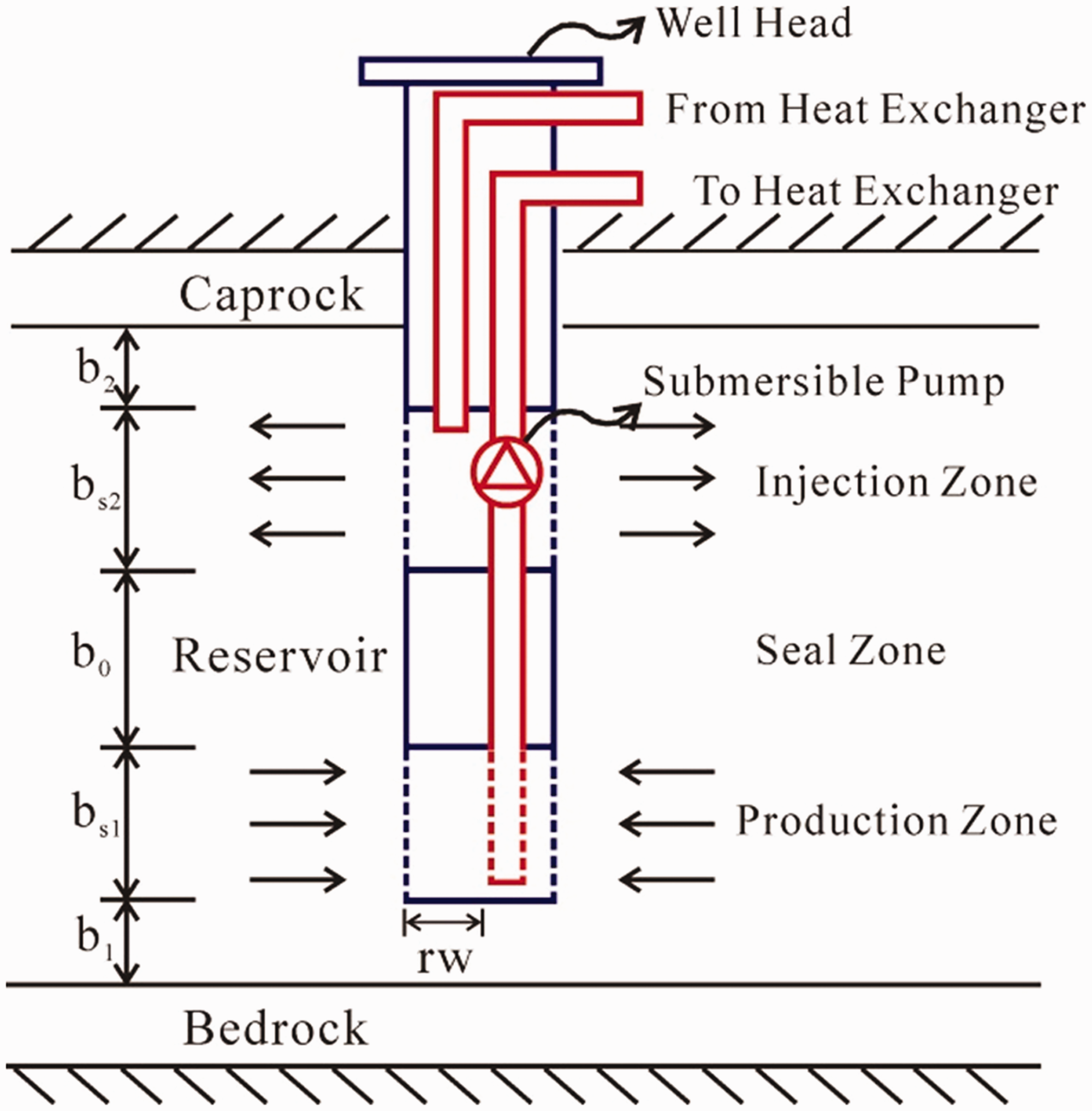
The structure of single-well groundwater source heat pump system (Ni et al., 2011).
The SWGSHP system was first applied in a field-scale experimental study at Denmark University of Technology in 1992, see Figure 2. The reservoir area was a sandy-gravel aquifer with a burial depth from 29 to 43 m. The wellbore was divided into three parts by a seal zone with a length of 4 m. The upper screen was used to inject geothermal tail water into the aquifer, and a submerged pump was used to produce groundwater. The main operating and thermophysical parameters are shown in Table 1.
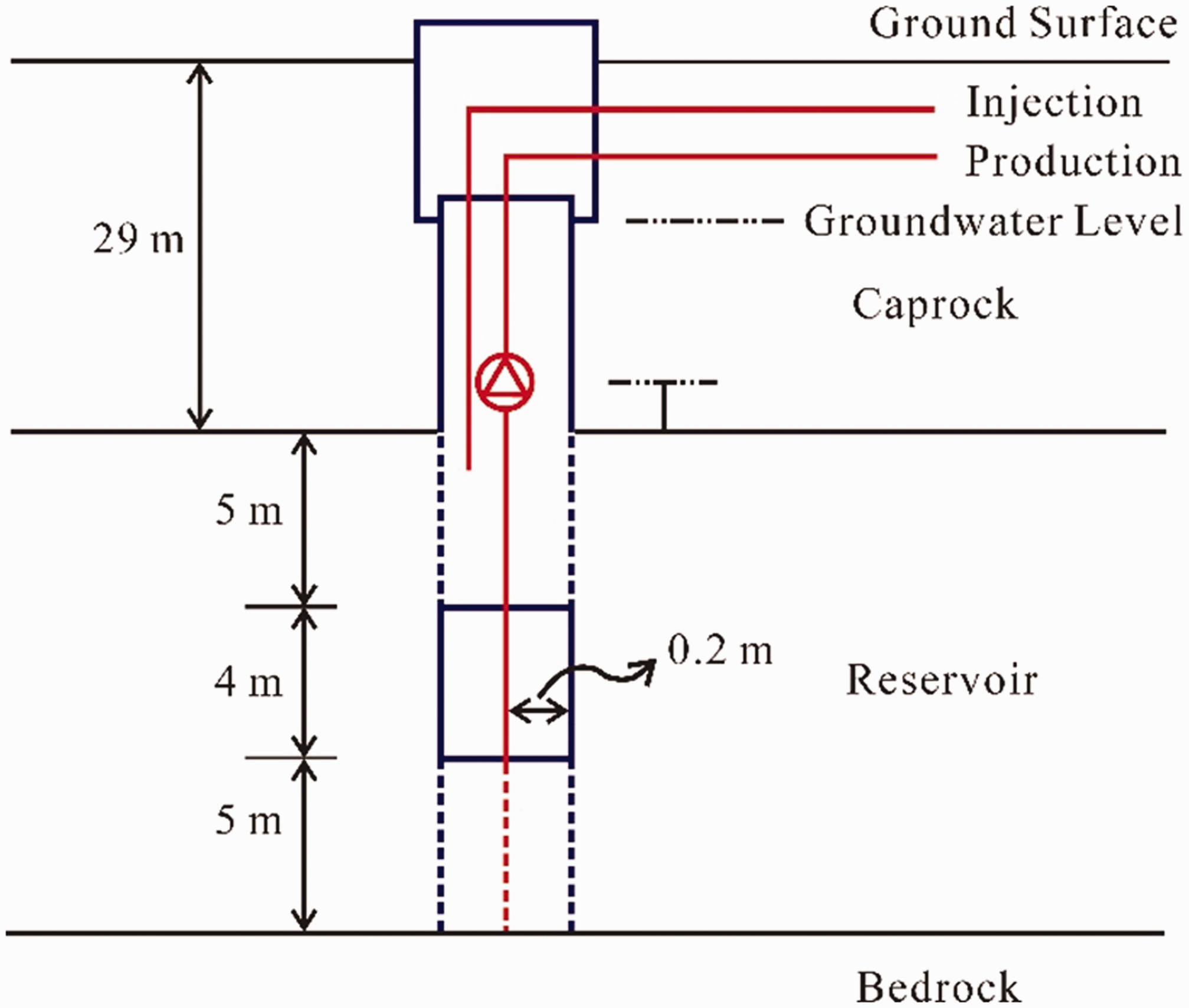
Design of a single-well system used at the university test facility (Ni et al., 2011).
Key data for the single-well test experiment (Sørensen and Reffstrup, 1992).
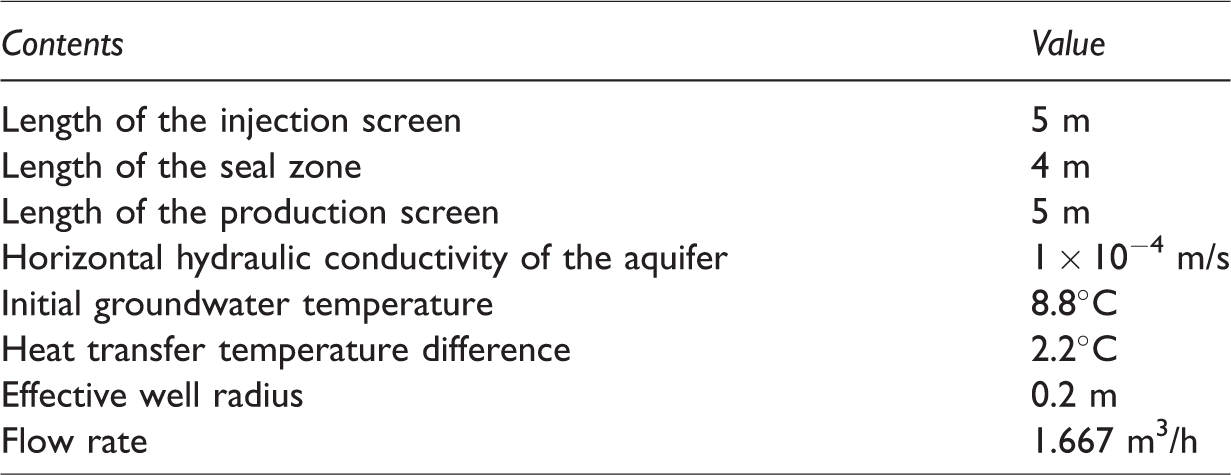
The output groundwater flowed through the heat pump evaporator to achieve full heat transfer and was then cooled by 2.2°C before reinjection into the reservoir. First, the groundwater was pumped out and full heat exchange took place. Second, the water was reheated to the initial temperature of the aquifer by a 24 kW electrical heater device. The above process represented one complete cycle of heat and recovery. As a result, 4,976 m3 of groundwater was cooled, and 5,156 m3 of groundwater was reheated, which basically realizes a balance between extraction and reinjection for approximately 125 days. Meanwhile, 62,514 GJ of heat was extracted from the aquifer and 27,403 GJ of heat was added by reheating in the aquifer.
Since the 1970s, geothermal resources in Beijing city have been exploited and utilized. In recent years, geothermal energy, as a promoted renewable energy type in Beijing, has combined SGE with deep hydrothermal geothermal resources to realize “Geothermal Energy Plus”. A center for research and expansion of SGE was established in 2007. By 2013, the number of GSHP projects in Beijing had exceeded one thousand, and the area of heating and cooling has expanded to approximately 36 million m3, accounting for nearly 5% of the building area in Beijing. The static storage of SGE in the Beijing Plain area is 1.9 × 10¹⁵ kJ, equivalent to 6.62 × 10⁷ tons of standard coal, which can provide heating and cooling to an area of 9.59 × 10⁸ m2 and meet the heating demands of Beijing by 2020 (Jiang et al., 2009). By the end of 2017, the installed capacity of GSHPs in China reached 20, 000 MW, and the heating (cooling) building area exceeded 500 million m2 (Ministry of Natural Resources of the People’s Republic of China, 2018). Beijing, Tianjin and Hebei have the largest scale of development and utilization.
The thermal hydraulic processes relating to the single-well system have been evaluated by analytical and numerical methods. A steady-state mathematical model (Sørensen and Reffstrup, 1992) was built, and the calculated results fit well with measured data from the site. Xu and Heng Rybach (2005) provided the principle of operation, practical engineering application and measured data for the energy consumption of an SWGSHP. Zhang (2004) established a numerical simulation model coupling groundwater flow with the temperature field under SWGSHP mode. A 3 D unstable groundwater flow mathematical model for an SWGSHP was established by Wang et al. (2012), and Laplace transformation, variable separation and Fourier continuation were used to obtain the analytical expressions for variations in the water head. The analytical solution of the SWGSHP in a single homogeneous confined aquifer was obtained by Ni et al. (2011), and the conclusions showed that groundwater seepage can quickly reach a stable state. The mathematical model for an SWGSHP coupled by Stokes-Darcy flow and the influence of thermophysical parameters on the heat transfer of an SWGSHP system were evaluated by Wu et al. (2015).
In recent years, numerous achievements have been made regarding the study on fluid flow in the wellbore and in the heat exchanges between the wellbore and reservoir. A TH model coupling the turbulent flow in the wellbore and groundwater seepage in the reservoir has been established (Guan et al., 2017). The results show that both the seepage velocity and flow velocity in the wellbore influence the heat transfer of a GSHP system. A transient GSHP model (Biglarian et al., 2018) has been used to investigate the impact of short and long timescales on dynamic performance, and the simulation results are a reference for optimizing the design length of a borehole. Groundwater flow can be considered to optimize the cost of the GCHP system, by using G-functions based on analytical models (Samson et al., 2018). An integrated model (Rui et al., 2018) of a GSHP system is simulated by an intensive finite element model, which can predict the temperature variation in the ground heat exchanger and surrounding soil. A multilayer analytical model (Erol and François, 2018) is established for GSHP systems by considering thermal conduction, advection and dispersion mechanisms, and groundwater flow induction. The results show that high groundwater velocity in one layer can suppress the thermal flux interaction with neighboring layers. An improved infinite composite-medium cylindrical source model, where quasi-3D heat transfer is applied in the borehole (Wang et al., 2019a), is established to calculate the output temperature, and the inlet and outlet temperatures fit well with experimental data. The infinite cylindrical source solution (Carslaw and Jaeger, 1959) and the infinite line source solution (Carslaw and Jaeger, 1959; Ingersoll and Plass, 1948) are superimposed to calculate the variation of the underground temperature (Katsura et al., 2019), with consideration of different flow rates and, diameters and the effect of groundwater advection.
Previous studies of the thermohydraulic (TH) coupling process of SWGSHP systems mostly obtained analytical or mathematical solutions based on certain simplifications. In reality, the variations of water temperature during production are affected by the heterogeneous distribution of hydrogeological and thermophysical parameters. However, the integrated coupling of wellbore-reservoir processes in single-well systems has not been carried out as in-depth research. If an SWGSHP system is applied for the utilization of SGE in Beijing, it is necessary to determine the TH processes in both the wellbore and the reservoir to predict the water-heat output in a typical single-well system during operation process, with consideration of engineering factors, geological factors and coupling wellbore-reservoir processes. Here, we chose T2Well simulator to simultaneously calculate the flow in both the wellbore and in the reservoir; this simulator was developed by Pan and Oldenburg (2014) to solve the problem of nonisothermal flows in an integrated wellbore-reservoir system; it has been verified against an analytical solution of steady-state two-phase flow and field CO2 production test data. In the recent years, T2Well has been widely applied for productivity forecasting of geothermal doublet systems (Feng et al., 2017; Li et al., 2019; Xu et al., 2017) and the interpretation of production tests in geothermal wells (Vasini et al., 2018).
The goal of this research is to evaluate the energy efficiency of an SWGSHP system. After validation by the analytical solution of a common model for Beijing, China, sensitivity analyses of engineering and geological factors are carried out. Based on the expected range of geological factors, random distributions are used to describe the combinations of parameters in the real environment. Additionally, the variations in the wellhead temperatures of a general SWGSHP system in the Beijing area are predicted over a full year and the operating energy efficiency is analyzed.
Study area
The Beijing Plain (Figure 3) is surrounded on three sides by mountains. From the piedmont to the area of the southeastern plain, the Quaternary stratigraphic structure gradually transitions from a single-layer structure consisting of coarse-grained sand and gravel to a crossover to a superposed multilayer structure consisting of a sandy-gravel layer, a sandy layer and a silty clay layer. Accordingly, the underground aquifer transitions from a phreatic aquifer at the piedmont to a shallow confined aquifer. The thickness of the clay caprock increases from the western part to the eastern part of the plain and varies from 30 m to 90 m (Shi et al., 2009). To protect the deep groundwater resources, the depth below ground level of the exploitation and injection wells in a heat pump system is limited to less than 100 m. A suitability assessment division for SGE development in the Beijing Plain area and the specific stratigraphy of the research area is also shown in Figure 3.
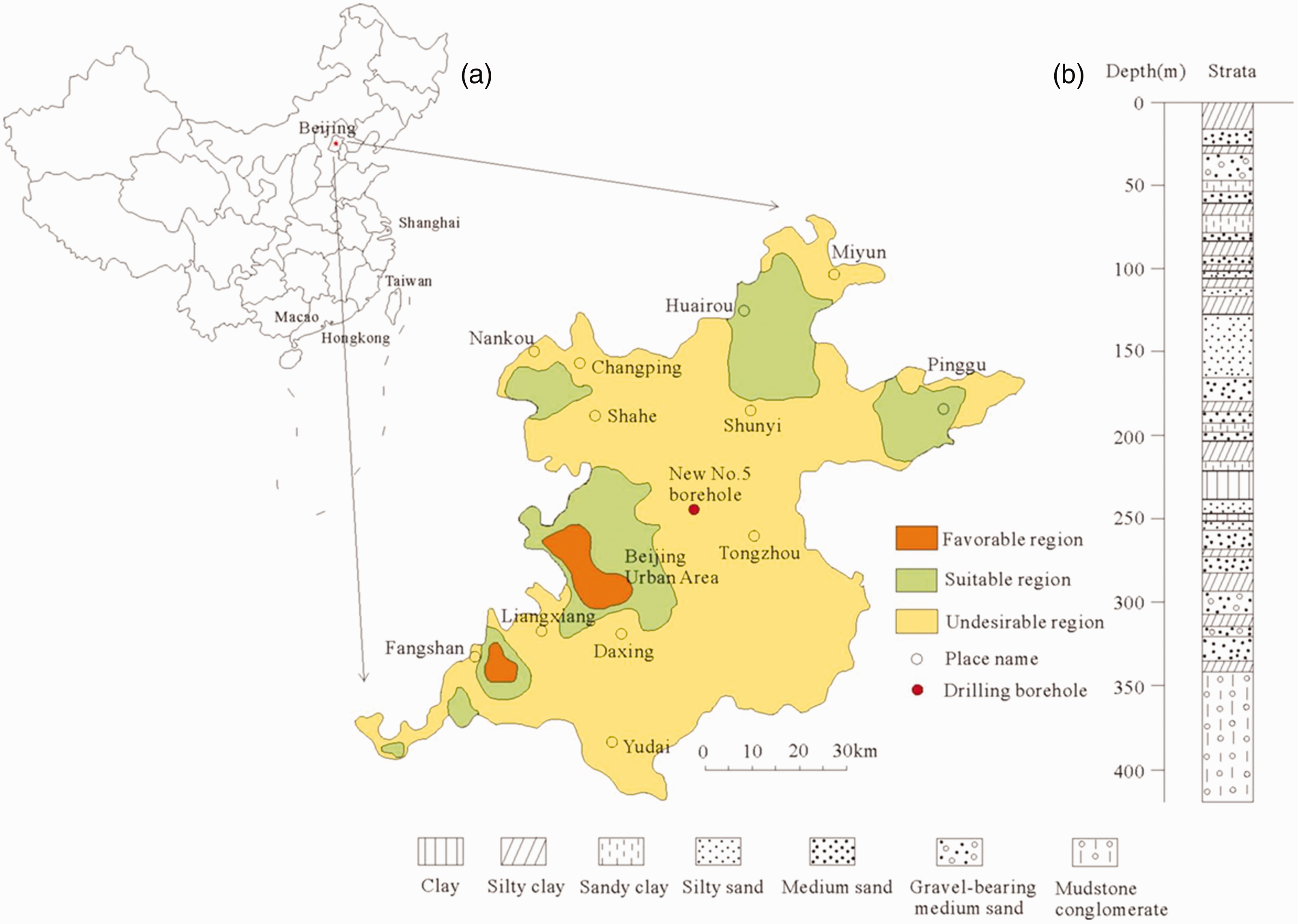
(a) Location of the Beijing urban area, China and a suitability assessment division for shallow geothermal energy development in the Beijing Plain area (Jiang et al., 2009), (b) stratigraphy of the new No. 5 borehole in the research area (Luan, 2011).
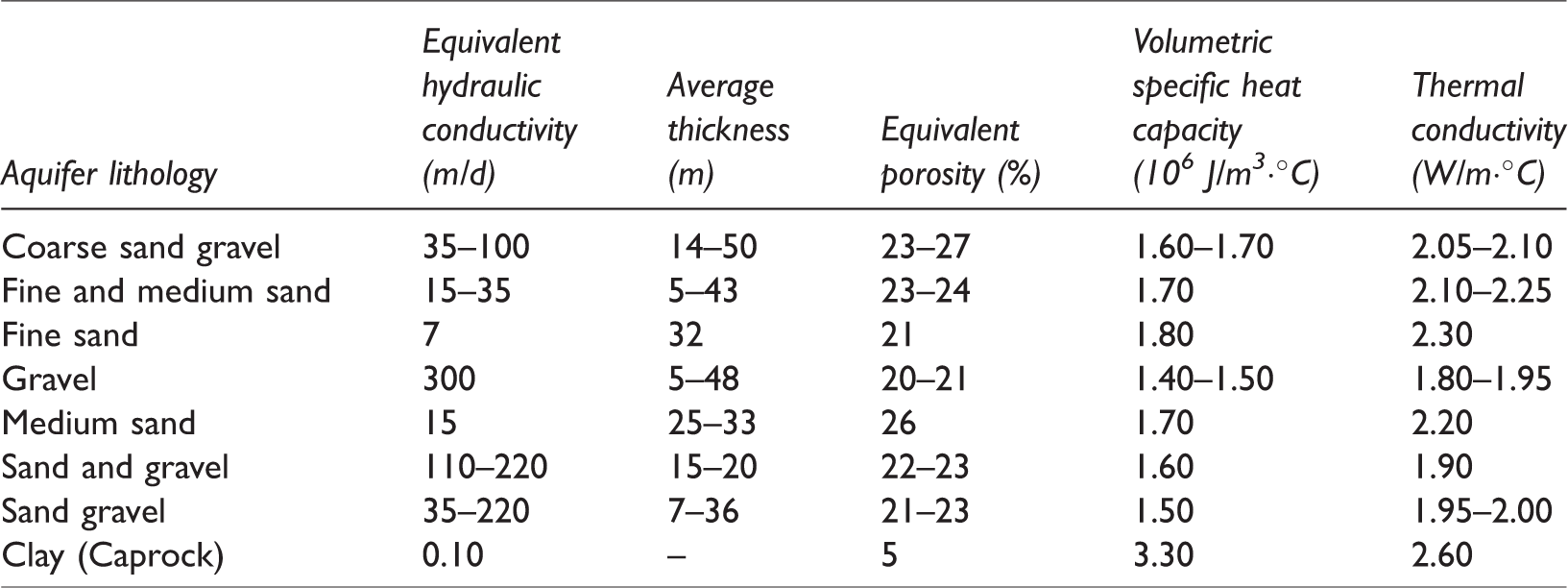
To simplify the complex stratigraphic structure, the aquifers in the southeastern plain area of Beijing are considered to be single-layer aquifers. Additionally, the equivalent permeability coefficient of the aquifer is estimated based on lithology and pumping tests. The related hydrogeological parameters are shown in Table 2 (Li et al., 2011a).
Aquifer and caprock parameters of the hydrogeological subzones in Beijing Plain (Li et al., 2011a).
According to the meteorological data of Beijing, the annual average air temperature from 1841 to 1980 varies from 10.6°C to 12.8°C (Wei et al., 2010). The isothermal zone of Beijing is at a depth of 25 m, with a temperature of 12.5°C. A heat pump system makes full use of the characteristics of aquifer temperature suitability (13–16°C) and stability. The fluctuation in air temperature makes it easy for the aquifer to absorb heat in summer and release heat in winter.
Simulation method and evaluation standard
The T2Well (Pan and Oldenburg, 2014) simulator, which integrates the flow and heat processes in both the wellbore and reservoir and can simulate the TH coupling processes in a wellbore-reservoir system, was used in this work. In the reservoir, the heat and fluid transport processes are described by a uniform governing equation

For the fluid flow


For heat transport


In the wellbore, the fluid flow is described by




It is noted that q′ refers to the wellbore heat loss/gain per unit length of wellbore. In a leaking/feeding zone of the wellbore, the mass or energy inflow/outflow terms are calculated as in the standard TOUGH2 (Pruess et al., 1999).
The heat exchange between wellbore and reservoir is determined by


The net energy output used for heating and cooling in a single-well system is the standard for productivity evaluation. After enough heat transfer between the groundwater and the heat exchanger has occurred, the single-well system provides energy in the heating season

During the cooling season, the groundwater temperature increases after sufficient heat transfer, and the heat loss of the single-well system is used for cooling

The sum of the net energy output (Qn) can be expressed by

Numerical modeling of SWGSHP systems
Conceptual model
The numerical model shown here refers to the common single-well system used in Beijing. The study aquifer is a sandy-gravel aquifer at a depth of 30 m without leakage. The properties of the aquifer and the dimensions of the single well are listed in Table 3. This case is for an office building in Beijing, China. The heating period lasts for 115 days, from 8 November to 12 March of the following year and the cooling period lasts for 90 days, from 11 June to 8 September.
The properties of the aquifer and specification of the single-well system.
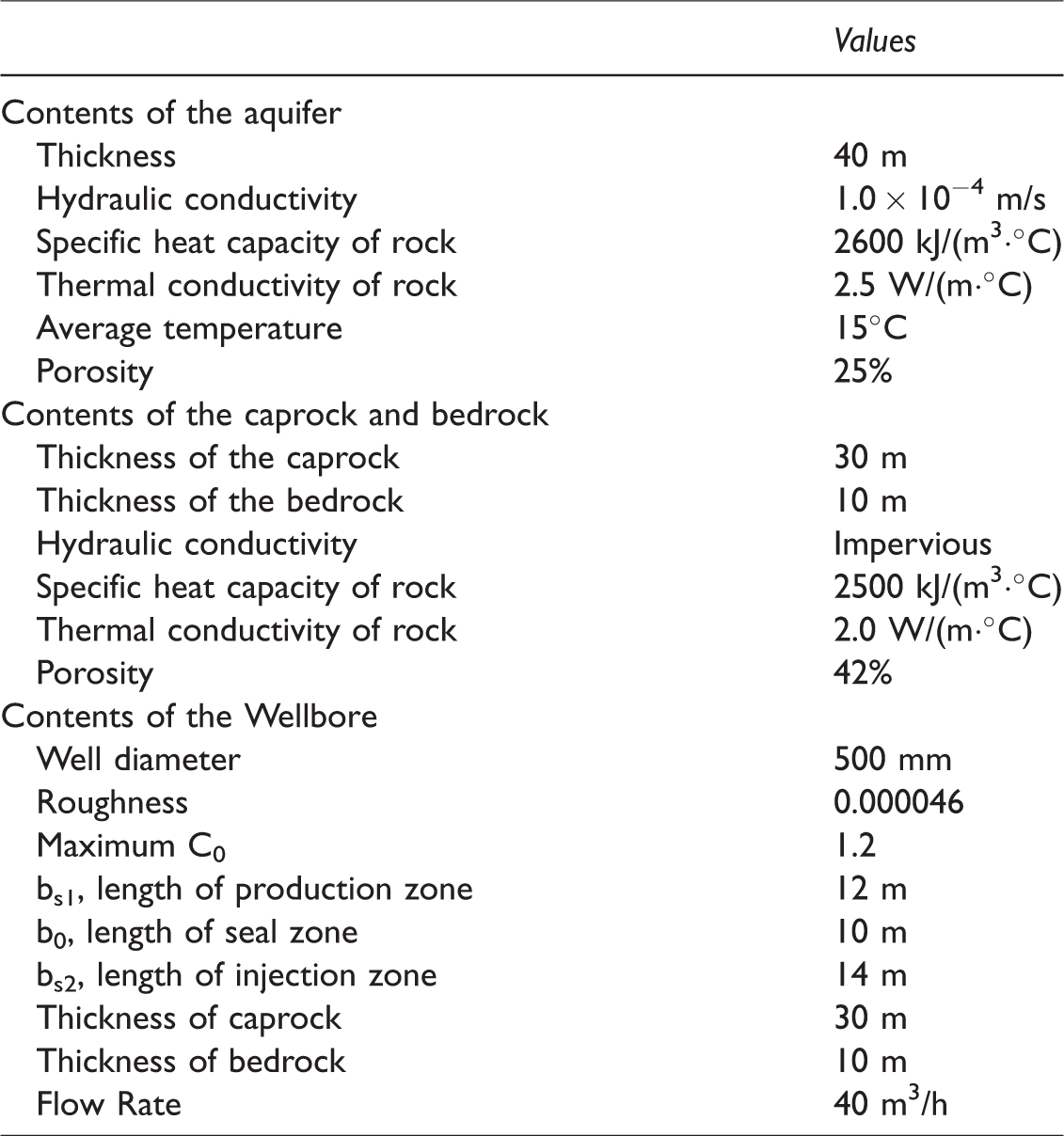
The groundwater system of the single-well experiment can be considered to have axial symmetry, with unsteady flow in the confined aquifer. A 2 D radially symmetric mesh is used to discretize the wellbore and aquifer. The conceptual model can be seen in Figure 1, and the specific structure data is presented in Table 3. As shown in Figure 4, a constant spatial resolution of 1 m is used to divide the model into 80 vertical layers, and the distance in the horizontal direction (X) is 10 km, with a total of 200 logarithmic intervals. The wellbore is divided into 68 grids with equal increments of 1 m. The total number of model grids is 16,068. The pressure at the wellhead is 0.1 MPa, and the initial hydrostatic pressures of the entire model are specified according to the formation pressure gradient (10 bar/100 m). The average atmospheric temperature of 11.6°C for Beijing is set as the temperature at the top of the caprock and the average temperature of the aquifer is set as 15°C. The surrounding rock is explicitly represented in the mesh, and the heat transfer between the wellbore and the surrounding rock is calculated as the “normal” heat flow terms in TOUGH2. A semi-analytical method (Vinsome and Westerveld, 1980) is used to model heat exchange between the caprock and bedrock. The radial distance of the model is specified to be large enough for the behavior of production, and reinjection of the wellbore has a negligible effect on the boundary; thus, the lateral boundary is specified to have a constant temperature and pressure. The temperature of the injection water in the heating and cooling seasons can be obtained as shown in Figure 5.
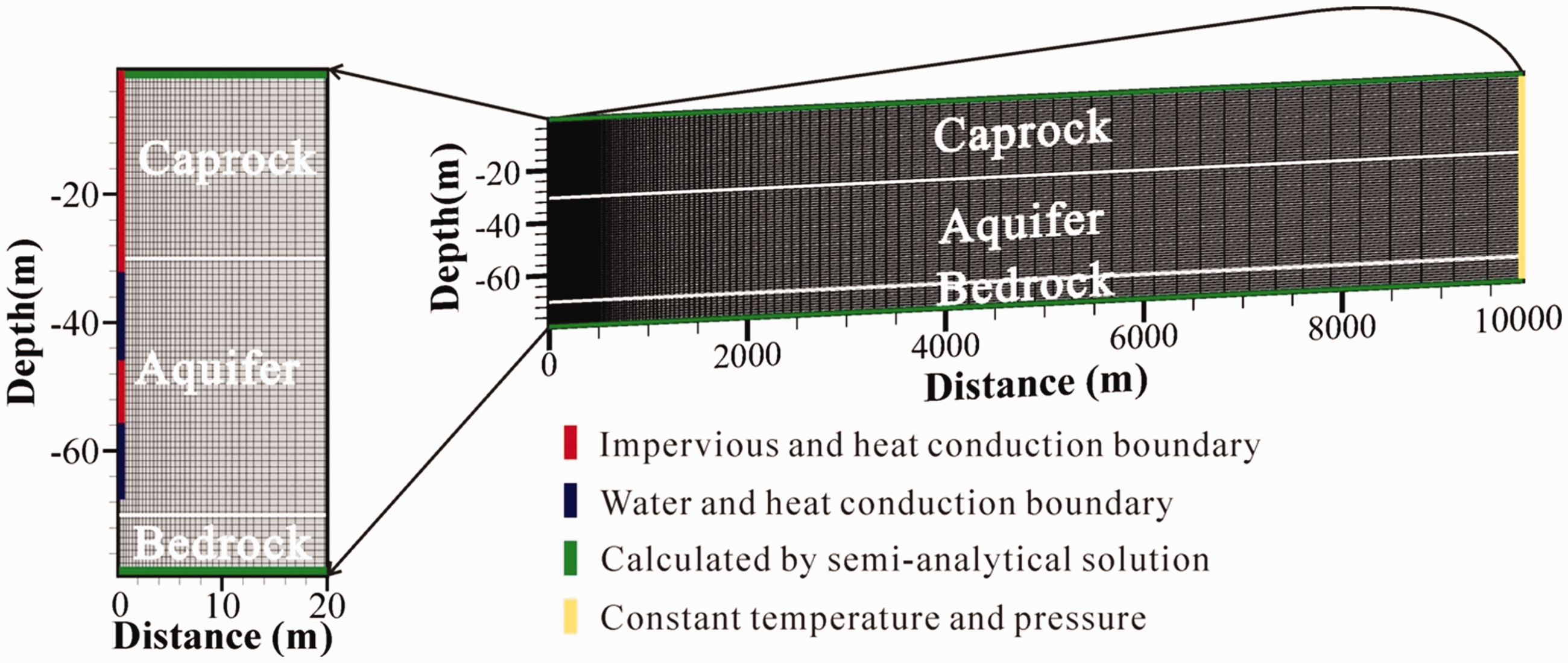
Radial two-dimensional mesh space discretization and specific boundary conditions.
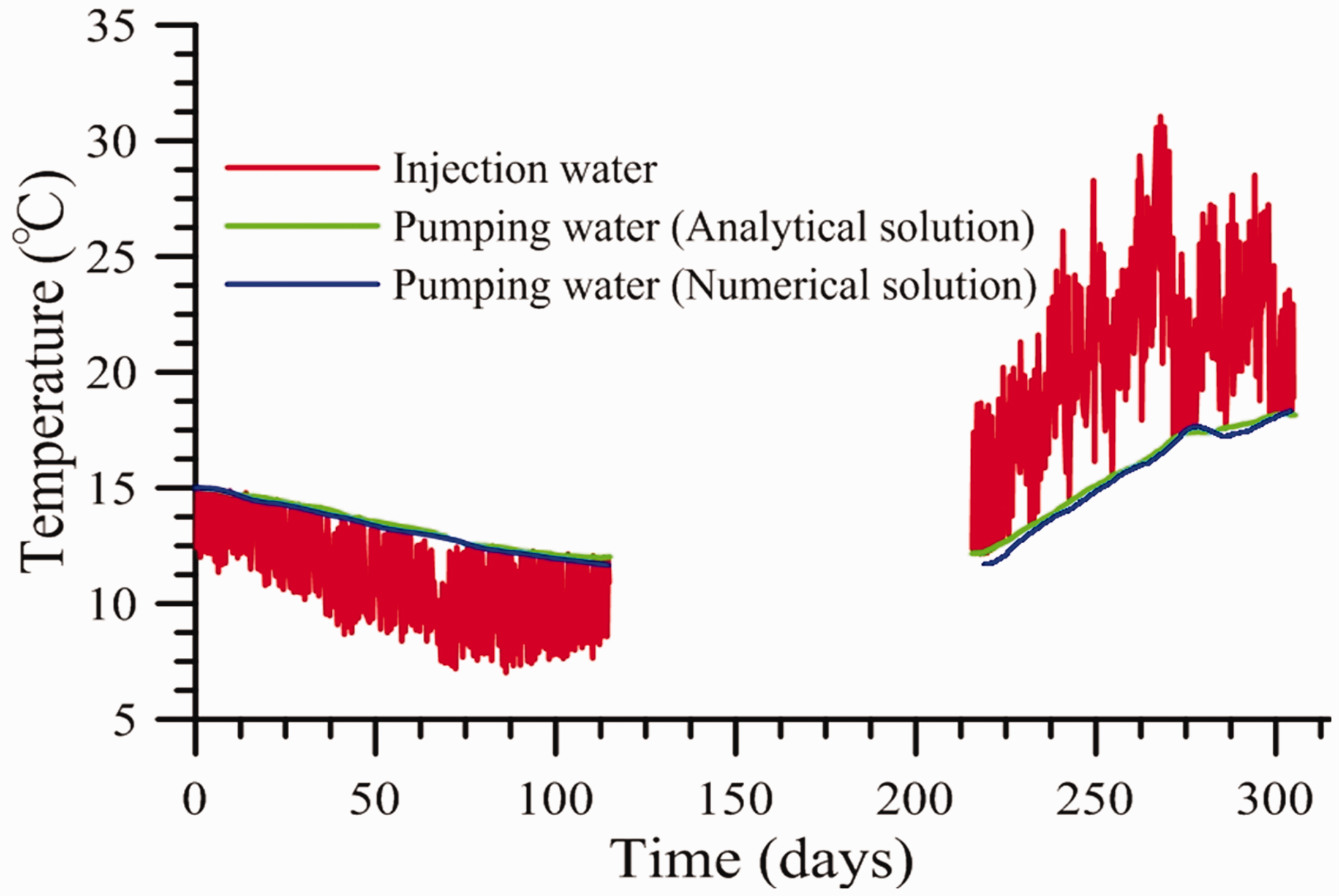
Fitting results of output temperature. The temperatures of the analytical solutions are from the research of Ni et al. (2011).
Model validation
Although SWGSHP systems have been developed in China for years, observational data are quite limited. Ni et al. (2011) calculated an analytical solution of the seepage flow and heat transfer processes of the commonly used single-well system in Beijing. The following assumptions are applied in the fluid flow and heat transfer of the groundwater and the aquifer. The groundwater flow system of the field test can be viewed as axi-symmetric, unsteady flow in the confined aquifer. The water-rock heat transfer process is regarded as transient equilibrium. Therefore, according to the measured data of a single-well system in Beijing and the analytical calculation results of the pumping temperature in one operation cycle (a year), the precision and credibility of the model have been validated.
The specific simulation conditions have been introduced in the Conceptual model section. As shown in Figure 5, with the same dynamic conditions of specific heat enthalpy injection for the entire year of operation, the curve of the numerical solution fits well with the analytical solution, and only some points show small fluctuations (less than 0.5°C). The result of numerical modeling indicates that this method is accurate and effective, and it can provide a reference for the energy efficiency analysis of the single-well system. The cases of parametric sensitivity analyses and energy efficiency evaluation are based on the calibrated common case for Beijing, China.
Simulation results
After calibration of the simulation results, the adjusted parameters are used for numerical modeling to predict the variations in the temperature field over the next five years. With the injection of cold water during the heating season, the pumping temperature gradually decreases, i.e. heat breakthrough occurs. In the same way, the output temperature in the cooling season increases, see Figure 6(a). As shown in Figure 6(b), the temperature amplitude at a burial depth of 60 m is less than that at the burial depths of 40 m and at 50 m. As the distance from the wellbore increases, the temperature variation of the points at the same burial depth decreases, see Figure 6(b) to (d). With increasing operating time, the pumping temperature displays periodic variations. Because the average temperature difference in the cooling season is greater than that during the heating season, heat accumulates around the well, see Figures 7(d) and (e). The pumping temperature at the end of the heating season increases gradually from 12.71°C to 12.99°C in the fifth cycle and tends towards stability during the third operational cycle, see Figure 6(a).
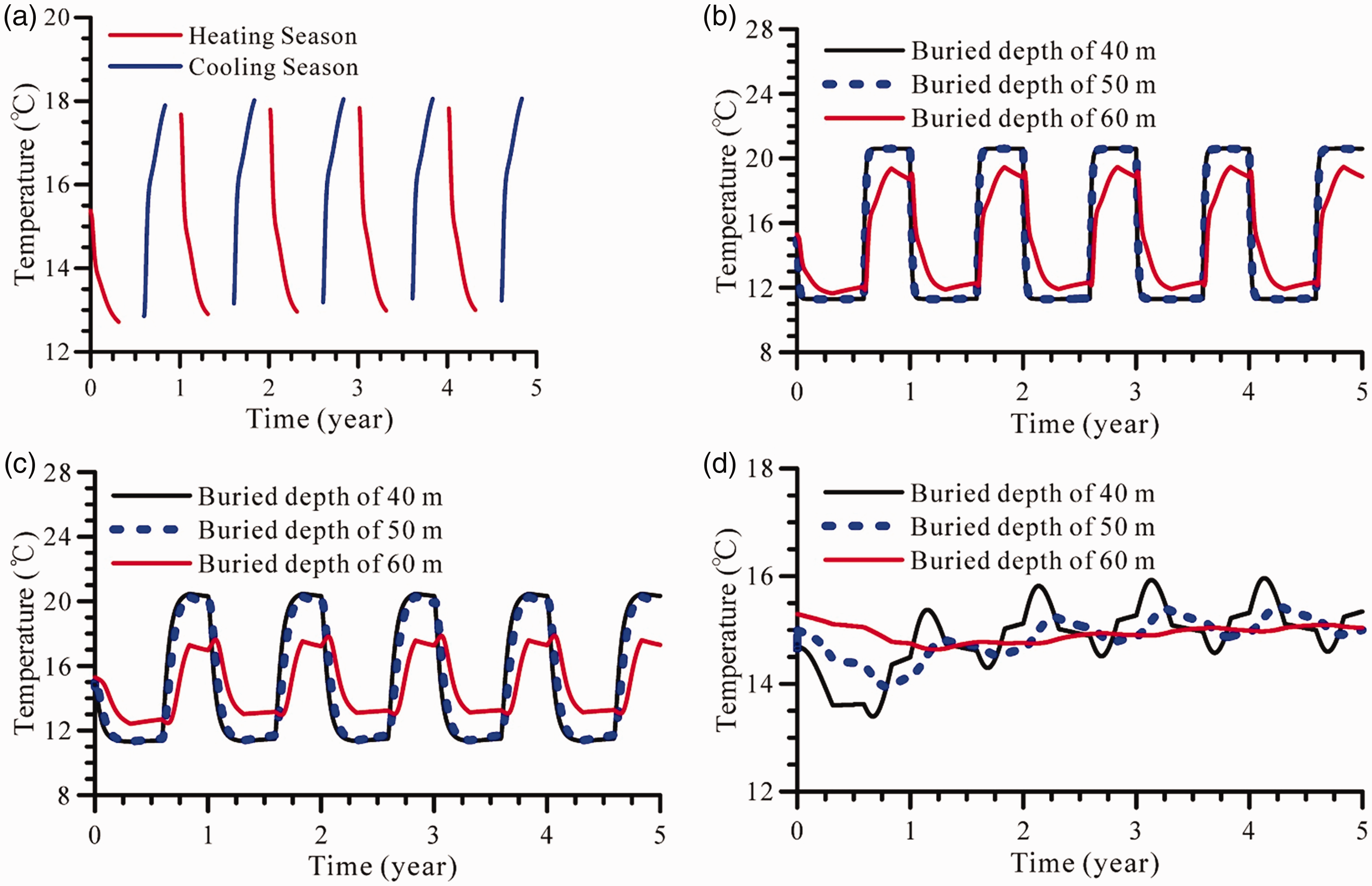
(a) Variations in output temperatures of RCS over five years. Temperature variations of the monitoring points with distance from the wellbore at 10 m (b), 20 m (c) and 40 m (d).
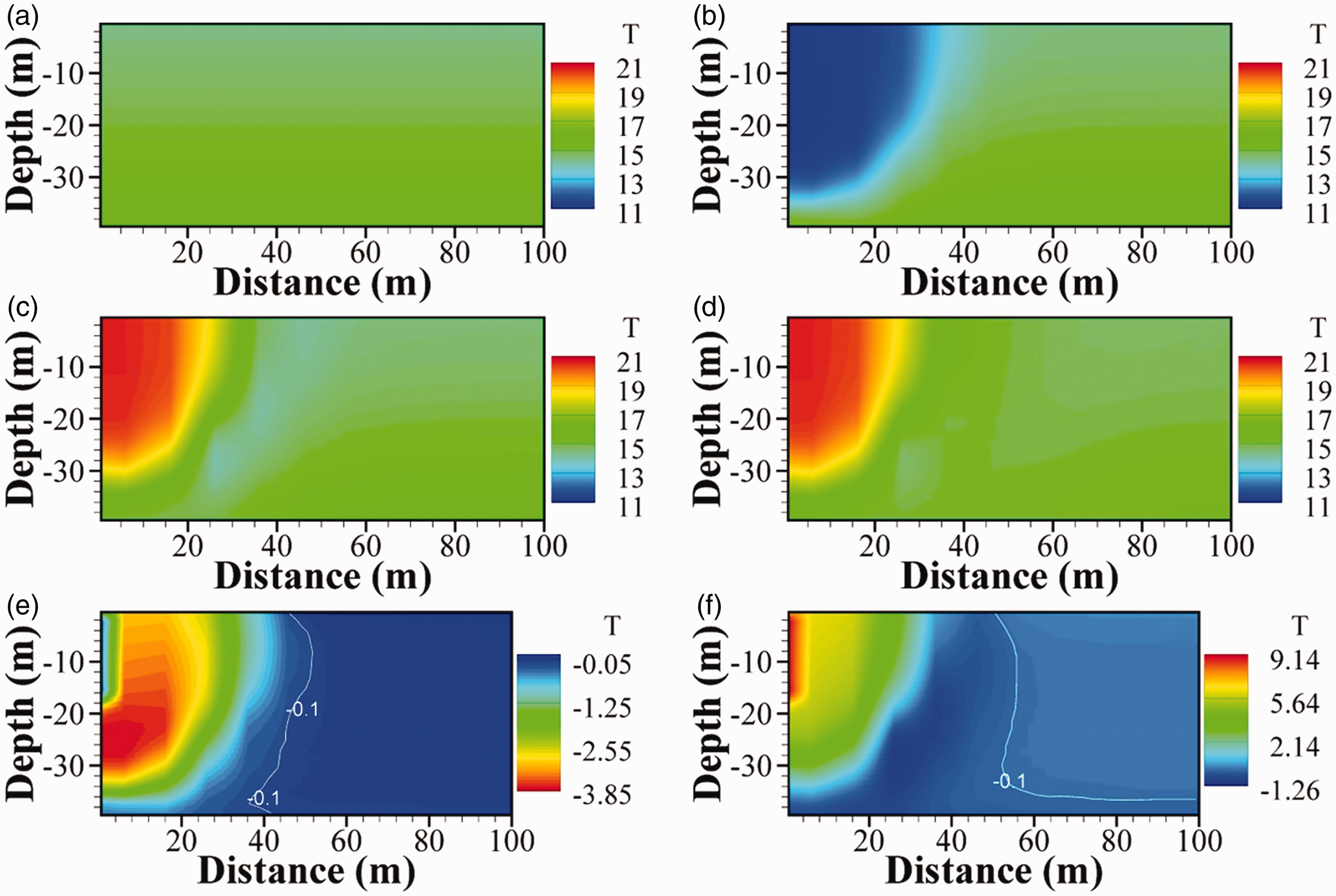
Temperature distribution of the initial state (a), at the end of the heating season (b), at the start of the next heating season in the first year of operation (c), and after five years of operation of the single-well system (d). The temperature variation contours at the end of the heating season (e) and at the start of the next heating season (f). Depths are relative to the lower boundary of the caprock.
According to the definition of the thermal effective radius (TER) (Ni et al., 2011), TER is the radial distance from the aquifer with a temperature decrement of 0.1. As shown in Figure 7(c) and (e), the TER in RCS varies from 40 m to 50 m at the end of the heating season, and the TER expands at the start of the next heating season. At the beginning of the next heating season (see Figure 7(d) and (e)), the temperature distribution does not return to the initial state. The temperatures of the locations with radial distances from 0 to 38 m are higher than those of the initial state; however, locations far from the wellbore have lower temperatures, which benefits the operation of the next heating season.
Sensitivity analyses
Influence of engineering factors
In the actual operational process of a groundwater source heat pump, the engineering factors that greatly impact energy efficiency include the flow rate, well structure, and reinjection temperature. To increase the computational efficiency of the TH coupling model, sensitivity analyses of all types of engineering parameters and factors are based on reference case of simulation (RCS), where the average temperature of the injection water during the heating season (11.3°C) and the cooling season (20.6°C) are used. The flow rate is 40 m3/h, and the length of the seal zone is 10 m. It is worth noting that the length of the seal zone is adjusted to control the wellbore structure.
As shown in Figure 8, the sensitivity is determined by comparing the range of net energy outputs within the variation of the respective engineering parameters. Reinjection temperatures and flow rates might influence the energy output of a single-well system. The wellbore structure has a limited influence on the energy output of the system. It can be seen that only the length of the seal zone is positively correlated with the energy output, see Figure 8(b). With an increase in seal zone length, the flow path and residence time of the reinjection water in the aquifer increase, which is favorable for heat transfer between the groundwater and the rock matrix and reduces the effects of heat breakthrough.
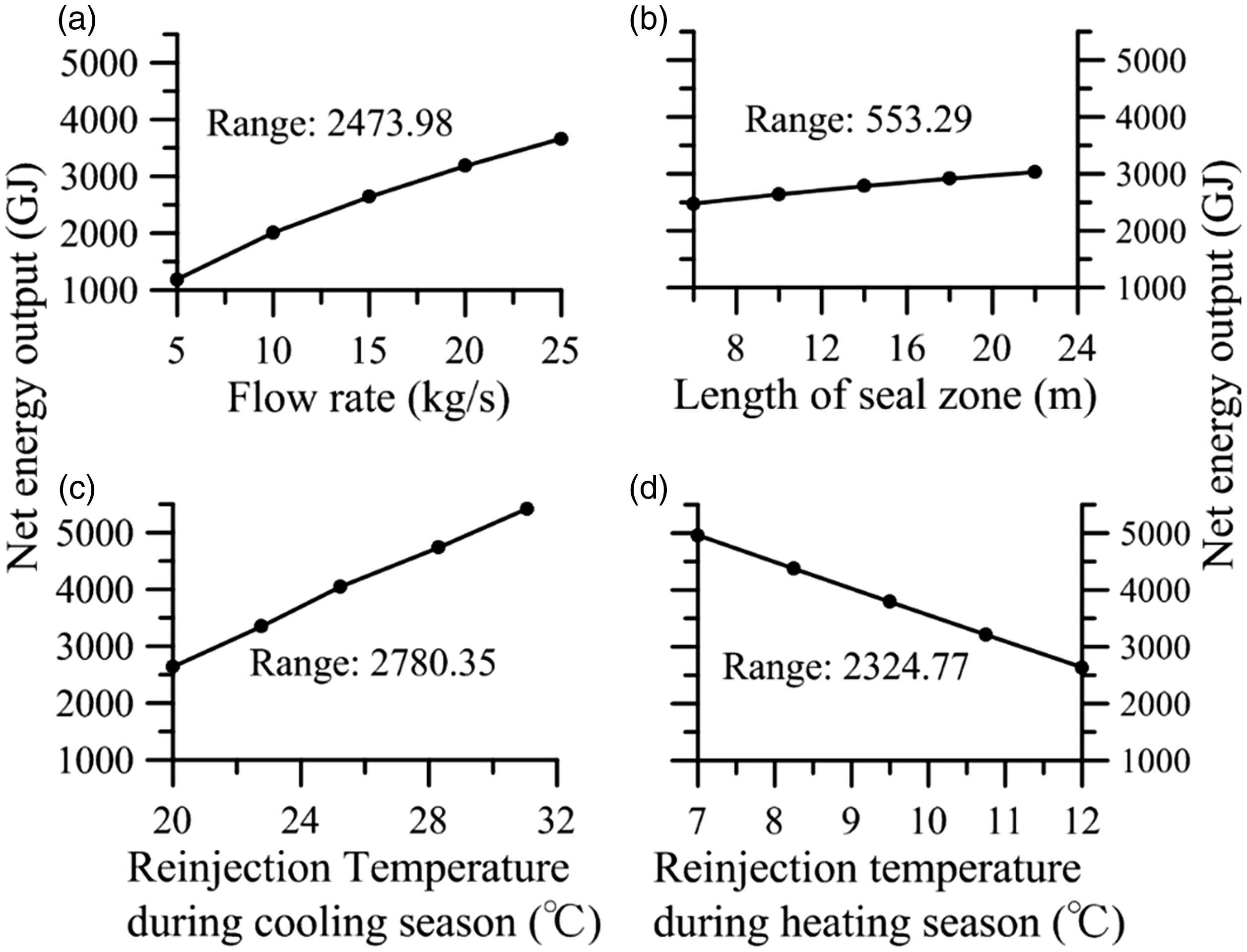
Sensitivity analyses of engineering parameters and factors.
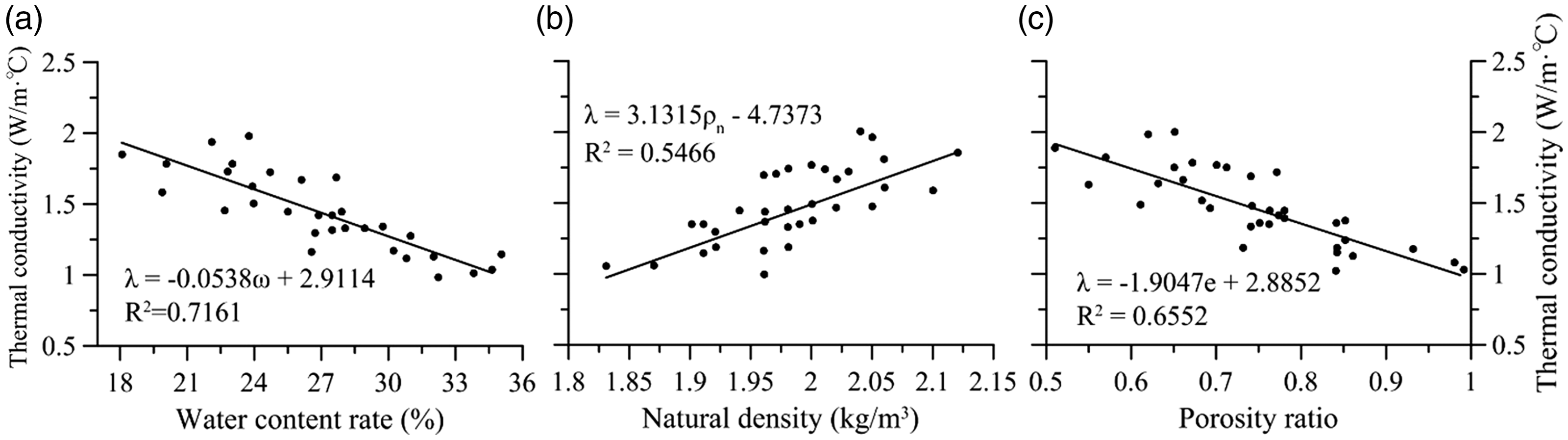
Simulation curve of the relationship between thermal conductivity and water content rate (a), natural density (b), and porosity ratio (c) in the Beijing area.
Influence of geological factors
Engineering factors have a great influence on the productivity efficiency of the system, but the flow rate and reinjection temperature are likely to be adjusted dynamically according to the demand of energy efficiency output. To guide a common application of single-well engineering projects in Beijing, the general value of each engineering factor is selected as the basic scheme for the sensitivity analyses of geological factors, called the general engineering case of simulation (GCS). The simulation conditions can be summarized as follows. The reinjection temperatures in the heating season and the cooling season are 9.5°C and 25.53°C, respectively, the flow rate is 15 kg/s (54 m3/h), and the length of the seal zone is 10 m.
The energy efficiency of a single-well system is closely related to the geological factors when the engineering factors are determined. Therefore, nine geological factors are selected for sensitivity analysis. The sensitivity analyses include the hydrogeological and thermophysical parameters of the rock and soil in the Beijing area. The average annual temperature in Beijing varies from 10.6°C to 12.8°C (initial temperature of the top roof) (Wei et al., 2010). The geothermal gradient in shallow aquifers varies from 2.45°C/100 m to 4.98°C/100 m (Bin et al., 2002). The thermal conductivity, porosity and clay density are determined by empirical equations due to the lack of measured values of the thermophysical parameters of clay in the study area. The linear equations can be expressed by (Luan et al., 2011), see Figure 9:



The thicknesses of the caprock (30 m to 60 m) and of the aquifer (40 m to 70 m) are determined by the wellbore structure and by the limitation of production depth (100 m) for SGE in the Beijing urban area (Li et al., 2011a). Considering the heterogeneous distribution of thermophysical parameters in the sandy-gravel aquifer in Beijing, the porosity varies from 10% to 30% (Li et al., 2011b), the permeability varies from 9.41 × 10⁻¹² m2 to 4.03 × 10⁻¹⁰ m2 (Chiasson et al., 2000; Li et al., 2011b), and the thermal conductivity varies from 1.8 W/m·°C to 2.5 W/m·°C (Chiasson et al., 2000; Li et al., 2011a). The ranges of sensitivity analyses for the rest of the factors are shown in Figure 10.
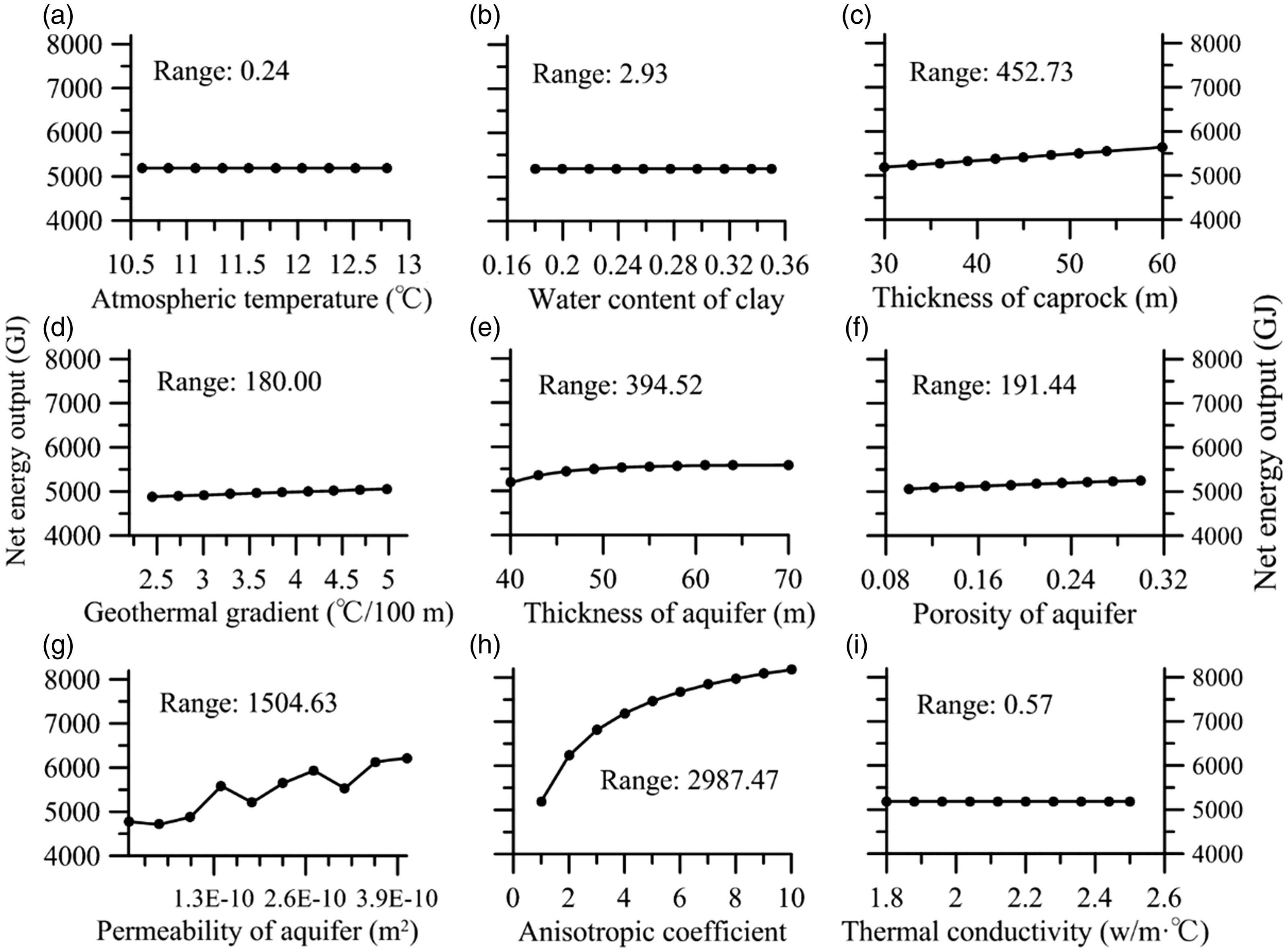
Sensitivity analyses of geological and thermophysical parameters. Anisotropic coefficient refers to the ratio of horizontal permeability to vertical permeability.
Similarly, with the net energy output of the heat pump system for a full running year as the evaluation criterion, the sensitivity of the geological factors is analyzed. As shown in Figure 10(a) to (i), the annual average air temperature, water content of clay and thermal conductivity of the aquifer have negligible effects on the energy efficiency of the heat pump. Anisotropic permeability has a major impact on pumping temperature, as seen in Figure 10(h). When the anisotropic permeability is small, horizontal migration is limited and vertical permeability increases, which may result in vertical preferential migration. In this case, the cold water injected into the aquifer has not been through fully mixed with the original groundwater and is pumped into the heat exchanger. Heat breakthrough triggered by anisotropic permeability can weaken heat convection in the aquifer and lower the efficiency of energy extraction.
The three geological factors, including caprock thickness, geothermal gradient, and aquifer thickness, have similar effects on energy output. To a certain extent, they weaken the influence of production and reinjection on the temperature of the aquifer, which ensures a great difference in heat exchange and produces more stable energy output. With an increase in porosity, the volume of geothermal water increases. However, after a period of operation, the primary groundwater is replaced by the reinjection fluid, resulting in a slight increase in energy output.
Through the sensitivity analyses of the above geological factors, it can be seen that the caprock thickness, geothermal gradient, aquifer thickness, porosity, permeability, and permeability anisotropy play an important role in the energy efficiency of a single-well system. Engineering factors are consistent with the GCS. The above geological factors are randomly distributed in their respective sensitivity analysis ranges. Due to the time-consuming calculation of the numerical model, the total number of samples is set to 100; the probability distribution of each parameter is shown in Figure 11.
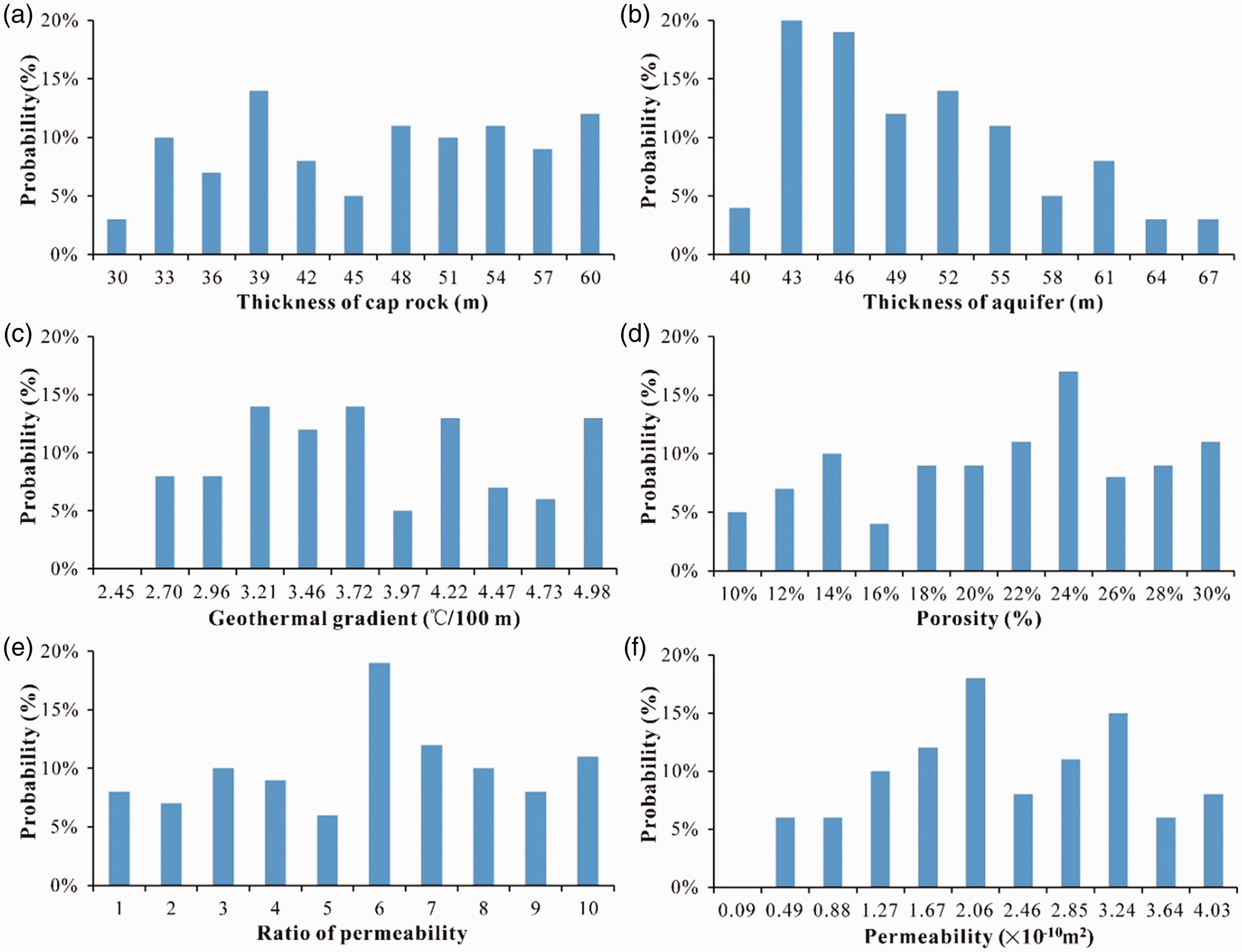
Histograms of the probability distributions of the geological factors and parameters.
Energy efficiency discussion
Considering the random distribution of the geological factors in the actual situation, the dynamic changes of output temperature through the entire operating cycle can be seen in Figure 12. During the heating season, the output temperature varies from 11°C to 15°C with a temperature amplitude from 2°C to 2.5°C. During the cooling season, the output temperature varies from 11°C to 21°C with a temperature amplitude from 2°C to 5.5°C. The standard indoor heating temperature for residential buildings in Beijing is above 18°C (approximately changing from 18°C to 25°C), and the heating load in winter is 57.5 W/m2. During the heating period, the single-well system can provide 2190 GJ of energy, and it can nearly supply an 8736 m2 heating area. By 2022, the area with newly added heat pump systems will be 20 million m2, accounting for approximately 2% of Beijing’s heating area. Therefore, 75 tons of standard coal will be saved for every single-well system every year, and 1.7 × 10⁵ tons of standard coal will be saved for Beijing every year.
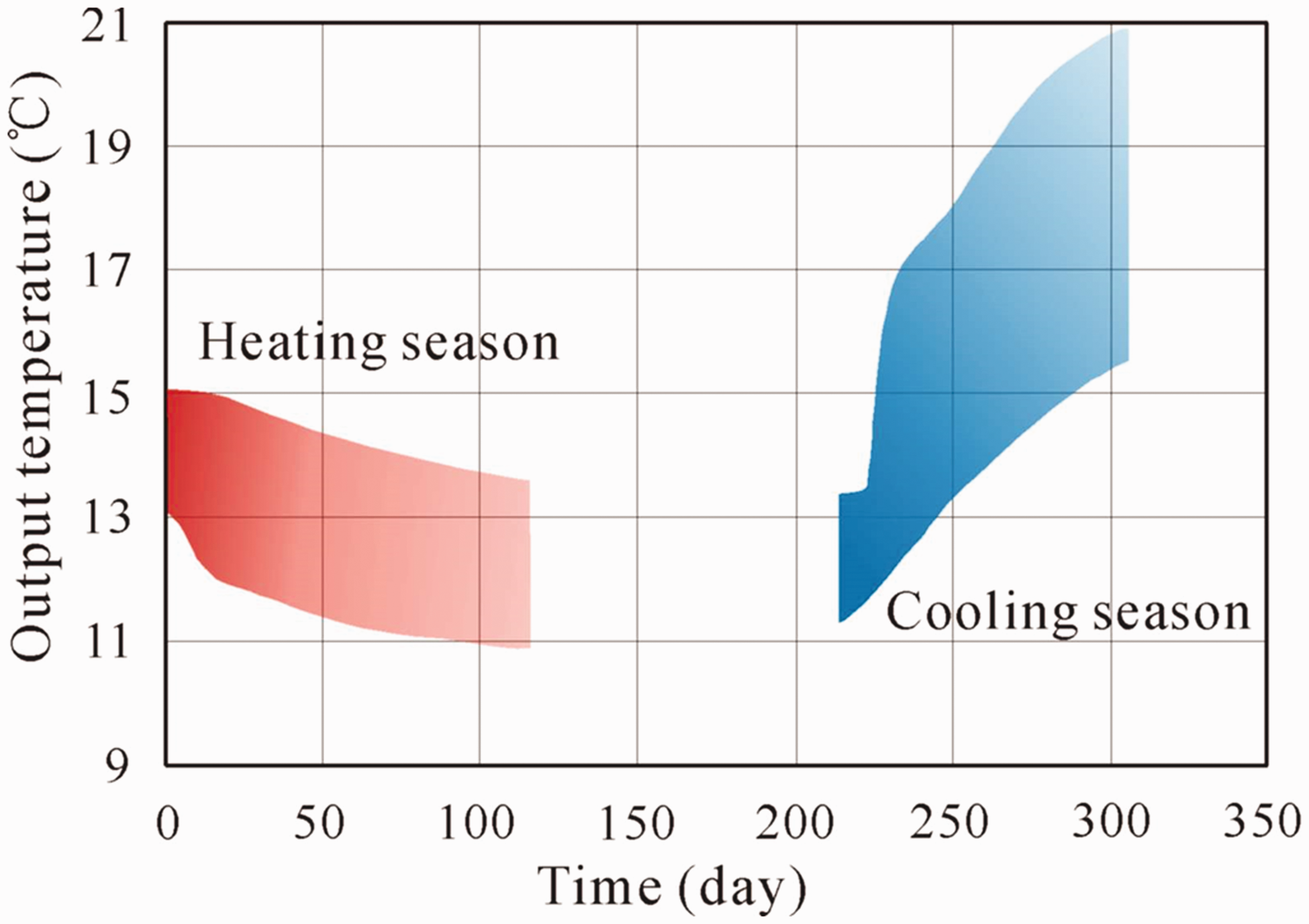
Range of output temperatures. The black area represents the range of output temperatures in the heating season, and the white area represents the range of output temperatures in the cooling season.
Conclusions
In this work, thermal and hydraulic processes of an SWGSHP system have been modeled using the T2Well code, which integrated with wellbore flow and Darcy flow in the reservoir. For the same dynamic conditions of specific heat enthalpy injection of a common case used for Beijing, China, for the entire year of operation, the curve of the analytical solution fits the numerical solution well. Then, the parametric sensitivity analyses of engineering and geological factors are evaluated by series of integrated wellbore-reservoir simulations. Based on the engineering parameters of a single system, including flow rate, wellbore structure and reinjection temperature, 100 groups of numerical simulation schemes are made to predict the fluctuation range of the output temperatures, in which geological parameters of the aquifer and caprock satisfy a random distribution. Several conclusions can be reached:
At the beginning of the heating season, the temperature distribution does not return to the initial state (Ni et al., 2011). The temperatures of the locations within a certain radial distance off the wellbore are higher than those at the initial state. However, locations far from the wellbore have lower temperatures, which benefits system operations in the next heating season. The TER expands at the beginning of the next heating season.
Among many geological factors, the permeability and anisotropy coefficient are crucial to the productivity of an SWGSHP system. When geological factors satisfy a random distribution, the output temperatures in the heating and cooling seasons vary from 11°C to 15°C and from 11°C to 21°C, respectively. An SWGSHP system can supply heat for an area of approximately 9000 m2 per year. If single-well heating technology can gradually be popularized in the civil architecture in Beijing, using this technology for only 2% of the heating area can save 1.7 × 10⁵ tons of standard coal per year.
Footnotes
Acknowledgements
We thank Dr Yuzhuang Sun, Dr Yaolin Lin and two anonymous reviewers for their comments to improve the early version of the manuscript.
Declaration of conflicting interests
The author(s) declared no potential conflicts of interest with respect to the research, authorship, and/or publication of this article.
Funding
The author(s) disclosed receipt of the following financial support for the research, authorship, and/or publication of this article: This study is jointly supported by the National Key R&D Program of China (Grant No. 2018YFB1501803) and the National Natural Science Foundation of China (Grant Nos. 41572215, 41402205, and 41502222).