




Abstract
Alternative injection of gas as slugs with water slugs, or alternative water gas injection, is the conventional technique for improving the recovery factor due to its high potential for mobilizing the residual oil in place in the reservoirs and to control gas mobility. The water alternating gas methodology is a combination of two oil recovery procedures: gas injection and waterflooding. The principal parameters that must be evaluated in water alternating gas injection in laboratory scale are reservoir heterogeneity, rock type, and fluid properties. In the current investigation, a feasibility study has been performed to analyze the five various scenarios of enhanced oil recovery techniques and compare them experimentally. The laboratory experiments are done for one of the Iranian reservoirs which have been subjected to waterflooding for several years, and the amount of recovery factor for water flooding is about 42%. The results of this study illustrate that water alternating gas injection and hot water alternating gas injection exert a profound impact on the amount of recovery factor. Moreover, the primary purpose of this study is to assess the application of alternative hot water and hot carbon dioxide gas injections in the conventional and fractured reservoir model.
Introduction
Due to the population growth and increasing demand for energy resources in every aspect of human’s life, the utilization of nonrenewable resources in a wide variety of industries’ performances is not inevitable, that is to say, that their optimum usages of these infinite energy sources must be implemented into the system. Thereby, industries should adapt themselves to a world’s accelerating technological change to virtually eliminate unnecessary use of these significant energy sources and individuals should push themselves into limits to grasp the importance of them to select the appropriate methodologies of enhanced oil recovery techniques in both vertical and horizontal wells to obtain the optimum production regarding reducing large expenditures. Because primary recovery processes only cover 5–10% original oil in place,this oil rate production is plummeted regarding depletion of fluids on the rock matrixes and pressure drop by passing the production time. (Al Shehhi et al., 2015; Campbell, 2002; Djuraev et al., 2017; Hascakir, 2017). This oil rate production is plummeted regarding depletion of fluids on the rock matrixes and pressure drop by passing the production time. Therefore, secondary and tertiary recoveries must be applied to produce more volumes of fluids which are eligible to move to the surface wellbore equipment. Initial reservoirs’ production is utterly dependent on the natural mechanism drives of reservoirs. These mechanisms were being an integral part of each reservoir, and their magnitude is of great importance when the initial oil in place is high to influence the final production rate effectively; these mechanisms are categorized as hydrostatic pressure, solution gas drive, gas cap drive, water aquifer drive, and compression drive (Fatemi and Sohrabi, 2013; Holt et al., 2009; Ju et al., 2017; Monger et al., 1991; Nasralla and Nasr-El-Din, 2014). Reservoir pressure maintenance is considered as the significant step to enhance reservoir oil recovery. As a result, petroleum industries operate these techniques by injecting different scenarios of miscible or immiscible fluids to strengthen production rate (Towler et al., 2017).
Furthermore, selection of this injected fluid is utterly dependent on the availability of these fluids, price (economy), and geological reservoir characteristics and that is why recent technologies and investigations are more concentrated on improvement of previous techniques and administer optimum ways to achieve the balance between efficient parameters such as time and expenses (Davarpanah & Mirshekari, 2018; Davarpanah et al., 2019; Kamali and Cinar, 2014; Piñerez Torrijos et al., 2016). In this stage, recovery methods are divided into the following techniques and they are profoundly influenced by reservoir condition and types of fluids: improved water flooding, polymer flooding, microbial injection, gas flooding, enriched gas injection, light gas injection, nitrogen gas flooding, carbon dioxide flooding, miscible flooding, thermal recovery, steam flooding, steam cycle injection (Davarpanah, 2018; Lee et al., 2019; Lei et al., 2016; Person et al., 2017; Sorbie, 2013; Xuezhong et al., 2016).
Miscibility refers to the physical status of some fluids when they are combined with any specific portion; in respect of the way, there are no boundaries between them. However, solubility is the ability to mix a precise amount of a particular substance in other substances to form a homogeneous phase (Fath and Pouranfard, 2014; Lu and Huang, 2018; Luo et al., 2017). In the oil reservoirs, when the injection phase is immiscible with the reservoir fluid, oil mobilization is being forbidden with the injection phase owing to the presence of capillary forces as the prevention element, that is to say, that vast amounts of oil would be remaining in the porous media and would not be produced. When the injected fluid is miscible with the reservoir fluid (especially oil), it is called single contact miscibility displacement with regard to its physical potential to have contact together. Thereby, gas injection helps to mobilize oil and subsequently has a steep rise in recovery factor (RF) (Han et al., 2017; Liu et al., 2011). The performances of water alternating gas injection (WAG injection) which has proposed by previous authors were summarized in Table 1.
A literature review of WAG injection performances.
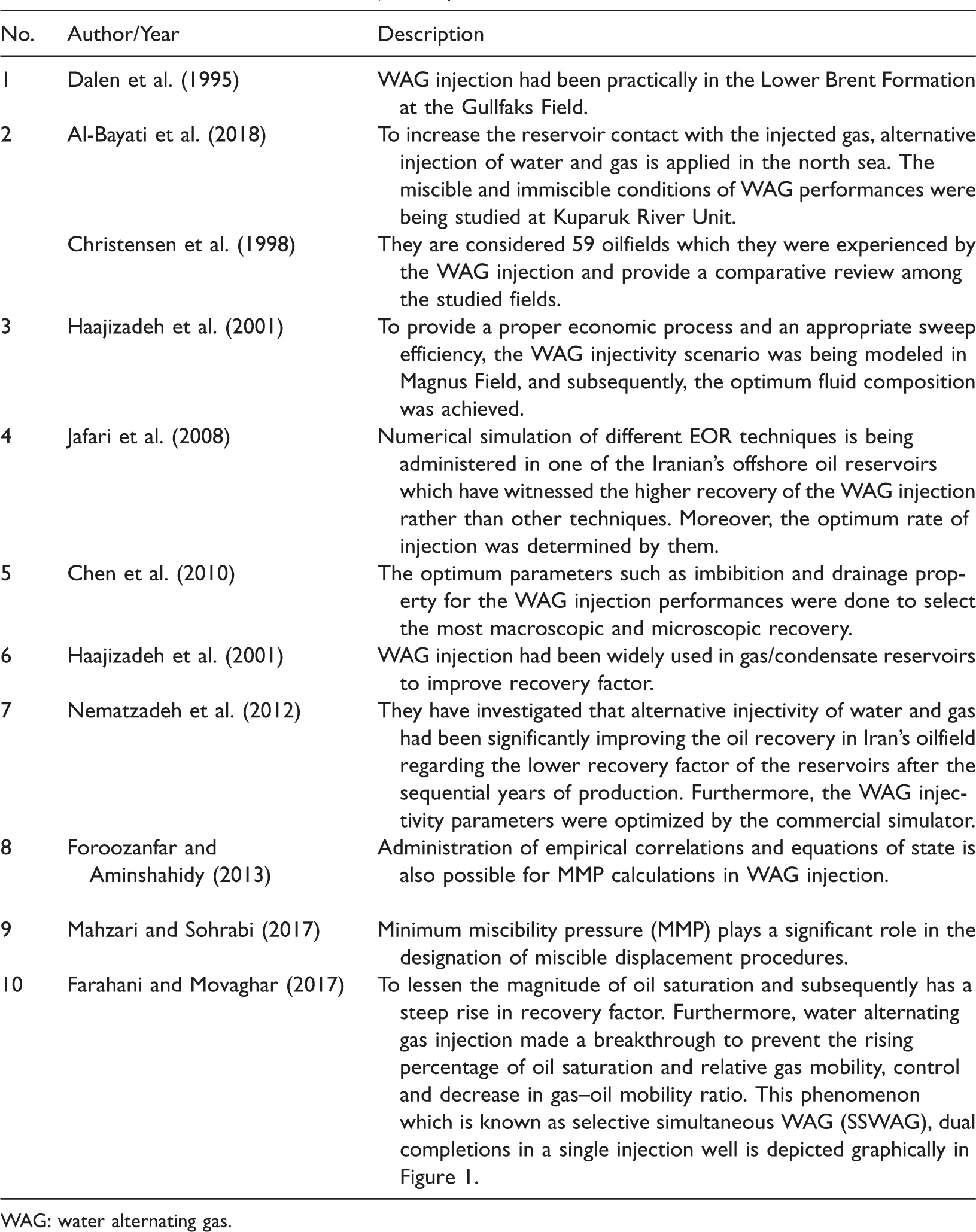
WAG: water alternating gas.
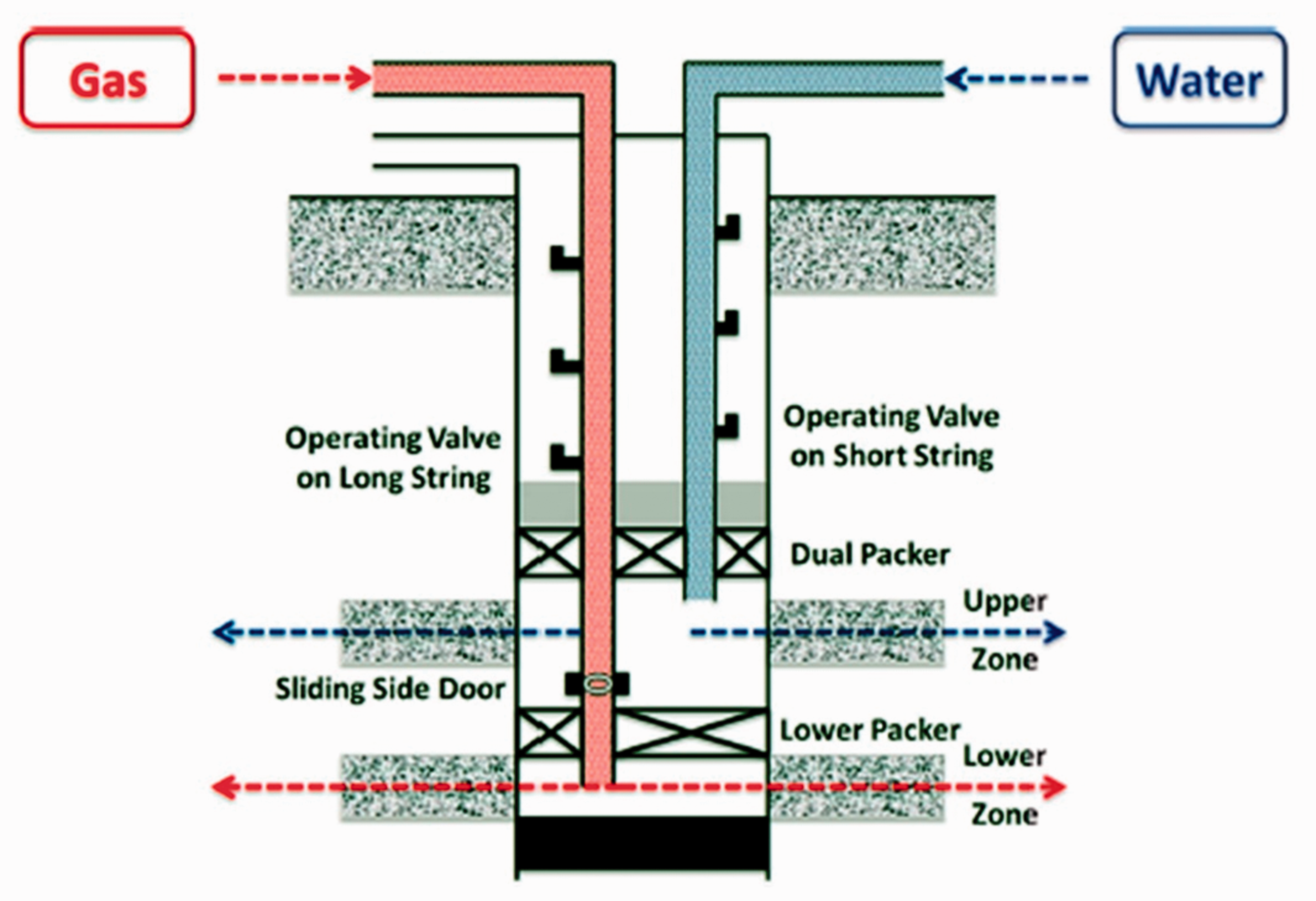
Selective simultaneous WAG (SSWAG), dual completions in a single injection well (Farahani and Movaghar, 2017).
Although, numerous experimental investigations were reported in the literature to consider the efficiency of WAG injection performances on the oil recovery factor (RF), in this comprehensive study, we concentrated on the effectiveness of consecutive utilization of hot water alternative hot CO2 gas injection in the EOR techniques which was done for the first time in one of the Iranian’s oilfield and it would make a breakthrough in the optimization of oil RF; in respect of the way, due to the feasibility of hot water and hot gas mobilization in the pores, oil displacement would be more convenient than other injection scenarios. Consequently, according to the results of this study, hot WAG injection scenario was considered as the efficient technique for the oil recovery enhancement in carbonated fractured reservoirs.
Experimental setup
A vast majority of laboratory investigations and numerical simulations have been conducted to demonstrate the importance of useful factors in determining the performance of WAG injection. These principal factors entail WAG slug size, WAG slug ratio, and sequence of injected fluid in each cycle. First, the WAG slug size considerably influences the oil RF of WAG injection procedure. On the other hand, the large volume of injected water in one WAG injection cycle was primarily depended on the gas prevention from its surface contact with residual oil in place. Therefore, the quality of WAG injection performances is drastically decreased. The second dire consequences of WAG injection occur when large volume of gas is injected into the reservoir because of the side effect of implemented torque forces from gas phase at the top of the reservoir due to gravity segregation, especially if the vertical reservoir permeability is high enough to occupy the pores and cause to decrease volumetric sweep efficiency. The second important factor, the WAG slug ratio, is another crucial factor that exerts a considerable influence on the oil RF. If the WAG slug ratio is high enough, the residual oil is trapped in the reservoir, and the injected mobile water surrounds it. Thereby, the recovery of oil would not be accessible easily which is called water blocking phenomenon (Ayirala and Yousef, 2014).
On the contrary, if the WAG slug ratio is too low, the extra injected gas would flow much quicker than injected water, which leads to a plummet in the magnitude of volumetric sweep efficiency. The last and most important parameter is the sequence of fluid injection. Hence, it is in urgent need of specifying the optimum amount of parameters such as WAG slug size, WAG slug ratio, and fluid injection sequence of each WAG cycle.
Materials and methods
The schematic of equipment which the experiment is being done with is demonstrated as below and it is graphically shown in Figure 2. Core holder: it has the dimension of 4.2 cm and length of 35 cm. Pump: it has a triple laneway to inject gas from one way, filling the water column from the other way and injecting of water and gas into the sand pack. Temperature control unit: it enables to provide the temperature range between atmosphere temperature up to 350°C. Valves: to control the fluid flow. Heater: to heat the fluid. Separator: to separate the fluid types.
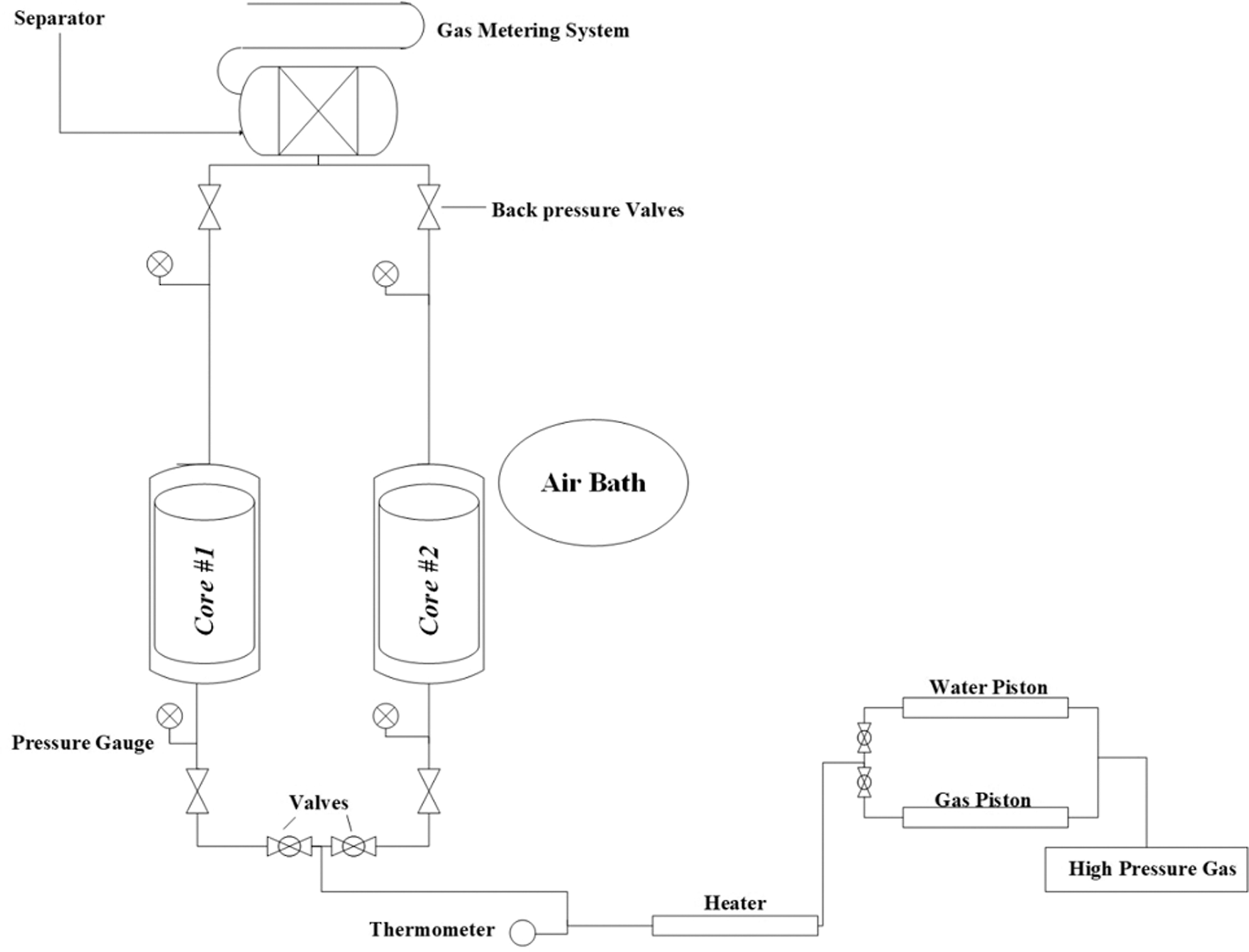
Schematic of setup equipment.
In this study, the CO2 gas is used as the immiscible gas and oil which is extracted from Maroon oilfield is used as the displaced fluid. Maroon consists of two formations including Asmari and Bangestan with different properties in rocks (matrix and fracture) and also in fluids. Hence, regarding the difference between rock and fluid properties and also different aquifer situations, all eventuated in different reservoir-drive mechanisms. Furthermore, Asmari formation is a saturated reservoir with a great gas cap which comprises of relatively strong aquifer drive and rock and fluid expansion drive besides the other mechanisms. While Bangestan formation is an undersaturated reservoir with weak aquifer driver (which is pressure supplier) in addition to rock and fluid expansion drive. Fractured core with the following details is available in Table 2.
Sand pack property of the fractured core.
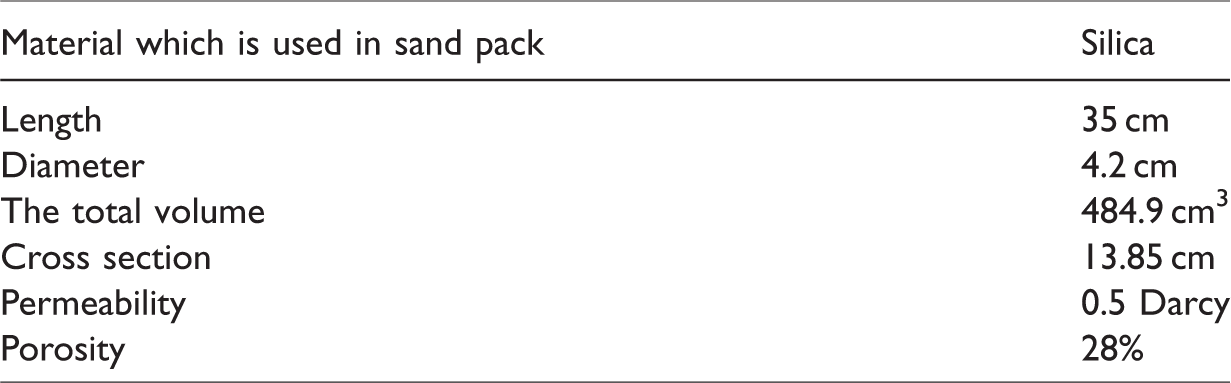
In the core holder, silica has been filled with different sizes of mesh that include 80, 100, 140, 170 to obtain the homogenous permeable model in the core holder. The petrographic properties of the oil are presented in Table 3.
Petrophysical properties.
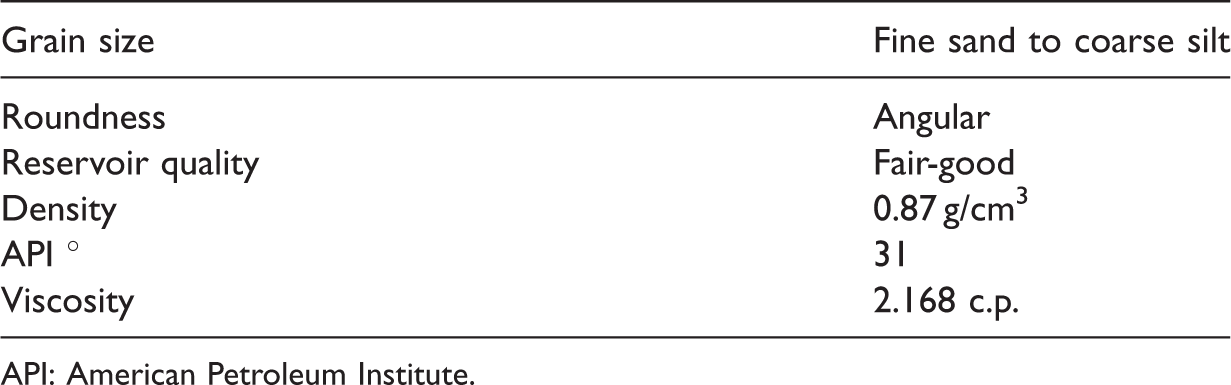
API: American Petroleum Institute.
Sand pack preparation
To prepare sand packs, the following procedures are done subsequently: sand packs are washed with hot toluene, sand packs are put in an oven up to 120°C—it helps to dry sand packs entirely through the CO2 fluid, and the pore volume space with saturated samples is measured by salty water. Since these tests are being done in a connate water condition, the sand packs are first saturated with freshwater and then with oil. Oil rate vertical injection from the top of the samples is 0.5. In conventional sand packs it was observed that after production of 6.69 cm3 salty water in the output of the equipment, oil started to mobilize and produce. In Figure 3 the trend of salty water and initial point of oil production are described graphically.
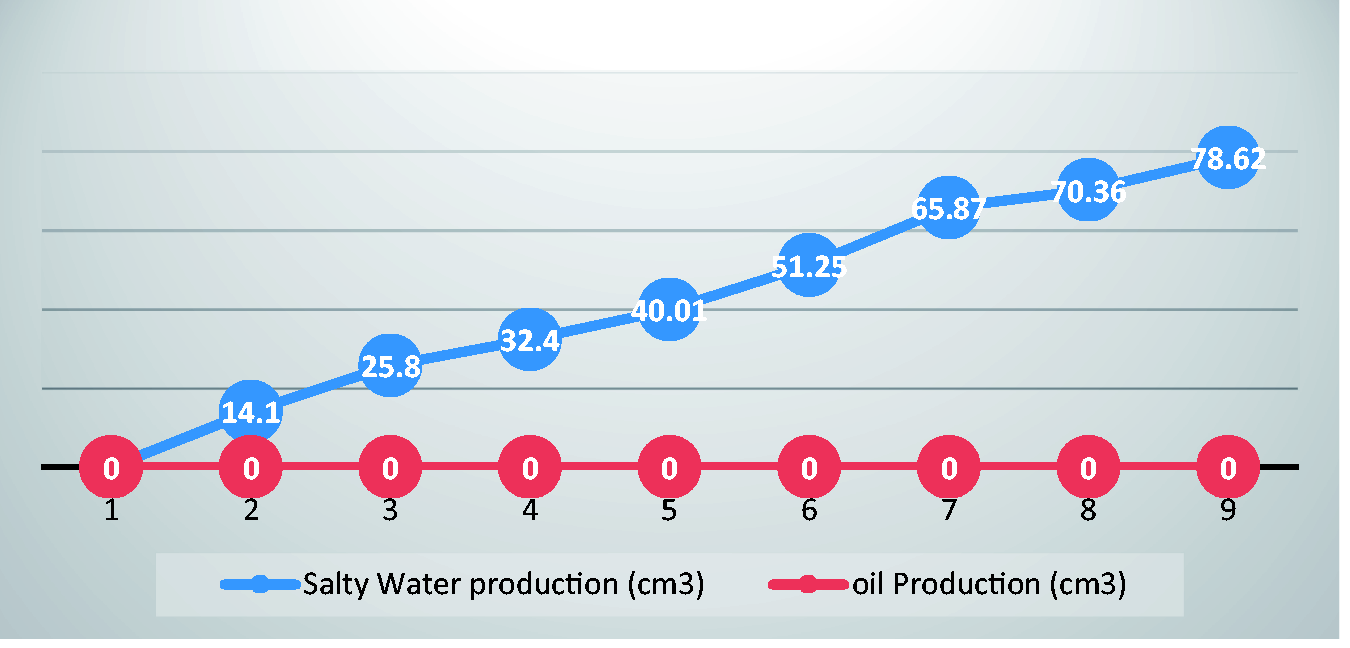
Production trend after injecting oil into normal sand pack samples.
The total volume of injected oil into conventional sand pack is 145.5 cm3 (1.5 P.V.), and the total amount of salty water produced from the traditional sand pack is measured at 81.8 cm3. In fractured sand packs after saturated samples with salty water as same as traditional sand packs, it was observed that after production of 97.78 cm3 salty water in the output of the equipment, oil started to mobilize and produce. In Figure 4 the trend of salty water and initial point of oil production are described graphically. The total volume of injected oil into fractured sand pack is 204.28 cm3 (1.5 P.V.), and the total volume of salty water produced from conventional sand pack is measured at 115.3 cm3.
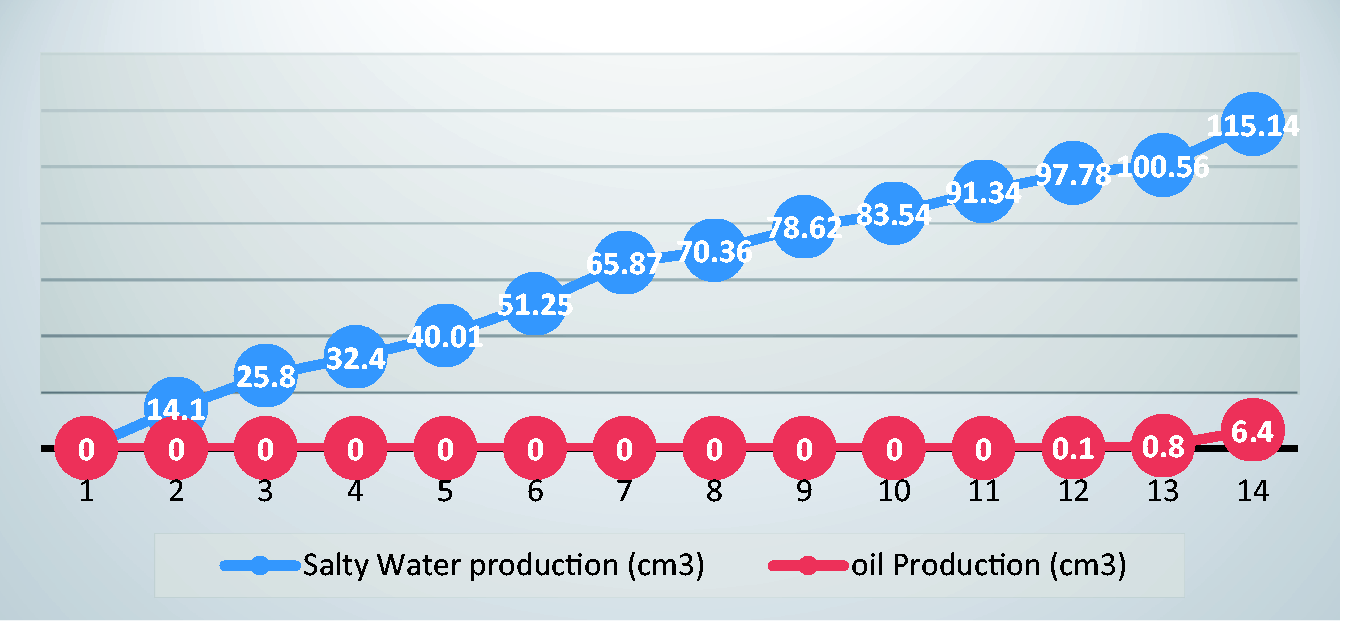
Production trend after injecting oil into fractured sand pack samples.
Therefore, the initial water saturations (Swi) of conventional and fractured sand pack are obtained as 15.66 and 15.06%, respectively. Meanwhile, the initial oil saturations (Soi) for traditional and fractured sand pack are determined as 84.34 and 84.94%, respectively. Permeability is measured and the core holder with its core is placed horizontally inside the temperature control unit. Finally, CO2 gas and water with specified rate are injected into the core intermittently to measure the ultimate recovery in each step.
Results and discussion
Comparison of production trend between conventional and fractured sand pack
As can be seen in Figures 3 and 4, the salty water production trend has a same rising pattern by increasing the volume of injected oil; in respect of the way, at the end of the oil injecting procedure in the fractured sand pack, a little volume of injected oil is recovered. Hence, it indicates the capability of fractures to mobilize the oil through the fractures than conventional sand pack. Also, due to the more conductivity of fractures on the reservoirs, the salty water production trend in the fractured sand pack is increased dramatically rather than the conventional sand pack and subsequently, it illustrates the more conductivity of fractures to transfer fluids.
Displacement experimental tests
Displacement tests on fractured sand pack sample are operated as the following scenarios:
After preparation of sand packs, the sand pack which is saturated with oil in the presence of connate water is placed horizontally in the temperature control section for CO2 injection and the temperature is adjusted to 100°C. Since then, in order to uniform the amount of heating in the sample, after 1 h from the time that the sample is placed into the equipment, the test procedure is started. At this stage of the process, CO2 gas in ambient temperature with a constant flow rate of 0.5 cm3/min is injected into the sample and injection is continued until the sample is vacuumed from oil and all the oil is inserted in the output section. Furthermore, at each step of the injection procedure, the oil recovery is calculated. It should be noted that on each step the RF is accumulated; in respect of the way, in the last periodic time (50–60 min) the ultimate RF is calculated.
After the injection of CO2 in the system, there isn’t any oil in the output. Since then, the temperature of the injected gas was reached to 120 .c to measure the oil recovery factor. It is illustrated from the experiments that a little volume of oil is produced, but it would be negligible. The main reason of low oil production in this stage is that hot CO2 passed quickly into the fractures due to the high permeability of the fractures; in respect of the way, the injected gas passed through the fractures easily. On the other hand, the initial oil in place in fractures was produced by normal carbon dioxide in the previous step, and there was any oil in the fractures to be able to produce by hot CO2 gas. To address this problem, the core was being soaked by the following procedure, that is to say, that after observing injected hot gas in the output, the core should be plugged from both sides and this is why a thermal equivalence would occur between hot injected gas and matrix. It helps to transfer the heat to the matrix which leads to increase the matrix fluid temperature and subsequently viscosity reduction and increase oil mobilization in the matrix. Hence, some of the matrix oil move to the fractures and after 60 min by reinjecting hot CO2, some oil is produced. On the contrary, this test was operated by a new sample from this oilfield.
As can be seen in Figure 5, regarding the constant proportionality volume of gas injection during the six time periods between CO2 gas injection and hot CO2 gas injection, by increasing the volume of gas which is injected into the cores, the RF has a similar rising pattern for both scenarios. Furthermore, it demonstrates that the feasibility of hot CO2 gas allows the most mobilization of gas through the fractures due to the larger velocity than regular gas.
The result of water injection on the RF and other parameters is illustrated in Figure 6.
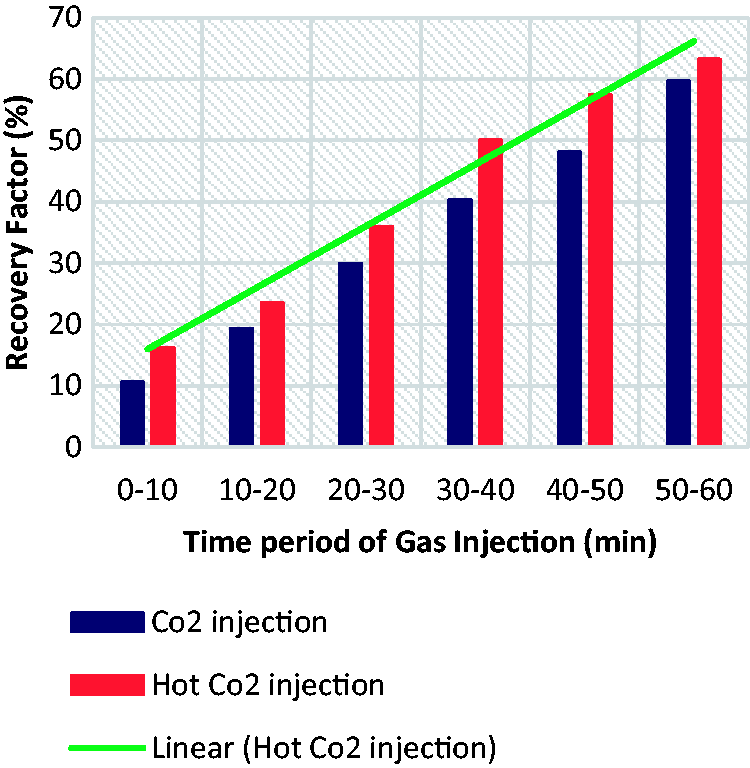
RF trend by increasing the volume of gas injection.
The result of water injection on the RF and other parameters is illustrated in Figure 6.
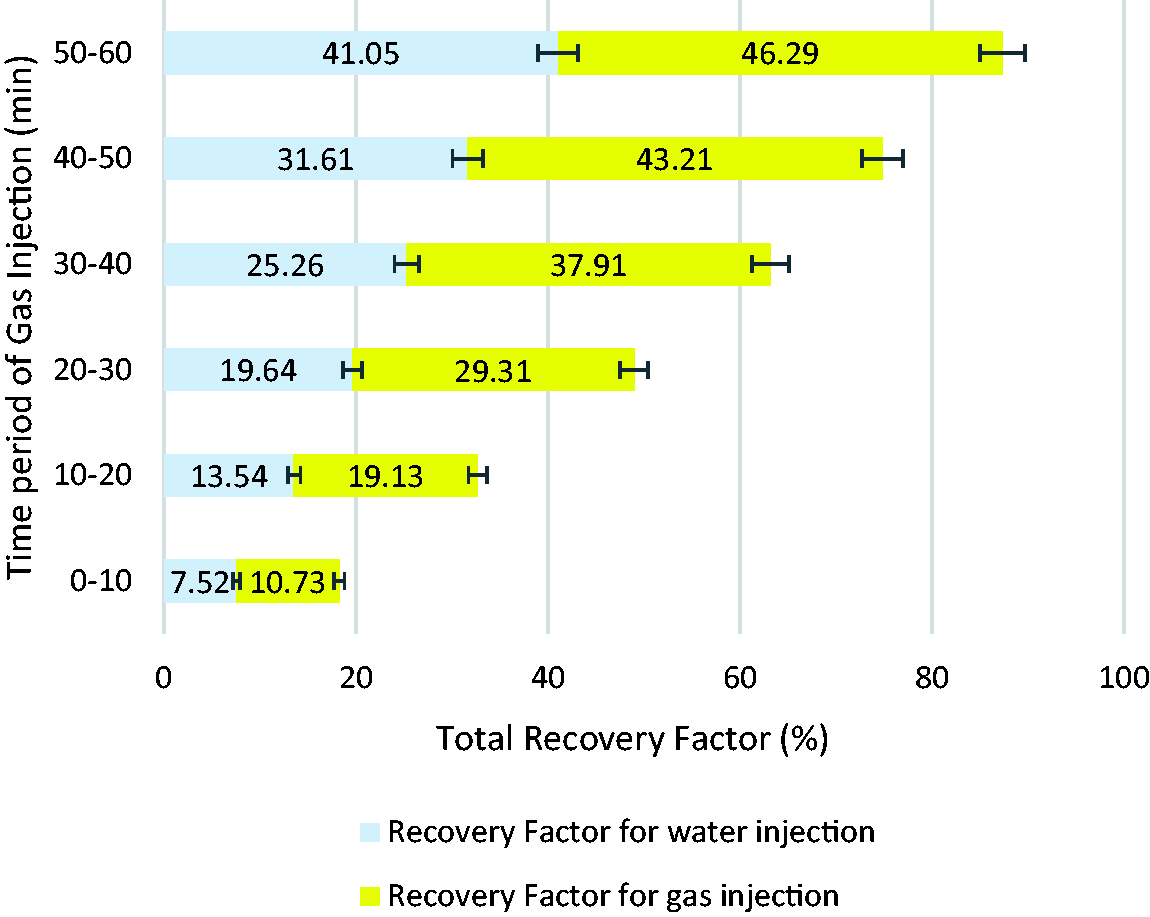
RF for the water alternative gas injection scenario.
As it is evident from Figure 6, the total RF is calculated by the summation of water and gas injectivity on the RF from the fractured core. Moreover, in all the time periods, gas owing to the more mobility than water has played a substantial role in the total RF; in respect of the way, the percentage of gas injectivity for all periods is approximately 1.5 times more than water injectivity.
As it is clarified in Figure 7, the total RF is calculated by the summation of water and gas injectivity on the RF from the fractured core. Moreover, in all the time periods, gas owing to the more mobility than water has played a substantial role in the total RF. Consequently, in comparison to different scenarios, the amount of oil RF by WAG and hot WAG injection methods are the maximum: 87.34 and 92.45, respectively.
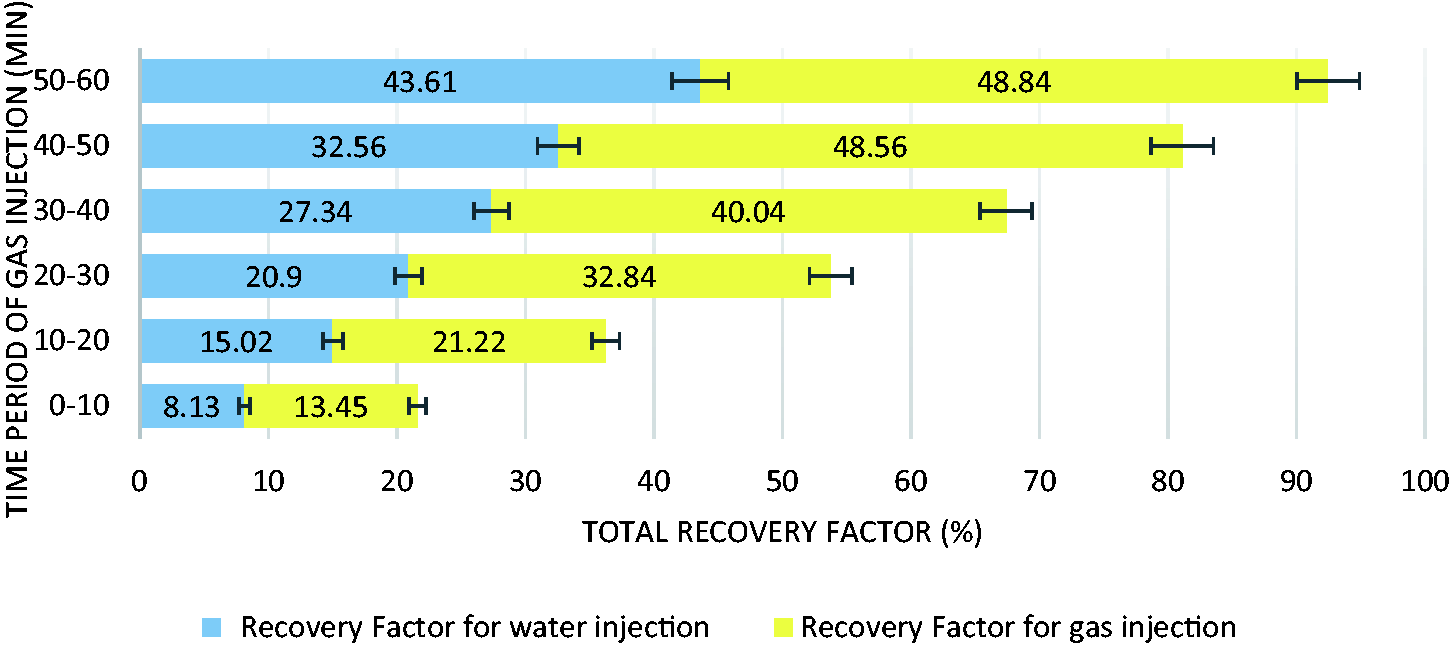
RF for the hot water alternative gas injection scenario.
Hot WAG procedures in fractured reservoirs would be used as desirable enhanced oil recovery techniques due to its high feasibility and more mobility than other fluids. Thereby, it is demonstrated that these techniques play a substantial role in increasing the RF and mobilize the oil efficiently. Since then, the minimum RF belongs to the water injection regarding less mobility than gas. It is relatively ½ of hot WAG injection RF. Furthermore, hot CO2 gas injection and CO2 gas injection scenarios are in the third and fourth priority steps, respectively. The result of this experimental evaluation is schematically demonstrated in Figure 8.
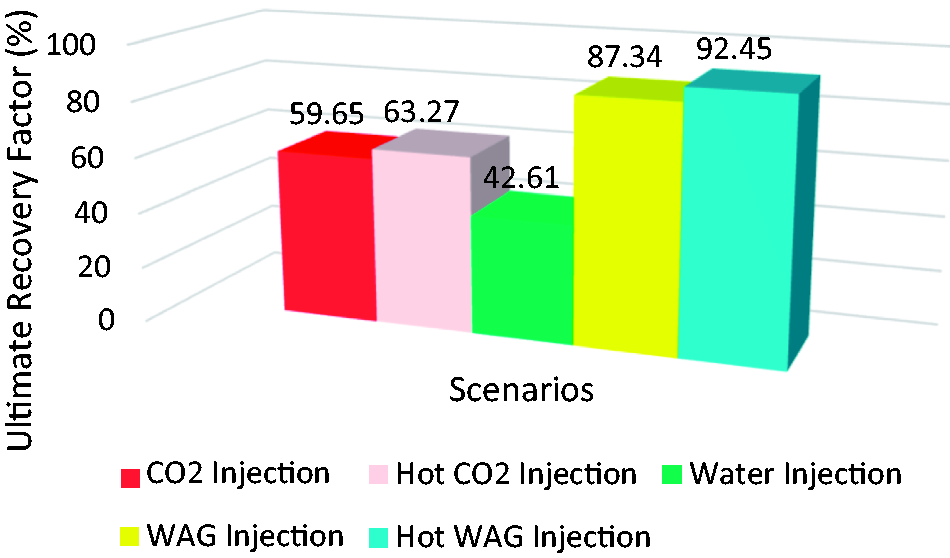
Ultimate RF for different scenarios. WAG: water alternating gas.
However, having said this, the affordability and the ubiquity administration of EOR procedures would enable petroleum industries to select the optimum techniques due to the reservoir characteristics; all EOR methods have its limitations. These limitations entail the high expenditures of water– CO2 heating treatments and double injectivity, unfavorable factors such as large aquifers and gas caps, deep wells which restrict the utilization of water and CO2 regarding a vast volume of heat and energy losses, and the economic climate of available water and CO2 in several regions. Soaring temperatures lead to the increase of corrosion and is considered as one of the problems that occurred when using carbon dioxide. Moreover, Iranian reservoirs due to their high viscosities are considered as the potentially susceptive reservoirs for performing WAG and hot WAG injection; in respect of the way, they need to use scientific and inexpensive methods to increase reservoir oil recovery. One of the limitations of WAG injection performances is to provide the less rate of mobility (especially less than 1) which is considered as the preferable and optimum parameter to improve the RF. To achieve the lower mobility ratio, alternative water gas injection was needed by the increase of gas viscosity. It is required to fill the small pores by the flooded water and afterwards the injected gas had reasoned to push the oil of high permeable layers to the production wells. Thereby, the high viscosity of the reservoirs would be a proper phenomenon to decrease the mobility ratio which is considered as the best selection for the WAG and hot WAG injection processes. It is a foregone conclusion that the prospect of this issue should be effectively considered due to global demands for utilization of crude oil in numerous industries.
Alternative injection of water and gas has utterly depended on the reservoir characteristics. Therefore, there are some specific limitations which might have considerably influenced the injectivity performances. Water wet property of the reservoirs is considered as one of the main features which are profoundly impacted by the RF of the reservoirs. In other words, that if a reservoir is water wet, water could mobilize and enter into the small pores and subsequently give the gas phase the chance to occupy the large pores and push the oil out and mobilize them to the production wells. Thereby, gas is considered as a complementary agent for the water flooding. Another limitation of WAG injection processes is the less rate of mobility (especially less than 1) which would be an optimum parameter to improve the RF. As a result, gas relative permeability reduction gas viscosity increase are the main reasons of lower mobility ratio. Thereby, the optimum volume of gas and water is of importance to adjust the displacement efficiency of the reservoirs. Layered reservoirs would be a good choice for WAG injection especially a high permeable layer is situated under a low permeable layer. Consequently, according to the filling of small pores by the water phase, the oil in the large pores is being produced by the mobilization of the gas phase. The corrosion property of the hot gas in the reservoir would be considered as one of the consequences of this technique especially in the reservoir which has the high temperatures should be significantly investigated before the utilization of WAG injection.
Conclusion
However, a wide range of experimental tests and numerical simulations have been conducted to investigate and analyze the CO2-WAG injection procedures in numerous oil reservoirs. In this comprehensive study, the WAG injection and hot WAG into conventional and fractured laboratory sand packs is used as one of the effective methods of enhanced oil recovery. This procedure is a combination of two flooding processes including hot water and hot gas alternatively. Alternative water and gas injection is used as a suitable method for light oil. However, hot water and hot gas injection can be used specifically for heavy oil due to the combination of fluid injection and thermal methods. Also, hot gas and water reduce oil viscosity and surface tension. Moreover, one of the principal purposes of this laboratory study is to comparatively evaluate the productivity ratio in fractured core samples, that is to say, that among five different scenarios, the ultimate recovery of the fractured sample by hot WAG injection reached the peak (about 93%).
Suggestions and future plans
Due to the high RF of hot WAG injection in the studied oilfield, it is recommended to use this recovery technique rather than the administration of water flooding or gas flooding alone. In the gas flooding procedures, the corrosion issue is one of the major issues which petroleum industries have been concerned about. Therefore, alternative injection of water and gas was considered as the less corrosive agents. One of the main aims of hot gas in the alternative injection of water and gas is that the gas phase would be able to penetrate in those areas where it is not possible to mobilize the gas in the basic gas injection. Thereby, it would be a great idea to substitute the hot WAG injection instead of gas injection in enhanced oil recovery techniques. Regarding the adequate efficiency of this technique especially in fractured reservoirs, the sequential injection of hot WAG after foam flooding and polymer flooding is considered as the optimum enhanced recovery technique which should be taken into consideration in the future research activities.
Footnotes
Declaration of conflicting interests
The author(s) declared no potential conflicts of interest with respect to the research, authorship, and/or publication of this article.
Funding
The author(s) received no financial support for the research, authorship, and/or publication of this article.