




Abstract
The optical scanning method was adopted to measure the thermal conductivities of 418 drill-core samples from 30 boreholes in Sichuan basin. All the measured thermal conductivities mainly range from 2.00 to 4.00 W/m K with a mean of 2.85 W/m K. For clastic rocks, the mean thermal conductivities of sandstone, mudstone, and shale are 3.06 ± 0.73, 2.57 ± 0.42, and 2.48 ± 0.33 W/m K, respectively; for carbonate rocks, the mean thermal conductivities of limestone and dolomite are 2.53 ± 0.44 and 3.55 ± 0.71 W/m K, respectively; for gypsum rocks, the mean thermal conductivity is 3.60 ± 0.64 W/m K. The thermal conductivities of sandstone and mudstone increase with burial depth and stratigraphic age, but this trend is not obvious for limestone and dolomite. Compared with other basins, the thermal conductivities of sandstone and mudstone in Sichuan basin are distinctly higher, while the thermal conductivities of limestone are close to Tarim basin. The content of mineral composition such as quartz is the principal factor that results in thermal conductivity of rocks differing from normal value. In situ thermal conductivity of sandstones was corrected with the consideration of water saturation. Finally, a thermal conductivity column of sedimentary formation of the Sichuan basin was given out, which can provide thermal conductivity references for the research of deep geothermal field and lithospheric thermal structure in the basin.
Keywords
Introduction
Thermophysical property of rock is a fundamental parameter in the research of geothermics of sedimentary basin. As one of the basic thermophysical properties, thermal conductivity is meaningful for basic geology such as deep thermal state, lithospheric thermal structure, earth internal dynamics, thermal evolution, and so on (Liu et al., 2017a; Tosi et al., 2013). Besides, it is also the indispensable parameter for production and engineering, for instance, geotechnical engineering, mining, oil and gas exploration, geothermal resources exploitation (Abdulagatova et al., 2009; Liu et al., 2012; Qiu et al., 2004). The thermal regime of sedimentary basin has a strong impact on the generation, migration, and preservation of oil and gas (Abdulagatova et al., 2010; Burger et al., 1986). The capacity of heat transmission shown by thermal conductivity which directly affects distribution of geothermal field and deep thermal structure is the key issue in the research of thermal regime in the sedimentary basin (Miao et al., 2013; Ray et al., 2007).
The Sichuan basin is currently not only one of the promising areas of oil and gas exploitation in China (Dai et al., 2001; Zhu et al., 2006), but also one of the priority areas of present geothermal field and tectonic-thermal evolution research (He et al., 2014; Ma et al., 2012; Rao et al., 2013). Research on thermal conductivity of the Sichuan basin started in 1990, Huang and Wang (1990) measured the thermal conductivity of 29 drill-core samples of deep wells in northwest depression of Sichuan, obtained heat flow data combined with borehole temperature data. Han and Wu (1993) measured the thermal conductivity of 58 drill-core samples of 10 deep wells in the basin and discussed the distribution of heat flow. Xu et al. (2011) systematically measured 297 drill-core samples of 25 boreholes in the Sichuan basin, build thermal conductivity column of sedimentary formation, and combined the data of borehole temperature to study the present geothermal characteristics of the Sichuan basin.
Previous studies on thermal conductivity of rocks in the Sichuan basin were chiefly focused on some oil and gas fields, which led to dispersed data of thermal conductivity and could not give an overall analysis to the whole sedimentary area. The thermal conductivity of rocks was just as a parameter calculating heat flow in most studies, and there was also no serious discussion aimed at the distribution characteristics and influence factors about thermal conductivity. The above two points deterred us from knowing the characteristic of sedimentary rocks in the Sichuan basin as a whole, hence previous works could not support the geothermal field and thermal regime research stably. Based on above problems, in the present study we regarded the whole Sichuan basin as a study area, studied and discussed the distribution and influence factor of thermal conductivity of sedimentary rocks, and built a thermal conductivity column of major sedimentary formation by measuring 30 drill-core samples distributed in the whole basin. In this paper our results can provide necessarily thermophysical parameter for deep geothermal field, lithospheric thermal structure, and exploitation of oil and gas resources.
Geological setting
Located in southwestern China, situated on the northwestern margin of the Yangtze paraplatform (Guo et al., 1996), and surrounded by the Micangshan, Dabashan, Wushan, Daloushan, and Longmenshan mountains, respectively, the Sichuan basin is a large-scale diamond-shaped petroliferous basin along NE direction, with an area of approximately 190,000 km2 (Figure 1). The Sichuan basin went through two phases of tectonic and sedimentary evolution including craton stage form Sinian to Middle Triassic and foreland stage from Late Triassic to Late Cenozoic (Mao et al., 2006; Wei et al., 2005; Zhang et al., 2008). Craton stage is mainly composed of stable marine carbonate rocks, with a range of 4000–7000 m in thickness, and the lithology is mostly dolomite for Sinian formation; Cambrian formation is marked by limestone and a few shale; the main lithology of Ordovician covers siltstone, biolithite, and dolomite; Silurian formation is characterized by shale; hiatus has happened during Devonian period, and the main lithology in the period includes sandstone and limestone; Carboniferous formation is marked by limestone and dolomite with a few gypsum; Permian formation is featured by limestone with limited mudstone and dolomite; Early Triassic formation is mainly composed of limestone, dolomite, and gypsum; Middle Triassic formation comprises mudstone, limestone, dolomite, and gypsum (Guo et al., 1996; Zhu et al., 2006). While foreland stage is marked by terrestrial clastic rock, with a range 3500–6000 m in thickness, and Late Triassic is featured by sandstone with limited shale and siltstone; the main lithology of Jurassic formation comprises sandstone, siltstone, mudstone, shale, and limestone; Cretaceous is characterized by sandstone with a few conglomerate and mudstone; there has been a lot of thickness denudated during Tertiary period, and the formation is mainly composed of mudstone, conglomerate, and sandstone (Mao et al., 2006; Wang et al., 2002; Wei at al., 1997).
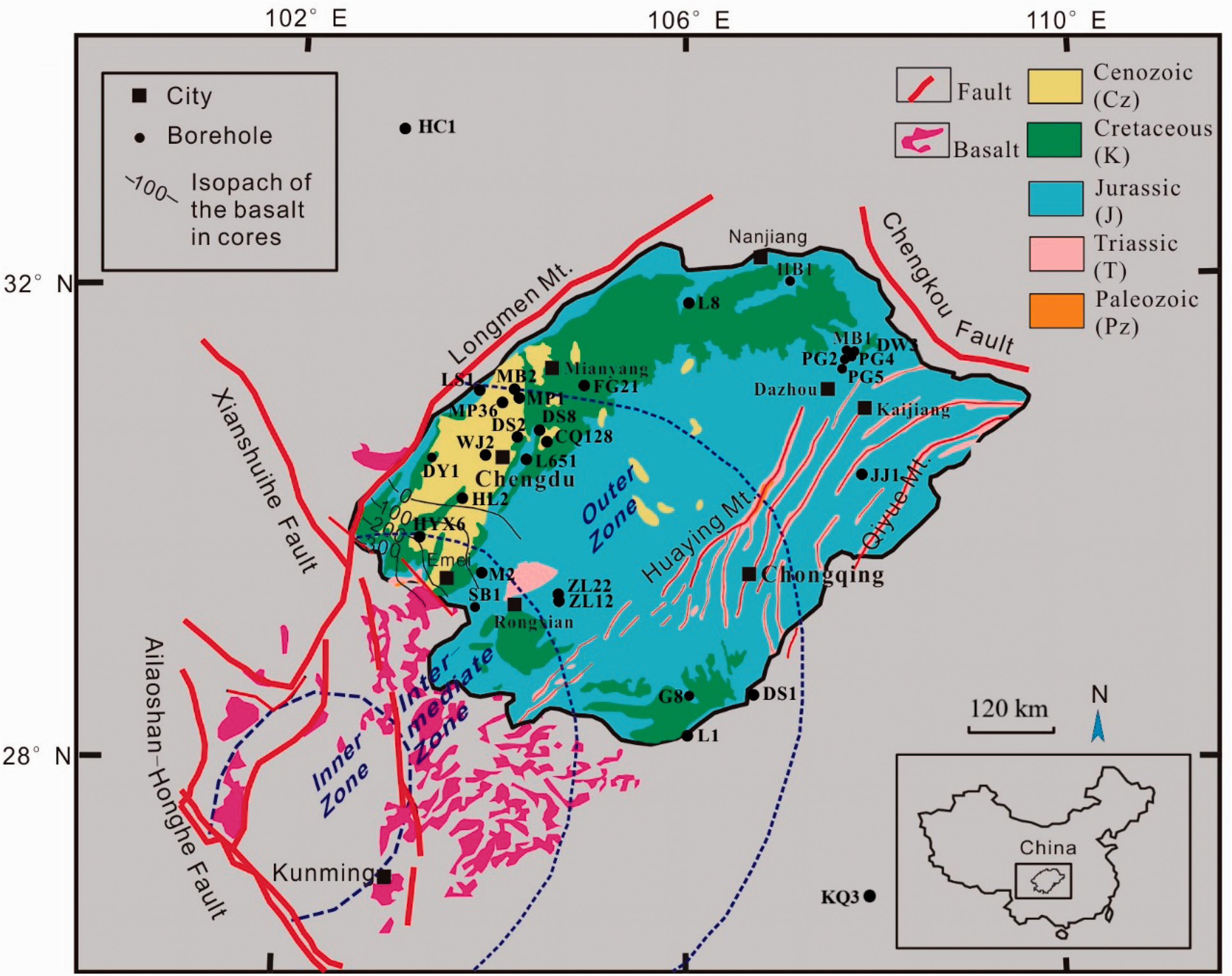
Sketch map showing the sampling locations of the Sichuan basin (Zhu et al., 2018).
The Sichuan basin has experienced tectonic reworking of multitimes during the process of the basin forming. From Middle–Late Triassic to Eocene, the Sichuan basin had suffered from sostenuto compression deformation with multidirections and various degrees which constantly transformed the original sedimentary basin until sedimentation finished and the tectonic basin formed (Deng, 1992; Ren, 1987). Since then, Sichuan basin has gotten into the new phase of development and evolution which was marked by tectonic deformation and widely accepting weathering and denudation (Guo et al., 1996).
Samples measurements
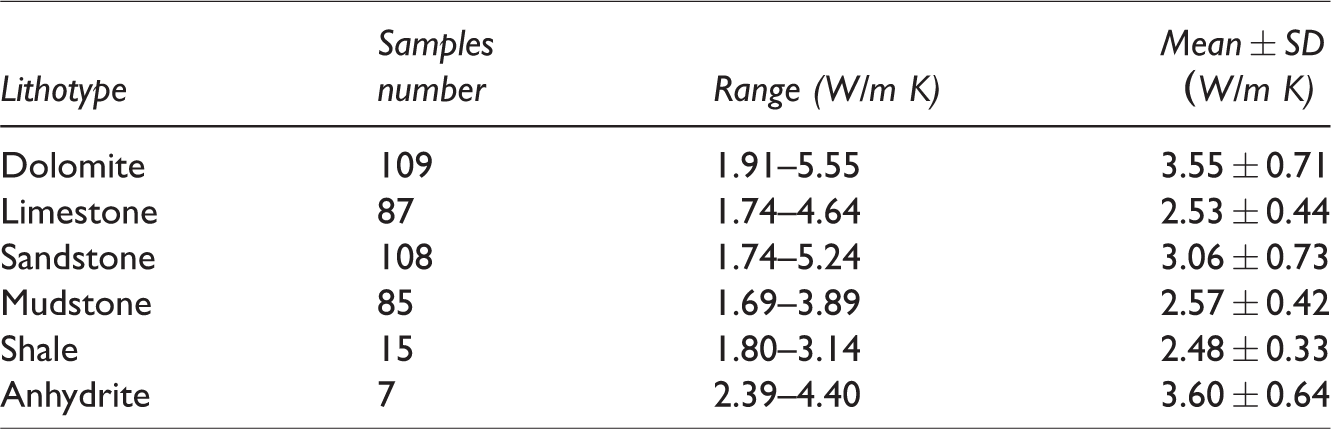
In the study we measured 418 samples from 30 boreholes of different areas in the Sichuan basin, which involved main lithology and sedimentary formation from Sinian to Cretaceous, with a range of 100–7000 m in burial depth (borehole positions as shown in Figure 1, sample information as shown in Table 1).
Thermal conductivity of different rocks in the Sichuan basin.
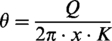
The thermal conductivity of samples was measured by the optical scanning method at room temperature (25°C) and normal atmospheric pressure. The apparatus of optical scanning is manufactured by German TCS Company with an accuracy of ±3% for a measurement range from 0.2 to 25 W/m K. It is based on heating a sample with a constant heat source and recording the maximum temperature rise with a temperature sensor in the meantime. In the running process, the heat source and the temperature sensor move together at the same speed relative to the sample and at a constant distance to each other that can heat and measure samples continuously. The maximum temperature rise is calculated as follows (Popov et al., 1999)
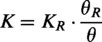
If the maximum temperature rise of the reference standard sample is measured, the thermal conductivity of samples can be determined by the relationship
The optical scanning method has many advantages including rapid measurement, convenience migration, nondestructive measurement of a sample, and continuous operation. The method has been used to measure the thermal conductivity widely at present and has already obtained measured values of high quality in actual measurement. For example, it has been applied for the researches on the Vorotilovo deep drilling borehole in the Eastern European platform (Popov et al., 1999), the studies of fluid-flow zones in the geothermal sandstone reservoir (Haffen et al., 2013), the project of Sulu-Dabie area Chinese scientific drilling (He et al., 2008), and a series of studies about the Tarim basin (Liu et al., 2011).
Results
Measurement results show that thermal conductivities of rocks of the Sichuan basin range between 1.69 and 5.55 W/m K, but mainly vary from 2.0 to 4.0 W/m K with a mean of 2.85 W/m K (Figure 2). As shown in Table 1, there are obvious differences existing within same lithologies and between diverse lithologies. The mean thermal conductivities of anhydrite, dolomite, and sandstone are relatively high, with values of 3.60 ± 0.64 W/m K (n = 7), 3.55 ± 0.71 W/m K (n = 108), 3.06 ± 0.73 W/m K (n = 109), respectively; while the mean thermal conductivities of mudstone, limestone, and shale are relatively low, with values of 2.57 ± 0.42 W/m K (n = 85), 2.53 ± 0.44 W/m K (n = 87), 2.48 ± 0.33 W/m K (n = 15), respectively.
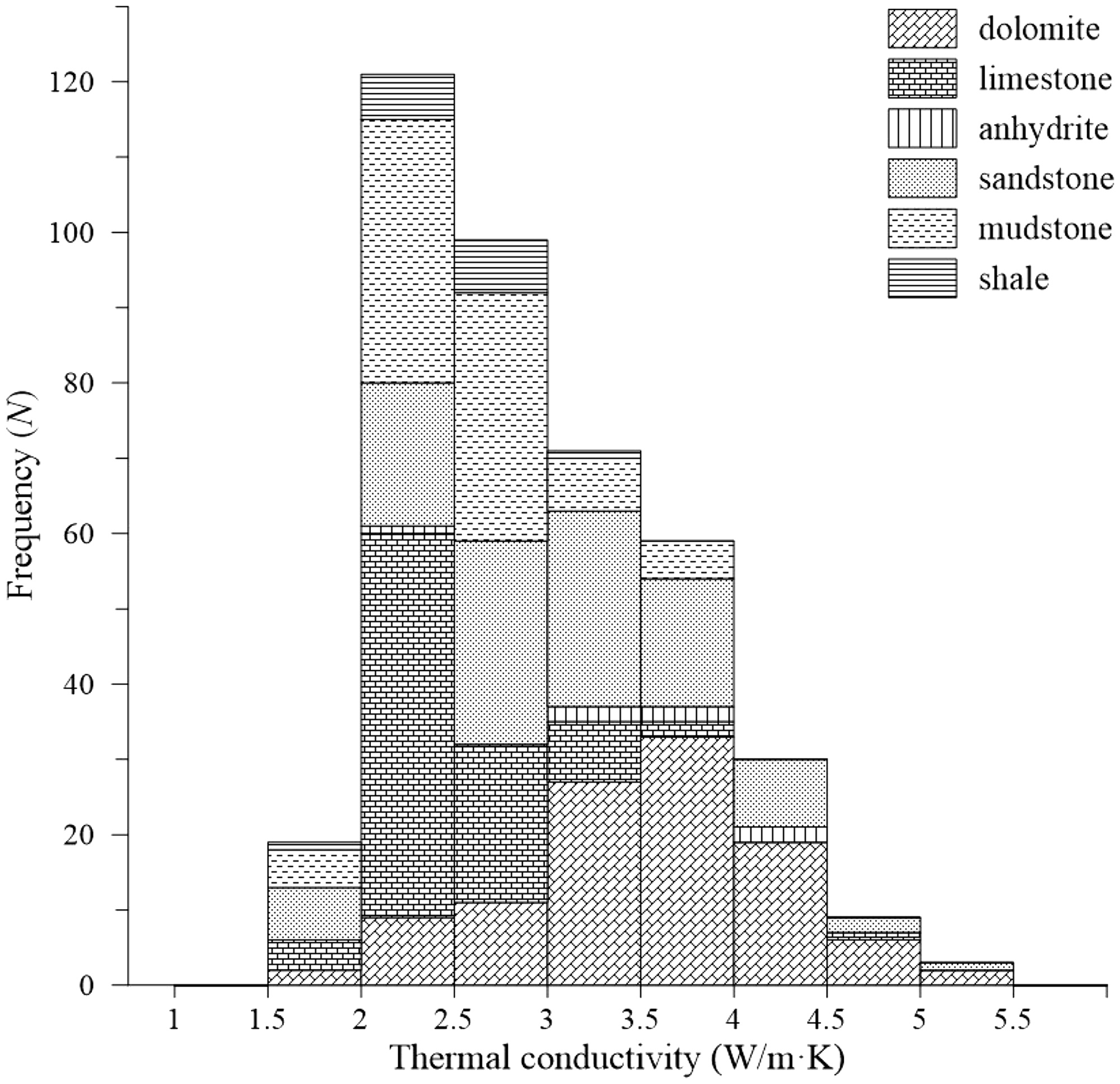
Distribution histogram of thermal conductivity of different rocks in the Sichuan basin.
As is presented in the distribution figure of thermal conductivities of main rocks versus burial depth (Figure 3(a) to (d)), the thermal conductivities of sandstones and mudstones exhibit an apparent trend that they generally increase with increasing burial depth. But this trend is not found for dolomites and limestones because they vary irregularly with depth increasing and scatter much.
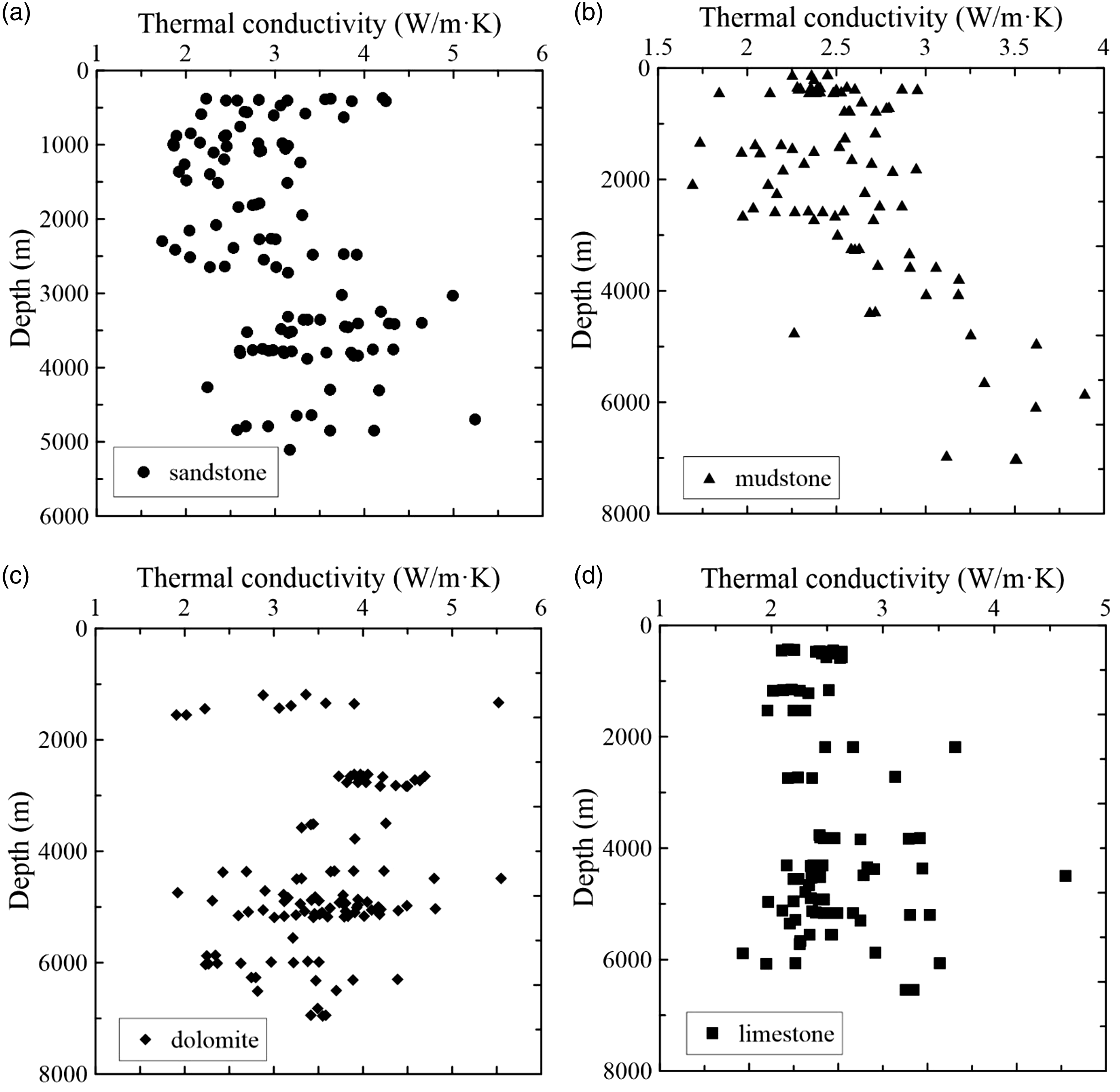
Relationship between thermal conductivity and depth for different rocks.
Discussions
Corrections of thermal conductivity
The thermal conductivity of rocks is influenced by temperature, pressure, and water saturation in the actual formation (Alishaev et al., 2012; Somerton, 1958). Hence the measured thermal conductivities of the dried samples are different from the in situ thermal conductivities (Hu and Huang, 2015). In order to obtain the in situ thermal conductivities of samples, it is important to correct for the dried samples.
In general case, the thermal conductivity reduces with increasing temperature and increases with increasing pressure (Zhao et al., 1995), the effects of temperature and pressure could be counterbalanced to some extent (He et al., 2006). Therefore, we did not make corrections of temperature and pressure here.
Since rocks are porous, the thermal conductivities appear to be diverse when pores are filled with water or air. In the study the pores of measured samples are actually full of water under the ground, so the process of heat transfer takes place under the condition of water saturation. Therefore, we need to make corrections for the measured thermal conductivity of dried samples when we study the deep geothermal fields. According to the past researched achievements (Woodside and Messmer, 1961a, 1961b), correction for water saturation is determined by the relationship

For the convenience in practice, we used corresponding correction coefficients to make corrections of water saturations for samples. It is generally accepted that the higher porosity is, the higher conductivity will be (Wang et al., 1995; Yang et al., 1993). And it should be noted that it does not make sense to make water saturation correction when the porosity is pretty low that there is little difference of the thermal conductivity between the conditions of water saturation and air drying and furthermore, the difference is close to the measurement accuracy (Yang et al., 1986). Therefore, in the paper we did not make water saturation corrections for the rocks with compact structure and low porosity.
Suffering from different diagenesis, the porosities of different formations in the Sichuan basin could change. Thus, we need to combine with porosity data of each formation and base on the former results of water-saturated rocks when determining the correction coefficient (Shen et al., 1994; Wang et al., 1995; Wang and Shi, 1989; Xu et al., 2011; Yang et al., 1993, 1986).
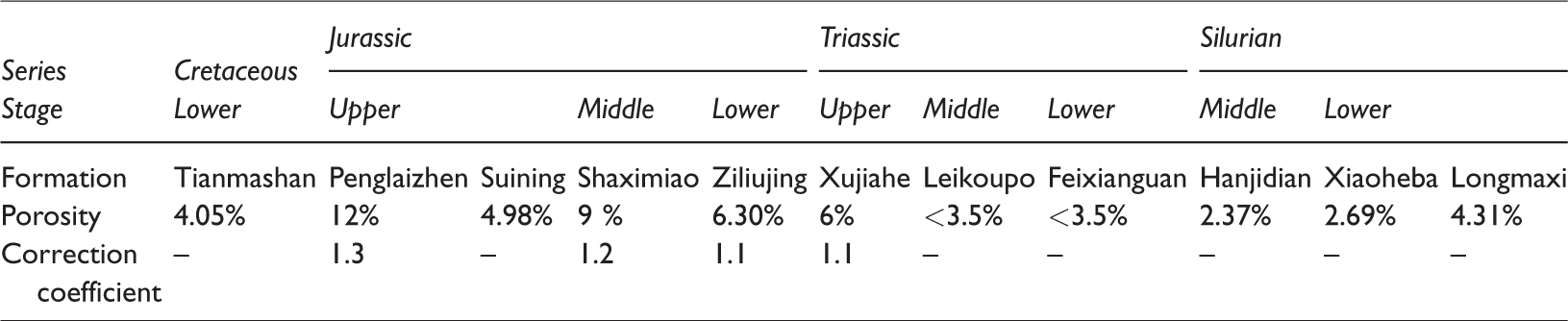
The sandstone of the Sichuan basin is mainly affected by diagenesis including compaction, pressure solution, cementation, metasomatism, dissolution, cracking (Cui et al., 2008; Lan et al., 2015; Li et al., 2007; Liu et al., 2007b; Qian et al., 2015; Zhang, 2009). As shown in Table 2, the sandstone of Lower Cretaceous Tianmashan Formation is characterized by partly intergranular dissolved pores with a few residual primary pores and microfractures, with a mean porosity of 4.05% (Liu et al., 2016), so we do not make water saturation correction for this formation due to such low porosity. The reservoir of Upper Jurassic Penglaizhen Formation sandstone is fracture cave type, and its mean porosity is about 12% (Liu et al., 2002; Tang et al., 2004). On account of the high porosity, the correction coefficient of Penglaizhen Formation is taken as 1.3. The mean porosity of Upper Jurassic Suining Formation sandstone with compact structure and uneven developed microfracture is 4.98% (Lan et al., 2015), hence there is no need for correction. The main pore types of Middle Jurassic Shaximiao Formation consist of residual intergranular pore, intergranular dissolved pore, intragranular dissolved pore and moldic pore, with a mean porosity of approximately 9% (Cai et al., 2004; Li et al., 2016; Qian et al., 2015), so we take 1.2 for correction coefficient. The pore space of Lower Jurassic Ziliujing Formation Zhenzhuchong segment includes primary intergranular pore, intergranular dissolved pore, and intragranular dissolved pore, and the correction coefficient is taken as 1.1 due to the mean porosity of 6.3% (Wang et al., 2011). The pore type of Upper Triassic Xujiahe Formation sandstone is featured by residual intergranular pore and intragranular dissolved pore with matrix pore and microfracture, with a mean porosity of around 6% (Hui, 2015; Li et al., 2013; Wang et al., 2009; Yang et al., 2010), thus we take 1.1 for the correction coefficient. We do not make corrections for Middle Triassic Leikoupo Formation and Lower Triassic Feixianguan Formation because the mean porosities of both are generally below 3.5% (Wang et al., 2008; Zeng et al., 2007). The pore structures of Middle Silurian Hanjiadian Formation and Lower Silurian Xiaoheba Formation and Longmaxi Formation are mainly characterized by low porosity and low permeability with a few orthogonal and oblique fractures, and their mean porosities are 2.37, 2.69, and 4.31%, respectively (Yang and Ji, 2009), so the correction is also not conducted here.
Porosity and correction coefficient of sandstone in different formation in the Sichuan basin.
The Sichuan basin has been subjected to serious denudations during the Caledonian, Hercynian, and Himalayan period, which led to widely hiatus in the stratum thickness of early Palaeozoic and Cenozoic and furthermore, caused that Mesozoic stratum was directly covered by Quaternary sediments (Zeng, 1988; Zhu et al., 2009). For the above reasons, mudstone and shale of Mesozoic exhibit relatively low porosities with compact structure (Liu et al., 2017b; Yang et al., 1986; Zou et al., 2010), so we do not make corrections here. Besides, it also does not need to make corrections for mudstone and shale of Silurian and Cambrian whose porosities are lower than 6% (Ma et al., 2012; Yan et al., 2016; Zhang et al., 2015).
Diagenesis, which has significant influence on carbonatite of the Sichuan basin, mainly consists of compaction and pressure solution, cementation, filling, recrystallization, dolomitization, micritization, dissolution, and cracking (Qin et al., 2009; Xu et al., 2013; Zhang et al., 2011; Zhou et al., 2009). The major pore types include intragranular dissolved pore, intergranular dissolved pore, moldic pore, intercrystalline pore, intercrystalline dissolved pore, and residual intergranular pore accompanied with karst cave and fracture (Wang and Wang, 2011; Wang et al., 2008; Zhou et al., 2009). Since the different formations are influenced by different diagenesis, the porosities of that vary slightly which are similar to the sandstone.
As shown in Table 3, the mean porosities of carbonatites in the main formations in the Sichuan basin mainly concentrate in the range of 1.24–5% (Chu, 2006; Gao et al., 2014; He et al., 2017; Li et al., 2005; Li et al., 2008; Liu et al., 2007a; Tang et al., 2016; Wang and Wang, 2011; Yang et al., 2015; Zeng et al., 2007; Zhou et al., 2009), all of them are distinctly less than 6%, meaning that we do not have to make water saturation corrections for carbonatites due to the low porosities.
Porosity of carbonatite in different formation in the Sichuan basin.

Above all, we only make water saturation for sandstone through comparison and analysis of porosities of different formations. The corrected mean thermal conductivity of sandstone is 3.36 ± 0.79 W/m K, and the relationship between thermal conductivities and burial depth is presented in Figure 4. We find there exists a trend that the degree of correction in shallow strata is greater than that in deep depth strata and the integral change range of thermal conductivity after correction with depth is less than that of thermal conductivity before correction, but the trend of corrected thermal conductivity increasing with depth can be still found in Figure 4.
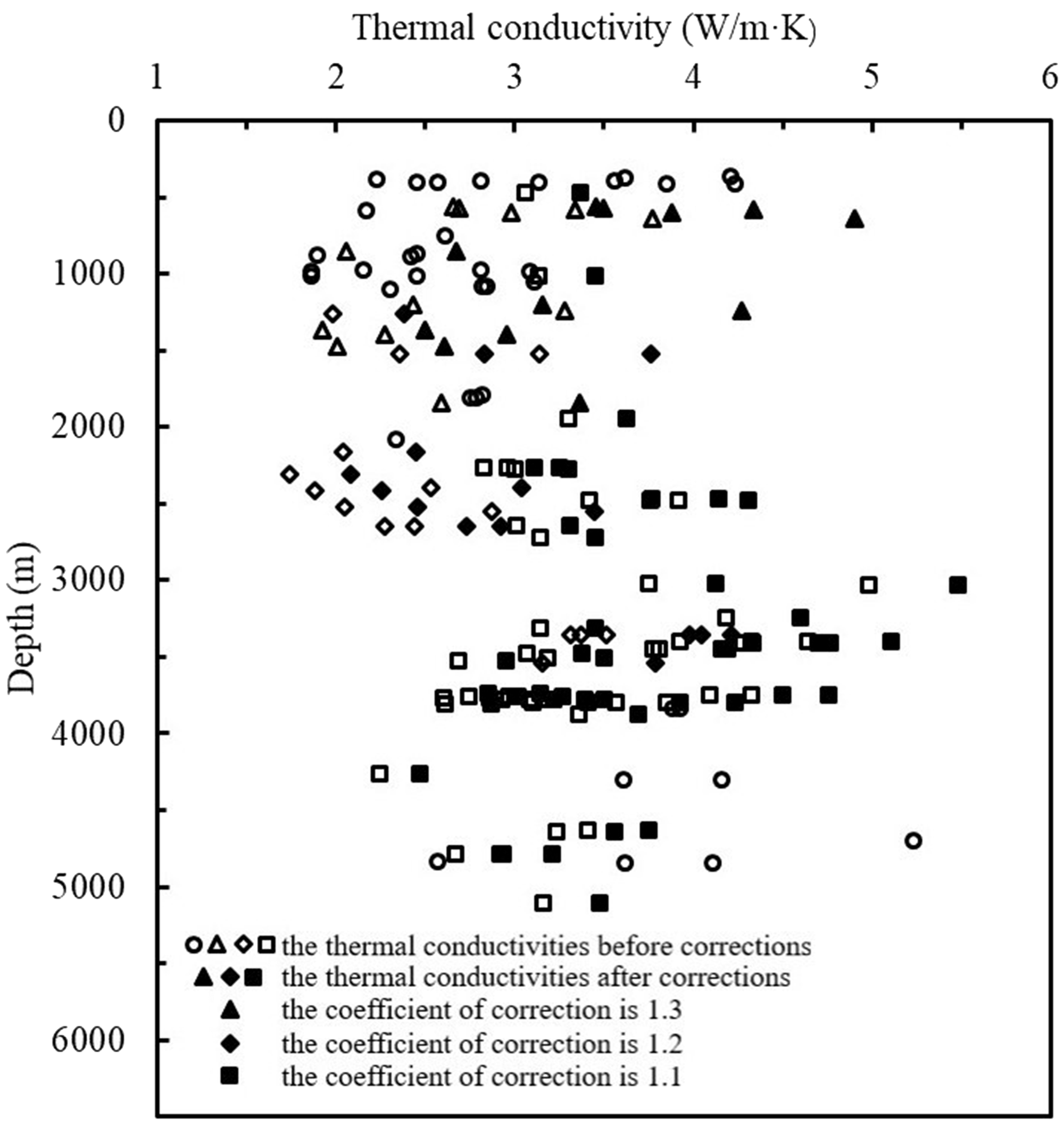
Measured and corrected thermal conductivity of sandstones.
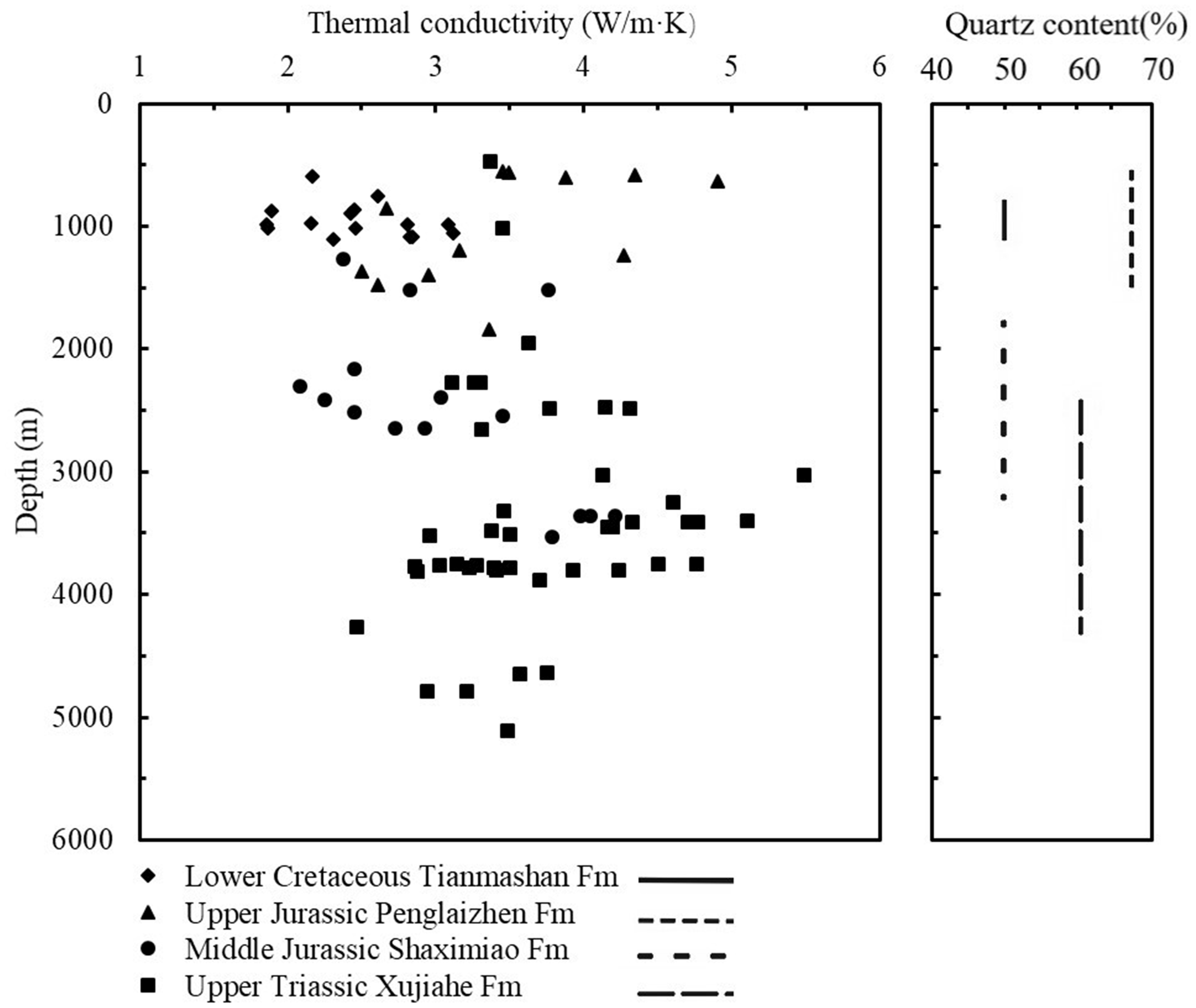
Thermal conductivity and quartz content of sandstone in different formations in the Sichuan basin.
Mineral composition that affected thermal conductivity of rocks
In addition to temperature, pressure, and water saturation, mineral composition is also one of the crucial factors that affect the thermal conductivity of rocks. The thermal conductivities of different minerals are distinctly diverse, for instance, the thermal conductivities of calcite, orthoclase, and quartz are 3.57, 2.31, and 7.69 W/m K, respectively (Horai, 1971).
Compared with the corrected thermal conductivity of sandstone in the Sichuan basin with a mean of 3.36 ± 0.79 W/m K, Liu et al. (2011) using the same optical method obtained the corrected sandstone thermal conductivity of the Tarim basin with a mean of 3.36 ± 0.79 W/m K. There is an obvious difference between the two basins. The reason for that is the difference of mineral composition of rocks. The porosity of sandstone of Jurassic in the Sichuan basin is about 9%, and the quartz content in the strata varies from 35 to 89%, with a mean of 50%; feldspar content ranges from 15 to 35%, with a mean of 25%; debris content is from 20 to 35%, with a mean of 26% (Qian et al., 2015). While the porosity of the Tarim basin in the same Jurassic strata is 7.87%, and the quartz content of sandstone varies from 15 to 55%, with a mean of 31.8%; feldspar content ranges from 15 to 40%, with a mean of 30.3%; debris content is between 20 and 60%, with a mean of 37.8% (Li et al., 2014). It can be found that the porosities of two basins are somewhat similar, but the content of each mineral differs, especially for quartz whose content in the Sichuan basin visibly exceeds that in the Tarim basin. For the thermal conductivity is 7.69 W/m K for quartz and 2.31 W/m K for orthoclase, the thermal conductivity of quartz known as excellent heat conduction material is generally higher than other minerals. Quartz content can tremendously affect the thermal conductivity of the whole rock, for example, the quartz sandstone has a high thermal conductivity and maximum can attain 6.46 W/m K (Xiong et al., 1994). Therefore, the relatively high quartz content is the main reason why the thermal conductivity of sandstone in the Sichuan basin is on the high side.
As mentioned earlier, there is still a trend after correction that the thermal conductivities increase with increasing depth. We analyzed the compositions of main sandstone formation at different depth and found that there exists a relationship between quartz content and thermal conductivity to some extent. Lower Cretaceous Tianmashan Formation is characterized by clastic sandstone, and the contents of sandstone compositions are quartz (50%), debris (30–50%), feldspar (2.0–37.0%), and cement (8–15%) (Liu et al., 2016). For Upper Jurassic Penglaizhen Formation, the mean contents of each composition are 67.55% for quartz, 26.35% for debris, and 6.10% for feldspar (Duan et al., 2005). The composition contents of Middle Jurassic Shaximiao Formation contain quartz (35–89% with a mean of 50%), debris (20–35% with a mean of 26%), and feldspar (15–35% with a mean of 25%) (Cai et al., 2004; Qian et al., 2015). The quartz content of Upper Triassic Xujiahe Formation is pretty high, ranging from 37 to 83%, with a mean of 60.52%; feldspar content varies from 1 to 15%, with a mean of 8.95%; and debris content ranges from 13 to 62.5%, with a mean of 30.53% (Hou et al., 2005; Zhang et al., 2010). Through connecting the content of mineral composition of each formation with corresponding thermal conductivity (Figure 5), we found that the thermal conductivities of Tianmashan and Shaximiao Formation with relatively low quartz content showed low values, while that of Penglaizhen and Xujiahe Formation with relatively high quartz content showed high values. Thus, we believe that the thermal conductivity of rocks is proportional to the quartz content, and it is also proved that the difference among mineral compositions is the key factor causing depth-dependent variation of thermal conductivity.
The mean thermal conductivity of mudstone in the Sichuan basin is 2.67 ± 0.41 W/m K, while that in the Tarim basin is 2.06 ± 0.59 W/m K (Liu et al., 2011). Apparently, the thermal conductivity of the Sichuan basin is much higher. The reason for that is the high quartz content, for instance, the quartz content of Lower Silurian Longmaxi Formation exceeds 50%, which is analogous to the sandstone (Chen et al., 2011; Yan et al., 2015).
The mean thermal conductivities of limestone in the Sichuan basin and the Tarim basin are 2.53 ± 0.44 and 2.47 ± 0.68 W/m K, respectively, and for dolomite, the thermal conductivities of two basin are 3.55 ± 0.71 and 3.52 ± 0.75 W/m K, respectively. We can discover that the thermal conductivities of carbonates of both basins are very close to each other. In general case, limestone and dolomite both belong to carbonate, so that thermal conductivities of both should be high values with little difference (Sun et al., 2006; Xiong et al., 1993). But the actual results of the two basins show that the thermal conductivity of limestone is obviously lower than that of dolomite. In contrast with the conclusion proposed by Liu et al. (2011) that limestone samples of the Tarim basin are basically bioclastic calcarenite with abundant biogenic materials, we found that there are also a mass of biogenic materials and argillaceous materials in limestone of the Sichuan basin (Deng et al., 1982; Xu et al., 2013; Zhou et al., 2009), and it seems that the mineral composition of limestone in the Sichuan basin is similar to that in the Tarim basin. The thermal conductivity of argillaceous material is generally under 1 W/m K, lower than most other mineral compositions. Comparing with quartz, argillaceous material content makes the opposite contribution to the whole rock that the higher argillaceous material content is the lower thermal conductivity will be (Duan et al., 2013).
To sum up, mineral composition is one of the key factors that influences the thermal conductivity. Rock-forming minerals such as quartz, siliceous, and calcareous material with high thermal conductivity and argillaceous material with low thermal conductivity play a particularly important role on the thermal conductivity of rocks. In general, the thermal conductivity of rocks increases with increasing quartz content and decreases with increasing argillaceous material content.
Thermal conductivity of sedimentary rocks in the Sichuan basin
We built the thermal conductivity column in sedimentary strata in the Sichuan basin (Table 4) and the relationship graph between thermal conductivity and stratigraphic age (Figure 6). As Figure 6 and Table 4 show that thermal conductivities of sandstone and mudstone increase with increasing stratigraphic age in Mesozoic strata, and that of dolomite and limestone do not vary regularly with stratigraphic age and scatter much.
Thermal conductivity column in sedimentary strata in the Sichuan basin.
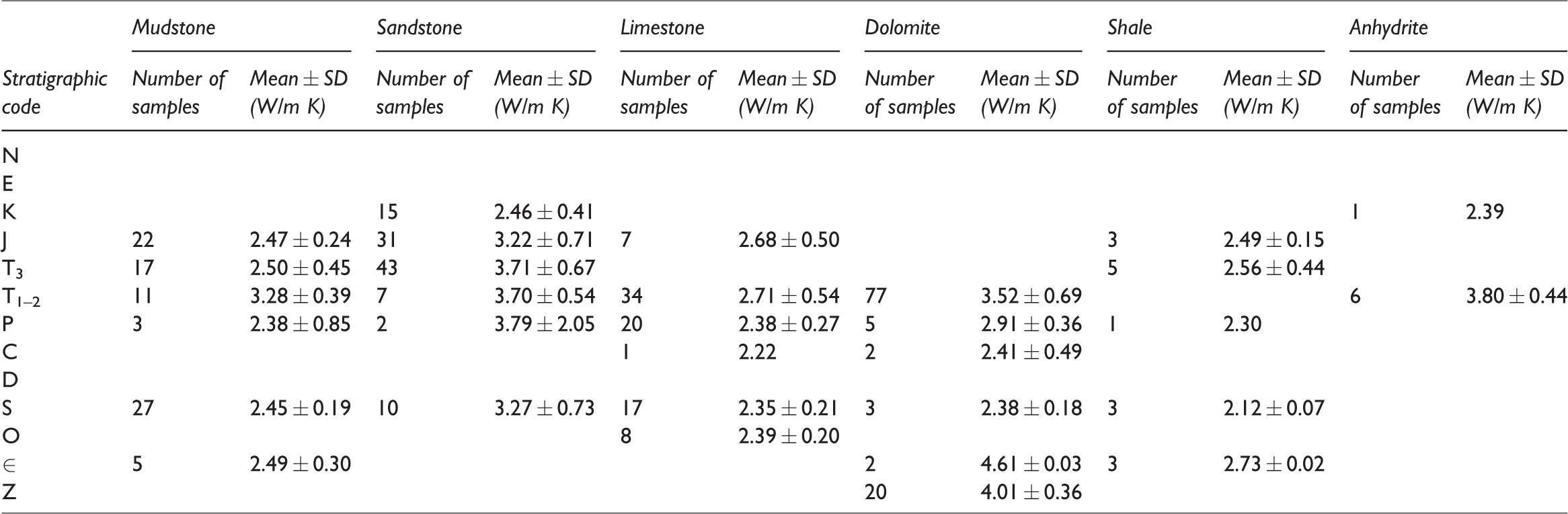
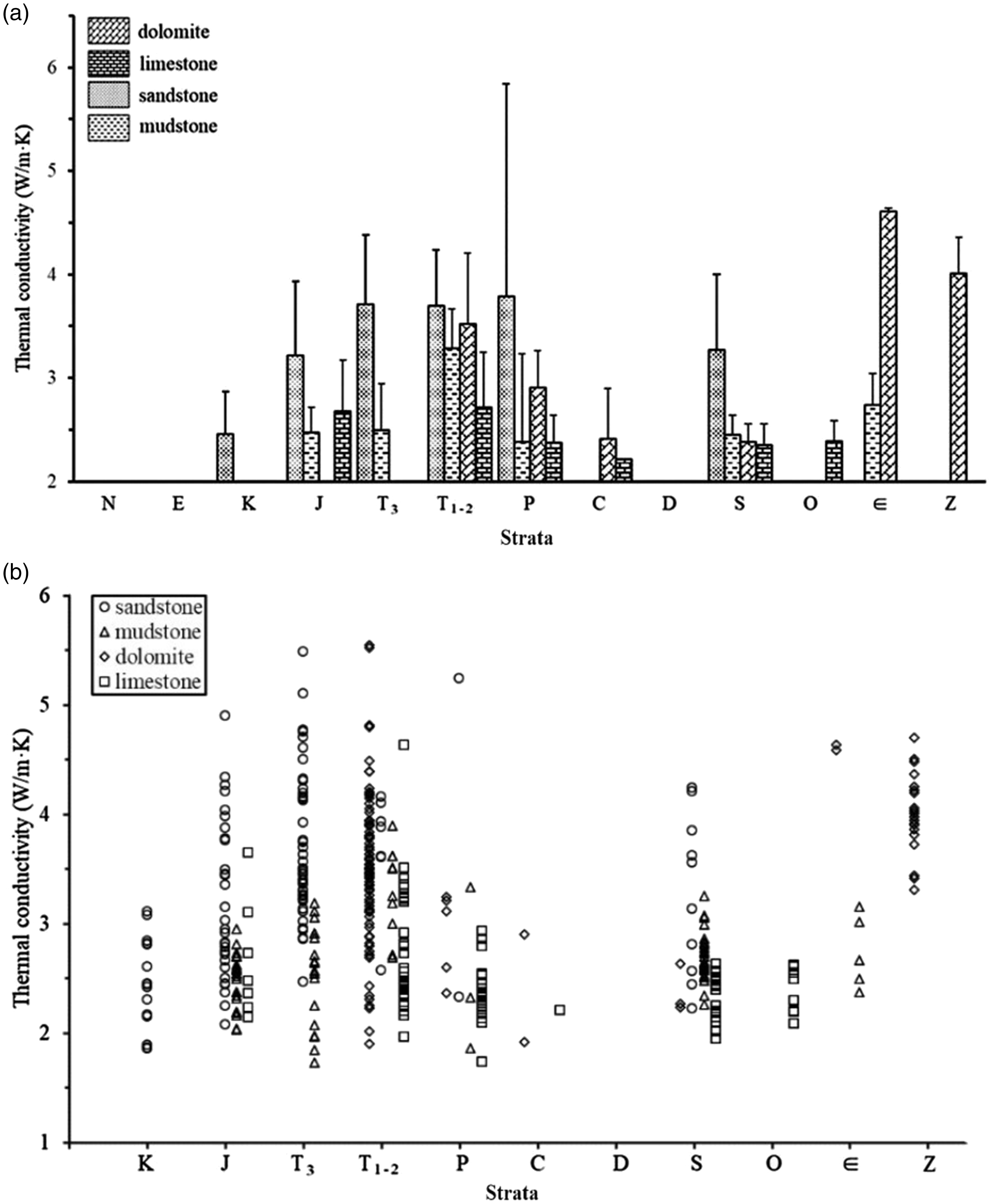
Relationship between thermal conductivity and strata for different rocks.
The trend of thermal conductivities of sandstones and mudstones increasing with stratigraphic age is fairly evident especially in Mesozoic strata. The reason is consistent with the aforementioned impacts about how water saturation and mineral composition affect the thermal conductivity. The Mesozoic strata did not undergo intensive denudation and strong tectonic activity, thus there is hardly any hiatus in the strata. With increasing stratigraphic age, diagenesis degree increased in succession, structure became increasingly compact, and porosity gradually reduced. Besides, quartz content also increased with stratigraphic age. Since pore variation and quartz content of sandstone are greater than that of mudstone, the change range of sandstone is much clear and obvious. In addition, there appears a conspicuously high value of mudstone thermal conductivity in the Middle Triassic Formation. Combined with depth data we found that the sampling depths of these mudstones are deeper than 4000 m with high diagenesis degree, and they also belong to the deepest portions among all mudstone samples. Moreover, it is possible that metamorphism happened to these mudstones to a certain level, which make some mineral compositions change totally or partially from minerals with low thermal conductivity to that with high thermal conductivity (Jones, 2003; Liu et al., 2011).
In this study, due to the abundant samples obtained from partial formations, we believe that the corresponding thermal conductivities are representative and credible, which can be used as reference thermal conductivity in sedimentary strata in the Sichuan basin, and to calculate the heat flow and distribution of deep geothermal field and study the thermal regime of basin (please see Appendix 1).
Conclusion
The measured thermal conductivity of drill-core samples in sedimentary strata of the Sichuan basin mainly concentrate in the range of 2.0–4.0 W/m K, with a mean of 2.85 W/m K. The mean thermal conductivities of anhydrite, dolomite, sandstone, mudstone, limestone, and shale are 3.60 ± 0.64, 3.55 ± 0.71, 3.06 ± 0.73, 2.57 ± 0.42, 2.53 ± 0.44, and 2.48 ± 0.33 W/m K, respectively. The thermal conductivity of sandstone and mudstone increases with increasing stratigraphic age in Mesozoic strata, while that of limestone and dolomite does not vary regularly with stratigraphic age.
Compaction and diagenesis have an important effect on clastic rocks. The sandstone and mudstone with deep burial depth and old stratigraphic age have high values of thermal conductivity. Besides, mineral composition is another key factor that affects thermal conductivity of rocks. In general, the thermal conductivity of rocks increases with increasing quartz content and with decreasing argillaceous material content.
The thermal conductivity of sandstone in the Sichuan basin is carried out by a correction of water saturation. According to the data after correction, we built a thermal conductivity column of sedimentary strata in the Sichuan basin, which is the lasted one in this area so far, and can be used as reference thermal conductivity of the Sichuan basin and thermophysical parameter of calculating heat flow, deep geothermal field distribution, and studying basin thermal regime.
Footnotes
Declaration of conflicting interests
The author(s) declared no potential conflicts of interest with respect to the research, authorship, and/or publication of this article.
Funding
The author(s) disclosed receipt of the following financial support for the research, authorship, and/or publication of this article: This study was supported by the “National Science and Technology Major Project” of China (Grant No. 2017ZX05008004), the National Natural Science Foundation of China (Grant No. 41772248, 41690013), and the Beijing Training Project of Science and Technology Nova and Leading Talent (Grant No. Z171100001117163).