




Abstract
We analyzed the tectonic evolution characteristics, sedimentary environment, geochemical characteristics, petrological characteristics, and gas-bearing properties of three mudstone sections of the Lower Paleozoic in Ningwu Basin, NE China, and determined the geologic characteristics and resource potential of the transitional facies shale gas. Geochemical analysis of the organic carbon content, kerogen macerals, and vitrinite reflectance of the shale samples showed that the total organic content was generally over 2.0%, the main organic type was type III, and the vitrinite reflectance values (Ro) were between 1.20 and 1.90%. Thus, the mudstones are good shale gas source rocks. The thickness of the three mudstone sections was approximately 30–70 m, and the average porosity was 3.10%. The pore types were diverse with good reservoir capacity. The shale gas resources of the Carboniferous-Permian transitional facies estimated by the volumetric method were approximately 2798.97 × 108–4643.09 × 108 m3. Through a comparison with shales in SW China, where shale gas has been successfully exploited, we determined the preferred criteria for favorable shale gas areas, as well as favorable areas for shale gas enrichment.
Keywords
Introduction and methodology
The successful exploitation of shale gas resources in the United States has led to the global development of shale gas. In China, marine-continental transitional shale gas exploration has been significant (Dong et al., 2015; Ji et al., 2014; Lin et al., 2015; Nie et al., 2012; Xu and Bao, 2009; Zou et al., 2016). However, the exploration and development of transitional facies shale gas resources are still at an early stage. Transitional facies shales, containing both marine and continental shales, differ substantially according to their tectonic-sedimentary evolution, and their geochemical, reservoir, and gas-bearing characteristics (Bao et al., 2016; Yang et al., 2017; Zhang et al., 2008, 2017). Transitional facies shale gas reservoirs in China are mainly distributed in North China, the Tarim Basin, and the Sichuan Basin, and the primary section for development is the Carboniferous-Permian. At present, progress is being made studying the sedimentary characteristics, hydrocarbon generation, and hydrocarbon accumulation of shale in the Sichuan Basin and its surroundings (Bao et al.,2016; Li, 2012). However, there are few studies on transitional facies shales in the north.
Ningwu Basin is the main coal-rich basin in the northern Shanxi Province. Sediments of the Carboniferous and Permian-Tertiary continental facies clastic rocks overly the early Cambrian metamorphic crystalline basement, which in turn are conformably overlain by the upper Paleozoic Benxi group, Taiyuan group, Shanxi group, and other land to sea transitional shales (Li et al., 2018; Lv et al., 2017). The National Shale Gas Resource Potential Assessment Project has involved studies on the Upper Paleozoic mud shale formation of the Ningwu Basin, which is considered to have good shale gas formation conditions (Sun et al.,. 2017; Zhang et al., 2012), but lacks a systematic study of its geological characteristics. In this study, we evaluate the geologic characteristics and resource potential of the transitional facies shale in Ningwu Basin.
Geologic setting of shales in the Ningwu Basin
Ningwu Basin is located at the southern end of the Datong-Ningwu depression in the Shanxi block. The main body is located between the Luya Mountain and the Yunzhong Mountains, with a strike of approximately 35°. It is approximately 200 km long, from north to south, approximately 20–30 km wide, and covers an area of approximately 4875.28 km2. Ningwu syncline, located in the middle of the basin, controls the basic structure of the basin; the east limb of the syncline is gentle, the west limb is steep, the axial direction is North North East - South South West (NNE-SSW), and the basin is bounded by the Ningxi fault zone, the Ningdong fault zone, and Ningbei fault (Tian et al., 2010; Ye and Fan, 2016; Zhou, 2015) (Figure 1).
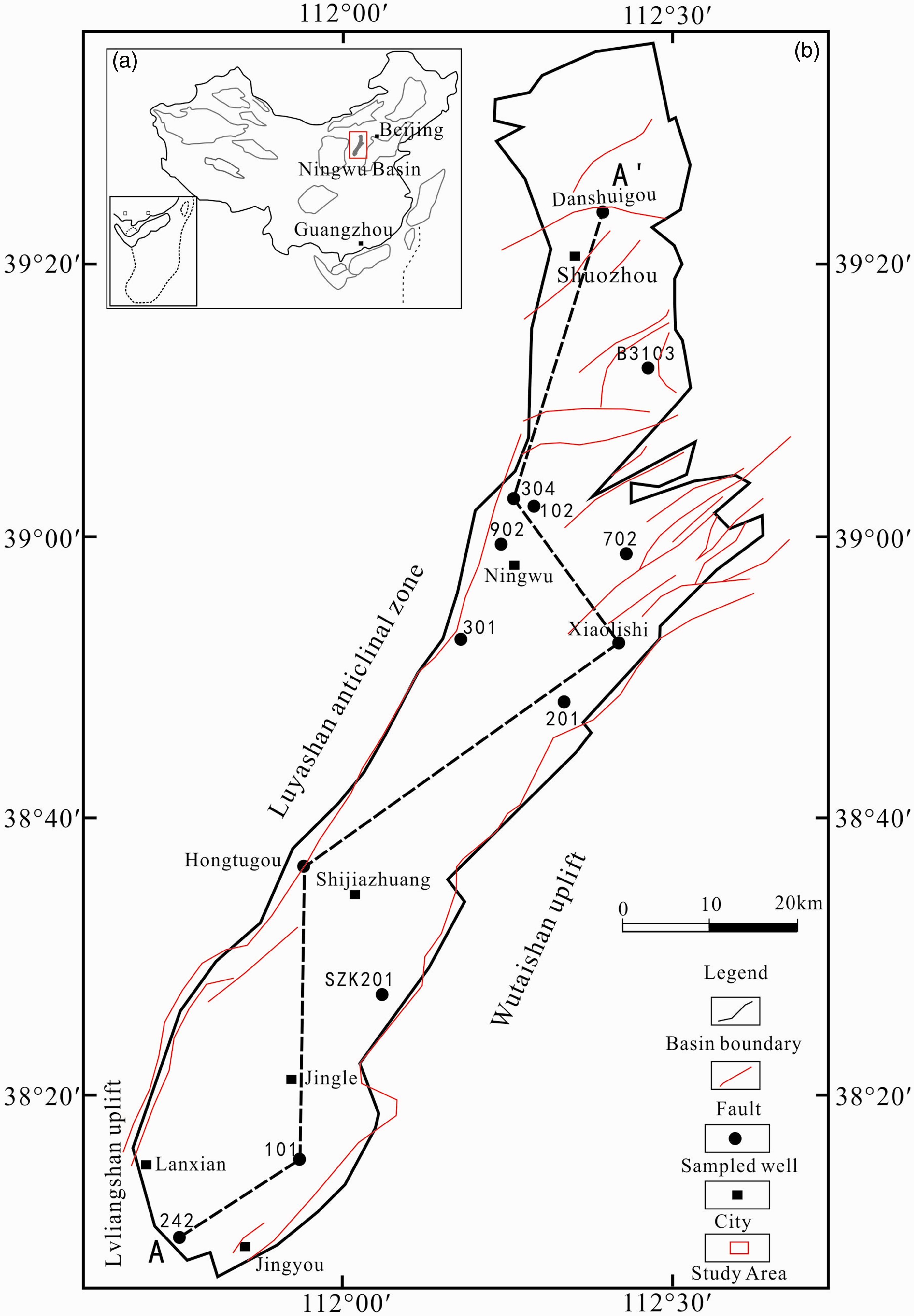
(a) Location of Ningwu Basin. (b) Schematic diagram of Ningwu Basin. Sampling well locations are shown in (b).
Organic mud shales of the Upper Paleozoic in the Ningwu Basin are mainly concentrated in the Benxi Formation, the Taiyuan Formation, and the Shanxi Formation. The Benxi Group is a coastal, shallow marine sedimentary system, whose lithology is divided into two sections. The lower part of the iron and aluminum section is mainly composed of aluminum rocks and iron rocks, and the upper part is composed of sandy mudstone, sandstone, and mudstone, with 1–3 layers of biological debris limestone and unstable coal seams. The Taiyuan Formation is composed of transitional facies coal-bearing strata of predominantly shallow delta plain subfacies, the main source of which is from the north side of the basin. The lithology is mainly gray, gray and black sandy mudstone, shale, gray sandstone, and black coal seams. The thickness of the strata is 67–118 m. The Shanxi Formation is mainly composed of continental facies coal-bearing strata of river-delta facies. The lower lithology consists of gray, grayish black mudstone, sandy mudstone, gray sandstone, and coal seams. The upper part is composed of grayish sandstone and gray mudstone, shale, sandy mudstone, and quartz sandstone. The thickness of the strata is 47–65 m (Figure 2). Geological exploration revealed that the dark mud shale is associated with the coal seam, and interbedded with the sandstone. The shale has a large accumulated thickness. The coal strata represent a good source rock with a high gas content, which has the potential to form coal gas reservoirs (Sun and Deng, 2011; Tian et al., 2010).
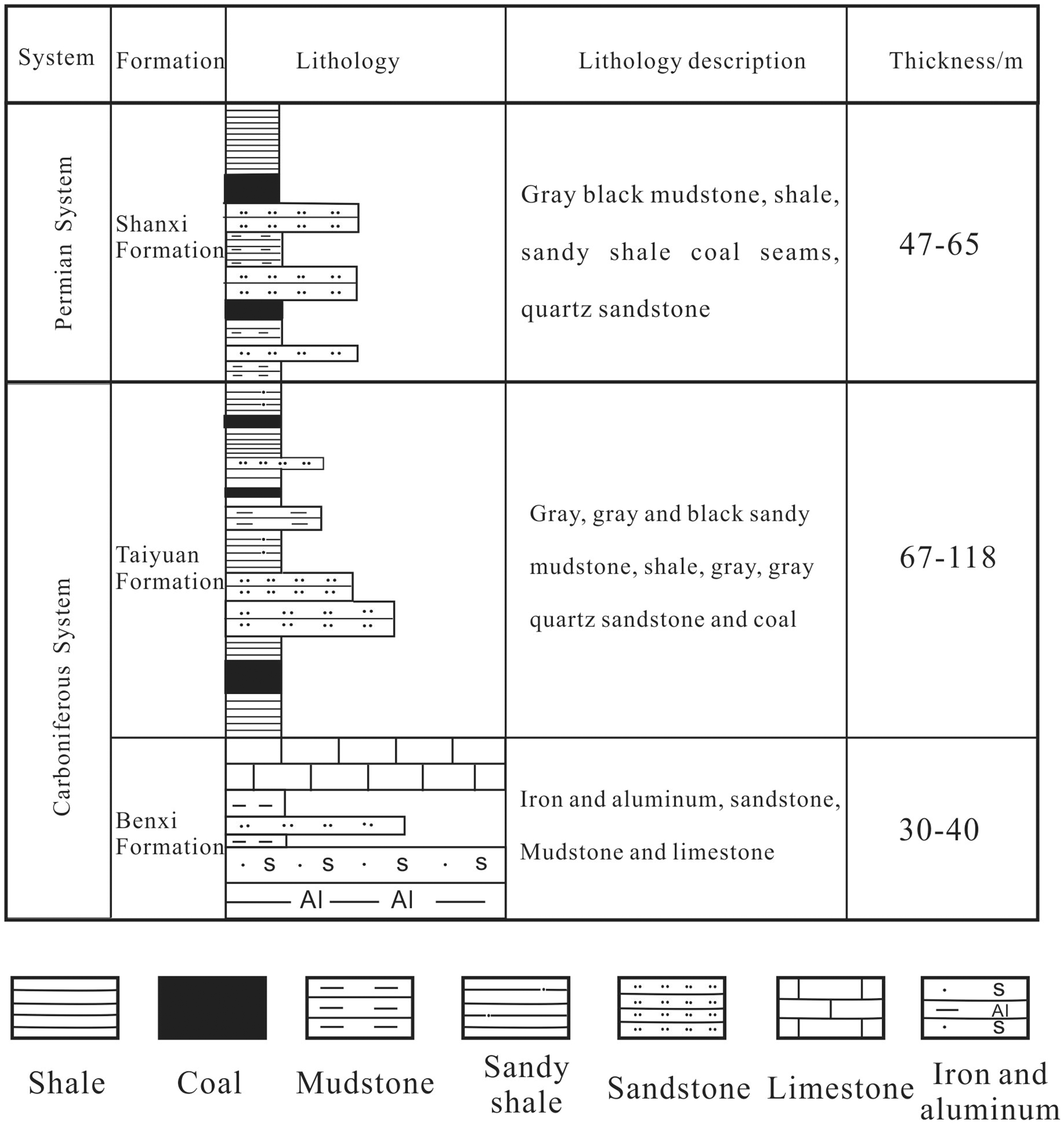
Stratigraphic column of the lower Paleozoic in Ningwu Basin.
Shale distribution characteristics
The transitional facies shale in North China has a wide distribution and is predominantly relatively stable, organic muddy shale. Single layers are thin but the cumulative thickness is large, and interbedded with sandstone, coal, and other rock strata (Cao et al., 2016; Zou et al., 2010). Considering the Upper Paleozoic sedimentation characteristics of and the distribution of the transitional facies shale, we divided the target strata into three shale sections by selecting four regional stability marker layers: K5 sandstone, Coalseam 4, Coalseam 9, and an iron and aluminum rock section. The shale gas resource potential of the three shale layers was then evaluated (Figure 3).
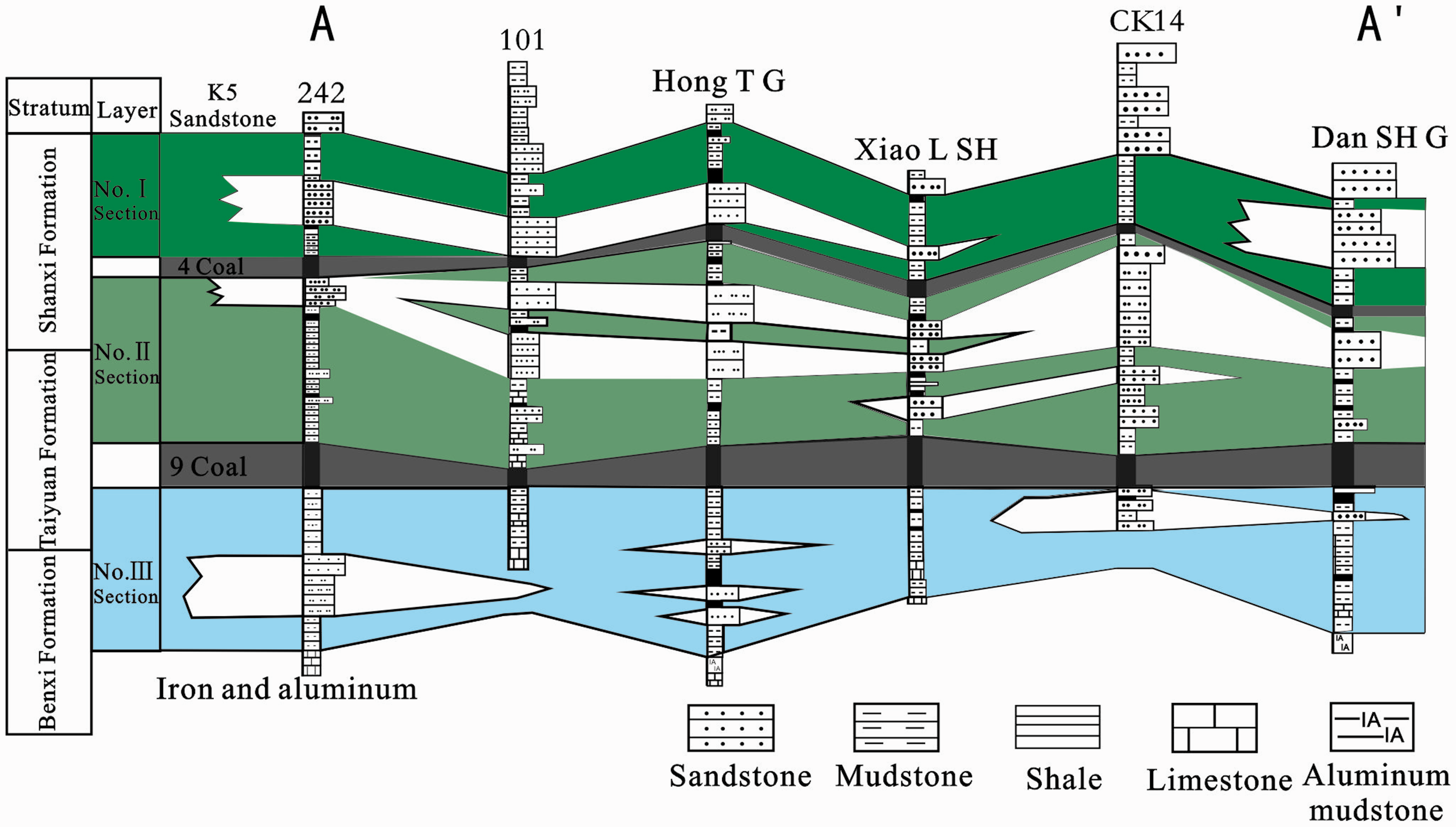
Stratigraphic comparison of lower Paleozoic strata in Ningwu Basin.
According to borehole survey data and field profiles, the thickness of the Upper Paleozoic mud shale in the study area increases from the edge of the basin to the depositional center. The thickness of the first section is between 4 and 86 m, with an average of 35 m. In the Ningwu and Shenchi area, the thickness is over 50 m, and the periphery is only 10 m. The thickness of the second and third sections is between 3 and 50 m, with an average of 25 m. In the Shuo City area of Jingle county, the thickness is over 30 m. Generally, the thickness of the Carboniferous-Permian shale in the Ningwu Basin is high in the south and low in the north. The depth of the three shale sections varies greatly; less than 300 m in the northern part of the basin, and over, 2000 m in the southern part of the basin, where the inclination of strata is larger, resulting in a rapid change of depth gradient. In general, the muddy shale has a depth of over, 1000 m in the Ningwu Basin, and accounts for half the total area of the basin (Figure 4).
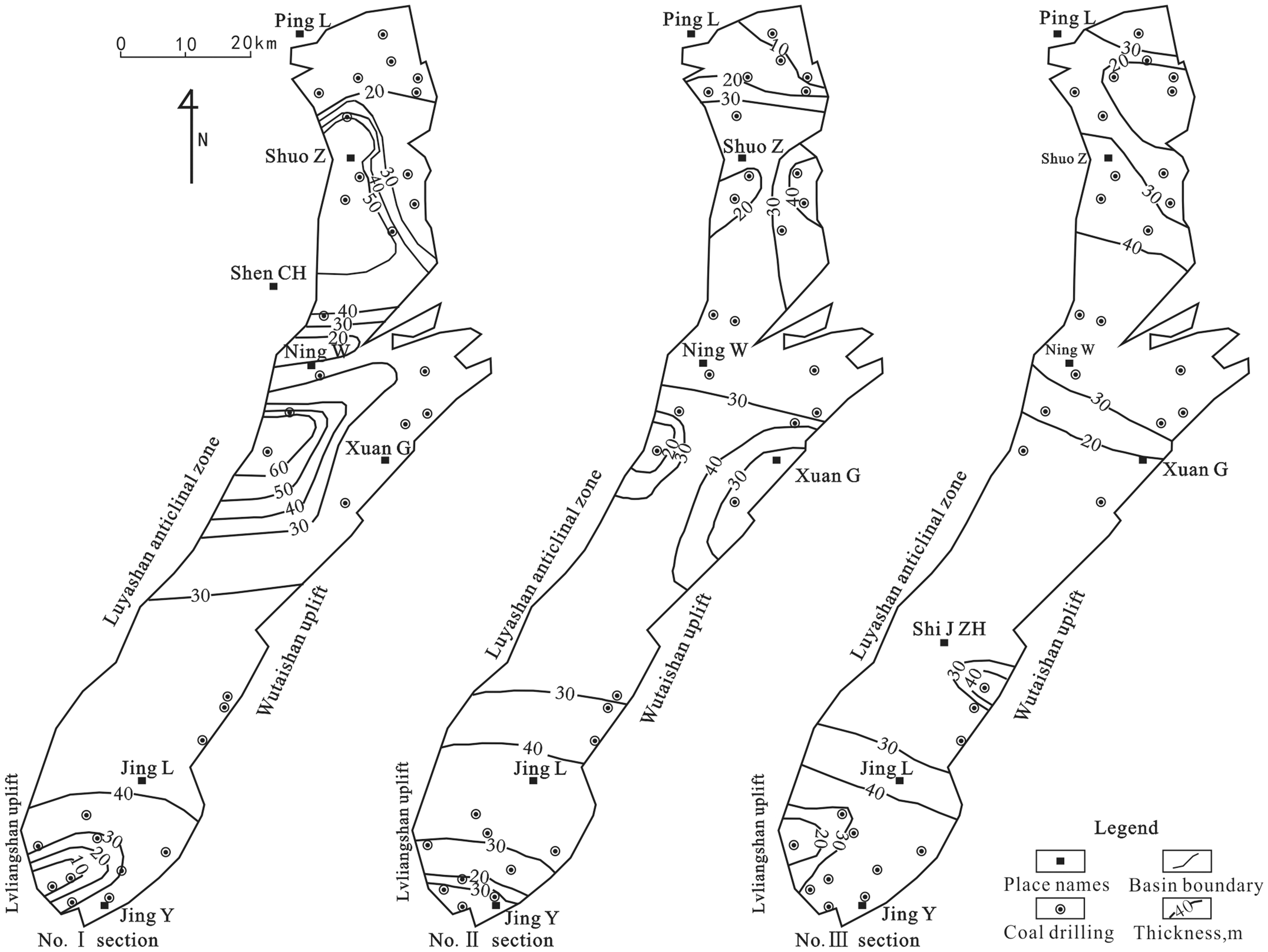
Thickness distribution of lower Paleozoic shales in Ningwu Basin.
Geochemical characteristics of transitional facies shale
Total organic carbon
Total organic carbon (TOC) and hydrocarbon generation potential are commonly used to quantitatively evaluate the quality of source rocks. The lower limit of TOC in source rocks of shale gas is thought to be 2% (Curtis, 2002; Jarvie et al., 2007; Li et al., 2010). We selected 62 samples from the three Upper Paleozoic shale sections in the study area to determine TOC. TOC values were 0.18–17.32%, with an average of 2.38%, in section 1; 0.73–24.73%, with an average of 4.47%, in section 2, and 0.74–22.83%, with an average of 2.78%, in section 3 (Figure 5). Based on the Upper Paleozoic sedimentary environment, we compiled contours of TOC contents for the three shale sections (Figure 6). TOC contents increased from the basin edge to the basin, and high values, typically over 4.00% were distributed within the basin deposition center of Ningwu-Jingle. Shale TOC contents increased with shale depth.
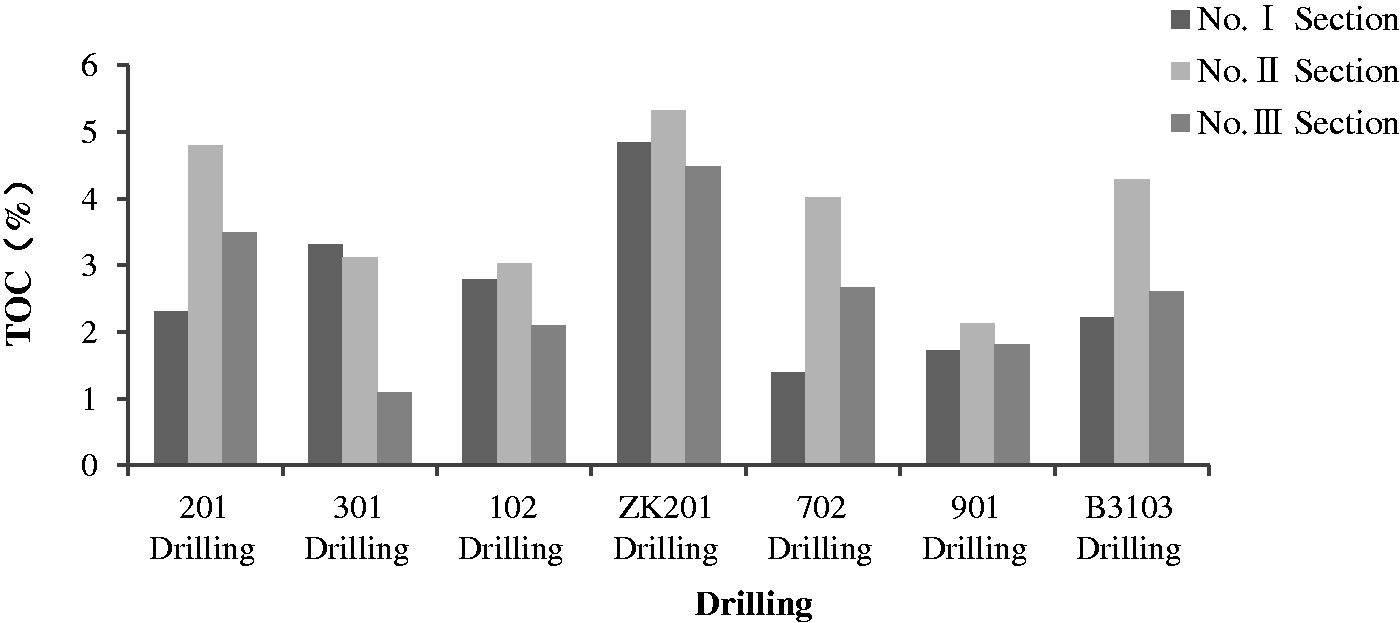
Total organic content of lower Paleozoic mud shales in Ningwu Basin.
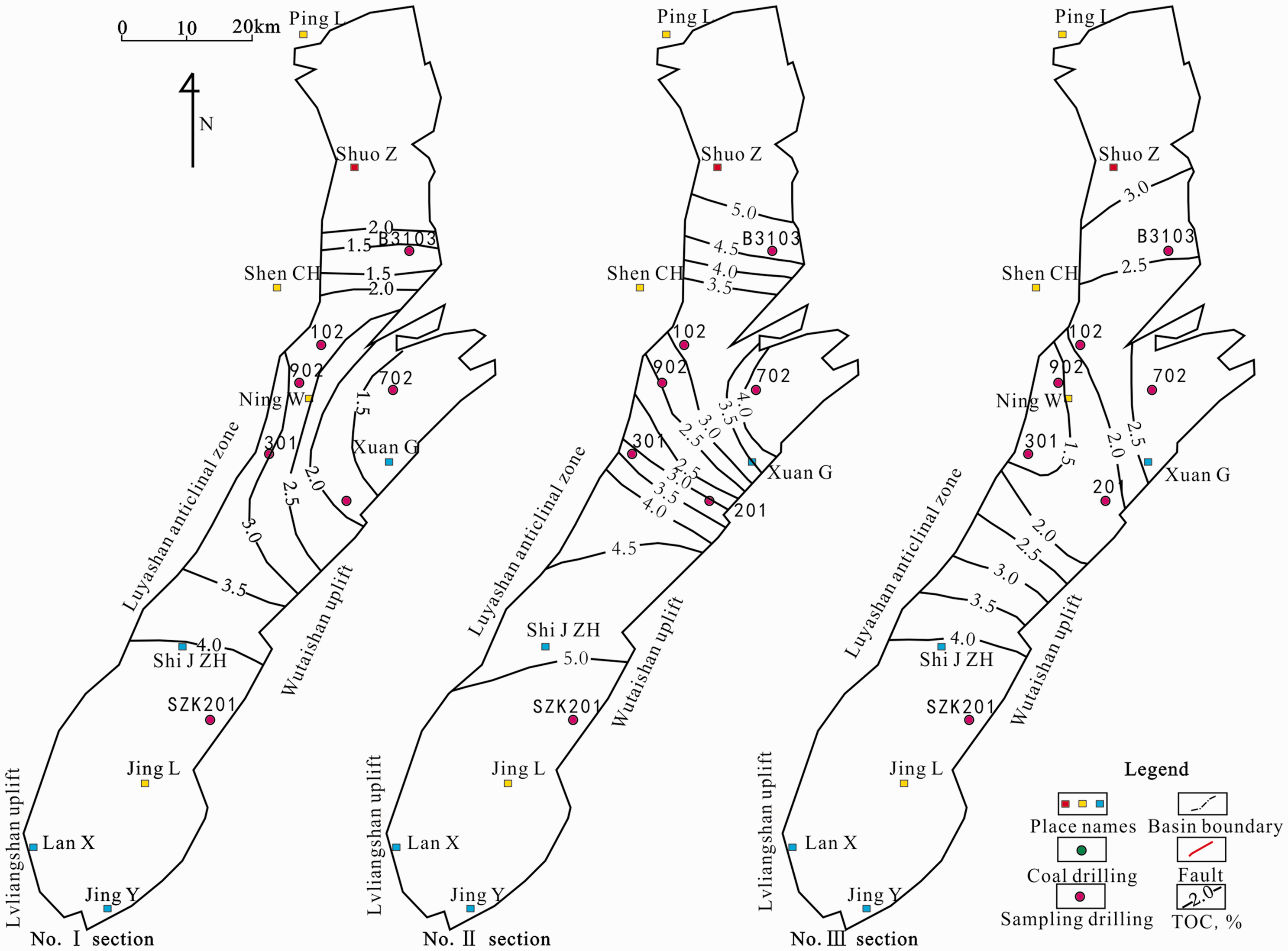
Contour maps of lower Paleozoic mud shale TOC in Ningwu Basin. (a) Section 1, (b) section 2, and (c) section 3.
The hydrocarbon generation potential (S1+S2) of 50 samples from the three shales were all relatively good, and there was a positive correlation between S1+S2 and TOC content in all three layers. The S1+S2 value of section 2 was over 5.0 mg/g, indicating that it was a good source rock layer (Table 1). A comparison with other marine shale TOC contents (Curtis, 2002; Martini et al., 2003), including the Sichuan Basin Lower Paleozoic marine, lacustrine shale, and the Ordos Basin Mesozoic continental shale (Li et al., 2013; Li et al., 2013; Wang et al., 2014), showed that the TOC values of the transitional facies shale in our study area were medium-high.
Hydrocarbon potential values of lower Paleozoic shales in Ningwu Basin.

Organic matter type
Using the whole rock organic petrological analysis method, 50 samples were selected for kerogen microanalysis in the northern part (Majialiang) and southern part of Ningwu Basin (Table 2). The results showed that the shale kerogen microstructure in the three sections was predominantly vitrinite. The vitrinite content was 84.3–96.7%, with an average of 91.32%, in section 1, 84.3–96.7%, with an average of 87.07%, in section 2, and 84.3–96.7%, with an average of 87.87%, in section 3. Exinite and inertinite contents were very low; 84.3–96.7%, with an average of 4.13%, for exinite, and an average of 7.44% for inertinite. Sapropel contents were zero (Table 2). Thus, the organic matter in the Upper Paleozoic mudstone of Ningwu Basin is mainly type III, which belongs to humic kerogen and is conducive to generating natural gas and forming a shale gas reservoir.
Kerogen maceral analysis of lower Paleozoic mud shales in Ningwu Basin.
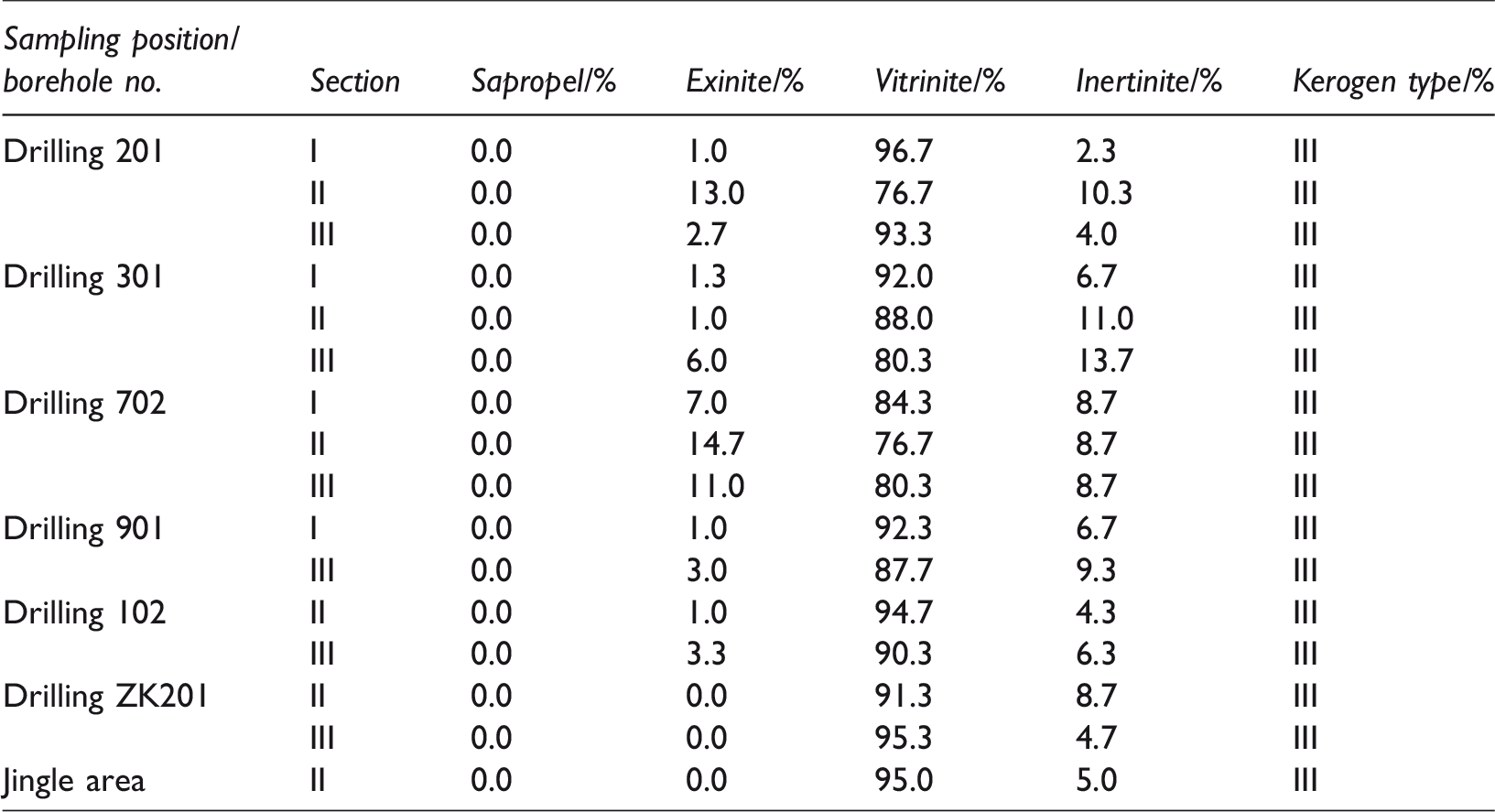
Organic matter maturity
Ten samples of Upper Paleozoic organic matter shale were selected for vitrinite reflectance (Ro) analysis. The Ro values of the three sections did not differ substantially; the range of values was 1.2–1.9%, with an average of 1.6% (Figure 7), indicating that organic matter was in the mature–high mature stage, with a strong ability to generate natural gas. The Ro contour map showed that the Ro values were lower in Pinglu and Shuocheng areas in the northern part of the basin, at approximately 1.3%, and highest in the Ningwu-Jingle area in the middle and south of the basin, with Ro values up to 2.2%. The higher thermal evolution of the latter area indicates the most favorable area for shale gas exploration. The degree of thermal evolution of source rocks in the Ningwu Basin is controlled by the depth of the mud shale and tectonic thermal events.
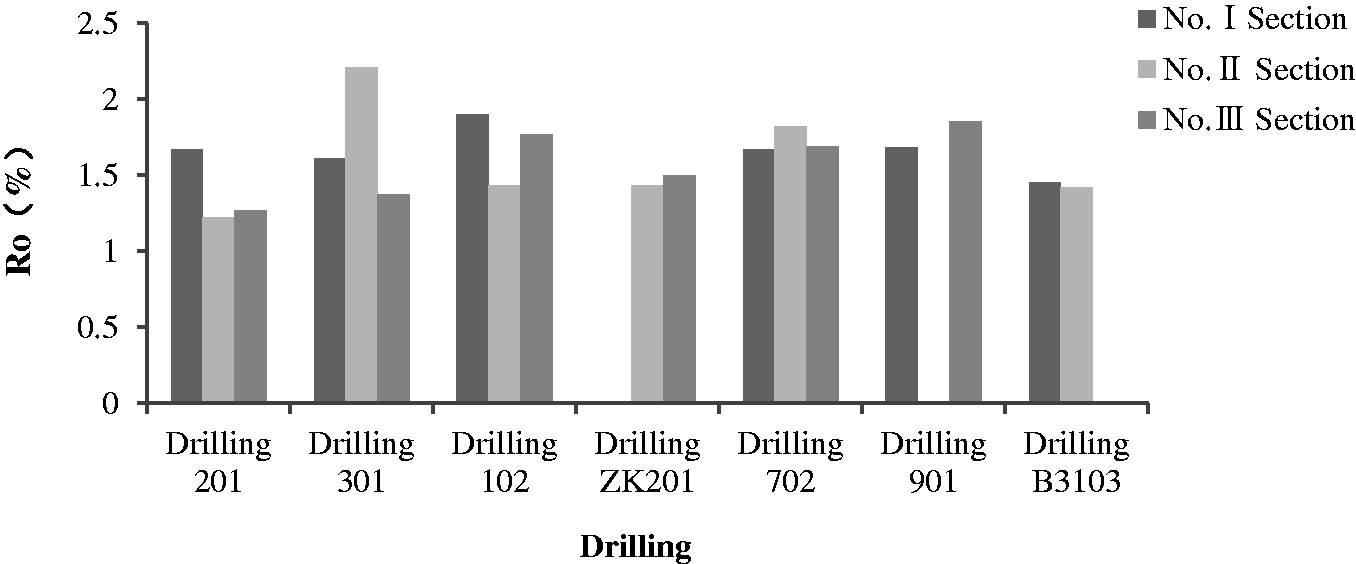
Vitrinite reflectance values of lower Paleozoic mud shale in Ningwu Basin.
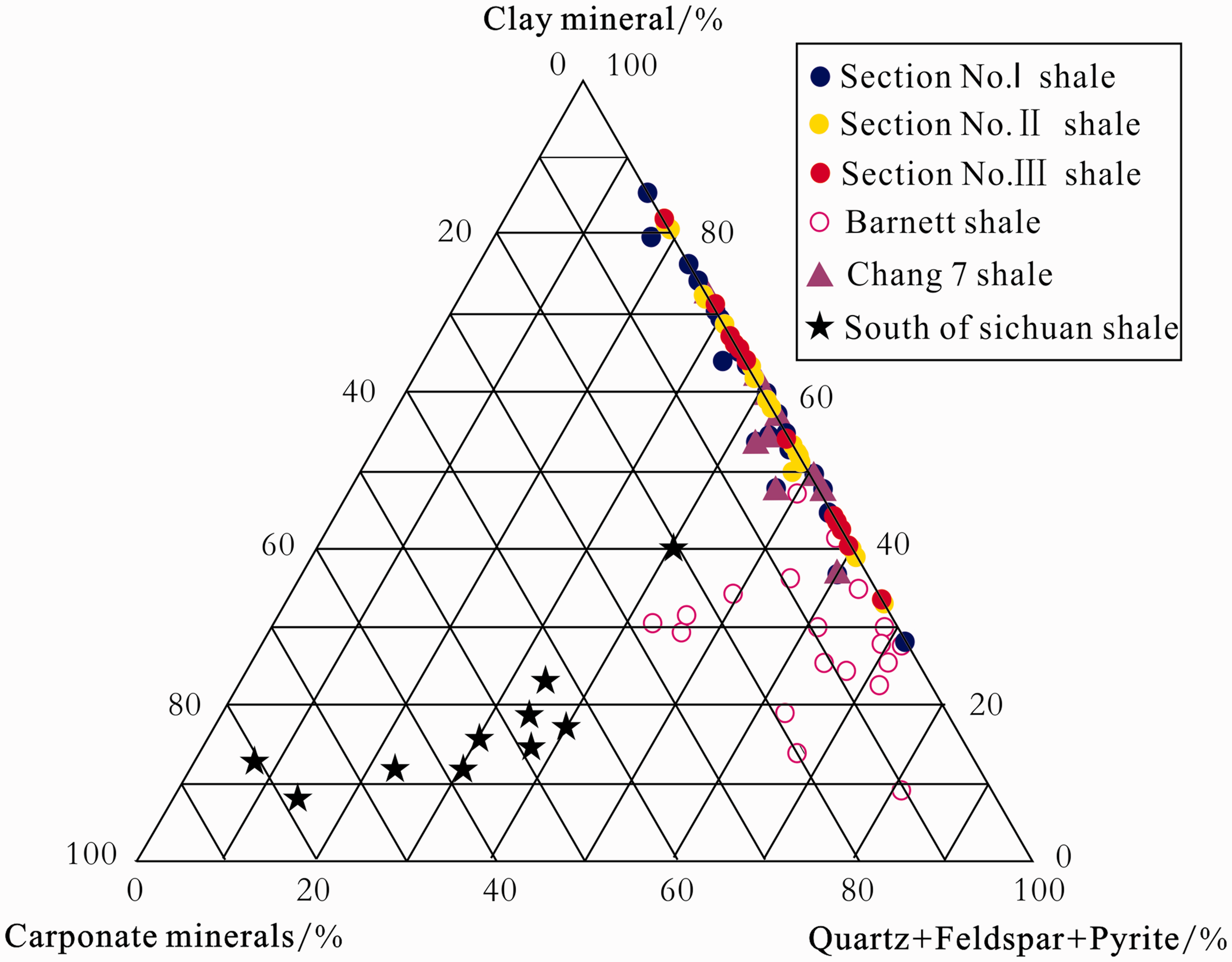
Comparison of shale mineral compositions from China and North America (Curtis, 2002; Li et al., 2013; Wang et al., 2014).
After the Upper Paleozoic strata were deposited, they experienced intense tectonic movement during the Hercynian, Indosinian, Yanshan, and Himalayan periods, which involved several periods of rapid burial and slow uplift, controlled by hypozonal metamorphism. There was inversion of tectonic belts in the eastern margin of the basin, and the northern margin displayed a parallel arrangement due to a ladder-like fault, resulting in generally lower Ro values. The western margin of the basin had a thrust fault structure, and the central and southern basin, located in the nucleus of the syncline, became conducive to the preservation of shale, with generally higher Ro values. The hydrocarbon generation potential (S1 + S2) of the Upper Paleozoic transitional facies shale indicates that an abundance of organic matter results in a more favorable source rock for potential gas generation.
Shale gas reservoir potentials
Mineral composition
X-ray diffraction whole rock mineral analysis and scanning electron microscopy of 57 drilling samples from the three shale sections showed that there were 10 dominant mineralogical compositions in the shale. In section 1, the main minerals included quartz (10.0–45.2%, average 27.6%) and clay (54.8–90.0%, average 71.1%, of which kaolinite constituted 57.0–97.6%, average 78.2%, and illite constituted 5.9–31.1%, average 18.1%), and the secondary minerals included calcite (8.1–5.1%, average 6.6%) and pyrite (1.3–3.6%, 1.72% average). In section 2, the main minerals included quartz (22.4–49.8%, average 31.3%) and clay (32.7–81.8%, average 56.7%, of which kaolinite constituted 76.0–89.9%, average 80.5%, and illite constituted 10.1–23.1%, average 19.9%), and the secondary minerals included calcite (3.4–26.8%, average 15.1%), dolomite (5.7–10.1%, average 7.22%), and pyrite (0.8–5.9%, average 2.86%). In section 3, the main minerals included quartz (42.8–54.6%, average 38.5%) and clay (42.6–70.0%, average 56.6%, of which kaolinite constituted 67.8–92.0%, average 81.3%, and illite constituted 8.0–30.1%, average 21.1%), and the secondary minerals included calcite dolomite (5.7–11.9%, average 8.8%) and pyrite (0.9–8.1%, average 3.17%).
By comparing the mineral composition of the three sections of Ningwu Basin shale with North American shale, southern China Paleozoic marine shale, and northern continental shale (Dong et al., 2011; Wang et al., 2014), we found that the quartz and other brittle mineral contents of Ningwu Basin Upper Paleozoic mud shale were lower than other shales, and the clay mineral content was higher (Figure 8).
Shale properties and microscopic pore characteristics
Mercury injection tests of 51 samples of the three Upper Paleozoic shale sections indicated shale porosity of 0.52–13.86%, with an average of 3.10%. The total pore volume was 0.002–0.0618 mL/g, with an average of 0.013 mL/g (Figures 9 and 10). In section 1, the porosity was 1.26–5.99%, with an average of 3.09%, and the total pore volume was 0.0043–0.0235 mL/g, with an average of 0.0124 mL/g. In section 2, the porosity was 0.59–13.85%, with an average of 3.26%, and the total pore volume was 0.002–0.0618 mL/g, with an average of 0.0134 mL/g. In section 3, the porosity was 0.69–8.81%, with an average of 2.88%, and the total pore volume was 0.0025–0.0339 mL/g, with an average of 0.0116 mL/g. In general, the porosity and total pore specific surface area of the three sections were smaller than those of other domestic marine and continental shales, which might be related to their general characteristics of low porosity and low permeability coal strata (Jing et al., 2004). The porosity of typical marine gas shales in the United States is generally higher than 4% (Curtis, 2002). However, the average porosity of the three Upper Paleozoic sections in the Ningwu Basin was less than 3.5%, indicating relatively poor free gas reservoir conditions. However, porosity values do exceed the lower limit of 2%, indicative of a favorable transitional facies shale gas area.
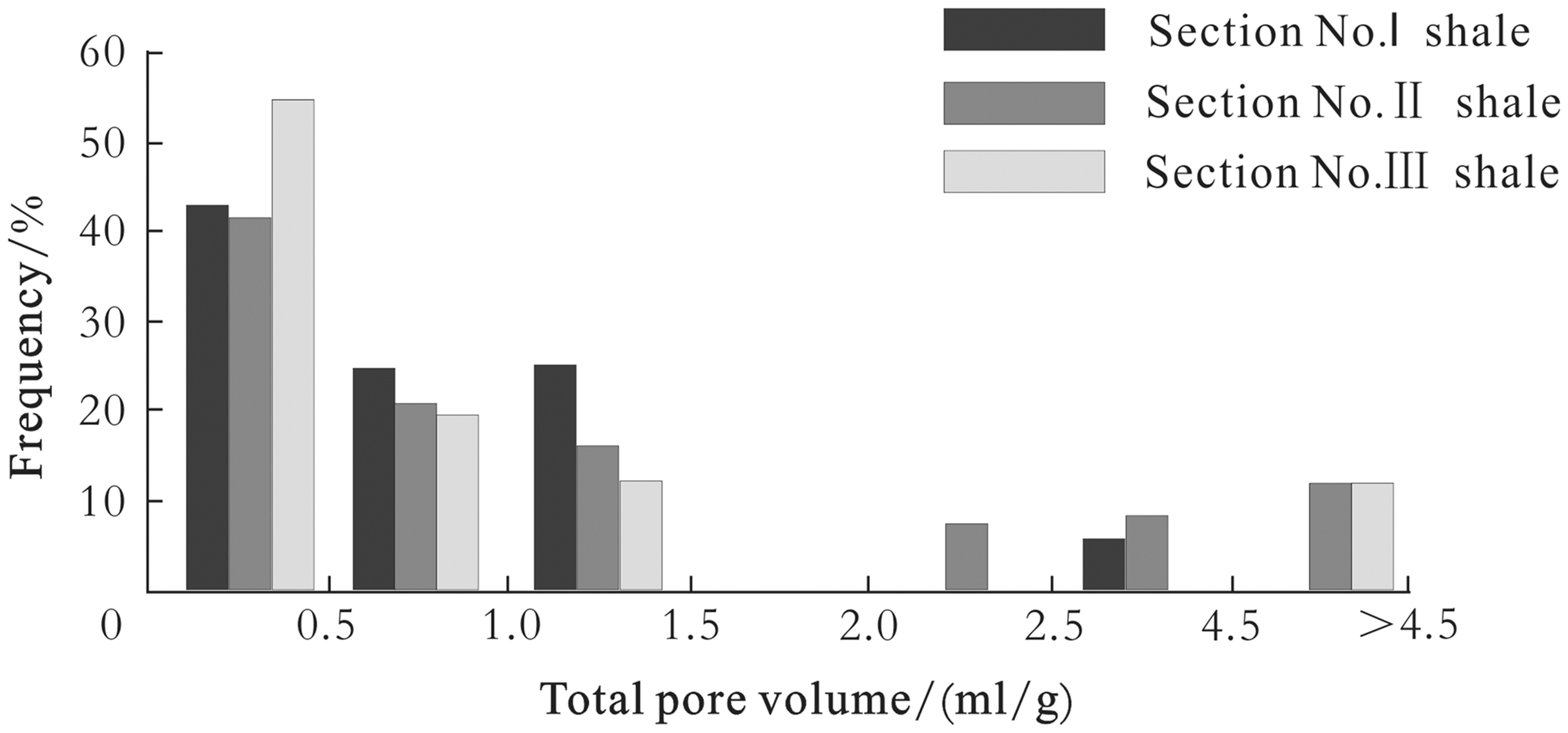
Average porosity distribution of lower Paleozoic shales in Ningwu Basin.
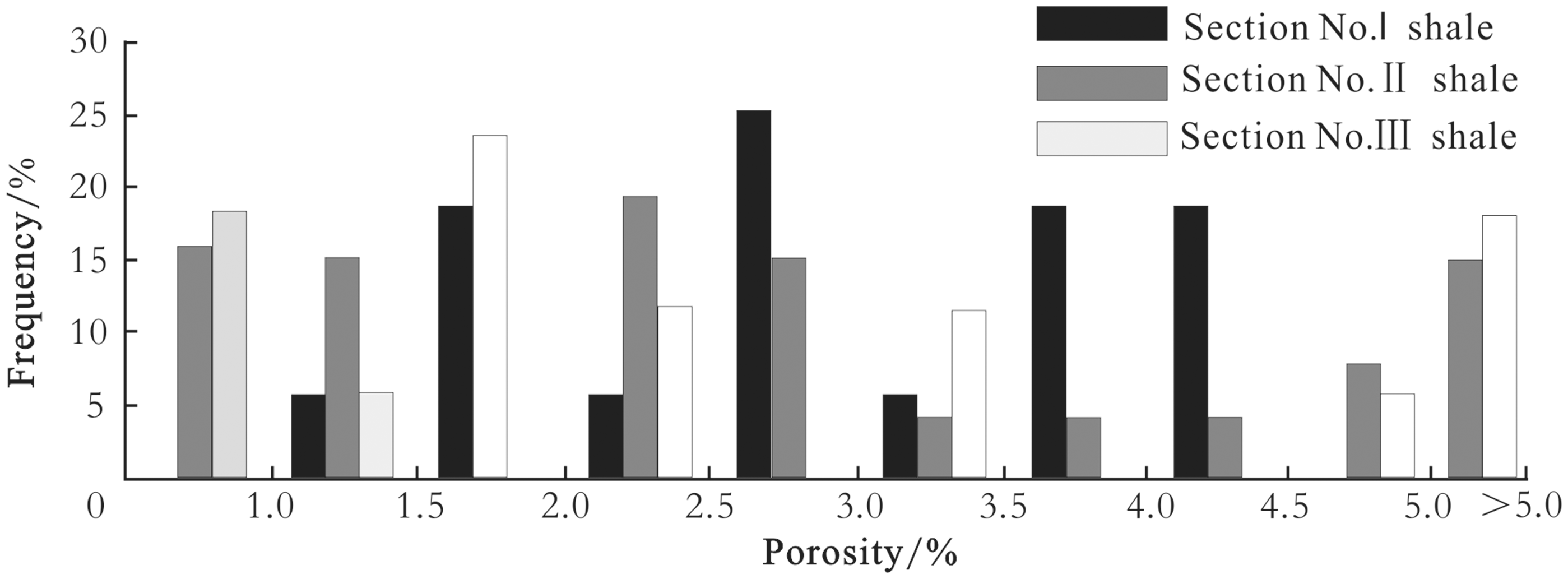
Total pore area distribution of lower Paleozoic shales in Ningwu Basin.
Reservoir type and characteristics are important for determining the scale and capacity of oil and gas resources, which is a key indicator of oil and gas reservoir economy (He et al., 2016). Based on observations of the Upper Paleozoic mudstone using argon ion polishing and scanning electron microscopy, the dominant pore types are organic pores, inter-particle pores, intra-particle pores, and inter-crystal pores (Figure 11). The pore size of organic pores was 1–10 µm, and nanometer-scale pores were dominant. The pores were triangular, elliptical, and irregular strip shapes (Figure 11(a)). Inter-particle pores were triangular, long strip, and irregular shapes, and pore diameters were in the range of 10–600 nm (Figure 11(b) and (c)). Intra-particle pores, which included mold holes in the clay particles, were predominantly nanoscale (Figure 11(d) and (e)). Pyrite inter-crystal pores were more developed, with lattice-like and slot-like shapes. Pore diameters were generally between 1 and 10 µm (Figure 11(f)). There were various types of shale reservoirs in the study area, some with more developed micro-nanometer pores and organic matter, which are more favorable for shale gas enrichment.
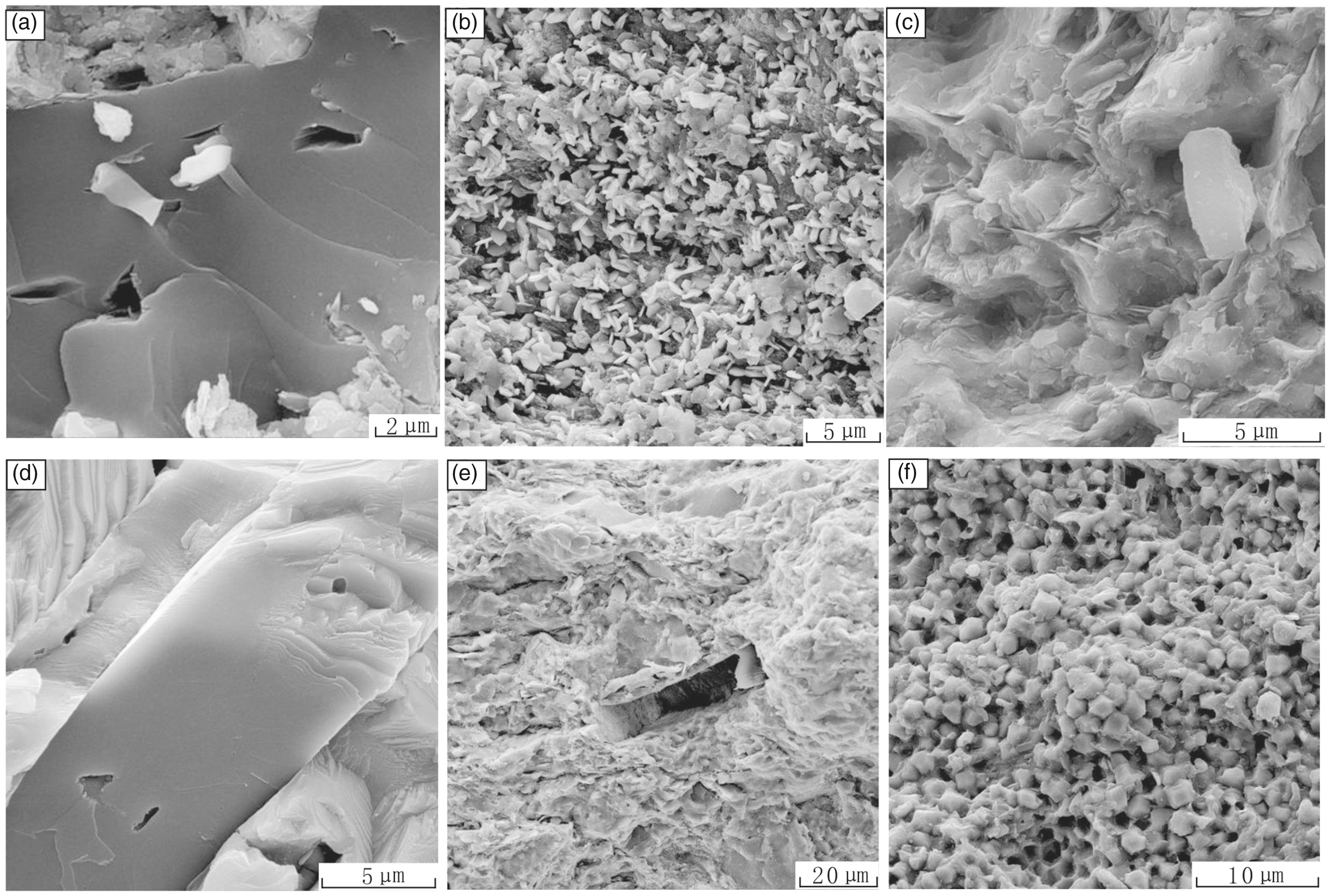
Microscopic pore scanning electron microscopy of lower Paleozoic shales in Ningwu Basin. (a) Organic pore in section 3, Nan G F 901; (b) intergranular pores in section 1, Nan G F 901; (c) clay mineral intergranular pore in section 1, Huai D 201; (d) calcite intragranular pore in section 3, Nan G F 901; (e) moldic pore in section 2, Ma J W 102; and (f) pyrite intergranular pore in section 1, Nan G F 901.
Shale gas-bearing and resource potential
Total gas content
Gas content is the most important indicator for evaluating the gas-bearing potential of shale. In this study, we mainly used adsorption isothermal experiments, theoretical formulas, and analogue methods to calculate the total gas content (total gas content = adsorbed gas + free gas). Results of the adsorption isothermal experiment showed that the gas content of the three Upper Paleozoic shales was between 0.09 and 0.59 m3/t, with an average of 0.28 m3/t (Figure 12). The sections showed almost no difference in depth, temperature, and pressure; therefore, the average adsorbed gas content value was applied to all three mud shale sections.
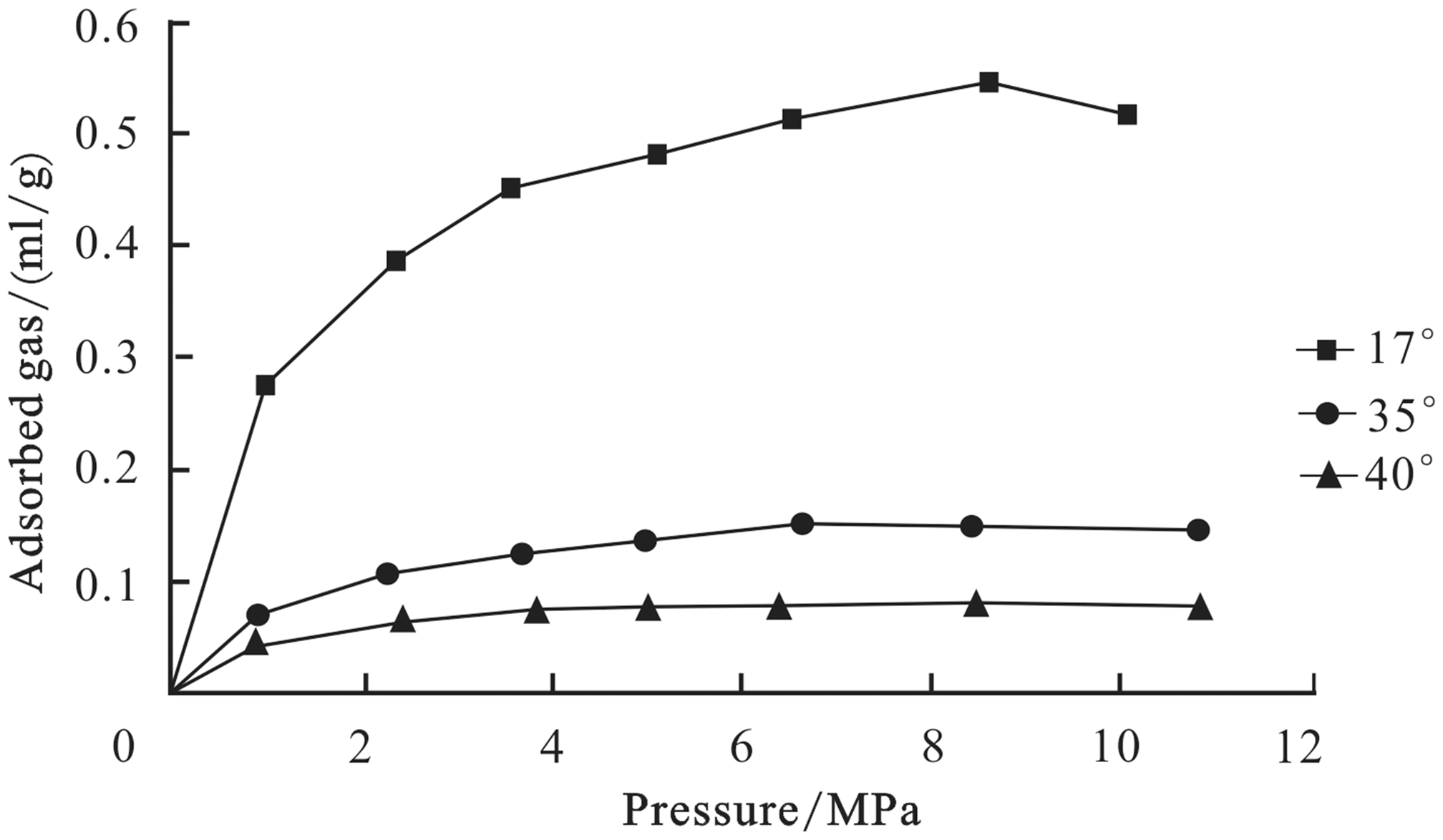
Isothermal adsorption of section 2 shale at different temperatures.
Free gas was mainly present in the pores and cracks of the shale. The free gas content was calculated from the in-situ temperature, pressure, and pore volume of the shale reservoir using the ideal gas equation of state (PV = nRT). Under ideal conditions, the free gas content was 0.55–1.87 m3/t, with an average of 1.15 m3/t, in section 1, 0.36–1.24 m3/t, with an average of 0.76 m3/t, in section 2, and 0.44–1.52 m3/t, with an average of 0.93 m3/t, in section 3.
Resource potential
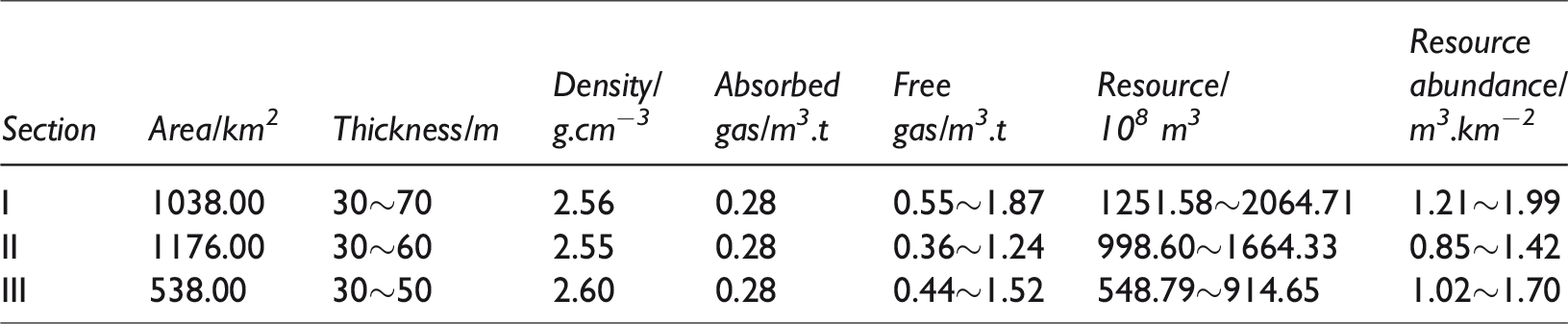
The probability volume method was used to filter and assign parameters, and to analyze, calculate, and characterize results (Zhang et al., 2012). Despite plentiful coal field drilling and geological data in Ningwu Basin, and a clear understanding of the Upper Paleozoic mud shale geological characteristics, the gas content data are only an estimate due to no construction of special shale gas exploration wells or on-site desorption tests. Thus, it was used with the probabilistic volume method to calculate shale gas resources, as follows

The thickness of the threes shale mud sections was 30–70 m, and the depth was over 1000 m. The TOC was over 2.0%, and the size of the favorable zone where Ro values were over 1.0% was approximately 2752 km2. Therefore, the shale gas resource in the favorable land area of the Ningwu Basin was approximately 2798.97 × 108–4643.09 × 108 m3, and the resource abundance was approximately 1.03–1.70 m3/km2 (Table 3).
Shale gas resource and gas content of Lower Paleozoic shales in Ningwu Basin.
Favorable shale gas areas
Preferred criteria for favorable transitional facies shale gas areas in Ningwu Basin.
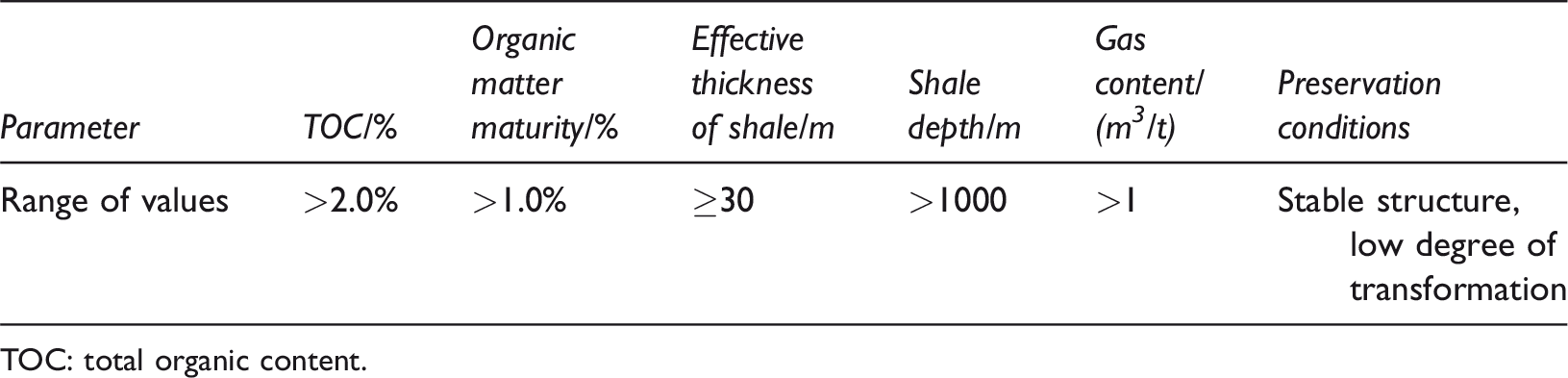
TOC: total organic content.
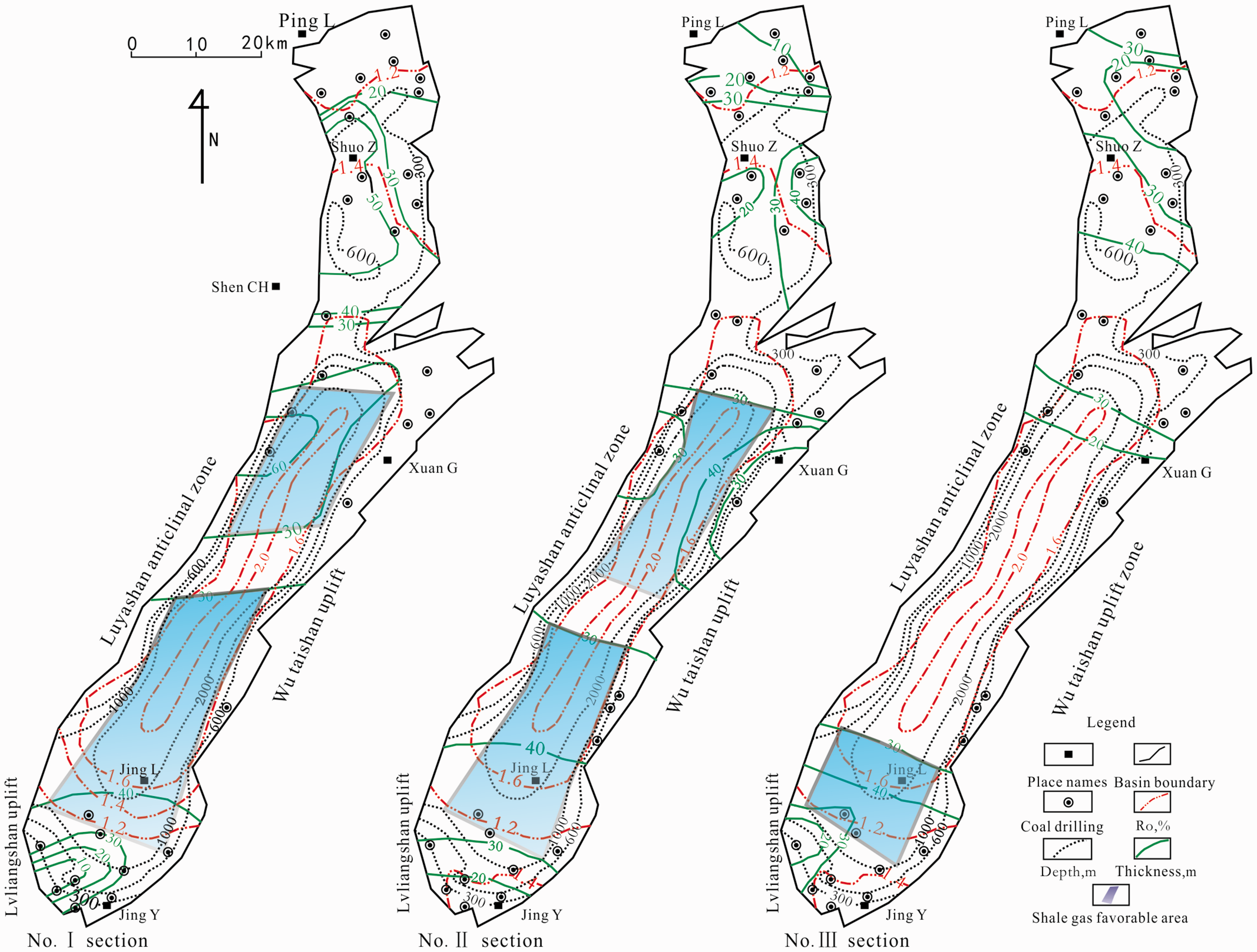
Analysis of shale gas enrichment areas in Ningwu Basin.
Conclusion and discussions
Analysis of the transitional facies organic mud shale in the Upper Paleozoic of Ningwu Basin showed a large accumulation thickness (30–70 m), a relatively high organic matter abundance (TOC> 2.0%), a highly mature degree of thermal evolution (Ro value between 1.2 and 1.9%), and the organic matter type was type III. The organic matter was in the gas window, indicating a large potential for the formation of shale gas. Although the shale quartz and other brittle mineral contents were relatively low (average 32.5%), micro–nano pores were comparatively well developed, the average porosity was 3.10%, and the gas content was high (0.73–1.82 m3/t). These characteristics are conducive to the formation and enrichment of shale gas. Based on our results, and using the probability volume method, the shale gas resource and resource abundance in favorable areas of the Ningwu Basin were approximately 2798.97 × 108–4643.09 × 108 m3 and 1.03–1.70 m3/km2, respectively. Six favorable Upper Paleozoic shale gas enrichment areas were delineated, including two areas in section 1, two areas in section 2, and one area in section 3.
Footnotes
Declaration of conflicting interests
The author(s) declared no potential conflicts of interest with respect to the research, authorship, and/or publication of this article.
Funding
The author(s) received no financial support for the research, authorship, and/or publication of this article.