




Abstract
Located in the Sichuan Basin, China, the Longgang gas field consists of three vertically developed petroleum systems with the Triassic Leikoupo Formation as a dividing interface. There is one marine petroleum system below the interface and one continental petroleum system above it. The marine petroleum system is composed of coal measures, the main source rock in the Longtan Formation, and marine reef reservoirs in the Changxing and Feixianguan formations. The continental petroleum system can also be subdivided into two sets. One is the Xujiahe petroleum system sourced from the Xujiahe coal measures in the Upper Triassic formation. The other is a Jurassic petroleum system that is sourced from Jurassic lacustrine black shales. The gas pools in the marine system contain H2S gas. The gases are very dry and the δ13C1 and δ13C2 values display less negative values with an average of −29.2 and −25.0‰, respectively. The gases are humic origin generated at highly to over mature stages from coal measures of the Longtan Formation. The natural gas in the continental petroleum system does not contain H2S. The natural gases from the Xujiahe petroleum system are mainly wet gases with a few dry gases, and belong to typical humic type sourced from coal measures of the Xujiahe Formation. All the gases from this Jurassic petroleum system are wet gases and the alkane gases show more negative carbon isotopic values typical of sapropels. These are derived from the lower Jurassic lacustrine black mudstone. The three sets of petroleum systems in the Longgang gas field are vertically well separated. Each system has its own source rock, and there are no gases from other sources despite multiple tectonic events in the past. The reservoirs had been in a relatively stable tectonic condition with excellent seals by cap rocks during the gas accumulation period.
Introduction
The Longgang gas field is located on the west side of the Kaijiang-Liangping trough in the northern part of Sichuan Basin, China (Figure 1). The main body of the gas field lies in margin belt of a carbonate platform. It is the largest reef gas field recently discovered in Central Sichuan Basin. Dominant reef gas reservoirs have been found in the Changxing (P3ch) and Feixianguan (T1f) formations. The gas field also contains the Triassic Xujiahe Formation (T3x) gas reservoir and oil and gas accumulation in the Jurassic (J) formation. Vertically, from top to bottom, the Longgang gas field has a well-developed lacustrine facies source rock in the Lower Jurassic, coal measures acting as terrestrial source rocks in the Xujiahe Formation in the Upper Triassic and coal measure source rocks of marine-continental transition facies in the Upper Permian Longtan. Each hydrocarbon source rock has a corresponding reservoir and cap assemblage, thus the Longgang gas field consists of distinct, horizontally overlapping sets of petroleum systems.
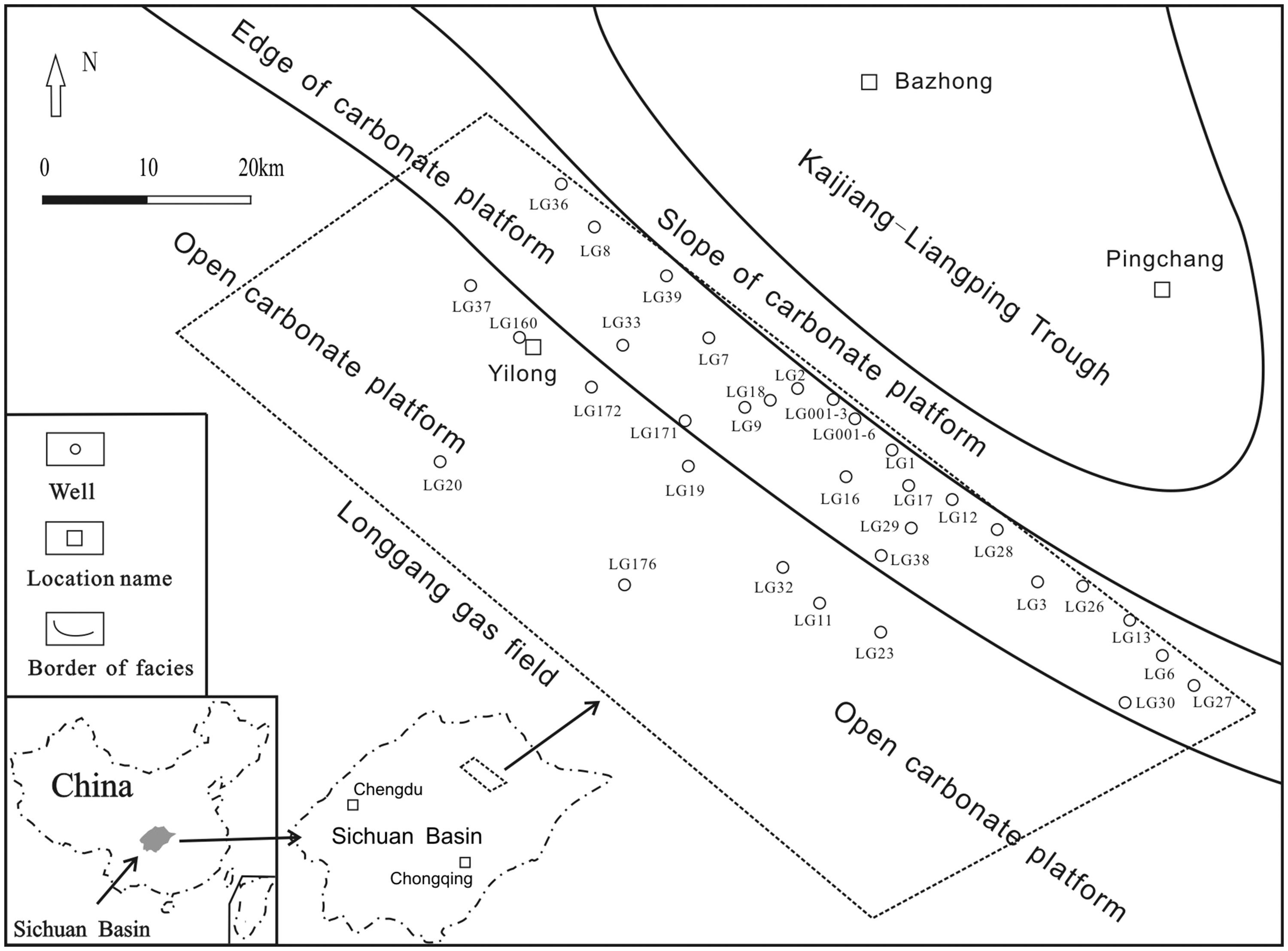
Location of the Longgang gas field.
Due to various types of organic matter and evolution of source rocks, the geochemical characteristics of natural gases generated by different source rocks vary significantly. There has been no comprehensive study of the geochemical characteristics of natural gases in different gas reservoirs in the Longgang gas field and hence they remain poorly understood. Whether the gases of each petroleum system come from a single source or mixed sources have been unclear. Is there any possibility that the gases in the Changxing-Feixianguan formations might originate from Silurian and Cambrian source rocks, as they are present in the Longgang area?
The Longgang gas field has undergone multi-stage tectonic movements (Liu et al., 2008, especially during the Himalaya movement which caused considerable uplift of the field. Some questions need to be answered for understanding how these tectonic movements affect the formation of gas reservoirs. For example, have the tectonic movements had an obviously destructive effect on the cap rocks? Were the preservation conditions of the gas reservoirs stable? Are the natural gases in different petroleum systems mixed?
To resolve these issues, a systematic study on geochemical characteristics of natural gas in each main reservoir has been carried out in order to provide information on the origin of natural gas and its accumulation to underpin future exploration in the region. This paper also compare geochemical characteristics of natural gases in the Longgang gas field with gases from Silurian and Cambrian source rocks in the Sichuan Basin. The origin of gases in Longgang gas field and the preservation conditions for each gas pool were also analysed. We have constructed an inventory of petroleum systems in the Longgang gas field based on the geochemical data.
Geological background
Stratigraphy
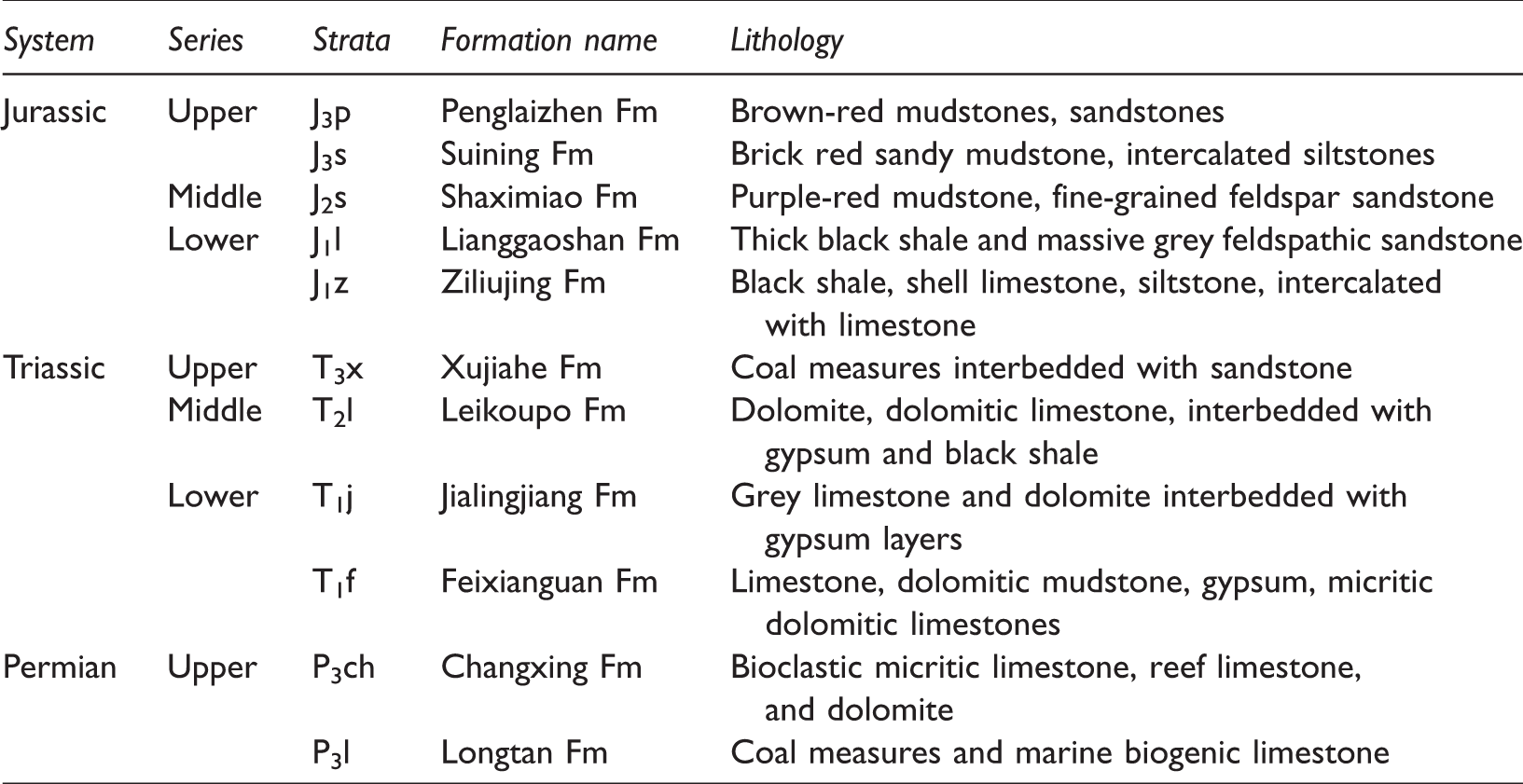
The strata in the Longgang gas field are Jurassic, Triassic and Upper Permian (Table 1, Figure 2).
Stratigraphy in the Longgang gas field.
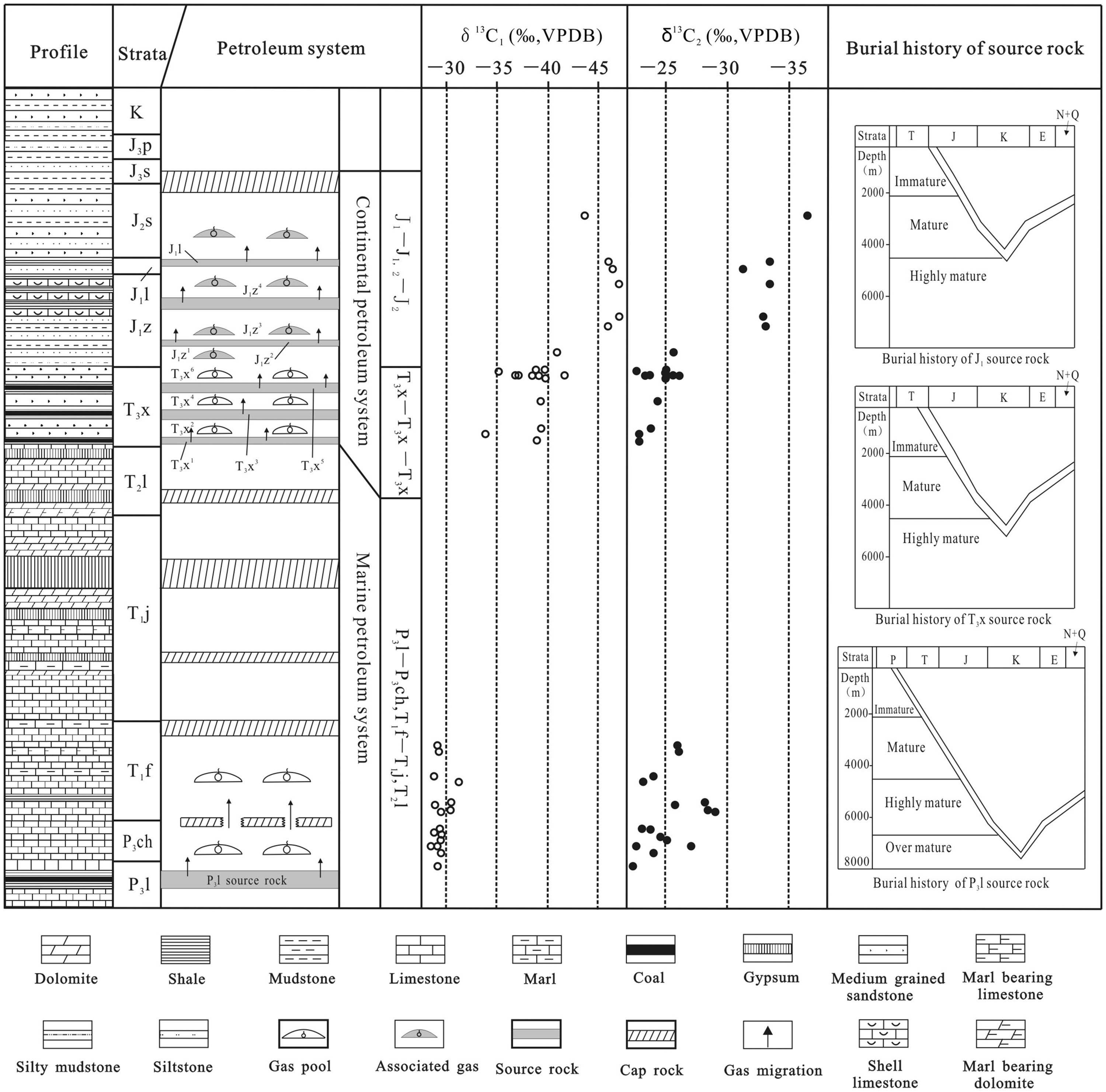
Division of the petroleum system in the Longgang gas field.
The Ziliujing Formation (J1z) is composed of the Daanzhai (J1z4), Ma'anshan (J1z3), Dongyuemiao (J1z2) and Zhenzhuchong sections (J1z1) from top to bottom (Figure 2). It’s widespread throughout central Sichuan Basin. The black shale within the formation is not only a high-quality hydrocarbon source rock but also a high quality cap for gas reservoirs beneath it (Chen et al., 2005; Liang et al., 2011).
The Xujiahe Formation comprises T3x1 to T3x6 sections upwards, among which the T3x1, T3x3 and T3x5 are coal measures, and mainly gas-generating source rocks. The T3x2, T3x4 and T3x6 are mainly sandstone (Yang et al., 2005; Li et al., 2010), and acted as reservoirs (Figure 2).
The Changxing and Feixianguan formations are regionally important reservoirs. The Longtan Formation is an important regional source rock. It consists of mainly coal measures and marine biogenic limestone formed under a marine-continental transition facies. Oil and gas display has been widely discovered in coal measures of Longtan Formation in Southern China (Dai, 1979).
Tectonic history
The Longgang gas field has experienced effects of four tectonic movements including Dongwu, Indosinian, Yanshan and Himalaya movement (Wang et al., 2002).
The Dongwu movement caused the Yangtze paraplatform to uplift following early Permian sedimentation. Beginning in the early stages of the Late Permian, the Yangtze paraplatform experienced local extensional movement, resulting in the formation of the Kaijiang-Liangping trough during the Changxing period. At the end of the Feixianguan period, fault activities stopped. The extensional movement made important differentiation on lithofacies palaeogeography. The edge belt of the Kaijiang-Liangp trough was favourable for development of the Changxing margin reef and Feixianguan oolitic beach and dam, which laid a solid foundation for the formation of Changxing reef and Feixianguan oolitic beach reservoirs (He et al., 2011).
At the end of the Triassic, the early motion of the Indosinian movement made the Upper Yangtze platform rise above water as seawater withdrew and a large inland basin began to appear (Liu et al., 2008). The movement is an important period when the Sichuan Basin changed from a marine deposit into an inland lacustrine facies. The Sichuan Basin during the Early Jurassic was a stable sedimentary environment, forming a favourable hydrocarbon source rock. The Middle Jurassic is the main period for continental basin development with rapid deposition of fluvial plains and shallow lacustrine facies (Jiang et al., 2010).
The Late Jurassic saw the turbulent deposition of lacustrine and fluvial facies which were later folded and uplifted by the Himalaya movement reaching their current configuration (Tong, 2000). The Himalaya movement in the Central Sichuan is characterized by uplift, however, no large fault system was formed so that the gases in place were well preserved (He et al., 2011).
Samples and methods
Samples
Thirty-six gas samples collected from the Longgang gas field have been analysed. Samples from the Changxing Formation (P3ch) are Upper Permain in age, from the Feixianguan Formation (T1f) are lower Triassic, from the Xujiahe Formation (T3x) are Upper Triassic, from the Ziliujing Formation (J1z) are Lower Jurassic and from the Shaximiao Formation (J2s) are Middle Jurassic.
Gas samples were collected at the wellheads after drilling was completed using 1-L stainless steel cylinders with double valves. The cylinders were flushed at the wellheads for 5 minutes to remove air contamination. The gas pressure in the cylinders was between 2–4 MPa in general.
Methods
The samples were analysed in the laboratory of the Research Institute of Exploration and Development of Southwest Oil and Gas Branch Company, PetroChina.
Natural gas compositions were determined using an Agilent 6890N gas chromatograph (GC) with He and N2 as the carrier gases. Double thermal conductivity detectors (TCD) and a 30 m × 0.25 mm ×0.25 μm quartz capillary column were used. The inlet temperature was 150°C, and the TCD temperature was 200°C. The initial oven temperature was maintained at 40°C for 7.5 minutes isothermally, then rose from 40 to 90°C at 15°C/min, and finally rose from 90 to 180°C at 6°C/min.
The on-line analysis was conducted for the measurement of carbon isotopic compositions with a MAT 252 gas isotopic mass spectrometer. Natural gas samples were separated into methane, ethane, propane, butane and CO2 through the chromatographic column of an SRI 8610C GC, which were then transferred into the combustion furnace by carrier gas (He) and oxidized to CO2 by CuO at 850°C. All of the converted species were transferred by carrier gas (He) into mass spectra (MS) to measure the isotopic compositions. Dual inlet analysis was performed with international measurement standard of NBS-19 CO2 (δ13CVPDB = 1.95 ± 0.04‰, International Atomic Energy Agency, 1995), and the stable carbon isotopic values were reported in the δ notation in per mil (‰) relative to the Peedee belemnite standard (VPDB). Reproducibility and accuracy are estimated to be ±0.2‰ with respect to VPDB standard.
Results
Geochemical characteristics of natural gases in different gas reservoirs
Geochemical characteristics of natural gas in changxing-feixianguan reservoirs
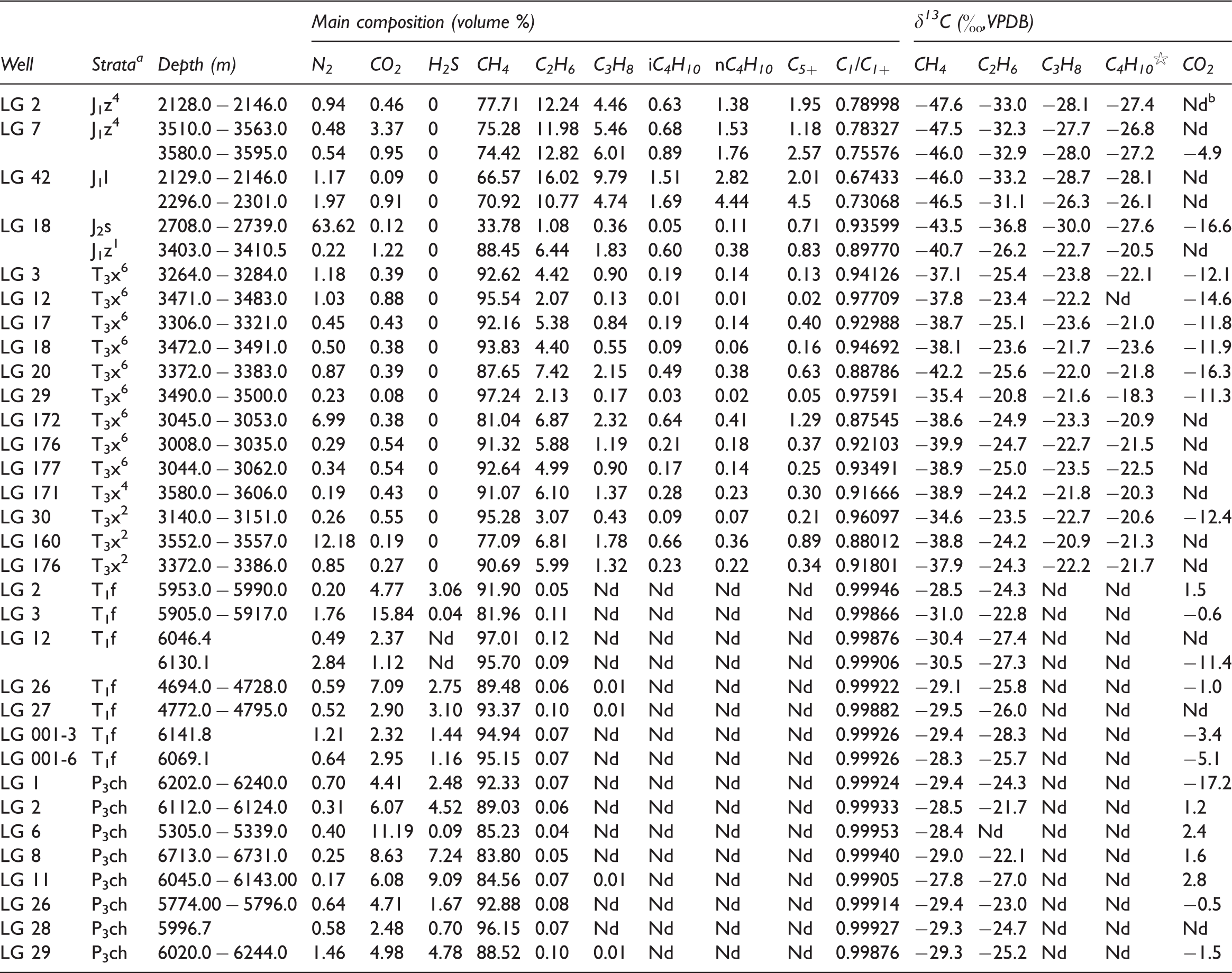
The geochemical characteristics of natural gases in Changxing and Feixianguan reservoirs are very similar (Table 2, Figures 3 and 4). The gases are mainly alkanes and consist mostly of methane. The content of ethane and other heavy hydrocarbons are very low with ethane lower than 0.10% by volume and propane almost undetectable. The gas dryness coefficient (C1/C1+) is very high with values approaching 1. The non-hydrocarbon gases are mainly N2 and CO2 averaging 0.80% and 5.49%, respectively. All the gas reservoirs contain H2S gas ranging from 0.04 to 9.1% by field test with an average of 3%.
Molecular and stable carbon isotopic values of natural gases in the Longgang gas field.
VPDB: Peedee belemnite.
J1l: Lianggaoshan Formation (Fm); J1z1: the first member of Ziliujing Fm (All other strata symbols are similar); J2s: Shaximiao Fm; T3x: Xujiahe Fm; T1f: Feixianguan Fm; P3ch: Changxing Fm.
Nd: not determined; ⋆ C4H10 is a sum of n-butane and i-butane.
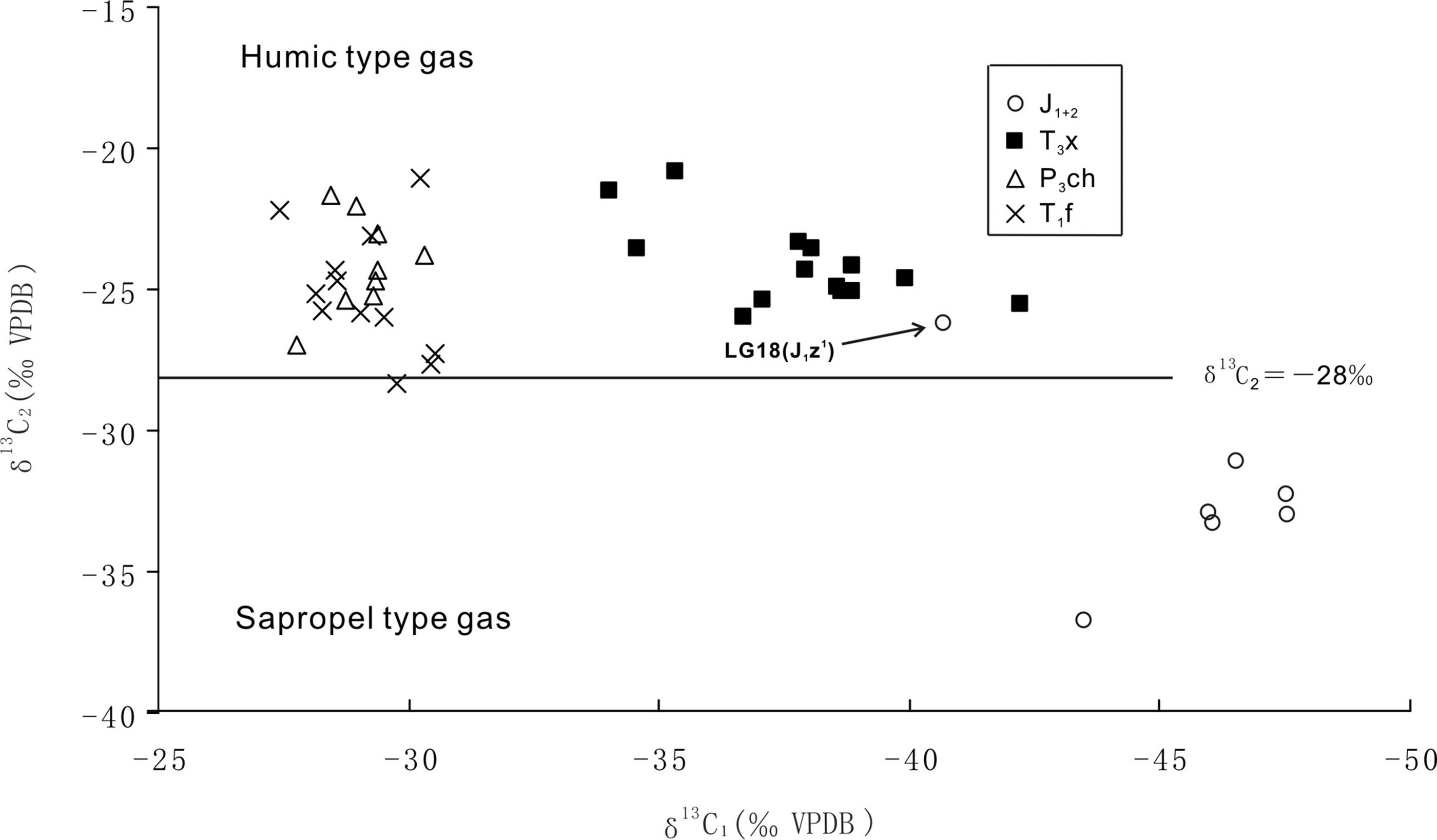
δ13C2 vs. δ13C1 values in natural gases from the Longgang gas field.
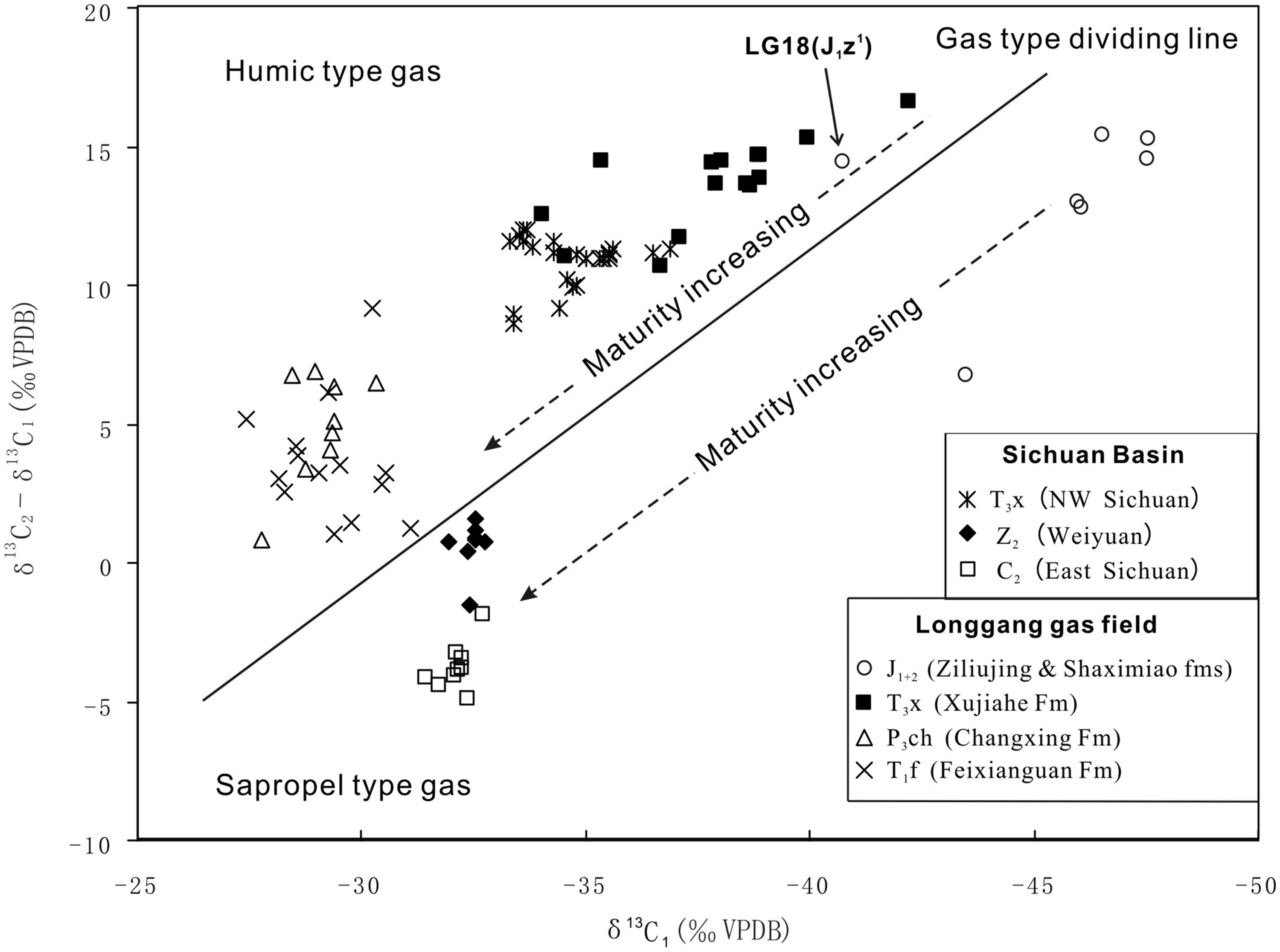
Genetic types of natural gases from different reservoirs of Longgang gas field.
Methane and ethane are enriched in 13C values averaging −29.2 and −25.0‰, respectively. The natural gas is from humic type organic matter according to the identification index (Dai, 1992a), that is the δ13C2 values less negative than −28.0‰ (Figure 3). The less negative δ13C1 values indicate a production at high maturity from source rocks (Dai, 1992b). The carbon isotope values of CO2 in wells Longgang 1 and 12 are more negative to −8‰. The rest of the samples are all less negative than −8‰. According to the discrimination indexes (Dai, 1992b), the CO2 in wells LG 1 and 12 is more likely of organogenic origin, the others are mainly from inorganic sources.
Geochemical characteristics of natural gas in the xujiahe formation
The dominant gas reservoir in the Xujiahe Formation is section T3x6. Some gases are also distributed in sections T3x2 and T3x4. The gas reservoirs contain small amounts of condensate. The gas consists mainly of hydrocarbons, with a small amount of non-hydrocarbon gases.
The hydrocarbon gases are dominated by methane, with the content ranging from 77.1 to 97.2% and averaging 90.6% by volume. The gas dryness coefficient ranges from 0.88 to 0.98 with an average of 0.93. Most samples are categorized as wet gas, with only a few being dry gases. The non-hydrocarbon gases are mainly CO2 and N2 and the reservoirs do not contain H2S. The N2 content is low, with the exception of samples from wells LG #172 and #160, which contain a higher N2 content. CO2 content ranges from 0.08 to 0.88%, with an average of 0.42% (Table 2).
The stable carbon isotopes of alkanes in the natural gases are less negative. The δ13C2 values are less negative than −28.0‰ indicates the alkane values are typical of humic type gases (Table 2, Figures 3 and 4). The carbon isotopes of CO2 range from −16.3 to −11.3‰, averaging −12.9‰. Since they are all more negative than −8 ‰, this suggests mainly an organogenic origin.
Some samples from the Xujiahe Formation show a carbon isotope reversal for the heavy hydrocarbons. For example, sample from the T3x6 from well LG #18 shows an isotope reversal for propane and butane. Gases from well LG #29 show carbon isotope reversal for ethane and propane. This phenomenon is very common and has been reported in previous studies (Burruss and Laughrey, 2010; Fuex, 1977; Stahl and Carey, 1975; Tilley et al., 2011; Xia and Tang, 2012; Xia et al., 2013; Zumberge et al., 2012). In China, this is often found in the Tarim Basin (Qin et al., 2005, 2007a), Sichuan Basin (Dai et al., 2014; Qin et al., 2007b), Songliao Basin and Junggar Basin (Dai et al., 2003). There are several interpretations for this phenomenon (Berner and Faber, 1988; Burruss and Laughrey, 2010; Coleman and Risatti, 1981; Dai et al., 2004). In the Xujiahe Formation, it is likely caused by multiple periods of hydrocarbon accumulation.
Geochemical characteristics of natural gas in jurassic reservoirs
The gas component is mainly hydrocarbons with small amounts of non-hydrocarbon gases. Hydrocarbons dominated by methane, with high content of heavy hydrocarbons. The gas dryness coefficient ranges from 0.67 to 0.94, averaging 0.80. Non-hydrocarbons are mainly CO2 and N2 with no H2S. The sample from the Shaximiao Formation in well LG #18 has a very high N2 content, up to 63.6% (Table 2).
All the alkanes are enriched in 12C, except the sample from J1z1 in well LG #18. According to the index proposed by Dai (1992a, 1992b), the gases belong to the typical sapropel type gas (Table 2, Figures 3 and 4). Only two samples were tested for CO2 isotope values. The isotope value for the J1z4 shell limestone (Limestone contents much shell) reservoir in the Ziliujing Formation in well LG #7 is −4.9‰. Since this is less negative than −8‰, the carbon isotope boundary for organic and inorganic genesis, the CO2 is inorganic. The δ13C value of CO2 from the Shaximiao Formation sandstone reservoir in well LG #18 is −16.6‰, more negative than −8‰ and is organogenic. In addition, the δ13C values of heavy hydrocarbons in J1z1 at the bottom of the Ziliujing Formation from well LG #18 are less negative than the other samples and falls within the humic type gas region in Figures 3 and 4. The gases are probably from nearby underlying Xujiahe Formation.
Discussion
Differences on geochemical characteristics of natural gases in longgang gas field
Differences in natural gas composition
The gas reservoirs in the Permian Changxing and the Lower Triassic Feixianguan formations all contain a certain amount of H2S with a relatively high content of inorganic CO2. Heavy hydrocarbons are not abundant. In the Triassic Xujiahe Formation and Jurassic reservoirs, the natural gas does not contain H2S. Most of the samples have very low CO2 and N2 contents. The C2+ content in Jurassic reservoir is much more than that in the Xujiahe Formation (Table 2).
Differences in alkane carbon isotope values
There are obvious differences between the carbon isotopic characteristics of different gas reservoirs in the Longgang gas field as shown by the carbon isotope correlation diagram in Figure 5. The carbon isotope values of methane and heavy hydrocarbons in the Jurassic gases are relatively more negative. The ethane carbon isotope values from Xujiahe Formation are similar to gases from the Changxing-Feixianguan formations, but methane carbon isotope values are obviously more negative than those in the Changxing-Feixianguan formations.
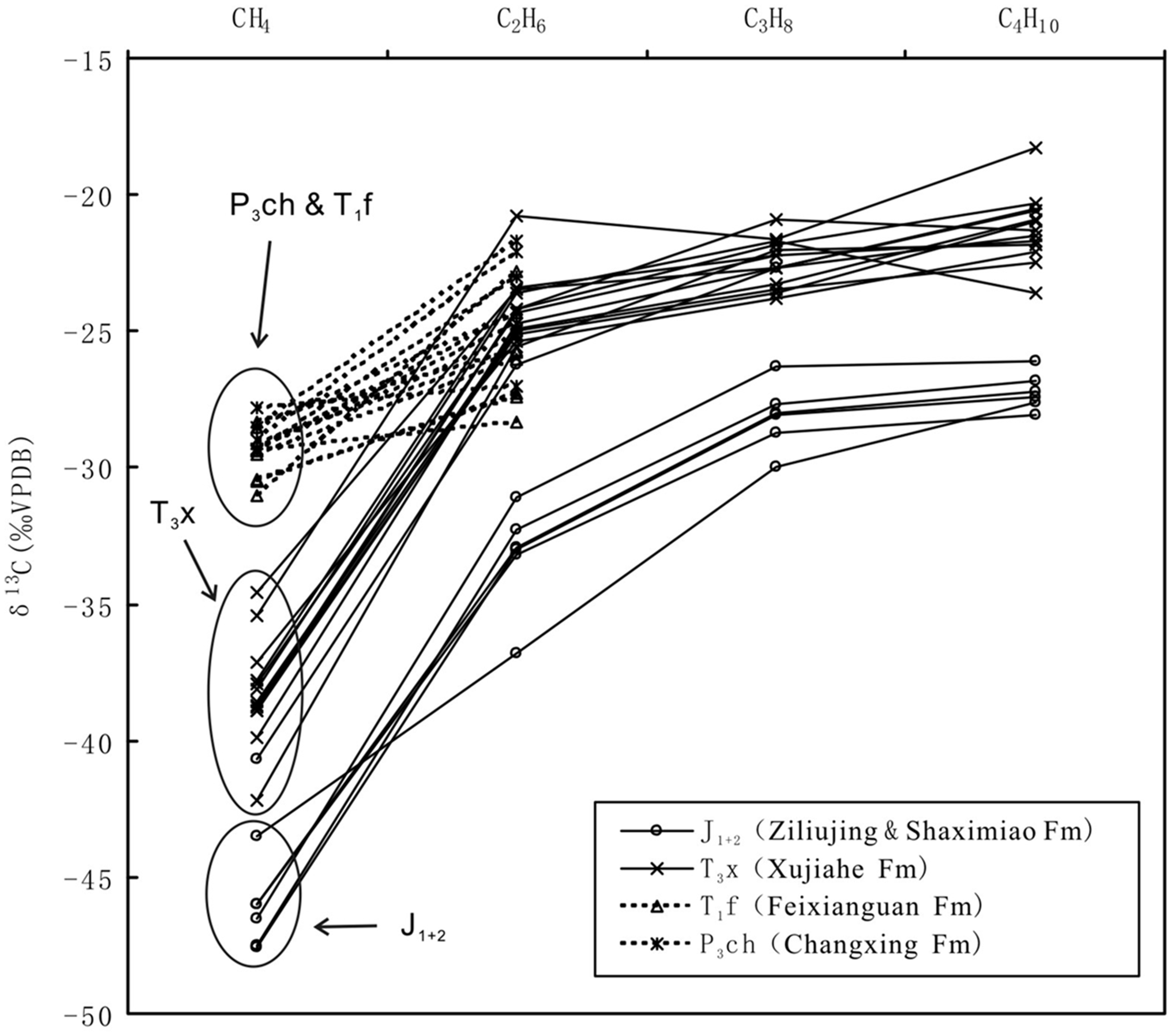
Correlation diagram of alkane carbon isotope composition in Longgang gas field.
As mentioned above, the P3ch and T1f reservoirs contain H2S. There was a potential that the second alteration, such as thermochemical sulfate reduction (TSR), might change the carbon isotopic compositions. Asphalt is widely distributed in P3ch and T1f reservoirs and represents residual organic matter from secondary oil cracking under high temperature by thermal decomposition. This demonstrates that the ancient reservoir has experienced high temperatures in its geological history, satisfying the conditions required for TSR (Cross et al., 2004; Krouse et al., 1988; Machel, 2001; Worden et al., 1995).
In China, H2S-containing gases often occur in carbonate reservoirs associated with gypsum and have many genetic origins including TSR and bacterial sulfate reduction (BSR) (Dai, 1985). Concerning the origin of H2S in P3ch and T1f reservoirs of the Longgang gas field, its forming condition is similar to the Puguang gas field in the same basin (Ma et al., 2007; Ma et al., 2008). Studies on the causes of H2S in the P3ch and T1f reservoirs in the East and Northeast Sichuan Basin have been carried out by many researchers. Most of them suggested that the H2S was generated by the TSR, and the isotopic value of associated methane would certainly become less negative (Cai et al., 2012, 2013; Liu et al., 2013; Long et al., 2011). This paper does not intend to discuss more about the formation mechanism of the H2S; however, from the relationship between H2S content and δ13C1 value in the Longgang gas field, an obvious correlation between the two cannot be seen. In addition, the relationship between H2S content and δ13C2 value can’t be seen either (Table 1, Figure 6). Due to the very high dryness coefficient of natural gas and very low propane content in P3ch-T1f, no propane carbon isotope was detected.
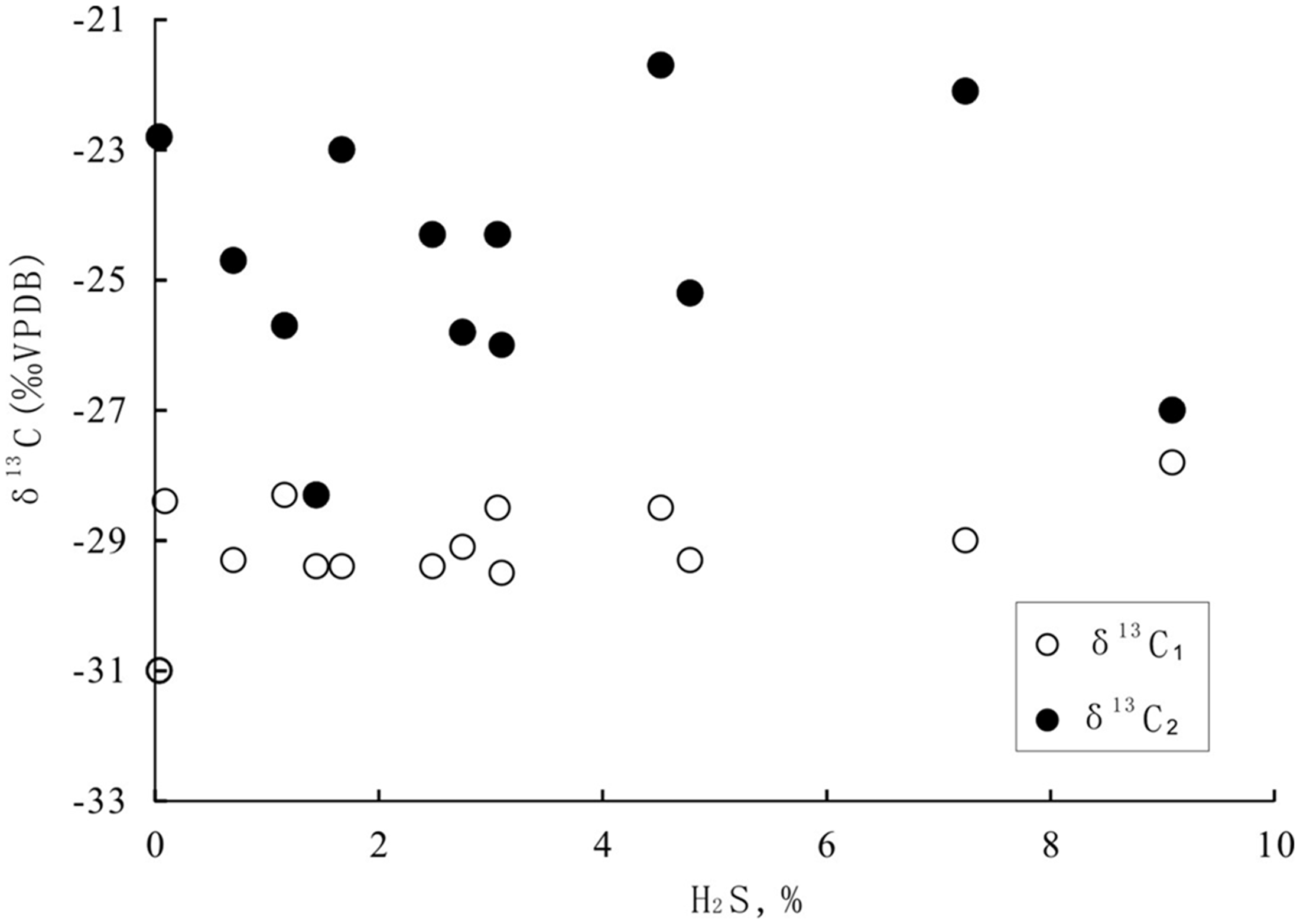
Relationships between H2S content and alkane carbon isotope composition in Longgang gas field.
The Longtan Formation source rock has been buried much deeper than the Xujiahe source rock. According to the depth in Table 1, the present depth of Xujiahe gas reservoir is about, 3008 ∼ 3606 m, and Changxing reservoir is, 5305 ∼ 6731 m. Below the Changxing Formation is Longtan Formation, the source rock that supply gases for Changing and Feixianguan reservoirs. The current drilling has not yet reached the Longtan Formation source rock. Therefore, the depth of the source rocks in Longtan Formation is buried deeper than that of Xujiahe Formation source rocks by at least 2500 m. Such burial difference is enough to make a significant difference in source rock maturity. Therefore, the different burial depths of the two sets of coal-bearing source rocks would certainly have generated isotopically different methane. It is proposed in this research that the less negative methane isotopic values in P3ch and T1f reservoirs were mainly caused by higher thermal maturity and maybe not by TSR.
Concerning the possibility that the more negative values of δ13C1 in Jurassic gases might be caused by biogenic source of C1 contribution to the J1l and J2s reservoirs, as it is believed that the source rocks for J1l and J2s reservoirs are sapropel type and had not been deeply buried. The evolution of the source rocks has not yet reached high maturity. Therefore, the more negative values of δ13C1 are most likely caused by lower evolution and good type of organic matter. However, we cannot exclude the possibility that remained biogenic gas was generated in earlier time and contributed to the J1l and J2s reservoirs.
Origin of natural gases in the gas reservoirs
The samples from different gas reservoirs in the Longgang gas field are clearly differentiated from each other as shown in Figures 3 and 4 implying origins from different source rocks, and that the gas pools are independent from each other. Current research suggests that the Longgang gas field has been developed from three major sets of hydrocarbon source rocks. From bottom to top, these source rocks are: the coal measures of the Upper Permian Longtan Formation, coal measures of the Upper Triassic Xujiahe Formation and the black shales in the Lower Jurassic Ziliujing and Lianggaoshan formations.
Within the Sichuan Basin, two typical coal-forming periods can be recognized producing the Longtan and Xujiahe coal measures, corresponding to the major coal-forming periods in south China (Mao and Xu, 1999). Exploration in the Longgang area has confirmed the existence of Xujiahe coal measures. However, the Longtan coal measures have not been reached by drilling due to their deep burial depth. Within the regional coal-accumulating environment, the Longtan coal series is present in Longgang area (Mao and Xu, 1999). The carbon isotope signature of methane in the Changxing-Feixianguan formations is less negative, suggesting a high maturity of their source rocks. The less negative carbon isotope values of ethane indicate that the natural gas was derived from humic type organic matter.
The Longtan Formation in the Longgang area is buried to great depth and its source rock is over mature (Figure 2). It is suggested that the gases from the Changxing-Feixianguan formations of the Longgang gas field are mainly derived from the Longtan coal-bearing source rocks. Studies have also shown that gases in the Changxing-Feixianguan formations in the Puguang gas field are originated from the coal measures of the Longtan Formation (Hao et al., 2008).
The Longgang area contains Silurian and Cambrian marine hydrocarbon source rocks. Abundant marine shale gas resources have been found in other parts of the basin in these source rocks (Sun et al., 2017; Wang et al., 2017; Zhang et al., 2017). It is possible that the gases in the Changxing-Feixianguan formations may come from these intervals. However, when comparing the carbon isotope values of gases from the Changxing-Feixianguan formations in the Longgang gas field with the gases from the Cambrian source rocks from Weiyuan gas field and the gases in Carboniferous reservoirs from the Silurian source rock in Eastern Sichuan Basin, there is a clear difference between these gases (Figure 7).
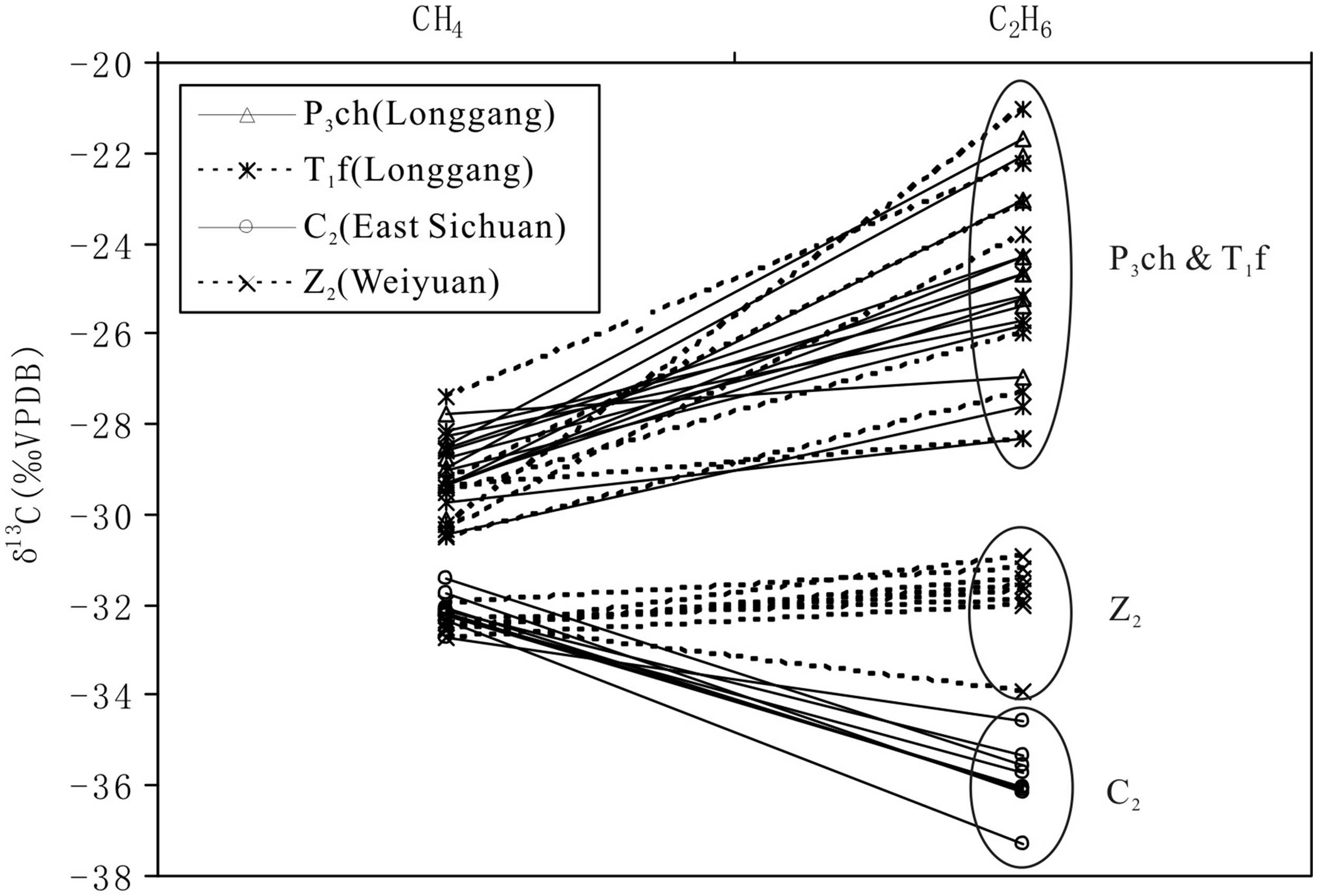
Comparison of carbon isotope compositions of alkane series between the gases from Changxing-Feixianguan formations in Longgang field with Sinian (Z2) and Carboniferous (C2) gases (Data for the Sinian and Carboniferous gases are from Xu et al., 1989; Dai et al., 2003, 2013).
The sandstone reservoirs and coal measures in the Xujiahe Formation are interbedded. Therefore, the Xujiahe reservoir can readily capture the natural gas generated from coal measures in the adjacent layers. In large areas in the middle of the Sichuan Basin, the hydrocarbon source rock in the Xujiahe Formation is at a mature or highly mature stage (Xie et al., 2008; Zhao et al., 2010, 2011). The carbon isotope values of methane in natural gas are consistent with the maturity of their presumed source rocks. The carbon isotope values of non-methane hydrocarbons are less negative, reflecting the characteristics of a typical humic type gas. The gas reservoirs belong to the self-generating and self-preserving type.
Petroleum in the Jurassic formations mainly occurs in the Lower Jurassic Ziliujing and Lianggaoshan formations and Middle Jurassic Shaximiao Formation. These reservoirs contain dominantly oil with a small amount of associated gas. The gas component and carbon isotope values in each reservoir are similar, and belong to the same genetic type.
The gas from Jurassic reservoirs is a typical sapropel type gas with more negative carbon isotope values for methane, ethane and other heavy hydrocarbons.
The Jurassic formation itself in the Central Sichuan Basin develops a multi-layered high-quality source rocks. Lianggaoshan and Ziliujing formations in the Lower Jurassic formation are mainly composed of a series of deep lacustrine and semi-deep lacustrine facies sediments. The black shale and shell limestone are well developed with rich organic matter (Jiang et al., 2010). The average TOC values in deep and semi-deep lacustrine facies are 1.27 and 0.92% by weight, respectively, with highest values up to 16.4% (Du et al., 2005; Liang et al., 2011). The thickness of effective hydrocarbon source rock ranges from 12 to 132 m with an average of 45 m. Examination of macerals, kerogen carbon isotopes and elemental analysis shows that the organic matter is mainly sapropel type, with Ro values between 0.7 and 1.12% (Chen et al., 2005). The maturity measurement shows that the source rocks are at the peak of oil generation with some associated gas (Du et al., 2005; Liang et al., 2011). The type of organic matter of Jurassic source rocks is superior to its underlying Triassic coal measure source rocks, and it is more likely to generate oil than gas. The evolution of source rocks is also relatively lower than Triassic source rocks. The gas in Jurassic reservoirs has more heavy hydrocarbon content and more negative carbon isotopic values.
In view of the geochemical characteristics of natural gas in Longgang gas field, the geochemical characteristics of natural gas in different reservoirs are obviously different, which show that each gas reservoir has a good condition of preservation. Gases are rarely mixed vertically among different reservoirs. Moreover, the tectonic movement in the central part of Sichuan Basin caused the overall uplift of the central Sichuan Basin without generating a large-scale fracture system, so that the sealing system between different gas reservoirs in the gas field was not damaged.
Identification of the combination of petroleum systems and reservoirs
Petroleum systems
During its development, the Sichuan Basin has experienced a cratonic depression stage in the Early Paleozoic and a cratonic rift stage from the Late Paleozoic to Early Triassic. The coal-bearing source rock formed in marine-continental transitional facies in the Longtan Formation of Upper Permain during that period. Starting from the Late Triassic, the Sichuan Basin began to accumulate continental sediments. Xujiahe coal-bearing source rocks in Upper Triassic and lacustrine black shale source rocks in the Ziliujing and Lianggaoshan formations of Lower Jurassic were formed. Considering the type of hydrocarbon source rocks, the geochemical characteristics of the gases and designating the top surface of the Leikoupo Formation of Triassic as the boundary, the Longgang gas field can be divided into marine and continental petroleum systems (Figure 2).
Also, in terms of the main source rocks, the continental petroleum system can be sub-divided into two systems: Triassic coal-bearing strata and Jurassic black shales.
Combination of different reservoirs and petroleum systems
Marine petroleum systems
The marine petroleum system of the Longgang gas field consists of the Longtan coal-bearing strata of Upper Permian as source rocks, the dolomite in the Changxing Formation of Upper Permian and Feixianguan Formatin of Lower Triassic as reservoirs, the gypsum in Jialingjiang Formation of Lower Triassic as cap rocks, giving rise to a P3l (source rock) – (P3ch, T1f) (reservoirs) – T1j (cap rock) petroleum system. The accumulation model is that the reservoir is above the source rock. The coal measures and mudstone in the Upper Permian are well developed in the Longgang area and hydrocarbon source rocks have reached a high or over mature stage (Yang et al., 2002). The reservoirs are mainly developed in the Changxing and Feixianguan formations. The lithology of the former is mainly a bioclastic shoal facies dolomite, the latter is a dissolved pore oolitic dolomite. Gypsum is well and stably developed in the Jialingjiang Formation, forming the high-quality cover layer for the Changxing Feixianguan gas reservoirs.
It is necessary to point out that, although the marine petroleum system contains coal-bearing strata as the hydrocarbon source rock, its depositional environment was marine-continental transitional facies. Also the main reservoirs and cap rocks of this system were both developed in marine environments. Therefore, it is classified as a marine petroleum system.
Continental petroleum systems
The continental petroleum systems in the Longgang gas field include a T3 - T3 - T3 system in which the source rocks are coal measures in the Upper Triassic formation and a J1 - J1, 2 - J2 system in which the source rock is a Jurassic lacustrine shale facies.
The T3 - T3 - T3 petroleum systems have T3x1, T3x3 and T3x5 as source rocks, T3x2, T3x4 and T3X6 as reservoirs, and coal measures as cap rocks. The gas accumulation model belongs to the self-generation and self-preserved type.
The source rock of the J1 - J1, 2 - J2 petroleum system is black shale developed in the Lianggaoshan and Ziliujing formations. Reservoirs include the Da’anzai shell limestone, Zhenzhuchong and Lianggaoshan sandstones in the Ziliujing Formation and sandstone in the Middle Jurassic Shaximiao Formation. The cap rock is mudstone deposited in the Middle Jurassic. The petroleum accumulation model is self-generation, self-preservation and deeper-generation with shallower-preservation patterns. This system mainly yields oil with some subsidiary gas.
Conclusions
The Longgang gas field in the Sichuan Basin, China has a well-developed set of three petroleum systems. Each petroleum system has a corresponding source rock, and is largely independent from other systems. There are obvious differences in gas geochemistry among three petroleum systems. Gases are rarely mixed vertically indicating good sealing abilities of cap rocks. Regional structural movements have had little effects on the gas pools. This has provided advantageous conditions for the preservation of the natural gases in place.
The gases in Changxing-Feixianguan reservoirs are dry gases containing H2S. The δ13C1 and δ13C2 values in the gas are less negative, which is consistent with gas generation from high or over mature coal measure source rock of the Longtan Formation.
The natural gas from the Xujiahe Formation does not contain H2S. The content of non-hydrocarbon gases such as N2 and CO2 is very low and the CO2 is mainly organogenic. Most samples are wet gas and the alkane gases have a less negative carbon isotope signature. The source rock is the Xujiahe coal measures and the gas generation has occurred at mature to high mature conditions.
The wet gases from the Jurassic formation have significant amounts of N2 and CO2, as well as high content of heavy hydrocarbons. The alkane carbon isotope values are more negative, which is consistent with a type I–II organic matter, generated from medium maturity Lower Jurassic lacustrine black shale.
Footnotes
Acknowledgements
We thank Prof. Jingxin Dai and Dr. Maowen Li for advices on the structure and contents of this paper. We also thank David F. Hallas for editorial assistance.
Declaration of conflicting interests
The author(s) declared no potential conflicts of interest with respect to the research, authorship, and/or publication of this article.
Funding
The author(s) disclosed receipt of the following financial support for the research, authorship and/or publication of this article: This study was jointly sponsored by National Natural Science Foundation of China (41372150) and the Research Institute of Petroleum Exploration and Development, PetroChina (2012Y001).