




Abstract
Over the past few years, increasing attention has been devoted to the applications of special engineered nanoparticles in enhancing oil recovery. Earlier studies reported the effects of these particles on wettability alteration of reservoir rock. The present study presents a new method for modifying the surface properties of silica nanoparticles to make them more effective for enhancing oil recovery purposes. Contact angle, interfacial tension measurements, and core flood experiments were performed to examine the effects of these surface-modified nanoparticles on the interfacial interactions of injected water and reservoir rock and oil sample. To improve the performance of water flooding, surface-modified nanoparticles were produced in laboratory and it was found that amine-functionalized silica nanoparticles are significantly more effective than typical nanoparticles. Experimental results revealed that both contact angle and interfacial tension decrease more in the presence of functionalized nanoparticles. These results were confirmed by performing core flood tests which showed an 18% increase in total oil recovery compared to typical nanoparticles. Therefore, amine-functionalized silica nanoparticles could be more effective than typical nanoparticles in increasing the sweep efficiency by changing the wettability of reservoir rock and reducing oil/water interfacial tension. Moreover, it was observed that there is an optimum concentration for contact angle and interfacial tension reduced by nanoparticles and in concentration more than this threshold value the interfacial tension starts to increase slightly.
Keywords
Introduction
During the last decades, more and more attentions have been devoted to improving enhanced oil recovery (EOR) methods. Among them water injection has been used more than any other method at least for two main reasons: (1) pressure maintenance and (2) high sweep efficiency above bubble point pressure. These features combined with relatively low cost and availability made water flooding a promising method of EOR for reservoirs which are in their first or second stage of production lifetime (Standnes and Austad, 2000).
Despite these advantages, there are several studies reporting that normal water injection methods are not usually successful, especially in oil-wet reservoirs. In oil-wet reservoirs, moving the oil droplet attached to the rock surface requires more pressure. However, more injection pressure might cause water breakthrough and also more pump power is needed to generate such energy. Due to small or negative capillary pressure, injected water cannot sweep oil from small pores and fissures (in case of fractured reservoirs) resulting in early breakthrough and lower sweep efficiency (Okandan, 1977).
In order to overcome this problem, several studies have reported that performance of water flooding could be improved by employing chemicals that can change the wettability of porous media. It has been widely accepted that different wetting conditions are representative of different flooding conditions and there is a clear relationship between wettability of porous media and residual oil saturation. Mohammed and Babadagli (2015) reported that reservoir wettability is affected by several factors such as rock and fluid interactions, solubility of fluids, chemical adsorption, temperature variation, and capillary hysteresis.
The contact angle less than 70° means the surface is water-wet. Smaller contact angle means stronger tendency of water to sweep oil from small pores and increasing oil production. Comprehensive works have been done on determining suitable chemical for these processes. Onyekonwu and Ogolo (2010) reported that the chemicals are not only expensive but also their application is impossible in harsh reservoir pressure and high temperature condition. These issues give the nanotechnology a chance to prove its applicability. Nanotechnology found to have successful applications on EOR processes such as mobility control, crude oil viscosity reduction, wettability alteration, and oil/water interfacial tension (IFT) reduction (Kong and Ohadi, 2010) . NPs found to impact all aspects of EOR processes in the forms of nanopolymers, nanosurfactants, nanocomposite hydrogels, and nanoemulsifiers (Pourafshary et al., 2009).
With the desired size, shape, and surface properties, NPs can make very stable suspension in water, oil, or other polymer-based fluids that can endure harsh reservoir temperature and pressure conditions (Zhang et al., 2011). Also these NPs found to be compatible with reservoir fluids and environmental friendly. Zhang et al. (2011) reported very stable oil in water and water-in-oil emulsion in the presence of different silica NPs. These emulsions also remain stable in reservoirs harsh conditions due to the irreversible adsorption on their droplet surface.
Kong and Ohadi (2010) thoroughly discussed the advantages of these NPs over the micro and other nanoparticles (NPs) and also the methods of applying these particles into oil reservoirs. Although the applications of nanotechnology in EOR are relatively new, there are several studies asserting the effectiveness of NPs on wettability alteration of sandstone and carbonate rocks (Roustaei et al., 2012). Among them, silica NP has attracted more attention within the last few years (Rezaei et al., 2014). Researchers have recently found that silica NPs have the ability to improve the performance of water flooding by changing the wettability of porous media. Onyekonwu and Ogolo (2010) studied the ability of three types of silica NPs to enhance oil recovery. They found that silica NPs can improve water flooding performance by changing the wettability and IFT reduction. The optimum NPs concentration for the specific crude oil and rock samples used for their study was found to be 3 g/l or less. Ju and Fan (2009) reported that hydrophilic silica NP can alter the wettability of oil wet sandstone to water-wet. Maghzi et al. (2012) visualized the effect of silica NP on recovery of oil-wet rocks using micro-model. They reported a substantial increase in recovery as a result of changing wettability and reducing IFT.
In the present work, a new way of surface modification of silica NPs is presented to improve the performance of NPs in water flooding process. The main objective of the present research is to study how reservoir rock and fluid properties, surface phenomena, and oil/water interactions could be affected by these engineered NPs. Also this is the first study in this field that presents a new method to improve the performance of NPs in water flooding.
Materials and methods
Selected properties of maroon oil sample.
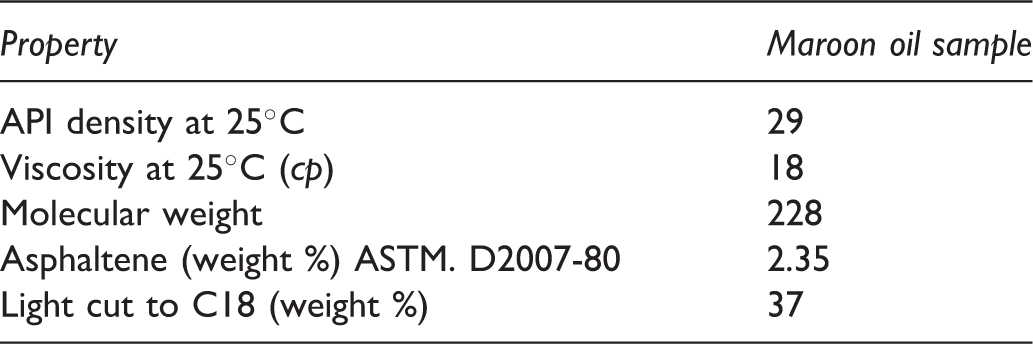
API: American Petroleum Institute.
Selected properties of silica NPs (By TECNAN®).
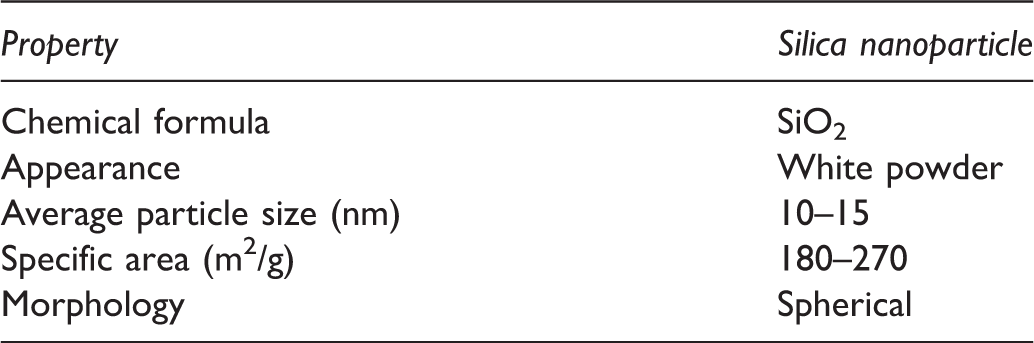
NP: nanoparticle.
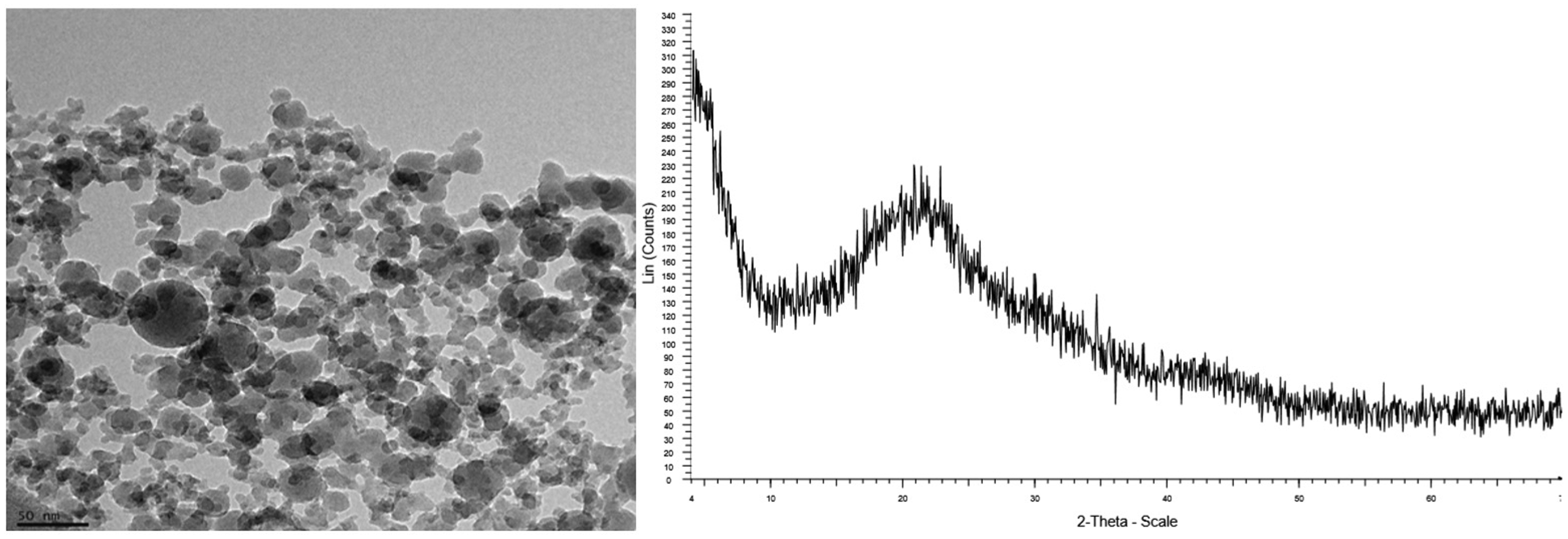
XRD and TEM image of silica NPs (University of Alicante; Research Support Services). TEM: Transmission electron microscopy; XRD: X-ray diffraction.
Amine-functionalized silica nanoparticles (FSNPs)
All reagents and chemicals used in this study were of analytical grade. Silica NPs with average size of 10–15 nm were supplied by TECNAN Company (Spain). (3-Aminopropyl) triethoxysilane (APTS) and ethanol (EtOH, 99%) were purchased from Merck (Darmstadt, Germany). Fourier transform infrared (FT-IR) spectra were recorded on a PerkinElmer Spectrum 2000 FT-IR spectrometer (Norwalk, CT, USA) using the standard KBr disk method (sample/KBr = 1/100) in the range of 400–4000 cm−1. XRD pattern of sample was obtained on a powder XRD system from PANalytical model X’Pert PRO (PANalytical B.V., Almelo, The Netherlands) equipped with a back monochromator operating at a tube voltage of 40. The particle size distribution of the amine FSNPs was determined using photon correlation spectroscopy on dynamic light scattering (DLS) instrument model Nano-ZS Zeta sizer ZEN3600 from Malvern Instruments Ltd (Worcestershire, UK). Ultra-pure water (18 mΩ) was obtained from a Milli-Q water purification system (Millipore Corporation, Milford, MA, USA).
Amine FSNPs were prepared using reaction of APTS and silica NPs. For this purpose, 1 ml of APTS was dissolved in EtOH (200 ml) in a beaker. Then, 10 g SiO2 was added to this solution and the mixture was sonicated and stirred vigorously for 1 h. Subsequently, 150 ml H2O was added to the solution followed by 30 min stirring and 15 min sonication. The mixture was then centrifuged at 14,000 r/min for 20 min and the solid part was then collected and washed several times with ethanol. The final product was obtained by mild heating of the gel-like product at 50℃ and reduced pressure of 200 mbar for 3 h.
Contact angle and IFT measurements
In order to study the effect of NPs on surface properties of rock and fluid, contact angle experiments were performed using theta contact angle setup. The experiment procedure is given elsewhere (Ravi et al., 2015). Only a brief description on sample preparation methods for contact angle and core flood test is presented here. To simulate the process happening within the reservoir, plates were completely saturated in oil and aged for three days at 80℃. Then, the contact angle between water droplet and saturated medium was measured. To decrease error, each experiment was replicated at least twice and the value was reported if minimum acceptable error was achieved.
IFT experiments were carried out by using a Kruss Tensiometer K12. The IFT results can be obtained by using the following condition: atmosphere air, rate 50, run time 5 min. For all runs, sample size was about 20 mg. The tensiometer system was calibrated for IFT reading using aqua Pura as reference standard.
Core flood experiments
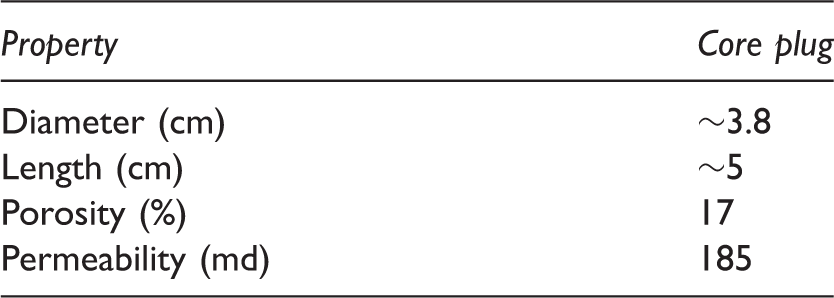
To completely simulate the effects of NPs on recovery of water flooding, core flood tests were performed. The apparatus (Figure 2) and the procedure are the same as previously published works by Ravi et al. (2015) and Roustaei et al. (2012). Only a brief description on experimental procedure is given here. Rock samples used in core flood and contact angle experiments were obtained from an oil producing field at Asmari formation located in southwest of Iran (Table 3).
Schematic representation of the core flooding setup (By RPAG Group). Properties of core plugs and plates used in contact angle and core flood experiments.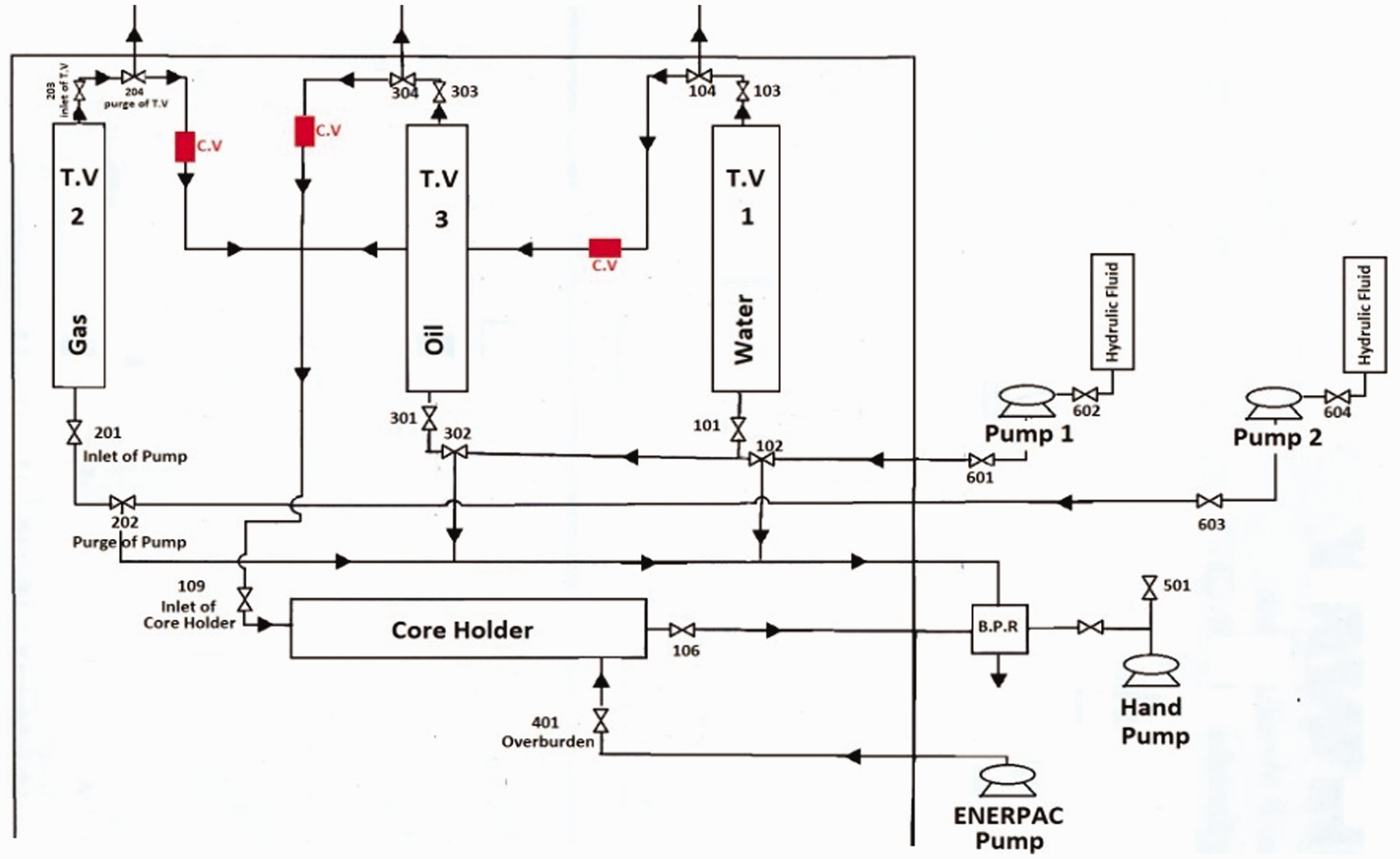
Properties of experiments and additives.
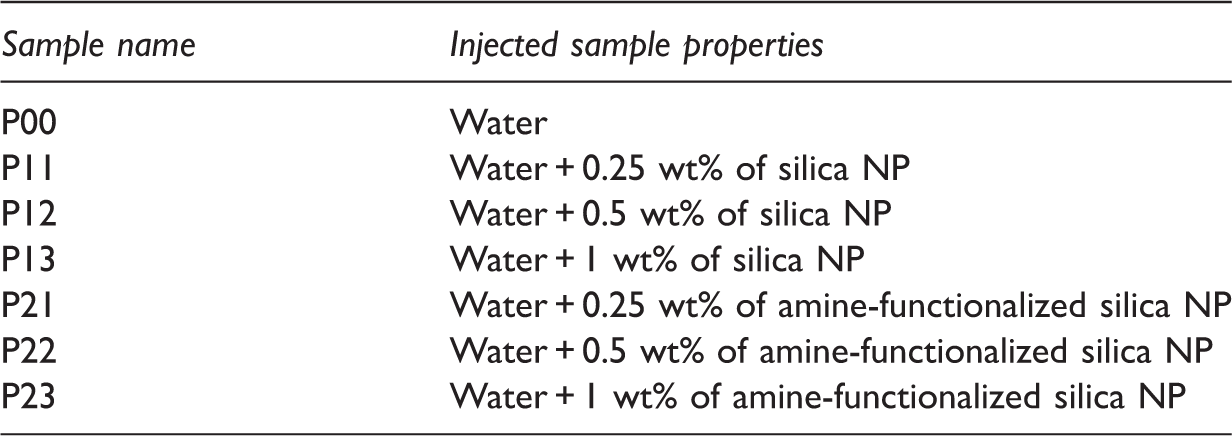
NP: nanoparticle.
Results and discussions
Characterization of the amine FSNPs
The modified silica nanoparticles were confirmed by FT-IR analysis (Figure 3). According to the FT-IR spectrum of silica nanoparticles (Figure 3), the bands at 810 and 473 cm−1 are assigned to Si–O–Si stretching and Si–O–Si bending, respectively (Lu and Yan, 2004). The absorption bands at 1112 cm−1 are due to the siloxane vibrations of (SiO)
n
groups (Bois et al., 2003). The peaks at 3443 and at 1634 cm−1 are attributed to O–H stretching band of the surface of silanol groups and the remaining adsorbed water molecules (Silva et al., 2009). After modification of silica nanoparticles with APTS (Figure 3), the new peaks can be assigned as follows: the bands at 2870 and 2824 cm−1 are due to asymmetrical and symmetrical stretching vibrations of CH2 groups, respectively (Naghizadeh et al., 2015). The new band (1564 cm−1) is due to N–H bending vibration of amine groups. Moreover, the peak at 3501 cm−1 can be assigned to N–H stretching vibration (Fan et al., 2011). All of these observations indicate that amine FSNPs have been prepared successfully.
FT-IR spectra of silica and amine-functionalized silica NPs. FT-IR: Fourier transform infrared; NP: nanoparticle.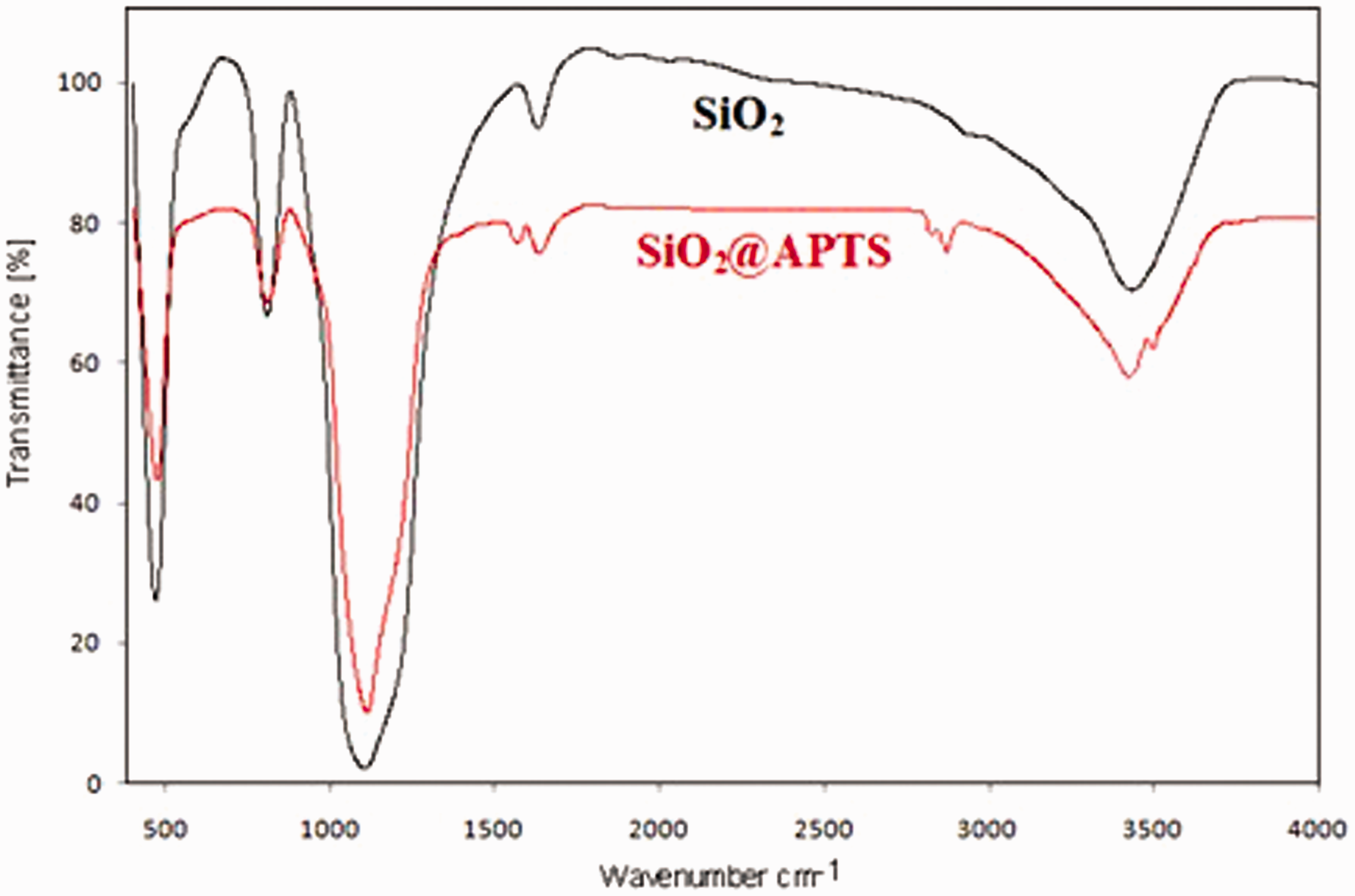
The size and size distributions of modified silica NPs in water were measured by DLS. As seen in Figure 4, the average diameter of the modified NPs was about 75 nm with a narrow distribution.
Size and size distribution diagrams of the modified silica nanoparticles.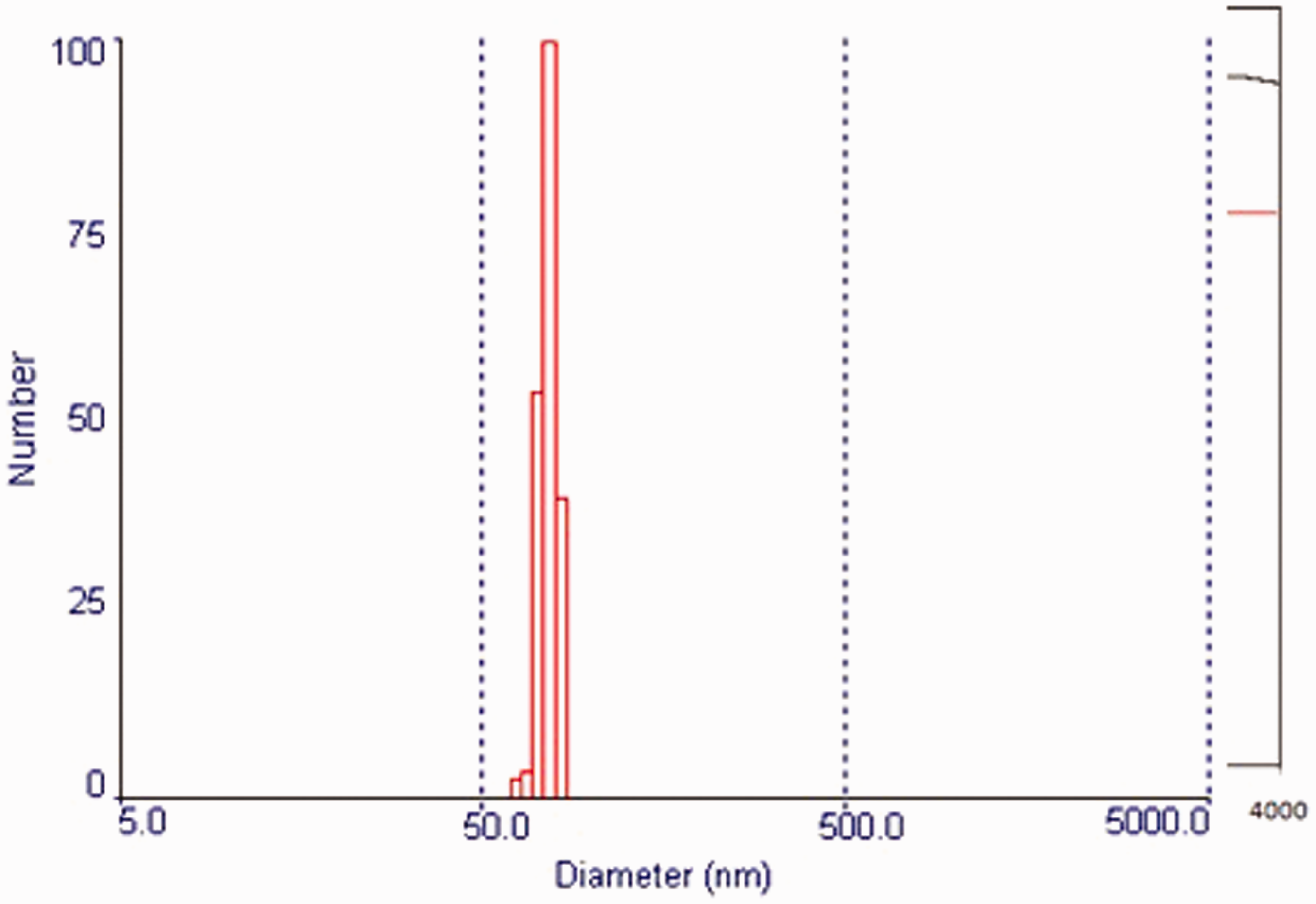
The typical XRD pattern of amine FSNPs is shown in Figure 5. As observed, the smooth intensity with broad peak exists at low diffraction angle (2 h = 15°–35°), suggesting that the main structure of modified silica NPs is amorphous.
XRD patterns of the modified silica NPs. NP: nanoparticle; XRD: X-ray diffraction.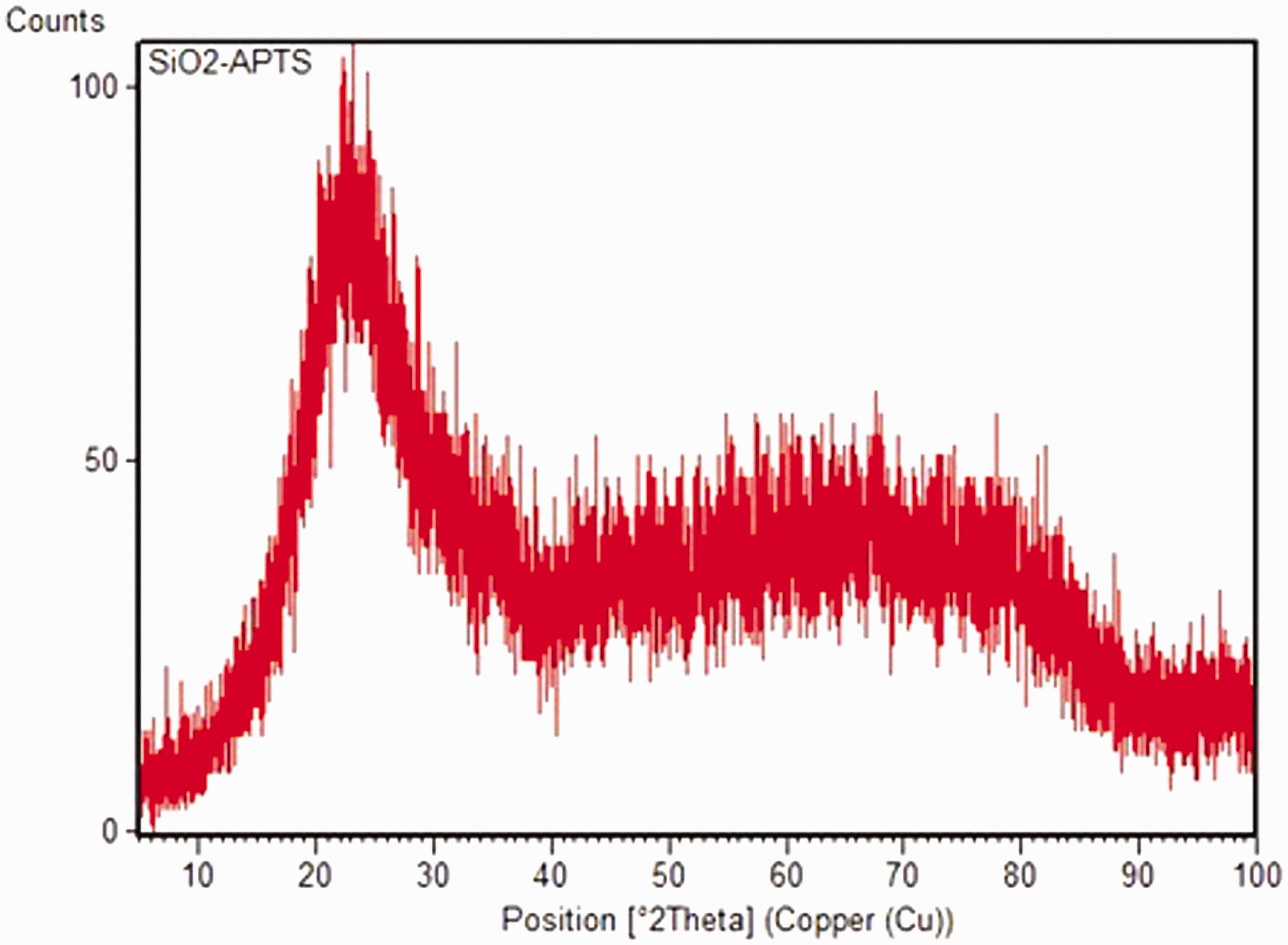
Contact angle and IFT results
As noted in the literature, contact angle tests were performed to study the effect of NPs on rock surface. Figure 6 illustrates that contact angle between rock and water was about 135°, which is an indication of oil wetting characterization of reservoir rock. Moreover, Figure 6 indicates the state of wettability between silica NPs injected water and the rock surface. Results demonstrate that the contact angle decreases from 135° to 55° in the presence of 0.25 wt% silica NPs. This is an indication of changing wettability from strongly oil-wet to water-wet. This confirms the previous investigations that silica NPs have the ability to change the surface properties of reservoir rock by attaching to the surface (Ju and Fan, 2009; Onyekonwu and Ogolo, 2010). It also implies that the wettability has been converted to water-wet.
Wetting condition of water and water + silica NPs. NP: nanoparticle.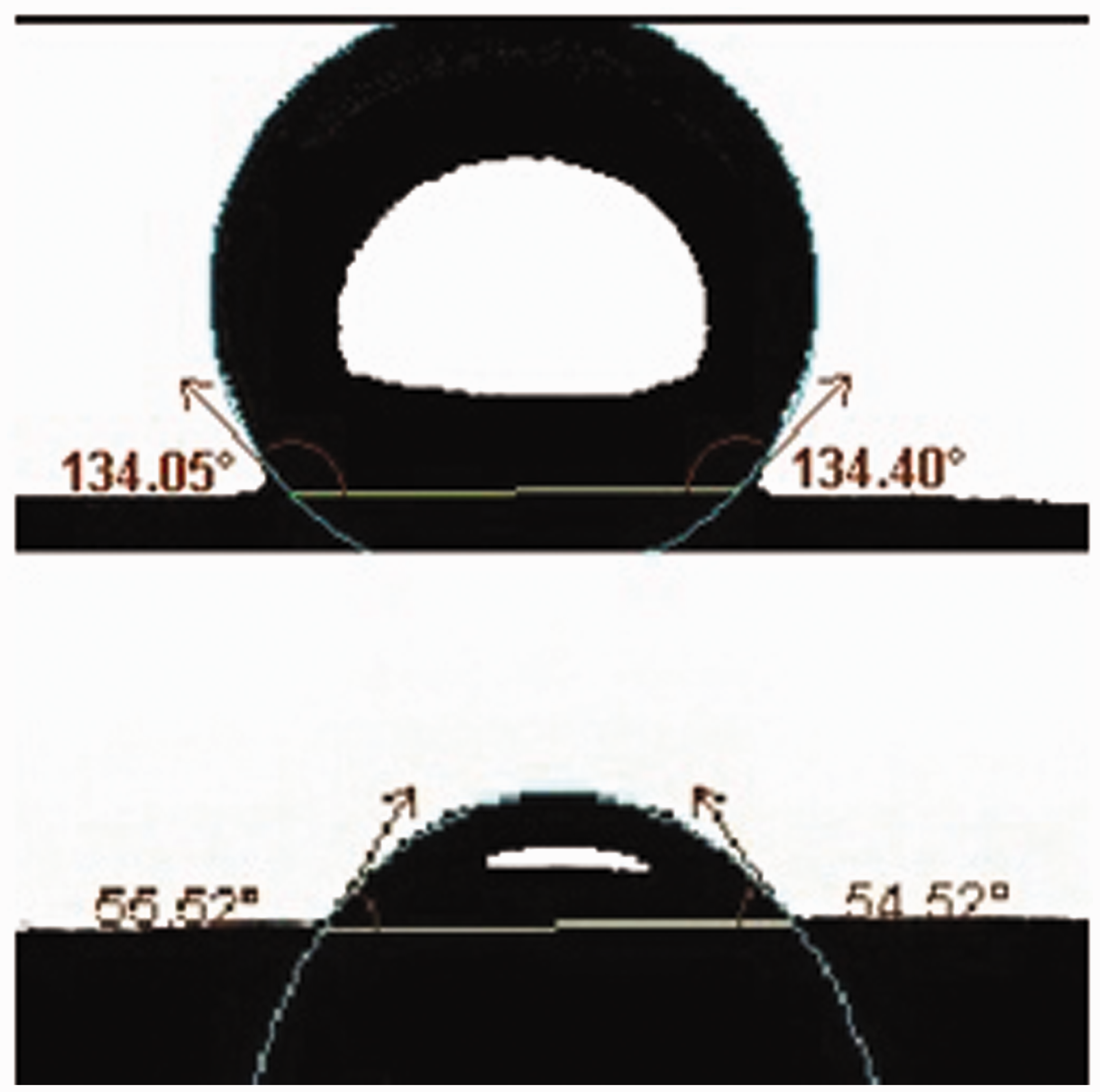
To study the effect of functionalizing, samples of surface-modified silica NPs were prepared and the contact angle tests were performed. A contact angle comparison sample P0 and P21 is shown in Figure 7.
Wetting condition of water and water + amine-functionalized silica NPs. NP: nanoparticle.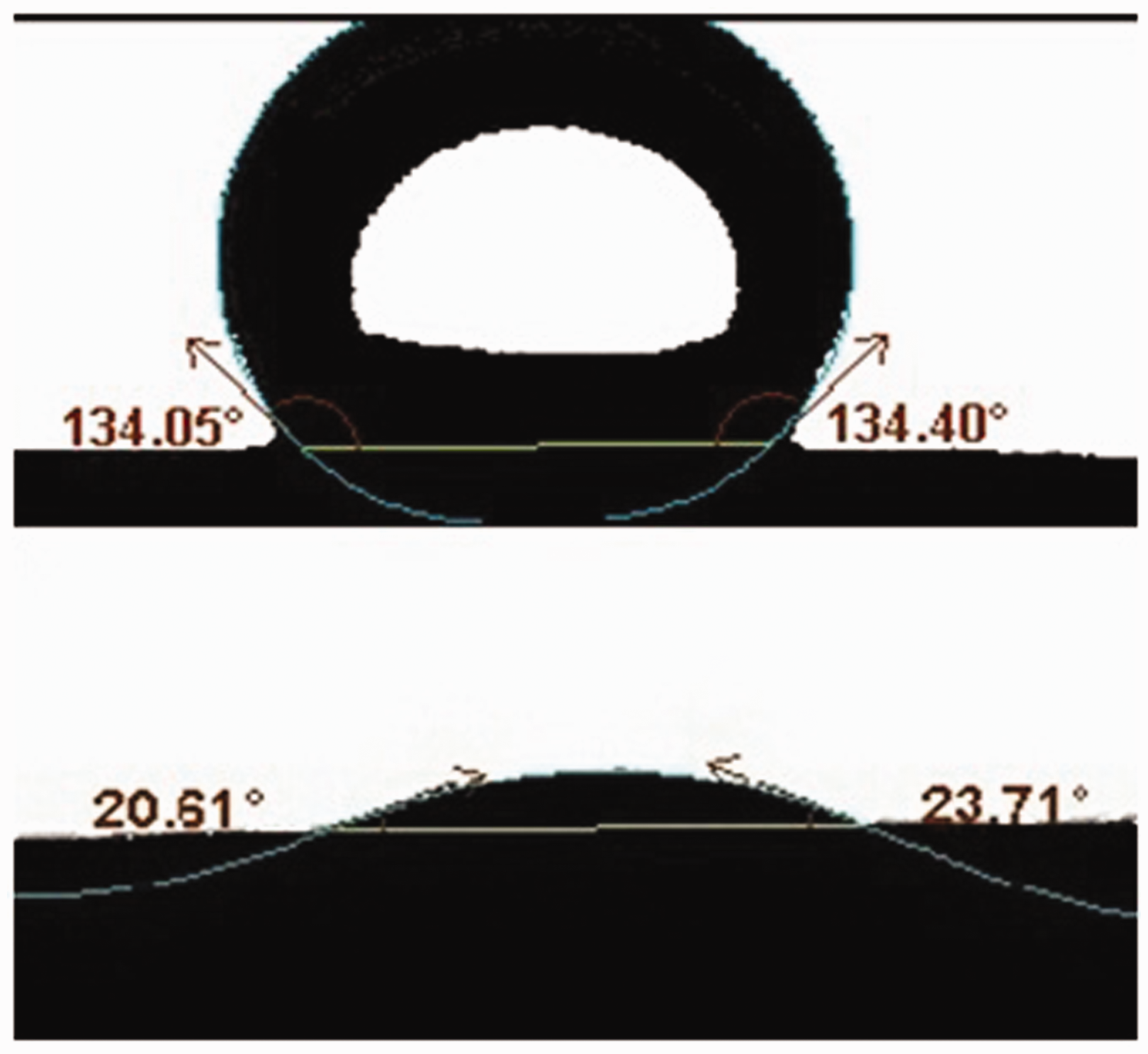
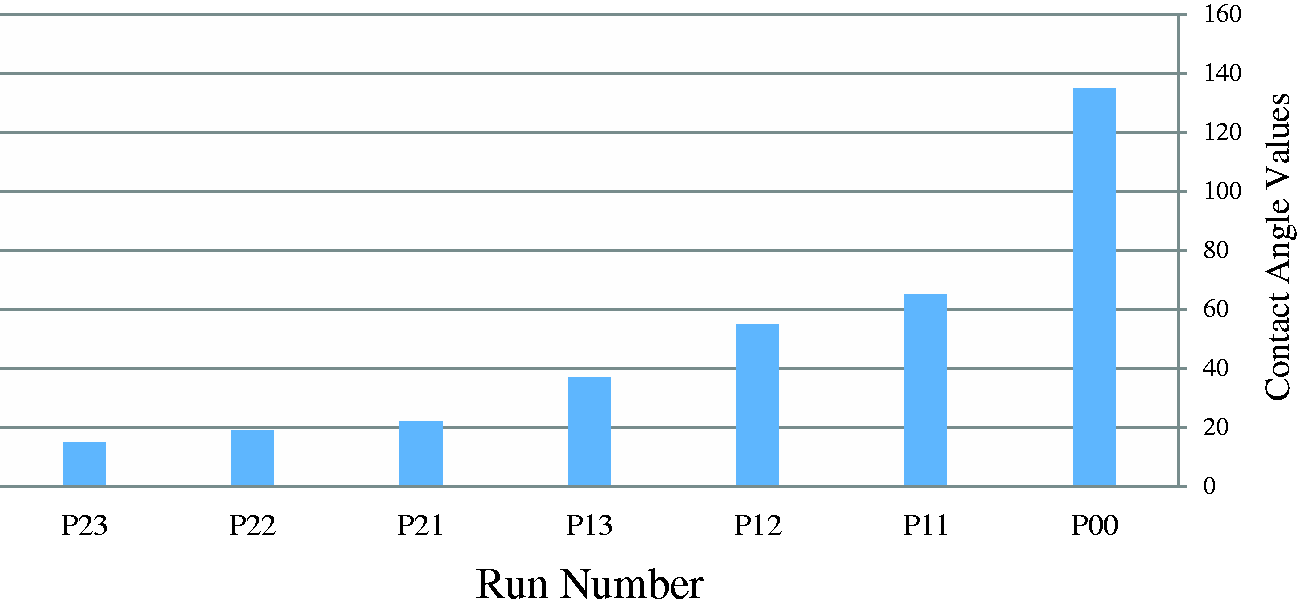
A comparison between contact angle results presented in Figures 8 and 9 reveals that there is a direct relationship between the NPs concentration and their ability to change the wettability. As the concentration of NPs enhances, their ability to change the wettability increases more. It seems that the main mechanism is the adhesion of FSNPs to the rock surface and formation of a nanotexture coating the oil-wet surface, and consequently, altering the wettability of rock surface. But it should be noted that, as depicted in economic concerns, there should be an optimum concentration for NPs that also satisfies economic concerns (Onyekonwu and Ogolo, 2010). In the present study, the optimum concentration was found to be 0.5 wt% for this type of rock and reservoir fluid. This is due to the combined results of IFT and contact angle tests.
Effect of NPs concentration on wetting condition of rock and injected water. NP: nanoparticle. Contact angle results for different injected samples.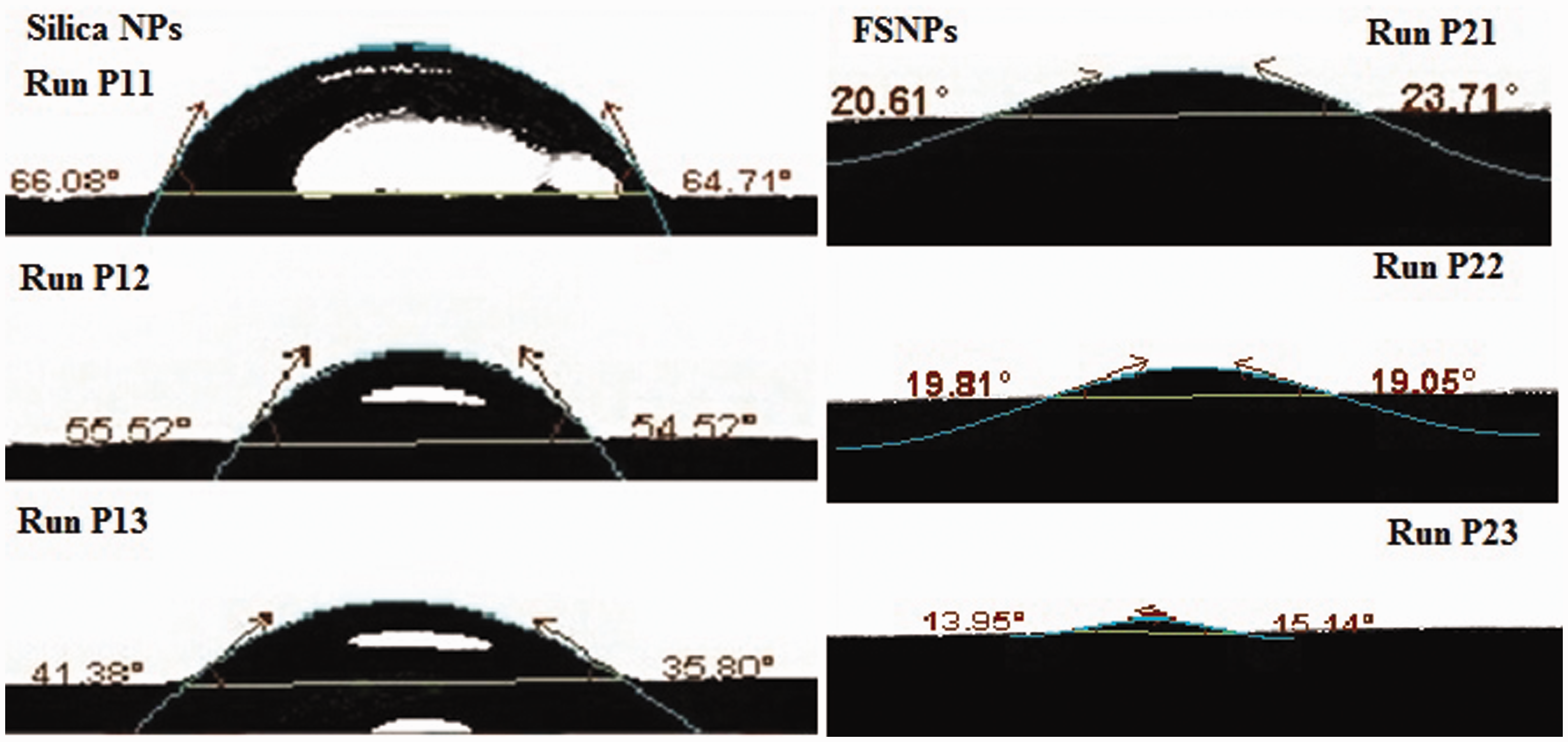
The IFT between injected water and crude oil is one of the other parameters which affects the sweep efficiency. Experimental results (presented in Figure 10) show that in the presence of only 0.25 wt% FSNPs (Run P21), the IFT decreases up to 68%. This is due to accumulation of NPs on the interface between crude oil and injected water. The IFT of crude oil/solution system is lowered by adsorption of NPs at a crude oil/aqueous system interface, thus making the nonpolar (oil) phase more hydrophilic (having a strong affinity for water).
Experimental results for interfacial tension in the presence of NPs. NP: nanoparticle.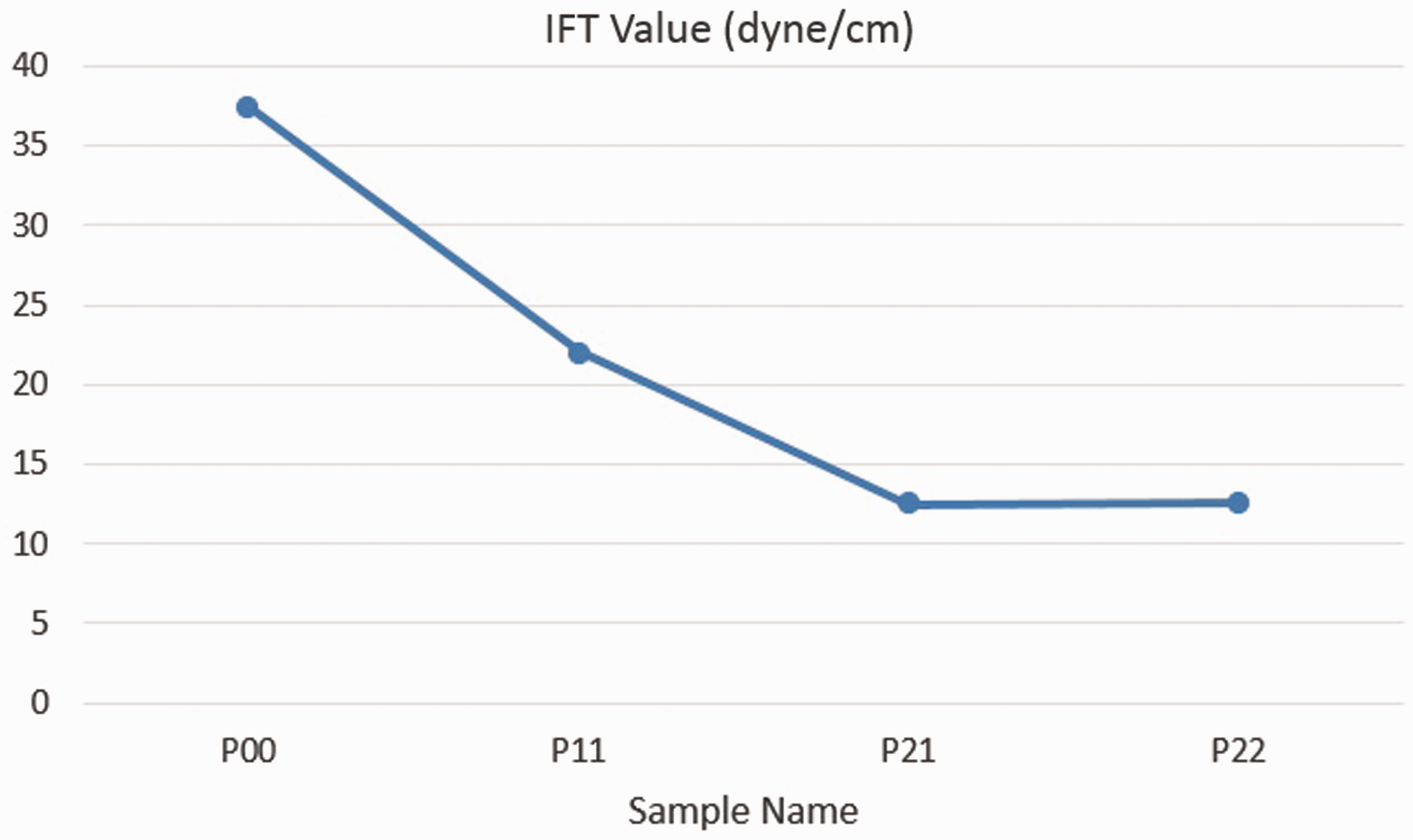
Core flooding results
Although contact angle and IFT results are indications of wettability alteration, the core flood experiments under reservoir conditions are also required to study the field application and the effect of NPs on final oil recovery. Core flood results are illustrated in Figure 11. As clearly seen from the results, the crude oil recovery increases significantly in presence of NPs. Results showed that oil recovery increases more than 10% in the presence of silica NPs. This confirms other researchers’ studies which reported the applicability of silica NPs on enhancing oil recovery (Ju and Fan, 2009; Onyekonwu and Ogolo, 2010).
Oil recovery results for water, water and silica NPs and water and FSNPs. FSNP: functionalized silica nanoparticle; NP: nanoparticle.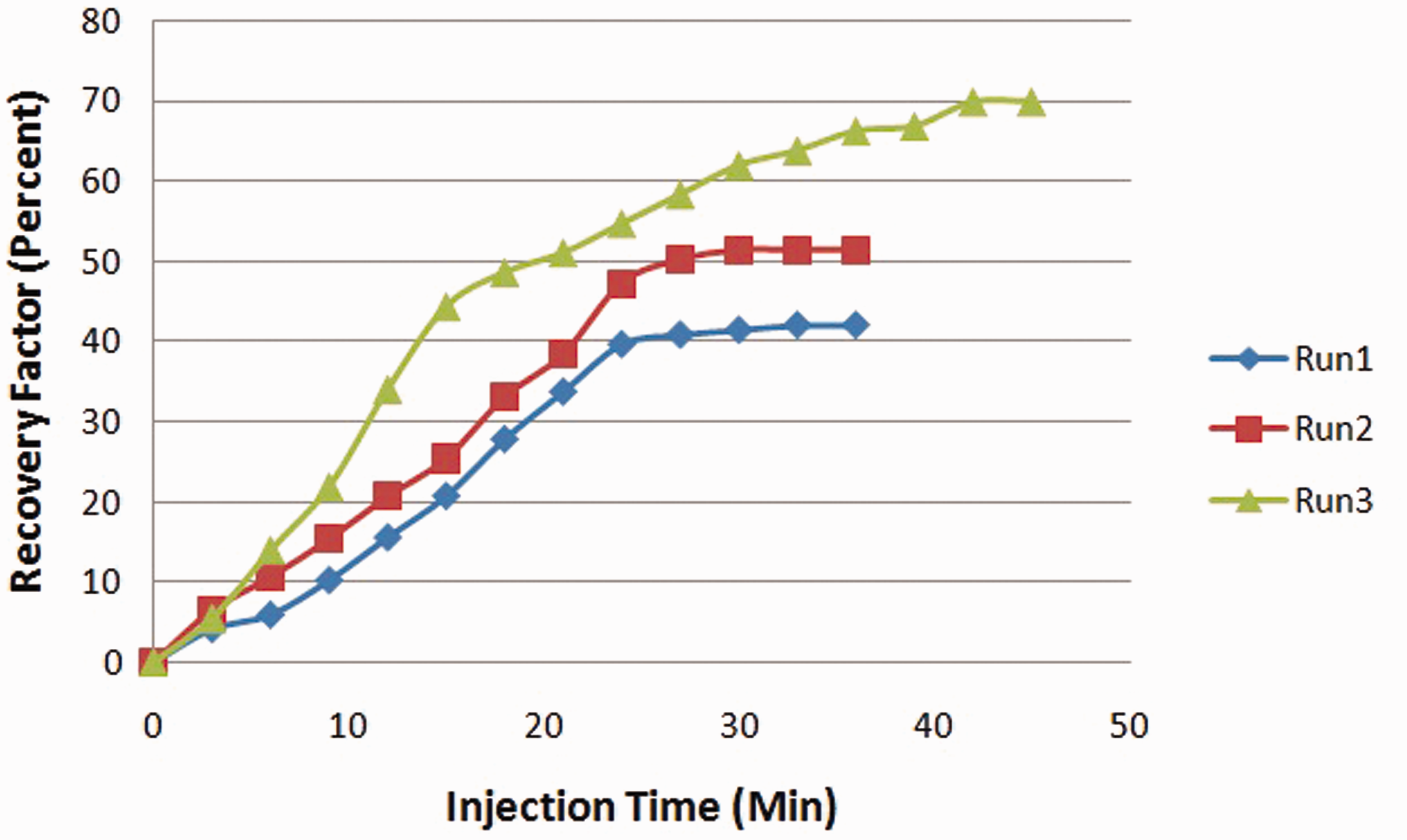
As Figure 11 shows the recovery accelerated after 0.1–0.3 PVs of injected fluid in both cases of silica NPs and FSNPs. In this step reduction in IFT (which decreases capillary forces) results in the increase in capillary number which is the ratio of viscous to capillary forces. This leads to production of oil droplet in narrow pores by reducing adhesive forces. The second accelerated recovery is due to wettability alteration. In fact, the main factor that controls production from narrow pores is capillary pressure. It should be noted that the final recovery is outcome of reduction in adhesive forces and spontaneous capillary imbibition. Mohammed and Babadagli (2015) concluded that in cases of nanofluids flooding processes, due to relatively small length of core and minor effects of viscous forces, it is contact angle reduction that controls the starting of spontaneous imbibition. Also, the main result of this study was with regard to the effect of FSNPs, which showed that FSNPs are significantly more effective than typical silica NPs. Results manifest that oil recovery increases from 41 to 69% in the presence of FSNPs.
Conclusion
In this work, the surface interactions between crude oil and injected water were investigated in the presence of FSNPs. Derived global contact angle data indicated strong effect of NPs on crude oil and water interface properties. Experimental results showed that in the presence of surface-modified NPs the contact angle between crude oil and reservoir rock decreases substantially. This is owing to the deposition of surface-modified NPs on reservoir rock surface. Moreover, experiments showed that due to the adsorption of NPs on the interface of crude oil and injected water IFT decreases. Finally, the core flood experiments indicated that recovery increases significantly in the presence of NPs. Furthermore, results showed that the performance of nanotechnology-aided water flooding improves remarkably via surface modification of silica nanoparticles.
Results demonstrated that performance of nanofluids is dependent on the wt% of NPs, as the contact angle further decreases with increasing wt%. However, it was detected that there is an optimum concentration for contact angle reduction by NPs and at concentrations above this threshold value, the contact angle starts to increase slightly.
Finally, it should be emphasized that the efficiency of NPs is highly dependent on specific composition of crude oil and type and concentration of NPs. Therefore, proper NP type should be selected based on tests on reservoir oil samples. The effect of these NPs may be entirely different and the result of this work may not be applicable to other crude oils. Studies on the type, composition, and asphaltene content of crude oil could be useful.
Footnotes
Declaration of conflicting interests
The author(s) declared no potential conflicts of interest with respect to the research, authorship, and/or publication of this article.
Funding
The author(s) received no financial support for the research, authorship, and/or publication of this article.