




Abstract
The aim of this study is to evaluate the sustainability performance on a yearly basis using the indicators presented in the sustainability reports of a global textile group. For this purpose, the sustainability performance indicators presented in the reports for the specified years have been identified. The inclusion of numerous criteria in this yearly evaluation has made the study suitable for the use of multicriteria decision-making techniques. In the decision-making process of the study, Technique for Order Preference by Similarity to Ideal Solution (TOPSIS) and Weighted Aggregated Sum Product Assessment (WASPAS), which are commonly used and provide reliable results, were applied to determine the best alternative. Results show that the same the ranking order of alternatives was obtained with both proposed approaches, indicating that the decision models reflect consistent outcomes in the evaluation of alternatives. It was concluded that the performance, in the context of the evaluated criteria, showed an increasing trend over the years, with the highest performance observed in 2023.
In recent years, ensuring a sustainable planet has become a focal point for global efforts and initiatives. Industries worldwide play a critical role in this endeavor by integrating their environmental and social performance with economic goals to drive sustainable development. 1 Nearly all companies have recognized the importance of minimizing or eliminating harmful environmental practices to protect the environment while meeting social demands. Sustainability practices not only safeguard the planet and address social needs, but they also enhance organizational performance. 2 The commitment of companies to achieve the United Nations Sustainable Development Goals (SDGs), introduced as part of “Agenda 2030,” necessitates demonstrating their dedication to meet current stakeholders’ needs without compromising future generations. 3 Sustainability reporting (SR) has emerged as a vital tool in reducing information asymmetry between companies and stakeholders, with frameworks such as the Global Reporting Initiative (GRI) gaining prominence globally. 4
The textiles and apparel sector, responsible for 2% of the global GDP, is considered one of the most environmentally impactful industries, generating 10% of global greenhouse gas emissions. 5 Its long supply chains, high energy and water consumption, and use of hazardous substances exacerbate its environmental impact, whereas social issues such as low wages and poor working conditions persist. Consequently, the industry faces growing pressure from legislation, nongovernmental organizations (NGOs), and consumers to adopt sustainable practices, requiring a balance among factors to maintain competitiveness. 6
SR involves disclosing environmental, social, and economic information to stakeholders via formal reports. 2 Its aim is to deliver detailed financial and nonfinancial performance metrics to shareholders, potential investors, employees, management, customers, suppliers, public entities, creditors, analysts, business advisors, and the wider community, highlighting the company’s economic, environmental, and social performance and commitments. 7 In addition, SR enables stakeholders to evaluate and compare the sustainability performance of different organizations, aiding in making well-informed decisions about investments, acquisitions, and partnerships. By measuring and disclosing sustainability performance data, organizations can identify areas requiring improvement and set targets to reduce their environmental footprint, enhance social responsibility, and support economic performance. 7 The practice of SR has increased significantly in recent years. This trend is largely attributed to the observation that organizations disclosing detailed sustainability information enhance their reputation/image, motivate their employees and managers, and improve profitability. 8 Large companies typically possess the financial and human resource capabilities necessary to report on their sustainability practices. 2 SR, as highlighted by KPMG’s Sustainability Reporting Survey (2022), indicates that 96% of global firms now report on sustainability, with the use of GRI standards and third-party assurance emerging as significant business practices worldwide. 9 It has become an established corporate practice, as evidenced by the exponential increase in the number of reports published annually. 10
The effect of SR on firm performance has been evaluated in various studies. A global investigation into the effect of SR on firm performance across seven different sectors revealed that its influence on operational performance (Return on Assets), financial performance (Return on Equity), and market performance (Tobin’s Q) varies among these sectors. 11 Another study investigated the relationship between SR and performance in publicly listed companies in Bahrain. 12 The relationship between the level of SR and sectoral energy performance in both developed and emerging economies was examined. The empirical findings of this study demonstrate a significant relationship between Environmental, Social, and Governance (ESG) and operational performance (operating ratio). 13 The effect of SR quality on the corporate financial performance (CFP) of initial public offerings (IPOs) in Malaysia was investigated. The findings suggest that SR practices can be seen as an initiative to enhance IPO performance. 14 The relationship between the level of SR and the performance (operational, financial, and market) of the retail sectors was examined. The model in this study provides a valuable analytical framework for exploring SR as a driver of performance in the economies of retail sectors. 15 The effect of SR on the firm value of publicly listed oil and gas companies in Nigeria was investigated. The regression results indicate that all three dimensions of SR (social, environmental, and economic) contribute positively to the firm value of publicly listed oil and gas companies in Nigeria. 7
Multiple criteria decision-making (MCDM) methods provide a structured approach for addressing decision problems with multiple objectives, diverse criteria, and varying preferences. These methods allow decision-makers (DMs) to break down complex problems based on defined criteria, assess alternatives based on these criteria, and make well-informed decisions using clear decision rules. The importance of MCDM methods stems from their capacity to manage the complexities of decision-making processes involving numerous objectives, criteria, and stakeholders. 16 The data shared through SR are highly suitable for use in MCDM methods, as they provide the necessary data on alternatives for use in these models. Utilizing these data allows for the evaluation of performance over a defined time period or facilitates comparisons among specific groups with ease.
Evaluating a company’s sustainable performance based on various ESG criteria is referred to as ESG performance evaluation. From the perspective of operations research, this evaluation process is categorized as a MCDM problem. In ESG performance evaluation, the DM carefully examines multiple interconnected and restrictive criteria. 17 A wide range of decision-making techniques and approaches have developed over the years which support detailed analysis and context-specific outcomes. It is important to acknowledge that some methodologies are designed explicitly for problem domains and may not be applicable or transferable to situations. Therefore, choosing a decision-making methodology requires consideration of various parameters and contextual factors, as each can significantly influence the effectiveness of the decision-making process. 18
In the current study, two MCDM approaches were employed: the Weighted Aggregated Sum Product Assessment (WASPAS) and the Technique for Order of Preference by Similarity to Ideal Solution (TOPSIS). These methods are known for their high reliability, simplicity, and ease of use, making them suitable tools for evaluating and ranking alternatives. The WASPAS is an MCDM technique that combines the principles of the weighted sum model (WSM) and the weighted product model (WPM). It works by assigning weights to individual criteria, calculating scores to rank the alternatives. 19 TOPSIS is a MCDM method used to evaluate and rank different alternatives according to specific criteria. This approach measures how closely each option aligns with the ideal solution and the negative-ideal solution, ultimately selecting the option nearest to the ideal solution as the best choice. 20 The WASPAS and TOPSIS methods distinguish themselves from other MCDM techniques due to their logical structure, efficiency, and ease of use. They offer a more accurate ranking by providing transparent numerical assessments. 19 Relying on a single MCDM method may not ensure reliable results. Therefore, in this study, comparing the findings obtained from multiple MCDM methods to evaluate the performance of alternatives provides a more reliable assessment.
Due to the potential advantages of MCDM methods, numerous systematic literature reviews have been conducted on their applications in various disciplines for sustainability-oriented applications. The WASPAS method has been applied in sectors such as renewable energy, waste management, and construction, and it has also been used across various other industries for sustainability-focused decision-making.21-39 While the application of the WASPAS method in the textile sector remains limited in sustainability applications within the textile sector, the TOPSIS method has been utilized extensively across a wide range of studies in this domain. The TOPSIS method has been widely applied in the this sector for various sustainability-related purposes, including wastewater treatment selection, sustainability program assessment, supply chain design, dyeing process optimization, and financial performance evaluation.40-52 In addition, it has also been utilized in other domains such as software engineering and biomedical waste management in the context of sustainability.53,54
Although both WASPAS and TOPSIS methods yield reliable results individually, combining them can improve decision accuracy. Several studies have confirmed the effectiveness of integrating both approaches.55-59 Recent studies in the textile sector employing various MCDM techniques beyond the methods utilized in this study have increasingly focused on sustainability-related issues, with a notable concentration on supplier selection in many of these studies.60-65
This study fills a significant gap in the literature regarding the application of MCDM methods in the textile sector. Existing uses of MCDM in this field have mostly focused on specific areas such as supply chain management, fabric selection, and supplier evaluation. However, comprehensive assessments involving diverse criteria in the broader and more strategic context of sustainability remain limited.
This study makes an original and meaningful contribution to the field through the following key aspects.
A comprehensive evaluation based on 46 distinct sustainability criteria.
The combined use of the WASPAS and TOPSIS methods, rarely applied together in the textile sector, offering a model framework for future research.
A time-based comparative analysis that uncovers sustainability performance trends.
The integration of ESG standards, regulatory pressures, and sectoral transformation dynamics, providing both academic depth and practical relevance.
Through these contributions, the study introduces a holistic and innovative perspective on MCDM-based sustainability evaluation in the textile industry, while also expanding methodological diversity in the field.
In this study, a MCDM model comprising 46 criteria was developed using data extracted from the annual sustainability reports of a global textile group. The model evaluated four alternative years, allowing for a comparative analysis of sustainability performance over time. The solution phase was carried out by separately applying the TOPSIS and WASPAS methods: two approaches whose application areas have rapidly expanded in recent years.
Methodology
Data Sources
The data used in this study were obtained from the annual sustainability reports published by a global fashion and design company. 66 The company is a global fast fashion retailer, operating in the apparel and accessories industry. As one of the largest fashion retailers worldwide, it holds a significant position in the global textile and apparel market, particularly due to its large-scale operations, rapid product turnover, and vertically integrated supply chain model. Its role in the industry makes it a relevant and impactful case for studies focusing on decision-making in textile and fashion-related contexts.
The dataset used in this study was constructed based on environmental, social, and governance criteria, which are fundamental components of sustainability. However, since data for some criteria are not available for specified years in the sustainability report, only the criteria with available data across the four selected years have been included in the dataset.
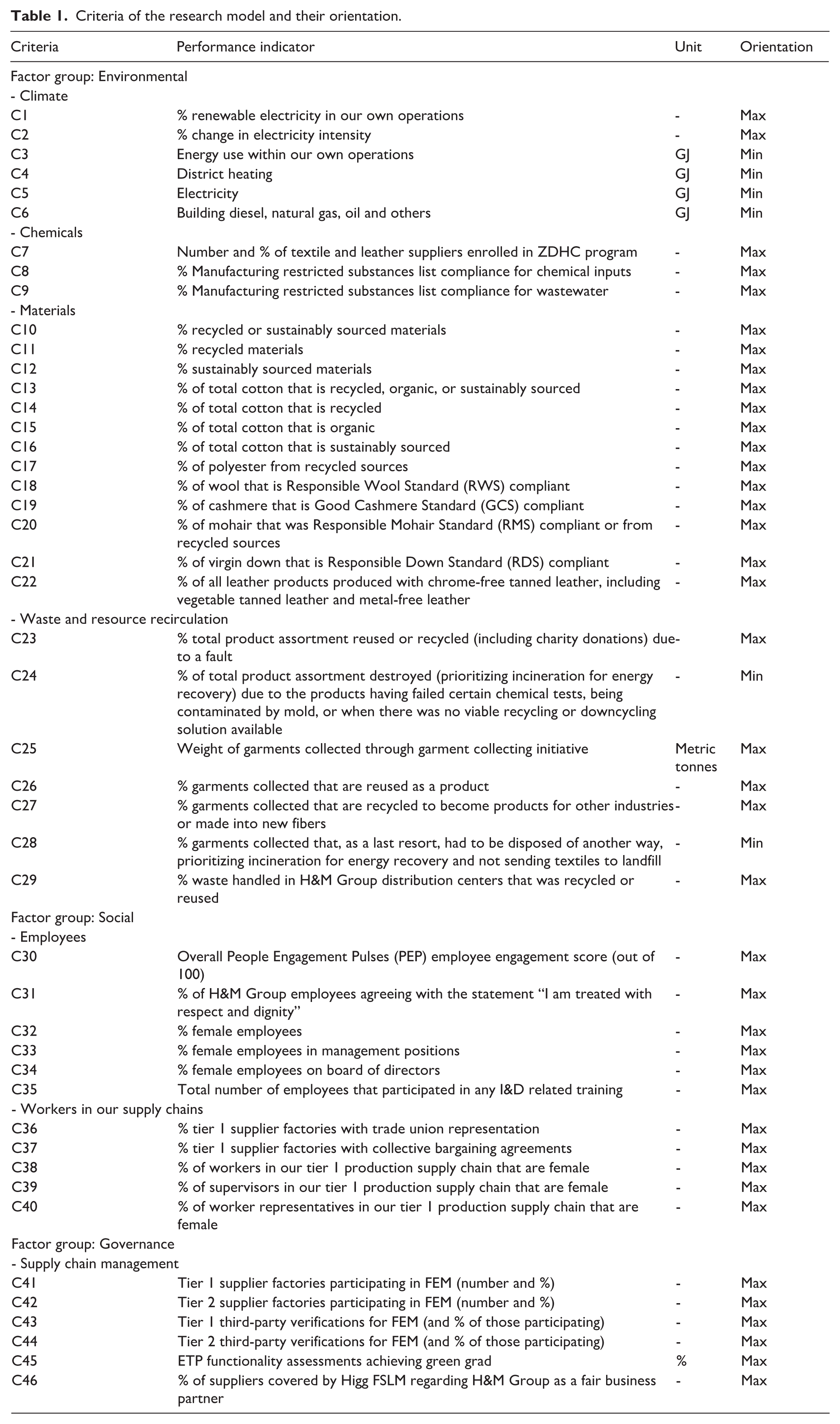
For the study, data categorized under the main headings of “Climate, Chemicals, Materials, Waste and Resource Recirculation, Employees, Workers in Supply Chains, and Supply Chain Management” in the sustainability reports were utilized. A total of 46 sustainability performance indicators were identified as criteria, whereas the years 2020, 2021, 2022, and 2023, to which the data belong, were defined as the alternatives to be evaluated. The large number of criteria makes it difficult to apply methods based on pairwise comparisons. Moreover, since the criteria represent different dimensions of sustainability, assigning subjective priorities among them was not considered methodologically rational. Therefore, equal weighting was applied in the analysis to ensure neutrality and methodological consistency. The maximization (benefit) or minimization (cost) orientation of each criterion was also specified (Table 1).
Criteria of the research model and their orientation.
MCDM approach
The decision matrix in the study, consisting of 46 criteria for 4 alternative years, encompasses various dimensions of sustainability and represents a multidimensional and complex evaluation structure. Although WASPAS and TOPSIS are not commonly used in the textile industry, they were chosen in this study because they offer a practical and reliable way to evaluate different options based on multiple criteria. WASPAS helps by combining two different evaluation approaches to give more balanced results, whereas TOPSIS identifies the best option by comparing how close each alternative is to the ideal one. Using both methods together provides stronger and more consistent results, which is important in a sector such as textiles where such decision-making tools are emerging application areas.
The methodological framework of the study is illustrated in Figure 1.

Flowchart for the MCDM process.
Application steps of the WASPAS method
The WASPAS method was presented by Zavadskas et al. 67 and it is an approach that combines WSM and WPM. It can be used to solve dynamically changing problems. Alternatives are ranked based on the combined optimality criteria, but the method also ensures consistency in the rankings by performing sensitivity analysis as part of its process. 68 Its widespread use and rapid expansion are due to its simple and easy calculation, which gives relatively accurate results in ranking/selecting individual alternatives based on their performance against conflicting criteria. 69 The stages of the WASPAS algorithm are presented in Table 2. 70
WASPAS application steps.
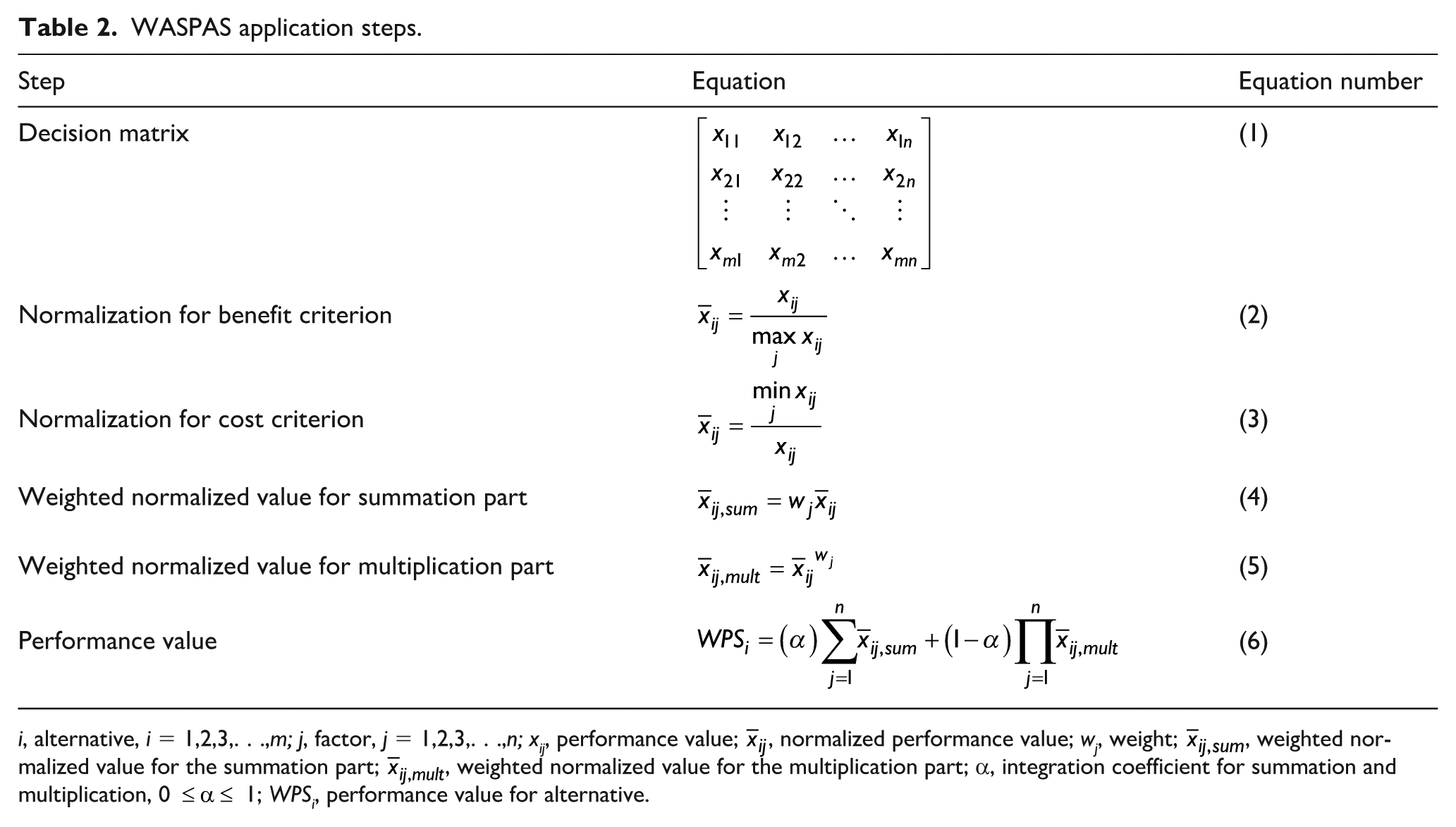
i, alternative, i = 1,2,3,. . .,m; j, factor, j = 1,2,3,. . .,n; xij, performance value;
Application steps of TOPSIS method
TOPSIS was developed by Hwang Ching-Lai and Yoon in 1981. 71 It is a practical and useful method for ranking and selecting a number of available alternatives by measuring Euclidean distances. 72 This method analyzes the distances from the ideal and anti-ideal solution. The ideal solution maximizes the beneficial criteria and minimizes the non-beneficial criteria, whereas an anti-ideal solution maximizes the nonbeneficial criteria and minimizes the beneficial criteria or attributes. An ideal alternative is characterized by having the shortest distance to the ideal solution and the longest distance to the anti-ideal solution. 73 The entire procedure of the TOPSIS method consisting of several interlinking steps is presented in Table 3. 74
TOPSIS process.
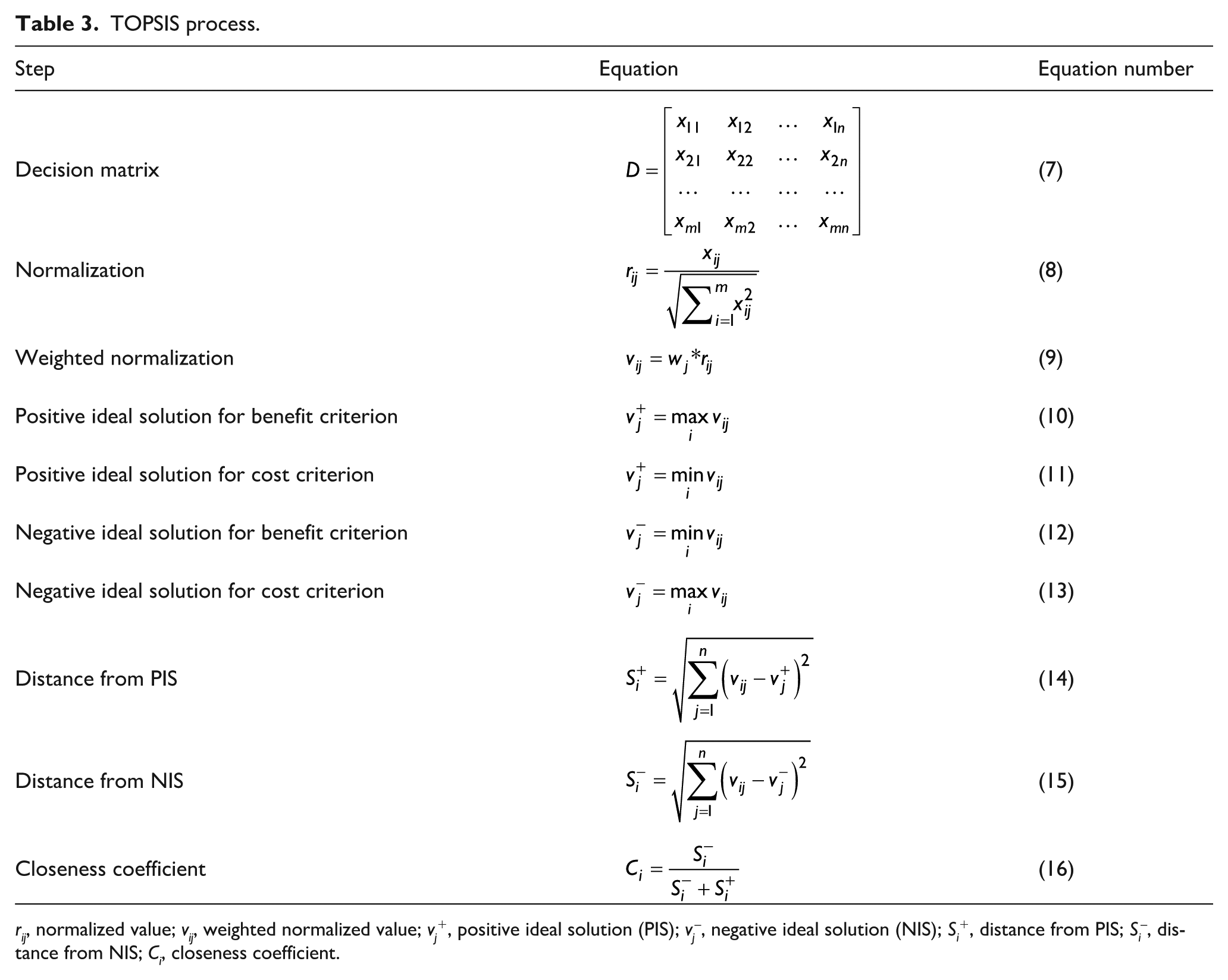
rij, normalized value; vij, weighted normalized value; vj+, positive ideal solution (PIS); vj–, negative ideal solution (NIS); Si+, distance from PIS; Si–, distance from NIS; Ci, closeness coefficient.
Implementation of decision models
WASPAS calculations
In the application phase, the WASPAS and TOPSIS methods are used to evaluate the progress in sustainability in terms of years. The values of the criteria identified for use in the initial decision matrix of both methods for the corresponding years are presented in the Table 4.
Decision matrix.
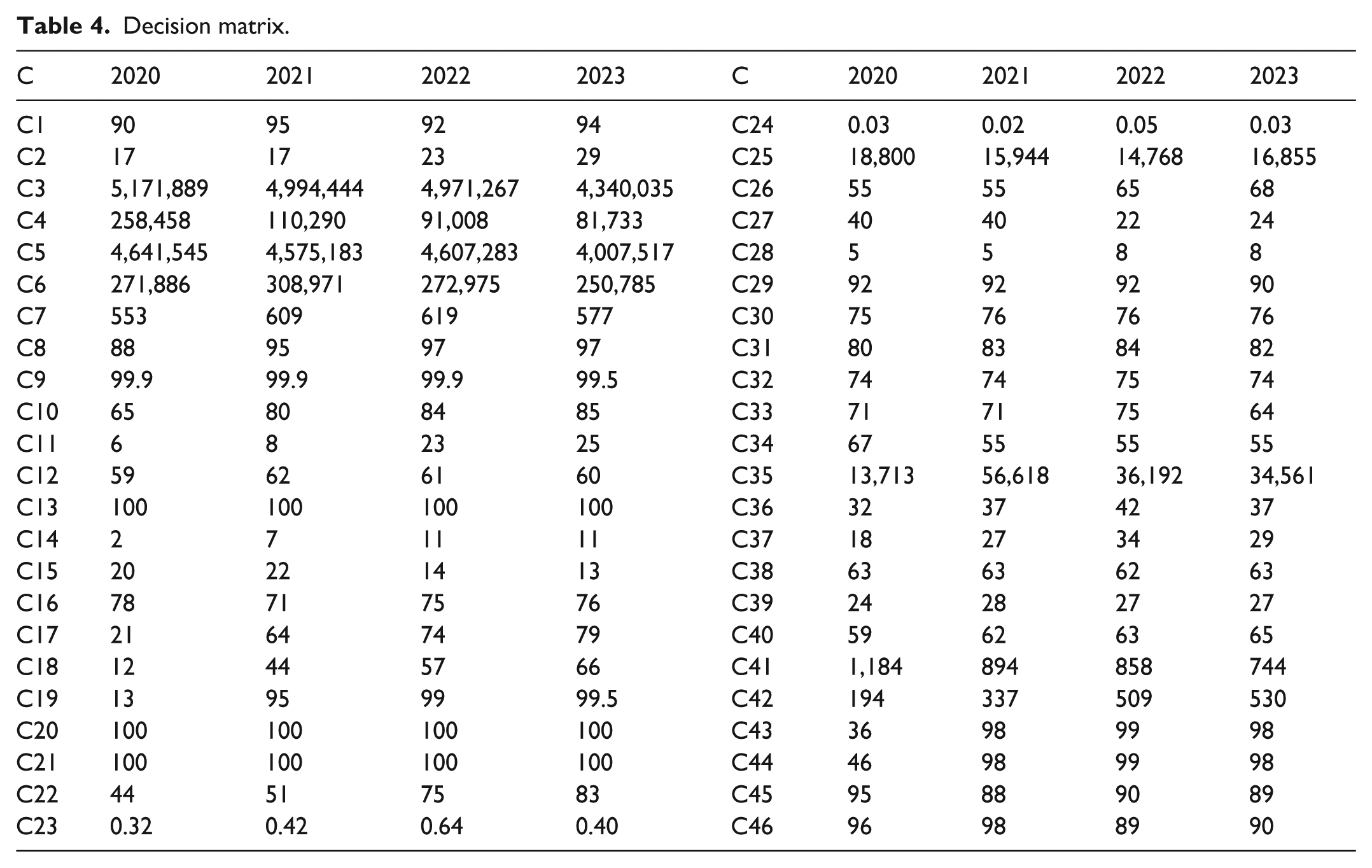
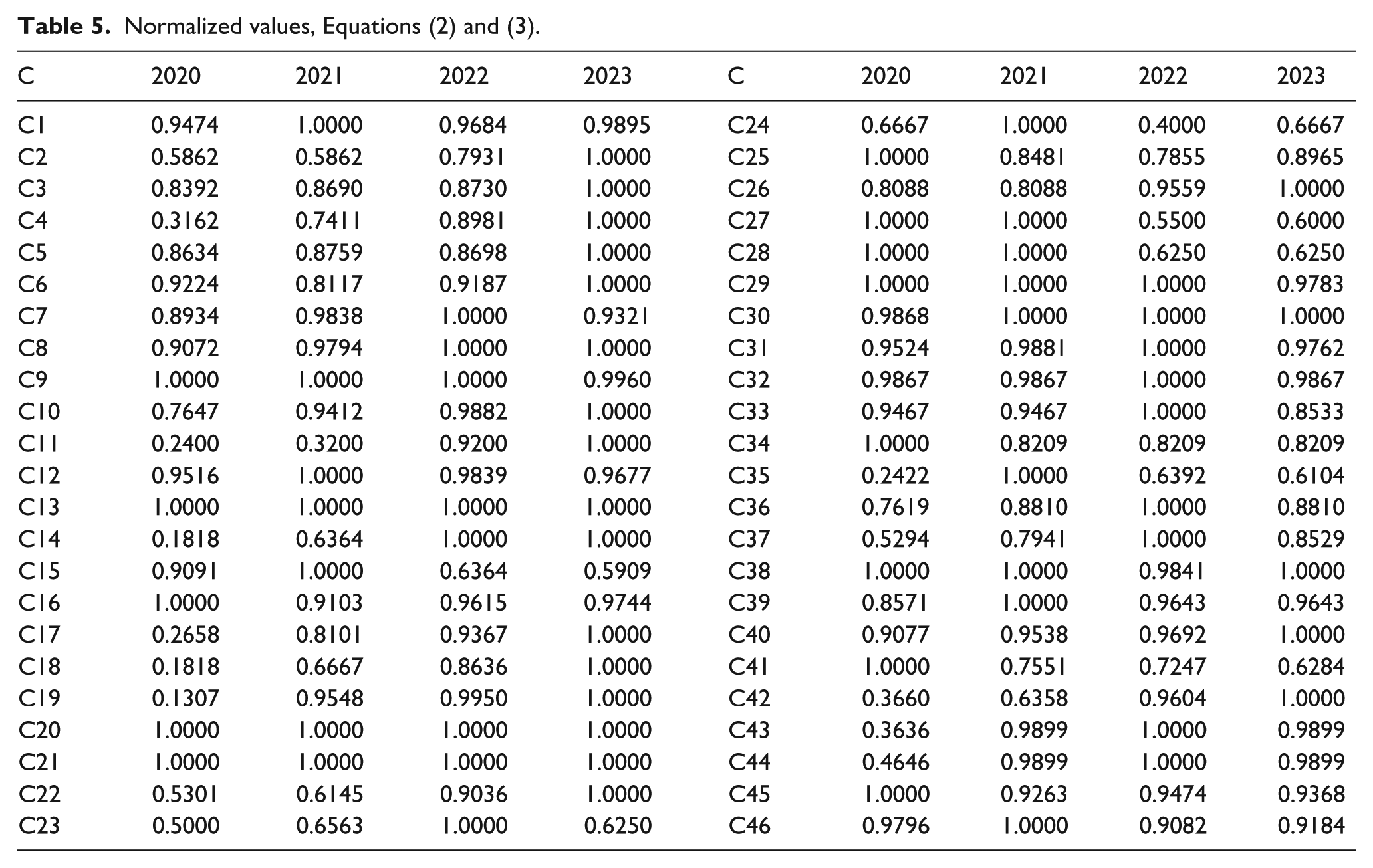
For the next step of the method, the entries in the decision matrix are normalized using Equations (2) and (3). Table 5 lists the normalized decision matrix for the WASPAS method. Benefit criteria are normalized by dividing each value by the maximum value in its column, whereas cost criteria are normalized by dividing the minimum value by each value. This ensures that all criteria are adjusted to a comparable scale based on their nature.
Normalized values, Equations (2) and (3).
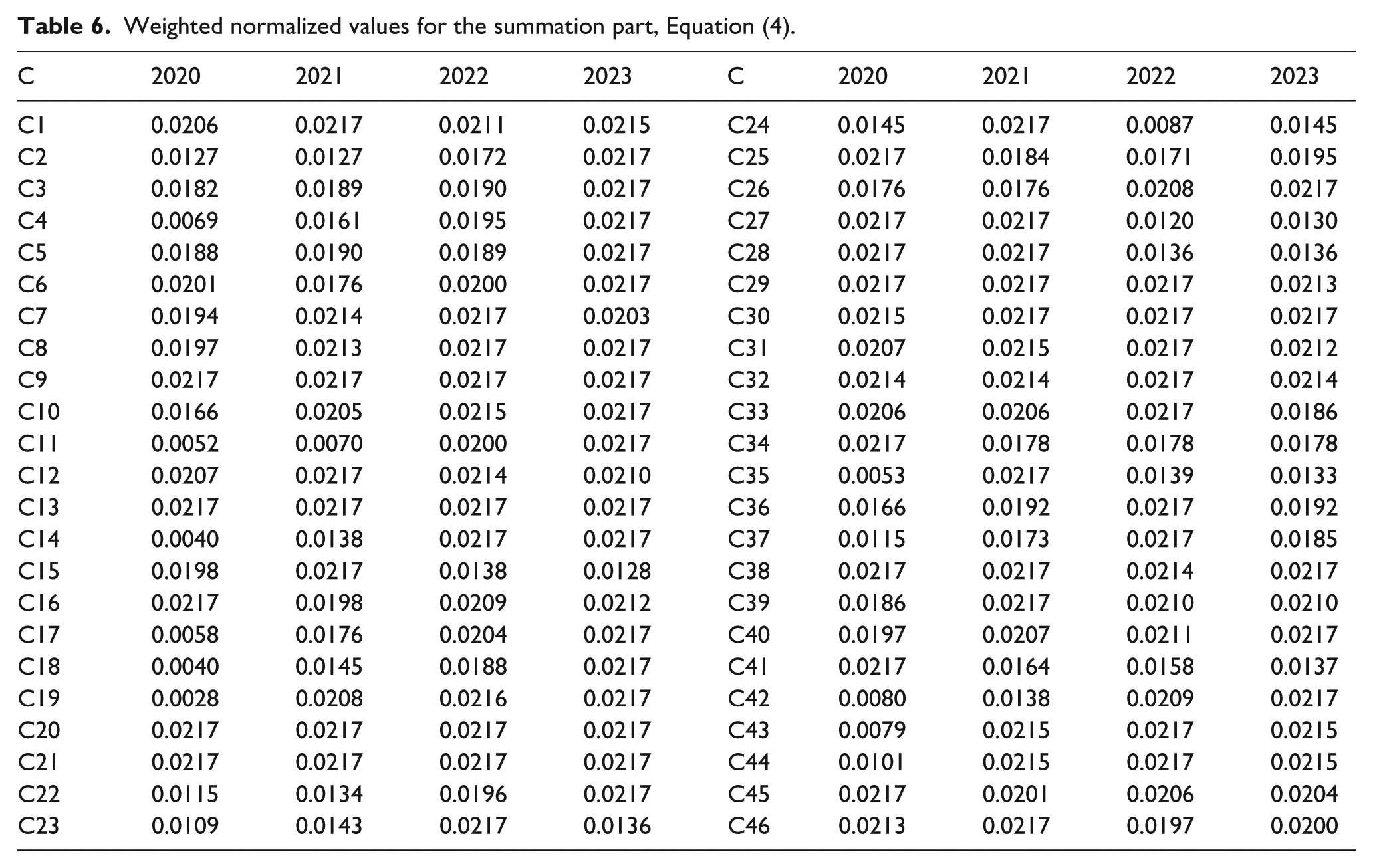
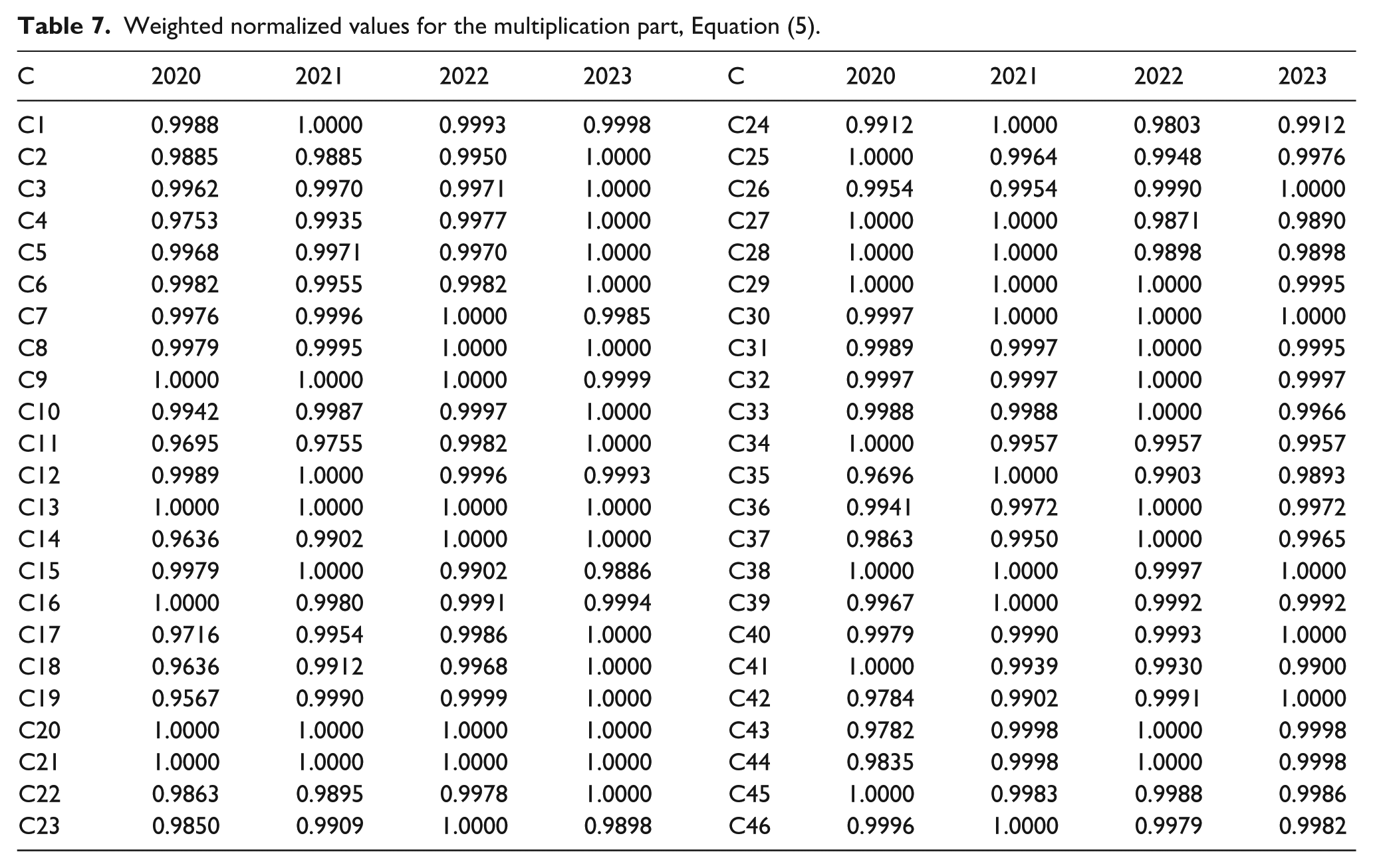
After the normalization process, the total relative importance value for each alternative is first calculated using the WSM with Equation (4) and then using the WPM with Equation (5), as presented in Tables 6 and 7, respectively.
Weighted normalized values for the summation part, Equation (4).
Weighted normalized values for the multiplication part, Equation (5).
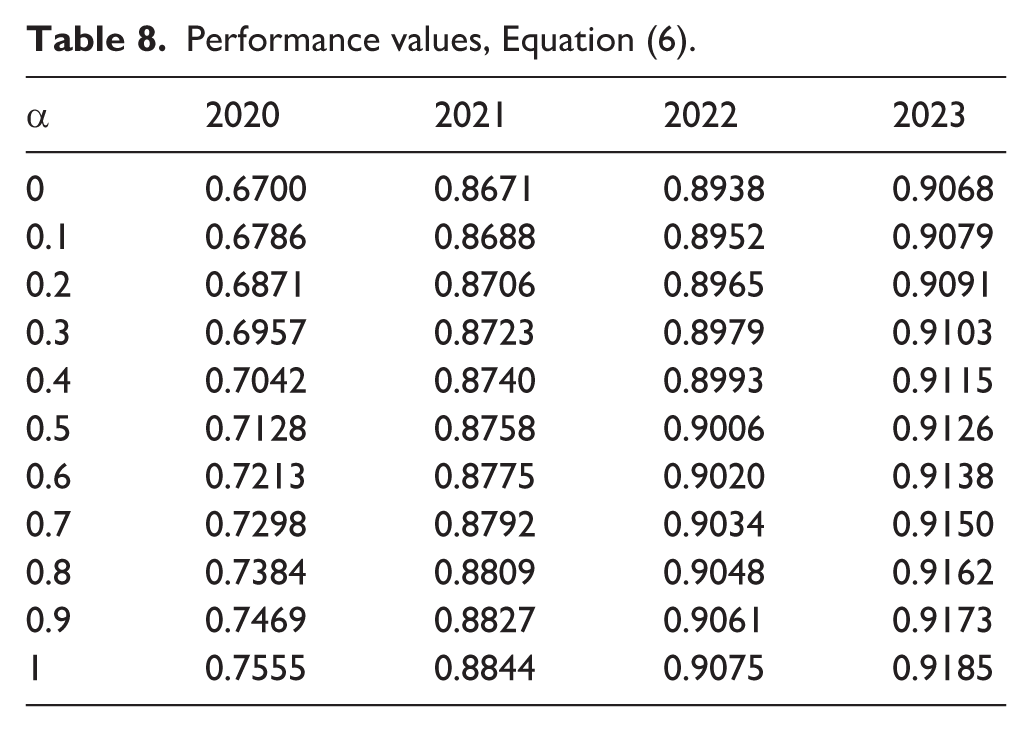
In the WASPAS method, the effect of α is examined to improve the accuracy and efficiency of the decision-making process. The effect of α on the ranking is calculated using Equation (6), and the performance values and the corresponding rankings are presented in Tables 8 and 9.
Performance values, Equation (6).
Ranks.
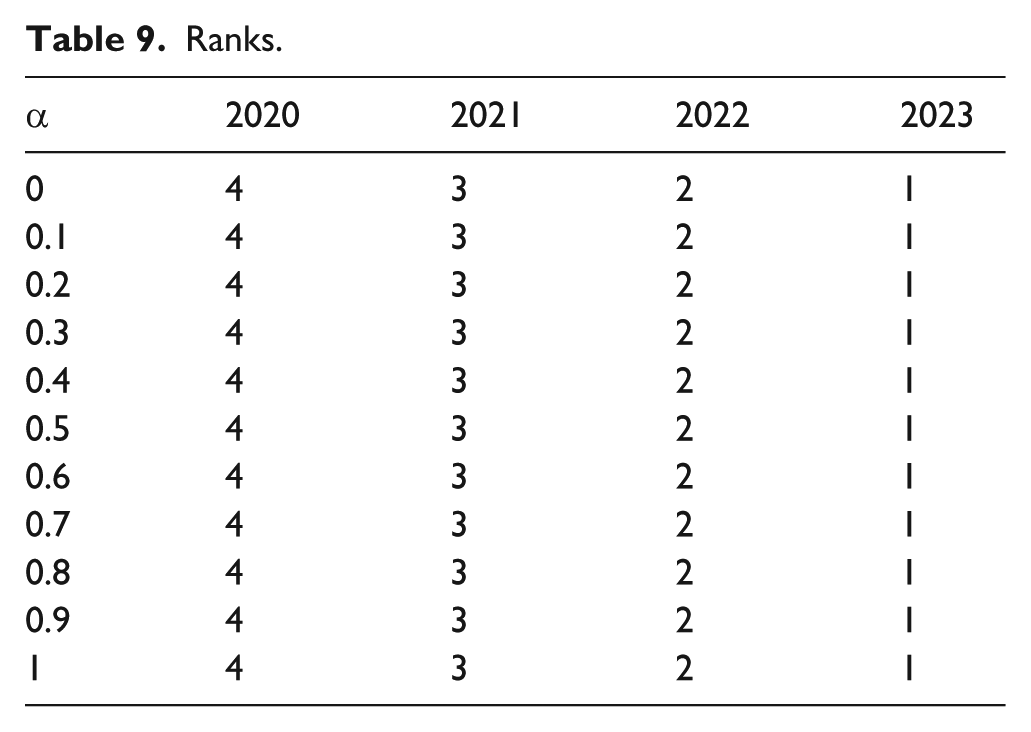
The coefficient specified here is a parameter that determines the influence of the summation and multiplication parts in the WASPAS method. To ensure an equal reflection of both parts’ effects, this coefficient is commonly set to 0.5. The highest performance score among these values indicates the optimal alternative according to the WASPAS method. 75
According to the results obtained through the WASPAS method, the year 2023 was identified as the optimal alternative in terms of overall sustainability performance based on the sustainability criteria considered in the study.
TOPSIS calculations
Following the construction of the decision matrix (Table 4) for the first stage of the TOPSIS method, the normalized decision matrix (rij) is calculated using Equation (8) and presented in Table 10.
Normalized values, Equation (8).
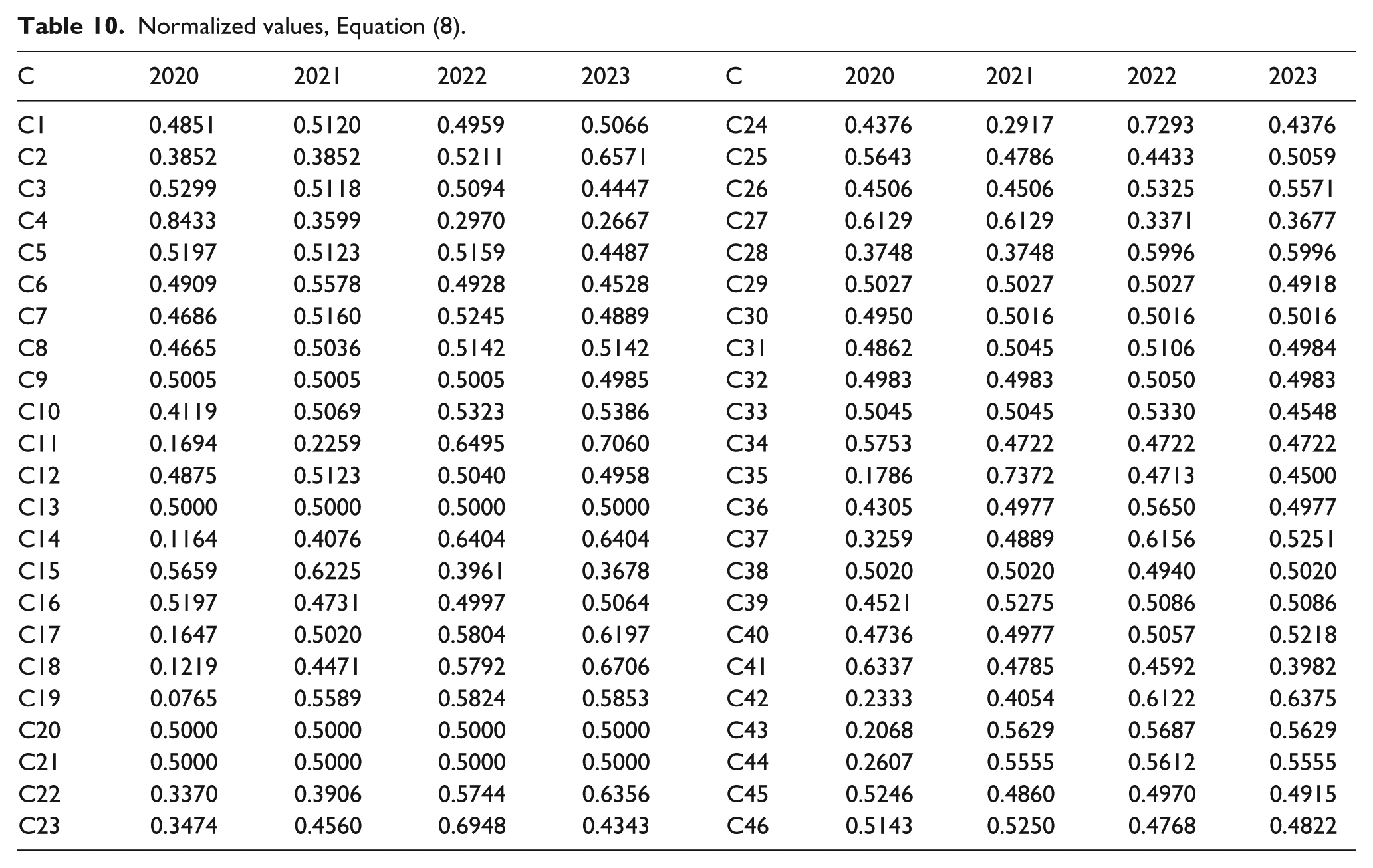
Equal weights were assigned to all criteria. Subsequently, using Equation (9), each element in the normalized decision matrix was multiplied by the corresponding weight value to obtain the weighted normalized decision matrix, which is presented in Table 11.
Weighted normalized values, Equation (9).
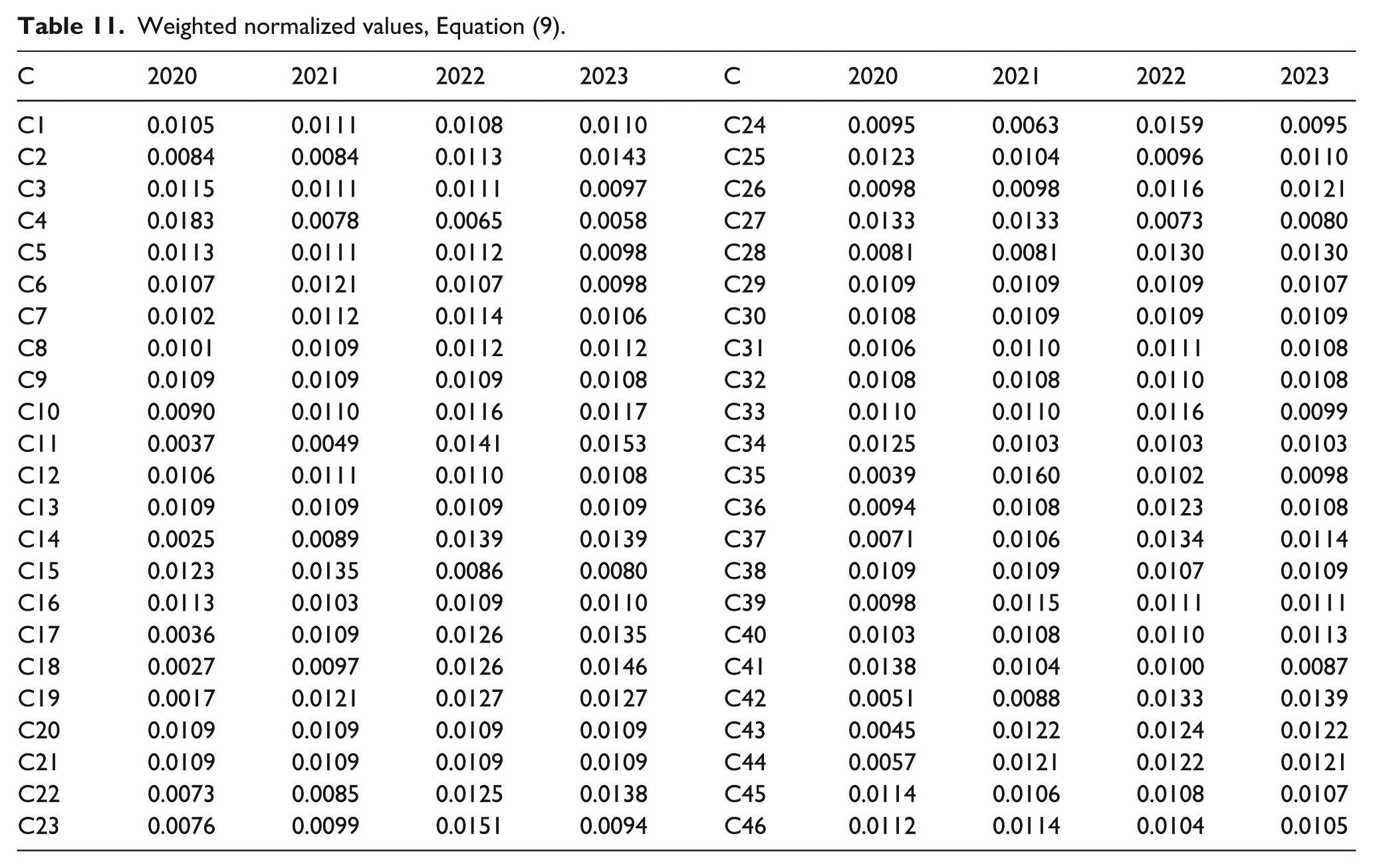
At this stage, the positive and negative ideal solutions (PIS and NIS) are determined using Equations (10)–(13) and the results are presented in Table 12.
PIS and NIS values, Equations (10)–(13).
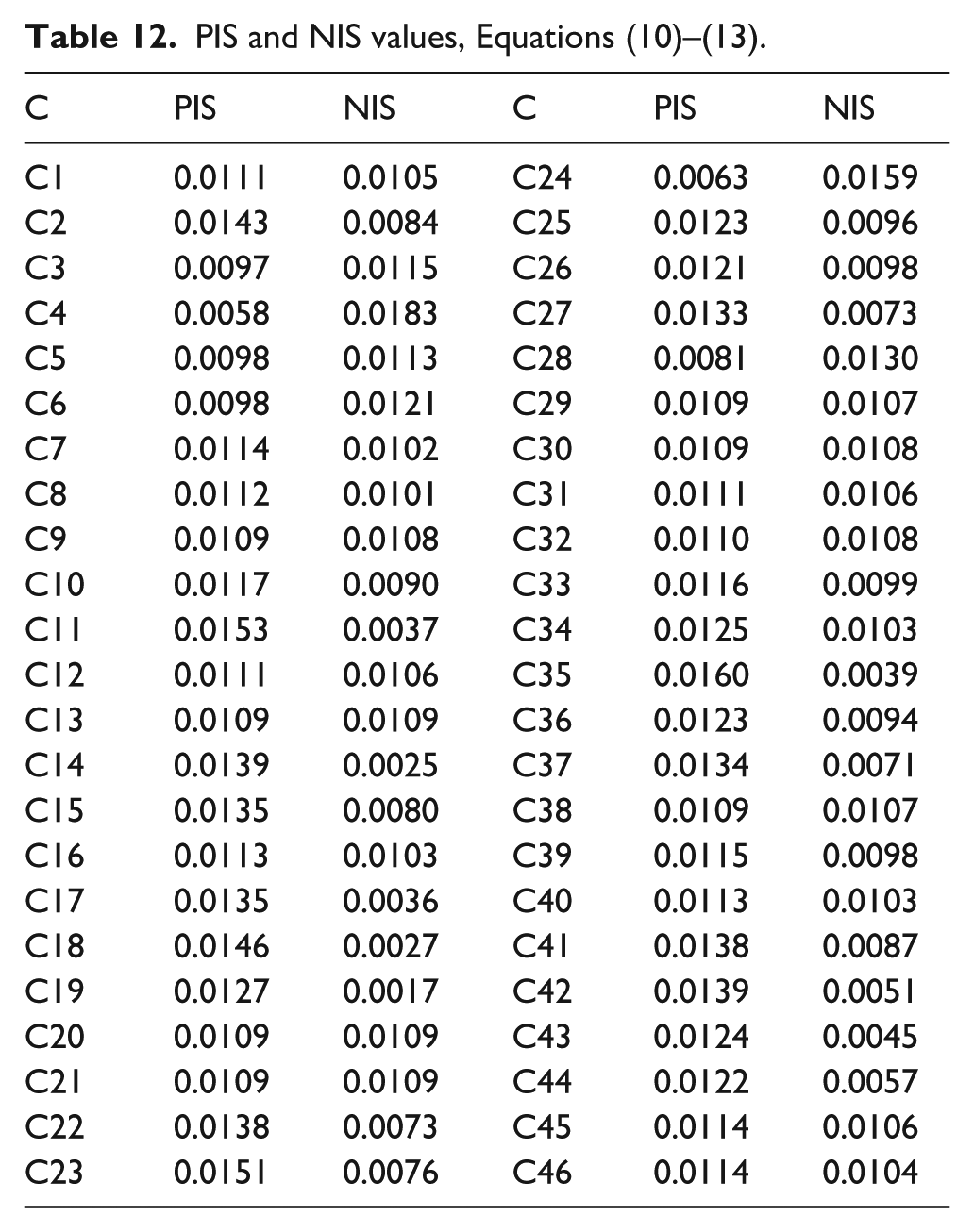
In the TOPSIS method, the Euclidean distance approach is utilized to determine the distances of each alternative’s criterion value from the PIS and NIS sets. In calculating the relative closeness (Ci*) of each alternative to the ideal solution, the distance from the PIS and NIS are utilized. Distance from PIS and NIS, closeness coefficient [Equations (14)–(16)] and rankings of the alternatives are given in Table 13.
Distance from PIS, distance from NIS, closeness coefficient, and ranks, Equations (14)–(16).
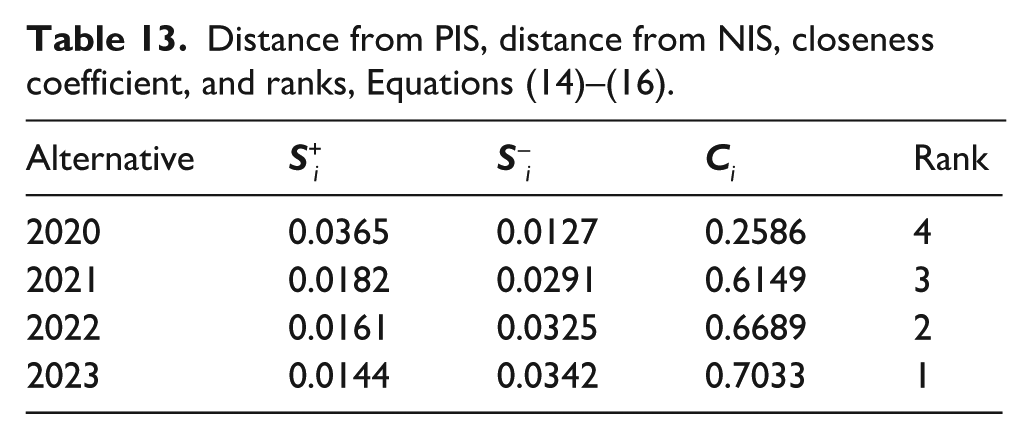
In the final stage of the TOPSIS method, the calculated Ci values range between 0 and 1, with values closer to 1 indicating that the alternative best meets the expected conditions. 76 According to the results, the year 2023 represents better performance among the alternative years. The ranking results obtained from both methods are presented together in the graph shown in Figure 2.
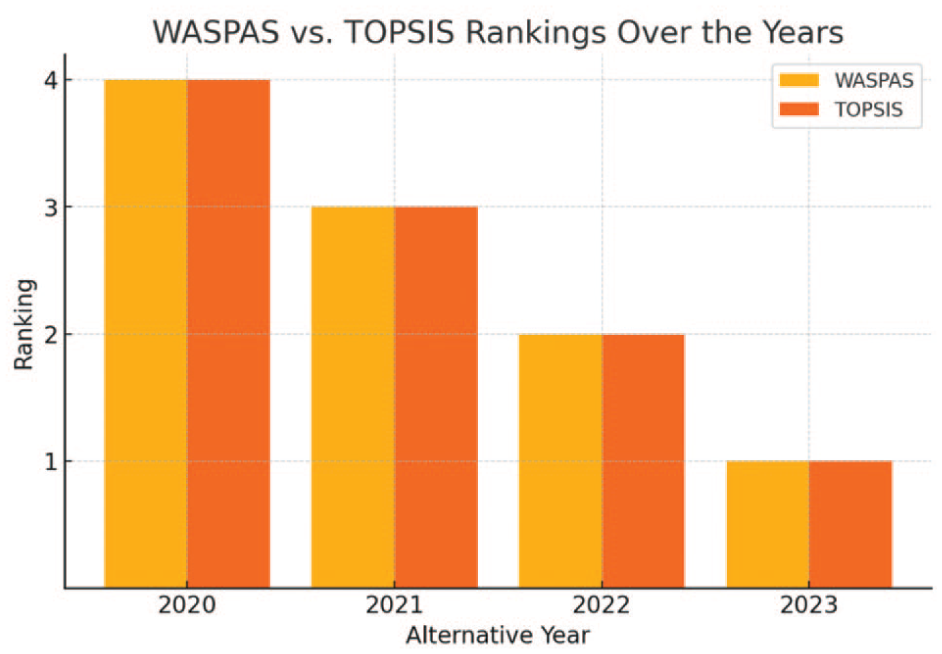
Comparison of WASPAS and TOPSIS rankings over years.
Discussion
The findings of this study provide critical insights into the assessment of sustainability performance in the textile industry using the WASPAS and TOPSIS methods. The analysis, based on sustainability reports from a global textile company, highlights a clear trend of improving sustainability performance over the evaluated years, with 2023 emerging as the best-performing year. This improvement reflects the growing importance of sustainability within the industry and the increasing adoption of practices that align with global sustainability standards.
The highest sustainability performance observed in 2023 can be attributed to the strengthening orientation toward sustainability within the textile sector, shaped by evolving regulatory frameworks and increasing stakeholder expectations. This indicates that firms have restructured their strategic priorities around sustainability and implemented tangible improvements reflected in performance metrics. Accordingly, for companies in the textile industry, adopting more transparent reporting practices, cleaner production technologies, and circular economy strategies is critical to maintaining or enhancing sustainability performance over time.
One of the key takeaways from this research is the effectiveness of MCDM methods in assessing sustainability performance. The application of both WASPAS and TOPSIS methodologies ensures robustness and consistency in the evaluation, as demonstrated by the alignment of their ranking results. This dual-method approach mitigates potential biases and errors associated with single-method evaluations, providing a more comprehensive assessment of sustainability performance.
Similar studies have also shown that MCDM methods are effective in assessing sustainability in the textile sector.77-80 For example, analyses using different types of MCDM methods have contributed to the development of more structured sustainability strategies in companies. This highlights the importance of integrating MCDM approaches into decision-making and performance evaluating processes in industries such as textiles.
The study also underscores the significance of data-driven decision-making in the textile sector. By leveraging sustainability reports, companies can track their progress, identify areas for improvement, and align their operations with regulatory requirements and stakeholder expectations. The ability to quantify sustainability performance through well-defined indicators enables firms to set achievable sustainability targets and monitor their progress effectively.
Moreover, the research contributes to the broader discourse on sustainable development by showcasing how SR can serve as a valuable tool for performance assessment. As companies face increasing pressure from regulators, consumers, and investors to adopt sustainable practices, transparent and detailed SR becomes a critical factor in maintaining corporate credibility and competitiveness.
Conclusion
This study has highlighted the applicability of MCDM techniques in evaluating sustainability performance in the textile industry. The use of MCDM tools with data derived from sustainability reports provides an objective and systematic approach to performance evaluation. The findings highlight the positive trajectory of sustainability efforts within the sector and the role of systematic evaluation in fostering continuous improvement. As the industry advances toward a responsibility framework encompassing all dimensions of sustainability, adopting comprehensive and objective assessment methods will be crucial for ensuring long-term sustainability and competitiveness. The integration of sustainability metrics into decision-making models not only facilitates a more structured evaluation but also enables companies to align their strategies with global sustainability goals, such as the UN’s SDGs. These methods support companies in achieving sustainability goals, making strategic decisions, and gaining competitive advantages, while also establishing a scientific foundation for building a more sustainable future.
This study is limited to the data of a single company; however, the applicability of the model to multicompany comparisons or the analysis of sustainability performance in the textile sector across different geographical regions could be considered a valuable direction for future research. Another limitation of this study concerns the predefined set of sustainability criteria. Future research could extend the analysis by incorporating a broader range of sustainability indicators to evaluate the performance of other globally operating textile companies and to monitor their progress over time. In addition, in the context of criteria weighting, future studies focusing on a specific sustainability domain could incorporate expert evaluations to determine the relative importance of the criteria, which may then be systematically integrated into the applied decision-making methods. In addition, integrating other MCDM methods could provide deeper insights and further validate the robustness of sustainability assessments.
Footnotes
Declaration of conflicting interests
The author declared no potential conflicts of interest with respect to the research, authorship, and/or publication of this article.
Funding
The author received no financial support for the research, authorship, and/or publication of this article.

Data availability statement
The data that support the findings of this study are available from the corresponding author upon reasonable request.