



Abstract
The world has been facing a growing crisis in textile waste due to global population growth and improved living conditions, combined with a decrease in the life cycles of textile products. Textile recycling is one of the key aspects for reducing the massive waste problem generated by the fashion and textile industries. Despite the need to develop textile waste recycling industries, acceptable practical interim measures still need to be taken. Textile waste can affect people’s lives economically and environmentally. Producing apparel from natural or synthetic origin can produce pollutants and waste at each stage. In this review article, the effects of the fashion and textile industry have been studied from economic and environmental perspectives. The available technologies and methods for waste recovery and recycling at each stage have been studied, and the uses of products after recycling have been systematically investigated. Despite all the progress made in the waste recycling processes of the fashion industry, many deficiencies and challenges still need to be addressed. Among the most critical challenges are the large scale of industries, the problems of collecting and classifying waste materials, and the presence of contaminants including blends and chemicals. There is also need for more awareness among consumers about the importance of fiber-to-fiber recycling processes, because to date the progress in this field is out of proportion to its necessity. Overall, this article is a valuable resource for anyone interested in understanding the current state of recycling and recovery in the textiles, garment, and fashion industries.
Global population growth and improved living conditions for citizens, combined with overproduction, reduced prices, and a reduction in textile product life cycles, have caused the world to face a textile waste crisis in recent years. There are various categories of textile application, including: garments (such as casual clothing, uniforms, etc.), home furnishings (such as curtains, bedspreads, tablecloths, etc.), industrial (such as filtration systems, conveyor belts, etc.), medical (such as surgical gowns, wound dressings, etc.), sport (such as footwear, caps, etc.), with each having different life cycles. Meanwhile, the contribution of the fashion and clothing industry in creating the crisis is very significant. Many people worldwide have adapted themselves to “fast fashion” trends and, in this way, they buy more inexpensive clothing, which has been produced on a mass scale, in response to the latest trends.1–5 The motive behind fast fashion is recurring consumption and impulse buying, which encourages a sense of urgency when shopping. 6 Due to fast fashion’s popularity, this industry has grown significantly making its products available as rapidly as possible and in volumes designed to ensure that no potential sale is missed due to lack of stock, making it one of the most significant environmental threats. This industry is responsible for an estimated 4–5 billion tons of carbon dioxide emissions annually, or about 10–12% of the total global carbon dioxide emissions. 7 In addition to air pollution, the fashion industry is one of the world’s biggest consumers and polluters of water. The textile industry consumes about 79 billion l of water annually, and approximately 20% of industrial water pollution is related to textile dyeing and finishing processes. 8 Therefore, it is necessary to pay attention to the fact that the approaches taken by industries and people during the past decades have yet to lead to sustainable development, and there is a need for a fundamental change in production and consumption approaches. It is necessary to modify the pattern of consumption in the textile industry and change the behavior of consumers by designing and implementing long-term plans by international organizations in order to achieve sustainable development and decrease financial and environmental damage. 9 In order to be sustainable, it is likely that consumers will need to reduce the number of new items of clothing purchased and use them for longer. As there are limited natural resources, it is vital to consider how to manage these resources efficiently by diminishing consumption of virgin raw materials through the reusing and then recycling of textiles regarded as waste, which would facilitate a sustainable approach to textile waste management. Although the recycling of textiles has improved in recent years, it is still not commonly commercially viable. In Europe, a quarter of waste textiles are recovered or recycled, while the rest is disposed of in landfills, only 1% return to the clothing cycle.10–12
For many years before the production of synthetic fibers, natural fibers dominated the entire textile industry as a raw material. Synthetic fibers were first introduced in the late 1930s, their usage has grown rapidly and now about 70% of the fibers used globally are synthetic fibers such as polyester, nylon, etc.13,14 Among synthetic fibers, polyester consumption has increased most significantly in the 21st century and is now the most commonly used of all textile fibers. Figure 1 shows the global production share of each synthetic and natural fiber. Polyester is made from petrochemicals and requires a lot of energy, which is mainly supplied from non-renewable sources. Likewise, in producing nylon fibers, harmful environmental pollutants, including greenhouse gas emissions and particulate matter, are released into the atmosphere.15,16
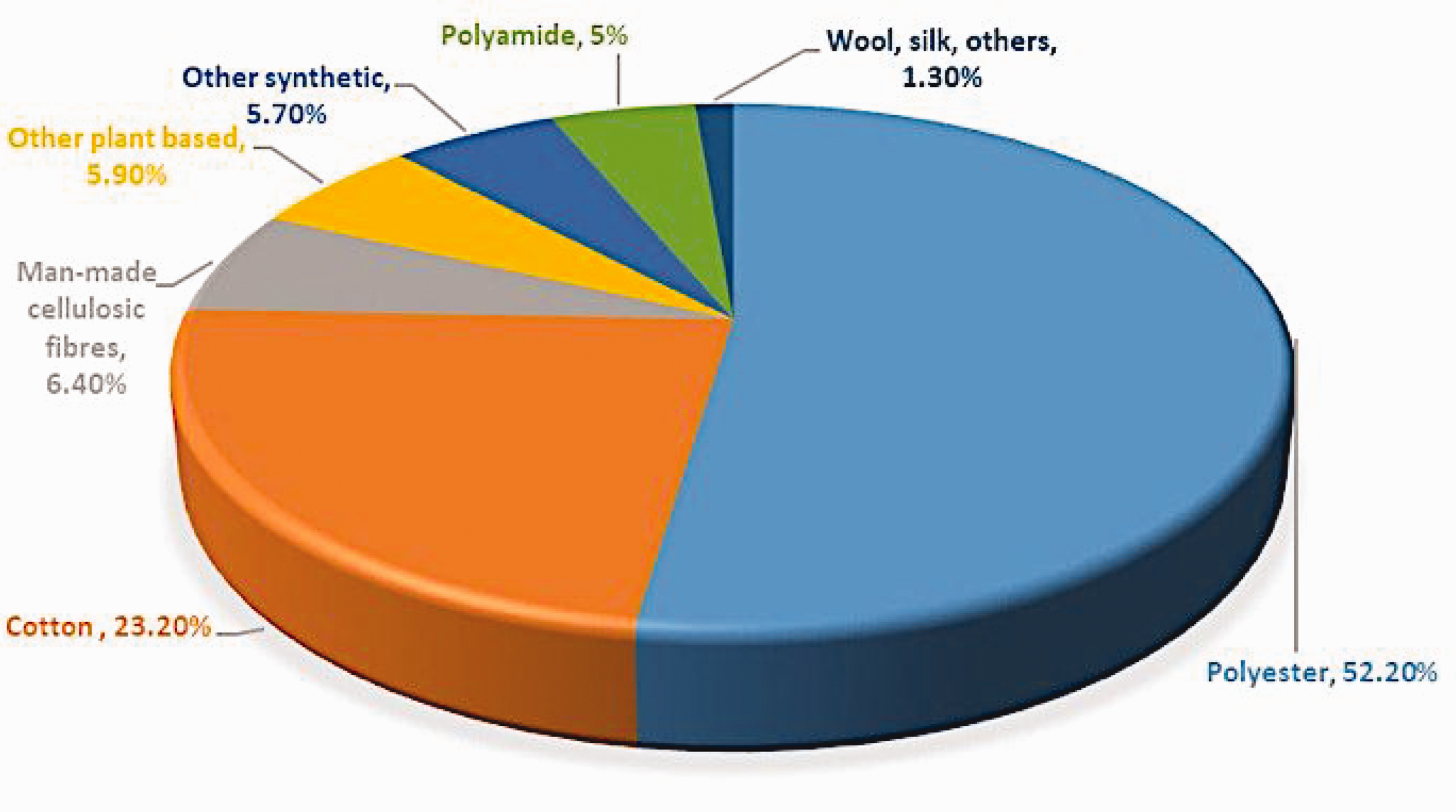
Fiber production share in the world in 2019 – reprinted and modified with permission from reference 31, CC BY 4.0. 31
The environmental and health impact of air and water pollution are not only limited to synthetic fibers; natural fibers can also have destructive effects in their production and disposal. Cotton is the most used natural fiber in the textile industry. In cotton production, a significant amount of water is consumed; approximately 2.6% of the world’s total water consumption is spent on cotton production. In addition, to produce cotton in the volume required to meet the needs of today’s world, much land needs to be cultivated, and many pesticides and other chemicals must be used to increase the yields. Of the total of world pesticides, 11% are used annually for cotton cultivation. The use of chemical pesticides has irreparable destructive effects on the environment. Unlike synthetic fibers, natural fibers are degradable, but adding dyes and chemical finishes causes chemical pollution and disturbances in the fiber decomposition process.17–19
In various sectors of the textile industry, from fiber production to clothing production and finishing, processes used can have destructive effects on the environment in different ways.20–22 The release of carbon dioxide gas during production is one of the most important and obvious negative impacts of textile processes. Today’s materials used in the fashion, textile, and apparel industries are derived from farming, forests, or fossil fuels. These three areas are the most important focus areas to limit global warming and mitigate its most serious impacts. In addition, the destructive economic effects caused by fast fashion trends and the non-recycling of textiles are very significant. Until now, global plans and actions have been designed and implemented by experts. While each plan had the potential to reach useful results, it is hard to see how they will be achieved without legislation. For example, Textile Exchange has designed and implemented various programs to reduce greenhouse gases (GHGs) resulting from the production of fibers and raw materials. Their goal was to reduce GHGs by 45% by 2030. 23 Although the goals in the designed programs for the future are very clear, achieving such goals requires comprehensive measures, industrial unity, and the use of different technologies. According to the goals, the amount of GHG emissions should be diminished from 336 billion kg in 2019 to 203 billion kg in 2030, however the amount of greenhouse gas output reached 340 billion kg in 2021. 23 This statistic shows the GHG trend going in the wrong direction in the first two years of this program. Urgent action is required.
Here, textile waste generation and management will be discussed, as well as existing technologies for textile waste recovery and associated challenges.
Types of textile waste
Textile waste generated by the apparel industries is generally classified into three categories: pre-consumer, post-consumer, and industrial waste. 1 Pre-consumer textile waste refers to manufacturing waste generated when natural, synthetic, or blended fibers are processed into yarns, fabrics, and finished garments, footwear, interior, or technical textile products. Pre-consumer waste is easier to recycle than post-consumer waste as it tends to be more uniform with fewer unknown contaminants. Unsold stock and returns from offline and online sales are also included in pre-consumer waste. Unsold stock and returns are considered by some industry specialists to be industrial waste since the fashion industry must dispose of them. According to the European Union (EU) waste directive, 24 waste items should be avoided as much as possible and can only be disposed of in landfills when they are no longer useful. Clothes usually have different decorations, buttons, and accessories, and are commonly blended, making their recycling process more complicated.25,26
Post-consumer textile waste includes any apparel or fabric that has reached the end of its useful life and has been discarded, because it is worn out, has been damaged, has been outgrown, or has fallen out of style.27,28 About 11 kg of textile waste is discarded per person in the EU each year. These materials are most commonly incinerated or disposed of in landfills. Smaller percentages are resold in secondhand European markets or shipped overseas. 29 Economists and representatives of nongovernmental organizations (NGOs) are also critical of secondhand clothes. Asian and African garment industries are harmed by the large number of used clothes arriving at secondhand markets these days. 30
Finally, commercial and industrial users generate industrial textile waste, including carpets, hospital refuse, filters, conveyor belts, etc. Industrial textile waste is usually considered dirty waste. Due to the difficulty of collection and the complexity of its chemical processes, this waste is less likely to be recycled. Burning or burial methods are very common for this category of waste. 26 Figure 2 shows the relative ease of each category of textile waste recycling.
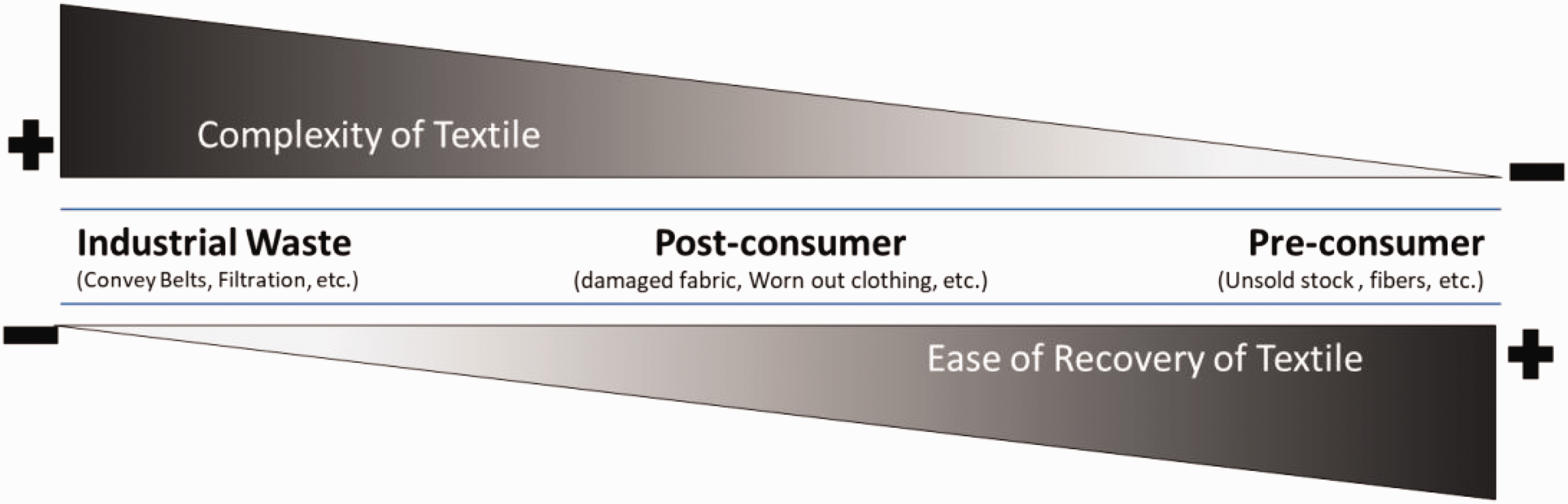
Various categories of textile waste and the difficulty of recycling them.
The economic and environmental effects of textile recycling
Ideally, 100% of the waste related to the textile and fashion industries would be recycled, and no part of the fashion industry should produce non-recyclable waste. In contrast to the ideal state, a significant portion of the fashion industry’s waste is disposed of in landfills and much of it is very hard/expensive to recycle. As a result of this process, many countries are facing economic and environmental challenges caused by the incorrect management of textile waste. 31
Economic aspects
China, as the country with the largest share of global textiles and clothing production, is facing serious crises. China’s industry has been growing continuously in recent decades, and its clothing industry with increasing synthetic fiber production is no exception. About two-thirds of the world’s clothes are produced in China.32–34 The Chinese government encourages fashion-related businesses to recycle their textiles through mechanical and chemical methods. But this encouragement has not affected the final statistics in the absence of high-efficiency recycling technologies. In 2022, less than 20% of the 26 billion kg of textile waste was recycled in China. 35 Similarly, in 2020, 1.5 billion kg of the 22 billion kg of textile waste was recycled 35 and in 2017 China recycled 3.7 billion kg of textiles and buried 26 billion kg of clothing. 35 The Chinese government has set a goal to increase its textile waste recycling rate to 25% and 30% by 2025 and 2030, respectively. 36
Textile industries in the EU produce about 16 billion kg of waste annually, while only about a quarter of it is recycled, and the rest is disposed of in landfills. 37 Various European institutions have prepared textile industry management principles, which need to be adopted by EU members. 38 France has adopted an extended producer responsibility (EPR) policy, and the goal of EPR is to make producers responsible for collecting, processing, and treating products post-consumer, including recycling and disposal. In the first instance this has been done indirectly via an EPR “tax.” Since its commencement in France, the EPR policy has led to a 13% average annual increase in postconsumer textile collection. The policy can also support research and development in the sector to solve issues that textile producers and recyclers face.31,37 Producer responsibility and separate collection and recycling agencies are critical to the success of EPR-based environmental policies. 39
In the USA, most of the textile waste is related to clothing, but other significant sources, such as carpets, footwear, tires, etc. are also problematic. In recent decades, textile waste in the USA has increased; for example, in 2010 about 13 billion kg textile waste was produced, while by 2017 this had increased to 16.9 billion kg. More than four-fifths of textiles made in the USA end up in landfills, while about 15–20% of these textiles are recycled or donated. 31 Among the world’s economic leaders, the USA disposes of more textile waste in landfills than any other country, and China is in second place. 37
Environmental aspects
In various sectors of the textile industry, from producing fibers to clothing (and other products), water, chemicals, energy are consumed, and waste is produced. Figure 3 indicates these four parameters associated with each of the major stages in the clothing lifecycle. Among the textile industries’ most significant environmental effects are carbon dioxide, water, chemical, and fiber pollution. The globalization of the industrial systems of textile production and fashion industries has caused an uneven distribution of the harmful effects on the environment resulting from these industries in different countries of the world. Even though it appears that the significant environmental damage is occurring in developing countries with large textile industries, developed countries are also affected by these destructive factors. For example, the carbon emissions are contributing to global warming and water pollution will affect the fish caught in textile-producing nations, which may be eaten locally but also exported to the richer nations.
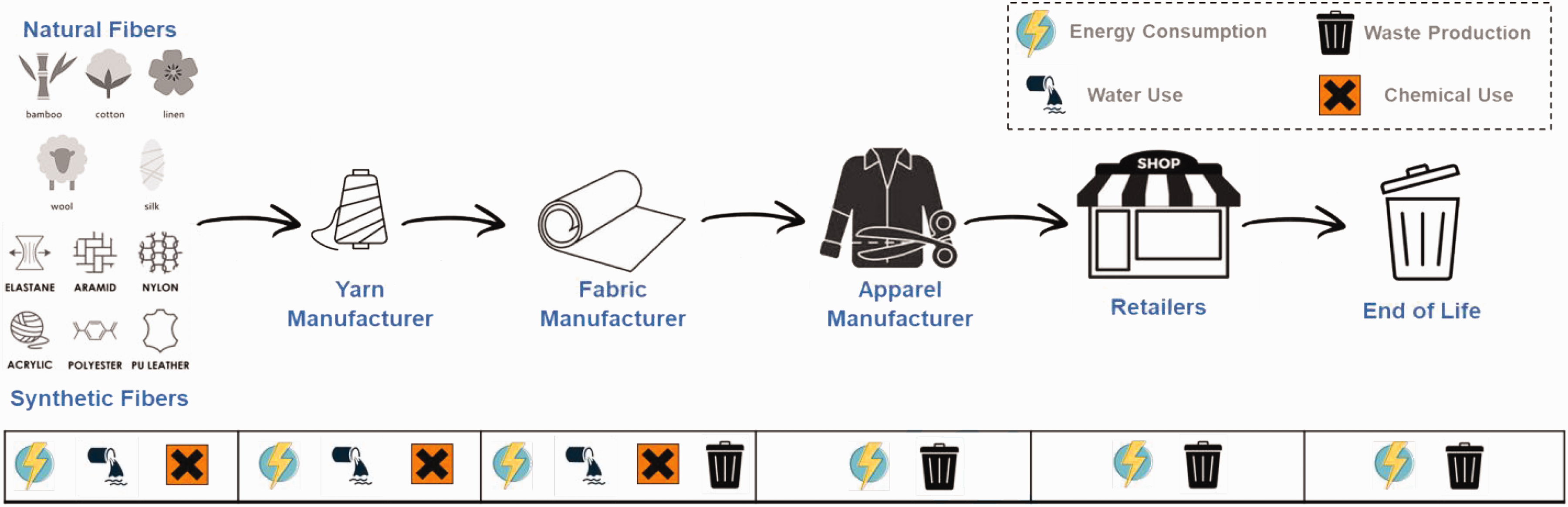
Schematic illustration of different stages of the process from production to consumption of clothing and its environmental effects at each stage – reprinted modified Figure.8
Water use
The fashion industry is one of the industries that consume a vast amount of water resources daily. This has caused significant strain on our global water supplies, making it a critical environmental issue that must be addressed. Studies have shown that the production of 1 kg of cotton, equivalent to one T-shirt and one pair of jeans, requires in excess of 20,000 l of water. 40 Most of this water consumption can be attributed to cotton farming but multiple stages of textile production, such as dyeing, bleaching, finishing processes, and printing, consume large volumes of water. Approximately 2.6% of total global water consumption is utilized in the cotton production process, which equates to an annual usage of about 44 trillion l of water for irrigation in textile production alone.41,42
It is important to note that many countries which have taken to extensively cultivating cotton have been exporting most of their cotton, yet they suffer the detrimental effects on their environment. For example, recent estimates suggest that approximately 20% of the water lost from the Aral Sea can be attributed to cotton consumption in Europe, demonstrating the severity of environmental degradation that has occurred as a direct result of human activity.17,43 The textile industry has caused a significant water crisis due to its high water consumption and has further exacerbated the issue by releasing pollutants into water sources via wastewater. This unsustainable practice has resulted in a considerable shortage of available potable water and it has caused lasting damage to aquatic environments by introducing toxins into natural bodies of water. In the dyeing and finishing processes of textiles, corrosive and toxic substances are commonly discharged along with the wastewater (in countries without strong environmental legislation/enforcement) and cause contamination of underground water sources.45,46
Carbon footprint
The textile industry is one of the world’s largest and most polluting industries. It’s estimated that the fashion industry, which encompasses the manufacturing of all clothing worn by people, is responsible for approximately 10% of worldwide GHG emissions as a result of its lengthy supply chains and energy-demanding production methods. 47 This is a significant amount, especially when compared to other sectors. The textile industry is responsible for more GHG emissions than international flights and the maritime industry.48,49 The aviation industry accounts for only 2.5% of global carbon emissions, and the maritime industry for 2.2%. Many estimates are only related to the production processes of products and usually do not include the phase of transportation and retail sales and life cycle. According to a study of Swedish textile consumption, 14% of the total climate impact of the fashion industry is related to the use phase. 8 The fashion industry’s carbon footprint is not only related to the production and shipping of garments but also the entire supply chain, from the production of raw materials to the disposal of clothes, as shown in Figure 3.
The high carbon footprint in the fashion industry is due to energy intensive production processes to make/process fibers, yarns, fabrics, coloration, finishing of textiles, and then conversion to garments. The energy used comes mainly from non-renewable energy sources that pollute the environment. In China, the largest producer of textiles in the world, fashion industries have a strong dependence on coal resources for energy supply, and this has caused the carbon footprint in China to be more than in the EU.50,51 Since fast fashion has become a global trend and the cheapness of the final product is one of the industry’s critical parameters, there is no available margin for green energy premiums. Using renewable resources significantly increases production costs and forces fast fashion-related industries to refrain from using green energy resources. 52 In addition, synthetic fibers are commonly used in the fashion industry due to their reasonable price and large production volume. In the life cycle of clothing, energy consumption and carbon footprint are particularly high for products made of synthetic fibers, since their main base is petroleum and fossil fuels.50,53 For example, about 160 kWh is used to produce 1 kg of polyamide, one of the most common synthetic fibers used in the textile industry. 54
Fiber type and production methods both impact on carbon footprint. For example, the difference in carbon dioxide produced in cotton cultivation by industrial methods is huge compared to organic methods. Industrial cotton cultivation can effuse 3.5 times more carbon dioxide than organic cotton cultivation. Nevertheless, the carbon footprint of even non-organic natural fibers is significantly lower than that of synthetic fibers. Replacing synthetic fibers with natural fibers could significantly reduce the carbon footprint. Among natural fibers, plant-based bast fibers like jute, flax, or hemp sequester atmospheric carbon and act as a carbon sink,55,56 so these could be particularly useful.
Chemical use
Many chemicals are used during production of clothing and other textile products. Approximately 11% of the world’s pesticides and 24% of insecticides are used to grow conventional cotton.42,57 In addition, about 7% of all herbicides used worldwide are used in the cotton cultivation process, that is more than any other crop in the world. 58 Excessive use of agricultural pesticides reduces the fertility and quality of the soil and destroys biodiversity and microorganisms which disrupts the biological processes of the soil. 59 Although in recent years, the use of pesticides has been diminished with the genetic modification of cotton, the high volume of cotton cultivation has caused soil erosion in countries such as America, China, India, and Brazil. 60
In yarn and fabric production, chemicals are used as lubricants, accelerators, anti-statics, solvents, etc. Also, many chemicals are used in the dyeing and finishing processes. More than 80% of chemicals used in Europe are produced outside of Europe, but the environmental harm (water, energy, and carbon footprint) associated with their production is not directly imported with the chemicals themselves. The manufacturers of chemical substances need to include complete information about the potential risks of these substances in the relevant datasheets. 61
The use of antibacterial agents in textiles has become increasingly common, and this can lead to the development of antibiotic resistance in some cases. This is a worrying trend, as antibiotic resistance is a growing problem that needs to be addressed with caution. 62 Approximately 5% of investigated antibacterial chemicals pose a significant harmful impact on the environment. They can spread globally and bioaccumulate over time in living organisms, which may result in diseases, allergic reactions, and an increased risk of cancer. 61 Chemicals involved in the waterproofing of textiles, which are predominantly chemically stable fluoropolymers, have been found even in the most remote Arctic locations and are present in the bodies of polar bears and seals. This demonstrates how far-reaching the effects of chemical use during textile manufacturing can be on a global scale. 63
In some cases, the substitution of harmful or toxic chemicals with safer alternatives is an approach employed to minimize the potential risk of exposure to these hazardous substances. However, this strategy can be highly detrimental when new chemicals are implemented without conducting the necessary pre-implementation safety testing and certification to ensure they are safe for use. For example, long-chain perfluoroalkyl and poly-fluoroalkyl substances used in various manufacturing processes could be replaced with short-chain perfluoroalkyl and poly-fluoroalkyl substances as well as perfluoropolyether; however, there is currently insufficient information available to conduct risk assessments when considering these fluorinated alternatives. Even though specific options may have been deemed safe by current regulations due to their low acute toxicity levels, there is still the potential that they may pose a risk in the future. 64
Textile reuse and recycling
Textile reuse has increasingly become a popular option in mitigating the negative impacts of textile waste on the environment. Textile reuse refers to the process of using or adapting textiles already in existence, rather than creating new products. It is widely accepted that reuse is more beneficial than recycling, especially when the reusing phase can be prolonged for a significant period.65,66 Textile reuse is an increasingly popular practice that offers a variety of ways to extend the useful service life of textile products from their first owners to the next. This includes repair, re-purposing, upcycling, and donating, among many others, allowing individuals and businesses to reduce their environmental footprint while also helping those in need.67,68
Once a product has been used for as long as possible, and perhaps re-used by others, it should be recycled. Fiber to fiber recycling can have a significant positive effect on the environment due to its potential to reduce the need for virgin raw textile fiber production. Additionally, it has been observed that recycled fiber production can reduce energy consumption and carbon dioxide emissions compared to the production of virgin materials. Moreover, recycling textiles is a much more sustainable approach than incineration or landfilling which can negatively impact the environment. Textile recycling helps reduce water usage by converting waste materials into textiles that require less water and produce fewer emissions than new materials.65,66
Textile recycling is a critical part of modern waste management and can be classified into four categories: upcycling, downcycling, closed-loop, and open-loop recycling. Upcycling involves transforming materials into higher quality, or more valuable products; downcycling involves breaking the material down into lower quality products; closed-loop recycling consists of using recycled materials in the same product cycle; and open-loop recycling involves using recycled materials for a completely different purpose and often results in down-cycling. Each type of textile recycling plays a different but vital role in diverting waste from landfills.69,70
Open-loop recycling, e.g., turning plastic bottles into recycled polyester clothing, is currently a more common source of recycled textiles than closed-loop recycling. This method of recycling involves breaking down the waste material into its basic components and then using those components to create new products. In contrast, closed-loop recycling involves reusing the material over and over again to create the same product, e.g., fiber-to-fiber recycling. While closed-loop recycling is seen as more environmentally friendly, open-loop recycling has its own benefits, particularly in the absence of suitable closed-loop recycling facilities. For example, it can help reduce the amount of waste that ends up in landfills and can also reduce the need for virgin materials in other industries. Both closed- and open-loop recycling can help reduce greenhouse gas emissions by reducing the energy required to produce new products from virgin materials. A study published in the Journal of Resources, Conservation and Recycling found that open-loop recycling can also have economic benefits by creating new jobs and industries.71–73 The closed-loop recycling approach is a highly efficient method for recovering and reprocessing the raw material used to produce a polymer product, sometimes allowing the production of the same quality as that from virgin material. This approach helps promote sustainability by reducing dependence on natural resources and reducing pollution levels.69,70,74,75 Classification of different forms of reuse and recycling is shown in Figure 4.
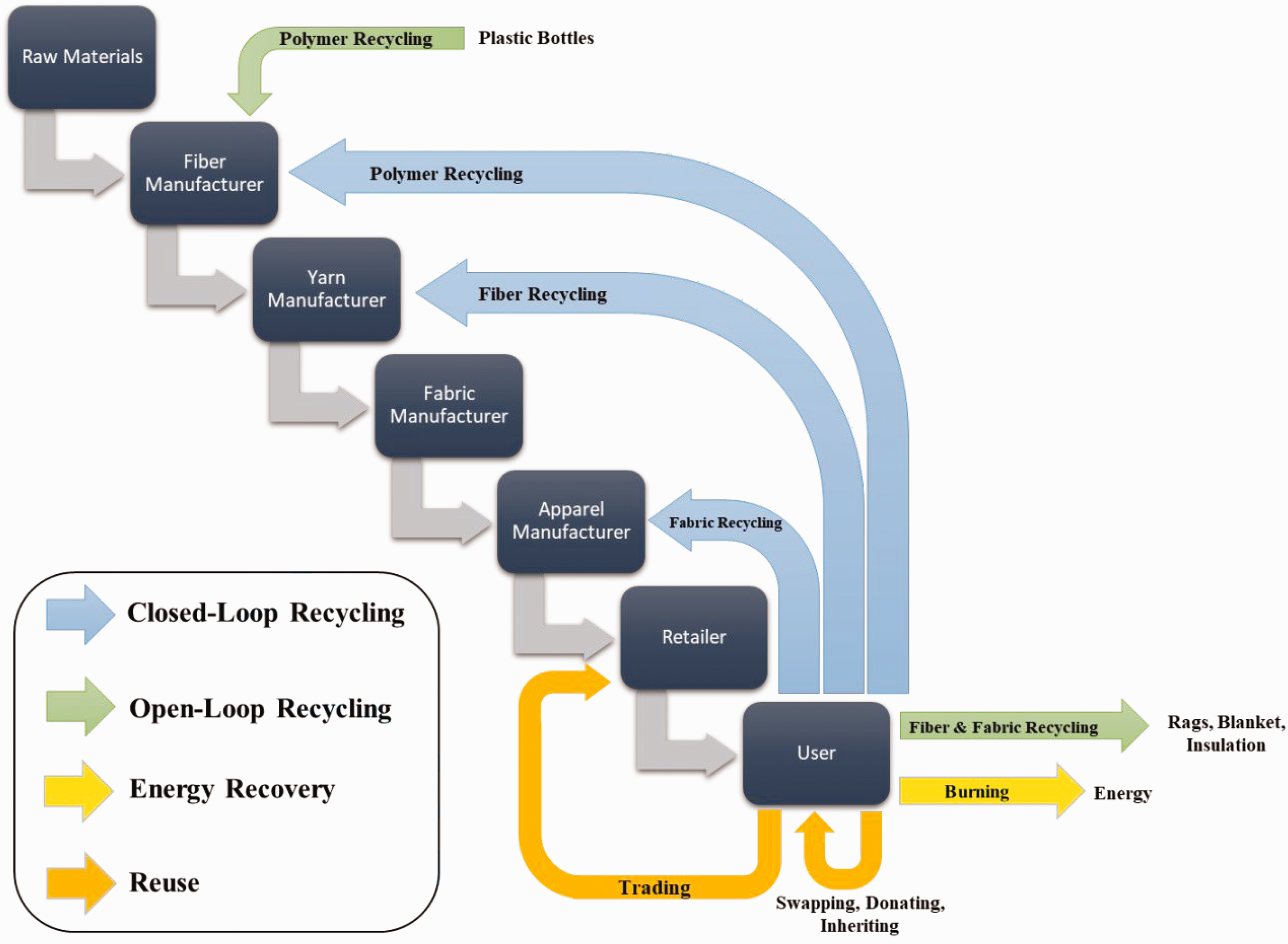
Classification of reuse and recycle routes.
Textile recycling technologies
There is an array of different technologies that can be employed to promote and facilitate textile waste recycling, and recovery. These technologies have the potential to provide an effective solution for reducing environmental impact and minimizing landfill waste. The following sections will discuss effective mechanical, chemical, and biochemical technologies.
Mechanical technologies
In general, mechanical recycling is known as the most straightforward and efficient method of textile recycling. This method can be divided into two separate mechanisms.
The first mechanical recycling mechanism is about cutting, shredding, and carding/garnetting textiles, and can be used for most textile materials. The shredded fibers will be shorter than virgin fibers, leading to reduced strength/quality and weaker yarns. These recycled fibers can be made into yarn then utilized in woven or knitted fabric or used directly in non-woven materials. 76 In addition, the products resulting from shredding can be referred to as “shoddy” yarns/fibers used for making rags, carpets, fillings for insulation, industry, and building construction materials. For instance, shredded and cut lot products can be pressed and heated into plates that are used in sound and energy insulation products.77,78 In mechanical recycling process, Garnett machines usually play a key role in fiber extraction. Garnett machines use strong wire teeth to tear the fabric and separate it into individual fibers. Although the outputs of Garnett machines are usually low-quality textiles, recent advances in machinery have made it possible to recover higher-quality fibers suitable for producing wearable-grade fabrics. 76 One of the advantages of the mechanical recycling method is the minimal need for chemical processes such as dyeing because the fibers were dyed in the previous fabric (if textiles are sorted and batch processed according to color). The main disadvantage of mechanical textile recycling is that the fiber quality is lower than for virgin fiber. 76
The second method Is thermo-mechanical processing, which is commonly used in open-loop recycling of plastic bottles into recycled polyester (or nylon) fiber. Thermo-mechanical technologies are a promising approach for textile recycling of thermoplastic materials such as polyester and nylon. The process involves mechanical shredding of the waste material, followed by heating, agitation, and filtration to break down the fibers and remove any impurities. This can result in a high-quality recycled material that can be used in various applications.79,80 The quality of thermo-mechanical recycled textiles may be higher than for (shredded) mechanically recycled textiles, but the technical literature on fiber-to-fiber recycling is currently limited and it is likely that contaminants in the feedstock have a significant impact on the quality and usability of the recycled polymer. Thermo-mechanical recycling is quicker and cheaper than chemical recycling and does not require chemical solvents. It consumes less energy and may result in less quality degradation than most mechanical recycling technologies. Thermo-mechanical recycling of textiles offers several benefits, including reducing the amount of waste sent to landfills, conserving resources, and reducing GHG emissions associated with the production of new textiles.81–83
Chemical technologies
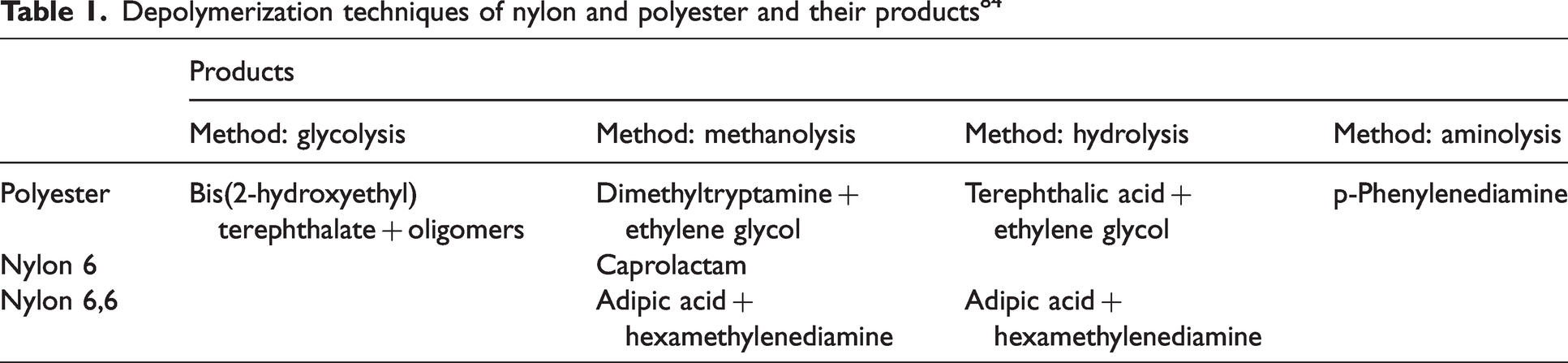
In general, chemical processing involves depolymerizing textile waste into oligomers and monomers and their subsequent re-polymerization. Depolymerization processes have become increasingly popular amongst waste management facilities when treating synthetic polymers. This process effectively breaks down the polymers into monomers or oligomers that can be more easily managed and re-used. Textile waste can be transformed into valuable resins, like nylon and polyester. These can then be broken down into constituent monomers or formed into oligomers to recreate their original resin state. The depolymerization methods include various techniques such as hydrolysis, aminolysis, glycolysis, solvolysis, and methanolysis.84,85 It should be noted that processes and techniques specific to the material’s chemical and polymer structure are required. For example, the method of methanolysis used for the production of nylon 6, which is usually converted into caprolactam or lactam, while hydrolysis can also be used to recycle nylon 6,6.84,86 Table 1 shows different depolymerization methods and their output products.
Depolymerization techniques of nylon and polyester and their products 84
Polyester is the most common synthetic fiber used in the textile industry, and therefore polyester recycling can help to drive sustainable development within this sector. By reusing these materials, we can help to reduce our environmental impacts and create a more sustainable future.87,88 Ouchi et al. 89 have devised a highly efficient two-step method for separating cotton and polyester from blends. This process involves initially subjecting the blended fabrics to an acid bath and following up with various mechanical treatments. By this procedure, cellulose was efficiently removed from polyester fabrics as a powder, with high recovery of both cellulose powder and polyester. Although this development is important it will always be cheaper and more efficient to recycle fibers in pure form than from blends.
Man-made cellulosic (MMC) fibers refer to synthetic fibers made from plant materials that contain cellulose, usually derived from wood pulp, but can also be made from waste cellulose (e.g., ReNewCell Circulose). Through a chemical process, discarded cellulosic materials undergo intense treatment to create a pulp consisting of dissolved cellulosic fibers. These fibers are then extruded as filaments or fibers (spun) and knitted or woven into fabric. The most commonly used MMC fabrics include rayon (viscose), lyocell, and modal. However, it is also possible to produce MMC fibers from various other plant sources, such as bamboo, hemp, and even agricultural waste. MMC production is widespread, ranking as the third most prevalent fiber globally and producing approximately 7.1 billion kg each year. This accounts for about 6.4% of the total fiber production worldwide and contributes to a market value of around US$25 billion, which continues to grow. 90
Chemical recycling is normally more costly than mechanical recycling and virgin fiber production. Chemical recycling involves separating components such as blended fibers, dyes, finishing, and processing agents from the useful feedstock. The fibers can disintegrate during this procedure, and it is not exempt from the consequences of using toxic chemicals as solvents. 91 The chemical method of textile recycling is very energy-consuming. Dahlbo et al. 92 found that the energy and heat demand for chemical recycling of polyester was 6599 kWh/t of textile input. In contrast, the electricity and heat demand for cellulose-based textiles was 7479 kWh/t of the textile input. This indicates that polyester is more efficient in terms of energy use when compared to cellulose-based materials for chemical recycling processes.
Biochemical technologies
One of the environmentally friendly methods for recycling cellulosic textile waste is the biochemical method, which uses enzymes to convert polymeric chains into monomers. Enzymes are biocatalysts that increase the efficiency and rate of chemical and biochemical processes. 91 Biochemical processes usually start with acidic or alkaline pretreatments, which break down the structure of fibers. Cellulose consists of two parts, amorphous and crystalline. Acidic pretreatment causes the hydrolysis of the amorphous part, and enzymes degrade the crystalline part. Acidic pretreatment works by breaking down the inter- and intra-chain bonds of the cellulose molecules, creating more space for enzymic treatment. As a result, it can significantly improve the conversion rate compared to traditional chemical methods and allow for more efficient use of resources. Alkali pre-treatment is an effective way to increase the efficiency of cellulosic bioconversion processes. Alkali pre-treatment is usually carried out with a few different types of chemicals, such as sodium hydroxide, potassium hydroxide, and calcium hydroxide. 93
Cellulosic enzymes are used for the enzymatic hydrolysis of cellulose, effectively disintegrating the glucosidic bonds in the cellulose. Biochemical recycling not only works on natural cellulose-based materials but also on synthetics like polyester. Synthetic, blended, or dyed cotton also needs pre-treatment to ensure that enzymic hydrolysis is effective. Without this, the process will not yield desired results.94,95 The pre-treatment breaks down the ester bonds in the polymer chain and turns them into usable materials. Monomers can be recycled in the manufacture of polymers or other products. However, during the hydrolysis process, big protein molecules cannot penetrate into the polyester material and, therefore, hydrolysis happens only on the surface material, which hinders the economic feasibility of the method, making it difficult to utilize effectively. 91
Biotechnological methods to re-generate monomers from synthetic fiber blends are hampered by low enzyme accessibility and lack of existing efficient enzymes capable of expediently decomposing man-made synthetic materials. The biodegradation of polymers with carbon-carbon backbones by microorganisms is hindered by the absence of hydrolyzable functional groups and activating heteroatoms such as oxygen and nitrogen. 96 This limitation is particularly evident in certain textile polymers like non-woven polypropylene used in healthcare protective gear and polystyrene utilized in construction, as their non-hydrolyzable bonds impede efficient recycling through biocatalysts. Although polypropylene can undergo some oxidative degradation by laccases (EC 1.10.3.2) produced by P. chrysosporium, previous studies have shown that the release of low molecular weight compounds is minimal.96,97 Weight losses of up to 18% were observed in ultraviolet (UV) pre-treated samples incubated for a year with fungal species like P. chrysosporium and E. album, while a more recent study reported enhanced degradation of up to 55% weight loss over 140 days using a thermophilic consortium of Brevibacillus sp. and Aneurinibacillus sp. For polystyrene, hydroquinone peroxidase (E.C. 1.11.1.7) from A. beijerinckii exhibited some biodegradation activity. Mealworms have also demonstrated the ability to depolymerize polystyrene foams with the assistance of gut microbiota. However, the lack of identified or isolated biocatalysts hinders their widespread industrial application.96,98
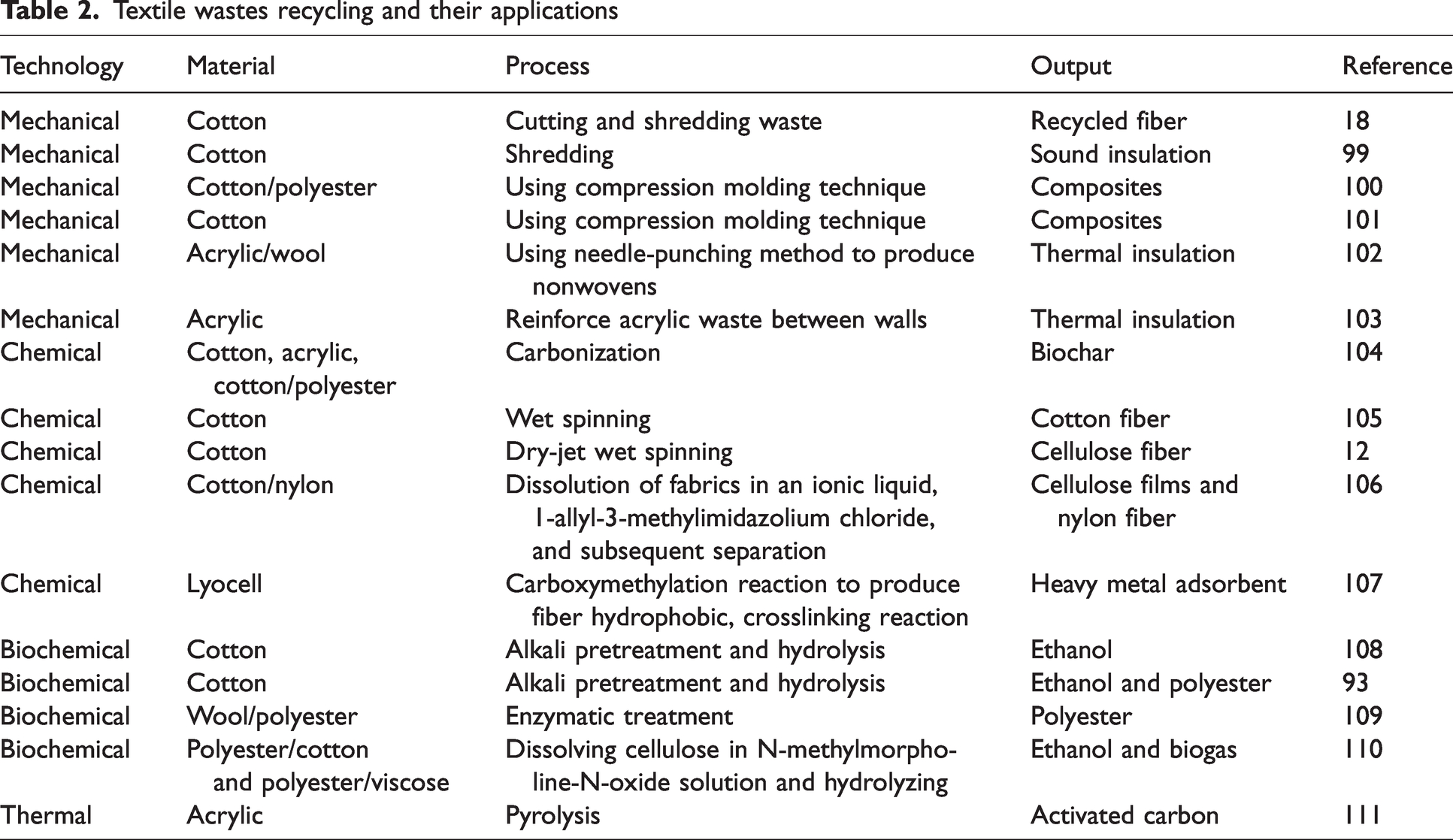
Table 2 shows the technology used for recycling textiles and their possible final application.
Textile wastes recycling and their applications
Resource recovery from non-recyclable textiles
When it is not possible, or economically viable, to recycle textile materials it may still be possible to recover some of their resources using thermal recovery, anaerobic digestion, fermentation, compositing, and other methods.
Thermal recovery
Recycling blended or mixed types of textiles has always been one of the most challenging processes, but this is not a problem in thermal recovery systems. Thermal recovery is a down-cycling process in which waste textiles are combusted to provide energy, 101 as textile waste consists of a rich energy source. Combustion, pyrolysis gasification, and incineration techniques are the most common thermal recovery techniques. Combustion includes a set of exothermic chemical reactions between fuel and oxygen, which produces heat and energy. The pyrolysis process is a process of decomposition of organic materials in the absence of oxygen.112,113 Pyrolysis produces a limited amount of heat and gaseous components, whereas in combustion the highest amount of heat is generated. 114 Incineration is a controlled combustion process that converts waste textiles into carbon dioxide and other gases. 115 Even though thermal recovery is one of the textile waste “recycling” methods and can help to reduce waste sent to landfill, this method is the least preferred because there is no possibility of reuse in this method and no replacement of virgin resources.
Anaerobic digestion of textile waste
Anaerobic digestion is a widely utilized method for treating biodegradable organic waste to produce biogas for use as an environmentally friendly energy source. This technique has become increasingly popular due to its ability to recycle organic waste and provide a renewable energy source efficiently. Cotton is a widely-used material containing more than 50% cellulose, which can be a potential substrate for biological conversion.116,117 Numerous studies have indicated that anaerobic digestion of cotton waste could be a viable method of producing methane-rich biogas, a viable source of renewable energy in future.116,118–120 However, this should be a last resort given the resources required to grow cotton in the first instance. Different pre-treatment techniques: mechanical, thermal, chemical, and biological processes and integrating multiple treatment technologies can be employed to optimize the digestion process, and have effectively enhanced the biodegradation of complex organic matter within anaerobic digestion systems. Pre-treatment results in a notable increase in biogas quality and production and improved biosolids quality. 121 Such pre-treatments can result in better efficiency during digestion and higher yields of useful products. 121
Ethanol fermentation of textile waste
Initial investigations into the potential of cotton waste as a viable feedstock for ethanol production began in 1979 when Texas Tech University started experimenting with this technology. Cotton gin waste, also known as cotton gin trash, is a byproduct of the cotton ginning process. This waste material can be used to produce ethanol, a renewable fuel that can be blended with gasoline to reduce emissions and dependence on fossil fuels. The process involves breaking down the cellulose in the cotton gin waste into simple sugars, which are then fermented into ethanol. This method of producing ethanol from agricultural waste is a sustainable solution that reduces waste and provides an alternative source of energy. Several studies have shown that cotton gin trash has the potential to produce significant amounts of ethanol, making it a promising feedstock for biofuel production.122–124 This is an excellent use of cotton gin waste, which serves no useful function in the textile Industry. Ethanol production from textile waste can be enhanced through alkali pretreatment of polyester/cotton blends, resulting in improved yield, quality, and cost-effectiveness. Researchers determined that the most optimal ethanol yield of 70% can be achieved by using a simultaneous saccharification and fermentation process, coupled with sodium hydroxide/urea pretreatment at –20°C. This breakthrough method proves to be the most desirable and efficient, offering great potential for sustainable energy production.117,125
Cotton waste from textile factories, can be effectively treated with acid and alkali to reveal hidden sugars. These sugars can be further broken down by cellulase, an enzyme produced by Fusarium species, enabling efficient recycling of this waste. Acid pre-treatment enhances the enzyme’s activity and increases sugar production during fermentation with Saccharomyces cerevisiae. Alkali pre-treatment, on the other hand, improves enzymatic hydrolysis efficiency by breaking down cellulosic bonds and increasing fiber surface area. 126 Viscose textile waste, containing a higher cellulose content than cotton, is a more favorable source for ethanol synthesis, resulting in higher ethanol yields in bio-refining processes. Morphological studies indicate that alkali pre-treatment is not necessary for viscose waste fibers, but it is recommended for cotton waste fibers to achieve optimal efficiency. Comparative research suggests that using viscose fibers instead of cotton fibers leads to faster enzymatic hydrolysis rates and superior fermentation yields, attributed to the subtle microcrystalline structural differences between the two fiber types.127,128
To effectively extract cellulose from blends of fiber waste textiles, N-methyl morpholine-N-oxide (NMMO) was used as a pretreatment process to separate and isolate the cellulose. Cellulase enzymes were used to break down the cellulose quickly, efficiently, and cost-effectively before fermentation into ethanol. This process has been tested on some blended textile waste samples like 50/50 polyester/cotton and 40/60 polyester/viscose. The polyesters were successfully purified after undergoing NMMO treatments, with up to 95% of the cellulose fibers regenerated and collected in their original form. The enzymatic hydrolysis process for two days and fermentation for one day of the regenerated cotton and viscose yielded yields of 48 and 50 g ethanol/g regenerated cellulose, respectively. These numbers are impressive, representing 85% and 89% of the theoretical yields.110,129,130
Bioethanol production is a complex process that generally involves three common procedures: separate hydrolysis and fermentation (SHF), simultaneous saccharification and fermentation (SSF), and simultaneous saccharification and co-fermentation (SSCF). These processes play a crucial role in bioethanol production by breaking down complex carbohydrates into simple sugars, which are then fermented to produce the desired product. However, they are different in some details. Due to the ease of operation process in one tank, producing more ethanol, being more cost-effective, and saving more time, SSF and SSCF are preferred over SHF. 131
Composting of textiles
Composting is a natural process that uses the power of biodegradation to break down organic waste, such as cotton waste, into a nutrient-rich soil supplement. This process helps return valuable nutrients to the soil and can be used to restore nutrient-poor soils after extractive agricultural practices or as an additive in garden beds. It is also known to help improve soil structure, reduce erosion, and increase water retention, making it an incredibly useful tool for all types of gardens and agricultural purposes. Composting is a very efficient, low-tech, and bio-oxidative process that can dramatically reduce the volume of organic waste by up to half in its active phase. It helps create a sustainable environment and provides a great nutrient source for plants.132,133 Composting draws on microorganisms like bacteria and fungi to break down complex organic matter into simpler substances in an oxygen-rich environment. Cotton waste is resulting in a huge issue with disposal, and composting is a better solution than landfill. Both composted and vermicomposted cotton trash can be beneficial as a nutrient source. 134 Vermicomposting relies on earthworms to change waste into compost. When tested with a cotton waste substrate, bacterial diversity was almost the same in compost and vermicompost samples. However, the density of bacterial isolates was more abundant in vermicompost samples than in compost samples, which in turn resulted in superior humus production.135–137
Composting is an ideal method for disposing of used wool as it not only sanitizes the waste but also reduces its environmental impact. It promotes circular agriculture by stabilizing organic waste and producing organic fertilizers, and composted wool is a more effective fertilizer than raw wool. 135 Research was conducted in India to determine the effect of composting waste wool combined with different concentrations of cattle slurry and rock phosphate as a microbial inoculum. Based on these findings, it was noted that utilizing slurry as an inoculum to catalyze the breakdown of resilient materials like wool waste was advantageous. Specifically, when a mixture of 10% cattle slurry (based on dry weight) and 2% rock phosphate was employed, it resulted in a higher-quality compost compared to using different ratios of dung and rock phosphate. As a result, it is recommended to use the slurry as an inoculum with a combination of 10% dry weight and 2% rock phosphate for effective composting of persistent materials such as wool waste. 138 Composting is an increasingly popular option for handling low-grade or fecal-contaminated wool, especially in regions of the world where sheep are raised primarily for meat production. This ecological and cost-effective method has been tested with great success in Texas, helping to reduce the amount of waste that ends up in landfills. 139
Textile dyes and finishing chemicals frequently contain hazardous compounds that pose a threat to the environment, including formaldehyde-based resins, ammonia, acetic acid, shrink-resist chemicals, optical whiteners, soda ash, caustic soda, and bleach. The dyes used in clothing are often synthetic and contain heavy metals that can bioaccumulate and cause harm to wildlife. Furthermore, the chemicals used to treat cotton and wool for pest resistance can disrupt the microbial processes that occur during composting. These toxic substances not only contaminate compost made from fibers containing them but also lead to the demise of soil microorganisms and impair agricultural productivity. Azo dyes, in particular, exhibit high levels of toxicity towards ecosystems. 140 To minimize these effects, processed textiles should not be composted in a compost heap.141,142 In order to minimize the negative impact of dyes and chemicals on composting, it is important to use natural and organic materials when possible. In addition, composting should be done in a controlled, well-maintained environment to optimize the process.155,156
Construction materials from textile waste
Textile waste can be broken down into fibers and used to reinforce cement and produce strong, lightweight, and durable bricks and concrete.143,144 Ongoing innovation within this area could lead to the replacement of traditional building materials with eco-friendly and sustainable substitutes. The primary purpose of reinforcing concrete with specialized textiles is to effectively delay the spread of cracks by transferring stress to the adjacent sections, providing an overall improved structural integrity and durability. This technique is invaluable for enhancing the longevity of various structures, and can greatly reduce maintenance costs. 145 Selvaraj et al. 146 found that incorporating fabric waste into concrete improved its tensile properties due to the fibrous reinforcement.
Additionally, textile waste has been repurposed to create robust ropes that secure slopes from slippage and erosion. 147 Cellulose and wool which are derived from recycled textiles, can be used in insulation materials as a more sustainable alternative to traditional fiberglass insulation. As such, they have become increasingly popular as sustainable building materials with the added benefit of being able to reduce energy bills.148,149 Cellulose insulation has also been found to be highly resistant to mold and mildew, improving the overall indoor air quality of buildings. Through the development of sustainable building materials derived from textile waste, not only are we able to tackle the issue of textile waste and avoid consumption of virgin materials, but we are also able to contribute to the creation of a more eco-friendly and sustainable future in terms of our building solutions.
Challenges and obstacles to sustainable textile recycling
Despite the growing interest in sustainable textile recycling, many challenges and barriers still need to be addressed.
Textile recycling is a complex process that involves various stages, such as collection, sorting, processing, and manufacturing. Each stage requires different equipment and expertise, which makes it difficult to develop a streamlined and efficient process. The Trans-America Trading Company, based in the USA, is one of the largest textile waste recyclers in the world with a capacity to process over 5.5 million kg of textile waste each year. It faces a significant challenge in sorting and categorizing these large amounts of, usually mixed, textile waste into over 300 different types based on size, composition, and fiber type. This requires immense resources in terms of personnel and time to complete this process on a large scale.150,151 Textiles are made from a wide range of materials, some of which are difficult to recycle or require specialized technology. Mono-materials are the ideal choice for recovering; however, garment and fashion wastes are normally multicomponent and frequently blended. Furthermore, the quality of textile waste can vary greatly, with some materials being contaminated or damaged. 77
Another challenge is the need for more consumer awareness and participation. Many people are unaware of the environmental impact of textile waste and the benefits of recycling. As a result, they may not prioritize textile recycling and dispose of textiles in their general waste. Consumers’ behavior toward fashion industry products is different from their behavior toward other products such as household appliances. It is more common to change household appliances when they break but people change clothes for trivial reasons such as going out of fashion. 152 In recent years, companies have begun to take action by implementing initiatives to reduce textile waste, such as encouraging the use of recycled materials and implementing more sustainable practices in the production process. These changes can help to protect the environment and create a more sustainable fashion industry. For example, Marks and Spencer made a coat from wool sourced from their donated clothes. Puma created a range of products crafted with materials claimed to be eco-friendly, biodegradable, or recyclable materials. 153
One of the most important obstacles to the recycling of textile waste is the chemicals used in textile dyes, finishes, and additives. These chemicals make it more difficult to recycle textile waste than less complex materials. For example, the method used to recycle polyester bottles cannot be used for polyester clothes because the chemicals and dyes used reduce the degree of polymerization in the melting process. In other words, the dye in polyester clothes decreases the quality of the recycled product. 16 In order to recycle textiles into quality and usable products, it is often necessary to remove dyes and chemicals added to textiles in one of the steps before recycling. 154
A notable obstacle in textile recycling procedures is the absence of dedicated textile collection services in many countries. This issue is particularly troublesome due to the diverse array of materials, fibers, and blends found in textiles, necessitating specialized recycling processes. Consequently, the accumulation, sorting, and storage of these textiles are crucial concerns. The absence of infrastructure for separate collection significantly impacts the integrity of textile recycling and has been identified as a significant challenge in numerous studies.155,156
There are several economic and policy barriers against the effective implementation of textile recycling. One of the main economic barriers is the high cost of recycling textiles. Compared to virgin materials, recycled textile materials are more expensive, making it less cost-effective for manufacturers to use them. Additionally, the market for recycled textiles is small and fragmented, making it challenging for producers to find buyers for their recycled materials. On the policy front, there is a lack of standardization and clarity around regulations that govern textile recycling, leading to compliance challenges and increased costs. Furthermore, the lack of financial incentives or government subsidies for the adoption of textile recycling technology adds to the overall economic burden and reduces the attractiveness of recycled materials to consumers (because of higher cost). These economic and policy barriers need to be addressed in order to unlock the full potential of textile recycling as a sustainable solution for our environment.25,71,157 EPR systems like the one introduced in France can generate income to fund improvements in recycling infrastructure.
Practices regarding the recycling of textile wastes in the world
Textile recycling faces various obstacles in terms of cost, time, and technology. However, as sustainability has gained importance, efforts to improve recycling have been intensified by ready-made clothing manufacturers and other organizations in the sector. As a result, recycling initiatives in the textile and apparel industry have increased rapidly. Strategies and policies have been established in different regions that will provide both environmental protection and economic efficiency. 158
Textile Exchange (previously known as Organic Exchange) is a non-profit organization, founded in 2002 to increase sustainability in the textile value chain around the world. Textile Exchange introduced the concept of the Global Recycled Standard (GRS) in 2012, which covers the recycling of pre-consumer and post-consumer waste (not including pre-industrial waste). GRS offers a three-level system based on the total recycled material content in the final product. In the bronze standard, the products should contain at least 30% recycled material, while this ratio should be 70–95% in the silver standard and 95–100% in the gold standard. 159
There are myriad organizations offering certification for sustainability conscious brands. For instance, Bluesign Technologies AG, a Swiss-based organization, have labelled products with their production processes, energy inputs, and air emissions audited. Each component used in the process is examined from an ecotoxicological point of view and possibilities to reduce consumption are evaluated. Textile waste treatment units are expected to follow verifiable procedures. The Bluesign certificate is given to garments and accessories with socially sensitive features. 159 Oeko-tex labelling can be used for textiles that have been tested for harmful substances and, until recently, the Higg Index was used to “measure” the relative sustainability of different raw materials. However, these systems have their limitations in terms of what is included or not included. The Higg Index has been widely criticized for its role in greenwashing and inclusion of criteria that result in synthetic fibers appearing more sustainable than natural ones. Some commentators have suggested that the choice of criteria used to generate the Higg Index is directly related to the fiber preferences (such as polyester, elastane, and acrylic) of brands responsible for developing the Higg Index. 159
Clothing brands have attempted to improve their eco-credentials by producing some less un-sustainable products. For instance, Levi’s Eco collections are made of organic and recycled cotton. Levi’s Waste-Less Jeans contain 29% recycled plastic from post-consumer waste. H&M introduced their Conscious Collection using organic cotton fibers in the mid-1990s. In their second Conscious Collection, they produced party dresses using recycled polyester and organic cotton. Plastic tote bags in H&M’s stores also contain recycled polyethylene from 50% pre-consumer and 50% post-consumer waste. 160
Nike produced sportswear from recycled plastic bottles for the 2010 FIFA World Cup. It also briefly used Flyknit technology that reduced the amount of waste in knitted fabrics in its shoes. Adidas introduced the Fluid Trainer as the “most sustainable shoe ever.” However, it did this by using 50% recycled material in the shoe upper and some other parts contained 10% or 20% recycled material.
Esprit was the first company to manufacture beachwear from recycled nylon. They used 70% recycled nylon and 30% lycra in the beachwear they presented with Beachwear Collection 2012. Then, in the Beachwear Collection 2013, they increased the rate of recycled nylon to 82%. Eco-friendly Esprit apparel also includes garments made from 100% recycled polyester. Esprit’s recycling collections are certified with the GRS, which certifies the use of at least 30% recycled materials in clothing. 161
All departments of the Lindex company offer products made from recycled materials, organic cotton, or alternative fibers that have a lower impact on the environment. In order to provide convenience to its customers who demand sustainable clothing, the company separates these materials with the “Organic/Recycled” label. Garments with the “Recycled” label are made from different recycled materials such as polyester, polyamide, or cotton. 162
As long as the consumption of textile and ready-made clothing continues unsustainably, damage to the environment will increase. In order to ensure environmental integrity and sustainability, it is not only sufficient for textile and ready-made clothing companies to produce more sustainable products, but it is also necessary to change the consumption behavior of individuals and increase their responsibilities towards the environment.
163
Connolly and Prothero have stated: Rather than focusing on whether green consumption can be implemented as a strategy, perhaps we should try to grasp the process by which individuals believe that they can help with global environmental problems (p. 142).
Conclusion
The rapid expansion of the population, rising living standards, escalating industrialization, suppressed wages for textile and apparel laborers, and the availability of inexpensive clothing have collectively fueled a global upsurge in textile consumption. This surge has resulted in a troubling proliferation of discarded textiles in landfills and illicit disposal of textiles worldwide. The escalating volume of textile waste generated constitutes an imminent concern. Addressing this issue is paramount to safeguarding the planet and its finite resources. Urgent action is needed to curtail consumption levels and establish a comprehensive textile waste management framework that integrates both economic and environmental sustainability principles. Through the implementation of such a scheme, businesses and enterprises can diminish their carbon footprint, reduce energy usage, and contribute towards a more sustainable future. Furthermore, the waste management initiative holds the potential to optimize efficiency of fabric production processes and alleviate environmental expenses associated with waste disposal.
The utilization of textile goods should be maximized, with a focus on extending their lifespan through reuse practices. Recycling should only be pursued when options for use and reuse have been exhausted. Mechanical methods such as shredding and thermo-mechanical recycling are commonly the most cost-effective but may result in deterioration of the quality of recycled materials compared to their virgin counterparts. Although chemical recycling is more costly than mechanical processes, it demonstrates a potential to maintain the quality of virgin fibers. When closed-loop recycling systems are not viable, downcycling into products that substitute virgin materials in other sectors becomes a favorable alternative. Consideration of resource recovery methods like combustion for energy generation should only occur as a last resort, following the elimination of other viable alternatives due to inadequate processing facilities. Landfilling is an unsuitable approach for managing textile waste.
Despite the importance of textile recycling, resource recovery, and composting, several challenges persist in this domain. Fiber blends make re-processing more challenging and more expensive and should be avoided where possible. Harmful chemicals in textile waste make the recycling process complex, reduce the usefulness of compost, and pose a threat to both human health and the environment. Furthermore, consumers’ lack of awareness of the impact of their consumption and the significance of textile recovery is another challenge that necessitates attention and education. Moreover, economic factors have hindered the progress of textile waste recycling. The cost of implementing recycling processes and the lack of economic incentives to encourage participation have contributed to the sluggish development of this sector. However, it is imperative to overcome these challenges and promote sustainable practices in fashion waste recycling. EPR schemes have the potential to generate funds and motivation to improve collection, sorting, and recycling infrastructure.
This review article offers a comprehensive exploration of textile waste in the fashion industry, highlighting the technologies used, the applications of recycled products, recovery methods, and the obstacles faced in the process. By understanding these aspects, stakeholders can work towards developing efficient and sustainable strategies to address the pressing issue of textile waste. However, given our progress to date and the experience of other sectors, it is likely that legislation and changes to taxation will be required to deliver the speed of progress required to meet global sustainability targets.
Footnotes
Declaration of conflicting interests
The author(s) declared no potential conflicts of interest with respect to the research, authorship, and/or publication of this article.
Funding
The author(s) received no financial support for the research, authorship, and/or publication of this article.
