




Abstract
What happens after rescue from modern slavery, the third largest organized crime in the world? The mainstream perspective suggests that people can be rescued and set free from slavery. This article challenges this assumption by arguing that rescue inflicts more violence and sends workers back to exploitative labour. Based on a multi-sited ethnographic study of 31 workers in the informal sector (and 10 civil society and state officials) in India who have being rescued (under the Bonded Labour System Abolition Act 1976), this article shows that workers have been stuck/waiting in the legal process for up to 37 years. To demonstrate the same, the article engages with the concept of ‘waiting’. The notion of waiting emerges as a poignant illustration of the profound disjunction between the visions of freedom from slavery held by states (manifested through standard operating procedures) and non-governmental organizations (with their emphasis on rescue and rehabilitation), and the lived experiences of the workers themselves, who perceive the post-rescue process as an enduring state of limbo. By bridging the realms of literature on waiting with that of human trafficking, this article contributes to the field of critical slavery studies, bonded labour and multi-sited ethnography.
Introduction
What happens after rescue from modern slavery? This article ethnographically demonstrates the post-rescue experience of informal workers, who are considered the most exploited in the world. At the international level, efforts have been made to address their exploitation through the enactment of the United Nations Protocol to Prevent, Suppress, and Punish Trafficking in Persons in 2000 (also known as the Palermo Protocol). In response to this, the United States has assumed the role of the global sheriff, establishing an elaborate legal and political machinery known as the United States Trafficking in Persons (TIP) Office. The TIP Office informs us that human trafficking is the world’s third-largest organized crime and that, since 2001, it has invested around £260 million in 945 anti-trafficking projects worldwide (US Department of State, 2023).
These efforts have resulted in various international protocols and statutes, as well as regional and national anti-trafficking laws and policies. For instance, in India, by the 2000s, concerns about child labour, forced labour, domestic servitude, bonded labour, forced marriage, organ trading, child soldiers and sex work were all subsumed under the umbrella of trafficking and, consequently, absorbed into the rhetoric of modern slavery (Kotiswaran, 2011). This assimilation process was further fuelled by actors in the new abolitionist movement, an anti-slavery activism strand that emerged alongside the post-millennium surge of interest in trafficking.
The new abolitionist movement is built on the assumption that workers are free after rescue. However, there are two issues with this assumption. First, it focuses on individual relationships involving traffickers, employers, intermediaries and brokers with the workers. Non-government organizations (NGOs) are often cast as saviours. The role played by the state in producing conditions that make certain workers vulnerable to exploitation and legitimating simplistic interventions, such as rescue and rehabilitation programmes, is obscured. Second, rescue is often portrayed as a heroic act of freeing people, seen as an end in itself. However, in reality, rescued workers navigate multiple sites, including various state institutions and quasi-state organizations (e.g. NGOs) both during and, more importantly, after rescue.
Surprisingly, there is a lack of research on the lived experiences of workers as they navigate through these sites. This article delves into what occurs after rescue, as workers traverse multiple locations, including courtrooms, police stations, district welfare offices and the offices of NGOs. Drawing on anthropological, legal and sociological understandings of waiting, it utilizes a multi-sited ethnographic study involving 31 workers in the informal sector, along with 10 key informants. These workers came to the attention of authorities as bonded labourers (a legal term) or trafficked bonded labourers (terminology used by NGOs). They were subsequently rescued under the Bonded Labour System Abolition Act of 1976 (BLSAA), which assured them cash and non-cash compensation upon rescue and completion of the trial.
The article argues that rescue inflicts more violence and sends workers back to exploitative work. Instead of experiencing freedom, workers end up waiting in the legal system for anywhere from a few months to 37 years as they seek justice and rights. By delving into the workers’ personal interpretations of freedom and how these intersect with their experience of waiting, the article shifts the focus of critical research from singular sites, situations or occurrences to a nuanced exploration of the temporality that shapes post-rescue lives.
The article is structured as follows. Two strands of human trafficking discourse and their intersections with literature on waiting are discussed next. This is followed by a description of the study’s methodology, before its findings, organized into four subsections (where workers wait, why they wait, what impact waiting has on their lives, and how they manage waiting) are explored. The discussion that follows outlines the study’s contribution before a brief conclusion is offered.
Human trafficking
The concept of freedom, often championed in the anti-trafficking movement, is a notion rooted in Western history, linked to militarized independence following settler colonial conquests. Mimi Thi Nguyen (2012), an Asian American studies scholar, highlights that the idea of freedom has been historically used to justify US imperial and military occupation. Liberal notions of freedom come with an expectation of debt and demand gratitude from post-colonial subjects, justifying emancipation efforts in the global South (Shih, 2023).
This discourse, which focuses on the relationship between the victims (trafficked persons, bonded labourers, modern slaves and others) and individual criminals (traffickers, slavers, migrant smugglers, corrupt moneylenders and others), has exerted a powerful influence on international law and policy on trafficking and modern slavery. Globally, it has encouraged what is known as a raid–rescue–rehabilitation approach.
The contemporary commitment to combatting human trafficking can be traced back to the 1990s when escalating political concerns arose over the threat to state powers posed by transnational organized criminals. In the aftermath of the Cold War, with borders becoming more permeable, state actors grew apprehensive about the perceived expansion of illegal markets – both domestic and global (Shih, 2023). This was viewed as a menace to the economic and political institutions of welfare liberal states. Consequently, there was a heightened unease regarding the ability to control immigration, seen as a threat to national sovereignty and security (O’Connell Davidson, 2015; Shih, 2023).
Discussions surrounding human trafficking were already circulating among feminists and activists in international conferences as early as the 1980s, often falling under the broader umbrella of violence against women (Kotiswaran, 2011). However, the anti-trafficking agenda did not gain widespread attention in Euro-American mainstream discourse until the United States became politically involved and initiated funding for anti-trafficking efforts in 2000, as outlined above. Initially associated strongly with the illicit movement of women and girls for sex trafficking, it was bundled with phenomena such as smuggling, money laundering, drug trading and arms trafficking. Policymakers asserted that effective resolution required international cooperation between states, leading to the establishment of the US TIP Office and the Palermo Protocol. For over a decade, these developments have been guiding the transnational movement against human trafficking. Countries are encouraged to ratify the Palermo Protocol and enact national anti-trafficking laws.
However, this protocol offers a broad definition, conceptualizing trafficking not as a single event but as a process involving recruitment, transportation and control for exploitation purposes, unfolding over time, and manifesting in diverse ways. Exploitation, in this convention, remains undefined and encompasses various exploitative acts, including sex work, forced labour, slavery, or practices akin to slavery. Legal scholar Jamie Chuang (2014) has cautioned that the broadening public definitions of exploitation, driven by the increasing popularity of combatting human trafficking, result in what Chuang terms ‘exploitation creep’. Thus, even though there is no single accepted definition of human trafficking or modern slavery, highly questionable statistics about it are circulated and repeated as fact while asserting that it is impossible to measure the scale of this hidden criminal trade (O’Connell Davidson, 2015).
A growing literature has critically interrogated this dominant discourse on trafficking on empirical and analytical grounds (Chuang, 2014; Cruz, 2018; Deshingkar, 2019; Kempadoo et al., 2005; Kotiswaran, 2017; O’Connell Davidson, 2015; Stabile, 2020). This literature calls for more nuanced empirical evidence and theoretical reflection on the structural causes that facilitate and sustain the crime of trafficking. It argues that there is a need to understand the structural inequalities (O’Connell Davidson, 2015) shaping workers’ entry into and treatment within informal work. This includes the reasons why people move (Deshingkar, 2019), take on debt (Guérin, 2014; Jodhka, 1995), choose particular work types within a limited set of alternatives (Shah, 2014) and shift between work types to negotiate everyday survival (Deshingkar, 2019).
Explorations of these structural conditions show how they shape the lives of undocumented international migrants. Thus, an extensive literature documents how immigration regimes deny full and equal rights to various categories of migrants and force them into relations of dependence on employers and third parties (e.g. Achilli, 2019; Anderson, 2013; Deshingkar, 2019; O’Connell Davidson, 2016; Stock, 2020). Other research complicates the understanding of bonded labour (Prakash, 1990) and trafficked sex workers (Kapur, 2012; Kotiswaran, 2011). This literature shows that, sometimes, people can choose to enter and remain within forms of work and credit–debit arrangements known as modern slavery for rational reasons (Okyere, 2017); raid and rescue interventions may not be approved or welcomed by the victims concerned (Kotiswaran, 2017; Parmanand, 2019).
In short, previous research has focused either on a particular event (rescue or rehabilitation), a particular site (shelter homes or rescue sites), or a particular moment in time (moment of rescue). Many scholars have argued that this raid–rescue–rehabilitation model does not lead to freedom (e.g. Kapur, 2012; Kotiswaran, 2017; O’Connell Davidson, 2015; Richardson et al., 2016; Shah, 2014), but there has been little detailed interrogation of the extended lived experience of, for example, Indian workers after they are either removed from or escape a context that anti-trafficking activists would describe as slavery. This article shifts the focus from the critique of a single site to the consideration of multiple sites.
Waiting
The foundations of research on waiting are drawn from various forms of waiting, including its role as an indicator of state power and domination that produces exclusion and marginalization (Auyero, 2012; Carswell et al., 2019; McNevin & Missbach, 2018; Sarat, 1990; Sutton et al., 2015); its influence on care work and familial obligations (Mountz, 2011); its use as a tool to study the everyday lives of unemployed men in 1960s Algeria (Bourdieu, 2000) and India (Jeffrey, 2010); its role as an indicator of social practices that constitute marginalized groups of workers (Mountz, 2011); and its examination of agency and social relations through the lived experience of time (Geiger et al., 2020; Masood & Nisar, 2020).
Previous research on waiting has also documented the experience of waiting in various settings, such as offices, traffic jams and hospitals (Jeffrey, 2010). Decolonial scholars assert that the lived experience of waiting is an indication of exclusion, injustice and global inequality (Stock, 2020). Some research has used waiting as an analytical lens to study resistance as a form of political mobilization and protest through (in)action (Brun, 2015; Conlon, 2017), as well as time actively spent working toward anticipated futures (Brun, 2015). The impact of this waiting time on work and personal life has also been documented in the context of immigrant workers in Europe (Khosravi, 2017; McNevin & Missbach, 2018). Further, research into the interactions of the state with its citizens shows how bureaucracies repress welfare recipients by making them wait endlessly. Anthropologist Aradhana Sharma (2011) shows how state officials keep welfare recipients waiting, blame the poor for not taking advantage of development programmes, and see them as burdens draining government revenue.
Regarding the impact of human trafficking legislation on workers, the experience of time is significant for various reasons. The post-rescue process demands presence from workers in various courts, district welfare offices and other legal spaces. In her seminal book, A Moment’s Notice, anthropologist Carol Greenhouse (1996) argues that the control of people’s time through the law does not solely originate from the law itself but from bureaucrats who control the creation and implementation of these laws, including politicians, the judiciary, employers, businesses and the executive. This control, conceptualized as ‘absolute power’ by Pierre Bourdieu (2000, p. 228), demonstrates that waiting is not singular because it is not experienced only as legal waiting but rather intersects with everyday temporalities, embodying the lived experience of people both within and outside of legal space. Waiting is, therefore, not only experienced as material time. This argument aligns with the assertion made by decolonial scholars (Stock, 2020), that the lived experience of waiting indicates exclusion, injustice and global inequality. This aspect of waiting is what this article seeks to illuminate through the post-rescue experience of rescued workers.
Methodology
I conducted seven months of fieldwork in Delhi and the National Capital Region (NCR) between January and July 2019 to document the lived experiences of rescued workers in the informal sector as they navigated the legal system. For the same, a full ethical approval was gained from the University of Bristol’s Research Ethics Committee that included detailed engagement with issues of consent.
Throughout this article, the terms ‘human trafficking’ and ‘forced/bonded labour’ are consistently employed, adhering to the legal definitions, rather than opting for the more emotionally charged term, ‘modern slavery’. This deliberate choice stems from the recognition that the anti-trafficking movement has expanded, and the analogy of modern-day slavery has gained prominence, potentially overshadowing the unique and distinct historical context of the enslavement of Africans. Thus, it risks diluting the historical specificity of the term ‘slavery’ and may inadvertently diminish the gravity and significance of the transatlantic slave trade (O’Connell Davidson, 2015). The concern here is that the analogy to modern-day slavery, while compelling and emotionally evocative, may not fully capture the nuanced and distinct forms of exploitation encompassed by the legal definitions of human trafficking and forced labour. This could potentially lead to oversimplification, moving away from a contextually sensitive discourse within the anti-trafficking movement (Shih, 2023).
Anti-trafficking and informal work in India
In India, when informal workers migrate for work within the country, they lose access to welfare entitlements, including food, housing and healthcare, despite being citizens. This is because access to these benefits has historically been tied to proof of residence in the local state (Deshingkar, 2019). These workers, predominantly from scheduled castes or scheduled tribes, engage in informal labour and live in poverty. Their primary source of income is as construction workers in Delhi’s labour market, sex workers in brothels, domestic workers in middle-class homes or daily wage brick kiln workers, supplemented by various other means to enhance both income and employability. They engage in seasonal migration back to their villages when extra work is available.
Thus, most of these workers in India, as elsewhere, are in the informal sector (93%) and often face limited access to wages, food and housing. Anti-trafficking activists argue that these sectors could potentially harbour instances of trafficking or modern slavery (Bales, 2005; Kara, 2017), so much so that the latest Global Slavery Index claims that 50 million people were enslaved in 2022 (ILO [International Labour Organization] et al., 2022). Informality is seen as the root cause of bondage across all sectors within the informal economy. Consequently, their approach advocates for removing victims from these informal work sites, aiming to ‘free’ workers.
In India, workers are rescued under the BLSAA with the promise of a series of compensations: £20–25 GBP upon rescue and £1000–3000 along with non-cash benefits such as education, healthcare, job, house or land upon completion of the trial. As internal migrants, these benefits are not readily available to them in Delhi, making the option of receiving these benefits upon rescue an attractive and viable choice for many migrants.
NGOs act as mediators between the workers and the state in conducting rescues, representing workers in court, and assessing the applicability of relevant laws to their case. Some NGOs do not adhere to the post-rescue process due to funding restrictions or lack of expertise (in which case workers move on to secure another livelihood). Others may keep the workers in limbo, fostering false hopes that the trial will be completed, and they will eventually receive compensation.
Access and data collection
Because the fieldwork entailed multi-sited ethnography of state institutions, access was difficult. The first few weeks of the fieldwork were spent waiting in various state and NGO offices, hoping that social workers or officials could introduce me to workers rescued under the BLSAA. Eventually, it was established that many such workers do not live in Delhi and visit the city only when summoned for court hearings, sometimes covering distances of up to 1300 miles. Even when some of these workers stayed in Delhi, they spent two to three hours reaching the site concerned, making it almost impossible to interview people away from the sites of legal proceedings. If they were asked to make time away from these sites, some could forfeit their day’s wages or be scolded by employers for missing work. Others could miss the return trains to their home state. The only way to interact with them and document their journeys was to accompany them to the legal sites and wait with them there. Thus, it was important to know the correct place and time of legal hearings and obtain permission to access the sites involved, which required considerable paperwork.
This was not easy in a bureaucratic culture that makes people wait and/or proffers incomplete information. As explained above, scheduling meetings beyond these sites was not an option. Thus, the only way to conduct research was to seek permission to enter these sites and wait with the workers. Over time, a few interlocutors, including a representative of a human rights organization, introduced me to workers who were at various stages of the legal proceedings. As a volunteer for the organization, I accompanied workers to legal sites (the lower and higher courts in Delhi, police stations, district offices, workplaces, shelter homes, prisons and NGO offices), where they waited for anything from a few hours to an entire day.
Accordingly, the study documented the experience of 31 workers (15 female and 16 male), all from castes and/or religions considered marginalized such as Scheduled Caste (n = 21), Scheduled Tribe (n = 9) and Muslim (n = 1). These workers migrated to Delhi to work as construction workers (n = 8), stone quarry workers (n = 6), brick kiln workers (n = 9), domestic workers (n = 3) and daily wage workers (n = 5) from Assam, Bihar, Chhattisgarh, Haryana, Madhya Pradesh, Rajasthan, Uttarakhand and West Bengal. In 2019, when the fieldwork was conducted, the workers had been in the legal system for varying durations, ranging from a few months to ~37 years. The duration of a legal case is considered to commence when the state and/or an NGO rescues the worker (the oldest being in 1983). Follow-up fieldwork involved meetings with the workers and/or telephone interviews between August 2019 and the time of publishing this article in 2024.
Methods
This article aims to answer the question of what happens after rescue. It follows the interpretative tradition in social science research and employs ethnographic methods to address this question (Rubin & Rubin, 1995). Unlike other research methods, ethnography enables the study of the lived experiences of rescued workers in the broader social and historical contexts (Kotiswaran, 2014). Focusing on a single site would fail to capture the entirety of their post-rescue experience because workers go through many sites in the post-rescue process. This experience depends on the laws applied, the stakeholder in charge of the case, and the information available to the workers and to the NGOs. It makes multi-sited ethnography essential.
In-depth semi-structured interviews with workers provided critical insights into how the informal nature of the workers’ work is linked to rescue. The total interview time for each worker varied from one hour to ~10 hours, with an average of two hours. The longer interviews involved multiple meetings with the same worker and enabled the corroboration of information. For example, interviews with workers were followed by interviews with key informants and courtroom observation of the associated cases, after which workers were interviewed again. This back-and-forth interview process enabled the verification of data and gave workers the opportunity to share new developments in their legal cases that might not have been known at the time of the initial meetings.
Observations in public offices of workers’ interactions with state officials complemented the interviews. It helped document the state of their current life, their living conditions and their work relative to when they were in bondage, as well as the implications and purpose of their legal journeys. More importantly, the ways the workers interacted at their worksites were not the same as at the courts and other offices, and varied according to the type of intermediary, the physical infrastructure and the waiting time involved. The simultaneous adoption of interviews and observations meant that the interaction with the participants was not isolated in time or static; instead, it was a dynamic and ongoing process. This approach facilitated the building of a relationship of trust and constant checking and verification of initial findings.
In-depth interviews were also conducted with 10 key informants, often involving multiple interview sessions with a single person (with an average of one hour per person). Informants included NGO workers, lawyers, police personnel, labour enforcement officers, district magistrates and policymakers. They had work experience ranging from five years to three decades. In total, in-depth ethnographic data were gathered from 31 rescued workers and 10 key informants, generating approximately 750 A5 pages of field notes/observations, and a variety of government circulars and meeting reports.
The ‘abductive theory approach’ (Timmermans & Tavory, 2012) was used to analyse the data. This approach encourages engagement with a scholar’s positionality while also allowing for the creation of theory from data. Therefore, a comprehensive four-step process was used. In the first step, hardcopy files were created for each participant/case to make sense of the vast amount of data. These files contained the interview transcripts, photocopies of fieldwork notes and interviews with related key informants. Short stories of approximately 5000 words were written to make sense of participants’ lives. These stories contained material details of case dates, courtroom discussions and life events categorized into three phases: before rescue, during rescue and after rescue. This clarified the multitude of factors and temporal processes involved at each stage of the rescue. In the second data analysis step, categories (or codes) were produced to capture the experience with the law, the reason for rescue, the different legal sites travelled to and waiting times. Subsequently, an Excel spreadsheet was created with these categories, and quotes from interviews were placed under relevant headings.
In the third step, memos were made in relation to each transcript to record and codify associated reflections. This step facilitated a deeper engagement with the participants’ experiences and provided an initial structure for documentation of the findings and analysis. It was clear that all experiences encompassed the four themes: where workers wait, why workers wait, the impact of waiting on everyday life and how workers manage waiting time.
Findings
Where do workers wait?
Workers wait at various times and for various purposes, inside (e.g. in courts and district offices) or outside (e.g. on railway platforms, on the road) legal sites. When met with delays, most workers do not have the social capital and resources to navigate legal spaces, resulting in dependency on the state and NGOs. An extract from my field diary, outlining the experience of Abeera (a working-class cleaner rescued from daily wage work in Delhi in 2014) waiting at a lower court in Delhi, illustrates the felt meaning of dependency on the state: My condition is bad because of making so many rounds to the court in the past five years. What is the use of such freedom? Over the years, I have been moving everywhere with letters and documents. I have begged with clasped hands in front of the state. I am sitting here from morning to evening without anything. Am I not human? The state should realise that this is old case. Why are they not giving a decision? Why? I am tired.
It was around 35 degrees Celsius at 3 p.m. in an open-air hallway of a district court in Delhi. Abeera was sitting on a steel bench, sweating. The hearing had ended for the day. Abeera, who had been rescued and declared ‘free’ five years earlier while working as a cleaner in a municipal park in Delhi, was given another hearing date in the case concerning her rehabilitation assistance. We waited over two hours for the stamped judgement to be typed and issued by the court staff. However, the day came to an official end, nobody told us anything, and we were forced to leave without the document. We would have to make the hour-and-a-half journey to the court again the following day. The fact that Abeera could be made to wait for an entire day or even weeks before being informed that they must return at a later date provided ‘a critical insight into the everyday socio-spatial constitution of power – not despite but because of [its] banality’ (Secor, 2007, p. 42).
While waiting, Abeera inhabited multiple temporalities. Her waiting was a symbolic representation of the marginalization of her time as a result of the protracted legal process. Her presence in this district hallway was reminiscent of living multiple lives in time(s). She checked on her husband and children through a phone call – had they taken food or medicine? She also called her employer (where she worked as a domestic worker), apologising that she would not be able to attend that day. She went outside to meet her husband, a rickshaw driver, who would visit her whenever he did not have a passenger. In this way, Abeera’s waiting was symbolic of her various lives and aspirations – of marginalization due to state-imposed waiting, of everyday worries and accountability to her employer.
In every such observation, a lot happened while waiting. Workers managed paperwork at every micro-stage of the legal process and repeatedly demonstrated eligibility. Children experienced discomfort owing to inclement weather or lack of food. Workers spent time trying to find the correct person, the correct counter, the correct room, hallway or building, without adequate directions or signposts. They passed the waiting time by talking to each other or calling their family to discuss the uncertainty of what might lie ahead.
However, it was not just this experience of time spent in legal spaces but also the various practices used by the state that emphasized their subordinated position. For example, officials spoke to the workers in raised voices, and routinely left them in limbo. Moreover, time and space both became graduated in these encounters, in which a person’s social standing determined what space they could occupy. For example, different levels of the court had different waiting areas. The numbering system in the high courts was displayed on a digital board (see Image 1). It was so confusing that only lawyers and other people working within the system could understand it. The day’s court lists were released the night before. If someone had to come from outside Delhi, they were sent a notice in advance. The lawyers calculated the approximate time for their case through the court’s digital website (in the high court). However, because the workers could not access the website, they might have to sit for an entire day without food or a time slot. They would come to the court in the morning and wait until the evening. Sometimes, having waited an entire day, they would not be called because either the day was over, one of the counsels was not present, or for some other seemingly random reason.
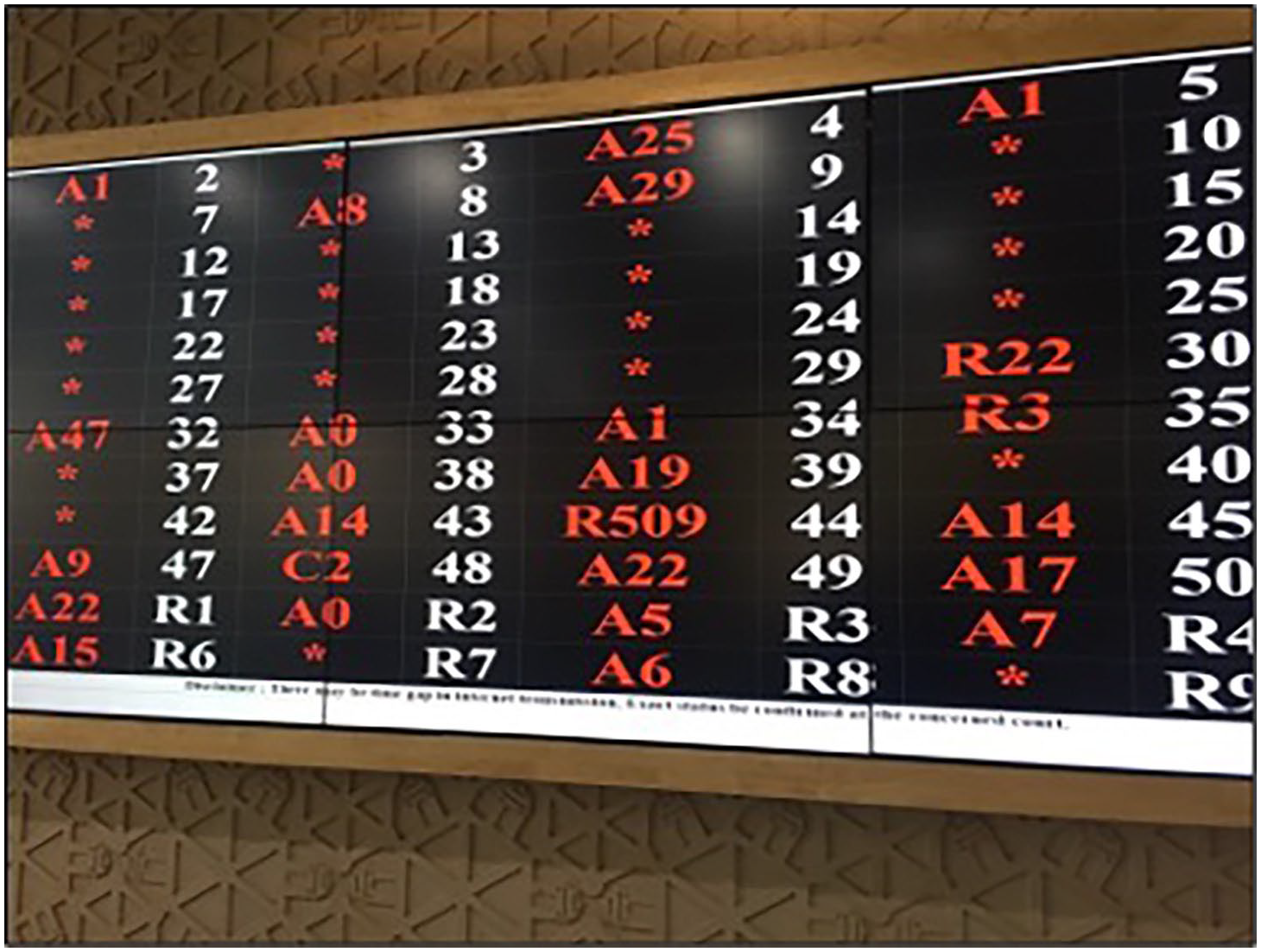
Court case numbering system.
Workers experienced the unknowability and uncertainty implicit in waiting even outside legal sites. Those who travelled from other cities or provinces for legal proceedings had to stay in night shelters in Delhi (see Image 2) in deplorable conditions and lacked the money for food and other necessities. One domestic worker, Kanya, rescued in 2017, who had travelled 1300 miles from another state for a court hearing, said, ‘The shelter is dirty. Drug addicts live there. When we come to the court, they talk behind our back that we must have done something wrong.’ She had had to take out a loan for food and travel to Delhi. She was constantly worried about the many problems arising from this extended period of waiting for the hearing: how to repay the loan; how to take care of her child and elderly parents in the village. Kanya experienced this delay as that of ‘otherness and failure’, which ‘occurs when people are required to live up to the hegemonic temporalities set by others, but [are] not provided with the means to do so’ (Kjærre, 2018, p. 3).
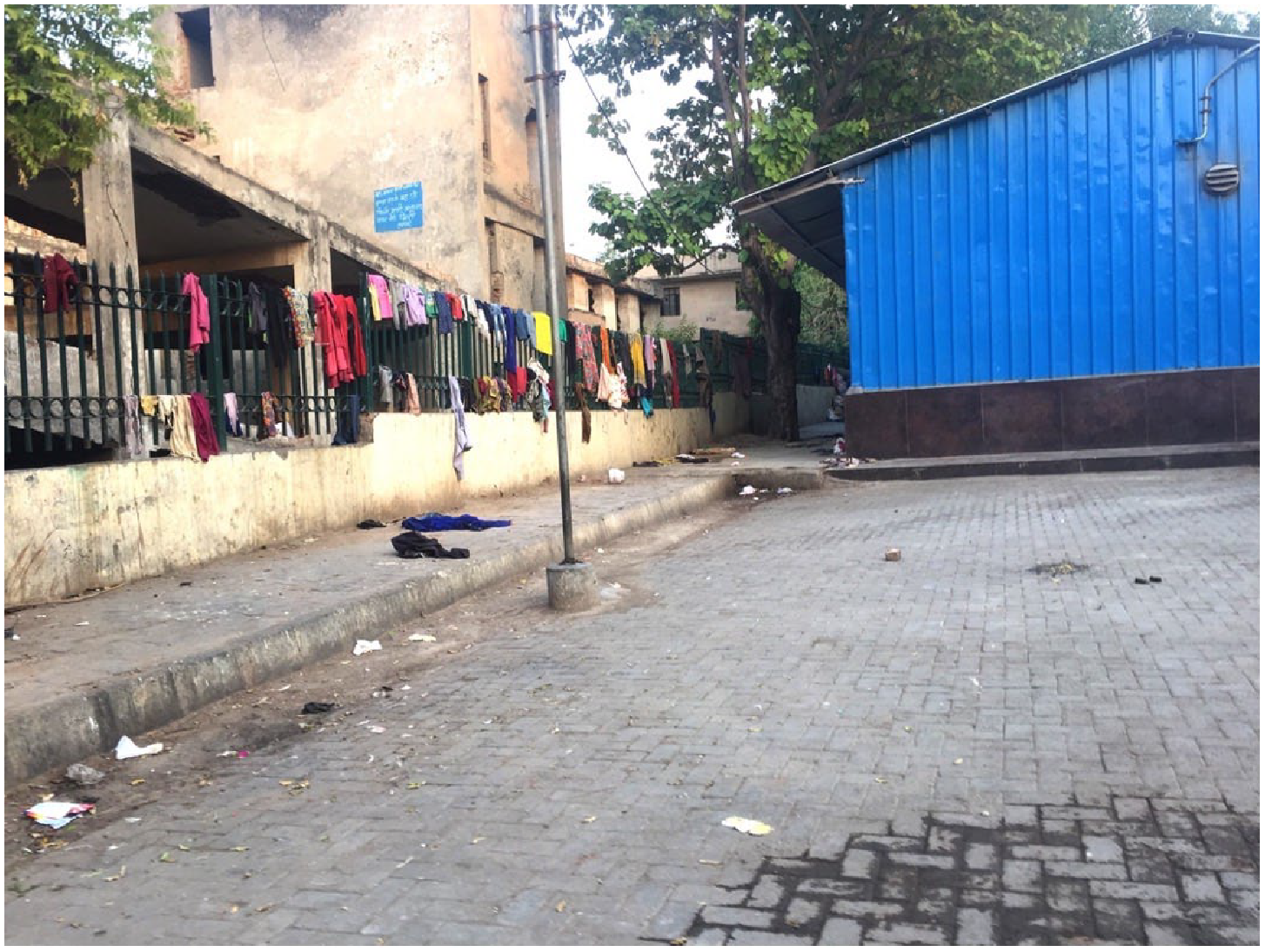
Night shelter in Delhi.
The forced waiting was illustrative not merely of state power as domination but also of the NGOs’ role in mediating between the workers and the state. Workers were kept in the dark about the waiting time and the paperwork required. Not knowing what they could expect was part of the strategy of state and NGO domination, in which ‘interactions with the state have their one-way streets, with no-entry signs, their things to say and not say and things to do and to avoid doing, their obligations and penalties’ (Bourdieu, 2000, p. 161). In this way, an exploration of where people wait demonstrates the violence inherent in forcing people to wait on the assumption of a better future, and the transformation of a slave into a free citizen.
Why do workers wait?
The workers’ frustration, their sense of not understanding what was going on and of being stuck were palpable at every stage of the legal process (i.e. determination of victim/accused status, arranging for documents, appearing in court hearings, hoping for rehabilitation, and beyond). A constant source of frustration for all participants was the repetitive demand for documents. Even when all of the required documentation was in place, the process did not seem to move. Every step of the process seemed slow, from obtaining the paperwork to finding the right courtroom, from obtaining a stamped judgement to ensuring that it was not lost but placed in the correct file. As Malin, rescued from daily wage work, said, helplessly: From 2015 [when rescued], today it is 2019. The labour court told me that my compensation was being released. However, they made me run around for various documents multiple times. First, they asked for an Aadhar card [a 12-digit identity number issued by the Government of India] and the bank account details. I submitted those. Then they asked for the caste certificate. I got that from my village [240 miles away] and brought it to Delhi. I had to go to my village multiple times because the office in the village was supposed to put a stamp on certain documents. Once I go, it takes 10 to 15 days to get the documents made and stamped. Then coming back to Delhi also costs much money. I have loans from multiple people because of coming and going like this. Why can’t they tell me which documents to bring in one go?
In her study of state–citizen encounters in Istanbul, geographer Anna Secor (2007, p. 40) refers to this to and fro movement involving multiple visits for paperwork and signatures as ‘go today, come tomorrow’. It leads to encounters in which subjugation and exclusion are exercised to remind people of their low social standing. As a marginalized caste person in a labour court, Malin’s inability to retort, resist or ask questions makes two kinds of power visible. That of legal domination arises because workers are dependent on the law for rights and entitlements; that of structural domination derives from caste or religion and renders the time of certain people disposable. As a result of such helplessness, Saksham (who was rescued as a child in 1983 from a stone quarry) concluded, ‘We fell from one branch and got stuck in another.’
These examples demonstrate that such encounters with the state are so mundane, rehearsed and openly excused that, in Abeera’s case, it was almost comical. Thus, at one point, when the trial relating to her case had completed, it seemed that everything was on track to secure her rehabilitation assistance. However, the following conversation between a district judge and the NGO worker involved illustrates how, in such legal proceedings, time extends like an elastic band:
Hearing is done.
So, what is the procedure now, Sir?
We will inform the High Court that we have completed it.
But for the central government to release compensation, the request must go from the district court.
So where is it precisely written that order of compensation will be given on completion of summary trial?
But Sir, as per law, the magistrate issuing the conviction must also pass an order for rehabilitation.
It will be in a different order. I think you are confused about that. She can request to us that she is entitled, and the order will for compensation will be available at a later date.
But Sir, her status of bonded labour has been declared, the trial is also complete – why will she need to make a request? The order must come from you.
See, you fill in this form and apply for rehabilitation, then we will consider.
Sir, this form needs to be filled in by the district administration. Abeera cannot read or write in English.
You wait outside, and we will type the order.
(NGO worker and Abeera are told to exit by the judge’s staff)
Once the hearing was over, the accused’s lawyer was in the judge’s office for a long time. Abeera and the NGO worker were not allowed in. Upon the emergence of the accused’s lawyer, the accused was sentenced by the judge to just 14 days in prison and a fine of £20. Even after this unsatisfactory and inadequate conviction, Abeera’s ordeal was not over. The judge refused to provide for rehabilitation in the trial order. The case is still ongoing in a higher court, where Abeera received additional cash compensation.
This example also illustrates how, by involving the workers in this kind of emotional work, Abeera is made to realize that whatever effort she puts in will be insufficient. Any attempt to solve a problem only aggravates it, seemingly inducing ever more vicious circles. Time, money, paperwork and emotional energy are constantly at stake, yet there is systemic, if not systematic, uncertainty. Horst and Grabska (2015) argue that the concept of uncertainty has the implicit assumption of lack of knowledge and the power to acquire that knowledge, creating dependency. As Gasparini (1995, p. 35) notes, ‘waiting . . . implies that actors acknowledge their basic dependence concerning other people’. This dependency is achieved by keeping people’s lives on hold, providing them with no other option but to endure waiting – a powerful presentation of state power on those with low social standing. The state naturalizes Abeera’s passivity and distress as organizational normality.
What impact does waiting have on workers’ everyday lives?
Waiting has significant consequences for the workers’ everyday lives. Many workers described how they had lost work because they frequently had to take days off to attend legal proceedings. Abeera, now working as a domestic worker, said, ‘How do I do a job? Since 2014, I have been running to courts. How many leaves can I take?’ To this end, others even moved between cities to be closer to legal sites. Malin said, ‘I took a job in Delhi to be near courts. However, due to repeated court hearings, I had to take leave. Due to this, the employer fired me.’
Similarly, all of the workers expressed worries about accumulating debt as a consequence of the travel and food expenses incurred while attending legal proceedings. Malin said, ‘I took money from a friend for travel expenses. When you travel by train, you must eat somewhere.’
Thus, while waiting, the workers are not given any money to sustain themselves. They are obliged to choose exploitative labour to avoid the real possibility of starving to death. All workers in this research returned to doing similar informal work from which they had been rescued.
These reflections show the impact of time spent waiting as both static and dynamic. On the one hand, expressions of uncertainty and unpredictability indicate that people’s lives are placed on hold. On the other hand, they also show that life itself does not wait: it carries on through the experience of long waiting times. In the case of the protracted displacement of internally displaced Georgians from Abkhazia, Brun (2015) focuses on how people simultaneously inhabit multiple temporalities by carrying on, feeling trapped, and actively relating to various notions of the future. She notes that even when people feel trapped in the present and wish for a better future, they experience this situation as ‘permanent impermanence’. In this state, ‘everyday time’ flows through routinized practices and survival strategies (Brun, 2015, p. 19).
In this research, workers described how the current state of waiting was disrupting their future, such as ‘Many of our plans are in limbo’ (Baduri rescued in 1983), or their resumption of everyday life, such as ‘I want to go and see my parents in the village; however, the case dates are so uncertain, what if they call when I am away’ (Abeera rescued in 2014), or their ability to start building a better life: ‘I want to go back to the village and start something of my own from the compensation money, but if things go on like this, I do not think I will have any left as I will have to use the compensation to pay off the loan accumulated’ (Dia rescued in 2018). In this way, people’s lives during waiting consisted of longing for a better life.
How do workers manage waiting time?
Broadly, workers adopted three strategies in response to waiting: moving nearer to legal sites and seeking a livelihood; finding ways to gain from the legal system around raid and rescue; resisting the laws that victimize them.
Thus, in pursuit of the first strategy, workers moved to the city (Delhi) and started working to earn a livelihood. Malin, Mikul, Abeera and Dia found odd jobs in Delhi near the legal sites, believing that this would expedite the legal process while still sustaining their families back home. It would also save resources that would otherwise be spent on long-distance travel from their home state to Delhi. While awaiting rehabilitation, these workers found work in the city in the same or different sectors (from which they were rescued) at below the minimum wage. For example, Basant (rescued in 2014 from daily wage work) worked in a betel-processing shop for lower wages than he earned before. Malin worked as a watchman for a guest house for £52 per month, which is well below the minimum wage in Delhi of approximately £175 per month.
In terms of the second strategy, workers negotiated various legal options and made the best of what was available to them, often outside the legal system. Mana (released from construction work in 2011 and then again in 2019) used the same release certificate (RC; an official document declaring the release of a worker under the BLSAA) that he had received upon rescue in two different courts. On one occasion, he was awarded a small plot of land. He then approached the court with the same RC, hoping that the court might reward him with another element of rehabilitation assistance, perhaps a job or a house. Even though he did not receive anything again, it demonstrates his desire to go around the system that did not deliver full compensation.
Under the third strategy, workers showed significant resistance to the system that wanted to victimize them. Contrary to NGO expectations, Abeera was not content with receiving cash compensation. So, Abeera kept approaching the NGO for non-cash compensation (house, education, healthcare), even when shunned by the NGO worker. The latter thought that getting the cash compensation should be enough for ‘people like her’.
Even though the workers often acknowledged that their working conditions were exploitative, they continued to hope for some progress in their legal cases and for their lives to improve. They demonstrated different versions of what progress, hope and a better life meant to them within what was realistically at their disposal. After rescue, they shifted between different forms of income generation for as long as they were able to work. A comprehensive consideration of these spaces and contexts as part of the shared setting in which poor migrants from various types of informal work must negotiate survival challenges makes it possible to see negotiating livelihood as something other than linear or coinciding with freedom upon rescue. Thus, though the article speaks to the immense weight of the structures that oppress these workers, it also reveals the agential determination of people to struggle on.
Discussion and conclusion
The purpose of this article is to document what happens to workers after rescue. Using data from a multi-sited ethnography of 31 workers and 10 key informants, the post-rescue experience of workers is centred within the lens of waiting, to show how workers can return to exploitative work after rescue. The findings consistently show that following rescue, rights are delayed, mobility is restricted for want of paperwork, and suffering is intensified through deception, false promises and arbitrary legal outcomes. Thus, this article illuminates a significant disconnect between the lived experiences of individuals and the conceptual notion of ‘freedom’ as a release from exploitation. Moreover, it reveals how the actions of states and NGOs striving to ‘rescue’ individuals from the clutches of this crime often inadvertently inflict new forms of violence, effectively perpetuating cycles of exploitation.
The relationship between space and time remains under-theorized in scholarship on trafficking. The notion of rescue as a singular activity that exists autonomously overshadows the possibility of any other process or activity, concomitant with the premise that rescue happens in a moment of time between the rescuer and the rescued. The significance of the moment at which rescue happens surpasses all others. The replication of the point at which the rescue happens is relational, de-emphasizing and even erasing the importance of every subsequent life event and survival strategy, let alone the legal and bureaucratic events that happen after the rescue. Thus, interventions, such as raids and rescues, are effectively structured around relaying this moment, removing people from work situations often with little regard for how long they may have been working there or the conditions and circumstances of their daily lives.
In this article, I use the rubric of waiting as a way of countermanding the idea of rescue as a singular event in a moment of time. An account of the contexts and constraints attached to rescue provides critical information for analysing and theorizing individuals’ life trajectory and livelihood strategies. Engaging in these various strategies to secure a better future can be viewed as a manifestation of futurity itself, with precarity never fully eradicated but rather mitigated in the effort to ensure a future for oneself. Certainly, the future is neither a space nor a place, but futurity signifies a certain temporality in the spaces that migrants utilize to negotiate with the state for improved welfare benefits and better working conditions after the rescue process in Delhi.
In this exploration of the waiting experiences of rescued workers, I challenge the notion that these experiences are exceptional in the mainstream trafficking discourse. Their waiting experience has been vividly shown as an evolving landscape characterized by spaces, paperwork, power dynamics and livelihood disruptions. The concept of waiting serves as a poignant illustration of the stark contrast between how protection from slavery is envisioned by states (through standard operating procedures), non-governmental organizations (in terms of rescue and rehabilitation) and the workers themselves (as a protracted period of waiting). For individuals who have endured exploitation, waiting becomes a continuous process of learning about the law, securing essential documents and maintaining constant vigilance. Thus, the notion of waiting serves as a valuable framework for comprehensively understanding how rescue practices impact the day-to-day lives of countless workers. Specifically, the article makes the following contributions.
This article significantly enriches the discourse surrounding human trafficking by introducing a critical empirical perspective. In alignment with critical scholars in the field of slavery studies, the article underscores that rescue should not be equated with freedom. However, I depart from the conventional approach of emphasizing a single site or event as the sole basis for my argument. Instead, I trace the trajectories of rescue through multiple sites, offering a novel perspective. Central to my examination is the experience of ‘waiting’ endured by the workers I studied – a phenomenon that extends far beyond the moment of rescue. It is a continuous process, akin to the ‘start of another wait’ (as seen in Basant’s case), perpetuated even after trial completion (as exemplified by Abeera). In essence, it creates a disheartening sense of ‘going in a circle’ (Jacobsen, 2021).
For these workers, waiting transcends mere temporality; it disrupts their established life rhythms and introduces new layers of vulnerability into their existence (Sarat, 1990; Secor, 2007; Stock, 2020). For critical scholars studying interventions against human trafficking, whether in historical or contemporary contexts, this research underscores how the pursuit of ‘waiting’ for freedom often remains elusive and, tragically, how liberation from one form of exploitation can inadvertently propel individuals back to exploitative work. In sum, this contribution serves as a sobering reminder of the complexities inherent in the fight against exploitation, especially for NGOs wanting to reorient their approaches towards holistic interventions against exploitation in the informal sector. It also sheds light on the often-celebrated BLSAA as a purportedly better substitute for anti-trafficking legislation in India (Kotiswaran, 2014). Scholars and activists can learn how bureaucratic inefficiencies affecting the implementation of the BLSAA can impact workers in ways similar to those demonstrated by legislation related to sex trafficking and sex work in India (Kapur, 2012; Kotiswaran, 2011) and elsewhere (O’Connell Davidson, 2015; Parmanand, 2019), albeit in different legal spaces.
This article also takes a profound dive into the lived experiences of workers temporally, a perspective often marginalized in dominant discourses surrounding human trafficking and forced labour. Conventional narratives within this realm tend to prioritize administrative and legal categories, classifying individuals as victims, citizens or migrants to determine eligibility for rescue (Kara, 2017). However, this approach overlooks the myriad other facets that shape a person’s identity, such as being a mother, a daily wage labourer, or belonging to a marginalized caste group (Kapur, 2012; Shah, 2014). This article serves as a robust demonstration that it is precisely these latter categories that exert a significant influence on the experience of waiting, aspects frequently obscured by the dominant trafficking narratives that emphasize victimhood (Kotiswaran, 2011; O’Connell Davidson, 2015; Parmanand, 2019). In placing their voices at the centre of our exploration of the concept of freedom – whether it is in the aspiration of starting one’s own business, as exemplified by Dia, or the simple journey back to the previous place of work, as demonstrated by Basant – the compelling narratives of these workers become the cornerstone of nurturing both present and future aspirations, which they are otherwise denied. This perspective can provide a unique lens to the NGOs through which to examine how these labourers strategically plan for their future, challenge the societal labels imposed upon them, and resist a system that often fails to deliver on its promises of freedom. For example, anti-trafficking NGOs can re-evaluate the standard operating procedures (SOPs) to account for the post-rescue journeys of the workers. These SOPs are currently focused on the point of rescue. By re-evaluating them, they may reassess the efficacy of the rescue process itself or account for policy tools to aid workers in the post-rescue process within a realistic framework of bureaucracy and waiting time in the legal process. This may also allow them to question the need for alternative livelihood arrangements before or alongside rescuing people.
This article also calls for a shift in the focus of research and activism from singular sites, situations or occurrences to a nuanced exploration of the temporality that shapes lives. Ethnography emerges as a powerful methodological tool to empirically probe the role of the state in facilitating worker exploitation. I focus on individuals who are not tethered to a fixed location but rather move continuously between states, legal jurisdictions and worksites. These individuals, often oppressed and historically marginalized, must simultaneously engage with multiple stakeholders. By expanding the scope of ethnography to embrace the experiences of those in constant flux, it encourages scholars to shift their methodological lenses from isolated sites to the broader temporal landscape of a person’s life, facilitating a more comprehensive examination of the social life of law.
In conclusion, when engaging with human trafficking and forced labour discourses, I invite the reader to delve into the challenge of time, of space, of perspective, of contingency, of limited understanding of the fuller impacts of decisions made around moving into informal work, across a person’s everyday and legal life, and the social, economic and legal impacts across the relational, emotional, economic and equality fields.
Footnotes
Acknowledgements
I want to thank the two anonymous reviewers and the editor for their constructive engagement with the article, especially in terms of bringing out its complexity in speaking to a variety of stakeholders including NGOs. I also thank Julia O’Connell Davidson for introducing me to the scholarship on waiting and for reading various versions of this article; Nancy Harding for her mentorship in writing journal articles, and the members of the Critical Slavery Studies online group, Maayan Niezna, Simanti Dasgupta and Joel Quirk, for their constructive comments on previous versions of this article. Most importantly, I thank the field participants and the NGO workers for not only sharing their stories generously but also maintaining ongoing contact that allowed me to track their legal cases over time.
Funding
The data in this article are part of a larger fieldwork project conducted in 2019 during my doctoral study. I received the Socio-Legal Studies Association fieldwork grant for this research. Follow-up fieldwork was conducted with the support of the British Sociological Association’s Support Fund.